Interviews are more than just a Q&A session—they’re a chance to prove your worth. This blog dives into essential Ground Transportation Coordination interview questions and expert tips to help you align your answers with what hiring managers are looking for. Start preparing to shine!
Questions Asked in Ground Transportation Coordination Interview
Q 1. Explain your experience with different ground transportation modes (e.g., trucking, rail, courier).
My experience spans various ground transportation modes, each with its unique characteristics and logistical challenges. I’ve worked extensively with trucking, utilizing both Less-Than-Truckload (LTL) and Full-Truckload (FTL) services for diverse cargo types. This involves coordinating shipments, managing carrier relationships, and optimizing routes for cost and time efficiency. My experience with rail transportation includes negotiating rates, scheduling rail cars, and monitoring the movement of goods via intermodal transport – often integrating rail with trucking for optimal delivery. Lastly, I have significant experience with courier services, focusing on time-sensitive deliveries requiring specialized handling and tracking. This often includes managing last-mile delivery logistics and integrating various tracking systems to ensure timely delivery updates for clients.
For example, in one project involving the transportation of delicate medical equipment, we leveraged a combination of LTL trucking for initial long-haul transport and a premium courier service for the final-mile delivery to ensure the equipment arrived on time and undamaged. In another project, we optimized the route for a large rail shipment by strategically utilizing rail yards and connecting trucking services, which significantly reduced overall transit times and costs.
Q 2. Describe your experience with route optimization software.
I have extensive experience using route optimization software, including tools like OptimoRoute, Route4Me, and others. These platforms leverage algorithms to analyze various factors like distance, traffic patterns, delivery windows, and driver availability to generate the most efficient routes. I’m proficient in inputting data such as delivery addresses, delivery times, and vehicle constraints (capacity, weight, etc.) to generate optimized routes that minimize travel time and fuel consumption. Beyond simple route optimization, I can utilize advanced features such as dynamic routing to adjust routes in real-time based on unexpected events like traffic congestion or road closures. This capability is crucial for ensuring on-time deliveries.
For example, during peak season, the software helped us reduce delivery times by 15% by dynamically rerouting trucks around traffic jams using real-time traffic data integration. The software’s ability to handle multiple delivery points and vehicle constraints allowed us to optimize our fleet efficiently and reduce wasted mileage.
Q 3. How do you handle unexpected delays or disruptions in ground transportation?
Unexpected delays and disruptions are inevitable in ground transportation. My approach involves a proactive and reactive strategy. Proactively, this includes utilizing real-time tracking and monitoring systems to anticipate potential problems. Reactively, I have well-defined escalation procedures to address specific issues. This often involves contacting carriers, rerouting shipments (using route optimization software as mentioned previously), and communicating transparently with clients about any delays.
For example, if a shipment is delayed due to a severe weather event, I would first verify the situation, then explore alternative routes or carriers, and immediately inform the client of the situation and the projected new delivery time. Clear and consistent communication is key to managing client expectations during such disruptions. We might also proactively explore the use of alternative modes of transport to circumvent road closures or other issues.
Q 4. What metrics do you use to track ground transportation efficiency?
Tracking ground transportation efficiency involves several key metrics. These include:
- On-Time Delivery Rate: The percentage of shipments delivered within the scheduled time window.
- Cost per Mile: The total cost of transportation divided by the total miles driven. This helps identify areas for cost reduction.
- Fuel Efficiency: Measures the amount of fuel consumed per mile, important for both cost and environmental considerations.
- Driver Utilization: Measures the percentage of time drivers are actively engaged in transporting goods. This helps optimize driver schedules and reduce idle time.
- Shipment Velocity: This metric considers the overall speed of the goods’ movement from origin to destination, factoring in loading, transit, and unloading times.
By regularly monitoring these metrics and analyzing trends, we can identify areas for improvement and implement corrective actions to enhance overall efficiency.
Q 5. How do you manage driver schedules and assignments?
Managing driver schedules and assignments involves careful planning and consideration of various factors. I utilize scheduling software integrated with our TMS, which helps to optimize driver routes and assignments based on location, available time, driver skills, and shipment priorities. The software considers factors like Hours of Service (HOS) regulations, ensuring compliance and preventing driver fatigue. Communication is crucial; drivers have access to the system for real-time updates, and we maintain open lines of communication for addressing issues promptly.
We also factor in driver preferences where possible, ensuring fair distribution of assignments. This fosters better driver morale and productivity. Regular performance reviews and feedback sessions contribute to driver improvement and address any potential conflicts or concerns proactively.
Q 6. Describe your experience with transportation management systems (TMS).
My experience with Transportation Management Systems (TMS) is extensive. I’ve worked with various TMS platforms, implementing and managing them to streamline operations, improve visibility, and enhance efficiency across the entire ground transportation process. A TMS provides a centralized platform for managing orders, scheduling, routing, tracking, and reporting. It allows for better coordination between different stakeholders, including shippers, carriers, and warehouse personnel.
For example, a TMS we used automated the dispatching process, resulting in a significant reduction in manual data entry and associated errors. The integrated tracking capabilities allowed for real-time monitoring of shipments, enabling proactive intervention in case of delays or problems. Data analysis from the TMS provided valuable insights for continuous improvement of our transportation operations.
Q 7. How do you ensure compliance with transportation regulations?
Ensuring compliance with transportation regulations is paramount. This involves a multi-pronged approach. First, we maintain an updated understanding of all relevant federal, state, and local regulations concerning Hours of Service (HOS), hazardous materials transportation, vehicle maintenance, and driver qualifications. We use a combination of training programs for our drivers and staff, regular audits of our processes, and leveraging technology within our TMS to help ensure compliance. Our TMS often includes features that help prevent violations, like automated HOS tracking and reporting.
Secondly, we ensure that all our carriers are compliant with these regulations. We conduct due diligence on carriers before engaging their services to verify their safety ratings and compliance records. Finally, we maintain thorough documentation of all transportation activities to provide verifiable proof of compliance if needed.
Q 8. How do you handle customer inquiries and complaints related to ground transportation?
Handling customer inquiries and complaints regarding ground transportation requires a structured approach emphasizing empathy, efficiency, and resolution. My process begins with active listening to fully understand the issue. This involves clarifying the nature of the problem, gathering all relevant details such as dates, times, locations, and involved parties. I then categorize the complaint (e.g., delayed delivery, damaged goods, incorrect pickup, billing dispute) to direct it to the appropriate team or individual for swift action.
For example, if a customer reports a delayed delivery, I’d first check the shipment’s real-time tracking data. If the delay is due to unforeseen circumstances like severe weather, I’d proactively inform the customer and provide an estimated arrival time. If the delay is due to internal issues, I’d escalate the problem and work with the relevant teams to expedite delivery, keeping the customer updated at every stage. A follow-up after the issue is resolved ensures customer satisfaction and provides valuable feedback for process improvement. In case of significant dissatisfaction, I would offer appropriate compensation or service credits to retain their business.
Q 9. What is your experience with load planning and optimization?
Load planning and optimization are critical for maximizing efficiency and minimizing costs in ground transportation. My experience involves using various techniques to optimize routes, consolidate shipments, and efficiently utilize vehicle capacity. This includes using software tools that analyze factors such as shipment origin and destination, weight, volume, and delivery deadlines to generate the most efficient routes and load configurations. I’m proficient in techniques like route optimization algorithms (e.g., Dijkstra’s algorithm, A* search) and load planning software that helps determine the best way to pack goods in a vehicle to prevent damage and wasted space.
For instance, I once managed a situation where multiple shipments needed to be delivered to various locations across a state. By using route optimization software, I was able to reduce the total travel time by 15%, saving both time and fuel costs. This involved strategically grouping shipments with similar destinations and adjusting delivery routes based on real-time traffic conditions. The result was a significant improvement in overall delivery efficiency.
Q 10. How do you calculate transportation costs?
Calculating transportation costs involves a multi-faceted approach that considers various factors. The most basic calculation is based on the distance traveled, the type of vehicle used, and the fuel cost per mile. However, other important elements significantly influence the total cost. These include:
- Fuel Costs: This is often the largest variable cost, influenced by fuel prices, vehicle fuel efficiency, and distance.
- Driver Wages: Including hourly rates, benefits, and overtime pay.
- Vehicle Maintenance: This covers regular servicing, repairs, and insurance.
- Tolls and Permits: Costs associated with using toll roads and obtaining necessary permits.
- Loading and Unloading Costs: Time and labor involved in handling freight.
- Insurance: Coverage for accidents and damages.
- Administrative Costs: Salaries, office expenses, and technology.
The formula often looks something like this: Total Cost = (Distance x Fuel Cost per Mile) + Driver Wages + Vehicle Maintenance + Tolls + Permits + Loading/Unloading Costs + Insurance + Administrative Costs. However, each component needs to be meticulously assessed for accuracy. For example, using a larger truck might increase fuel costs but reduce the number of trips needed, possibly lowering the overall cost.
Q 11. Explain your process for selecting carriers or vendors.
Selecting carriers or vendors is a crucial process requiring a thorough evaluation of multiple factors. My process typically includes:
- Defining Requirements: Clearly specifying the type of transportation needed (e.g., LTL, FTL, specialized vehicles), service area, and delivery timeframes.
- Researching Potential Carriers: Identifying carriers with a proven track record, appropriate insurance coverage, and suitable safety ratings.
- Requesting Quotes: Obtaining detailed quotes from multiple carriers to compare pricing and services.
- Evaluating Carrier Performance: Assessing factors like on-time delivery rates, damage claims, and customer service feedback.
- Negotiating Contracts: Finalizing agreements with selected carriers, outlining terms, conditions, and service level agreements (SLAs).
- Regular Monitoring: Continuously monitoring carrier performance using key performance indicators (KPIs) and adjusting selections as needed.
For instance, when selecting a carrier for transporting sensitive electronics, I’d prioritize carriers with specialized equipment, proven experience in handling fragile goods, and a strong safety record, even if the cost is slightly higher.
Q 12. Describe your experience with negotiating rates with carriers.
Negotiating rates with carriers demands preparation, research, and strong communication. I approach negotiations by first clearly understanding the carrier’s cost structure and market rates. I then develop a strong case, justifying my desired rate based on factors like shipment volume, frequency, contract length, and any value-added services required. This often includes comparing quotes from multiple carriers to demonstrate market competitiveness. It’s vital to build a strong, collaborative relationship with carriers. Open communication and mutual understanding of each other’s needs is crucial for successful and sustainable partnerships. I aim for win-win scenarios where both parties benefit from a long-term agreement. I typically avoid focusing solely on price, prioritizing reliability and service quality.
A successful negotiation might involve offering a higher volume of shipments in exchange for a discounted rate. Conversely, if a carrier offers exceptional service and reliability, I might be willing to pay a slightly higher rate for the peace of mind and reduced risk of delays or damages.
Q 13. How do you track shipments and ensure timely delivery?
Shipment tracking and timely delivery are ensured through a multi-layered system. This typically involves:
- Real-time Tracking Systems: Utilizing GPS tracking devices and software to monitor shipments throughout their journey. This provides visibility into the location, speed, and status of vehicles and cargo.
- Automated Notifications: Setting up automated alerts for significant events such as departures, arrivals, delays, and exceptions. This allows for proactive management of potential issues.
- Proactive Communication: Keeping customers and stakeholders informed about shipment progress and addressing potential concerns promptly. Regular updates foster trust and transparency.
- Delivery Confirmation: Implementing methods for confirming successful delivery, such as electronic signatures or photographic proof of delivery.
- Performance Monitoring: Analyzing key performance indicators (KPIs) such as on-time delivery rates, delivery exceptions, and customer satisfaction scores to continuously improve the process.
For example, if a shipment is experiencing a delay, I can use real-time tracking to identify the cause and proactively contact the carrier to find a solution, keeping the customer informed of the situation and the planned resolution.
Q 14. What is your experience with GPS tracking and monitoring?
My experience with GPS tracking and monitoring is extensive. I’ve utilized various GPS tracking systems to monitor vehicle location, speed, mileage, and driver behavior. This data is crucial for optimizing routes, improving fuel efficiency, enhancing safety, and ensuring on-time delivery. The information gleaned from GPS tracking is often integrated with other systems, such as transportation management systems (TMS), to provide a holistic view of the supply chain. Furthermore, the data can be analyzed to identify trends, predict potential issues, and improve overall operational efficiency. For instance, consistently low speeds in certain areas might indicate traffic congestion, prompting adjustments to future routes. Similarly, sudden stops or deviations from planned routes could signal potential problems, enabling swift intervention.
Advanced systems also allow for geofencing, enabling alerts when vehicles enter or exit predefined areas. This can be useful for enforcing compliance with regulations, ensuring safety, or improving security by immediately identifying unauthorized access or deviations from a prescribed path.
Q 15. Describe your experience with managing transportation budgets.
Managing transportation budgets requires a multi-faceted approach combining strategic planning, cost analysis, and efficient resource allocation. It’s not just about tracking expenses; it’s about proactively identifying areas for improvement and ensuring cost-effectiveness without compromising service quality.
In my previous role, I was responsible for a multi-million dollar transportation budget. I began by developing a detailed budget encompassing all anticipated costs: fuel, maintenance, driver salaries, insurance, permits, and unforeseen expenses. I utilized budgeting software to track expenses against the budget in real-time, enabling proactive adjustments. For instance, I identified an unexpected increase in fuel costs and implemented a fuel-efficiency program – encouraging drivers to adopt eco-friendly driving habits and investing in more fuel-efficient vehicles – which resulted in a 15% reduction in fuel expenditure within six months. Regular reporting and analysis allowed for timely identification and correction of budget variances.
Furthermore, I explored opportunities for cost savings through vendor negotiations, securing better rates for fuel, insurance, and vehicle maintenance. This involved building strong relationships with suppliers and leveraging our volume to secure favorable contracts. The key is to create a dynamic budget that adapts to market changes and unforeseen events while maintaining a strong focus on operational efficiency.
Career Expert Tips:
- Ace those interviews! Prepare effectively by reviewing the Top 50 Most Common Interview Questions on ResumeGemini.
- Navigate your job search with confidence! Explore a wide range of Career Tips on ResumeGemini. Learn about common challenges and recommendations to overcome them.
- Craft the perfect resume! Master the Art of Resume Writing with ResumeGemini’s guide. Showcase your unique qualifications and achievements effectively.
- Don’t miss out on holiday savings! Build your dream resume with ResumeGemini’s ATS optimized templates.
Q 16. How do you ensure the safety and security of shipments?
Ensuring shipment safety and security is paramount. It requires a layered approach encompassing robust security protocols, advanced tracking technologies, and comprehensive risk management strategies. This involves not only protecting the goods themselves but also the drivers and the environment.
- Vehicle Security: Implementing GPS tracking, alarm systems, and tamper-evident seals on vehicles significantly reduces theft and unauthorized access. Regular vehicle maintenance checks are also crucial for preventing accidents caused by mechanical failure.
- Shipment Tracking: Real-time tracking systems allow for constant monitoring of shipment location and condition, enabling prompt responses to any unforeseen issues. This also helps in identifying potential delays or security breaches early on.
- Driver Training & Vetting: Rigorous driver training programs are vital to ensure drivers adhere to safety protocols, and background checks help to ensure responsible individuals are behind the wheel. Training encompasses defensive driving techniques, security awareness, and emergency procedures.
- Risk Assessment & Mitigation: Regularly assessing potential risks, including theft, accidents, and natural disasters, enables the development of proactive mitigation plans. This might involve choosing safer routes, using secure storage facilities, and securing appropriate insurance coverage.
For example, in one instance, a shipment of high-value electronics was flagged by the tracking system as deviating from its planned route. Immediate action alerted authorities, and the shipment was recovered, preventing a significant loss. Proactive security measures, combined with vigilant monitoring, are essential to minimizing risks and safeguarding shipments.
Q 17. What is your experience with handling hazardous materials transportation?
Handling hazardous materials transportation demands strict adherence to stringent regulations and safety protocols. It requires specialized training, proper documentation, and meticulous planning to ensure compliance and minimize risks. The process starts with proper identification and classification of the hazardous material, followed by strict adherence to transportation regulations and the use of specialized equipment and vehicles.
My experience includes managing the transportation of various hazardous materials, including chemicals and flammable liquids. This involved working closely with regulatory bodies, such as the Department of Transportation (DOT), to ensure complete compliance with all applicable rules and regulations. This includes proper labeling, packaging, and documentation, as well as using appropriately trained personnel and vehicles equipped to handle hazardous materials safely. Each shipment required meticulous planning, considering factors like route selection to avoid populated areas, emergency response plans, and contingency measures in case of accidents or spills.
For example, transporting flammable liquids necessitates the use of specifically designed tank trucks with safety features like emergency shut-off valves and spill containment systems. The drivers must undergo specialized training on handling such materials, including emergency procedures in case of leaks or accidents. Detailed manifests and shipping papers are crucial for tracking and tracing the materials throughout the transportation process, and these documents must comply with international and national standards.
Q 18. How do you maintain accurate transportation records and documentation?
Maintaining accurate transportation records and documentation is critical for ensuring compliance, optimizing operations, and facilitating efficient auditing. This requires a system that combines digital tools with robust filing procedures. Inaccuracy can lead to penalties, logistical delays, and safety issues.
In my experience, I’ve implemented and managed transportation management systems (TMS) that streamline the entire record-keeping process. These systems automate many tasks, such as tracking shipments, generating bills of lading, and documenting proof of delivery. They provide a centralized repository for all relevant documentation, making it easily accessible for auditing or reporting purposes. Beyond the TMS, we employed a robust physical filing system for crucial hard copies, ensuring redundancy in case of digital failures.
For instance, we use barcodes and RFID tags to track shipments, creating an automated chain of custody for every package. This data is integrated into our TMS, giving us real-time visibility into the location and status of each shipment. This level of detail is critical not only for regulatory compliance but also for optimizing our logistics and identifying areas for improvement in our processes.
Q 19. Explain your experience with creating and maintaining transportation procedures.
Creating and maintaining effective transportation procedures is crucial for ensuring consistency, safety, and efficiency in ground transportation operations. It involves establishing clear guidelines for all aspects of the transportation process, from shipment planning to delivery and post-delivery procedures.
My experience in developing transportation procedures involved a systematic approach: starting with a thorough analysis of current processes, identifying bottlenecks and inefficiencies, and defining clear, achievable objectives. This involved collaboration with various stakeholders, including drivers, dispatchers, and management, to gather input and ensure buy-in. The resulting procedures were documented in a comprehensive manual, accessible to all personnel involved, and regularly updated to reflect changes in regulations, technology, or best practices.
For example, we developed standardized procedures for route planning, considering factors such as traffic patterns, weather conditions, and delivery deadlines. These procedures incorporated safety protocols, such as pre-trip vehicle inspections and driver hours-of-service compliance. The implementation of these standardized procedures resulted in a significant reduction in accidents and delivery delays, contributing to both cost savings and improved customer satisfaction.
Q 20. How do you handle driver performance issues?
Handling driver performance issues requires a fair, consistent, and constructive approach. It is crucial to address issues promptly and professionally, prioritizing both safety and the well-being of the driver. A reactive approach can quickly escalate issues and potentially compromise safety.
My approach is based on a progressive discipline model, starting with verbal warnings for minor infractions, followed by written warnings for more serious offenses. Before issuing any disciplinary action, I conduct a thorough investigation, gathering all relevant information, and giving the driver an opportunity to provide their perspective. We use driver performance monitoring tools to track key metrics such as on-time delivery rates, fuel efficiency, and safety record, highlighting areas for improvement. For recurring issues, we provide additional training or mentorship to help the driver improve their performance.
In one instance, a driver consistently arrived late for deliveries. After an initial verbal warning and a review of the driver’s route and delivery schedule, we adjusted his route and provided support through advanced route planning software. This helped streamline his workload and significantly improve his punctuality, demonstrating the effectiveness of a supportive, yet firm, approach to performance management. Ultimately, our goal is to ensure safe and efficient operations while fostering a positive and productive work environment for our drivers.
Q 21. Describe your experience with addressing transportation-related accidents or incidents.
Addressing transportation-related accidents or incidents requires a structured, methodical response that prioritizes safety, legal compliance, and thorough investigation. The immediate response should always focus on ensuring the safety of all involved parties. A prompt and thorough investigation helps to prevent future occurrences and identify root causes.
My experience in handling such incidents involves following a defined protocol. This begins with securing the scene and providing necessary medical assistance to injured parties. We then contact the appropriate authorities, such as law enforcement and emergency services, and cooperate fully with their investigations. A detailed accident report is compiled, encompassing all relevant information, including witness statements, driver logs, and vehicle damage assessments. This information is essential to an internal investigation.
After the immediate response, a thorough investigation is conducted to determine the root cause of the accident. This may involve reviewing driver logs, vehicle maintenance records, and weather conditions. Depending on the findings, we take corrective actions to prevent similar incidents in the future. This may include enhanced driver training, improvements in vehicle maintenance, or modifications to safety procedures. Furthermore, we maintain transparent communication with all stakeholders throughout the process, ensuring everyone is kept informed about the progress of the investigation and any subsequent actions.
Q 22. How familiar are you with different types of transportation contracts?
My familiarity with transportation contracts spans various types, each tailored to specific needs and risks. I’m experienced with private carriage contracts, where a company owns and operates its fleet, offering complete control but higher upfront investment. Then there are common carriage contracts, using third-party carriers like trucking companies – this offers flexibility and cost savings but less control over operations. I also have expertise in contract carriage which provides a customized solution somewhere between the two, offering a balance of control and cost-effectiveness. Finally, I understand brokerage agreements, where a third party facilitates the shipment, managing multiple carriers. The choice depends critically on factors like shipment volume, distance, required speed, and the company’s risk tolerance.
- Example: For time-sensitive, high-value goods, a private carriage contract with detailed service level agreements (SLAs) might be preferable. For less urgent, smaller shipments, a common carriage or brokerage agreement would be more cost-effective.
Q 23. What is your experience with using different transportation data sources?
My experience with transportation data sources is extensive, ranging from traditional methods to advanced analytics platforms. I’ve worked with GPS tracking systems providing real-time location data, Transportation Management Systems (TMS) for route optimization and shipment tracking, and Enterprise Resource Planning (ERP) systems integrating transportation data with other business functions. I also have hands-on experience with various Electronic Data Interchange (EDI) systems for seamless data exchange with carriers and customers. Furthermore, I’m proficient in leveraging publicly available data, such as traffic information APIs and weather forecasts, to proactively manage potential disruptions.
- Example: Using TMS data alongside real-time traffic feeds, I’ve optimized routes to avoid congestion, resulting in faster delivery times and reduced fuel consumption. Integrating data from various sources provides a holistic view, empowering data-driven decision-making.
Q 24. How do you ensure the efficient use of company vehicles and equipment?
Efficient vehicle and equipment utilization is a core aspect of my role. My approach involves a multi-faceted strategy that includes route optimization using sophisticated software and algorithms, predictive maintenance to minimize downtime, and load consolidation to maximize capacity. I also advocate for driver training programs to promote fuel efficiency and safe driving practices. Regularly analyzing utilization data helps identify areas for improvement and optimize resource allocation. This includes tracking vehicle mileage, idle time, and maintenance schedules to ensure cost-effectiveness and prevent unnecessary wear and tear.
- Example: By implementing a route optimization system, we were able to reduce our fleet size by 15% without compromising service levels, leading to significant cost savings and a smaller environmental footprint.
Q 25. Describe your experience with managing transportation risk.
Managing transportation risk requires a proactive and layered approach. I utilize various strategies, including risk assessment identifying potential threats like accidents, delays, and theft. I then implement mitigation plans, such as driver safety training, cargo insurance, and robust security measures. Contingency planning is crucial to address unexpected events, ensuring business continuity in case of disruptions. Regularly reviewing and updating our risk management protocols is essential, adapting to changing circumstances and incorporating lessons learned from past incidents. This also involves collaborating with insurance providers and legal counsel to protect the company’s interests.
- Example: By implementing a rigorous driver screening process and investing in advanced safety technology, we significantly reduced accident rates and associated insurance costs.
Q 26. How do you prioritize shipments based on urgency and importance?
Shipment prioritization is based on a clear understanding of urgency and importance, often defined by factors like delivery deadlines, product value, and customer agreements. I typically utilize a prioritization matrix, considering factors like delivery date, order value, and customer importance. This matrix helps visualize and rank shipments, ensuring that the most critical ones receive preferential treatment in terms of resource allocation and scheduling. Furthermore, real-time tracking and communication are key in managing dynamic situations and adjusting priorities as needed.
- Example: A shipment of perishable goods with a tight deadline would receive higher priority than a less time-sensitive, bulk shipment, even if the latter has a higher monetary value.
Q 27. What is your experience with implementing new transportation technologies?
I’ve been actively involved in implementing various transportation technologies to enhance efficiency and productivity. This includes the implementation of Transportation Management Systems (TMS) for route optimization and shipment tracking, as well as GPS tracking for real-time vehicle monitoring and improved delivery accuracy. I’ve also spearheaded the integration of telematics to gather data on driver behavior and vehicle performance, enabling data-driven improvements. Furthermore, exploring and implementing blockchain technology for improved supply chain transparency and security is a key area of interest.
- Example: Implementing a TMS resulted in a 10% reduction in transportation costs by optimizing routes and reducing fuel consumption.
Q 28. How do you stay current with changes in transportation regulations and best practices?
Staying current with transportation regulations and best practices is paramount. I actively monitor changes in federal and state regulations, including those related to safety, emissions, and driver hours of service. I achieve this through regular review of government publications, industry newsletters, and participation in professional organizations. Attending industry conferences and workshops provides invaluable insights into best practices and emerging trends. Networking with other professionals in the field keeps me updated on the latest developments and allows for the exchange of best practices. Moreover, I use online resources and industry publications to stay informed about new technologies and regulations.
- Example: Staying abreast of changes in fuel efficiency regulations allowed us to proactively invest in a more fuel-efficient fleet, reducing our environmental impact and long-term operating costs.
Key Topics to Learn for Ground Transportation Coordination Interview
- Logistics and Route Planning: Understanding factors influencing route optimization, including distance, time, traffic patterns, and fuel efficiency. Practical application: Developing efficient delivery schedules for multiple destinations.
- Fleet Management: Knowledge of vehicle maintenance schedules, driver assignments, and tracking systems. Practical application: Proactively addressing potential vehicle issues to minimize service disruptions.
- Dispatch and Communication: Effective communication with drivers, clients, and internal teams. Practical application: Resolving real-time issues such as delays or unexpected events.
- Safety and Compliance: Adherence to all relevant regulations and safety protocols. Practical application: Implementing and enforcing safety procedures to prevent accidents.
- Technology and Software: Proficiency in GPS tracking, dispatch software, and other relevant technologies. Practical application: Utilizing software to monitor vehicle locations, optimize routes, and manage driver performance.
- Customer Service and Problem Solving: Addressing customer inquiries and resolving transportation-related issues effectively. Practical application: Developing solutions for unexpected delays or customer complaints.
- Budgeting and Cost Control: Understanding and managing transportation costs, including fuel, maintenance, and driver salaries. Practical application: Identifying cost-saving opportunities while maintaining efficient service.
Next Steps
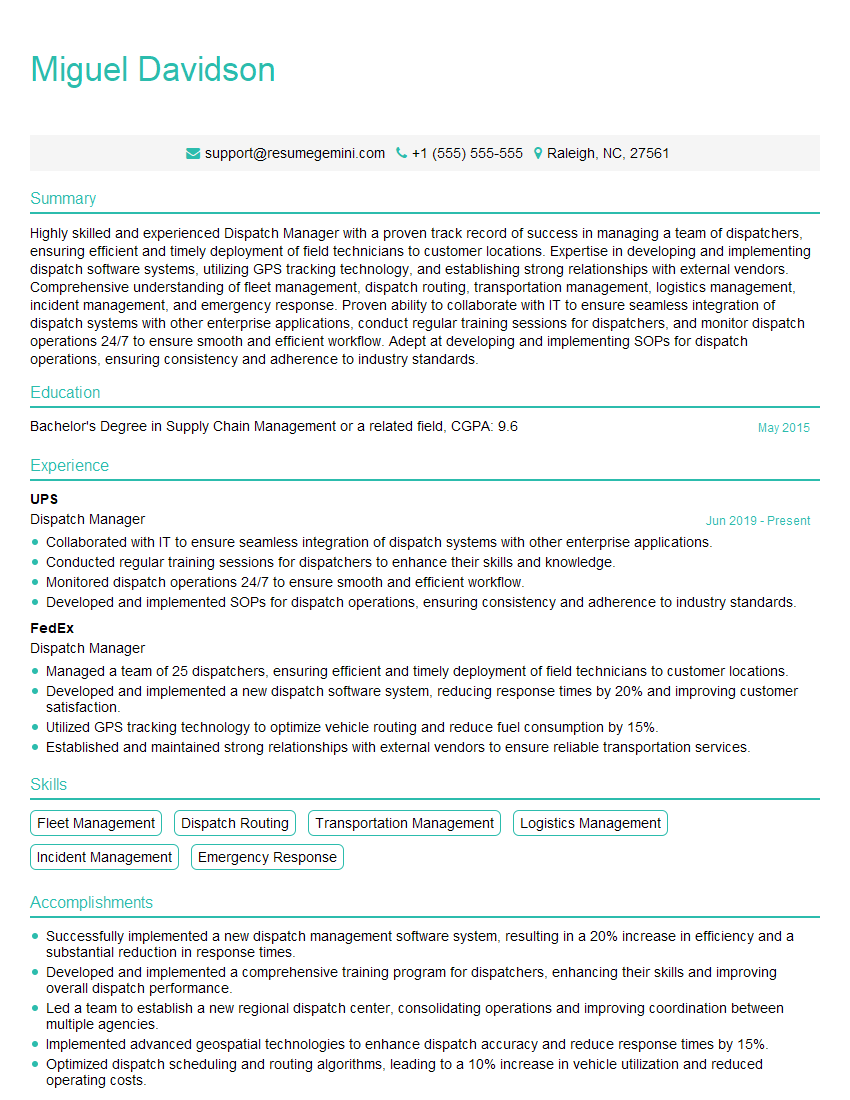
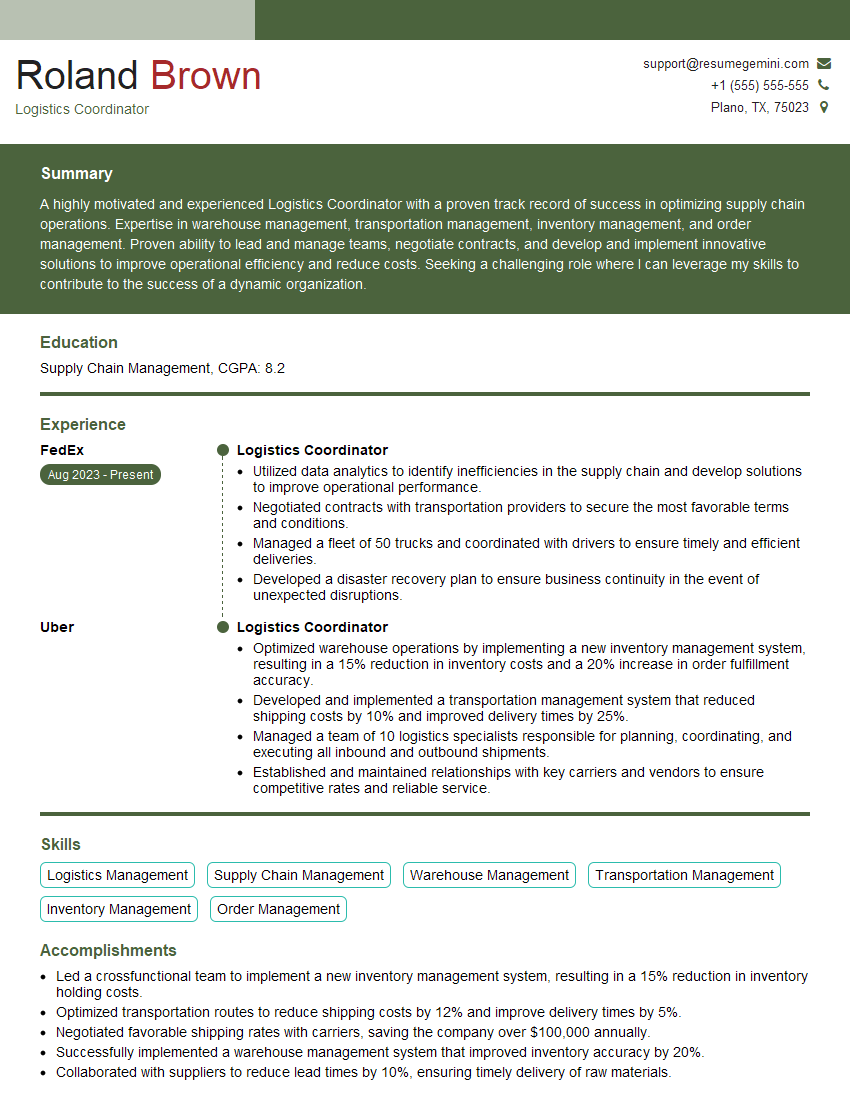
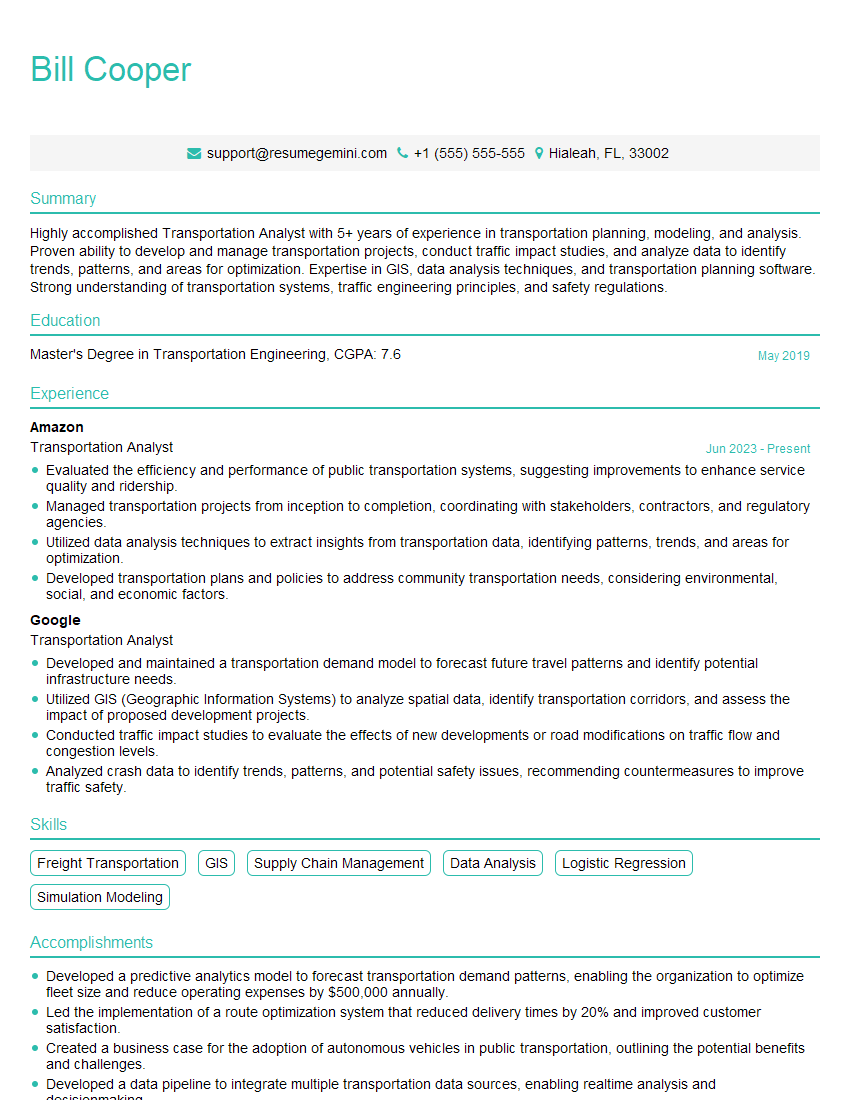
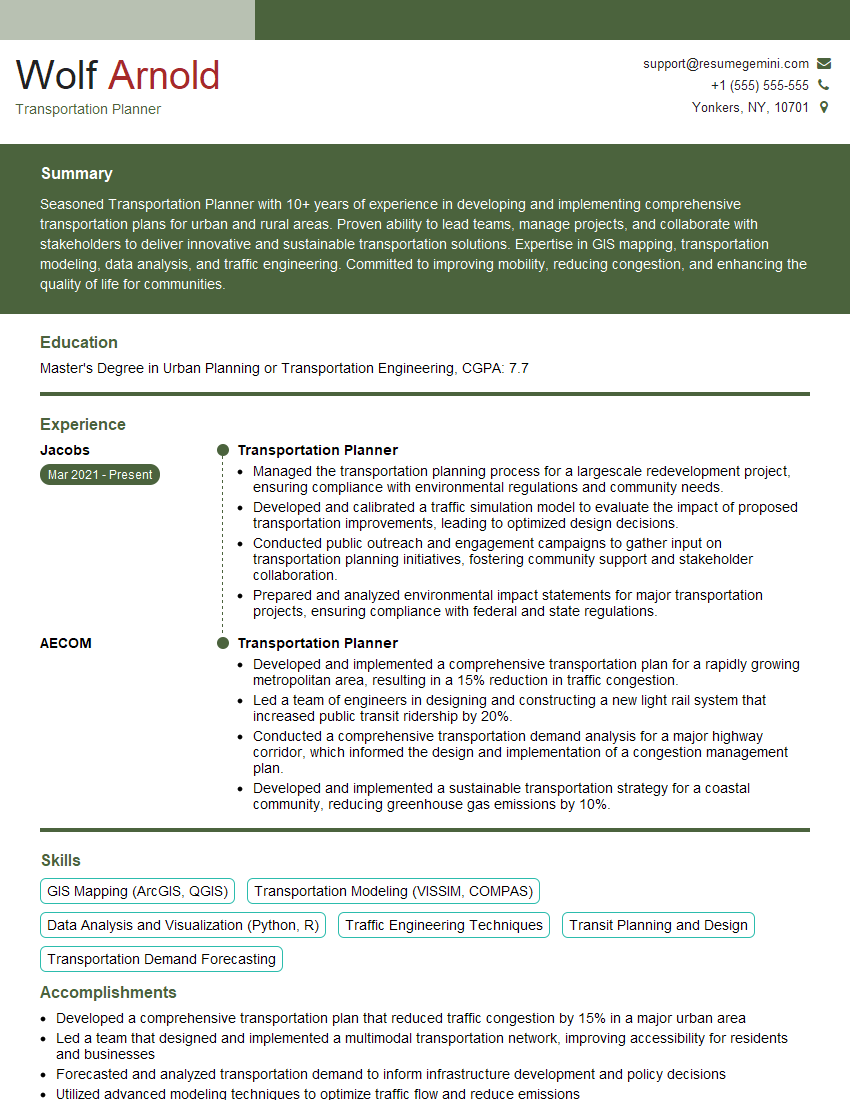
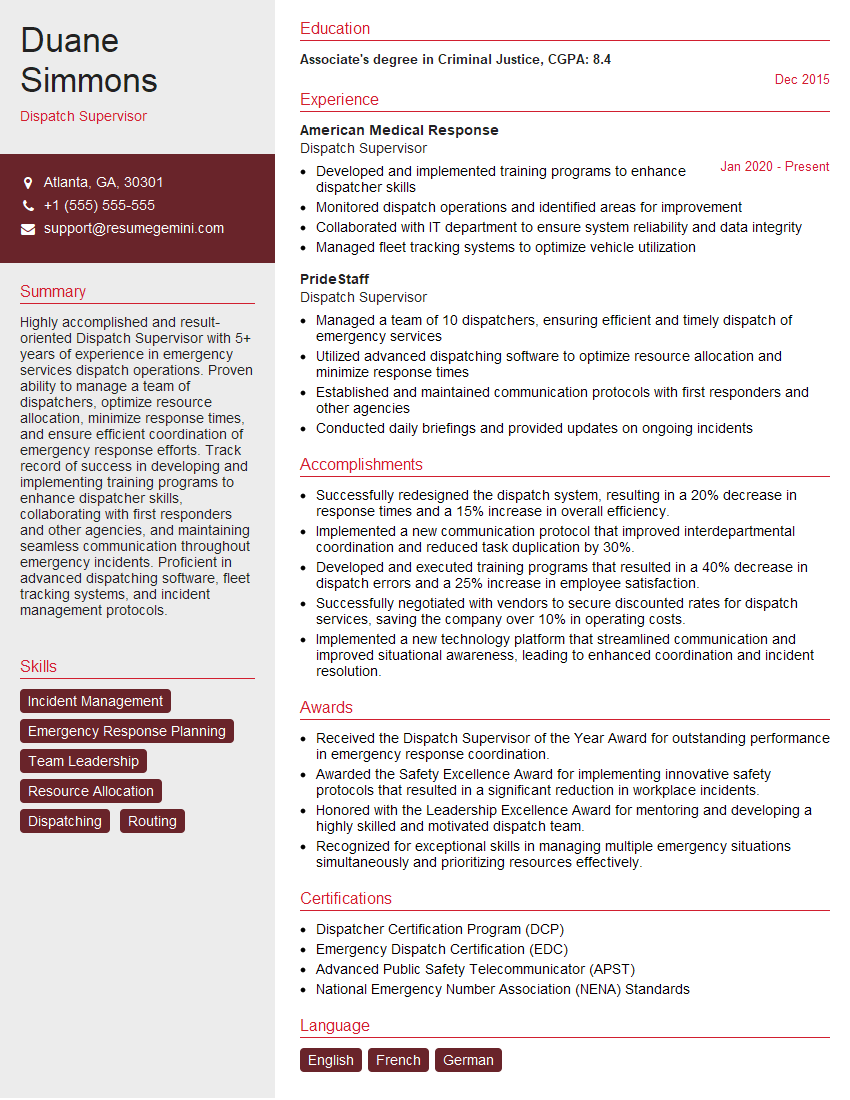
Mastering Ground Transportation Coordination opens doors to exciting career advancements, offering opportunities for increased responsibility and higher earning potential. A strong resume is crucial for showcasing your skills and experience to potential employers. Creating an ATS-friendly resume, optimized for applicant tracking systems, significantly increases your chances of getting noticed. ResumeGemini is a trusted resource that can help you build a professional and impactful resume. We provide examples of resumes tailored to Ground Transportation Coordination to help you get started.
Explore more articles
Users Rating of Our Blogs
Share Your Experience
We value your feedback! Please rate our content and share your thoughts (optional).
What Readers Say About Our Blog
Really detailed insights and content, thank you for writing this detailed article.
IT gave me an insight and words to use and be able to think of examples