Interviews are more than just a Q&A session—they’re a chance to prove your worth. This blog dives into essential Art Handling and Conservation interview questions and expert tips to help you align your answers with what hiring managers are looking for. Start preparing to shine!
Questions Asked in Art Handling and Conservation Interview
Q 1. Describe your experience with different types of art handling equipment.
My experience with art handling equipment spans a wide range, from basic tools to specialized systems. I’m proficient with various types of gloves – cotton for general handling, nitrile for chemical resistance, and even specialized micro-porous gloves for particularly delicate pieces. I regularly use different kinds of lifting equipment, including art handling dollies with padded cradles, vacuum lifts for large or heavy pieces, and even specialized straps and slings for unusual shapes and weights. For smaller, more intricate objects, I utilize tweezers, brushes, and suction cups. My experience also includes using climate-controlled packing materials like acid-free tissue paper, archival foam, and corrugated board for storage and transport. I’m familiar with various types of crates – custom-built wooden crates for high-value pieces, and lighter, reusable plastic containers for less fragile items. Furthermore, I’m adept at using environmental monitoring equipment, such as hygrometers and thermometers, to ensure optimal storage conditions.
For instance, when moving a large tapestry, I would choose a vacuum lift to minimize stress on the fabric, whereas a delicate porcelain vase would necessitate the careful use of padded gloves and a soft, supportive cradle on a dolly. The choice of equipment is always tailored to the specific artwork’s fragility and size.
Q 2. Explain the proper techniques for handling fragile artwork.
Handling fragile artwork requires meticulous care and a deep understanding of the materials involved. The first principle is to always support the artwork’s entire weight, never holding it by a single point. Think of it like holding a newborn baby – you wouldn’t hold just one arm or leg! We always use appropriate lifting techniques, avoiding sudden movements or twisting. Gloves are essential to prevent the transfer of oils or dirt from our hands. For paintings, I would support the stretcher bars or frame, preventing any bending or warping. Sculptures often require custom-made supports or cradles to distribute the weight evenly. For delicate objects, such as glass or ceramic, I use soft pads or supports to cushion the artwork from shocks or vibrations. Before moving the artwork, I carefully survey the path, removing any obstacles to ensure a smooth and safe transfer. Finally, gentle and deliberate movements are paramount; speed is the enemy of safe handling.
For example, when handling a large, fragile sculpture, we would use a custom-built cradle and lift it with a specialized vacuum system to provide support while minimizing stress and potential damage during transport.
Q 3. How do you assess the condition of an artwork before handling it?
Assessing the condition of an artwork is a crucial first step before any handling. This involves a thorough visual inspection, noting any signs of damage, such as cracks, tears, discoloration, or loose parts. I would carefully examine the artwork’s support structure – the frame, stretcher bars, or any mounting system – checking for instability or weakness. I also consider the artwork’s material composition and its inherent vulnerabilities. A delicate watercolor, for example, is inherently more fragile than an oil painting on canvas. I’ll even check for any previous repairs or restorations, noting their condition and potential points of weakness. Detailed documentation, including photographic records, is always created to accurately capture the artwork’s initial state. This documentation serves as a baseline for future comparisons, allowing for the monitoring of any changes over time.
In a practical example, examining a painting might involve using a magnifying glass to scrutinize the paint surface for craquelure (fine cracking) or flaking. Observing the canvas might reveal areas of significant stretching or tears. The frame’s stability would be tested gently, noticing any looseness or weakening of joints.
Q 4. What are the standard safety protocols you follow while handling art?
Safety is paramount in art handling. We strictly adhere to established safety protocols, including wearing appropriate personal protective equipment (PPE), such as gloves, safety glasses, and sometimes respirators depending on the artwork’s condition or materials. We always maintain a clean workspace, free of tripping hazards and with adequate lighting. When handling heavy or bulky items, we utilize appropriate lifting techniques and equipment, such as dollies, straps, and lifting devices. Teamwork and clear communication are crucial, especially when moving larger or more complex pieces. We ensure that the environment is suitable for the artwork, avoiding exposure to direct sunlight, extreme temperatures, or high humidity. Regular safety training and refresher courses keep us updated on the latest best practices and equipment usage.
For example, before moving a large sculpture, we would plan the route carefully, ensuring enough personnel are present to lift and move it safely. Each team member would have a clearly defined role and be thoroughly briefed before the process commences. We would use padded gloves and straps to prevent injury and to secure the sculpture during transport.
Q 5. Explain your experience with packing and crating artwork for transport.
My experience with packing and crating artwork for transport is extensive. The process always starts with a careful assessment of the artwork’s fragility and dimensions. We choose appropriate packing materials – acid-free tissue paper, archival foam, bubble wrap – tailored to the artwork’s specific needs. Fragile items are often individually wrapped and cushioned to absorb shocks. Each item is then placed within a custom-fitted crate, often made from sturdy, moisture-resistant materials. The crates are designed to prevent movement during transit, with internal supports and bracing to keep the artwork securely in place. We always include climate-controlled packing materials, such as silica gel packets, to regulate humidity levels and prevent mold or mildew. Each crate is clearly labeled with fragility indicators and handling instructions. We maintain meticulous documentation of the packing procedure, including photographic evidence, to ensure accountability.
For a particularly valuable painting, for example, we’d build a custom-fit wooden crate with internal supports and climate-controlled padding. The crate would have external labels indicating proper handling instructions and its contents’ fragility. This ensures safe passage during shipping.
Q 6. How do you ensure the safe transportation of artwork?
Ensuring the safe transportation of artwork involves careful planning and execution at every stage. First, we select a reputable and experienced art handling company with a proven track record. We specify the requirements for climate-controlled vehicles for temperature and humidity sensitive materials. The artwork is securely fastened within the vehicle to prevent movement during transport. The transport route is planned to avoid unnecessary risks, such as rough terrain or extreme weather conditions. Insurance is also essential to cover any potential loss or damage during transit. Real-time tracking systems are sometimes used to monitor the artwork’s location and condition throughout the journey. Upon arrival, a thorough inspection of the artwork is carried out to assess for any damage that might have occurred during transit. We meticulously document every stage of transportation.
For international shipments, we utilize specialized customs documentation and comply with all relevant regulations. We might use specialized temperature-controlled shipping containers for long-distance or highly sensitive works.
Q 7. What are the environmental considerations for storing artwork?
Environmental considerations are critical for long-term artwork preservation. Storage environments must maintain stable temperature and relative humidity (RH) levels. Fluctuations in these conditions can cause warping, cracking, fading, and mold growth. Ideal conditions are often considered to be between 68-72°F (20-22°C) and 45-55% RH. Artwork should also be protected from direct sunlight, which can cause fading and deterioration. Air quality is important too; pollutants can cause corrosion and chemical degradation. Storage areas must be clean, secure, and free from pests. Regular environmental monitoring, including the use of hygrometers and thermometers, is crucial to ensure that conditions remain stable. Many museums and galleries use sophisticated climate control systems to maintain consistent conditions.
For instance, a collection of ancient scrolls would need dark, stable conditions, possibly in a climate-controlled vault, to prevent damage from fluctuations in humidity and light. We would need to consider factors like light exposure and airflow to prevent any potential damage.
Q 8. Explain your knowledge of different types of conservation treatments.
Conservation treatments are interventions aimed at stabilizing and preserving artworks. They range from minimally invasive techniques to more extensive repairs, always prioritizing the least invasive approach. The choice of treatment depends heavily on the artwork’s material, age, condition, and intended use.
- Cleaning: This involves carefully removing dirt, grime, and other surface deposits using methods like dry brushing, vacuuming, or using specialized solvents. For example, a delicate watercolour painting might only tolerate gentle dry cleaning, while a sturdy oil painting might allow for more aggressive solvent-based cleaning.
- Consolidation: This strengthens weakened or fragile materials using adhesives or consolidants. Think of it as giving the artwork structural support. A crumbling fresco might be consolidated using a carefully chosen resin to bind the flaking paint layer.
- Repair: This encompasses filling losses, mending tears, or rejoining broken fragments. A torn canvas painting might be repaired by carefully in-filling the tear with a compatible material and then consolidating the surrounding area.
- Inpainting: This involves carefully filling losses in the artwork’s paint layer using pigments to match the surrounding area, making the damage less visible. This is a highly skilled technique requiring artistic talent as well as a deep understanding of painting materials and techniques.
- Mounting and Re-housing: This involves creating new mounts or frames, or repairing existing ones. A damaged frame might need repair or replacement, and the artwork might require new backing for support.
Q 9. How do you identify and address common types of artwork damage?
Identifying artwork damage requires a trained eye and a methodical approach. It starts with a thorough visual inspection, often under magnification. Common types of damage include:
- Physical Damage: Tears, cracks, scratches, abrasions, and losses are often visible to the naked eye. The location and severity will determine the treatment needed.
- Environmental Damage: Light exposure, temperature fluctuations, and relative humidity changes can cause fading, discoloration, embrittlement, and warping. This often requires preventative measures more than direct repair.
- Biological Damage: Mildew, insects, and other pests can severely damage artwork. This necessitates immediate intervention using specialized techniques to remove the infestation and prevent recurrence.
- Chemical Damage: This might include staining, corrosion, or degradation caused by interaction with other materials or pollutants.
Addressing the damage requires understanding the cause. For example, a faded watercolour painting could be due to light exposure; treatment might involve improving storage conditions and perhaps minimal inpainting of the most affected areas. A painting with insect damage would first require carefully removing the pests and then possibly cleaning and consolidating affected areas. Documentation of the damage and its treatment is crucial.
Q 10. What is your experience with preventive conservation measures?
Preventive conservation focuses on minimizing the risk of damage before it happens. It’s often described as the ‘best’ conservation approach since it avoids the need for more invasive treatments. My experience encompasses:
- Environmental Control: Maintaining stable temperature and humidity levels, minimizing light exposure, and protecting from pollutants are crucial. I’ve worked on projects involving the design and implementation of climate-controlled storage facilities and display cases.
- Proper Handling and Storage: Developing and implementing handling procedures, using appropriate storage materials (like acid-free boxes and archival-quality foam), and providing proper support for artworks are essential. I’ve trained numerous staff in safe handling techniques for diverse art materials.
- Pest Control: Implementing regular monitoring and preventative measures to control insects, rodents, and other pests is crucial for long-term preservation. This includes appropriate use of insecticides, or even bio-control measures in some situations.
- Disaster Preparedness: Developing plans and strategies to protect artworks in case of emergencies such as floods, fires, or earthquakes is crucial. This includes the development of emergency evacuation plans and appropriate disaster insurance.
Q 11. Describe your experience with various types of art materials.
My experience covers a broad range of art materials, including:
- Paints: Oil, acrylic, watercolour, tempera, and fresco. Understanding the properties of each paint type is crucial for determining appropriate cleaning and conservation methods.
- Drawing Media: Pencil, charcoal, pastel, ink, and graphite, each requiring different approaches to handling and preservation.
- Paper and Photographs: Different paper types, their ages, and the inks or pigments used impact the appropriate conservation strategies. Photograph preservation requires special knowledge of photographic emulsions and substrates.
- Textiles: Tapestries, embroideries, and costumes need specialized care due to their delicate nature and the variety of materials used in their construction.
- Sculptures: Stone, bronze, wood, and clay sculptures present unique challenges related to their material properties, and thus require specialized cleaning and stabilization techniques.
Experience with each material type allows me to tailor conservation strategies to the specific characteristics of the artwork.
Q 12. How familiar are you with different conservation ethics and standards?
I am deeply familiar with conservation ethics and standards. The core principles are:
- Reversibility: Treatments should ideally be reversible, allowing future conservators to undo them if necessary. This means avoiding techniques that would permanently alter the artwork.
- Minimally Invasive: The least invasive approach is always preferred; only necessary interventions should be undertaken.
- Integrity: The artwork’s integrity and authenticity should be respected and maintained throughout the treatment process. This requires careful documentation and consideration of ethical implications.
- Professionalism: Adherence to professional standards of practice and ethical guidelines is paramount. This involves staying updated on best practices, adhering to relevant codes of conduct, and utilizing appropriate documentation and communication.
I adhere to the standards set by organizations like the American Institute for Conservation (AIC) and the International Institute for Conservation of Historic and Artistic Works (IIC).
Q 13. What is your understanding of archival materials and their applications?
Archival materials are designed to be inert and stable over time, minimizing the risk of damage to the artworks they are used with. This ensures the long-term preservation of valuable materials. Common examples include:
- Acid-Free Paper and Boards: These prevent the degradation of artworks stored in contact with them. Acid migration from regular paper can severely damage photographs and artwork on paper.
- Archival-Quality Enclosures: Boxes, folders, and sleeves made of acid-free materials help protect artwork from light, pollutants, and physical damage. These are used to protect artwork during storage and transport.
- Archival-Quality Adhesives: These are specifically designed to be stable and reversible, minimizing the risk of damaging the artwork during repair or mounting. These adhesives are chosen carefully based on the material they are used on and their inherent chemical properties.
- Inert Mounting Boards: These provide support for delicate artwork without causing any chemical interactions.
The application of archival materials is crucial in preventing long-term damage and ensuring the preservation of artworks for future generations. Selecting the correct materials for each application is a critical part of the conservation process.
Q 14. How do you document conservation treatments?
Documentation is an integral part of conservation treatments. It forms a crucial record of the artwork’s condition before, during, and after treatment. It also informs future conservation efforts and helps understand the history of the object. My documentation process includes:
- Visual Documentation: High-resolution photographs and videos capturing the artwork’s condition before, during, and after treatment. This is crucial for recording damage details and treatment progress.
- Written Documentation: A detailed report outlining the artwork’s condition, the materials used, the treatments performed, and any observations made throughout the process. This includes comprehensive notes on material selection, treatment approaches and outcomes.
- Treatment Records: Meticulous records of all materials used, including their manufacturers, batch numbers, and any safety data sheets. This enables future conservators to repeat the same process, or adjust accordingly if required.
- Sampling and Analysis: When necessary, taking samples for analysis to understand the artwork’s composition and identify any problematic materials. This is particularly important for identifying causes of damage and selecting the appropriate treatment materials.
Thorough documentation ensures transparency, accountability, and provides valuable information for future conservation efforts.
Q 15. How do you determine the appropriate conservation treatment for an object?
Determining the appropriate conservation treatment for an art object is a meticulous process requiring a multi-faceted approach. It’s not a one-size-fits-all solution; each object demands a unique treatment plan based on its material, condition, and intended use. The process begins with a thorough examination, documenting all aspects of the object’s condition – from its materials and construction techniques to the types and extent of damage.
- Visual Inspection: This involves careful observation of the object under various lighting conditions to identify surface deterioration such as cracks, discoloration, flaking paint, or insect damage.
- Material Analysis: This may involve scientific testing (e.g., X-ray fluorescence, microscopy) to identify the object’s components and understand its chemical makeup. For example, understanding if a painting is on canvas or wood significantly impacts treatment choices.
- Treatment Proposal: Based on the assessment, a detailed treatment proposal is developed. This outlines the proposed interventions, their rationale, potential risks, and the expected outcome. This proposal always prioritizes the least invasive approach that is still effective.
- Ethical Considerations: The treatment must be reversible, meaning it can be undone without damaging the object further. We must always weigh the benefits of intervention against the potential for harm. For instance, cleaning a delicate watercolor might cause more damage than leaving some discoloration.
For example, I once worked on a 19th-century oil painting with significant craquelure (cracking in the paint). Instead of aggressive interventions that might damage the paint further, the treatment focused on careful surface cleaning and consolidation of the flaking paint using reversible adhesives, minimizing intervention while stabilizing the artwork for the long term.
Career Expert Tips:
- Ace those interviews! Prepare effectively by reviewing the Top 50 Most Common Interview Questions on ResumeGemini.
- Navigate your job search with confidence! Explore a wide range of Career Tips on ResumeGemini. Learn about common challenges and recommendations to overcome them.
- Craft the perfect resume! Master the Art of Resume Writing with ResumeGemini’s guide. Showcase your unique qualifications and achievements effectively.
- Don’t miss out on holiday savings! Build your dream resume with ResumeGemini’s ATS optimized templates.
Q 16. Describe your experience with risk assessment in art handling.
Risk assessment is paramount in art handling. It’s not simply about avoiding accidents; it’s about proactively identifying and mitigating potential threats to the artwork’s physical integrity, as well as the safety of the handlers. My experience encompasses a structured approach involving a detailed survey of the environment, object characteristics, and handling procedures.
- Environmental Factors: This includes assessing temperature, humidity, and light exposure, as these can significantly impact the artwork’s condition. For example, extreme temperature fluctuations can cause cracking in paintings or warping in wood sculptures.
- Object-Specific Risks: This involves evaluating the artwork’s fragility, inherent instability (e.g., weak supports), and susceptibility to damage from physical stress, vibrations, or pests. A delicate porcelain vase would require far more cautious handling than a robust bronze sculpture.
- Handling Procedures: This entails outlining the safe movement and transportation of the object, specifying the necessary equipment (e.g., appropriate packaging, climate-controlled vehicles), and ensuring that all handlers are adequately trained. Proper lifting techniques are crucial, avoiding strain that might lead to drops or damage.
- Emergency Planning: Risk assessment must also include contingency plans for unexpected events like spills, power outages, or even accidents. This ensures a swift response that protects both the artwork and personnel.
For instance, during the transport of a large, fragile sculpture, we used a custom-designed crate with shock absorbers and a specialized lifting system to minimize vibration and stress. Detailed instructions were provided to the transport team, ensuring a safe and successful relocation.
Q 17. Explain your understanding of pest control and its relation to conservation.
Pest control is an essential aspect of art conservation, as insect infestations and other pest activity can cause irreversible damage to artworks. Understanding pest biology and behavior is crucial to implement effective and safe pest management strategies. Many materials used in art are organic and thus susceptible to damage by pests such as insects, rodents, and fungi.
- Identification: Accurate identification of the pest is the first step. Different pests require different control measures. Knowing if you’re dealing with silverfish, carpet beetles, or woodworm informs your treatment.
- Prevention: Proactive measures like maintaining a clean and stable environment (controlling humidity and temperature) are crucial. Regular inspections are also important for early detection of infestations.
- Integrated Pest Management (IPM): IPM approaches favor non-toxic methods whenever possible. This may involve improving environmental controls or using pheromone traps. Chemical treatments are a last resort and only used when absolutely necessary and with careful consideration of their potential impact on the artwork.
- Monitoring: Even after treatment, ongoing monitoring is crucial. Regular checks ensure that the pest problem is resolved and prevents future infestations.
For example, in a museum setting, we might use pheromone traps to monitor for insect activity without resorting to harmful pesticides. This allows us to track population levels and intervene only if necessary, protecting both the collection and the environment.
Q 18. How do you handle unexpected issues during an art installation?
Unexpected issues during art installations are commonplace. The ability to swiftly and effectively address these challenges is a key skill. My approach centers on calm assessment, clear communication, and decisive action.
- Assessment: Quickly evaluate the nature and severity of the problem. Is it a minor defect in the display case, damage to the artwork, or a more significant structural issue?
- Communication: Communicate the problem clearly to all relevant parties (curators, engineers, other team members). Open and transparent communication helps to coordinate solutions and avoid further complications.
- Problem-Solving: Develop a solution and implement it systematically. This might involve minor repairs, adjustments to the display, or consultation with specialists. Prioritizing safety and the preservation of the artwork is vital.
- Documentation: Meticulously document the issue, the steps taken to resolve it, and the outcome. This information is crucial for future reference and helps to refine procedures to prevent similar occurrences.
For example, during an installation, a crucial support structure for a large sculpture proved unexpectedly unstable. By quickly communicating the problem, we immediately halted the installation, consulted engineers, and implemented a revised support system. The documentation of this incident informed future installations of similar artworks.
Q 19. What is your experience with working in a team environment?
Throughout my career, teamwork has been essential. Art handling and conservation projects are rarely solo endeavors. Effective collaboration is crucial for success. My experience emphasizes effective communication, shared responsibility, and mutual respect among team members.
- Communication: Clear, concise communication is key. This includes regular meetings, updates, and open dialogue regarding any challenges or concerns.
- Shared Responsibility: I understand the importance of shared responsibilities, ensuring every team member has a clear understanding of their role and contribution to the project’s success. Each person brings unique skills to the table.
- Respectful Collaboration: I firmly believe in creating a respectful and collaborative environment where everyone’s ideas and input are valued, regardless of their seniority or expertise.
- Conflict Resolution: The ability to address disagreements professionally and constructively is vital. Finding solutions that respect every team member’s perspective is essential.
One memorable project involved the relocation of a museum collection to a new facility. This required seamless teamwork among conservators, art handlers, logistics personnel, and museum staff. Through collaborative planning and clear communication, we successfully moved the collection without any damage or incident.
Q 20. How familiar are you with relevant health and safety regulations?
Familiarity with relevant health and safety regulations is non-negotiable in art handling and conservation. These regulations are designed to protect both the artwork and the personnel involved. My understanding encompasses a broad range of standards, encompassing OSHA guidelines, material safety data sheets (MSDS), and specific regulations pertaining to hazardous materials used in conservation.
- OSHA Compliance: I am thoroughly familiar with OSHA guidelines concerning workplace safety, including the use of personal protective equipment (PPE) such as gloves, respirators, and eye protection. Appropriate handling procedures for lifting heavy objects and working at heights are also crucial.
- MSDS Knowledge: I understand the importance of consulting material safety data sheets (MSDS) before handling any chemicals or materials used in conservation. This ensures safe handling, storage, and disposal practices.
- Hazardous Materials Handling: I am trained in the safe handling, storage, and disposal of hazardous materials commonly found in conservation settings, including solvents, adhesives, and cleaning agents. Appropriate waste management protocols are strictly followed.
- Emergency Procedures: I am familiar with emergency procedures including fire safety, first aid, and spill response. Regular safety training and drills are important to ensure preparedness.
For example, when working with solvents, I always ensure that the work area is properly ventilated, that appropriate PPE is worn, and that disposal follows all environmental regulations. This commitment to safety guarantees both the protection of the artwork and the safety of myself and my colleagues.
Q 21. Describe your experience with inventory management and cataloging of artwork.
Inventory management and cataloging are fundamental to effective art handling and conservation. Accurate records ensure the preservation and accessibility of the collection. My experience spans various methods, from traditional paper-based systems to advanced digital databases.
- Condition Reporting: I am proficient in creating detailed condition reports for each artwork. These reports document the artwork’s physical state, any existing damage, and any prior treatments it has received. Accurate condition reporting is vital for tracking changes over time.
- Database Management: I have experience using various database systems for managing art inventories. These systems allow for efficient searching, sorting, and reporting of information.
- Digital Imaging: I understand the importance of creating high-resolution digital images of artworks for documentation and research. These images can serve as a valuable record, capturing details not always apparent in the written descriptions.
- Cataloging Standards: I am familiar with relevant cataloging standards, allowing for consistent and accurate descriptions across the collection. This standardization ensures that information can be easily accessed and shared.
For example, I helped implement a new digital cataloging system for a museum collection. This involved migrating existing paper records to a digital database, improving access and facilitating more efficient tracking of artworks and their condition. This improved efficiency led to enhanced care and facilitated future conservation decisions.
Q 22. What are some common challenges faced in art handling and conservation?
Art handling and conservation present a unique set of challenges, demanding a blend of scientific knowledge, artistic sensitivity, and meticulous attention to detail. Common difficulties include:
- Environmental factors: Fluctuations in temperature, humidity, and light exposure can severely damage artwork, leading to fading, cracking, and warping. For instance, a painting stored in a poorly climate-controlled environment might experience accelerated degradation of its pigments and canvas.
- Material degradation: Artwork is made from diverse materials, each with its own susceptibility to decay. For example, oil paintings can suffer from cracking and yellowing, while sculptures in bronze may develop corrosion. Understanding the specific vulnerabilities of a material is crucial for effective preservation.
- Pest infestations: Insects and rodents can cause significant damage to art, particularly textiles, paper, and wood. Regular inspections and preventative measures are essential.
- Improper handling: Accidental damage during transport, display, or cleaning is a constant risk. This necessitates careful planning and execution of handling procedures, with appropriate training for all personnel involved.
- Ethical dilemmas: Decisions regarding intervention versus preservation, particularly with significantly damaged pieces, demand careful consideration and ethical decision making, balancing the preservation of historical integrity against the need for intervention to ensure stability and longevity.
Q 23. How do you stay updated on the latest techniques and technologies in conservation?
Staying abreast of the latest advancements in art conservation requires a multifaceted approach. I actively engage in several key strategies:
- Professional memberships and conferences: I am a member of the American Institute for Conservation (AIC) and attend their annual meetings and regional workshops. These events offer invaluable opportunities to network with colleagues and learn about cutting-edge research and techniques.
- Peer-reviewed journals and publications: I regularly read journals like the Studies in Conservation and Journal of the American Institute for Conservation to keep informed about the latest scientific findings and conservation practices.
- Workshops and training courses: I participate in specialized workshops focusing on particular materials or techniques, such as the conservation of textiles or the application of new imaging technologies. This hands-on training allows me to develop practical expertise.
- Online resources and databases: Online platforms and databases provide access to a wealth of information, including research papers, case studies, and best practice guidelines.
Continuous learning is paramount in this dynamic field, ensuring that my skills and knowledge remain current and relevant.
Q 24. Describe your experience with the use of digital imaging in conservation.
Digital imaging has revolutionized art conservation, providing non-invasive methods for assessment, documentation, and analysis. My experience encompasses several key applications:
- Multispectral imaging: I have used this technique to reveal hidden features or underlying layers in paintings, enabling a better understanding of the artist’s technique and the artwork’s history. For example, multispectral imaging has been instrumental in uncovering pentimenti (changes made during the creation of the painting) which provide significant insights into the artist’s creative process.
- Infrared reflectography: This allows the visualization of underdrawings and sketches, offering valuable information about the artist’s preparatory work. This is especially useful in understanding compositional decisions which would not be visible to the naked eye.
- UV fluorescence imaging: This helps to detect the presence of varnishes, restorations, and even the use of different pigments. The information gleaned is vital in assessing the artwork’s condition and planning conservation treatments.
- 3D scanning and modeling: This technology allows for the creation of highly detailed three-dimensional models of artworks, particularly useful for sculptural works or large-scale paintings, facilitating the documentation of complex surfaces and providing data for virtual restoration plans.
These digital techniques are essential for informed decision-making, enabling the creation of thorough documentation and supporting the responsible conservation of artworks.
Q 25. Explain your approach to ethical decision-making in conservation.
Ethical decision-making in art conservation is paramount. My approach is guided by several core principles:
- Minimally invasive interventions: I prioritize treatments that are as minimally invasive as possible, aiming to preserve the artwork’s original material and integrity. The guiding philosophy is to ‘do no harm’.
- Reversibility: Whenever feasible, I favor reversible treatments so that future conservators can adjust or remove interventions if necessary, avoiding the introduction of materials that might cause future problems.
- Transparency and documentation: I meticulously document all aspects of my work, including the rationale behind decisions, the materials used, and the results achieved. This documentation ensures accountability and informs future conservation efforts.
- Respect for the cultural context: I’m acutely aware that each artwork is situated within a specific cultural and historical context. My approach takes this into consideration, aiming to preserve the artifact’s integrity within its cultural setting.
- Consultation and collaboration: I believe in seeking consultation from other specialists and stakeholders when faced with challenging ethical issues. Open collaboration fosters informed and responsible decision-making.
My aim is always to balance the preservation of the artwork’s physical integrity with the safeguarding of its historical and cultural significance.
Q 26. How do you communicate effectively with colleagues and clients?
Effective communication is crucial in art conservation. My approach involves:
- Clear and concise language: I avoid technical jargon whenever possible, explaining complex concepts in a way that is easily understood by both colleagues and clients. I use visual aids such as photographs and diagrams to illustrate my points effectively.
- Active listening: I actively listen to colleagues’ and clients’ concerns, ensuring that all perspectives are considered before making any decisions.
- Thorough documentation and reporting: I provide detailed written reports and photographic documentation to keep all stakeholders informed of the progress and outcomes of the conservation work.
- Regular updates and discussions: I maintain open communication throughout the conservation process, providing regular updates and opportunities for discussion.
- Building trust and rapport: I establish trust and rapport with colleagues and clients by demonstrating my expertise, commitment, and transparency. This fosters a collaborative working relationship.
By prioritizing clear, open communication, I aim to build consensus and ensure that conservation projects are successful.
Q 27. What are your salary expectations for this role?
My salary expectations are commensurate with my experience, qualifications, and the specific demands of this role. I am confident that my skills and expertise will bring significant value to your institution. I am open to discussing a competitive salary range that aligns with industry standards and the scope of responsibilities.
Q 28. Do you have any questions for me?
Yes, I do have a few questions. I’d like to learn more about:
- The specific types of artwork this role will involve.
- The institution’s approach to ethical decision-making in conservation.
- The available resources and technologies that are provided for conservators.
- The opportunities for professional development and continuing education.
Key Topics to Learn for Art Handling and Conservation Interview
- Environmental Control & Storage: Understanding the impact of temperature, humidity, and light on artwork; practical application in museum storage and display strategies; solving issues related to environmental damage mitigation.
- Preventive Conservation: Theoretical principles of preventative measures; practical application in handling, packaging, and transporting art; problem-solving concerning potential risks during exhibitions and storage.
- Materials & Techniques: Knowledge of various artistic materials (paints, paper, wood, etc.) and their vulnerabilities; practical application in identifying materials and assessing conservation needs; problem-solving related to material degradation and appropriate treatment choices.
- Art Handling Procedures: Safe handling techniques for different art forms (paintings, sculptures, textiles); practical application in exhibition installation and deinstallation; problem-solving in unexpected situations during handling.
- Documentation & Record Keeping: Importance of detailed documentation; practical application in creating condition reports and treatment records; problem-solving related to maintaining accurate and accessible documentation.
- Ethics & Professional Standards: Understanding professional codes of conduct; practical application in decision-making concerning ethical dilemmas; problem-solving related to conflict resolution and best practices.
- Disaster Preparedness & Response: Planning for emergencies; practical application in emergency response protocols; problem-solving during unexpected events (floods, fires, etc.).
Next Steps
Mastering Art Handling and Conservation opens doors to exciting careers in museums, galleries, archives, and private collections. A strong foundation in these areas is crucial for career advancement and securing your dream role. To significantly improve your job prospects, it’s essential to create a resume that Applicant Tracking Systems (ATS) can easily read and understand. We highly recommend using ResumeGemini to build a professional and ATS-friendly resume. ResumeGemini provides a streamlined experience and offers examples of resumes tailored specifically to Art Handling and Conservation positions, helping you present your skills and experience effectively. Invest in your future – build a standout resume today!
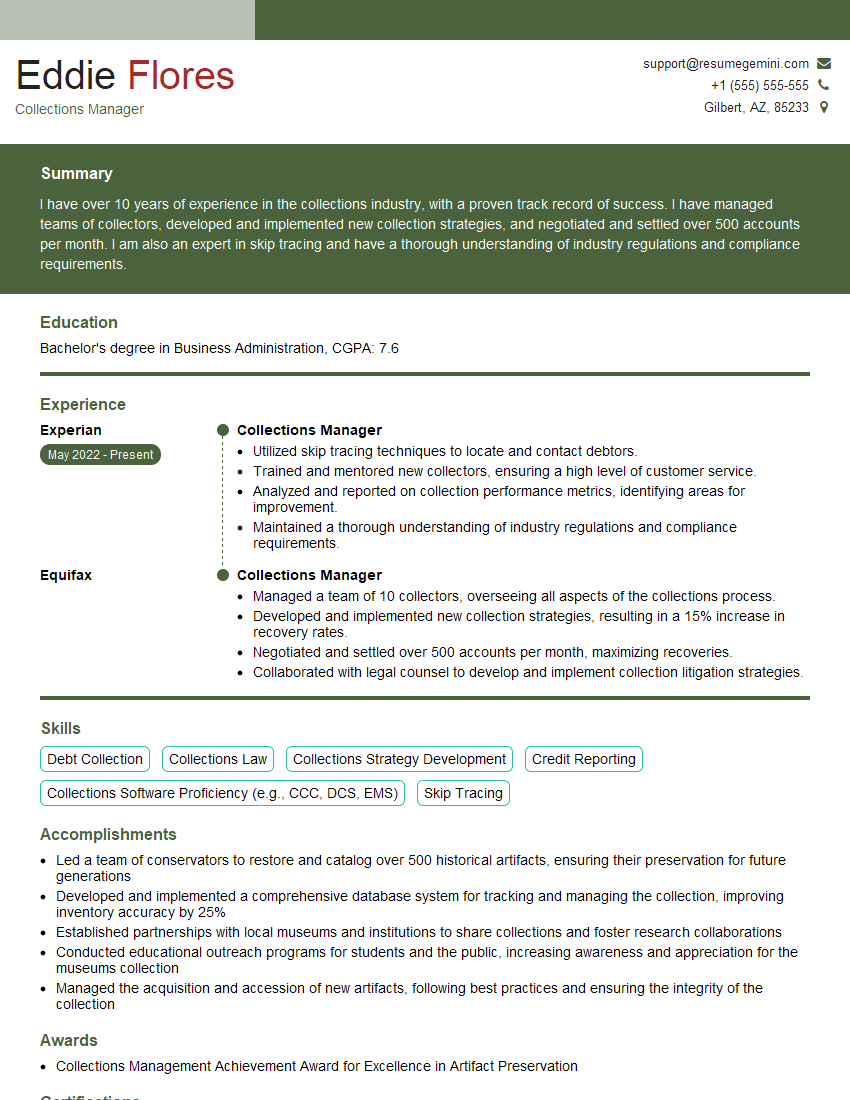
Collections Manager Resume Sample
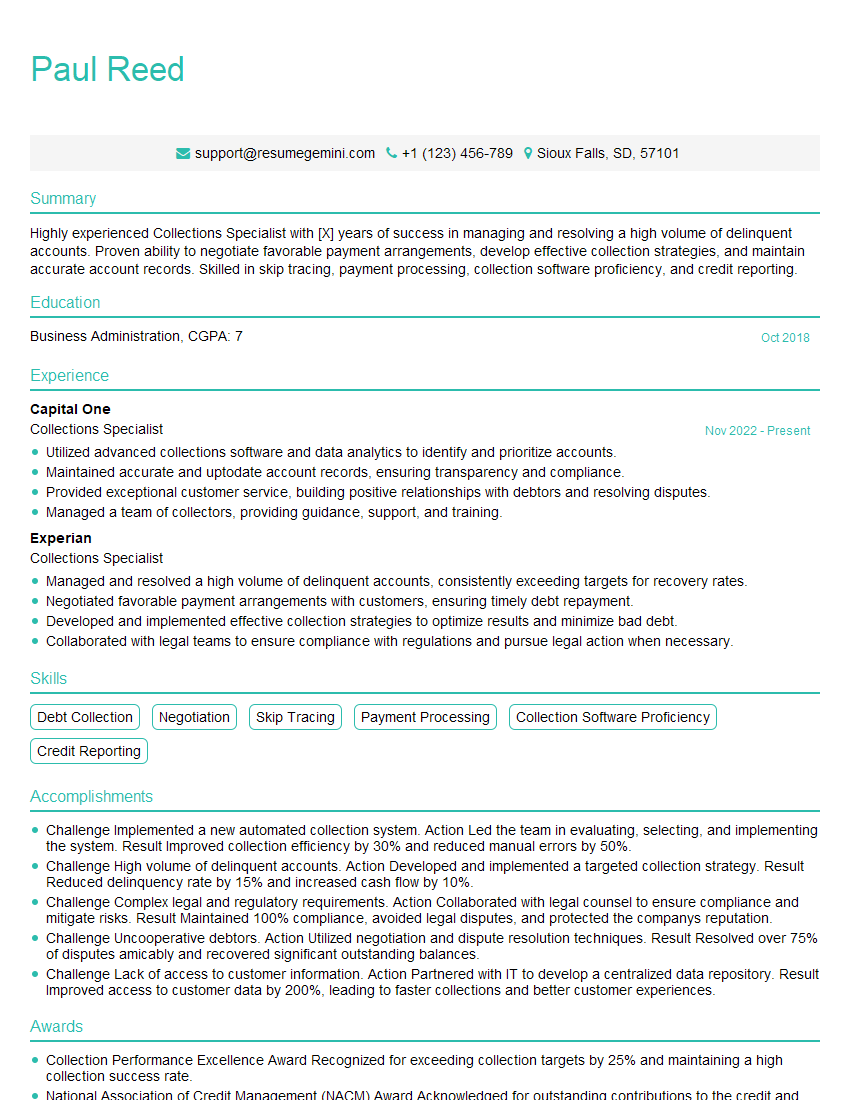
Collections Specialist Resume Sample
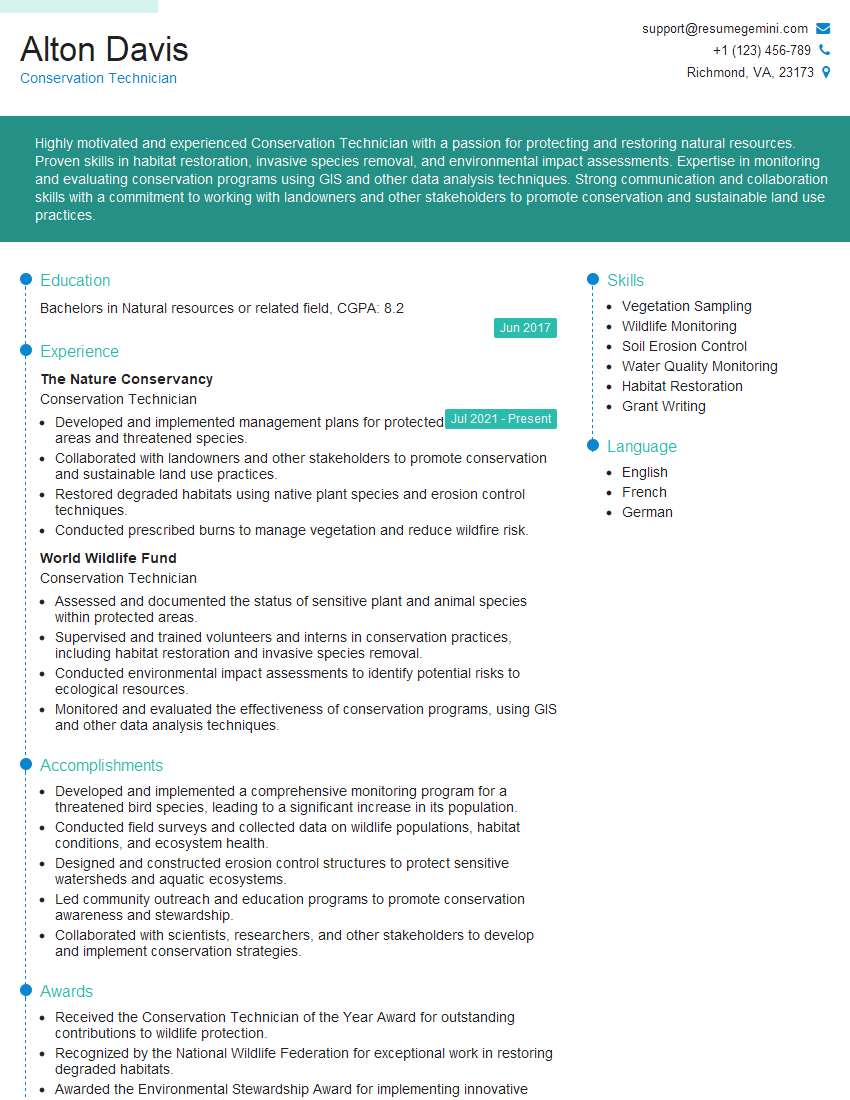
Conservation Technician Resume Sample
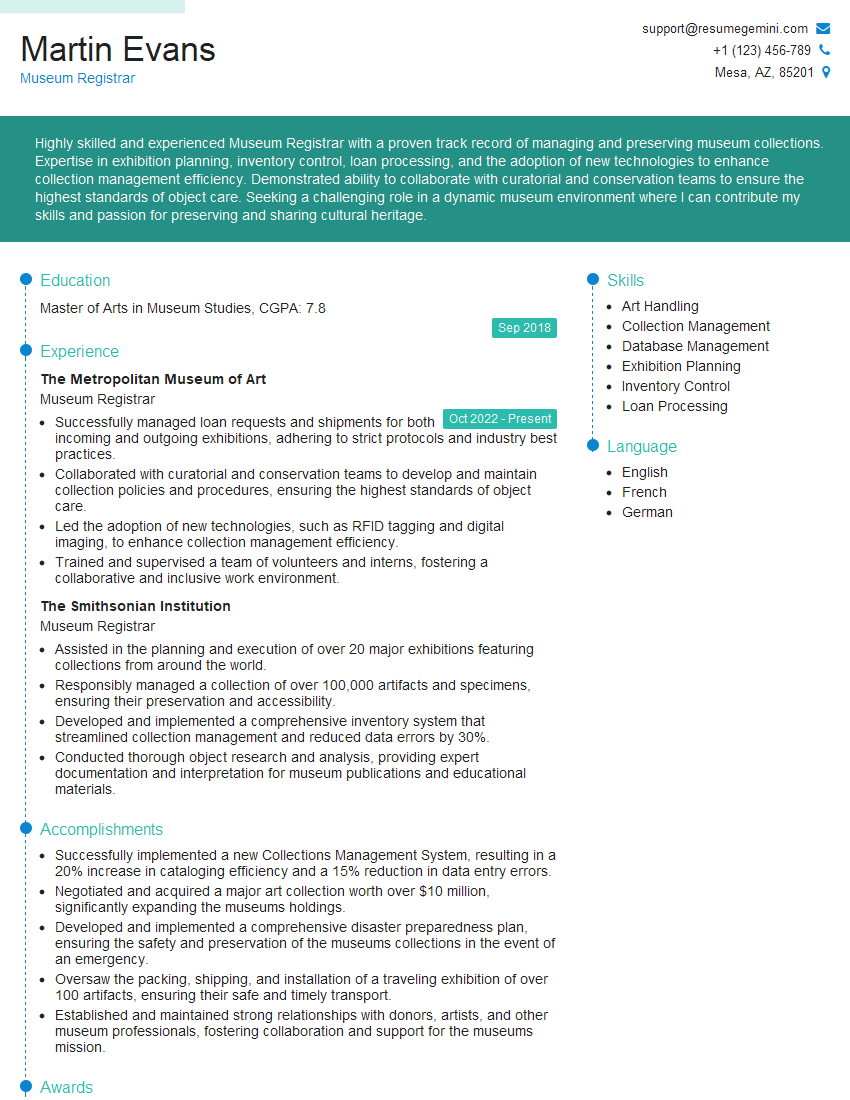
Museum Registrar Resume Sample
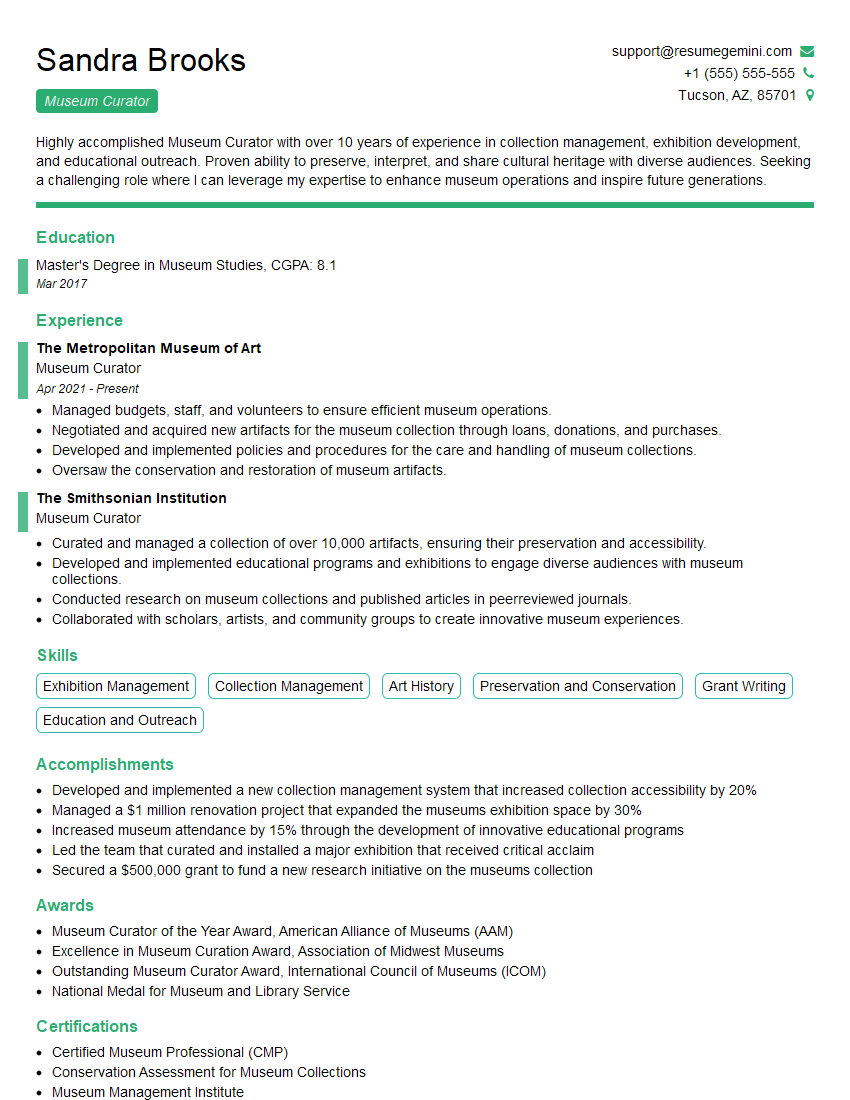
Museum Curator Resume Sample
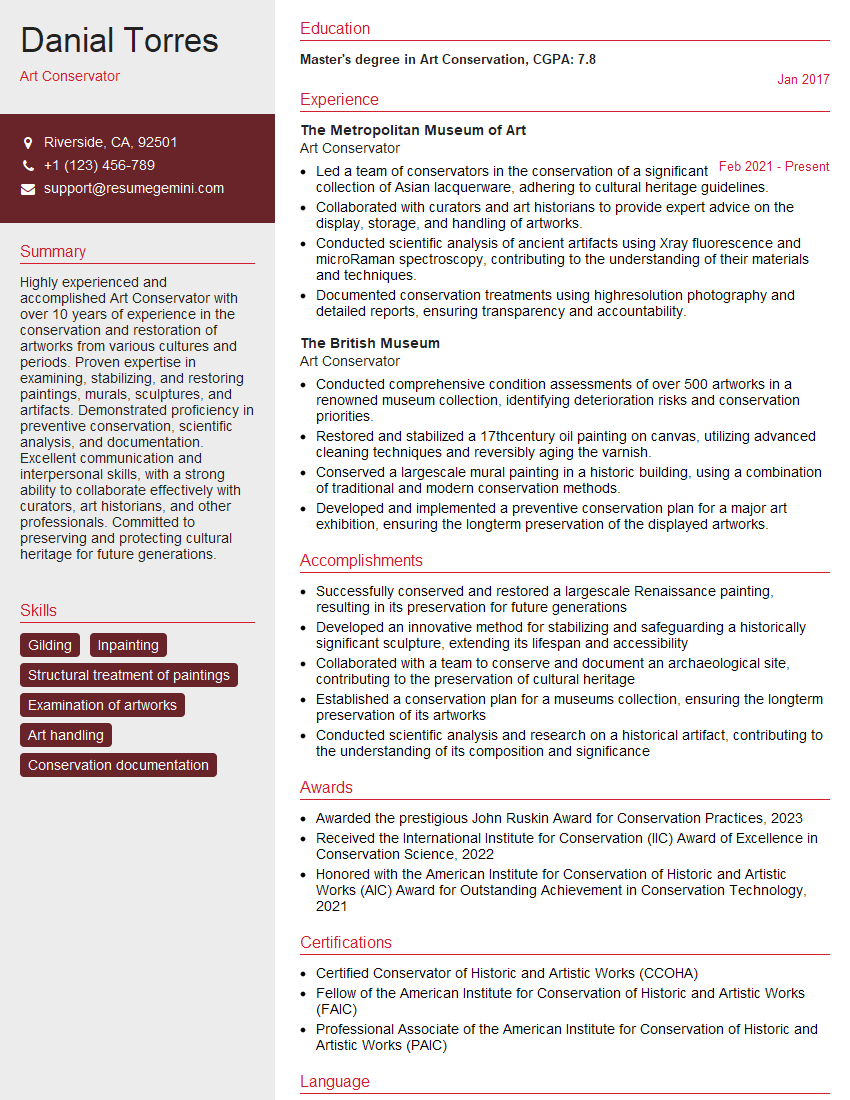
Art Conservator Resume Sample
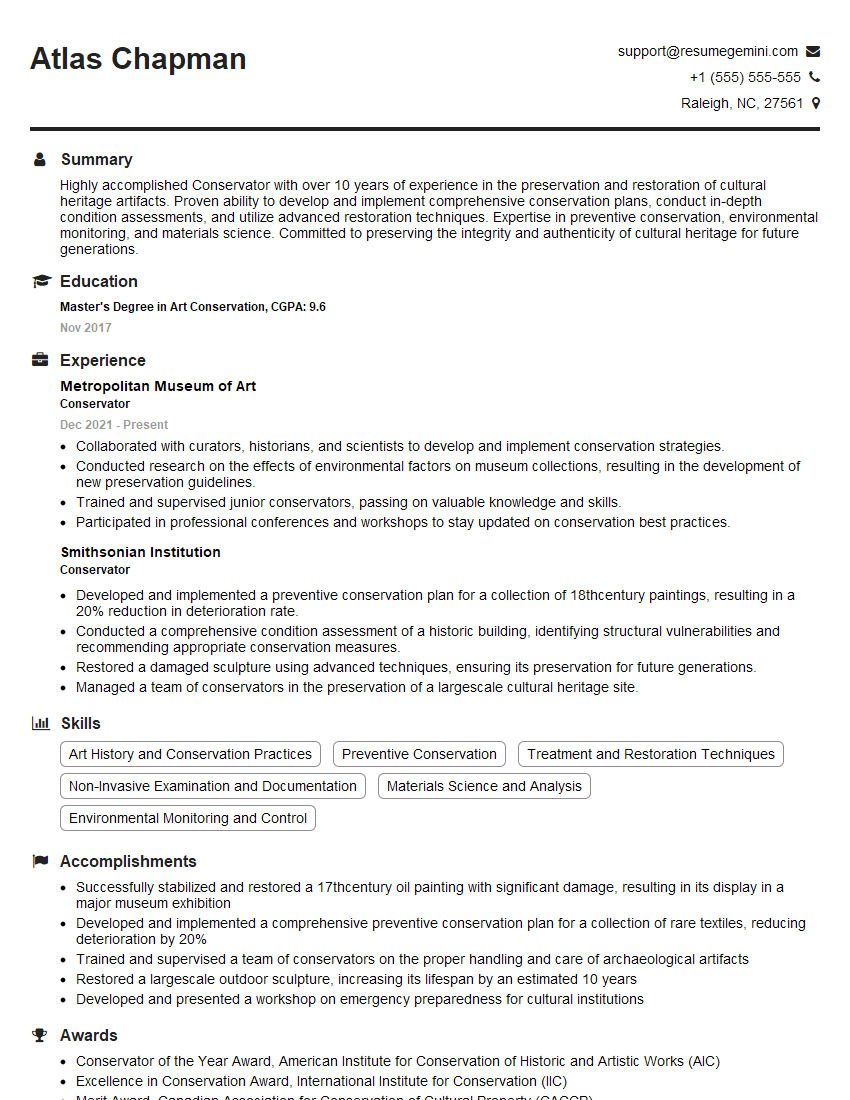
Conservator Resume Sample
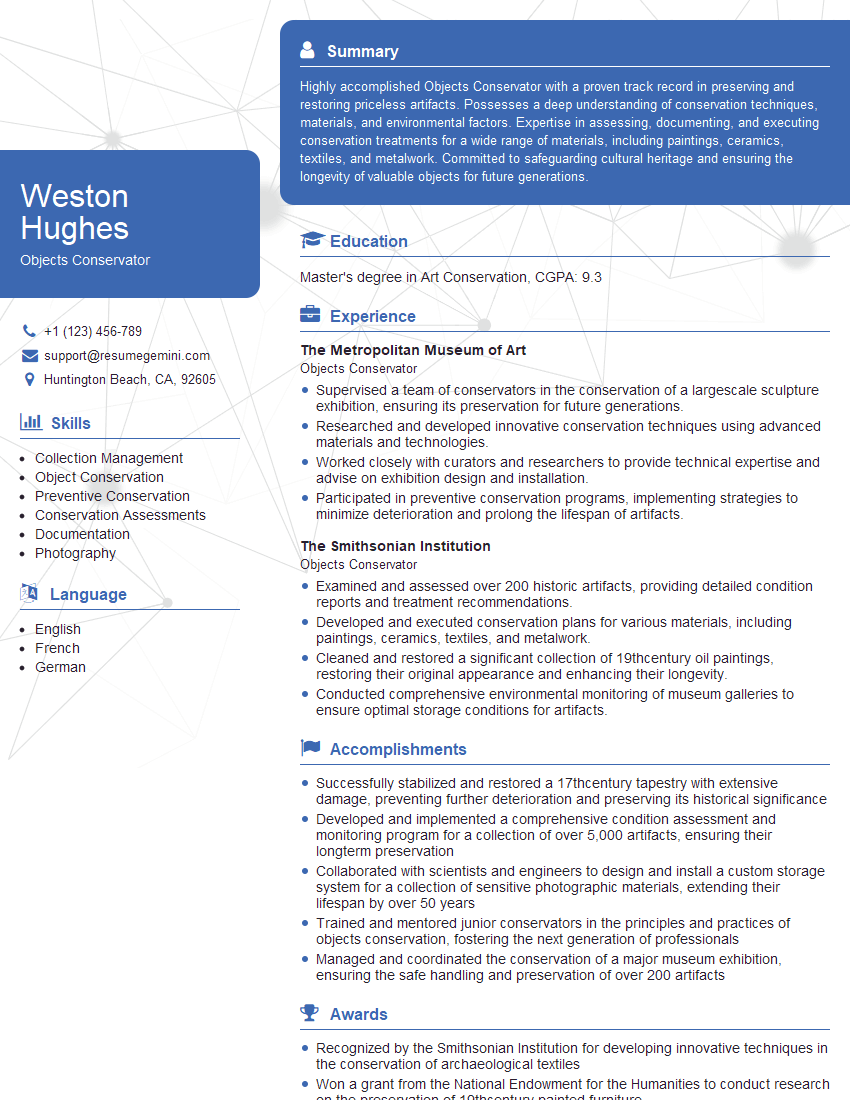
Objects Conservator Resume Sample
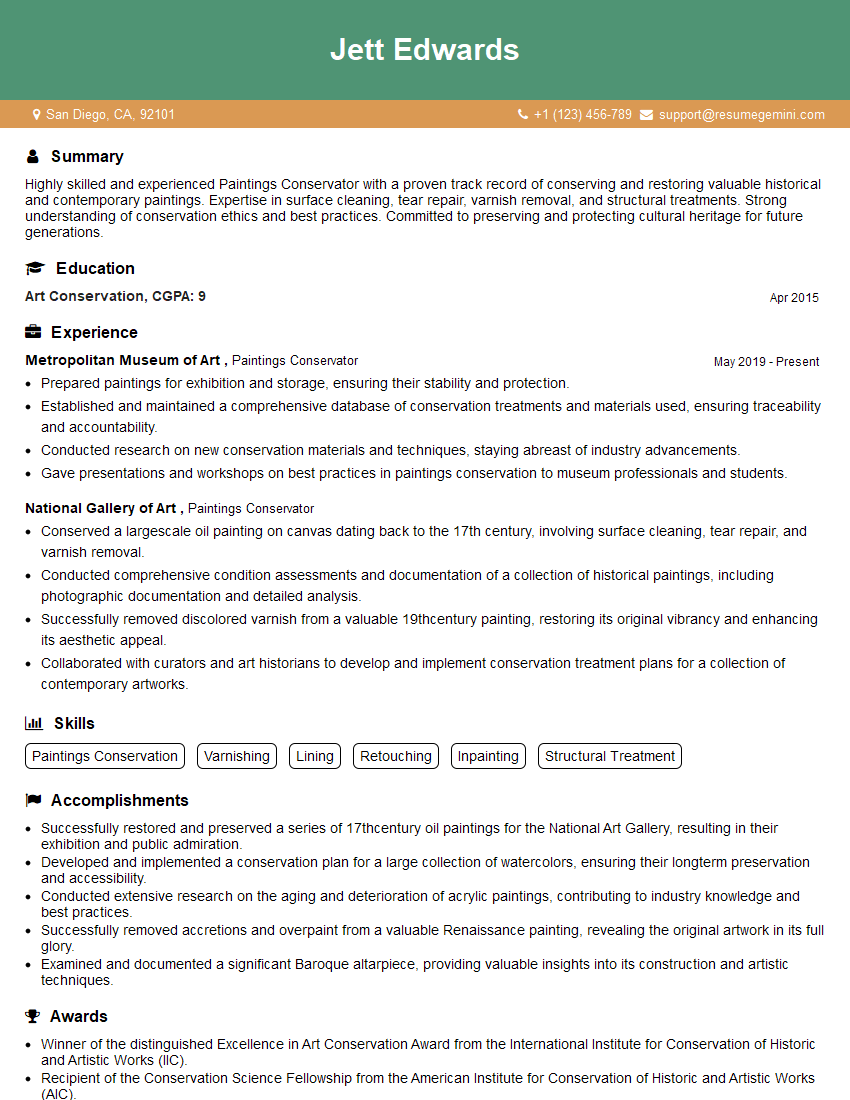
Paintings Conservator Resume Sample
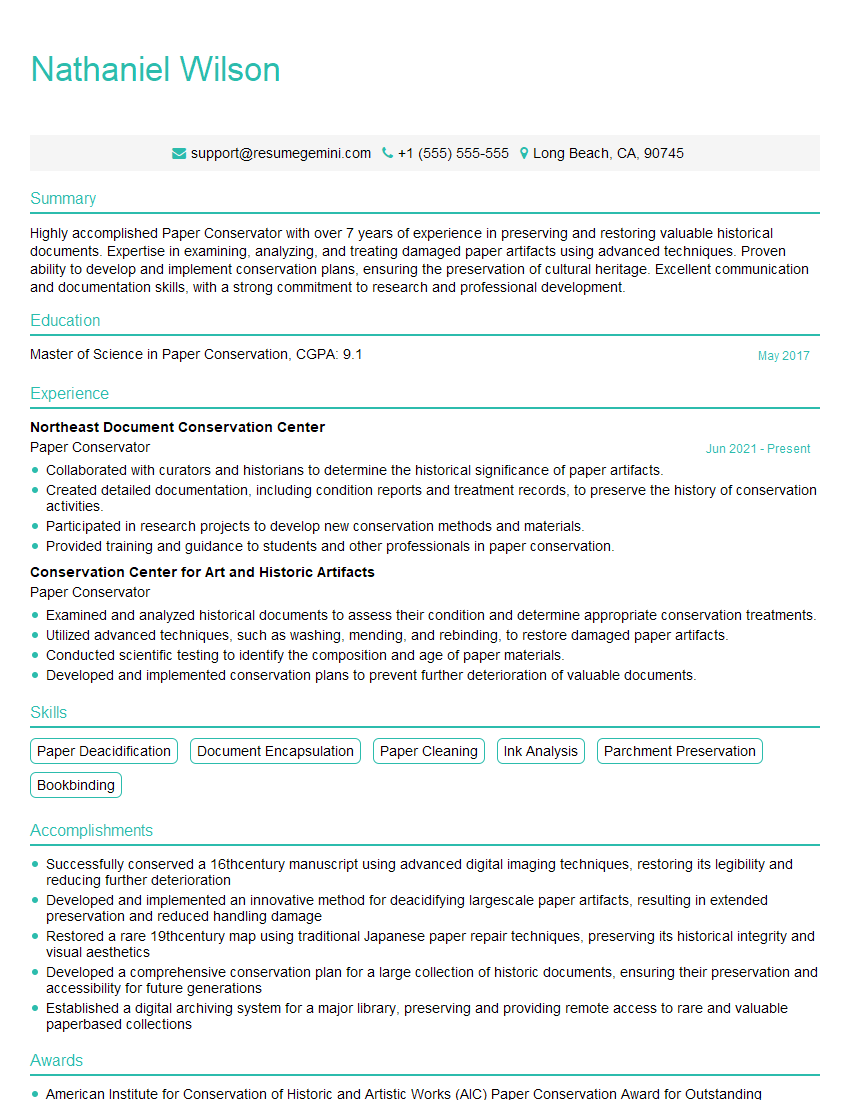
Paper Conservator Resume Sample
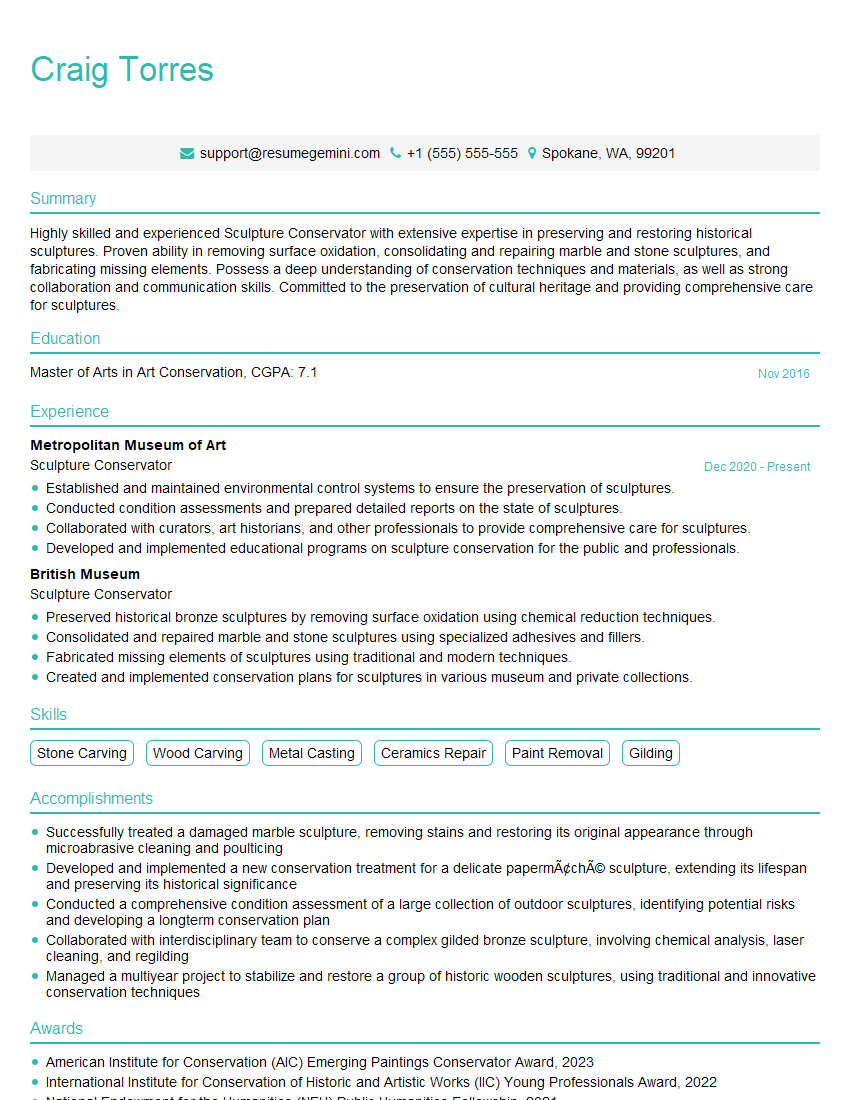
Sculpture Conservator Resume Sample
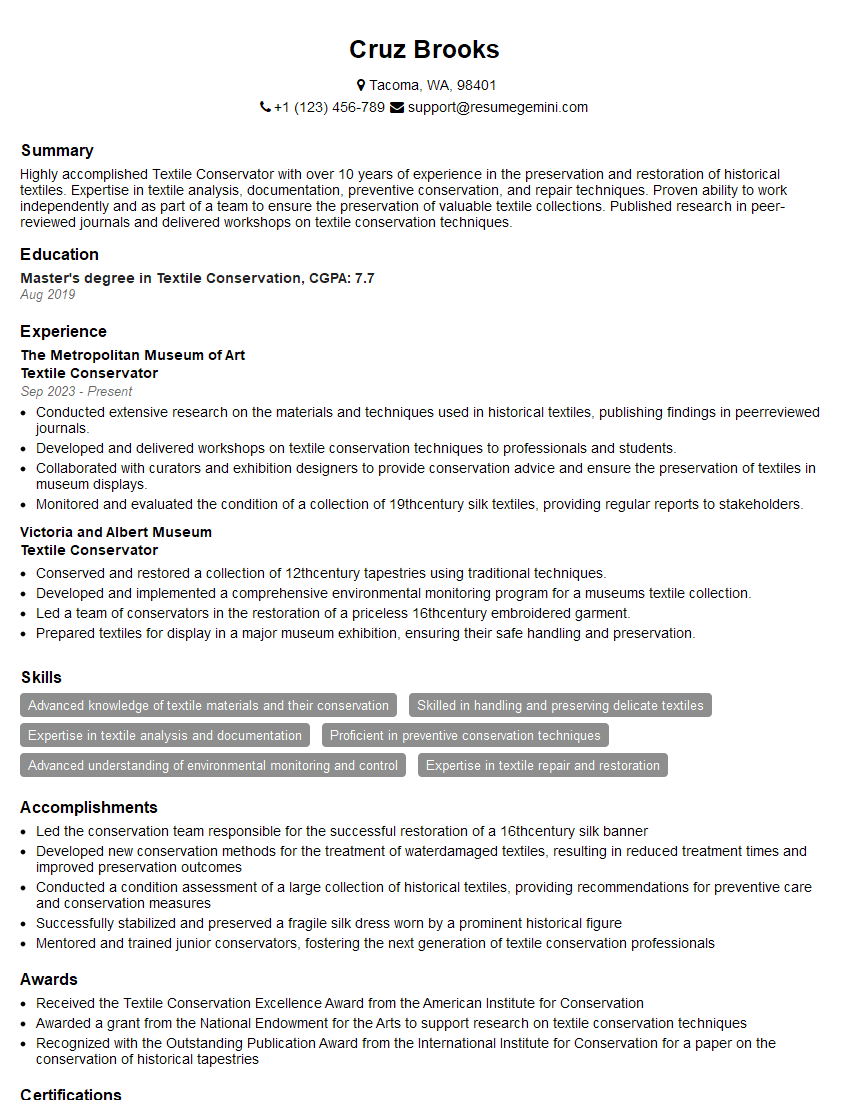
Textile Conservator Resume Sample
Explore more articles
Users Rating of Our Blogs
Share Your Experience
We value your feedback! Please rate our content and share your thoughts (optional).
What Readers Say About Our Blog
Really detailed insights and content, thank you for writing this detailed article.
IT gave me an insight and words to use and be able to think of examples