Interviews are opportunities to demonstrate your expertise, and this guide is here to help you shine. Explore the essential Noise Tolerance interview questions that employers frequently ask, paired with strategies for crafting responses that set you apart from the competition.
Questions Asked in Noise Tolerance Interview
Q 1. Describe your experience with noise level measurement equipment.
My experience with noise level measurement equipment spans over a decade, encompassing various types of sound level meters, from basic models to sophisticated ones with octave-band analysis capabilities. I’m proficient in using Class 1 and Class 2 sound level meters, ensuring accurate and reliable measurements. I’m familiar with calibrating these instruments using both acoustic calibrators and traceable standards, a crucial step for maintaining data integrity. I’ve worked with both handheld and stationary devices, selecting the appropriate equipment based on the specific noise assessment needs. For example, in a large factory, I might use a stationary sound level meter for long-term monitoring, while a handheld device would be more suitable for quick spot checks or identifying specific noise sources.
Beyond sound level meters, I have experience with other specialized equipment such as dosimeters, which measure personal noise exposure over time, and spectrum analyzers, which provide a detailed frequency breakdown of the noise. This comprehensive understanding of different equipment allows me to choose the most appropriate tools for any given situation, ensuring the accuracy and reliability of my assessments.
Q 2. Explain the concept of sound pressure levels (dB) and their significance.
Sound pressure levels (dB), measured in decibels, represent the intensity of sound. Imagine a whisper versus a shout; the shout has a much higher sound pressure level. The decibel scale is logarithmic, meaning a 10 dB increase represents a tenfold increase in sound intensity. This is crucial because our perception of loudness is not linear. A 10 dB increase feels significantly louder to the human ear.
The significance of dB lies in its ability to quantify and compare sound levels objectively. Occupational safety and health regulations utilize dB levels to define safe exposure limits. For example, prolonged exposure above 85 dB(A) is generally considered unsafe and can lead to hearing damage. The ‘A’ weighting in dB(A) is a filter applied to the measurement to better reflect the human ear’s sensitivity to different frequencies. Understanding dB and its implications is fundamental to assessing and mitigating noise risks.
Q 3. How do you identify the sources of noise pollution in a workplace?
Identifying noise pollution sources in a workplace requires a systematic approach. It begins with a thorough site survey, visually inspecting equipment and operations to identify potential noise sources. This might include machinery like compressors, pumps, fans, or even processes such as stamping or grinding. I often use sound level meters and directional microphones to pinpoint the loudest noise contributors.
Next, I’d employ noise mapping techniques to visually represent noise levels across the workspace. This helps to identify hotspots and areas of high noise exposure. Employee interviews are also valuable, as workers often have firsthand knowledge of persistent noise issues that might not be immediately apparent during the initial survey. Finally, data analysis from the sound level measurements, maps, and interviews are combined to create a comprehensive report highlighting the primary noise pollution sources and their relative contributions.
For instance, in a manufacturing plant, I once identified a specific conveyor belt as a major contributor to high noise levels by using a combination of sound level measurements, noise mapping, and observation. Addressing that single source led to a significant reduction in overall workplace noise.
Q 4. What are the common regulatory standards for noise exposure in your industry?
Common regulatory standards for noise exposure vary slightly depending on the specific jurisdiction and industry, but several key regulations are widely adopted. The Occupational Safety and Health Administration (OSHA) in the United States, for example, sets permissible exposure limits (PELs) for noise, usually expressed as a time-weighted average (TWA) over an eight-hour workday. Similar regulations exist in the European Union (EU) and other countries globally. These regulations often stipulate requirements for hearing conservation programs, including noise monitoring, employee training, and the provision of hearing protection devices (HPDs) when necessary.
For instance, OSHA’s PEL is 90 dBA TWA for an 8-hour workday, with a 5 dB exchange rate (meaning a 5 dB increase halves the permissible exposure time). Understanding these regulations is critical to ensuring compliance and protecting worker health. I’m highly familiar with these regulations and routinely incorporate them into my noise assessments and recommendations.
Q 5. What are your preferred noise reduction strategies for industrial settings?
My preferred noise reduction strategies for industrial settings focus on a hierarchy of controls, prioritizing the most effective and feasible options.
- Engineering Controls: This is the most effective approach, involving modifications to equipment or processes to reduce noise at the source. Examples include replacing noisy machinery with quieter alternatives, installing noise barriers or enclosures, and optimizing machinery operation for reduced noise output.
- Administrative Controls: These strategies manage worker exposure to noise. This might involve job rotation to limit exposure time, using quieter tools for certain tasks, implementing work schedules that minimize exposure to peak noise levels, or providing workers with sufficient breaks to reduce cumulative noise exposure.
- Hearing Protection Devices (HPDs): While less effective than engineering or administrative controls, HPDs provide personal protection as a last resort when other methods are insufficient. The selection of appropriate HPDs is crucial, and workers need proper training on their correct use and maintenance.
I always strive to combine several strategies for optimal noise reduction. For example, in a factory setting, I might recommend replacing noisy pumps with quieter models (engineering), implementing a rotation schedule to distribute noise exposure across the workforce (administrative), and providing high-fidelity earplugs for tasks that remain noisy even after implementing other controls (HPDs).
Q 6. Explain your understanding of hearing protection devices and their limitations.
Hearing protection devices (HPDs), such as earplugs and earmuffs, are essential for reducing noise exposure, particularly in situations where engineering and administrative controls are insufficient. They work by attenuating sound waves before they reach the inner ear. However, they are not without limitations. The effectiveness of HPDs depends heavily on proper fit, maintenance, and user compliance.
Limitations include attenuation ratings not always reflecting real-world performance due to improper fit or damage, user discomfort leading to non-compliance, and the potential for HPDs to interfere with communication or situational awareness. Moreover, HPDs don’t fully eliminate noise exposure; they simply reduce it to a safer level. Therefore, they should be considered a last line of defense in a comprehensive noise control strategy, rather than the primary solution.
For instance, improperly fitted earplugs can provide significantly less protection than their rated attenuation, rendering them ineffective. Similarly, damaged earmuffs lose their ability to attenuate sound, again compromising protection. Understanding these limitations is critical for choosing appropriate HPDs, ensuring their proper use and training employees in safe handling procedures.
Q 7. Describe your experience in conducting noise surveys and assessments.
I possess extensive experience in conducting noise surveys and assessments, ranging from small-scale office environments to large industrial plants. My approach is always systematic and follows established methodologies. It starts with a preliminary site visit to understand the layout, operations, and potential noise sources. The next step involves detailed measurements using calibrated sound level meters, often employing different weighting networks (A-weighting being the most common) to capture the relevant noise characteristics.
Data collected during these surveys includes peak levels, time-weighted averages, and frequency analysis (octave-band or 1/3 octave-band) where necessary. This data is then analyzed to determine compliance with relevant regulations and identify areas exceeding safe exposure limits. The results are summarized in comprehensive reports that include noise maps, recommendations for noise control measures, and estimations of the effectiveness of different control strategies. The goal is to provide clients with actionable information to improve their workplace acoustic environment.
For example, during a recent noise assessment at a printing facility, the survey identified high-frequency noise exceeding the regulatory limits near certain printing presses. This led to recommendations for installing localized acoustic barriers around the presses and providing employees with appropriate hearing protection. This resulted in a significant reduction in noise levels and better compliance with safety regulations.
Q 8. How do you interpret noise data and create mitigation plans?
Interpreting noise data involves understanding its frequency content, intensity, and temporal characteristics. This data, often collected through sound level meters and other acoustic measurement tools, is then analyzed to pinpoint noise sources and their contribution to the overall sound environment.
Creating mitigation plans requires a systematic approach. First, we identify the noise sources, using sound mapping techniques if necessary. Then we quantify the noise levels, comparing them to relevant regulations and standards (like OSHA or local ordinances). This establishes the baseline and identifies areas exceeding acceptable limits. Next, we evaluate feasible noise control strategies, prioritizing those with the greatest impact and considering factors like cost and practicality. Finally, we design and implement the chosen mitigation strategies, monitoring their effectiveness to ensure compliance and identify areas for potential improvement. For example, if a factory’s machinery is causing excessive noise, a mitigation plan might involve installing acoustic enclosures around the equipment, implementing noise-reducing materials in the building’s structure, or optimizing the machinery’s operation to minimize noise production. This iterative process of measurement, analysis, and implementation ensures a targeted and effective solution.
Q 9. What software or tools do you use for noise modeling and analysis?
My toolkit for noise modeling and analysis includes a range of software and tools. For sound level measurements, I use calibrated sound level meters, which provide accurate data on noise levels in dB(A) and other weighting scales. For detailed analysis and modeling, I rely on software packages like CadnaA, SoundPLAN, and others. These programs allow me to create detailed acoustic models of complex environments, simulate the impact of different noise control measures, and predict sound levels with a high degree of accuracy. For instance, CadnaA allows for importing geographical data and building models to simulate sound propagation in an urban environment, which is crucial in urban planning for predicting the impact of construction projects or road traffic. These tools are essential for designing effective noise mitigation strategies and ensuring compliance with relevant regulations. I also frequently use data visualization tools like spreadsheets and specialized acoustic analysis software to interpret complex datasets and communicate results effectively.
Q 10. How do you prioritize noise control measures based on cost and effectiveness?
Prioritizing noise control measures requires a careful balancing act between cost and effectiveness. I use a cost-benefit analysis framework to systematically evaluate different options. This involves estimating the cost of each measure (including materials, labor, and potential downtime) and quantifying the reduction in noise levels it will achieve. I often create a matrix comparing different options based on their effectiveness (noise reduction achieved) and cost, allowing for a clear visual representation of the trade-offs. For example, a simple and relatively inexpensive measure might be adding absorbent materials to walls, while more complex and costly solutions may involve installing sound barriers or modifying equipment. We may even find that a combination of multiple less-expensive measures is more cost-effective than a single, very expensive solution. The goal is to select the combination of measures that achieves the desired noise reduction at the lowest overall cost, while still meeting regulatory requirements and minimizing disruption to operations.
Q 11. Explain your experience with different noise control technologies (e.g., barriers, enclosures).
My experience encompasses a wide range of noise control technologies. Barriers are effective for blocking line-of-sight noise propagation and are frequently used in areas like highways and industrial settings. I have extensive experience designing and specifying barriers, selecting appropriate materials (like concrete or sound-absorbing materials) and optimizing their placement to maximize their effectiveness. Enclosures are another key technology, offering high levels of noise reduction by completely surrounding the noise source. I’ve worked on projects involving the design of acoustic enclosures for machinery, generators, and other equipment. The selection of appropriate materials, considering factors such as strength, durability, and acoustic properties, is critical here. Beyond barriers and enclosures, I’m also proficient in using absorptive materials (like acoustic panels or foams) to reduce reverberation within a space and dampening vibrations through the use of isolators and vibration-reducing mounts. The choice of technology depends on various factors, including the nature of the noise source, the surrounding environment, and budget constraints. Each project requires a tailored approach.
Q 12. How do you communicate noise control requirements and recommendations to non-technical audiences?
Communicating technical information to non-technical audiences requires clear and concise language, avoiding jargon whenever possible. I use analogies and visual aids to illustrate complex concepts. For example, instead of saying “we need to reduce the sound pressure level by 10 dB(A)”, I might say “we need to make the noise about half as loud.” I use charts and diagrams to represent noise levels and the effectiveness of different control measures visually. I also tailor my communication style to the audience’s level of understanding, avoiding overly technical details if they aren’t necessary. When presenting recommendations, I clearly explain the benefits and costs associated with each option, ensuring that everyone understands the rationale behind the chosen approach. Using relatable examples from everyday life to explain acoustic concepts is also an important part of effective communication. For example, explaining noise absorption with the example of a soft carpet absorbing sound waves more effectively than a hard tile floor.
Q 13. What are the health risks associated with prolonged exposure to high noise levels?
Prolonged exposure to high noise levels poses significant health risks. The most common is noise-induced hearing loss (NIHL), ranging from temporary threshold shifts to permanent damage. NIHL can affect speech understanding, communication, and quality of life. Beyond hearing loss, consistent exposure to loud noise can also contribute to cardiovascular problems, increased stress levels, sleep disturbances, tinnitus (ringing in the ears), and even cognitive impairment. The severity of these effects depends on factors like the intensity of the noise, the duration of exposure, and the individual’s susceptibility. Regulations and standards are in place to limit exposure to harmful noise levels, aiming to protect workers and the general public from these potentially devastating health consequences. It’s important to remember that hearing loss is often insidious, developing gradually and sometimes without noticeable symptoms until significant damage has occurred.
Q 14. Explain the difference between noise reduction and noise absorption.
Noise reduction and noise absorption are distinct but related concepts. Noise reduction refers to the overall decrease in sound intensity, achieved through various methods. This can include blocking sound transmission (like with barriers), absorbing sound energy (like with acoustic panels), or silencing the noise source itself. Noise absorption, on the other hand, specifically focuses on reducing the sound energy within a space by converting sound waves into heat energy. Absorbent materials, such as porous foams or fibrous materials, trap sound waves, preventing them from reflecting and causing reverberation. Think of a recording studio: they use both noise reduction (to minimize external noise entering the studio) and noise absorption (to minimize sound reflections within the studio). Noise reduction is a broader term, encompassing absorption and other strategies, while noise absorption focuses on a specific mechanism of sound attenuation.
Q 15. Describe a situation where you had to resolve a noise-related complaint.
During a previous project involving the renovation of a historic building near a residential area, we received numerous complaints about excessive noise from demolition work. The complaints ranged from disruptive daytime noise to nighttime vibrations felt in nearby homes. To resolve this, we implemented a multi-pronged approach. First, we conducted a thorough noise impact assessment, measuring sound levels at various points near the construction site and in the affected residences. This provided baseline data and identified peak noise sources. Second, we instituted stricter noise control measures, including limiting working hours, using quieter equipment, and implementing sound barriers where feasible. Third, we actively engaged with the residents, holding regular meetings to update them on our progress and address their concerns. Open communication, coupled with demonstrable efforts to mitigate the noise, proved highly effective in resolving the issue and maintaining positive community relations. We ultimately reached a point where noise levels were significantly reduced, bringing them well within acceptable limits and meeting the local ordinance requirements.
Career Expert Tips:
- Ace those interviews! Prepare effectively by reviewing the Top 50 Most Common Interview Questions on ResumeGemini.
- Navigate your job search with confidence! Explore a wide range of Career Tips on ResumeGemini. Learn about common challenges and recommendations to overcome them.
- Craft the perfect resume! Master the Art of Resume Writing with ResumeGemini’s guide. Showcase your unique qualifications and achievements effectively.
- Don’t miss out on holiday savings! Build your dream resume with ResumeGemini’s ATS optimized templates.
Q 16. How do you ensure compliance with noise regulations during a construction project?
Ensuring compliance with noise regulations on a construction project requires a proactive and multi-faceted approach. It starts with careful planning. Before construction begins, we conduct a detailed noise impact assessment that considers the types of equipment to be used, the proximity of sensitive receptors (like schools or hospitals), and local noise ordinances. Based on this assessment, a noise control plan is developed, outlining specific measures to reduce noise pollution. This plan might include selecting low-noise equipment, implementing noise barriers, scheduling noisy activities during less sensitive hours (e.g., daytime construction rather than night work), using vibration dampening measures for heavy machinery, and providing hearing protection to workers. Throughout the project, we continuously monitor noise levels with sound level meters, ensuring compliance with the planned measures and the regulatory limits. Regular inspections and documentation help maintain compliance and address any emerging noise issues promptly. Any deviations from the plan are reported and addressed immediately. Finally, regular communication with local authorities and residents is essential to address any concerns and ensure transparency throughout the construction process.
Q 17. Describe your experience with designing noise barriers or enclosures.
I have extensive experience in designing noise barriers and enclosures, often integrating them into broader noise control strategies. Designing effective noise barriers involves considering several factors, including the frequency range of the noise source, the required noise reduction, and the aesthetic requirements of the site. For example, in one project, we designed and implemented a series of earth berms, strategically planted with vegetation, to act as natural noise barriers around a highway. This approach not only reduced noise but also enhanced the visual appeal of the area. In another project, we designed custom acoustic enclosures for industrial machinery. This required precise calculations to determine the appropriate thickness and material of the enclosure walls, taking into account the sound absorption and transmission loss characteristics of the materials used. We also factored in ventilation needs to prevent overheating of the equipment while maintaining acoustic performance. This involved using specialized sound-absorbing materials within the enclosure to further minimize noise transmission. Software like CadnaA is crucial for modelling the effectiveness of these designs before implementation.
Q 18. How familiar are you with ISO standards related to noise control?
I am very familiar with ISO standards related to noise control, particularly ISO 1996-1, 1996-2 (Acoustics – Description, measurement and assessment of environmental noise), and ISO 9613-1, 9613-2 (Acoustics – Attenuation of sound during propagation outdoors). These standards provide a framework for assessing and managing environmental noise, establishing methods for sound level measurements, and providing guidance on predicting sound propagation in various environments. My understanding extends to the practical application of these standards in noise impact assessments, the design of noise control measures, and the demonstration of compliance with regulations. This includes knowing the different weighting networks (A-weighting, Z-weighting) and understanding their applications in various noise measurement scenarios. I also have experience with other relevant ISO standards, such as those related to occupational noise exposure (ISO 1996-2 and others).
Q 19. What is your experience with acoustic modeling software?
I have extensive experience using acoustic modeling software, specifically CadnaA and SoundPLAN. These programs allow for the prediction of noise propagation in complex environments, considering factors like topography, ground absorption, and atmospheric attenuation. I utilize this software to model the effectiveness of proposed noise control measures before implementation. For example, in a recent project, we used CadnaA to model the noise impact of a new industrial facility on a nearby residential area. This modeling allowed us to optimize the design of noise barriers and predict noise levels with great accuracy, ensuring the project would meet regulatory requirements. The software’s ability to visualize sound propagation patterns is invaluable in communicating findings to stakeholders and decision-makers. The software also facilitates “what-if” scenarios, allowing us to explore different noise mitigation strategies and select the most effective and cost-efficient solution.
Q 20. Explain your understanding of reverberation and its impact on noise levels.
Reverberation is the persistence of sound in a space after the original sound source has stopped. It’s caused by the multiple reflections of sound waves off surfaces like walls, floors, and ceilings. The impact of reverberation on noise levels is significant, especially in enclosed spaces. High reverberation times can make a space sound noisy even at relatively low sound pressure levels. This is because the sound energy isn’t absorbed quickly, leading to a build-up of sound and a prolonged decay time. Think of a large, empty room – clapping your hands produces a loud and lingering echo due to high reverberation. Conversely, a room with sound-absorbing materials will have a shorter reverberation time, meaning the sound decays faster, and the overall noise level feels less intense. Managing reverberation is critical in designing noise-controlled environments, often involving the strategic use of sound-absorbing materials such as acoustic panels, carpets, and specialized ceiling tiles. The selection and placement of these materials significantly impact the acoustic comfort and noise levels within a space. Controlling reverberation improves speech intelligibility and reduces the perceived loudness of sounds, creating a more comfortable and productive environment.
Q 21. Describe your experience in developing and implementing a noise control program.
I’ve led the development and implementation of numerous noise control programs across diverse settings, including construction sites, manufacturing facilities, and residential areas. The process typically starts with a thorough noise assessment to identify the sources, pathways, and receptors of noise. This assessment informs the development of a tailored noise control program that addresses the specific noise issues. This might involve engineering controls (like noise barriers or equipment modifications), administrative controls (like work scheduling or training programs), and hearing protection for exposed workers. For example, in a manufacturing facility, we implemented a program that included replacing noisy machinery with quieter alternatives, installing sound-absorbing materials on walls and ceilings, and providing regular hearing tests for employees. Implementing the program involves procuring materials, training staff, and monitoring progress using sound level meters. Effective communication is crucial throughout the process to keep stakeholders informed and address their concerns. Regular audits and reviews are essential to assess the effectiveness of the program and make any necessary adjustments to ensure ongoing compliance with regulations and noise reduction goals. Successful implementation often requires a collaborative approach, bringing together engineers, management, and workers to ensure buy-in and effective execution.
Q 22. How do you manage conflicting priorities between cost and noise reduction?
Balancing cost and noise reduction requires a strategic approach that prioritizes effectiveness and feasibility. It’s not about choosing one over the other, but finding the optimal point where acceptable noise levels are achieved within budget constraints. This often involves a phased implementation.
Step 1: Prioritization: We begin by identifying noise sources contributing most significantly to the overall noise level. A noise survey helps pinpoint these ‘high-impact’ sources. We then prioritize solutions based on their cost-effectiveness. For example, simple and inexpensive solutions like adding acoustic barriers might be implemented first, followed by more expensive options like replacing noisy machinery if necessary.
Step 2: Cost-Benefit Analysis: For each potential solution, we perform a detailed cost-benefit analysis. This involves estimating the cost of implementation (materials, labor, downtime) and comparing it to the benefits (reduced noise levels, improved worker productivity, potential fines avoided for non-compliance). This analysis allows us to choose solutions delivering the greatest noise reduction for the investment.
Step 3: Phased Implementation: Instead of tackling everything at once, we often adopt a phased approach. This minimizes upfront capital expenditure and allows for a gradual reduction in noise levels while assessing the effectiveness of each phase before proceeding. This also allows for budgetary flexibility and adaptation based on the outcome of each phase.
Example: In a manufacturing plant, we might start with inexpensive noise-absorbing panels in high-noise areas before investing in a more costly noise-reducing enclosure for a specific piece of equipment.
Q 23. How do you evaluate the effectiveness of implemented noise control measures?
Evaluating the effectiveness of noise control measures requires a systematic approach involving pre- and post-implementation noise measurements. We use calibrated sound level meters and sophisticated data logging systems to accurately assess noise levels.
Pre-Implementation Measurements: Before any intervention, we conduct a baseline noise survey to establish existing noise levels. This involves measuring noise levels at various locations and under different operating conditions. This data forms the basis for comparison.
Post-Implementation Measurements: After implementing noise control measures, we repeat the noise survey under the same conditions as the baseline measurements. We compare the ‘after’ measurements to the ‘before’ measurements to quantify the reduction in noise levels. We typically use metrics such as decibel (dB) reduction, A-weighted sound levels (dBA) reduction, and potentially spectral analysis to understand how different frequencies are affected.
Data Analysis: The collected data is analyzed using statistical methods to determine whether the reduction in noise levels is statistically significant. This confirms whether the implemented measures are truly effective.
Example: If we installed acoustic enclosures around noisy machinery and found a 10 dBA reduction in the surrounding area, it would indicate effective noise control.
Q 24. What strategies do you employ for minimizing noise during machinery operation?
Minimizing noise during machinery operation requires a multi-pronged approach addressing the source, path, and receiver of noise.
- Source Control: This involves modifying the machinery itself to reduce noise generation. Examples include using quieter motors, improving lubrication, balancing rotating parts, and employing vibration damping materials.
- Path Control: This involves preventing or absorbing noise transmission from the source to the receiver. Methods include using sound-absorbing materials (like acoustic panels or baffles), building enclosures around noisy equipment, implementing barriers, and using vibration isolation mounts.
- Receiver Control: This focuses on protecting the workers from the noise. Examples include providing personal protective equipment (hearing protection), implementing quieter work schedules, and optimizing workspace layout to increase distance from noise sources.
Example: In a factory, we might use a combination of strategies: installing vibration isolation mounts under noisy compressors (source control), building partial enclosures around them (path control), and providing hearing protection to nearby workers (receiver control).
Q 25. Describe your experience with noise monitoring and data logging systems.
I have extensive experience with various noise monitoring and data logging systems. This includes using both handheld sound level meters for spot measurements and sophisticated, integrated systems for continuous monitoring and data acquisition. I am proficient in using equipment from leading manufacturers and interpreting the data obtained.
Handheld Sound Level Meters: These are crucial for initial assessments and quick spot checks of noise levels. I am experienced in using these devices to measure various parameters such as sound pressure level (SPL), frequency weighting (A-weighting), and sound exposure levels. Proper calibration procedures are followed for accurate measurements.
Integrated Data Logging Systems: These systems enable long-term monitoring of noise levels at multiple locations. The data is then logged and analyzed for identifying trends, patterns, and potential issues. These systems often include features like real-time monitoring, alarm settings (triggering alerts if noise levels exceed pre-defined thresholds), and remote access capabilities.
Data Analysis Software: I am proficient in using various software packages to analyze the collected data, creating reports and visualizations (such as graphs and maps) to easily communicate noise levels and the effectiveness of control measures.
Q 26. How do you work with other departments (e.g., engineering, operations) to address noise issues?
Effective noise control requires strong collaboration with other departments. I foster open communication and work closely with engineering, operations, and management to integrate noise control considerations into design, operations, and maintenance processes.
Engineering Collaboration: During the design phase of new equipment or facilities, I work with engineers to incorporate noise control measures into the design itself, such as specifying quieter components, optimizing layouts to minimize noise transmission, and selecting appropriate sound-absorbing materials.
Operations Collaboration: I work with operations teams to ensure that noise control measures are properly implemented and maintained. This includes providing training on the use of equipment and procedures to maintain noise levels. I often conduct regular inspections to check the status of control measures.
Management Collaboration: I provide management with regular reports on noise levels, the effectiveness of implemented measures, and potential costs associated with future improvements. I help them to understand the business case for noise control, considering the impact on worker health and safety, productivity, and compliance with regulations.
Q 27. Describe your experience in developing noise control budgets and forecasts.
Developing noise control budgets and forecasts involves a comprehensive approach combining technical expertise with financial planning. The process begins with identifying all noise sources and assessing their contribution to the overall noise level. We then evaluate various noise reduction options and their associated costs.
Cost Estimation: We meticulously estimate the costs associated with each proposed solution. This includes materials, labor, equipment rental, engineering fees, and any potential downtime. Contingency planning is crucial to account for unexpected expenses.
Prioritization: We prioritize solutions based on their cost-effectiveness and the impact on noise reduction. This ensures that the allocated budget is used effectively to achieve the most significant improvements in noise levels. We often use cost-benefit analyses to justify our spending.
Forecasting: We develop realistic forecasts for the budget needed over several years, taking into account factors such as inflation, potential changes in regulations, and the lifespan of implemented control measures. Regular monitoring and adjustments allow for adaptive budgeting.
Example: A noise control budget might allocate funds for immediate improvements such as acoustic barriers and hearing protection, with a longer-term plan for upgrading noisy machinery.
Q 28. How do you stay current with advancements in noise control technologies and regulations?
Staying current with advancements in noise control technologies and regulations is essential. I actively engage in professional development activities and utilize various resources to keep abreast of the latest developments.
Professional Organizations: I am a member of relevant professional organizations such as the Institute of Noise Control Engineering (INCE), attending conferences, workshops, and webinars to learn about new technologies and best practices.
Industry Publications: I regularly read industry publications, journals, and technical reports to stay updated on research findings, new product releases, and case studies.
Regulatory Updates: I monitor regulatory changes related to noise control, ensuring that all our practices comply with relevant standards and legislation. This includes national and international regulations and standards.
Online Resources: I leverage online resources such as professional websites, databases, and online courses to deepen my understanding of noise control principles and technologies.
Key Topics to Learn for Noise Tolerance Interview
- Understanding Noise Sources: Identifying different types of noise (e.g., environmental, electronic) and their characteristics.
- Signal-to-Noise Ratio (SNR): Understanding the concept of SNR and its importance in various applications, including signal processing and data analysis.
- Noise Reduction Techniques: Exploring various methods for noise reduction, such as filtering, averaging, and signal processing algorithms. Practical application examples might include explaining how you’d handle noise in a specific data set.
- Noise Modeling: Understanding how to model different types of noise mathematically and statistically for accurate analysis and prediction.
- Impact of Noise on System Performance: Analyzing how noise affects the accuracy, reliability, and efficiency of systems and how to mitigate its negative effects. For example, how noise impacts sensor readings or communication systems.
- Adaptive Noise Cancellation: Understanding the principles and applications of adaptive filtering techniques for noise cancellation in dynamic environments.
- Noise Measurement and Analysis: Familiarize yourself with techniques and tools used to measure and analyze noise in different contexts (e.g., sound level meters, spectral analysis).
- Case Studies & Problem Solving: Prepare to discuss how you’ve addressed noise-related challenges in past projects or academic work. Focus on your approach to problem-solving and your ability to analyze and interpret data in the presence of noise.
Next Steps
Mastering noise tolerance is crucial for success in many technical fields, demonstrating your ability to extract meaningful information from complex and noisy data. This skill is highly valued by employers and can significantly boost your career prospects. To increase your chances of landing your dream job, invest time in creating an ATS-friendly resume that showcases your relevant skills and experience. We highly recommend using ResumeGemini, a trusted resource for building professional resumes. ResumeGemini provides helpful tools and examples of resumes tailored to roles emphasizing Noise Tolerance, ensuring your application stands out. Examples of such resumes are available below.
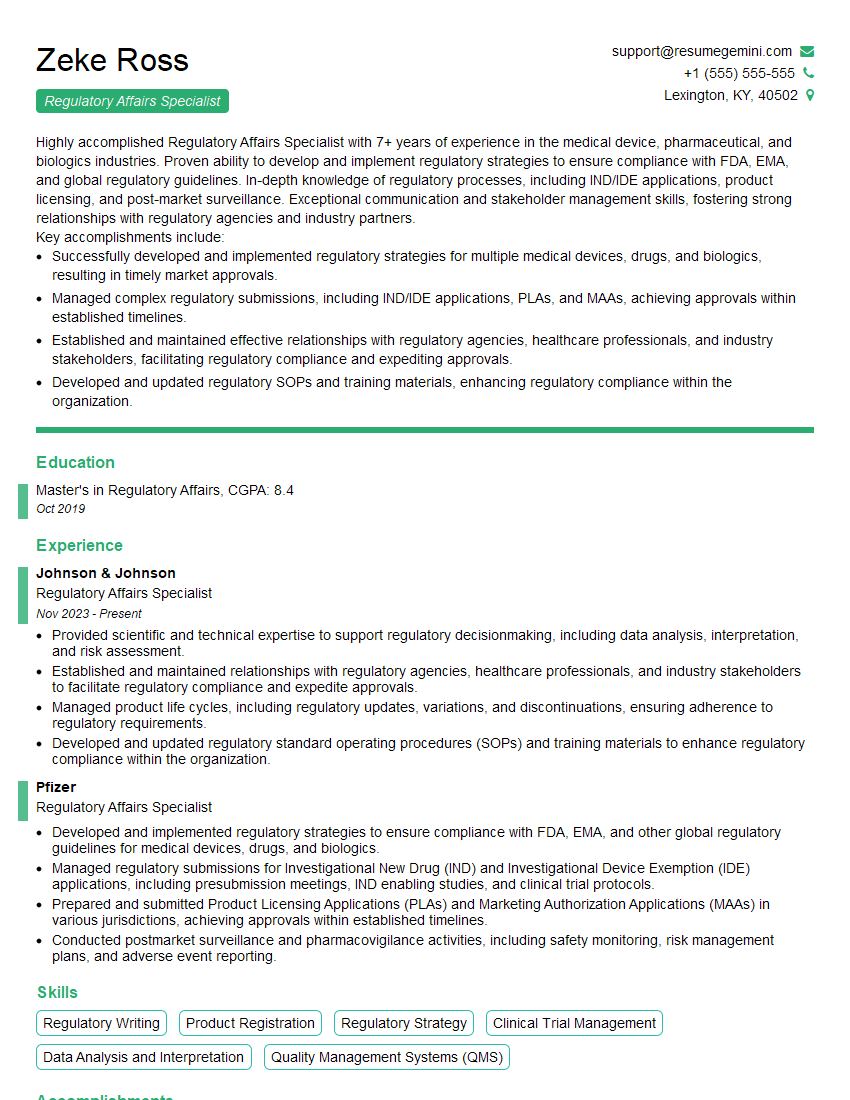
Regulatory Affairs Specialist Resume Sample
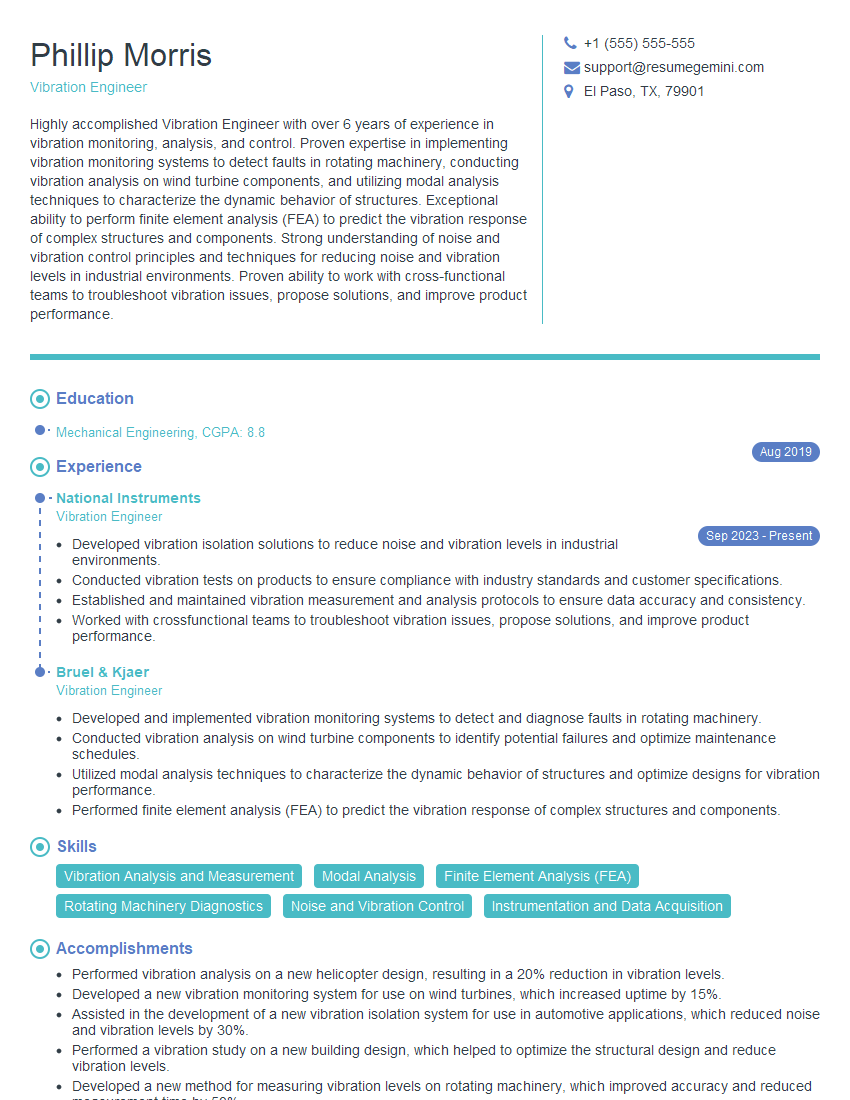
Vibration Engineer Resume Sample
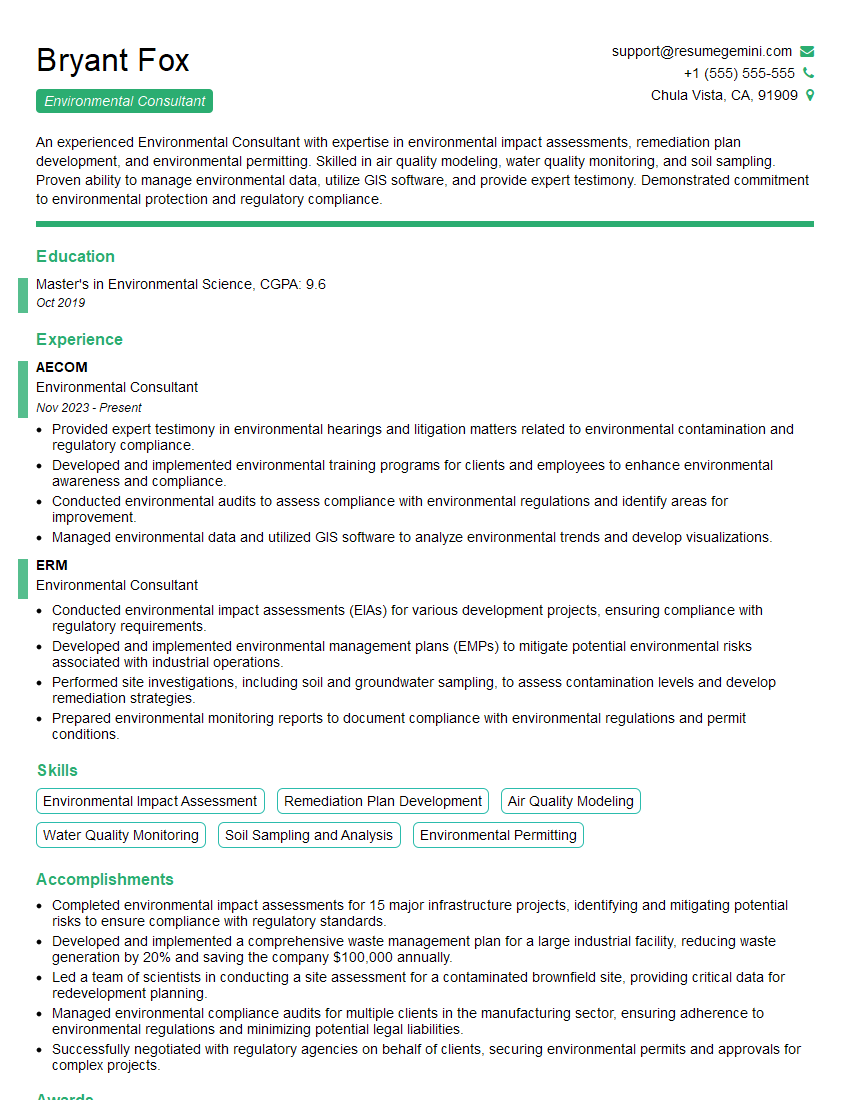
Environmental Consultant Resume Sample
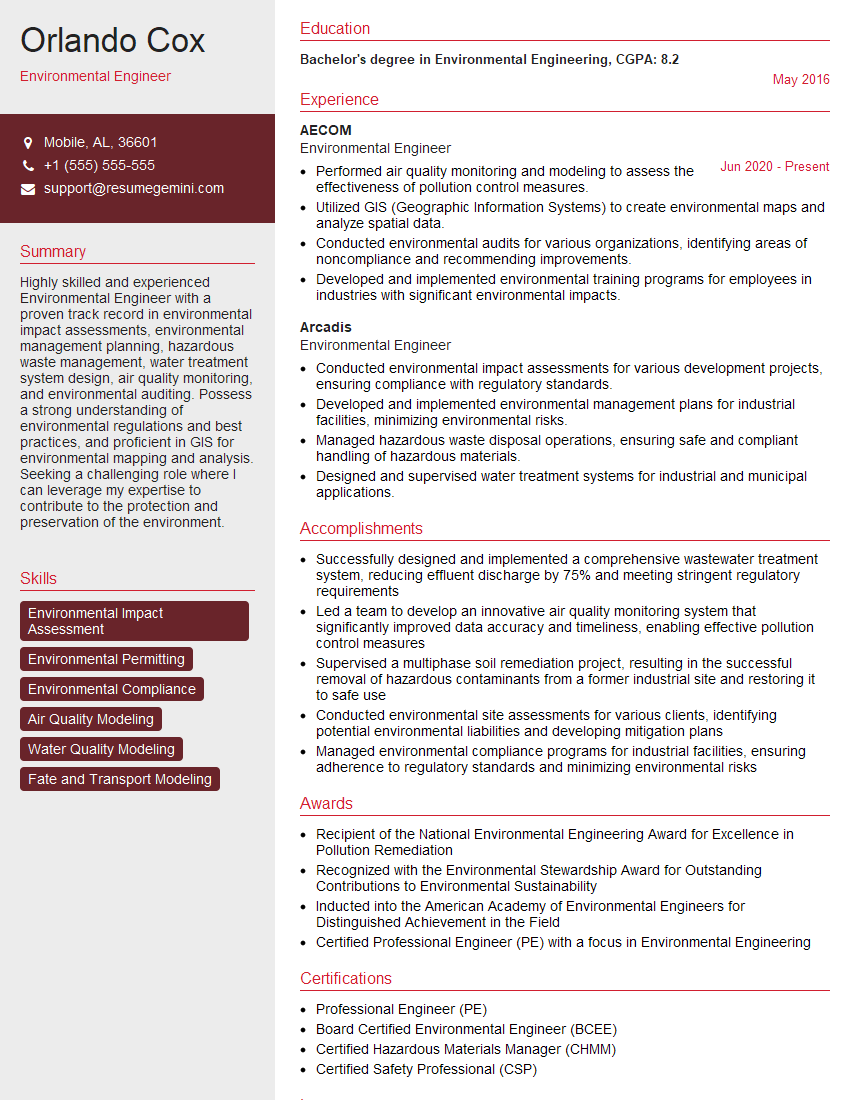
Environmental Engineer Resume Sample
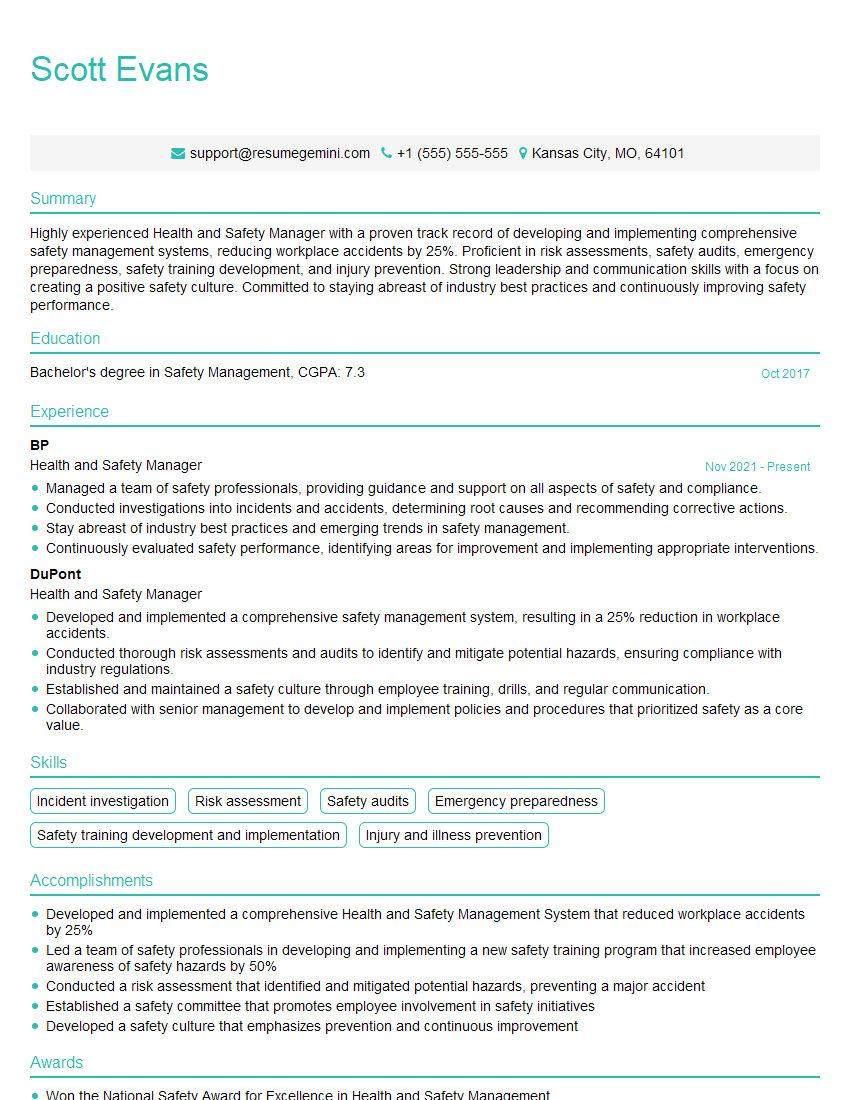
Health and Safety Manager Resume Sample
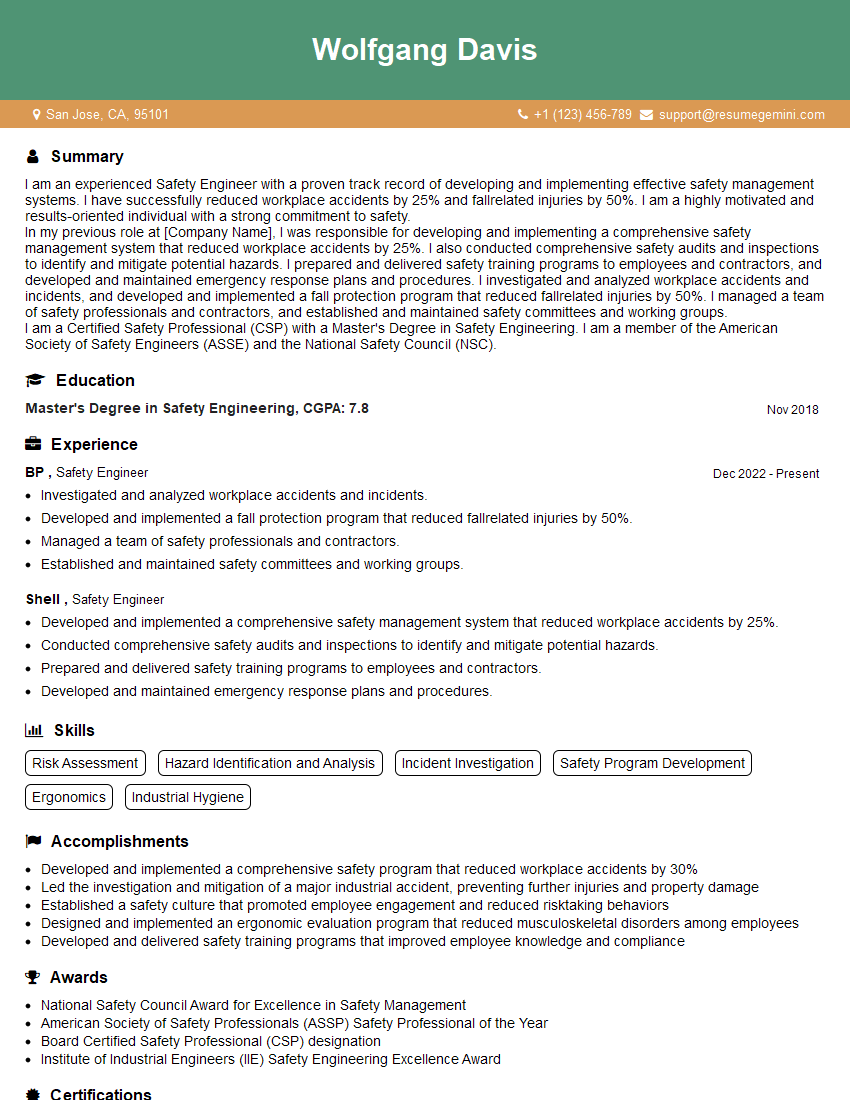
Safety Engineer Resume Sample
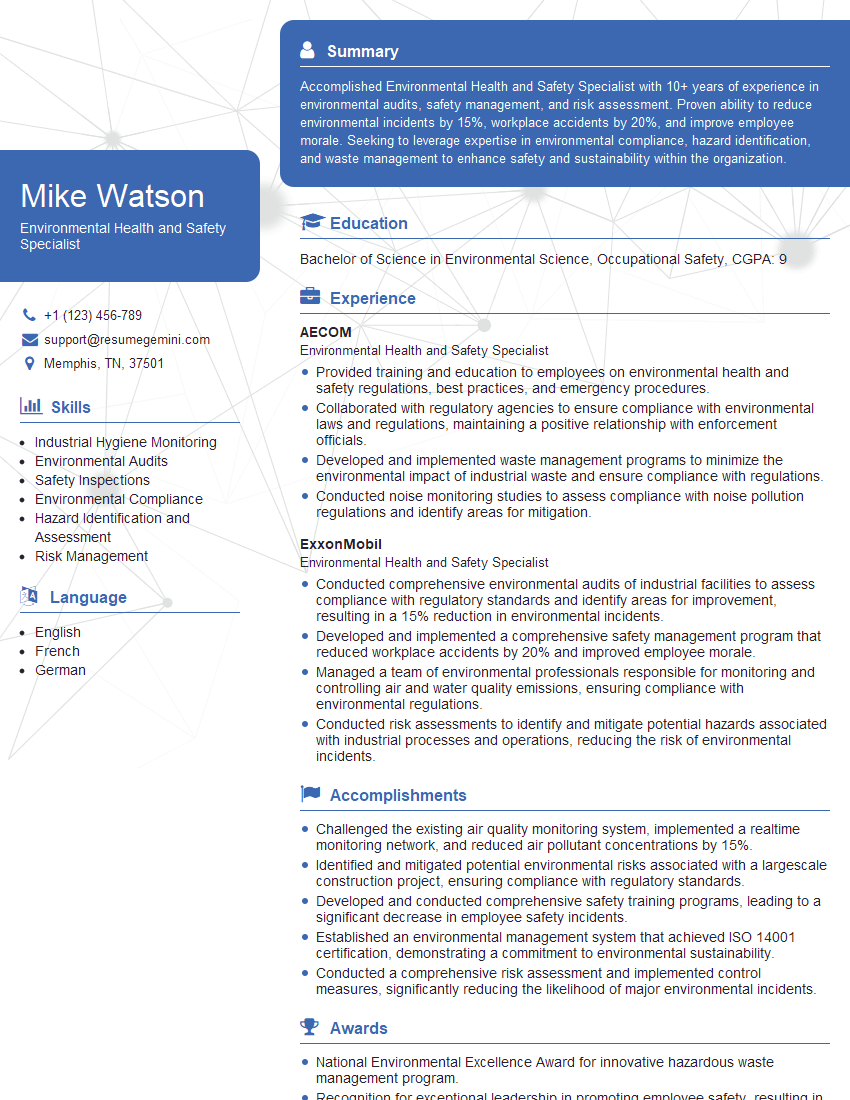
Environmental Health and Safety Specialist Resume Sample
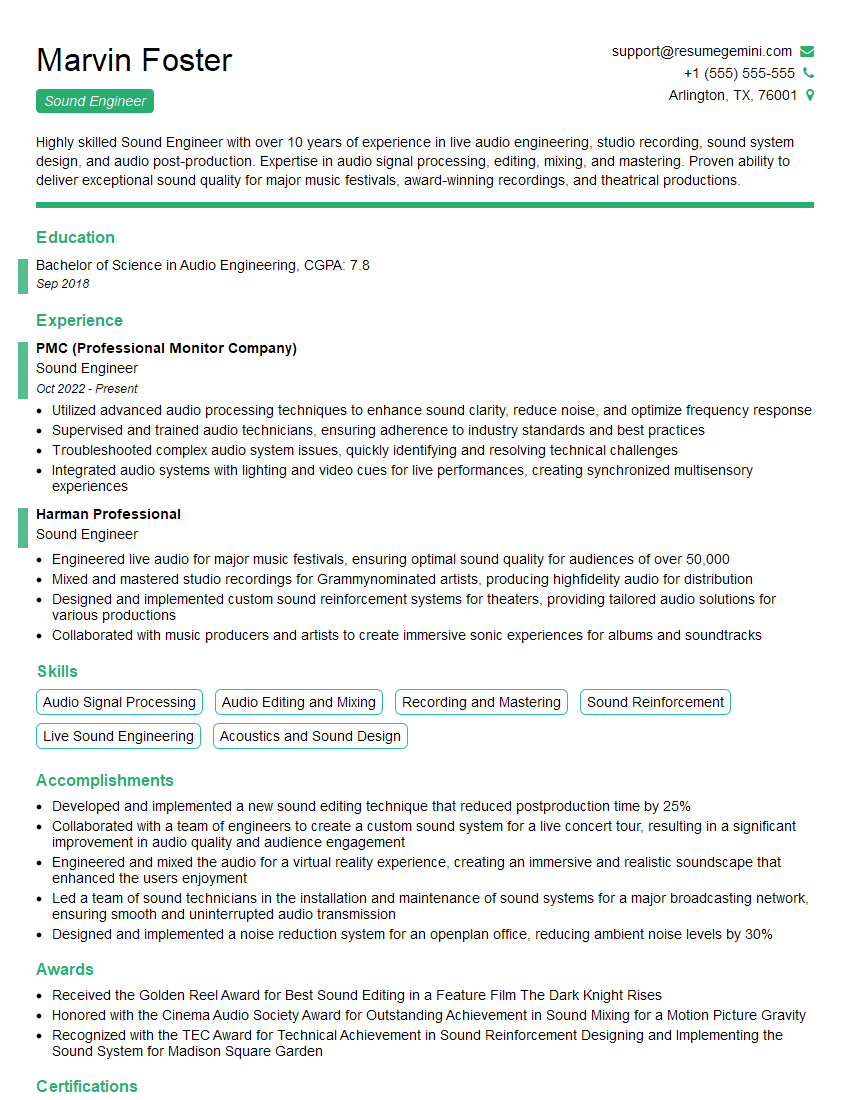
Sound Engineer Resume Sample

Audiologist Resume Sample
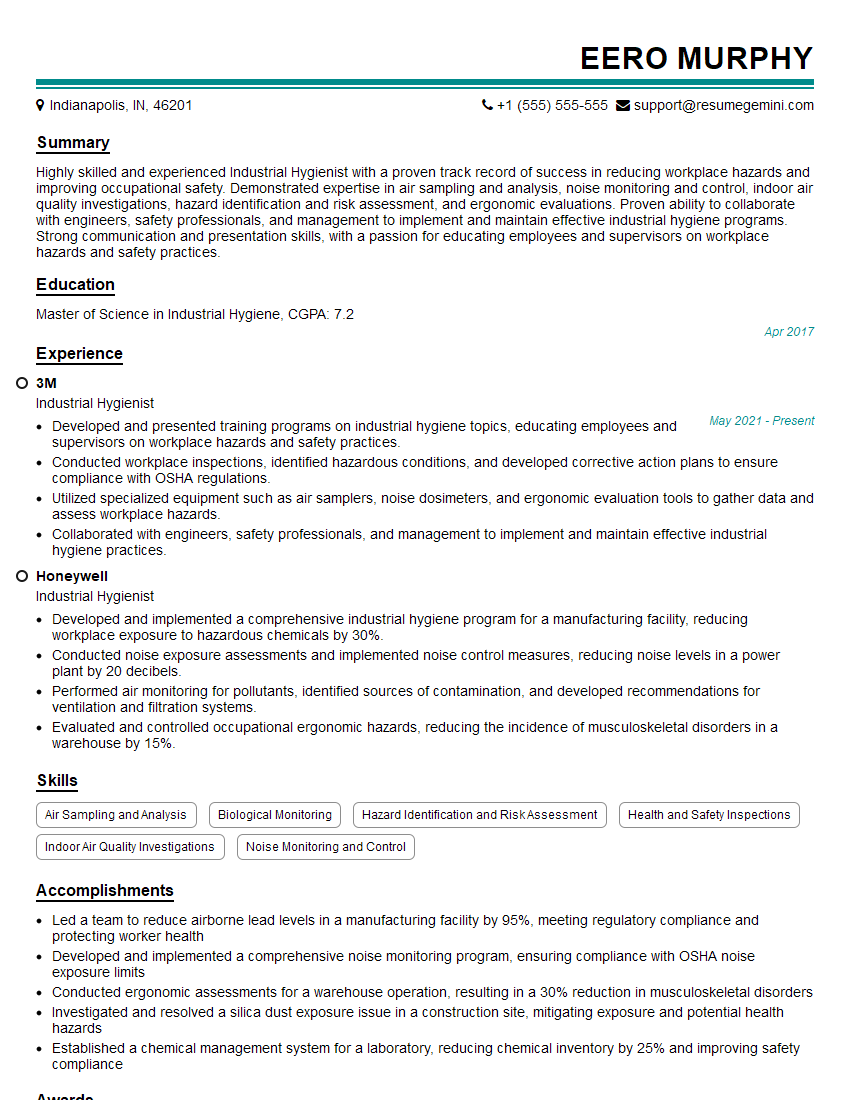
Industrial Hygienist Resume Sample
Explore more articles
Users Rating of Our Blogs
Share Your Experience
We value your feedback! Please rate our content and share your thoughts (optional).
What Readers Say About Our Blog
Really detailed insights and content, thank you for writing this detailed article.
IT gave me an insight and words to use and be able to think of examples