The right preparation can turn an interview into an opportunity to showcase your expertise. This guide to Proper Bus Operation and Handling interview questions is your ultimate resource, providing key insights and tips to help you ace your responses and stand out as a top candidate.
Questions Asked in Proper Bus Operation and Handling Interview
Q 1. Describe your experience operating various types of buses (e.g., school bus, city bus, tour bus).
My experience encompasses a wide range of bus operations. I’ve driven school buses, navigating the complexities of student transportation, ensuring their safety and timely arrival at school and home. This involved adhering to strict schedules, managing student behavior, and prioritizing safety procedures. My city bus driving experience included navigating busy urban routes, managing passenger flow during peak hours, and adapting to varied traffic conditions. Finally, my tour bus driving experience involved longer routes, providing commentary on points of interest, ensuring passenger comfort, and managing luggage and itineraries. Each type demands different skill sets; school bus driving emphasizes safety and child management, city bus driving focuses on efficiency and passenger flow, and tour bus driving requires a blend of driving skills, customer service, and knowledge of tour routes.
Q 2. Explain the pre-trip inspection procedure you follow.
My pre-trip inspection is meticulous and follows a standardized checklist. It begins with a walk-around, visually inspecting the tires for wear and tear, checking tire pressure, and looking for any damage to the body or undercarriage. I then check all fluid levels – engine oil, coolant, brake fluid, power steering fluid – and look for leaks. I inspect the lights, turn signals, wipers, and mirrors to ensure they’re functioning correctly. Inside the bus, I check the emergency exits, the first aid kit, and the fire extinguisher. I also test the brakes, steering, and horn. Finally, I review the passenger seating area for any issues. This thorough check minimizes the risk of breakdowns and ensures passenger safety. It’s akin to a pilot performing a pre-flight check – a crucial step before embarking on any journey.
Q 3. How do you handle a mechanical breakdown while operating a bus?
Handling a mechanical breakdown requires a calm and methodical approach. First, I ensure the safety of my passengers by pulling over to a safe location, away from traffic if possible. Next, I activate the hazard lights and any warning devices on the bus. Then, I assess the situation; if it’s a minor issue I may attempt a temporary fix, but only if it’s safe and I’m qualified to do so. For more serious problems, I contact the maintenance department or roadside assistance immediately, providing them with the location, the nature of the breakdown, and the number of passengers. I then communicate with my passengers, reassuring them, keeping them informed about the situation, and addressing any concerns. If necessary, I arrange for alternative transportation to get passengers to their destination.
Q 4. What are the different types of bus braking systems and how do they function?
Buses typically utilize several braking systems for redundancy and enhanced safety. The primary system is the service brake, usually air-powered in larger buses. Air pressure builds up, activating brake chambers to apply pressure to the wheels. The emergency brake, or parking brake, is a separate system, often spring-applied and air-released. It’s used for parking and in emergencies. Exhaust brakes help slow the bus by using the engine’s exhaust to create a braking effect. Retarders are additional braking devices that generate resistance within the drivetrain, reducing wear and tear on the service brakes, particularly beneficial on downhill gradients. Each system provides a layer of safety, ensuring control in various situations.
Q 5. Describe your knowledge of defensive driving techniques for buses.
Defensive driving for buses means anticipating potential hazards and reacting proactively. This includes maintaining a safe following distance, scanning the road ahead and to the sides, checking blind spots frequently, being extra cautious at intersections and school zones, and adjusting speed according to weather conditions and traffic density. It’s about driving not just by the rules, but anticipating what others might do. For example, I always assume that other drivers might not see me, especially given the size of the bus. I would often position myself strategically in traffic to provide clearer visibility to others. The goal is to create a buffer of safety around the bus, minimizing the risk of accidents.
Q 6. How do you manage passenger interactions and handle difficult situations?
Managing passenger interactions requires patience, empathy, and clear communication. I always strive to create a welcoming and respectful environment. I address passengers politely and clearly announce stops and any relevant information. In handling difficult situations, I remain calm and professional, listen to passengers’ concerns, and attempt to resolve issues fairly and respectfully. If a situation escalates beyond my ability to handle, I will contact the appropriate authorities or my supervisor for assistance. A calm demeanor and respectful communication can usually de-escalate most tense situations.
Q 7. Explain your understanding of bus passenger loading and unloading procedures.
Safe passenger loading and unloading procedures are paramount. I ensure passengers board and alight only at designated stops and use designated doors. I instruct passengers to wait until the bus comes to a complete stop before moving. I ensure adequate space for passengers to board and alight safely, especially for those with mobility aids. I also actively supervise the area around the bus during loading and unloading to ensure the safety of passengers and prevent accidents. Clear communication and visual cues, like hand signals, further enhance safety during these critical times. It’s a continuous process of vigilance and mindful attention to detail.
Q 8. What safety measures do you employ to ensure the safety of passengers and other vehicles on the road?
Passenger and road safety is my top priority. My approach is multifaceted and begins before I even start the engine. It involves a rigorous pre-trip inspection to ensure the bus is mechanically sound – checking brakes, lights, tires, and wipers. This is like giving your car a thorough check-up before a long journey.
- Defensive Driving: I maintain a safe following distance, anticipate the actions of other drivers, and constantly scan my surroundings for potential hazards. This proactive approach is crucial for avoiding collisions.
- Passenger Safety Procedures: Before departure, I ensure all passengers are seated safely, and I clearly communicate safety instructions, especially during inclement weather or challenging road conditions. I also enforce seatbelt usage where applicable.
- Signaling and Communication: Clear and timely use of signals – indicators, brake lights, and hand signals when necessary – prevents misunderstandings with other drivers and pedestrians. Think of it as good communication on the road.
- Speed Management: I strictly adhere to posted speed limits and adjust my speed based on road conditions, traffic, and passenger safety. Speeding isn’t worth the risk.
- Emergency Procedures: I’m thoroughly trained in emergency procedures, including evacuation techniques and the use of onboard safety equipment like fire extinguishers and first-aid kits. Knowing what to do in a crisis is paramount.
Regular training and adherence to company safety policies further strengthen my commitment to safe bus operation.
Q 9. How do you react to sudden hazards or unexpected events while driving a bus?
Sudden hazards require swift, decisive action. My training emphasizes a systematic approach:
- Assess the situation: Quickly identify the hazard – a sudden stop in front, a pedestrian darting into the street, a disabled vehicle – and evaluate its potential impact.
- React appropriately: This might involve braking smoothly and firmly, steering to avoid a collision, or signaling to other drivers. My reaction is dictated by the specifics of the situation, but always prioritizing safety.
- Maintain control: Even in a stressful situation, I focus on maintaining control of the vehicle, avoiding sudden movements that could cause instability or loss of control.
- Communicate: If necessary, I communicate the situation to passengers and dispatch using the bus’s communication system. Calmly informing passengers about the situation helps manage anxiety.
- Post-incident actions: After the incident is resolved, I complete necessary documentation, reporting the event to my supervisor and potentially to the authorities. This ensures thorough record keeping.
For example, if I encounter a sudden stop in heavy traffic, I smoothly apply the brakes, activate my hazard lights, and gradually reduce speed while maintaining safe distances. It’s about controlled reactions, not panic.
Q 10. What is your experience with GPS navigation and route planning systems?
I am highly proficient with GPS navigation and route planning systems. I regularly use these tools to optimize routes, considering traffic conditions, road closures, and construction. This ensures efficient and timely travel.
- Route Optimization: I can input specific destinations and select the most efficient route, accounting for real-time traffic updates. This allows me to avoid congestion and delays.
- Familiarization with Systems: I’m comfortable using various GPS platforms and software, adapting quickly to new systems as needed. This includes understanding map symbols and interpreting real-time traffic data.
- Integration with Dispatch: Modern GPS systems frequently integrate with dispatch, allowing for real-time communication regarding route changes, delays, and passenger information. This enables effective coordination between the bus and the control center.
My experience also includes troubleshooting GPS system malfunctions and using backup maps if necessary. Think of it as having a well-tested plan B in case the primary navigation system goes down. Being prepared for any eventuality is essential for reliable bus operation.
Q 11. How do you adhere to traffic laws and regulations specific to bus operation?
Adherence to traffic laws is non-negotiable. My driving reflects a deep understanding of all regulations specific to bus operation. This includes:
- Speed Limits: I meticulously follow all posted speed limits and adjust my speed based on conditions.
- Stopping and Parking: I’m knowledgeable about designated bus stops and regulations regarding stopping, parking, and loading/unloading passengers.
- Right-of-Way: I prioritize the safety of pedestrians and other vehicles, always yielding the right-of-way when appropriate.
- Special Permits and Routes: If required, I operate in accordance with any special permits or restrictions relating to specific routes or times of day.
- Hours of Service Regulations: I strictly adhere to regulations related to driving hours, breaks, and rest periods to prevent driver fatigue.
Regular updates on changes in traffic laws and company policies ensure I am always up-to-date on the latest regulations. It’s not just about following rules, it’s about proactively understanding them.
Q 12. How familiar are you with various types of bus maintenance and repair?
While I am not a mechanic, I possess a solid understanding of bus maintenance and repair procedures. This practical knowledge enables me to quickly identify potential problems and communicate them effectively to maintenance personnel. I can:
- Pre-Trip Inspections: I conduct thorough pre-trip inspections, checking tire pressure, fluid levels, lights, wipers, and other critical components. This is like a daily health check for the bus.
- Identify Mechanical Issues: I can identify unusual sounds, vibrations, or other indications of potential mechanical problems. This is more than just noticing something is wrong; it’s about pinpointing the area that needs attention.
- Report Problems Accurately: I can accurately report any identified problems to maintenance personnel, providing detailed descriptions and, if possible, images to assist in diagnosis and repair.
My knowledge enables effective communication with maintenance teams, leading to faster repairs and minimizing downtime. It’s about being a proactive partner in keeping the bus running smoothly.
Q 13. Explain your understanding of bus weight limits and load distribution.
Understanding bus weight limits and load distribution is critical for safety and legal compliance. Exceeding weight limits or having an uneven load distribution can lead to handling problems, increased tire wear, and even accidents.
- Weight Limits: I am aware of the gross vehicle weight rating (GVWR) and axle weight limits for the specific bus I operate. These limits are clearly stated in the vehicle documentation.
- Load Distribution: I ensure that the weight of passengers and luggage is evenly distributed throughout the bus, preventing instability. This includes avoiding overloading any particular section of the bus.
- Monitoring Weight: Depending on the type of bus, I might use onboard weighing systems to monitor the weight and ensure it remains within the specified limits.
Adhering to weight limits and distributing loads effectively is crucial for maintaining vehicle stability and ensuring safe operation. It’s about understanding the physics of driving and how weight affects handling.
Q 14. Describe your experience maintaining accurate trip logs and documentation.
Maintaining accurate trip logs and documentation is a fundamental aspect of my job. This involves diligently recording:
- Departure and Arrival Times: Precise records of departure and arrival times at each stop.
- Passenger Counts: Accurate counts of passengers boarding and alighting at each stop.
- Incidents and Delays: Detailed documentation of any incidents, delays, or mechanical problems encountered during the trip.
- Fuel Consumption: Recording fuel consumption helps track efficiency and identify potential mechanical issues.
- Vehicle Inspections: Recording the results of pre-trip and post-trip inspections.
I ensure all documentation is complete, accurate, and legible. This accurate record-keeping provides essential information for operational analysis, route optimization, and safety reporting. Think of this as the bus’s daily diary – meticulously maintained for transparency and efficiency.
Q 15. How do you ensure the security of passengers and the bus itself?
Ensuring passenger and bus security is paramount. It’s a multi-faceted approach encompassing proactive measures and reactive responses.
- Pre-trip inspections: Before every trip, a thorough check of the bus’s mechanical systems, including brakes, tires, lights, and emergency exits, is crucial. Think of it like a pilot’s pre-flight checklist – essential for safety.
- Security cameras and monitoring: Modern buses often have CCTV systems that deter crime and provide evidence if needed. This acts as a ‘silent guardian,’ enhancing passenger safety and driver accountability.
- Passenger awareness: Educating passengers about safety protocols, such as securing personal belongings and reporting suspicious activity, is vital. This is like community policing – everyone plays a role.
- Driver vigilance: The driver’s role in observation and reporting is crucial. They’re the first line of defense against potential threats, much like a security guard observing a building.
- Emergency protocols: Having clear emergency procedures and regular training for drivers and staff ensures a coordinated response in unexpected situations.
For example, during a recent trip, I noticed a malfunctioning indicator light. Immediate action was taken to address it, preventing a potential breakdown and ensuring passenger safety.
Career Expert Tips:
- Ace those interviews! Prepare effectively by reviewing the Top 50 Most Common Interview Questions on ResumeGemini.
- Navigate your job search with confidence! Explore a wide range of Career Tips on ResumeGemini. Learn about common challenges and recommendations to overcome them.
- Craft the perfect resume! Master the Art of Resume Writing with ResumeGemini’s guide. Showcase your unique qualifications and achievements effectively.
- Don’t miss out on holiday savings! Build your dream resume with ResumeGemini’s ATS optimized templates.
Q 16. What is your approach to dealing with irate or disruptive passengers?
Dealing with disruptive passengers requires a calm and professional approach, prioritizing de-escalation and passenger safety.
- Calm communication: Addressing the passenger with respect and empathy, actively listening to their concerns, is the first step. Think of it like conflict resolution – understanding their perspective is key.
- Clear boundaries: Setting clear expectations regarding behavior is crucial. If necessary, reminding them of the bus rules and potential consequences ensures a safe environment for everyone.
- Seeking assistance: If de-escalation efforts fail, seeking assistance from colleagues or law enforcement is necessary. Safety is paramount, so calling for backup is not a sign of weakness.
- Documentation: Maintaining a detailed record of the incident, including the passenger’s behavior and actions taken, helps protect both the passenger and the company.
I once encountered a passenger who became agitated about a delay. By calmly explaining the reason and offering assistance, I was able to resolve the situation peacefully.
Q 17. Explain your understanding of emergency evacuation procedures for buses.
Emergency evacuation procedures are critical for bus operations. They involve a systematic approach to safely and quickly getting everyone off the bus in an emergency.
- Driver’s role: The driver plays a crucial role in initiating the evacuation process, providing clear instructions, and ensuring passengers follow the established route.
- Designated exits: Passengers should be familiar with the location of all emergency exits, including windows, doors and emergency hatches, which are clearly marked.
- Evacuation drills: Regular drills help passengers and drivers understand the process, reducing panic in an actual emergency. This familiarization is critical for smooth execution.
- Assistance for vulnerable passengers: Special attention must be given to assisting elderly passengers, those with disabilities, and children, ensuring their safe evacuation.
- Post-evacuation procedures: This includes accounting for all passengers and conducting a post-incident assessment to improve future responses.
For example, during a training session, we practiced evacuating a bus through different exits, ensuring everyone could exit safely even if one exit was blocked. This preparedness ensures a smooth emergency response.
Q 18. How do you handle situations involving medical emergencies on board?
Handling medical emergencies on board requires quick thinking and decisive action. The priority is immediate assistance to the affected individual while ensuring the safety of other passengers.
- First aid: Drivers and staff should have basic first aid training to provide initial care.
- Emergency services: Calling emergency medical services (EMS) is crucial. This should happen immediately so appropriate medical personnel can arrive and treat the individual.
- Passenger assistance: Other passengers can be valuable in assisting with the situation, providing comfort and support to the patient.
- Maintaining order: Ensuring the safety and calm of other passengers is also critical. Clear communication and reassuring words can help prevent panic.
- Documentation: Keeping a record of the incident, including steps taken and any medical information provided, is crucial for proper documentation and future reference.
In one instance, a passenger experienced a seizure. I immediately called emergency services, provided first aid, and reassured other passengers. The quick response helped minimize the impact of the emergency.
Q 19. Describe your experience with passenger communication and assistance.
Effective passenger communication and assistance are vital for a positive passenger experience and overall safety.
- Clear announcements: Making clear, concise announcements about stops, delays, and other relevant information keeps passengers informed.
- Accessibility: Assisting passengers with disabilities or luggage is a crucial aspect of good customer service and safety.
- Addressing passenger concerns: Responsively addressing passenger questions, complaints, or concerns creates a positive atmosphere.
- Customer service skills: A professional and courteous demeanor creates a comfortable and safe environment for everyone.
- Multilingual skills: In diverse communities, multilingual skills can greatly enhance communication and assist passengers needing help.
I regularly provide assistance to elderly passengers with their luggage and ensure they are seated comfortably. This attention to detail enhances the overall passenger experience.
Q 20. What are the common causes of bus accidents and how can they be avoided?
Bus accidents have various causes, but many are preventable through diligent safety practices.
- Driver fatigue: Driver fatigue is a major contributor to accidents. Implementing strict regulations on driving hours and encouraging breaks helps prevent this.
- Mechanical failures: Regular maintenance and pre-trip inspections are essential to identify and address potential mechanical issues before they lead to accidents.
- Adverse weather conditions: Drivers need to adjust their driving according to the weather conditions. This might include reducing speed, increasing following distances, or avoiding driving altogether in extreme conditions.
- Driver error: Errors such as speeding, distracted driving, or improper lane changes contribute significantly to accidents. Driver training programs emphasizing safe driving practices are vital.
- Poor road conditions: Potholes, construction zones, and other poor road conditions can increase the risk of accidents. Reporting these hazards can help improve road safety.
For instance, I always ensure a thorough vehicle inspection before each trip, just as a doctor would perform a check-up before starting treatment. This proactive approach significantly minimizes the risk of mechanical failure.
Q 21. How do you manage passenger boarding and alighting procedures in compliance with safety regulations?
Managing passenger boarding and alighting is critical for safety and efficiency. It involves a structured approach to ensure a smooth and safe flow of passengers.
- Designated boarding areas: Clearly marked areas and orderly queues minimize congestion and confusion.
- Assisting passengers: Helping passengers with luggage or mobility issues ensures a smooth and safe boarding process.
- Clear instructions: Providing clear instructions to passengers about where to sit, how to use the safety equipment, and where to exit helps prevent accidents.
- Monitoring passenger flow: Keeping an eye on passenger movement, especially during peak hours, helps prevent overcrowding and accidents.
- Waiting for passengers to alight safely: Ensuring all passengers have safely exited before pulling away is a crucial safety measure.
I always wait until all passengers have safely exited before closing the doors and departing. This simple yet important step ensures passenger safety.
Q 22. Explain your understanding of wheelchair accessibility guidelines for bus operations.
Wheelchair accessibility on buses is paramount and governed by strict regulations like the Americans with Disabilities Act (ADA) in the US. Understanding these guidelines means ensuring safe and convenient travel for passengers with disabilities. This includes, but is not limited to:
- Designated Securement Areas: Buses must have clearly marked and properly equipped areas for securing wheelchairs, using appropriate restraints.
- Ramp or Lift Accessibility: A functioning and readily available ramp or lift system is essential for boarding and disembarking. Regular maintenance and inspections are crucial to ensure smooth operation.
- Clear Signage and Announcements: Clear and visible signage indicating wheelchair accessible areas and audio announcements guiding passengers are vital.
- Adequate Space and Clearance: Sufficient space for wheelchair maneuvers both inside and near the boarding area needs to be provided.
- Proper Training for Operators: Drivers need thorough training on the safe and proper operation of wheelchair lifts and securement systems, as well as assisting passengers with disabilities.
For example, I once had a situation where a passenger’s wheelchair was slightly larger than the designated space. I coordinated with the passenger to ensure their securement, utilizing extra padding and careful positioning to maintain their safety during the entire journey. Proper training and understanding of ADA compliance makes handling these situations safely routine.
Q 23. How would you handle a situation where a passenger refuses to follow safety rules?
Passengers refusing to follow safety rules, such as not wearing seatbelts or standing while the bus is in motion, pose a significant risk. My approach involves a calm yet firm strategy:
- Politely Explain the Rule: I would begin by politely explaining the specific rule and its importance for everyone’s safety, using clear and simple language.
- Emphasize the Consequences: I would clearly outline the potential consequences of non-compliance, including potential fines or ejection from the bus in severe cases.
- Offer Assistance (if appropriate): If there’s a genuine reason for non-compliance (e.g., a medical condition), I would try to find an alternative solution that ensures safety.
- Escalate if Necessary: If the passenger remains uncooperative, I would follow company protocol, which may involve contacting a supervisor or law enforcement.
For instance, I once had a passenger refusing to wear their seatbelt. After calmly explaining the safety regulations and demonstrating how to fasten it, they complied. However, if the situation escalated, my company protocol would be to document the incident, contact dispatch, and potentially refuse further transportation if the passenger’s actions posed a risk to others.
Q 24. What is your experience with using two-way radios or other communication devices?
Proficient communication is critical for bus operation. I have extensive experience using two-way radios for communicating with dispatch, other drivers, and maintenance personnel. This includes:
- Clear and Concise Communication: I always use precise language, providing concise updates about my location, passenger count, any incidents, and requests for assistance.
- Proper Radio Etiquette: I follow established communication protocols, including identifying myself and my unit number, using standard terminology, and avoiding unnecessary chatter.
- Emergency Procedures: I’m thoroughly trained in using the radio for reporting emergencies effectively and efficiently. This includes relaying accurate information in emergency situations, such as accidents or medical emergencies.
- Troubleshooting Communication Issues: I am adept at troubleshooting basic radio malfunctions, and I know when to contact maintenance or dispatch for support if needed.
For example, during a recent heavy snowstorm, I used the radio to report hazardous road conditions ahead to other drivers, preventing potential accidents. Clear and effective communication is not just essential, it’s life-saving.
Q 25. Describe your knowledge of local and state regulations regarding bus operation.
My understanding of local and state regulations is thorough, covering all aspects of bus operation, including:
- Driver’s License and Certification Requirements: I possess the necessary licenses and certifications for operating commercial vehicles, adhering to all state regulations.
- Vehicle Inspection and Maintenance: I’m familiar with the mandated inspection procedures, ensuring that the bus meets all safety standards and regulatory requirements.
- Hours of Service Regulations: I meticulously track my driving hours to ensure compliance with the Federal Motor Carrier Safety Administration (FMCSA) regulations to avoid driver fatigue and ensure road safety.
- Passenger Safety Regulations: I am well-versed in all regulations pertaining to passenger safety, including emergency procedures, passenger capacity, and managing passengers with special needs.
- Traffic Laws and Regulations: I understand and comply with all applicable traffic laws and regulations, including those related to commercial vehicles.
Understanding these regulations isn’t merely compliance; it’s about ensuring passenger and personal safety. For example, regularly reviewing and understanding the regulations concerning hours of service prevents burnout and significantly reduces the risk of accidents related to driver fatigue.
Q 26. How do you stay informed about changes in safety regulations and best practices?
Staying abreast of changes in safety regulations and best practices is an ongoing process, and I actively pursue it through several means:
- Professional Organizations: I am a member of professional organizations related to transportation, receiving regular updates and attending seminars on safety advancements and regulatory changes.
- Industry Publications and Websites: I regularly read industry publications, journals, and websites that cover transportation safety to keep my knowledge updated.
- Training and Workshops: I actively participate in continuing education programs and workshops provided by my employer and regulatory bodies.
- Government Websites: I frequently consult government websites, such as the FMCSA website, to ensure I’m aware of any updates or changes to regulations.
For instance, recently I attended a workshop on new technologies aimed at improving bus safety, such as advanced driver-assistance systems. Continuous learning ensures I’m equipped to handle any emerging challenges related to passenger and road safety.
Q 27. How do you prioritize passenger safety in adverse weather conditions?
Adverse weather conditions require heightened awareness and proactive measures to prioritize passenger safety:
- Reduced Speed and Increased Following Distance: I always reduce speed significantly and increase following distance to account for reduced traction and visibility.
- Careful Maneuvering: I use smooth, controlled maneuvers to avoid sudden braking or acceleration, which can lead to skidding or loss of control.
- Increased Vigilance: I pay extra attention to road conditions, anticipating potential hazards and adjusting my driving accordingly.
- Communication with Passengers: I inform passengers about the situation and any potential delays, ensuring they understand the precautions being taken.
- Emergency Preparedness: I ensure the bus is equipped with emergency supplies and that I am ready to handle potential situations like road closures or passenger medical emergencies.
In a snowstorm, for instance, I would communicate delays to passengers, ensuring they remain seated and buckled. Slow, deliberate driving, combined with open communication, assures passenger safety during challenging conditions.
Q 28. Explain your familiarity with different types of bus fuel systems and their maintenance.
My experience encompasses various bus fuel systems, including diesel, compressed natural gas (CNG), and propane autogas (LPG). Understanding their nuances is vital for safe and efficient operation and maintenance:
- Diesel Systems: I’m familiar with diesel engine operation, maintenance schedules, including fuel filter changes, and troubleshooting common issues such as fuel injector problems or clogged fuel lines.
- CNG Systems: I understand the safety procedures for handling CNG, including pressure checks, leak detection, and emergency shutdown procedures. This includes regular inspections of CNG tanks and lines.
- LPG Systems: Similarly, for LPG systems, I am knowledgeable about safe handling procedures, leak detection techniques, and emergency protocols, ensuring proper tank pressure and line integrity.
- Fuel Efficiency and Conservation: I understand techniques for maximizing fuel efficiency, such as proper driving techniques and regular vehicle maintenance to reduce fuel consumption and emissions.
For instance, I’m trained to detect a fuel leak in any of these systems, react appropriately, and communicate the problem to the appropriate personnel immediately. Proper maintenance ensures both operational efficiency and safety.
Key Topics to Learn for Proper Bus Operation and Handling Interview
- Vehicle Inspection and Pre-Trip Procedures: Understanding pre-trip inspection checklists, identifying potential mechanical issues, and documenting findings. Practical application includes demonstrating knowledge of safety regulations and reporting procedures.
- Safe Driving Techniques: Mastering defensive driving techniques, including maintaining safe following distances, anticipating hazards, and responding appropriately to adverse weather conditions. Practical application involves explaining how to manage passenger safety during challenging driving situations.
- Passenger Management and Communication: Effective communication with passengers, handling passenger inquiries and complaints professionally, and ensuring passenger safety and comfort. Practical application includes describing methods for addressing challenging passenger interactions and de-escalation techniques.
- Route Planning and Navigation: Familiarity with route maps, schedules, and GPS systems. Practical application involves describing how to navigate unfamiliar routes efficiently and safely, while adhering to time constraints.
- Emergency Procedures: Knowledge of emergency response protocols, including accident reporting, passenger evacuation, and first aid procedures. Practical application includes outlining steps to take in various emergency scenarios.
- Regulations and Compliance: Understanding and adhering to all relevant transportation regulations, including hours of service, driver licensing requirements, and safety standards. Practical application includes demonstrating awareness of current legal and regulatory changes impacting the industry.
- Vehicle Maintenance and Reporting: Recognizing signs of mechanical trouble and reporting them promptly. Understanding basic vehicle maintenance procedures. Practical application involves describing procedures for reporting malfunctions and ensuring vehicle readiness.
Next Steps
Mastering Proper Bus Operation and Handling is crucial for career advancement in the transportation industry. It demonstrates your commitment to safety, efficiency, and professionalism, opening doors to better opportunities and higher earning potential. To maximize your job prospects, create an ATS-friendly resume that highlights your skills and experience effectively. ResumeGemini is a trusted resource that can help you build a professional, impactful resume that gets noticed by recruiters. Examples of resumes tailored to Proper Bus Operation and Handling are available to help you craft the perfect application.
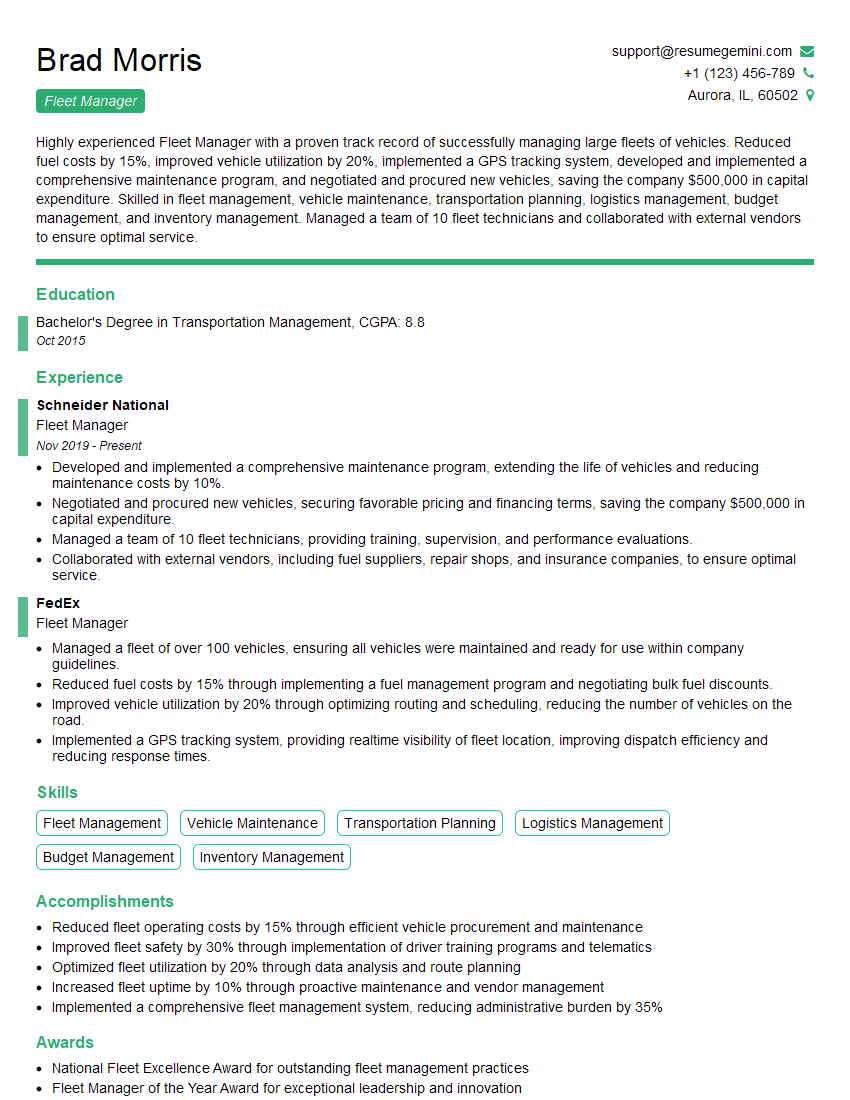
Fleet Manager Resume Sample
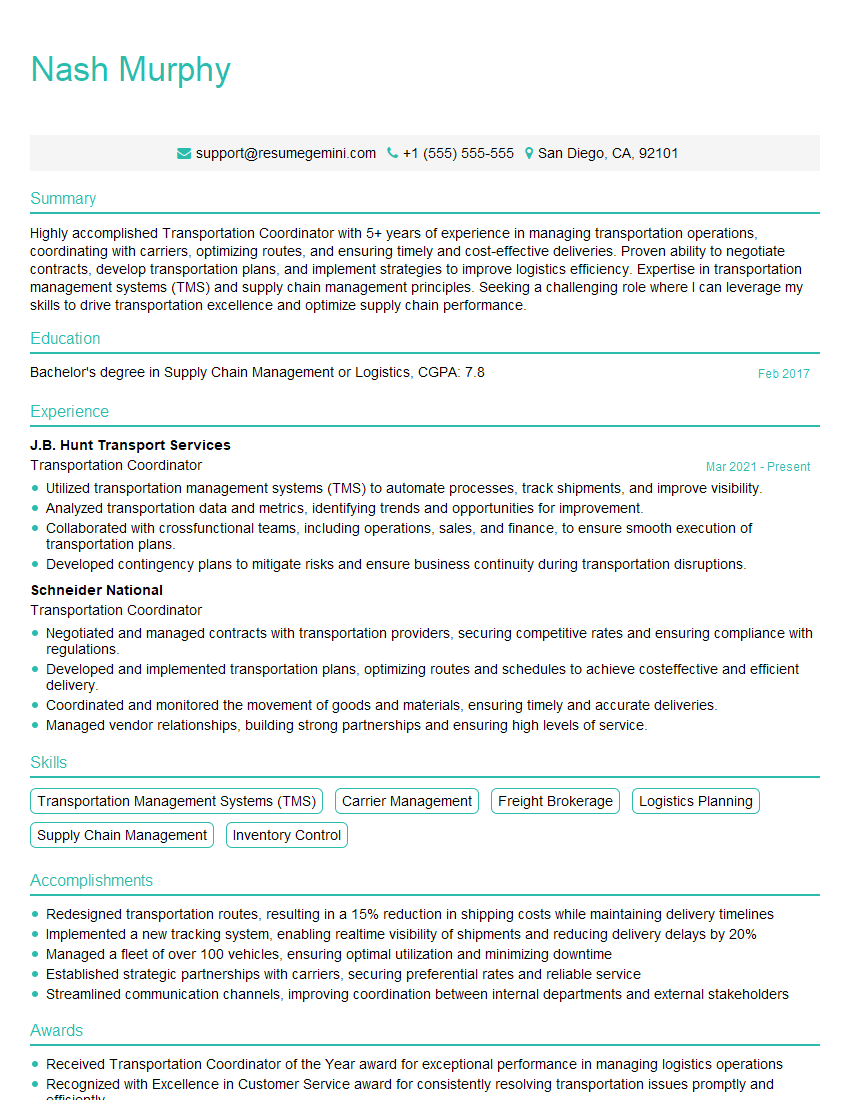
Transportation Coordinator Resume Sample
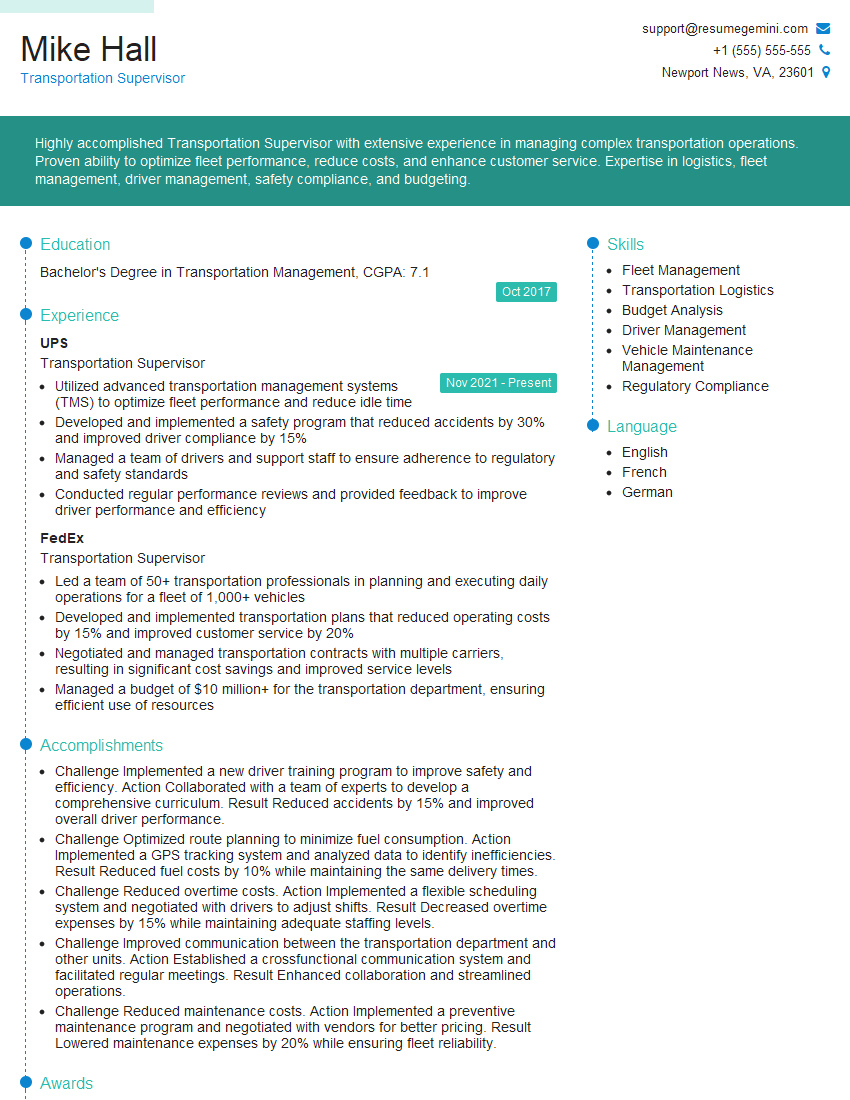
Transportation Supervisor Resume Sample
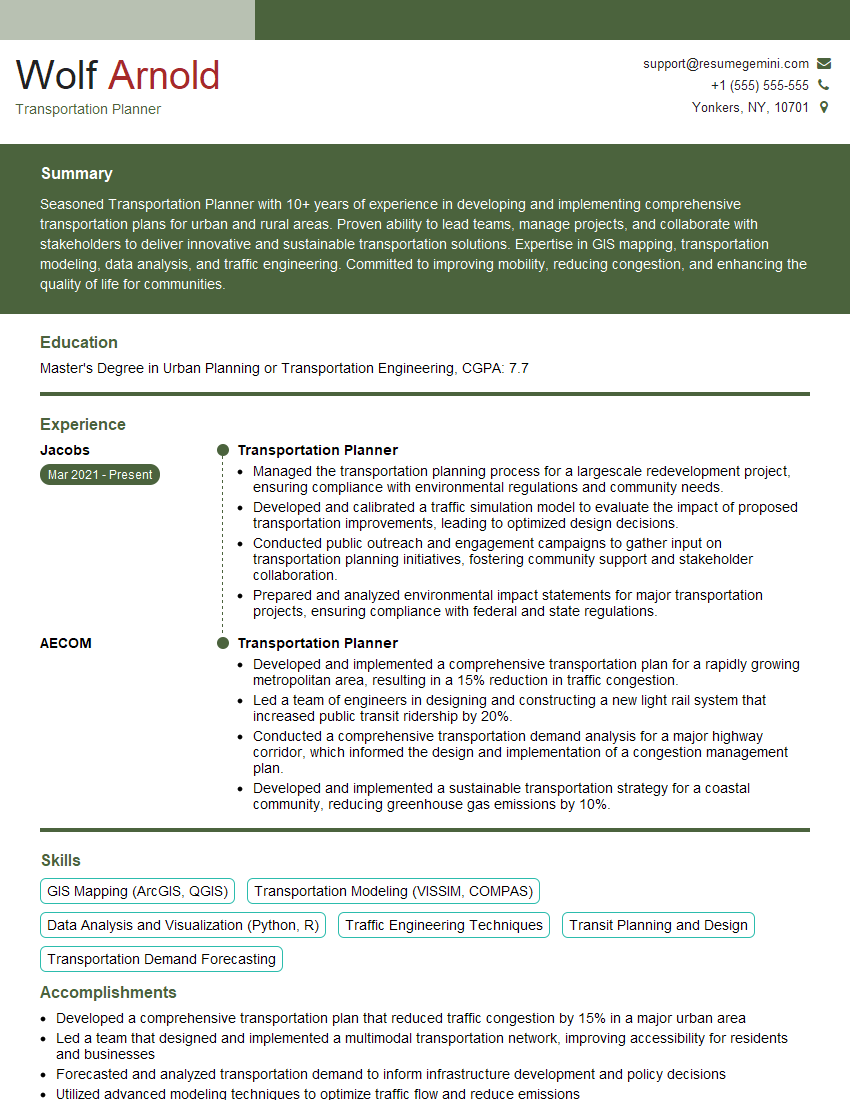
Transportation Planner Resume Sample
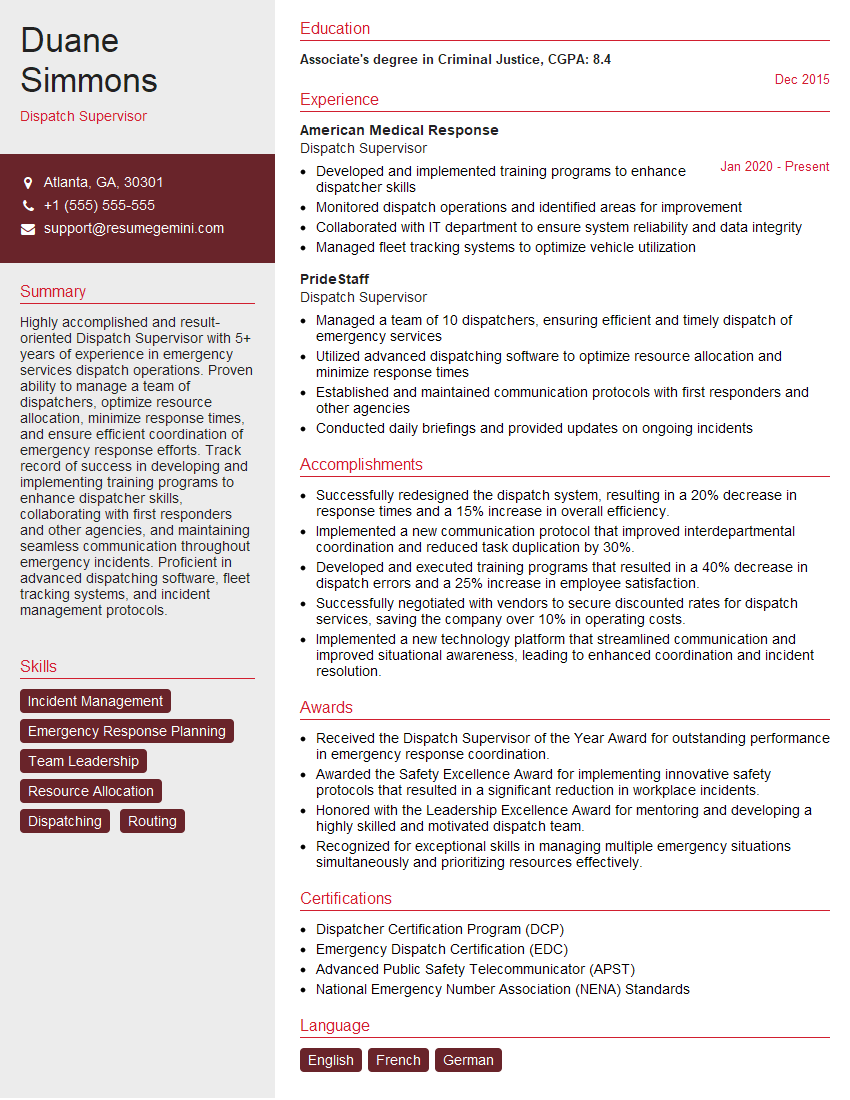
Dispatch Supervisor Resume Sample
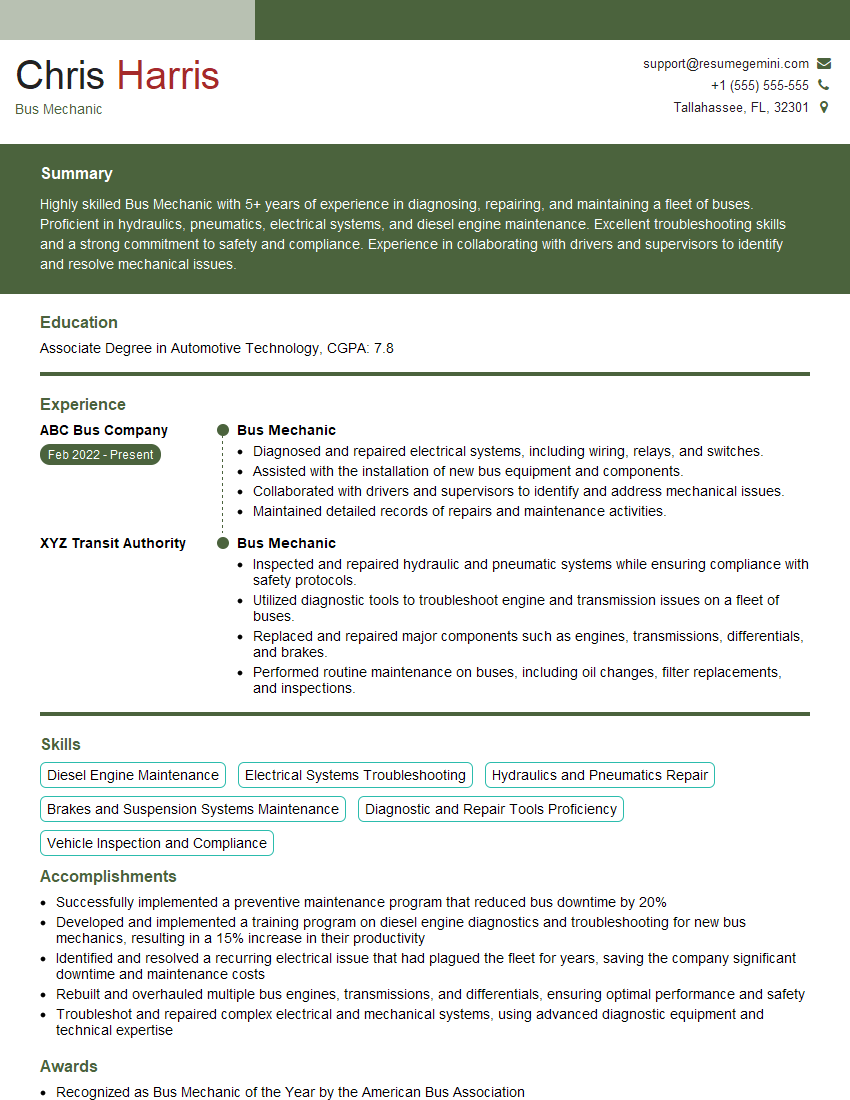
Bus Mechanic Resume Sample
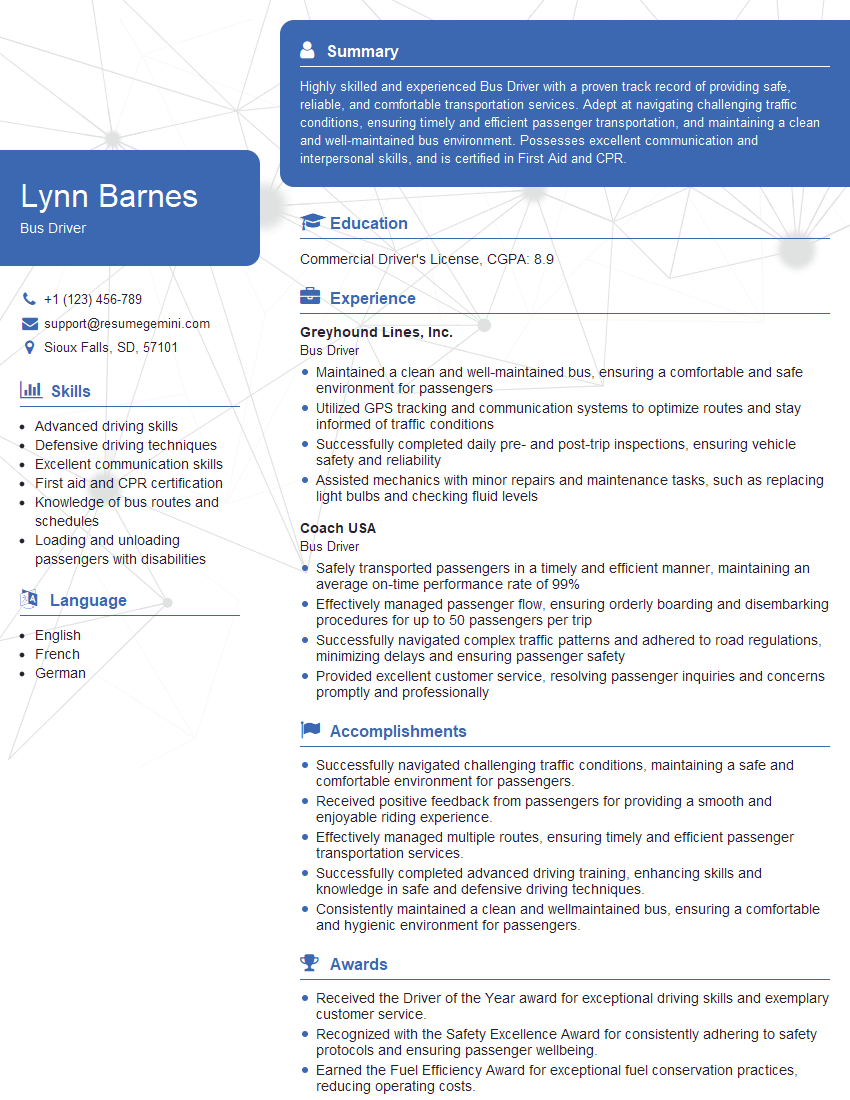
Bus Driver Resume Sample
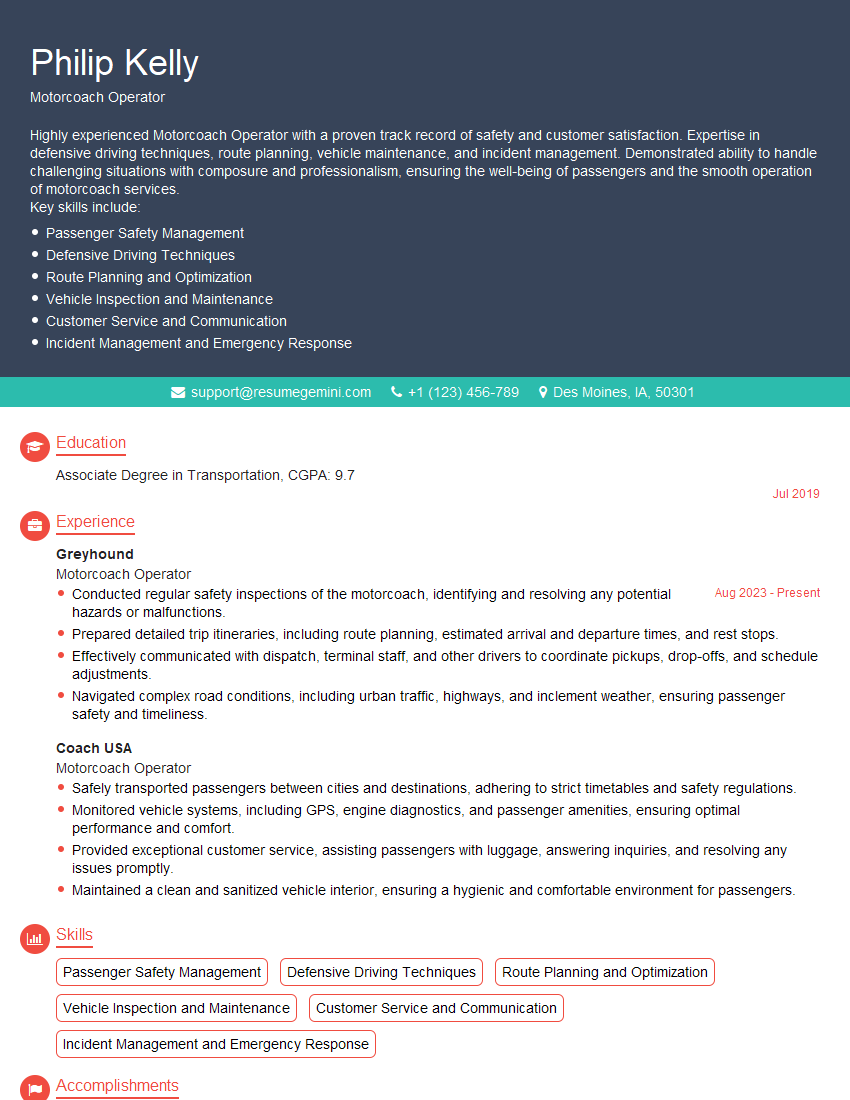
Motorcoach Operator Resume Sample
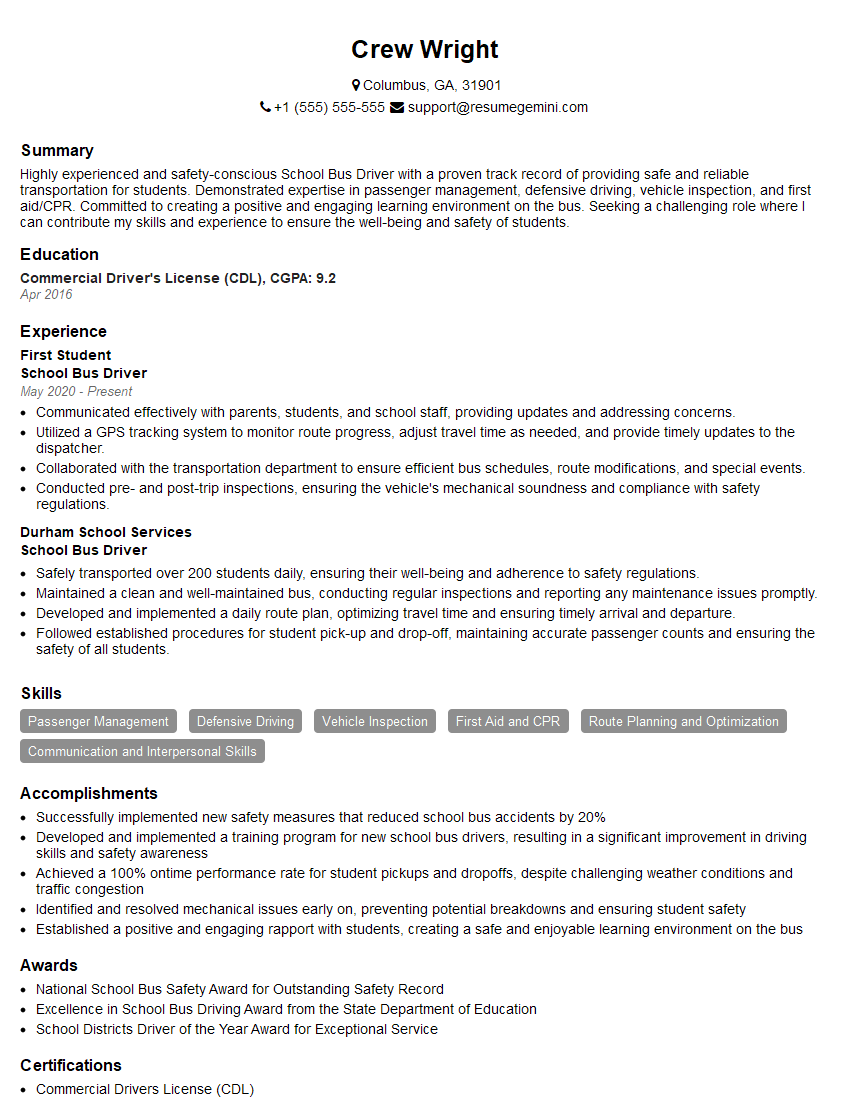
School Bus Driver Resume Sample
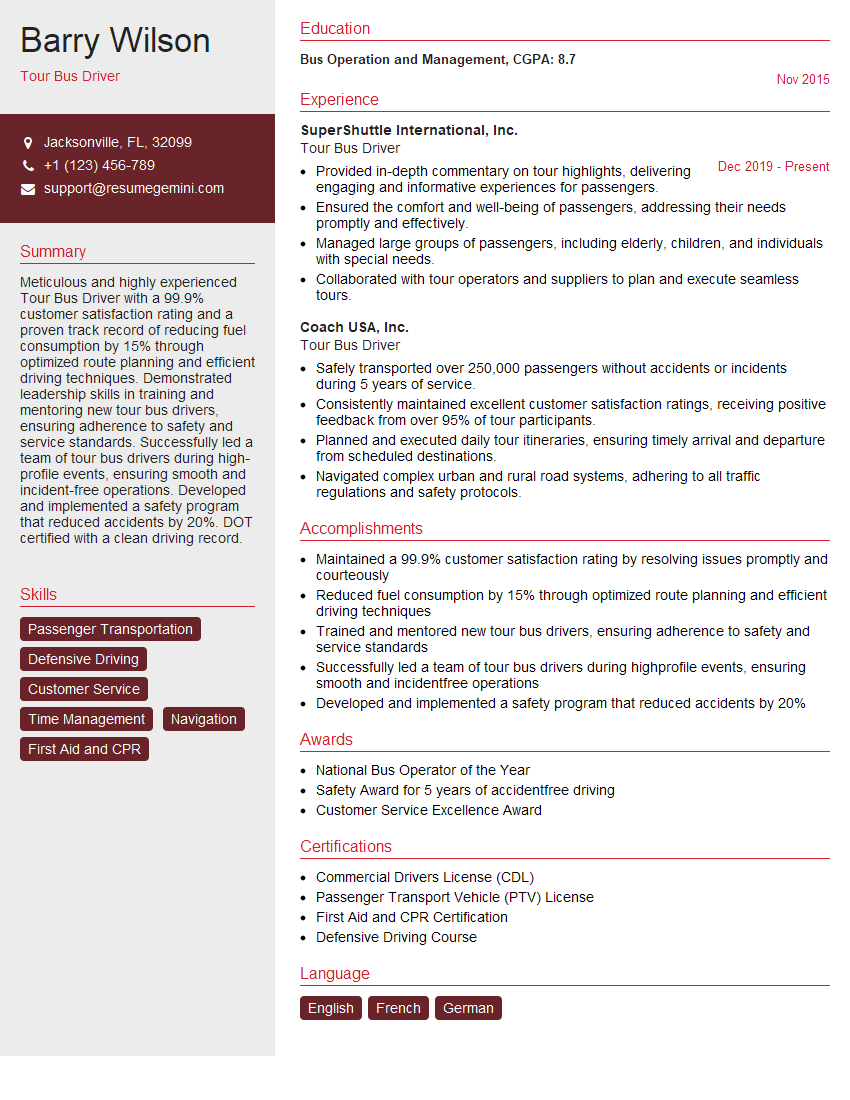
Tour Bus Driver Resume Sample
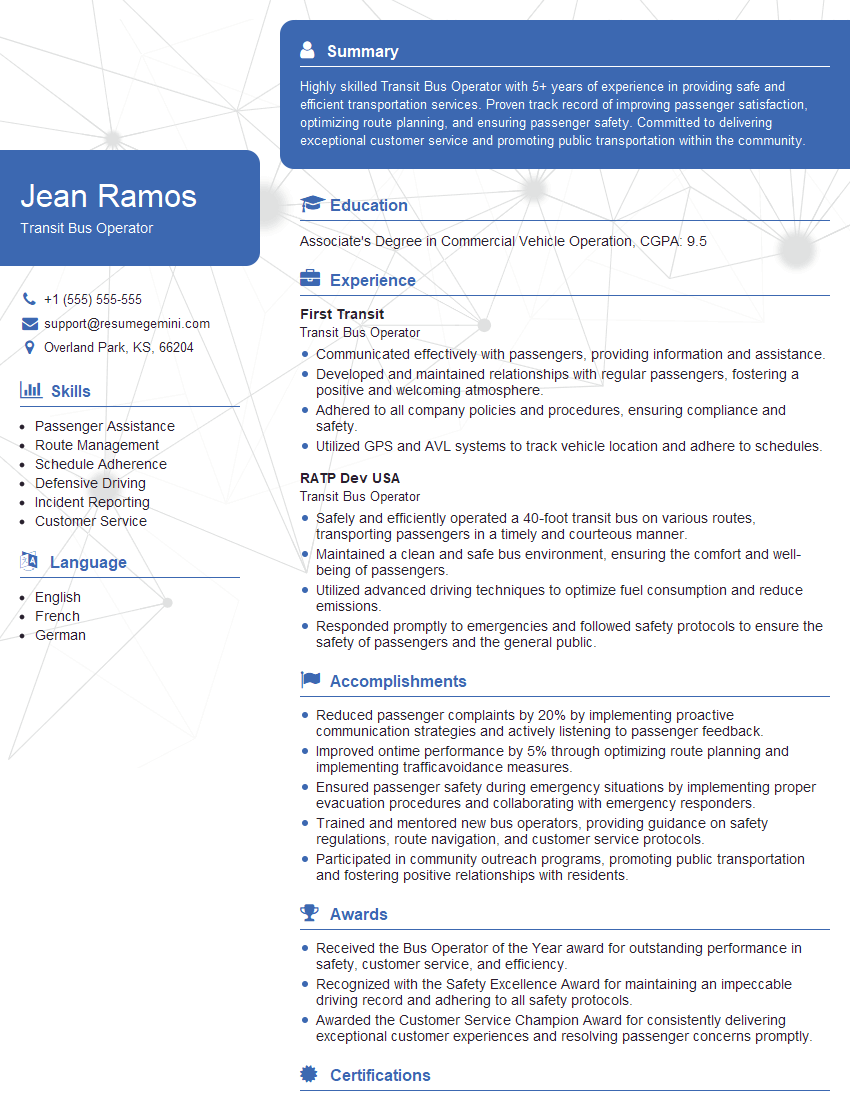
Transit Bus Operator Resume Sample
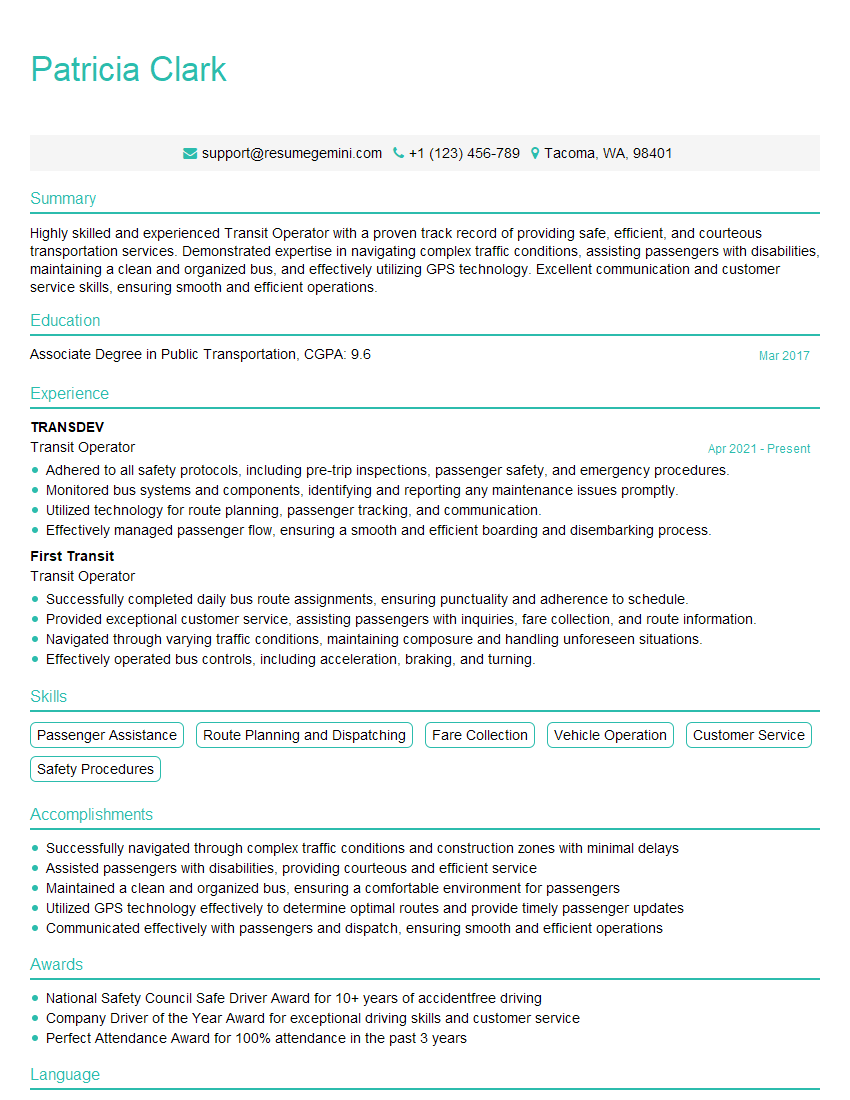
Transit Operator Resume Sample
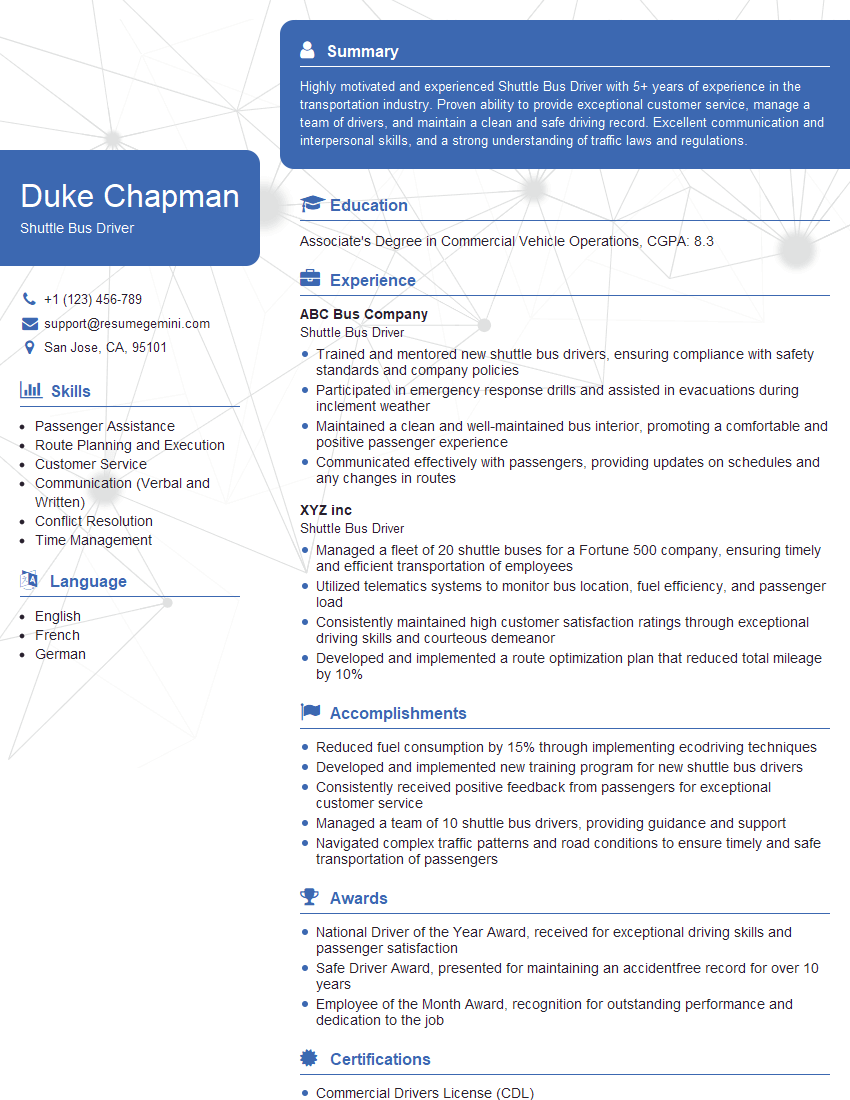
Shuttle Bus Driver Resume Sample
Explore more articles
Users Rating of Our Blogs
Share Your Experience
We value your feedback! Please rate our content and share your thoughts (optional).
What Readers Say About Our Blog
I Redesigned Spongebob Squarepants and his main characters of my artwork.
https://www.deviantart.com/reimaginesponge/art/Redesigned-Spongebob-characters-1223583608
IT gave me an insight and words to use and be able to think of examples
Hi, I’m Jay, we have a few potential clients that are interested in your services, thought you might be a good fit. I’d love to talk about the details, when do you have time to talk?
Best,
Jay
Founder | CEO