Are you ready to stand out in your next interview? Understanding and preparing for American Red Cross First Aid and CPR Certification interview questions is a game-changer. In this blog, we’ve compiled key questions and expert advice to help you showcase your skills with confidence and precision. Let’s get started on your journey to acing the interview.
Questions Asked in American Red Cross First Aid and CPR Certification Interview
Q 1. Describe the steps involved in performing adult CPR.
Performing adult CPR involves a sequence of actions designed to restore blood flow and breathing to a victim who is unresponsive and not breathing normally. It’s a life-saving technique that requires immediate action and proper technique. Let’s break down the steps:
- Check for Responsiveness and Call for Help: Gently shake the victim and shout, “Are you okay?” If there’s no response, immediately call emergency services (911 in the US) or have someone else do so while you begin CPR.
- Check for Breathing: Look, listen, and feel for normal breathing for no more than 10 seconds. Look for chest rise and fall, listen for breath sounds, and feel for air on your cheek. If there’s no normal breathing, proceed to chest compressions.
- Chest Compressions: Position your hands correctly – two hands interlocked in the center of the chest, just below the nipple line. Keep your arms straight and push hard and fast, compressing the chest at least 2 inches deep at a rate of 100-120 compressions per minute. Allow the chest to fully recoil after each compression.
- Rescue Breaths: After 30 chest compressions, give two rescue breaths. Tilt the head back and lift the chin to open the airway. Pinch the victim’s nose closed and seal your mouth over theirs, giving breaths that make the chest rise. Each breath should last about 1 second.
- Continue Cycles: Continue cycles of 30 chest compressions followed by two rescue breaths until help arrives or the victim shows signs of life, such as breathing normally or moving.
Remember, effective CPR requires proper training. This description is for informational purposes only and does not replace formal CPR certification.
Q 2. Explain the difference between adult, child, and infant CPR.
The primary difference between adult, child, and infant CPR lies in the techniques used for chest compressions and rescue breaths, primarily due to the variations in size and anatomy.
- Adult CPR (ages 8 and older, or approximately 5 feet tall): Uses two hands for chest compressions and two rescue breaths.
- Child CPR (ages 1-8, or approximately 1-5 feet tall): Uses one or two hands for chest compressions depending on size and two rescue breaths. The depth of chest compressions is about 2 inches for older children and about 1 ½ inches for smaller children.
- Infant CPR (less than 1 year old): Uses two fingers for chest compressions and only one rescue breath per compression. The depth of chest compressions is about 1 ½ inches.
In all cases, proper hand placement and compression depth are crucial for effectiveness. It is vital to take an accredited course to learn these techniques accurately.
Q 3. How do you assess responsiveness in an unconscious victim?
Assessing responsiveness is the first critical step in any emergency situation. You should gently tap the victim’s shoulder and shout, “Are you okay?” Observe their response. If there is no response, they are considered unresponsive. This simple but crucial step helps determine if immediate action is needed.
Example: Imagine finding someone slumped over on a park bench. You gently tap their shoulder and ask, “Are you okay?” If they don’t respond or react, that’s your indicator they are unresponsive and may need CPR.
Q 4. What are the steps for checking for breathing in an unconscious victim?
Checking for breathing in an unconscious victim is crucial to determine if CPR is necessary. You should look, listen, and feel for normal breathing for no more than 10 seconds. Look for chest rise and fall, listen for breath sounds near the mouth and nose, and feel for air on your cheek. Absence of normal breathing, or only gasping breaths (agonal gasps), indicates the need for CPR. Agonal gasps are irregular, shallow breaths and do not indicate normal breathing.
Important Note: Do not spend more than 10 seconds assessing breathing. Delaying CPR can drastically reduce the chances of survival.
Q 5. Describe the proper technique for chest compressions.
Proper chest compression technique is paramount in effective CPR. The goal is to deliver consistent, hard compressions to circulate blood.
- Hand Placement: Position the heel of one hand in the center of the victim’s chest, just below the nipple line. Place the other hand on top, interlacing your fingers.
- Body Position: Keep your arms straight and your shoulders directly over your hands.
- Compression Depth: Compress the chest at least 2 inches (5 cm) for adults and allow the chest to fully recoil after each compression.
- Rate and Rhythm: Aim for a rate of 100-120 compressions per minute, with a consistent rhythm. Consider using a metronome app or practicing to develop this rhythm.
- Minimize Interruptions: Minimize interruptions to chest compressions, as they are the most crucial part of CPR.
It’s helpful to think of the rhythm like the beat of the Bee Gees’ ‘Stayin’ Alive’ to maintain the proper rate of compressions.
Q 6. How do you open an airway using the head-tilt-chin-lift maneuver?
The head-tilt-chin-lift maneuver is used to open the airway of an unconscious person. It’s a simple yet effective technique that helps ensure an open passage for air to enter the lungs.
- Head Tilt: Place one hand on the victim’s forehead and gently tilt their head back.
- Chin Lift: Place the fingertips of your other hand under the point of the victim’s chin and gently lift their chin upward.
- Airway Check: Check to make sure the airway is open and nothing is obstructing the breathing passage.
This maneuver positions the tongue away from the back of the throat, allowing air to flow freely. This is a critical step before delivering rescue breaths during CPR.
Q 7. When would you use the recovery position?
The recovery position is used for an unconscious but breathing person who doesn’t have any signs of spinal injury. It helps to prevent choking and keeps their airway clear. The goal is to turn them onto their side so any fluids can drain out of their mouth.
The recovery position involves carefully turning the victim onto their side, ideally the left side to protect the heart. The upper leg should be bent at the knee for stability, and the arm is placed under the cheek or head for support.
Important Consideration: The recovery position is NOT used for victims who are not breathing, who are suspected of having a spinal injury, or who are actively vomiting. In these situations, maintaining the airway and providing CPR take precedence.
Q 8. Explain how to control bleeding using direct pressure.
Controlling bleeding with direct pressure is the cornerstone of first aid for most injuries. It works by applying consistent pressure to the wound, slowing blood flow and allowing natural clotting mechanisms to take over.
- Locate the wound: Identify the source of the bleeding.
- Apply direct pressure: Place a clean cloth or dressing directly over the wound. Press firmly and continuously with your palm, not just your fingertips.
- Elevate the injured limb (if possible): Raising the injured area above the heart reduces blood flow to the wound, aiding in clotting.
- Maintain pressure: Do not remove the dressing to check the bleeding unless it becomes soaked. Instead, add more dressings on top and continue applying pressure.
- Seek medical attention: Even if bleeding seems to stop, seek professional medical attention for significant injuries, deep wounds, or uncontrolled bleeding.
Example: Imagine someone cuts their arm deeply. You would apply direct pressure using a clean cloth directly on the cut, pressing firmly. If bleeding continues, layer additional cloths and maintain pressure while calling for emergency medical services.
Q 9. How do you treat a nosebleed?
Treating a nosebleed involves several key steps, focusing on controlling the blood flow and preventing further bleeding.
- Sit upright and lean forward: Leaning forward prevents blood from running down the throat, which can cause choking or vomiting. Avoid tilting the head back.
- Pinch the nostrils: Gently pinch the soft part of your nose just below the bridge, firmly pressing together for 10-15 minutes. Use a timer to ensure consistent pressure.
- Apply cold compresses: Place a cold, damp compress on the bridge of your nose to help constrict blood vessels and reduce swelling. You could use a bag of frozen peas wrapped in a cloth.
- Avoid blowing your nose: This can dislodge blood clots and prolong bleeding.
- Seek medical attention: If the nosebleed lasts longer than 20 minutes, is very heavy, or is accompanied by other symptoms like dizziness or weakness, seek immediate medical attention.
Example: A child has a nosebleed. You would have them sit upright and lean forward, then gently pinch their nostrils for 10-15 minutes. Applying a cold compress during this time would also help.
Q 10. What are the signs and symptoms of a stroke?
Recognizing the signs of a stroke is crucial for prompt treatment, which can significantly improve outcomes. The acronym FAST is a helpful reminder:
- Facial drooping: One side of the face may droop or be numb.
- Arm weakness: Weakness or numbness in one arm.
- Speech difficulty: Slurred speech or difficulty understanding speech.
- Time to call 911: If you observe any of these signs, immediately call emergency medical services.
Other symptoms can include sudden severe headache, vision problems (blurred or double vision), confusion, dizziness, and loss of balance or coordination.
Example: If someone suddenly has trouble speaking clearly, their face droops on one side, and their arm feels weak, these are strong indicators of a possible stroke. Immediate action is vital.
Q 11. How do you treat a choking victim who can cough?
A choking victim who can still cough is usually able to dislodge the obstruction themselves. Your role is to encourage and monitor them, intervening only if their condition worsens.
- Encourage coughing: Let them continue coughing forcefully; this is their body’s natural way of clearing the airway.
- Monitor their breathing: Watch to ensure they can still breathe, even if with difficulty.
- Do not interfere: Avoid slapping their back or attempting other interventions unless their coughing becomes ineffective.
- Call for medical help if necessary: If their condition deteriorates or they are unable to breathe adequately, call 911 immediately.
Example: A person is eating and starts coughing forcefully. You would encourage them to keep coughing while carefully observing their breathing. Only if their coughing becomes less effective or they start to struggle for air would you intervene.
Q 12. How do you treat a choking victim who cannot cough?
If a choking victim cannot cough, breathe, or speak, immediate action is required. This is a life-threatening emergency.
- Call 911 immediately: While performing the next steps, have someone else call emergency medical services.
- Abdominal thrusts (Heimlich maneuver): Stand behind the victim and wrap your arms around their waist. Make a fist with one hand and place it slightly above their navel. Grab your fist with your other hand and give quick, upward thrusts into their abdomen until the object is expelled or they become unconscious.
- Chest thrusts (if the victim is pregnant or obese): If you cannot perform abdominal thrusts effectively (e.g., pregnant victim or significantly obese victim), perform chest thrusts instead. Place your hands on the center of their chest and perform quick, upward thrusts.
- If unconscious: If the victim becomes unconscious, carefully lower them to the ground and begin CPR, checking for a pulse and beginning chest compressions.
Example: A person is choking and cannot breathe. You would immediately call 911 then perform abdominal thrusts until the obstruction is cleared or they become unconscious. If unconscious, begin CPR.
Q 13. Explain the steps involved in treating a burn.
Treating a burn depends on its severity. The general principles focus on cooling, cleaning, and preventing infection.
- Cool the burn: Immediately run cool (not cold or icy) water over the burn for at least 10-20 minutes. This helps reduce pain and swelling. Do not use ice or any ointments at this stage.
- Remove any clothing or jewelry: Carefully remove any clothing or jewelry near the burn, unless it’s stuck to the skin. Do not force removal, as this could cause further damage.
- Cover the burn loosely: Use a clean, sterile dressing or a clean cloth to protect the burn. Do not apply any creams or butter to the burn.
- Elevate the burned area (if applicable): If possible, elevate the burned area to reduce swelling.
- Seek medical attention: Seek professional medical help for all but very minor burns (such as a brief sunburn). Larger burns, deep burns, burns to the face, hands, feet, or genitals, or burns accompanied by other injuries should be seen by a doctor.
Example: A person spills hot coffee on their arm. You would immediately run cool water over the burn for 10-20 minutes, then loosely cover it with a clean cloth before seeking medical attention.
Q 14. How do you treat a wound with heavy bleeding?
Treating a wound with heavy bleeding involves a combination of direct pressure, elevation, and potentially pressure points to control the blood flow.
- Call 911 immediately: Heavy bleeding is a serious medical emergency requiring immediate professional intervention.
- Apply direct pressure: As described previously, apply firm and continuous direct pressure to the wound using a clean dressing.
- Elevate the injured limb: If possible, raise the injured limb above the heart to slow blood flow.
- Consider pressure points: In cases of severe, uncontrollable bleeding, consider applying pressure to pressure points (specific locations where major arteries are close to the skin surface). These are advanced techniques that should only be used if direct pressure and elevation are insufficient and you have proper training. Inappropriate use can cause further injury.
- Monitor for shock: Watch for signs of shock (pale skin, rapid pulse, shallow breathing, confusion). Treat for shock if necessary by keeping the victim warm and lying them down.
Example: Imagine an accident involving a deep laceration and spurting arterial blood. You would immediately call 911, apply direct pressure, and elevate the limb, potentially considering pressure points while awaiting EMS. It’s crucial to prioritize calling for help to ensure the victim receives immediate professional care.
Q 15. What are the steps for treating a suspected fracture?
Treating a suspected fracture involves prioritizing the victim’s safety and minimizing further injury. The key is to immobilize the injured area to prevent movement and reduce pain. We don’t attempt to realign the bone ourselves; that’s the job of medical professionals.
- Check for responsiveness and ABCs: Before touching the injured person, ensure they are conscious and breathing normally. Check their airway, breathing, and circulation (ABCs).
- Support the injured area: Gently support the injured limb or body part to prevent movement. Avoid unnecessary manipulation.
- Apply a splint: If available, use a splint (like a rigid board or even rolled-up newspaper) to immobilize the injured area. Pad the splint with soft material to prevent pressure sores. The splint should extend beyond the joints above and below the fracture site.
- Check for circulation: After splinting, check the fingers or toes below the injury site to ensure good circulation (warmth, color, and feeling). If circulation is impaired, loosen the splint slightly.
- Monitor for shock: Watch for signs of shock, such as pale skin, rapid pulse, and shallow breathing. Keep the victim warm and comfortable.
- Transport: Get professional medical help as soon as possible. Don’t move the victim unless absolutely necessary, and then only with great care and appropriate support.
Example: Imagine someone falls and breaks their leg. You would support their leg, preventing any movement, potentially create a makeshift splint using a sturdy board and clothing, and then call emergency services to transport them to a hospital for proper treatment.
Career Expert Tips:
- Ace those interviews! Prepare effectively by reviewing the Top 50 Most Common Interview Questions on ResumeGemini.
- Navigate your job search with confidence! Explore a wide range of Career Tips on ResumeGemini. Learn about common challenges and recommendations to overcome them.
- Craft the perfect resume! Master the Art of Resume Writing with ResumeGemini’s guide. Showcase your unique qualifications and achievements effectively.
- Don’t miss out on holiday savings! Build your dream resume with ResumeGemini’s ATS optimized templates.
Q 16. What is the purpose of using a tourniquet?
A tourniquet is a last resort method used to control severe, life-threatening bleeding when other methods have failed. Its purpose is to constrict blood flow to an extremity, temporarily stopping blood loss.
It’s crucial to understand that tourniquets are not without risk. They can cause damage to tissues and nerves if left in place too long. They should only be used as a life-saving measure when other methods of controlling bleeding (direct pressure, elevation) are insufficient.
Q 17. When is it appropriate to use a tourniquet?
A tourniquet should only be applied as a last resort in cases of severe, uncontrolled bleeding that threatens the victim’s life. This typically means the bleeding is profuse, arterial (bright red, spurting), and not responding to other bleeding control methods.
Examples: A severed limb with uncontrollable bleeding or a deep penetrating wound in an extremity with rapid blood loss.
Important Note: Improper use of a tourniquet can cause serious complications. Proper training is crucial before attempting to use one. This procedure needs to be done accurately, carefully, and only as a last resort under dire circumstances.
Q 18. What are the steps to take when calling emergency services?
Calling emergency services is a critical step in any first aid situation. The steps should be done calmly and clearly to ensure a timely and appropriate response.
- Unlock your phone and dial the appropriate emergency number. In the US, this is 911. In other countries, it will vary.
- Speak clearly and calmly. Describe the situation concisely and accurately.
- Provide location details. Give the dispatcher the exact location of the incident, including street address, cross streets, or any landmarks.
- Describe the nature of the emergency. State the type of injury or illness.
- Give the number of victims. Indicate how many people are injured or in need of assistance.
- Answer any questions from the dispatcher. Provide any additional information they request.
- Follow the dispatcher’s instructions. They may guide you through basic first aid procedures while awaiting the arrival of emergency medical services (EMS).
Q 19. What information should you provide to emergency services?
When providing information to emergency services, be concise and accurate. The dispatcher needs specific details to assess the situation and dispatch the appropriate resources.
- Location: Precise address, nearby landmarks.
- Nature of the emergency: Type of injury or illness (e.g., car accident, heart attack, fall).
- Number of victims: How many people are involved.
- Victim’s condition: Level of consciousness, breathing, bleeding, etc. (use the ABCs – airway, breathing, circulation).
- Actions taken: What first aid has been provided so far.
- Your name and phone number: So they can contact you if needed.
Example: “911, what is your emergency?” “This is John Smith at 123 Main Street. There’s been a car accident. Two people are injured. One is unconscious and not breathing. The other has a bleeding head wound. I’ve called for help. My phone number is 555-1212.”
Q 20. Explain the importance of scene safety.
Scene safety is paramount in any emergency situation. Your safety, and the safety of bystanders, must always be prioritized before providing care. If the scene is unsafe, do not approach; call for help from a safe distance.
Unsafe scenarios include: active traffic, downed power lines, fire, unstable structures, violence, hazardous materials.
Prioritizing Safety: If you suspect the scene is unsafe, try assessing from a safe distance or waiting for emergency services. Look for immediate dangers, assess and prioritize before acting.
Example: A car accident on a busy highway. Before approaching the victims, you should ensure the scene is secure, or pull over to a safe location and call for assistance. If there’s active traffic, waiting for emergency responders is the safest course of action.
Q 21. How would you assess a victim for potential spinal injuries?
Assessing for potential spinal injuries requires a careful and systematic approach. It’s crucial to avoid moving the victim unnecessarily, as improper movement could worsen the injury.
- Check for responsiveness: Begin by gently tapping the person and asking if they are okay.
- Look for signs and symptoms: Observe for any signs of neck or back pain, numbness, tingling in extremities, deformity, loss of movement, or any mechanism of injury that might suggest a spinal injury (e.g., a fall from a height).
- Maintain spinal stabilization: If you suspect a spinal injury, carefully and gently support their head and neck in a neutral position to prevent movement. Avoid any unnecessary movement.
- Call for emergency medical services (EMS) immediately: Specialized equipment and personnel are needed to safely move and treat patients with suspected spinal injuries.
- Monitor the victim’s condition: Once you suspect a spinal injury, closely monitor their vital signs.
- Keep them warm: Maintain body temperature to prevent hypothermia.
Important Note: Do not attempt to move a victim with a suspected spinal injury without proper training and equipment. Improper handling can lead to paralysis or death. Your focus should be on keeping the victim still and calling EMS immediately.
Q 22. What are the signs and symptoms of shock?
Shock is a life-threatening condition where the body isn’t getting enough blood flow. This lack of blood flow deprives organs of oxygen and nutrients. Recognizing shock early is crucial for survival.
- Signs and Symptoms: These can vary depending on the cause and severity but often include:
- Rapid, weak pulse
- Pale, cool, and clammy skin
- Rapid breathing
- Excessive thirst
- Weakness or dizziness
- Restlessness or anxiety
- Loss of consciousness (in severe cases)
Think of it like this: your body’s circulatory system is a delivery service. In shock, the delivery trucks (blood vessels) aren’t running efficiently, and vital organs aren’t receiving their needed supplies.
Q 23. How do you treat for shock?
Treating shock involves addressing the underlying cause while supporting the victim’s circulation. This is a critical situation requiring immediate action; if possible, call emergency services (911 in the US) immediately.
- Call 911: This is the first and most critical step.
- Check ABCs: Airway, Breathing, Circulation. Ensure the victim’s airway is clear, breathing is adequate, and check for a pulse.
- Control bleeding: If there’s an obvious source of bleeding (such as a major wound), apply direct pressure to stop the bleeding.
- Maintain body temperature: Keep the victim warm using blankets or coats, but avoid overheating.
- Position the victim: Lie the victim on their back with legs elevated about 12 inches (unless there is a head injury or suspected spinal injury). This helps increase blood flow to the brain and vital organs.
- Monitor vital signs: Continuously check their pulse, breathing, and level of consciousness.
- Do NOT give food or drink: This can complicate treatment.
Remember, treating shock is about buying time until professional medical help arrives. Every second counts.
Q 24. What is the difference between a sprain and a strain?
Both sprains and strains are injuries to soft tissues, but they affect different parts of the body.
- Sprain: A sprain is an injury to a ligament, the tough band of fibrous tissue that connects bones at a joint. It’s often caused by a sudden twisting or wrenching movement.
- Strain: A strain is an injury to a muscle or tendon, the tissue that connects muscle to bone. Strains often occur due to overuse, overstretching, or forceful muscle contractions.
Imagine your knee joint: a sprain involves damage to the ligaments holding the bones together, whereas a strain would involve damage to the muscles or tendons around the knee.
Treatment for both generally involves: RICE – Rest, Ice, Compression, and Elevation.
Q 25. How would you recognize and treat heat exhaustion?
Heat exhaustion is a milder form of heat-related illness, but it can progress to heatstroke, which is life-threatening. Recognizing the signs is crucial.
- Recognizing Heat Exhaustion:
- Heavy sweating
- Weakness
- Dizziness
- Headache
- Nausea
- Muscle cramps
- Fast pulse
- Cool, moist skin
- Treating Heat Exhaustion:
- Move the person to a cool place.
- Loosen or remove clothing.
- Apply cool, wet cloths or take a cool bath or shower.
- Give sips of water or sports drinks (unless they are vomiting or nauseous).
- Monitor for improvement and call 911 if symptoms worsen or don’t improve.
Think of it as your body’s cooling system being overwhelmed. The key is to cool the person down quickly and rehydrate them.
Q 26. How would you recognize and treat hypothermia?
Hypothermia occurs when your body loses heat faster than it can produce it, causing a dangerously low body temperature.
- Recognizing Hypothermia:
- Shivering (initially, this may stop in severe cases)
- Slurred speech
- Confusion
- Drowsiness
- Slow heart rate
- Slow breathing
- Loss of consciousness
- Pale skin
- Cold to the touch
- Treating Hypothermia:
- Get the person out of the cold.
- Remove wet clothing.
- Wrap them in warm blankets or use other insulation.
- Provide warm drinks (if conscious and able to swallow, avoid alcohol and caffeine).
- Apply warm compresses to the neck, armpits, and groin (avoid direct heat).
- Call 911 immediately.
Hypothermia is a serious condition and requires prompt medical attention. Gentle warming is key to avoid shock.
Q 27. Describe your understanding of Good Samaritan laws.
Good Samaritan laws protect people from liability when they provide emergency medical assistance to others in good faith, without expecting compensation. These laws vary by state but generally provide protection from legal action if you act reasonably and within the scope of your training. However, they don’t offer complete immunity from liability if you act negligently or beyond the scope of your training.
It’s crucial to act within your capabilities and training. Don’t attempt procedures you aren’t qualified to perform. While Good Samaritan laws offer protection, they don’t negate the need for careful, responsible actions. Providing first aid is about helping others, but doing so safely is paramount.
Q 28. What are some limitations of your First Aid and CPR knowledge?
My First Aid and CPR certifications provide a foundation of knowledge and skills, but I acknowledge their limitations. I am not a medical professional. My training equips me to handle common emergencies but I can’t diagnose or treat complex medical conditions. I cannot provide advanced medical interventions like administering certain medications or performing complex surgical procedures. My knowledge is limited to the scope of my current certifications, and it’s crucial to always seek professional medical help in serious or unclear situations. My skills require periodic renewal and updating to ensure proficiency.
Key Topics to Learn for American Red Cross First Aid and CPR Certification Interview
- Scene Safety and Assessment: Understanding how to quickly and safely assess an emergency scene before approaching the victim. This includes identifying potential hazards and ensuring your own safety.
- Primary Assessment and Basic Life Support (BLS): Mastering the steps of checking for responsiveness, breathing, and pulse, and initiating CPR when necessary. Be prepared to discuss the differences between adult, child, and infant CPR techniques.
- Airway Management: Knowing how to open and maintain an airway, including the use of head-tilt-chin-lift and jaw-thrust maneuvers. Understanding the importance of clearing the airway of obstructions.
- Choking Relief: Explain the differences in administering the Heimlich maneuver for adults, children, and infants. Practice describing the techniques clearly and confidently.
- Bleeding Control: Discuss various methods for controlling bleeding, including direct pressure, elevation, and tourniquet application (if certified). Be ready to explain when each method is appropriate.
- Wound Care: Understanding basic wound cleaning and dressing techniques for minor injuries. Know when professional medical attention is necessary.
- Shock Management: Explain the signs and symptoms of shock and describe appropriate first aid responses.
- Fractures and Sprains: Describe the principles of splinting and immobilizing injuries. Understanding the importance of proper splinting technique to prevent further damage.
- Burns: Describe different types of burns and appropriate first aid, emphasizing the importance of cooling and preventing infection.
- Poisoning and Allergic Reactions: Be prepared to discuss general principles of managing poisoning and allergic reactions, including recognizing the signs and symptoms and initiating appropriate first aid measures.
- Emergency Medical Services (EMS) Activation: Explain the importance of promptly contacting EMS and providing clear and concise information.
- Legal and Ethical Considerations: Understand the importance of obtaining consent (when possible) and the limitations of your role as a first aider.
Next Steps
Mastering American Red Cross First Aid and CPR Certification significantly enhances your value to potential employers across many industries, showcasing your commitment to safety and well-being. An ATS-friendly resume is crucial for getting your application noticed. ResumeGemini is a trusted resource that can help you create a powerful resume that highlights your skills and certifications effectively. Examples of resumes tailored to American Red Cross First Aid and CPR Certification are available to guide you. Invest time in crafting a compelling resume; it’s your first impression on a potential employer.
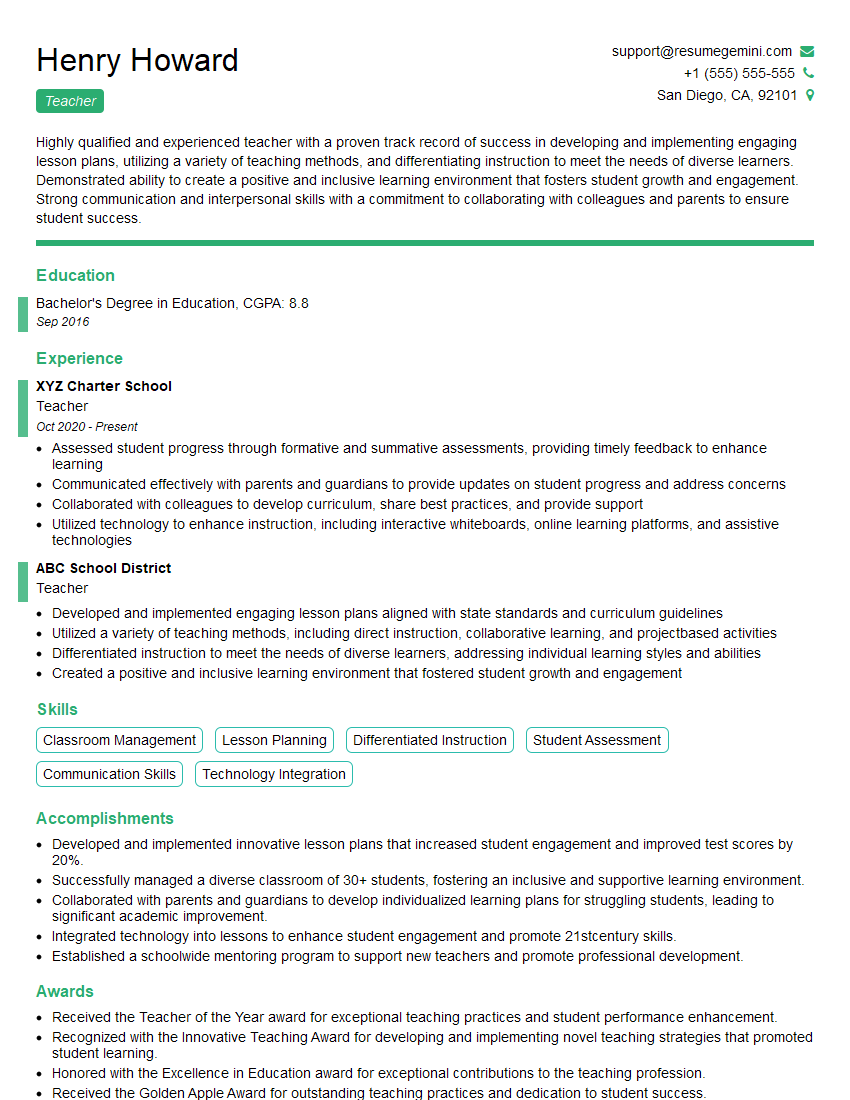
Teacher Resume Sample
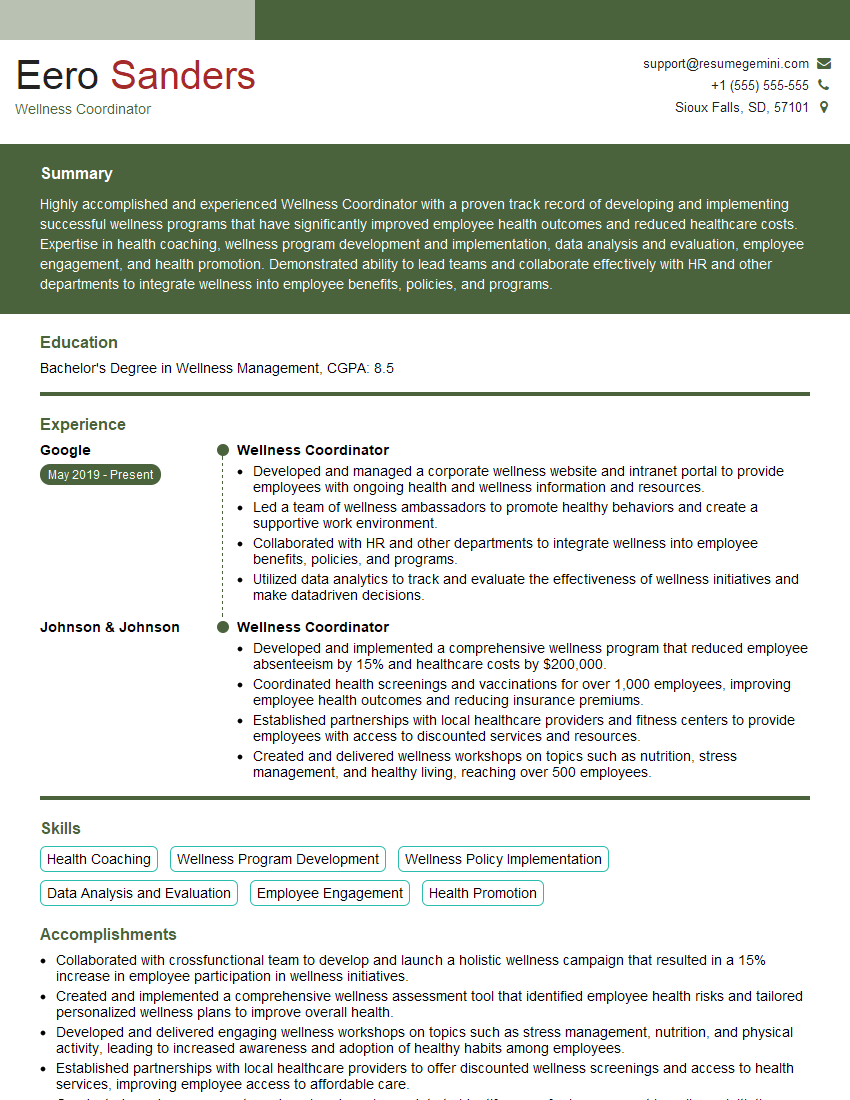
Wellness Coordinator Resume Sample
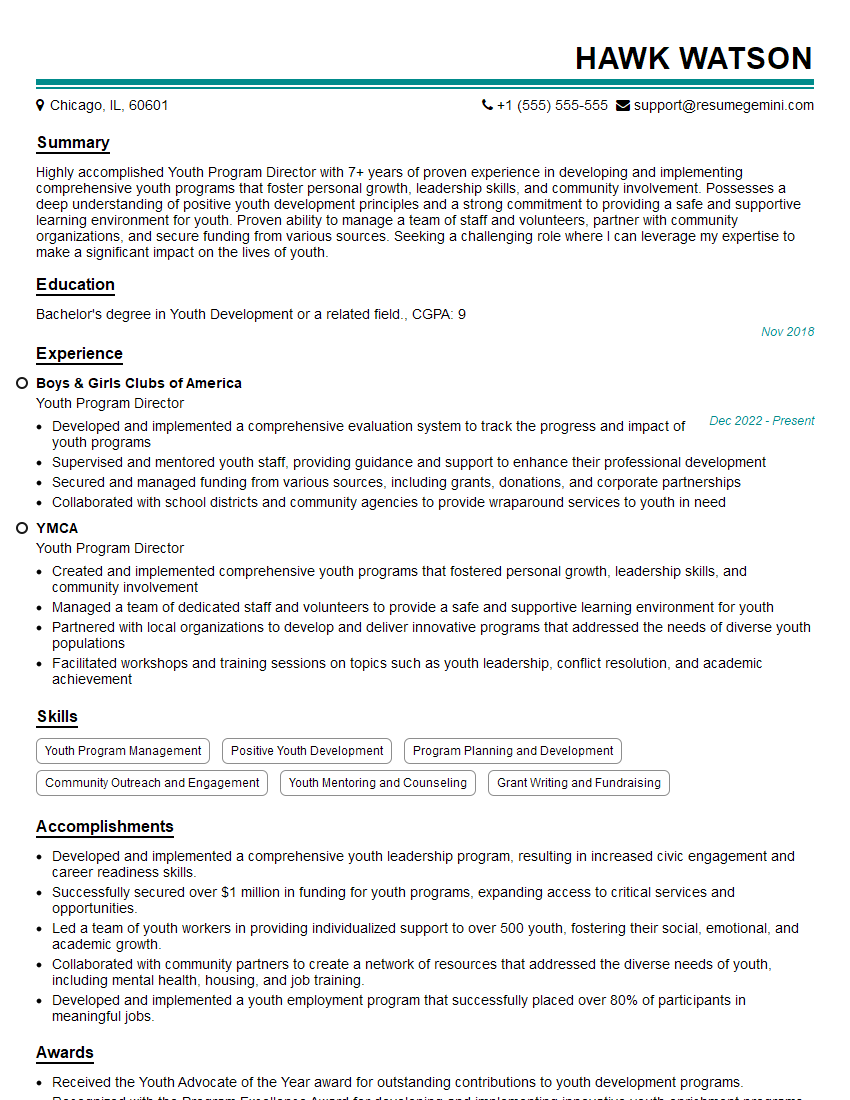
Youth Program Director Resume Sample
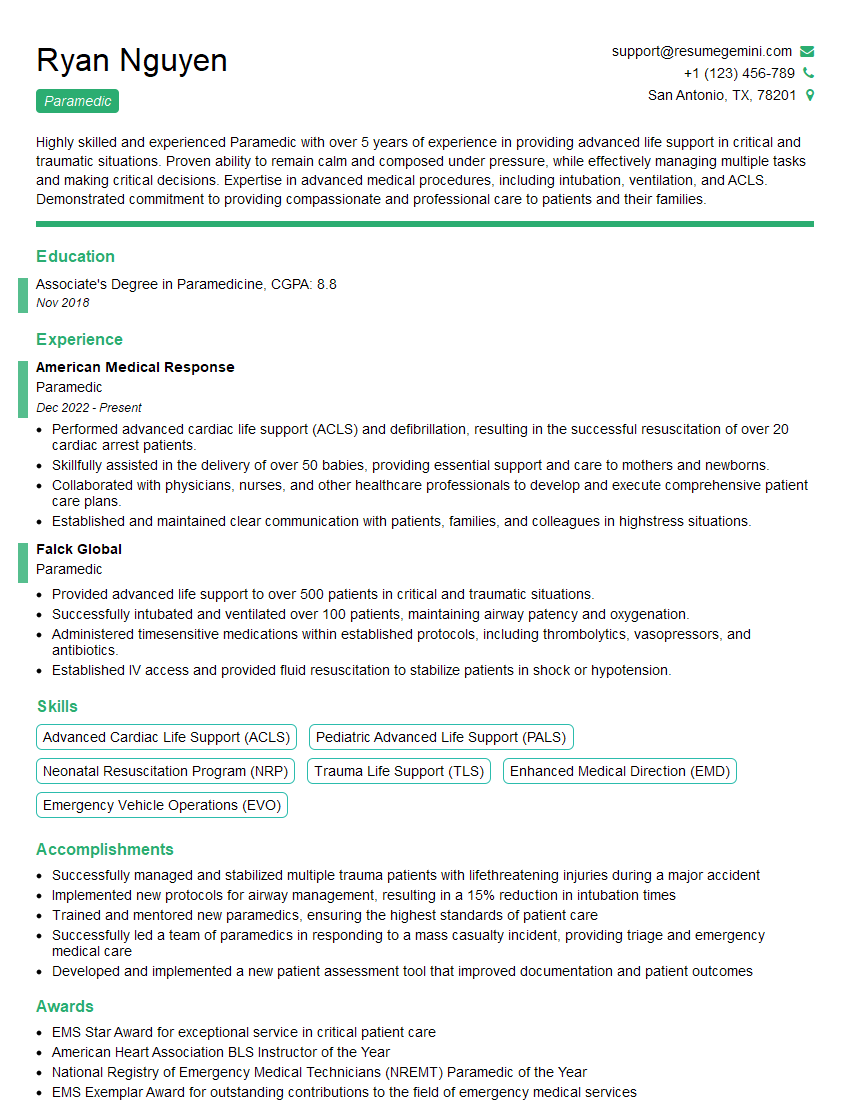
Paramedic Resume Sample
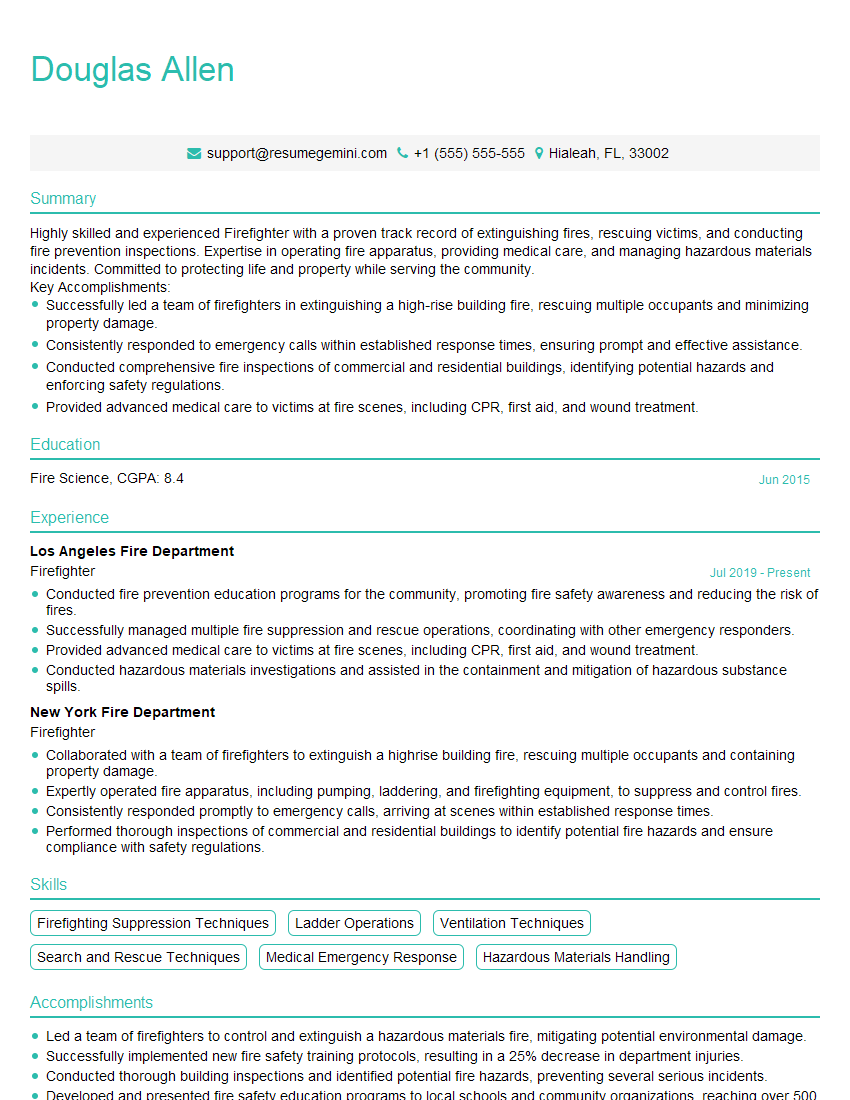
Firefighter Resume Sample
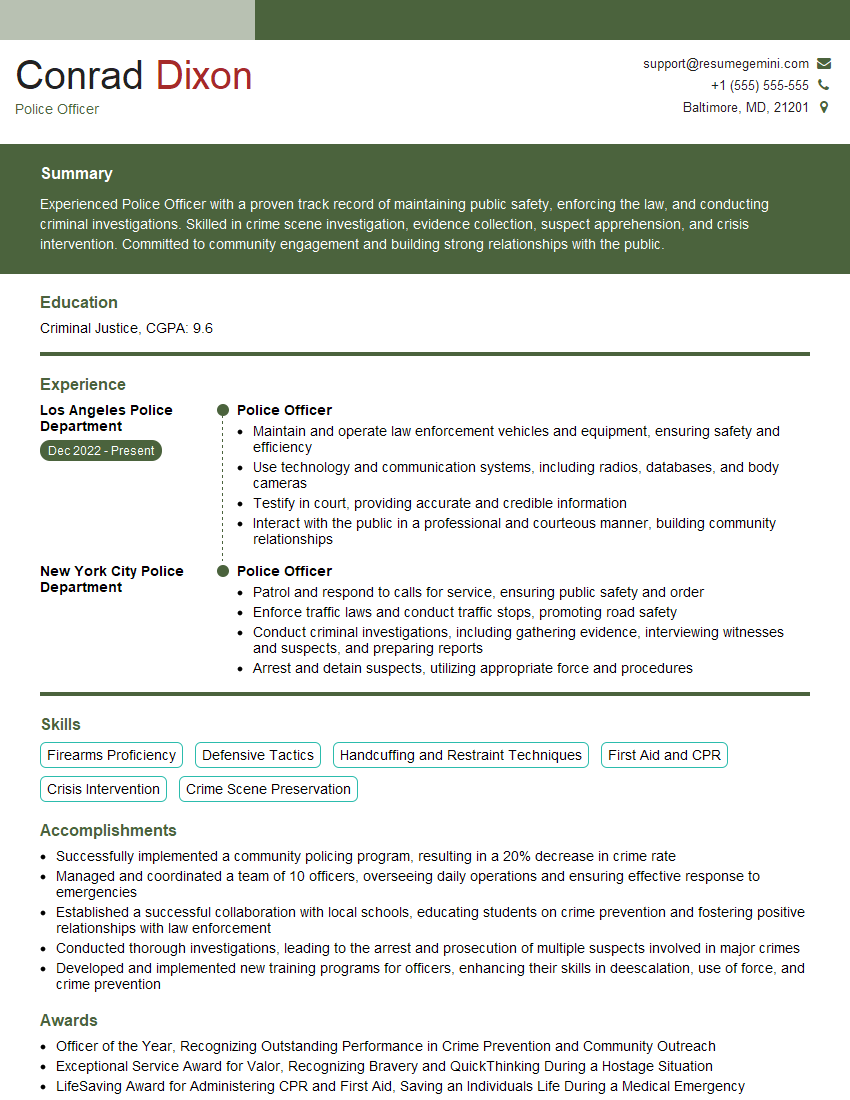
Police Officer Resume Sample
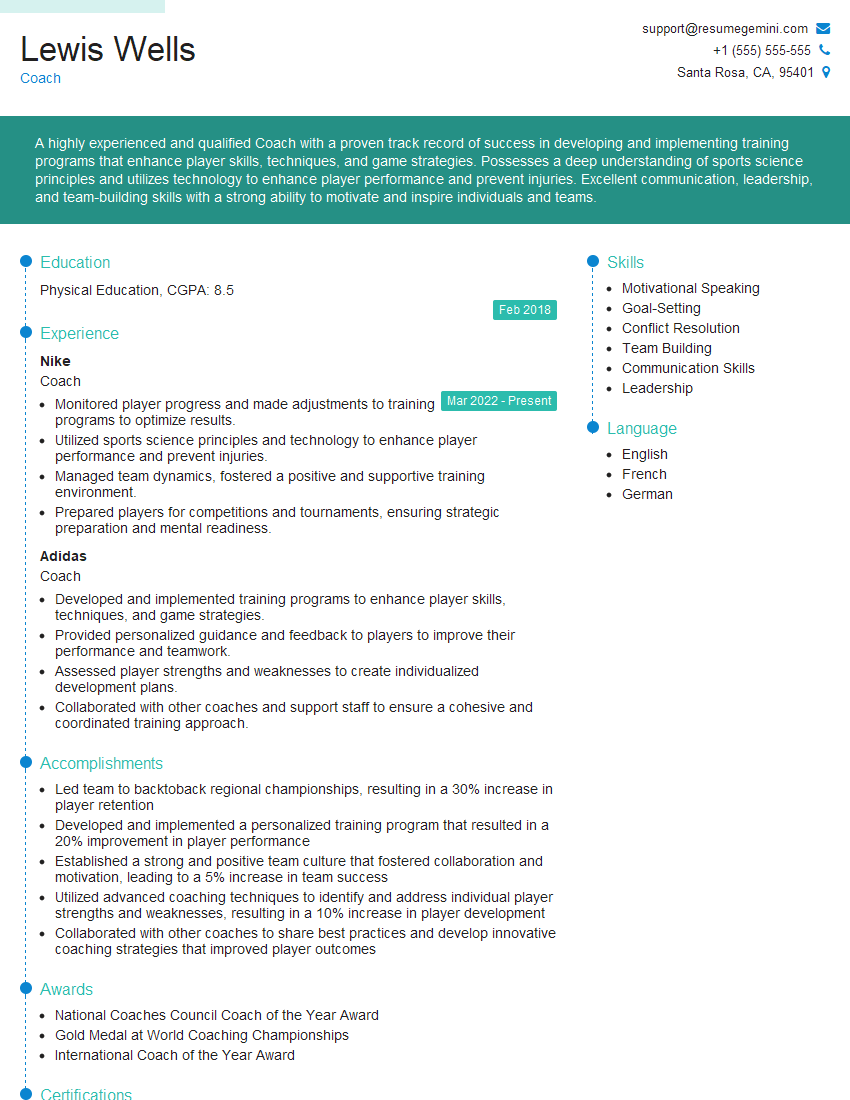
Coach Resume Sample
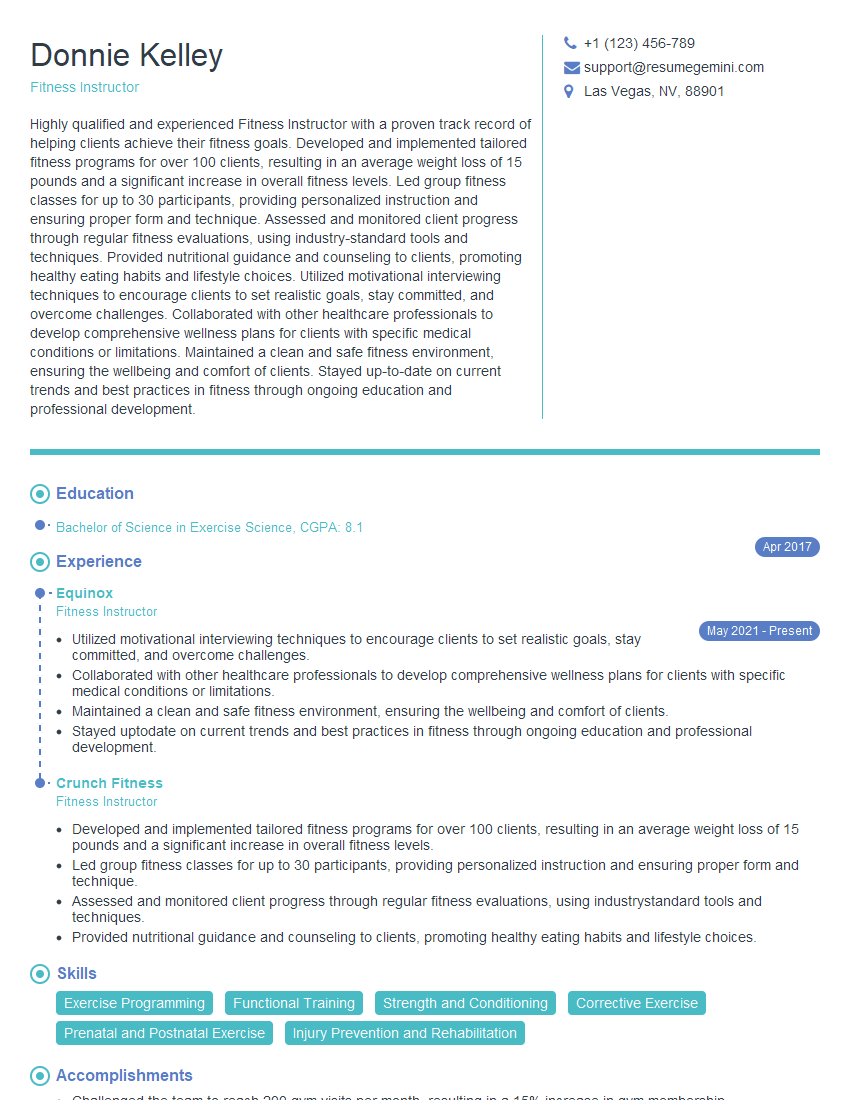
Fitness Instructor Resume Sample
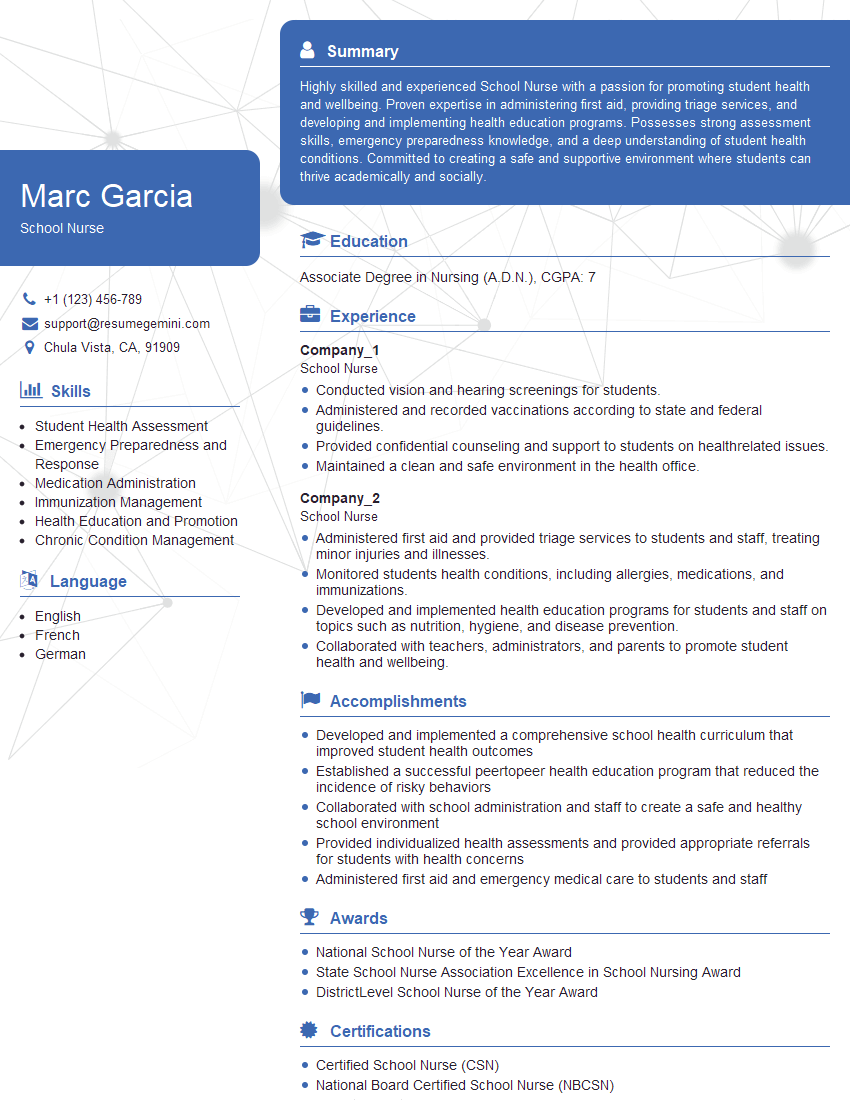
School Nurse Resume Sample
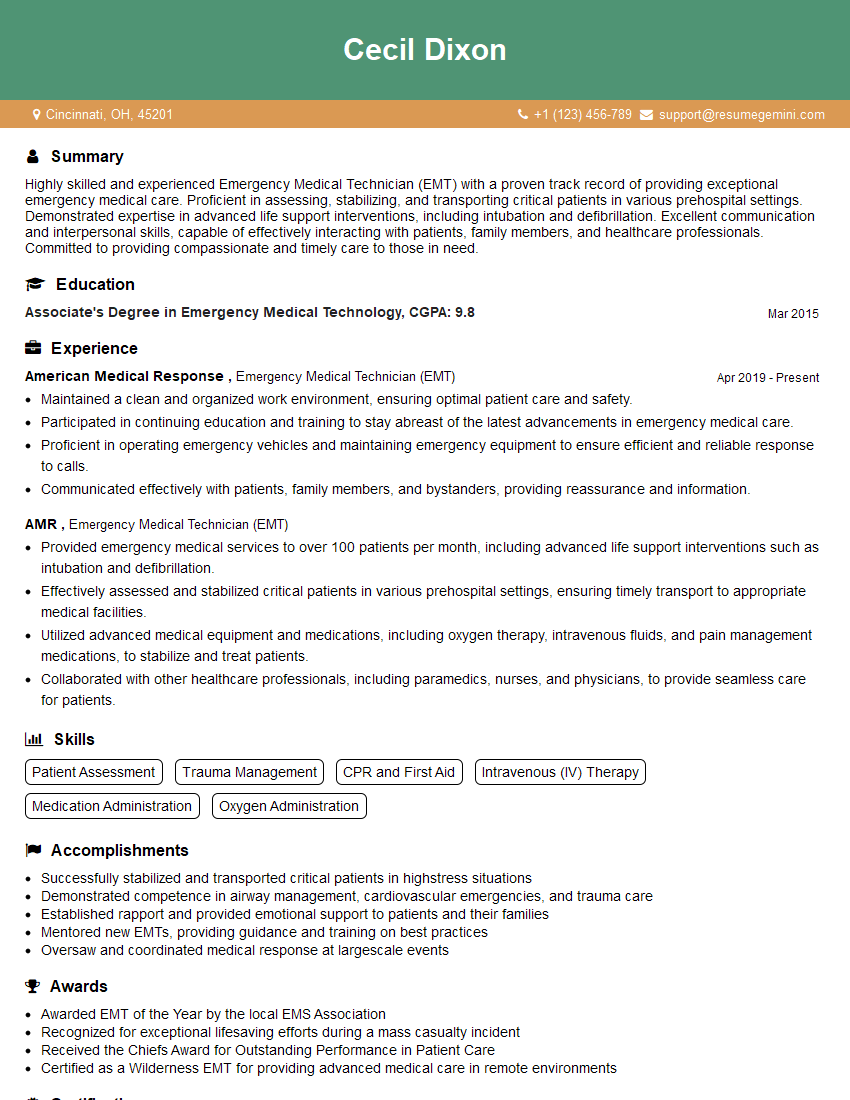
Emergency Medical Technician (EMT) Resume Sample
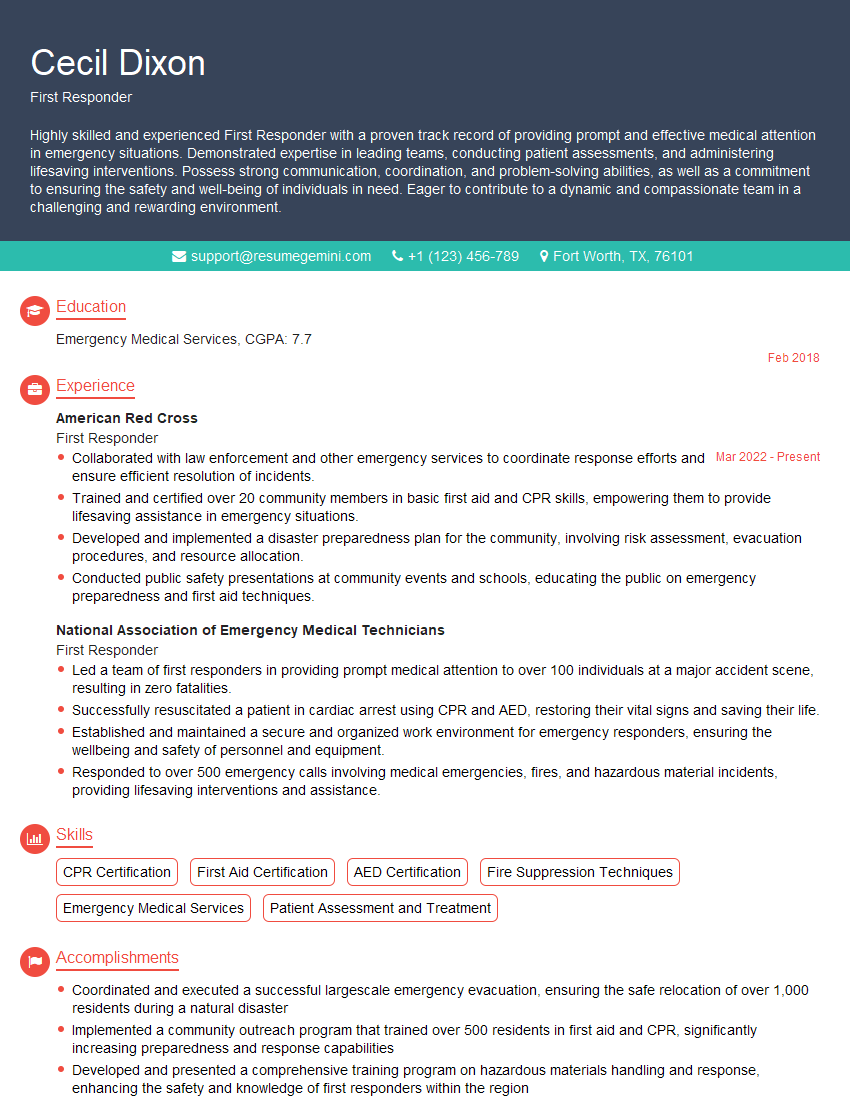
First Responder Resume Sample
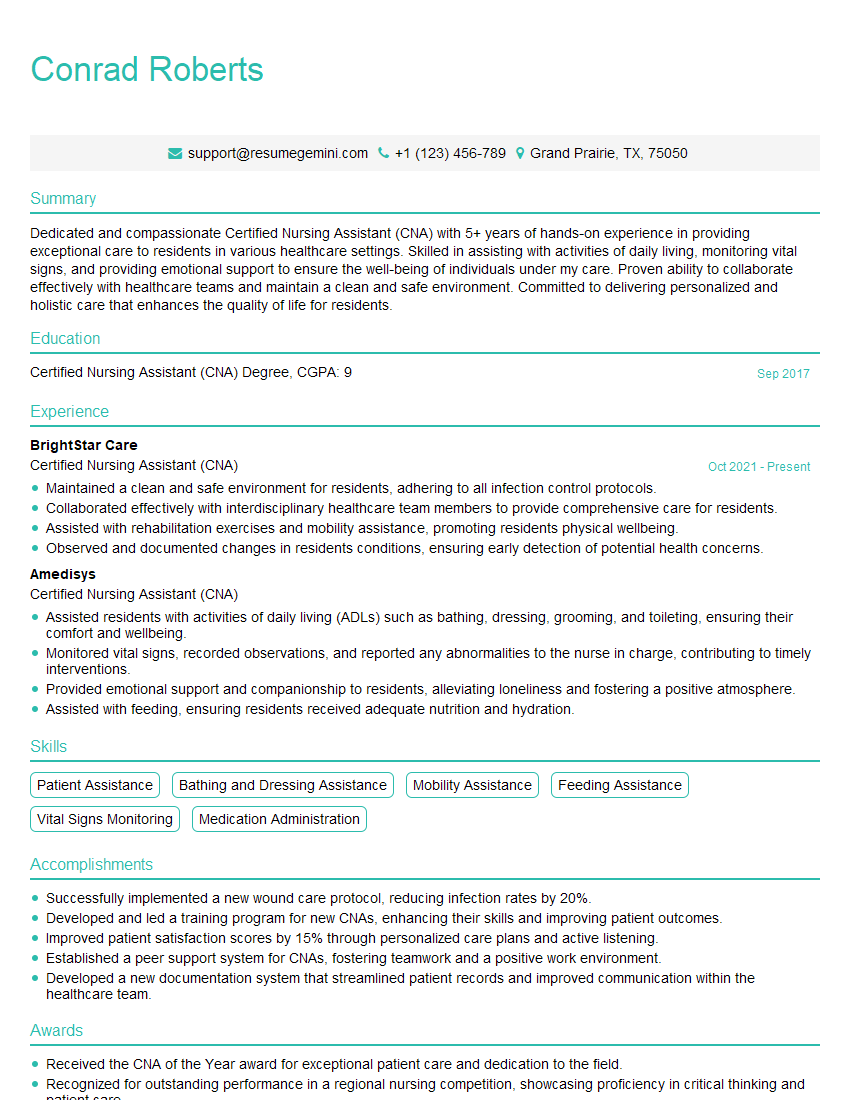
Certified Nursing Assistant (CNA) Resume Sample
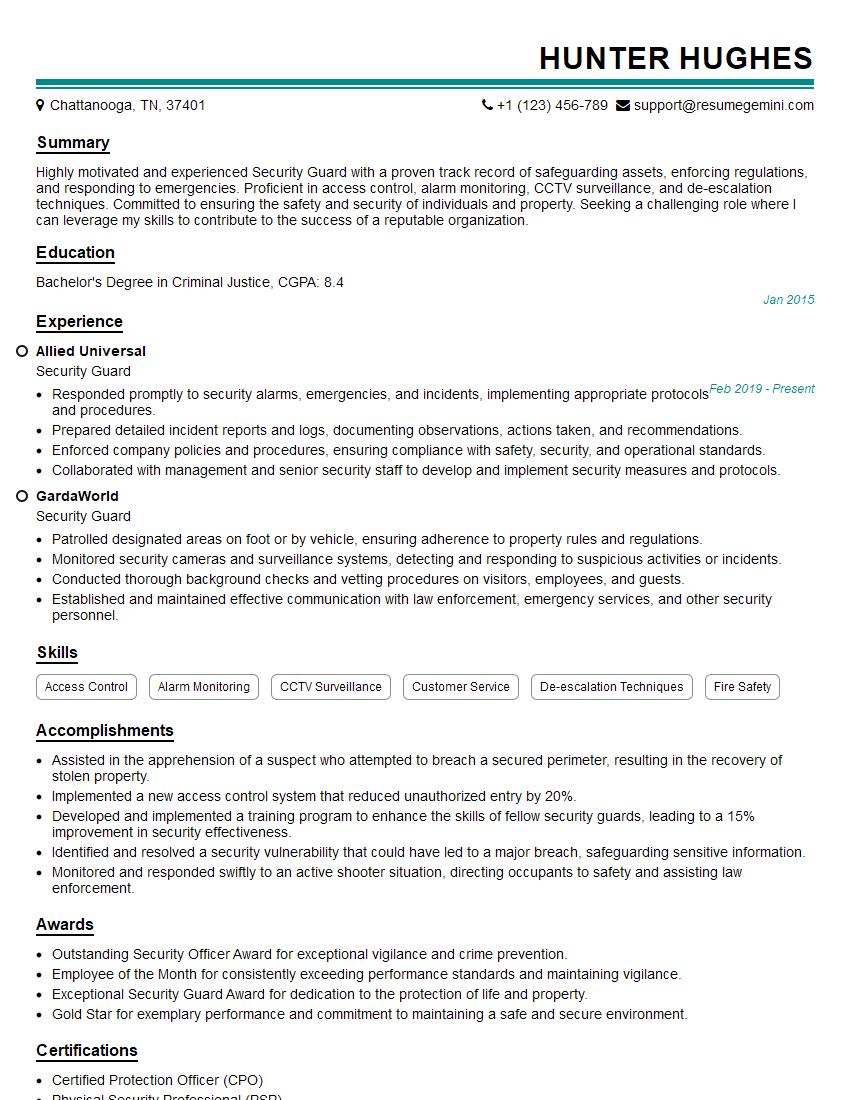
Security Guard Resume Sample
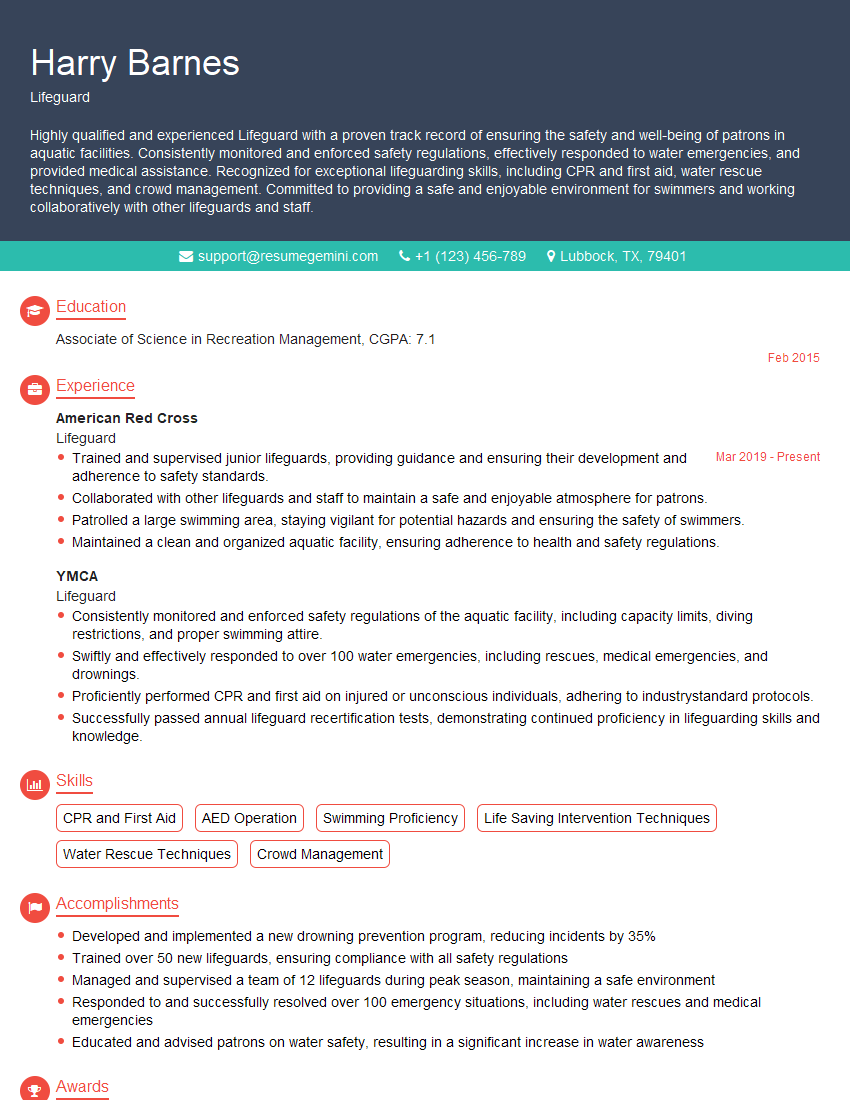
Lifeguard Resume Sample
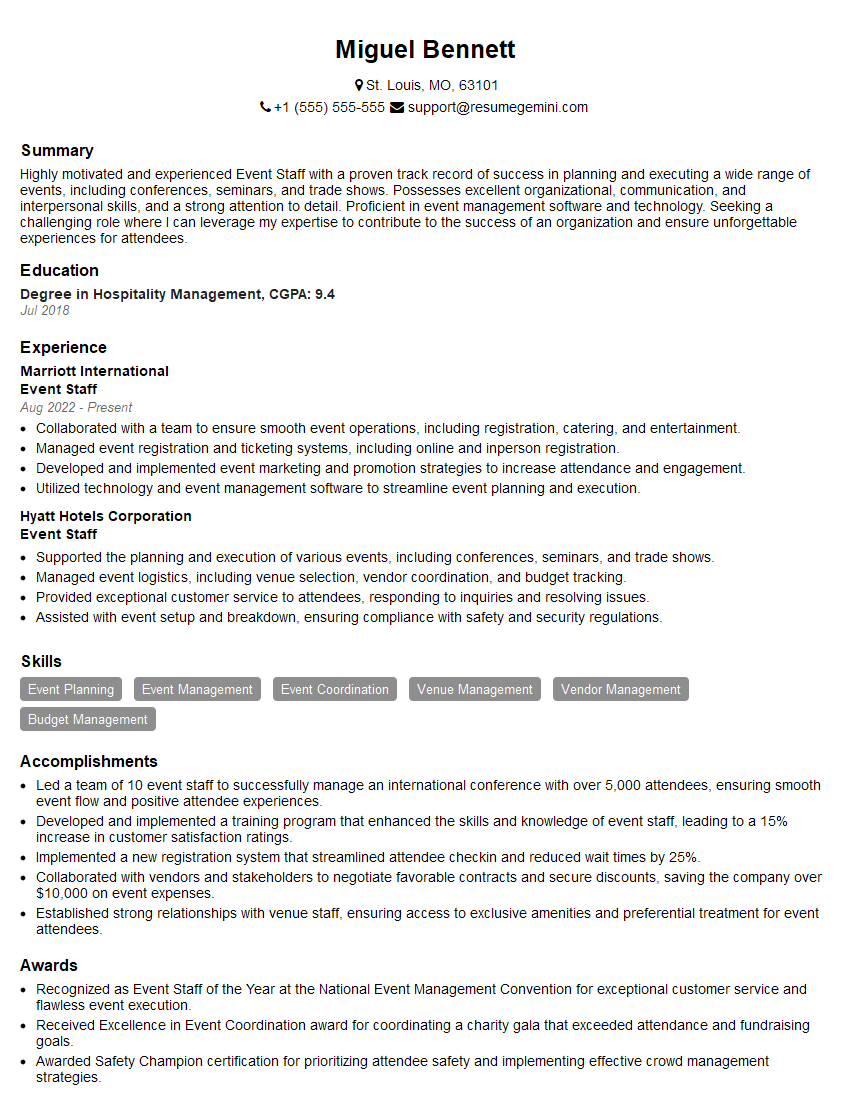
Event Staff Resume Sample
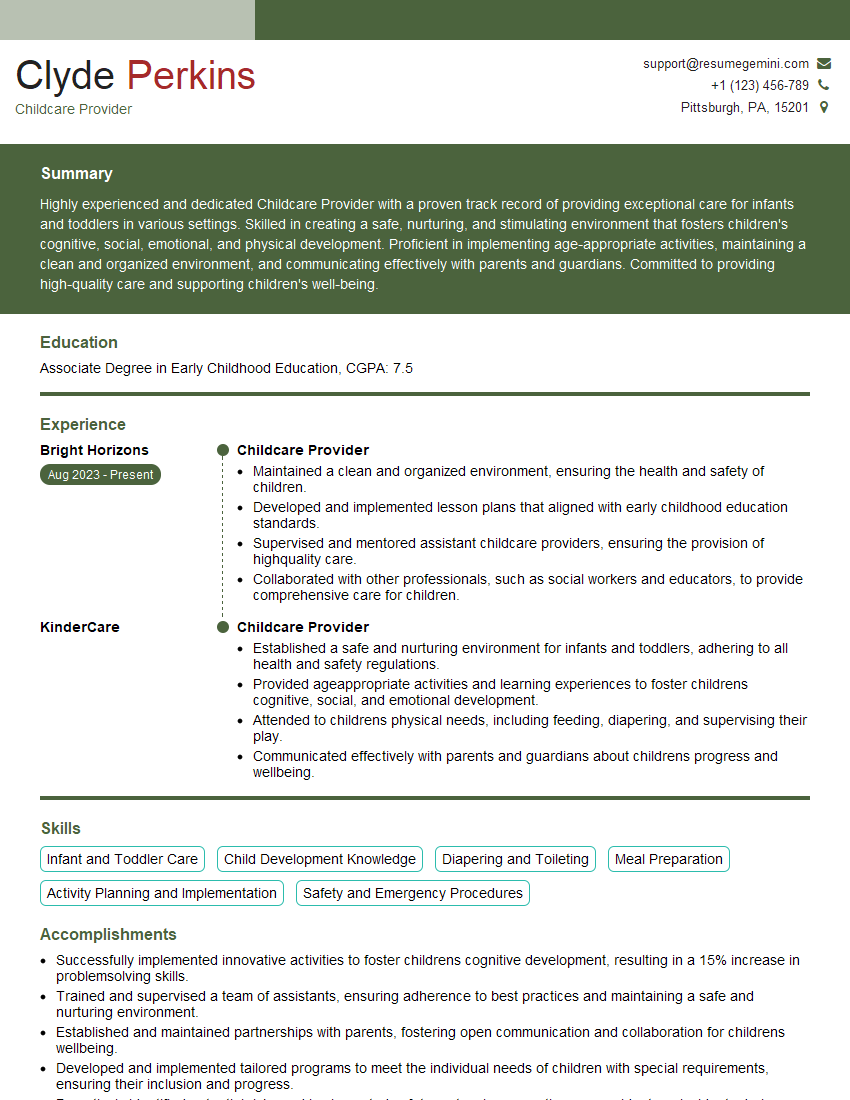
Childcare Provider Resume Sample
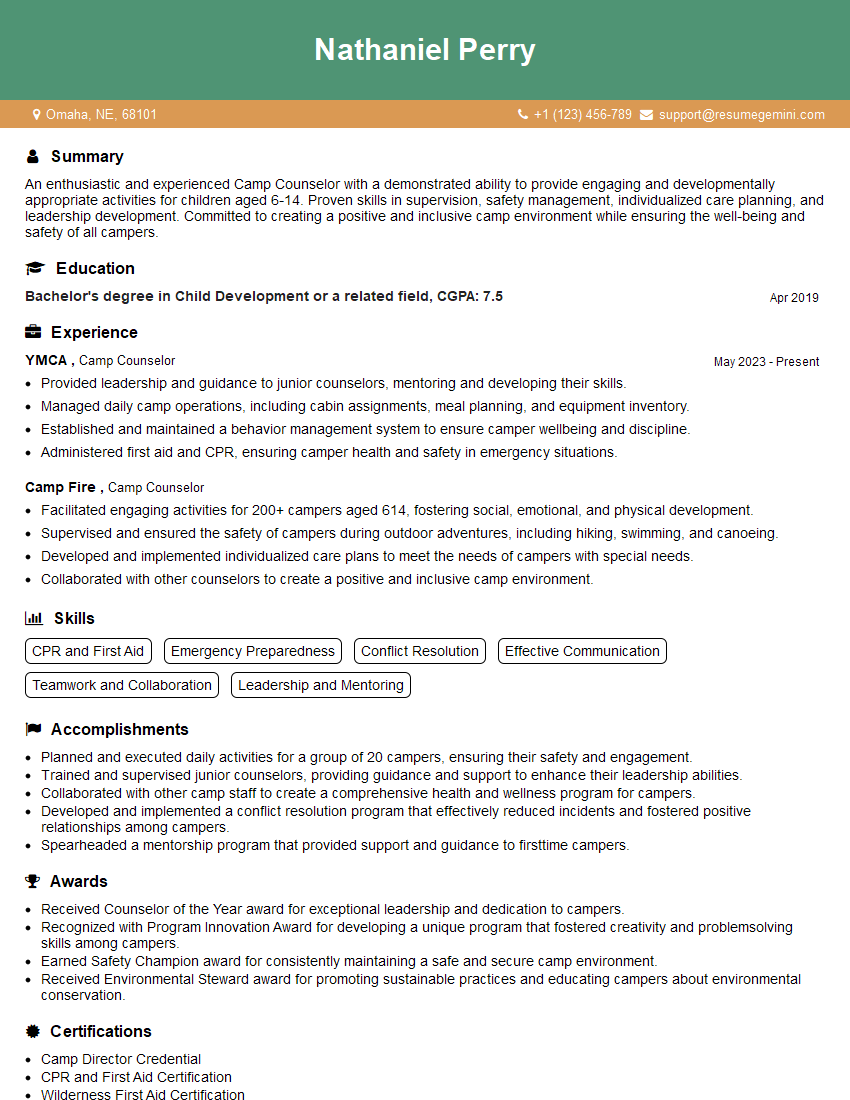
Camp Counselor Resume Sample
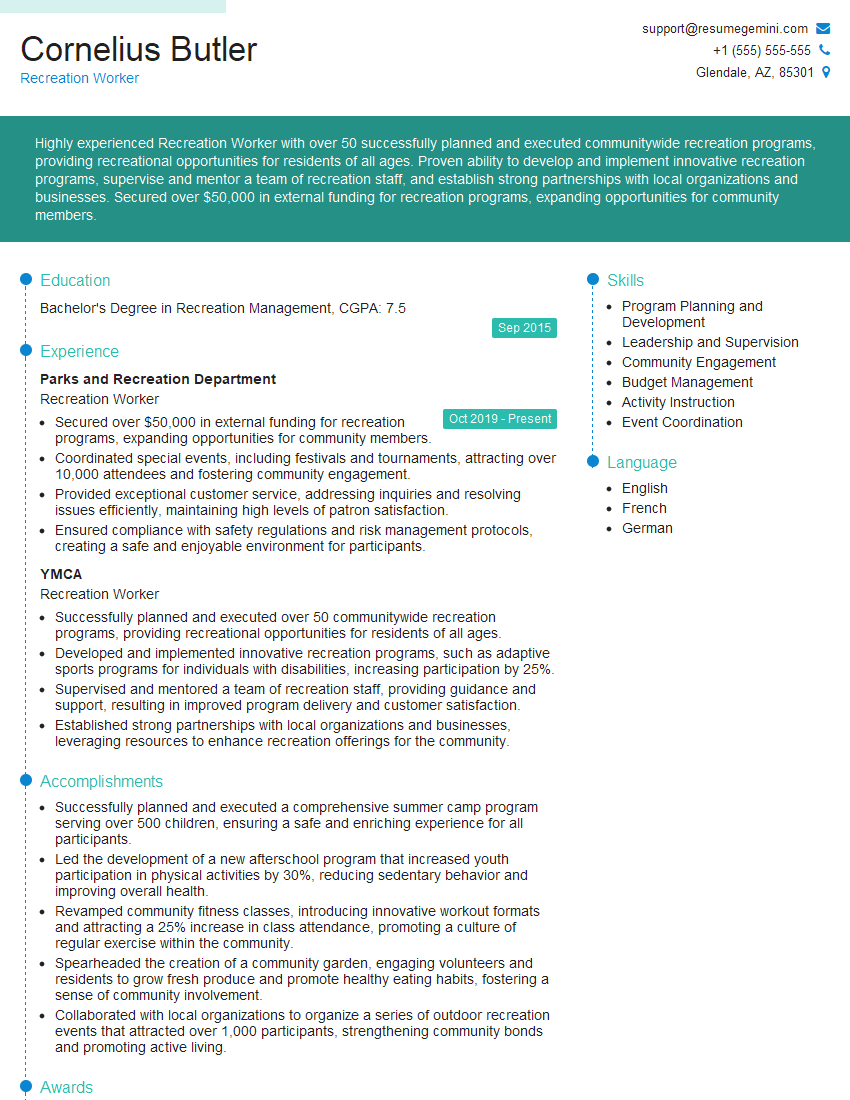
Recreation Worker Resume Sample
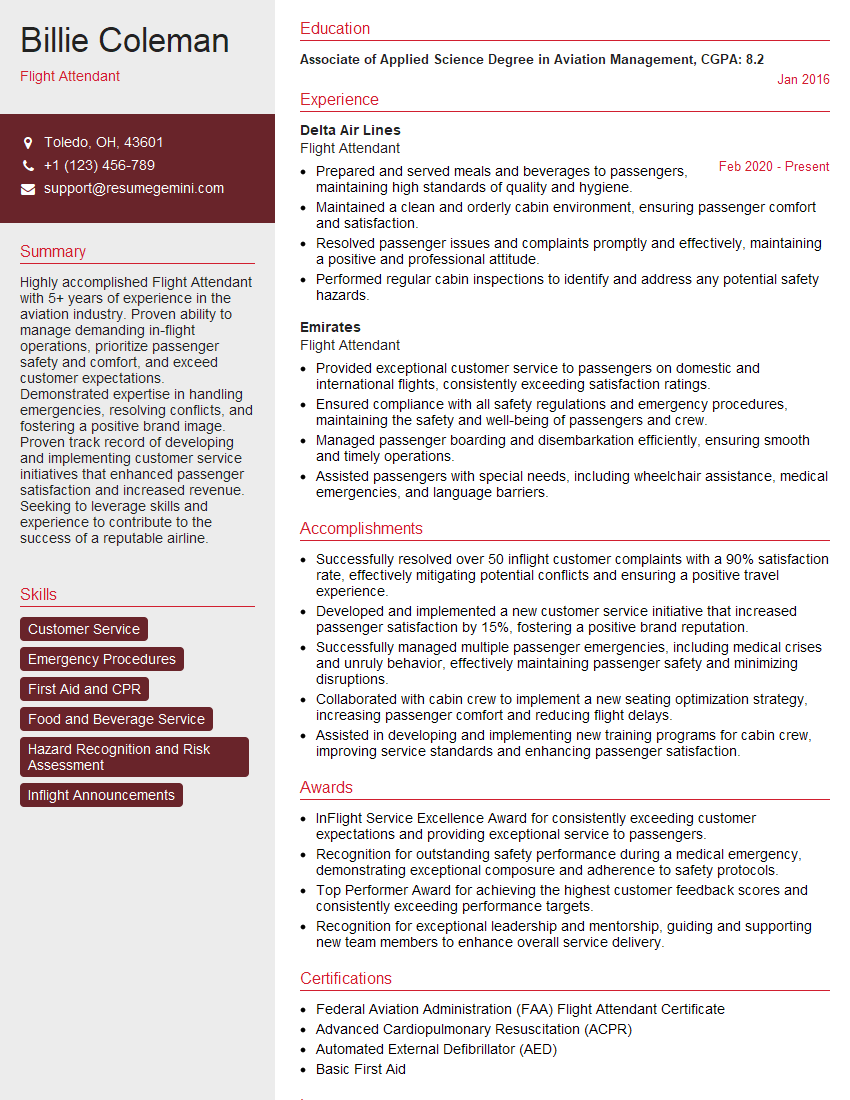
Flight Attendant Resume Sample
- Teacher
- Wellness Coordinator
- Youth Program Director
- Paramedic
- Firefighter
- Police Officer
- Coach
- Fitness Instructor
- School Nurse
- Emergency Medical Technician (EMT)
- First Responder
- Certified Nursing Assistant (CNA)
- Security Guard
- Lifeguard
- Event Staff
- Childcare Provider
- Camp Counselor
- Recreation Worker
- Flight Attendant
Explore more articles
Users Rating of Our Blogs
Share Your Experience
We value your feedback! Please rate our content and share your thoughts (optional).
What Readers Say About Our Blog
I Redesigned Spongebob Squarepants and his main characters of my artwork.
https://www.deviantart.com/reimaginesponge/art/Redesigned-Spongebob-characters-1223583608
IT gave me an insight and words to use and be able to think of examples
Hi, I’m Jay, we have a few potential clients that are interested in your services, thought you might be a good fit. I’d love to talk about the details, when do you have time to talk?
Best,
Jay
Founder | CEO