Every successful interview starts with knowing what to expect. In this blog, we’ll take you through the top Procurement Processes interview questions, breaking them down with expert tips to help you deliver impactful answers. Step into your next interview fully prepared and ready to succeed.
Questions Asked in Procurement Processes Interview
Q 1. Explain the Procure-to-Pay (P2P) process.
Procure-to-Pay (P2P) is the entire process of acquiring goods and services, from the initial identification of a need to the final payment to the supplier. Think of it as a streamlined workflow encompassing everything from requisition to settlement. It’s a critical function that impacts an organization’s bottom line and operational efficiency.
- Requisition: A formal request for goods or services is submitted by a department or individual.
- Purchase Requisition Approval: The requisition is reviewed and approved by the appropriate authorizing personnel based on budgets and needs.
- Supplier Selection: The organization selects a suitable supplier, often through a competitive bidding process, taking into account factors such as price, quality, and delivery time.
- Order Placement: A formal purchase order is issued to the selected supplier, specifying the goods or services, quantities, delivery dates, and payment terms.
- Goods Receipt/Service Acceptance: Once the goods are received or the services are rendered, they are inspected and accepted, ensuring they meet the specified requirements.
- Invoice Receipt: The supplier sends an invoice for the goods or services provided.
- Invoice Verification and Approval: The invoice is matched against the purchase order and goods receipt/service acceptance documents to ensure accuracy.
- Payment: Finally, payment is released to the supplier according to the agreed-upon payment terms.
For example, imagine a hospital needing to procure new medical equipment. The P2P process would start with a requisition from the surgical department, proceed through supplier selection (perhaps involving competitive bidding), purchase order creation, equipment delivery and acceptance, invoice processing, and ultimately, payment to the medical equipment supplier.
Q 2. Describe your experience with different sourcing strategies (e.g., competitive bidding, reverse auctions).
I have extensive experience with various sourcing strategies. My approach is always tailored to the specific procurement needs, considering factors such as the complexity of the product or service, market conditions, and the organization’s risk tolerance.
- Competitive Bidding: This involves soliciting bids from multiple suppliers based on a predefined set of specifications. It’s ideal for standardized goods and services where price is a key factor. I’ve used this successfully to negotiate lower prices for office supplies and IT equipment.
- Reverse Auctions: This is a dynamic process where suppliers compete in real-time to lower their prices. This is particularly effective for high-volume purchases where significant cost savings can be achieved. I successfully implemented a reverse auction for a large-scale IT project, resulting in a 15% cost reduction.
- Negotiation: This is a crucial element in almost all sourcing strategies. It involves engaging with suppliers to achieve mutually beneficial outcomes, balancing cost, quality, and delivery expectations. I’ve negotiated favorable contracts with key suppliers, establishing long-term relationships based on trust and collaboration.
- Supplier Relationship Management (SRM): This involves building and maintaining strong relationships with key suppliers to ensure continuous improvement and better value. I use this approach for critical suppliers where long-term collaboration is critical for innovation and quality.
The choice of sourcing strategy is crucial and isn’t a one-size-fits-all approach. I carefully analyze each situation before deciding on the optimal method.
Q 3. How do you manage supplier relationships?
Managing supplier relationships is a crucial part of effective procurement. I approach it strategically, focusing on building long-term partnerships based on mutual trust and shared goals.
- Regular Communication: Maintaining open and transparent communication channels is paramount. This includes regular meetings, performance reviews, and feedback sessions.
- Performance Monitoring: I track key performance indicators (KPIs) such as on-time delivery, quality levels, and responsiveness to ensure suppliers meet contractual obligations. This involves regular performance reviews and corrective actions when needed.
- Collaboration and Innovation: I encourage collaboration with suppliers to identify opportunities for process improvement and cost reduction. This might include joint problem-solving sessions and brainstorming sessions.
- Conflict Resolution: Disputes may arise. I have a structured approach to resolving conflicts promptly and fairly, focusing on finding mutually beneficial solutions.
- Supplier Segmentation: I categorize suppliers based on their importance and strategic value to the organization. Critical suppliers receive more attention and resources.
For instance, I implemented a supplier performance rating system that helps us identify top-performing suppliers and address underperforming ones. This has significantly improved the overall quality of goods and services we receive.
Q 4. What are some key performance indicators (KPIs) you use to measure procurement success?
Key performance indicators (KPIs) are crucial for measuring the success of the procurement function. I use a range of KPIs to assess various aspects of procurement performance, including:
- Cost Savings: Percentage reduction in procurement costs compared to the previous year or budget.
- On-Time Delivery: Percentage of orders delivered on or before the scheduled date.
- Supplier Performance: Rating of suppliers based on key metrics such as quality, delivery, and responsiveness. (Often using a weighted scoring system).
- Cycle Time: Time taken from requisition to payment.
- Purchase Order Accuracy: Number of purchase orders processed without errors.
- Contract Compliance: Adherence to the terms and conditions of contracts.
- Inventory Turnover: Number of times inventory is sold or used in a specific period. (Especially relevant for inventory-heavy businesses).
By regularly tracking and analyzing these KPIs, we can identify areas for improvement and ensure that our procurement processes are efficient and effective.
Q 5. How do you identify and mitigate risks in the procurement process?
Risk management is an integral part of the procurement process. I employ a proactive approach to identify and mitigate potential risks throughout the entire procurement lifecycle.
- Supplier Risk Assessment: Identifying and assessing potential risks associated with each supplier, such as financial instability, quality issues, or geopolitical factors.
- Contractual Risk Management: Including appropriate clauses in contracts to address potential risks, such as force majeure events, termination clauses, and intellectual property protection.
- Supply Chain Disruption: Planning for potential supply chain disruptions, such as natural disasters or political instability. This could involve diversifying suppliers or holding strategic inventory.
- Quality Control: Implementing rigorous quality control procedures to ensure that goods and services meet specified requirements.
- Compliance Risk: Ensuring adherence to relevant laws and regulations, such as anti-bribery and corruption laws and environmental regulations.
- Financial Risk: Managing financial risks, such as payment defaults or price volatility. This often involves using financial instruments such as letters of credit or insurance.
For example, during a period of global supply chain instability, I implemented a strategy of diversifying our supplier base to mitigate the risk of shortages. This proactive approach ensured business continuity and reduced our vulnerability.
Q 6. Explain your experience with negotiating contracts.
Contract negotiation is a key skill in procurement. My approach is always collaborative and aims to achieve a win-win outcome for both parties.
- Preparation: Before any negotiation, I thoroughly research the market, understand the supplier’s business, and define clear objectives and priorities.
- Active Listening: I actively listen to the supplier’s perspective and concerns to build rapport and find common ground.
- Value Proposition: I clearly articulate the value our organization brings to the supplier, fostering a mutually beneficial relationship beyond price negotiations.
- Strategic Trade-offs: I’m adept at identifying areas where concessions can be made while safeguarding our interests. This involves skillful negotiation tactics.
- Documentation: All agreements are meticulously documented in clear and unambiguous language to avoid misunderstandings.
In one instance, I negotiated a long-term contract with a key supplier that included performance incentives linked to quality and on-time delivery, resulting in significantly improved supplier performance and cost savings for our organization. This demonstrated the power of a collaborative and mutually beneficial negotiation approach.
Q 7. Describe your experience with different types of contracts (e.g., fixed-price, cost-plus).
My experience encompasses various contract types, each suited to different procurement situations. The choice depends on the complexity of the goods or services, the risk involved, and the level of uncertainty.
- Fixed-Price Contracts: The price is fixed in advance, regardless of any cost overruns or changes in circumstances. These are best suited for well-defined projects with minimal uncertainty.
- Cost-Plus Contracts: The supplier is reimbursed for their actual costs, plus a predetermined fee or percentage markup. This type is suitable for projects with high uncertainty, where the scope or requirements may change during the project lifecycle. Variations exist like cost-plus-fixed-fee or cost-plus-incentive-fee, which incentivize cost control.
- Time and Materials Contracts: The supplier is paid for the time spent and materials used. These are best suited for projects where the scope is not fully defined in advance.
- Performance-Based Contracts: Payment is linked to the achievement of pre-defined performance metrics. This incentivizes the supplier to deliver high-quality results and encourages continuous improvement.
Selecting the appropriate contract type is critical. For instance, a fixed-price contract works well for procuring standardized office supplies, while a cost-plus contract may be necessary for a complex software development project where requirements might evolve over time. The selection process requires careful consideration of risk and the specific needs of the project.
Q 8. How do you ensure compliance with procurement regulations?
Ensuring compliance with procurement regulations is paramount. It involves a multi-faceted approach encompassing understanding, implementing, and monitoring adherence to all applicable laws, rules, and internal policies. This starts with a thorough understanding of the relevant legislation – for example, the government’s contracting regulations (like FAR in the US or similar regulations in other countries) and industry-specific compliance standards.
My approach involves:
- Developing and maintaining a comprehensive compliance program: This includes creating and regularly updating a policy manual that outlines all procurement procedures, relevant regulations, and internal controls. This manual serves as a reference for all team members.
- Regular training for procurement staff: Training sessions keep the team abreast of changes in regulations and best practices, focusing on areas like conflict of interest, bribery, and anti-corruption measures.
- Implementing robust internal controls: These are crucial for preventing and detecting non-compliance. This could involve segregation of duties, mandatory approvals for specific transactions, and regular audits of procurement processes.
- Utilizing compliance software: Many tools are available to automate compliance checks, ensuring that processes are followed correctly and potential risks are flagged.
- Conducting regular audits and reviews: Internal and external audits help identify weaknesses in the compliance program and ensure continuous improvement. Any identified shortcomings are addressed immediately with corrective actions documented and followed up.
For example, in a previous role, we implemented a new system for tracking vendor certifications, ensuring that all suppliers met the necessary compliance requirements before being considered for contracts. This proactive approach significantly reduced our risk of non-compliance.
Q 9. What is your experience with e-procurement systems?
E-procurement systems have revolutionized the procurement process, improving efficiency, transparency, and cost savings. My experience spans several systems, from simple e-catalogs to sophisticated platforms that integrate with ERP (Enterprise Resource Planning) systems.
I’m proficient in using these systems to:
- Manage the entire procurement lifecycle: From requisition to invoice processing, e-procurement streamlines all stages. This includes automating purchase orders, tracking deliveries, and managing contracts.
- Enhance collaboration and communication: These systems facilitate seamless communication between stakeholders, including buyers, suppliers, and internal approvers.
- Improve transparency and accountability: A centralized system creates a clear audit trail, making it easier to track spending and identify potential issues.
- Reduce costs: Automating tasks lowers administrative overhead and facilitates better price negotiation with suppliers.
- Improve supplier relationships: Online portals facilitate easy communication and information sharing with suppliers, leading to stronger partnerships.
In a previous project, we migrated from a manual, paper-based system to an e-procurement platform. The result was a 20% reduction in processing time for purchase orders and a significant improvement in the accuracy of procurement data. The system also facilitated better price negotiation by providing quick access to historical spending data.
Q 10. How do you manage supplier performance?
Supplier performance management is critical for ensuring continuous value delivery. It’s a systematic approach that involves setting clear expectations, monitoring performance against those expectations, and providing feedback and support to drive improvement.
My process typically includes:
- Establishing Key Performance Indicators (KPIs): These are crucial for measuring supplier performance. Examples include on-time delivery, quality levels, response times, and cost efficiency.
- Regular performance monitoring: I utilize a combination of methods, including supplier scorecards, regular performance reviews, and ongoing communication to monitor their performance against agreed KPIs.
- Implementing a supplier performance rating system: This allows for objective assessment and ranking of suppliers, facilitating informed decision-making when selecting or retaining suppliers.
- Proactive communication and feedback: Open communication is key. Regular feedback sessions, both positive and constructive, help suppliers understand areas for improvement and maintain a strong working relationship.
- Continuous improvement initiatives: Collaborating with suppliers to identify and implement improvements is essential. This could involve joint problem-solving, process optimization, and technology upgrades.
For instance, in one case, we identified a consistent delay in deliveries from a key supplier. By working closely with them, we uncovered capacity constraints and implemented a solution that improved their delivery performance significantly.
Q 11. How do you handle supplier disputes?
Supplier disputes are inevitable, but a structured approach can help resolve them fairly and efficiently. My approach focuses on early intervention and collaborative problem-solving.
My steps for handling disputes include:
- Early identification and escalation: Addressing concerns promptly prevents minor issues from escalating into major disputes.
- Formal communication and documentation: Maintaining a record of all communication and agreements is crucial for any subsequent resolution.
- Negotiation and mediation: I attempt to resolve disputes through direct negotiation with the supplier, focusing on finding a mutually acceptable solution. If necessary, I involve a neutral third party mediator.
- Formal dispute resolution process: If negotiation fails, I utilize the established formal processes, which could involve arbitration or litigation, as outlined in the contract.
- Documentation and lessons learned: After resolution, I thoroughly document the process and identify lessons learned to prevent similar disputes in the future.
In a past instance, a dispute arose regarding a delivery delay. Through open communication and a collaborative approach, we reached a mutually agreeable solution that involved a price adjustment and expedited delivery. This approach avoided the cost and time involved in formal dispute resolution.
Q 12. Describe your experience with request for proposal (RFP) processes.
Request for Proposal (RFP) processes are essential for sourcing goods and services competitively. My experience involves crafting detailed RFPs, managing the response process, and evaluating proposals to select the best supplier.
My process includes:
- Defining requirements: This crucial first step involves clearly outlining the needs, specifications, and expectations for the goods or services being sourced.
- Developing the RFP document: The RFP should be comprehensive, clearly outlining project details, evaluation criteria, submission requirements, and timelines.
- Distributing the RFP to potential suppliers: This involves identifying and contacting appropriate suppliers, ensuring they have adequate time to respond.
- Managing the response process: This includes tracking responses, addressing supplier queries, and ensuring all submissions are received on time.
- Evaluating proposals: This involves a structured assessment of proposals based on pre-defined criteria. This often involves a scoring system to ensure objectivity.
- Negotiation and selection: Following the evaluation, I negotiate contracts with shortlisted suppliers to finalize the terms and conditions.
In a recent project, we developed a comprehensive RFP for a new software system. The clearly defined requirements and evaluation criteria led to the selection of a vendor that perfectly matched our needs and budget.
Q 13. How do you prioritize procurement needs?
Prioritizing procurement needs is essential for efficient resource allocation. My approach involves a combination of factors to determine which procurement requests are addressed first.
My prioritization framework considers:
- Urgency: Requests needed immediately for critical operations are prioritized.
- Business impact: Requests that significantly impact the organization’s strategic goals take precedence.
- Cost: High-cost procurements require more careful evaluation and may need to be prioritized based on their return on investment.
- Risk: Procurements with high risk of disruption or failure are prioritized to mitigate potential impact.
- Contractual obligations: Requests related to existing contracts or legal obligations are given priority to maintain compliance.
I use a combination of methods, like a weighted scoring system or a prioritization matrix, to objectively rank procurement requests. This ensures that the most critical needs are addressed first, maximizing efficiency and minimizing disruption.
Q 14. Explain your experience with total cost of ownership (TCO) analysis.
Total Cost of Ownership (TCO) analysis is a crucial aspect of procurement decision-making. It goes beyond the initial purchase price to consider all direct and indirect costs associated with acquiring, using, and disposing of an asset or service over its entire lifecycle.
My TCO analysis typically includes:
- Acquisition costs: These include the purchase price, taxes, shipping, and installation fees.
- Operational costs: These involve ongoing expenses like maintenance, repairs, energy consumption, and staffing.
- Disposal costs: These include costs associated with decommissioning, recycling, or disposal at the end of the asset’s life.
- Risk costs: These encompass potential costs associated with downtime, defects, and liabilities.
By considering all these elements, TCO analysis enables informed decision-making, allowing for the selection of the most cost-effective option over the long term, even if it involves a higher initial purchase price. For example, a seemingly cheaper option may have significantly higher maintenance costs, making a more expensive option with lower maintenance a better value in the long run. I utilize spreadsheets and specialized software to model and analyze TCO, facilitating comparison between different options and ensuring data accuracy.
Q 15. What is your experience with supplier selection criteria?
Supplier selection is a critical process that ensures we partner with the right vendors. It’s not just about finding the cheapest option; it’s about finding the best value for money considering quality, reliability, and long-term relationship potential. My approach involves a multi-faceted evaluation process.
- Financial Stability: I analyze a supplier’s financial health through credit reports and financial statements to mitigate risk. For example, I’d look at their debt-to-equity ratio and profitability to assess their ability to fulfill contracts.
- Capacity and Capability: Assessing their production capacity, technology, and workforce to ensure they can meet our demands. If we need a specialized material, I’d verify their manufacturing process and certifications.
- Quality Management System: I verify their adherence to quality standards (ISO 9001, for example). On-site audits or reviewing quality control documentation are crucial steps here.
- Performance History: Reviewing past performance data, including on-time delivery rates, defect rates, and customer feedback. I’d check references and consider case studies.
- Ethical and Social Responsibility: Increasingly important is evaluating their sustainability practices, ethical sourcing, and labor standards. This aligns with our corporate social responsibility goals.
- Geographic Location and Logistics: Proximity influences delivery times and costs. A closer supplier could mean faster turnaround times and lower shipping expenses.
Ultimately, I use a weighted scoring system to rank potential suppliers based on these criteria, allowing for a transparent and objective selection process.
Career Expert Tips:
- Ace those interviews! Prepare effectively by reviewing the Top 50 Most Common Interview Questions on ResumeGemini.
- Navigate your job search with confidence! Explore a wide range of Career Tips on ResumeGemini. Learn about common challenges and recommendations to overcome them.
- Craft the perfect resume! Master the Art of Resume Writing with ResumeGemini’s guide. Showcase your unique qualifications and achievements effectively.
- Don’t miss out on holiday savings! Build your dream resume with ResumeGemini’s ATS optimized templates.
Q 16. How do you ensure the quality of goods and services procured?
Ensuring quality is paramount. My approach is proactive and multi-layered, starting before the contract is even signed.
- Clear Specifications: Defining detailed specifications and requirements from the start eliminates ambiguity. This includes technical drawings, material specifications, and performance standards. Think of it like a detailed recipe, leaving no room for error.
- Supplier Audits: Regular audits assess supplier processes and compliance with our quality standards. These can be on-site inspections or reviews of their quality documentation.
- Incoming Inspection: Sampling and inspecting incoming goods to ensure they meet specifications before they are accepted. This is a critical quality control checkpoint.
- Performance Monitoring: Tracking key performance indicators (KPIs) such as defect rates, on-time delivery, and customer satisfaction to identify and address quality issues promptly. Regular reports are key.
- Continuous Improvement: Collaborating with suppliers on continuous improvement initiatives to enhance processes and reduce defects. This is about building a strong collaborative relationship.
In one instance, we implemented a new quality control process with our key electronics supplier. This resulted in a 20% reduction in defective parts and a significant cost saving.
Q 17. Describe your experience with contract lifecycle management.
Contract lifecycle management (CLM) is vital for managing risk and ensuring compliance. My experience spans the entire lifecycle, from drafting to renewal.
- Contract Negotiation: Negotiating favorable terms, including pricing, payment schedules, service level agreements (SLAs), and termination clauses. This requires strong negotiation skills and a deep understanding of contract law.
- Contract Execution: Tracking contract performance, milestones, and deliverables to ensure compliance. Project management tools and software are essential here.
- Contract Amendment: Managing contract amendments, changes, and extensions efficiently and documenting them thoroughly.
- Risk Management: Identifying and mitigating potential risks throughout the contract lifecycle. This often includes insurance clauses and dispute resolution mechanisms.
- Compliance: Ensuring compliance with relevant laws, regulations, and internal policies. Regular legal reviews are important.
- Contract Renewal: Analyzing the contract’s performance, negotiating new terms, and deciding whether to renew or terminate.
We use a CLM software to streamline the process, automating tasks such as reminders and approvals, improving efficiency, and reducing the risk of errors.
Q 18. How do you utilize data analytics in procurement?
Data analytics is transforming procurement, providing insights that drive better decisions and cost savings.
- Spend Analysis: Analyzing historical spending data to identify trends, areas for cost reduction, and opportunities for consolidation. This often involves using data visualization tools to see patterns.
- Supplier Performance: Tracking supplier performance data to identify top performers and address underperforming suppliers. This helps us optimize our supplier portfolio.
- Market Intelligence: Utilizing data sources to understand market trends, pricing fluctuations, and potential risks. This informs our sourcing strategies.
- Risk Management: Analyzing data to identify and mitigate potential risks, such as supply chain disruptions or supplier financial instability.
- Contract Compliance: Using data to monitor contract compliance, identify potential breaches, and ensure timely payments.
For example, by analyzing spend data, we identified an opportunity to consolidate our purchases of office supplies from multiple vendors, resulting in a 15% cost reduction.
Q 19. Explain your experience with strategic sourcing initiatives.
Strategic sourcing goes beyond simply finding the lowest price; it’s about developing long-term relationships with suppliers to optimize the entire procurement process. My experience involves:
- Market Research: Conducting thorough market research to identify potential suppliers and understand market dynamics.
- Supplier Relationship Management (SRM): Building and maintaining strong relationships with key suppliers to foster collaboration and continuous improvement.
- Negotiation Strategies: Developing and implementing effective negotiation strategies to achieve favorable terms and conditions.
- Total Cost of Ownership (TCO): Considering the total cost of ownership, including factors beyond price, such as logistics, quality, and risk.
- Innovation: Collaborating with suppliers to identify opportunities for innovation and cost reduction.
In a recent initiative, we implemented a strategic sourcing project for a key component, resulting in a 10% cost reduction and a more reliable supply chain.
Q 20. What is your experience with developing and implementing procurement policies?
Developing and implementing procurement policies is crucial for ensuring compliance, efficiency, and risk mitigation. My experience involves:
- Policy Development: Working with stakeholders to define clear and concise procurement policies that align with organizational goals and regulatory requirements.
- Stakeholder Engagement: Engaging with stakeholders to gain buy-in and ensure policy adoption.
- Communication and Training: Communicating policies effectively and providing training to ensure that all stakeholders understand and comply with them.
- Policy Review and Updates: Regularly reviewing and updating policies to reflect changes in the business environment and regulatory landscape.
- Compliance Monitoring: Monitoring compliance with procurement policies and taking corrective action as needed.
We recently updated our procurement policies to reflect changes in data privacy regulations, ensuring that our processes are compliant with the latest legal requirements.
Q 21. How do you manage procurement budgets?
Procurement budget management requires careful planning, monitoring, and control.
- Budget Forecasting: Developing accurate budget forecasts based on historical data, projected spending, and anticipated price changes.
- Budget Allocation: Allocating budget resources effectively to different projects and initiatives.
- Spend Tracking: Monitoring actual spending against the budget to identify potential overruns or underspends.
- Variance Analysis: Analyzing variances between budgeted and actual spending to identify causes and take corrective actions.
- Reporting and Control: Preparing regular reports on budget performance and implementing control measures to prevent budget overruns.
I utilize budgeting software to track spending in real-time, allowing for proactive adjustments and preventing unexpected budget overruns.
Q 22. How do you track procurement spend?
Tracking procurement spend requires a multi-faceted approach, combining technology with robust processes. It’s not just about knowing how much you’ve spent; it’s about understanding where the money went and why.
Firstly, a strong Purchase Order (PO) system is crucial. Every purchase should originate from a PO, allowing for meticulous tracking from requisition to payment. This allows us to categorize spending by department, vendor, product category, and project.
Secondly, we leverage procurement software. These systems often integrate with ERP (Enterprise Resource Planning) systems, providing a holistic view of spend across the entire organization. They generate reports showing spend over time, identifying trends and potential areas for cost savings. For example, we can use these reports to see if a particular vendor consistently provides better pricing than others for similar goods.
Finally, regular analysis is key. We analyze spend reports, looking for anomalies, areas of overspending, or opportunities for negotiation with vendors. This continuous monitoring allows us to proactively manage our budgets and ensure we’re getting the best value for our money.
Q 23. Describe a time you had to solve a challenging procurement problem.
In my previous role, we faced a significant challenge when our primary supplier of a critical component suddenly went bankrupt. This component was essential for our flagship product, and a production halt would have resulted in significant financial losses and reputational damage.
My initial step was to assemble an emergency team involving engineering, production, and legal. We needed to quickly identify alternative suppliers, assess their capabilities, and negotiate favorable contracts under time pressure. We leveraged our existing supplier relationships and explored new vendors through online databases and industry contacts.
We prioritized speed and reliability. We didn’t just focus on the lowest price; we prioritized suppliers with proven track records and the capacity to meet our immediate needs. Through rigorous due diligence and parallel negotiations, we secured a new supplier within three weeks. Although the process was stressful, the rapid and effective response minimized disruption and protected the company’s bottom line.
Q 24. How do you stay updated on industry best practices in procurement?
Staying current in procurement requires a proactive approach. I use several strategies to keep abreast of industry best practices.
- Professional Organizations: I’m an active member of the Institute for Supply Management (ISM), attending webinars and conferences. This provides access to industry experts and the latest research.
- Industry Publications: I regularly read publications like Supply Chain Dive and Procurement Leaders to understand trends and new technologies.
- Online Courses and Certifications: I actively seek out online courses and certifications offered by platforms like Coursera and LinkedIn Learning to enhance my expertise.
- Networking: Attending industry events and connecting with peers on LinkedIn helps me learn from others’ experiences and share best practices.
By combining these methods, I continuously update my knowledge and skills, ensuring my procurement strategies are cutting-edge and effective.
Q 25. What is your experience with different procurement technologies?
My experience spans several procurement technologies, including:
- eProcurement Systems: I’ve worked extensively with systems like Coupa and Ariba, automating processes like purchase requisitions, PO generation, and invoice processing. These systems significantly improve efficiency and transparency.
- Spend Analysis Tools: I’m proficient in using tools that provide in-depth analysis of procurement data, enabling identification of cost savings opportunities and improved supplier performance management.
- Supplier Relationship Management (SRM) Systems: My experience includes using SRM platforms to manage relationships with key vendors, improving collaboration and communication.
- Contract Lifecycle Management (CLM) Software: I have used CLM solutions to streamline the contract creation, approval, and management process, ensuring compliance and reducing risk.
I’m comfortable adapting to new technologies and can quickly learn and implement new procurement software to enhance efficiency and effectiveness.
Q 26. How do you ensure ethical sourcing practices?
Ethical sourcing is paramount. We incorporate several measures to ensure responsible procurement practices:
- Supplier Code of Conduct: We require all suppliers to adhere to a strict code of conduct that addresses issues like fair labor practices, environmental responsibility, and anti-corruption measures. This is carefully reviewed and enforced.
- Third-Party Audits: We conduct regular audits of our suppliers, both internal and through third-party verification services, to ensure compliance with our code of conduct.
- Transparency and Traceability: We strive for transparency throughout the supply chain, promoting traceability of materials to ensure ethical sourcing practices at every step. This helps prevent exploitation and ensures responsible use of resources.
- Sustainability Initiatives: We prioritize suppliers who demonstrate a commitment to environmental sustainability and responsible resource management, actively supporting those working towards ethical and environmental goals.
By embedding ethical sourcing into our procurement policy and practice, we ensure that our operations align with our values and contribute to a more responsible and sustainable supply chain.
Q 27. How do you measure the effectiveness of your procurement strategies?
Measuring the effectiveness of procurement strategies requires a combination of qualitative and quantitative metrics.
- Cost Savings: We track cost savings achieved through negotiation, process improvements, and supplier selection. This is often expressed as a percentage reduction in spend compared to previous periods.
- Cycle Time Reduction: We measure the time taken to complete procurement processes, striving for efficiency gains. Faster cycle times directly impact operational efficiency.
- Supplier Performance: We assess supplier performance based on metrics like on-time delivery, quality, and responsiveness. This helps identify and manage risk.
- Compliance: We monitor compliance with internal policies and regulations, ensuring adherence to ethical and legal standards.
- Stakeholder Satisfaction: We gather feedback from internal stakeholders on the effectiveness and efficiency of the procurement process. This provides valuable insights for continuous improvement.
By regularly reviewing these metrics, we can identify areas for improvement and adjust our strategies to maximize value and efficiency.
Q 28. Describe your experience with implementing a new procurement system.
Implementing a new procurement system is a significant undertaking, requiring careful planning and execution. My experience with this involved several key steps:
- Needs Assessment: We started with a thorough assessment of our existing processes and identified areas needing improvement. This involved interviewing stakeholders to understand their needs and pain points.
- System Selection: We evaluated several systems based on our requirements, considering factors like functionality, scalability, integration capabilities, and cost. This involved demos, vendor discussions, and detailed comparisons.
- Implementation Planning: A detailed project plan was developed, outlining timelines, roles, and responsibilities. This plan included extensive change management to ensure smooth transition for users.
- Data Migration: Careful planning and execution of data migration were crucial to ensure data accuracy and integrity within the new system. This often involves rigorous testing and validation.
- User Training: Comprehensive training was provided to all users to ensure they could effectively use the new system. This included online tutorials, hands-on workshops, and ongoing support.
- Post-Implementation Review: After launch, we conducted a post-implementation review to assess the effectiveness of the new system and identify any areas requiring further refinement.
The successful implementation of a new procurement system requires strong leadership, effective project management, and a commitment to change management. The result was a more efficient, transparent, and cost-effective procurement function.
Key Topics to Learn for Procurement Processes Interview
- Sourcing and Selection: Understanding different sourcing strategies (e.g., competitive bidding, reverse auctions), supplier evaluation criteria, and the importance of risk mitigation in supplier selection.
- Contract Negotiation and Management: Mastering contract drafting, negotiation tactics, and the lifecycle management of contracts, including performance monitoring and dispute resolution. Practical application: Negotiating favorable terms while ensuring compliance with regulations.
- Procurement Policies and Procedures: Deep understanding of internal policies and procedures, compliance requirements (e.g., ethical sourcing, sustainability), and the importance of adhering to procurement regulations.
- Spend Analysis and Cost Reduction: Analyzing spend data to identify cost-saving opportunities, implementing strategies for cost reduction, and utilizing data-driven decision-making in procurement. Practical application: Identifying areas of potential savings through category management.
- Technology in Procurement (e.g., e-procurement systems): Familiarity with various procurement technologies and their impact on efficiency, transparency, and cost savings. Understanding the role of automation in streamlining processes.
- Risk Management in Procurement: Identifying and mitigating potential risks throughout the procurement lifecycle, including supplier risk, financial risk, and reputational risk. Practical application: Developing contingency plans for disruptions in the supply chain.
- Strategic Sourcing: Understanding the role of procurement in supporting organizational strategy, aligning procurement activities with business objectives, and creating long-term value through strategic supplier relationships.
- Supplier Relationship Management (SRM): Building and maintaining strong relationships with key suppliers, fostering collaboration, and achieving mutual benefit through effective communication and performance management.
Next Steps
Mastering procurement processes is crucial for career advancement in today’s competitive business landscape. A strong understanding of these principles will significantly enhance your marketability and open doors to exciting opportunities. To increase your chances of securing your dream role, it’s vital to present yourself effectively through a well-crafted, ATS-friendly resume. ResumeGemini is a trusted resource that can help you build a professional resume that highlights your skills and experience effectively. Examples of resumes tailored to Procurement Processes are available to guide your creation process, empowering you to present yourself as the ideal candidate.
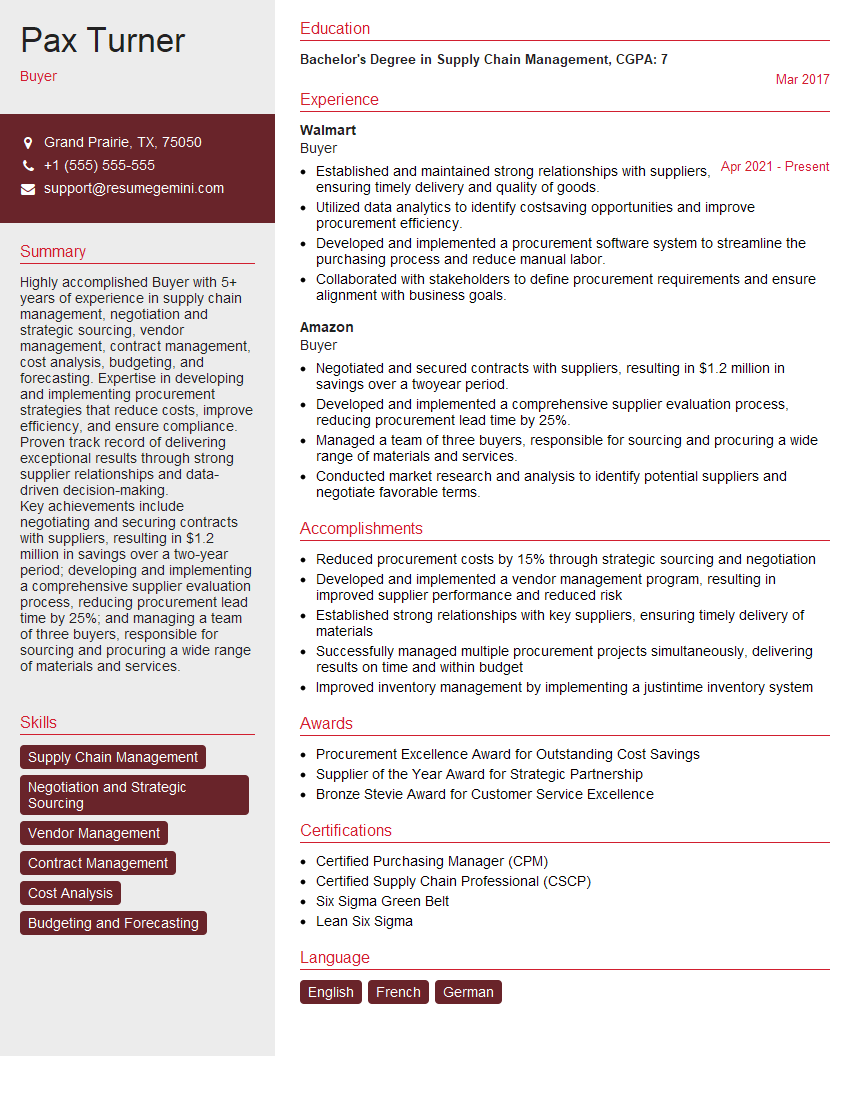
Buyer Resume Sample
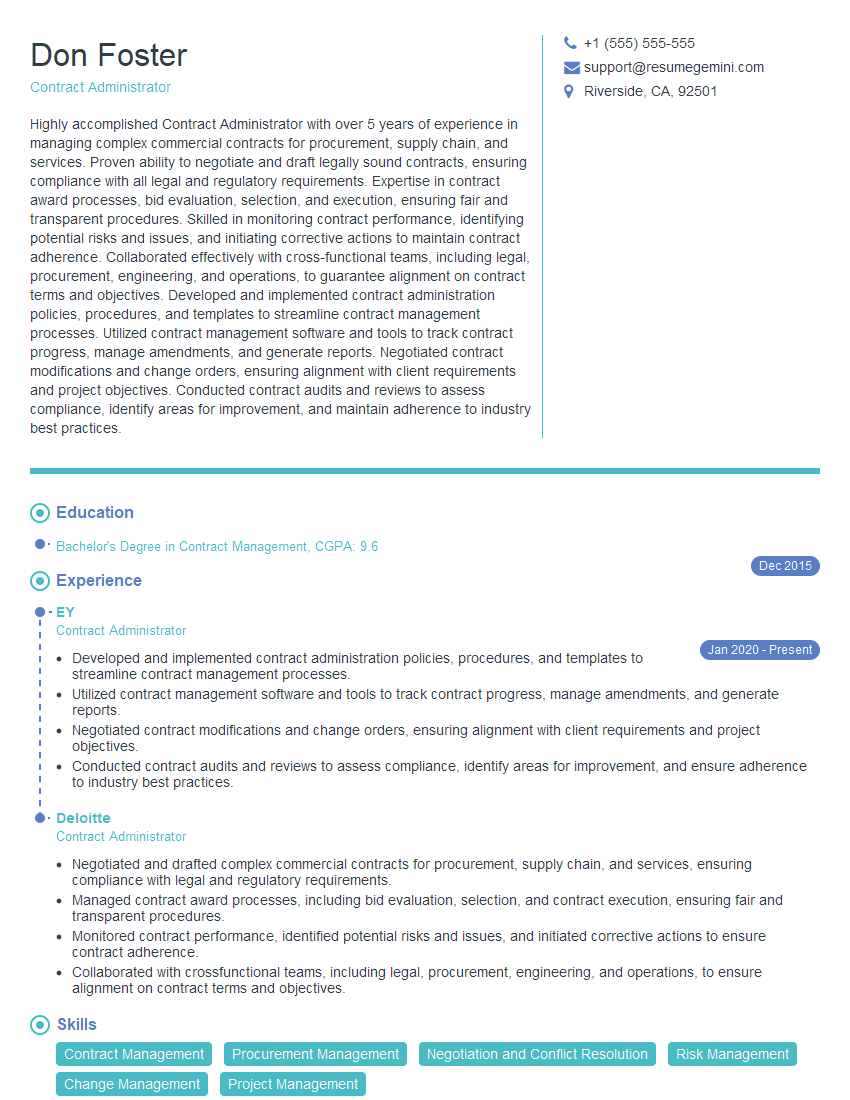
Contract Administrator Resume Sample
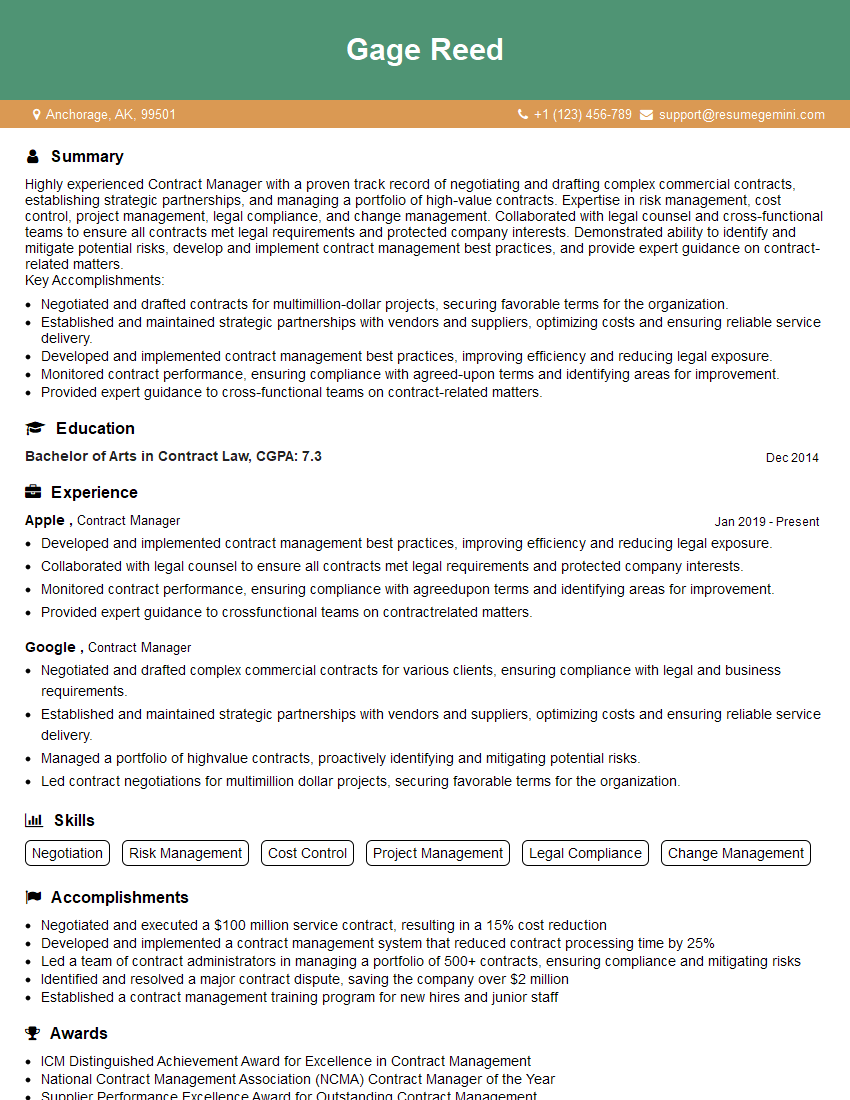
Contract Manager Resume Sample

Procurement Manager Resume Sample
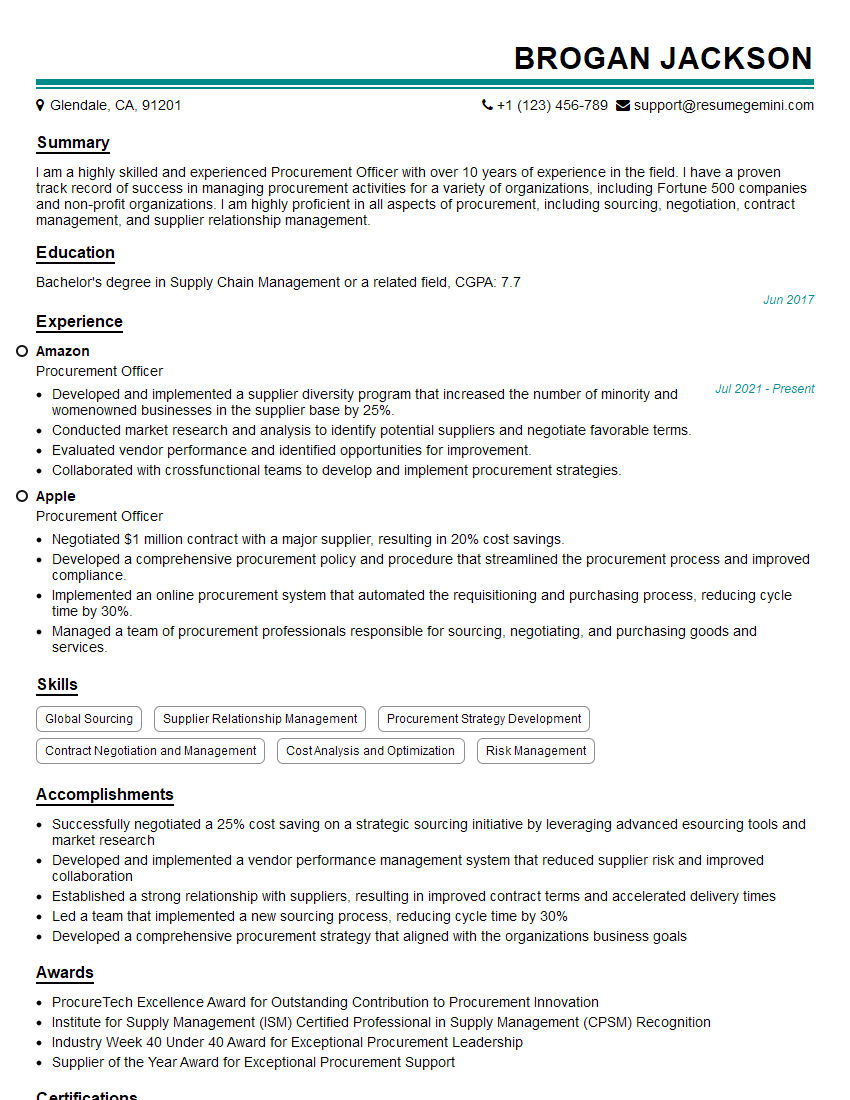
Procurement Officer Resume Sample
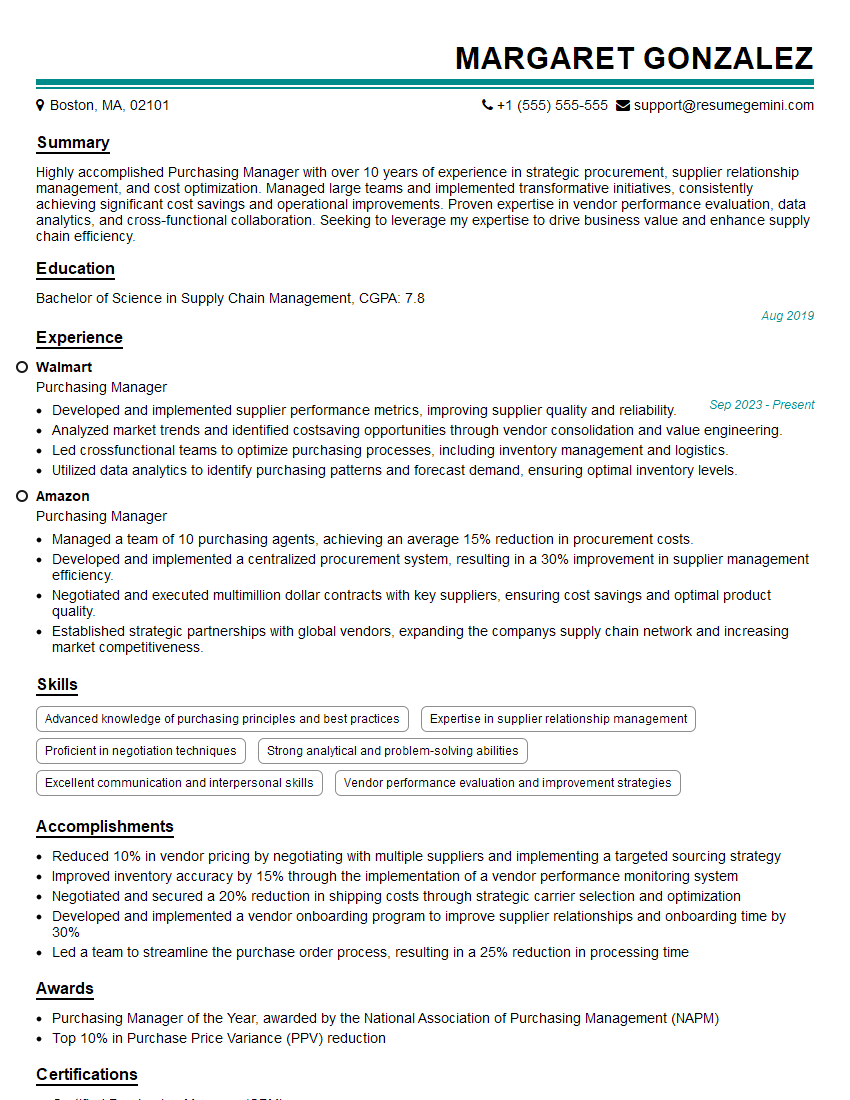
Purchasing Manager Resume Sample
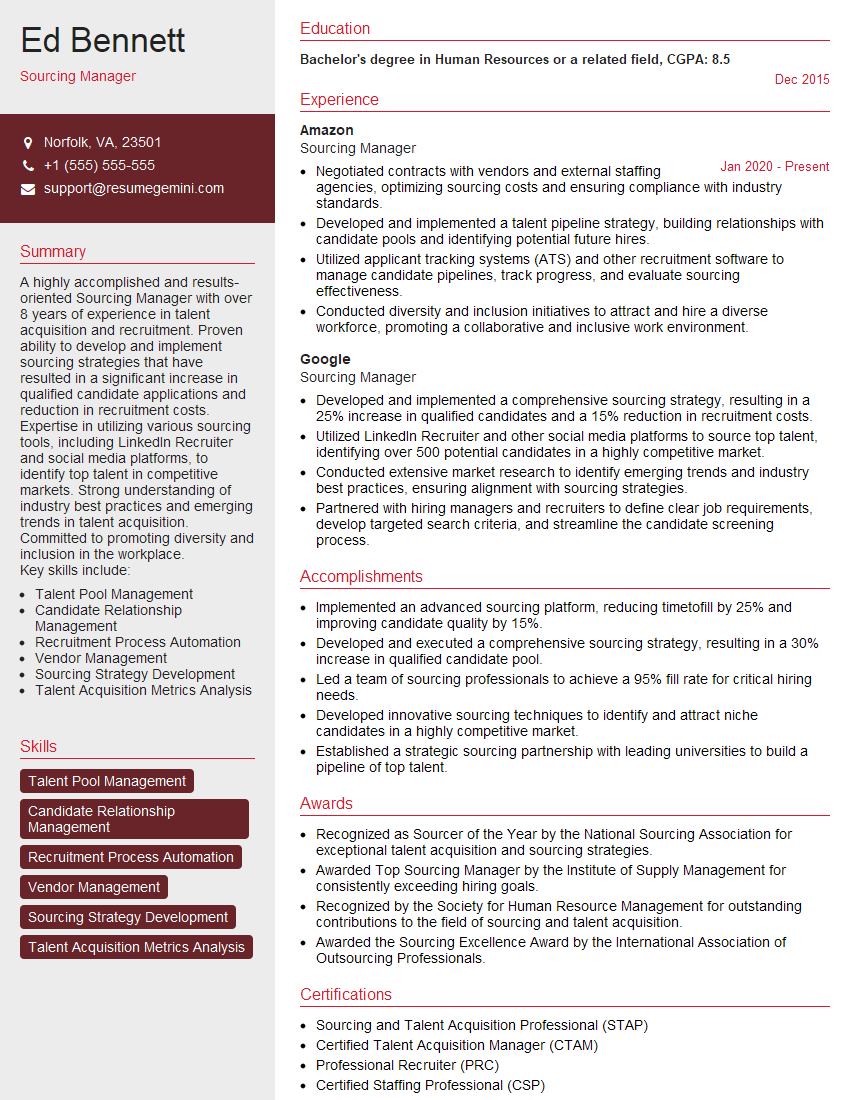
Sourcing Manager Resume Sample
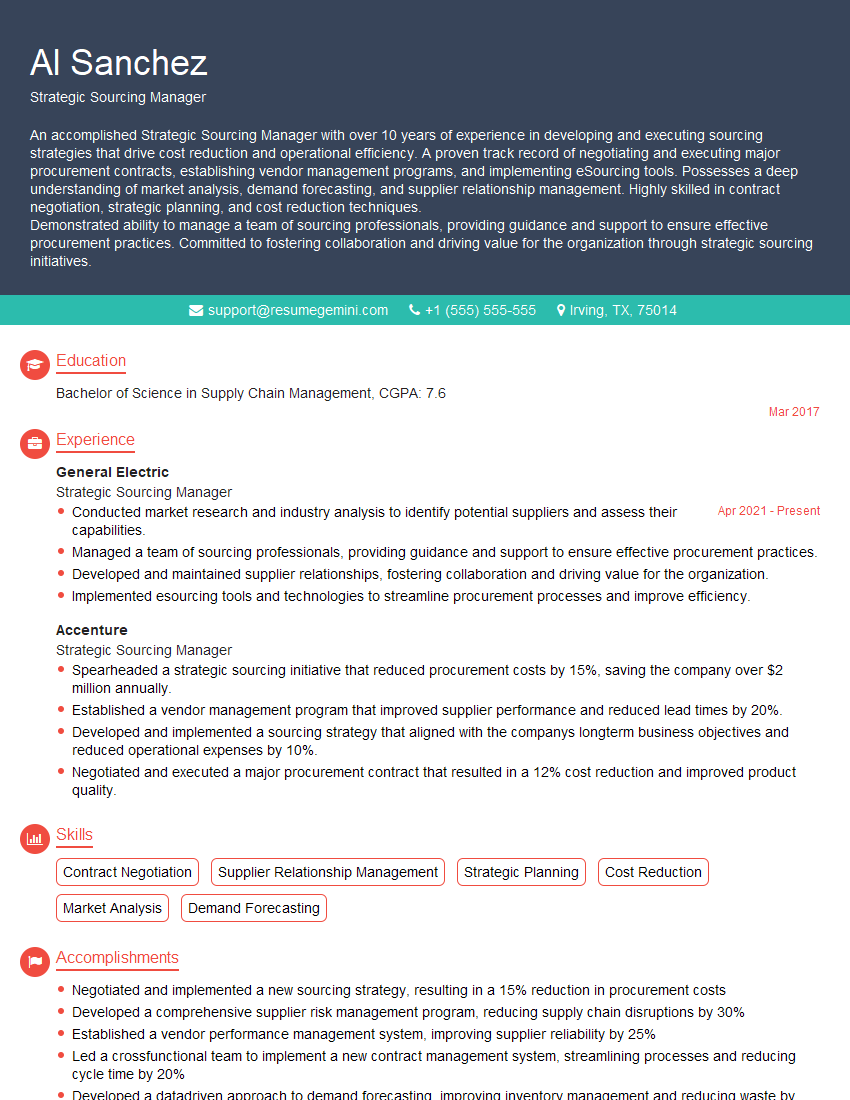
Strategic Sourcing Manager Resume Sample
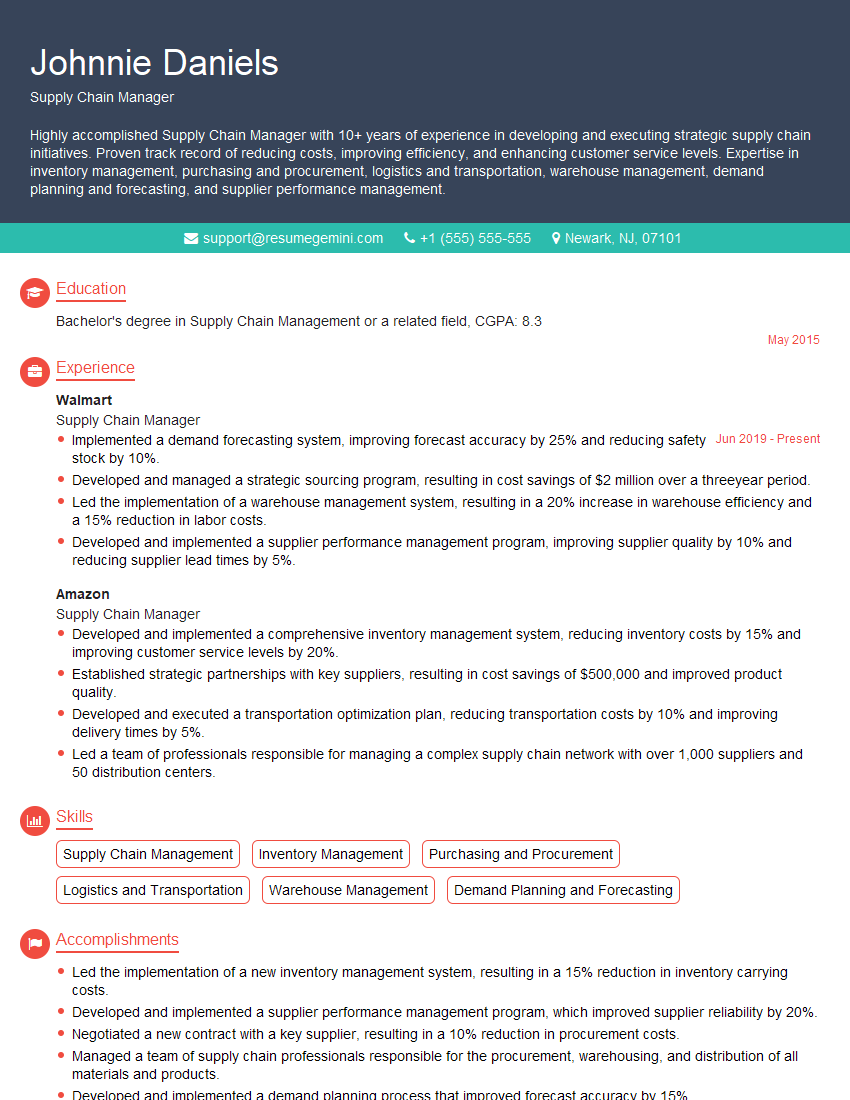
Supply Chain Manager Resume Sample
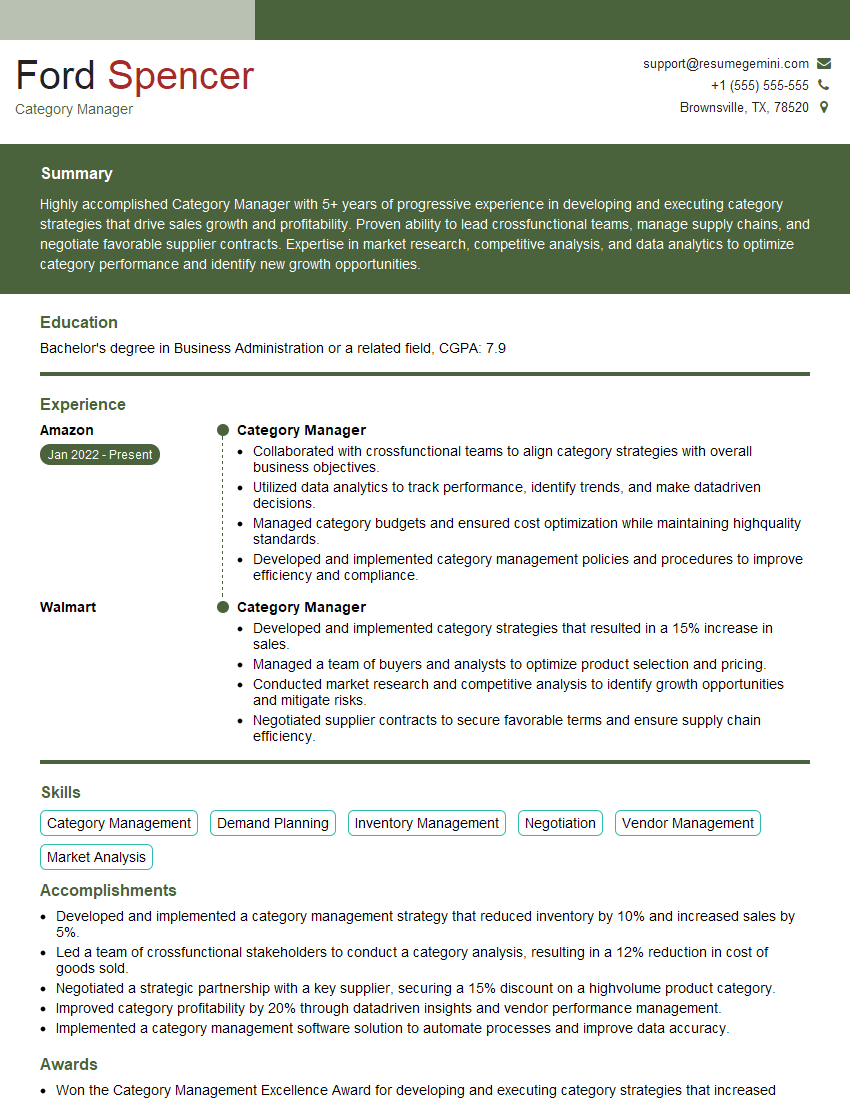
Category Manager Resume Sample
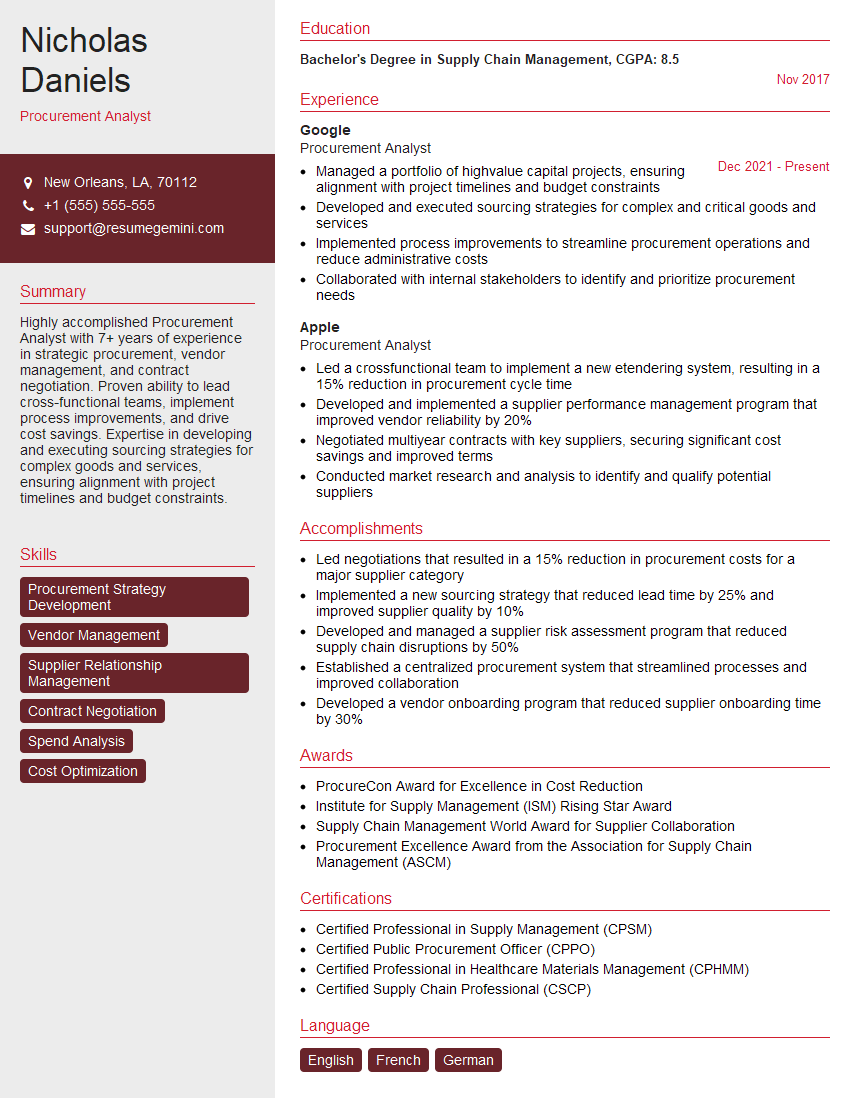
Procurement Analyst Resume Sample
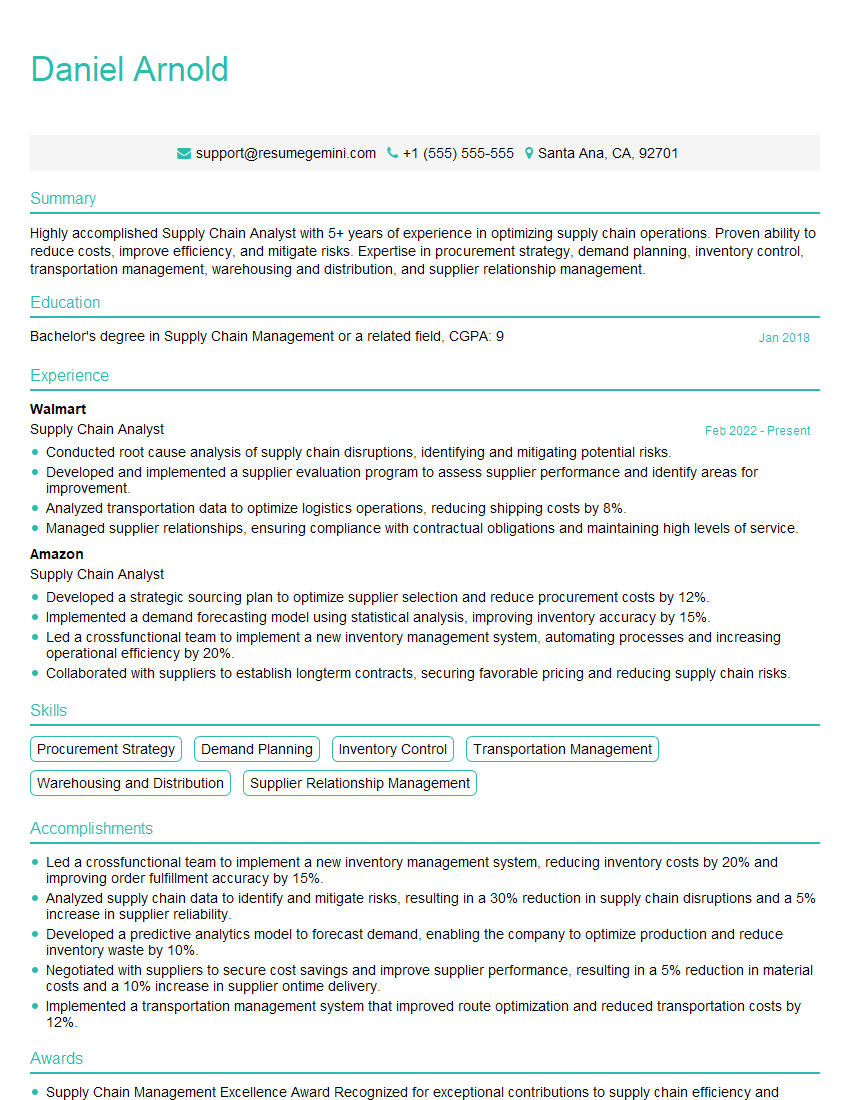
Supply Chain Analyst Resume Sample
Explore more articles
Users Rating of Our Blogs
Share Your Experience
We value your feedback! Please rate our content and share your thoughts (optional).
What Readers Say About Our Blog
I Redesigned Spongebob Squarepants and his main characters of my artwork.
https://www.deviantart.com/reimaginesponge/art/Redesigned-Spongebob-characters-1223583608
IT gave me an insight and words to use and be able to think of examples
Hi, I’m Jay, we have a few potential clients that are interested in your services, thought you might be a good fit. I’d love to talk about the details, when do you have time to talk?
Best,
Jay
Founder | CEO