Every successful interview starts with knowing what to expect. In this blog, we’ll take you through the top Community Health and Nutrition interview questions, breaking them down with expert tips to help you deliver impactful answers. Step into your next interview fully prepared and ready to succeed.
Questions Asked in Community Health and Nutrition Interview
Q 1. Describe your experience in developing and implementing community-based nutrition programs.
Developing and implementing community-based nutrition programs requires a multi-faceted approach. It starts with a thorough needs assessment to identify the specific nutritional challenges within a community. This assessment might involve surveys, focus groups, and reviewing existing health data.
For example, in a rural community I worked with, we discovered a high prevalence of childhood obesity linked to limited access to fresh produce and a high consumption of processed foods. Based on this, we designed a program that included establishing a community garden, providing cooking classes focusing on healthy recipes using locally sourced ingredients, and implementing a school-based nutrition education curriculum.
Successful implementation involves engaging community stakeholders – from local leaders and healthcare providers to community members themselves – ensuring ownership and sustainability. We used participatory approaches, allowing community members to actively participate in program design and implementation. Monitoring and evaluation are crucial; we tracked key indicators such as fruit and vegetable consumption, BMI changes in children, and community engagement levels. Continuous improvement is key, using feedback to adapt strategies and ensure the program’s relevance and effectiveness.
Q 2. Explain your understanding of the social determinants of health and their impact on nutrition.
Social determinants of health (SDOH) are the conditions in which people are born, grow, live, work, and age. These conditions significantly influence health outcomes, including nutrition. Factors such as poverty, lack of access to healthy food (food deserts), limited education, unsafe housing, and lack of transportation all contribute to poor nutritional choices and health disparities.
For instance, individuals living in poverty may rely on cheaper, less nutritious processed foods due to budget constraints, even if they know healthier choices are better. Lack of access to supermarkets with fresh produce forces reliance on convenience stores, perpetuating unhealthy eating habits. Limited health literacy can also hinder understanding of nutritional information and healthy cooking practices.
Understanding the interplay of these SDOH is crucial to developing effective nutrition interventions. Addressing the root causes, rather than just symptoms, is essential for lasting impact.
Q 3. How would you assess the nutritional needs of a specific community?
Assessing a community’s nutritional needs is a systematic process involving multiple data sources. I would employ a mixed-methods approach combining quantitative and qualitative data collection.
- Quantitative data might include analyzing existing health data (e.g., prevalence of obesity, diabetes, malnutrition), conducting dietary surveys using validated questionnaires (e.g., 24-hour dietary recalls, food frequency questionnaires), and measuring anthropometric indicators (e.g., height, weight, BMI) to assess nutritional status.
- Qualitative data can provide valuable context. This could involve conducting focus groups or key informant interviews with community members, healthcare providers, and local leaders to gather insights into food access, preferences, cultural practices related to food, and community perceptions of health and nutrition.
The combination of these data sources provides a comprehensive picture of the nutritional landscape, allowing for the identification of specific needs and the tailoring of interventions to the community’s unique characteristics. For example, I might find that a particular community has high rates of iron deficiency anemia, which would inform my intervention strategy focusing on increasing iron-rich foods in the diet.
Q 4. What strategies would you employ to improve dietary intake among low-income populations?
Improving dietary intake among low-income populations requires a multi-pronged approach that tackles both access and affordability issues. Strategies should be culturally sensitive and tailored to the specific community.
- Increase access to affordable, healthy foods: This might involve supporting local farmers’ markets, community gardens, and food banks. Advocating for policies that increase access to subsidies for fruits and vegetables can also make healthy eating more affordable.
- Nutrition education and cooking classes: Teaching practical skills in healthy cooking and meal planning on a budget is crucial. Classes should utilize locally available ingredients and demonstrate how to make nutritious meals affordably.
- Incentivize healthy choices: Programs providing financial incentives for purchasing fruits and vegetables or participating in healthy eating programs can encourage behavior change.
- Address food insecurity directly: Collaborating with organizations providing food assistance programs (SNAP, food banks) ensures that individuals have access to nutritious meals.
- Community-based interventions: Engaging faith-based organizations, community centers, and schools creates a collaborative effort, integrating nutrition education into existing community structures.
For instance, in one project, we combined a food bank with nutrition education sessions, teaching participants how to prepare healthy meals from the food provided. This dual approach tackled both the access and knowledge gaps.
Q 5. How do you measure the success of a community nutrition intervention?
Measuring the success of a community nutrition intervention involves using both process and outcome indicators.
- Process indicators assess the implementation of the program. Did we reach the target population? Was the program implemented as planned? Was there high community engagement?
- Outcome indicators assess the impact on the target population. Did we see improvements in dietary intake (measured through dietary recalls or biomarkers)? Did we observe changes in weight, BMI, or other relevant health indicators (e.g., blood pressure, blood glucose)? Did participants report increased knowledge about healthy eating?
Using both quantitative and qualitative methods is important. Quantitative data provides objective measures of change, while qualitative data (e.g., feedback from participants) provides valuable insights into the program’s effectiveness and areas for improvement. A cost-benefit analysis can also assess the economic feasibility and impact of the intervention.
For instance, in the community garden project, we tracked not only the increase in fruit and vegetable consumption but also the community’s satisfaction with the program through surveys and feedback sessions. This holistic approach gave us a clear picture of our intervention’s success.
Q 6. Describe your experience working with diverse populations.
Working with diverse populations requires cultural humility and sensitivity. This means recognizing that different cultures have unique food traditions, beliefs, and practices related to health and nutrition. It’s essential to avoid imposing one’s own cultural biases and to approach each community with respect and understanding.
I’ve worked extensively with immigrant communities, incorporating culturally appropriate food choices into program interventions. For example, while promoting healthy eating, I incorporated traditional dishes from those communities, modifying them to be healthier without compromising their cultural significance. We also trained community health workers from within the respective cultures, facilitating better communication and trust building.
Effective communication is key. This might involve using multilingual materials, employing community interpreters, and understanding different communication styles. Building trust is paramount, and active listening helps to understand and address the unique needs and challenges of each community.
Q 7. Explain your understanding of food security and its implications for health.
Food security is defined as consistent access to enough food for an active, healthy life. Food insecurity, the opposite, means that access is limited or uncertain. This has profound implications for health.
Chronic food insecurity leads to malnutrition (both undernutrition and overnutrition), increased risk of chronic diseases (diabetes, heart disease), impaired cognitive development in children, and weakened immune systems, making individuals more susceptible to infections. It can also negatively impact mental health and well-being due to stress and anxiety related to food acquisition.
Addressing food insecurity requires a multi-sectoral approach, addressing the social, economic, and environmental factors that contribute to it. Policies like SNAP benefit improvements, creating local food systems, and addressing income inequality are all crucial strategies in building food security and ultimately improving health outcomes.
Q 8. How would you address nutrition-related health disparities within a community?
Addressing nutrition-related health disparities requires a multi-pronged approach focusing on the root causes of inequity. It’s not enough to simply provide nutritional information; we need to understand and address the systemic barriers that prevent access to healthy food and resources.
- Assess the community’s needs: Conduct thorough needs assessments to identify specific nutritional deficiencies, prevalent diseases linked to diet, and the cultural and socioeconomic factors contributing to disparities. For example, in a low-income neighborhood, we might find high rates of type 2 diabetes linked to limited access to fresh produce and affordable, nutritious options.
- Improve access to nutritious foods: Advocate for policies that increase access to affordable, healthy food options, such as farmers’ markets, community gardens, and subsidized grocery programs. This might involve working with local governments to establish food deserts initiatives or partnering with food banks to expand their reach.
- Implement culturally appropriate nutrition education: Nutrition education must be tailored to the specific cultural practices and beliefs of the community. For example, a program focusing on healthy eating in a Hispanic community might incorporate traditional recipes and emphasize the nutritional benefits of culturally relevant foods.
- Address systemic barriers: Work to address the broader social determinants of health, such as poverty, lack of transportation, and limited access to healthcare, which all contribute to nutritional disparities. This could involve collaborations with other community organizations and agencies focused on housing, transportation, and job training.
- Empower community members: Engage community members as partners in the process, fostering a sense of ownership and responsibility. Community-led initiatives often prove more effective and sustainable. This could involve creating community kitchens or training community health workers.
For instance, in a previous project, we partnered with a local church to establish a weekly cooking class focused on healthy, affordable recipes using locally sourced ingredients. This approach not only improved nutritional knowledge but also fostered a sense of community and social support.
Q 9. Describe your experience utilizing health education principles in nutrition programming.
My experience in health education utilizes the principles of adult learning, ensuring that programs are engaging, relevant, and participatory. I avoid a purely didactic approach, instead favoring interactive methods that encourage active learning and behavior change.
- Needs assessment-driven curriculum: Every program starts with a thorough assessment to understand the community’s specific needs and knowledge gaps. This helps tailor the content and delivery methods for optimal effectiveness.
- Interactive workshops and cooking demonstrations: I utilize interactive workshops and hands-on cooking demonstrations to make learning enjoyable and memorable. These methods are much more effective than lectures alone.
- Community-based participatory research (CBPR): Whenever possible, I integrate CBPR methods. This involves actively involving community members in all stages of program design, implementation, and evaluation. It enhances trust and ensures relevance.
- Use of multiple learning styles: I incorporate various teaching methods to accommodate diverse learning styles – visual aids, group discussions, case studies, and role-playing.
- Evaluation and feedback: Continuous program evaluation is crucial. Feedback from participants allows for adjustments and ensures the program stays relevant and effective.
In one project targeting adolescents, we used a gamified approach incorporating a mobile app to track healthy food choices and provide rewards, significantly increasing engagement compared to traditional classroom-based education.
Q 10. How familiar are you with relevant dietary guidelines and recommendations?
I am very familiar with the Dietary Guidelines for Americans, the recommendations from the World Health Organization (WHO), and other relevant national and international dietary guidelines. I understand the importance of these guidelines in promoting optimal health and preventing diet-related chronic diseases.
My understanding encompasses the key recommendations, including:
- Balanced macronutrient intake (carbohydrates, proteins, and fats).
- Emphasis on fruits, vegetables, whole grains, and lean protein sources.
- Limiting added sugars, saturated and trans fats, and sodium.
- Hydration with water.
- Addressing specific dietary needs based on age, sex, and health conditions.
I understand that applying these guidelines requires cultural sensitivity and consideration of individual preferences and access to food. Simply recommending adherence to guidelines isn’t sufficient; I emphasize practical strategies for translating these recommendations into achievable lifestyle changes.
Q 11. What are your approaches to addressing food insecurity?
Addressing food insecurity requires a multi-sectoral approach that tackles both immediate needs and long-term solutions. It’s about providing access to food in the short term while simultaneously working to eliminate the root causes of hunger.
- Connecting individuals with food assistance programs: This includes SNAP (Supplemental Nutrition Assistance Program), WIC (Women, Infants, and Children), and local food banks. I work to ensure that eligible individuals are aware of these programs and assisted in accessing them.
- Supporting community gardens and urban agriculture: These initiatives increase local food production and provide opportunities for community involvement. They not only improve food access but also promote healthy eating habits.
- Advocating for policy changes: This includes supporting legislation that addresses food insecurity at the systemic level, such as increasing minimum wage, improving access to affordable housing, and strengthening food assistance programs.
- Raising awareness: Educating the community about the causes and consequences of food insecurity is vital. This involves raising awareness about resources and empowering individuals to advocate for change.
- Partnerships with other organizations: Collaboration with social services agencies, healthcare providers, and community groups is critical for a comprehensive response. This allows a holistic approach to address the various needs of individuals struggling with food insecurity.
In a previous role, I organized a community food drive that collected and distributed over 5000 pounds of food to families in need during a time of economic hardship.
Q 12. How do you build trust and rapport with diverse community members?
Building trust and rapport with diverse community members is paramount to successful community health interventions. It involves active listening, cultural humility, and demonstrating respect for individual beliefs and experiences.
- Active listening and empathy: I always start by listening attentively to the concerns and perspectives of community members. Showing empathy and understanding their unique experiences is essential.
- Cultural humility: I recognize that I don’t have all the answers and approach interactions with a willingness to learn from the community. I avoid imposing my own beliefs or assumptions.
- Community participation: Engaging community members in decision-making processes from the start builds ownership and trust. This ensures that programs are relevant and culturally appropriate.
- Building relationships through regular interaction: Attending community events, participating in local organizations, and establishing a consistent presence fosters trust and familiarity.
- Transparency and accountability: Open communication, clear explanations, and consistent follow-up actions show commitment and build confidence.
In one community, I spent several months attending local events, participating in community meetings, and establishing personal connections before implementing any health interventions. This groundwork paid off with significantly improved engagement and program success.
Q 13. Describe your experience conducting nutrition assessments.
Conducting nutrition assessments involves a combination of methods to gather comprehensive data about an individual’s or community’s nutritional status. This helps identify deficiencies, risks, and areas for intervention.
- Anthropometric measurements: This includes measuring height, weight, body mass index (BMI), waist circumference, and other relevant physical measurements to assess growth and body composition.
- Dietary intake assessment: This can involve using 24-hour recalls, food frequency questionnaires, or food records to determine the types and amounts of food consumed. I tailor the method to the community and individual needs.
- Biochemical tests: Laboratory tests, such as blood tests, can measure nutrient levels in the body and detect deficiencies. I collaborate with healthcare providers for this.
- Clinical assessment: This involves observing physical signs and symptoms of malnutrition, such as skin conditions, hair loss, or fatigue. This is important to complement the other assessment methods.
- Dietary history and patterns: Understanding food preferences, cultural influences, and eating habits is critical for designing effective interventions.
When conducting community-level assessments, I often utilize surveys and focus groups to gather information from a larger population. Analyzing this data helps me identify areas of high risk and inform the design of community-based nutrition programs.
Q 14. How would you use technology to improve the reach and impact of a nutrition program?
Technology can significantly improve the reach and impact of nutrition programs. It provides opportunities for wider dissemination of information, personalized interventions, and remote monitoring.
- Mobile apps: These can be used to deliver personalized nutrition education, track dietary intake, and provide support and encouragement. Features like recipe suggestions, meal planning tools, and progress tracking can enhance engagement.
- Telehealth platforms: These allow for remote consultations with registered dietitians and nutritionists, making services accessible to individuals in underserved areas or with mobility challenges.
- Social media and online platforms: These can be used to disseminate nutrition information, promote healthy eating behaviors, and engage with the community. Targeted campaigns can reach specific demographic groups.
- Data analytics and monitoring systems: Using data collected through mobile apps and other technology, we can track progress, identify areas for improvement, and ensure that programs are having a positive impact. This allows for data-driven decision-making.
- Interactive educational tools: Technology can make learning more engaging, such as through interactive quizzes, games, and simulations, making nutrition education more accessible and fun.
For example, we developed a mobile app that provided personalized nutrition advice based on an individual’s dietary habits and health goals. The app also featured a social networking component that allowed users to connect with others, share recipes, and encourage each other. This increased engagement and helped sustain behavior changes.
Q 15. What strategies would you use to engage stakeholders in community health and nutrition initiatives?
Engaging stakeholders is crucial for successful community health and nutrition initiatives. It requires a multi-pronged approach focusing on building trust, fostering collaboration, and ensuring inclusivity.
- Participatory approaches: I would employ participatory methods like community forums, focus groups, and participatory rural appraisal (PRA) to actively involve community members in identifying their needs and designing interventions. This ensures the program aligns with their priorities and fosters a sense of ownership.
- Building partnerships: Collaborating with local leaders, community health workers, schools, religious organizations, and other relevant stakeholders creates a strong network of support. For example, I’ve successfully partnered with local religious leaders to promote healthy eating messages during community events, reaching a wider audience.
- Communication strategies: Clear, concise, and culturally appropriate communication is vital. I use diverse channels like community newsletters, social media, radio announcements, and culturally appropriate visual aids to disseminate information effectively. In one project, we used storytelling and local dialects to resonate with the community.
- Capacity building: Empowering community members with the knowledge and skills to advocate for their own health is essential. Training workshops on health promotion and nutrition education help them become active agents of change.
- Monitoring and feedback mechanisms: Regular feedback sessions and evaluation mechanisms are key for responsiveness and continuous improvement. This shows stakeholders that their input is valued and the initiative is adapting to their needs.
Career Expert Tips:
- Ace those interviews! Prepare effectively by reviewing the Top 50 Most Common Interview Questions on ResumeGemini.
- Navigate your job search with confidence! Explore a wide range of Career Tips on ResumeGemini. Learn about common challenges and recommendations to overcome them.
- Craft the perfect resume! Master the Art of Resume Writing with ResumeGemini’s guide. Showcase your unique qualifications and achievements effectively.
- Don’t miss out on holiday savings! Build your dream resume with ResumeGemini’s ATS optimized templates.
Q 16. Explain your understanding of the role of policy in improving community health and nutrition.
Policy plays a pivotal role in shaping community health and nutrition outcomes. Supportive policies create an enabling environment for healthier choices and improved access to resources.
- Food policies: Policies promoting access to affordable, nutritious foods, such as subsidies for fruits and vegetables or initiatives to improve food security, significantly impact nutritional status. For instance, school lunch programs funded by government policies can contribute to improved dietary intake in children.
- Health policies: Policies that mandate health screenings, provide access to healthcare services, and promote disease prevention (e.g., vaccinations) directly influence community health. National immunization programs, for example, demonstrate the power of policy in protecting community health.
- Education and awareness policies: Investment in nutrition education programs, public awareness campaigns, and media outreach can enhance knowledge and promote healthier behaviors. Anti-tobacco campaigns highlight the impact of effective policy on behavior change.
- Environmental policies: Policies addressing issues like clean water access, sanitation, and environmental hazards significantly impact community well-being. Investing in clean water infrastructure and sanitation systems can drastically reduce waterborne diseases.
- Economic policies: Policies aimed at poverty reduction, income support, and employment creation can indirectly but profoundly influence health and nutrition. Economic empowerment gives people more resources to invest in their health.
Advocating for supportive policies and collaborating with policymakers is crucial for creating lasting improvements in community health and nutrition.
Q 17. Describe your experience with budget management and resource allocation for health programs.
My experience in budget management and resource allocation for health programs involves meticulous planning, transparent processes, and data-driven decision-making.
- Needs assessment: I begin by conducting a thorough needs assessment to determine the resources required for program implementation. This includes identifying personnel, equipment, supplies, and community needs.
- Budget development: I develop a detailed budget that outlines all anticipated costs, including personnel salaries, program materials, transportation, and evaluation activities. I ensure the budget aligns with the overall program goals and is realistic and sustainable.
- Resource allocation: Based on the needs assessment and budget, I allocate resources strategically. I prioritize evidence-based interventions and ensure that resources are distributed equitably across different program components.
- Monitoring and evaluation: I regularly monitor spending and track progress to ensure resources are utilized efficiently and effectively. I use data to inform adjustments to resource allocation based on program performance and changing needs.
- Reporting and accountability: I provide regular reports to stakeholders on the financial status of the program, justifying expenditures and demonstrating transparency in resource management.
In a previous role, I successfully managed a budget of $500,000 for a community-based nutrition intervention, resulting in a 20% increase in the target population’s fruit and vegetable consumption.
Q 18. How would you adapt a nutrition program to meet the cultural and linguistic needs of a diverse community?
Adapting nutrition programs to meet the diverse cultural and linguistic needs of a community is essential for effectiveness. It requires culturally sensitive program design and implementation.
- Community engagement: I begin by actively engaging community members to understand their cultural practices, food preferences, and communication styles. Focus groups and community meetings are valuable tools for gathering this information.
- Culturally appropriate materials: All educational materials, including recipes, brochures, and videos, should reflect the community’s cultural norms and values. Using imagery and language that is familiar to the community increases engagement.
- Language accessibility: Materials and services should be available in the languages spoken by the community. Translation and interpretation services should be provided during meetings and outreach activities.
- Food choices: The nutrition program should incorporate locally available and culturally acceptable foods. Simply recommending foods unfamiliar to the community will lead to poor adherence.
- Community health workers: Hiring bilingual and bicultural community health workers allows for culturally sensitive communication and promotes trust.
- Training: Training should be delivered using appropriate methods that align with the community’s preferred learning style and consider any literacy levels.
For example, in a recent project working with a predominantly Hispanic community, we incorporated traditional recipes into our nutrition education program, using visual aids with familiar cultural images and conducting workshops in Spanish.
Q 19. What is your experience with program evaluation and data analysis?
Program evaluation and data analysis are integral to my approach. I use a mixed-methods approach, combining quantitative and qualitative data to provide a comprehensive understanding of program effectiveness.
- Data collection methods: I employ a variety of data collection methods, including surveys, focus groups, interviews, and biological assessments (e.g., anthropometric measurements). The choice of method depends on the specific program objectives and the nature of the data needed.
- Data analysis: I use statistical software packages (e.g., SPSS, R) to analyze quantitative data and identify trends and patterns. Qualitative data is analyzed thematically to identify key insights and themes.
- Reporting: I prepare clear and concise reports that summarize the findings from the evaluation. These reports include both quantitative results and qualitative narratives, providing a holistic view of program impact.
- Use of findings: Evaluation findings are utilized to improve the program’s design and implementation, ensuring continuous quality improvement. The data guides adjustments and resource allocation to maximize effectiveness.
In my previous role, I conducted a rigorous evaluation of a childhood obesity prevention program, using data to demonstrate the effectiveness of the intervention and inform program improvements, resulting in a 15% decrease in childhood obesity rates within the target population.
Q 20. How would you handle resistance or opposition to a community health initiative?
Handling resistance or opposition to community health initiatives requires diplomacy, understanding, and a collaborative approach.
- Understanding the opposition: I begin by attempting to understand the source of the resistance. This might involve community meetings, informal discussions, or surveys to identify concerns and misconceptions.
- Addressing concerns: I address the concerns directly and transparently, providing accurate information and addressing misinformation. This often involves patiently answering questions and actively listening to community members’ perspectives.
- Collaboration and compromise: I seek to find common ground and collaboratively develop solutions that address concerns while achieving program objectives. This might involve modifying aspects of the program to better suit the community’s needs.
- Building trust: Building trust and rapport with community members is essential. This is achieved through consistent communication, active listening, and demonstrated respect for cultural values and beliefs.
- Involving community leaders: Engaging influential community leaders can help to overcome resistance and garner support for the initiative.
In one instance, I encountered opposition to a community gardening program due to concerns about land ownership. By working with local leaders and finding alternative locations, we were able to address these concerns and successfully implement the program.
Q 21. Describe your experience collaborating with interdisciplinary teams.
Collaborating with interdisciplinary teams is essential for comprehensive community health and nutrition interventions. I have extensive experience working effectively within diverse teams.
- Respectful communication: I maintain open and respectful communication with all team members, valuing their expertise and contributions.
- Shared goals: I work collaboratively to establish clear goals and shared responsibilities, fostering a sense of teamwork and mutual understanding.
- Clear roles and responsibilities: I ensure that roles and responsibilities are clearly defined and that tasks are delegated appropriately based on team members’ expertise.
- Regular meetings and communication: I facilitate regular meetings and use various communication tools to maintain effective communication and coordination within the team.
- Conflict resolution: I am skilled in conflict resolution, addressing disagreements constructively and finding mutually agreeable solutions.
- Shared decision-making: I advocate for inclusive decision-making processes, valuing each team member’s input.
In a previous project addressing food insecurity, I successfully collaborated with nutritionists, public health officials, social workers, and community organizers to develop and implement a comprehensive intervention that integrated food assistance, nutrition education, and social support services.
Q 22. Explain your understanding of the different types of malnutrition.
Malnutrition encompasses a range of conditions resulting from an imbalance between the body’s nutrient needs and its nutrient intake. It’s not simply about starvation; it’s a spectrum.
- Undernutrition: This involves insufficient intake of energy, protein, or micronutrients. It manifests in various forms, including wasting (low weight-for-height, indicating acute malnutrition), stunting (low height-for-age, reflecting chronic malnutrition), and underweight (low weight-for-age, a combination of both). A child with wasting might appear extremely thin, while a stunted child may be short for their age even if their weight is appropriate for their height.
- Overnutrition: This refers to excessive consumption of calories, leading to overweight and obesity. While often viewed as a problem of affluent societies, it’s increasingly prevalent in developing nations due to shifts in dietary patterns and lifestyles. Obesity increases the risk of numerous chronic diseases like type 2 diabetes, heart disease, and certain cancers.
- Micronutrient deficiencies: These involve shortages of essential vitamins and minerals, such as iron (leading to anemia), vitamin A (causing night blindness and impaired immunity), and iodine (resulting in goiter and intellectual impairment). Deficiencies can occur even if overall caloric intake is adequate.
Understanding the different types of malnutrition is crucial for implementing targeted interventions. For instance, a community experiencing high rates of stunting might need programs focusing on improved sanitation, breastfeeding practices, and access to nutrient-rich foods, while a community facing obesity might benefit from initiatives promoting physical activity and healthy eating habits.
Q 23. How would you address the challenge of misinformation or myths about nutrition in your community?
Addressing nutrition misinformation requires a multi-pronged approach combining education, community engagement, and leveraging trusted sources.
- Community dialogues: Organizing community meetings and workshops allows for open discussions, addressing specific myths and misconceptions. This participatory approach empowers community members to engage actively in changing their dietary habits. For example, I’ve successfully debunked myths surrounding specific foods (like the mistaken belief that certain foods cause illness).
- Collaborations with local leaders and influencers: Partnering with respected figures within the community, such as religious leaders, teachers, or traditional healers, enhances the reach and credibility of nutrition messages. This builds trust and allows dissemination of accurate information through channels people already trust.
- Utilizing multiple communication channels: This includes distributing educational materials (flyers, posters, recipe books), utilizing radio or television programs, and employing social media platforms to convey information in a relatable and engaging manner. Using simple language and culturally relevant visuals greatly increases the effectiveness of these methods.
- Skill-building workshops: Teaching practical skills, such as cooking demonstrations using affordable, nutrient-rich ingredients, empowers individuals to make informed food choices.
It’s critical to present evidence-based information in a non-judgmental way, acknowledging the cultural context and sensitivities within the community.
Q 24. Describe your experience with grant writing or fundraising for nutrition programs.
My experience in grant writing and fundraising for nutrition programs spans several years. I’ve successfully secured funding from various sources, including governmental agencies, private foundations, and corporate sponsors.
My approach involves a meticulous needs assessment to tailor the grant proposal to specific funding priorities and showcase the program’s impact potential. I have developed a strong understanding of the grant writing process and the specific requirements of diverse funding agencies. I’m experienced in creating compelling narratives that highlight the problem, proposed solutions, and measurable outcomes. This involves quantifiable data and testimonials from beneficiaries, whenever possible.
For example, I secured a significant grant from a foundation focused on childhood development. The proposal emphasized the program’s impact on reducing stunting among children under five, showing how this investment translates into improved cognitive development and long-term health outcomes. This proposal included detailed budgets, timelines, and evaluation plans and successfully met the funder’s criteria for impact and sustainability.
Q 25. How would you educate a community about healthy food choices on a limited budget?
Educating a community about healthy food choices on a limited budget requires a practical and culturally sensitive approach.
- Promoting locally sourced and seasonal foods: These are often more affordable and readily available than imported goods. We can encourage community gardens and farmers’ markets, connecting individuals directly with food producers.
- Utilizing inexpensive, nutrient-rich foods: Legumes, lentils, whole grains, and seasonal fruits and vegetables form the foundation of a healthy, budget-friendly diet. Providing cooking demonstrations focusing on these ingredients, showing how to prepare tasty and nutritious meals, is essential.
- Reducing food waste: Strategies like proper food storage, planning meals, and using leftovers can significantly extend the budget.
- Empowering families with knowledge about food preservation techniques: This might include drying, fermenting, or pickling – methods that extend the shelf life of produce and reduce spoilage.
- Advocating for community-level initiatives: This might involve supporting community kitchens or food banks, enhancing access to affordable nutritious options.
I firmly believe that education on these aspects – combined with practical demonstrations and participatory workshops – can empower families to make healthy food choices even on a limited budget.
Q 26. Explain your understanding of health promotion and disease prevention strategies related to nutrition.
Health promotion and disease prevention strategies related to nutrition focus on creating supportive environments and empowering individuals to adopt and maintain healthy eating habits.
- Education and awareness campaigns: These aim to improve nutrition knowledge and attitudes, correcting misconceptions and promoting healthy behaviors, like increasing fruit and vegetable intake and reducing sugar and saturated fat consumption.
- Policy and environmental changes: Creating supportive environments that make healthy food choices the easiest choices. Examples include implementing school nutrition policies, promoting food labeling, and taxing unhealthy foods.
- Community-based interventions: These involve working directly with communities to implement tailored strategies. They might include community gardens, cooking classes, or support groups for individuals managing weight or chronic conditions.
- Individual counseling and support: Providing one-on-one guidance on dietary changes, behavior modification techniques, and addressing any underlying psychological or social barriers to healthy eating.
For example, a comprehensive strategy might involve school-based nutrition education coupled with changes in school food menus and community-based programs providing support for families to prepare healthy meals at home. By combining various approaches, we can create a sustainable impact on improving community nutrition and preventing diet-related diseases.
Q 27. Describe your proficiency in using nutrition software or databases.
I am proficient in using various nutrition software and databases, including nutritional analysis programs (like Nutritionist Pro or similar software) and epidemiological databases (like those maintained by national health agencies or the WHO).
My expertise allows me to conduct nutritional assessments, analyze dietary data, plan balanced meals, and track the nutritional status of individuals or populations. I can utilize these tools to create reports and visualizations to present data clearly and effectively to diverse audiences. I am also adept at using statistical software (like SPSS or R) for data analysis related to nutrition studies and programs.
For example, using nutritional analysis software, I can create detailed meal plans that meet the specific nutritional needs of individuals with certain dietary restrictions or health conditions. I can also analyze dietary surveys to identify nutritional deficiencies in a population and design interventions to address them.
Q 28. How would you ensure sustainability of a community nutrition program after funding ends?
Ensuring the sustainability of a community nutrition program after funding ends requires careful planning and integration into the existing community infrastructure.
- Building local capacity: Training community members to take ownership of the program is crucial. This includes providing leadership development opportunities and technical training on nutrition education, program management, and monitoring and evaluation.
- Integrating the program into existing health services: Collaborating with local healthcare providers and community organizations can ensure continued access to resources and services.
- Developing sustainable funding strategies: This might include exploring partnerships with local businesses, fundraising activities within the community, or developing social enterprises related to nutrition.
- Establishing a strong monitoring and evaluation system: This enables continuous assessment of the program’s effectiveness, identifying areas for improvement and demonstrating its value to potential funders.
- Advocating for policy changes: Working with local policymakers to advocate for supportive policies that promote healthy eating and improve access to nutritious foods can ensure long-term sustainability.
By proactively addressing these aspects, we can increase the likelihood of a program’s long-term success and its positive impact on community health.
Key Topics to Learn for Community Health and Nutrition Interview
- Nutritional Assessment & Counseling: Understanding different assessment methods (anthropometric, biochemical, clinical, dietary) and tailoring nutritional advice to diverse populations and individual needs. Practical application: Developing a nutrition plan for a specific community facing food insecurity.
- Community Needs Assessment: Identifying health and nutritional disparities within communities through data analysis and participatory approaches. Practical application: Designing a survey to assess the nutritional status of a target population and using the results to inform program development.
- Program Planning & Implementation: Designing, implementing, and evaluating community-based nutrition programs, considering logistical and resource constraints. Practical application: Developing a budget and timeline for a community nutrition education program.
- Health Promotion & Disease Prevention: Applying nutritional knowledge to prevent chronic diseases (e.g., diabetes, heart disease) and promote overall well-being within a community setting. Practical application: Creating educational materials on healthy eating habits for a specific age group or cultural background.
- Policy & Advocacy: Understanding the role of policy in shaping community health and nutrition outcomes and advocating for equitable access to nutritious food and healthcare. Practical application: Analyzing the impact of a specific food policy on a community’s nutritional status.
- Cultural Competency & Ethical Considerations: Recognizing and addressing cultural differences in dietary practices and health beliefs, and ensuring ethical conduct in community health interventions. Practical application: Adapting nutrition education materials to be culturally sensitive and appropriate.
- Data Analysis & Interpretation: Analyzing nutritional data, interpreting findings, and using evidence-based approaches to inform program decisions. Practical application: Using statistical software to analyze survey data and draw meaningful conclusions.
Next Steps
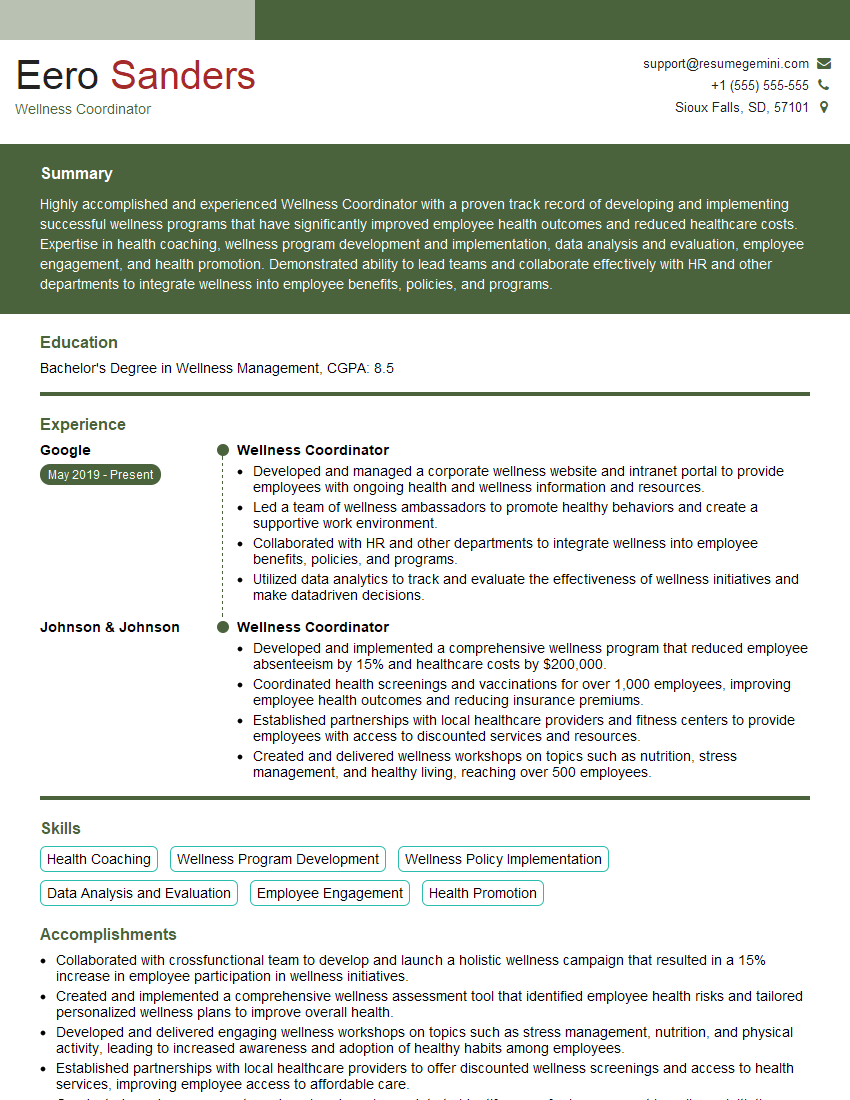
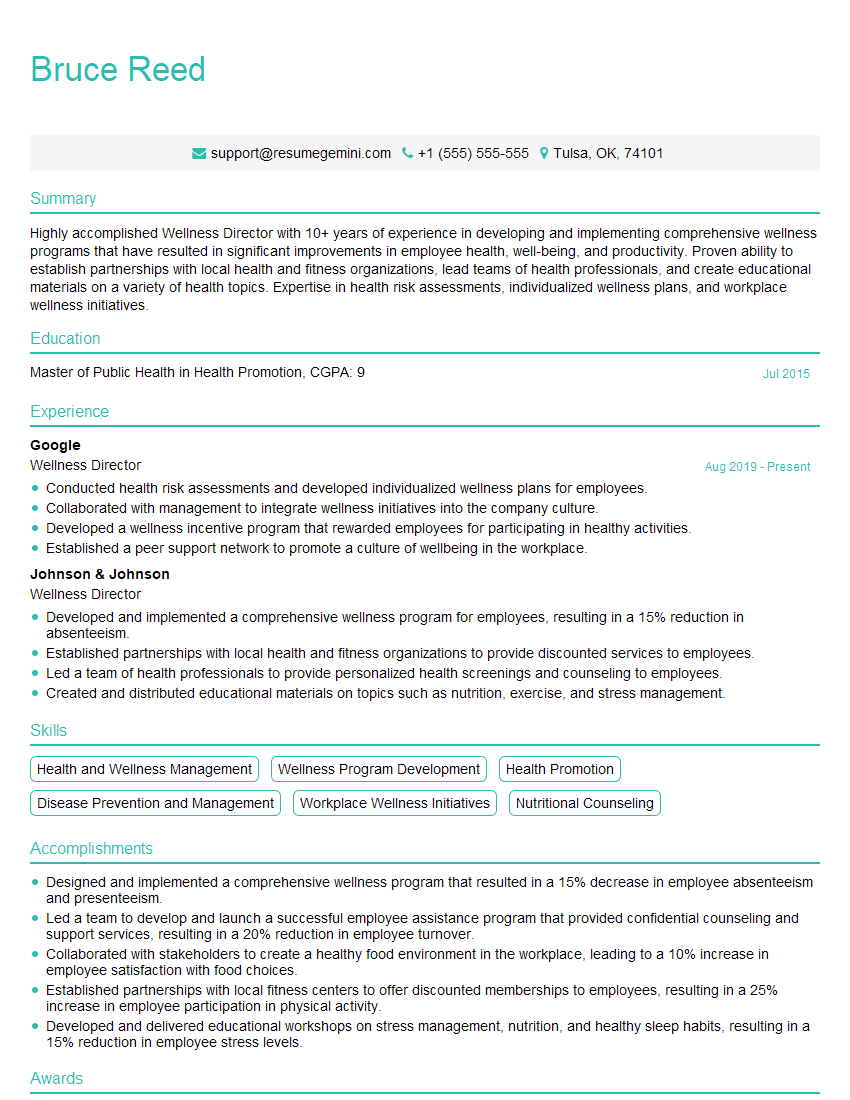
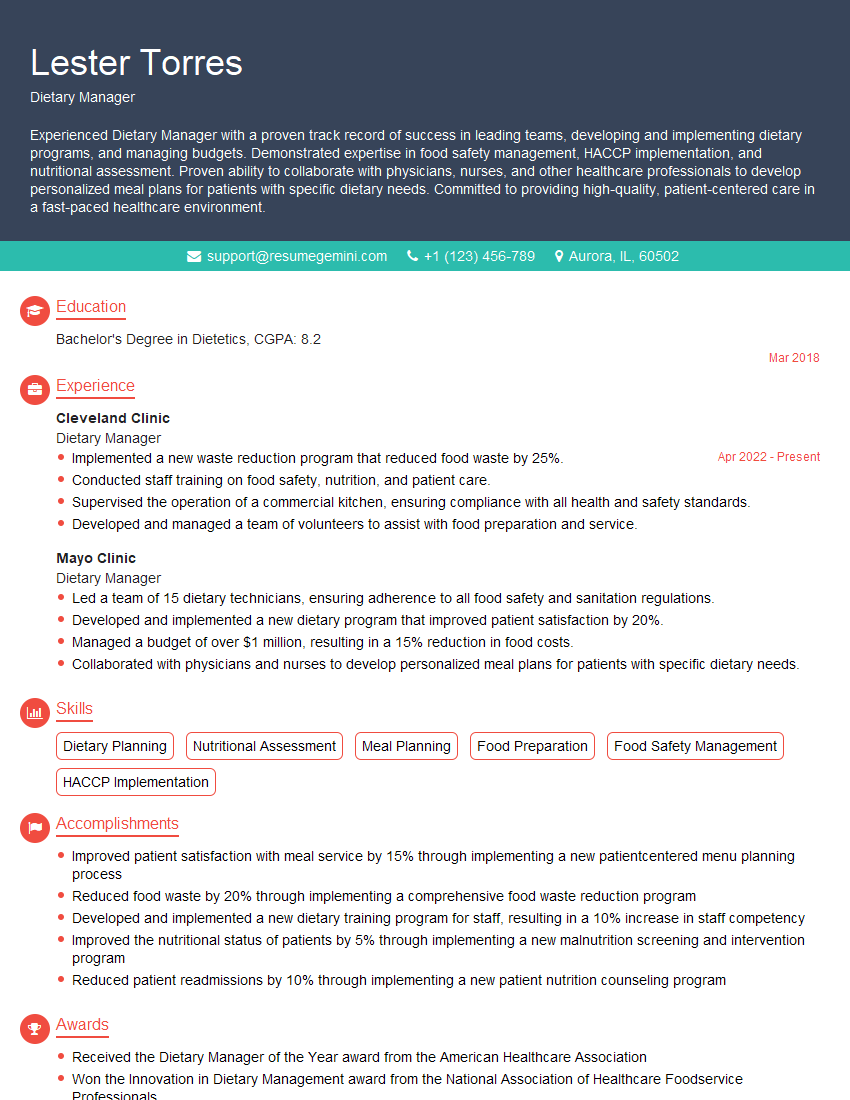
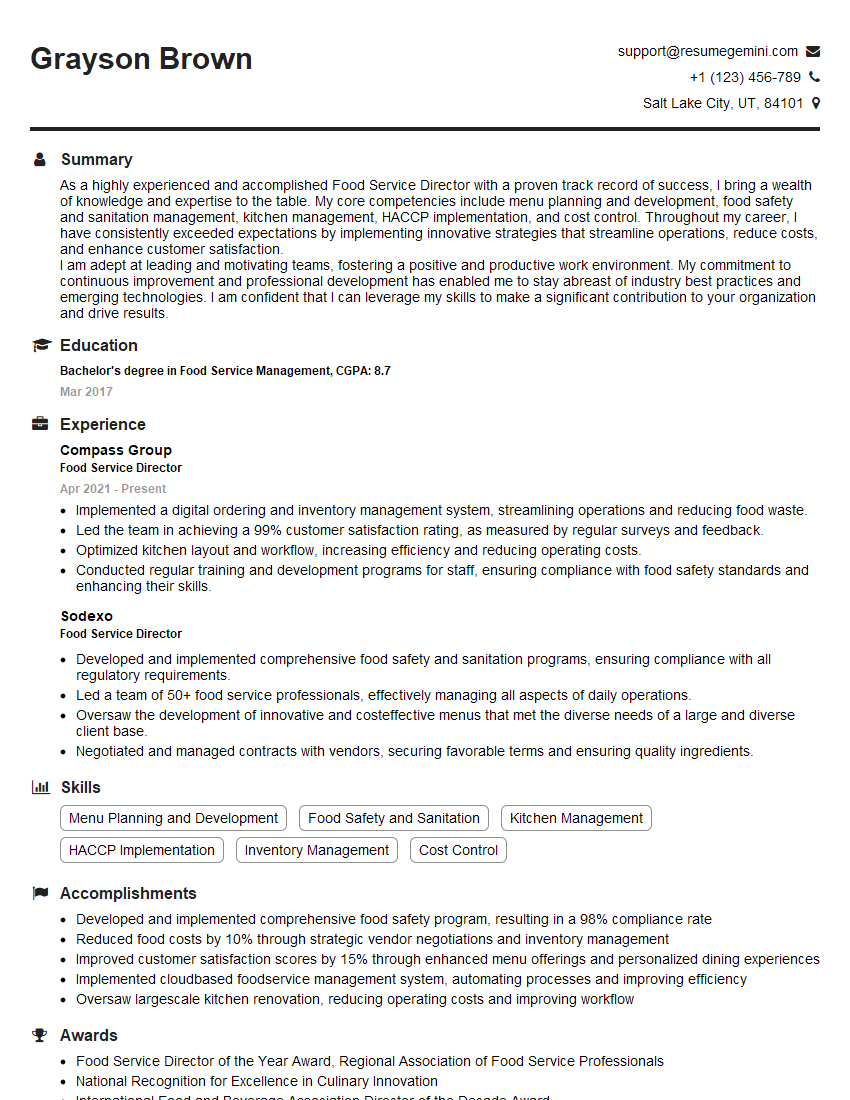
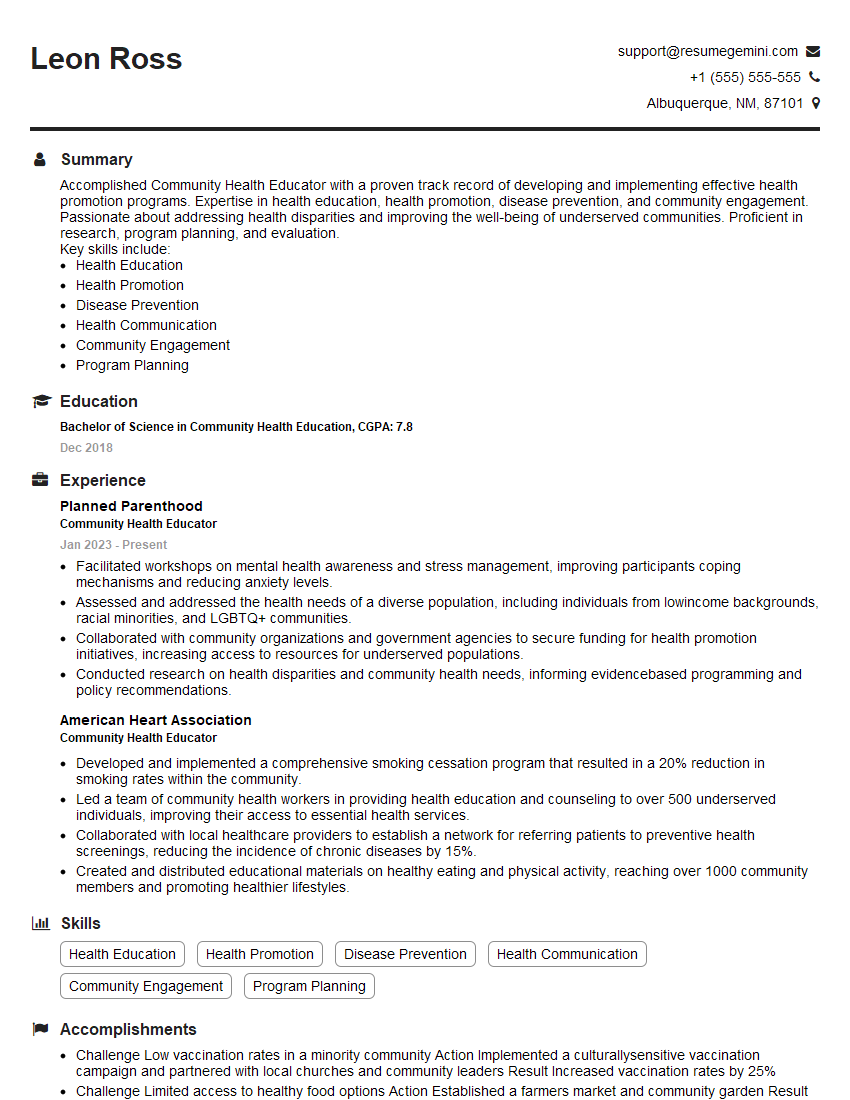
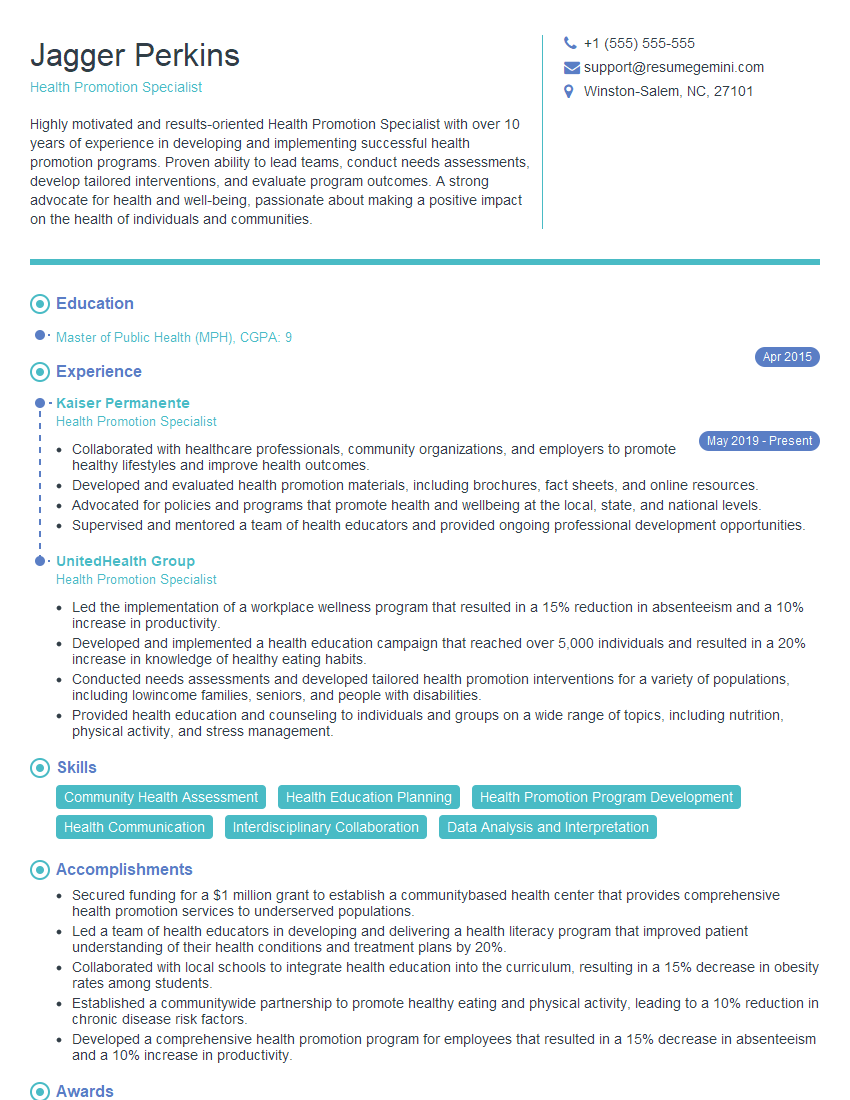
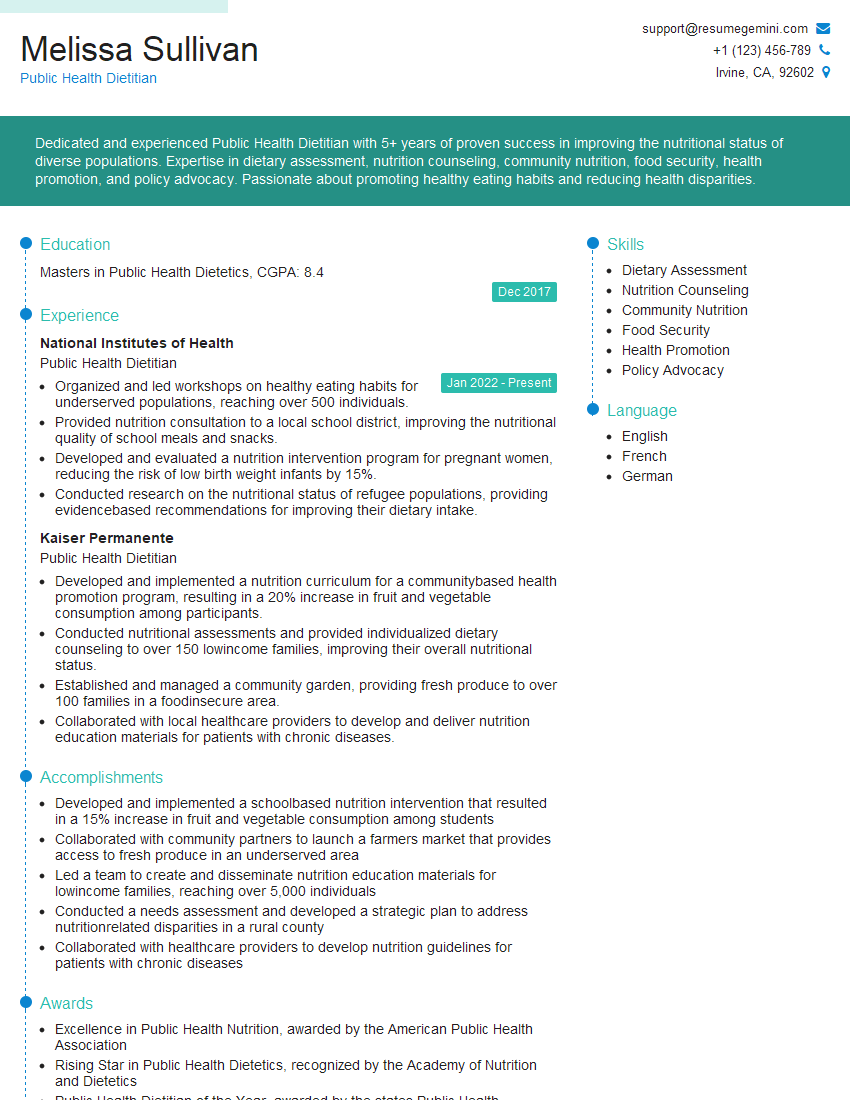
Mastering Community Health and Nutrition opens doors to impactful careers where you can make a real difference in people’s lives. To maximize your job prospects, it’s crucial to have a strong, ATS-friendly resume that showcases your skills and experience effectively. ResumeGemini is a trusted resource that can help you create a professional and compelling resume tailored to the specific requirements of Community Health and Nutrition roles. They provide examples of resumes specifically designed for this field, giving you a head start in crafting the perfect application.
Explore more articles
Users Rating of Our Blogs
Share Your Experience
We value your feedback! Please rate our content and share your thoughts (optional).
What Readers Say About Our Blog
Really detailed insights and content, thank you for writing this detailed article.
IT gave me an insight and words to use and be able to think of examples