The thought of an interview can be nerve-wracking, but the right preparation can make all the difference. Explore this comprehensive guide to Fall Protection and Safety Procedures interview questions and gain the confidence you need to showcase your abilities and secure the role.
Questions Asked in Fall Protection and Safety Procedures Interview
Q 1. What are the different types of fall protection systems?
Fall protection systems are designed to prevent or mitigate injuries from falls at height. They fall into several key categories:
- Guardrail Systems: These are engineered barriers that prevent falls from edges. Think of the railings you see on balconies or elevated platforms. They’re a primary method of fall protection, offering a physical barrier.
- Personal Fall Arrest Systems (PFAS): These systems catch a worker after a fall has commenced. They typically consist of a harness, lanyard, and anchor point. We’ll delve deeper into their components later.
- Fall Restraint Systems: These systems prevent a worker from reaching a fall hazard in the first place. They use a lanyard attached to an anchor point, allowing movement within a safe zone but preventing access to dangerous areas.
- Safety Net Systems: Nets are placed below work areas to catch falling workers or objects. These are particularly useful in situations where other methods are impractical, like large-scale construction projects.
- Positioning and Suspension Systems: These systems keep workers safely positioned while performing tasks. They are often used in window washing or other situations where hands-free work is needed.
The choice of system depends entirely on the specific work environment, task, and risk assessment.
Q 2. Explain the hierarchy of fall protection.
The hierarchy of fall protection prioritizes methods that eliminate the hazard entirely, followed by methods that reduce the risk of falls, and finally, those that mitigate the consequences of a fall. This is often referred to as the ‘Eliminate, Reduce, Mitigate’ approach.
- Elimination: The best solution is to remove the fall hazard altogether. For example, redesigning a work area to eliminate the need to work at heights.
- Substitution: Replacing a hazardous task with a safer alternative. This could involve using a long-handled tool instead of climbing a ladder.
- Engineering Controls: Implementing physical safeguards like guardrails, covers, or barriers to prevent falls.
- Administrative Controls: Implementing procedures like work permits, training, and supervision to minimize the risk of falls.
- Personal Protective Equipment (PPE): This is the last line of defense and includes things like personal fall arrest systems, safety nets, and harnesses. It’s crucial, but should only be used when other methods are not feasible.
Ideally, organizations should always strive to implement the highest level of fall protection possible, progressing down the hierarchy only when other methods are infeasible.
Q 3. Describe the components of a personal fall arrest system.
A personal fall arrest system (PFAS) typically comprises several crucial components:
- Harness: A body harness is worn by the worker and distributes the forces of a fall across the body, preventing serious injury. It should fit correctly and be regularly inspected.
- Lanyard: This is a connecting element, usually a rope or webbing, that attaches the harness to the anchor point. The length of the lanyard is critical, as it determines the potential fall distance.
- Anchor Point: A secure point of attachment capable of withstanding the forces of a fall. This could be a structural member, specifically designed anchor, or a designated attachment point.
- Shock Absorber (Optional but Recommended): This component is designed to decelerate the worker during a fall, reducing the impact forces on the body. It’s critical to choosing a system that limits the fall distance to prevent serious injury.
All components must meet relevant safety standards and be properly inspected before each use.
Q 4. What are the limitations of each fall protection system?
Each fall protection system has limitations:
- Guardrail Systems: Can be ineffective if damaged, bypassed, or improperly installed. They also don’t protect against falls from inside the guarded area.
- Personal Fall Arrest Systems: Reliance on proper anchor point selection and installation is critical. Fall clearance below the worker is essential to avoid impact injuries. Also, there is a risk of swing falls, where the worker may pendulum during a fall.
- Fall Restraint Systems: Limit worker movement and may not be suitable for all tasks. They only work if the worker remains within the defined safe zone.
- Safety Net Systems: Require sufficient clearance below and proper installation to prevent sagging or tearing. They are not suitable for all work environments.
- Positioning and Suspension Systems: Can lead to fatigue and discomfort if not used properly and can pose a risk of entanglement.
Understanding these limitations is crucial in selecting and using the appropriate fall protection system for a given situation.
Q 5. How do you inspect and maintain fall protection equipment?
Regular inspection and maintenance are paramount to ensuring the effectiveness of fall protection equipment. A thorough inspection should be conducted before each use and at regular intervals (as per manufacturer recommendations and regulatory requirements).
- Visual Inspection: Check for any signs of wear and tear, damage, cuts, abrasions, corrosion, or deformation on all components (harness, lanyard, anchor, etc.).
- Functional Check: Test the functionality of the system, including the locking mechanism of snap hooks, the integrity of the webbing, and the smooth operation of any moving parts.
- Documentation: Maintain detailed records of all inspections, including date, time, inspector’s name, and any identified defects. Record any repairs or replacements.
- Retirement Criteria: Follow the manufacturer’s recommended retirement criteria for each component. Damaged or worn-out equipment must be immediately removed from service.
- Training: Ensure all workers receive proper training in inspecting and maintaining fall protection equipment.
Regular maintenance, including cleaning and storage in a dry place away from extreme temperatures and sunlight, extends the lifespan and efficiency of your fall protection system. Remember, neglecting maintenance can lead to catastrophic consequences.
Q 6. What are the regulatory requirements for fall protection in your region?
(Note: This answer will vary depending on the specific region. Replace this section with the relevant regulatory requirements for your area. Examples of regulations include OSHA in the US, and similar legislation in other countries.)
In [Your Region], fall protection regulations are primarily governed by [Specific Legislation/Act]. These regulations mandate the use of appropriate fall protection systems based on the risk assessment of the work being performed. Key aspects typically covered include:
- Employer Responsibilities: Providing appropriate training, equipment, and supervision to ensure worker safety.
- Risk Assessment: Conducting thorough risk assessments to identify and mitigate fall hazards.
- Fall Protection Selection: Choosing the appropriate fall protection system based on the hierarchy of controls.
- Training and Competency: Ensuring workers are adequately trained in the safe use and maintenance of fall protection equipment.
- Inspection and Maintenance: Regular inspection and maintenance of all fall protection equipment.
- Record Keeping: Maintaining detailed records of inspections, training, and incidents.
Failure to comply with these regulations can result in significant penalties.
Q 7. Explain the difference between leading edge and trailing edge protection.
The terms ‘leading edge’ and ‘trailing edge’ are specific to fall protection in roofing and construction scenarios. They relate to the direction of the worker’s movement relative to the edge of a structure.
Leading Edge: A leading edge is an unprotected edge where a worker is moving towards. Think of installing roofing material – the worker is moving along the edge, leading with their progress toward a point where a fall could occur. Fall protection at a leading edge is particularly challenging because the anchor point has to be established before the work begins and must be able to handle the forces of a fall. It frequently requires specialized equipment and techniques, such as guardrails or specialized anchor systems.
Trailing Edge: A trailing edge is where a worker is moving away from. Imagine a worker already on a roof who is completing work and moving backward. Fall protection is generally simpler at a trailing edge because the worker is not proceeding into an unknown area. Anchor points can sometimes be simpler and more readily available.
The distinction is crucial because leading-edge work typically requires more robust fall protection measures due to the increased risk of falls.
Q 8. How do you assess and mitigate fall hazards on a job site?
Assessing and mitigating fall hazards on a job site is a systematic process requiring a thorough understanding of the work environment and potential dangers. It begins with a detailed site survey, identifying all areas where a fall of more than four feet could occur. This includes looking at edges of roofs, open-sided floors, elevated platforms, and even seemingly innocuous areas like uneven ground or slippery surfaces.
The assessment involves:
- Identifying fall hazards: This includes identifying unguarded edges, holes, and openings; assessing the stability of working surfaces; checking for trip and slip hazards.
- Evaluating potential fall distances: Measuring the height of the fall and considering the impact on the worker.
- Assessing worker vulnerability: Considering factors like the workers’ experience and training, available personal protective equipment (PPE), and the nature of the work being performed.
Mitigation strategies then need to be implemented, prioritizing engineering controls whenever possible:
- Guardrails: Installing guardrails around elevated work areas is often the primary method of fall protection. These should meet specified height and strength requirements.
- Safety nets: For particularly high falls, safety nets can provide a crucial backup system. Regular inspection and maintenance are vital.
- Personal fall arrest systems (PFAS): These include harnesses, lanyards, and anchor points, and they should be selected based on the specific fall hazard. A critical aspect is ensuring proper anchorage to a suitable structural member.
- Administrative Controls: Implementing safety procedures, training workers properly, and using warning signs to alert workers of hazards.
For example, if we’re working on a roof, we’d first assess the roof’s stability, then install guardrails, and finally ensure every worker is using a suitable PFAS attached to a robust anchor point.
Q 9. What are the common causes of falls from height?
Falls from height are a significant workplace hazard, and several factors contribute to them. These can be broadly categorized into:
- Environmental factors: These include slippery surfaces (ice, water, oil), inadequate lighting, cluttered workspaces, and unstable surfaces. For instance, a worker might slip on a wet floor or trip over a loose cable.
- Human factors: This encompasses factors such as fatigue, distraction, improper training, rushing the job, and a lack of awareness of hazards. A distracted worker might step back and fall off a platform.
- Equipment failures: Defective or improperly maintained equipment can lead to falls. A faulty ladder, a broken lanyard, or a weakened scaffold can all contribute to accidents.
- Inadequate fall protection: Lack of, or improperly used, fall protection equipment significantly increases the risk of a fall. This could be a missing guardrail, incorrect harness fitting, or using a damaged lifeline.
Often, falls are caused by a combination of these factors. A tired worker might not notice a wet patch on a platform, leading to a fall. This highlights the need for comprehensive safety measures addressing both environmental and human elements.
Q 10. Describe the proper use of a self-retracting lifeline (SRL).
A self-retracting lifeline (SRL) is a crucial piece of fall protection equipment that automatically retracts the lifeline after a fall, limiting the fall distance. Proper use is vital for its effectiveness and safety.
Steps for proper SRL use:
- Anchor Point Selection: The SRL must be anchored to a structural member capable of withstanding at least 5,000 lbs of force. This point must be directly above the worker and able to support the weight of the worker, the equipment and any dynamic loads from a fall.
- Harness Connection: The SRL’s hook must be securely attached to a properly fitted full-body harness. Incorrect harness fitting can lead to serious injury.
- Body Positioning: The worker should maintain a safe working distance from the edge, avoiding sudden movements that might create excessive force on the SRL. The worker should be aware of any potential obstructions and their effect on SRL operation.
- Regular Inspection: Before each use, thoroughly inspect the SRL for any signs of damage, such as fraying, cuts, or excessive wear. A damaged SRL should be immediately removed from service.
- Training and Competence: All workers using SRLs must receive thorough training on their proper use, inspection, and limitations.
Imagine a painter working on a high wall. He connects his full body harness to the SRL anchored securely above. As he works, the SRL allows him freedom of movement, yet if he were to fall, it would immediately engage, arresting the fall and preventing a serious injury.
Q 11. What are the rescue procedures for a fall from height?
Rescue procedures after a fall from height are critical, demanding a swift and coordinated response to minimize further injury. The primary goal is to safely remove the fallen worker from the hazard, providing immediate medical attention if necessary.
Key steps in a fall rescue:
- Assess the Situation: Ensure the scene is safe before approaching the fallen worker. This involves checking for further hazards that could endanger rescuers.
- Alert Emergency Services: Immediately call emergency medical services and inform them of the situation, location, and number of injured personnel.
- Stabilize the Victim: If the victim is conscious, reassure them and keep them still to prevent further injury. This could involve providing basic first aid if trained to do so.
- Prepare for Rescue: Assess the best rescue method, considering the height and location of the fall. This might involve using a rescue harness, a hoist, or other specialized equipment.
- Implement Rescue Plan: A trained rescue team, preferably equipped with appropriate rescue gear, should perform the rescue operation carefully and safely. This will follow established safety procedures and minimize secondary injuries.
- Post-Rescue Care: After the rescue, immediate medical attention should be provided to the victim, assessing injuries and providing appropriate treatment.
Having a well-defined emergency plan and regular rescue practice drills are crucial for a swift and effective rescue operation, minimizing the risks and improving the outcomes for those involved.
Q 12. What is the role of a competent person in fall protection?
A competent person in fall protection plays a vital role in ensuring workplace safety. This individual is responsible for identifying and assessing fall hazards, selecting appropriate control measures, and ensuring that all fall protection equipment is properly used and maintained. They are knowledgeable, trained, and authorized to perform these duties.
Responsibilities of a competent person:
- Hazard Identification and Assessment: Conducting regular site inspections to identify potential fall hazards and assessing the risk levels involved.
- Fall Protection Plan Development: Creating and implementing a comprehensive fall protection plan that includes procedures, equipment selection, and training requirements.
- Equipment Selection and Inspection: Selecting and ensuring the proper use and maintenance of appropriate fall protection equipment.
- Worker Training and Supervision: Providing comprehensive training to workers on fall protection procedures and supervising their adherence to safety standards.
- Record Keeping: Maintaining accurate records of inspections, training, and incidents related to fall protection.
For example, a competent person would ensure that all workers on a construction site are properly trained in the use of harnesses and lanyards, that all equipment is inspected regularly, and that the fall protection plan is adhered to at all times.
Q 13. How do you select appropriate fall protection equipment for a specific task?
Selecting appropriate fall protection equipment requires careful consideration of several factors, ensuring it matches the specific hazards and working conditions. This is where a competent person’s knowledge and experience become paramount.
Factors influencing equipment selection:
- Fall Height: The height of the potential fall dictates the type of equipment needed. Higher falls often require systems with longer lifelines or safety nets.
- Work Environment: The work environment influences the selection. For example, working near electricity necessitates equipment with non-conductive components.
- Type of Work: The type of work will affect the needed mobility and freedom of movement. Some jobs might need more flexibility than others.
- Worker Comfort and Fit: The equipment should be comfortable and fit the worker properly. A poorly fitting harness can be uncomfortable and ineffective.
- Equipment Ratings and Standards: The equipment should be certified and meet all applicable safety standards. This ensures it’s been rigorously tested.
For example, working at heights on a metal construction requires a different setup than working on a roof. Metal structures might require specific anchors and shock-absorbing lanyards to handle a potential impact with metallic surfaces. In each case, the competent person will select the appropriate equipment and ensure it is used correctly.
Q 14. Explain the concept of anchorage points and their importance.
Anchorage points are crucial in fall protection systems. They are strong points of attachment for fall arrest systems, providing a secure connection to prevent falls. Their importance cannot be overstated.
Importance of anchorage points:
- Structural Integrity: The anchorage point must be capable of withstanding significant forces, typically at least 5,000 lbs. It needs to be a structurally sound part of the building or structure. Poorly selected points can lead to catastrophic equipment failure.
- Proper Placement: The anchorage point’s placement is critical. It should be directly above the worker, minimizing the potential fall distance. A poorly positioned anchor can lead to greater swing fall.
- Material Compatibility: The anchor point’s material should be compatible with the connecting equipment to avoid corrosion or other forms of degradation.
- Regular Inspection: Anchorage points must be regularly inspected to ensure they are in good condition. Any signs of damage or weakening require immediate attention and replacement.
Imagine a construction worker using a lanyard attached to a poorly secured beam. If the beam fails, the entire fall protection system fails, leading to potential serious injury or death. Selecting and using appropriate anchorage points is the foundation of a safe fall protection system.
Q 15. What are the different types of anchor points?
Anchor points are crucial in fall protection systems, providing a secure attachment point for lifelines, lanyards, and other fall arrest equipment. The type of anchor point required depends heavily on the work environment and the potential fall hazards. They must be strong enough to withstand the forces involved in a fall.
- Structural Anchor Points: These are permanently installed components of a building or structure, such as steel beams, reinforced concrete, or specifically designed anchor points embedded during construction. Think of the integrated anchor points you might see on a rooftop.
- Manufactured Anchor Points: These are pre-engineered and manufactured devices designed for specific applications. Examples include roof anchors, mobile anchor systems, and davit arms, often used in construction or industrial settings where the structure might lack suitable permanent points.
- Temporary Anchor Points: These are set up temporarily for a specific task and must meet stringent safety standards. Examples include properly anchored eyebolts in strong structural members, but careful inspection and engineering calculations are crucial to ensure their suitability.
Choosing the right anchor point is paramount. A poorly selected point can fail during a fall, leading to catastrophic consequences. Always consult with a qualified engineer or safety professional to ensure your anchor point is suitable for the intended use and load capacity.
Career Expert Tips:
- Ace those interviews! Prepare effectively by reviewing the Top 50 Most Common Interview Questions on ResumeGemini.
- Navigate your job search with confidence! Explore a wide range of Career Tips on ResumeGemini. Learn about common challenges and recommendations to overcome them.
- Craft the perfect resume! Master the Art of Resume Writing with ResumeGemini’s guide. Showcase your unique qualifications and achievements effectively.
- Don’t miss out on holiday savings! Build your dream resume with ResumeGemini’s ATS optimized templates.
Q 16. How do you calculate fall factors and stopping distances?
Calculating fall factors and stopping distances is critical for selecting appropriate fall protection equipment and understanding the potential impact forces on a worker during a fall. Both are interconnected.
Fall Factor: This is the ratio of the height of the fall to the length of the arresting system. It’s calculated as: Fall Factor = Height of Fall / Length of Arresting System. A lower fall factor is always preferable. For example, a 6-meter fall with a 6-meter arresting system has a fall factor of 1. A 6-meter fall with a 3-meter system has a fall factor of 2 (much higher impact).
Stopping Distance: This is the total distance a worker travels during a fall, including the fall distance and the distance the arresting system absorbs the fall. It’s significantly impacted by the fall factor. Higher fall factors mean greater stopping distance and increased impact forces.
There isn’t a single formula for stopping distance, as it depends heavily on the type of fall arrest system (e.g., self-retracting lifeline, shock-absorbing lanyard), and the specific system’s deceleration characteristics. Manufacturers provide this crucial information in their equipment specifications. Choosing equipment that minimizes stopping distance is key to worker safety.
Q 17. What are the requirements for fall protection training?
Fall protection training is mandatory and should be provided by qualified instructors. It must cover both theoretical knowledge and hands-on practical application. The specific requirements vary by jurisdiction, but generally, comprehensive training must include:
- Hazard Recognition and Assessment: Identifying fall hazards in various work environments.
- Fall Protection System Selection: Choosing the appropriate equipment based on the hazards and work tasks.
- Equipment Inspection and Use: Understanding how to correctly inspect, don, and use fall protection equipment.
- Rescue Procedures: Knowing how to respond to a fall and safely rescue an injured worker.
- Emergency Response Plan: Familiarization with the company’s emergency plan, including procedures for calling emergency services and first aid.
- Regulations and Standards: Understanding applicable local, national, and industry regulations and standards.
Regular refresher training is also vital to reinforce knowledge and address updates in equipment, techniques, and regulations. Documentation of training is critical to demonstrate compliance.
Q 18. Describe the use of guardrails and safety nets.
Guardrails and safety nets are crucial elements of passive fall protection. They prevent falls rather than arresting them after they occur.
Guardrails: These are typically three-sided barriers (top rail, mid-rail, and toe board) installed around elevated work areas. They provide a physical barrier to prevent falls. The top rail is the most important, preventing workers from falling over the edge. The mid-rail adds extra protection, and the toe board stops objects from falling from above. Guardrails must meet specific height and strength requirements according to industry standards.
Safety Nets: These are nets positioned below elevated work areas to catch workers if they do fall. They are designed to absorb the impact of a fall and reduce the risk of serious injury. Proper installation and maintenance are critical; nets must be regularly inspected for damage and have sufficient strength to support multiple falls without significant deformation.
While both are effective, they are best used in conjunction with other fall protection measures. For example, guardrails can prevent most falls, but if a worker falls over the edge, a safety net can be a secondary safeguard. However, both must comply with OSHA standards.
Q 19. What are the emergency response procedures for a fall incident?
Emergency response procedures for a fall incident must be swift and efficient. They should be a clearly defined part of every company’s safety plan, readily accessible to all workers. Key steps include:
- Immediate Actions: Assess the situation, ensuring the scene is safe before approaching the victim. Don’t move the injured person unless absolutely necessary.
- Emergency Services: Call emergency services immediately. Clearly describe the situation, location, and number of injured personnel.
- Rescue: Trained personnel should initiate a safe rescue operation using appropriate equipment, avoiding any further injury to the victim and rescuers. This may involve specialized equipment like a rescue harness and winch system.
- First Aid: Provide appropriate first aid while waiting for paramedics. This often involves stabilizing the victim and preventing further injuries.
- Investigation: Following the incident, a thorough investigation is essential to determine the cause of the fall and implement corrective actions to prevent future incidents. This should involve documenting the accident and reviewing safety procedures.
Regular drills and training are crucial to ensure responders are prepared and skilled in handling fall incidents effectively.
Q 20. How do you document fall protection inspections and training?
Maintaining detailed records of fall protection inspections and training is vital for demonstrating compliance with regulations and identifying potential weaknesses in the safety program.
Inspection Documentation: Inspections of fall protection equipment should be conducted regularly, often daily or weekly, depending on the equipment and the work environment. Documentation should include:
- Date and Time of Inspection:
- Equipment Type and Identification Number:
- Inspector’s Name and Certification:
- Findings: Any damage, defects, or signs of wear and tear.
- Corrective Actions Taken: Repairs, replacements, or other actions taken to address any issues.
Training Documentation: Training records should include:
- Employee Name and Identification Number:
- Training Date:
- Training Type: Fall protection training, rescue training, etc.
- Instructor’s Name and Certification:
- Topics Covered: A summary of the key concepts covered during training.
- Employee’s Signature: To acknowledge receipt and understanding of the training.
Digital records management systems and software solutions are now used widely to streamline this documentation process.
Q 21. How do you communicate fall protection procedures to workers?
Effective communication is critical for ensuring that fall protection procedures are understood and followed by all workers. A multi-pronged approach is best:
- Pre-Task Planning: Discuss the specific fall hazards associated with each task before work commences. This allows workers to understand the risks and the appropriate safety measures to be followed.
- Toolbox Talks: Regular short meetings focusing on safety-related topics, including fall protection best practices. These should be interactive and encourage questions.
- Training Manuals and Visual Aids: Provide clear, concise, and well-illustrated training materials. Use of visuals aids like diagrams, videos, and checklists enhance comprehension.
- Demonstrations and Hands-on Practice: Allow workers to practice using the fall protection equipment under supervision. This builds confidence and familiarity with the procedures.
- Regular Feedback and Open Communication: Encourage workers to report any concerns or unsafe conditions. Create a positive safety culture where safety is discussed openly.
- Multiple Languages and Literacy Levels: Ensure safety information is accessible to all workers, regardless of their language proficiency or literacy level. Use appropriate visuals and translations as needed.
Combining these methods ensures a comprehensive and effective communication strategy.
Q 22. What are the potential consequences of non-compliance with fall protection regulations?
Non-compliance with fall protection regulations carries severe consequences, impacting both individuals and organizations. The most immediate and devastating is the potential for fatal or life-altering injuries from falls. Beyond the human cost, there are significant legal and financial repercussions.
- Legal Penalties: Organizations can face hefty fines, lawsuits, and even criminal charges for violations. OSHA (Occupational Safety and Health Administration) and other regulatory bodies have strict guidelines that must be followed.
- Insurance Impacts: Non-compliance can lead to increased insurance premiums or even policy cancellations, making it incredibly expensive to operate.
- Reputational Damage: Accidents resulting from negligence can severely damage a company’s reputation, impacting future contracts and investor confidence. A history of safety violations can make it difficult to attract and retain skilled workers.
- Lost Productivity: An accident can halt work on a project, leading to significant delays and financial losses. Even minor injuries can result in lost work time and productivity.
For example, a construction company failing to provide adequate fall protection could face fines in the hundreds of thousands of dollars, along with legal battles stemming from worker injuries. The reputational damage could make it challenging to secure future projects.
Q 23. Explain the importance of regular inspections and maintenance of fall protection equipment.
Regular inspections and maintenance of fall protection equipment are paramount to ensuring its effectiveness and preventing accidents. Equipment degrades over time due to exposure to the elements, wear and tear from use, and potential damage from misuse. A failure in any part of the system can have catastrophic results.
- Identifying Defects: Regular inspections allow for the early identification of frayed ropes, damaged harnesses, corrosion on anchors, or other defects that could compromise safety. Catching these problems early prevents accidents before they happen.
- Prolonging Equipment Life: Proper maintenance extends the lifespan of expensive equipment, saving costs in the long run. Addressing minor issues before they escalate prevents the need for complete replacements.
- Compliance with Regulations: Many regulatory bodies mandate regular inspections and maintenance as part of their safety regulations. This ensures compliance and helps avoid penalties.
- Ensuring Employee Confidence: Knowing the equipment has been thoroughly inspected and maintained builds trust and confidence among workers, encouraging them to rely on the fall protection systems.
Think of it like regular car maintenance – it’s an investment that prevents breakdowns and keeps you safe. For fall protection, a scheduled inspection and documentation program is crucial, including visual inspections, load testing where applicable and thorough documentation of findings and repairs.
Q 24. How do you handle situations where workers refuse to use fall protection equipment?
Refusal to use fall protection equipment is a serious safety violation and must be addressed immediately and firmly. It’s critical to understand the reasons behind the refusal. Sometimes it’s simple ignorance or discomfort with the equipment, but it can also be due to a lack of trust in the system or even deliberate disregard for safety rules.
- Education and Training: Begin by ensuring the worker fully understands the hazards involved and the importance of fall protection. Provide hands-on training and demonstrate proper use of the equipment.
- Addressing Concerns: Listen to the worker’s concerns, address any valid points, and clarify any misunderstandings. If discomfort with the equipment is an issue, try different models or sizes to find a better fit.
- Enforcing Policies: If education and addressing concerns don’t resolve the issue, implement company policies concerning fall protection. This might involve progressive discipline, from verbal warnings to suspension or termination, depending on the severity of the situation and company policy.
- Reporting and Documentation: Document all interactions and actions taken. This documentation is essential should an accident occur.
Involving management and potentially HR is often necessary in these situations, emphasizing the safety-critical nature of complying with company and regulatory requirements. The priority is employee safety, and sometimes disciplinary action is unavoidable to maintain a safe work environment for everyone.
Q 25. What are the latest advancements in fall protection technologies?
The field of fall protection is constantly evolving, with advancements focusing on improved safety, ease of use, and technology integration. Some of the latest advancements include:
- Self-retracting lifelines (SRLs): Improved designs offer smoother operation, reduced weight, and enhanced durability.
- Connected safety systems: Integration with wearable technology and monitoring systems provides real-time fall detection and alerts, enabling faster response times.
- Advanced harness designs: Ergonomic improvements enhance comfort and reduce worker fatigue, encouraging better compliance.
- Lightweight and more comfortable equipment: Advancements in materials science have led to lighter and more comfortable harnesses, lanyards, and other equipment, making them less cumbersome to wear.
- Improved anchor points: Developments in anchor point design, such as those built into structures and specialized systems for different environments, offer better security and wider adaptability.
These advancements aim to minimize the risks associated with working at heights, making fall protection more effective, user-friendly, and ultimately, saving lives.
Q 26. How do you ensure that fall protection systems are compatible with other safety equipment?
Compatibility between fall protection systems and other safety equipment is essential to ensure a fully integrated and effective safety program. Incompatibility can lead to equipment failure or create hazardous situations.
- Anchor Point Compatibility: The fall protection anchor point must be structurally sound and rated for the expected load. It’s crucial to ensure compatibility with the harness and lanyard system being used.
- Harness and Lanyard Selection: Harnesses and lanyards must be compatible with the type of work being performed and the chosen anchor points. They must be properly sized and inspected to ensure they are in good working condition.
- System Integration: Consider the interaction between various safety systems. For example, the fall protection system shouldn’t interfere with emergency escape routes or other equipment such as scaffolding or ladders.
- Material Compatibility: Materials used in different components of the system should be compatible. For example, using a corrosive cleaning agent on a metal component could compromise its integrity.
- Documentation and Training: Proper documentation outlining compatibility should be available to all workers, and training on the proper use and interaction of all systems is vital.
A thorough risk assessment should identify all potential hazards and ensure the chosen fall protection systems are not only compatible but also fully integrated into the overall safety program. For example, a rescue plan should be in place accounting for the compatibility of all equipment utilized in a rescue scenario.
Q 27. Describe a challenging fall protection situation you encountered and how you resolved it.
During a renovation project on a historic building, we faced a challenge installing fall protection for workers repairing intricate stonework on a steep, uneven roof. Traditional anchor points were impractical due to the building’s age and architectural details. The roof was also covered with fragile, easily damaged material making standard anchor points impossible.
To resolve this, we designed a custom system using specialized, lightweight anchors that minimized roof damage and strategically placed them using non-invasive methods, which involved working with a structural engineer to identify optimal locations for placement and ensuring they were properly load-tested. We also used a flexible lifeline system that adapted to the irregular roof surface, allowing workers to move freely while remaining secured. The team received thorough training on the custom system’s usage before commencing work.
This approach ensured both the workers’ safety and the preservation of the historical building. It highlighted the importance of adaptability and creative problem-solving when traditional methods are unfeasible in fall protection.
Q 28. What are your strategies for improving fall protection performance on a job site?
Improving fall protection performance on a job site requires a multifaceted approach encompassing leadership commitment, worker involvement, and proactive safety measures.
- Leadership Commitment: Establish a strong safety culture where fall protection is a top priority. Management should actively participate in safety meetings, inspections, and training sessions, clearly communicating that safety is non-negotiable.
- Worker Involvement: Encourage workers to participate in safety discussions, hazard identification, and the development of safety solutions. Their on-the-ground experience is invaluable.
- Regular Inspections and Training: Implement regular inspections of equipment and work areas, complemented by comprehensive and ongoing training on proper fall protection techniques and emergency procedures. Simulations and practical drills are highly beneficial.
- Data-Driven Approach: Track incident rates, near-misses, and inspection findings to identify trends and areas needing improvement. Use this data to refine safety protocols and allocate resources effectively.
- Proactive Hazard Control: Conduct thorough job hazard analyses to identify potential fall hazards before work begins. Implement control measures like eliminating fall hazards where possible, and using engineering controls such as guardrails or collective protection systems before resorting to personal protective equipment.
- Incident Investigation: Thoroughly investigate any incidents or near misses involving falls to identify contributing factors and prevent future occurrences.
By focusing on these strategies, a continuous improvement cycle can be established that enhances fall protection performance, creating a safer and more productive work environment. Regular reviews and adjustments are key to maintaining a high level of safety on the job site.
Key Topics to Learn for Fall Protection and Safety Procedures Interview
- Fall Protection Systems: Understanding various types of fall protection systems (e.g., harnesses, lanyards, lifelines, anchor points) and their appropriate applications in different work environments. Consider the limitations and inspection requirements of each.
- Hazard Identification and Risk Assessment: Developing proficiency in identifying potential fall hazards in various work settings (construction, manufacturing, etc.) and implementing effective risk mitigation strategies. Practice conducting thorough job hazard analyses.
- Regulations and Standards: Familiarize yourself with relevant OSHA (or equivalent international) regulations and industry standards related to fall protection. Be prepared to discuss compliance procedures and best practices.
- Personal Protective Equipment (PPE): Gain a comprehensive understanding of the proper selection, use, inspection, and maintenance of fall protection PPE. This includes understanding the limitations and potential failure points of equipment.
- Rescue Plans and Procedures: Develop knowledge of rescue techniques and emergency response protocols in the event of a fall. This includes understanding the roles and responsibilities of rescue team members.
- Practical Application & Problem Solving: Be prepared to discuss real-world scenarios and explain how you would apply your knowledge of fall protection principles to prevent accidents and ensure worker safety. Consider various scenarios and potential challenges.
- Training and Communication: Understand the importance of effective training programs for fall protection and the role of clear communication in maintaining a safe work environment. Consider the different training methods and their effectiveness.
Next Steps
Mastering Fall Protection and Safety Procedures is crucial for career advancement in this vital field. Demonstrating a thorough understanding of these procedures not only enhances your safety knowledge but also showcases your commitment to workplace safety and your potential as a valuable asset to any organization. To maximize your job prospects, creating an ATS-friendly resume is essential. ResumeGemini is a trusted resource that can help you build a professional and effective resume that highlights your skills and experience. Examples of resumes tailored to Fall Protection and Safety Procedures are available to help you get started. Invest the time to build a strong resume – it’s your first impression on potential employers.
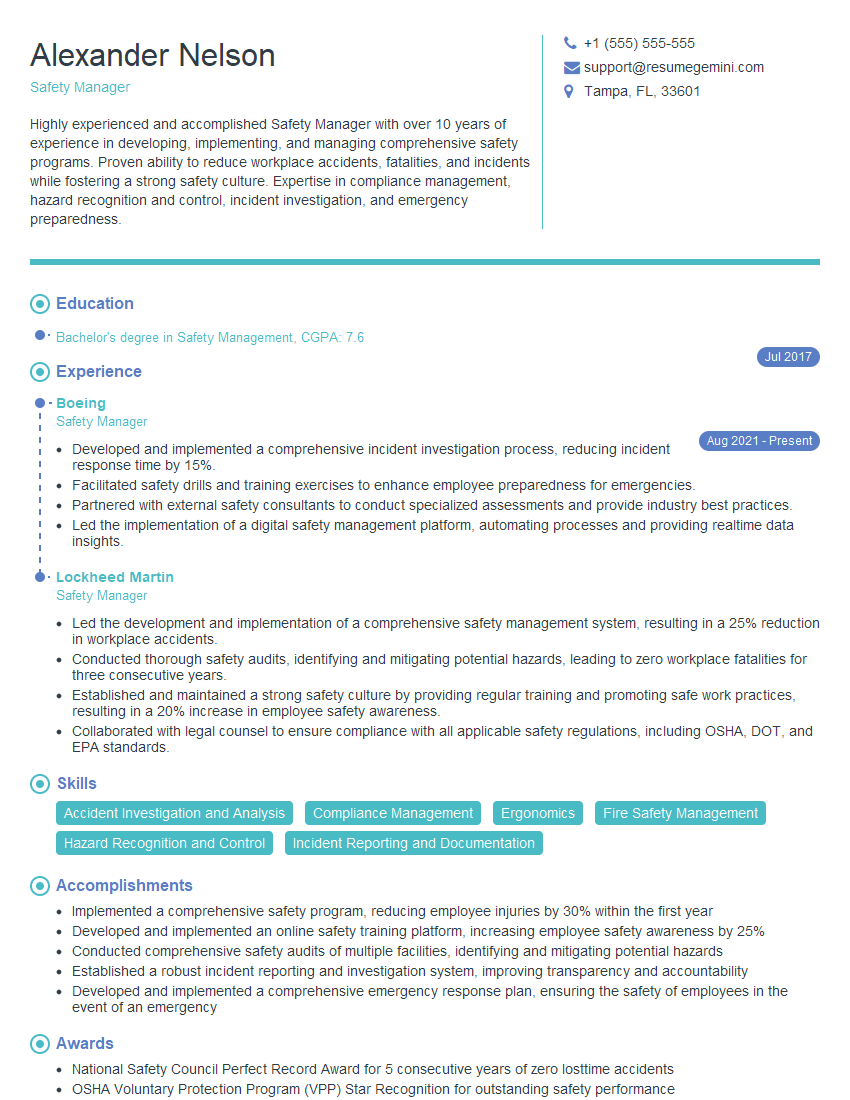
Safety Manager Resume Sample
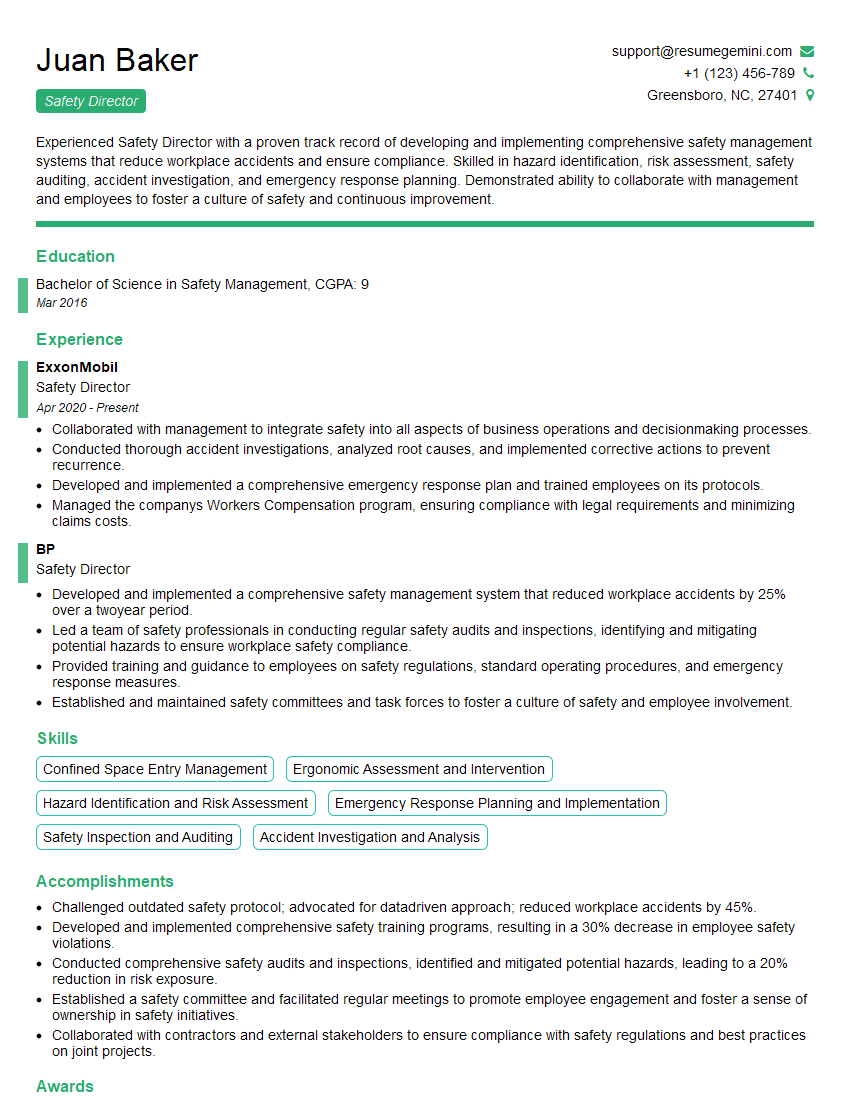
Safety Director Resume Sample

Environmental Health and Safety Manager Resume Sample
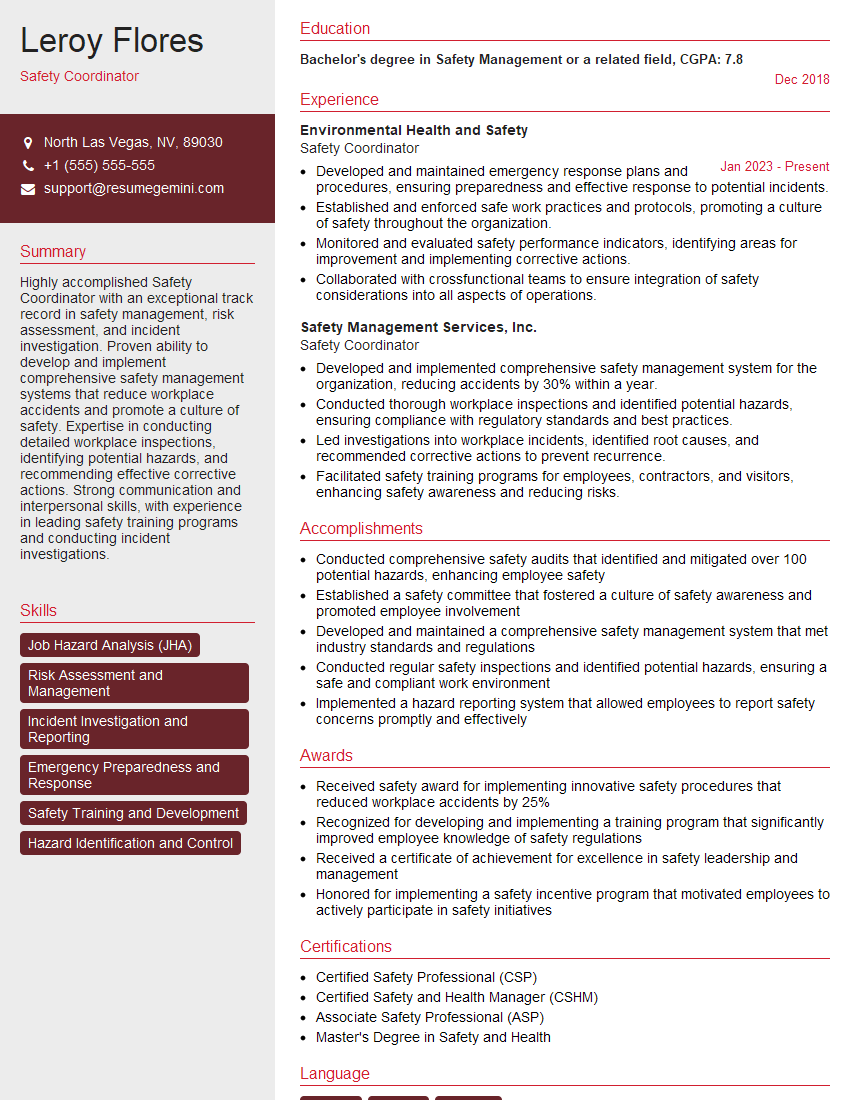
Safety Coordinator Resume Sample

Compliance Officer Resume Sample
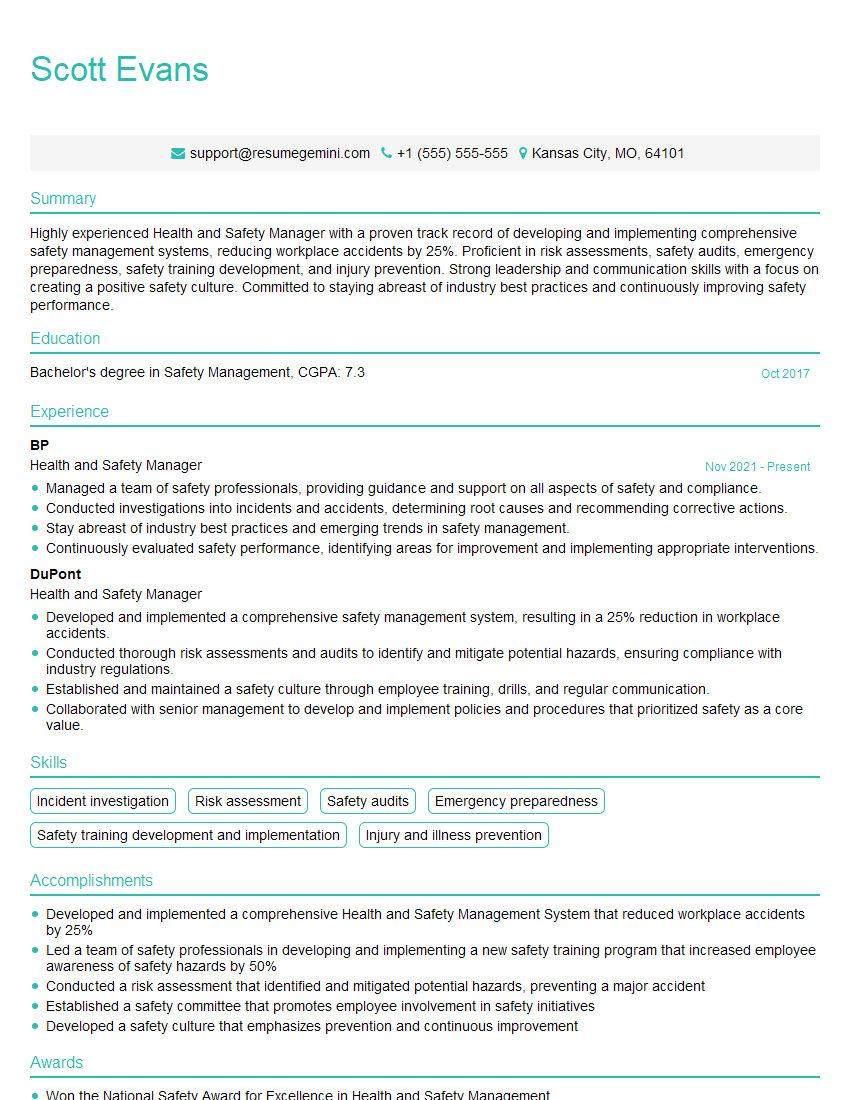
Health and Safety Manager Resume Sample
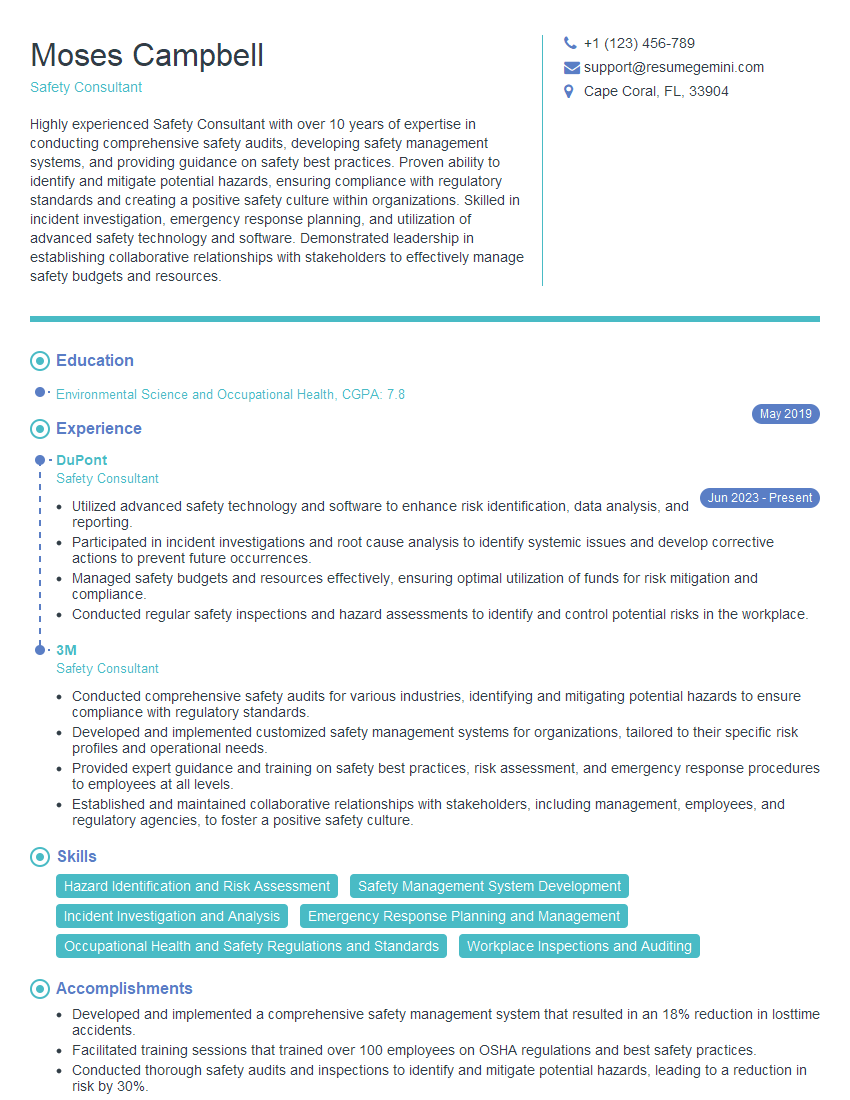
Safety Consultant Resume Sample
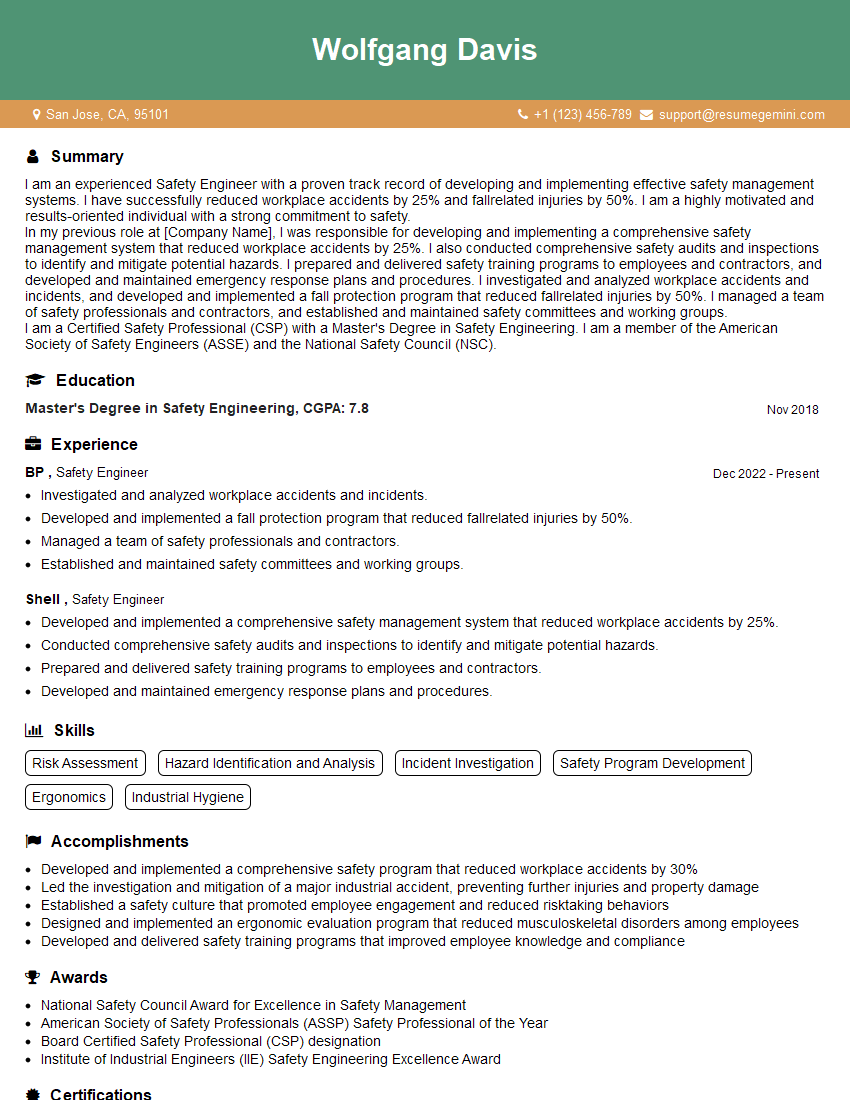
Safety Engineer Resume Sample
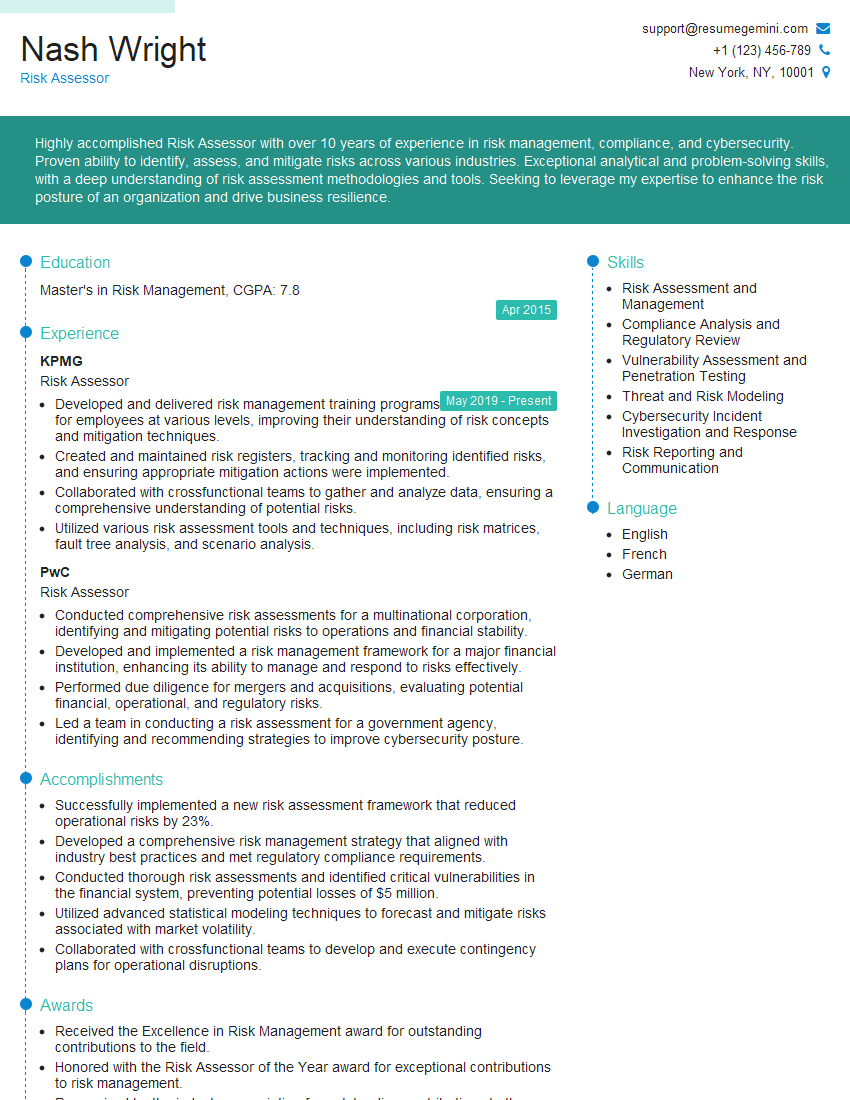
Risk Assessor Resume Sample

Safety Officer Resume Sample
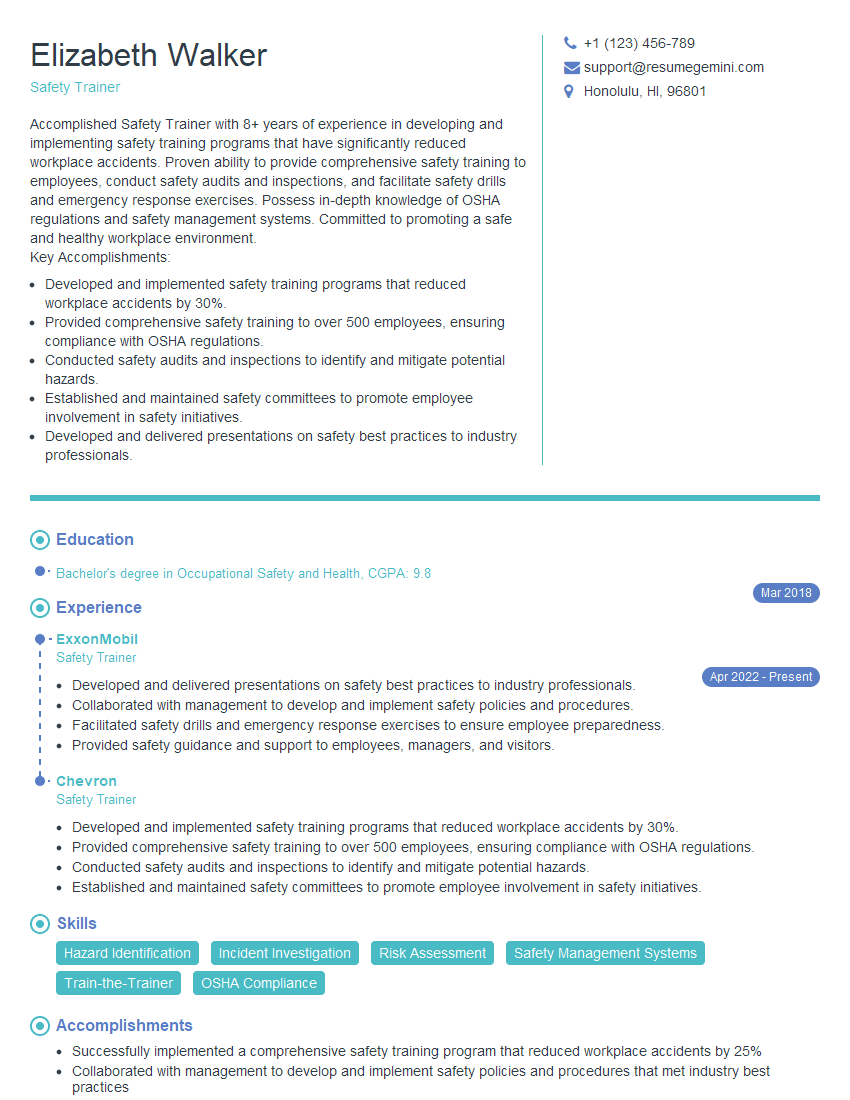
Safety Trainer Resume Sample
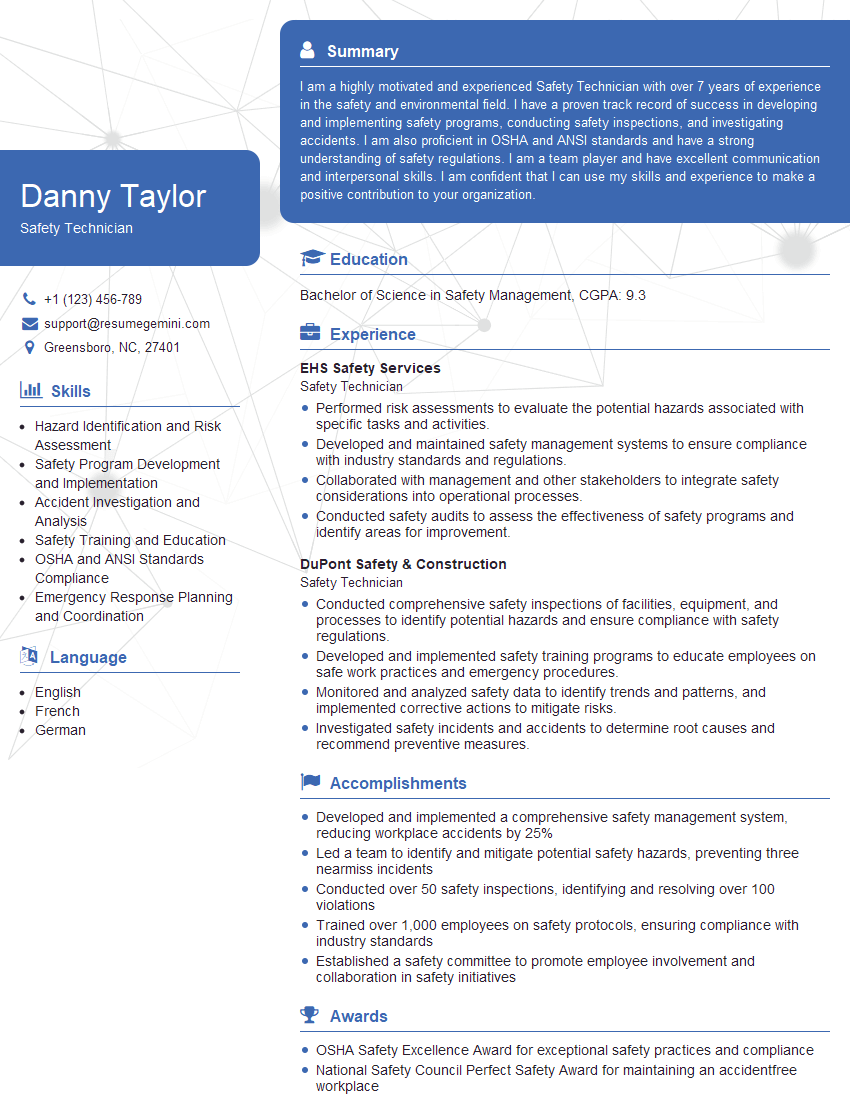
Safety Technician Resume Sample
Explore more articles
Users Rating of Our Blogs
Share Your Experience
We value your feedback! Please rate our content and share your thoughts (optional).
What Readers Say About Our Blog
Really detailed insights and content, thank you for writing this detailed article.
IT gave me an insight and words to use and be able to think of examples