Preparation is the key to success in any interview. In this post, we’ll explore crucial Forklift and Pallet Jack Operation interview questions and equip you with strategies to craft impactful answers. Whether you’re a beginner or a pro, these tips will elevate your preparation.
Questions Asked in Forklift and Pallet Jack Operation Interview
Q 1. What are the different types of forklifts?
Forklifts come in a variety of types, each designed for specific tasks and environments. The most common classifications are based on their power source and lifting mechanism.
- Counterbalance Forklifts: These are the most common type, using a counterweight at the rear to balance the load on the forks. They’re highly versatile and suitable for various applications.
- Reach Trucks: Designed for narrow aisle operations, reach trucks extend their forks to pick up and place pallets in tight spaces. Think of them as the space-saving experts of the forklift world.
- Sit-Down Rider Forklifts: The operator sits while operating the forklift. These offer better comfort and control for longer shifts.
- Stand-Up Rider Forklifts: As the name suggests, the operator stands while driving. These are often preferred for shorter tasks or when maneuverability in confined spaces is crucial.
- Electric Forklifts: Powered by batteries, these are quieter, cleaner, and ideal for indoor use. They are particularly useful in environments where emissions are a concern.
- Internal Combustion Engine (ICE) Forklifts: These use gasoline, propane, or diesel fuel. They offer greater power and longer run times than electric forklifts but produce emissions.
- Specialized Forklifts: This category includes forklifts adapted for specific needs, such as side loaders (for loading long items), order pickers (for high-level picking), and rough terrain forklifts (for outdoor or uneven surfaces).
Choosing the right forklift depends heavily on the application; a narrow-aisle warehouse would need a reach truck, while outdoor construction might necessitate a rough-terrain forklift.
Q 2. Explain the pre-operational checklist for a forklift.
A thorough pre-operational checklist is crucial for safe forklift operation. Think of it as a pre-flight check for an airplane – vital for preventing accidents.
- Visual Inspection: Check for any damage to the forklift, including tires, forks, lights, and mast. Look for leaks or unusual wear and tear.
- Fluid Levels: Verify the levels of engine oil, hydraulic fluid, coolant, and fuel (if applicable). Low levels indicate potential problems.
- Tires: Inspect tire pressure and condition. Proper inflation is key for stability and safety.
- Lights and Signals: Ensure all lights (headlights, brake lights, turn signals) are functioning correctly.
- Horn: Test the horn to ensure it’s working properly. It’s essential for warning pedestrians.
- Brakes: Test the brakes to ensure they respond effectively. This is a non-negotiable safety check.
- Steering: Check for smooth and responsive steering. Any stiffness or unusual play can compromise control.
- Safety Features: Verify that safety features such as seatbelts, backup alarms, and the parking brake are in good working order.
Documenting each check with a signature is a best practice. Remember, a few minutes spent on this checklist can prevent serious accidents.
Q 3. Describe the proper procedure for loading and unloading pallets.
Loading and unloading pallets safely requires a systematic approach. Remember, speed is the enemy of safety.
- Approach the Pallet: Position the forklift facing the pallet squarely and at a safe distance. Avoid sudden movements.
- Engage Forks: Carefully insert the forks under the pallet, ensuring they’re evenly distributed. Never lift a pallet with the forks only partially inserted.
- Lift the Pallet: Raise the pallet slowly and smoothly. Ensure the load is stable before moving.
- Transport the Pallet: Drive slowly and cautiously, avoiding sudden turns or braking. Be aware of your surroundings and other traffic.
- Unload the Pallet: Lower the pallet slowly and carefully to the designated location. Ensure the pallet is stable before removing the forks.
- Retract Forks: Once the pallet is securely positioned, retract the forks fully.
Consider the weight of the pallet and the forklift’s capacity. Overloading is extremely dangerous. Always use appropriate safety equipment, and never allow passengers on the forklift.
Q 4. How do you ensure the safety of pedestrians in a warehouse environment?
Pedestrian safety is paramount in warehouse environments. A proactive approach involves a multi-pronged strategy.
- Designated Pedestrian Areas: Clearly mark pedestrian walkways and keep them separate from forklift traffic using signage, barriers, or floor markings.
- Speed Limits and Traffic Rules: Implement and enforce speed limits for forklifts and establish clear traffic rules, prioritizing pedestrian safety.
- Awareness Training: Train both forklift operators and pedestrians on safe practices, emphasizing mutual responsibility and awareness of their surroundings.
- Safety Equipment: Provide high-visibility vests to pedestrians and ensure forklift operators are using their seat belts and other safety equipment.
- Communication: Encourage clear and consistent communication between forklift operators and pedestrians through visual signals and verbal warnings.
- Mirrors and Cameras: Use mirrors and backup cameras on forklifts to enhance the operator’s visibility and awareness of pedestrians.
Regular safety meetings and audits are essential to reinforce these practices and address any emerging safety concerns.
Q 5. What are the weight limits for your forklift certification?
My forklift certification specifies a maximum weight limit of 5,000 lbs (2,268 kg). This is the maximum weight I am authorized to lift and transport with my certified forklift. Operating beyond this limit jeopardizes safety and violates my certification.
It’s important to note that weight limits vary significantly depending on the type of forklift and the specific certification. Always check the weight capacity plate on the forklift itself before operating, as this is the definitive limit for that particular machine.
Q 6. How do you handle a forklift malfunction?
If a forklift malfunctions, immediate action is crucial to prevent accidents.
- Stop Immediately: Bring the forklift to a complete stop in a safe location, away from traffic and pedestrian areas.
- Assess the Situation: Identify the nature of the malfunction. Is it a mechanical issue, a hydraulic problem, or an electrical fault?
- Turn Off the Ignition: Turn off the forklift’s ignition switch and engage the parking brake.
- Warn Others: Alert other warehouse personnel to the malfunction and the area’s restricted use. Use warning cones or other visual barriers if necessary.
- Do Not Attempt Repairs: Unless you are specifically trained to perform forklift repairs, do not attempt to fix the issue yourself. Contact a qualified mechanic or maintenance personnel immediately.
- Report the Malfunction: Document the malfunction and report it to your supervisor, providing details about the incident and the circumstances.
Never operate a forklift that has a known malfunction. Ignoring a problem can lead to serious accidents and injuries. Safety should always be the top priority.
Q 7. What are the different types of pallet jacks?
Pallet jacks, also known as pump trucks, come in various types to suit different needs.
- Manual Pallet Jacks: These are the most basic type, operated by hand using a lever to raise and lower the forks. They’re cost-effective but require physical effort.
- Electric Pallet Jacks: These are powered by batteries, providing ease of use and reduced physical strain. They are particularly helpful for frequent lifting and movement of heavy loads.
- High-Lift Pallet Jacks: These can lift pallets to higher levels than standard pallet jacks, often up to 70 inches, facilitating loading and unloading onto higher platforms.
- Stacker Pallet Jacks: Combining the functionality of a pallet jack and a small forklift, these can lift and stack pallets vertically. They’re efficient in narrow aisles.
- Walkie Pallet Jacks: A type of electric pallet jack where the operator walks behind the unit. These offer more control and precision compared to rider jacks.
- Rider Pallet Jacks: This type allows the operator to sit and control the machine. These are helpful for moving heavy loads over longer distances.
The choice of pallet jack depends on the application’s specific requirements, including weight capacity, lift height, and the operator’s physical capabilities.
Q 8. What are the safety precautions when operating a pallet jack?
Operating a pallet jack safely requires a multifaceted approach focusing on both the machine and the operator. Think of it like driving a car – you wouldn’t drive without checking your mirrors and seatbelt, right?
- Pre-operation Inspection: Always check the jack’s hydraulics, wheels, and handles for any damage before use. A damaged wheel, for instance, could lead to instability and accidents.
- Proper Lifting Technique: Ensure the pallet is stable and the load is evenly distributed before lifting. Avoid overloading the jack, which can cause it to tip over. Imagine trying to lift a stack of bricks that’s too tall – it’s going to be unstable.
- Clear Path: Always maintain a clear path, free from obstacles and people. This is critical for safe maneuvering. Think of it as creating a clear ‘lane’ for yourself.
- Foot Placement: Keep your feet away from the moving parts of the jack and maintain a balanced stance to avoid injury. Never get your foot caught under the jack.
- Load Control: Maneuver slowly and smoothly, especially in tight spaces or with heavy loads. Sudden movements can cause the load to shift or the jack to tip.
- Awareness of Surroundings: Be constantly aware of your surroundings, including other workers, equipment, and obstacles. Always be alert and predictable in your movements.
- Personal Protective Equipment (PPE): Wear appropriate safety footwear to protect your feet from potential drops or impacts.
Q 9. How do you properly inspect a pallet jack before use?
Inspecting a pallet jack before use is crucial for preventing accidents and ensuring efficient operation. Think of it as a pre-flight check for an airplane – essential for safety.
- Hydraulic System: Check for leaks in the hydraulic system. A leak indicates a potential failure, compromising the jack’s lifting capacity.
- Wheels and Casters: Inspect the wheels and casters for damage, wear, or proper inflation (if applicable). Worn wheels can lead to instability and difficulties maneuvering.
- Handle and Controls: Ensure the handle is securely attached and operates smoothly. A loose handle compromises control.
- Fork Alignment: Verify that the forks are straight and properly aligned. Misaligned forks can lead to the pallet tilting and falling.
- Overall Condition: Check the jack’s overall condition for any signs of damage, such as cracks or bends in the frame. This is especially important after impacting an obstacle.
- Safety Features: Examine any safety features, such as load indicators or brakes, to ensure they are functioning correctly.
If any issues are found, do not use the pallet jack until they are repaired by a qualified technician.
Q 10. Describe the correct technique for maneuvering a pallet jack in tight spaces.
Maneuvering a pallet jack in tight spaces demands precision and control. Think of it like parallel parking – it takes practice and careful planning.
- Small Movements: Use small, incremental movements of the handle to control the jack’s direction and speed. Avoid jerky movements.
- Strategic Positioning: Position yourself and the jack strategically to maximize available space. Planning your path is key.
- Back and Forth Maneuvers: In very tight spaces, a series of back-and-forth movements may be necessary to navigate the area successfully.
- Observation and Adjustment: Constantly observe your surroundings and adjust your approach as needed. Flexibility is key.
- Avoid Force: Avoid forcing the pallet jack into tight spaces. Excessive force can damage the equipment or cause accidents.
Remember that patience and careful control are essential when maneuvering in confined areas. It’s better to take your time and move slowly than to rush and risk an accident.
Q 11. What are the common causes of forklift accidents?
Forklift accidents, unfortunately, are common occurrences, often stemming from a combination of factors. They can range from minor incidents to serious injuries or fatalities. Understanding the causes is the first step towards prevention.
- Operator Error: This is the leading cause, including speeding, improper load handling, inadequate training, and failing to follow safety procedures. Think of it as human error in any field.
- Mechanical Failure: Equipment malfunctions, such as brake failure or hydraulic leaks, can contribute significantly. Regular maintenance is essential.
- Poor Workplace Conditions: Cluttered aisles, inadequate lighting, and uneven surfaces can all increase the risk of accidents. A clean and well-maintained workspace is crucial.
- Lack of Training: Insufficient or inadequate operator training is a major factor, resulting in unsafe practices and increased risk.
- Improper Load Handling: Overloading, unstable loads, or improper load securing are common culprits. Understanding weight limits and proper securing is vital.
Q 12. How do you prevent forklift accidents?
Preventing forklift accidents requires a comprehensive approach that combines training, maintenance, and a strong safety culture. It’s a holistic effort, not just the responsibility of the operator.
- Comprehensive Training: Thorough training programs are crucial, covering safe operating procedures, pre-operation checks, load handling techniques, and emergency procedures. Think of it as driver’s ed for forklifts.
- Regular Maintenance: Regular maintenance checks and repairs help prevent equipment failures that could lead to accidents. This includes scheduled inspections and timely repairs.
- Safe Workplace Practices: Maintaining clean and well-lit workspaces, organizing traffic flow, and clearly marking designated areas for forklifts are essential safety measures.
- Enforcement of Safety Rules: Strict enforcement of safety rules and regulations ensures that operators adhere to safe practices. Consistency is key.
- Pre-shift Inspections: Operators should always conduct pre-shift inspections of their assigned equipment before starting work. This should be a non-negotiable part of the routine.
- Emergency Procedures: Clear emergency procedures and training should be in place to handle unexpected situations effectively. Knowing what to do in an emergency is paramount.
Q 13. Explain the importance of load stability.
Load stability is paramount in forklift and pallet jack operation. It directly impacts safety and efficiency. Imagine trying to carry a stack of books that’s leaning – it’s unstable and likely to fall.
An unstable load can lead to tipping, dropping, shifting, and damage to the equipment, goods, and surrounding environment, as well as potential injuries to operators and bystanders. Proper load distribution and securing techniques are vital to prevent this.
Factors affecting load stability include:
- Load Center of Gravity: The higher the center of gravity, the less stable the load becomes. Distribute weight evenly.
- Load Securing: Proper use of straps, chains, or other securing devices is crucial to prevent shifting during transit.
- Load Weight: Never exceed the rated capacity of the forklift or pallet jack.
- Load Size and Shape: Ensure that the load is properly sized and shaped for the equipment being used.
Maintaining load stability reduces the risk of accidents and ensures safe and efficient material handling.
Q 14. How do you handle uneven surfaces when operating a forklift?
Uneven surfaces pose significant challenges to forklift operation. Think of navigating a bumpy road in a car – you’d adjust your speed and driving style.
- Reduce Speed: Always significantly reduce speed when operating on uneven surfaces. Slow and steady wins the race (and prevents accidents).
- Smooth Movements: Avoid sudden movements or jerky turns, as these can easily cause instability and tip-overs.
- Assess the Surface: Before proceeding, carefully assess the surface to identify potential hazards such as potholes, debris, or significant inclines. Planning your path is critical.
- Proper Load Distribution: Ensure that the load is evenly distributed to prevent shifting or tipping on uneven ground.
- Support and Stability: If the surface is extremely uneven, consider using additional support or bracing to enhance stability.
- Alternative Routes: If the uneven surface presents an unacceptable risk, seek alternative routes or methods of material handling. Safety should always come first.
Remember, operating a forklift on uneven surfaces requires extra caution and skill. If you are unsure about a situation, always consult a supervisor or safety officer.
Q 15. What is the proper procedure for refueling a forklift?
Refueling a forklift is a crucial safety procedure that demands strict adherence to protocols. It’s not just about filling the tank; it’s about preventing fires and explosions. Before you even approach the forklift, ensure the engine is completely off and has cooled down. This is critical because hot engines can ignite fuel vapors. Next, locate the designated refueling area – it should be well-ventilated, away from ignition sources like sparks or open flames. Use the appropriate nozzle for your forklift’s fuel type (propane, gasoline, diesel), and avoid overfilling the tank. Leaving some space at the top prevents expansion and potential spills. Finally, once refueling is complete, inspect the area for any spills, wipe them up immediately, and ensure the fuel cap is securely tightened before starting the engine. Think of it like this: refueling a forklift is like handling highly flammable materials. Carelessness can have disastrous consequences.
- Step 1: Engine OFF and cooled down.
- Step 2: Well-ventilated refueling area.
- Step 3: Correct fuel nozzle.
- Step 4: Avoid overfilling.
- Step 5: Secure the fuel cap.
Career Expert Tips:
- Ace those interviews! Prepare effectively by reviewing the Top 50 Most Common Interview Questions on ResumeGemini.
- Navigate your job search with confidence! Explore a wide range of Career Tips on ResumeGemini. Learn about common challenges and recommendations to overcome them.
- Craft the perfect resume! Master the Art of Resume Writing with ResumeGemini’s guide. Showcase your unique qualifications and achievements effectively.
- Don’t miss out on holiday savings! Build your dream resume with ResumeGemini’s ATS optimized templates.
Q 16. Describe your experience with different types of warehouse racking systems.
My experience encompasses a wide range of warehouse racking systems, each with its own strengths and weaknesses. I’ve worked extensively with selective pallet racking, which is the most common type – think of it as the standard shelving unit for pallets. I understand its limitations, like its inability to maximize vertical space efficiently. I’ve also worked with drive-in/drive-through racking, ideal for storing large quantities of the same product, but less efficient for diverse inventory. Push-back racking was another system I utilized; its space-saving efficiency is impressive but requires careful consideration of product rotation and load capacity. Finally, I’m familiar with cantilever racking, especially suitable for long or bulky items that wouldn’t fit on standard pallets. The key to successful warehouse operation is matching the racking system to the specific needs of the inventory and operational flow. Choosing the wrong system can lead to wasted space and operational inefficiencies.
Q 17. How do you identify and report damaged pallets?
Identifying and reporting damaged pallets is essential for maintaining safety and efficiency in the warehouse. I visually inspect each pallet upon receiving or before using it. I look for broken boards, splintering, loose nails that could pose a hazard, and general structural instability. Any signs of significant damage, like cracks or broken supports, are immediate red flags. Similarly, I check for any contamination; a pallet contaminated with a hazardous substance would need to be quarantined and appropriately disposed of. Reporting damaged pallets usually involves documenting the damage (taking photos if necessary) and using a company-specific reporting system; this might be a simple logbook or a sophisticated inventory management software. Ignoring a damaged pallet could lead to accidents like pallet collapse or product damage.
Q 18. How do you maintain a safe working distance from other equipment and personnel?
Maintaining a safe working distance is paramount in a busy warehouse environment. My approach is based on a combination of awareness, anticipation, and adherence to safety regulations. I always maintain a safe distance – generally at least 6 feet – from other equipment and personnel. I use mirrors and cameras (where available) to improve visibility, especially in blind spots. When operating a forklift, I proceed cautiously, especially around corners or in crowded areas. Before moving, I always sound the horn to alert others of my presence. Think of it like driving a car – safe distances, signals, and awareness prevent accidents. Clear communication is also key; I always make sure to alert co-workers of my intended maneuvers, especially in situations involving close proximity.
Q 19. What is your experience with different types of inventory management systems?
My experience encompasses several inventory management systems, from simple spreadsheet-based tracking to sophisticated WMS (Warehouse Management Systems). I’ve used first-in, first-out (FIFO) and last-in, first-out (LIFO) inventory methods, understanding their implications for product expiration and overall efficiency. Working with spreadsheet systems provided a basic understanding of stock levels and order fulfillment, while more advanced WMS allowed for real-time tracking, improved inventory accuracy, and integration with other warehouse operations. Each system offers distinct advantages and challenges, the choice depending on the scale and complexity of the warehouse operations. For example, a small warehouse might manage with a basic spreadsheet system, while a large distribution center relies on a robust WMS for optimal efficiency.
Q 20. Describe your experience with RF scanners and warehouse management systems (WMS).
RF scanners and Warehouse Management Systems (WMS) are integral to modern warehouse operations. I’m proficient in using RF scanners for receiving, putaway, and picking tasks. This involves accurately scanning barcodes or RFID tags on pallets and individual items to update the inventory in real-time within the WMS. The WMS then directs me on where to place or retrieve items, optimizing the workflow and minimizing travel time. I’m comfortable with various types of RF scanners and understand their limitations, such as battery life and range. My experience encompasses data entry and error correction within the WMS, ensuring accuracy and reliability of inventory data. The WMS and RF scanner work in tandem; the scanner provides the input, and the WMS processes and organizes the data.
Q 21. How do you prioritize tasks in a fast-paced warehouse environment?
Prioritizing tasks in a fast-paced warehouse environment requires a systematic approach. I use several strategies. First, I assess the urgency and importance of each task; understanding whether a task has a tight deadline or impacts other operations is crucial. I then organize tasks based on these priorities. I often use a combination of the urgency/importance matrix and a visual task management tool (like a whiteboard or digital kanban board). Tasks with immediate deadlines and significant impact are tackled first. Effective communication with supervisors and team members ensures that priorities are aligned and that unexpected tasks are handled efficiently. Flexibility is also key; the ability to adjust priorities based on changing circumstances is critical in a dynamic warehouse environment. Think of it as a juggling act; keeping multiple tasks in the air and re-prioritizing as needed ensures nothing drops.
Q 22. Explain your experience with different types of warehouse safety regulations.
Warehouse safety regulations are paramount for preventing accidents and ensuring a productive work environment. My experience encompasses a wide range, including those related to forklift operation, pedestrian safety, load handling, and general warehouse housekeeping. I’m familiar with regulations concerning designated walkways, speed limits for forklifts, proper load securing techniques, and the use of personal protective equipment (PPE), such as safety glasses, gloves, and high-visibility vests. I’ve worked in facilities adhering to both company-specific safety protocols and those mandated by governing bodies like OSHA (Occupational Safety and Health Administration). For example, in a previous role, we had a comprehensive safety training program that included regular refresher courses and safety audits, covering everything from emergency procedures to proper reporting of near misses.
- Designated pedestrian walkways: Maintaining clearly marked pathways for pedestrians, separating them from forklift traffic, reduces the risk of collisions.
- Load stability: Properly securing loads on pallets and using appropriate straps or netting is essential to prevent shifting and potential accidents.
- Pre-shift inspections: Thorough pre-shift checks of forklifts and pallet jacks for any mechanical defects are critical for safe operation.
Q 23. How familiar are you with OSHA regulations for forklift operation?
I am very familiar with OSHA regulations for forklift operation. My understanding extends beyond simply knowing the regulations; I understand their practical application in daily operations. I know the importance of operator certification, pre-operational inspections (including checks for fluid leaks, tire pressure, and horn functionality), and safe operating procedures, such as maintaining a safe speed, avoiding sharp turns, and always being aware of my surroundings. I’m also well-versed in the regulations concerning load capacity, load stability, and the proper use of seatbelts. For instance, I’ve personally trained new forklift operators on OSHA’s requirements, emphasizing the need for safe operating practices to prevent accidents.
Specifically, I am proficient in understanding and applying OSHA’s requirements regarding:
- Operator Training and Certification: I understand the need for formal training and certification to operate a forklift.
- Pre-operational Inspections: I conduct thorough inspections before each shift, documenting any issues found.
- Load Capacity: I never exceed a forklift’s rated load capacity.
- Safe Operating Procedures: I meticulously follow safe operating procedures, such as keeping clear of obstacles, yielding to pedestrians, and avoiding sharp turns at high speed.
Q 24. Describe your experience with preventative maintenance for forklifts and pallet jacks.
Preventative maintenance is key to ensuring the longevity and safe operation of forklifts and pallet jacks. My experience includes performing daily checks, such as inspecting tires, fluid levels, and the overall structural integrity of the equipment. I’m also proficient in more advanced maintenance tasks, including changing fluids, inspecting hydraulic systems, and checking battery levels (for electric models). I understand the importance of keeping detailed maintenance logs, which helps in tracking issues, scheduling repairs, and ensuring compliance with company regulations. For example, in my previous role, I was responsible for scheduling and executing regular maintenance on our fleet of 10 forklifts, resulting in minimal downtime and reduced repair costs.
Specific tasks include:
- Daily Inspections: Checking tire pressure, fluid levels, and overall condition.
- Regular Maintenance: Changing fluids, inspecting hydraulic systems, and battery checks (electric models).
- Record Keeping: Maintaining accurate and detailed maintenance logs.
- Reporting Issues: Promptly reporting any mechanical problems to the appropriate personnel.
Q 25. How would you handle a situation where a pallet is damaged or unstable?
If I encounter a damaged or unstable pallet, my first priority is safety. I would immediately secure the area to prevent access by other personnel. I would then carefully assess the damage, determining the extent of the instability and the potential hazards. If the damage is minor and the pallet can be safely stabilized (e.g., by using additional bracing or removing some of the load), I would do so. However, if the pallet is severely damaged or beyond repair, I would immediately report the issue to my supervisor and follow established procedures for disposing of or repairing the damaged pallet. I would never attempt to handle a severely damaged or unstable pallet without the proper equipment and supervision. This ensures the safety of myself and other workers. In the meantime, I would find an alternate, safe place to relocate the compromised materials until they could be handled by trained personnel with appropriate tools and equipment.
Q 26. How would you respond to an emergency situation involving a forklift?
In the event of a forklift emergency, my response would be swift and systematic. First, I would assess the situation to understand the nature of the emergency – whether it involves a collision, equipment malfunction, or injury. If someone is injured, my primary focus would be on their immediate safety. I would call for emergency medical services and follow our company’s emergency procedures, including providing first aid if qualified. If the emergency involves a malfunctioning forklift, I would immediately secure the area, shut off the forklift, and report the incident to my supervisor. If the situation involved a collision, I would secure the scene, gather information from witnesses, and report the accident using the official reporting channels to avoid any future occurrences.
My response would always prioritize safety and follow established emergency protocols.
Q 27. How do you ensure the accuracy of your work during order picking and loading?
Accuracy in order picking and loading is crucial for efficient warehouse operations. I use several methods to ensure accuracy in my work. Before starting any order, I carefully review the picking list and ensure I understand the items, quantities, and locations. I use barcode scanners to verify the items picked and double-check against the order list before placing the items on the pallet. I carefully organize the pallets, ensuring that items are stacked securely and in accordance with warehouse procedures to prevent damage or shifting during transport. Before loading any pallet onto a truck, I once again double-check the contents against the order list. This multi-step verification process minimizes errors and helps prevent costly mistakes. I also adhere to procedures that dictate proper storage locations and methods for load securing.
Q 28. Describe your experience working in a team environment within a warehouse setting.
I thrive in team environments. In a warehouse setting, teamwork is essential for efficiency and safety. I’ve worked collaboratively with other warehouse personnel, including receiving clerks, order pickers, and shipping staff, to ensure smooth workflows. I’m adept at communicating effectively to coordinate tasks, share information, and address any challenges that arise. For example, I’ve collaborated with other forklift operators to efficiently move large quantities of goods, ensuring safe and timely delivery. In instances where a particularly heavy or oddly shaped item needed to be moved, we would collaborate to devise a safe and efficient lifting method, always prioritizing safety and teamwork.
My communication skills are very good, and I actively participate in team discussions, always contributing positively to problem-solving.
Key Topics to Learn for Forklift and Pallet Jack Operation Interview
- Safety Procedures: Understanding and applying all relevant safety regulations, including pre-operation checks, load securing techniques, and emergency procedures. This includes recognizing and avoiding potential hazards.
- Equipment Operation: Mastering the practical operation of both forklifts and pallet jacks, including maneuvering in tight spaces, loading and unloading procedures, and safe stacking techniques. Consider different types of forklifts and their applications.
- Load Handling: Understanding weight limits, center of gravity principles, and proper load distribution to prevent accidents and damage. This includes assessing load stability and choosing appropriate handling methods.
- Maintenance and Inspection: Knowing basic maintenance procedures, identifying potential mechanical issues, and performing pre- and post-operation inspections. This demonstrates responsibility and proactive safety measures.
- Warehouse Management Systems (WMS): Familiarity with common WMS software and their integration with forklift and pallet jack operations. Understanding how to effectively utilize technology to improve efficiency.
- Problem-Solving: Demonstrating the ability to identify and resolve common operational challenges, such as jammed pallets, equipment malfunctions, or navigating difficult warehouse layouts. Think through scenarios and explain your approach.
- Communication & Teamwork: Highlighting your ability to communicate effectively with colleagues and supervisors, follow instructions accurately, and work collaboratively within a team environment. This is crucial in a warehouse setting.
Next Steps
Mastering forklift and pallet jack operation opens doors to a wide range of rewarding career opportunities in logistics, warehousing, and manufacturing, offering excellent potential for growth and advancement. A well-crafted resume is your key to unlocking these opportunities. Building an ATS-friendly resume is essential to ensure your application gets noticed by potential employers. ResumeGemini is a trusted resource to help you create a professional and impactful resume that highlights your skills and experience effectively. Examples of resumes tailored specifically to forklift and pallet jack operation are available to help you get started. Take the next step and invest in building a resume that reflects your capabilities and helps you land your dream job.

Supply Chain Manager Resume Sample

Logistics Manager Resume Sample
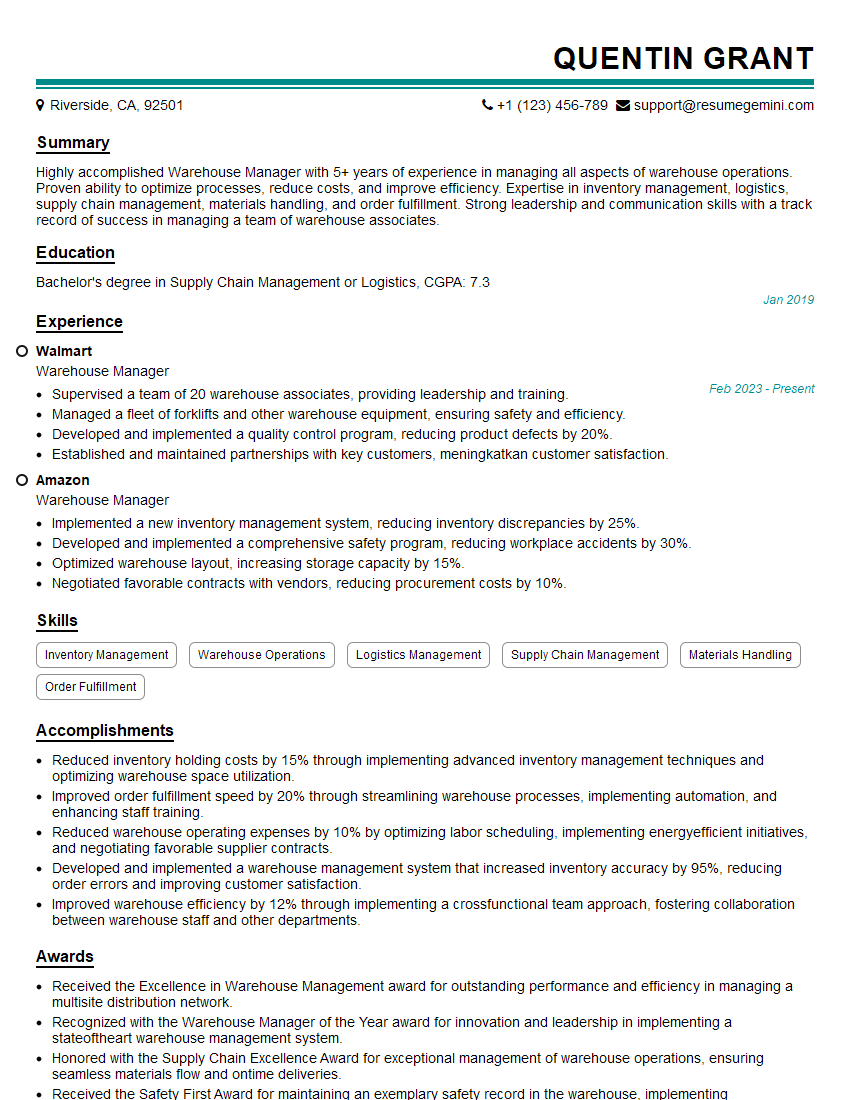
Warehouse Manager Resume Sample
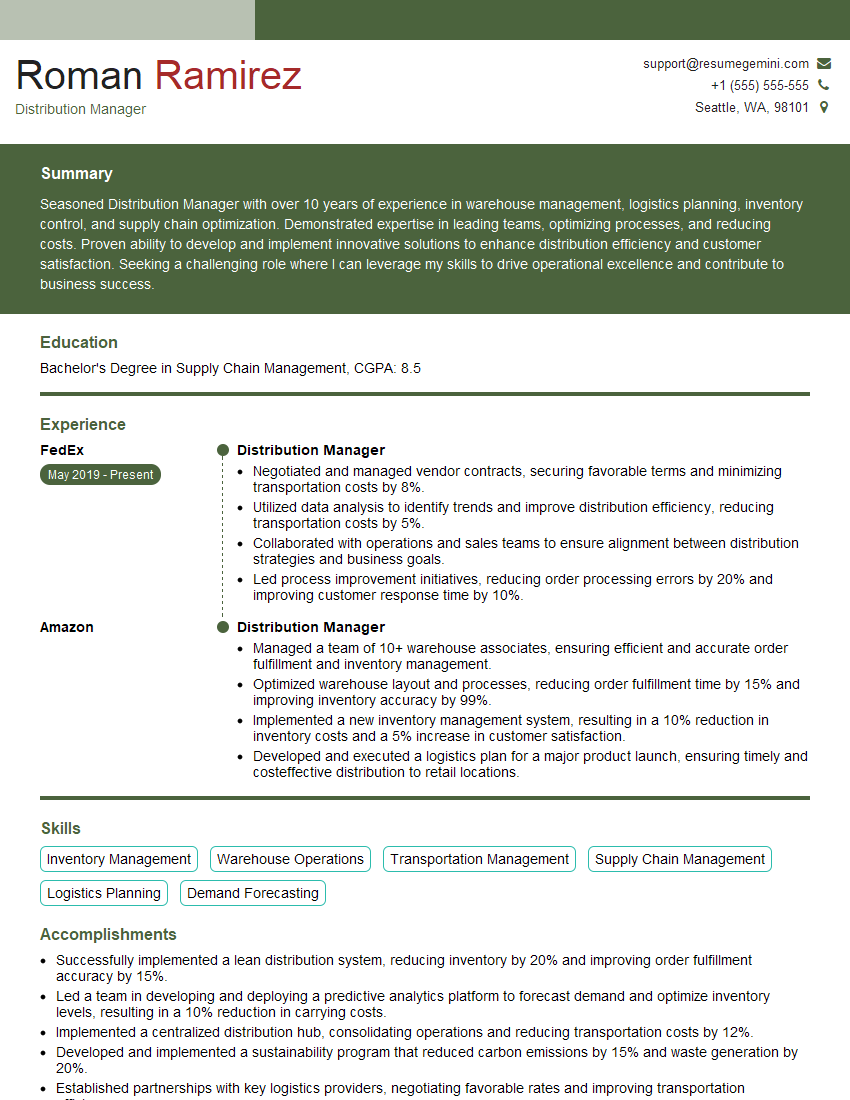
Distribution Manager Resume Sample
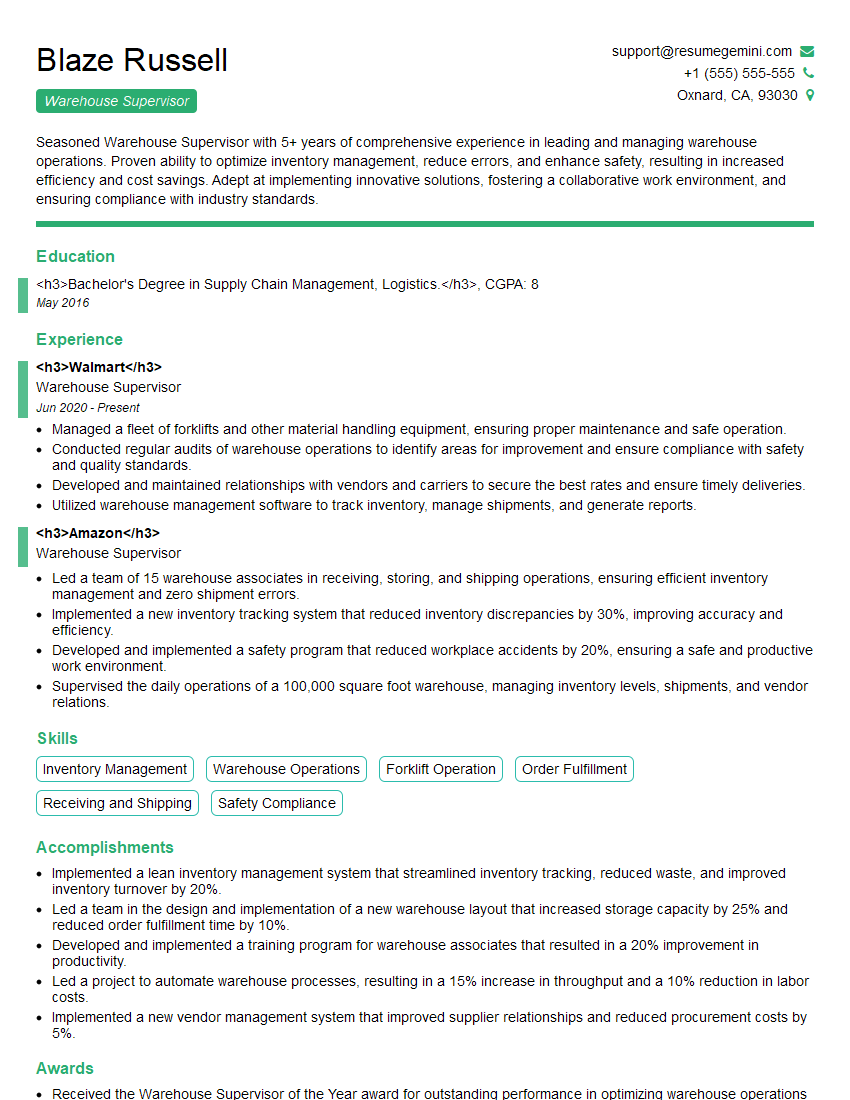
Warehouse Supervisor Resume Sample
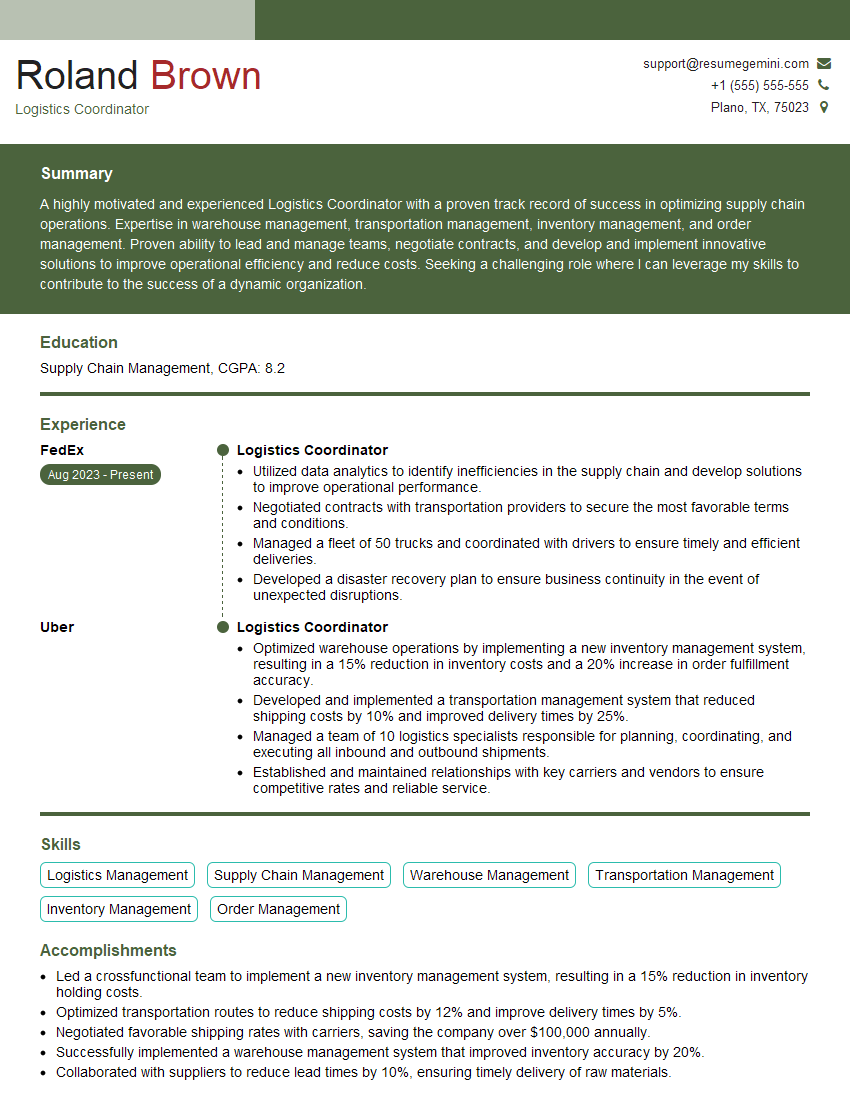
Logistics Coordinator Resume Sample
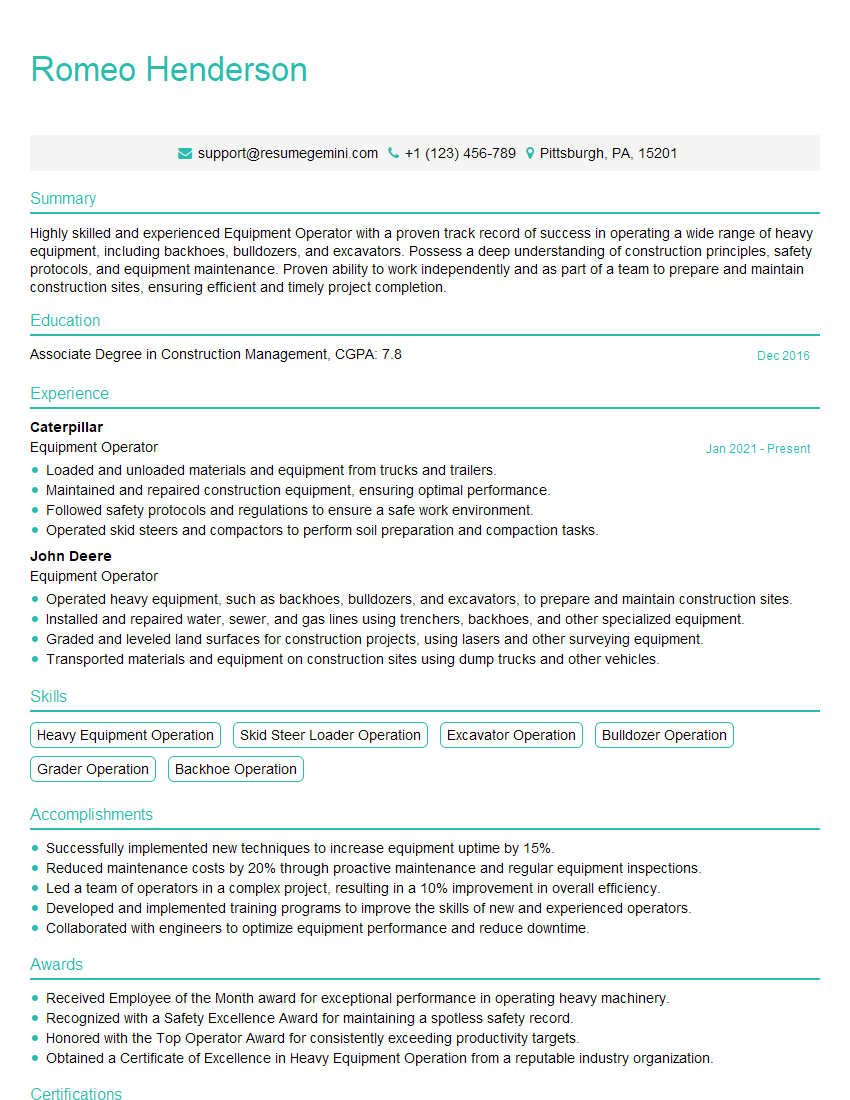
Equipment Operator Resume Sample
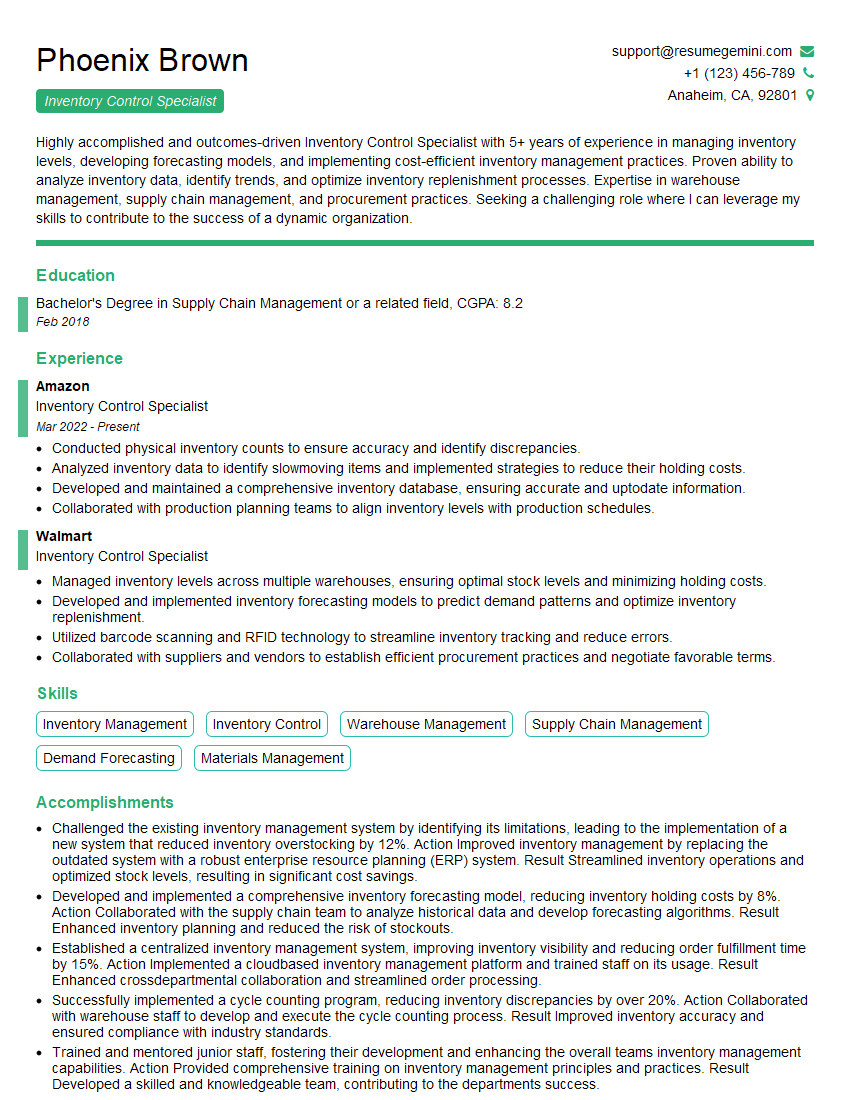
Inventory Control Specialist Resume Sample
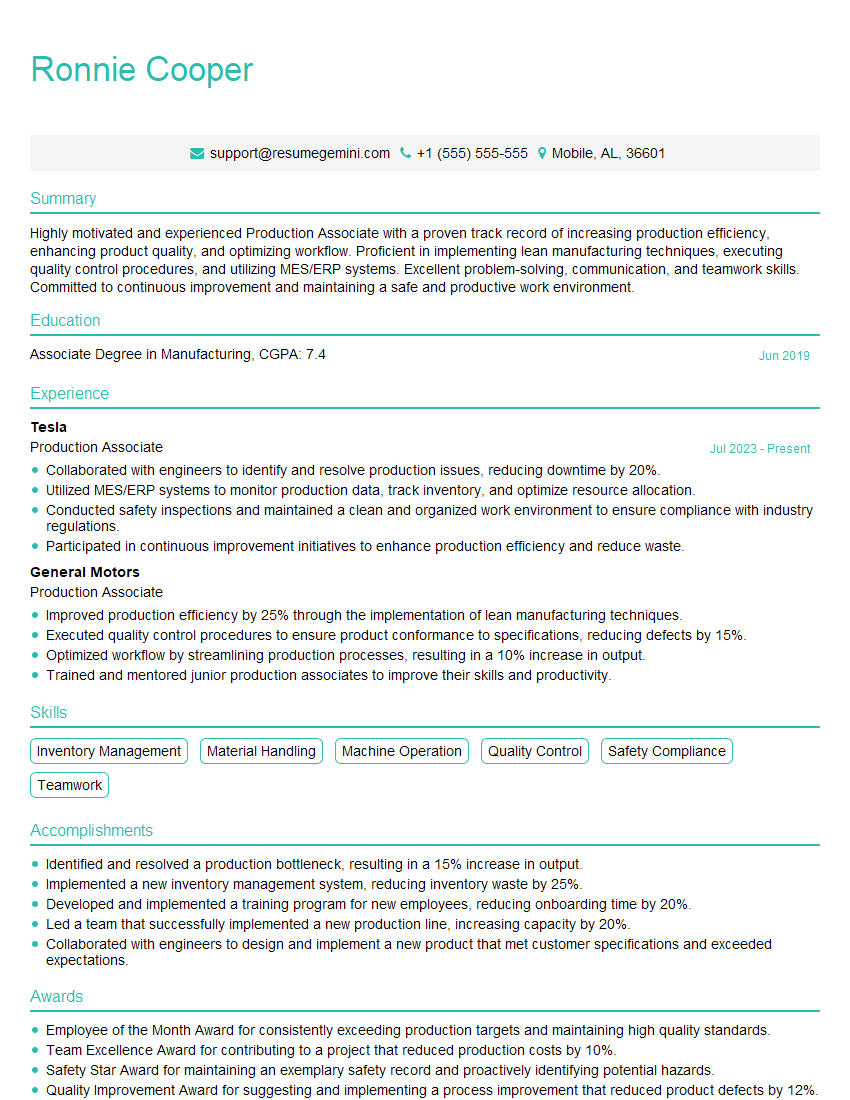
Production Associate Resume Sample

Order Fulfillment Specialist Resume Sample

Shipping and Receiving Clerk Resume Sample
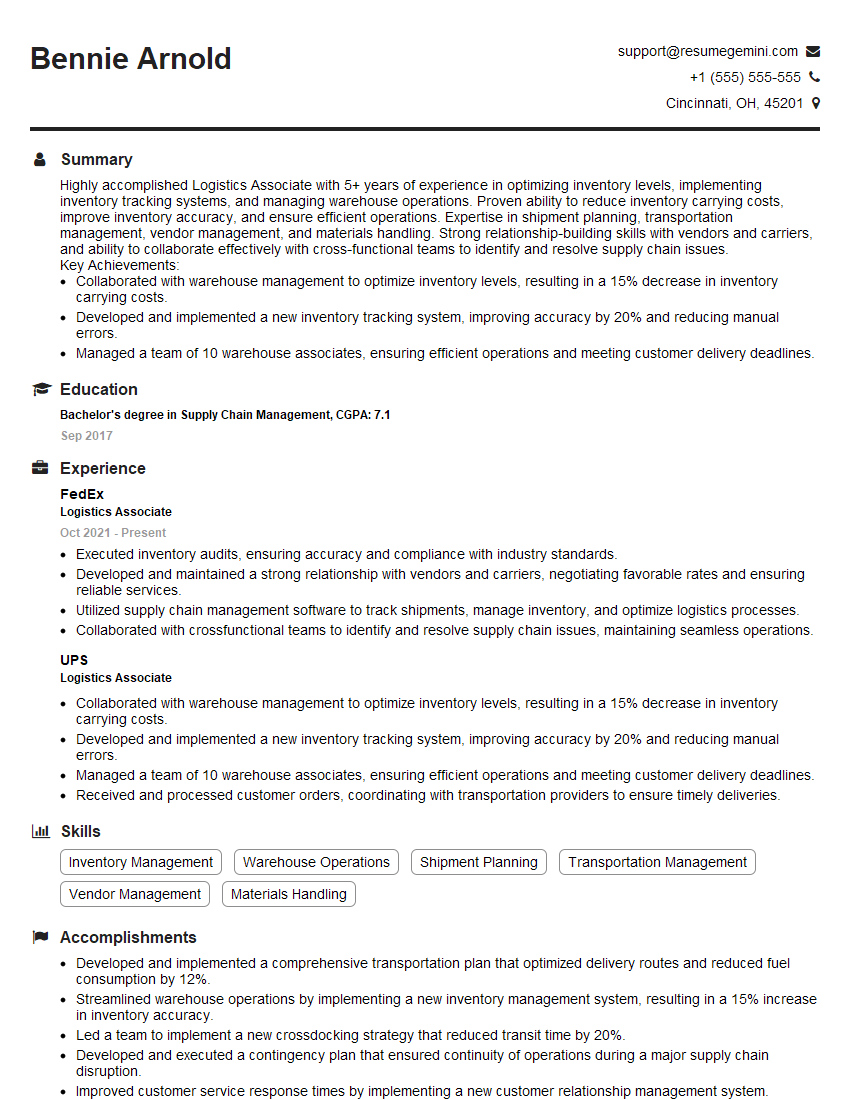
Logistics Associate Resume Sample
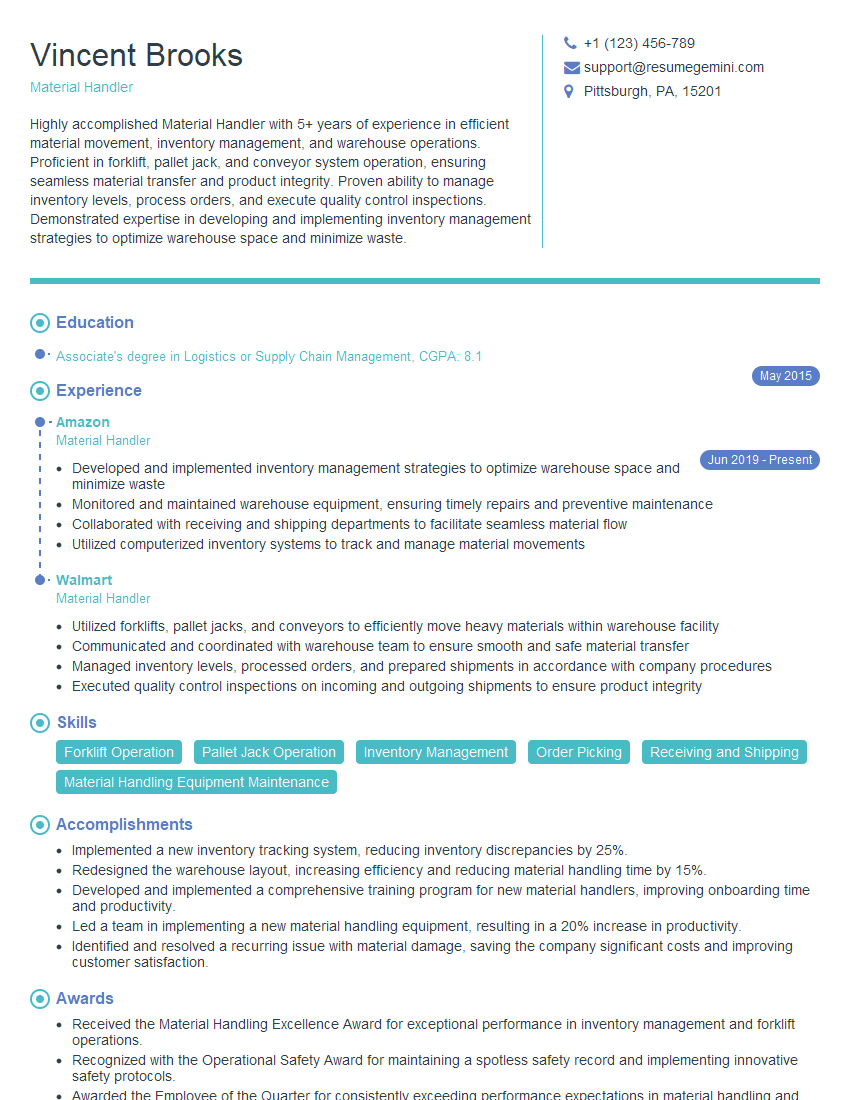
Material Handler Resume Sample
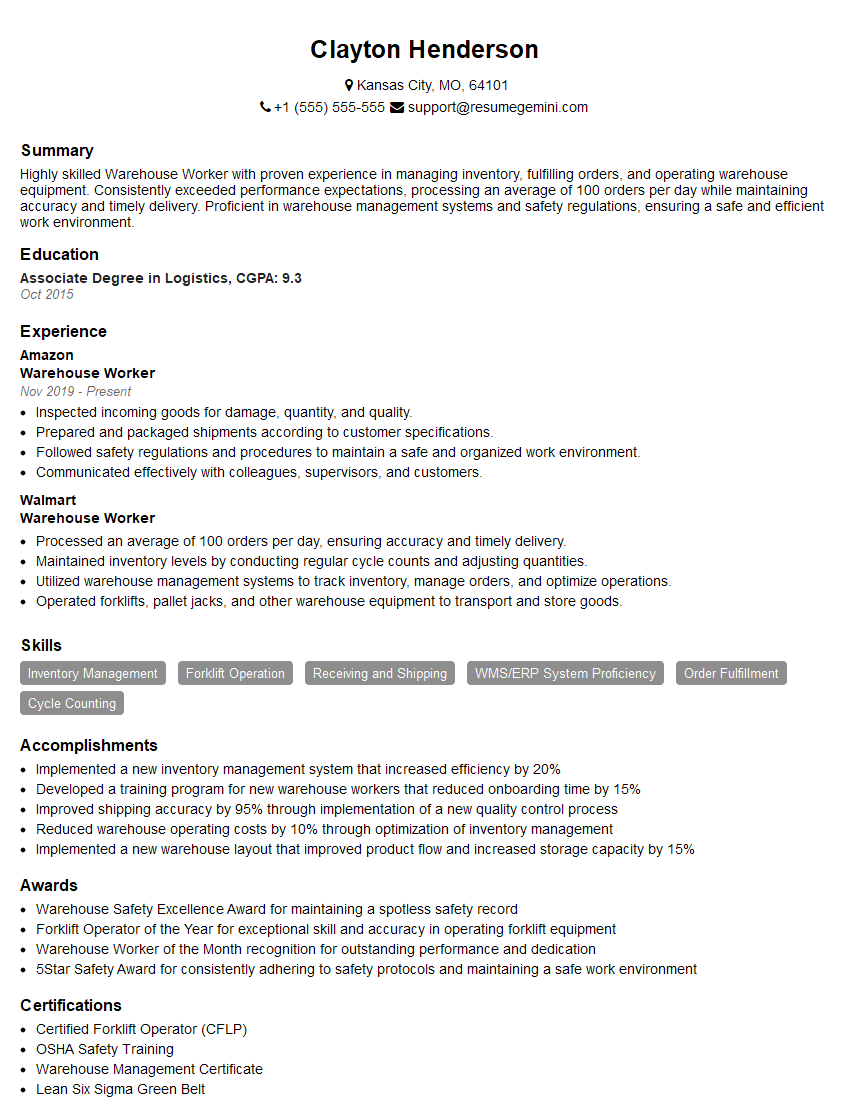
Warehouse Worker Resume Sample
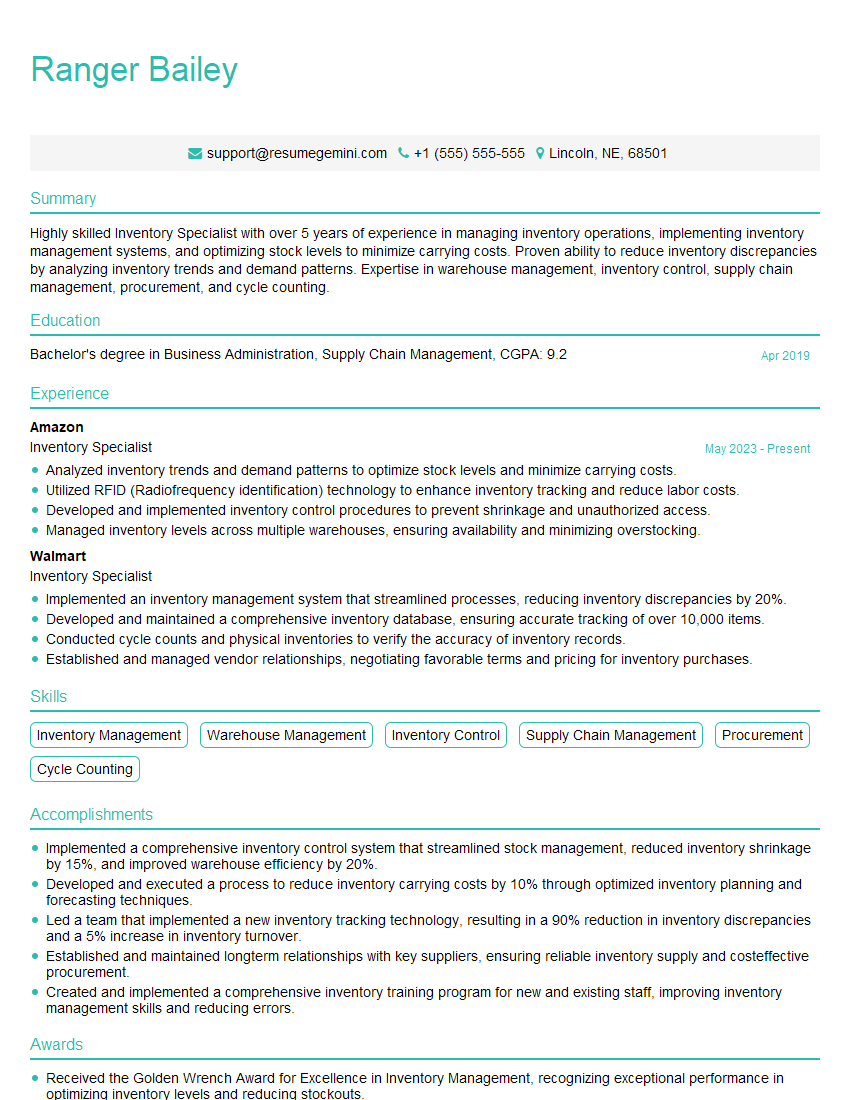
Inventory Specialist Resume Sample
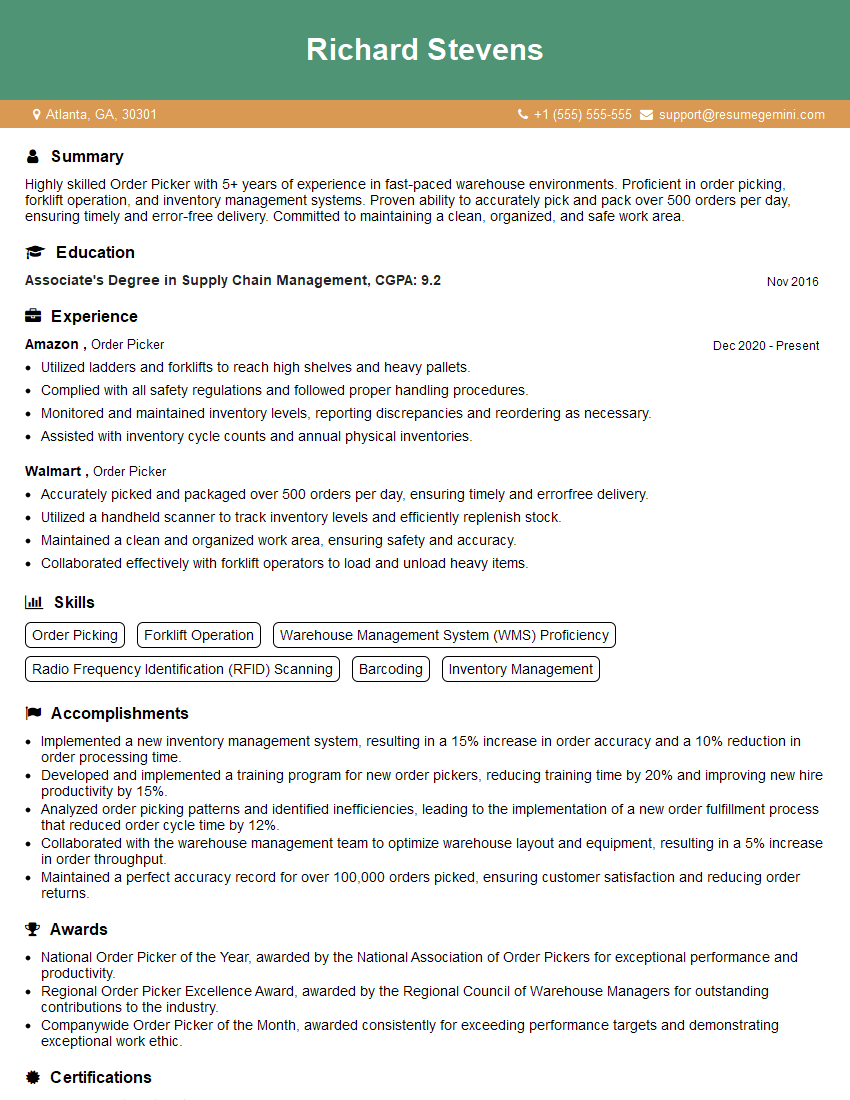
Order Picker Resume Sample
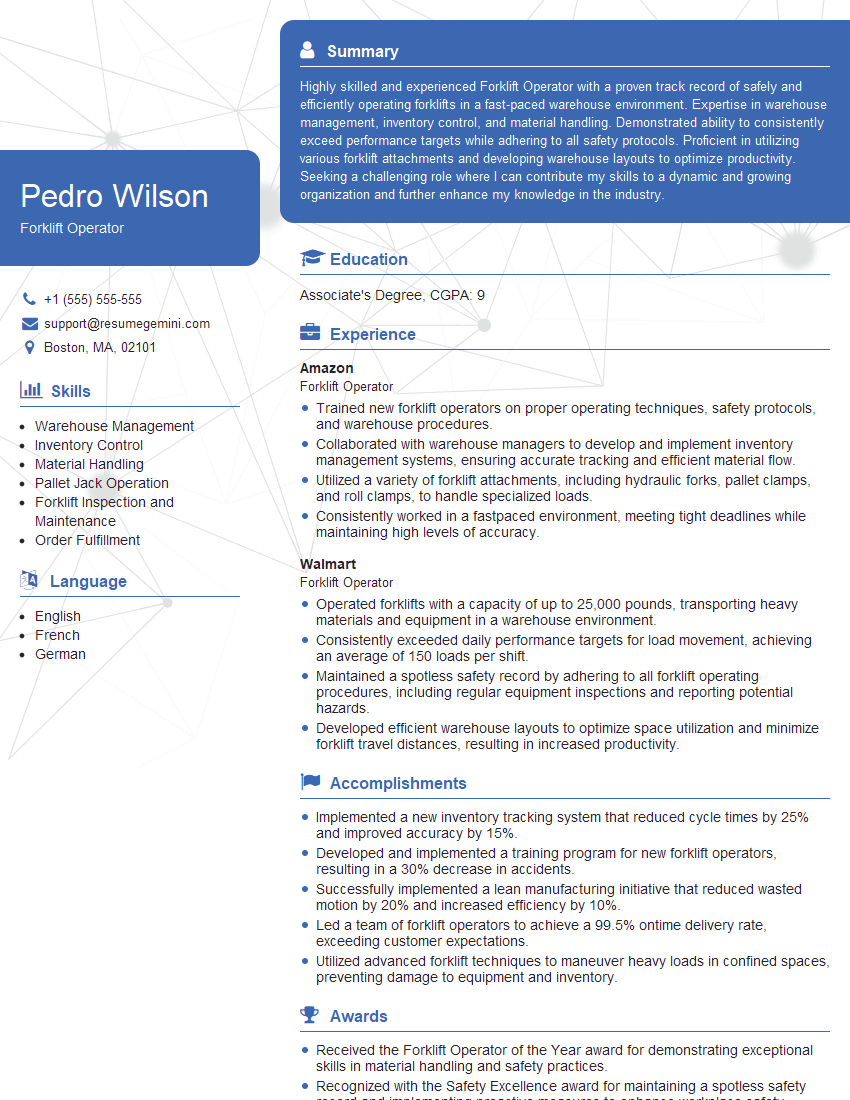
Forklift Operator Resume Sample
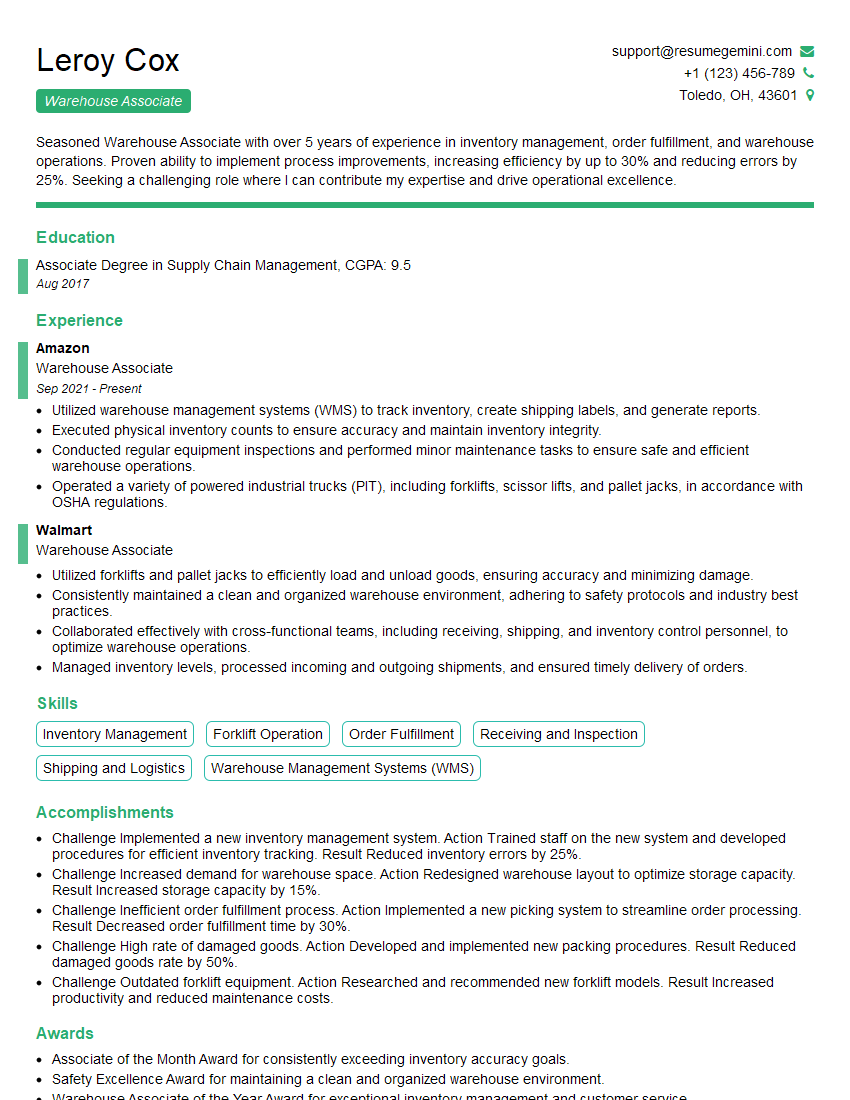
Warehouse Associate Resume Sample
- Supply Chain Manager
- Logistics Manager
- Warehouse Manager
- Distribution Manager
- Warehouse Supervisor
- Logistics Coordinator
- Equipment Operator
- Inventory Control Specialist
- Production Associate
- Order Fulfillment Specialist
- Shipping and Receiving Clerk
- Logistics Associate
- Material Handler
- Warehouse Worker
- Inventory Specialist
- Order Picker
- Forklift Operator
- Warehouse Associate
Explore more articles
Users Rating of Our Blogs
Share Your Experience
We value your feedback! Please rate our content and share your thoughts (optional).
What Readers Say About Our Blog
Really detailed insights and content, thank you for writing this detailed article.
IT gave me an insight and words to use and be able to think of examples