Interviews are more than just a Q&A session—they’re a chance to prove your worth. This blog dives into essential Equine Sciences interview questions and expert tips to help you align your answers with what hiring managers are looking for. Start preparing to shine!
Questions Asked in Equine Sciences Interview
Q 1. Describe the different types of equine colic and their treatments.
Equine colic is a general term for abdominal pain in horses, encompassing a wide range of conditions. Treatment depends heavily on the underlying cause, which needs prompt veterinary diagnosis.
- Gas colic: A buildup of gas in the intestines, often relieved with passing a stomach tube to remove gas and administering pain relief. Think of it like a human experiencing bloating – uncomfortable, but usually resolvable.
- Impaction colic: Occurs when the intestines become blocked by hard, dry fecal matter. Treatment may involve enemas, mineral oil, and potentially surgery to remove the blockage. Imagine a pipe clogged with hardened material.
- Strangulation colic: A life-threatening condition where a portion of the intestine becomes twisted or trapped, cutting off blood supply. This requires immediate veterinary intervention, often involving surgery. This is like a blood clot in a human – needing urgent medical attention.
- Small intestinal colic: Often involves inflammation or displacement of the small intestine, and treatment varies depending on the cause and severity. This can manifest as mild discomfort or severe pain requiring intense management.
Treatment approaches can include pain management (e.g., flunixin meglumine), fluid therapy (IV fluids to combat dehydration), nasogastric intubation (passing a tube to relieve gas or administer medication), and in severe cases, surgery. Early veterinary intervention is crucial for a positive outcome, as colic can rapidly progress to a life-threatening situation.
Q 2. Explain the process of equine vaccination schedules.
Equine vaccination schedules are designed to protect horses from various infectious diseases. The specific schedule depends on the horse’s age, intended use (e.g., competition, breeding), geographic location, and herd health status. A veterinarian will tailor a plan, usually beginning in the foal’s early life.
Common vaccines target diseases like:
- Equine Influenza (flu): Highly contagious respiratory illness. Vaccination is usually administered annually, often as a combined vaccine with other diseases.
- Equine Herpesvirus (EHV): A virus causing respiratory disease, abortion in pregnant mares, and neurological problems. Vaccination frequency varies depending on the specific EHV strains and risk factors.
- Tetanus: A bacterial infection causing muscle stiffness and paralysis. Often given annually.
- Rabies: A deadly viral disease. Vaccination is mandated in many areas.
- West Nile Virus: A mosquito-borne disease. Vaccination is recommended in endemic areas.
- Eastern/Western Equine Encephalomyelitis: Mosquito-borne diseases affecting the brain. Vaccination is recommended in endemic areas.
A veterinarian will create a personalized schedule, considering the risks present in the horse’s specific environment and management. It is crucial to maintain accurate vaccination records to ensure your horse’s protection and compliance with show regulations.
Q 3. What are the common causes of lameness in horses?
Lameness in horses is a significant concern and can stem from various issues affecting the musculoskeletal system. Diagnosis requires a thorough veterinary examination, often including lameness examinations, radiographs, and possibly advanced imaging techniques.
- Joint problems: Osteoarthritis, joint inflammation (e.g., septic arthritis), and cartilage damage are common culprits. Think of this as similar to human arthritis, causing pain and stiffness.
- Ligament and tendon injuries: These injuries can occur due to overuse, trauma, or conformational issues. These support the joints, and injuries lead to instability and pain.
- Muscle strains and tears: Overexertion or trauma can damage muscles, leading to soreness, swelling, and lameness.
- Foot problems: Issues like abscesses, laminitis (inflammation of the laminae connecting the hoof to the coffin bone), navicular syndrome, and hoof cracks can all cause significant lameness. This is a frequent issue, especially in heavier breeds.
- Fractures: Traumatic events can cause bone fractures, requiring stabilization and often lengthy rehabilitation.
- Neurological problems: Nerve damage or disease can cause lameness.
Careful observation of the horse’s gait, coupled with a comprehensive veterinary assessment, is crucial for diagnosing the specific cause of lameness and implementing appropriate management and treatment strategies, from rest and supportive therapies to surgery.
Q 4. Discuss the nutritional requirements of a performance horse.
Performance horses have significantly higher nutritional demands than their non-athletic counterparts. Their diet must provide the energy, protein, vitamins, and minerals necessary to support intense training and competition.
Key considerations:
- Energy: High-energy diets are necessary, often including high-quality grains (oats, barley, corn) or specialized performance feeds. The energy source should match the workload; an endurance horse will have different needs from a show jumper.
- Protein: Essential for muscle building and repair. High-quality protein sources like alfalfa hay and soymeal are crucial.
- Vitamins and Minerals: Deficiencies can lead to various health problems. Supplementation is frequently required to ensure adequate levels, especially for horses undergoing intense training. This is crucial for immune function and overall health.
- Fiber: Essential for digestive health and maintaining gut function. Hay, a primary fiber source, should be a significant part of the diet.
- Electrolytes: Lost through sweat during exercise, requiring replenishment through water and electrolyte supplements.
The specific nutritional needs vary greatly depending on factors like breed, discipline, training intensity, and individual metabolic requirements. Consulting an equine nutritionist or veterinarian is highly recommended to create a personalized feeding plan that supports the horse’s performance and overall health. For example, a dressage horse may need a higher proportion of fat in its diet to provide sustained energy.
Q 5. How do you manage equine parasites?
Equine parasite management is a critical aspect of horse health. Parasites can cause significant health problems, impacting performance and overall well-being. A strategic approach combining preventative measures and targeted treatment is essential.
Key strategies:
- Regular fecal egg counts (FECs): These tests determine the type and load of parasites present in the horse’s feces, guiding targeted treatment.
- Targeted deworming: Rather than routine blanket deworming, FECs allow for strategic treatment only when necessary, reducing the risk of parasite resistance.
- Pasture management: Regularly rotating pastures and removing manure helps minimize parasite buildup.
- Appropriate parasite control products: Various deworming products (paste, pour-on, etc.) are available, chosen based on the specific parasites identified through FECs. Following the manufacturer’s recommendations is crucial.
- Fly control: Flies can play a role in parasite transmission, so effective fly control is an important aspect of parasite management.
It is important to work with a veterinarian to develop a parasite control program tailored to the individual horse and its environment. This is an ongoing process, not a one-time action, and requires regular monitoring and adjustments.
Q 6. Explain the stages of equine reproduction.
Equine reproduction is a complex process, involving several key stages:
- Estrus cycle: Mares exhibit a cyclical pattern of sexual receptivity (estrus) and non-receptivity (diestrus). Understanding this cycle is critical for successful breeding.
- Ovulation: The release of an egg from the ovary, typically occurring towards the end of estrus. Timing is essential for successful fertilization.
- Breeding: The process of introducing sperm to the mare’s reproductive tract. This can be achieved through natural mating or artificial insemination (AI).
- Fertilization: The union of sperm and egg, resulting in the formation of a zygote. This is the moment of conception.
- Gestation: The period of pregnancy, lasting approximately 11 months in horses. Careful monitoring of the mare’s health is essential during this time.
- Parturition: The process of giving birth. Monitoring the mare closely is crucial, and assistance may be required in certain circumstances.
- Postpartum care: Care for both mare and foal after birth is essential to ensure their well-being.
Successful equine reproduction involves careful management of the mare’s nutrition, health, and environment. Regular veterinary examinations, particularly during pregnancy, are crucial.
Q 7. What are the signs of equine influenza?
Equine influenza (flu) is a highly contagious respiratory disease. Signs can vary in severity but typically include:
- High fever: Often the first noticeable sign.
- Cough: A persistent, often harsh cough is a hallmark symptom.
- Nasal discharge: Watery or mucopurulent discharge from the nostrils.
- Lethargy and depression: The horse may appear listless and unwilling to participate in normal activities.
- Loss of appetite: Reduced or absent food intake.
- Muscle aches: In some cases.
In severe cases, horses may experience difficulty breathing. Early detection and isolation of affected horses are critical to prevent the spread of the disease. Immediate veterinary attention is recommended if you suspect equine influenza, as prompt treatment can help minimize the duration and severity of the illness.
Q 8. Describe different hoof care techniques.
Equine hoof care is crucial for a horse’s health and performance. Neglecting hoof care can lead to lameness and other serious problems. Techniques vary depending on the horse’s individual needs and the expertise of the farrier (horseshoer).
- Trimming: Regular trimming is essential to maintain the correct hoof angle and balance. This involves removing excess hoof wall and sole to prevent overgrowth and imbalances that can cause lameness. Think of it like getting a haircut – regular trims keep things neat and healthy.
- Shoeing: Horseshoes protect the hoof from wear and tear, especially on hard surfaces. Different types of shoes are available, depending on the horse’s discipline and the terrain they work on. For example, a dressage horse might have different shoes than a trail riding horse.
- Therapeutic shoeing: This involves using specialized shoes or techniques to correct hoof deformities or address specific lameness issues. This is more akin to specialized medical intervention for the hoof.
- Footbaths: Soaking hooves in medicated footbaths can help treat thrush (a bacterial infection of the hoof) and white line disease (a fungal infection).
- Digital X-rays: To diagnose internal hoof problems, such as bone fractures or abscesses, digital X-rays are essential for accurate assessment and treatment planning.
Regular hoof care, ideally every 4-6 weeks, is vital for maintaining a horse’s soundness and well-being. The frequency depends on the horse’s individual hoof growth rate and activity levels.
Q 9. How do you handle an aggressive horse?
Handling an aggressive horse requires patience, knowledge, and appropriate safety precautions. Force is rarely the answer and can worsen the situation. The key is to understand the *why* behind the aggression. It could stem from pain, fear, or past negative experiences.
- Assess the situation: Observe the horse’s body language. Is it displaying signs of fear (pinned ears, wide eyes, tail swishing)? Or is it showing aggression (bared teeth, striking out)? Understanding the cause is the first step.
- Maintain a safe distance: Never approach an aggressive horse from the front or rear. Approach from the side, at a 45-degree angle, allowing the horse to see you.
- Calm and confident body language: Project a calm and confident demeanor. Avoid sudden movements or loud noises. Speak in a soothing voice.
- Professional help: If you are unable to handle the aggression safely, contact an experienced equine professional, such as a veterinarian or behaviorist. They can assess the horse and recommend appropriate management strategies. This could involve behavioral modification techniques or even medication.
- Environmental factors: Ensure the horse’s environment is safe and comfortable. Overcrowding, inadequate space, and lack of social interaction can increase aggression.
Remember, safety is paramount. If you feel unsafe at any point, retreat and seek help. Dealing with aggressive horses requires expertise and caution. Never attempt to handle a horse you are unsure about on your own.
Q 10. Explain the principles of equine dentistry.
Equine dentistry focuses on maintaining the health and function of a horse’s teeth. Just like humans, horses’ teeth continuously grow throughout their lives. Imbalances in tooth wear can lead to various problems affecting their ability to eat properly.
- Dental examination: Regular dental check-ups are essential. A veterinarian or equine dentist will assess the alignment, wear patterns, and overall health of the teeth.
- Floating: This involves filing down sharp points or hooks on the teeth to prevent injuries to the cheeks, tongue, and gums. Imagine a gardener pruning overgrown bushes – it keeps everything balanced.
- Extraction: Severely damaged or diseased teeth may need to be extracted. This prevents pain and infection.
- Wolf teeth removal: Small, rudimentary teeth located just in front of the molars may interfere with the bit and need to be removed, especially in performance horses.
- Corrective dentistry: For severe malocclusions (misalignment of teeth), more complex procedures might be necessary to restore proper jaw alignment and chewing ability.
Equine dentistry is a specialized field requiring specific knowledge and tools. Neglecting dental care can cause significant pain and discomfort leading to decreased performance and even starvation.
Q 11. What are the different types of equine feed?
Equine diets vary depending on the horse’s age, breed, workload, and overall health. A balanced diet is essential for optimal health and performance.
- Hay: The cornerstone of most equine diets, providing fiber for digestive health. Different types of hay (e.g., grass hay, alfalfa) offer varying nutrient profiles.
- Grain: Concentrated feed providing readily available energy, usually used for horses with high energy requirements (e.g., performance horses). Commercial grain mixes are available with varying formulations to meet specific needs.
- Supplements: These are used to address specific nutritional deficiencies or support particular health concerns (e.g., joint supplements, vitamin and mineral supplements). Always consult a veterinarian before adding supplements.
- Pasture: Grazing provides essential nutrients and roughage, simulating natural foraging behavior.
- Commercial feeds: Many commercial feeds are formulated to meet different horses’ needs, like senior horse feed, or feeds for pregnant mares.
Proper nutrition is essential. The wrong diet can lead to obesity, weight loss, colic, metabolic disorders, and a host of other problems. Consult with a veterinarian or equine nutritionist to create a tailored feeding plan for your horse.
Q 12. Discuss common equine respiratory diseases.
Equine respiratory diseases are a significant concern. They can range from mild infections to life-threatening conditions.
- Equine Influenza (Flu): A highly contagious viral infection causing fever, cough, nasal discharge, and lethargy. Vaccination is crucial for prevention.
- Equine Herpesvirus (EHV): This virus can cause respiratory disease, abortion in pregnant mares, and neurological problems. Vaccination and biosecurity measures are important.
- Strangles: A highly contagious bacterial infection causing abscesses in the lymph nodes of the head and neck. Strict isolation and antibiotic treatment are necessary.
- Recurrent Airway Obstruction (RAO) / Heaves: A chronic obstructive pulmonary disease similar to human asthma, triggered by inhaled allergens like dust and mold. Management involves environmental control and medication.
- Pneumonia: An inflammation of the lungs, often caused by bacterial or viral infections. It can be life-threatening if not treated promptly.
Prevention through vaccination, good hygiene, and environmental control are vital in reducing the risk of respiratory diseases. Early diagnosis and treatment are crucial for managing these conditions effectively.
Q 13. How do you assess a horse’s body condition score?
Assessing a horse’s body condition score (BCS) is a crucial aspect of equine health management. It provides a subjective assessment of the horse’s fat reserves, indicating its nutritional status. A visual assessment is the primary method and a standardized scoring system is used, typically ranging from 1 (emaciated) to 9 (extremely obese).
- Visual assessment: The BCS is determined by feeling the amount of fat cover over the ribs, along the withers (shoulder area), and along the spine. A scale of 1 to 9, or sometimes 1 to 5, is used.
- Ribs: In a horse with a good BCS, the ribs should be easily felt but not easily seen. In an overweight horse, the ribs may be hard to palpate. In an underweight horse, the ribs will be very prominent.
- Withers and spine: The withers and spine should have a smooth, rounded contour in a well-conditioned horse. Prominent withers and spine indicate poor condition. Fat over the withers and spine indicates an overweight horse.
- Tail head: The fat cover over the tail head and the presence of a crease above the tail are indicators of fat reserves.
- Muscle definition: In addition to fat cover, muscle definition also plays a role. Well-defined muscles indicate a healthy horse, while poor muscle mass suggests inadequate nutrition or illness.
Regular BCS assessment allows for timely adjustments to the horse’s diet and management practices to maintain optimal health. An ideal BCS is typically in the range of 5-6 on a 9-point scale.
Q 14. What are the benefits and risks of using performance-enhancing drugs in horses?
The use of performance-enhancing drugs (PEDs) in horses is a complex issue with ethical, welfare, and competitive implications.
- Benefits (claimed): Some PEDs are purported to enhance muscle growth, improve endurance, reduce inflammation, or mask pain, potentially leading to improved athletic performance. However, these benefits are often unproven and potentially come at a significant cost to the horse’s health.
- Risks: PEDs can have serious adverse effects on a horse’s health, including liver and kidney damage, cardiovascular problems, behavioral changes, and increased risk of injury. The long-term effects of many PEDs are not well understood.
- Ethical considerations: The use of PEDs raises ethical concerns about fairness in competition and the welfare of the animals. It can lead to an uneven playing field, potentially compromising the integrity of the sport.
- Legal implications: The use of prohibited PEDs is strictly regulated in many equestrian sports. Positive drug tests can result in severe penalties, including disqualification and fines.
- Masking of underlying conditions: PEDs can mask underlying health problems, delaying diagnosis and treatment and potentially worsening the horse’s condition.
While some argue that responsible use of certain medications in therapeutic contexts is acceptable, the use of PEDs solely to enhance performance without considering the potential risks to the horse’s well-being is ethically questionable and often illegal within competition.
Q 15. Describe the principles of equine biomechanics.
Equine biomechanics is the study of the mechanics of a horse’s movement. It examines how forces act upon the horse’s body during locomotion, encompassing aspects of anatomy, physiology, and physics. Understanding this is crucial for optimizing athletic performance, preventing injuries, and designing appropriate equipment.
Key principles include:
- Stride Length and Frequency: These factors determine speed. A longer stride and higher frequency contribute to faster gaits.
- Center of Gravity: The horse’s center of gravity shifts dynamically with each stride, impacting balance and stability. This is influenced by conformation (body structure).
- Joint Angles and Leverage: The angles of joints throughout the limbs directly influence the power and efficiency of movement. Problems in joint angles can lead to lameness.
- Muscle Function: Muscles generate the forces for movement. Biomechanics explores which muscles are involved in specific gaits and how efficiently they work. Improper muscle development or imbalance can impact performance and increase injury risk.
- Ground Reaction Forces: These forces, exerted by the ground onto the horse’s limbs, are essential for propulsion and are influenced by hoof conformation and the substrate (ground surface).
For example, a horse with a short back and long legs may have a more efficient stride length compared to one with a longer back and shorter legs. This understanding is applied practically in disciplines like dressage, racing, and jumping, where optimizing biomechanics can significantly enhance performance.
Career Expert Tips:
- Ace those interviews! Prepare effectively by reviewing the Top 50 Most Common Interview Questions on ResumeGemini.
- Navigate your job search with confidence! Explore a wide range of Career Tips on ResumeGemini. Learn about common challenges and recommendations to overcome them.
- Craft the perfect resume! Master the Art of Resume Writing with ResumeGemini’s guide. Showcase your unique qualifications and achievements effectively.
- Don’t miss out on holiday savings! Build your dream resume with ResumeGemini’s ATS optimized templates.
Q 16. How do you diagnose and treat equine laminitis?
Equine laminitis is a debilitating condition characterized by inflammation of the laminae, the sensitive structures within the hoof that attach the hoof wall to the coffin bone. Diagnosis and treatment require a multi-faceted approach.
Diagnosis:
- Clinical Examination: This includes observing the horse’s posture (often with increased weight-bearing on the heels), lameness (varying degrees of stiffness and pain), digital pulses (increased pulse strength in affected foot), and hoof temperature (often warmer than unaffected foot).
- Radiography (X-rays): Essential for assessing the severity of the laminitis and the extent of coffin bone rotation or sinking.
- Blood Work: Can help identify underlying causes such as endocrine disorders (e.g., Cushing’s disease).
Treatment: Treatment focuses on relieving pain, supporting the coffin bone, and addressing any underlying causes. This may involve:
- Pain Management: Non-steroidal anti-inflammatory drugs (NSAIDs) are commonly used to reduce pain and inflammation.
- Supportive Therapy: This might include specialized hoof care (e.g., therapeutic trimming, shoes, or support boots) to minimize stress on the laminae.
- Addressing Underlying Causes: If a specific cause is found, such as endocrine disorder or carbohydrate overload, then specific treatment for that cause is required.
- Rest and Controlled Exercise: Rest is crucial in the early stages of laminitis to minimize further damage. Gradually controlled exercise may be reintroduced under veterinary guidance.
Example: A horse exhibiting acute lameness, increased digital pulses, and subtle coffin bone rotation on radiographs is diagnosed with laminitis. Treatment involves NSAIDs, supportive hoof care with special shoes to redistribute weight, and management of underlying Cushing’s disease (if diagnosed).
Q 17. Explain the different types of equine gaits.
Equine gaits refer to the patterns of leg movements during locomotion. The most common gaits include:
- Walk: A four-beat gait where each foot strikes the ground individually.
- Trot: A two-beat gait with diagonal pairs of legs moving simultaneously (right front and left hind, then left front and right hind).
- Canter/Lope: A three-beat gait, with a brief suspension phase. The leading leg and the two hind legs strike the ground, followed by the trailing front leg.
- Gallop: A four-beat gait characterized by a period of suspension where all four feet are off the ground. The sequence of leg movements varies slightly depending on the type of gallop (e.g., flying gallop).
- Pace: A two-beat gait where legs on the same side move together (right front and right hind, then left front and left hind). This is less common in most horse breeds.
Variations exist within each gait, with nuances influenced by training, conformation, and the horse’s individual style. For example, a well-trained dressage horse will exhibit a collected trot with a shorter, more controlled stride, unlike the extended trot used in racing.
Q 18. Discuss the importance of equine hoof balance.
Equine hoof balance is crucial for proper limb function and overall soundness. It refers to the even distribution of weight across the hoof, ensuring even wear and minimizing stress on the joints and soft tissues. Imbalance leads to uneven wear, lameness, and increased risk of injury.
Importance:
- Joint Health: Proper hoof balance reduces strain on joints, preventing conditions such as osteoarthritis.
- Muscle Balance: Imbalance can lead to compensatory muscle development, causing further problems.
- Lameness Prevention: A balanced hoof helps maintain the integrity of the hoof capsule, minimizing the risk of various hoof-related ailments.
- Performance: Balanced hooves are essential for optimal athletic performance, particularly in disciplines requiring high-speed or complex movements.
Achieving Balance: Farriers play a vital role in maintaining hoof balance through regular trimming and shoeing. They assess the hoof’s conformation, wear patterns, and any abnormalities to create a balanced hoof that promotes even weight distribution.
Example: A horse with a long toe and low heel will experience increased stress on the deep flexor tendon. Trimming the toe and raising the heel will redistribute weight and reduce the risk of tendon injury.
Q 19. What are the common signs of equine stress?
Recognizing signs of stress in horses is essential for their welfare and performance. These can manifest physically, behaviorally, and physiologically.
Physical Signs:
- Changes in Appetite: Increased or decreased food intake.
- Weight Loss or Gain: Significant changes can indicate stress.
- Muscle Tension: Stiffness, tense muscles, or difficulty moving freely.
- Changes in Respiration: Rapid breathing or increased respiratory rate.
- Sweating: Excessive or inappropriate sweating.
Behavioral Signs:
- Increased Anxiety: Restlessness, pacing, or excessive alertness.
- Aggression: Increased biting, kicking, or other aggressive behaviors.
- Changes in Social Interaction: Isolation, avoidance of other horses, or unusual social behavior.
- Stereotypic Behaviors: Repetitive behaviors like cribbing, weaving, or pawing.
- Decreased Performance: Reduced athletic ability or refusal to work.
Physiological Signs (requiring veterinary assessment):
- Elevated Heart Rate: Persistently elevated heart rate can be a sign of chronic stress.
- Elevated Cortisol Levels: Cortisol is a stress hormone; elevated levels can be detected through blood tests.
Understanding the underlying cause of the stress is crucial for effective management. This might involve changes in management practices, training techniques, or veterinary intervention.
Q 20. Describe different training methods for horses.
Various training methods are employed to train horses, each with its own approach and principles. Methods range from classical dressage to natural horsemanship.
- Classical Dressage: Focuses on developing obedience, suppleness, and balance through precise movements and refined communication. It emphasizes clear signals, consistent training, and a strong understanding of the horse’s biomechanics.
- Natural Horsemanship: Emphasizes building a strong bond and partnership with the horse through understanding natural equine behavior. Techniques like groundwork and body language are used to communicate and train the horse.
- Positive Reinforcement: This method rewards desired behaviors through positive reinforcement such as praise, treats, or releasing pressure. It avoids punishment and focuses on building confidence and trust.
- Clicker Training: A form of positive reinforcement where a clicker sound is associated with a reward, marking the exact moment a desired behavior occurs. This allows for precise shaping of behaviors.
- Negative Reinforcement: This involves removing an unpleasant stimulus when the desired behavior is performed (for example releasing pressure on the reins when the horse responds correctly). It is important to use this method with care, ensuring the stimulus is not aversive or painful.
The choice of training method depends on individual horse characteristics, the trainer’s experience, and the desired outcome. The key is to apply methods that are safe, ethical, and effective in achieving the desired training goals, always prioritizing the horse’s well-being.
Q 21. How do you handle a horse with behavioral problems?
Handling a horse with behavioral problems requires a systematic and patient approach, emphasizing safety and understanding the root cause of the behavior. A veterinarian or a certified equine behaviorist should be consulted for complex or dangerous issues.
Steps to Take:
- Identify the Problem: Precisely define the behavior (e.g., biting, kicking, cribbing). Note when, where, and under what circumstances it occurs.
- Rule out Medical Causes: A veterinary examination should be done to rule out any underlying pain or medical conditions that might be contributing to the behavior.
- Analyze the Environment: Assess the horse’s environment for potential stressors (e.g., overcrowding, poor feeding management, insufficient turnout).
- Develop a Management Plan: Based on the identified causes, implement changes to the horse’s environment, routine, or training to address the behavioral problem. This may involve providing more space, modifying feeding strategies, or addressing any underlying anxieties.
- Implement Training Techniques: Employ appropriate training techniques to modify the unwanted behavior. Positive reinforcement, desensitization, and counter-conditioning are often effective.
- Seek Professional Help: If the problem persists or escalates, seek guidance from a certified equine behaviorist. They have expertise in diagnosing and treating equine behavioral disorders.
Example: A horse displaying aggressive biting behavior might be showing signs of pain from an undiagnosed dental issue. After a veterinary examination and dental work, management changes (reducing crowding in the paddock and implementing a feeding system minimizing competition) and training focusing on positive reinforcement are used to resolve the biting issues.
Q 22. Explain the principles of equine first aid.
Equine first aid focuses on immediate care to stabilize a horse until professional veterinary help arrives. It’s crucial to act calmly and assess the situation quickly. Think of it like human first aid, but adapted for a much larger and stronger animal.
- Assess the scene: Ensure your own safety first. Is the environment safe for you and the horse? Are there other hazards?
- Assess the horse: Check for immediate life-threatening injuries like severe bleeding, airway obstruction, or fractures. Note the horse’s level of consciousness, respiratory rate, heart rate, and capillary refill time (CRT).
- Control bleeding: Apply direct pressure to any wounds using clean bandages. For severe bleeding, consider a pressure bandage or tourniquet as a last resort, used only in extreme cases and with a veterinarian’s guidance.
- Manage airway obstruction: If the horse is struggling to breathe, try to clear any obstructions from its mouth and nose. Be extremely cautious; a horse may bite or kick.
- Immobilize fractures: If you suspect a fracture, try to minimize movement by using improvised splints made from sturdy materials. Remember that improper splinting can cause more harm.
- Prevent shock: Keep the horse warm and calm. Avoid unnecessary movement. Shock is a serious complication.
- Contact veterinary assistance: Call your veterinarian or equine emergency service immediately. Provide detailed information about the horse’s condition and location.
Example: Imagine you find a horse with a deep laceration on its leg. Your first aid would involve applying direct pressure to the wound with a clean cloth, keeping the horse calm, and contacting a vet. You would not try to suture the wound yourself.
Q 23. What are the legal considerations for equine ownership?
Legal considerations for equine ownership are complex and vary by location. They often involve liability, property rights, and animal welfare regulations.
- Liability: You are legally responsible for the actions of your horse. This includes any injuries or damages it causes to people or property (e.g., fence-jumping, kicking). Liability insurance is highly recommended.
- Property rights: Ownership of a horse includes the right to its possession and use, but also the responsibility for its proper care. Issues of land ownership and grazing rights can also arise.
- Animal welfare laws: Many jurisdictions have specific laws regarding the humane treatment of animals. These laws outline requirements for proper feeding, housing, and veterinary care. Failure to comply can lead to penalties.
- Contracts: Sales contracts, breeding contracts, and boarding agreements all have legal implications that must be carefully reviewed and understood.
- Zoning regulations: Keeping horses may be subject to local zoning regulations that specify the minimum land area required per horse, restrictions on fencing, and manure management.
Example: A horse escapes its paddock and causes a car accident. The owner is liable for the damages, unless they can demonstrate that they took reasonable steps to prevent the escape (e.g., secure fencing).
Q 24. Discuss the ethical considerations in equine care.
Ethical considerations in equine care center around the horse’s well-being and respecting its inherent nature as a sentient being. It’s about making decisions based on what’s best for the horse, not just on convenience or financial gain.
- Humane treatment: This is paramount. Horses should always be treated with kindness, respect, and patience. Avoid any practices that cause unnecessary pain, suffering, or distress.
- Appropriate housing and care: Provide adequate space, nutrition, veterinary care, and protection from the elements. The horse’s individual needs must be considered (age, breed, health status).
- Responsible riding and handling: Avoid rough handling, inappropriate riding techniques, and unsafe practices that could injure the horse.
- Ethical breeding practices: Avoid breeding horses with known genetic defects. Prioritize the health and well-being of both parent and offspring.
- End-of-life decisions: Making difficult decisions about euthanasia should be guided by compassion and the horse’s best interests. It’s crucial to consult with a veterinarian.
Example: Continuing to ride a horse that shows signs of lameness is ethically questionable. It prioritizes the rider’s convenience over the horse’s health and well-being. A responsible owner would rest the horse and seek veterinary advice.
Q 25. Describe the different types of equine tack and their uses.
Equine tack refers to the equipment used to ride, control, and protect a horse. It encompasses a wide range of items, each serving a specific purpose.
- Saddle: The primary piece of riding equipment that sits on the horse’s back, providing a seat for the rider.
- Bridle: Used to control the horse’s head and direct its movement. It includes a bit, reins, headstall, and sometimes a noseband.
- Reins: Long straps attached to the bridle that the rider uses to guide the horse.
- Bit: A metal piece placed in the horse’s mouth that acts as a lever to control its movement. Many different types exist, varying in severity.
- Girth/Cinch: A strap that secures the saddle to the horse’s back.
- Breastplate: A strap that attaches to the saddle and runs around the horse’s chest, preventing the saddle from slipping backward.
- Martingale: A piece of equipment that limits the horse’s head movement, preventing it from raising its head too high.
- Leg Protection (boots, bandages): Used to protect the horse’s legs from injury during riding or turnout.
- Halter: A rope or leather headpiece used to lead and control the horse on the ground.
Example: A western saddle is significantly different from an English saddle, both in design and intended riding style. Western saddles are typically larger and heavier, while English saddles are designed for a more close-contact feel.
Q 26. How do you assess the soundness of a horse?
Assessing a horse’s soundness involves evaluating its physical condition and ability to perform its intended function (e.g., riding, racing, showing). It’s crucial to detect any potential issues that could compromise its athletic performance or long-term health.
- Visual inspection: Observe the horse’s conformation (body structure), looking for any asymmetries, deformities, or signs of injury.
- Palpation: Feel the horse’s legs and body for any heat, swelling, or pain.
- Movement assessment: Watch the horse walk, trot, and canter, noting the smoothness and symmetry of its gait. Any lameness or stiffness should be noted.
- Flexion tests: Flex the horse’s legs to assess joint mobility and identify any pain or restriction.
- Veterinary examination: A thorough veterinary examination, potentially including radiographs or other diagnostic tests, is essential for a definitive soundness assessment.
Example: A horse that consistently stumbles during its gait might be suffering from a neurological issue or problems with its hooves or legs. A vet examination would be required to provide a proper diagnosis.
Q 27. What are the common causes of equine mortality?
Equine mortality is caused by a variety of factors, ranging from disease and injury to age-related issues. Many are preventable through proper care and management.
- Colic: Severe abdominal pain often caused by digestive problems.
- Laminitis: Inflammation of the sensitive laminae in the hoof.
- Respiratory diseases: Equine influenza, strangles, and pneumonia.
- Infectious diseases: Equine herpesvirus, West Nile virus, and others.
- Trauma: Injuries from falls, kicks, collisions, and other accidents.
- Parasites: Internal and external parasites.
- Neoplasia (cancer): Different types of cancer can affect horses.
- Old age: Age-related health problems such as organ failure.
Example: Colic is a significant cause of mortality, often requiring emergency veterinary intervention. Regular veterinary care, proper diet, and appropriate exercise can help minimize the risk of colic.
Q 28. Describe the process of equine euthanasia.
Equine euthanasia is a humane and compassionate way to end a horse’s life when its suffering cannot be alleviated. It’s a sensitive procedure requiring careful consideration and should always be performed by a qualified veterinarian.
The process typically involves administering a lethal injection that causes rapid and painless death. The veterinarian will consult with the owner to confirm the decision and discuss the best method. They will carefully monitor the horse’s vital signs and ensure a peaceful passing. Post-euthanasia care, including the disposal of the body, is often handled by the veterinarian or a designated service.
Important Considerations:
- Veterinary consultation: The decision should only be made in consultation with a veterinarian.
- Pain management: Any existing pain should be addressed before the procedure.
- Emotional support: Owners should seek emotional support from friends, family, or professionals as needed.
- Legal and logistical aspects: Regulations regarding disposal of the carcass must be followed.
Example: A horse suffering from severe, untreatable colic might be a candidate for euthanasia. The veterinarian will work closely with the owner to weigh all options and ensure a peaceful and painless passing.
Key Topics to Learn for Equine Sciences Interview
- Equine Anatomy and Physiology: Understanding the musculoskeletal, digestive, respiratory, and cardiovascular systems of horses. Practical application includes diagnosing lameness or identifying nutritional deficiencies.
- Equine Nutrition and Feeding Management: Developing balanced rations based on age, breed, workload, and health status. Practical application includes formulating diets to support performance or manage weight.
- Equine Health and Disease: Identifying common equine diseases and understanding preventative measures and treatment protocols. Practical application includes recognizing clinical signs and implementing appropriate management strategies.
- Equine Reproduction: Understanding the reproductive cycle, breeding techniques, and pregnancy management. Practical application includes assisting with breeding programs or managing reproductive health issues.
- Equine Behavior and Training: Understanding equine behavior and applying effective training methods. Practical application includes handling horses safely and effectively, and implementing positive reinforcement techniques.
- Equine Welfare and Ethics: Understanding the principles of equine welfare and ethical considerations in equine management. Practical application includes assessing and addressing welfare concerns and promoting ethical practices.
- Equine Genetics and Breeding: Understanding inheritance patterns, genetic disorders, and breeding strategies. Practical application includes selecting breeding stock to improve desirable traits.
- Farriery and Lameness: Understanding hoof care, shoeing techniques, and the diagnosis and treatment of lameness. Practical application includes identifying and addressing hoof problems and collaborating with farriers.
Next Steps
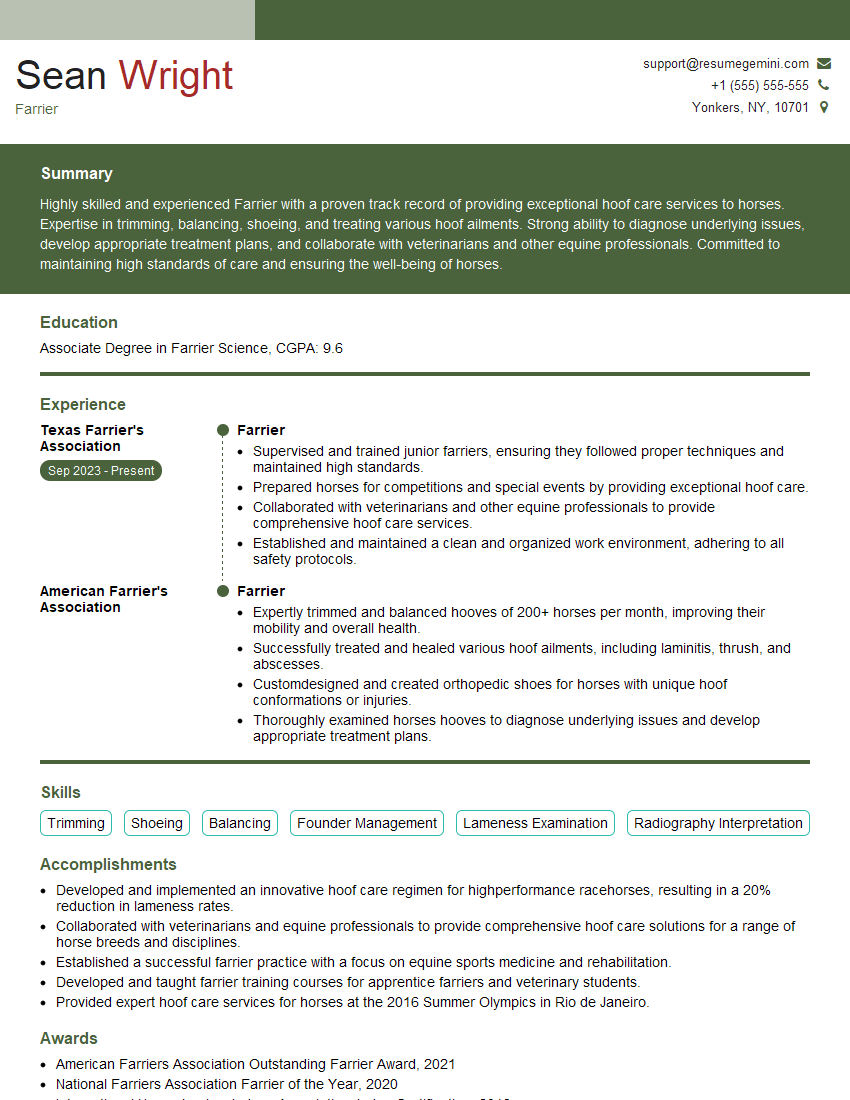
Mastering Equine Sciences opens doors to exciting and rewarding careers in veterinary medicine, equine management, research, and more. A strong foundation in these key areas will significantly enhance your interview performance and career prospects. To maximize your chances of success, create an ATS-friendly resume that highlights your skills and experience effectively. We recommend using ResumeGemini, a trusted resource for building professional resumes. ResumeGemini offers examples of resumes tailored to Equine Sciences to help you get started. Crafting a compelling resume is a crucial step in showcasing your expertise and securing your dream job.


Explore more articles
Users Rating of Our Blogs
Share Your Experience
We value your feedback! Please rate our content and share your thoughts (optional).
What Readers Say About Our Blog
Really detailed insights and content, thank you for writing this detailed article.
IT gave me an insight and words to use and be able to think of examples