Feeling uncertain about what to expect in your upcoming interview? We’ve got you covered! This blog highlights the most important Familiar with Security and Privacy Laws interview questions and provides actionable advice to help you stand out as the ideal candidate. Let’s pave the way for your success.
Questions Asked in Familiar with Security and Privacy Laws Interview
Q 1. Explain the key differences between GDPR and CCPA.
The General Data Protection Regulation (GDPR) and the California Consumer Privacy Act (CCPA) are both landmark privacy laws, but they differ significantly in scope and application. GDPR, a European Union regulation, applies to any organization processing personal data of EU residents, regardless of the organization’s location. CCPA, on the other hand, is a California state law applying only to businesses operating in California that meet specific revenue and data handling thresholds. Think of it this way: GDPR is a broad, sweeping law with global reach for EU data, while CCPA focuses specifically on California consumers and businesses operating within the state. Key differences include the types of data covered (GDPR is broader), the rights granted to individuals (GDPR offers more extensive rights, like the right to be forgotten), and the enforcement mechanisms (GDPR has significantly higher potential fines).
- Geographic Scope: GDPR – EU and EEA; CCPA – California.
- Data Subject Scope: GDPR – broader definition of personal data; CCPA – focuses on personal information.
- Business Scope: GDPR – applies to all organizations processing personal data of EU residents; CCPA – applies to businesses meeting specific revenue and data processing thresholds.
- Enforcement and Penalties: GDPR – significantly higher fines; CCPA – civil penalties and private right of action.
Q 2. Describe the process of conducting a data privacy impact assessment (DPIA).
A Data Privacy Impact Assessment (DPIA) is a systematic process to identify and mitigate risks related to the processing of personal data. It’s like a risk assessment, but specifically for privacy. The process typically involves these steps:
- Defining the processing activity: Clearly describe the purpose, methods, and scope of data processing.
- Identifying personal data: Specify what types of personal data will be processed (e.g., names, addresses, health information).
- Assessing the risks: Identify potential risks to individuals’ rights and freedoms (e.g., data breaches, unauthorized access, discrimination). This often involves considering the likelihood and impact of each risk.
- Implementing appropriate safeguards: Develop measures to mitigate the identified risks, such as encryption, access controls, and data anonymization.
- Documenting the assessment: Create a written record of the entire process, including the identified risks, mitigation measures, and responsible parties.
- Monitoring and review: Regularly review and update the DPIA to reflect changes in the processing activity or relevant legislation.
For example, before launching a new facial recognition system, a company would conduct a DPIA to evaluate potential privacy risks and implement appropriate safeguards, like obtaining explicit consent and ensuring data security.
Q 3. What are the core principles of data protection under GDPR?
The GDPR’s core principles of data protection ensure that personal data is handled lawfully, fairly, and transparently. They act as a guiding framework for organizations:
- Lawfulness, fairness, and transparency: Data processing must have a legal basis, be fair to individuals, and be transparent about how data is used.
- Purpose limitation: Data should only be collected for specified, explicit, and legitimate purposes.
- Data minimization: Only collect and process necessary data.
- Accuracy: Data should be accurate and kept up-to-date.
- Storage limitation: Data should be kept only for as long as necessary.
- Integrity and confidentiality: Data should be protected against unauthorized access, loss, or alteration.
- Accountability: Organizations are responsible for demonstrating compliance with these principles.
Think of these principles as the building blocks of a robust data protection system. Each principle contributes to the overall protection of personal data and ensures that processing is both lawful and respects individual rights.
Q 4. How would you handle a data breach incident?
Handling a data breach requires a swift, coordinated response. My approach would be:
- Containment: Immediately contain the breach to prevent further damage. This might involve isolating affected systems, disabling accounts, or blocking malicious activity.
- Investigation: Thoroughly investigate the cause, scope, and impact of the breach. This may involve forensic analysis and identifying compromised data.
- Notification: Notify affected individuals and relevant authorities (e.g., data protection authorities) within the legally mandated timeframe. Transparency is crucial here.
- Remediation: Implement measures to prevent future breaches, such as patching vulnerabilities, strengthening security controls, and improving employee training.
- Documentation: Maintain detailed records of the entire incident, including the steps taken and the lessons learned.
For example, if a database containing customer credit card information was compromised, I would immediately initiate an investigation, notify affected customers and credit card companies, and take steps to prevent future occurrences, such as enhancing encryption and implementing multi-factor authentication.
Q 5. Explain the concept of data minimization and its importance.
Data minimization is the principle of collecting and processing only the minimum amount of personal data necessary for a specific purpose. It’s not about collecting less data for the sake of it; it’s about being strategic and efficient in data collection. This minimizes the risk of data breaches, reduces storage costs, and improves data privacy and security. Think of it as being ‘just-in-time’ with data. If you only need a person’s name and email for a newsletter, you shouldn’t collect their address, phone number, and purchase history.
The importance lies in reducing potential harm. Less data means less risk if a breach occurs. Imagine a company collecting extensive personal information from customers; if that data is breached, the consequences are far greater than if only essential data was stored. Data minimization is crucial for meeting legal requirements and fostering user trust.
Q 6. What are your experiences with implementing data security controls?
Throughout my career, I’ve been involved in implementing various data security controls, encompassing technical, administrative, and physical measures. I’ve worked on projects involving:
- Access control systems: Implementing role-based access controls (RBAC) and multi-factor authentication (MFA) to restrict access to sensitive data.
- Data encryption: Employing encryption techniques (both at rest and in transit) to protect data from unauthorized access.
- Security information and event management (SIEM): Setting up SIEM systems to monitor security events and detect potential threats in real-time.
- Vulnerability management programs: Implementing regular vulnerability scans and penetration testing to identify and mitigate security weaknesses.
- Data loss prevention (DLP): Utilizing DLP solutions to prevent sensitive data from leaving the organization’s control.
In one instance, I led the implementation of a new data encryption system for a healthcare provider, which significantly enhanced the protection of patient health information. We prioritized usability and user adoption to ensure effectiveness.
Q 7. How familiar are you with ISO 27001 and its implementation?
I’m very familiar with ISO 27001, the international standard for information security management systems (ISMS). It provides a framework for establishing, implementing, maintaining, and continually improving an ISMS. My experience includes:
- Gap analysis: Conducting gap analyses to assess an organization’s current security posture against ISO 27001 requirements.
- Policy and procedure development: Drafting security policies and procedures that align with the standard.
- Risk assessment and treatment: Participating in risk assessments to identify and mitigate information security risks.
- Implementation and monitoring: Overseeing the implementation and ongoing monitoring of ISMS controls.
- Auditing and certification: Supporting organizations in preparing for and undergoing ISO 27001 certification audits.
For example, I assisted a financial institution in achieving ISO 27001 certification by guiding them through the implementation process, helping them establish robust security controls, and ensuring their compliance with the standard’s requirements.
Q 8. Describe your understanding of encryption techniques and their application in data protection.
Encryption is the process of converting readable data into an unreadable format, known as ciphertext, to protect it from unauthorized access. It uses algorithms and keys to scramble the data, making it incomprehensible without the correct decryption key. Think of it like locking a box with a key – only someone with the right key can unlock and access the contents.
There are various types of encryption, including:
- Symmetric Encryption: Uses the same key for both encryption and decryption. It’s fast but requires secure key exchange. Example: AES (Advanced Encryption Standard).
- Asymmetric Encryption: Uses a pair of keys – a public key for encryption and a private key for decryption. This eliminates the need for secure key exchange as the public key can be widely distributed. Example: RSA (Rivest-Shamir-Adleman).
In data protection, encryption is used in various ways:
- Data at rest: Encrypting data stored on hard drives, databases, or cloud storage.
- Data in transit: Encrypting data while it’s being transmitted over a network, using protocols like HTTPS (for web traffic) or TLS (Transport Layer Security).
- Data in use: Encrypting data while it’s being processed, though this is more complex and often involves specialized techniques.
For example, a bank uses encryption to protect customer financial data both when it’s stored on their servers and when it’s transmitted between the customer’s device and the bank’s systems. This prevents unauthorized access to sensitive information.
Q 9. What is the role of a Data Protection Officer (DPO)?
A Data Protection Officer (DPO) is a key figure in ensuring an organization complies with data protection laws, primarily GDPR in Europe and similar regulations globally. They act as an internal expert and advisor, ensuring data is handled responsibly and lawfully. Imagine them as the organization’s privacy guardian.
Their responsibilities include:
- Monitoring compliance: Regularly assessing the organization’s data processing activities against relevant laws.
- Advising on data protection: Providing guidance to staff on data protection matters, including data processing activities, data security measures, and incident response.
- Cooperating with supervisory authorities: Acting as a point of contact for data protection authorities and responding to their inquiries.
- Raising awareness: Educating employees about data protection best practices and responsibilities.
- Data protection impact assessments: Conducting DPIAs to evaluate the risks to individuals’ privacy.
In essence, the DPO ensures the organization prioritizes data protection, proactively identifies and mitigates risks, and maintains a culture of privacy compliance.
Q 10. Explain the concept of consent in the context of data processing.
Consent, in the context of data processing, is freely given, specific, informed, and unambiguous indication of the data subject’s wishes by which he or she, by a statement or by a clear affirmative action, signifies agreement to the processing of personal data relating to him or her.
This means the individual must:
- Freely give their consent: They cannot be coerced or pressured into agreeing.
- Understand what they’re consenting to: The information must be clear and easy to understand, using plain language, not legal jargon.
- Be able to withdraw their consent: They should be able to easily withdraw their consent at any time.
For example, when signing up for a newsletter, a website should clearly state what data it will collect and how it will be used. A clear checkbox indicating consent must be provided, allowing the user to opt-in. The user should also have an easy way to unsubscribe from the newsletter, effectively withdrawing their consent.
Consent is a critical legal basis for processing personal data, but it’s not always the appropriate one. Other legal bases exist, such as contract, legal obligation, or legitimate interests.
Q 11. How do you ensure compliance with data retention policies?
Ensuring compliance with data retention policies requires a structured approach that combines technical measures, robust documentation, and regular audits.
Key steps include:
- Defining clear retention periods: Establish how long different types of data need to be kept, based on legal requirements, business needs, and risk assessments.
- Implementing automated deletion processes: Use technology to automatically delete data once the retention period expires, minimizing manual intervention and human error.
- Maintaining detailed records: Keep thorough records of data retention policies, including justifications, retention schedules, and deletion procedures.
- Regular audits and reviews: Conduct periodic audits to verify that the data retention policies are being followed correctly and update them as needed.
- Secure data disposal: Ensure that data is disposed of securely when it’s no longer needed, preventing unauthorized access or breaches.
For instance, a healthcare provider might have a policy to retain patient medical records for a specified number of years after the last treatment, while retaining billing information for a shorter period. They would use a system that automatically deletes records after the defined retention periods and maintains logs of all data deletions.
Q 12. What are the key considerations for international data transfers?
International data transfers involve moving personal data from one country to another. This raises several key considerations due to varying data protection laws.
Key considerations include:
- Adequacy decisions: The receiving country must have data protection laws deemed adequate by the sending country (e.g., the EU). If not, alternative mechanisms are needed.
- Appropriate safeguards: Mechanisms like standard contractual clauses (SCCs), binding corporate rules (BCRs), or approved codes of conduct ensure adequate protection.
- Legitimate basis: There must be a legitimate legal basis for the transfer, such as consent or contractual necessity.
- Data security: Data must be protected throughout the transfer process to prevent breaches or unauthorized access.
- Compliance with applicable laws: Adherence to both the sending and receiving country’s data protection laws is essential.
For example, a US-based company transferring EU citizen data to the US must either rely on an adequacy decision (unlikely), use SCCs, or implement other approved mechanisms to ensure the data receives equivalent protection under EU law. Failure to do so can result in substantial fines.
Q 13. What are your experiences with privacy by design principles?
Privacy by design (PbD) is a proactive approach to data protection, embedding privacy considerations into every stage of a system’s lifecycle. It’s not an afterthought but a fundamental principle of design.
My experience with PbD involves:
- Data minimization: Collecting only the necessary data and avoiding excessive data collection.
- Purpose limitation: Specifying clearly how data will be used and only using it for those specified purposes.
- Security by design: Implementing robust security measures from the outset to protect against unauthorized access or breaches.
- Privacy enhancing technologies: Utilizing technologies like differential privacy or federated learning to protect individual privacy while still enabling data analysis.
- User-centric design: Designing systems that give individuals control over their data and make it easy to exercise their privacy rights.
For instance, when developing a new application, we would consider data minimization from the beginning. We’d identify what data is truly essential, design features to only collect that minimum amount of data, and avoid unnecessary data fields. We would document our design choices in the data protection impact assessment and obtain appropriate consents from users.
Q 14. How would you handle a request for access to personal data under GDPR?
Handling a GDPR subject access request (SAR) requires a structured and timely approach.
My process would be:
- Verification: Verify the identity of the data subject to prevent unauthorized access.
- Scope definition: Determine the scope of the request – what specific data the subject is seeking.
- Data search and retrieval: Locate and retrieve the requested data from relevant systems.
- Data formatting: Present the data in an accessible format (usually electronic). It should be easily readable and in a common format.
- Response delivery: Provide the data to the subject within one month of the request, providing reasonable justification for delays.
- Documentation: Maintain detailed records of the entire process, including the request, the response, and any communication with the data subject.
If the request is overly broad or complex, we would attempt to clarify it with the individual. If we determine a request is vexatious, we may refuse to respond completely. We would also ensure compliance with all relevant GDPR articles (Article 15 in particular) during the process. Each step is documented meticulously for auditability. This ensures transparency and accountability and avoids potential legal issues.
Q 15. Describe your knowledge of different types of security threats.
Security threats come in many forms, targeting various aspects of an organization’s infrastructure and data. Understanding these threats is crucial for building robust security defenses.
- Malware: This encompasses viruses, worms, Trojans, ransomware, and spyware. Malware can infect systems, steal data, disrupt operations, or demand ransom payments. For instance, ransomware like Ryuk can encrypt critical files, rendering them unusable until a ransom is paid.
- Phishing and Social Engineering: These attacks manipulate individuals into divulging sensitive information or granting access to systems. A common example is a phishing email mimicking a legitimate institution, urging the recipient to click a malicious link or enter credentials.
- Denial-of-Service (DoS) Attacks: These attacks flood a system or network with traffic, making it unavailable to legitimate users. A distributed denial-of-service (DDoS) attack involves multiple compromised systems coordinated to overwhelm the target.
- Data Breaches: These involve unauthorized access to sensitive data, potentially exposing personal information, financial records, or intellectual property. A breach could result from a successful hacking attempt, insider threat, or weak security practices.
- Insider Threats: These involve malicious or negligent actions by individuals within the organization who have legitimate access to systems and data. An example would be an employee inadvertently leaking confidential information or a disgruntled employee intentionally sabotaging systems.
- Zero-Day Exploits: These leverage previously unknown vulnerabilities in software or hardware. Because these vulnerabilities are unknown, there are no patches or defenses in place, making them particularly dangerous.
Understanding the diverse nature of these threats allows for a layered security approach, incorporating preventive, detective, and responsive measures.
Career Expert Tips:
- Ace those interviews! Prepare effectively by reviewing the Top 50 Most Common Interview Questions on ResumeGemini.
- Navigate your job search with confidence! Explore a wide range of Career Tips on ResumeGemini. Learn about common challenges and recommendations to overcome them.
- Craft the perfect resume! Master the Art of Resume Writing with ResumeGemini’s guide. Showcase your unique qualifications and achievements effectively.
- Don’t miss out on holiday savings! Build your dream resume with ResumeGemini’s ATS optimized templates.
Q 16. What are your experiences with risk assessments related to data security?
Risk assessments are fundamental to effective data security. My experience involves conducting comprehensive assessments, identifying vulnerabilities, and prioritizing mitigation efforts.
My process typically includes:
- Identifying Assets: Defining what data needs protecting (customer data, financial records, intellectual property etc.).
- Threat Modeling: Identifying potential threats to those assets (malware, phishing, insider threats etc.).
- Vulnerability Analysis: Assessing weaknesses in systems and processes that could be exploited (weak passwords, outdated software, insecure configurations etc.).
- Risk Assessment: Calculating the likelihood and impact of each threat exploiting a vulnerability. This often involves using a risk matrix to prioritize.
- Mitigation Planning: Developing strategies to reduce the likelihood or impact of identified risks (implementing firewalls, intrusion detection systems, employee training etc.).
- Reporting and Monitoring: Documenting the findings, presenting them to stakeholders, and continuously monitoring the effectiveness of the mitigation strategies.
For example, in a recent assessment for a healthcare provider, we identified a high risk of HIPAA violations due to inadequate access controls. Our recommendations included implementing role-based access control, enhanced authentication measures, and employee training on HIPAA compliance.
Q 17. How do you ensure compliance with industry-specific regulations (e.g., HIPAA, GLBA)?
Compliance with industry-specific regulations like HIPAA (Health Insurance Portability and Accountability Act) and GLBA (Gramm-Leach-Bliley Act) requires a proactive and comprehensive approach. It’s not just about ticking boxes; it’s about embedding security and privacy into the very fabric of the organization’s operations.
My approach to ensuring compliance involves:
- Thorough Understanding of Regulations: Deep knowledge of the specific requirements of HIPAA, GLBA, or any other relevant regulations. This includes staying abreast of updates and changes.
- Risk Assessments Tailored to Regulations: Conducting risk assessments specifically designed to identify vulnerabilities related to the regulatory requirements. For instance, under HIPAA, this would involve a close examination of Protected Health Information (PHI) handling.
- Policy and Procedure Development: Creating and implementing policies and procedures that ensure compliance with the regulations. These documents should be clear, concise, and readily accessible to employees.
- Data Security Measures: Implementing robust security measures, such as access controls, encryption, data loss prevention (DLP) tools, and regular security audits, all aligned with regulatory mandates.
- Employee Training: Conducting regular training programs for employees on the relevant regulations and their responsibilities in ensuring compliance. This is crucial for preventing accidental or intentional violations.
- Audits and Monitoring: Regularly auditing systems and processes to verify ongoing compliance and identify areas for improvement. This may involve internal audits and third-party assessments.
- Incident Response Plan: Having a well-defined incident response plan in place to handle data breaches or other security incidents that could lead to regulatory violations. This plan should detail steps to contain, investigate, and remediate the incident, as well as reporting procedures.
For instance, in my previous role, we implemented a comprehensive data encryption system and established strict access controls to ensure compliance with HIPAA regulations for a client’s patient database.
Q 18. What is your experience with security awareness training programs?
Security awareness training is not just a one-time event; it’s an ongoing process to educate and empower employees to be the first line of defense against security threats. My experience encompasses developing and delivering engaging and effective training programs.
Key elements of my approach include:
- Needs Assessment: Identifying the specific security risks and vulnerabilities facing the organization and tailoring the training to address them.
- Engaging Content: Developing training materials that are clear, concise, and relatable, using scenarios, videos, and interactive exercises to maintain employee engagement. Gamification can be highly effective.
- Multi-modal Approach: Utilizing various training methods, such as online modules, classroom sessions, and phishing simulations, to cater to different learning styles.
- Regular Reinforcement: Implementing refresher training and regular security awareness campaigns to keep employees updated on the latest threats and best practices.
- Measurement and Evaluation: Tracking employee engagement and knowledge retention through assessments and feedback mechanisms to assess the training’s effectiveness and make necessary adjustments.
For example, I developed a phishing simulation program that dramatically reduced the number of employees falling victim to phishing attacks within a year.
Q 19. How do you stay updated on the latest security and privacy regulations and best practices?
The landscape of security and privacy regulations and best practices is constantly evolving. Staying updated is crucial for maintaining effective security postures.
My strategies for staying current include:
- Subscription to Industry Publications and Newsletters: Following reputable sources like SANS Institute, NIST, and industry-specific publications to receive regular updates on new threats and regulations.
- Participation in Professional Organizations: Actively participating in professional organizations (like ISACA or (ISC)²), attending conferences, and networking with peers to share knowledge and insights.
- Following Security Blogs and Researchers: Staying informed about emerging threats and vulnerabilities through leading security blogs and the work of security researchers.
- Certifications and Continuing Education: Pursuing relevant certifications (like CISSP or CISM) to demonstrate ongoing commitment to professional development and keeping skills up-to-date. These certifications often require ongoing education.
- Regular Audits and Assessments: Conducting regular internal and external security audits to identify gaps in compliance and update security strategies accordingly.
By actively engaging in these practices, I ensure my knowledge and skills remain relevant and effective in addressing the latest challenges in security and privacy.
Q 20. Explain your understanding of data anonymization and pseudonymization techniques.
Data anonymization and pseudonymization are crucial techniques for protecting personal data while still enabling its use for research or other purposes. They differ in their level of protection.
Anonymization: This involves removing or altering identifying information to the point that the data subject cannot be identified, directly or indirectly. It’s a more robust approach, aiming for complete de-identification.
Pseudonymization: This involves replacing identifying information with pseudonyms (fake identifiers). While this allows for data analysis and linkage, it still requires careful management to prevent re-identification.
Techniques used include:
- Data Masking: Replacing sensitive data elements with surrogate values (e.g., replacing a name with ‘XXX’).
- Generalization: Replacing specific data values with broader categories (e.g., replacing a precise location with a zip code).
- Suppression: Removing specific data elements or records entirely.
- Tokenization: Replacing sensitive data with non-sensitive tokens that can be reversed using a secure key (only for pseudonymization).
Choosing between anonymization and pseudonymization depends on the specific use case and the required level of privacy protection. For example, anonymization might be preferred for releasing aggregated statistics, while pseudonymization might be suitable for longitudinal studies where data needs to be linked over time. However, complete anonymization is extremely difficult to guarantee and re-identification risks should always be carefully considered.
Q 21. Describe your experience with implementing access control measures.
Implementing effective access control measures is paramount in protecting sensitive data and systems. My experience spans various methods and technologies.
My approach usually includes:
- Principle of Least Privilege: Granting users only the access they absolutely need to perform their job functions. This limits the potential damage caused by compromised accounts or malicious insiders.
- Role-Based Access Control (RBAC): Assigning access rights based on user roles within the organization. This simplifies management and ensures consistency.
- Attribute-Based Access Control (ABAC): A more granular approach, controlling access based on various attributes, such as time of day, location, or device type. This provides dynamic and context-aware access management.
- Multi-Factor Authentication (MFA): Requiring multiple forms of authentication (something you know, something you have, something you are) to verify user identity. This significantly enhances security against unauthorized access.
- Access Control Lists (ACLs): Defining specific permissions for users or groups on individual files, directories, or systems. This granular control is crucial for sensitive data.
- Regular Access Reviews: Periodically reviewing user access rights to ensure they are still appropriate and remove any unnecessary permissions.
- Monitoring and Auditing: Tracking user access activity to detect suspicious behavior and ensure accountability.
For instance, I recently implemented an ABAC system for a financial institution, granting access to sensitive financial data based on the user’s role, location, and time of access, resulting in a significant reduction in unauthorized access attempts.
Q 22. How do you handle conflicting legal requirements in different jurisdictions?
Handling conflicting legal requirements across jurisdictions requires a strategic approach prioritizing compliance and risk mitigation. It’s not about picking one law over another, but rather finding a way to meet the most stringent requirements while minimizing legal exposure.
- Identify and Analyze: The first step is meticulously identifying all applicable laws and regulations. This might involve GDPR in Europe, CCPA in California, HIPAA in the US, and others depending on where your organization operates and the type of data you handle. Each law has its own specific requirements for data collection, processing, storage, and transfer.
- Prioritize and Harmonize: Once identified, prioritize the regulations based on their stringency and the potential impact of non-compliance. Often, the most stringent requirements will set the baseline for your practices. The goal is to harmonize your policies and procedures to meet the highest standards across all jurisdictions.
- Data Mapping and Governance: A comprehensive data map is crucial. It helps pinpoint where data is stored, processed, and transferred, allowing for targeted compliance efforts. A robust data governance framework ensures consistent application of policies and procedures across different locations.
- Legal Counsel: Engaging legal experts specializing in international data privacy and security is essential. They can provide guidance on navigating complex legal landscapes and help develop a compliant strategy.
- Documentation: Maintain thorough documentation of your compliance efforts, including risk assessments, data flow diagrams, and records of training and audits. This provides evidence of your commitment to compliance in case of an audit or investigation.
Example: Imagine a company processing health data (HIPAA) and personal data (GDPR). The stricter requirements of both laws would need to be met. This might involve implementing stronger access controls, more robust consent mechanisms, and comprehensive data breach notification plans that comply with the requirements of each.
Q 23. What is your experience with incident response planning and execution?
Incident response planning and execution is a critical function. A well-defined plan minimizes the impact of security breaches. My experience spans various stages, from pre-incident planning to post-incident review and improvement.
- Planning: I’ve developed and implemented incident response plans that included defining roles and responsibilities, establishing communication protocols, outlining escalation procedures, and documenting technical response procedures (e.g., malware containment, data recovery).
- Preparation: This involves setting up necessary tools and resources, conducting regular tabletop exercises, and training personnel on their roles and responsibilities during an incident.
- Detection and Analysis: In actual incidents, I’ve used various techniques to detect and analyze the scope and impact of security breaches, leveraging security information and event management (SIEM) systems and threat intelligence.
- Containment and Eradication: I’ve taken steps to isolate affected systems, prevent further damage, and eradicate the threat. This often involves working closely with IT and legal teams.
- Recovery and Remediation: Following containment, I’ve overseen the recovery of affected systems and data, implementing corrective measures to prevent future incidents. This often includes patching vulnerabilities and improving security controls.
- Post-Incident Activity: This includes conducting thorough post-incident reviews to identify lessons learned, update the incident response plan, and communicate with stakeholders.
Example: In a previous role, we experienced a phishing attack. Our incident response plan enabled a swift response. We isolated affected accounts, investigated the attack vector, and informed affected users. A post-incident review led to improvements in security awareness training and multi-factor authentication policies.
Q 24. Explain your understanding of different types of data classifications.
Data classification is the process of assigning labels to data based on its sensitivity and criticality. This allows for appropriate security controls and access restrictions. Different types include:
- Public: Information accessible to everyone (e.g., company website content).
- Internal: Information accessible only to employees within the organization (e.g., internal memos).
- Confidential: Sensitive information requiring access control and protection (e.g., financial data).
- Strictly Confidential: Highly sensitive information with stringent access control, often involving encryption and secure storage (e.g., trade secrets, personal health information).
The classification scheme should align with legal and regulatory requirements (e.g., HIPAA, GDPR). It’s essential to define clear handling procedures for each data class. This includes access control, storage, and disposal policies. Training employees on data classification and handling procedures is crucial for effective implementation. Regular reviews and updates ensure the classification scheme remains relevant and effective.
Q 25. How do you ensure the security of cloud-based data?
Ensuring cloud-based data security requires a multi-layered approach leveraging various security controls. The shared responsibility model is key—the cloud provider manages the underlying infrastructure, while the client is responsible for data security within that environment.
- Data Encryption: Encrypting data at rest and in transit is fundamental. This protects data from unauthorized access, even if a breach occurs.
- Access Control: Implementing robust access controls using roles and permissions restricts access to only authorized users and systems.
- Virtual Private Networks (VPNs): Securely connecting to cloud resources through VPNs protects data transmitted over public networks.
- Intrusion Detection/Prevention Systems (IDS/IPS): Monitoring network traffic for malicious activities and preventing unauthorized access.
- Security Information and Event Management (SIEM): Centralized logging and monitoring of security events provides insights into potential threats and helps with incident response.
- Regular Security Audits: Conducting regular security audits and penetration testing to identify vulnerabilities and ensure compliance with security best practices.
- Cloud Security Posture Management (CSPM): Using tools to continuously assess cloud security posture and identify misconfigurations.
Example: Implementing a cloud-based database requires encryption of data at rest using server-side encryption, encrypting data in transit using TLS, and restricting access to only authorized personnel through role-based access controls.
Q 26. Describe your experience with vulnerability assessments and penetration testing.
Vulnerability assessments and penetration testing are crucial aspects of security risk management. I have extensive experience in both areas.
- Vulnerability Assessments: These involve systematically scanning systems and applications for known vulnerabilities using automated tools. I’ve used tools like Nessus and OpenVAS to identify security weaknesses, providing a comprehensive report detailing the severity and potential impact of each vulnerability.
- Penetration Testing: This goes beyond vulnerability assessments by simulating real-world attacks to exploit identified vulnerabilities. I’ve conducted both black-box (no prior knowledge) and white-box (full system knowledge) penetration tests, providing detailed reports outlining the attack vectors, compromised systems, and recommended remediation steps.
- Reporting and Remediation: Crucially, I’ve produced clear and concise reports detailing the findings from assessments and tests, providing prioritized remediation recommendations. I’ve worked with development and IT teams to implement these fixes.
Example: During a penetration test, we identified a SQL injection vulnerability in a web application. We documented the exploit, its potential impact (data breach), and provided a remediation plan, including secure coding practices and input validation.
Q 27. What is your approach to managing security risks within an organization?
Managing security risks involves a proactive, multi-faceted approach. My approach follows a risk management framework that incorporates these key steps:
- Risk Identification: Identifying potential security threats and vulnerabilities, considering both internal and external factors (e.g., malware, phishing attacks, insider threats).
- Risk Assessment: Analyzing the likelihood and potential impact of each identified risk, using qualitative and quantitative methods. This helps prioritize risks based on their severity.
- Risk Mitigation: Developing and implementing appropriate security controls to reduce or eliminate identified risks. This may involve technical controls (e.g., firewalls, intrusion detection systems), administrative controls (e.g., security policies, access controls), and physical controls (e.g., access badges, security cameras).
- Risk Monitoring and Review: Continuously monitoring the effectiveness of implemented security controls and reviewing the risk landscape to identify new or emerging threats. Regular security audits and vulnerability assessments are vital in this process.
- Incident Response: Having a well-defined incident response plan is essential for handling security incidents effectively, minimizing damage, and learning from the experience.
Example: For a client facing increasing phishing attacks, we implemented multi-factor authentication, updated security awareness training, and deployed a security awareness training program focused on identifying phishing emails, thereby reducing the risk significantly.
Key Topics to Learn for Familiar with Security and Privacy Laws Interview
- Data Protection Regulations: Understand the core principles of GDPR, CCPA, HIPAA, and other relevant regional regulations. Consider the practical implications of these laws on data handling and processing.
- Data Security Practices: Explore various security measures such as encryption, access controls, and data loss prevention (DLP) techniques. Think about how these practices align with legal compliance and best practices.
- Privacy by Design: Learn the principles of incorporating privacy considerations into the design and development lifecycle of systems and applications. Consider how to build privacy into the system from the ground up rather than as an afterthought.
- Incident Response and Breach Notification: Understand the procedures for handling data breaches, including notification requirements and legal obligations. Think through the steps involved in a realistic scenario.
- Risk Assessment and Management: Learn how to conduct risk assessments related to data security and privacy, and how to develop and implement mitigation strategies. Consider the potential impact of different vulnerabilities.
- Ethical Considerations: Explore the ethical implications of data collection, use, and storage. Consider the importance of transparency and user consent.
- Cross-border Data Transfers: Understand the complexities of transferring data across international borders and the legal frameworks governing such transfers.
Next Steps
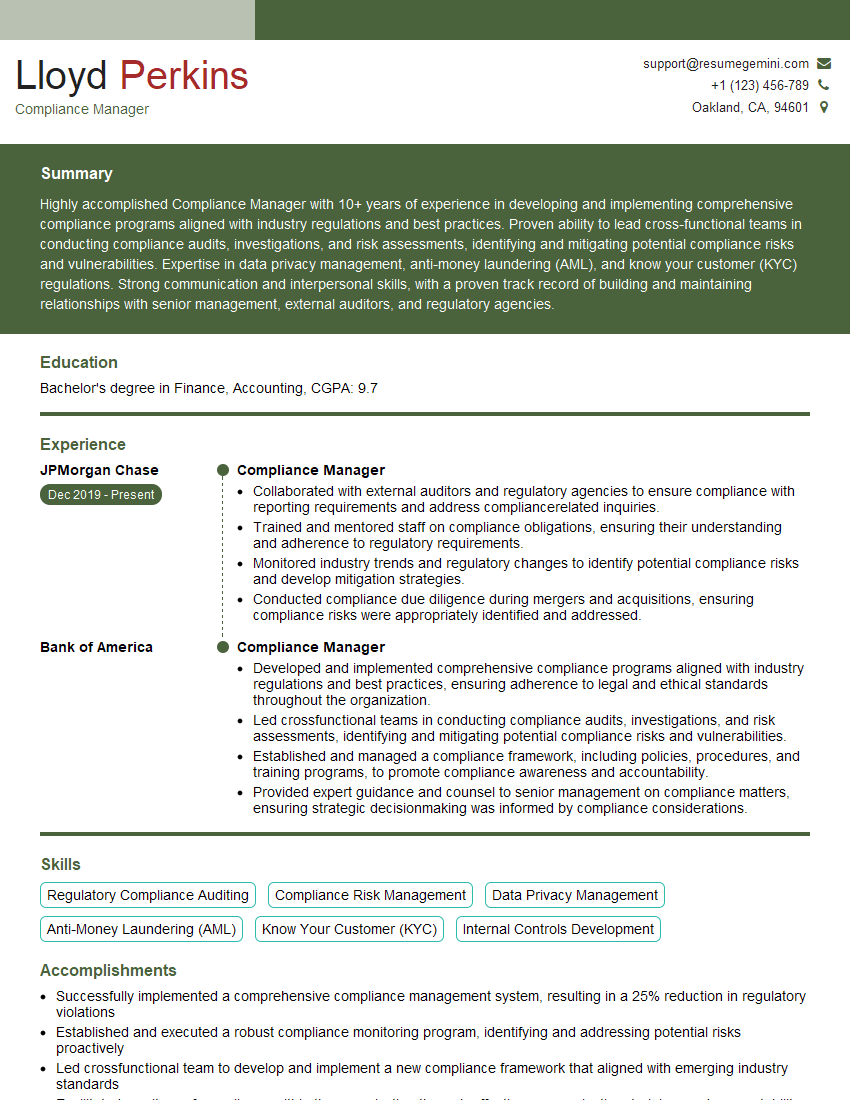
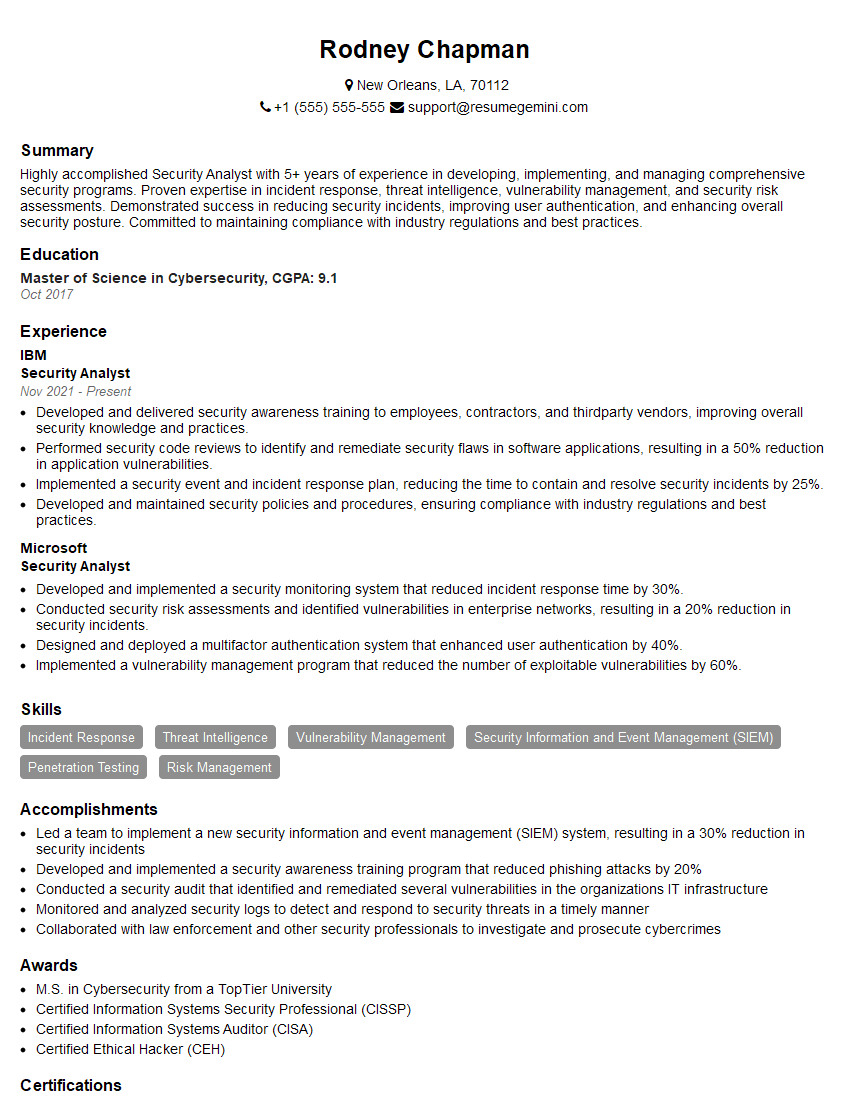
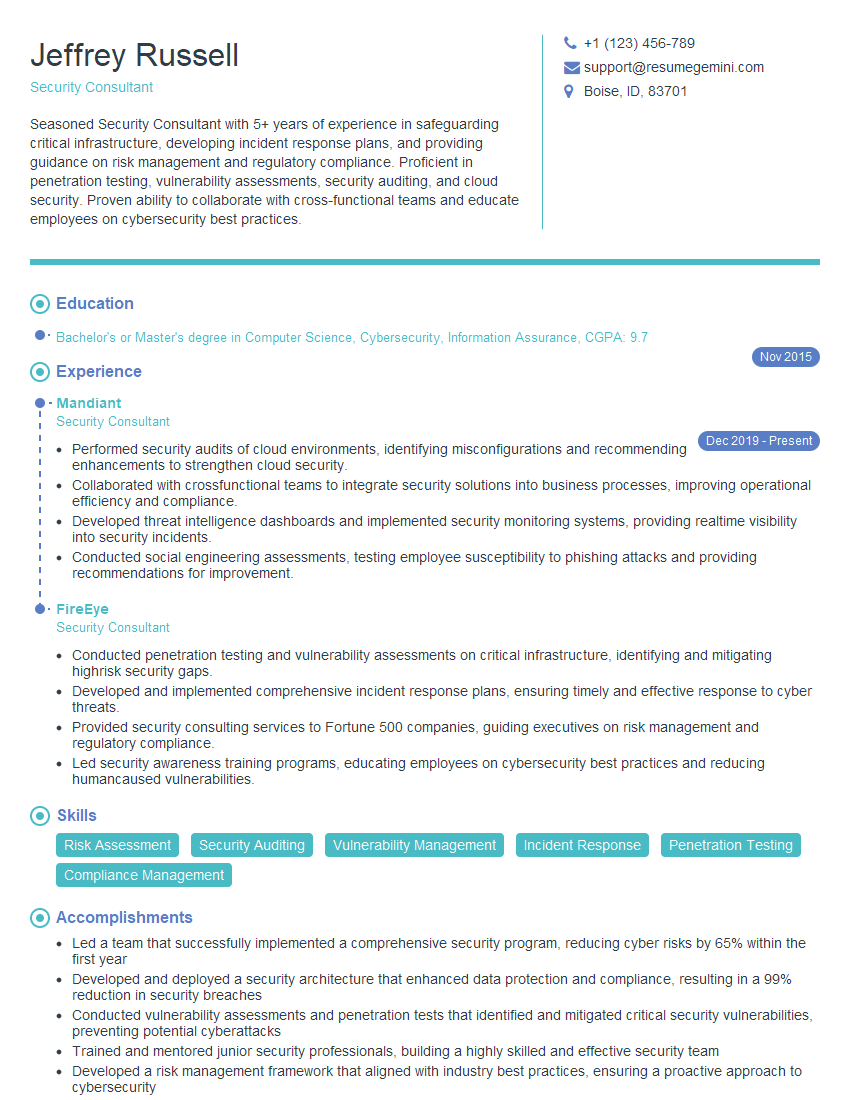
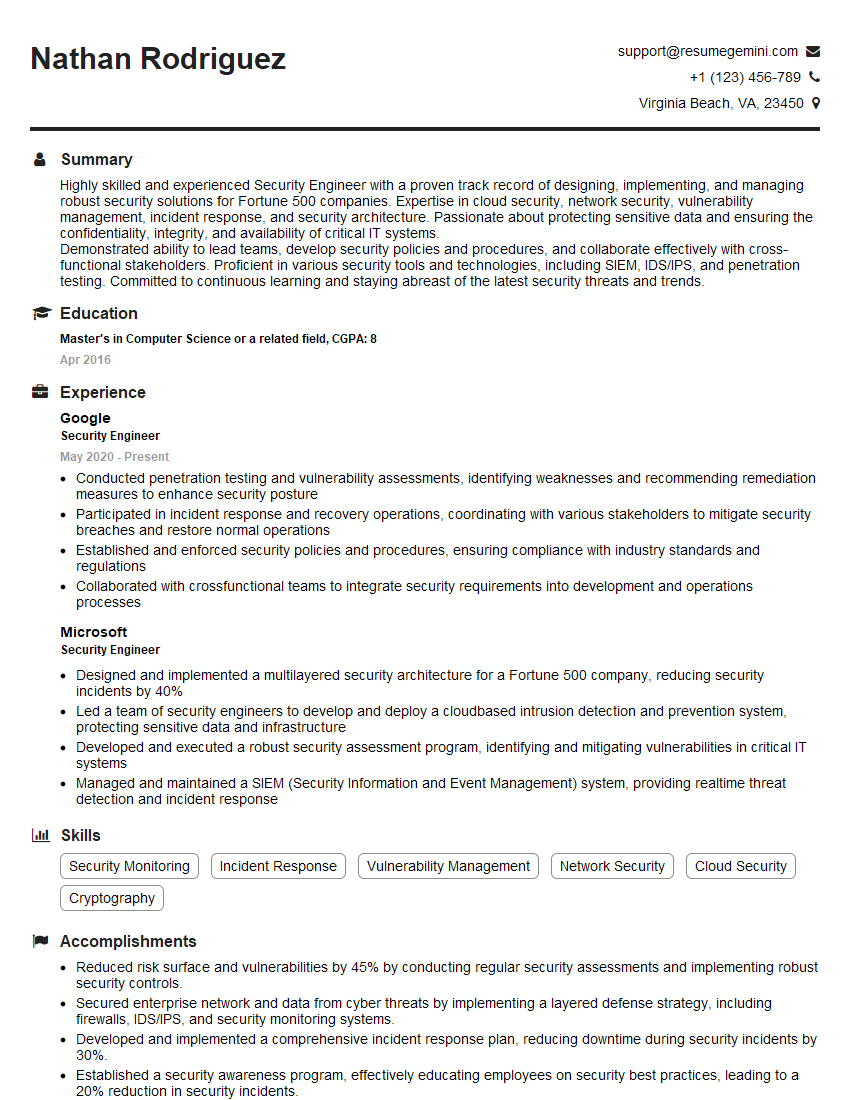
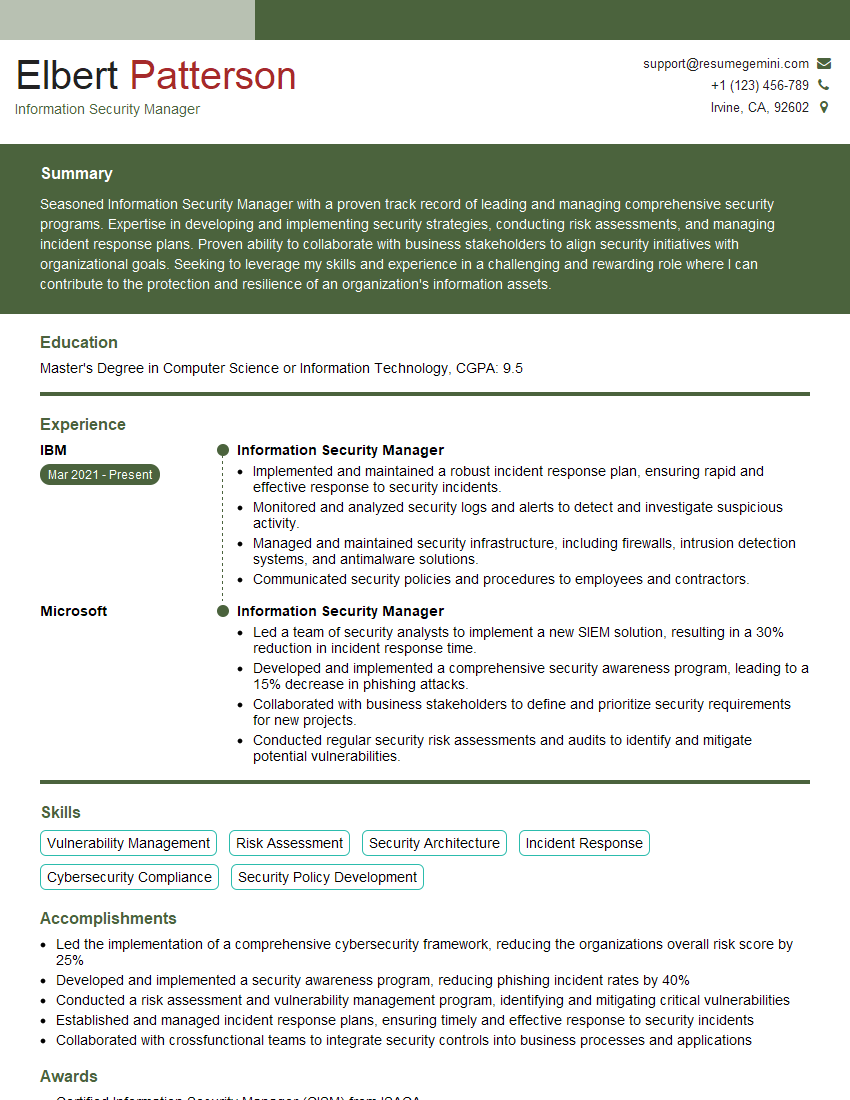
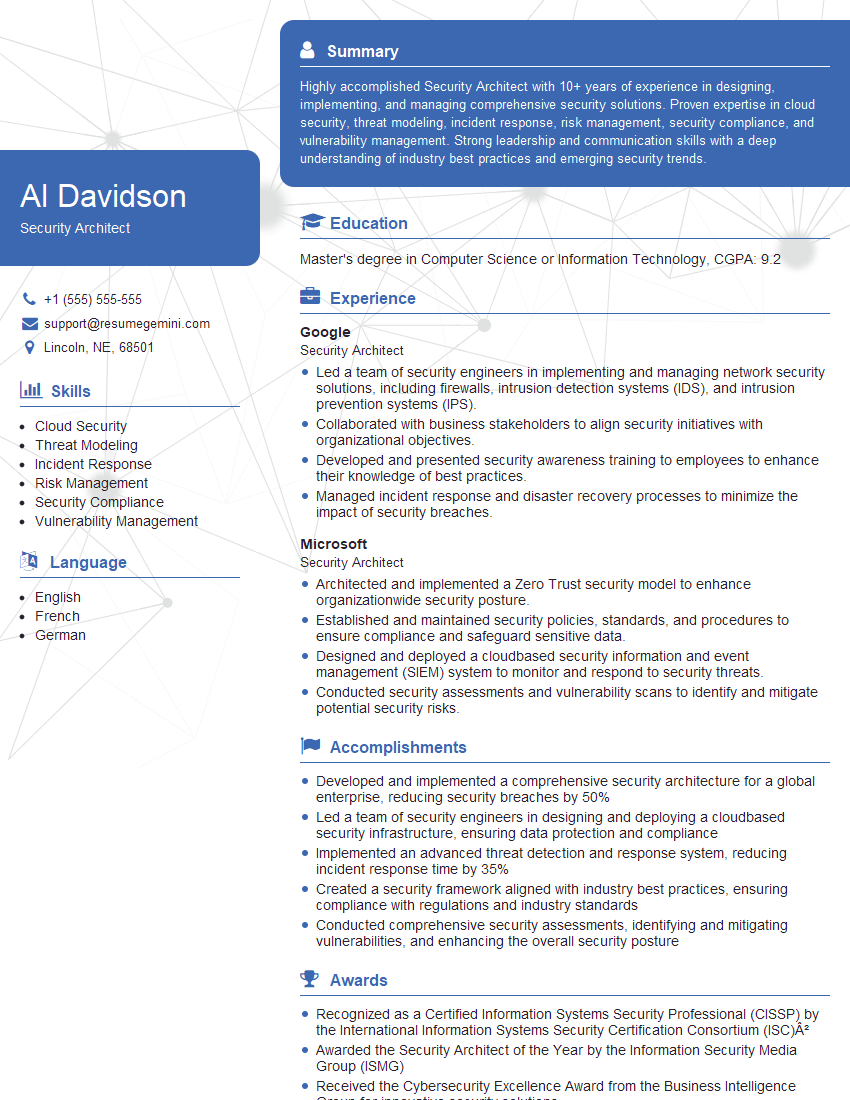
Mastering security and privacy laws is crucial for career advancement in today’s data-driven world. A strong understanding of these laws demonstrates your commitment to ethical practices and responsible data handling, making you a highly valuable asset to any organization. To maximize your job prospects, focus on creating an ATS-friendly resume that highlights your relevant skills and experience. ResumeGemini is a trusted resource that can help you build a professional and impactful resume. Examples of resumes tailored to showcasing expertise in Familiar with Security and Privacy Laws are available, guiding you to craft a document that truly reflects your capabilities. Invest in your future – build a compelling resume that lands you your dream job.

Explore more articles
Users Rating of Our Blogs
Share Your Experience
We value your feedback! Please rate our content and share your thoughts (optional).
What Readers Say About Our Blog
Really detailed insights and content, thank you for writing this detailed article.
IT gave me an insight and words to use and be able to think of examples