Preparation is the key to success in any interview. In this post, we’ll explore crucial Understanding of Pest and Disease Control Methods interview questions and equip you with strategies to craft impactful answers. Whether you’re a beginner or a pro, these tips will elevate your preparation.
Questions Asked in Understanding of Pest and Disease Control Methods Interview
Q 1. Explain the principles of Integrated Pest Management (IPM).
Integrated Pest Management (IPM) is a sustainable approach to pest control that prioritizes preventing pest problems and minimizing pesticide use. It’s based on a holistic understanding of the pest, its environment, and the crop or ecosystem it affects. Instead of relying solely on chemical solutions, IPM incorporates a variety of methods to manage pests economically and responsibly.
- Monitoring and Scouting: Regular observation to identify pest presence and severity before significant damage occurs.
- Action Thresholds: Determining the level of pest infestation that warrants intervention.
- Cultural Controls: Practices like crop rotation, proper sanitation, and appropriate planting density to prevent or reduce pest populations.
- Biological Controls: Utilizing natural enemies of pests, such as beneficial insects, birds, or microorganisms.
- Chemical Controls: Employing pesticides only when necessary and as a last resort, selecting the least toxic option effective against the target pest.
Imagine a farmer using IPM to manage aphids on their lettuce crop. They’d first monitor aphid populations. If numbers are low and below the action threshold, they might use a natural predator like ladybugs. Only if the aphid population explodes and threatens yield would they consider using a targeted insecticide.
Q 2. Describe different methods of pest monitoring and scouting.
Pest monitoring and scouting involve regular inspection of crops to detect pests early and assess their population levels. Effective scouting involves using various methods to accurately determine pest presence and severity.
- Visual Inspection: Directly observing plants for signs of pest damage, such as holes in leaves, wilting, or the presence of insects.
- Traps: Using sticky traps or pheromone traps to lure and capture specific pests, providing information on their numbers and species.
- Sampling Techniques: Collecting representative samples of plants from the field to assess pest infestation levels more accurately.
- Technology: Utilizing tools like drones, remote sensing, or image analysis software to monitor large areas efficiently.
For example, a scout might use a sweep net to sample insects in a cotton field, or place pheromone traps to monitor the presence of specific moths. Data collected helps determine if pest populations are rising above the action threshold, triggering the need for intervention.
Q 3. What are the key differences between chemical and biological pest control?
Chemical and biological pest control differ significantly in their approach and impact on the environment.
- Chemical Control: Uses synthetic pesticides to kill or repel pests. It’s often quick-acting but can have negative environmental consequences, impacting non-target organisms and potentially leading to pesticide resistance.
- Biological Control: Employs natural enemies of pests to regulate their populations. This includes introducing predators, parasites, or pathogens that attack the target pest. It’s a more environmentally friendly and sustainable approach, reducing reliance on synthetic chemicals.
Think of it like this: chemical control is like using a broad-spectrum antibiotic – it kills the infection but can harm beneficial bacteria. Biological control is like using your body’s immune system – a targeted, self-regulating approach to fighting disease. Both have roles in pest management, but biological control aligns better with IPM principles.
Q 4. How do you identify common plant diseases?
Identifying plant diseases involves a systematic approach, combining observation of symptoms with knowledge of the plant’s environment and growing conditions.
- Visual Symptoms: Observe changes in plant appearance, including leaf spots, discoloration, wilting, stunted growth, or abnormal fruiting.
- Environmental Factors: Consider weather patterns, soil conditions, and proximity to other infected plants, as these influence disease development.
- Laboratory Tests: If visual identification is inconclusive, laboratory tests can confirm the specific pathogen causing the disease.
For instance, powdery mildew presents as a white, powdery coating on leaves, while early blight shows up as brown spots with concentric rings. Accurate diagnosis requires careful examination and might need confirmation through laboratory analysis.
Q 5. Explain the disease cycle of a specific plant pathogen (e.g., powdery mildew).
The powdery mildew disease cycle typically involves the following stages:
- Survival: The fungus survives the winter as cleistothecia (overwintering structures) on infected plant debris.
- Germination: In spring, favorable conditions (warm temperatures, high humidity) trigger spore germination.
- Infection: Germinated spores infect susceptible plant tissues, penetrating the leaf surface.
- Colonization: The fungus colonizes the leaf tissue, producing mycelium and conidia (asexual spores).
- Sporulation: Conidia are dispersed by wind or water, leading to new infections.
- Overwintering: As the season ends, the fungus forms cleistothecia to survive until the next growing season.
Understanding this cycle is crucial for effective management. Prevention strategies might include removing infected plant debris, ensuring good air circulation to reduce humidity, and applying fungicides when necessary, targeting specific stages of the cycle.
Q 6. What are the common symptoms of pest infestation in various crops?
Pest infestation symptoms vary depending on the pest and the crop, but common signs include:
- Chewing Insects: Holes in leaves, skeletonized leaves (only veins remain), or damaged stems and fruits.
- Sucking Insects: Yellowing or discoloration of leaves, stunted growth, sticky honeydew (excrement), or leaf curling.
- Borer Insects: Tunnels or galleries in stems or branches, wilting, or plant death.
- Nematodes: Stunted growth, root galls (swellings), or wilting.
For example, aphids on roses cause leaf curling and yellowing, while corn borers create holes in corn stalks.
Q 7. Describe different types of pesticides and their modes of action.
Pesticides are categorized based on their chemical composition and mode of action. Different types include:
- Insecticides: Target insects. They can be contact poisons (killing upon contact), stomach poisons (killing when ingested), or systemic poisons (absorbed by the plant and toxic to insects that feed on it).
- Herbicides: Target weeds. These can be selective (killing specific weed species) or non-selective (killing all plants). Some work by disrupting plant hormone balance.
- Fungicides: Target fungal pathogens. They can be protectants (preventing infection) or eradicants (killing existing fungi).
- Nematicides: Target nematodes. Often applied to the soil to control these root-feeding pests.
Modes of action vary greatly. Some pesticides disrupt nerve transmission in insects, others interfere with their metabolic processes, and still others inhibit fungal growth. Choosing the right pesticide requires understanding both the target pest and the pesticide’s mode of action to maximize effectiveness and minimize environmental impact.
Q 8. Explain the importance of pesticide safety and handling.
Pesticide safety and handling are paramount for protecting human health, the environment, and the efficacy of pest control. Improper handling can lead to acute or chronic health problems, contaminate water sources, harm beneficial insects and wildlife, and even render pesticides ineffective due to resistance development.
- Personal Protective Equipment (PPE): Always wear appropriate PPE, such as gloves, respirators, eye protection, and protective clothing, as specified on the pesticide label. This is non-negotiable and should be tailored to the specific pesticide’s toxicity and the application method.
- Label Reading and Understanding: Before every use, thoroughly read and understand the pesticide label. It contains crucial information on application rates, safety precautions, and disposal procedures. Treating the label as a legal document is essential.
- Application Techniques: Proper application techniques are vital. This includes choosing the right application method (e.g., spraying, dusting, baiting), calibrating equipment accurately, and avoiding drift onto non-target areas. Using appropriate spray nozzles can dramatically minimize pesticide drift.
- Storage and Disposal: Pesticides should be stored in a secure, locked location, away from food, water, and children. Proper disposal methods, as outlined on the label, must be followed to prevent environmental contamination. Never pour unused pesticides down the drain or into the trash.
- Emergency Procedures: Familiarize yourself with emergency procedures in case of accidental exposure, such as contacting poison control or medical professionals immediately. Having a readily available first aid kit specific to pesticide exposure is also crucial.
For example, imagine a farmer spraying a pesticide without proper PPE. Skin contact could lead to irritation or even systemic poisoning. Similarly, improper disposal could contaminate groundwater, affecting drinking water sources for the community.
Q 9. What are the legal requirements for pesticide application?
Legal requirements for pesticide application vary by jurisdiction but generally include licensing, registration, and adherence to specific regulations. These are designed to ensure safe and responsible pesticide use.
- Licensing and Certification: Many jurisdictions require applicators to obtain a license or certification demonstrating their knowledge of pesticide safety, handling, and application techniques. The specific requirements vary depending on the type of pesticide and the application setting (e.g., agricultural, residential, commercial).
- Pesticide Registration: Pesticides must be registered with the relevant regulatory agency (e.g., EPA in the US) before they can be legally sold and used. This process ensures that the pesticide has undergone rigorous testing and meets safety and efficacy standards.
- Label Compliance: Adherence to the pesticide label is legally mandatory. The label contains crucial information about application rates, safety precautions, and target pests. Deviating from label instructions is illegal and potentially dangerous.
- Record Keeping: Many jurisdictions mandate detailed record-keeping of pesticide applications, including the date, location, pesticide used, application rate, and weather conditions. This documentation is crucial for tracking pesticide use and ensuring compliance.
- Environmental Protection Measures: Regulations often dictate measures to minimize environmental impact, including buffer zones around sensitive areas (e.g., water bodies) and restrictions on application during certain weather conditions (e.g., windy days).
Non-compliance can result in hefty fines, legal action, and suspension or revocation of licenses. It’s crucial to stay updated on all relevant regulations in your region.
Q 10. How do you choose the appropriate pesticide for a given pest problem?
Choosing the right pesticide involves careful consideration of several factors to ensure both efficacy and safety. A ‘one-size-fits-all’ approach rarely works.
- Pest Identification: Accurate identification of the pest is crucial. Misidentification can lead to ineffective treatment and potential harm to beneficial organisms. Use reliable resources, consult with experts if needed, and consider using traps or monitoring to confirm the pest’s presence.
- Pesticide Properties: Consider the pesticide’s mode of action (how it kills or controls the pest), its toxicity to humans and other organisms, its persistence in the environment, and its compatibility with other pesticides or products.
- Target Site and Environmental Conditions: The application site, environmental factors (temperature, wind, rainfall), and the presence of non-target organisms all influence pesticide choice. Some pesticides are more effective under certain conditions, and some are less harmful to beneficial insects or pollinators.
- Economic Threshold: Consider the economic threshold—the pest population level at which control measures are economically justified. If the pest population is below the threshold, control may not be necessary.
- Integrated Pest Management (IPM): Strive to integrate pesticides with other control methods, such as cultural practices, biological control, or physical removal. This minimizes reliance on pesticides and reduces the risk of resistance development.
For example, a homeowner dealing with aphids on their roses might use insecticidal soap, a relatively low-toxicity option, as opposed to a broad-spectrum insecticide that could harm beneficial insects.
Q 11. Discuss the role of cultural practices in pest and disease management.
Cultural practices are non-chemical methods that manipulate the environment to reduce pest and disease pressure. They are a cornerstone of Integrated Pest Management (IPM) and often the first line of defense.
- Crop Rotation: Alternating crops disrupts the life cycles of many pests and diseases, preventing population buildup.
- Sanitation: Removing crop debris and weeds reduces overwintering sites for pests and diseases. Proper disposal of infected plants is also essential.
- Resistant Varieties: Planting pest- or disease-resistant varieties reduces the need for chemical control.
- Proper Planting and Spacing: Optimal planting density and spacing improve air circulation, reducing humidity and susceptibility to fungal diseases.
- Nutrient Management: Balanced fertilization strengthens plants, improving their resilience to pests and diseases. Nutrient deficiencies can weaken plants, making them more vulnerable.
- Irrigation Management: Proper irrigation avoids water stress and excessive humidity that favor the development of diseases.
For instance, a farmer might rotate corn and soybeans to manage corn rootworm. A gardener could practice proper sanitation to minimize the spread of fungal diseases.
Q 12. Explain the concept of pest resistance and how to manage it.
Pest resistance occurs when a pest population develops the ability to survive exposure to a pesticide that was previously effective. This is a significant challenge in pest management, demanding proactive strategies.
- Resistance Monitoring: Regularly monitor pest populations for signs of resistance. This may involve testing pesticide susceptibility in the lab or conducting field trials.
- Integrated Pest Management (IPM): IPM’s emphasis on multiple control methods reduces reliance on any single pesticide, slowing resistance development.
- Pesticide Rotation: Rotating pesticides with different modes of action prevents the selection of resistant individuals.
- Refugia: Maintaining areas where pests are not exposed to pesticides provides a reservoir of susceptible individuals that can dilute the resistant population.
- High-Dose/Short-Duration Applications: This strategy aims to kill as many pests as possible before resistance can develop, but it needs careful consideration of environmental impact.
- Development of New Pesticides: Research and development of new pesticides with novel modes of action are crucial in combating resistance.
Example: The overuse of a particular insecticide against Colorado potato beetles has led to widespread resistance in some areas, necessitating alternative control strategies.
Q 13. How do you determine economic thresholds for pest control?
The economic threshold (ET) is the pest population density at which control measures become economically justified. It balances the cost of control with the potential losses caused by the pest.
Determining the ET involves:
- Estimating Pest Damage: Assess the economic impact of the pest at various population levels. This might involve measuring yield loss, reduced quality, or increased production costs.
- Estimating Control Costs: Determine the cost of various control methods, including pesticides, labor, equipment, and any potential yield loss during application.
- Analyzing Profit Margins: Compare the potential loss caused by the pest to the cost of control. The ET is reached when the cost of control is less than or equal to the potential loss.
- Using Decision Support Systems: Modern decision support systems can integrate various factors (e.g., weather data, pest population models) to provide more accurate ET estimates.
For instance, an apple orchard owner might have a different ET for codling moths than a small-scale home orchard owner. The former might justify more intensive (and expensive) control measures to protect a much larger yield.
Q 14. Describe different methods of disease diagnosis in plants.
Diagnosing plant diseases accurately is crucial for effective management. Several methods can be used, often in combination:
- Visual Inspection: Carefully examining the plant for symptoms like spots, wilting, discoloration, or unusual growths. Note the location and distribution of symptoms on the plant.
- Laboratory Testing: Submitting samples to a diagnostic lab allows for the identification of pathogens (bacteria, fungi, viruses) through microscopic examination, culturing, or molecular techniques (e.g., PCR).
- Environmental Monitoring: Assessing factors like soil moisture, temperature, and humidity can help identify conditions favorable to specific diseases.
- Host Plant Identification: Knowing the specific plant species is crucial since many diseases affect only particular hosts.
- History of the Plant: Understanding the plant’s history, including previous treatments, cultural practices, and symptoms observed over time, can aid in diagnosis.
For example, a gardener noticing yellowing leaves and leaf curling on their tomato plants might suspect a viral infection and submit samples to a diagnostic lab for confirmation and identification of the specific virus.
Q 15. What are the advantages and disadvantages of using resistant crop varieties?
Resistant crop varieties, also known as genetically modified (GM) crops or cultivars with disease resistance, offer a powerful tool in pest and disease management. They’re essentially plants bred or engineered to withstand specific pests or diseases, reducing the need for chemical interventions.
- Advantages: Reduced pesticide use, leading to lower environmental impact and cost savings; increased crop yields due to less damage from pests and diseases; improved food security, particularly in regions vulnerable to pest outbreaks; enhanced farm profitability.
- Disadvantages: Potential development of resistance in pest populations if the same resistant variety is used repeatedly; concerns regarding gene flow to wild relatives and potential ecological effects; potential economic dependence on a few seed companies controlling resistant varieties; consumer concerns and market acceptance issues related to genetically modified crops.
For example, Bt corn, expressing the Bacillus thuringiensis toxin, is resistant to certain insect pests. However, the overuse of Bt corn has led to the evolution of resistant insect populations in some areas, highlighting the importance of integrated pest management (IPM) strategies even with resistant varieties.
Career Expert Tips:
- Ace those interviews! Prepare effectively by reviewing the Top 50 Most Common Interview Questions on ResumeGemini.
- Navigate your job search with confidence! Explore a wide range of Career Tips on ResumeGemini. Learn about common challenges and recommendations to overcome them.
- Craft the perfect resume! Master the Art of Resume Writing with ResumeGemini’s guide. Showcase your unique qualifications and achievements effectively.
- Don’t miss out on holiday savings! Build your dream resume with ResumeGemini’s ATS optimized templates.
Q 16. Explain the role of beneficial insects in pest control.
Beneficial insects play a crucial role in natural pest control, acting as biological control agents. They achieve this through predation (eating pests), parasitism (laying eggs on or in pests, killing them), or competition (competing with pests for resources).
- Predators: Ladybugs devouring aphids, praying mantises hunting caterpillars, and lacewings consuming mealybugs.
- Parasitoids: Certain wasps and flies whose larvae feed on and ultimately kill their pest hosts. For example, Trichogramma wasps parasitize the eggs of many moth species.
- Competitors: Introducing beneficial insects that compete for the same resources as pests can reduce pest populations. For instance, some beneficial nematodes compete with soil-dwelling pests for food.
Encouraging the presence of beneficial insects involves creating habitats that provide food, shelter, and nesting sites through techniques like planting flower strips, reducing pesticide use, and installing insect hotels. This promotes biodiversity and strengthens the natural ecosystem services that control pest populations.
Q 17. How do you assess the effectiveness of a pest control program?
Assessing the effectiveness of a pest control program requires a multi-faceted approach. Simply observing reduced pest numbers isn’t enough; you need to quantify the impact on yield, economic return, and environmental health.
- Pre- and post-treatment surveys: Conduct thorough surveys to determine initial pest populations and damage levels before implementing the control program. Repeat these surveys after treatment to measure the reduction in pest numbers and damage.
- Yield assessment: Measure the crop yield in treated and untreated areas (controls) to determine the increase in productivity due to the control program.
- Economic analysis: Calculate the cost of the pest control program (including materials, labor, and potential crop loss) and compare it to the increased profit from improved yields.
- Environmental monitoring: Assess any potential negative impacts of the pest control program on non-target organisms, water quality, or soil health.
A well-designed experiment with statistical analysis is crucial to reliably assess the effectiveness of a program. Consider using appropriate statistical tools such as t-tests or ANOVA to compare the results between treated and untreated groups.
Q 18. Describe your experience with pesticide application equipment.
My experience encompasses a wide range of pesticide application equipment, from manual sprayers to sophisticated, GPS-guided automated systems. I am proficient in using and maintaining various types of equipment, including:
- Handheld sprayers: For small-scale applications and spot treatments.
- Backpack sprayers: Ideal for larger areas with moderate accessibility.
- Boom sprayers: Efficient for large-scale field applications and orchards.
- Aerial application equipment: Used for large-scale applications, requiring specific licensing and safety training (which I possess).
Beyond operating the equipment, I’m also experienced in calibrating sprayers to ensure accurate and efficient pesticide application, minimizing wastage and environmental impact. Proper calibration is crucial for achieving effective pest control while adhering to safety regulations.
Q 19. How do you handle pesticide spills or accidents?
Pesticide spills or accidents require immediate and decisive action to minimize risks to human health and the environment. My response follows a strict protocol:
- Immediate action: Evacuate the area, ensuring personal safety. Do not attempt to clean up the spill without appropriate personal protective equipment (PPE).
- Containment: Contain the spill to prevent further spread using absorbent materials like sand or kitty litter. If possible, divert surface water runoff away from the spill area.
- Notification: Report the spill to the relevant authorities (environmental agencies and emergency services). Follow the instructions provided by the authorities.
- Cleanup: Follow the manufacturer’s instructions for cleanup procedures and dispose of contaminated materials according to local regulations.
- Documentation: Maintain detailed records of the incident, including the date, time, location, quantity spilled, cleanup procedures, and any injuries or environmental damage.
I am fully trained in handling pesticide emergencies and am familiar with all relevant safety regulations and disposal procedures.
Q 20. What are your strategies for preventing pest and disease outbreaks?
Preventing pest and disease outbreaks relies heavily on proactive measures, emphasizing integrated pest management (IPM) strategies. My strategies include:
- Crop rotation: To disrupt pest and disease cycles and reduce soilborne pathogen buildup.
- Resistant varieties: Utilizing crop varieties that are resistant to common pests and diseases.
- Sanitation: Removing crop debris and weeds that can harbor pests and diseases.
- Monitoring: Regular monitoring of crops to detect pest and disease infestations early.
- Biological control: Introducing beneficial insects or other natural enemies of pests.
- Cultural control: Adjusting planting times, planting densities, and irrigation practices to create unfavorable conditions for pests and diseases.
- Early intervention: Applying minimal chemical interventions only when necessary, based on threshold levels.
This approach balances effective pest control with minimizing the environmental impact and human health risks associated with excessive pesticide use. It’s a holistic approach that considers the entire agroecosystem.
Q 21. Explain the impact of climate change on pest and disease dynamics.
Climate change significantly impacts pest and disease dynamics, altering their distribution, abundance, and lifecycle. Warmer temperatures and altered precipitation patterns create favorable conditions for some pests and diseases to thrive while negatively impacting others.
- Range expansion: Warmer temperatures allow pests and diseases to expand their geographical ranges, moving into areas previously too cold to support them.
- Increased generation numbers: Longer growing seasons and warmer temperatures can lead to more generations of pests per year, resulting in higher population densities.
- Increased virulence: Some pests and diseases may become more virulent under warmer conditions.
- Altered host-pathogen interactions: Climate change can affect plant physiology, making them more or less susceptible to pests and diseases.
- Increased pest migration: Changes in weather patterns can facilitate the migration of pests and diseases across borders.
Understanding these impacts is crucial for adapting pest and disease management strategies. This involves monitoring changes in pest and disease distribution, modifying control tactics, and incorporating climate projections into IPM plans.
Q 22. Discuss the importance of record-keeping in pest and disease management.
Record-keeping is the backbone of effective pest and disease management. It allows for informed decision-making, tracks progress, and facilitates early detection of problems. Think of it as a detailed diary for your crops’ health. Without it, you’re essentially navigating in the dark.
- Tracking Pest and Disease Incidence: Detailed records of when and where pests or diseases were observed, their severity, and the affected plant populations help identify trends and patterns. This allows for proactive measures rather than reactive ones. For instance, if I consistently see aphid infestations in a specific section of the greenhouse during summer, I can implement preventative strategies like introducing beneficial insects or adjusting ventilation before a serious outbreak happens.
- Monitoring Treatment Efficacy: Recording the types of pesticides or other treatments used, application dates, rates, and observed results provides crucial information on the effectiveness of different strategies. If a particular treatment isn’t working, the records provide the data needed to switch to a more effective approach. This avoids wasting resources and potentially harming the environment with ineffective treatments.
- Facilitating Regulatory Compliance: Many jurisdictions require detailed records of pest and disease management practices. Proper documentation helps ensure compliance with regulations and avoids potential penalties.
- Improving Future Management Strategies: By analyzing historical data, we can identify recurring problems, predict future outbreaks, and refine management strategies over time. This data-driven approach is essential for long-term success.
Q 23. How do you communicate pest and disease management information to growers?
Communicating effectively with growers is paramount. I tailor my communication approach to the grower’s level of understanding and their specific needs. It’s not just about giving instructions; it’s about building trust and fostering a collaborative relationship.
- Clear and Concise Language: I avoid jargon and technical terms whenever possible, explaining concepts in plain language. Visual aids, such as photographs or diagrams, can be particularly helpful.
- On-site Demonstrations: I frequently conduct on-site demonstrations to show growers practical techniques for pest and disease management. Seeing it in action helps them understand and remember the instructions.
- Workshops and Training Sessions: I regularly participate in or organize workshops and training sessions to educate growers on the latest pest and disease control methods. This allows for interactive learning and the opportunity to answer questions.
- Written Reports and Recommendations: I always provide clear, written reports summarizing my findings, outlining specific recommendations, and detailing the rationale behind those recommendations. I make sure these reports are easy to understand and follow.
- Follow-up and Support: I understand that pest and disease management is an ongoing process. I provide follow-up support to growers, answering their questions and addressing any concerns they may have.
Q 24. Explain your understanding of quarantine procedures.
Quarantine procedures are crucial for preventing the introduction and spread of pests and diseases. These procedures aim to isolate potentially infected materials or organisms to prevent further contamination.
- Inspection: A thorough inspection of incoming plant materials is the first step. This involves visually examining plants for signs of pests or diseases. Sometimes, this requires specialized equipment like magnifying glasses or microscopes.
- Isolation: Suspected infected materials are immediately isolated from healthy plants. This isolation can range from a designated area within a greenhouse to a completely separate facility.
- Treatment: Depending on the suspected pest or disease, various treatments might be implemented, ranging from pesticide application to heat treatment or fumigation. The choice of treatment depends on the type of pest or disease and the type of plant material.
- Disposal: In severe cases, infected plants may need to be destroyed to prevent further spread. This is a last resort, but sometimes it’s the only way to effectively manage a serious infestation or outbreak.
- Monitoring: Even after treatment, continuous monitoring is necessary to ensure the effectiveness of the quarantine and to detect any potential re-emergence of the pest or disease.
For example, I once had to implement a strict quarantine procedure when a shipment of orchids arrived with a suspected case of bacterial wilt. We immediately isolated the shipment, and samples were sent to a lab for confirmation. The affected plants were ultimately destroyed, and the remaining plants were closely monitored for several weeks.
Q 25. Describe your experience working with different types of plant materials.
My experience spans a wide range of plant materials, including both field crops and horticultural plants. I’ve worked extensively with various species, each posing unique challenges in terms of pest and disease susceptibility. This diverse experience has allowed me to develop a comprehensive understanding of different plant vulnerabilities.
- Field Crops: I have experience managing pests and diseases in large-scale field crops such as corn, soybeans, and wheat, focusing on integrated pest management (IPM) techniques and the use of resistant varieties.
- Horticultural Plants: I’ve worked extensively with a variety of horticultural plants including fruit trees, vegetables, ornamentals, and greenhouse crops. This experience has honed my skills in diagnosing and managing diseases specific to these plants.
- Nursery Stock: I’m experienced in the management of pests and diseases in nursery stock, ensuring the health and quality of plants before they’re sold. This requires a keen eye for early detection and preventative measures.
Working with diverse plant materials has taught me the importance of adaptability and the need to tailor management strategies to the specific needs of each plant species. For example, the management strategies for a fungal disease on apples will be different from the methods used for a bacterial disease on tomatoes.
Q 26. How do you stay updated on the latest pest and disease control techniques?
Staying updated in this rapidly evolving field is crucial. I utilize a multi-faceted approach to ensure I have access to the latest information.
- Scientific Journals and Publications: I regularly review scientific journals and publications to stay abreast of new research findings on pest and disease control. I actively seek peer-reviewed research to ensure the information’s validity.
- Professional Organizations and Conferences: I actively participate in professional organizations and attend conferences to network with other experts, learn about new developments, and share best practices. These events are essential for keeping my knowledge current and collaborating with peers.
- Online Resources and Databases: I utilize online resources and databases such as those provided by universities and government agencies to access the latest information on pest and disease outbreaks, management strategies, and regulatory updates.
- Continuing Education Courses: I regularly participate in continuing education courses to enhance my knowledge and skills in specific areas of pest and disease management. This demonstrates a commitment to ongoing professional development.
Q 27. What are your strengths and weaknesses in pest and disease management?
My strengths lie in my meticulous attention to detail, my ability to diagnose complex problems, and my proactive approach to pest and disease management. I am also adept at communicating technical information to diverse audiences.
One area I’m continuously working to improve is my ability to manage large datasets efficiently. While I’m proficient in data analysis, I plan to explore advanced data analytics techniques to further streamline my workflow and enhance the accuracy of my predictions.
Q 28. Describe a time you had to troubleshoot a challenging pest or disease problem.
I once encountered a particularly challenging case of root rot in a greenhouse tomato crop. Initially, the symptoms were subtle, and misdiagnosis was possible. I systematically approached the problem, following these steps:
- Thorough Observation: I carefully examined the affected plants, noting the symptoms – wilting, yellowing leaves, and stunted growth. I then dug up several affected plants to examine their root systems.
- Soil Sample Analysis: I collected soil samples from the affected area and sent them to a laboratory for analysis to determine the specific pathogen and the soil’s overall health.
- Environmental Assessment: I evaluated the greenhouse environment, including temperature, humidity, and irrigation practices, as these factors can contribute to root rot development.
- Treatment Strategy: Based on the laboratory results and environmental assessment, I implemented a comprehensive treatment strategy. This involved adjusting irrigation practices to reduce soil moisture, improving greenhouse ventilation to reduce humidity, and applying a fungicide approved for use on tomatoes. I also removed and destroyed severely infected plants to prevent further spread.
- Monitoring and Evaluation: I closely monitored the crop’s health after treatment. New plants showed signs of healthy growth, and the spread of the root rot was controlled. This careful monitoring allowed for adjustments to the management plan as needed, ensuring its effectiveness.
This experience highlighted the importance of systematic diagnosis, thorough investigation, and adaptive management strategies in effectively addressing challenging pest and disease problems.
Key Topics to Learn for Understanding of Pest and Disease Control Methods Interview
- Integrated Pest Management (IPM): Understand the principles of IPM, including its economic and environmental benefits. Be prepared to discuss its application in various settings.
- Pest Identification and Biology: Demonstrate knowledge of common pests and diseases affecting crops, livestock, or structures. Discuss their life cycles and behaviors.
- Disease Diagnostics: Explain methods for identifying plant and animal diseases, including visual inspection, laboratory techniques, and the interpretation of diagnostic results.
- Control Strategies: Discuss various pest and disease control methods, including cultural, biological, chemical, and physical controls. Be ready to compare their effectiveness and environmental impact.
- Resistance Management: Explain strategies for preventing and managing pest and disease resistance to control measures.
- Safety and Regulations: Demonstrate understanding of safety protocols associated with pest and disease control, including the proper handling and application of pesticides and other control agents. Discuss relevant regulations and legislation.
- Economic Thresholds and Decision-Making: Explain the concept of economic thresholds and how they guide pest and disease management decisions. Be prepared to discuss cost-benefit analysis in pest control.
- Monitoring and Evaluation: Describe methods for monitoring pest and disease populations and evaluating the effectiveness of control strategies.
- Sustainable Pest Management Practices: Discuss environmentally friendly and sustainable approaches to pest and disease control.
Next Steps
Mastering Understanding of Pest and Disease Control Methods is crucial for career advancement in agriculture, horticulture, landscaping, and related fields. A strong understanding of these methods demonstrates your commitment to effective and responsible practices. To maximize your job prospects, create an ATS-friendly resume that highlights your skills and experience. ResumeGemini is a trusted resource that can help you build a professional resume that stands out. ResumeGemini provides examples of resumes tailored to Understanding of Pest and Disease Control Methods to help guide you in crafting the perfect application.
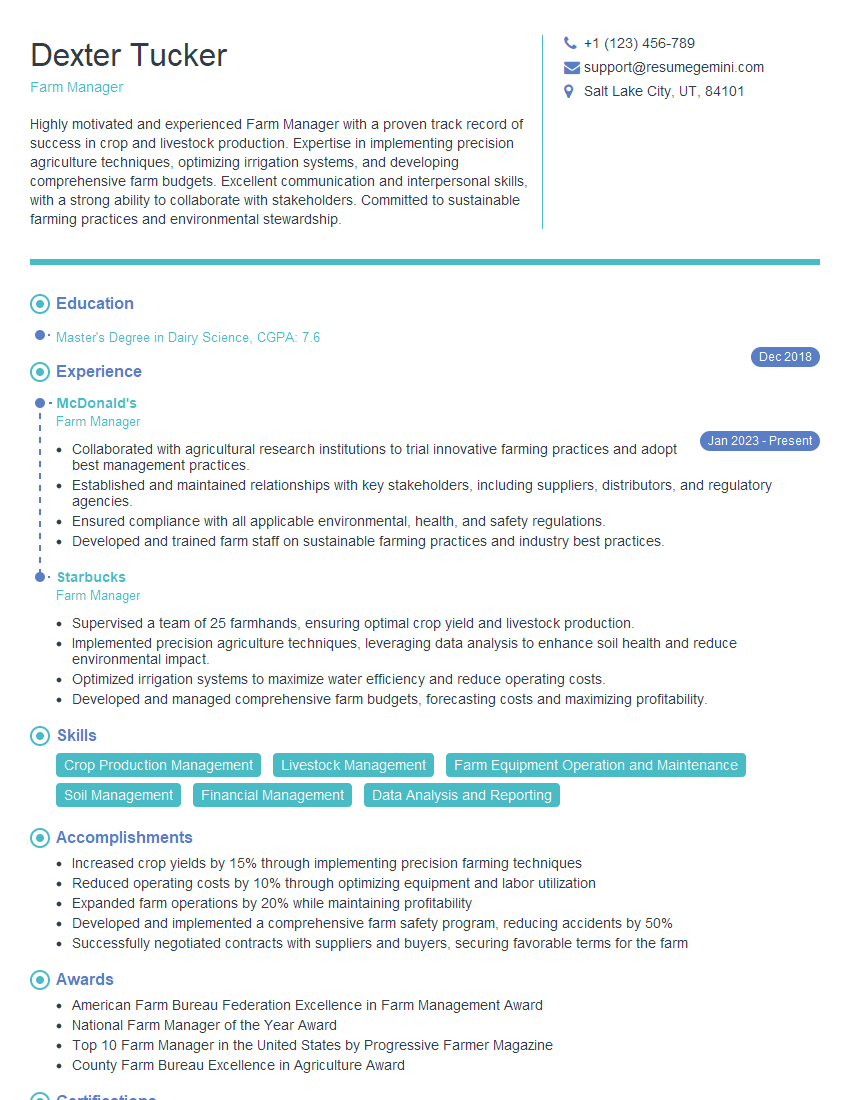
Farm Manager Resume Sample
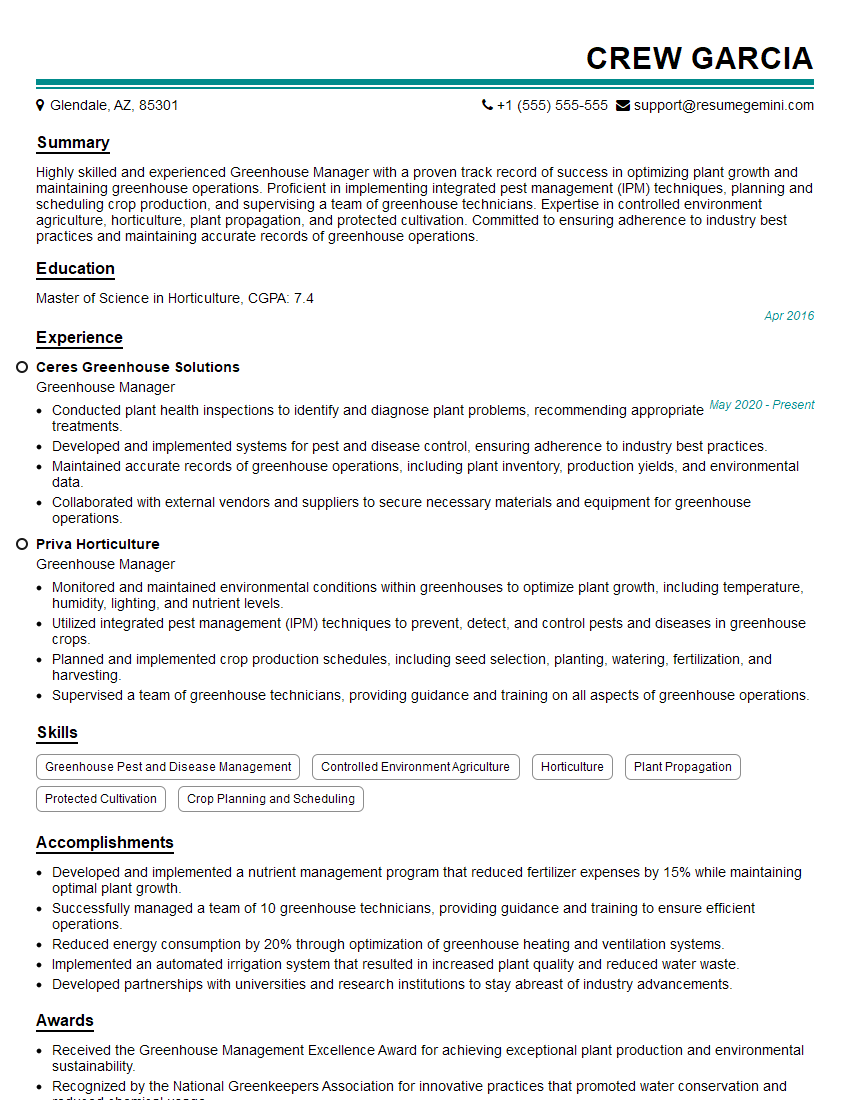
Greenhouse Manager Resume Sample
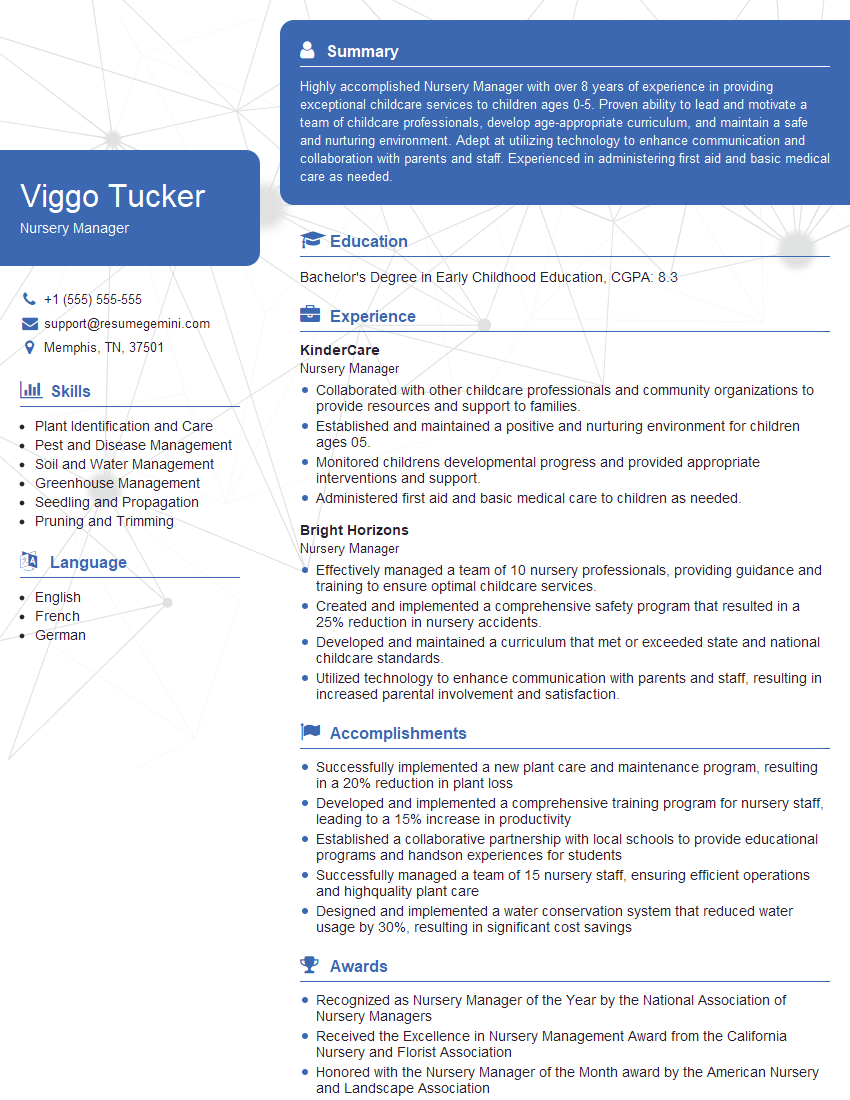
Nursery Manager Resume Sample
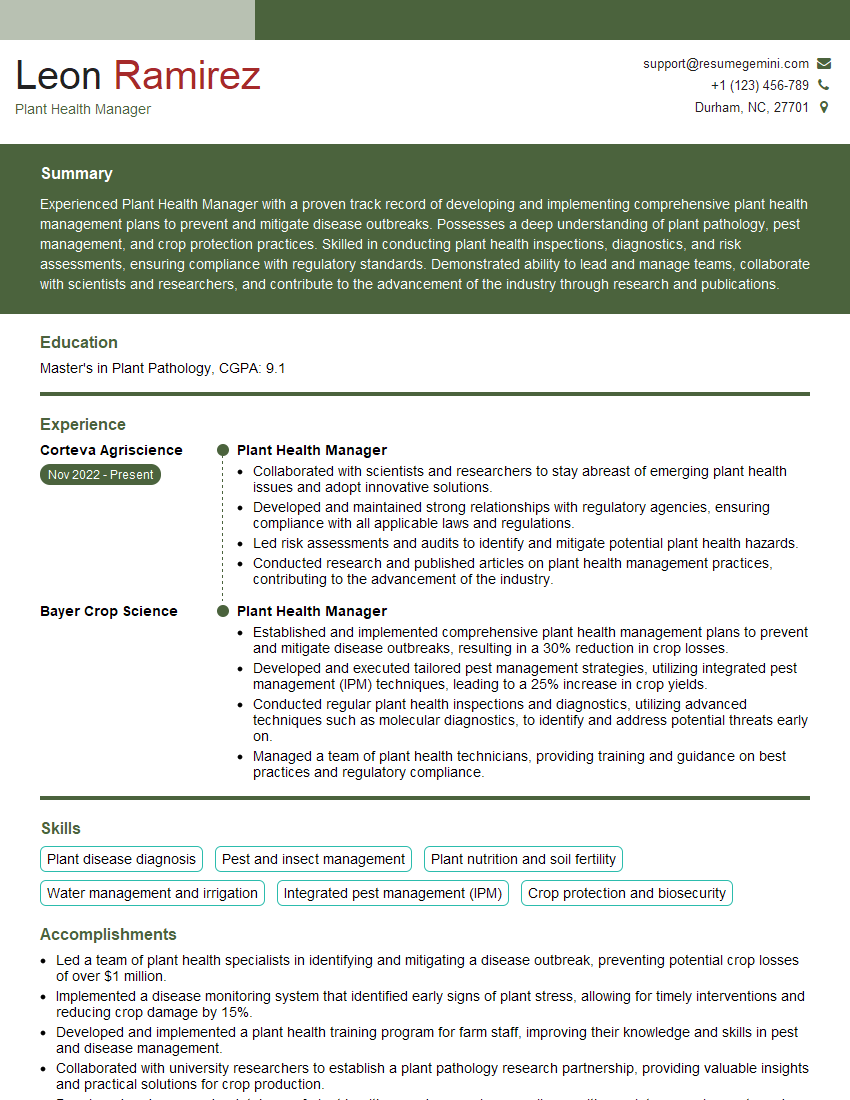
Plant Health Manager Resume Sample
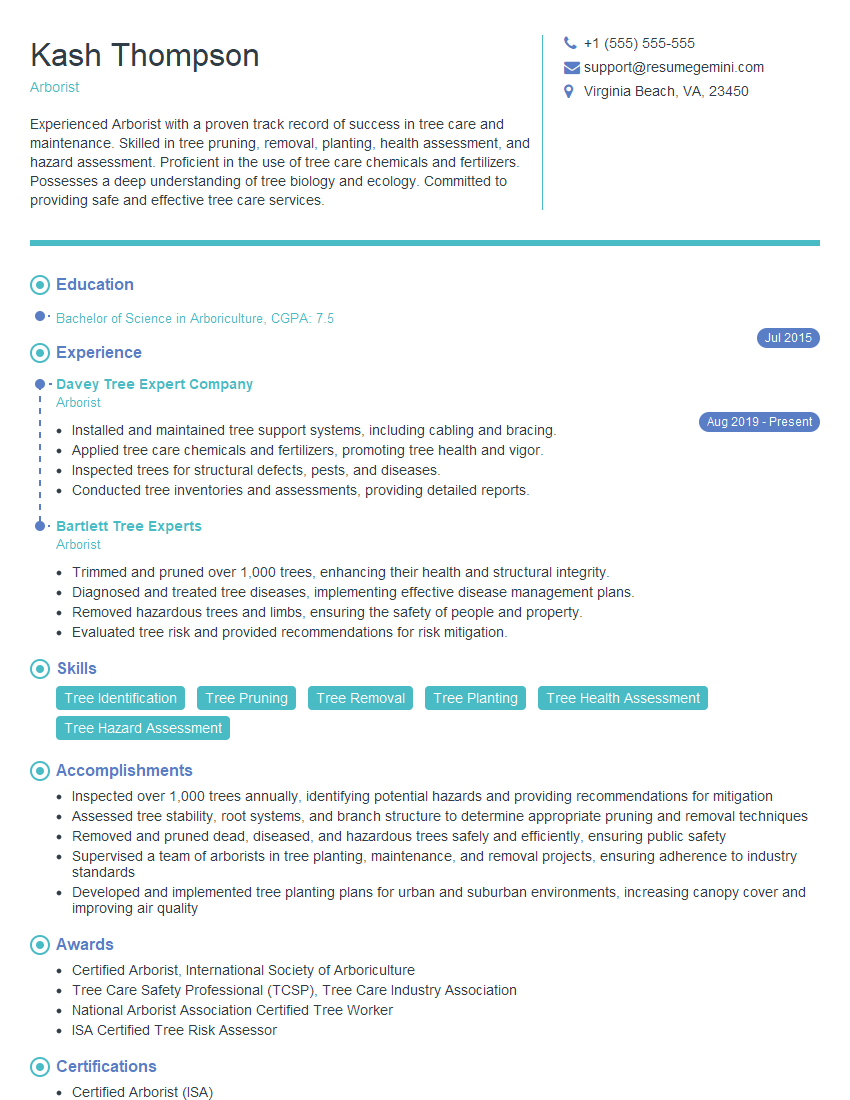
Arborist Resume Sample
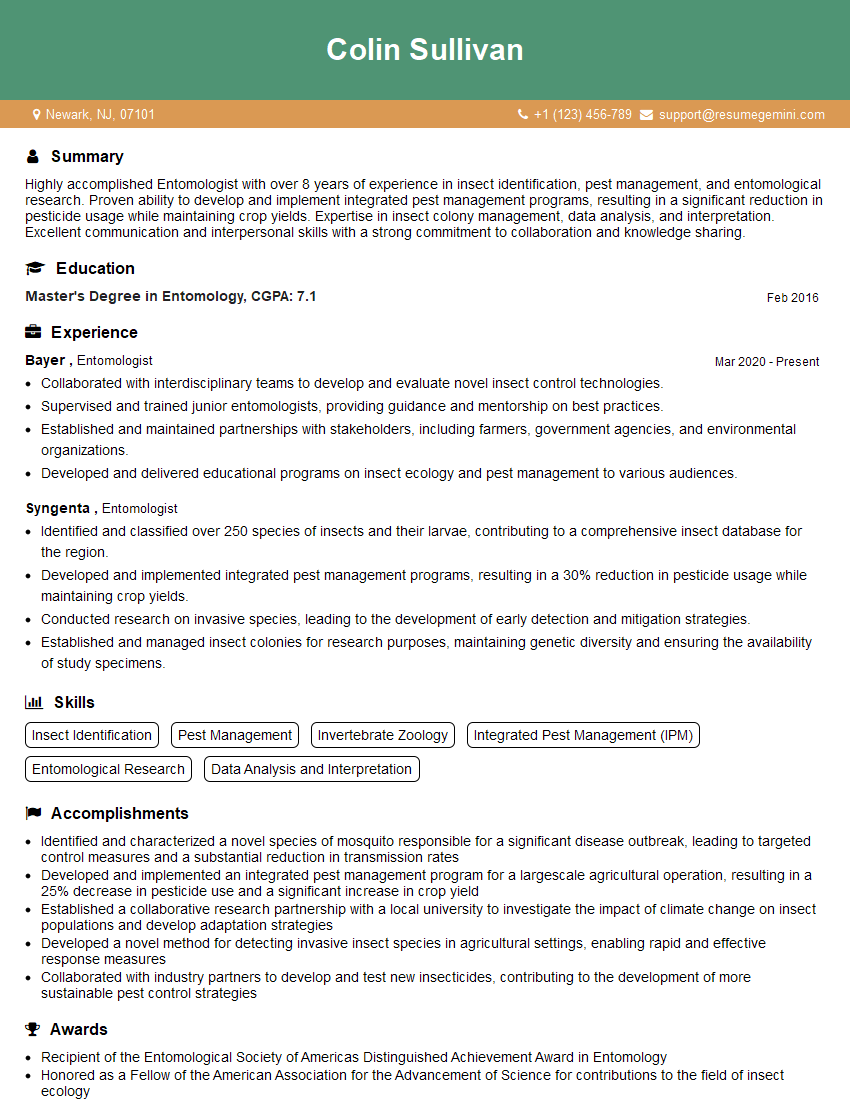
Entomologist Resume Sample
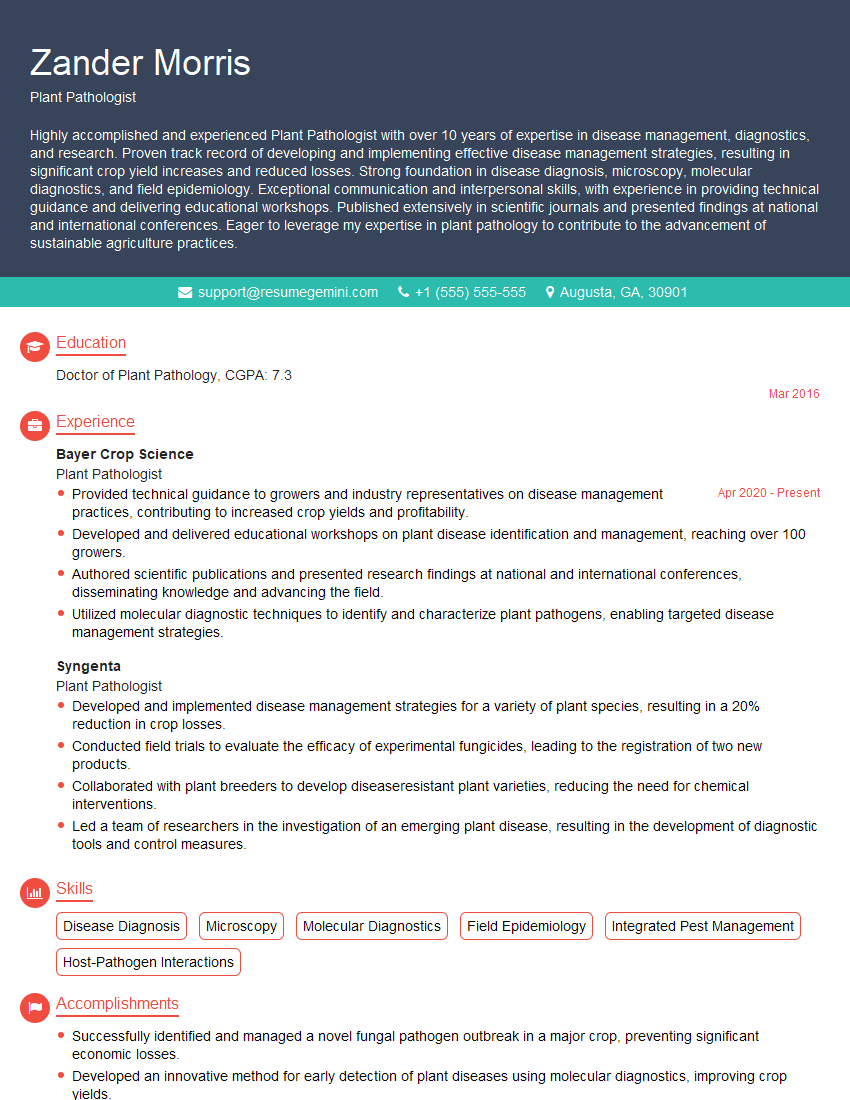
Plant Pathologist Resume Sample

Vector Control Specialist Resume Sample
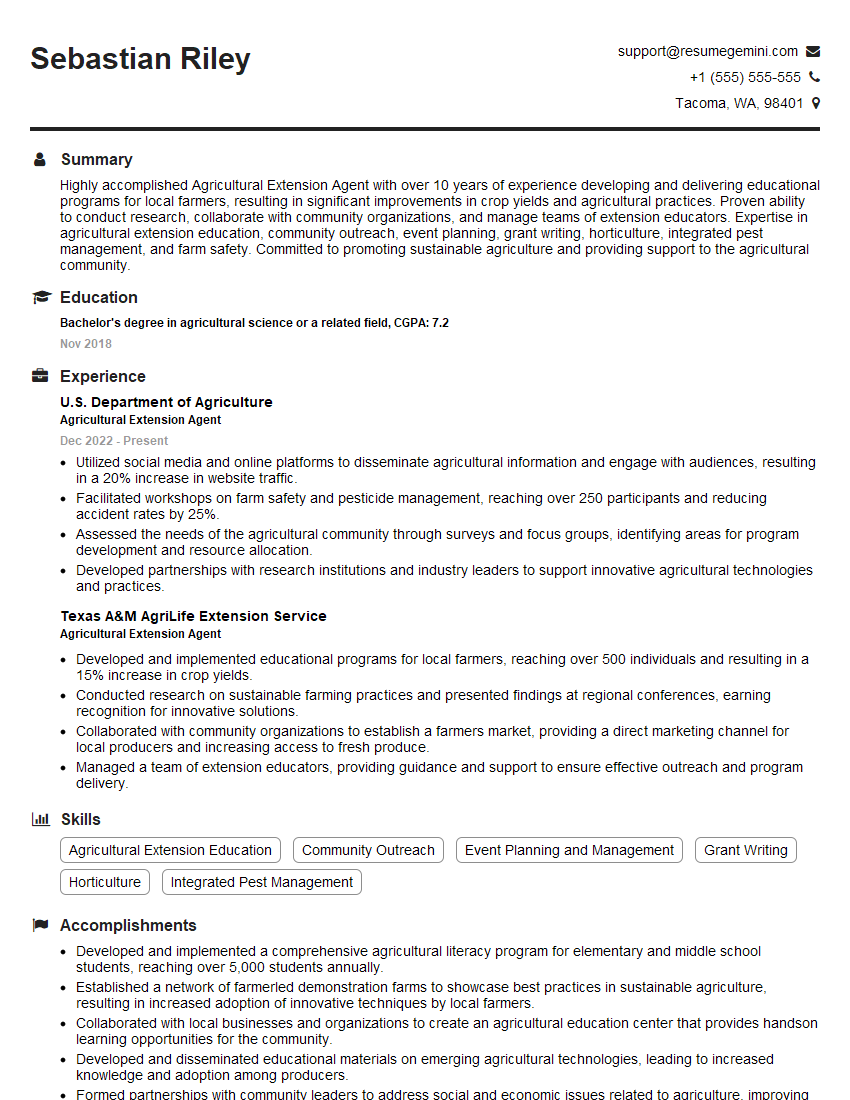
Agricultural Extension Agent Resume Sample
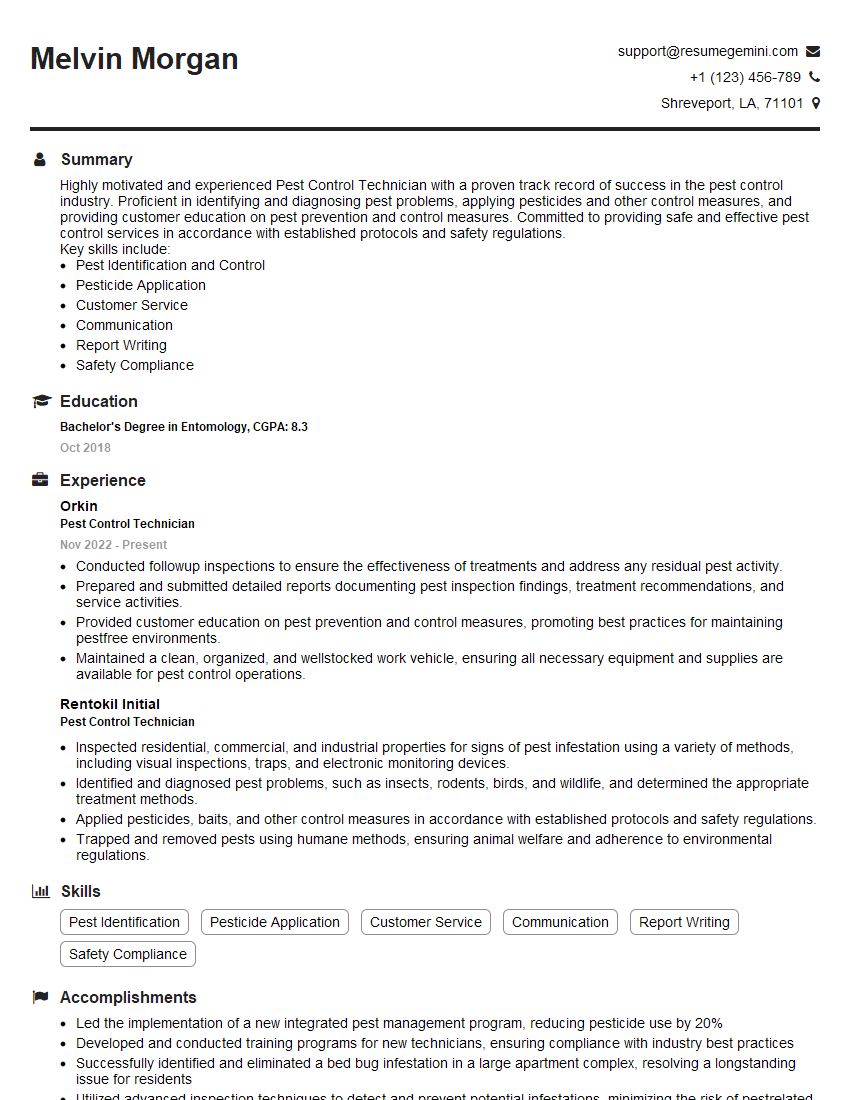
Pest Control Technician Resume Sample
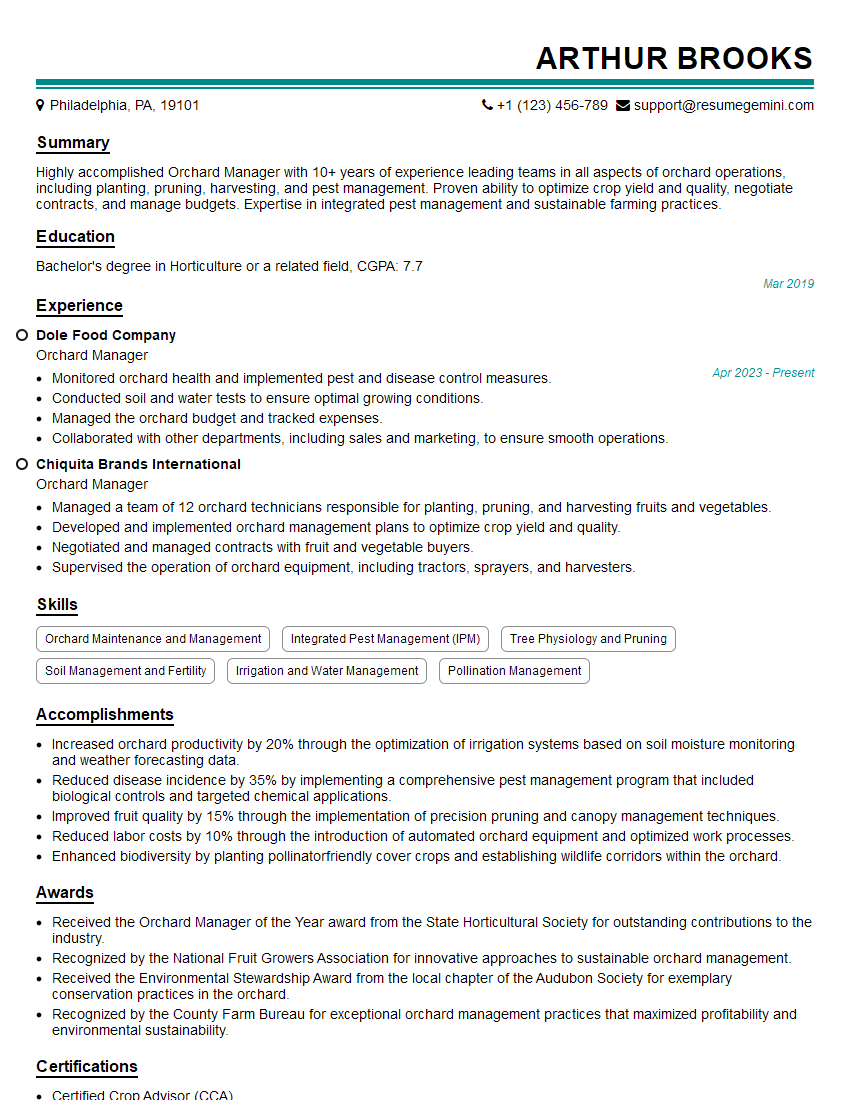
Orchard Manager Resume Sample
Explore more articles
Users Rating of Our Blogs
Share Your Experience
We value your feedback! Please rate our content and share your thoughts (optional).
What Readers Say About Our Blog
Really detailed insights and content, thank you for writing this detailed article.
IT gave me an insight and words to use and be able to think of examples