Interviews are opportunities to demonstrate your expertise, and this guide is here to help you shine. Explore the essential Leica Viva TS15 Total Station interview questions that employers frequently ask, paired with strategies for crafting responses that set you apart from the competition.
Questions Asked in Leica Viva TS15 Total Station Interview
Q 1. Explain the different measurement modes of the Leica Viva TS15.
The Leica Viva TS15 offers a variety of measurement modes catering to diverse surveying needs. Think of it like having different tools in your toolbox for specific jobs. The most common include:
- Distance Measurement (DM): This is the basic mode, simply measuring the distance to a target prism. It’s like using a tape measure, but much more precise and over longer distances.
- Angle Measurement (AM): This measures horizontal and vertical angles. Essential for establishing directions and elevations.
- Free Stationing (FS): This allows you to determine your instrument’s position by measuring to at least two known points. Imagine finding your location on a map using bearings to two landmarks.
- Remote Distance Measurement (RDM): Perfect for inaccessible points; you can measure distances without directly sighting the prism. It’s like using a powerful, laser-guided rangefinder.
- Tracking Mode: Used for monitoring movement, like tracking the progress of construction work over time. Think of it as a very accurate, real-time GPS for specific points.
- Reflectorless Measurement: Allows distance measurement without a prism, ideal for quick measurements in tight spaces or on difficult-to-access points. It’s like having a superpower that allows you to measure distances without requiring a special target.
Selecting the right mode depends entirely on the specific task at hand. For example, you’d use Free Stationing to determine your position before a detailed survey, then use Distance and Angle Measurement to capture the individual points of interest.
Q 2. Describe the process of setting up a Leica Viva TS15 for a survey.
Setting up a Leica Viva TS15 is a crucial step ensuring accurate measurements. It’s like building a solid foundation for a house – a shaky foundation leads to problems later. Here’s a step-by-step guide:
- Leveling: Use the built-in compensator to level the instrument precisely. This is paramount; any tilt will introduce errors. Think of it as making sure your table is perfectly flat before you start drawing.
- Centering: Carefully center the instrument over the survey point using the optical plummet. This ensures the measurements originate from the correct location. It’s like making sure the center of your drawing is accurately marked.
- Orientation: If necessary, orient the instrument to a known direction using a backsight. This establishes a reference direction for your measurements. This is like setting your compass to true north before starting your navigation.
- Power On and Initialization: Switch on the instrument and allow it to initialize and perform any self-tests. This is the equivalent of checking the engine of your car before driving.
- Battery Check: Ensure you have adequate battery power. Surveying sessions can be long, and a dead battery is a major inconvenience.
- Choose Measurement Mode: Select the appropriate measurement mode based on your task, as described in the previous question. This will depend on the specific details of what you are measuring.
After completing these steps, you’re ready to start collecting data. Remember, thorough setup significantly reduces errors and saves time in the long run.
Q 3. How do you perform a resection with the Leica Viva TS15?
Resection is a powerful technique to determine the instrument’s position using known points. Imagine you’re lost in a forest, but you recognize three distinctive landmarks – resection helps determine your precise location relative to those known landmarks. In the Leica Viva TS15, this is done by:
- Select Resection Mode: Choose the resection mode in the instrument’s software.
- Identify Known Points: Sight and measure to at least two (preferably three for redundancy) known control points whose coordinates are already stored in the instrument’s memory. The more points, the more accurate the results.
- Instrument Calculation: The instrument uses the measured angles and distances to calculate its own position (coordinates). This is the clever part; the instrument solves a complex geometrical problem to locate itself.
- Review Results: Check the calculated coordinates and the quality of the resection (e.g., the misclosure). A good resection will have a small misclosure indicating a high accuracy.
Accurate resection depends on the quality of the known control points and the precision of the measurements. A poorly defined control network will lead to inaccurate resection results. Think of it like triangulating your location using three distinctive features; the further apart and more uniquely identifiable the features are, the more certain your position.
Q 4. Explain the importance of instrument calibration and how it’s done on the Leica Viva TS15.
Instrument calibration is critical for maintaining accuracy. It’s like getting your car serviced regularly to keep it running smoothly and accurately. Regular calibration ensures the instrument remains within its specified tolerances. The Leica Viva TS15 requires periodic calibration of:
- Collimation: This verifies the alignment of the telescope’s optical axis. An uncalibrated collimation introduces errors in angular measurements, leading to inaccurate position determination.
- EDM Calibration: This checks the accuracy of the Electronic Distance Measurement (EDM) system. An uncalibrated EDM system introduces distance errors that propagate through all measurements.
Calibration procedures are usually performed by qualified Leica service technicians. They use specialized equipment and software to adjust and fine-tune the instrument’s internal parameters. Regular calibration, based on Leica’s recommendations, is essential for maintaining the high accuracy of the Leica Viva TS15.
Neglecting calibration can result in systematic errors that accumulate over time, rendering your survey data inaccurate and unreliable.
Q 5. How do you handle atmospheric correction in Leica Viva TS15 measurements?
Atmospheric conditions like temperature, pressure, and humidity affect the speed of light and therefore the accuracy of EDM measurements. The Leica Viva TS15 handles this through atmospheric correction. Think of it like adjusting a recipe based on the altitude – higher altitudes require adjustments to baking times.
The instrument typically allows you to input atmospheric parameters directly (temperature, pressure, and humidity). It then uses these inputs and internal algorithms to correct the measured distances. Some instruments even have sensors to automatically measure these parameters, simplifying the process. Failure to account for atmospheric corrections will lead to significant errors in the measurements, especially over longer distances.
For the most accurate results, it is best to measure atmospheric conditions as close to the measurement as possible and input it into the instrument. The quality of the corrections directly impacts the accuracy of the final results.
Q 6. What are the different types of prisms used with the Leica Viva TS15, and when would you use each?
The Leica Viva TS15 is compatible with various prisms, each suited for different applications. Choosing the right prism is like choosing the right tool for a particular job.
- Standard Prisms: These are the most common, offering a good balance of accuracy and portability. Ideal for most general surveying tasks. Think of this as your all-around, general purpose tool.
- 360° Prisms: These allow for measurements from any angle around the prism. They are useful in situations where the prism’s orientation cannot be easily controlled or when you need to take measurements from multiple directions.
- Mini Prisms: Smaller and lighter, these are beneficial in tight spaces or when working at height. Like a smaller, more maneuverable tool in a confined area.
- Pole-mounted Prisms: These are mounted on telescopic poles, allowing for measurements to inaccessible points. Think of it as an extension to reach distant areas.
The choice of prism depends on the specific survey requirements – accessibility, accuracy demands, and the environment. A standard prism is a good starting point for most jobs, but specialized prisms are useful in specific circumstances.
Q 7. Describe the data collection process using the Leica Viva TS15, including data storage and transfer.
Data collection with the Leica Viva TS15 is straightforward but requires attention to detail. It’s like taking detailed notes – accuracy is crucial.
- Point Setup: Define each point’s code or description for easy identification later. Think of this as providing a unique label to each measurement point.
- Measurements: Perform the measurements using the chosen mode, ensuring clear sightings and stable setups. This is similar to carefully measuring each dimension in a design project.
- Data Storage: The collected data is typically stored in the instrument’s internal memory or on an external data collector. Think of this as saving your work on a computer drive.
- Data Transfer: Data can be transferred to a computer using various methods, including USB, Bluetooth, or a data card. This is like emailing a completed report to your client.
- Data Processing: The collected data is processed using Leica’s software, creating maps, sections, and other deliverables. This is like taking the raw data and transforming it into meaningful visualizations and reports.
Good data management practices are essential. Clearly labeling points and maintaining organized data files helps prevent confusion and errors during the processing and analysis stages. In essence, meticulous data collection, handling, and processing are vital for ensuring the integrity of your survey results.
Q 8. How do you manage different coordinate systems within the Leica Viva TS15?
The Leica Viva TS15 allows for seamless management of multiple coordinate systems. This is crucial because different projects might use different datums (like WGS84, NAD83) or projections (UTM, State Plane). You define these coordinate systems within the instrument’s software. Think of it like choosing the right map for your navigation – you wouldn’t use a city map for cross-country travel.
To manage them, you’ll typically use the instrument’s setup menu. You input the parameters of each system: the datum, the projection, and the zone. The TS15 then stores this information, allowing you to switch between systems as needed during a project. For instance, you might start in one coordinate system for a base station setup and then switch to another to tie into existing control points that use a different system.
Let’s say you’re working on a project that requires both UTM Zone 17N and a local coordinate system. You’d enter the parameters for both within the TS15, giving each a unique name for easy selection. The instrument will then automatically transform coordinates between these systems as required, simplifying data processing later.
Q 9. Explain the use of different measurement types (e.g., single, multiple, continuous) in the Leica Viva TS15.
The Leica Viva TS15 offers various measurement types catering to different survey needs. Choosing the right type ensures efficiency and data quality.
- Single Measurement: This is for precise measurements of individual points. It’s ideal for control points or critical features requiring high accuracy. Think of precisely measuring a corner of a building.
- Multiple Measurement: This takes several measurements at a single point and averages them. It reduces the impact of random errors and provides a more reliable result, especially in challenging conditions like wind or unstable targets.
- Continuous Measurement (Tracking): This constantly measures the distance and angle to a target, ideal for monitoring movement or deformation. Imagine tracking the movement of a bridge over time.
The choice depends on the situation. A single measurement suffices for a precisely positioned benchmark, while multiple measurements are better for points prone to slight movement. Continuous measurement is useful for dynamic surveys such as monitoring construction progress or land subsidence.
Q 10. How do you perform a traverse using the Leica Viva TS15?
Performing a traverse with the Leica Viva TS15 involves establishing a network of points connected by measured distances and angles. This is a common method for creating a control network or mapping a long, narrow area.
- Establish a known point: Start with a point of known coordinates (e.g., a benchmark). Set up the instrument over this point and enter its coordinates.
- Measure to subsequent points: Measure the horizontal angle and distance to the next point in the traverse. Repeat this process for each subsequent point. Remember to use multiple measurements for increased accuracy. You’ll typically use the ‘Traverse’ function built into the TS15’s software.
- Close the traverse (optional): If possible, close the traverse by measuring back to the starting point. This allows for error detection and adjustment. The TS15 software will often automatically calculate the closing error.
- Coordinate calculation: The TS15 can automatically compute the coordinates of all points in the traverse based on the initial point’s coordinates and measured angles and distances. You can then download these coordinates.
Imagine surveying a long road. A traverse would be ideal; you wouldn’t want to measure every point back to a base station. The TS15’s automated calculations streamline this process significantly.
Q 11. How do you troubleshoot common errors encountered while using the Leica Viva TS15 (e.g., poor signal, instrument malfunction)?
Troubleshooting is an essential skill. Let’s look at common issues:
- Poor Signal: This could be due to atmospheric conditions (e.g., heavy fog, rain), target issues (poor reflectivity, incorrect prism type), or instrument settings (incorrect prism constant, inadequate power). Check for clear sightlines, correct prism alignment and settings, and verify the instrument’s internal settings and battery life. If the prism is not well-lit, you might need to use a higher-powered laser or a more efficient prism.
- Instrument Malfunction: This could involve display issues, communication errors, or measurement failures. Begin by checking the instrument’s power supply, ensuring proper connections to any external equipment. Try a system reset. If the problem persists, contact Leica support; it may be a software or hardware problem needing professional attention.
- Measurement Errors: Inconsistent measurements might point to instrument misalignment, incorrect prism constant, or external influences like wind. Re-check your setup and instrument calibration, ensuring stable instrument positioning and appropriate measurement techniques (using multiple measurements).
Systematic troubleshooting, starting with the simplest causes and working through progressively more complex ones, is key. Detailed field notes are invaluable in diagnosing and resolving issues.
Q 12. Describe the different types of data processing you perform after a survey using the Leica Viva TS15.
Data processing after a survey with the Leica Viva TS15 usually involves several steps:
- Data Download: Transferring data from the instrument to a computer using Leica’s software (e.g., GeoMos).
- Coordinate Transformation: Converting coordinates between different systems as required for the project.
- Data Adjustment (optional): Applying least squares adjustments to traverse data to minimize errors. The TS15 may automatically include initial processing, but more thorough adjustments are often done in dedicated surveying software.
- Data Analysis: Checking for outliers and verifying the overall accuracy of the survey data. Visualizing the data using CAD or GIS software.
- Report Generation: Creating professional reports with the final survey results, including maps, tables, and any relevant analysis.
Proper data processing ensures high-quality deliverables. It’s crucial to maintain a clear and organized workflow to avoid confusion and errors.
Q 13. How do you ensure the accuracy of your measurements using the Leica Viva TS15?
Ensuring accuracy is paramount. Here are key practices:
- Instrument Calibration: Regular calibration of the instrument is vital. Leica recommends periodic calibration to maintain accuracy. This involves checking and adjusting the instrument’s internal parameters.
- Proper Setup: Level the instrument carefully using the built-in level bubble. Ensure stable instrument positioning to prevent vibrations affecting the readings.
- Accurate Targeting: Use properly maintained prisms and ensure they are correctly centered on the target points. Accurate sighting is critical.
- Environmental Considerations: Account for atmospheric conditions like temperature and pressure. Some instruments automatically compensate for this, but you should always be aware of any significant conditions.
- Multiple Measurements: Always take multiple measurements, especially for critical points. This averages out random errors.
By diligently following these steps, you can minimize errors and maximize accuracy. Accuracy checks, perhaps comparing to existing data, are crucial quality control steps.
Q 14. Explain the importance of proper field notes and data management when using the Leica Viva TS15.
Meticulous field notes and data management are critical for success with the Leica Viva TS15, and in surveying generally. Think of them as the foundation of your survey; they’re what you use to verify data accuracy and reliability, as well as to reconstruct the work done.
Field notes should include:
- Date, Time, Location: Basic information for context.
- Instrument Details: Serial number, calibration date.
- Point Descriptions: Clear descriptions of each point surveyed, including sketches and referencing any permanent features (e.g., ‘North-West corner of building X’).
- Measurement Details: Recorded measurements and any observations about measurement conditions (e.g., ‘windy conditions’).
- Personnel Involved: Names of surveyors and assistants.
Proper data management involves using a consistent file naming convention, backing up data regularly, and storing files securely. Effective data management saves time and prevents data loss and ensures the long-term usability of the survey data. Imagine trying to reconstruct a survey with poor or missing notes – it’s a nightmare!
Q 15. What are the safety procedures you follow while using the Leica Viva TS15 in the field?
Safety is paramount when using any surveying equipment, especially a precision instrument like the Leica Viva TS15. My safety procedures begin with a thorough site assessment before commencing any work. This includes identifying potential hazards like uneven terrain, overhead obstructions (power lines, tree branches), and nearby traffic. I always wear appropriate Personal Protective Equipment (PPE), including high-visibility clothing, safety boots, and a hard hat.
Before turning on the instrument, I ensure the tripod is securely set up on stable ground, using the appropriate leveling techniques. I regularly check the instrument’s battery level and have a backup readily available. I maintain a safe working distance from moving vehicles or machinery and communicate clearly with my team and anyone else in the vicinity.
During operation, I’m mindful of the laser beam’s potential impact on eyesight. I always warn people nearby before initiating measurements and ensure they are aware of the laser’s potential hazard. After completing the survey, I carefully pack away the equipment, securing it properly to prevent damage during transportation.
Essentially, my approach is built on proactive risk assessment, adherence to standard safety protocols, and constant situational awareness.
Career Expert Tips:
- Ace those interviews! Prepare effectively by reviewing the Top 50 Most Common Interview Questions on ResumeGemini.
- Navigate your job search with confidence! Explore a wide range of Career Tips on ResumeGemini. Learn about common challenges and recommendations to overcome them.
- Craft the perfect resume! Master the Art of Resume Writing with ResumeGemini’s guide. Showcase your unique qualifications and achievements effectively.
- Don’t miss out on holiday savings! Build your dream resume with ResumeGemini’s ATS optimized templates.
Q 16. How familiar are you with the Leica Viva TS15 software and its functionalities?
I’m highly proficient with the Leica Viva TS15 software. I’m comfortable navigating its intuitive interface, utilizing its various functionalities for different surveying tasks. This includes setting up different coordinate systems, performing different types of measurements (distance, angle, height), creating points, lines, and surfaces, and even utilizing the robotic capabilities for increased efficiency.
I’m familiar with various features such as stake-out, as-built functionality, and data processing tools within the instrument itself. This allows me to perform calculations, apply corrections, and check data integrity on site, minimizing potential errors and saving valuable time. My experience extends to using the software’s data management features for organizing and archiving project data efficiently.
Q 17. How do you export data from the Leica Viva TS15 to various software packages (e.g., AutoCAD, Civil 3D)?
Exporting data from the Leica Viva TS15 is straightforward. The instrument offers various export formats, making it compatible with numerous software packages. Commonly, I export data in formats like .DXF (Drawing Exchange Format), .TXT (text file), or .CSV (comma-separated values).
For AutoCAD or Civil 3D, exporting to .DXF is typically the most efficient method. The .DXF files directly import into these programs, retaining the spatial information and attributes of the surveyed points and features. For instance, in a road design project, I would export the road centerline and boundary points in .DXF format and import them directly into Civil 3D for detailed design and modeling. Sometimes, I might use .CSV for simpler data import if only coordinate values are needed. The specific method and format selection depends on the project’s requirements and the receiving software’s preferences.
Q 18. Describe your experience with different types of surveying projects involving the Leica Viva TS15.
My experience with the Leica Viva TS15 spans a variety of surveying projects. I’ve used it extensively in construction layout, where precise measurements are crucial for placing foundations, walls, and other structural elements. One project involved using the robotic capabilities of the TS15 to quickly lay out a large commercial building site, significantly improving efficiency compared to traditional methods.
I’ve also employed it in topographic surveys, creating detailed digital terrain models (DTMs) for land development projects. The instrument’s accuracy allowed for precise elevation measurements, essential for accurate earthwork calculations. Another memorable project involved utilizing the TS15 in a control survey, establishing accurate control points for a highway alignment. The instrument’s ability to handle long distances and maintain accuracy was critical for this project.
Furthermore, I have experience using it for cadastral surveys, boundary surveys, and even some small-scale as-built surveys. The Leica Viva TS15’s versatility makes it a valuable tool across a wide spectrum of surveying disciplines.
Q 19. How do you handle data discrepancies or errors discovered after processing data from the Leica Viva TS15?
Discovering data discrepancies after processing is a common challenge in surveying. My approach is methodical and systematic. First, I meticulously review the field notes and the raw data from the Leica Viva TS15, looking for any inconsistencies or anomalies. I check for any potential errors in data entry, instrument calibration issues, or environmental factors that might have influenced the measurements (e.g., atmospheric refraction).
If the error is traceable to a specific measurement, I may attempt to re-measure that point, provided it is feasible and cost-effective. I then compare the new measurement with the original to identify the source of the discrepancy. If the error is widespread or cannot be easily traced, I may need to re-evaluate the overall survey strategy and potentially carry out quality control procedures such as independent checks, or analyze the adjustment results for unexpected behavior. It is crucial to document all troubleshooting steps and corrections.
Depending on the nature and severity of the error, I might need to consult with senior surveyors or use specialized software for error analysis and data adjustment. The primary goal is to ensure the final data set is accurate and reliable.
Q 20. Explain your understanding of precision and accuracy in surveying and how it relates to the Leica Viva TS15.
In surveying, precision refers to the repeatability of measurements – how closely repeated measurements cluster together. Accuracy, on the other hand, refers to how close the measurements are to the true value. A precise measurement may not necessarily be accurate, and vice versa.
The Leica Viva TS15 is known for both its high precision and accuracy. Its advanced technology minimizes systematic and random errors, contributing to the reliability of its measurements. For example, the instrument’s automatic atmospheric correction helps to improve accuracy by compensating for variations in temperature, pressure, and humidity. Regular calibration and maintenance are key to maintaining both precision and accuracy.
In practice, understanding this distinction is crucial. If a series of measurements are precise but consistently deviate from the known value, it points towards a systematic error that needs to be addressed. The Leica Viva TS15 helps minimize these errors through its internal checks and calibration features, enabling surveyors to achieve a high level of both precision and accuracy.
Q 21. What are the limitations of the Leica Viva TS15, and how do you work around them?
While the Leica Viva TS15 is a powerful instrument, it has some limitations. One common limitation is the impact of atmospheric conditions, particularly heavy fog or rain, which can affect the accuracy of distance measurements. Another is the range limitations of the instrument’s laser beam, particularly in challenging environments with obstructions. In such cases, precise measurements might become difficult or impossible.
To work around these limitations, I employ several strategies. For atmospheric conditions, I typically postpone fieldwork until conditions improve or employ alternative techniques like using shorter sight distances or additional control points. For range limitations, I might utilize additional instrument setups or employ supplementary techniques such as traversing or using a different type of surveying technology (e.g., GPS) in conjunction with the total station, to ensure complete coverage. Good planning and knowledge of the limitations of the instrument are essential to effectively mitigate such challenges.
Q 22. Compare and contrast the Leica Viva TS15 with other total stations.
The Leica Viva TS15 is a high-performance total station, but it’s crucial to understand its position within the broader market. Compared to other total stations, the TS15 distinguishes itself primarily through its speed, accuracy, and integration with Leica’s SmartWorx Viva software. Let’s look at some comparisons:
- Accuracy: The TS15 boasts exceptional angular and distance accuracy, often outperforming older models or those from competing brands in challenging conditions like long distances or poor visibility. This precision is crucial for high-stakes projects.
- Speed: Its fast measurement speed and efficient data processing significantly reduce surveying time, impacting project timelines and costs positively. This advantage is especially apparent in large-scale projects.
- Robotic Capabilities: While not all total stations are robotic, the TS15’s robotic capabilities, when paired with a smart antenna, offer unparalleled efficiency. The instrument automatically tracks the prism, eliminating the need for a separate instrument operator, and accelerating the process.
- Software Integration: Leica SmartWorx Viva integrates seamlessly with the TS15, providing a streamlined workflow from data acquisition to processing and reporting. This contrasts with some total stations that require more manual data transfer and processing, increasing the room for errors.
- Price Point: It’s worth noting that the advanced features and precision of the TS15 typically come at a higher price point compared to basic total stations. However, this cost is often offset by increased efficiency and reduced labor costs.
In essence, while other total stations might offer similar core functionalities, the Leica Viva TS15 excels through its combination of accuracy, speed, robotic capabilities, and robust software integration, making it a preferred choice for demanding surveying projects.
Q 23. Describe your experience with robotic total stations, particularly in relation to the Leica Viva TS15’s capabilities.
My experience with robotic total stations, specifically the Leica Viva TS15, has been overwhelmingly positive. The robotic functionality significantly streamlines the surveying process. Imagine a scenario where you’re surveying a large, complex site with difficult terrain. With a conventional total station, you’d need at least two people – one at the instrument and one carrying the prism. With the TS15’s robotic capabilities and a smart antenna, one person can complete the entire survey. The instrument automatically tracks the prism, allowing for faster and more efficient data collection.
Specific examples of the TS15’s advantages include:
- Increased Productivity: I’ve observed a considerable increase in productivity, often completing surveys in significantly less time than with traditional methods.
- Improved Safety: Reducing the need for multiple people on-site enhances safety, especially in challenging or hazardous environments.
- Enhanced Accuracy: The automated tracking minimizes human error, contributing to more precise measurements.
- Accessibility: It’s often easier to reach difficult points with a single operator.
The TS15’s AT (Automatic Target Recognition) feature is also noteworthy. It automatically acquires and locks onto the prism, further enhancing efficiency and reducing setup time. This is particularly useful when working in dense vegetation or cluttered environments.
Q 24. How do you manage and maintain the Leica Viva TS15 to ensure its optimal performance?
Maintaining the Leica Viva TS15 to ensure optimal performance involves a multi-faceted approach focusing on both hardware and software. Regular preventative maintenance is key.
- Cleaning: Regularly cleaning the instrument, particularly the lenses and prism, is crucial to maintain accuracy and image clarity. Compressed air is generally sufficient for initial cleaning. Use only Leica-approved cleaning solutions for more intensive cleaning.
- Calibration: Periodic calibration is essential to ensure accuracy. Leica offers calibration services, but some basic checks, like confirming the instrument’s level, can be performed on-site. Following the manufacturer’s recommendations on calibration intervals is critical.
- Battery Care: Proper battery care prolongs battery life. Avoid completely discharging the battery, and store it in a cool, dry place when not in use.
- Firmware Updates: Staying current with the latest firmware updates is essential for optimizing performance and incorporating bug fixes. Leica regularly releases updates with performance improvements and new features.
- Software Maintenance: Regular backups of project data and software updates for SmartWorx Viva are essential to prevent data loss and take advantage of improved functionalities.
- Environmental Protection: Always protect the instrument from extreme temperatures, moisture, and dust. Use appropriate carrying cases and protective covers.
By adhering to these maintenance procedures, the Leica Viva TS15 will continue to deliver accurate and reliable results over its lifetime, maximizing return on investment.
Q 25. Explain your proficiency in using different accessories with the Leica Viva TS15 (e.g., different prisms, tripods).
Proficiency with various accessories is crucial for maximizing the Leica Viva TS15’s versatility. I’m experienced with a range of prisms, including:
- Standard Prisms: These are used for general surveying tasks and provide reliable results under most conditions.
- 360° Prisms: These prisms offer a wider range of visibility, useful in situations with limited sightlines or obstructions.
- Mini Prisms: These are smaller and lighter than standard prisms, ideal for precise work in tight spaces or when weight is a concern.
- Pole-mounted Prisms: These are attached to sturdy poles, providing stability during measurements and enabling efficient data collection in various terrains.
Furthermore, I’m adept at utilizing different tripods depending on the surveying needs. For example, I’d choose a lightweight tripod for simpler tasks while opting for a more robust and stable tripod for precision measurements in challenging environments. Understanding the compatibility of the accessories with the instrument and choosing the appropriate equipment for specific tasks is essential for achieving accurate and efficient results.
Q 26. Describe a challenging surveying situation you encountered and how you solved it using the Leica Viva TS15.
During a recent highway construction project, we encountered a challenging situation involving a steep embankment with dense vegetation. Traditional surveying methods would have been incredibly time-consuming and potentially dangerous. We needed to accurately survey the embankment’s profile to ensure proper road design and stability.
Using the Leica Viva TS15’s robotic capabilities, I was able to efficiently overcome this challenge. I utilized a long-range pole-mounted prism and the TS15’s automatic target tracking. By strategically positioning myself and utilizing the instrument’s long-range capabilities, I could accurately capture the data from a safe distance, avoiding the need for risky maneuvers on the steep embankment. The instrument’s ability to quickly lock onto the prism, even through the vegetation, further streamlined the data collection process.
The data was then easily processed using Leica SmartWorx Viva, generating accurate cross-sections and profiles critical for the highway design. The entire process was substantially faster and safer than it would have been using conventional methods. This situation highlighted the Leica Viva TS15’s invaluable contribution to solving challenging surveying problems efficiently and safely.
Q 27. How familiar are you with the Leica SmartWorx Viva software and its integration with the TS15?
I’m highly proficient in using Leica SmartWorx Viva software, and its integration with the TS15 is seamless. It’s the central hub for managing data acquired from the total station. The software’s intuitive interface allows for efficient data processing, analysis, and reporting.
My expertise includes:
- Data Processing: I’m skilled in processing raw data from the TS15, including coordinate transformations, adjustments, and error analysis.
- Data Visualization: SmartWorx Viva’s visualization tools allow me to create detailed maps, cross-sections, and 3D models of surveyed areas.
- Report Generation: The software allows generating professional reports that meet project specifications, including comprehensive data tables, diagrams, and images.
- Integration with other software: I have experience integrating data from SmartWorx Viva with other CAD and GIS software for further processing and analysis.
The integration between the TS15 and SmartWorx Viva significantly reduces the time and effort involved in post-processing, allowing for a more streamlined and efficient workflow. This close integration allows for a seamless flow of data, minimizing the chances of errors during data transfer and processing.
Key Topics to Learn for Leica Viva TS15 Total Station Interview
- Instrument Setup and Calibration: Understanding the procedures for leveling, orienting, and calibrating the Leica Viva TS15, including error detection and correction methods.
- Data Acquisition Techniques: Mastering various measurement techniques like traversing, resection, and detail surveying using the TS15. Practice different measurement modes and their applications.
- Software Proficiency (Leica Viva CS software): Gain hands-on experience with the Viva CS software, focusing on data processing, point cloud management, and report generation. Understand data transfer methods and formats.
- Coordinate Systems and Transformations: Demonstrate a thorough understanding of different coordinate systems (e.g., UTM, State Plane) and how to perform coordinate transformations within the Leica Viva TS15 environment.
- Error Analysis and Quality Control: Learn to identify and analyze potential sources of error in measurements, and implement quality control measures to ensure data accuracy and reliability. Understand precision vs. accuracy.
- Practical Applications: Be prepared to discuss real-world applications of the Leica Viva TS15 in various surveying projects, such as construction layout, topographic surveys, and as-built documentation. Highlight specific examples and your problem-solving skills.
- Troubleshooting and Maintenance: Familiarize yourself with common issues and troubleshooting steps for the Leica Viva TS15. Understanding basic maintenance procedures will show initiative.
- Health and Safety Procedures: Demonstrate awareness of safety regulations and best practices when operating the Leica Viva TS15 in various field environments.
Next Steps
Mastering the Leica Viva TS15 Total Station significantly enhances your career prospects in surveying and related fields. Proficiency with this technology demonstrates valuable technical skills and opens doors to higher-paying positions and advanced roles. To maximize your job search success, create a compelling and ATS-friendly resume that highlights your skills and experience. ResumeGemini is a trusted resource to help you build a professional resume that stands out. Examples of resumes tailored to Leica Viva TS15 Total Station experience are available to guide you. Invest time in crafting a strong resume; it’s your first impression on potential employers.
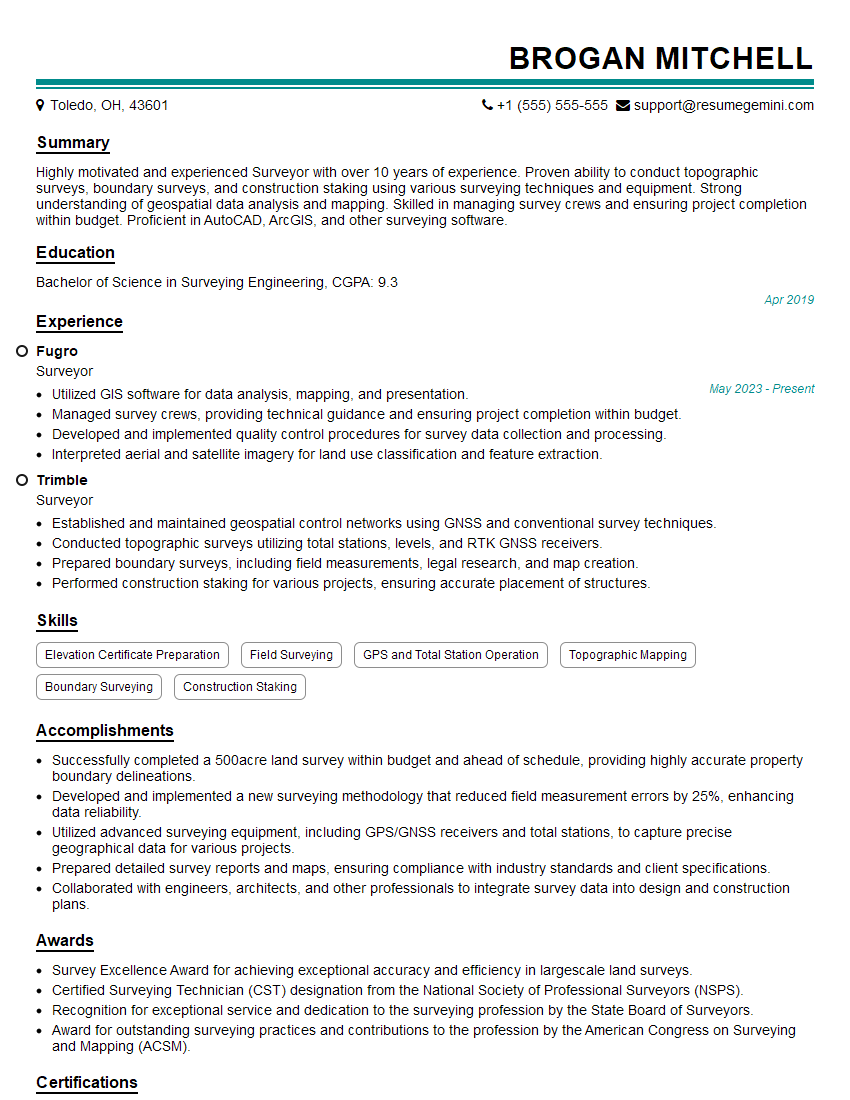
Surveyor Resume Sample
Engineering Technician Resume Sample
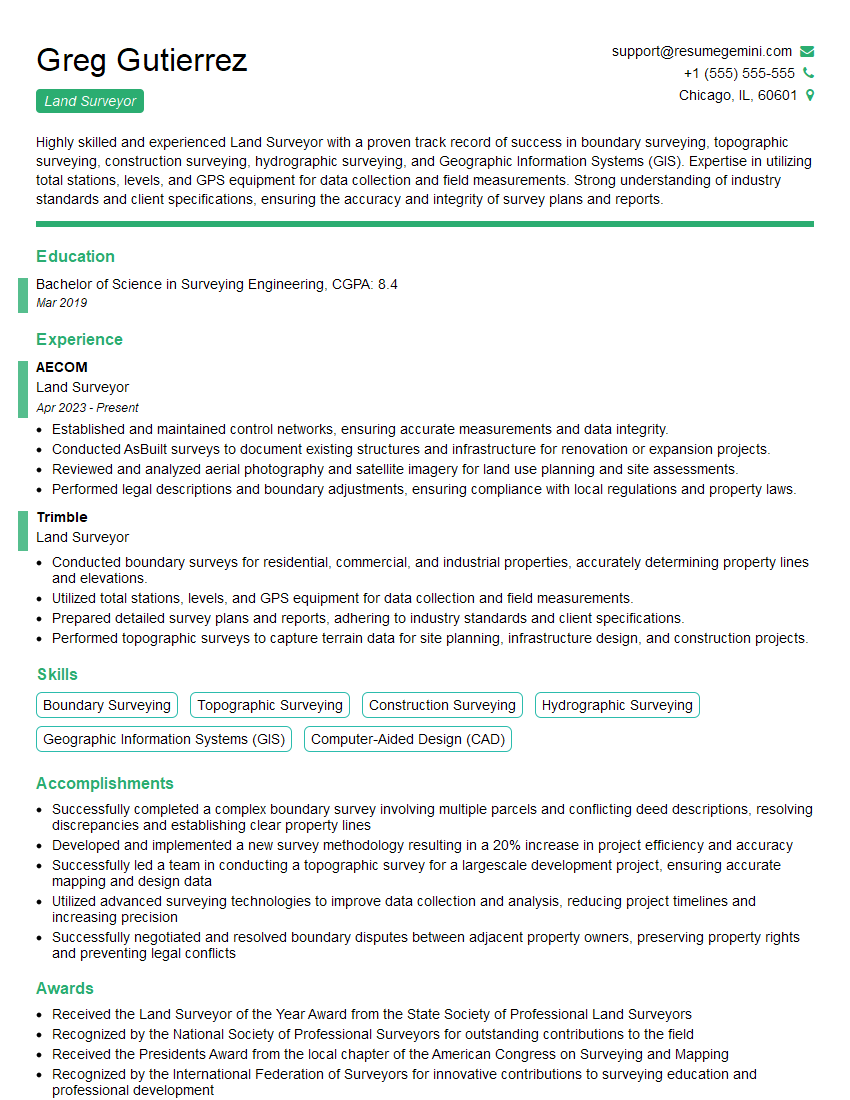
Land Surveyor Resume Sample
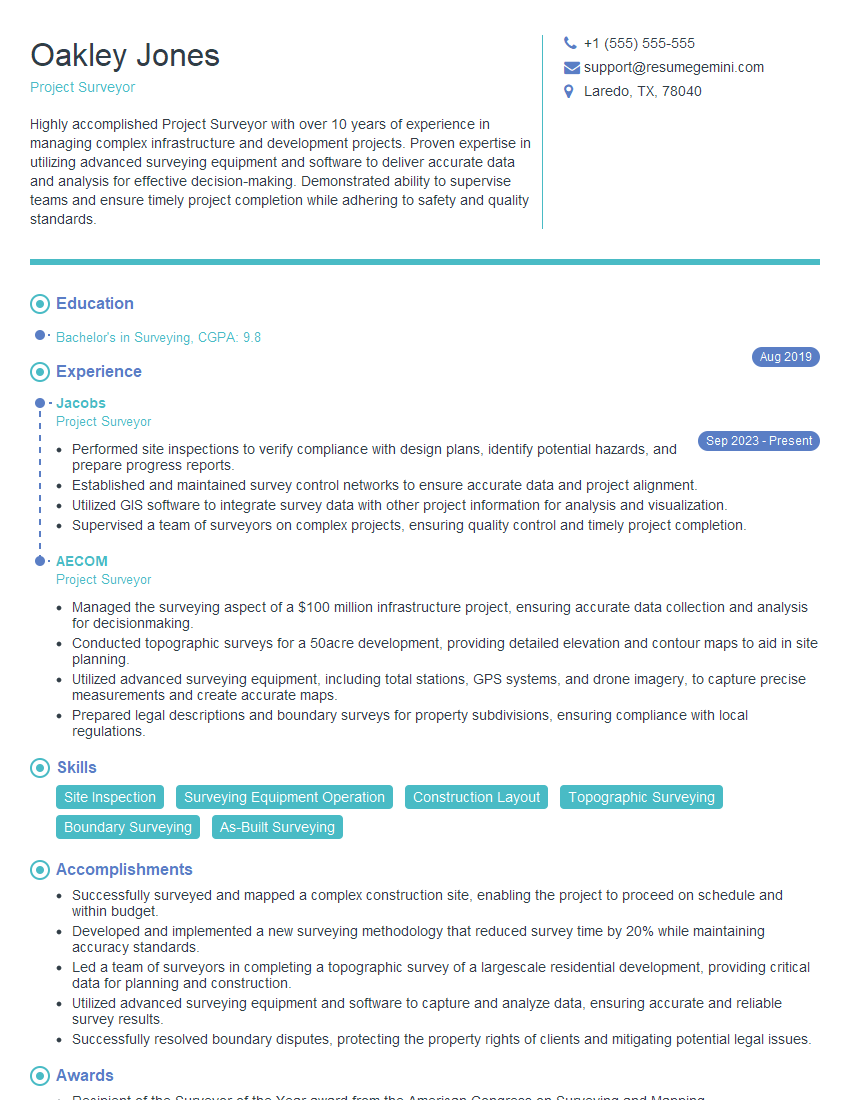
Project Surveyor Resume Sample
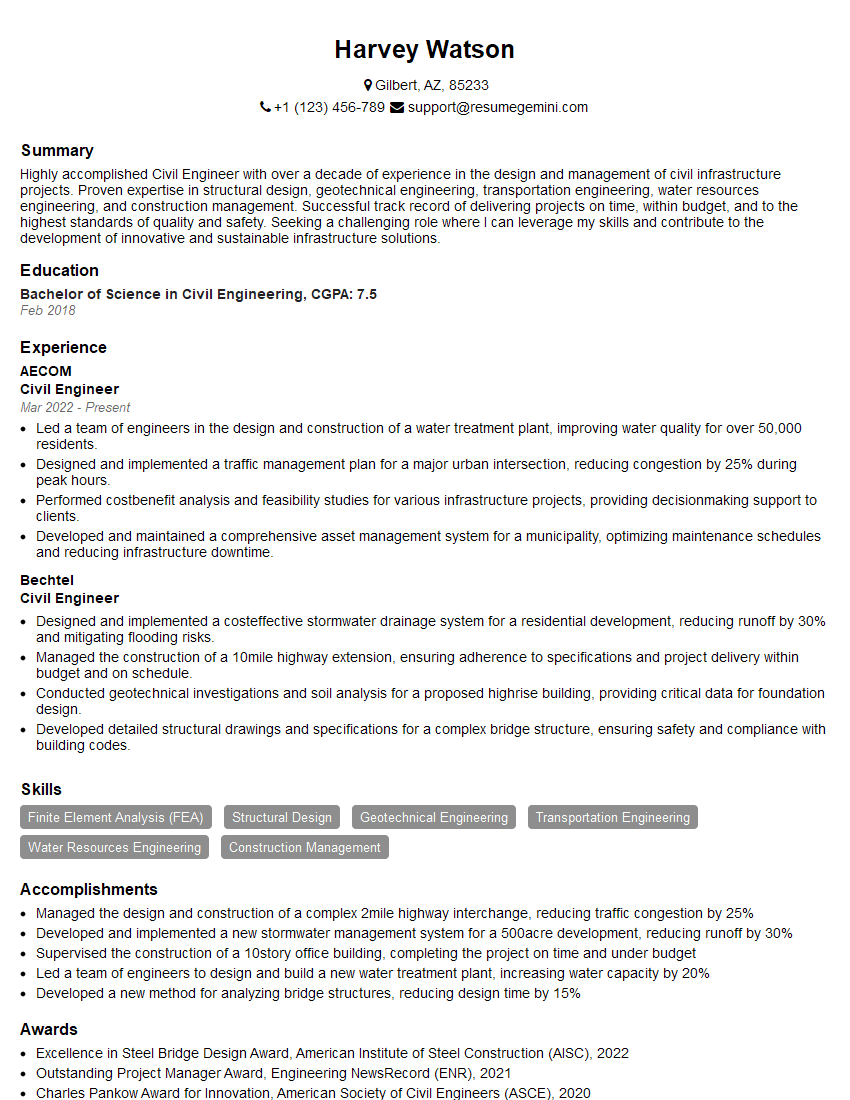
Civil Engineer Resume Sample
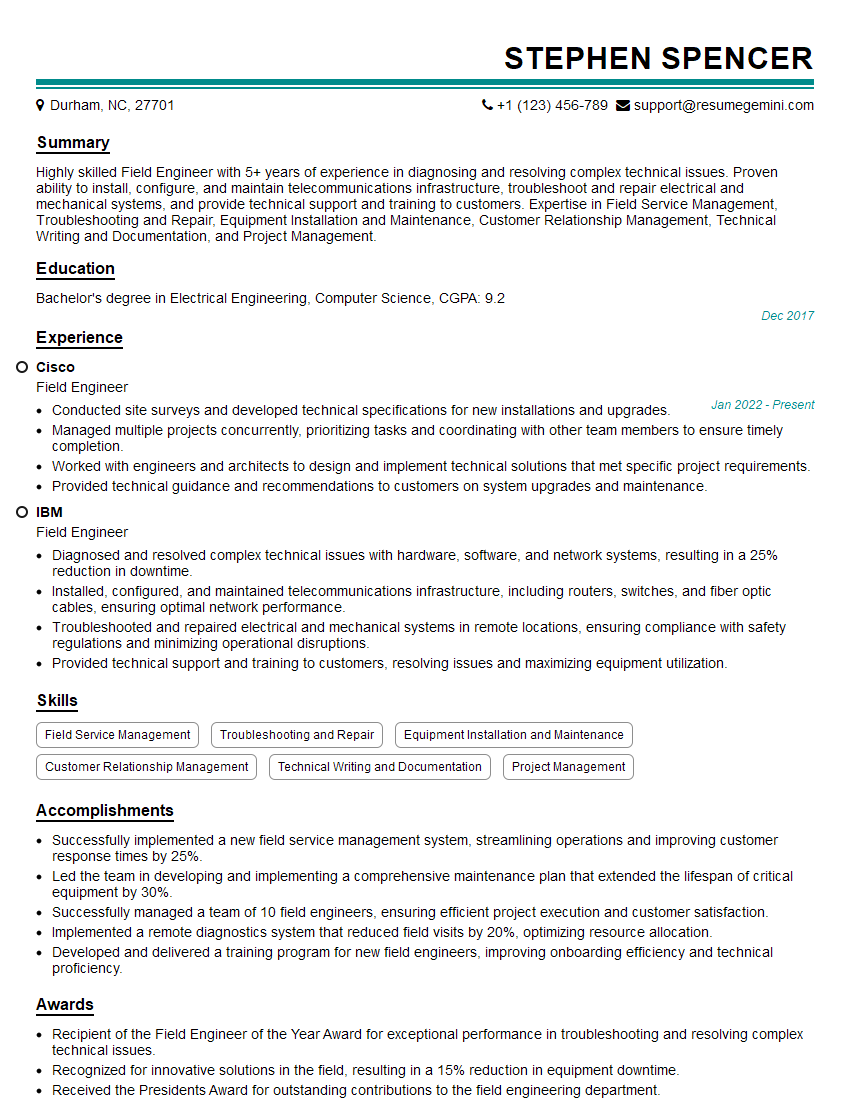
Field Engineer Resume Sample
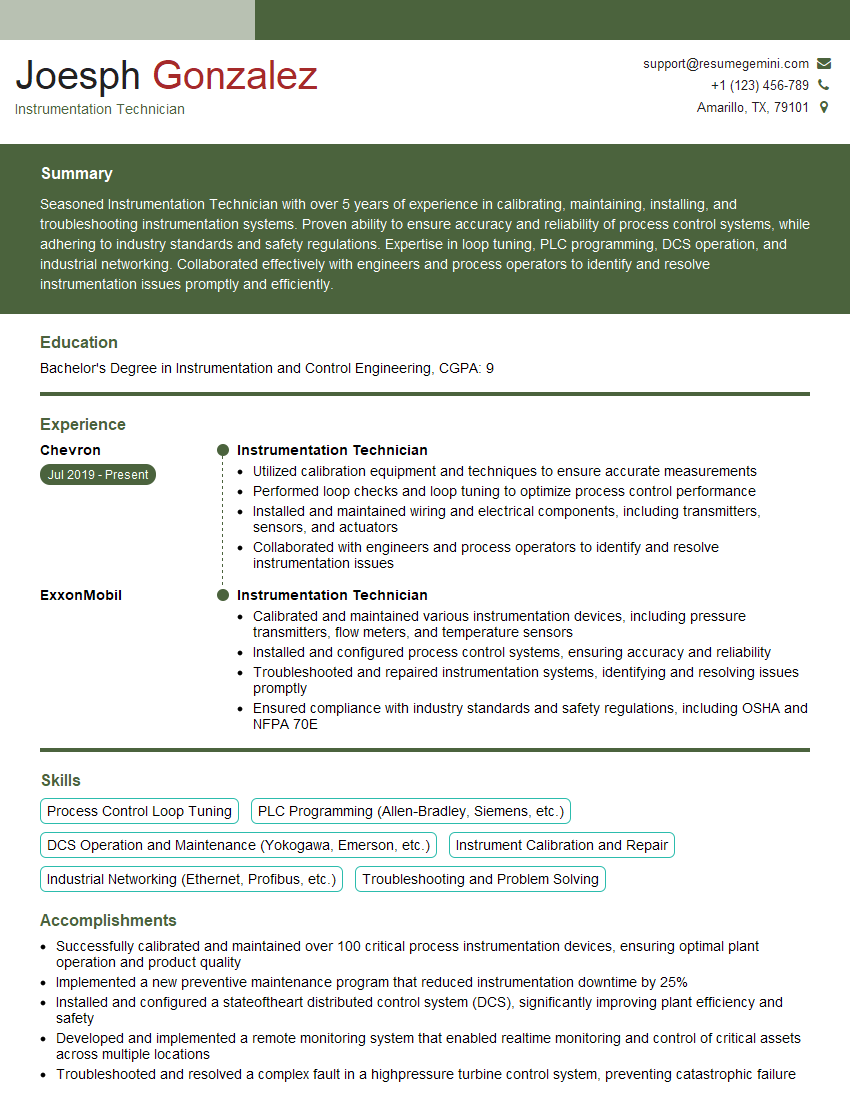
Instrumentation Technician Resume Sample
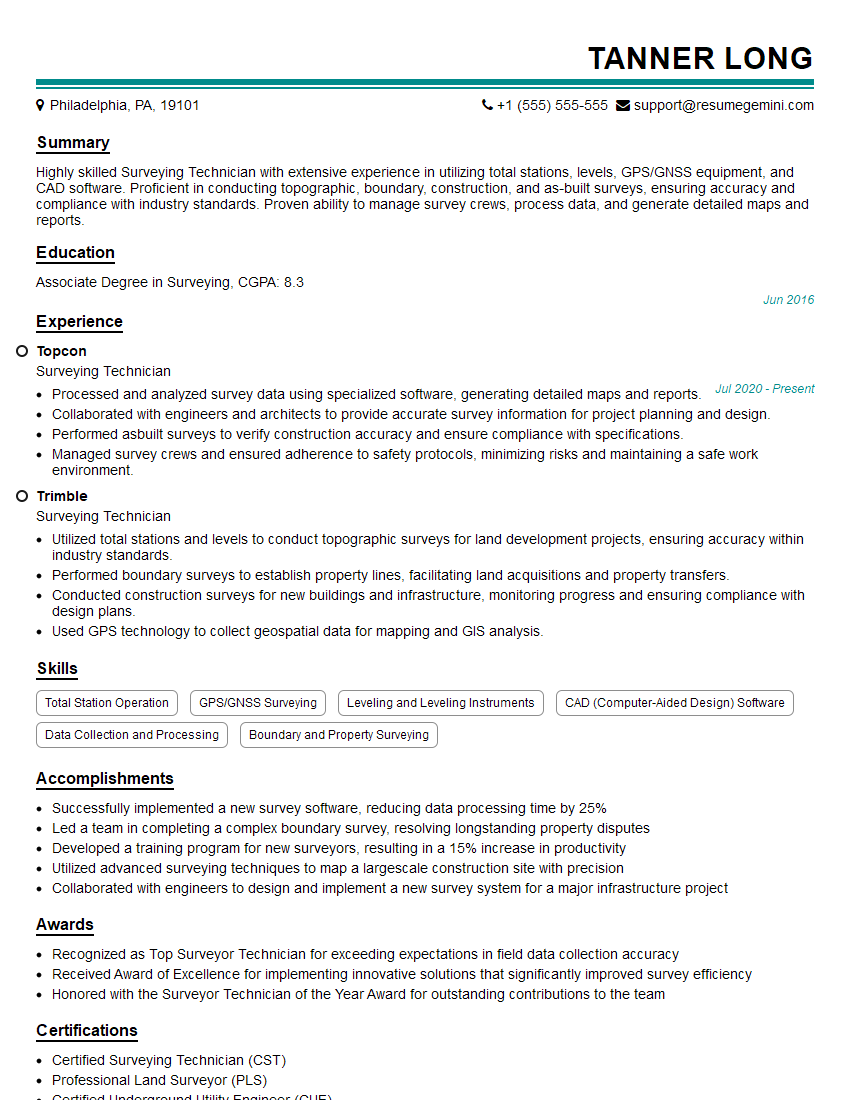
Surveying Technician Resume Sample
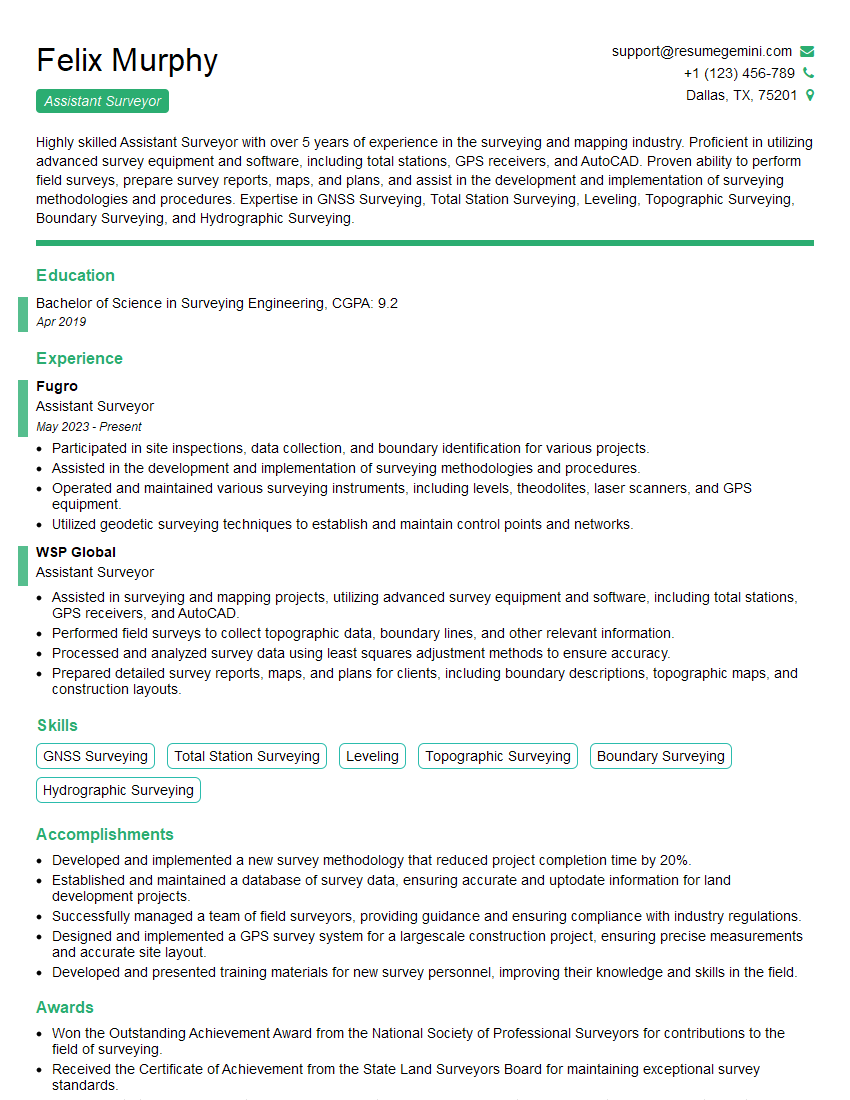
Assistant Surveyor Resume Sample
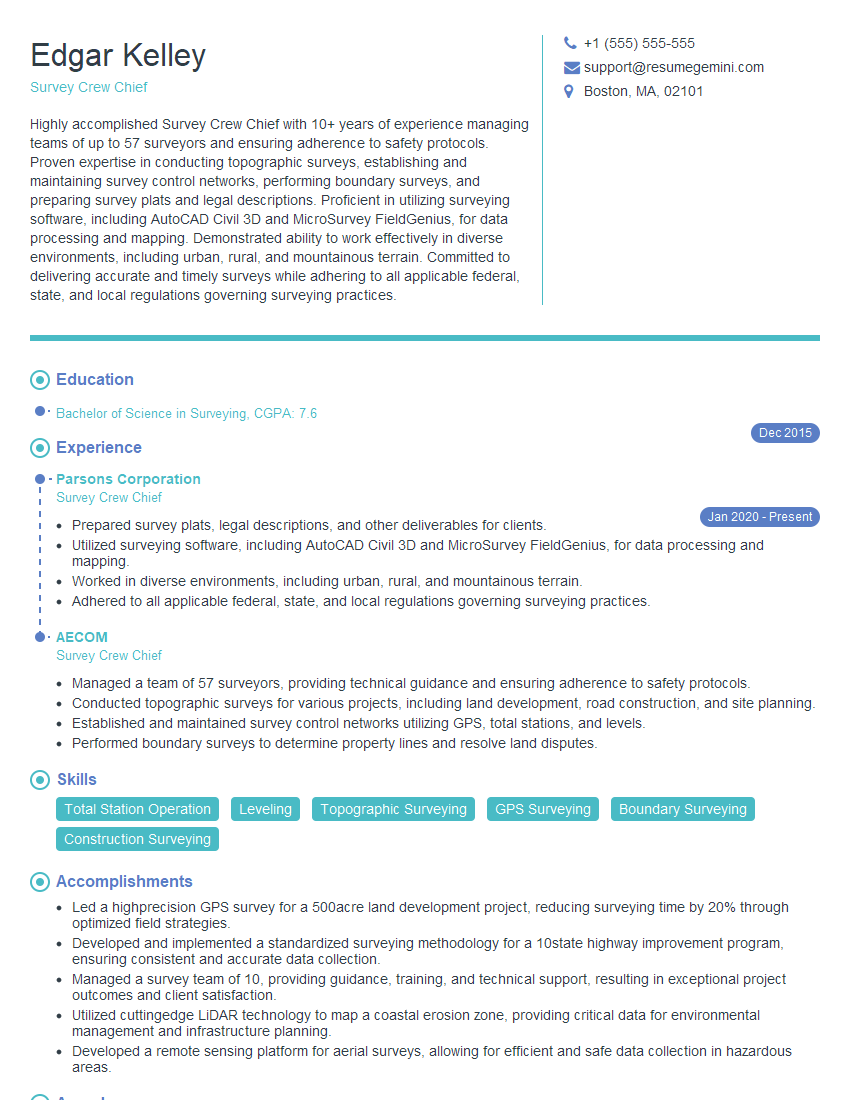
Survey Crew Chief Resume Sample

Survey Technician Resume Sample
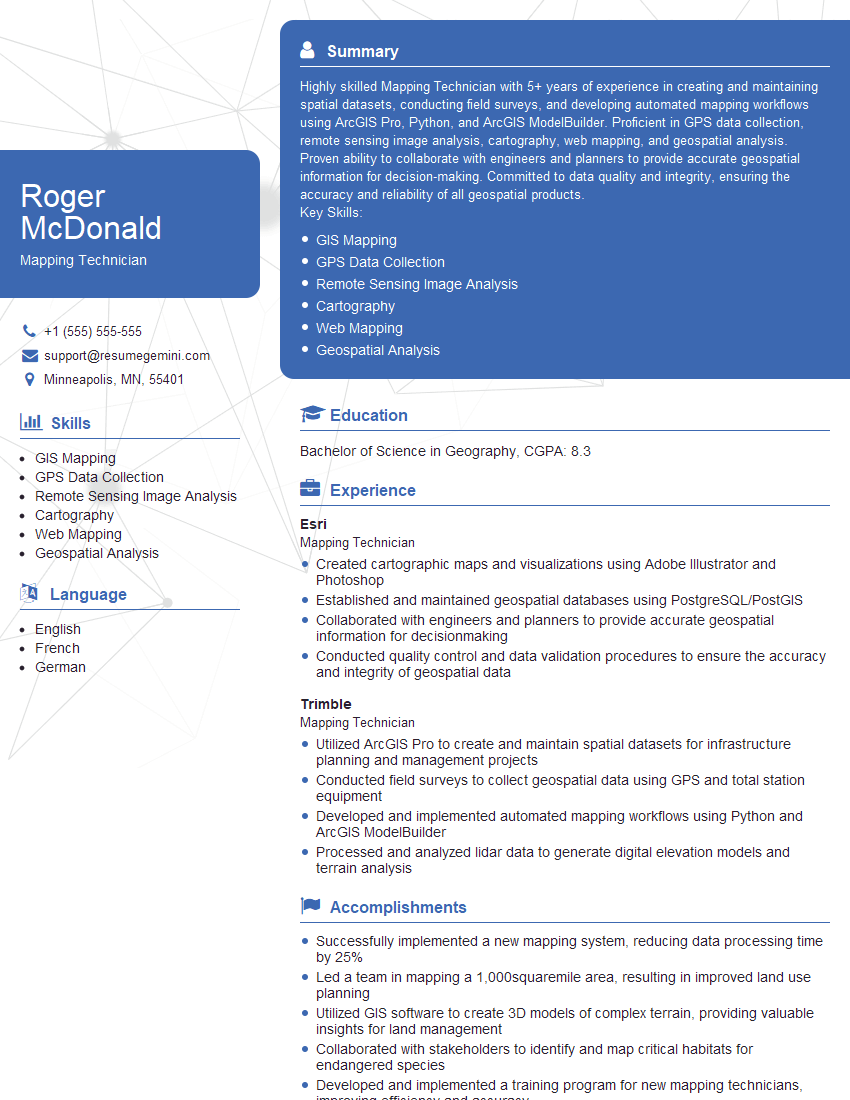
Mapping Technician Resume Sample
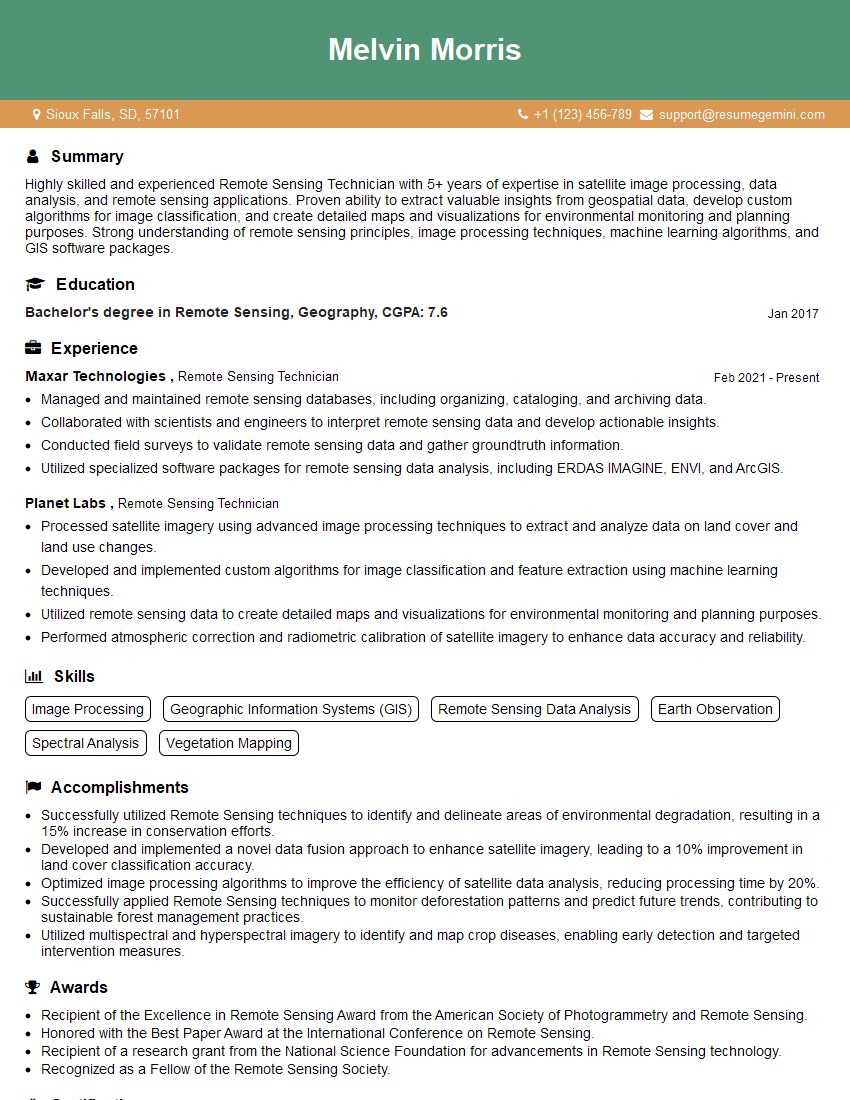
Remote Sensing Technician Resume Sample
Explore more articles
Users Rating of Our Blogs
Share Your Experience
We value your feedback! Please rate our content and share your thoughts (optional).
What Readers Say About Our Blog
Really detailed insights and content, thank you for writing this detailed article.
IT gave me an insight and words to use and be able to think of examples