The right preparation can turn an interview into an opportunity to showcase your expertise. This guide to Safe Acetylene Handling interview questions is your ultimate resource, providing key insights and tips to help you ace your responses and stand out as a top candidate.
Questions Asked in Safe Acetylene Handling Interview
Q 1. What are the primary hazards associated with acetylene?
Acetylene, while incredibly useful in welding and cutting, presents significant hazards. Its primary danger lies in its flammability and the potential for explosion. Acetylene is highly reactive and forms explosive mixtures with air over a wide range of concentrations (2.5% to 80% in air!). Furthermore, under pressure, acetylene can decompose exothermically, meaning it releases heat during decomposition, which can lead to a violent explosion. Another concern is that acetylene is also slightly toxic, and prolonged exposure to high concentrations can cause headaches, dizziness, and even unconsciousness. Finally, the cylinders themselves can be dangerous if mishandled.
Q 2. Describe the proper storage and handling procedures for acetylene cylinders.
Safe storage and handling of acetylene cylinders are paramount. They must always be stored upright and secured to prevent them from falling. Think of it like storing a very temperamental, highly flammable bottle. Never store them near sources of ignition, like open flames or sparks. The storage area needs to be well-ventilated to prevent the buildup of any leaked acetylene. Cylinders should be protected from extreme temperatures – both heat and cold – as excessive heat can increase internal pressure, potentially leading to a rupture. Always use a hand truck to move cylinders; never roll them. They should be capped when not in use to prevent accidental release. Additionally, proper labeling, including clear identification of the acetylene content and relevant safety information is crucial.
Q 3. Explain the importance of ventilation when using acetylene.
Ventilation is critical when working with acetylene because it prevents the buildup of the gas in the air. Remember that acetylene forms explosive mixtures with air, even at low concentrations. Adequate ventilation ensures that if a leak occurs, the acetylene disperses quickly, reducing the risk of an explosion or fire. In confined spaces, local exhaust ventilation or even a properly sized general ventilation system is necessary. Think of it like this: good ventilation acts as a safety net, dissipating any potential hazard before it becomes dangerous.
Q 4. What are the safety precautions for connecting and disconnecting acetylene regulators?
Connecting and disconnecting acetylene regulators requires meticulous care. Before connecting, ensure that the cylinder valve is closed. Then, carefully screw the regulator onto the cylinder valve, tightening it firmly but avoiding excessive force. After connection, slowly open the cylinder valve and check for leaks using a leak detection solution; never use a flame! If a leak is detected, immediately close the cylinder valve and rectify the issue before proceeding. Disconnecting is the reverse process: Close the cylinder valve completely, release the regulator pressure using the pressure release valve on the regulator, and then carefully unscrew the regulator. It’s like handling a precision instrument – patience and a methodical approach are vital for safety.
Q 5. How do you identify a damaged acetylene cylinder?
Identifying a damaged acetylene cylinder is a crucial safety measure. Look for any physical damage such as dents, rust, corrosion, or leaks. Check for signs of damage to the valve or any fittings. Examine the cylinder for any signs of previous repairs or unauthorized modifications. A damaged cylinder should never be used and must be reported to the appropriate authorities for disposal. It’s better to be safe than sorry. A seemingly small dent could compromise the cylinder’s integrity, leading to a disastrous leak or rupture.
Q 6. What are the signs of acetylene leaks, and how should they be addressed?
Acetylene leaks can manifest in several ways. You might notice a hissing sound escaping from the cylinder, regulator, or connections. Another indicator is the distinctive smell of acetylene, which is slightly sweet and garlic-like. You could also see a visible plume of gas escaping from a leak point. If you suspect a leak, immediately isolate the source by closing the cylinder valve. Never attempt to repair a leak yourself – call a qualified professional to assess and repair the leak. If you detect a significant leak, evacuate the area immediately and alert emergency services. A small leak can quickly become dangerous, particularly in enclosed areas.
Q 7. Describe the proper procedure for disposing of acetylene cylinders.
Disposing of acetylene cylinders requires careful adherence to regulations. Never attempt to empty or refill cylinders yourself. Empty cylinders should be returned to the supplier or a licensed recycler. They have the equipment and expertise to safely handle and dispose of the cylinders. Always ensure that you follow local and national regulations regarding the disposal of hazardous materials. This ensures that the disposal process is environmentally responsible and avoids any potential safety hazards. Improper disposal is reckless and poses significant environmental and safety risks.
Q 8. What is the role of flashback arrestors in acetylene systems?
Flashback arrestors are vital safety devices in acetylene systems. They prevent the propagation of flames or explosions back into the acetylene cylinder or supply lines. Think of them as a one-way valve for flames – allowing the acetylene to flow normally to the torch, but blocking any reverse flow of burning gases. This is crucial because a flashback can cause a catastrophic explosion within the high-pressure cylinder.
They work by creating a physical barrier that extinguishes the flame through rapid cooling or by interrupting the chemical chain reaction of combustion. Common types include those based on quenching, flame-arresting screens, or water-cooled designs. Regular inspection and maintenance of these arrestors are critical for ensuring their effectiveness.
Q 9. What are the appropriate personal protective equipment (PPE) for handling acetylene?
Appropriate PPE for handling acetylene is paramount to safety. It should always include:
- Eye protection: Safety glasses with side shields or a face shield are essential to protect against potential splashes or explosions.
- Respiratory protection: In poorly ventilated areas or during potential leaks, a self-contained breathing apparatus (SCBA) is necessary. Less critical tasks may allow for the use of appropriate respirators.
- Hand protection: Heavy-duty gloves that are resistant to cuts, punctures, and chemicals are essential.
- Protective clothing: Flame-resistant clothing is recommended, especially when working near open flames.
- Safety shoes: Steel-toed safety shoes will protect your feet from falling objects or accidental crushing.
Remember, the specific PPE requirements may vary depending on the task and the potential hazards involved. Always consult your safety data sheet (SDS) and relevant regulations.
Q 10. Explain the fire and explosion risks associated with acetylene.
Acetylene presents significant fire and explosion risks due to its highly flammable nature and ability to decompose explosively under pressure. It has a very wide flammability range (2.5% to 82% in air), meaning it can ignite and burn easily even at low concentrations. Furthermore, acetylene’s decomposition is exothermic – releasing significant heat – which can further accelerate the fire or cause an explosion. This is especially true when acetylene is under high pressure or subjected to intense heat. Imagine a pressurized bottle subjected to a spark – the potential is incredibly dangerous.
The decomposition reaction can happen spontaneously if the pressure is too high or in the presence of certain catalysts. This decomposition produces a large volume of hot gases, leading to a powerful explosion. Therefore, proper cylinder storage, handling, and equipment maintenance are absolutely crucial to mitigate these risks.
Q 11. What are the emergency procedures in case of an acetylene fire or leak?
Emergency procedures for acetylene fires or leaks prioritize immediate safety and containment:
- Evacuate: Immediately evacuate the area, ensuring everyone is a safe distance from the source.
- Alert: Contact emergency services (fire department) immediately. Give them precise details of the location, the nature of the incident, and any injuries.
- Contain: If safe to do so, attempt to stop the leak by closing the cylinder valve. Never attempt this if you are in danger or if the cylinder is visibly damaged.
- Isolate: If possible, isolate the affected area to prevent the spread of fire or gas.
- Suppress: Use appropriate fire extinguishers (CO2 or dry chemical are generally recommended) to extinguish the fire; however, prioritize your personal safety. Do not fight a large fire.
- First aid: If there are any injuries, provide first aid and seek medical attention promptly.
Post-incident, a thorough investigation should be conducted to identify the cause of the accident and implement preventative measures to avoid future incidents.
Q 12. What is the difference between acetylene and other fuel gases?
Acetylene differs significantly from other fuel gases like propane or natural gas primarily due to its chemical structure and reactivity. Acetylene (C2H2) is an unsaturated hydrocarbon, meaning it has a triple bond between the carbon atoms. This triple bond stores a significant amount of energy, making it much more reactive and prone to decomposition than saturated hydrocarbons like propane (C3H8). The triple bond is a key factor in its high energy content, making it an excellent fuel for welding, but also a more unstable and hazardous gas to handle.
Acetylene also requires special handling and storage due to its instability at higher pressures. It is usually dissolved in acetone and stored in porous cylinders to prevent decomposition. Other fuel gases, like propane, do not have these limitations.
Q 13. Explain the concept of acetylene decomposition and its implications.
Acetylene decomposition is the exothermic process where acetylene breaks down into its elemental components – carbon and hydrogen – often accompanied by a substantial release of heat and an increase in volume of gases. This can lead to a violent explosion, particularly under conditions of high pressure or exposure to heat or shock. Think of it like a tightly wound spring suddenly releasing its energy.
The implications are severe: It can lead to fire, explosions, injuries, and property damage. That’s why acetylene cylinders are filled with an inert material like acetone, which helps to moderate the pressure and absorb the energy from decomposition. The porous filling in the cylinder prevents excessive pressure buildup that can initiate the chain reaction that drives decomposition.
Q 14. What are the regulations and standards governing acetylene handling?
Regulations and standards governing acetylene handling vary depending on the location, but generally, they are stringent and aim to mitigate the significant hazards associated with acetylene. These regulations commonly cover aspects such as:
- Cylinder storage and handling: Safe storage practices, including proper ventilation, protection from heat sources, and upright storage, are usually mandated.
- Piping and equipment: Regulations often dictate the type of materials allowed for piping, fittings, and equipment to ensure compatibility and safety. Regular inspections are often required.
- Personal protective equipment (PPE): Appropriate PPE for different tasks and exposure levels is typically mandated.
- Emergency procedures: Clear emergency plans, including procedures for leaks and fires, are typically required.
- Training and certification: Operators are typically required to undergo training on the safe handling and use of acetylene.
Consult your local or national authority for specific regulations applicable to your region. Examples include OSHA regulations in the US or similar bodies in other countries. Adherence to these regulations is non-negotiable and is crucial for ensuring a safe working environment.
Q 15. How do you perform a pre-use inspection of acetylene equipment?
A pre-use inspection of acetylene equipment is crucial for preventing accidents. Think of it like a pre-flight check for an airplane – you wouldn’t take off without one! The inspection should cover every component, from the cylinder itself to the torch and hoses.
Cylinder Inspection: Check for any damage to the cylinder, such as dents, rust, or leaks. Look closely at the valve and its protective cap. Ensure the pressure gauge is within the acceptable range and that the cylinder is securely fastened to its stand.
Hose Inspection: Examine the hoses for cracks, cuts, or signs of wear. Pay attention to the connections – make sure they are tight and free of leaks. A soapy water test can help detect small leaks.
Torch Inspection: Check the torch for damage to the tip or body. Make sure that all connections are secure and that the gas flow adjustment valves operate smoothly.
Regulator Inspection: Inspect the regulator for damage, ensuring it’s properly connected to the cylinder and adjusted to the correct pressure. Never bypass safety features!
By performing a thorough pre-use inspection, you significantly reduce the risk of leaks, fires, and explosions. Remember, safety should always be your top priority.
Career Expert Tips:
- Ace those interviews! Prepare effectively by reviewing the Top 50 Most Common Interview Questions on ResumeGemini.
- Navigate your job search with confidence! Explore a wide range of Career Tips on ResumeGemini. Learn about common challenges and recommendations to overcome them.
- Craft the perfect resume! Master the Art of Resume Writing with ResumeGemini’s guide. Showcase your unique qualifications and achievements effectively.
- Don’t miss out on holiday savings! Build your dream resume with ResumeGemini’s ATS optimized templates.
Q 16. Describe the different types of acetylene torches and their applications.
Acetylene torches come in various types, each designed for specific applications. The choice depends on the type of work and the required heat intensity.
Cutting Torches: These torches produce a high-temperature flame used to cut through steel and other metals. They often utilize oxygen in conjunction with acetylene to achieve the required temperature.
Welding Torches: Welding torches are used to join metal pieces. Different tips create varied flame types—neutral, oxidizing, or carburizing—depending on the welding needs. The neutral flame is generally preferred for most applications.
Brazing Torches: These torches create a lower-temperature flame than cutting or welding torches and are used for brazing and soldering metals.
Heating Torches: Designed for a broad range of applications requiring controlled heating, such as thawing frozen pipes or shaping metal.
For example, a construction worker might use a cutting torch to cut through rebar, whereas a jeweler might use a smaller, more precise brazing torch. It’s essential to select the right torch for the job to ensure both safety and quality.
Q 17. What are the limitations of acetylene’s use?
While acetylene is a highly useful fuel gas, it does have limitations. Primarily, its use is restricted due to its inherent instability and flammability.
Decomposition risk: Acetylene can decompose explosively under pressure if exposed to excessive heat or shock. This is why cylinders have specific pressure limits and require careful handling.
Hazardous reaction with certain metals: Acetylene reacts dangerously with copper, silver, and mercury. Therefore, equipment using these materials must be avoided to prevent hazardous decomposition.
Limited operating pressure: Acetylene cylinders operate at much lower pressures compared to other gases, limiting its usefulness in certain high-pressure applications. It necessitates the use of special regulators and careful pressure monitoring.
Toxicity of combustion products: The combustion of acetylene forms carbon monoxide and other hazardous substances. Proper ventilation is essential to prevent inhalation injuries.
These limitations necessitate rigorous adherence to safety standards and careful operational procedures when working with acetylene.
Q 18. Explain the importance of proper cylinder labeling and identification.
Proper cylinder labeling and identification is paramount for safe acetylene handling. Clear identification prevents accidental mixing of gases, a potentially catastrophic event. Think of it like clearly labeling medications – you wouldn’t want to accidentally take the wrong one!
Cylinder markings: Acetylene cylinders are clearly marked with the gas type (‘Acetylene’), manufacturer’s information, and relevant safety warnings. These markings should be legible and undamaged.
Color-coding: While color-coding might vary regionally, understanding your local standards is vital for identifying the cylinder’s contents quickly and accurately.
Hazard labels: The cylinder should carry hazard labels, signifying flammability and potential explosion risks, alerting handlers to the precautions they need to take.
Never use a cylinder without proper identification. If the markings are unclear or damaged, immediately remove the cylinder from service and contact a qualified gas supplier.
Q 19. What are the consequences of mixing acetylene with other gases?
Mixing acetylene with other gases can have devastating consequences, potentially leading to explosions or fires. Acetylene’s highly reactive nature makes it particularly dangerous in mixtures.
Oxygen: A mixture of acetylene and oxygen is highly flammable and explosive, and is only safe within the context of a carefully controlled welding or cutting operation.
Chlorine: Acetylene reacts violently with chlorine gas, creating hazardous byproducts and a significant explosion risk.
Other gases: Mixing acetylene with many other gases can lead to unexpected and potentially dangerous reactions. Never mix acetylene with other gases without specialist knowledge and appropriate safety precautions.
Always ensure that acetylene cylinders are stored and used separately from other gases to minimize the risk of accidental mixing and the resulting hazards. Improper mixing is a major safety hazard and must be strictly avoided.
Q 20. How do you ensure the safe transportation of acetylene cylinders?
Safe transportation of acetylene cylinders is critical, requiring strict adherence to regulations and best practices. Improper transportation can lead to accidents with severe consequences.
Secure fastening: Cylinders must be securely fastened upright in a vehicle to prevent them from shifting during transit. This prevents damage to the valves and possible leaks.
Proper ventilation: The transport vehicle should be well-ventilated to prevent the buildup of any potential leaks. Remember, acetylene is heavier than air and can accumulate in low-lying areas.
Protective caps: Cylinder valve protection caps should always be in place during transport to prevent accidental damage to the valves.
Compliance with regulations: Adherence to all relevant transportation regulations, including those related to hazardous materials, is mandatory.
Never transport acetylene cylinders with passengers or in enclosed spaces without proper ventilation. Always prioritize safety when moving acetylene cylinders.
Q 21. What is the role of a safety data sheet (SDS) in acetylene handling?
The Safety Data Sheet (SDS), formerly known as the Material Safety Data Sheet (MSDS), is a crucial document providing comprehensive information about the hazards associated with a chemical, including acetylene. It’s the central resource for safe handling practices. Think of the SDS as the owner’s manual for a potentially dangerous tool – you need to understand it to use it safely.
Hazard identification: The SDS clearly identifies the hazards associated with acetylene, including flammability, explosion risk, and potential health effects.
Handling and storage instructions: It provides detailed instructions on safe handling, storage, and disposal of acetylene cylinders.
Emergency procedures: The SDS outlines emergency response procedures in case of spills, leaks, or accidents involving acetylene.
First aid measures: The document guides on what to do in case of accidental exposure.
Always consult the SDS before handling acetylene. It’s your primary source for staying informed about all associated risks and ensuring safe work practices.
Q 22. Explain the concept of pressure relief valves in acetylene systems.
Pressure relief valves are crucial safety devices in acetylene systems designed to prevent over-pressurization. Acetylene, unlike other gases, is unstable under high pressure and can decompose explosively. These valves act as a fail-safe mechanism, automatically releasing excess pressure to avert dangerous situations. They’re typically spring-loaded and set to open at a predetermined pressure, usually well below the cylinder’s maximum allowable pressure. For example, a valve might be set to open at 25 psi, even if the cylinder is rated for 250 psi. This ensures that even if there’s a malfunction in the system, the pressure won’t exceed a safe threshold, preventing a potential explosion.
Several types of pressure relief valves exist, each suited for specific applications. Some are designed for continuous release of small pressure increases, while others are intended for larger, sudden pressure surges. Regular inspection and maintenance are essential to ensure their proper functioning.
Q 23. Describe the proper techniques for purging acetylene lines.
Purging acetylene lines is essential before use to remove any air or other gases that could create explosive mixtures. This process involves displacing the existing gas with pure acetylene. The procedure should always be conducted with extreme caution, following a step-by-step process. Here’s a typical approach:
- Isolate the line: Close all valves along the acetylene line.
- Open the purge valve: Locate the purge valve typically found on manifolds or regulators and carefully open it.
- Allow acetylene to flow: Let pure acetylene flow through the line for a sufficient period to ensure complete displacement of any air or other contaminants. The duration depends on the line’s size and length.
- Close the purge valve: Once purging is complete, carefully close the purge valve.
- Check for leaks: After purging, thoroughly inspect the lines for any leaks using a leak detection solution or other appropriate methods.
It’s critical to remember that proper ventilation is essential during the entire purging process. Never attempt to purge in a confined space without adequate ventilation. Always consult the manufacturer’s instructions for specific guidelines on your equipment.
Q 24. What are the common causes of acetylene-related accidents?
Acetylene-related accidents often stem from a combination of factors, frequently involving human error or a lack of proper safety protocols. Some common causes include:
- Improper handling of cylinders: Dropping, rolling, or mishandling acetylene cylinders can damage valves and lead to leaks.
- Leaks and improper connections: Faulty connections, damaged hoses, or corroded fittings can cause leaks, leading to the formation of explosive mixtures.
- Inadequate ventilation: Working with acetylene in poorly ventilated areas can lead to the build-up of flammable gas and an increased risk of explosions or asphyxiation.
- Static electricity: Sparks from static electricity can ignite acetylene, particularly in dry conditions.
- Over-pressurization: Exceeding the maximum allowable pressure of the system can lead to explosions.
- Lack of training and awareness: Insufficient training on safe acetylene handling practices is a major contributor to accidents.
A well-defined safety program, including regular equipment inspection, proper training, and adherence to safety procedures, is essential in preventing these types of accidents.
Q 25. How do you prevent acetylene autoignition?
Acetylene autoignition, the spontaneous ignition of acetylene without an external ignition source, is a serious concern. It’s typically caused by the generation of heat during the decomposition of acetylene. To prevent this:
- Maintain proper pressure: Avoid exceeding the recommended pressure limits for acetylene cylinders and hoses.
- Use appropriate equipment: Employ high-quality regulators, hoses, and fittings designed specifically for acetylene service.
- Avoid contamination: Keep the acetylene system free from oil or grease, as these can catalyze acetylene decomposition and generate heat.
- Ensure proper ventilation: Adequate ventilation helps to dissipate heat and prevent the build-up of acetylene.
- Regular inspection: Conduct regular inspections of the entire acetylene system to identify and address potential issues early.
Imagine a clogged valve causing excessive pressure buildup—this heat can trigger autoignition. Therefore, consistent maintenance and vigilance are paramount.
Q 26. What are the health effects of exposure to acetylene?
Exposure to acetylene can have several adverse health effects. While acetylene itself isn’t highly toxic, its effects depend on the concentration and duration of exposure. High concentrations can lead to:
- Oxygen displacement: Acetylene displaces oxygen in the air, causing asphyxiation. This is a significant hazard in poorly ventilated areas.
- Central nervous system depression: High concentrations can depress the central nervous system, resulting in dizziness, headaches, nausea, and even loss of consciousness.
- Heart rhythm disturbances: In extreme cases, exposure to high levels of acetylene can disrupt heart rhythms.
Even lower concentrations can cause irritation of the eyes, nose, and throat. Therefore, adequate ventilation and the use of respiratory protection are essential when working with acetylene.
Q 27. Describe the proper first aid procedures for acetylene-related injuries.
First aid for acetylene-related injuries depends on the nature of the injury.
- Asphyxiation: If someone is experiencing asphyxiation due to oxygen displacement, immediately move them to fresh air. Administer CPR if necessary. Seek immediate medical attention.
- Burns: For burns caused by acetylene flames or explosions, follow standard burn first aid protocols: cool the burn with cool (not ice) water, cover with a sterile dressing, and seek immediate medical attention.
- Eye irritation: Flush the eyes with plenty of water for at least 15 minutes and seek medical attention if irritation persists.
- Inhalation: If someone inhales high concentrations of acetylene, move them to fresh air and monitor their breathing. Seek medical attention if symptoms such as dizziness, nausea, or headaches develop.
Remember, prompt action is crucial in all acetylene-related injuries. Always call emergency services when necessary.
Q 28. Explain your experience in conducting acetylene safety training.
I have extensive experience in conducting acetylene safety training, having delivered numerous sessions to various levels of personnel, from entry-level technicians to experienced welders and safety officers. My training programs are comprehensive, covering all aspects of safe acetylene handling, from cylinder management and connection procedures to emergency response and hazard recognition. I utilize a variety of teaching methods including interactive lectures, demonstrations, practical exercises, and case studies of real-world incidents. This approach ensures active participation and knowledge retention.
For example, in a recent training session for a construction company, we conducted a hands-on exercise simulating a cylinder leak, highlighting proper response protocols and the use of appropriate safety equipment. Feedback from participants consistently indicates a high level of satisfaction and improved understanding of safe acetylene practices. My focus is always on promoting a safety-conscious culture and empowering individuals to make informed decisions in the workplace.
Key Topics to Learn for Safe Acetylene Handling Interview
- Acetylene Properties and Hazards: Understand acetylene’s chemical properties, flammability, and potential hazards, including decomposition and explosive reactions.
- Cylinder Handling and Storage: Learn safe practices for transporting, storing, and securing acetylene cylinders, including proper ventilation and distance from ignition sources.
- Regulator and Equipment Usage: Master the safe operation of acetylene regulators, torches, and related equipment, emphasizing pressure control and leak detection.
- Emergency Procedures: Familiarize yourself with emergency response protocols for acetylene leaks, fires, and other incidents, including evacuation procedures and the use of fire extinguishers.
- Personal Protective Equipment (PPE): Understand the importance and correct use of PPE, including eye protection, gloves, and flame-resistant clothing.
- Workplace Safety Regulations: Be aware of relevant OSHA or industry-specific regulations and best practices for safe acetylene handling.
- Troubleshooting and Preventative Maintenance: Learn to identify potential hazards, troubleshoot equipment malfunctions, and perform routine maintenance to prevent accidents.
- Practical Applications: Consider real-world scenarios involving acetylene use, such as welding, cutting, and brazing, and how safety protocols apply in diverse settings.
- Gas Mixing and Combustion: Understand the principles of gas mixing and combustion related to acetylene, including the potential for backfires and flashbacks.
Next Steps
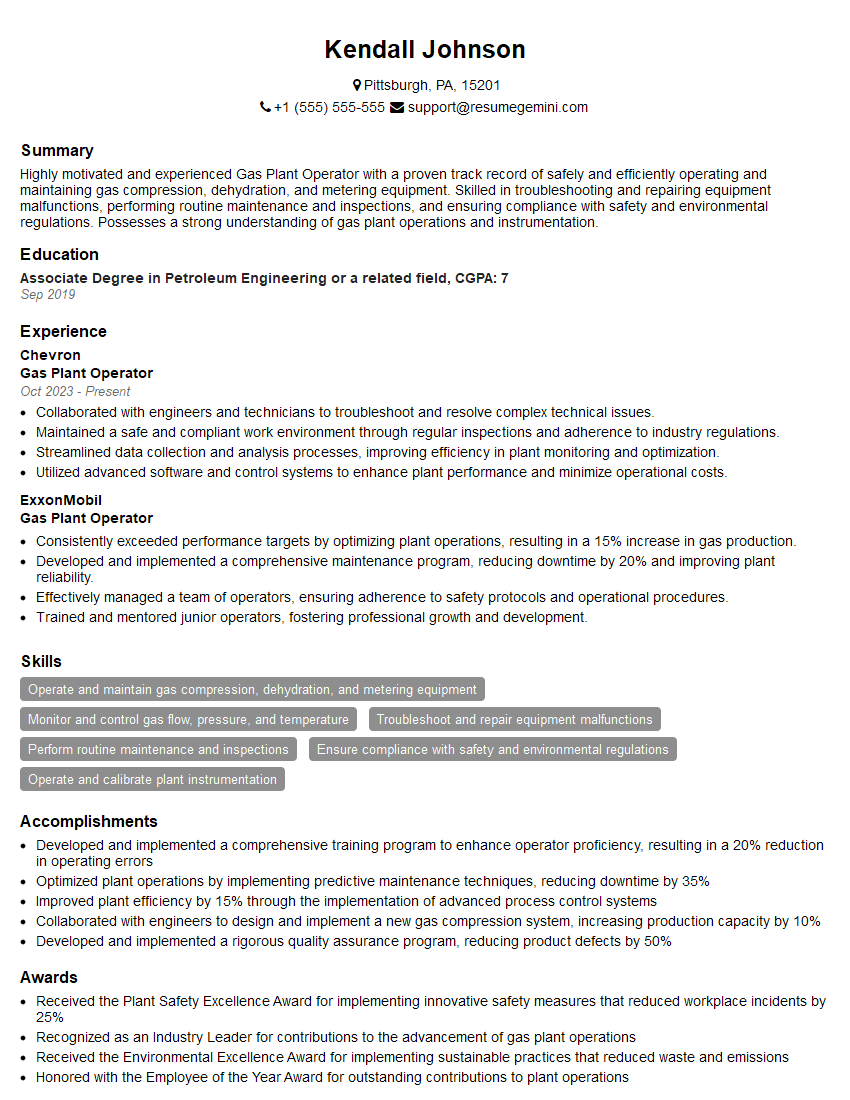
Mastering safe acetylene handling is crucial for career advancement in numerous industries. A strong understanding of these safety procedures demonstrates professionalism, responsibility, and commitment to workplace safety – highly valued attributes by employers. To maximize your job prospects, create an ATS-friendly resume that clearly highlights your skills and experience. We strongly recommend using ResumeGemini to build a professional and impactful resume. ResumeGemini provides tools and resources to help you craft a compelling resume, and examples of resumes tailored to Safe Acetylene Handling are available to guide you.
Explore more articles
Users Rating of Our Blogs
Share Your Experience
We value your feedback! Please rate our content and share your thoughts (optional).
What Readers Say About Our Blog
Really detailed insights and content, thank you for writing this detailed article.
IT gave me an insight and words to use and be able to think of examples