Feeling uncertain about what to expect in your upcoming interview? We’ve got you covered! This blog highlights the most important Animal Disease Prevention and Control interview questions and provides actionable advice to help you stand out as the ideal candidate. Let’s pave the way for your success.
Questions Asked in Animal Disease Prevention and Control Interview
Q 1. Describe the epidemiological triad and its relevance to animal disease outbreaks.
The epidemiological triad is a fundamental model in epidemiology that explains the interaction of three key factors contributing to the occurrence of a disease: the agent (the infectious organism or causative factor), the host (the susceptible animal), and the environment (the external factors that influence the interaction between the agent and the host). Think of it as a three-legged stool – if one leg is missing or weak, the stool collapses. Similarly, if any one of these factors is absent or insufficiently present, disease won’t occur or won’t spread easily.
Agent: This could be a virus (like Foot-and-Mouth Disease virus), bacteria (like Salmonella), parasite (like Giardia), or even a nutritional deficiency. Its characteristics, such as virulence (ability to cause disease) and infectivity (ability to spread), are crucial.
Host: This refers to the animal susceptible to the disease. Its factors like age, breed, immune status, and overall health influence disease susceptibility. For example, younger animals are often more vulnerable to disease due to underdeveloped immune systems.
Environment: This includes everything around the host that impacts disease transmission, such as climate, hygiene, population density, management practices on a farm (e.g., overcrowding, poor sanitation), and the presence of vectors (e.g., ticks, mosquitoes) that might spread the disease.
Relevance to outbreaks: Understanding the triad is vital for controlling outbreaks. By identifying the agent, determining the host’s susceptibility, and manipulating the environmental factors, we can effectively intervene. For instance, during a Foot-and-Mouth Disease outbreak, identifying the virus (agent), vaccinating susceptible animals (host), and implementing strict biosecurity measures (environment) to prevent further spread are key steps.
Q 2. Explain the difference between active and passive surveillance in animal disease prevention.
Active surveillance is a proactive approach to disease prevention, where we actively search for disease cases even in the absence of a known outbreak. It’s like a routine health check-up. We systematically collect data, for instance, through regular testing of animals, monitoring clinical signs, and analyzing epidemiological data. This helps in early detection of diseases, enabling prompt intervention and prevention of widespread outbreaks. Imagine a veterinarian regularly collecting samples from a herd for disease testing – that’s active surveillance.
Passive surveillance, on the other hand, is a reactive approach, relying on reporting of suspected cases by farmers, veterinarians, or other stakeholders. Think of it like waiting for a patient to report feeling sick to a doctor. It’s less resource-intensive, but it’s limited by underreporting and might miss early cases, resulting in delayed responses. While passive surveillance is important, active surveillance provides a more comprehensive picture of disease prevalence and trends.
Q 3. What are the key components of a biosecurity plan for a livestock farm?
A robust biosecurity plan is crucial for protecting livestock from disease. Key components include:
- Exclusion: Preventing the entry of pathogens onto the farm. This involves restricting access by unauthorized personnel and vehicles, implementing disinfection protocols at entry points, and carefully sourcing animals and feed from disease-free sources.
- Containment: Preventing the spread of pathogens within the farm. This involves separating different groups of animals based on their health status (quarantine), practicing good hygiene practices (regular cleaning and disinfection), implementing effective rodent and vector control, and appropriately managing animal waste.
- Elimination: Removing and disposing of pathogens from the farm. This includes the proper disposal of dead animals, manure, and other potential sources of contamination, and potentially using sanitation techniques that eradicate pathogens.
- Personnel biosecurity: Controlling pathogen spread via personnel. This involves requiring personnel to change clothes and shoes before entering animal areas, implementing hand hygiene protocols, and prohibiting unauthorized access to farms.
Record Keeping: Maintaining accurate and detailed records of animal health, movements, treatments, and biosecurity measures. This information is essential for outbreak investigation, disease surveillance, and continuous improvement.
A well-designed biosecurity plan should be tailored to the specific risks of the farm’s location, animal species, and management practices.
Q 4. Outline the steps involved in investigating an animal disease outbreak.
Investigating an animal disease outbreak involves a systematic approach:
- Preliminary investigation: Gather initial information, including the number of affected animals, clinical signs, mortality rate, and potential exposure factors.
- Define the case definition: Establish criteria for identifying affected animals, ensuring consistency in case selection.
- Descriptive epidemiology: Describe the outbreak’s characteristics, including time, place, and person (or animal). This helps to identify potential risk factors and patterns of spread. Create an epidemiological curve (showing the number of cases over time) to determine the pattern of the outbreak.
- Analytical epidemiology: Conduct hypothesis testing to identify the cause of the outbreak and potential risk factors. This may involve comparing exposed and unexposed groups (e.g., animals that had contact with a specific feed source versus those that did not).
- Laboratory diagnosis: Collect samples from affected animals for laboratory testing to identify the causative agent.
- Control measures: Implement control measures based on the identified cause, which might include treatment, vaccination, quarantine, culling, and environmental disinfection.
- Follow-up: Monitor the effectiveness of control measures and evaluate the outcome of the outbreak investigation.
Q 5. Discuss different methods used for the diagnosis of animal diseases.
Diagnosing animal diseases involves a combination of methods:
- Clinical examination: Observing the animal’s physical condition, including clinical signs like fever, respiratory distress, or diarrhea.
- Post-mortem examination (Necropsy): Examining the carcass of a dead animal to identify lesions and collect samples for further testing.
- Laboratory tests: These are essential for confirming the diagnosis and identifying the causative agent. Methods include:
- Bacteriology: Culturing and identifying bacteria.
- Virology: Detecting viruses using techniques like ELISA (enzyme-linked immunosorbent assay) or PCR (polymerase chain reaction).
- Parasitology: Identifying parasites using microscopy or other diagnostic techniques.
- Serology: Detecting antibodies in blood serum, indicating past exposure to a specific pathogen.
- Histology: Microscopic examination of tissues to identify abnormalities.
- Molecular diagnostics: Using PCR and other molecular techniques for pathogen detection.
A combination of these approaches provides a comprehensive diagnosis.
Q 6. Explain the role of vaccination in preventing animal diseases.
Vaccination plays a crucial role in preventing animal diseases by stimulating the immune system to develop immunity against specific pathogens. When an animal is vaccinated, it’s exposed to a weakened or inactive form of the pathogen, triggering the production of antibodies and memory cells. This allows the animal’s immune system to recognize and effectively fight off the pathogen if it encounters it in the future, reducing the severity of disease or preventing it entirely. For example, vaccinating against Newcastle Disease in poultry helps prevent outbreaks and maintain herd health, preventing significant economic losses. Vaccination is a cost-effective and highly successful strategy for controlling many infectious diseases.
Q 7. What are the advantages and disadvantages of different vaccination strategies?
Various vaccination strategies exist, each with its own advantages and disadvantages:
- Mass vaccination: Vaccinating the entire population, regardless of their exposure risk. It’s effective in eliminating diseases but can be costly and might not be necessary in low-risk areas.
- Targeted vaccination: Vaccinating only susceptible groups or those at high risk of exposure. It’s more cost-effective but requires careful identification of target groups and might miss some susceptible individuals.
- Ring vaccination: Vaccinating animals within a certain radius around a confirmed outbreak, aiming to contain the spread. This strategy is useful in controlling geographically localized outbreaks but might not be sufficient for widespread diseases.
- Sequential vaccination: Administering different vaccines at different stages of life to establish and maintain long-lasting immunity. This helps protect against a broader range of diseases over time.
- Combined vaccination: Administering multiple vaccines simultaneously to reduce the number of injections required, improving compliance. This has clear benefits in cost and animal management.
The choice of strategy depends on several factors, including the disease’s characteristics (e.g., transmissibility, severity), the animal population’s structure and demographics, economic constraints, and available resources. For instance, ring vaccination is useful for highly contagious diseases affecting a localized area, while mass vaccination is important to eradicate highly contagious diseases like rinderpest.
Q 8. Describe different methods of controlling zoonotic diseases.
Controlling zoonotic diseases—diseases transmitted from animals to humans—requires a multi-pronged approach targeting both animal and human populations. It’s like tackling a wildfire; you need to control the blaze at its source and prevent its spread.
- Improving animal husbandry practices: This includes vaccination programs, proper hygiene in animal housing, biosecurity measures to prevent pathogen introduction, and responsible waste management to minimize environmental contamination. Think of this as creating firebreaks to stop the wildfire’s spread.
- Early detection and surveillance: Regular monitoring of animal populations for signs of disease allows for rapid response and helps to prevent widespread outbreaks. This is akin to having early warning systems for the wildfire.
- Public health interventions: Educating the public about safe handling and consumption of animal products is crucial. Measures include hand hygiene, cooking meat thoroughly, and avoiding contact with potentially infected animals. This is like educating communities on wildfire evacuation procedures.
- Controlling vectors and reservoirs: Many zoonotic diseases are transmitted by vectors like ticks or mosquitoes. Controlling these vectors, for instance, through insecticide spraying or habitat modification, is essential. This is similar to removing flammable material near the wildfire.
- One Health approach: This collaborative strategy emphasizes the interconnectedness of human, animal, and environmental health, fostering joint efforts between veterinarians, human health professionals, and environmental scientists. It’s the coordinated firefighting effort, with everyone working together.
For example, rabies control involves vaccinating dogs, educating people about safe animal handling, and providing post-exposure prophylaxis to humans bitten by potentially rabid animals.
Q 9. How do you assess the risk of an animal disease spreading?
Assessing the risk of an animal disease spreading involves a systematic evaluation of various factors. It’s like a detective investigation, gathering clues to determine the likelihood of a crime (disease outbreak) occurring.
- Agent characteristics: How contagious is the pathogen? How long can it survive in the environment? This determines the infectiousness and severity of the disease.
- Host characteristics: What is the susceptibility of the animal population? Are there any pre-existing conditions that could increase vulnerability? The presence of susceptible hosts is a critical ingredient for an outbreak.
- Environmental characteristics: Does the climate or environment favor the spread of the pathogen? For example, certain pathogens thrive in warm, humid conditions. This is the context in which the disease spreads.
- Vector involvement (if any): If the disease is vector-borne, the population density and activity of the vector are key considerations. Vectors, like the spark, can significantly increase the risk of the fire’s spread.
These factors are often assessed using risk models that combine quantitative and qualitative data. The output will provide a probability score and confidence level regarding the likelihood and potential impact of an outbreak. For example, a risk assessment for avian influenza might consider the density of poultry farms, the presence of migratory waterfowl, and the prevalence of the virus in nearby areas.
Q 10. Explain the importance of quarantine in disease control.
Quarantine is a crucial disease control measure, effectively isolating infected or potentially exposed animals to prevent further spread. Think of it as containing the wildfire to prevent it from destroying more land.
- Protecting susceptible animals: Quarantine prevents contact between infected and healthy animals, protecting vulnerable populations from contracting the disease.
- Preventing disease spread: It halts the chain of transmission, limiting the number of animals that become infected.
- Facilitating disease control measures: It provides a controlled environment to administer treatment, monitor the disease’s progress, and implement other control measures.
Quarantine protocols vary depending on the specific disease. It can involve isolating individual animals, groups of animals, or even entire farms. The duration of quarantine depends on the incubation period of the disease and other factors. For example, during a foot-and-mouth disease outbreak, entire farms may be quarantined, and movement of animals in and out of the affected region would be restricted.
Q 11. What are the ethical considerations in dealing with animal disease outbreaks?
Ethical considerations in dealing with animal disease outbreaks are paramount. Balancing the needs of animal welfare, public health, and economic concerns requires careful consideration. Imagine the ethical dilemmas facing firefighters who must make hard decisions to save lives and property during a wildfire.
- Animal welfare: Decisions regarding euthanasia (if necessary) must be made humanely and in accordance with ethical guidelines. There’s the painful decision between saving many animals or suffering of a few.
- Transparency and communication: Open communication with stakeholders, including farmers, consumers, and the public, is essential to build trust and cooperation. This is crucial for building community consensus in fighting the wildfire.
- Economic impact: Disease outbreaks often result in significant economic losses. Ethical considerations include supporting affected farmers and communities, ensuring fair compensation and promoting recovery. This is similar to providing aid to those affected by the fire.
- Resource allocation: Making equitable decisions about how resources are allocated during an outbreak is an ethical responsibility. Should you focus on the biggest fire or save a few individual homes?
For example, the decision to cull animals to control a highly contagious disease involves weighing the suffering of the animals against the potential benefit of preventing a wider outbreak. Transparency about the rationale behind these decisions is vital to maintain public trust.
Q 12. Discuss the role of international collaboration in controlling transboundary animal diseases.
International collaboration is indispensable for controlling transboundary animal diseases (TADs), which can spread across national borders rapidly. It’s like an international firefighting effort where countries share resources and expertise to effectively battle a large-scale wildfire.
- Information sharing: Rapid reporting of outbreaks and sharing epidemiological data are critical to early detection and rapid response. This is like coordinating information between fire departments.
- Joint surveillance: Collaboration on surveillance activities improves early detection and prevents the spread of diseases across borders.
- Harmonized control measures: Adopting consistent approaches to control and prevention, such as vaccination strategies and movement restrictions, is essential. This ensures that all departments work with the same strategies and tactics.
- Technical assistance: Developed countries can provide technical and financial assistance to less developed countries to strengthen their veterinary services and disease control capabilities. This is akin to sharing firefighting equipment and expertise.
- International organizations: Organizations like the World Organisation for Animal Health (WOAH), formerly known as the OIE, play crucial roles in coordinating international responses, setting standards, and sharing information.
The rapid spread of avian influenza and foot-and-mouth disease highlights the need for strong international cooperation to prevent and control these transboundary animal diseases.
Q 13. How would you manage an outbreak of a highly contagious animal disease?
Managing an outbreak of a highly contagious animal disease requires a swift, coordinated, and decisive response. Think of this as a well-orchestrated firefighting operation during a major wildfire.
- Rapid assessment and confirmation: Quickly identify the disease and its extent through laboratory testing and epidemiological investigations.
- Implementation of control measures: Implement strict biosecurity measures (quarantine, movement restrictions, depopulation if necessary), sanitation, and vaccination (if available).
- Surveillance and monitoring: Continuously monitor the situation to assess the effectiveness of control measures and identify new cases.
- Communication and collaboration: Keep stakeholders informed, foster collaboration with veterinary services, farmers, and other relevant authorities, and maintain transparency to build confidence.
- Post-outbreak management: Implement measures to prevent future outbreaks (vaccination, enhanced biosecurity). This involves preparing for future fires by creating fire breaks.
For instance, a foot-and-mouth disease outbreak would require rapid identification, quarantine of affected farms, and possibly depopulation of infected and in-contact animals to prevent further spread. This would be supplemented by strict movement restrictions and disinfection of affected areas.
Q 14. Explain the concept of herd immunity and its relevance to animal disease control.
Herd immunity refers to the protection of a population from a disease when a large proportion of individuals are immune, either through vaccination or prior infection. It’s like a fire-resistant forest, where most trees are naturally resistant to the fire and prevent its spread.
- Reduced disease transmission: A high level of immunity within a population makes it difficult for the pathogen to spread, thus protecting both vaccinated and unvaccinated individuals. This is because the fire can’t spread when many trees are fire-resistant.
- Protection of vulnerable individuals: Herd immunity offers particular protection to those who cannot be vaccinated, such as very young or very old animals, or those with compromised immune systems.
- Disease eradication potential: High levels of herd immunity can lead to the elimination of a disease from a population. This is similar to the fire being completely extinguished.
Achieving herd immunity requires high vaccination coverage rates. However, the required threshold varies depending on the disease’s contagiousness and other factors. For example, achieving herd immunity against measles in humans requires a high vaccination rate of around 95%, while for some diseases in animals, it might be achieved with a lower coverage. The concept plays a critical role in disease control programs, striving for a protective shield to prevent widespread outbreaks.
Q 15. What are some common biosecurity measures for preventing the introduction of diseases onto a farm?
Biosecurity measures are crucial for preventing disease introduction onto a farm. Think of it like creating a fortress to protect your animals. These measures aim to minimize contact between your animals and potential disease sources from the outside world.
Quarantine: Newly arrived animals should be isolated for a period (typically 21-30 days) to observe for any signs of illness before integrating them with the main herd. This is like a health check at the border of your fortress.
Restricted Access: Limiting access to the farm for unauthorized personnel and vehicles helps prevent the introduction of pathogens. Only essential visitors should be allowed, and they should follow strict hygiene protocols (e.g., wearing protective clothing, disinfecting boots and equipment).
Vector Control: Managing rodent and insect populations (flies, mosquitoes, etc.) helps prevent the spread of diseases. These pests act as vectors, carrying pathogens from one location to another. Regular pest control measures should be part of your farm management plan.
Hygiene Practices: Maintaining high hygiene standards throughout the farm is paramount. This includes regular cleaning and disinfection of animal housing, equipment, and feeding areas. Proper disposal of manure and waste is also essential.
Vehicle and Equipment Disinfection: All vehicles and equipment entering the farm should be thoroughly disinfected to prevent the introduction of pathogens on their surfaces. This could include using disinfectant foot baths at entrances.
Personnel Hygiene: Farm workers should practice good hygiene by changing clothes and showering before and after working with animals, avoiding contact between different animal groups, and washing hands frequently.
Career Expert Tips:
- Ace those interviews! Prepare effectively by reviewing the Top 50 Most Common Interview Questions on ResumeGemini.
- Navigate your job search with confidence! Explore a wide range of Career Tips on ResumeGemini. Learn about common challenges and recommendations to overcome them.
- Craft the perfect resume! Master the Art of Resume Writing with ResumeGemini’s guide. Showcase your unique qualifications and achievements effectively.
- Don’t miss out on holiday savings! Build your dream resume with ResumeGemini’s ATS optimized templates.
Q 16. Discuss the role of government agencies in animal disease prevention and control.
Government agencies play a vital role in animal disease prevention and control, acting as a central command system coordinating efforts across the country. Their responsibilities include:
Disease Surveillance: Monitoring animal populations for disease outbreaks through laboratory testing, epidemiological investigations, and data collection. Early detection is key.
Disease Reporting and Response: Establishing clear reporting mechanisms for suspected and confirmed animal diseases and implementing rapid response plans to contain outbreaks. This might involve quarantine, movement restrictions, or culling.
Biosecurity Regulations: Developing and enforcing biosecurity standards and regulations to minimize the risk of disease introduction and spread. This includes setting guidelines for livestock movement and import/export.
Disease Control Programs: Implementing national vaccination programs, control strategies against specific diseases, and providing resources (technical and financial) to farmers. For example, many countries have national brucellosis eradication programs.
Veterinary Services: Providing veterinary services to monitor the health of animals and to respond to disease outbreaks. Many countries provide a network of public veterinary services.
International Collaboration: Collaborating with international organizations (like the OIE) to share information about animal diseases and to coordinate global efforts to control the spread of transboundary animal diseases.
Q 17. What are the reporting requirements for suspected or confirmed animal diseases?
Reporting requirements for suspected or confirmed animal diseases vary by country and the specific disease in question. However, the general principle is prompt and accurate reporting to the relevant authorities. This often involves contacting your local veterinarian, the state veterinarian, or a designated animal health agency. Failure to report can have serious consequences, as it impedes the ability of authorities to contain the outbreak and prevent wider spread.
Information typically required includes:
Species and number of affected animals
Location of the farm or premises
Clinical signs observed
Potential exposure sources
Movement history of animals
Delayed reporting can lead to increased disease spread, economic losses, and potential impact on international trade. There are often specific timelines for reporting that must be followed. This underscores the importance of building strong relationships with animal health officials.
Q 18. How do you handle potential conflicts of interest in animal health work?
Conflicts of interest can arise in animal health work when personal interests (financial or otherwise) could compromise professional judgment or objectivity. For instance, a veterinarian might be pressured to approve a product or treatment despite having concerns about its effectiveness or safety. Transparency and adherence to ethical guidelines are crucial to navigate these situations.
Strategies to handle potential conflicts of interest include:
Disclosure: Any potential conflicts of interest should be transparently disclosed to all relevant parties.
Recusal: If a conflict cannot be resolved, the individual should recuse themselves from the situation to avoid bias.
Independent Review: Seeking an independent review or opinion from another expert can ensure objectivity and reduce bias.
Adherence to Professional Codes of Conduct: Following established professional codes of conduct and ethical guidelines related to animal health is essential.
Documentation: Maintaining clear documentation of all decisions and actions taken.
Q 19. Explain the different types of animal disease transmission.
Animal diseases can be transmitted through various routes. Understanding these transmission mechanisms is vital for implementing effective control measures.
Direct Contact: This is the most common mode of transmission, where animals directly touch each other, spreading pathogens through bodily fluids, secretions (saliva, nasal discharge), or fecal matter. Think of a contagious disease spreading through a herd.
Indirect Contact: Pathogens can also be transmitted through contaminated objects or surfaces. This includes shared feed and water troughs, equipment, or even clothing of handlers.
Vectors: Insects (flies, ticks, mosquitoes), rodents, and birds can act as mechanical vectors, carrying pathogens on their bodies or transmitting them through bites.
Airborne Transmission: Some diseases can spread through the air through aerosols, particularly in enclosed spaces with poor ventilation. Avian influenza is an example of a disease with airborne transmission potential.
Fecal-Oral Transmission: This route involves the ingestion of pathogens present in feces. Poor sanitation practices can facilitate this type of transmission.
Vertical Transmission: Some diseases can be transmitted from parent to offspring through transplacental transfer during pregnancy, or through contact during birth.
Q 20. Describe the importance of sanitation and hygiene in disease prevention.
Sanitation and hygiene are foundational to disease prevention. Think of it like cleaning your house regularly to prevent the spread of germs. Maintaining a clean environment significantly reduces the risk of disease transmission by minimizing the presence of pathogens.
Cleaning: Regular removal of manure, bedding, and other organic materials helps to reduce pathogen loads.
Disinfection: Using appropriate disinfectants to kill pathogens on surfaces, equipment, and animal housing further reduces the disease risk.
Pest Control: Reducing rodent and insect populations limits the spread of disease through vectors.
Waste Management: Proper disposal of waste, including manure and dead animals, prevents the contamination of the environment and the spread of disease.
Water Quality: Ensuring access to clean and safe drinking water for animals is critical to reduce the risk of waterborne diseases.
Implementing good sanitation and hygiene practices is not just about preventing disease outbreaks; it also contributes to overall animal health and welfare, leading to improved productivity.
Q 21. What are some common challenges in controlling animal diseases in developing countries?
Controlling animal diseases in developing countries presents several unique challenges:
Limited Resources: Lack of adequate funding, infrastructure, and trained personnel hinders effective disease surveillance, prevention, and control efforts.
Poverty and Subsistence Farming: Farmers in developing countries often rely on subsistence farming, with limited resources to implement biosecurity measures or comply with disease control regulations.
Poor Infrastructure: Inadequate transportation networks, communication systems, and veterinary laboratories can hinder disease surveillance, diagnosis, and response efforts.
Climate Change: Changes in climate patterns can alter disease vectors and create new challenges to disease control.
Transboundary Animal Diseases: Developing countries often share borders with other countries, increasing the risk of transboundary animal disease outbreaks, requiring international collaboration to mitigate risks.
Lack of Awareness: Limited awareness among farmers about animal diseases and appropriate biosecurity measures hinders effective disease prevention.
Addressing these challenges requires a multi-pronged approach that combines improved resource allocation, capacity building, technological advancements, and community engagement. International collaboration is crucial.
Q 22. How do you interpret epidemiological data to inform disease control strategies?
Interpreting epidemiological data is crucial for designing effective disease control strategies. It involves systematically analyzing data on disease occurrence, distribution, and determinants to understand the patterns and drivers of outbreaks. This allows us to identify high-risk populations, pinpoint the source of infection, and predict future outbreaks.
For instance, imagine an outbreak of Avian Influenza. We’d examine data on the number of affected birds, their geographic location, the time course of the outbreak, and potential risk factors like poultry farm density or migratory bird patterns. Statistical methods like regression analysis and spatial mapping could reveal clusters of infection, identifying hotspots for intervention. This data might show that farms near wetlands, with high densities of migratory birds, experience a higher risk. This insight would inform control measures, such as increased biosecurity at high-risk farms, targeted culling, or vaccination strategies focused on these specific areas.
- Data Collection: Gathering comprehensive data on disease incidence, prevalence, mortality, and risk factors.
- Data Analysis: Using statistical methods to identify trends, patterns, and risk factors. This could include calculating incidence rates, prevalence rates, and relative risk.
- Hypothesis Generation: Formulating hypotheses about the cause and spread of the disease based on the analyzed data.
- Strategy Development: Designing disease control strategies based on the evidence, which could include vaccination, culling, quarantine, or biosecurity improvements.
- Evaluation: Monitoring the effectiveness of the control strategies through ongoing surveillance and data analysis.
Q 23. Discuss the use of antimicrobial drugs in animal health and the potential for resistance.
Antimicrobial drugs are essential for treating bacterial, parasitic, and some viral infections in animals. However, their overuse and misuse contribute significantly to the development of antimicrobial resistance (AMR), a major global health threat. AMR renders these drugs ineffective, leading to treatment failures, increased mortality, and higher healthcare costs.
Imagine a dairy farm facing a recurring E. coli infection in its cattle. Repeated use of the same antibiotic to treat this infection could lead to the bacteria developing resistance to that specific drug. This means that future infections will be harder to treat, potentially requiring stronger antibiotics, which could lead to further resistance development. The cycle could continue until we are left with no effective treatment options.
Responsible antimicrobial use involves:
- Diagnosis: Accurate diagnosis is crucial to ensure the correct drug is used only when needed.
- Appropriate Drug Selection: Choosing the most appropriate antimicrobial based on the specific pathogen and its susceptibility profile.
- Dosage and Duration: Administering the drug at the correct dose for the appropriate duration, preventing both underdosing and overdosing.
- Monitoring: Closely monitoring the animal’s response to treatment to detect early signs of treatment failure.
- Prevention: Focusing on prevention strategies such as vaccination and improved hygiene to reduce the need for antibiotics.
- Surveillance: Monitoring the prevalence of AMR in animal populations.
Q 24. What are some emerging infectious diseases of concern in animals?
Several emerging infectious diseases pose significant concerns in animals. These are often zoonotic, meaning they can be transmitted from animals to humans, highlighting the importance of One Health approaches.
- African Swine Fever (ASF): A highly contagious viral disease affecting pigs, with devastating consequences for pig production and food security. There’s no effective vaccine yet, making biosecurity the primary control measure.
- Highly Pathogenic Avian Influenza (HPAI): Highly contagious viral disease in birds, posing a risk to poultry industry and human health. Strict biosecurity measures and culling of affected flocks are critical.
- Schmallenberg Virus (SBV): An arbovirus transmitted by midges, causing birth defects in ruminants. Vector control and surveillance are key control strategies.
- Antimicrobial-resistant bacteria: The spread of antibiotic resistance in animal populations poses a significant threat to human and animal health. Responsible antibiotic use is paramount.
These diseases highlight the dynamic nature of animal health, demanding constant vigilance and proactive strategies to prevent outbreaks and mitigate their impact.
Q 25. Explain the role of One Health approach in animal disease prevention.
The One Health approach recognizes the interconnectedness of human, animal, and environmental health. It emphasizes collaborative efforts across these sectors to address health challenges with a holistic perspective. In animal disease prevention, this means integrating veterinary, human, and environmental health considerations.
For example, tackling rabies requires a coordinated effort. Veterinary professionals focus on vaccinating animals, particularly dogs. Public health officials conduct community education to promote responsible pet ownership and safe handling of wildlife. Environmental scientists may address habitat changes that might facilitate rabies virus spread in wildlife populations. This integrated approach enhances the effectiveness and sustainability of disease prevention and control initiatives.
Q 26. Describe your experience with disease modeling and prediction.
I have extensive experience in disease modeling and prediction, using both deterministic and stochastic models to simulate disease dynamics and predict outbreaks. I’ve worked with various models, including compartmental models (SIR, SEIR), agent-based models, and network models. These models utilize data on disease transmission, host population dynamics, and environmental factors to estimate the likelihood of future outbreaks and the effectiveness of control measures.
For instance, in a recent project modeling the spread of foot-and-mouth disease, we used a spatial agent-based model to simulate the movement of infected animals and the impact of different control strategies, such as vaccination and culling, on the spread of the disease. The model allowed us to identify the most effective strategies under different scenarios and inform policy decisions.
My expertise extends to the use of statistical software such as R and specialized epidemiological modeling packages to analyze data, build and calibrate models, and perform sensitivity analyses.
Q 27. How would you communicate complex animal health information to a diverse audience?
Communicating complex animal health information effectively to diverse audiences requires tailoring the message to the specific audience’s level of understanding and interests. I use clear, concise language, avoiding technical jargon whenever possible. Visual aids like charts, graphs, and infographics are also invaluable.
For farmers, a practical, action-oriented message focusing on the economic impact of a disease and the specific steps they can take to prevent it would be most effective. For the general public, a simpler message emphasizing the zoonotic potential of certain diseases and the importance of hygiene would resonate better. For scientists and policymakers, a more detailed presentation of epidemiological data and modeling results would be appropriate.
I use a variety of communication channels, including presentations, workshops, publications, and social media, to reach a broader audience. Storytelling is also a powerful tool – personal anecdotes or case studies can make complex information more relatable and engaging.
Q 28. What are your professional development goals in the field of animal disease prevention and control?
My professional development goals center around expanding my expertise in advanced epidemiological modeling and data analysis techniques, especially those involving big data and artificial intelligence. I aim to enhance my skills in communicating scientific findings to diverse audiences and participating in international collaborations to tackle global animal health challenges. I also plan to pursue further training in the application of One Health approaches and contribute to the development of innovative disease prevention and control strategies.
Specifically, I am particularly interested in exploring the application of machine learning algorithms to predict disease outbreaks more accurately and improve the early warning systems. I want to leverage my skills and experience to contribute to policies and guidelines that promote responsible antimicrobial use and strengthen national and international animal health security.
Key Topics to Learn for Animal Disease Prevention and Control Interview
- Epidemiology and Surveillance: Understanding disease outbreaks, transmission dynamics, and implementing effective surveillance programs. Practical application: Analyzing disease data to identify trends and predict future outbreaks.
- Disease Diagnostics: Mastering various diagnostic techniques (serology, PCR, microscopy) and their interpretation. Practical application: Selecting the appropriate diagnostic test based on the suspected disease and available resources.
- Biosecurity and Biocontainment: Implementing biosecurity measures to prevent disease introduction and spread. Practical application: Designing and implementing quarantine protocols for infected or suspected animals.
- Vaccination and Immunization Programs: Developing and implementing effective vaccination strategies for various animal populations. Practical application: Evaluating the effectiveness of different vaccine types and schedules.
- Disease Control and Eradication Strategies: Understanding and applying various control measures, including culling, treatment, and movement restrictions. Practical application: Developing a comprehensive control plan for a specific disease outbreak.
- Regulatory Frameworks and Compliance: Navigating relevant regulations and ensuring compliance with national and international standards. Practical application: Understanding and applying reporting requirements for notifiable diseases.
- Risk Assessment and Management: Identifying and mitigating risks associated with animal diseases. Practical application: Conducting a risk assessment for a new animal import or a potential disease outbreak.
- One Health Approach: Understanding the interconnectedness of human, animal, and environmental health. Practical application: Collaborating with other professionals (veterinarians, public health officials, etc.) to address zoonotic disease threats.
- Data Analysis and Interpretation: Effectively analyzing and interpreting epidemiological data to inform decision-making. Practical application: Using statistical software to model disease transmission and evaluate intervention effectiveness.
Next Steps
Mastering Animal Disease Prevention and Control is crucial for a rewarding and impactful career, opening doors to diverse roles within government agencies, research institutions, and private practice. A strong resume is your key to unlocking these opportunities. Creating an ATS-friendly resume is essential for getting your application noticed. ResumeGemini is a trusted resource to help you build a professional and impactful resume that highlights your skills and experience effectively. Examples of resumes tailored to Animal Disease Prevention and Control are available to guide you through the process. Invest in your future—craft a compelling resume that showcases your expertise and secures your next interview.
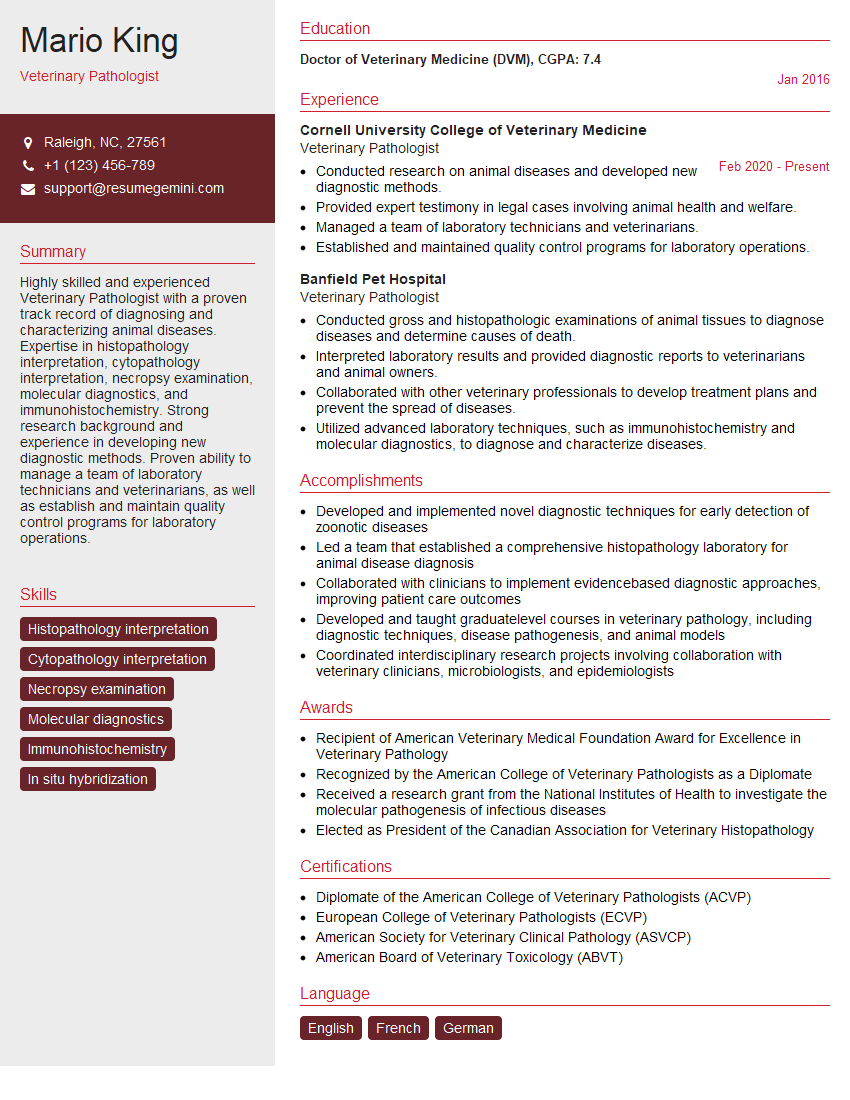
Veterinary Pathologist Resume Sample
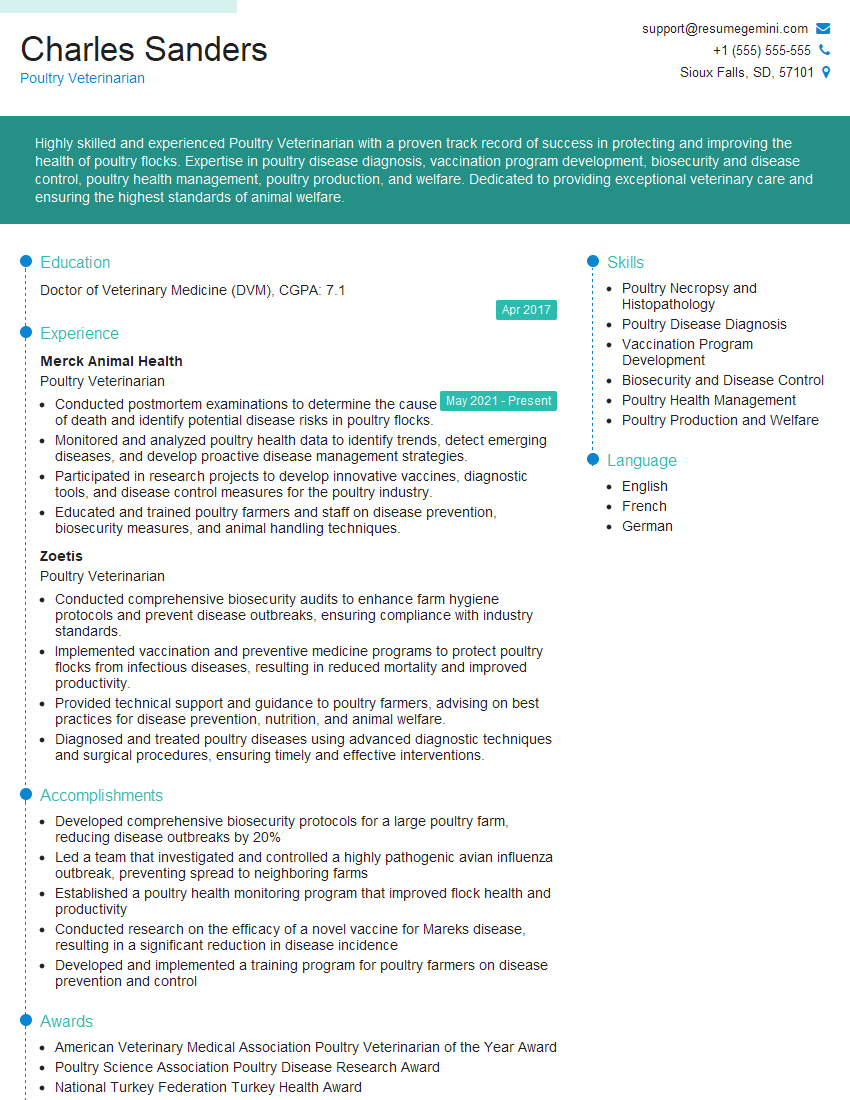
Poultry Veterinarian Resume Sample
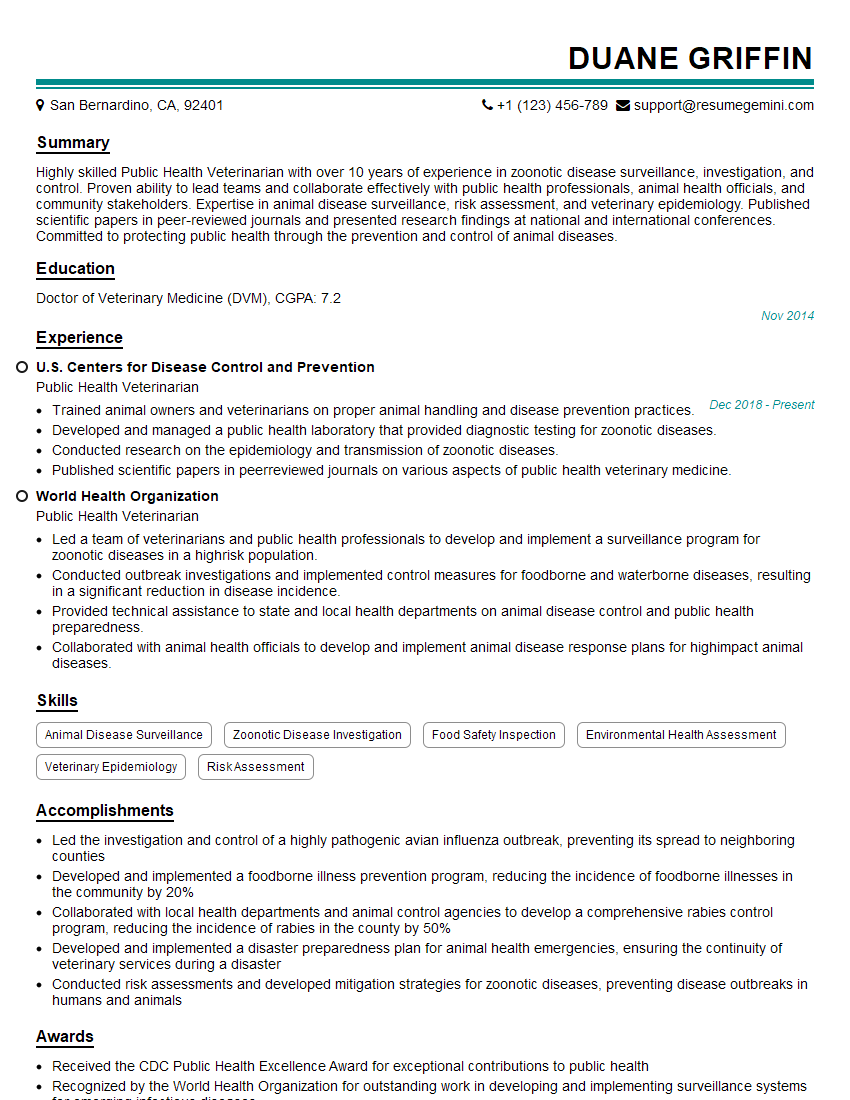
Public Health Veterinarian Resume Sample
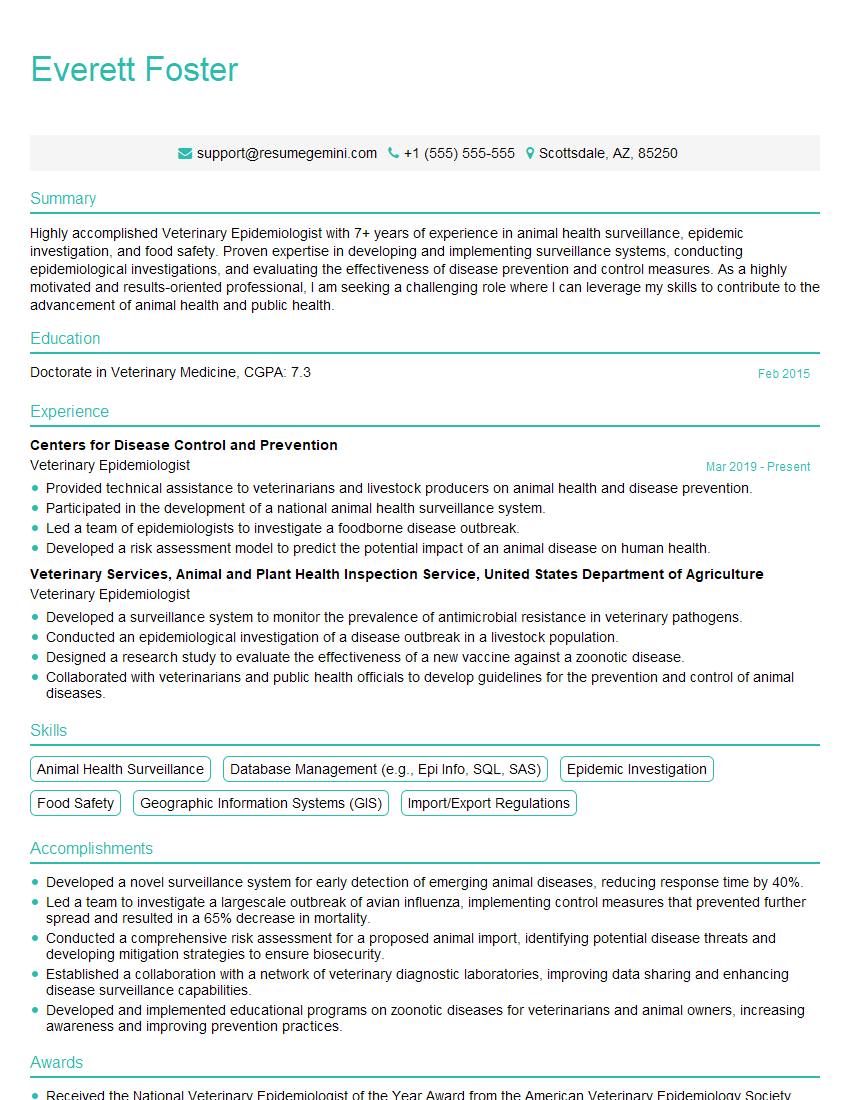
Veterinary Epidemiologist Resume Sample
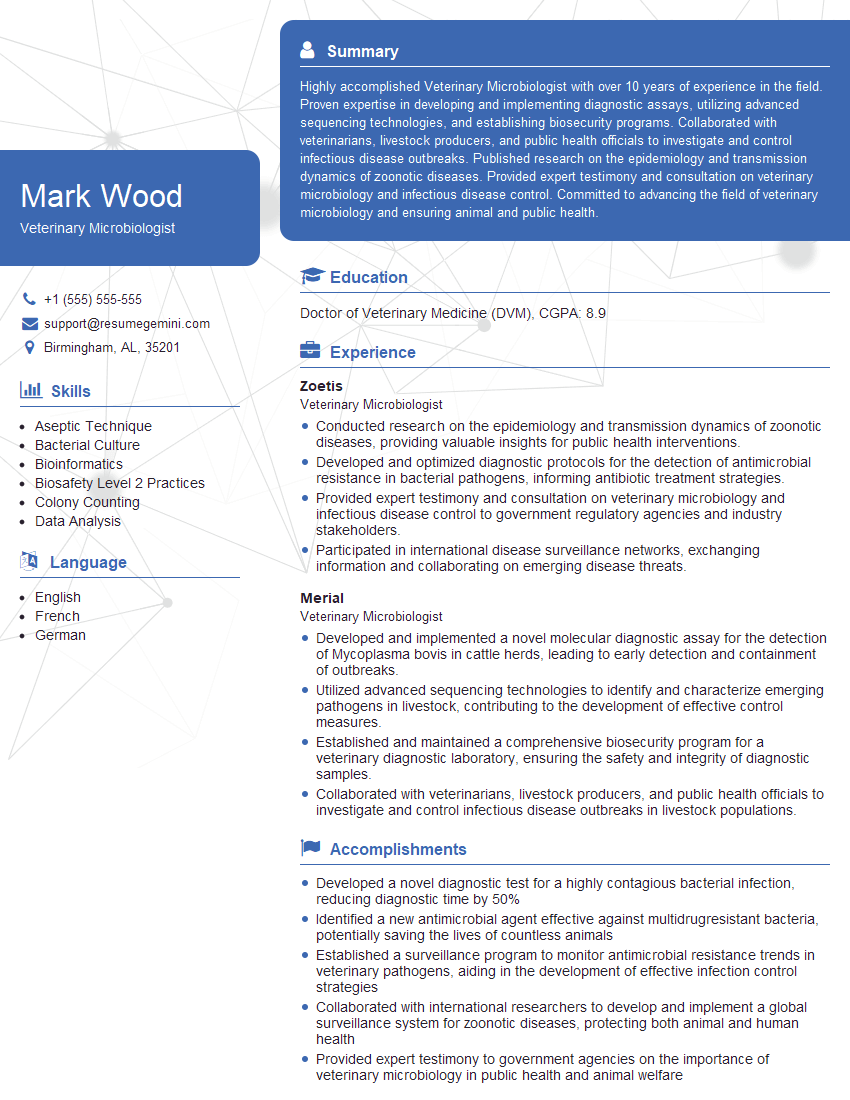
Veterinary Microbiologist Resume Sample
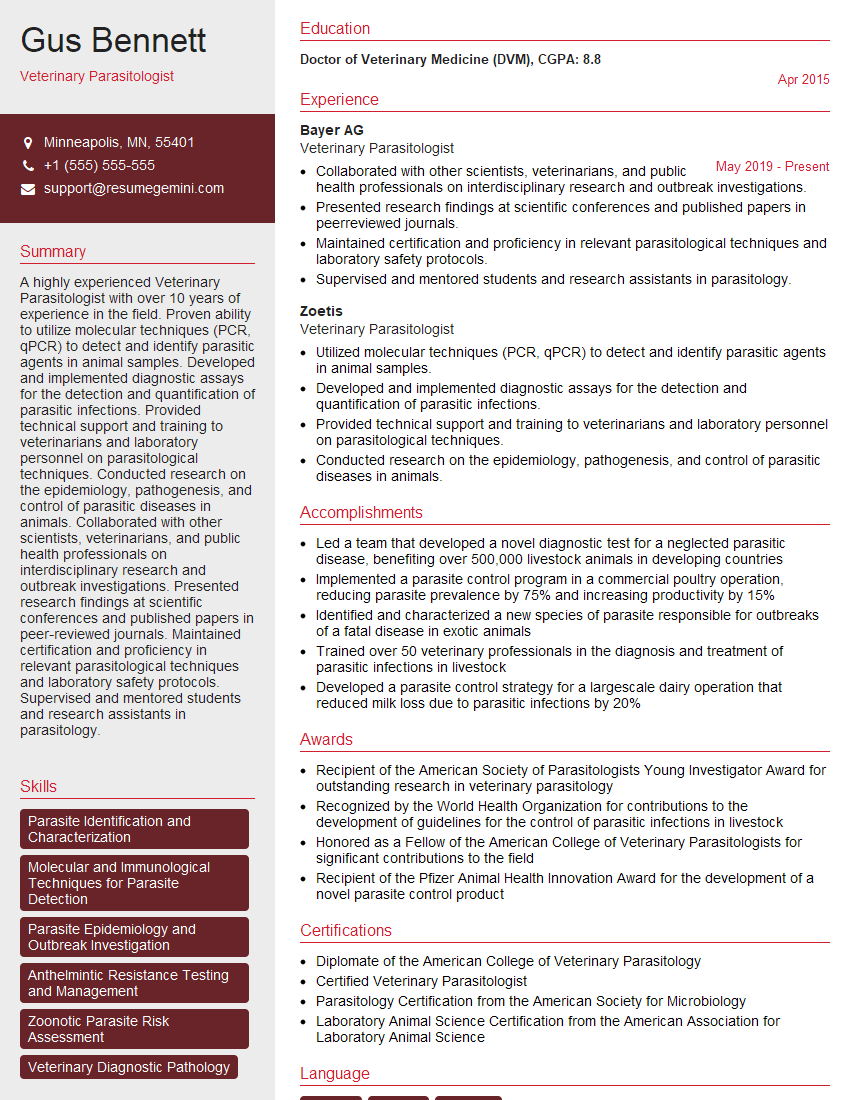
Veterinary Parasitologist Resume Sample
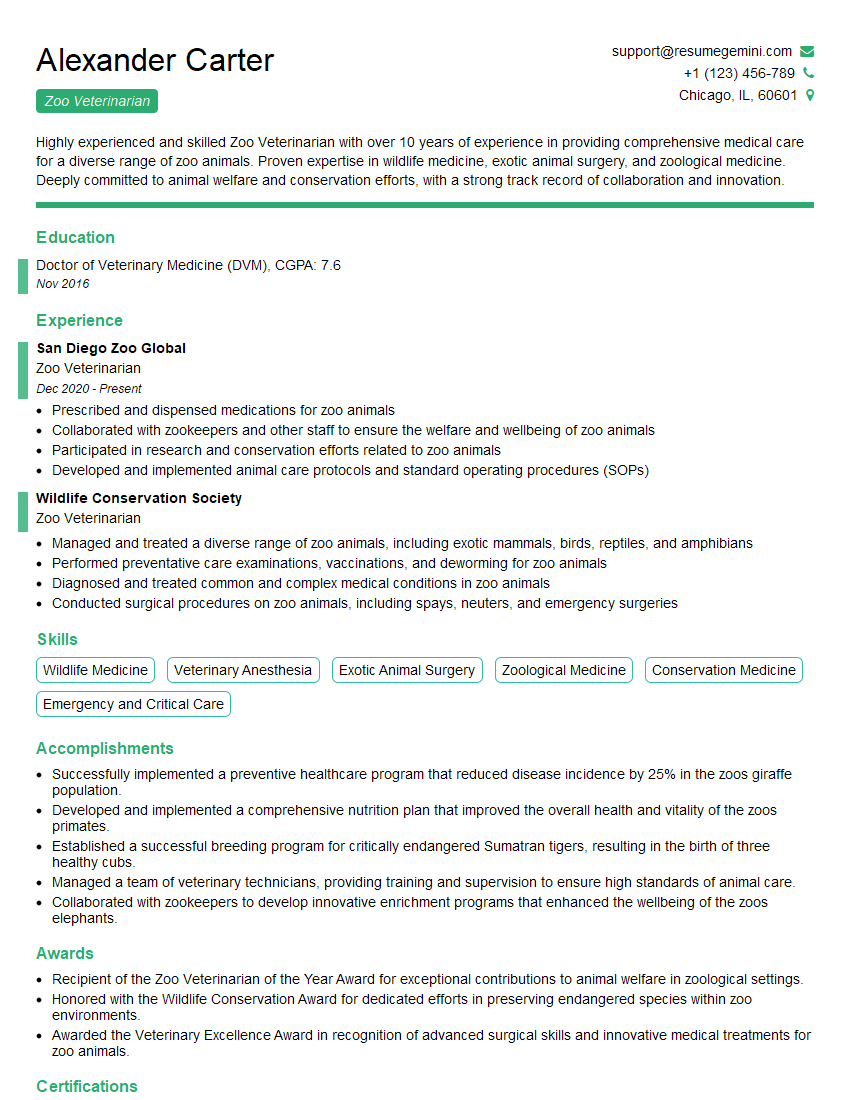
Zoo Veterinarian Resume Sample
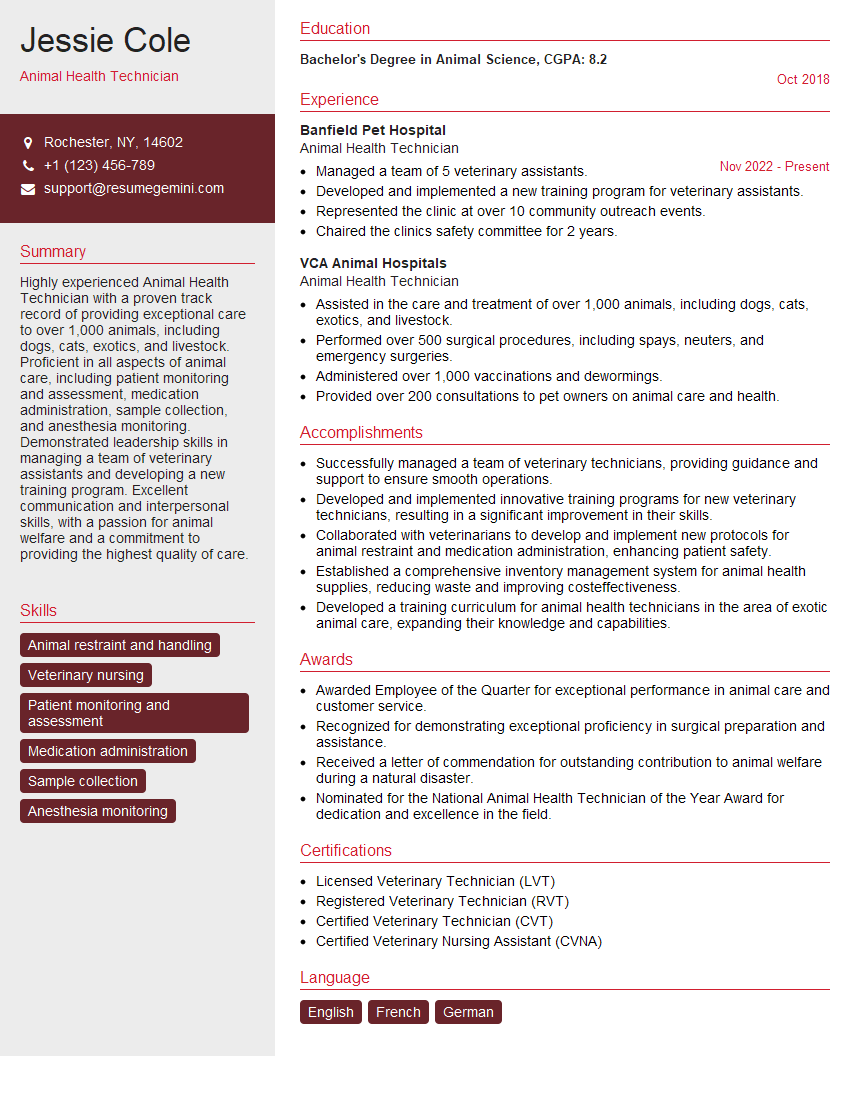
Animal Health Technician Resume Sample
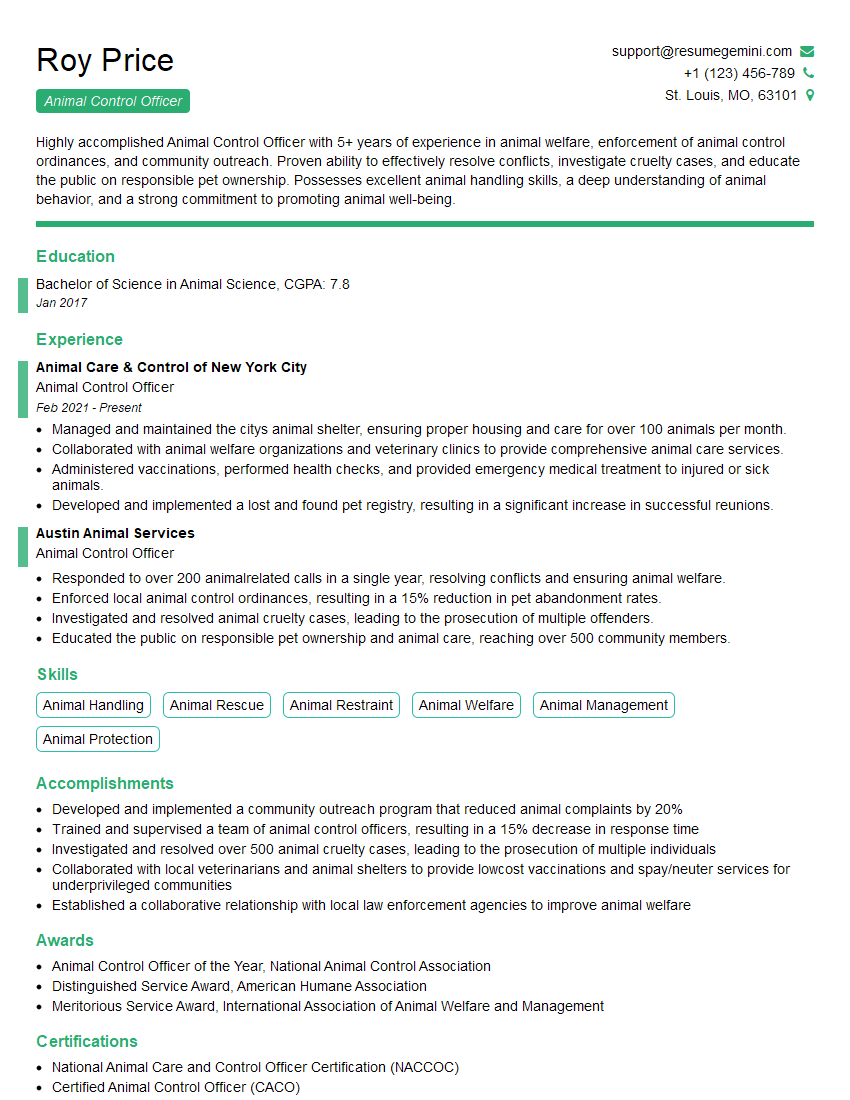
Animal Control Officer Resume Sample
Explore more articles
Users Rating of Our Blogs
Share Your Experience
We value your feedback! Please rate our content and share your thoughts (optional).
What Readers Say About Our Blog
Really detailed insights and content, thank you for writing this detailed article.
IT gave me an insight and words to use and be able to think of examples