Interviews are more than just a Q&A session—they’re a chance to prove your worth. This blog dives into essential Experience in Animal Disease Control interview questions and expert tips to help you align your answers with what hiring managers are looking for. Start preparing to shine!
Questions Asked in Experience in Animal Disease Control Interview
Q 1. Describe your experience with disease surveillance and outbreak investigation.
Disease surveillance is the ongoing systematic collection, analysis, and interpretation of data on animal health, enabling timely detection of disease outbreaks. Outbreak investigation, on the other hand, is the reactive process of identifying the cause, source, and extent of an outbreak to control its spread. My experience encompasses both proactive and reactive approaches. For instance, in my previous role, I led a team implementing a comprehensive surveillance program for avian influenza in poultry farms, involving regular sampling and laboratory testing. This program allowed us to detect a low-level outbreak early, preventing its escalation. Another significant project involved investigating a suspected foot-and-mouth disease outbreak in a cattle herd. We used epidemiological techniques such as mapping cases, interviewing farmers, and tracing animal movements to pinpoint the source, implement quarantine measures, and ultimately eradicate the disease.
Q 2. Explain the different types of animal disease transmission.
Animal diseases are transmitted through various routes. We categorize these as:
- Direct Contact: This involves direct physical contact between infected and susceptible animals, such as through bites, sexual contact, or mutual grooming. Think of rabies spread through a bite, or contagious ecthyma (orf) spreading through skin contact amongst sheep.
- Indirect Contact: This occurs when susceptible animals come into contact with contaminated materials such as feed, water, bedding, or equipment. For example, Salmonella contamination of feed can lead to widespread disease in a poultry flock.
- Vector-borne Transmission: Vectors like insects (mosquitoes, ticks, flies) or other arthropods transmit pathogens between animals. This is how diseases like bluetongue virus (mosquitoes) and Lyme disease (ticks) spread.
- Airborne Transmission: Some pathogens can spread through the air via aerosols or droplets. Avian influenza is a classic example of a disease that can spread through airborne transmission.
- Fecal-Oral Transmission: This route occurs when pathogens are ingested after contamination of food or water with fecal matter. Several intestinal parasites and diseases spread this way.
Understanding these different transmission routes is critical for effective disease control and prevention strategies.
Q 3. What are the key biosecurity measures to prevent disease outbreaks?
Biosecurity measures are crucial in preventing disease outbreaks. They act as a barrier against the introduction and spread of pathogens. Key measures include:
- Quarantine: Isolating newly introduced animals for a specified period to observe for signs of disease.
- Hygiene and Sanitation: Maintaining clean and disinfected premises, equipment, and vehicles.
- Traffic Control: Limiting access to animal housing, implementing strict vehicle disinfection procedures, and controlling movement of people and animals within and between farms.
- Vaccination: Regular vaccination programs for common diseases.
- Rodent and Pest Control: Preventing rodent access to animal feed and housing.
- Waste Management: Proper disposal of manure, carcasses, and other waste materials.
- Personal Protective Equipment (PPE): Use of appropriate PPE such as gloves, masks, and protective clothing by personnel.
- Biosecurity Training: Educating personnel about biosecurity protocols and their importance.
A multi-layered biosecurity approach is the most effective; relying on a single measure is insufficient to prevent outbreaks.
Q 4. How would you assess the risk of a particular disease spreading in a given population?
Risk assessment involves evaluating the likelihood and potential impact of a disease spreading within a given population. It’s a systematic process involving:
- Identifying the pathogen: Determining the disease agent’s characteristics (e.g., virulence, transmissibility).
- Characterizing the animal population: Assessing the susceptibility of the animals (age, breed, immune status), density, and management practices.
- Evaluating environmental factors: Considering factors like climate, vector presence, and sanitation.
- Assessing the likelihood of introduction: Determining the probability of the pathogen entering the population (e.g., through animal movement, contaminated feed, wild animals).
- Estimating the potential impact: Assessing the potential morbidity (sickness) and mortality (death) rates, economic losses, and potential impact on human health.
This information is then used to develop appropriate control measures. For example, a risk assessment for avian influenza might show a higher risk in densely populated poultry farms located in areas with high mosquito populations and poor biosecurity practices.
Q 5. What are the common diagnostic methods used in animal disease control?
Diagnostic methods are crucial for accurate and timely identification of animal diseases. Common techniques include:
- Clinical Examination: Observing the animal for symptoms and physical signs of disease.
- Laboratory Testing: This includes various methods like:
- Microscopy: Examining samples under a microscope to identify pathogens.
- Serology: Detecting antibodies in blood serum to identify previous exposure or current infection.
- Bacteriology: Culturing and identifying bacteria from samples.
- Virology: Isolating and identifying viruses using cell culture or molecular techniques.
- Parasitology: Examining samples for parasites.
- Molecular Diagnostics: Using techniques such as PCR (Polymerase Chain Reaction) to detect specific pathogen DNA or RNA.
The choice of diagnostic method depends on the suspected disease and the available resources. Often, a combination of methods is used for accurate diagnosis.
Q 6. Describe your experience with vaccination programs and their effectiveness.
Vaccination programs are a cornerstone of animal disease control. My experience has shown their effectiveness in preventing and controlling many diseases. I’ve been involved in designing and implementing vaccination campaigns for various diseases such as rabies, brucellosis, and Newcastle disease. For example, a program I managed for rabies in a canine population led to a significant reduction in rabies cases within two years. Effectiveness is measured by monitoring disease incidence rates before, during, and after the vaccination program. Factors influencing effectiveness include vaccine efficacy, coverage rate (percentage of the target population vaccinated), vaccine storage and handling, and the overall health status of the animal population. Challenges can include vaccine hesitancy among owners, logistical difficulties in reaching remote areas, and the emergence of vaccine-resistant strains.
Q 7. How do you handle a suspected outbreak of a highly contagious disease?
Handling a suspected outbreak of a highly contagious disease requires a swift and coordinated response. My approach involves:
- Immediate notification: Reporting the suspected outbreak to the relevant authorities (e.g., veterinary services, animal health officials).
- Rapid assessment: Conducting a preliminary assessment to confirm the presence of the disease and its extent.
- Implementing quarantine measures: Isolating affected animals and those at risk of infection to prevent further spread.
- Tracing contacts: Identifying and quarantining animals that had contact with infected animals.
- Culling (if necessary): In some cases, culling infected and at-risk animals may be necessary to control the outbreak, especially with highly contagious diseases where vaccination isn’t readily available or effective.
- Movement restrictions: Implementing restrictions on animal movements within the affected area and surrounding regions.
- Disinfection and sanitation: Thoroughly disinfecting the affected premises and equipment.
- Surveillance and monitoring: Implementing enhanced surveillance to detect any new cases and monitor the effectiveness of control measures.
- Communication and public awareness: Keeping stakeholders informed about the situation and providing guidance on preventive measures.
Effective outbreak management requires strong collaboration between veterinarians, animal health officials, farmers, and other stakeholders. The specific strategies will vary depending on the disease and the context, but rapid action and coordinated efforts are key to containment.
Q 8. What are the ethical considerations in animal disease control?
Ethical considerations in animal disease control are paramount, balancing the health and welfare of animals with economic impacts and societal values. We must prioritize the humane treatment of animals even when implementing control measures that may involve culling or quarantine.
- Minimizing Suffering: Control measures should be designed to minimize pain and distress to affected animals. This might involve using the most humane euthanasia methods, employing appropriate anesthesia during procedures, and providing adequate veterinary care. For example, in a foot-and-mouth disease outbreak, rapid and efficient culling methods that reduce animal suffering are preferred over slower, more stressful approaches.
- Transparency and Public Engagement: Open communication with stakeholders—farmers, pet owners, the public—is crucial. Transparency builds trust and ensures that control strategies are understood and accepted. For example, explaining the rationale behind a vaccination campaign or a temporary movement restriction order is vital.
- Resource Allocation: Ethical questions arise when resources are limited. Decisions about which animals or regions to prioritize for intervention require careful consideration and justification. We must evaluate cost-effectiveness and weigh the potential benefits against ethical implications. For instance, prioritizing vaccination of high-density livestock farms over scattered small holdings might be an economically sound strategy but raises ethical questions of fairness.
- Animal Rights and Welfare: Respecting the inherent value of animal life guides decisions. This includes avoiding unnecessary suffering, employing appropriate veterinary care, and considering alternative control strategies when possible. For example, exploring non-lethal methods of pest control in vector-borne disease management before resorting to pesticides or trapping might be prioritized.
Q 9. Explain the role of quarantine in preventing disease spread.
Quarantine is a critical tool in preventing the spread of animal diseases. It involves the isolation of infected or potentially exposed animals from healthy populations to prevent transmission. Think of it as a controlled containment zone.
- Restricting Movement: Quarantine restricts the movement of animals, preventing them from coming into contact with susceptible animals and thus stopping the disease’s spread. This could involve isolating individual animals, groups of animals, or even entire farms or regions. For example, during an avian influenza outbreak, poultry farms in a defined radius around the infected premises are placed under quarantine to prevent the virus’s dissemination to other flocks.
- Monitoring and Surveillance: During the quarantine period, animals are closely monitored for clinical signs of the disease. This allows for early detection of illness and prompt intervention. Regular health checks, temperature monitoring, and testing (e.g. blood samples) are key components. This proactive approach allows us to catch any silent spread and prevent escalation.
- Duration: The duration of quarantine depends on the incubation period and transmissibility of the specific disease. It is based on scientific evidence and aims to cover the full period an animal could be infectious, thereby preventing further transmission.
- Disease-Specific Protocols: Quarantine protocols are tailored to the specific disease. The requirements for quarantine might vary depending on the pathogen’s transmission route, host range, and environmental persistence.
Q 10. How do you interpret and utilize epidemiological data?
Epidemiological data is the foundation of disease control. Interpreting and utilizing this data involves analyzing patterns and trends to understand disease occurrence, transmission, and risk factors.
- Data Collection: This involves gathering information on disease cases, including location, date of onset, affected species, and any other relevant details. Sources range from veterinary diagnostic labs, farm records, and wildlife surveillance programs.
- Data Analysis: Statistical methods are used to analyze the collected data, identifying temporal and spatial patterns, and calculating relevant epidemiological measures such as incidence rate, prevalence, attack rate, and mortality rate. This helps to identify disease hotspots, potential risk factors, and the effectiveness of control measures.
- Mapping and Visualization: Geographic information systems (GIS) are often used to map disease outbreaks, visualize spatial patterns, and identify clusters of cases. This facilitates targeting interventions and understanding disease spread.
- Risk Assessment: Epidemiological data is used to assess the risk of disease spread, both within and across regions. This informs the design and implementation of control programs and helps prioritize resources.
- Example: Let’s say we see a cluster of cattle with respiratory problems in a specific region. By analyzing data on their movements, herd management practices, weather patterns, and other factors, we can investigate potential causes, identify risk factors (like overcrowded barns or shared watering troughs), and devise tailored interventions.
Q 11. Describe your experience with disease modeling and prediction.
Disease modeling and prediction is crucial for proactive disease control. It uses mathematical and computational tools to simulate disease transmission, predict future outbreaks, and evaluate the impact of different intervention strategies.
- Types of Models: Various models are used, from simple compartmental models (SIR, SEIR) that categorize individuals into susceptible, infected, and recovered groups, to more complex agent-based models simulating individual animal behavior and interactions. The choice depends on the specific disease and the available data.
- Model Calibration and Validation: To be reliable, models need to be carefully calibrated and validated using real-world data. This involves adjusting model parameters until the model accurately reproduces observed patterns of disease spread. Validation ensures that the model works consistently across different datasets.
- Scenario Planning: Models are used to explore different intervention scenarios, such as vaccination campaigns, culling programs, or biosecurity measures. By simulating the effects of each scenario, we can select the most effective strategies for reducing disease impact.
- Prediction: By incorporating factors like climate change, animal movement patterns, and trade networks, models can predict the likelihood of future outbreaks, helping prepare for potential events. For example, predicting the risk of bluetongue virus outbreaks based on climate data and vector distribution helps allocate resources effectively.
- Software and Tools: We use software packages like R, Python, and specialized epidemiological modeling software to construct, calibrate, and analyze these models.
Q 12. What are the different methods for controlling vector-borne diseases?
Vector-borne diseases, transmitted by insects like ticks, mosquitoes, and flies, require multifaceted control strategies. A single approach rarely suffices.
- Vector Control: This involves reducing the population of disease vectors. Methods include insecticides (applied carefully to minimize environmental impact), insect traps, and biological control using predators or parasites of vectors. For example, using larvicides in mosquito breeding sites to control malaria in humans can translate to other vector-borne illnesses in animals.
- Host Management: This aims to reduce the number of susceptible hosts. This might involve vaccination of animals, improving livestock management practices to reduce tick infestations, or controlling rodent populations that harbor certain diseases.
- Environmental Modification: Altering the environment to reduce vector breeding sites or transmission opportunities. Examples include draining stagnant water to reduce mosquito breeding or managing vegetation to limit tick habitats.
- Disease Surveillance: Ongoing surveillance to monitor vector populations, disease prevalence, and the distribution of disease to guide control measures and detect early warnings of potential outbreaks. This is essential to track the effectiveness of intervention methods and adapt our strategies as needed.
- Personal Protective Measures: In some cases, protective measures for people interacting with animals can reduce the risk of disease transmission, for example, using tick repellents and protective clothing.
Q 13. What is your experience with disease reporting and regulatory compliance?
Disease reporting and regulatory compliance are fundamental. Failure to report outbreaks can have severe consequences, from economic losses to widespread disease transmission.
- Prompt Reporting: Immediate reporting of suspected or confirmed disease outbreaks to the relevant authorities (e.g., state veterinary services, national animal health agencies, World Organisation for Animal Health (OIE)) is vital. This allows for prompt investigation, disease confirmation, and implementation of control measures.
- Accurate Data Collection: Maintaining accurate records of disease occurrences, including clinical signs, affected animals, and control measures taken, is critical for effective disease management and tracking. This data is used in epidemiological investigations and informs future planning.
- Regulatory Compliance: Adhering to local, national, and international regulations related to animal disease control is crucial. This includes fulfilling reporting requirements, adhering to movement restrictions, and implementing appropriate biosecurity measures. Failing to do so can result in penalties and the spread of disease.
- Traceability: Effective traceability systems are critical to track the movement of animals and identify potential sources of infection during disease outbreaks. This helps limit the impact and rapidly control the spread of disease. For example, effective tracking of movement helps to identify the origins of a disease in a herd and prevent further spread.
- Documentation: Meticulous documentation of all actions taken during a disease outbreak is important for audits, reviews, and future reference.
Q 14. How do you manage a multi-disciplinary team during a disease outbreak?
Managing a multi-disciplinary team during a disease outbreak requires strong leadership, clear communication, and collaboration. It is not just about veterinary expertise, but a collaborative effort.
- Clear Roles and Responsibilities: Establishing clear roles and responsibilities within the team from the start is essential, including veterinarians, epidemiologists, laboratory personnel, field staff, and communication specialists. Each person needs a clear mandate.
- Effective Communication: Maintaining open and frequent communication among team members is paramount. Regular updates, meetings, and clear reporting channels ensure everyone is informed and working towards shared goals.
- Decision-Making Process: A transparent and efficient decision-making process is needed. Using well-defined protocols and evidence-based guidelines helps ensure prompt and effective action.
- Conflict Resolution: Disagreements are inevitable in a high-pressure situation. A structured process for addressing conflicts and reaching consensus is essential.
- Team Building and Support: Providing support and recognition for team members is crucial, particularly in stressful situations. Ensuring team wellbeing can greatly enhance the effectiveness of the response.
- Example: In a foot-and-mouth disease outbreak, the team will comprise vets responsible for clinical diagnosis and culling, epidemiologists for disease mapping and risk assessment, lab technicians for testing, field staff for sample collection and surveillance, and communication experts to inform the public and manage stakeholder expectations. A clear command structure and open communication are vital for efficient action and to minimize losses.
Q 15. Describe a time you had to make a difficult decision regarding animal health.
One of the most difficult decisions I faced involved a suspected outbreak of highly pathogenic avian influenza (HPAI) on a large commercial poultry farm. The initial tests were inconclusive, but the clinical signs strongly suggested HPAI. Depopulating the entire flock – tens of thousands of birds – was devastating economically for the farmer, but crucial to prevent the widespread spread of the disease. The decision involved weighing the economic impact against the public health implications and the potential for devastating losses across the entire poultry industry. I had to carefully consider all the available data, including the inconclusive test results, the clinical signs, the epidemiological context, and the potential consequences of both action and inaction. Ultimately, we decided to proceed with depopulation based on the strong suspicion and the potential for catastrophic consequences. Following the depopulation, we implemented rigorous biosecurity measures and surveillance to prevent future outbreaks. This experience highlighted the critical importance of proactive disease control measures and the necessity of transparent communication with all stakeholders, even when delivering difficult news.
Career Expert Tips:
- Ace those interviews! Prepare effectively by reviewing the Top 50 Most Common Interview Questions on ResumeGemini.
- Navigate your job search with confidence! Explore a wide range of Career Tips on ResumeGemini. Learn about common challenges and recommendations to overcome them.
- Craft the perfect resume! Master the Art of Resume Writing with ResumeGemini’s guide. Showcase your unique qualifications and achievements effectively.
- Don’t miss out on holiday savings! Build your dream resume with ResumeGemini’s ATS optimized templates.
Q 16. What are some common zoonotic diseases and their control measures?
Zoonotic diseases are those that can spread between animals and humans. Several pose significant threats. For example, Rabies is a deadly viral disease transmitted through the saliva of infected animals (dogs, bats, raccoons, etc.). Control involves vaccinating animals, particularly domestic dogs, and post-exposure prophylaxis for humans. Brucellosis, a bacterial infection, can cause fever and reproductive problems in both animals and humans; control focuses on animal vaccination and testing, and proper handling of animal products. Salmonella, a bacterial infection commonly found in poultry and other animals, causes gastrointestinal illness in humans; control involves improved sanitation and hygiene practices in animal agriculture and thorough cooking of meat. Lyme disease, caused by bacteria transmitted through tick bites, can affect both animals and humans; control relies on tick control measures, including preventative treatments for pets and personal protective measures when in tick-infested areas. Leptospirosis, a bacterial infection spread through contact with contaminated water or soil, can affect various animals and humans. Controlling leptospirosis involves improving sanitation, proper waste disposal, and vaccination where applicable.
- Vaccination: Key for many zoonotic diseases, protecting both animals and humans.
- Biosecurity: Strict hygiene and sanitation protocols to prevent disease transmission.
- Surveillance: Monitoring animal populations for disease signs and implementing rapid response strategies.
- Education: Public health campaigns to educate people about disease risks and preventative measures.
Q 17. How do you ensure effective communication during a disease outbreak?
Effective communication during a disease outbreak is paramount. It involves a multi-pronged approach. First, I establish clear communication channels with all stakeholders: farmers, veterinarians, public health officials, and the community. This includes regular updates via phone calls, email, and potentially press conferences. Information needs to be timely, accurate, and easily understandable, avoiding technical jargon whenever possible. Transparency is key – openly acknowledging uncertainty while outlining the steps being taken builds trust. A second crucial aspect is tailoring communication to different audiences. Farmers need detailed instructions on biosecurity measures and disease control protocols, while the public requires concise information about risk mitigation. Finally, a strong communication plan must be in place before an outbreak occurs; this ensures that everyone knows their roles and responsibilities and we can respond quickly and efficiently.
Q 18. What are the limitations of various disease control methods?
Disease control methods, while effective, have limitations. Vaccination, for example, might not be 100% effective, and some diseases lack effective vaccines. Quarantine can be costly and disruptive, and it might not be entirely successful in preventing the spread of highly contagious diseases. Culling (depopulation) is ethically challenging and economically devastating, but sometimes necessary to prevent further spread. Chemotherapy can have side effects and may not always be effective against resistant strains of pathogens. The effectiveness of each method also depends on factors like the specific disease, the population affected, resources available, and the level of compliance from stakeholders. It’s often a combination of strategies that provides the best results.
Q 19. Describe your experience with post-mortem examinations and diagnostic testing.
Post-mortem examinations (necropsies) and diagnostic testing are fundamental to disease investigation. I have extensive experience performing necropsies, collecting samples (tissue, blood, etc.), and interpreting findings. This involves meticulous observation of gross lesions, tissue sampling for histopathology (microscopic examination of tissues), and microbiological analysis to identify the causative agent. I am proficient in various diagnostic tests such as ELISA (enzyme-linked immunosorbent assay) for detecting antibodies, PCR (polymerase chain reaction) for detecting genetic material of pathogens, and bacterial culture and isolation. For instance, in a case of suspected foot-and-mouth disease, I would perform a necropsy, collect samples from the affected tissues, and use PCR to confirm the presence of the virus. The interpretation of the results requires a thorough understanding of animal anatomy, pathology, and microbiology, which I have developed through years of experience and ongoing professional development.
Q 20. What is your familiarity with relevant animal disease control legislation?
My familiarity with animal disease control legislation is comprehensive. I have a deep understanding of the regulations governing the reporting of notifiable diseases, biosecurity protocols, movement restrictions, and the disposal of infected animals and materials. This includes national and international legislation, such as the World Organisation for Animal Health (OIE) standards and national regulations pertaining to specific diseases and animal species. This knowledge allows me to ensure that all our control measures are compliant with relevant laws and regulations. I am also aware of the legal and ethical implications of implementing disease control measures, and I strive to ensure that all actions are taken in accordance with the law and the best interests of animal welfare.
Q 21. How do you manage stress during high-pressure situations such as a disease outbreak?
Managing stress during high-pressure situations like a disease outbreak requires a multi-faceted approach. Firstly, strong planning and preparedness reduce stress by minimizing uncertainty. Secondly, effective teamwork is essential; collaborative problem-solving distributes the workload and provides emotional support. Thirdly, I prioritize self-care: maintaining a healthy lifestyle through adequate sleep, exercise, and nutrition builds resilience. Taking short breaks during stressful periods to practice mindfulness or engage in relaxing activities helps manage stress levels. Finally, I always seek support from colleagues, mentors, or supervisors when needed. Open communication about stress levels within the team fosters a supportive environment and prevents burnout.
Q 22. Describe your experience with data analysis and interpretation in the context of disease control.
Data analysis is crucial in animal disease control. It allows us to move beyond anecdotal evidence and build a robust understanding of disease outbreaks, transmission patterns, and the effectiveness of interventions. My experience involves using various statistical methods and software packages to analyze epidemiological data. This includes:
Descriptive statistics: Calculating incidence rates, prevalence, mortality rates, and other key indicators to characterize disease outbreaks.
Spatial analysis: Using Geographic Information Systems (GIS) to map disease distribution and identify risk factors associated with location.
Regression modeling: Identifying risk factors and predictors of disease spread, such as herd size, animal density, or management practices. For example, I once used a logistic regression model to determine the significant predictors of bovine tuberculosis infection within a specific region, which helped target control efforts more effectively.
Time series analysis: Analyzing disease trends over time to identify patterns, seasonal variations, or the impact of control measures. For instance, I’ve tracked the incidence of avian influenza over multiple years to evaluate the success of vaccination programs.
Interpreting this data helps us make informed decisions about resource allocation, intervention strategies, and the overall assessment of program effectiveness. For example, a significant increase in the incidence rate post-intervention might signal a need to reassess the chosen approach.
Q 23. Explain your understanding of disease resistance and immunity in animals.
Disease resistance and immunity are interconnected concepts vital to animal health. Resistance refers to an animal’s inherent ability to withstand infection or disease. This can be influenced by genetic factors, breed, and overall health. For example, certain breeds of cattle exhibit natural resistance to specific parasites.
Immunity, on the other hand, refers to the animal’s acquired ability to resist infection. This can be achieved either passively (through maternal antibodies) or actively (through vaccination or natural infection). Active immunity leads to the development of long-lasting protection. A successful vaccination program, for example, stimulates an animal’s immune system to produce antibodies that neutralize the specific pathogen, preventing disease.
Understanding these two concepts is paramount in developing effective disease control strategies. For instance, prioritizing breeding programs that select for disease resistance alongside vaccination programs can provide a powerful, multi-faceted approach to disease prevention.
Q 24. What are the economic impacts of animal diseases on the livestock industry?
Animal diseases have devastating economic consequences for the livestock industry. These impacts can be direct or indirect.
Direct Costs: These include costs associated with animal mortality, reduced productivity (e.g., decreased milk yield, weight gain, egg production), veterinary care, treatment medications, and disposal of infected animals. The foot-and-mouth disease outbreak in the UK serves as a stark example of the massive direct costs associated with livestock culling and trade restrictions.
Indirect Costs: These are less visible but equally significant. They include reduced market value of livestock, trade restrictions (both domestic and international), loss of consumer confidence, and the economic burden on farmers and related industries. For example, a disease outbreak can lead to a temporary or permanent ban on exporting animal products, causing significant financial hardship for producers.
Quantifying these costs requires careful economic modeling, considering various factors, such as disease prevalence, duration, and the specific impact on different livestock sectors. These economic analyses are essential for justifying investments in disease prevention and control programs.
Q 25. How do you stay up-to-date with the latest advancements in animal disease control?
Staying current with advancements in animal disease control is critical. I employ several strategies to ensure my knowledge remains up-to-date.
Scientific literature: I regularly review peer-reviewed journals, such as the American Journal of Veterinary Research and the Veterinary Record, to learn about the latest research findings on disease diagnostics, epidemiology, and control strategies.
Conferences and workshops: Attending national and international conferences allows me to network with other professionals, hear about cutting-edge research, and participate in discussions on emerging challenges in the field.
Professional organizations: Membership in organizations such as the American Veterinary Medical Association (AVMA) provides access to resources, publications, and networking opportunities that support continuous professional development.
Online resources: Utilizing reputable online databases and websites such as PubMed and the World Organisation for Animal Health (OIE) website provides access to a vast amount of information on animal diseases and control strategies.
This multifaceted approach ensures I am well-informed about the latest research, best practices, and emerging threats in the ever-evolving field of animal disease control.
Q 26. Describe your experience with developing and implementing disease control strategies.
My experience in developing and implementing disease control strategies encompasses a wide range of activities. This typically involves a collaborative, multi-step process:
Risk assessment: Identifying and evaluating the potential for disease outbreaks based on factors such as disease prevalence, animal population density, and environmental conditions. This often involves using risk mapping and modeling techniques.
Strategy development: Designing control strategies tailored to the specific disease, considering factors like cost-effectiveness, feasibility, and ethical considerations. This might involve biosecurity measures, vaccination programs, surveillance systems, or culling programs.
Implementation: Collaborating with stakeholders, including farmers, veterinarians, and government agencies, to put the chosen strategy into action. Effective communication and training are key to successful implementation.
Monitoring and evaluation: Continuously monitoring the effectiveness of the implemented strategies through data collection, analysis, and regular evaluation. This allows for adjustments and refinements to the strategy as needed. For example, I was involved in a project implementing a new vaccination program for a highly contagious disease. We monitored vaccination rates, disease incidence, and antibody levels to evaluate the program’s impact and identify areas for improvement.
This iterative process ensures that the disease control strategies remain effective and adaptable to changing circumstances.
Q 27. How do you evaluate the success of implemented disease control programs?
Evaluating the success of disease control programs is crucial and involves a multifaceted approach. We utilize several key indicators and methodologies:
Disease incidence and prevalence: A significant reduction in the number of new cases (incidence) and the overall proportion of infected animals (prevalence) indicates the program’s success. We often compare pre- and post-intervention data to quantify the change.
Mortality rates: A decline in death rates due to the target disease is a clear indicator of a successful program.
Economic impact assessment: Analyzing the economic costs and benefits of the program helps determine its overall effectiveness and return on investment. This might involve comparing costs of the intervention with reduced losses from disease.
Surveillance data: Continuous monitoring of disease occurrence provides early warning of any resurgence or emergence of new challenges, allowing for prompt intervention.
Antibody levels (for vaccination programs): Assessing antibody levels in vaccinated animals helps measure the effectiveness of the vaccine in conferring immunity.
A combination of these indicators, coupled with thorough data analysis and interpretation, provides a comprehensive evaluation of the effectiveness of implemented disease control programs. It also allows us to learn from successes and failures, continuously improving our approaches.
Key Topics to Learn for Your Animal Disease Control Interview
- Disease Surveillance and Reporting: Understanding protocols for disease detection, reporting procedures, and data analysis techniques. Practical application includes describing your experience with epidemiological investigations and data interpretation.
- Biosecurity and Prevention: Knowledge of biosecurity measures, vaccination strategies, and quarantine procedures. Consider examples demonstrating your practical application of these measures in various settings.
- Disease Investigation and Control: Methods for conducting epidemiological investigations, tracing disease outbreaks, and implementing control measures. Prepare to discuss your problem-solving approach in handling disease outbreaks.
- Regulatory Compliance: Familiarity with relevant regulations and legislation related to animal health and disease control. Showcase your understanding of compliance procedures and their practical impact.
- Animal Handling and Welfare: Safe and humane handling techniques relevant to disease control procedures. Be ready to explain how you prioritize animal welfare in your work.
- Diagnostic Techniques and Interpretation: Understanding various diagnostic tests and the interpretation of results. Discuss your experience with specific tests and your ability to analyze data and make informed decisions.
- Risk Assessment and Management: Ability to identify and assess disease risks and develop effective management strategies. Share specific examples of risk assessments you have conducted and the resulting strategies implemented.
- Communication and Collaboration: Effective communication with stakeholders, including farmers, veterinarians, and regulatory agencies. Highlight experiences working collaboratively on disease control projects.
Next Steps: Unlock Your Career Potential
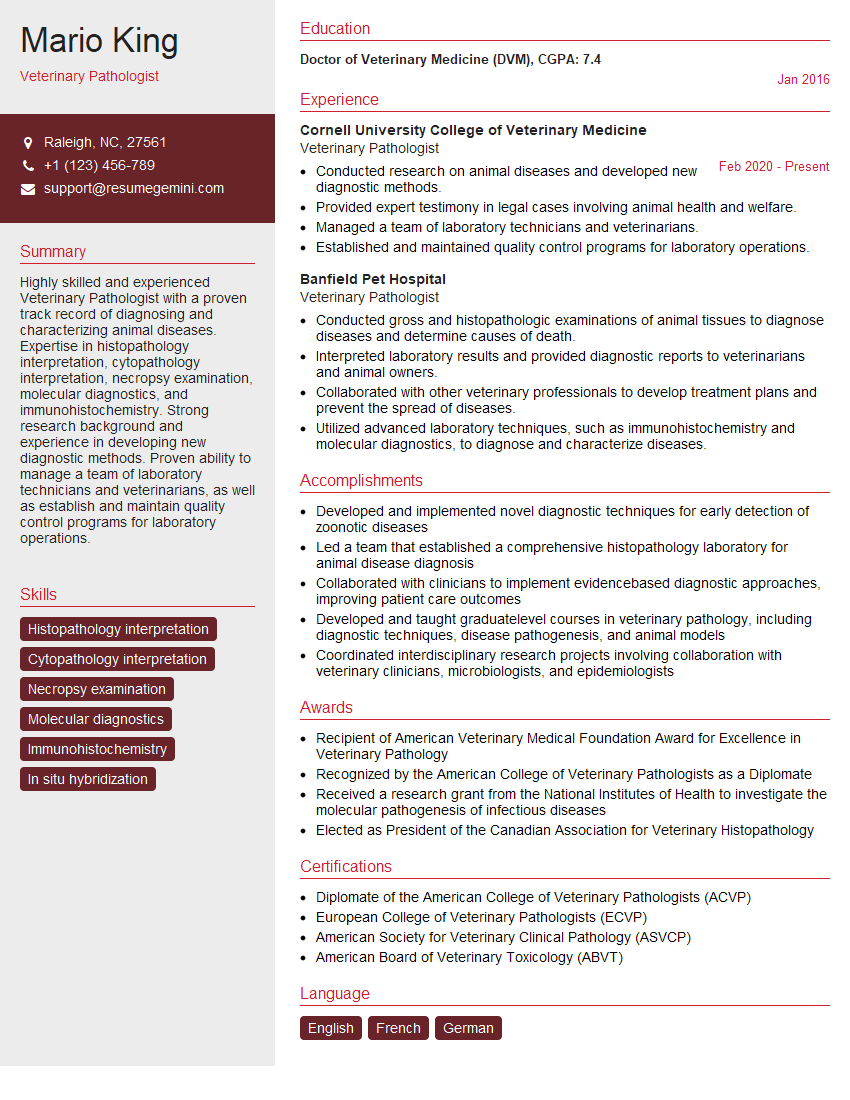
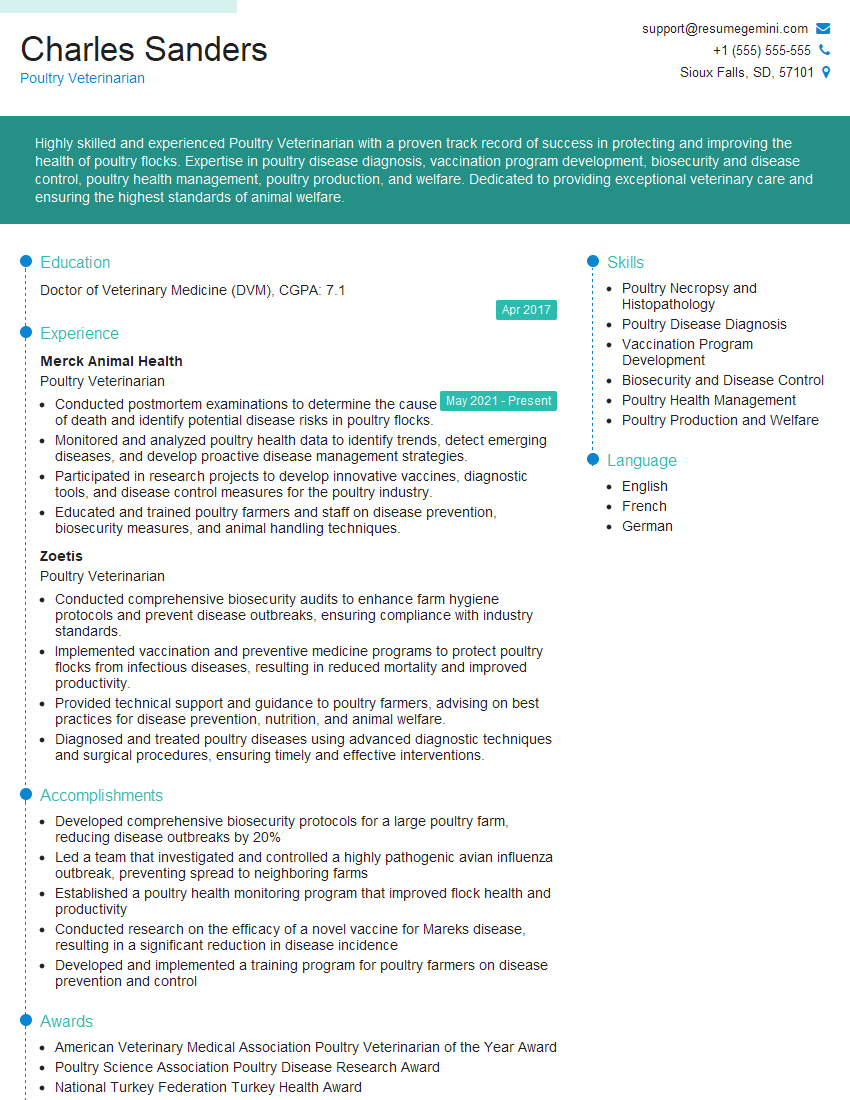
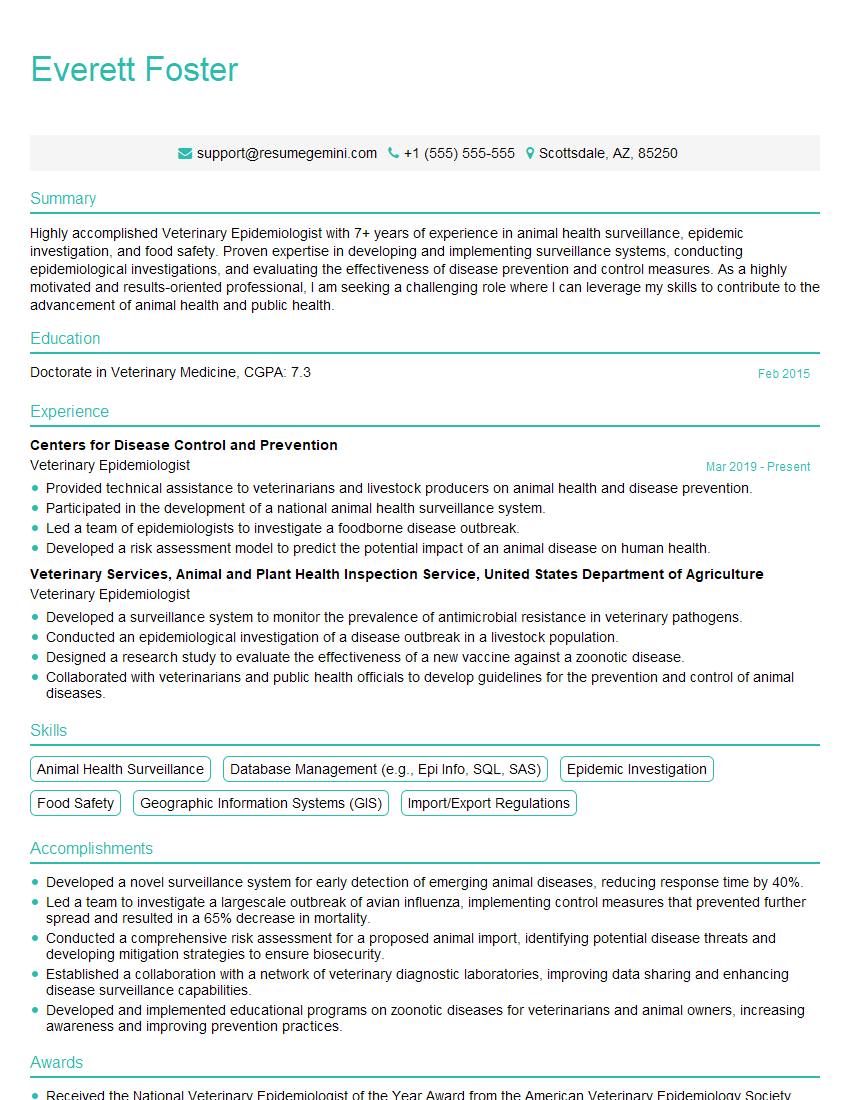
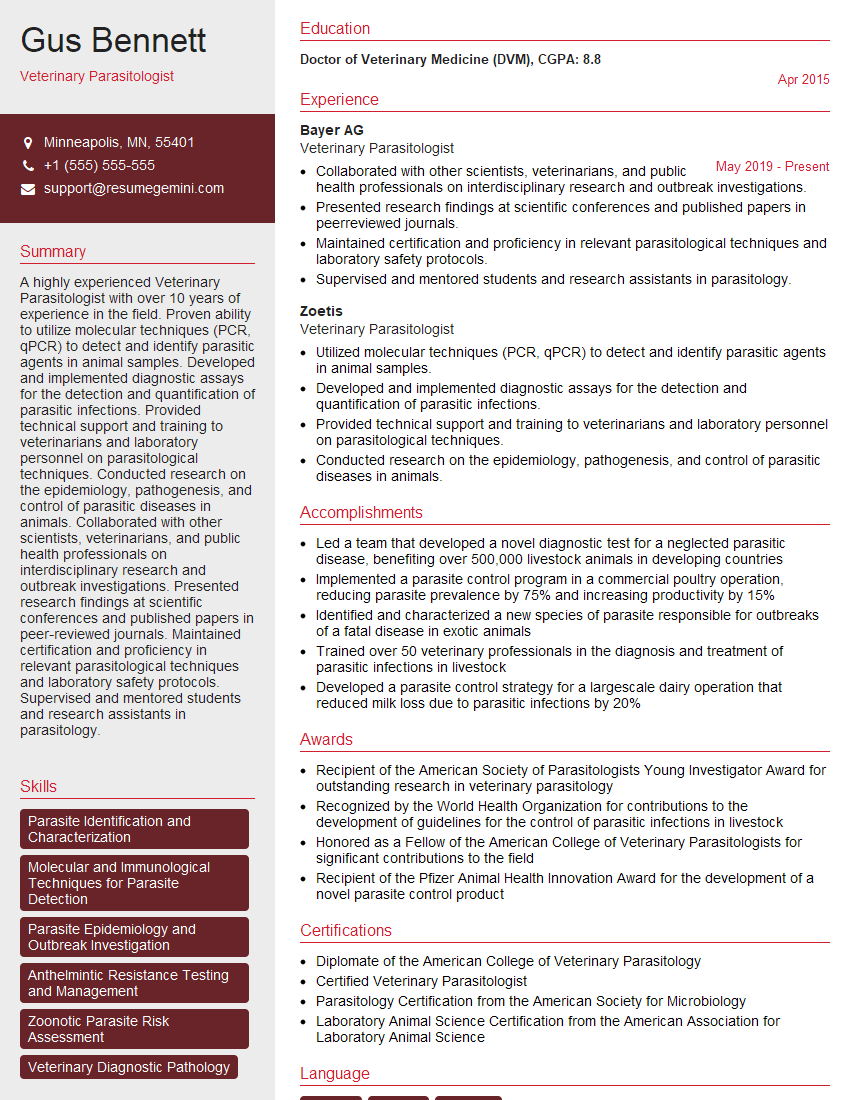
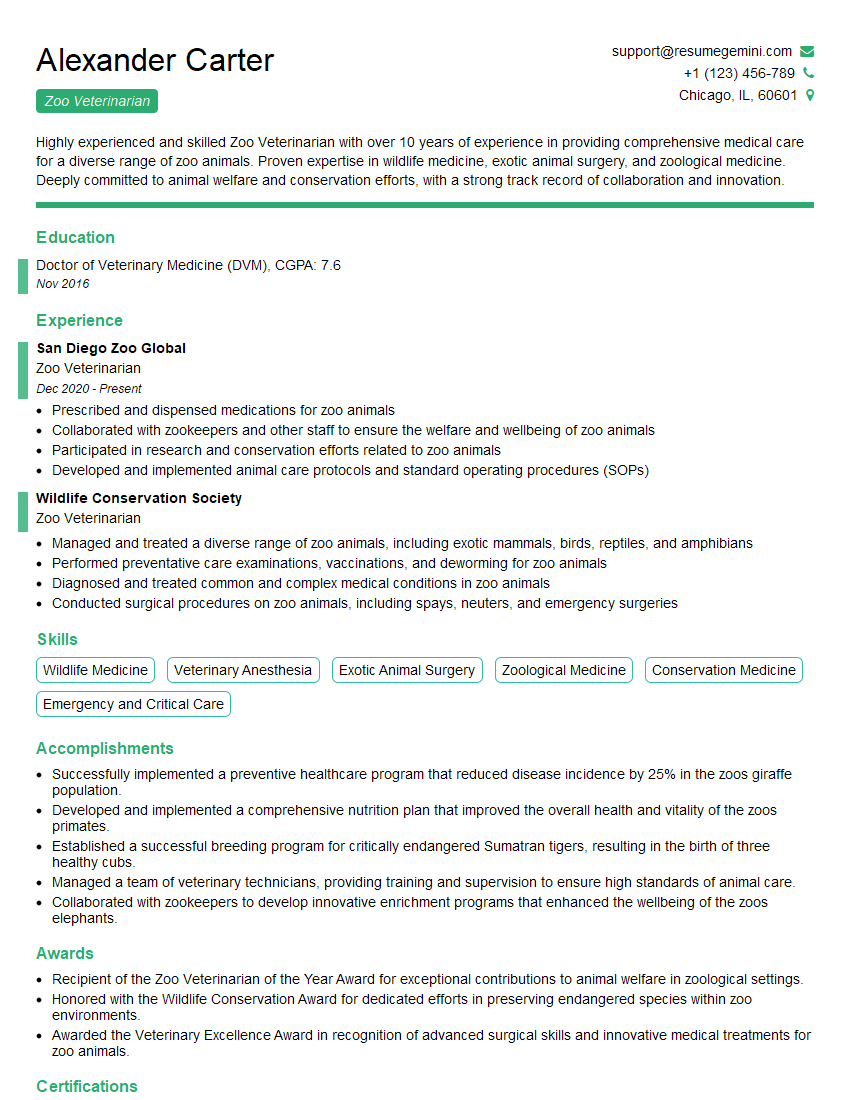
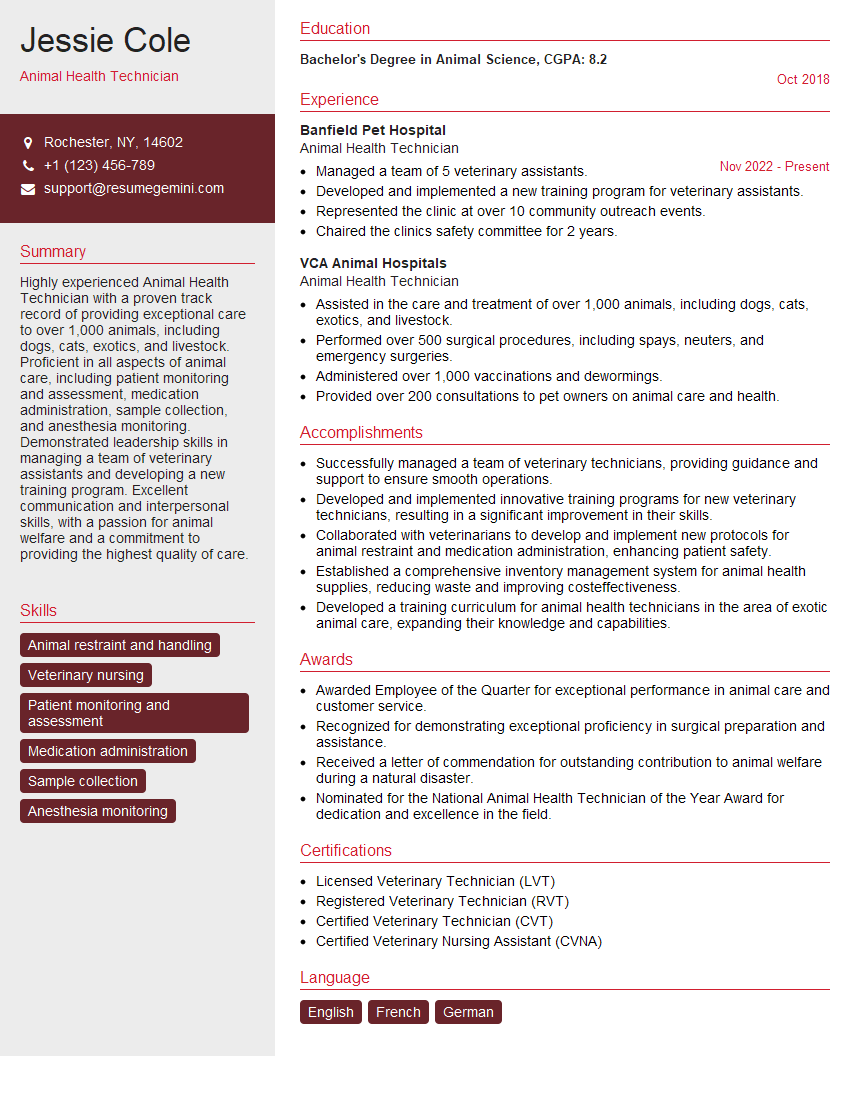
Mastering the concepts of animal disease control is crucial for career advancement in this vital field. A strong understanding of these topics, combined with a well-crafted resume, significantly increases your chances of securing your dream role. Creating an ATS-friendly resume is essential for getting noticed by recruiters and making it past Applicant Tracking Systems. To elevate your resume and showcase your expertise effectively, we highly recommend using ResumeGemini. ResumeGemini provides the tools and resources to build a professional, impactful resume. Examples of resumes tailored to Animal Disease Control experience are available to help guide you.
Explore more articles
Users Rating of Our Blogs
Share Your Experience
We value your feedback! Please rate our content and share your thoughts (optional).
What Readers Say About Our Blog
Really detailed insights and content, thank you for writing this detailed article.
IT gave me an insight and words to use and be able to think of examples