Unlock your full potential by mastering the most common Roller Handling Procedures interview questions. This blog offers a deep dive into the critical topics, ensuring you’re not only prepared to answer but to excel. With these insights, you’ll approach your interview with clarity and confidence.
Questions Asked in Roller Handling Procedures Interview
Q 1. Explain the different types of rollers used in material handling systems.
Roller conveyors utilize various roller types, each suited for specific applications. The choice depends on factors like load capacity, speed, product characteristics, and budget.
- Steel Rollers: These are the most common, offering durability and cost-effectiveness. They’re ideal for heavy-duty applications but can be susceptible to rust without proper protection. Think of a large distribution center moving palletized goods.
- Plastic Rollers: Lighter and often quieter than steel, plastic rollers are suitable for lighter loads and applications where corrosion resistance is crucial. They’re commonly used in food processing or environments with high humidity.
- Aluminum Rollers: Offering a good balance between strength and lightweight, aluminum rollers are a good option where corrosion resistance and moderate load capacities are needed. They’re a popular choice for smaller conveyor systems.
- Rubber-Tired Rollers: These provide cushioning and reduced noise, making them suitable for fragile items or applications requiring gentle handling. Imagine a conveyor system in a bottling plant handling glass bottles.
- Spiral Rollers: Used for gravity roller conveyors that require a gradual incline or decline, helping to control the speed of movement. They are beneficial for controlling the flow of items on a sloped track.
Selecting the appropriate roller type is crucial for optimizing efficiency and minimizing damage to the conveyed product and the system itself.
Q 2. Describe the proper procedures for installing roller conveyors.
Installing roller conveyors requires precision and attention to detail. Improper installation can lead to misalignment, inefficient operation, and safety hazards.
- Planning and Layout: Begin by carefully planning the conveyor route, considering the flow of materials, space constraints, and any existing infrastructure.
- Foundation Preparation: Ensure a level and stable base. This might involve constructing a concrete foundation or using sturdy framing to support the conveyor.
- Frame Assembly: Assemble the conveyor frame according to the manufacturer’s instructions. Ensure all connections are secure and properly aligned.
- Roller Installation: Install rollers evenly spaced, paying close attention to alignment. Use appropriate tools and techniques to prevent damage to the rollers or frame.
- Mounting and Securing: Securely attach the assembled frame to the prepared base, ensuring stability and preventing movement during operation.
- Testing and Adjustment: Before use, carefully test the conveyor, checking for smooth operation, proper alignment, and any potential issues.
Throughout the installation process, consult the manufacturer’s instructions and consider seeking assistance from experienced professionals if needed. A poorly installed conveyor can lead to significant operational problems and safety risks.
Q 3. How do you troubleshoot common roller conveyor problems?
Troubleshooting roller conveyors involves systematic investigation to pinpoint the source of the problem. This often involves a combination of visual inspection and practical testing.
- Roller Misalignment: Look for rollers that are not aligned properly. Misalignment can cause uneven movement and product damage. Adjustment may be necessary.
- Roller Binding or Sticking: Check for rollers that are binding or sticking, which can be caused by debris, damage, or lubricant issues. Cleaning, lubrication, or replacement might be required.
- Bearing Failure: Inspect roller bearings for wear or damage. Worn bearings will create friction and noise. Bearing replacement is often necessary.
- Drive System Problems: In powered conveyors, check the motor, belts, and other drive components for issues. Motor failure, belt slippage, or pulley damage may need addressing.
- Structural Issues: Examine the conveyor frame for damage or deformation. Structural instability can lead to alignment problems. Repair or replacement might be required.
Remember to always disconnect power before undertaking any repairs or maintenance. A methodical approach and safety awareness are paramount when troubleshooting a roller conveyor.
Q 4. What safety precautions should be taken when working with roller conveyors?
Safety is paramount when working with roller conveyors. Ignoring safety precautions can lead to serious injuries.
- Lockout/Tagout Procedures: Always disconnect power and lock out the conveyor before performing any maintenance or repair.
- Personal Protective Equipment (PPE): Use appropriate PPE, including safety glasses, gloves, and sturdy footwear.
- Proper Lifting Techniques: Use proper lifting techniques when moving heavy components or rollers.
- Awareness of Moving Parts: Be aware of moving parts and keep hands and clothing away from the rollers while the conveyor is operating.
- Clear Work Area: Ensure a clear work area around the conveyor to prevent tripping or falls.
- Training and Supervision: Ensure all personnel working with roller conveyors are properly trained and supervised.
Regular safety inspections and adherence to established safety protocols are crucial to mitigating risks and ensuring a safe working environment.
Q 5. Explain the importance of regular maintenance for roller conveyors.
Regular maintenance is crucial for extending the lifespan of a roller conveyor, ensuring its efficient operation, and preventing costly breakdowns. Preventive maintenance saves time and money in the long run.
- Lubrication: Regular lubrication of bearings is vital to reduce friction and wear. The frequency of lubrication depends on the application and type of bearing.
- Inspection: Regular visual inspection of rollers, bearings, and the frame for signs of wear, damage, or misalignment is essential.
- Cleaning: Keep the conveyor clean and free of debris to prevent binding and damage to rollers and bearings.
- Tightening: Periodically check and tighten all bolts and fasteners to ensure the structural integrity of the conveyor.
- Replacement: Replace worn or damaged components promptly to prevent further damage and ensure continued reliable operation.
A well-maintained conveyor system will operate smoothly, efficiently, and safely for many years, avoiding the significant cost and disruption caused by unexpected failure.
Q 6. Describe your experience with different types of roller bearings.
My experience encompasses a wide range of roller bearings, each with its own strengths and weaknesses. The selection often hinges on the application’s load, speed, and environmental factors.
- Plain Bearings: These are simple, low-cost bearings suitable for low-speed, light-duty applications. However, they are prone to higher friction and wear.
- Ball Bearings: Commonly used in roller conveyors, ball bearings offer low friction and high load capacity. They’re ideal for moderate to high-speed applications and are relatively easy to maintain.
- Roller Bearings: These provide even higher load capacity and are suitable for heavier applications and high radial loads. They are more robust but can be more complex to maintain.
- Needle Roller Bearings: These bearings have high load capacity in a compact design, useful when space is limited, making them suitable for smaller diameter rollers.
- Self-lubricating Bearings: These bearings incorporate a lubricant that reduces the need for frequent relubrication, ideal for hard-to-reach locations or environments where regular lubrication is difficult.
My experience includes selecting and troubleshooting issues with all these bearing types, ensuring optimal performance and longevity of the conveyor systems.
Q 7. How do you determine the appropriate roller spacing for a given application?
Determining the appropriate roller spacing is crucial for efficient and safe conveyor operation. Improper spacing can lead to product damage, jams, or instability.
The ideal spacing depends on several factors:
- Product Dimensions and Weight: Larger, heavier products require wider spacing to prevent tilting or binding.
- Conveyor Speed: Higher speeds might necessitate closer spacing to provide better support for the product.
- Product Type: Flexible or easily deformable products might need closer spacing to prevent sagging or damage.
- Roller Diameter: The diameter of the rollers impacts the amount of support they provide. Larger rollers can generally accommodate wider spacing.
Manufacturers often provide guidelines for roller spacing based on these factors. However, practical experience and experimentation are sometimes necessary to fine-tune the spacing for optimal performance in a given application. Often a small-scale test will be performed before committing to a full system to verify ideal spacing.
Q 8. What are the common causes of roller jams or blockages?
Roller jams or blockages are a common issue in roller conveyor systems, often disrupting workflow and causing delays. Several factors contribute to these problems.
- Product Jams: Items may become misaligned, oversized for the rollers, or improperly oriented, leading to jams. Think of trying to push a square peg through a round hole – it simply won’t fit!
- Roller Damage: Bent, damaged, or worn rollers can hinder smooth product movement. Imagine a single flat tire on a bicycle – it significantly impacts the ride.
- Accumulated Debris: Dust, dirt, or other debris can build up, causing friction and eventually jamming the rollers. This is like sand getting into the gears of a clock – it’ll eventually stop working.
- Improper Spacing: Incorrect spacing between rollers can lead to items getting caught or tilted, causing blockages. It’s like a staircase with uneven steps – you’d trip!
- Power Issues: In powered roller conveyors, motor failures or power supply problems can lead to the system stalling.
Preventing jams often requires proactive measures like regular inspections, proper product handling, and effective cleaning procedures.
Q 9. How do you identify and resolve issues with roller alignment?
Roller alignment is crucial for efficient and safe conveyor operation. Misaligned rollers create friction, premature wear, and product damage. Identifying misalignment involves visual inspection and potentially using precision measuring tools.
- Visual Inspection: Carefully examine the rollers, looking for any deviations from a straight line. Use a straight edge or laser level to check for alignment issues. A misaligned roller will be noticeable by a visible tilt or uneven spacing.
- Measurement Tools: For precise measurement, use a level or a dial indicator to check the roller’s vertical and horizontal alignment. You’re looking for any deviation from perfect straightness or parallelism across the rollers.
Resolving alignment problems typically involves adjustments to the roller mounts or supports. This might entail tightening bolts, replacing worn-out mounts, or even shimming to correct minor misalignments. It’s like adjusting the wheels of a car for proper alignment – it makes a significant difference in performance and longevity.
Q 10. Explain the process of replacing damaged rollers.
Replacing damaged rollers is a relatively straightforward process, but safety is paramount. Always de-energize the conveyor system before commencing any maintenance.
- Identify the Damaged Roller: Visually inspect the conveyor to locate the damaged roller(s).
- Gather Necessary Tools: This typically includes wrenches, screwdrivers, and potentially a replacement roller of the same specifications.
- Access the Roller: Depending on the conveyor design, you may need to remove guards or sections of the framework to access the roller.
- Remove the Damaged Roller: Carefully remove the damaged roller, noting its orientation and position. Sometimes this involves removing fasteners or simply sliding the roller out.
- Install the New Roller: Position the new roller carefully, ensuring it’s properly aligned with the adjacent rollers. Securely fasten the roller in place.
- Test the System: After replacing the roller, test the conveyor system to confirm smooth operation.
Proper documentation of the process is critical, especially for larger systems. It’s similar to changing a tire on a car – a methodical approach ensures a smooth and safe outcome.
Q 11. Describe your experience with different types of roller conveyor drives.
My experience encompasses several types of roller conveyor drives, each with its own advantages and limitations.
- Gravity Roller Conveyors: These are the simplest type, relying solely on gravity for movement. They are cost-effective but only suitable for downhill transport. I’ve used these extensively in warehousing scenarios for short-distance transfers.
- Powered Roller Conveyors: These utilize individual motors for each roller or a single motor driving a chain or belt system. Individual drive systems offer greater flexibility in speed control and handling of different products, while centralized drives are more efficient for high-volume applications. I have experience maintaining and troubleshooting both types, particularly in automated packaging lines.
- Variable Speed Drives (VSDs): VSDs are often incorporated into powered roller conveyor systems to allow for precise speed control, optimizing throughput and efficiency. I’ve worked with VSDs to fine-tune speed in high-precision applications like automated assembly lines.
Choosing the right drive type depends on factors like throughput requirements, product characteristics, and budget considerations.
Q 12. How do you ensure the proper lubrication of roller bearings?
Proper lubrication is essential for extending the lifespan and ensuring smooth operation of roller bearings. Neglecting lubrication leads to premature wear, increased friction, and ultimately, roller failure.
- Type of Lubricant: The appropriate lubricant depends on the bearing type and operating conditions. Consult the manufacturer’s specifications for the recommended lubricant.
- Lubrication Method: Methods vary from grease gun application for sealed bearings to oil bath lubrication for open bearings. I’ve used both methods extensively depending on the roller design.
- Frequency: Lubrication frequency depends on usage, environmental conditions, and the type of lubricant. Regular inspection and lubrication schedules are key, often based on manufacturer guidelines or experience-based best practices.
Over-lubrication is as harmful as under-lubrication, potentially attracting dirt and damaging seals. The right amount, at the right time, is crucial for optimal performance, similar to properly lubricating a bike chain for smooth riding.
Q 13. What are the key performance indicators (KPIs) for roller conveyor systems?
Key Performance Indicators (KPIs) for roller conveyor systems focus on efficiency, uptime, and maintenance. Examples include:
- Throughput: The number of units processed per unit of time (e.g., items per hour). This measures the overall efficiency of the system.
- Uptime: The percentage of time the conveyor system is operational. High uptime indicates reliability and minimizes downtime losses.
- Mean Time Between Failures (MTBF): The average time between failures, reflecting the system’s reliability.
- Maintenance Costs: Tracking maintenance costs helps in identifying areas for improvement and cost optimization.
- Product Damage Rate: Monitoring the rate of product damage helps identify causes and implement corrective actions.
Regular monitoring of these KPIs allows for proactive maintenance and continuous improvement of the conveyor system’s performance, allowing businesses to identify issues before they significantly impact production.
Q 14. How do you maintain the cleanliness of roller conveyors?
Maintaining cleanliness is crucial for preventing jams, reducing friction, and prolonging the lifespan of the roller conveyor system. This involves regular cleaning and preventative measures.
- Regular Cleaning: Regularly remove debris and dust using brushes, compressed air, or vacuum cleaners. A simple wipe-down with a damp cloth can remove surface contaminants.
- Scheduled Inspections: Regular visual inspections will help detect any build-up of materials before they cause problems. This is akin to regularly cleaning your home to prevent clutter from becoming unmanageable.
- Preventative Measures: Consider using covers or guards to protect the rollers from excessive dust or debris, depending on the environment.
- Specialized Cleaning: For more stubborn build-ups, specialized cleaning agents may be necessary. Always refer to the manufacturer’s recommendations for cleaning materials and methods.
A clean conveyor system is a more efficient and reliable system. It’s similar to keeping your workspace organized – a clean space promotes efficiency and prevents unforeseen issues.
Q 15. Describe your experience with automated roller conveyor systems.
My experience with automated roller conveyor systems spans over ten years, encompassing design, implementation, troubleshooting, and maintenance. I’ve worked extensively with various systems, from simple gravity roller conveyors to complex, PLC-controlled systems incorporating sensors, drives, and accumulation mechanisms. For example, I was instrumental in designing and implementing a highly automated system in a large distribution center, which significantly improved throughput and reduced labor costs. This involved integrating the roller conveyor with automated palletizing and wrapping equipment.
I’m familiar with different control systems, including programmable logic controllers (PLCs) and various types of motor controls. My expertise also covers system integration with warehouse management systems (WMS) for real-time tracking and optimization of material flow.
Career Expert Tips:
- Ace those interviews! Prepare effectively by reviewing the Top 50 Most Common Interview Questions on ResumeGemini.
- Navigate your job search with confidence! Explore a wide range of Career Tips on ResumeGemini. Learn about common challenges and recommendations to overcome them.
- Craft the perfect resume! Master the Art of Resume Writing with ResumeGemini’s guide. Showcase your unique qualifications and achievements effectively.
- Don’t miss out on holiday savings! Build your dream resume with ResumeGemini’s ATS optimized templates.
Q 16. Explain the importance of proper load distribution on roller conveyors.
Proper load distribution on roller conveyors is crucial for preventing damage to the system and ensuring safe operation. Unevenly distributed loads can cause rollers to bend or break, leading to system jams and potential injuries. Think of it like distributing weight evenly in a car – overloading one side causes instability. Similarly, overloading one section of a roller conveyor puts undue stress on that particular section.
It’s essential to consider the weight capacity of each roller and the overall system. Distributing the weight evenly across the length of the conveyor, and ensuring items are properly centered and secured if necessary, are key practices. For fragile or irregularly shaped items, appropriate packaging and supports are vital to prevent damage and uneven load distribution.
Q 17. How do you handle situations where rollers are overloaded?
Overloaded rollers manifest in several ways: slow or jammed movement, bent rollers, or even motor overheating. My immediate response involves safely shutting down the affected section of the conveyor to prevent further damage or injury. This involves immediately engaging the emergency stop button and notifying the relevant personnel.
Next, I carefully assess the situation. Is it a temporary overload due to a backlog of materials, or a systemic problem? If it’s a backlog, I might adjust material flow upstream. If it’s a persistent issue, I’ll investigate the cause, which could include exceeding the system’s rated capacity, improper load distribution, or a mechanical failure. Repair or replacement of damaged rollers or other components might be needed.
Prevention is key. We establish and enforce strict weight limits and load distribution guidelines, regularly inspect the system for signs of overload, and use load cells or other sensors to monitor conveyor performance and trigger alerts if necessary.
Q 18. Describe your experience working with different types of materials on roller conveyors.
My experience extends to a wide array of materials, from lightweight packages and cartons to heavy pallets and industrial components. I’ve worked with systems designed to handle various materials, including those requiring specialized handling. For example, I’ve been involved in projects involving the conveyance of food products, which requires sanitation-friendly designs and materials, and systems for handling sensitive electronics, which necessitate extra care to prevent damage during transport.
Material handling considerations vary significantly based on size, weight, fragility, and surface characteristics. These considerations influence roller selection (size, material, and spacing), conveyor design (inclination, speed, and length), and the implementation of safety features such as side guards or guides to prevent items from falling off.
Q 19. How do you ensure the safety of personnel working near roller conveyors?
Safety is paramount. We implement several measures to protect personnel working near roller conveyors. These include: clearly marked safety zones around conveyors, emergency stop buttons readily accessible throughout the system, safety guards to prevent accidental contact with moving parts, and regular safety training for all personnel operating or working near the conveyors. Regular inspections are conducted to check for any safety hazards.
Furthermore, proper personal protective equipment (PPE), such as safety shoes and gloves, are mandatory in conveyor operation areas. We also employ lockout/tagout procedures to ensure that power is completely isolated during maintenance or repair work, eliminating the risk of accidental startup and injuries.
Q 20. Explain your experience with preventative maintenance schedules for roller conveyors.
Preventative maintenance is crucial for maximizing the lifespan and efficiency of roller conveyors and preventing costly downtime. We follow a rigorous schedule, typically involving daily inspections, weekly lubrication, and monthly more comprehensive checks. Daily inspections include visual checks for damage, alignment issues, or unusual noises.
Weekly lubrication ensures smooth operation and reduces wear and tear. Monthly checks include more detailed inspections, checking the condition of rollers, bearings, and drive mechanisms. We maintain detailed logs of all maintenance activities, which are helpful for tracking performance and identifying potential problems before they escalate. Predictive maintenance techniques, utilizing sensors and data analysis, are increasingly being employed to optimize maintenance and minimize downtime.
Q 21. How do you diagnose and repair electrical problems in roller conveyor systems?
Diagnosing electrical problems requires a systematic approach. I begin by visually inspecting all electrical components, looking for loose connections, damaged wiring, or signs of overheating. I utilize multimeters to test voltage, current, and continuity, identifying faulty components like motors, switches, or sensors.
Troubleshooting involves checking the control system’s logic and programming, using schematics and documentation to trace signals and identify faulty circuits. PLC programming knowledge is often critical here to understand the system’s operational logic and identify programming errors. I frequently use diagnostic tools provided by the conveyor manufacturer to pinpoint problems within the system. Repair involves replacing faulty components, rewiring damaged circuits, and verifying the repairs by testing the system thoroughly to ensure proper function and safety.
Q 22. Describe your experience with hydraulic or pneumatic systems related to roller conveyors.
My experience with hydraulic and pneumatic systems in roller conveyors spans over 10 years, encompassing design, installation, maintenance, and troubleshooting. Hydraulic systems are often used in heavier-duty applications, such as powered roller conveyors or incline/decline systems needing significant force. I’ve worked extensively with hydraulic power units (HPUs) incorporating valves, pumps, and cylinders to control the movement of rollers or sections of the conveyor. Troubleshooting issues like leaks, pressure loss, and cylinder malfunctions has been a significant part of my role. For example, I once resolved a complete system shutdown by identifying a faulty pressure relief valve on an HPU powering a steep incline conveyor.
Pneumatic systems, on the other hand, are typically used for lighter applications, such as powered rollers for individual items or automated sorting systems. My experience here includes working with air compressors, pneumatic cylinders, and various types of valves to control the actuation of pneumatic rollers. I’m adept at diagnosing and resolving problems like air leaks, faulty actuators, and issues with air pressure regulation. In one instance, I pinpointed a series of micro-leaks in a pneumatic system using specialized leak detection equipment and optimized the system’s air pressure for improved performance and efficiency.
Q 23. What software or tools do you use to track roller conveyor performance?
To track roller conveyor performance, I utilize a combination of software and tools. This often starts with a Manufacturing Execution System (MES) which integrates with the conveyor’s control system. The MES provides real-time data on throughput, downtime, and potential bottlenecks. For example, I’ve used systems that monitor the speed and load of individual rollers, detecting potential issues before they escalate into significant problems. Beyond the MES, I use specialized data acquisition systems that log various parameters, such as roller speed, motor current, and system pressures. This data allows for detailed analysis and predictive maintenance. We also utilize sensor data, such as photoelectric sensors that track the number of items passing through specific points on the conveyor, and load cells to measure weight distribution. This data is crucial for understanding system performance, optimizing the layout, and identifying areas for improvement.
Q 24. How do you optimize roller conveyor layout for efficiency?
Optimizing roller conveyor layout for efficiency involves a systematic approach. It begins with a thorough understanding of the product flow, considering factors like item size, weight, speed requirements, and the overall process flow. I use simulation software to model different layout options, evaluating factors such as throughput, space utilization, and potential bottlenecks. For instance, I recently optimized a bottling plant’s conveyor system by strategically placing accumulation points and diverters, reducing congestion and significantly improving throughput. This often requires analyzing the flow of materials to eliminate unnecessary movements and bends. Properly arranging accumulation zones is critical to prevent backups and maintain a smooth workflow. Utilizing different roller sizes or types according to the load can also boost efficiency.
Properly spaced rollers are critical as insufficient spacing can lead to jams, while excessive spacing can negatively affect throughput. The consideration of incline/decline angles is also important. Steeper inclines need to be designed with appropriate safety measures and might require additional power assistance to handle the increased load.
Q 25. Explain your experience with different types of roller conveyor components (frames, supports, etc.)
My experience encompasses a wide range of roller conveyor components. I’m familiar with various frame materials, including steel, aluminum, and stainless steel, each with its own advantages and limitations depending on the application. For example, stainless steel is ideal for hygienic environments, while aluminum is preferred for its lightweight nature. I’ve worked with diverse support structures, from simple stand-alone frames to complex elevated structures, ensuring proper load distribution and stability. I understand the importance of selecting appropriate rollers based on load capacity, material type (e.g., steel, plastic, or polyurethane), and diameter. I also have experience with various types of roller bearings, choosing between plain bearings, ball bearings, and needle bearings based on load requirements and maintenance considerations. Selecting the right components is essential for safety, durability and effective performance. A poorly designed structure, for instance, can result in the collapse of the whole system.
Q 26. Describe your experience with troubleshooting and repairing roller conveyor inclines and declines.
Troubleshooting and repairing roller conveyor inclines and declines requires a methodical approach. I begin by identifying the problem – is it a mechanical issue, a control system malfunction, or something else? Common problems include worn rollers, damaged bearings, malfunctioning drive systems (hydraulic or pneumatic), and issues with the incline/decline angle. For instance, a conveyor experiencing inconsistent movement on an incline might be due to worn bearings or an insufficiently powerful drive system. My process involves visually inspecting the system, checking for obvious damage or wear, and then using diagnostic tools to pinpoint the source of the problem. This might involve checking hydraulic pressures, pneumatic air pressure, or using a multimeter to test electrical connections. Once the problem is identified, I follow the manufacturer’s recommendations for repairs, ensuring all safety protocols are followed during the repair process.
Q 27. How do you ensure compliance with relevant safety regulations for roller handling?
Ensuring compliance with safety regulations is paramount in roller conveyor handling. This involves adhering to OSHA (or equivalent local regulations) guidelines, which cover aspects like guarding, emergency stops, lockout/tagout procedures, and proper training for operators and maintenance personnel. We regularly inspect the conveyor system for potential hazards, such as exposed moving parts, pinch points, and uneven surfaces. Emergency stop buttons must be readily accessible and clearly marked. Guarding is crucial to prevent accidental contact with moving parts. Regular maintenance and inspections help prevent accidents and keep the system running smoothly and safely. Furthermore, adequate lighting and clearly marked walkways are essential for a safe working environment. Operator training is another critical aspect, ensuring that personnel understand safe operating procedures and potential hazards.
Q 28. What is your experience with different types of roller conveyor control systems?
My experience includes various roller conveyor control systems, from simple on/off switches to sophisticated programmable logic controllers (PLCs). Simple systems might use limit switches to control conveyor start and stop, while more complex systems employ PLCs to manage multiple conveyors, sensors, and other peripherals. PLCs allow for precise control of conveyor speed, direction, and sequencing. I’ve worked with different communication protocols, such as Profibus and Ethernet/IP, to integrate conveyors into larger automation systems. These systems often incorporate sensor feedback to monitor conveyor performance and adjust operation as needed. For example, I’ve implemented systems using load cells and photoelectric sensors to monitor product flow and adjust conveyor speed dynamically to optimize throughput and prevent jams. Furthermore, the implementation of safety features such as emergency stops and interlocking systems are critical for the safety of personnel.
Key Topics to Learn for Roller Handling Procedures Interview
- Roller Types and Selection: Understanding different roller types (e.g., gravity, powered, conveyor) and their appropriate applications based on load capacity, material handling needs, and operational environment.
- Safety Procedures: Detailed knowledge of safety regulations and best practices for handling rollers, including lockout/tagout procedures, personal protective equipment (PPE) requirements, and hazard identification and mitigation strategies. Practical application includes describing scenarios and appropriate responses to potential hazards.
- Maintenance and Inspection: Proficiency in routine inspection and maintenance tasks, such as lubrication, cleaning, and identifying signs of wear and tear. This includes understanding preventative maintenance schedules and the importance of proper documentation.
- Troubleshooting and Repair: Ability to diagnose and resolve common roller system issues, including jams, misalignments, and malfunctions. This involves practical problem-solving skills and the ability to explain troubleshooting methodologies.
- Material Handling Principles: Understanding the fundamental principles of material handling, including load balancing, efficient routing, and ergonomic considerations for safe and productive roller system operation.
- Roller System Design and Layout: Familiarity with the factors influencing roller system design and layout, such as space constraints, material flow, and throughput requirements. This includes understanding the impact of design choices on efficiency and safety.
- Regulatory Compliance: Knowledge of relevant industry regulations and standards related to roller handling procedures and safety. This includes understanding how to ensure compliance and maintain accurate records.
Next Steps
Mastering Roller Handling Procedures is crucial for career advancement in logistics, warehousing, and manufacturing. A strong understanding of these procedures demonstrates your commitment to safety, efficiency, and technical proficiency – highly sought-after qualities by employers. To significantly boost your job prospects, creating an ATS-friendly resume is essential. ResumeGemini can help you build a professional and impactful resume that highlights your skills and experience effectively. ResumeGemini provides examples of resumes tailored to Roller Handling Procedures to guide you in creating a compelling application.

Facility Manager Resume Sample

Operations Manager Resume Sample
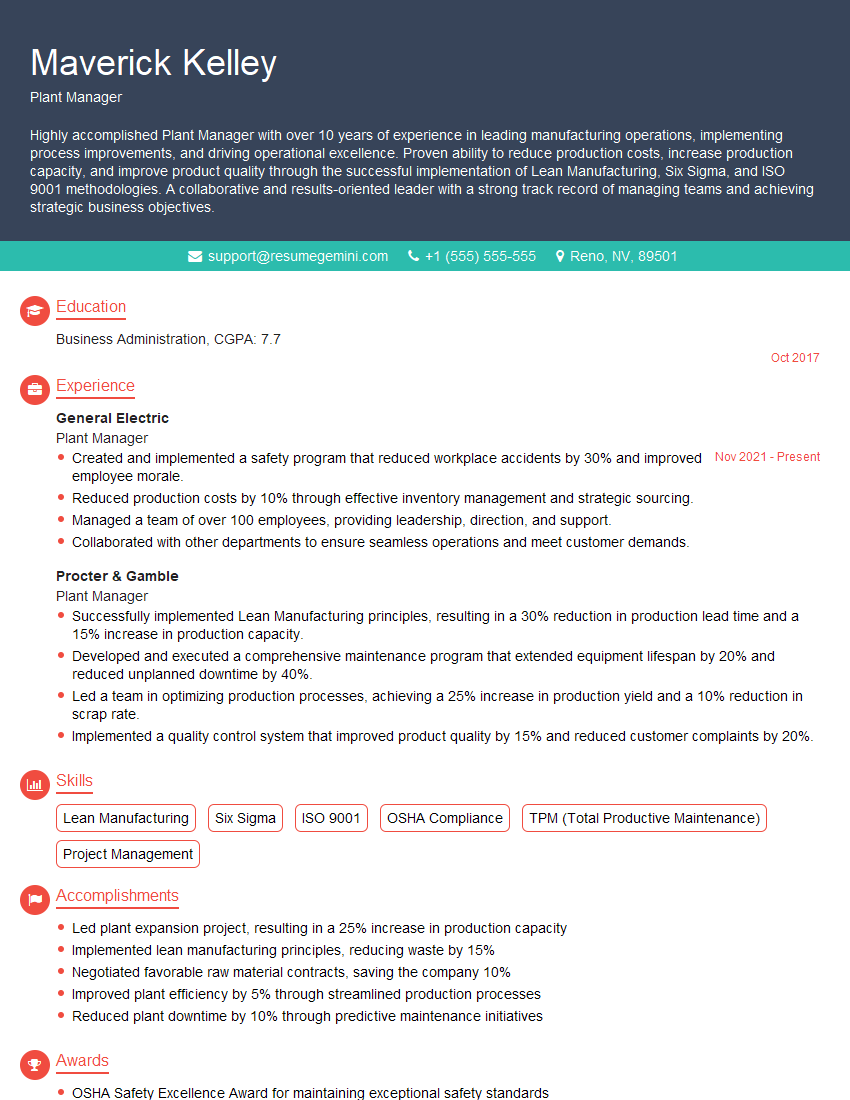
Plant Manager Resume Sample

Maintenance Planner Resume Sample

Production Supervisor Resume Sample
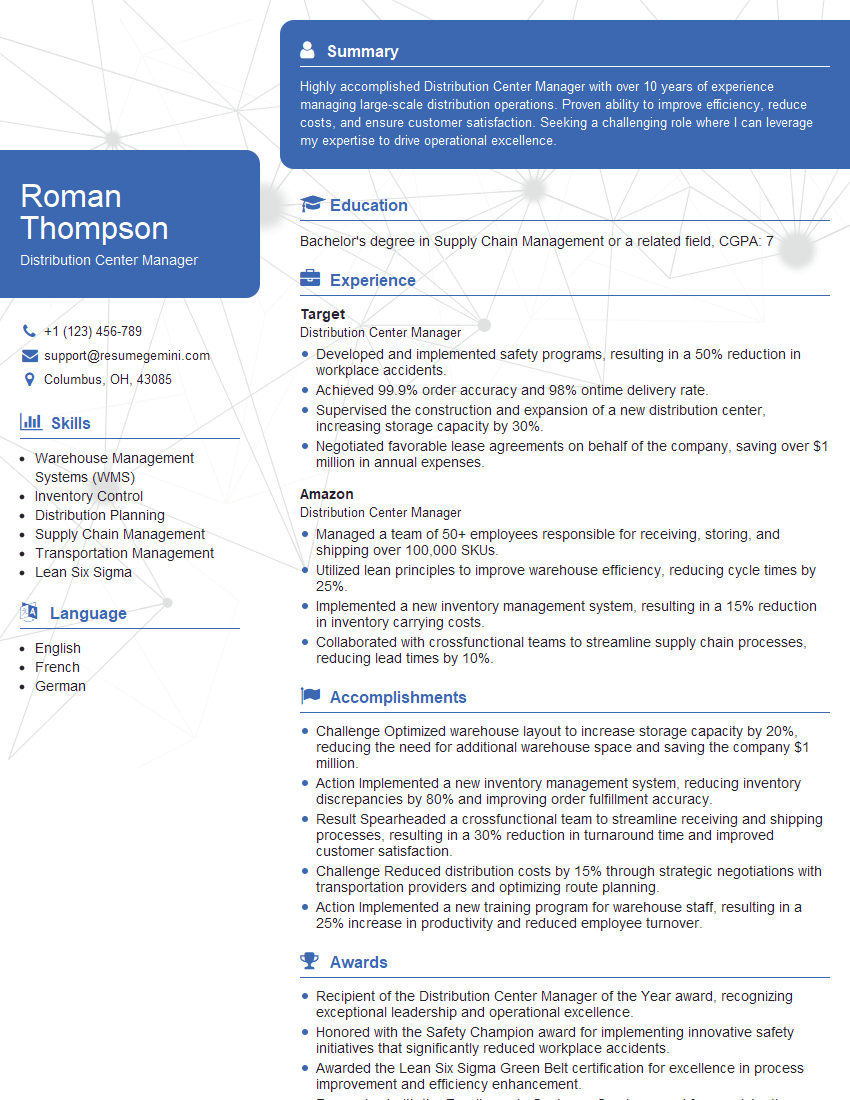
Distribution Center Manager Resume Sample

Logistics Manager Resume Sample

Warehouse Manager Resume Sample
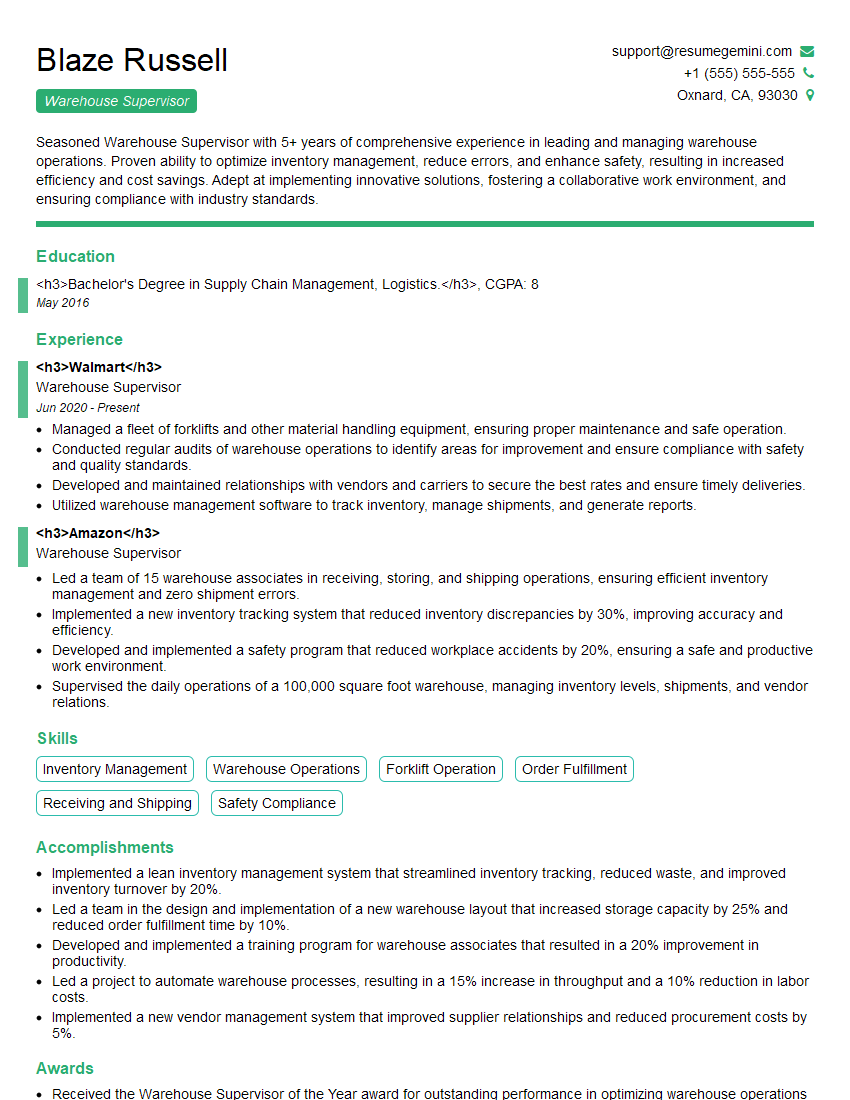
Warehouse Supervisor Resume Sample
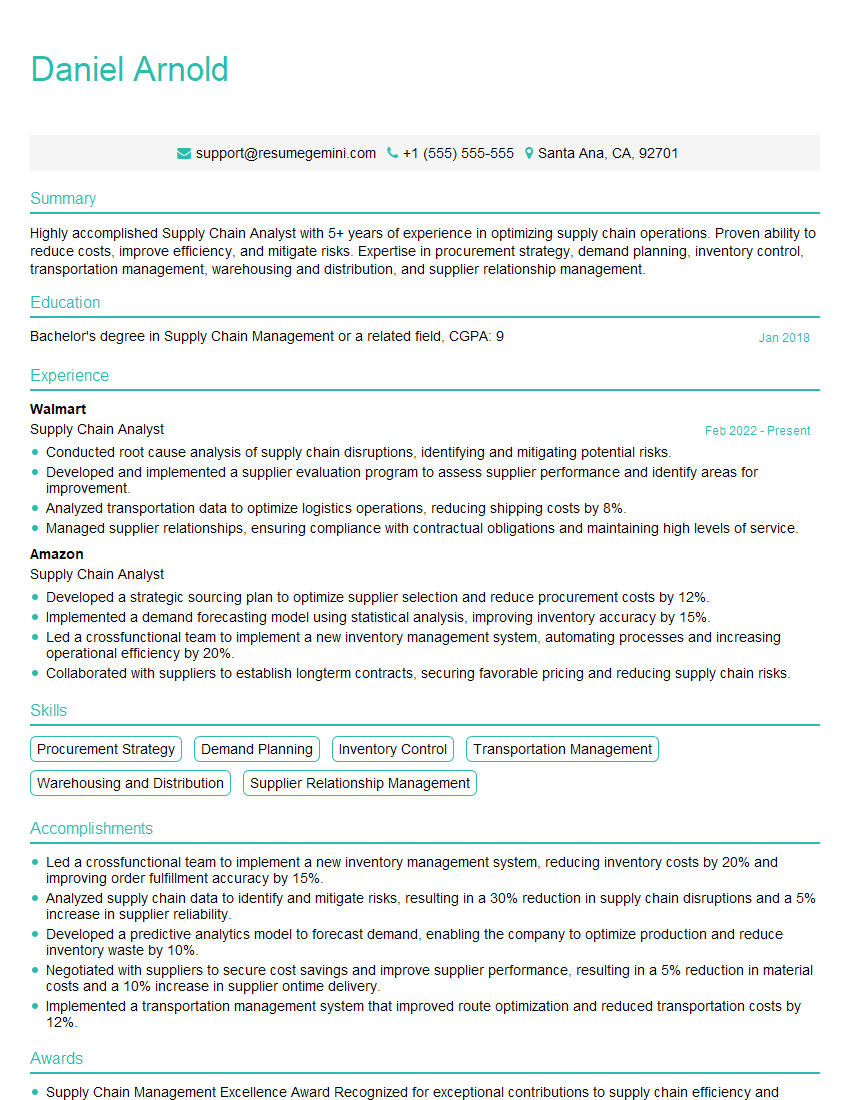
Supply Chain Analyst Resume Sample
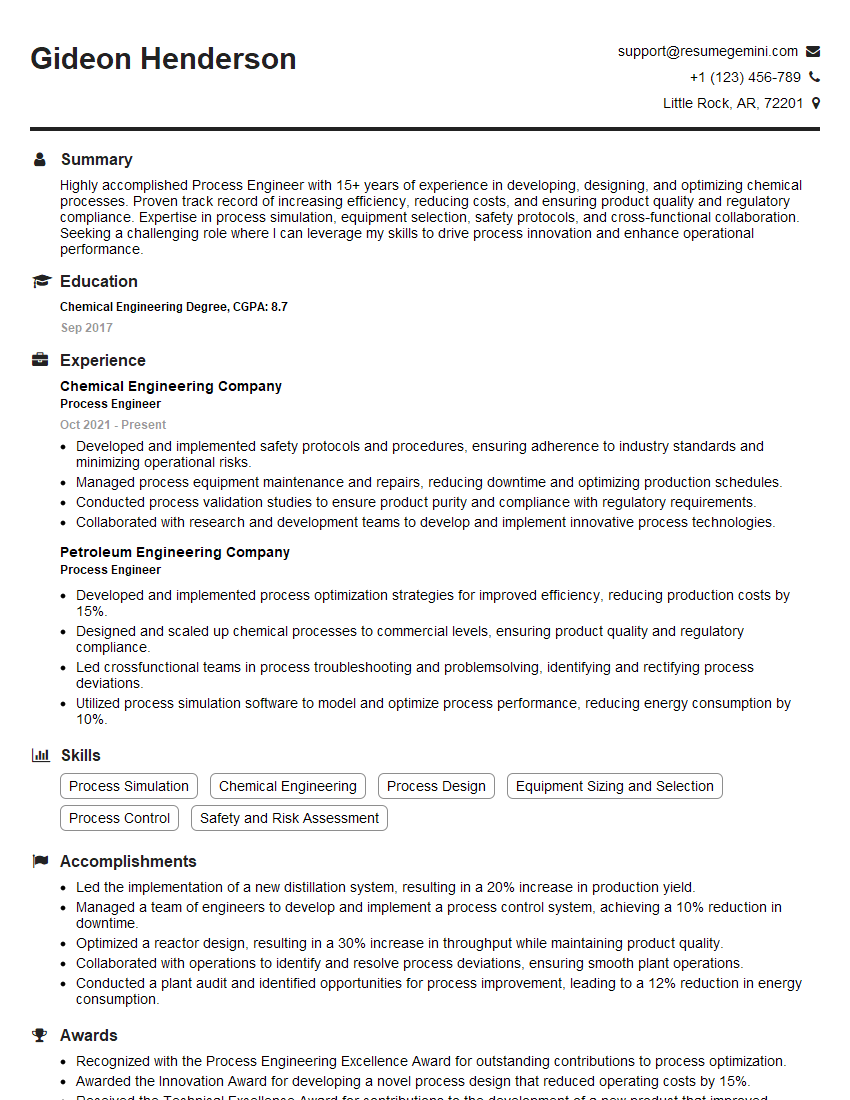
Process Engineer Resume Sample
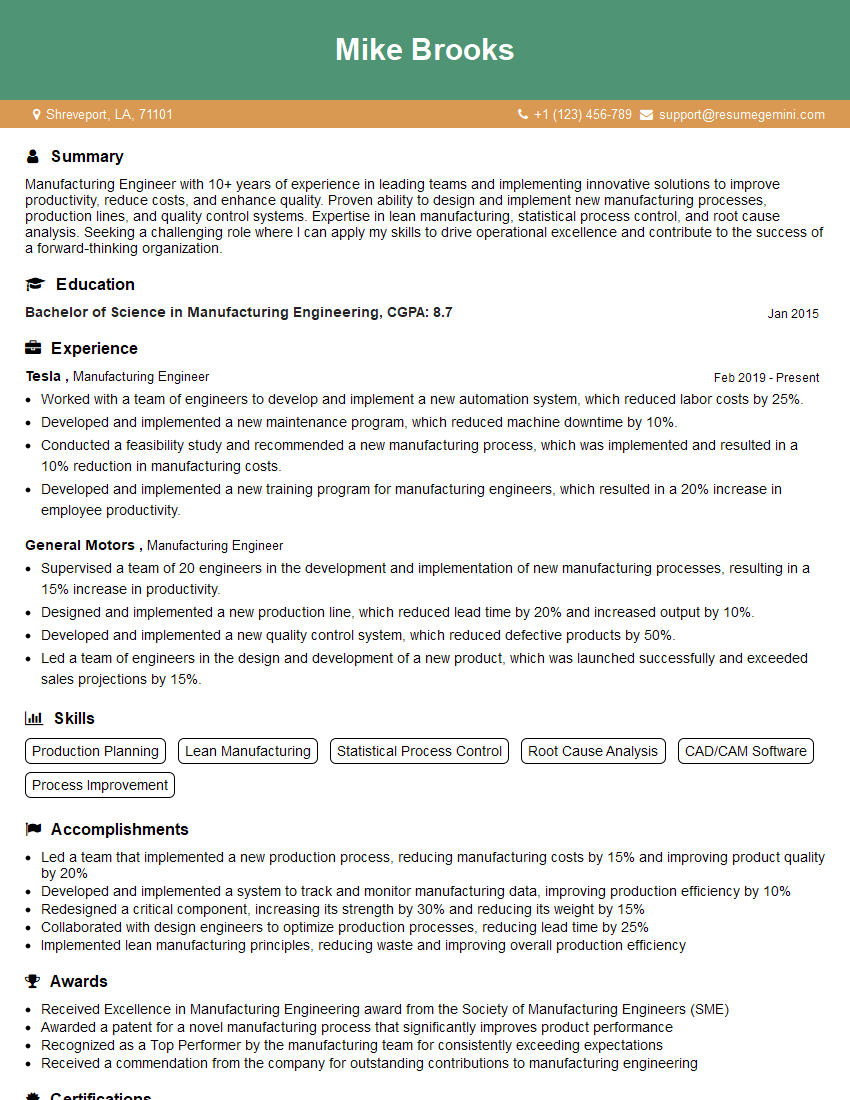
Manufacturing Engineer Resume Sample

Robotics Technician Resume Sample

Safety Officer Resume Sample

Inventory Control Specialist Resume Sample

Shipping and Receiving Supervisor Resume Sample
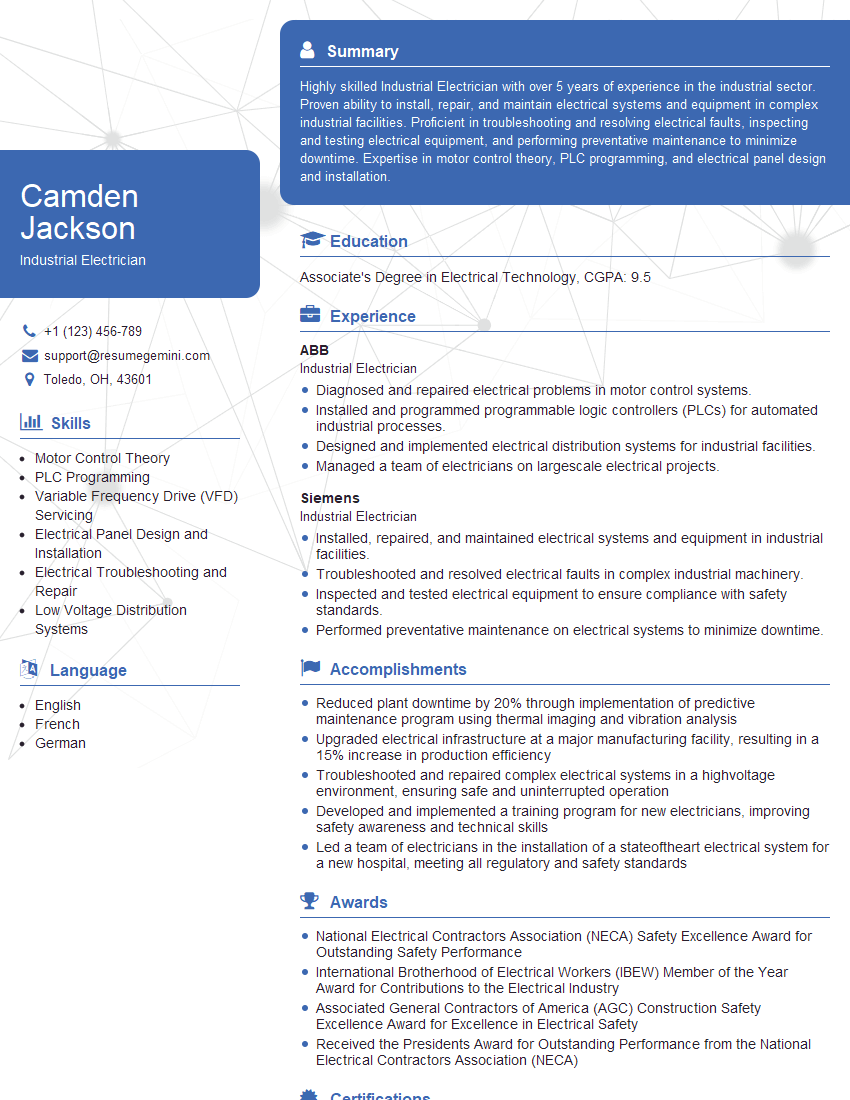
Industrial Electrician Resume Sample
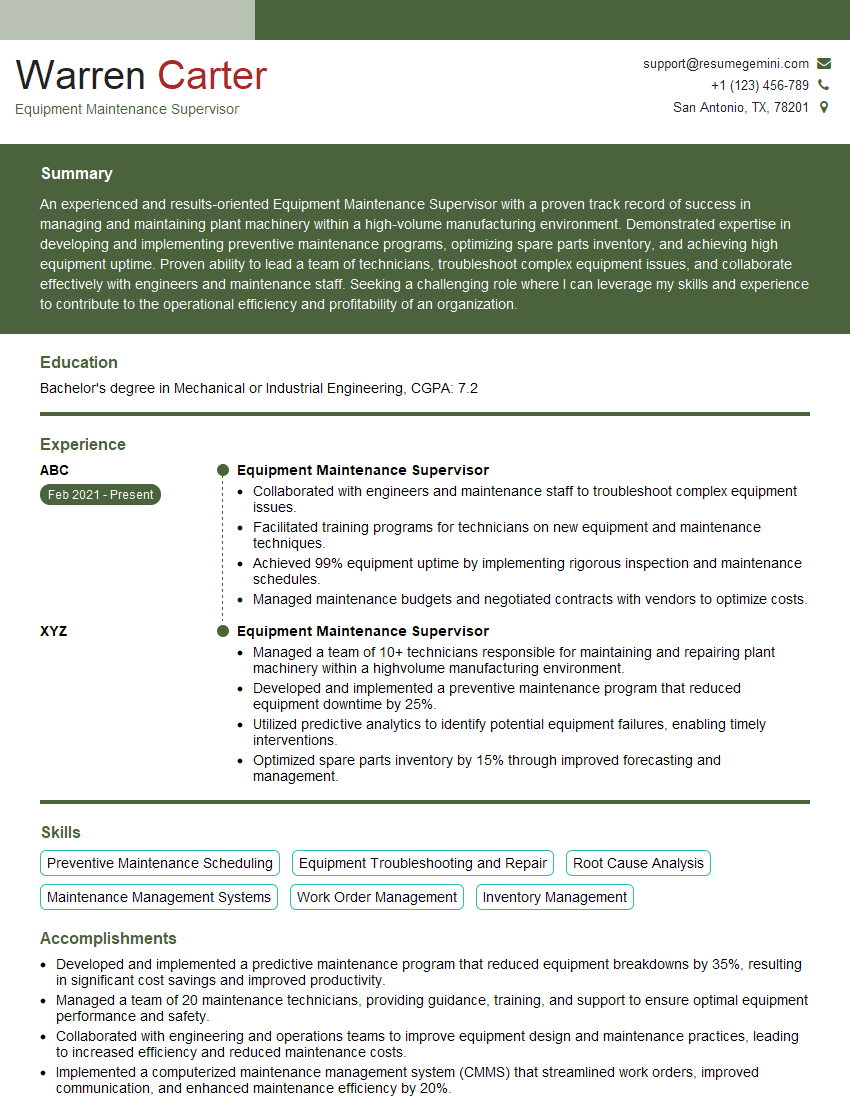
Equipment Maintenance Supervisor Resume Sample
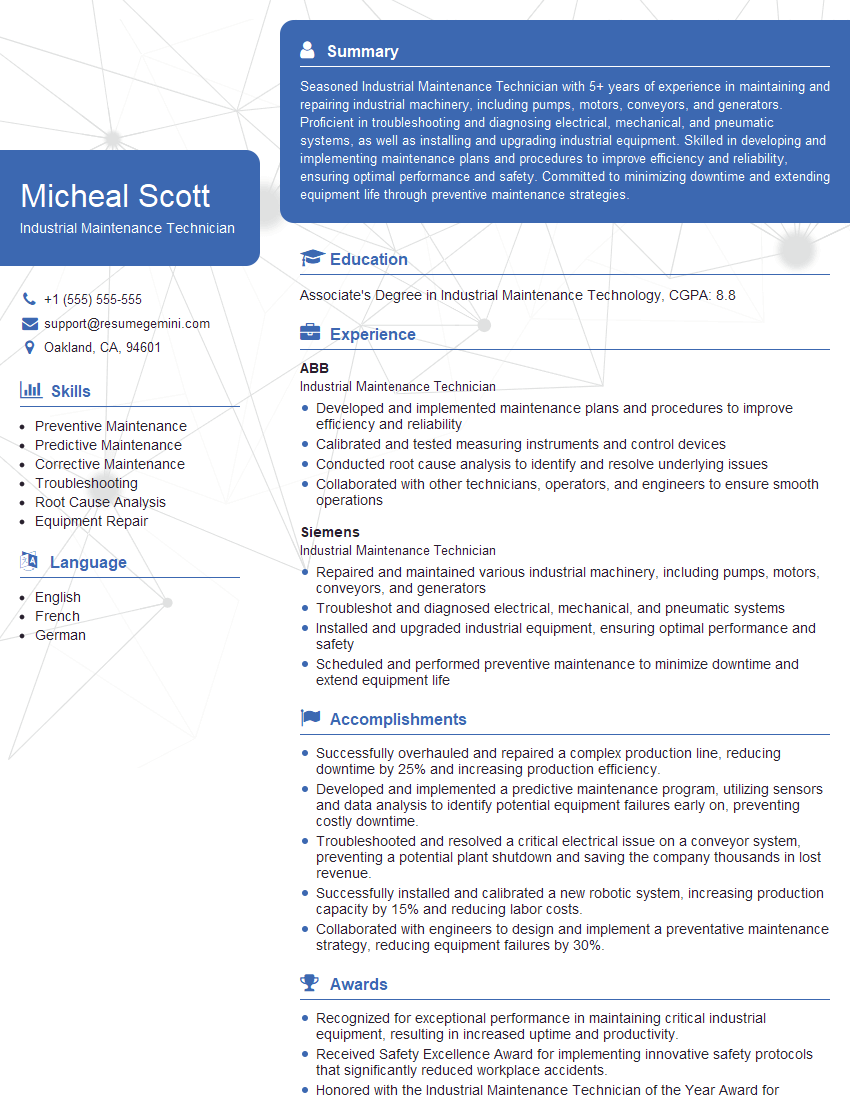
Industrial Maintenance Technician Resume Sample
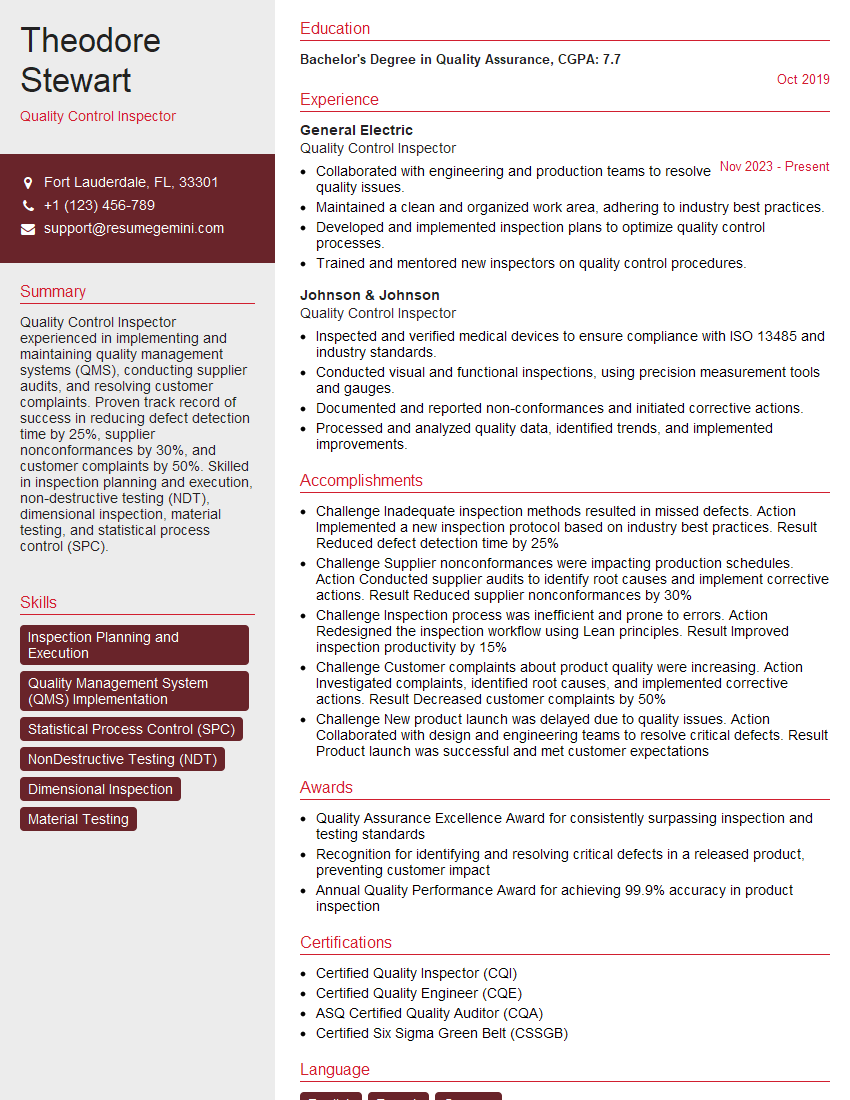
Quality Control Inspector Resume Sample
- Facility Manager
- Operations Manager
- Plant Manager
- Maintenance Planner
- Production Supervisor
- Distribution Center Manager
- Logistics Manager
- Warehouse Manager
- Warehouse Supervisor
- Supply Chain Analyst
- Process Engineer
- Manufacturing Engineer
- Robotics Technician
- Safety Officer
- Inventory Control Specialist
- Shipping and Receiving Supervisor
- Industrial Electrician
- Equipment Maintenance Supervisor
- Industrial Maintenance Technician
- Quality Control Inspector
Explore more articles
Users Rating of Our Blogs
Share Your Experience
We value your feedback! Please rate our content and share your thoughts (optional).
What Readers Say About Our Blog
Really detailed insights and content, thank you for writing this detailed article.
IT gave me an insight and words to use and be able to think of examples