Feeling uncertain about what to expect in your upcoming interview? We’ve got you covered! This blog highlights the most important Flame Lancing interview questions and provides actionable advice to help you stand out as the ideal candidate. Let’s pave the way for your success.
Questions Asked in Flame Lancing Interview
Q 1. What safety precautions must be observed when operating a flame lance?
Safety is paramount when flame lancing. Think of it like handling a controlled explosion – a tiny one, but still dangerous. You need to treat the equipment with respect and follow strict protocols.
- Personal Protective Equipment (PPE): This is non-negotiable. Always wear a flame-resistant jacket and trousers, heat-resistant gloves, a welding helmet with appropriate shade, and sturdy safety footwear. Eye protection is critical, as are hearing protectors, as the process is quite loud.
- Ventilation:** Ensure adequate ventilation to prevent the buildup of harmful gases. Working in an enclosed space without proper ventilation is extremely dangerous. Always use appropriate respiratory protection.
- Fire Prevention:** Keep a fire extinguisher readily available and know how to use it. Keep flammable materials well away from the work area. Sparks and hot metal can easily ignite nearby combustibles.
- Proper Training:** Never attempt flame lancing without thorough training from a qualified instructor. Improper technique can lead to serious injury or equipment damage.
- Emergency Procedures:** Familiarize yourself with emergency procedures in case of accidents or equipment malfunction. Know the location of safety showers and eyewash stations.
Imagine a scenario where you’re removing a stubborn bolt. Without proper PPE, a small spark could ignite your clothing, causing severe burns. Always prioritize safety!
Q 2. Explain the different types of fuel gases used in flame lancing.
Flame lancing utilizes fuel gases to create a high-temperature flame for cutting and heating metals. The most common fuels are:
- Acetylene (C2H2): This is the most popular choice due to its high flame temperature, making it ideal for most applications. However, it’s also highly reactive and requires careful handling.
- Propane (C3H8): A more economical option than acetylene, propane provides a slightly lower flame temperature, suitable for some applications but not ideal for thicker materials or rapid cutting. It is less reactive than acetylene, making it safer to handle in some situations.
- Propylene (C3H6): Similar to propane but with a slightly higher flame temperature, making it a compromise between acetylene and propane in terms of performance and safety.
- Natural Gas (primarily methane, CH4): Often used in larger industrial settings due to its readily available supply, but it offers a lower flame temperature compared to acetylene or propylene, limiting its applications.
The choice of fuel depends on factors like material thickness, desired cutting speed, and cost considerations. For example, a thick steel plate would likely require acetylene for its high heat output, while thinner sheet metal might be suitable for propane.
Q 3. Describe the process of preheating metal prior to flame lancing.
Preheating the metal before flame lancing is crucial for several reasons. It’s like preparing a steak for grilling – you don’t just throw it on the hot coals, right? You need to prepare it.
Preheating reduces thermal shock and improves the efficiency of the flame lancing process. It creates a more uniform heat distribution, resulting in a cleaner cut and preventing cracking or warping of the metal. The preheating method depends on the metal’s thickness and properties. Smaller parts might be preheated with a smaller torch or oven, while larger pieces might require more powerful heating techniques.
Methods include:
- Oxy-fuel torch preheating: Using a smaller oxy-fuel torch to uniformly heat the metal surface prior to the main cutting process.
- Electric resistance heating: Using electrically heated elements to warm the workpiece.
- Furnace preheating: Used for larger parts, placing them in a furnace to reach a suitable temperature.
A common scenario involves cutting a thick steel pipe. Preheating it ensures the pipe is more evenly heated, avoiding any sudden contraction and reducing the risk of cracking during the cutting process. This leads to a higher quality cut and less waste.
Q 4. How do you adjust the flame for different applications?
The flame’s characteristics – its temperature and shape – are adjusted via the gas and oxygen flow rate. This is often controlled by valves on the torch itself.
- Neutral Flame: This is the ideal flame for most cutting operations. It’s a balanced mix of fuel and oxygen, resulting in a focused, high-temperature flame with a clear inner cone.
- Carburizing Flame: This flame is fuel-rich, resulting in a longer, softer flame. It’s used for applications where you need more heat, such as brazing or welding.
- Oxidizing Flame: An oxygen-rich flame, it’s short and blue. While not commonly used for cutting, it can be used in specific situations for cleaning or removing surface contaminants.
Adjusting the flame is done by carefully manipulating the oxygen and fuel flow valves. Too much oxygen will create a harsh, oxidizing flame which might weaken the metal. Conversely, too much fuel leads to a smoky, inefficient flame that won’t cut effectively. Finding the right balance is key, requiring practice and familiarity with the equipment.
Imagine you’re cutting thin sheet metal – a neutral flame is perfect. If you’re welding, however, you’ll need the softer heat of a carburizing flame to properly melt and fuse the metals together.
Q 5. What are the common causes of flame lancing defects?
Flame lancing defects can significantly impact the quality of the cut and overall project outcome. Common causes include:
- Improper Flame Adjustment: An improperly adjusted flame can lead to an uneven cut, burning, or incomplete cuts.
- Inadequate Preheating: Insufficient preheating introduces thermal shock, resulting in cracks, warping, or even shattering of the material.
- Incorrect Nozzle Selection: Using the wrong nozzle for the material thickness and type can lead to inefficiency and poor quality.
- Contaminated Gases: Impurities in the fuel gas or oxygen supply can affect flame temperature and stability.
- Excessive Cutting Speed: Rushing the process often results in incomplete cuts or jagged edges.
- Insufficient Gas Pressure: Not having enough gas pressure will result in a weak flame, making the process ineffective.
For example, if you use too high a cutting speed while flame lancing a thick steel plate, you’ll create a rough, incomplete cut requiring significant additional work for smoothing and finishing.
Q 6. How do you identify and address potential hazards during flame lancing?
Hazard identification and mitigation are continuous processes during flame lancing. It’s about being vigilant and proactive.
- Regular Equipment Inspection:** Check for leaks in gas lines and hoses before each use. Make sure connections are secure and the equipment is in good working order.
- Work Area Assessment:** Identify and eliminate any fire hazards before starting the job. Ensure proper ventilation.
- Material Handling:** Use proper lifting techniques to avoid dropping or damaging materials.
- Emergency Preparedness:** Ensure you know the location of fire extinguishers, safety showers, and eyewash stations. Have a clear communication plan with your colleagues in case of emergencies.
- Safety Monitoring:** Constantly monitor the process for any anomalies or potential hazards, adjusting as necessary.
Imagine you notice a flickering flame, indicating a potential gas leak. Immediate action – shutting off the gas supply and investigating the leak – is crucial to prevent a fire. Proactive safety checks are essential.
Q 7. What are the different types of flame lancing nozzles and their applications?
Flame lancing nozzles are designed for specific applications, impacting cutting speed, accuracy, and the overall quality of the cut. Different types include:
- Cutting Nozzles: These are used for cutting metals and feature an opening shaped to direct the flame effectively. They come in various sizes based on the thickness of the material. For instance, a larger nozzle is required for thicker materials.
- Heating Nozzles: These produce a broader, gentler flame, ideal for preheating or other applications where concentrated heat is not required.
- Gouging Nozzles: Used for gouging out sections of metal, these often have a wider opening and a different flame pattern.
Selecting the right nozzle is critical for efficient and safe operation. For instance, using a cutting nozzle designed for thin metal on a thick steel plate would be inefficient and lead to a poor-quality cut. Conversely, using a heating nozzle for cutting will result in a slow and inaccurate process. Choosing the correct nozzle is determined by the material to be cut and the desired outcome.
Q 8. How do you maintain and clean a flame lancing torch?
Maintaining a flame lancing torch involves meticulous cleaning after each use to ensure optimal performance and longevity. Think of it like regularly servicing your car engine – essential for preventing problems down the line.
Immediate Cleaning: After every use, allow the torch to cool completely. Then, carefully remove any residual fuel or debris from the nozzle and mixing chamber using a wire brush, compressed air, and appropriate solvents. Never use abrasive cleaners that could damage the delicate components.
Regular Inspection: Check the torch for any signs of damage, cracks, or leaks. Inspect the hoses for wear and tear, ensuring there are no kinks or abrasions that could compromise safety. Replace any damaged parts immediately.
Storage: Store the torch in a clean, dry, and well-ventilated area, away from direct sunlight and extreme temperatures. This prevents corrosion and premature wear.
Fuel System: Regularly check the fuel lines and regulators for leaks. If using oxygen and fuel tanks, maintain them according to the manufacturer’s instructions. A small leak can become a major hazard.
By following these steps, you not only extend the life of your torch but also significantly enhance safety during operation. A clean, well-maintained torch is a safe torch.
Q 9. Explain the principle of cutting metal using a flame lance.
Flame lancing cuts metal by using an extremely hot flame to preheat the metal to its melting point, followed by a high-velocity jet of oxygen that rapidly oxidizes and removes the molten metal. Imagine it like a controlled burning process focused to a precise point.
The process involves two distinct stages:
Preheating: A fuel-rich flame (higher fuel-to-oxygen ratio) preheats the metal to a temperature close to its melting point. This weakens the metal’s structure and makes it easier to cut.
Oxidation: Once the metal is sufficiently preheated, a high-velocity jet of pure oxygen is introduced into the flame. This oxygen reacts exothermically with the metal, creating intense heat that melts the metal and blows away the resulting oxides. The operator carefully guides the flame along the desired cutting line.
This combination of preheating and rapid oxidation allows for efficient and relatively quick metal cutting. The process is especially effective for thicker materials where other methods, like plasma cutting, might be less practical.
Q 10. How do you determine the correct gas pressure and flow rate for different materials?
Determining the correct gas pressure and flow rate is critical for effective and safe flame lancing. It’s like finding the perfect balance in a recipe – too much or too little of an ingredient can ruin the dish.
The optimal settings depend heavily on the material’s thickness and type:
Material Type: Different metals have varying melting points and oxidation rates. Steel, for instance, requires a different pressure and flow rate than aluminum or cast iron. Manufacturers usually provide charts specifying suitable parameters for various materials.
Material Thickness: Thicker materials need higher pressures and flow rates to ensure sufficient preheating and rapid oxidation. A thinner material would be cut too quickly with a high pressure leading to unsafe conditions.
Trial and Error (with Safety): While charts provide guidelines, minor adjustments might be necessary based on specific conditions and operator experience. Always start with lower settings and gradually increase them until you achieve the desired cutting speed and quality. Safety is paramount; never exceed the maximum recommended pressure.
Always consult the manufacturer’s recommendations for your specific equipment and materials. Experimenting blindly is extremely dangerous.
Q 11. Describe the procedure for safely shutting down a flame lancing operation.
Safely shutting down a flame lancing operation involves a systematic approach to avoid accidents or damage to the equipment. It’s like carefully landing an airplane – a smooth, controlled descent is crucial.
Turn Off Fuel Supply: First, completely close the fuel valves on the torches and tanks. This stops the flow of fuel to the torch. Never rush this step.
Turn Off Oxygen Supply: Next, close the oxygen valves on the torches and tanks. This prevents the accidental ignition of any remaining fuel.
Allow to Cool: Allow the torch and the surrounding area to cool completely before handling. This prevents burns and minimizes the risk of reignition.
Inspect: Once cool, inspect the work area to confirm all embers are extinguished and there is no smoldering material.
Secure Equipment: Store the flame lancing equipment properly according to safety guidelines. This ensures that the equipment is not exposed to any dangers and remains functional.
Following this procedure is non-negotiable. A lapse in any of these steps can result in serious injury or property damage.
Q 12. What are the limitations of flame lancing compared to other cutting methods?
While flame lancing is effective for certain applications, it has limitations compared to other cutting methods like plasma or laser cutting. Think of it as choosing the right tool for the job – a hammer might not be ideal for every task.
Portability: Flame lancing is relatively portable, but it’s less so than smaller plasma cutters.
Precision: Flame lancing produces a wider kerf (cut width) compared to laser or plasma cutting, reducing precision. It’s not suitable for intricate work.
Material Limitations: Flame lancing struggles with materials that are highly reactive or have low melting points, while plasma or laser cutting offer more versatility.
Safety: The use of open flames poses inherent safety risks, demanding greater precautions compared to other methods. This requires additional training and a higher level of safety awareness.
Speed: Compared to plasma cutting, flame lancing tends to be slower, especially for thicker materials.
The best cutting method depends on the job’s specific requirements, balancing precision, speed, cost, and safety considerations.
Q 13. How do you select the appropriate flame lancing equipment for a given task?
Selecting the appropriate flame lancing equipment involves careful consideration of the task’s specific demands. It’s like choosing the right size wrench – the wrong tool will impede progress and could even cause damage.
Capacity: The torch’s capacity should match the thickness and type of material being cut. A larger torch is needed for thicker materials.
Fuel Type: The choice of fuel (acetylene, propane, propylene, etc.) depends on the material being cut and the desired cutting speed. Acetylene is often favored for its high temperature, while propane is more cost-effective for some tasks.
Torch Design: Consider the torch’s ergonomic design, ease of use, and overall durability. Comfort and ease of use reduce operator fatigue and enhance efficiency.
Safety Features: Prioritize safety features such as flashback arrestors and pressure regulators to mitigate risks associated with the use of flammable gases.
Manufacturer Reputation: Choosing reputable manufacturers ensures quality, safety, and reliable after-sales support.
Thorough research and consultation with equipment suppliers are essential to selecting the optimal flame lancing equipment for a given task. Safety and efficacy should always be paramount.
Q 14. What is the significance of preheating in flame lancing?
Preheating in flame lancing is crucial for efficient and safe cutting. It’s like preparing the ground before planting – without proper preparation, the result will likely be poor.
The primary purpose of preheating is to raise the metal’s temperature close to its melting point. This:
Reduces Cutting Force: A preheated metal is considerably easier to cut, reducing the force needed and preventing excessive wear on the torch nozzle.
Enhances Cutting Speed: Preheating accelerates the cutting process by lowering the energy required to melt and remove the metal.
Improves Cut Quality: Proper preheating leads to cleaner cuts with minimal distortion or warping of the metal. This reduces the need for post-processing.
Minimizes Spatter: A properly preheated metal melts more readily, reducing metal spatter which is hazardous and causes material waste.
Preheating is a critical step that significantly impacts both the efficiency and safety of the flame lancing process.
Q 15. How do you assess the quality of a flame lanced cut?
Assessing the quality of a flame-lanced cut involves several key aspects. Firstly, we look for the straightness and accuracy of the cut – is it following the intended line? A poorly executed cut will be noticeably uneven or deviate from the planned path. Secondly, we examine the kerf width, the width of the cut itself. An ideal kerf will be narrow and consistent, indicating precise control of the flame. Too wide a kerf suggests an inefficient process, potential overheating, or improper equipment settings. Thirdly, the surface finish is crucial. A high-quality flame-lanced cut will have a relatively smooth surface, free from excessive slag or heat-affected zones (HAZ). Roughness or significant HAZ indicates excessive heat input or improper technique. Finally, we check for any damage to the surrounding material. A properly executed cut minimizes heat damage to the surrounding metal.
For example, during a recent job cutting thick steel plates, I noticed a slightly wider kerf than usual on one section. Upon further investigation, I discovered a minor adjustment was needed to the oxygen pressure. A slight recalibration resulted in a significant improvement in the cut quality on subsequent passes, highlighting the importance of precise settings.
Career Expert Tips:
- Ace those interviews! Prepare effectively by reviewing the Top 50 Most Common Interview Questions on ResumeGemini.
- Navigate your job search with confidence! Explore a wide range of Career Tips on ResumeGemini. Learn about common challenges and recommendations to overcome them.
- Craft the perfect resume! Master the Art of Resume Writing with ResumeGemini’s guide. Showcase your unique qualifications and achievements effectively.
- Don’t miss out on holiday savings! Build your dream resume with ResumeGemini’s ATS optimized templates.
Q 16. What are the environmental considerations associated with flame lancing?
Flame lancing, while efficient, presents significant environmental concerns. The primary issue is air pollution. The process generates various combustion byproducts, including oxides of nitrogen (NOx), carbon monoxide (CO), and particulate matter (PM). These pollutants contribute to smog, acid rain, and respiratory problems. The use of fuel gases, like propane or acetylene, also contributes to greenhouse gas emissions. Moreover, the high temperatures involved can generate noise pollution. Responsible flame lancing demands strict adherence to safety regulations and the implementation of pollution control measures, such as using appropriate ventilation and exhaust systems.
In my experience, I’ve seen companies incorporate strategies like using cleaner-burning fuels, implementing exhaust filtration systems, and conducting regular air quality monitoring to minimize environmental impact. This commitment is not just a matter of compliance; it’s about responsible practice and demonstrating respect for the environment.
Q 17. Describe the different types of flames produced by a flame lance and their uses.
Flame lances produce different types of flames depending on the fuel-oxygen mixture. The most common are:
- Neutral Flame: This flame has a blue color and is the most commonly used for cutting and piercing. It’s characterized by a balance between fuel and oxygen, leading to complete combustion and minimal soot formation. It’s ideal for most applications where a clean, precise cut is desired.
- Oxidizing Flame: This flame is produced with an excess of oxygen. It’s a very hot and intensely oxidizing flame (often bluish-white), and it can be useful in specific circumstances where rapid oxidation of the metal is needed, however it’s prone to causing excessive heat damage and should be used with caution.
- Carburizing Flame: This flame has an excess of fuel gas, resulting in an incomplete combustion and a yellowish-orange appearance. This flame is less used for cutting but can be useful in some welding applications.
The choice of flame type depends on the material being cut, the thickness of the material, and the desired cut quality. For instance, a neutral flame is generally preferred for cutting most steels, while an oxidizing flame might be considered (with extreme caution) for some specific alloys or situations requiring rapid oxidation.
Q 18. Explain the process of piercing a hole using a flame lance.
Piercing a hole using a flame lance involves a precise and controlled approach. The process begins by positioning the lance tip directly on the material surface at the desired location. Once the tip is in place, it’s crucial to maintain a steady hand and use a controlled increase in oxygen flow to ignite the pre-mixed fuel and oxygen mixture. A small pilot flame should be created initially. The operator then gradually increases the oxygen pressure, creating a high-intensity flame jet. This jet melts and removes the material, gradually forming a hole. The depth of the hole depends on the duration of the piercing operation and the material thickness. It’s vital to maintain a proper angle and speed to avoid uneven piercing or damage to the surrounding material. Throughout the entire process, steady oxygen pressure and accurate positioning of the lance are key to successful and precise piercing.
Consider an example of piercing a thick stainless steel plate: It requires a careful, gradual increase in oxygen flow to avoid damaging the surrounding material. The operator’s experience and precision here are critical in achieving a clean and precisely placed hole.
Q 19. How do you handle unexpected problems during a flame lancing operation?
Handling unexpected problems during flame lancing requires quick thinking and a methodical approach. Some common issues include:
- Flame instability: This can be caused by improper gas mixture or clogged nozzles. The solution involves checking the gas flow rates and cleaning or replacing the nozzles.
- Excessive slag buildup: This can interfere with the cutting process. Removing the slag buildup through controlled chipping or brushing and adjusting flame parameters are necessary.
- Material warping or distortion: This could result from excessive heat. Adjusting the cutting speed or using a preheating approach would mitigate these situations.
- Equipment malfunction: A faulty lance or regulator requires immediate shutdown, safety checks, and possible equipment repair or replacement.
My approach is to prioritize safety first. In any unexpected situation, the first step is to shut down the equipment and assess the situation before attempting any corrective actions. Once the problem is identified, I implement the appropriate solution, always adhering to safety protocols and potentially seeking assistance if needed.
Q 20. What is the difference between flame cutting and flame lancing?
While both flame cutting and flame lancing use flames to cut metal, they differ significantly in their methods and applications. Flame cutting uses a preheating flame to heat the metal to its ignition temperature, followed by a high-velocity jet of oxygen that rapidly oxidizes and removes the molten metal. This process is ideal for cutting thicker materials and producing clean cuts. Flame lancing, on the other hand, uses a high-velocity jet of fuel and oxygen to directly melt and remove the metal. It’s often used for piercing holes, cutting thinner materials, and applications where precise control over the cutting process is crucial. It doesn’t require a preheating flame.
Think of it this way: flame cutting is like using a hot knife to cut butter—preheating the material helps in a clean cut. Flame lancing is more like using a high-powered water jet to cut through a material—it directly melts and removes the material.
Q 21. Describe your experience with different types of metal cutting techniques.
My experience encompasses a wide range of metal cutting techniques, including:
- Flame cutting (oxy-fuel cutting): Extensive experience in cutting various steel grades, including mild steel, stainless steel, and alloy steels. I’m proficient in using different cutting nozzles and adjusting parameters to optimize cutting speed and quality.
- Plasma arc cutting (PAC): Experienced in using PAC for cutting thicker materials and achieving high-quality, narrow kerf cuts, especially on conductive materials.
- Laser cutting: Familiar with laser cutting technology for precise and intricate cuts on various materials, particularly thin sheet metals.
- Waterjet cutting: Experienced in using waterjet cutting for cutting diverse materials with minimal heat-affected zones.
Each technique has its strengths and weaknesses. The selection of the appropriate method depends on factors such as material type, thickness, required cut quality, and project-specific constraints. My expertise allows me to choose the most efficient and cost-effective method for each unique project.
Q 22. Explain your understanding of safety regulations related to flame lancing.
Flame lancing safety is paramount. It involves a high-temperature, open flame, posing significant risks of fire, burns, and explosions. My understanding encompasses adherence to all relevant OSHA (Occupational Safety and Health Administration) and local regulations. This includes:
- PPE (Personal Protective Equipment): Mandatory use of flame-resistant clothing, including jackets, gloves, and footwear; face shields or welding helmets with appropriate shade lenses to protect against intense light and UV radiation; and hearing protection due to the loud noise generated by the equipment.
- Fire Prevention & Control: Maintaining a fire watch, having fire extinguishers (specifically Class B and C rated) readily available and knowing how to use them, and ensuring a clear work area free of flammable materials. We meticulously clear the surrounding area of any combustible materials like wood, paper, or solvents.
- Gas Handling: Proper storage, handling, and connection of fuel and oxygen cylinders, ensuring they are secured and away from ignition sources. Never allow open flames near gas cylinders. Regular inspections for leaks using a soap solution are crucial.
- Confined Space Entry: For work in confined spaces, strict adherence to confined space entry protocols, including ventilation, atmospheric monitoring for oxygen levels and flammable gases, and using appropriate respiratory protection is mandatory.
- Emergency Procedures: Knowing emergency shutdown procedures, evacuation plans, and contacting emergency services in case of an incident is critical. A well-defined communication plan within the team is essential.
For instance, during a recent project involving lancing a large steel tank, we established a perimeter, used fire watch personnel, and continuously monitored gas levels. This meticulous approach ensured the safety of all involved.
Q 23. How do you manage waste materials generated during flame lancing?
Waste management during flame lancing is crucial for environmental protection and worker safety. The primary waste is usually metal slag – the byproduct of melting metal. My approach involves:
- Proper Collection: Using designated containers for collecting the slag. The containers must be non-combustible and designed to handle high temperatures. We frequently use heavy-duty metal drums.
- Segregation & Identification: Separating the slag from other waste materials, such as used PPE or cleaning rags, and properly labeling the containers to identify the contents.
- Disposal: Following all local and national regulations for disposing of industrial waste. This typically involves contacting a licensed hazardous waste disposal company to handle the slag, as it might contain hazardous materials depending on the metal being worked with. Proper documentation of the disposal process is maintained.
- Recycling (when possible): Exploring opportunities to recycle the metal slag whenever feasible. In some cases, the slag can be re-used in other applications.
For instance, when lancing stainless steel, we carefully collect the slag and arrange its disposal with a specialist company certified to handle stainless steel waste.
Q 24. What is your experience with different types of fuel gases and their properties?
My experience spans several fuel gases commonly used in flame lancing, each with unique properties that dictate their suitability for specific applications.
- Acetylene (C₂H₂): Provides the hottest flame, ideal for cutting thicker metals and achieving rapid heating. However, it’s more expensive and requires specialized equipment due to its explosive nature. Safety protocols are particularly rigorous when handling acetylene.
- Propane (C₃H₈): A less expensive and readily available option, offering a hotter flame than natural gas. It’s suitable for many applications, but not as hot as acetylene, limiting its effectiveness on thicker materials.
- MAPP Gas (Methylacetylene-Propadiene Propane): Offers a balance between acetylene’s high temperature and propane’s cost-effectiveness. It’s a good choice for various applications where a high flame temperature is required but the cost of acetylene is prohibitive.
- Natural Gas (Methane): Relatively inexpensive and safe, suitable for some heating applications, but produces a significantly lower flame temperature compared to other options. This limits its usefulness for cutting thicker materials.
The choice of fuel gas depends on factors like metal thickness, desired cutting speed, cost, and available equipment. For example, when working with high-strength steel, acetylene is preferred for its high-temperature output, enabling a clean cut. Propane might suffice for thinner materials or preheating applications.
Q 25. Describe your experience troubleshooting flame lancing equipment malfunctions.
Troubleshooting flame lancing equipment is a critical skill. My experience involves a systematic approach:
- Visual Inspection: A thorough check of hoses, connections, regulators, and the torch itself for any visible damage, leaks, or blockages.
- Gas Pressure Checks: Verifying the pressure of both fuel and oxygen gases using pressure gauges. Low pressure often indicates a leak or a problem with the gas supply.
- Flame Observation: Analyzing the flame’s color, size, and stability. A yellow or smoky flame indicates incomplete combustion, often due to insufficient oxygen or a clogged tip. A weak flame signifies insufficient fuel or gas pressure.
- Tip Cleaning: Regular cleaning of the torch tip is essential to remove any obstructions that can affect the flame. Clogged tips often lead to poor flame quality and inconsistent performance.
- Testing Connections: Using a soap solution to check for gas leaks at all connections. A soapy mixture will bubble if a leak is present.
For instance, during a recent job, a weak flame prompted me to check the acetylene pressure and discover a partially closed valve. Adjusting the valve immediately resolved the issue. I always document troubleshooting steps and resolutions for future reference and team knowledge sharing.
Q 26. How do you ensure the quality and consistency of your flame lancing work?
Ensuring quality and consistency in flame lancing involves meticulous attention to detail throughout the process:
- Preparation: Proper surface preparation of the metal is crucial for a clean, consistent cut. This might involve cleaning, degreasing, and preheating the material depending on its thickness and properties.
- Technique: Maintaining a consistent flame size, angle, and speed while cutting or heating is essential for achieving precise results and preventing damage to the workpiece.
- Regular Calibration: Regular checks of the equipment’s performance and calibration ensure the flame delivers consistent parameters.
- Material Selection: The choice of fuel gas and tip size must match the material’s thickness and type for optimal performance.
- Post-Lancing Inspection: After completing the work, a thorough inspection is performed to check the quality of the cut, ensuring proper penetration, a clean edge, and the absence of imperfections.
For example, to achieve consistently smooth welds on a series of aluminum components, we meticulously cleaned and preheated each piece before lancing, ensuring the flame was properly adjusted for the material’s thickness and alloy type.
Q 27. Describe your experience working with different types of metal thicknesses and alloys.
My experience encompasses working with various metal thicknesses and alloys. Different materials require adjustments in technique, gas selection, and equipment settings.
- Thickness: Thicker metals require higher flame temperatures, achieved through using appropriate fuel gases (like acetylene) and potentially preheating the material. The cutting speed needs to be adjusted accordingly to ensure complete penetration.
- Alloys: Different alloys have varying melting points and properties. Some alloys may require specialized tips or techniques to achieve a clean cut. For example, stainless steel’s higher melting point necessitates a hotter flame and potentially a different type of cutting tip compared to mild steel.
- Surface Properties: The surface condition of the metal influences the cutting process. Rough surfaces may require additional cleaning or preheating.
I have extensive experience with various materials, from thin gauge aluminum sheets requiring gentle heating to thick, high-strength steel plates requiring high-temperature acetylene torches. Adapting the technique to the material’s properties is fundamental to successful and safe flame lancing.
Q 28. Explain your approach to handling emergency situations related to flame lancing.
Emergency preparedness is integral to safe flame lancing. My approach to handling emergencies focuses on rapid response and controlled action:
- Immediate Shutdown: In case of a fire, gas leak, or equipment malfunction, the immediate priority is to shut down the equipment using the emergency shut-off valves and disconnect the gas supply.
- Evacuation & Safety: Evacuate the immediate work area and ensure the safety of all personnel. The fire watch is crucial in these situations.
- Emergency Services: Contact emergency services (fire department, paramedics) immediately to report the incident and provide relevant information about the location and nature of the emergency.
- Containment: Attempt to contain the emergency situation if it’s safe to do so (e.g., using fire extinguishers for a small fire), while prioritizing personal safety.
- Post-Incident Review: After the emergency, a thorough review of the incident is conducted to identify the root cause, assess the effectiveness of the response, and implement any necessary improvements to prevent future incidents.
For instance, during a minor gas leak, we immediately shut down the system, evacuated the area, and contacted our company’s safety officer. The leak was quickly identified and repaired by qualified personnel. This incident underscored the importance of our established emergency procedures.
Key Topics to Learn for Flame Lancing Interview
- Safety Procedures and Regulations: Understanding and applying all relevant safety protocols, including PPE, emergency procedures, and hazard identification is paramount in flame lancing.
- Equipment Operation and Maintenance: Demonstrate knowledge of different flame lancing equipment, their functionalities, maintenance schedules, and troubleshooting common issues.
- Flame Adjustment and Control: Mastering the precise control of flame size, temperature, and direction for various applications is crucial for efficient and safe operation.
- Material Properties and Selection: Understanding the impact of different materials on the flame lancing process and selecting appropriate materials for specific applications.
- Cutting Techniques and Procedures: Demonstrate proficiency in various cutting techniques, including straight cuts, bevel cuts, and piercing, while maintaining precision and quality.
- Welding and Joining Techniques: If applicable to the role, showcase knowledge of flame welding and brazing techniques, including the selection of appropriate filler metals.
- Surface Preparation and Cleaning: Explain the importance of proper surface preparation before flame lancing, including cleaning and removing contaminants.
- Quality Control and Inspection: Describe methods for inspecting the quality of flame lanced work, identifying defects, and implementing corrective actions.
- Troubleshooting and Problem-Solving: Be prepared to discuss common problems encountered during flame lancing and your approach to troubleshooting and resolving them.
Next Steps
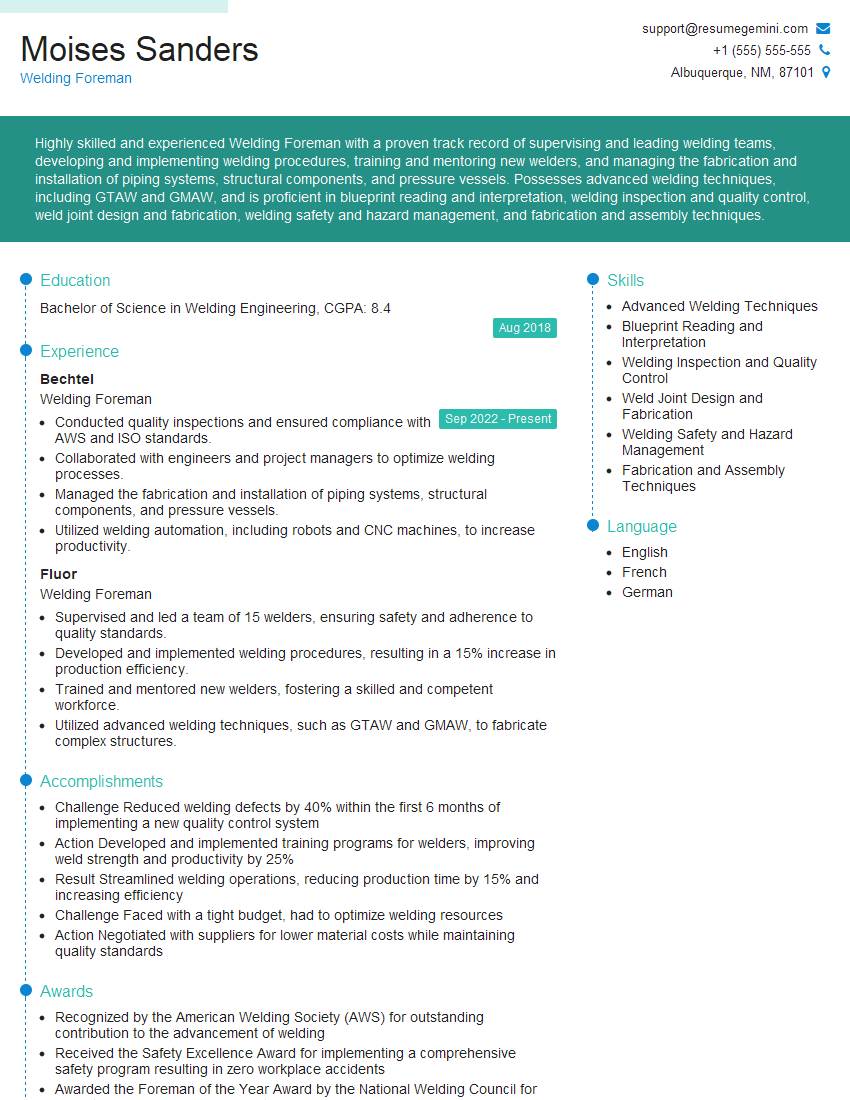
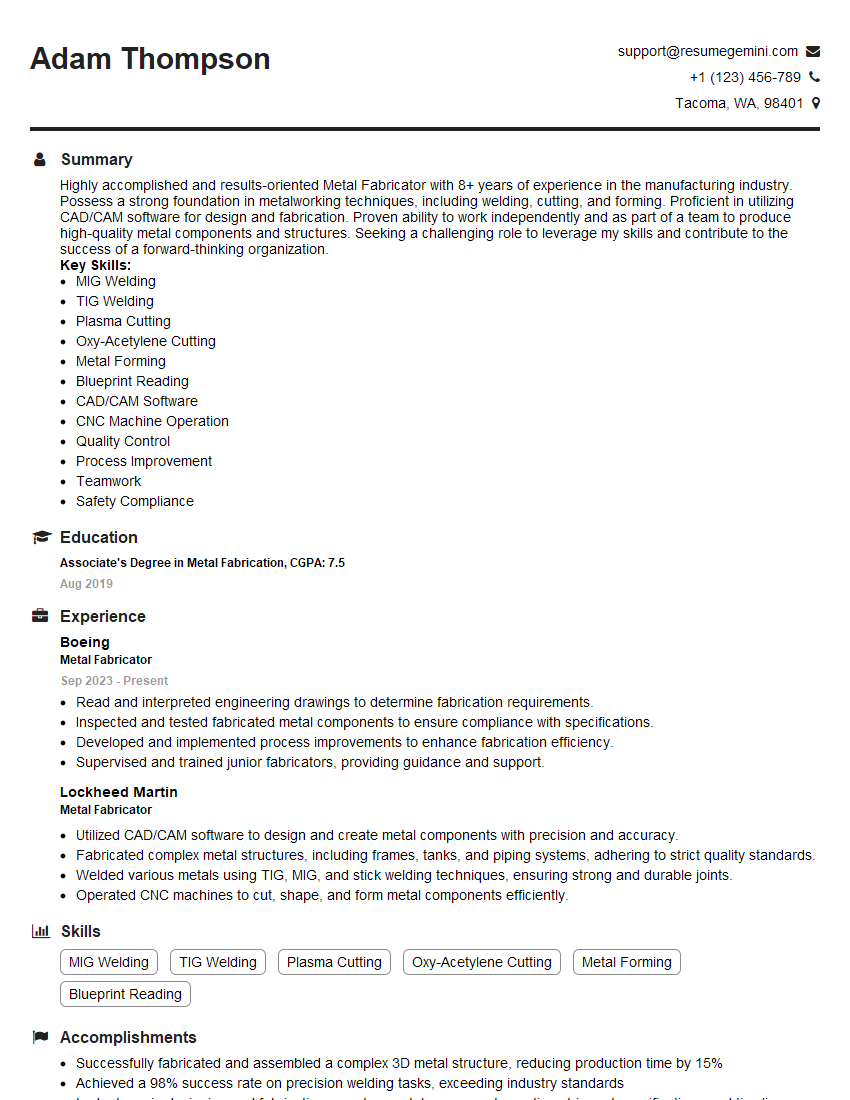
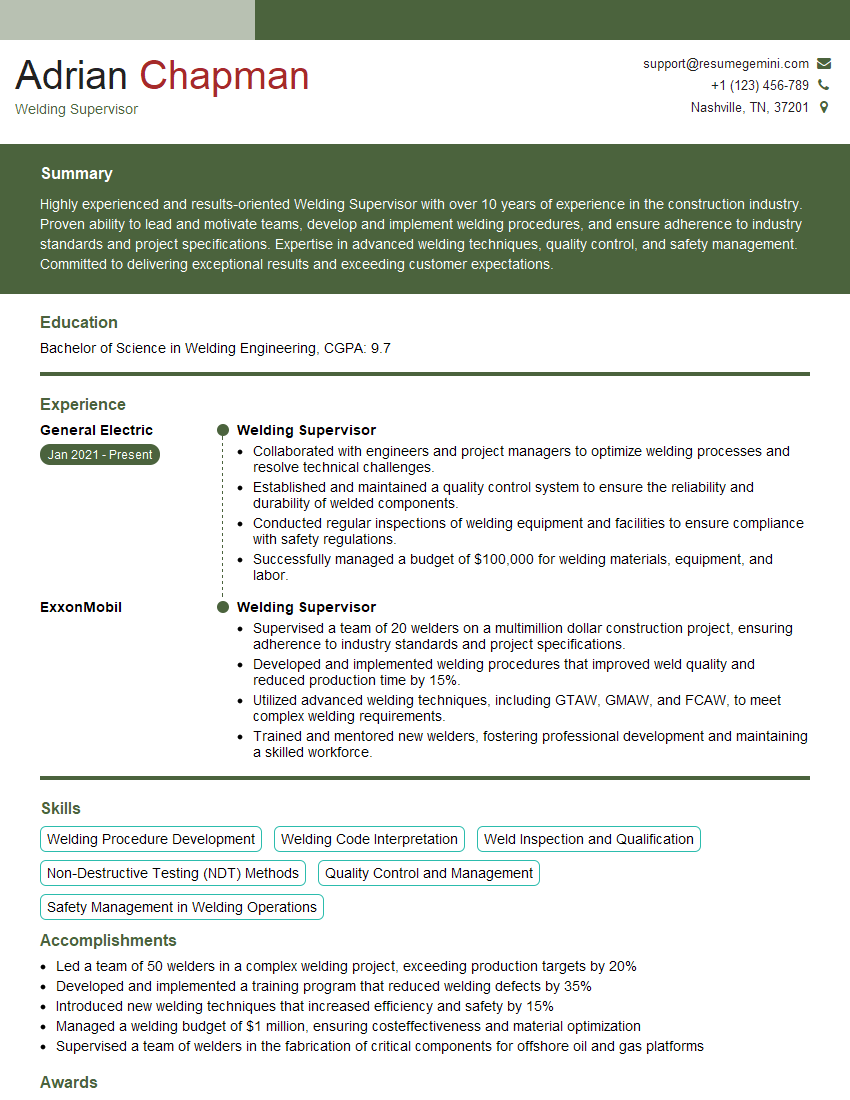
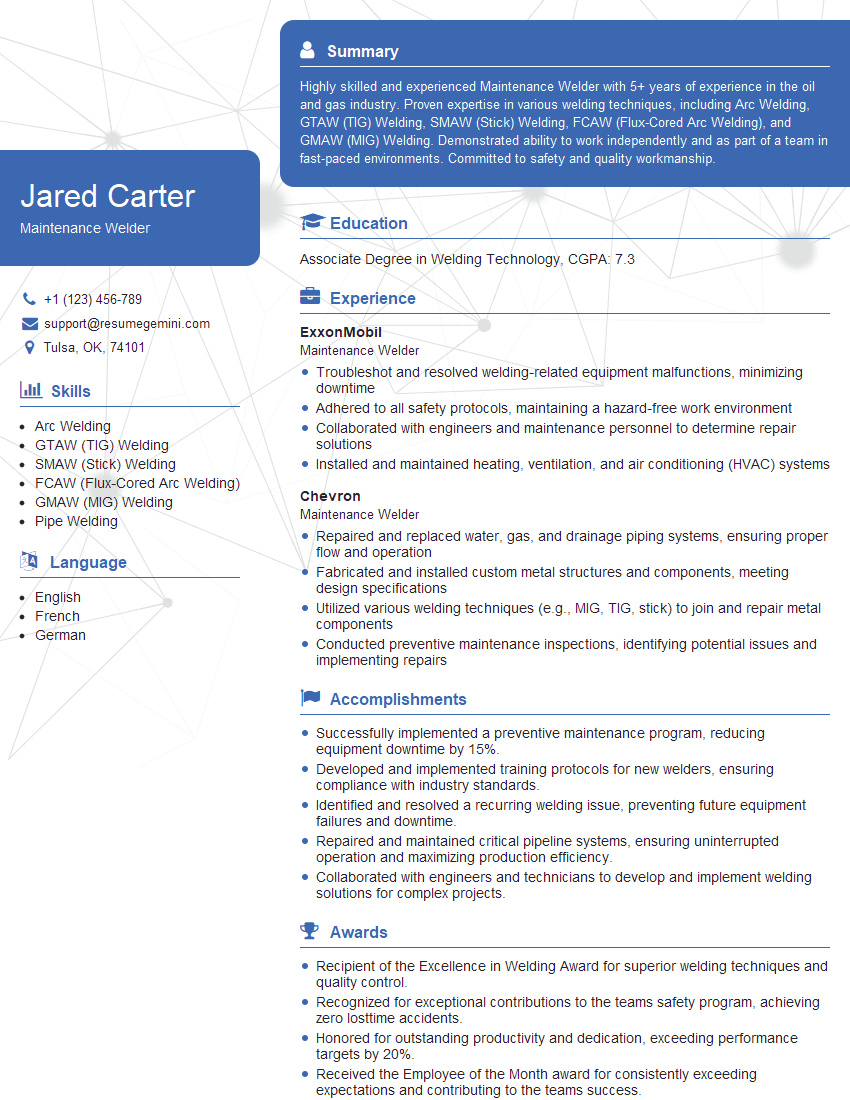
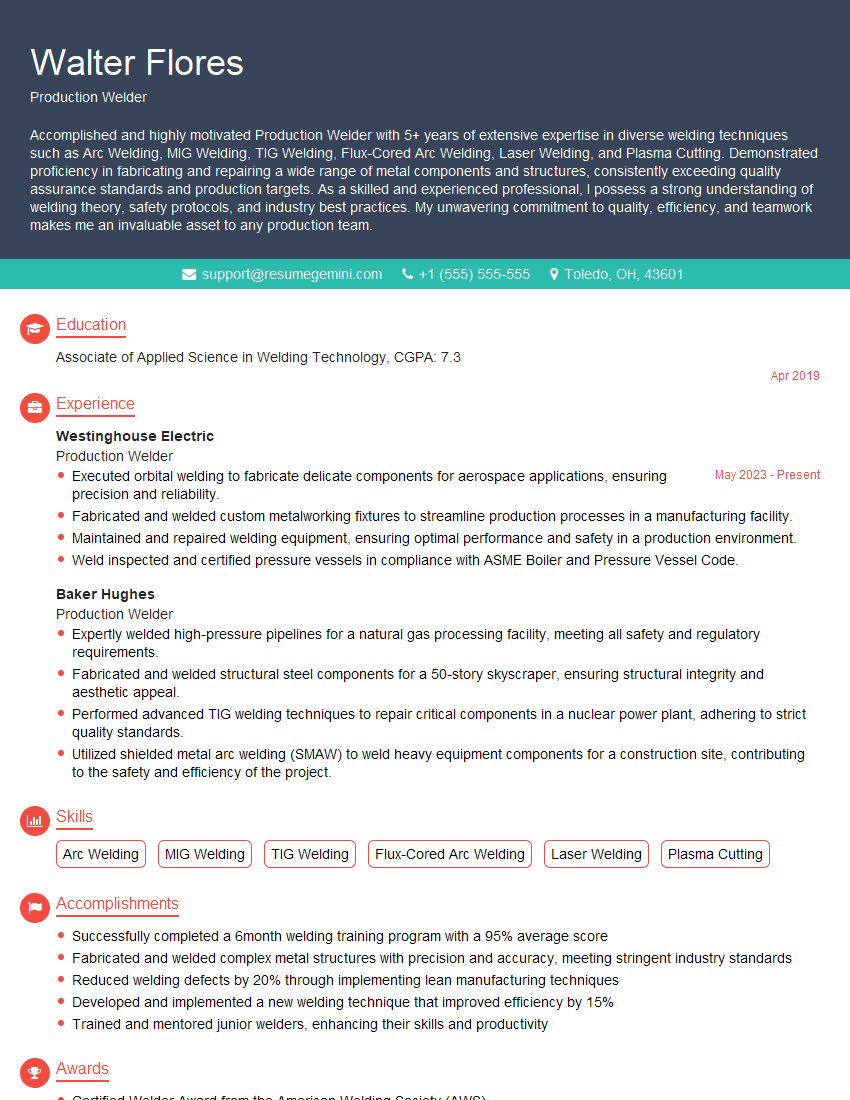
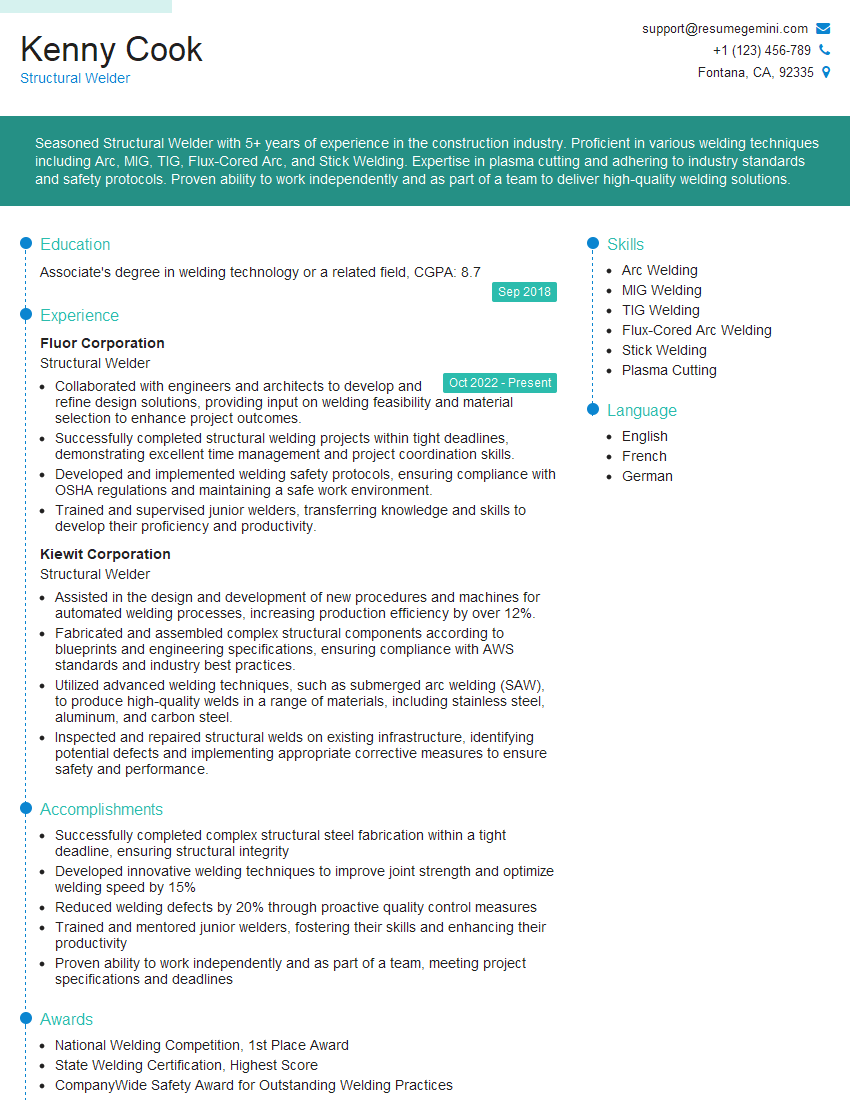
Mastering flame lancing opens doors to rewarding and specialized careers in various industries. To stand out from the competition and maximize your job prospects, invest time in crafting a compelling, ATS-friendly resume that highlights your skills and experience. ResumeGemini is a trusted resource that can help you build a professional resume that showcases your capabilities effectively. Examples of resumes tailored to the flame lancing field are available to further assist you in this process.

Explore more articles
Users Rating of Our Blogs
Share Your Experience
We value your feedback! Please rate our content and share your thoughts (optional).
What Readers Say About Our Blog
Really detailed insights and content, thank you for writing this detailed article.
IT gave me an insight and words to use and be able to think of examples