Preparation is the key to success in any interview. In this post, we’ll explore crucial Aerospace Materials Science interview questions and equip you with strategies to craft impactful answers. Whether you’re a beginner or a pro, these tips will elevate your preparation.
Questions Asked in Aerospace Materials Science Interview
Q 1. Explain the difference between isotropic and anisotropic materials.
Isotropic materials exhibit the same properties in all directions, like a perfectly uniform ball of clay. Anisotropic materials, conversely, have properties that vary depending on the direction you test them. Imagine a piece of wood: it’s much stronger along the grain than across it.
In aerospace, understanding this difference is crucial. An isotropic material like a certain type of steel might be suitable for a simple structural component where strength is needed in all directions. However, for a wing spar where maximum strength is required along the length, a composite material designed to be anisotropic – strong along the fiber direction and less so perpendicularly – would be far more efficient and lighter.
Q 2. Describe the properties of common aerospace alloys, such as aluminum, titanium, and nickel-based superalloys.
Let’s look at three common aerospace alloys:
- Aluminum Alloys: Known for their high strength-to-weight ratio, excellent corrosion resistance (especially when alloyed properly), and good formability. They are widely used in airframes, but their strength limits their use in high-temperature applications. Examples include 2024-T3 and 7075-T6, often used in fuselage and wing structures.
- Titanium Alloys: Offer exceptional strength-to-weight ratio, high-temperature capabilities, and excellent corrosion resistance. However, they are significantly more expensive than aluminum and challenging to machine. They are crucial for high-stress components in engines and airframes. Examples include Ti-6Al-4V (a common alloy).
- Nickel-Based Superalloys: These are workhorses in high-temperature applications like turbine blades in jet engines. They possess exceptional high-temperature strength, creep resistance (resistance to deformation under sustained stress at high temperatures), and oxidation resistance. Their high cost and difficulty in processing are trade-offs. Examples include Inconel and Waspaloy.
The choice of alloy depends on the specific application’s requirements. A lighter aluminum alloy might be suitable for a less stressed component, while a nickel superalloy is essential where extreme heat and stress are present.
Q 3. What are the advantages and disadvantages of using composite materials in aerospace applications?
Composite materials, like carbon fiber reinforced polymers (CFRP), offer significant advantages in aerospace:
- High Strength-to-Weight Ratio: They are much lighter than traditional metals for comparable strength, leading to fuel efficiency.
- Design Flexibility: They allow for complex shapes and tailored properties, enabling optimized designs.
- Corrosion Resistance: Generally resistant to corrosion, reducing maintenance costs.
However, there are also disadvantages:
- High Manufacturing Cost: Composite manufacturing is more complex and expensive than metal fabrication.
- Damage Tolerance: Damage detection and repair can be challenging.
- Environmental Concerns: Some composite materials may not be easily recyclable.
Despite these drawbacks, the advantages often outweigh the disadvantages in many aerospace applications, particularly in high-performance aircraft and spacecraft.
Q 4. Explain the different types of non-destructive testing (NDT) methods used for aerospace materials.
Non-destructive testing (NDT) is critical for ensuring the integrity of aerospace components. Common methods include:
- Visual Inspection (VI): A basic yet important method to identify surface defects.
- Dye Penetrant Inspection (DPI): Reveals surface cracks by drawing a dye into the crack.
- Magnetic Particle Inspection (MPI): Detects surface and near-surface cracks in ferromagnetic materials.
- Ultrasonic Testing (UT): Uses sound waves to detect internal flaws; excellent for detecting cracks and porosity.
- Radiographic Testing (RT): Uses X-rays or gamma rays to image internal flaws.
- Eddy Current Testing (ECT): Detects surface and subsurface flaws in conductive materials using electromagnetic fields.
The selection of NDT methods depends on the material, component geometry, and the type of defect being sought.
Q 5. How do you determine the fatigue life of an aerospace component?
Determining the fatigue life of an aerospace component is a complex process involving experimental testing and analytical modeling. The most common method involves conducting fatigue tests on representative samples. Samples are subjected to cyclic loading (repeated stress) at various stress levels. The number of cycles to failure is recorded for each stress level. This data is then used to generate an S-N curve (Stress-Number of cycles to failure), which shows the relationship between the applied stress and the number of cycles to failure. From this curve, the fatigue life at a given stress level can be predicted.
Advanced techniques like Finite Element Analysis (FEA) are also employed to model the stress distribution within the component under various loading conditions. This analysis, coupled with experimental data, helps in refining fatigue life predictions and ensuring the component’s safety and longevity.
Q 6. Describe the mechanisms of corrosion in aerospace environments.
Corrosion in aerospace environments is a significant concern due to exposure to various aggressive agents. Mechanisms include:
- Uniform Corrosion: A general attack on the material’s surface, often due to exposure to moisture and oxygen.
- Galvanic Corrosion: Occurs when two dissimilar metals are in contact in the presence of an electrolyte (like rainwater). The more active metal corrodes.
- Pitting Corrosion: Localized attack resulting in the formation of pits or holes on the surface.
- Crevice Corrosion: Occurs in confined spaces, such as gaps between fasteners, where stagnant solutions accumulate.
- Stress Corrosion Cracking (SCC): A combination of tensile stress and a corrosive environment leads to crack initiation and propagation.
The specific mechanisms depend on the materials used, the environmental conditions (humidity, salinity, temperature), and the presence of contaminants.
Q 7. What are the methods for preventing corrosion in aerospace structures?
Several methods are employed to mitigate corrosion in aerospace structures:
- Material Selection: Choosing corrosion-resistant materials like stainless steel, titanium alloys, or corrosion-resistant aluminum alloys.
- Protective Coatings: Applying paints, anodizing, or other surface treatments to form a barrier against corrosive environments.
- Corrosion Inhibitors: Using chemicals to slow down or prevent corrosion.
- Design Considerations: Designing components to avoid crevices, stagnant areas, and galvanic couples.
- Regular Inspection and Maintenance: Performing periodic inspections to detect and address corrosion early.
A multi-layered approach, combining several of these methods, is often necessary to provide adequate protection in demanding aerospace environments.
Q 8. Explain the concept of creep in materials and its relevance to aerospace applications.
Creep is the time-dependent deformation of a material under constant stress and elevated temperature. Imagine a metal wire slowly stretching under a sustained weight – that’s creep. In aerospace, this is incredibly relevant because aircraft engines and high-speed flight generate significant heat. Components operating at high temperatures, such as turbine blades in jet engines, experience creep, leading to gradual dimensional changes and potential failure. The higher the temperature and the applied stress, the faster the creep rate. This necessitates careful material selection and design considerations to ensure structural integrity throughout the aircraft’s operational lifespan.
For example, imagine a turbine blade in a jet engine. The intense heat and centrifugal forces put tremendous stress on the blade. Over many hours of flight, creep can cause the blade to elongate, potentially leading to vibration, reduced efficiency, and even catastrophic failure. Therefore, engineers carefully select creep-resistant materials like nickel-based superalloys for these critical components, which are specifically designed to exhibit minimal creep deformation even under harsh conditions.
Q 9. What are the different types of bonding used in aerospace composites?
Aerospace composites rely on several bonding mechanisms to create strong, lightweight structures. The primary types include:
- Mechanical Bonding: This involves interlocking fibers within the matrix. Think of it like Lego bricks – the pieces fit together physically to create strength. This is important in woven fabrics and other fiber-reinforced materials.
- Chemical Bonding: This involves strong chemical interactions between the matrix and the reinforcement fibers. For example, in carbon fiber reinforced polymers (CFRP), strong covalent bonds can form between the epoxy resin matrix and surface functional groups on the carbon fibers. This results in excellent load transfer and high composite strength.
- Interfacial Bonding: This refers to the bond formed at the interface between the reinforcement and the matrix. The quality of this bond is critical; a weak interface can significantly reduce the overall strength of the composite. Surface treatments are often used to improve interfacial adhesion.
The specific type of bonding employed depends on the choice of matrix (e.g., epoxy, polyester, polyimide) and reinforcement fibers (e.g., carbon, glass, aramid), and the desired properties of the final composite material.
Q 10. Describe the process of heat treatment for aerospace alloys.
Heat treatment is a crucial process for modifying the microstructure and mechanical properties of aerospace alloys. It typically involves heating the alloy to a specific temperature, holding it for a period, and then cooling it at a controlled rate. Different heat treatments can achieve varying effects:
- Solution Annealing: Dissolves precipitates in the alloy, improving ductility and formability. This is often a preliminary step before other treatments.
- Age Hardening (Precipitation Hardening): Forms small, strong precipitates within the alloy’s structure, enhancing strength and hardness. This process is critical for many high-strength aluminum and titanium alloys used in aircraft structures.
- Stress Relieving: Reduces internal stresses within the alloy, improving dimensional stability and reducing the risk of cracking. This is important after processes like welding or machining.
The specific heat treatment cycle (temperature, time, cooling rate) depends on the alloy’s composition and the desired mechanical properties. Incorrect heat treatment can significantly compromise the strength and durability of aerospace components. For example, improperly aged aluminum alloys can experience a substantial reduction in their yield strength.
Q 11. How do you select materials for specific aerospace applications (e.g., high-temperature, high-strength)?
Material selection for aerospace applications is a complex process that involves considering a multitude of factors, including:
- Strength-to-weight ratio: Crucial for maximizing fuel efficiency and payload capacity. High-strength, lightweight materials like titanium alloys and carbon fiber composites are highly sought after.
- Temperature resistance: For high-temperature applications like turbine blades, materials with exceptional high-temperature strength and creep resistance are needed (e.g., nickel-based superalloys).
- Corrosion resistance: Important for protecting against atmospheric corrosion and chemical attack. Aluminum alloys often receive protective coatings to enhance their corrosion resistance.
- Fatigue resistance: Ability to withstand repeated cycles of stress without failure is paramount. Materials with high fatigue strength are preferred for cyclically loaded components.
- Cost and availability: These practical factors always play a significant role in the decision-making process.
The selection process often involves a combination of material property databases, finite element analysis, and experimental testing to verify the chosen material’s suitability for the specific application. The process is iterative, and trade-offs between different properties must often be made to arrive at the optimal solution.
Q 12. Explain the principles of fracture mechanics.
Fracture mechanics is a field of materials science that deals with the propagation of cracks in materials. It helps us understand how and why cracks grow, ultimately leading to fracture. Instead of focusing solely on the material’s strength, fracture mechanics considers the effect of pre-existing cracks or flaws on the material’s ability to withstand applied stress. This is particularly important for aerospace applications, where defects are unavoidable during manufacturing.
Key concepts include:
- Stress Intensity Factor (K): A measure of the stress concentration at the crack tip. Higher K values mean a higher risk of crack propagation.
- Fracture Toughness (KIC): The critical stress intensity factor at which a crack will begin to propagate rapidly and cause failure. It’s a measure of the material’s resistance to crack growth.
- Crack Growth Rate: Describes how quickly a crack propagates under a given stress. Fatigue loading can significantly accelerate this rate.
Fracture mechanics helps engineers design components with crack-resistant features, predict component lifespan under various loading conditions, and develop non-destructive testing methods for detecting flaws. For example, understanding fracture mechanics allows designers to incorporate features that arrest crack growth, preventing catastrophic failures in aircraft structures.
Q 13. What are the challenges associated with joining dissimilar materials?
Joining dissimilar materials poses numerous challenges due to differences in their physical and chemical properties. These differences can lead to incompatibility issues during joining and reduced performance of the final joint.
- Coefficient of Thermal Expansion (CTE) Mismatch: Different materials expand and contract at different rates with temperature changes. This can create residual stresses within the joint, leading to cracking or debonding, especially during thermal cycling in aerospace applications.
- Interdiffusion and Reactions: When dissimilar materials are in close proximity at elevated temperatures (like during welding), interdiffusion and chemical reactions can occur, forming brittle intermetallic compounds that weaken the joint.
- Bonding Difficulty: Achieving a strong and reliable bond between dissimilar materials can be challenging due to differences in surface energies and wettability. Special surface treatments or joining techniques might be required.
For example, joining titanium alloys (high strength, low density) to aluminum alloys (corrosion resistant, good formability) requires careful consideration of these challenges. Techniques like diffusion bonding or specialized welding processes with appropriate filler materials are often employed to overcome these difficulties and create durable joints.
Q 14. Describe the different types of failure modes in aerospace components.
Aerospace components can fail through various modes, each with its own distinct characteristics:
- Fatigue Failure: Progressive crack growth due to repeated cyclic loading. This is a common failure mode for components subjected to repeated stress cycles, such as aircraft wings and landing gear.
- Creep Failure: Time-dependent deformation and rupture under sustained stress at high temperatures. Turbine blades are particularly susceptible to creep failure.
- Fracture Failure: Sudden separation of a component due to static loading exceeding the material’s strength. This can be brittle (no significant plastic deformation) or ductile (significant plastic deformation before fracture).
- Corrosion Failure: Deterioration of a component’s material due to chemical or electrochemical attack. This can weaken the structure and lead to eventual failure.
- Buckling Failure: Sudden collapse of a component under compressive loading. This is a critical concern for slender structural elements.
Understanding these failure modes is critical for the design, manufacturing, and maintenance of aerospace components. Engineers incorporate various safety factors, use robust materials, and perform extensive testing to minimize the risk of failure and ensure safe and reliable operation of aircraft.
Q 15. Explain the role of material modeling in aerospace design.
Material modeling plays a crucial role in aerospace design by allowing engineers to predict the behavior of materials under various flight conditions before physical prototypes are built. This saves time and resources by identifying potential design flaws early on. It involves using computational methods to simulate material properties like strength, stiffness, and fatigue life under stress, temperature, and other environmental factors. Think of it like a virtual test lab: instead of building and testing hundreds of parts, we can virtually test thousands of design variations in a fraction of the time.
For example, Finite Element Analysis (FEA) is a common technique used to model the stress distribution within a component under load. Engineers input material properties and boundary conditions (like forces and constraints) into FEA software, and the software predicts the stress, strain, and displacement within the component. This helps identify areas prone to failure and optimize the design accordingly. Another example is using material constitutive models to predict the material’s response to extreme temperature changes experienced during atmospheric re-entry. This ensures the materials can withstand the harsh conditions without compromising structural integrity.
Career Expert Tips:
- Ace those interviews! Prepare effectively by reviewing the Top 50 Most Common Interview Questions on ResumeGemini.
- Navigate your job search with confidence! Explore a wide range of Career Tips on ResumeGemini. Learn about common challenges and recommendations to overcome them.
- Craft the perfect resume! Master the Art of Resume Writing with ResumeGemini’s guide. Showcase your unique qualifications and achievements effectively.
- Don’t miss out on holiday savings! Build your dream resume with ResumeGemini’s ATS optimized templates.
Q 16. How do you conduct a failure analysis of an aerospace component?
Failure analysis of an aerospace component is a systematic investigation to determine the cause of a malfunction or failure. It’s a crucial step in improving safety and reliability. The process typically involves several stages:
- Visual Inspection: A careful examination of the failed component to identify any obvious signs of damage, such as cracks, corrosion, or deformation.
- Non-Destructive Testing (NDT): Techniques like X-ray radiography, ultrasonic testing, and dye penetrant inspection are used to detect internal flaws without damaging the component. This is vital, especially when investigating the root cause without destroying remaining evidence.
- Metallurgical Analysis: Microscopic examination of the material to assess microstructure, identify any defects, or determine the presence of unexpected phases or impurities. This step can pinpoint metallurgical issues that might have contributed to the failure.
- Mechanical Testing: Conducting tensile tests, fatigue tests, or fracture toughness tests on samples from the failed component to determine its mechanical properties and compare them to the original specifications. This might reveal if the material was substandard or degraded over time.
- Chemical Analysis: Determining the chemical composition of the material to ensure it meets the required specifications and identify any potential contaminants that may have contributed to the failure.
By systematically combining these investigative techniques, we can build a compelling narrative to understand the sequence of events that led to the failure, enabling us to prevent similar incidents in the future. For example, a failure analysis of a turbine blade might reveal fatigue cracks initiated by microscopic defects, highlighting the need for improved material quality control or design modifications.
Q 17. What are the environmental considerations for selecting aerospace materials?
Environmental considerations are paramount when selecting aerospace materials because components are exposed to extreme and diverse conditions throughout their lifespan. These include:
- Temperature Extremes: From the cryogenic temperatures at high altitudes to the intense heat generated during re-entry or engine operation. Materials must maintain their strength and stability across this wide range.
- Radiation Exposure: High-altitude flights expose components to increased levels of ionizing radiation, which can degrade material properties over time. Selection must consider radiation resistance.
- Atmospheric Conditions: Exposure to moisture, oxygen, and other atmospheric constituents can lead to corrosion and degradation. Corrosion-resistant materials are essential, often requiring specialized coatings or alloys.
- Pressure Variations: Fluctuations in atmospheric pressure and aerodynamic loading require materials with high strength-to-weight ratios and excellent fatigue resistance.
- Contaminants: Engine exhaust, fuel, and other fluids can interact with materials, potentially causing chemical reactions or degradation. Material compatibility is crucial.
Consider the case of a spacecraft’s heat shield. It must withstand extreme temperatures during re-entry, requiring materials like ablative composites that can degrade in a controlled manner to dissipate heat. Similarly, selecting materials for aircraft wings requires consideration of fatigue caused by repeated pressure changes during flight.
Q 18. Discuss the importance of material certification in the aerospace industry.
Material certification in the aerospace industry is critical for ensuring safety and reliability. It’s a rigorous process that verifies that materials meet specified standards and requirements. This process involves multiple steps, including:
- Material Traceability: Tracking the material’s origin and processing history to verify its authenticity and quality.
- Chemical and Mechanical Testing: Thorough testing to ensure the material meets specific chemical composition and mechanical property requirements defined in industry standards (e.g., ASTM, AMS).
- Non-Destructive Testing (NDT): Inspecting the material for internal defects, ensuring its structural integrity.
- Documentation and Audits: Maintaining detailed records of all testing and inspection procedures, subject to rigorous audits by regulatory bodies.
Certification ensures that the materials used in aerospace applications are safe, reliable, and meet the stringent requirements of the industry. Without proper certification, the structural integrity of an aircraft or spacecraft could be compromised, leading to catastrophic consequences. Think of it as a passport for the materials, guaranteeing their quality and fitness for purpose within a safety-critical industry.
Q 19. Explain the concept of damage tolerance in aerospace structures.
Damage tolerance in aerospace structures refers to the ability of a structure to withstand damage without catastrophic failure. Instead of aiming for absolute flawlessness, damage tolerance design allows for the presence of some defects (like cracks), but ensures that these defects will not propagate rapidly and lead to complete structural failure. It involves considering the growth rate of cracks and the structure’s residual strength after damage.
This is achieved through several strategies:
- Crack Growth Modeling: Using fracture mechanics to predict the rate of crack growth under various loading conditions.
- Non-Destructive Inspection (NDI): Regular inspection during service to detect and monitor crack growth.
- Redundancy and Fail-Safe Design: Designing structures with multiple load paths to ensure that failure in one component does not lead to complete structural collapse.
- Material Selection: Choosing materials with high fracture toughness to resist crack propagation.
For example, aircraft wings are designed with damage tolerance in mind. Regular inspections detect cracks, and the design ensures that the crack growth rate is slow enough to allow for repairs before critical crack sizes are reached. This philosophy makes flying safer by giving aircraft more margin of safety and operational life.
Q 20. What are the latest advancements in aerospace materials?
Advancements in aerospace materials are continuously pushing the boundaries of flight and space exploration. Some key areas include:
- Advanced Composites: High-performance carbon fiber reinforced polymers (CFRPs) and other composite materials offer excellent strength-to-weight ratios, enabling lighter and more fuel-efficient aircraft and spacecraft. Developments focus on improved durability, damage tolerance, and resistance to environmental factors.
- Metallic Alloys: New titanium, nickel, and aluminum alloys are being developed with enhanced strength, creep resistance, and corrosion resistance for high-temperature applications in engines and spacecraft.
- Ceramic Matrix Composites (CMCs): These materials are gaining importance for high-temperature applications due to their exceptional thermal stability and strength. They are being investigated for use in hypersonic vehicles and advanced engine components.
- Shape Memory Alloys (SMAs): SMAs can recover their original shape after deformation, offering potential for self-healing materials and adaptive structures.
- Additive Manufacturing (3D Printing): This technology enables the creation of complex, lightweight structures with optimized material distribution, reducing weight and improving performance.
These advancements lead to lighter, stronger, and more durable aerospace structures, contributing to increased fuel efficiency, enhanced performance, and improved safety.
Q 21. Describe the process of designing a new aerospace material.
Designing a new aerospace material is a complex, iterative process that involves several stages:
- Needs Assessment: Identifying the specific requirements for the new material, considering the application’s environmental conditions, performance requirements, and cost constraints.
- Material Selection and Design: Exploring different material classes and compositions to meet the defined requirements. This might involve alloy development, composite design, or the use of novel processing techniques.
- Material Synthesis and Processing: Producing the material through appropriate techniques like melting, casting, powder metallurgy, or chemical vapor deposition. This stage is crucial for achieving the desired microstructure and properties.
- Characterization and Testing: Conducting comprehensive testing to assess the material’s mechanical, thermal, and chemical properties. This often involves destructive and non-destructive testing methods.
- Modeling and Simulation: Using computational methods to predict the material’s behavior under various conditions, optimizing its design and processing parameters.
- Qualification and Certification: Meeting stringent industry standards and regulatory requirements to ensure the material’s safety and reliability. This often involves extensive testing and documentation.
- Optimization and Iteration: Continuously refining the material’s composition, processing, and design based on test results and simulations to improve its performance and meet the target specifications.
This process requires expertise in materials science, engineering, and computational modeling and is often a collaborative effort involving researchers, engineers, and manufacturers. For instance, developing a new heat-resistant alloy for a turbine blade involves carefully balancing its strength, oxidation resistance, and ductility while optimizing its processing route to ensure consistent quality.
Q 22. How do you ensure the quality of aerospace materials during manufacturing?
Ensuring the quality of aerospace materials throughout manufacturing is paramount for safety and performance. It’s a multi-faceted process relying on rigorous quality control at every stage, from raw material selection to final component inspection. This involves a combination of stringent material specifications, advanced testing methodologies, and meticulous process control.
Raw Material Inspection: We begin by meticulously inspecting the incoming raw materials. This includes chemical composition analysis (e.g., using spectroscopy) to verify it meets the exact specifications outlined in the material’s certification. We also conduct physical tests such as tensile strength and hardness tests to ensure the material’s properties are within acceptable limits.
Process Monitoring: During manufacturing, we continuously monitor the various processes involved, like heat treatment, forging, or machining. This might include using sensors to track temperature, pressure, and other critical parameters. Deviation from pre-defined process parameters triggers immediate investigation and corrective actions.
Non-Destructive Testing (NDT): NDT methods are crucial for detecting flaws without damaging the material. These techniques include radiography (X-rays) to detect internal flaws, ultrasonic testing to measure thickness and detect cracks, and dye penetrant testing to detect surface cracks. The choice of NDT method depends on the material, the component’s geometry, and the type of defects we’re looking for.
Destructive Testing: While NDT is preferred, destructive testing is sometimes necessary for verification. Tensile testing, fatigue testing, and impact testing provide quantitative data on the material’s mechanical properties. These results are compared against established standards.
Documentation and Traceability: Comprehensive documentation is essential. Every stage of the process, from material sourcing to final testing, is meticulously documented, ensuring full traceability. This allows for quick identification of the source of any potential problems.
For instance, in the production of titanium alloy components for an aircraft engine, we might use a combination of vacuum arc remelting to refine the raw material, followed by precise forging, heat treatment, and finally, rigorous inspection using ultrasonic testing and radiography to ensure the absence of any internal defects before final machining and assembly.
Q 23. What are the safety regulations and standards related to aerospace materials?
Safety regulations and standards for aerospace materials are incredibly stringent due to the critical nature of the applications. These regulations are designed to minimize risks and ensure the utmost reliability and safety. They are often defined by national aviation authorities (e.g., FAA in the US, EASA in Europe) and international organizations.
Material Standards: Aerospace materials must adhere to specific material standards, such as those published by ASTM International (American Society for Testing and Materials) and AMS (Aerospace Material Specifications). These standards define the chemical composition, mechanical properties, and processing requirements for various materials. For example, ASTM B265 covers titanium and titanium alloy sheet, while AMS 4928 specifies the properties of a particular aluminum alloy.
Certification and Qualification: Manufacturers must obtain certifications to demonstrate compliance with these standards. This often involves rigorous audits and testing programs by independent third-party organizations.
Design Codes and Regulations: Design codes, such as FAR 25 (Federal Aviation Regulations Part 25 for airplanes) provide guidelines for the selection and use of materials. These regulations specify fatigue and fracture criteria, ensuring structural integrity under various operating conditions.
Traceability and Documentation: Strict traceability requirements mandate detailed documentation of the material’s origin, processing history, and test results. This allows for effective investigation in case of any incidents or defects.
Non-compliance can lead to serious consequences, including flight restrictions, grounding of aircraft, and even catastrophic failures. Therefore, adhering to all relevant safety regulations and standards is non-negotiable.
Q 24. What are some common material defects and how are they detected?
Common material defects in aerospace components can significantly compromise their performance and safety. Early detection is crucial. These defects can arise during material processing, manufacturing, or even during service life.
Inclusions: These are foreign particles trapped within the material during processing. They can act as stress concentrators, leading to premature failure. Detection methods include microscopic examination and ultrasonic testing.
Voids and Porosity: These are internal cavities or holes in the material. They reduce strength and can initiate cracks. Radiography and ultrasonic testing are effective detection methods.
Cracks: Cracks, both surface and internal, weaken the material significantly and can propagate under stress, leading to catastrophic failure. Dye penetrant testing, magnetic particle inspection, and ultrasonic testing can detect cracks.
Segregation: Uneven distribution of alloying elements within the material can result in localized variations in properties. This can be detected using chemical analysis and microscopy.
Surface Defects: Scratches, gouges, and other surface imperfections can act as stress concentrators. Visual inspection and surface roughness measurements are typically used.
For example, a crack in a turbine blade could cause catastrophic engine failure. Therefore, thorough inspection using techniques like ultrasonic testing is crucial before the blade is installed.
Q 25. Explain the role of surface treatments in improving material performance.
Surface treatments play a critical role in enhancing the performance and lifespan of aerospace materials. They provide protection against corrosion, wear, and environmental degradation, while also improving specific properties like lubricity or adhesion.
Anodizing: This electrochemical process creates a protective oxide layer on aluminum alloys, significantly improving corrosion resistance.
Chromate Conversion Coatings: These coatings provide corrosion protection and enhance paint adhesion on various metals.
Powder Coating: Powder coatings offer excellent corrosion protection and resistance to abrasion and chemicals.
Chemical Vapor Deposition (CVD): CVD deposits thin coatings, often with specific properties like high temperature resistance or wear resistance.
Physical Vapor Deposition (PVD): Similar to CVD, PVD produces thin coatings but uses physical processes instead of chemical reactions. This allows for very precise control over the coating’s properties.
For instance, anodizing aluminum aircraft components enhances their durability in harsh environmental conditions, preventing corrosion and extending their service life. Similarly, CVD coatings can be applied to turbine blades to provide protection against high temperatures and oxidation.
Q 26. Discuss the challenges of using additive manufacturing in aerospace applications.
Additive manufacturing (AM), also known as 3D printing, offers exciting possibilities for aerospace applications. However, several challenges need to be addressed before it becomes widely adopted for critical components.
Material Limitations: AM currently has limitations in the range of materials it can process effectively. Producing high-performance alloys with the necessary consistency and quality control remains a challenge.
Part Qualification: Qualifying AM-produced parts for aerospace applications requires rigorous testing and validation to demonstrate that they meet the same stringent safety and performance standards as traditionally manufactured components. This process is time-consuming and expensive.
Scalability and Cost: Scaling AM production to meet the demands of large-scale aerospace projects can be difficult and expensive. The cost per part might be higher compared to traditional manufacturing methods, especially for large and complex parts.
Surface Finish and Post-Processing: AM-produced parts often require extensive post-processing to achieve the desired surface finish and mechanical properties. This adds to the overall cost and complexity.
Residual Stresses: AM processes can introduce residual stresses within the parts, potentially affecting their fatigue life and overall reliability. Careful process control and post-processing techniques are needed to minimize these stresses.
Despite these challenges, AM holds enormous potential for producing lightweight, complex-shaped components with improved performance. Ongoing research and development are focused on addressing these challenges and unlocking the full potential of AM in aerospace.
Q 27. How do you balance material properties (strength, weight, cost) during material selection?
Balancing material properties—strength, weight, and cost—is a crucial aspect of material selection in aerospace engineering. It involves a careful trade-off between these often competing factors. The optimal material choice depends on the specific application and its requirements.
We often use a material selection chart, plotting strength against weight (or density), then overlaying cost information. This allows us to visually compare various materials. For example, we may see that titanium alloys offer high strength-to-weight ratios but are significantly more expensive than aluminum alloys.
Performance Requirements: The primary driver is the component’s required performance. A high-stress component, such as a turbine blade, might necessitate a material with exceptional strength and high-temperature resistance, even if it’s expensive (e.g., nickel-based superalloys). On the other hand, a less critical component might allow the use of a cheaper, lighter material with adequate strength.
Weight Considerations: Reducing weight is crucial in aerospace to improve fuel efficiency and payload capacity. Lightweight materials such as aluminum alloys and composites are highly desirable, but their strength might be lower than heavier materials like steel.
Cost Analysis: Cost is always a significant factor. The initial cost of the material must be balanced against the manufacturing costs and the potential for longer lifespan and reduced maintenance due to higher material quality.
Life Cycle Assessment: A holistic approach considers the material’s entire life cycle, including manufacturing, usage, and disposal. This helps assess the environmental impact and overall sustainability of the material choice.
Often, we use sophisticated computer-aided engineering (CAE) tools to simulate the performance of different materials under various loading conditions. This allows us to optimize the material selection for optimal performance and cost-effectiveness.
Q 28. Describe your experience with specific aerospace material testing standards (e.g., ASTM, AMS).
Throughout my career, I’ve extensively used ASTM and AMS standards for testing aerospace materials. My experience includes both material characterization and component testing, covering a wide range of materials and applications.
ASTM Standards: I’ve frequently utilized ASTM standards for mechanical testing, including ASTM E8 (tensile testing), ASTM E606 (bend testing), and ASTM E21 (hardness testing). These standards provide detailed procedures and guidelines for conducting these tests, ensuring consistent and reliable results across different laboratories.
AMS Specifications: I’ve worked extensively with AMS specifications for defining the chemical composition, mechanical properties, and processing requirements for specific aerospace materials. For example, I’ve used AMS 4928 for aluminum alloys and AMS 5618 for titanium alloys. Compliance with these specifications is crucial for ensuring the material’s suitability for intended aerospace applications.
Fatigue and Fracture Testing: I have experience in conducting fatigue and fracture toughness testing, often following ASTM E606 and ASTM E399, respectively. These tests are particularly important for assessing the durability and reliability of aerospace components under cyclic loading conditions.
Data Analysis and Reporting: Beyond performing the tests, I’m proficient in analyzing the results and reporting them according to the relevant standards. This includes creating comprehensive test reports with detailed descriptions of the methods, results, and conclusions.
In one project involving the development of a new aluminum alloy for aircraft fuselage panels, I collaborated with a team to define the material’s specifications based on relevant AMS standards and conducted extensive testing according to ASTM standards to verify its mechanical properties and ensure its suitability for the application.
Key Topics to Learn for Your Aerospace Materials Science Interview
Ace your interview by mastering these fundamental areas of Aerospace Materials Science. We’ve focused on bridging theory with practical application to ensure you’re prepared for a range of interview scenarios.
- Mechanical Behavior of Materials: Understanding stress-strain relationships, fatigue, creep, fracture mechanics, and their implications in aerospace component design. Consider practical examples like predicting the lifespan of a turbine blade.
- Material Selection and Design: Learn the criteria for selecting materials based on properties like strength-to-weight ratio, corrosion resistance, and temperature tolerance. Explore case studies of material choices in different aerospace applications (e.g., fuselage, wings, engines).
- Corrosion and Degradation: Master the mechanisms of corrosion in aerospace environments (e.g., oxidation, stress corrosion cracking). Explore protective coatings and strategies for mitigating corrosion damage. Consider real-world examples of corrosion failure and their consequences.
- Composite Materials: Gain a strong understanding of the properties, manufacturing processes, and applications of composite materials (e.g., carbon fiber reinforced polymers) in aerospace structures. Analyze the advantages and limitations of using composites in aircraft design.
- Material Processing and Manufacturing: Familiarize yourself with common techniques used in aerospace manufacturing, such as casting, forging, machining, and additive manufacturing (3D printing). Understand how these processes affect the final properties of the material.
- Non-Destructive Evaluation (NDE): Learn about different NDE techniques (e.g., ultrasonic testing, radiography) used to inspect aerospace components for flaws and defects. Understand the importance of NDE in ensuring structural integrity.
- Thermodynamics and Kinetics of Materials: Develop a solid understanding of phase diagrams, diffusion, and heat treatment processes. Understand how these concepts influence material properties and processing.
Next Steps: Elevate Your Career Prospects
Mastering Aerospace Materials Science is crucial for a successful and rewarding career in this exciting field. It opens doors to innovative projects, collaborative teams, and significant contributions to the aerospace industry. To maximize your job prospects, creating a strong, ATS-friendly resume is essential.
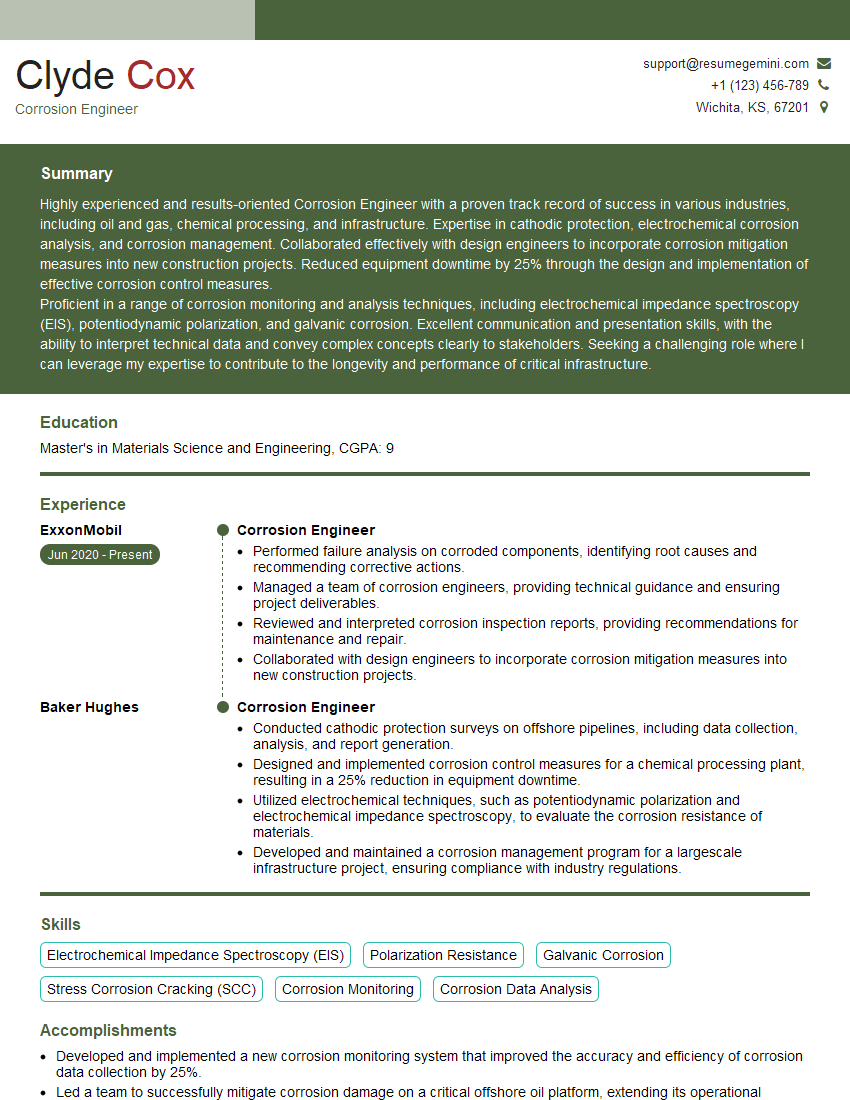
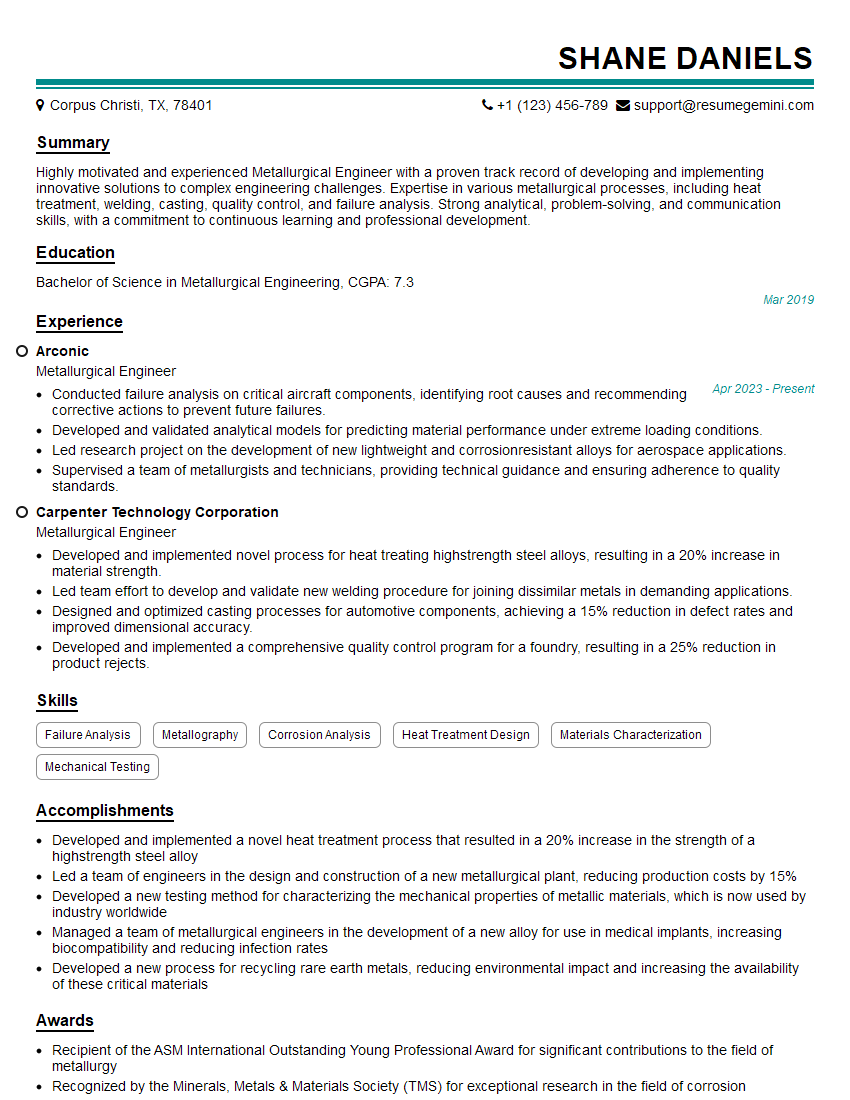
ResumeGemini can help you craft a compelling resume that highlights your skills and experience effectively. We provide resources and examples specifically tailored to Aerospace Materials Science professionals, helping you present your qualifications in the best possible light. Take the next step towards your dream aerospace career with ResumeGemini – examples of tailored resumes are available.

Explore more articles
Users Rating of Our Blogs
Share Your Experience
We value your feedback! Please rate our content and share your thoughts (optional).
What Readers Say About Our Blog
Really detailed insights and content, thank you for writing this detailed article.
IT gave me an insight and words to use and be able to think of examples