Feeling uncertain about what to expect in your upcoming interview? We’ve got you covered! This blog highlights the most important Carpet and upholstery shampooing interview questions and provides actionable advice to help you stand out as the ideal candidate. Let’s pave the way for your success.
Questions Asked in Carpet and upholstery shampooing Interview
Q 1. What types of carpet fibers are most susceptible to staining?
Natural fibers like wool and silk are more susceptible to staining than synthetics like nylon or polyester. This is because their porous structure allows spills to penetrate deeper, making them harder to remove. Think of it like this: wool is like a sponge, readily absorbing liquids, while nylon is more like a raincoat, repelling liquids initially.
- Wool: Its protein-based structure is easily damaged by many cleaning agents, making stain removal more challenging and potentially causing shrinkage or discoloration if not handled delicately.
- Silk: Delicate and prone to damage from harsh chemicals or excessive scrubbing. Stains set quickly, requiring prompt attention.
- Cotton: While generally more durable than wool or silk, cotton can also stain easily, especially if left untreated for extended periods.
Conversely, synthetic fibers like nylon and olefin are more resistant to staining due to their tightly woven structures and inherent stain-resistance treatments often applied during manufacturing. However, even these fibers can be stained if the stain sits for a prolonged period.
Q 2. Explain the difference between hot water extraction and dry cleaning methods.
Hot water extraction, also known as steam cleaning, uses pressurized hot water to lift dirt and grime from carpets and upholstery. It’s very effective for deep cleaning, removing embedded soil. Imagine using a powerful showerhead to blast away dirt deeply embedded in the fibers. The process typically involves injecting hot water and cleaning solution into the carpet, then immediately extracting the dirty water with a powerful vacuum.
Dry cleaning, on the other hand, uses a solvent-based cleaning solution that doesn’t require significant water. This is a milder approach suitable for delicate fabrics or where water damage is a concern. Think of it like spot-cleaning a delicate garment using a special dry cleaner’s solution. It’s often used for upholstery cleaning and spot cleaning of carpets, and is less effective at removing deeply embedded dirt.
The choice depends heavily on the fabric type, the level of soiling, and the potential for water damage. For heavily soiled carpets, hot water extraction is preferred. For delicate upholstery or situations where rapid drying time is crucial, dry cleaning is a better option.
Q 3. Describe your experience with various carpet cleaning chemicals and their applications.
My experience encompasses a wide range of carpet and upholstery cleaning chemicals, including enzyme-based cleaners for pet stains, deodorizers, pre-spot treatments for specific stains (like oil-based stains requiring a solvent-based pre-treatment), and pH-neutral detergents for general cleaning. I always prioritize environmentally friendly, low-toxicity products whenever possible.
For example, enzyme cleaners are essential for breaking down organic matter like pet urine and feces, preventing odor recurrence. These work by containing beneficial bacteria that consume the organic material. I’ve also used specialized pre-treatments for specific stains, such as red wine which often require a specialized stain remover before general cleaning. The choice depends on the type of stain, fabric type, and level of soiling.
Selecting the right chemical is critical. Using an alkaline cleaner on a delicate fabric could damage the fibers, and using an incorrect pre-treatment may set a stain, making it harder to remove. I always perform a test in an inconspicuous area before applying any chemical to the entire surface to check for colorfastness and potential damage.
Q 4. How do you determine the appropriate cleaning solution for different upholstery fabrics?
Determining the appropriate cleaning solution for upholstery fabrics requires careful consideration of the fabric type. Always check the manufacturer’s cleaning code (usually found on a label) which provides guidelines. Codes typically range from W (water-based cleaning only), S (solvent-based cleaning only), WS (both water and solvent-based cleaning), or X (vacuum only).
For example:
- W (Water-based cleaning): A mild, pH-neutral detergent diluted in water is generally safe.
- S (Solvent-based cleaning): Requires a professional-grade solvent designed for upholstery cleaning.
- WS (Both water and solvent): Offers more flexibility in cleaning solutions.
- X (Vacuum only): Only vacuum cleaning is recommended to avoid damage.
Ignoring these codes can result in fabric damage or discoloration. When in doubt, it’s best to err on the side of caution and use a milder cleaning solution or consult a professional upholstery cleaner.
Q 5. What safety precautions do you take when handling cleaning chemicals?
Safety is paramount when handling cleaning chemicals. My precautions include:
- Always wear appropriate personal protective equipment (PPE): This includes gloves, eye protection, and a respirator, especially when dealing with strong chemicals or potential aerosolization.
- Work in a well-ventilated area: Good ventilation minimizes inhalation of chemical fumes.
- Proper dilution and mixing: Always follow the manufacturer’s instructions for dilution and mixing to ensure safety and effectiveness.
- Proper disposal of chemicals: Dispose of used cleaning solutions and other waste materials according to local regulations.
- Storing chemicals safely: Store chemicals in their original containers in a cool, dry, and secure location, out of reach of children and pets.
I always prioritize safety procedures, as neglecting them can lead to serious health problems such as skin irritation, respiratory issues, or eye damage.
Q 6. How do you identify and treat different types of stains (e.g., wine, pet urine, oil)?
Identifying and treating different stains requires a systematic approach. I generally follow a protocol based on stain type:
- Wine: Blot immediately with a clean cloth. Avoid rubbing. Apply a suitable stain remover (often enzyme-based or a specialized wine stain remover). Depending on the fabric, hot water extraction or dry cleaning may be needed.
- Pet Urine: Blot immediately and use an enzymatic cleaner to break down the uric acid crystals, which are the source of odor. Thorough rinsing and drying are essential to prevent odor recurrence. May require professional cleaning for embedded stains.
- Oil-based stains (grease, oil): These require a solvent-based pre-treatment to break down the oil. Blot excess oil, then apply a suitable solvent pre-treatment before proceeding with the main cleaning method.
The key is immediate action. The longer a stain sits, the more difficult it is to remove. For stubborn stains, or when unsure of the best approach, professional assistance may be necessary. Always test any cleaning solution on an inconspicuous area first.
Q 7. Explain your process for pre-treating stains before shampooing.
Pre-treating stains is crucial for effective cleaning. It involves applying a specific solution directly to the stain before shampooing. This helps break down the stain and makes it easier to remove during the main cleaning process.
My process usually includes:
- Identify the stain: Knowing the type of stain is the first step. This informs the choice of pre-treatment.
- Blot (don’t rub): Gently blot up excess liquid with a clean, absorbent cloth or paper towel. Rubbing can spread the stain.
- Apply pre-treatment: Use a suitable pre-treatment solution (enzyme cleaner for organic stains, solvent-based cleaner for oil stains, etc.). Follow the manufacturer’s instructions carefully.
- Allow dwell time: Let the pre-treatment sit for the recommended time to allow it to work.
- Blot again: After the dwell time, gently blot again to lift the loosened stain.
Pre-treating allows a more effective overall clean, saving time and resources in the long run. It significantly improves the chance of completely removing the stain.
Q 8. Describe your experience with various carpet cleaning equipment (e.g., extractors, rotary machines).
My experience with carpet cleaning equipment spans over a decade, encompassing a wide range of machinery. I’m proficient with both hot water extraction (or steam cleaning) machines – commonly known as extractors – and rotary cleaning machines. Extractors use powerful suction to remove both water and dirt, crucial for deep cleaning. I’ve worked with various models, from portable units ideal for smaller spaces to larger, truck-mounted machines offering superior cleaning power for extensive areas. Rotary machines, on the other hand, utilize rotating brushes to agitate carpets and loosen embedded dirt. These are particularly effective for tackling high-traffic areas and removing ingrained stains. I’ve used both single-brush and counter-rotating brush machines, and I understand the nuances of each in terms of cleaning effectiveness and the type of carpet they’re best suited for. For example, I’d choose an extractor for a plush carpet and a rotary machine for a Berber carpet with embedded soil.
My expertise also extends to the use of specialized attachments like upholstery tools for extractors and various brushes for rotary machines, allowing me to customize my approach based on the specific material and cleaning needs. I understand the importance of proper water pressure and solution strength for optimal results and to avoid damaging the carpet fibers.
Q 9. How do you maintain and troubleshoot carpet cleaning equipment?
Maintaining and troubleshooting carpet cleaning equipment is paramount to ensuring both its longevity and the quality of the cleaning service. This involves regular inspections, preventative maintenance, and prompt addressing of any issues. For extractors, I regularly check the water levels, solution tanks, vacuum hoses for blockages, and the overall condition of the pumps and motors. I meticulously clean and dry all components after each use to prevent the buildup of dirt and grime that can impede performance. Similarly, rotary machines require regular brush inspections and cleaning. I check for worn-out or damaged brushes and replace them as needed to maintain consistent cleaning power and avoid any potential damage to the carpet.
Troubleshooting involves systematically identifying and rectifying issues. For instance, if an extractor isn’t generating sufficient suction, I check for clogged hoses, a full waste tank, or problems with the vacuum pump. If a rotary machine isn’t spinning correctly, I’d check for broken belts or electrical issues. I’m always up-to-date on the latest models and understand the specifics of each machine I use, enabling efficient troubleshooting and repairs.
Q 10. What are the common problems encountered during carpet and upholstery cleaning?
Common problems encountered during carpet and upholstery cleaning are varied and often depend on factors like the type of soiling, the material of the carpet or upholstery, and the previous cleaning history. Some frequent issues include pet stains and odors, wine spills, ingrained dirt in high-traffic areas, and water stains. For carpets, color bleeding or fiber damage can occur if incorrect cleaning solutions or techniques are used. For upholstery, fabric stretching or discoloration are potential issues. Dealing with pet urine requires specialized products and techniques due to the nature of the stain and odor. Mold and mildew can also be significant problems, particularly in areas with moisture issues. I have experience in identifying the underlying cause of staining and finding the most effective way to remedy it.
Q 11. How do you handle customer complaints or concerns about cleaning results?
Handling customer complaints or concerns regarding cleaning results is a crucial part of my job. I always approach these situations with empathy and professionalism. The first step is to listen carefully to the client’s concerns and understand their perspective. Then, I conduct a thorough inspection of the affected area to assess the situation and identify the problem. This might involve checking for areas that weren’t adequately cleaned, assessing if the problem pre-existed the cleaning, or considering other potential causes. I document this thoroughly.
Based on my assessment, I propose a solution, which might involve a re-cleaning of the specific area, adjusting the cleaning method for future cleanings, or offering a partial refund depending on the severity of the issue. Transparent communication is key throughout this process, keeping the client informed of the steps I am taking and providing realistic expectations. My aim is always to resolve the issue to the client’s satisfaction and maintain a positive relationship.
Q 12. What is your experience with different types of upholstery fabrics (e.g., leather, microfiber, silk)?
My experience with various upholstery fabrics is extensive. I’m well-versed in the unique characteristics and cleaning requirements of different materials. This includes delicate fabrics like silk and linen, which require gentle, specialized cleaning techniques to avoid damage. I understand the differences in cleaning leather versus microfiber. Leather requires specialized conditioners and cleaning solutions to prevent drying or cracking, while microfiber upholstery may need specific treatments to avoid water spotting. I adapt my techniques and product choices depending on the fabric type, always prioritizing the preservation of the material’s integrity and appearance. For example, I would never use a steam cleaner on silk, instead opting for a more gentle, dry-cleaning method.
Q 13. How do you protect delicate upholstery fabrics during cleaning?
Protecting delicate upholstery fabrics during cleaning is critical. The process starts with careful pre-inspection to identify any existing damage or weak points. Next, I carefully test any cleaning solution on an inconspicuous area to check for colorfastness and potential reactions. I use specialized upholstery tools on my extraction machines and avoid harsh scrubbing. For particularly delicate fabrics, I may employ a dry cleaning approach using specialized solvents rather than water-based cleaning. The use of protective covers under the cleaning area, especially when using moisture-based cleaning, can further prevent damage. For materials such as silk, I often utilize the services of a professional textile cleaner.
I tailor my approach according to the type of fabric. For example, leather might need a specialized conditioner after cleaning to prevent drying. This prevents any lasting damage and assures the client of a safe cleaning service.
Q 14. Describe your experience with odor removal techniques for carpets and upholstery.
Odor removal is a significant aspect of carpet and upholstery cleaning. I utilize a combination of techniques depending on the source and type of odor. For pet odors, enzymatic cleaners are particularly effective as they break down the organic compounds that cause the smell. For smoke odors, I may use ozone generators or specialized deodorizers that neutralize the odor molecules. In some cases, a thorough deep cleaning with an extractor, followed by the application of an odor neutralizer and adequate ventilation can significantly reduce or eliminate unpleasant smells. For persistent odors, I may recommend professional odor removal services that use more advanced techniques.
Proper ventilation is key to accelerating the drying process and preventing the lingering of any moisture-related odors. Understanding the source of the odor is the most critical step in determining the best approach. I might even utilize absorbent materials to draw out excess moisture in extreme cases. In summary, my experience has taught me that success hinges on a combination of knowledge, high-quality products, and well-executed procedures.
Q 15. What are the industry standards and best practices for carpet and upholstery cleaning?
Industry standards for carpet and upholstery cleaning emphasize a multi-step process prioritizing safety and effectiveness. This includes a thorough pre-inspection to identify the type of fibers, stains, and potential damage. We then proceed with pre-treatment of stains, using appropriate solutions based on the material. The main cleaning process often involves hot water extraction (also known as steam cleaning), which is highly effective at removing dirt and grime. Post-cleaning, we ensure proper drying, and often use specialized equipment like air movers to speed up the process and prevent mildew growth. Finally, a post-inspection is crucial to confirm the quality of the cleaning and identify any areas that may need further attention. Best practices also incorporate the use of environmentally friendly cleaning solutions and proper disposal of waste materials.
- Pre-Inspection: This step is vital to tailor the cleaning approach and prevent damage. For example, delicate fabrics require a gentler approach than durable nylon carpets.
- Pre-Treatment: This focuses on stubborn stains. Different stains respond differently; an oily stain requires a different treatment than a coffee stain.
- Hot Water Extraction: This method uses high-pressure water to flush out dirt trapped within the fibers, delivering excellent cleaning results.
- Post-Cleaning Inspection: Checks for any remaining stains or issues that need attention. This ensures client satisfaction and professional standards.
Career Expert Tips:
- Ace those interviews! Prepare effectively by reviewing the Top 50 Most Common Interview Questions on ResumeGemini.
- Navigate your job search with confidence! Explore a wide range of Career Tips on ResumeGemini. Learn about common challenges and recommendations to overcome them.
- Craft the perfect resume! Master the Art of Resume Writing with ResumeGemini’s guide. Showcase your unique qualifications and achievements effectively.
- Don’t miss out on holiday savings! Build your dream resume with ResumeGemini’s ATS optimized templates.
Q 16. What is your understanding of the different types of cleaning solutions (e.g., pH levels, enzymatic cleaners)?
Cleaning solutions play a crucial role in carpet and upholstery cleaning, each having unique properties. The pH level is critical; neutral pH solutions (around 7) are generally safer for most fabrics. Highly acidic or alkaline solutions can damage fibers. Enzymatic cleaners are a fantastic choice for organic stains like pet urine or blood; their biological enzymes break down stain molecules, lifting them from the fibers. Other solutions focus on removing specific types of soil like grease or dirt. We often use a combination of solutions to maximize cleaning efficacy.
- Neutral pH Cleaners: Ideal for general cleaning, minimizing the risk of damage.
- Enzymatic Cleaners: Specifically designed to break down organic matter.
- Degreasers: Effective in removing oily stains and grease.
For example, a pet accident requires a strong enzymatic cleaner followed by a neutral rinse. A greasy food stain might need a pre-treatment with a degreaser before hot water extraction.
Q 17. How do you determine the appropriate drying time for different types of carpets and upholstery?
Drying time depends heavily on factors such as fiber type, humidity, and room temperature. Thick, plush carpets take significantly longer to dry than thin, low-pile carpets. Similarly, high humidity slows drying significantly. We assess these factors during the pre-inspection. For example, nylon dries faster than wool. We use specialized equipment like air movers to accelerate drying, especially in large-scale projects. To ensure proper drying and prevent mold/mildew, it is often necessary to open windows and increase air circulation. Proper ventilation and potentially using dehumidifiers are also critical factors in faster and healthier drying.
A typical drying time range could be from 4-12 hours or more for plush carpeting. However, we always inform our clients and provide an estimate based on our assessment, ensuring they are aware of the drying timeline.
Q 18. How do you prevent damage to carpets and upholstery during the cleaning process?
Preventing damage is a top priority. This begins with the pre-inspection – identifying delicate fabrics and areas requiring extra caution. We always test cleaning solutions on a hidden area first to check for colorfastness and material reaction. We avoid over-wetting, which can lead to shrinkage, mold growth, or damage to the padding. Using the appropriate cleaning equipment for the fiber type is vital. For example, aggressive scrubbing on delicate fabrics like silk can easily cause damage. Our team is rigorously trained to recognize potential damage and adjust their techniques as needed.
One instance of this was cleaning an antique Persian rug. We carefully selected a specialized, pH-neutral solution and used gentle techniques to avoid damaging the delicate fibers. The result was a beautifully cleaned rug without any damage.
Q 19. What is your experience with water damage restoration in relation to carpets and upholstery?
Water damage restoration is a critical aspect of our service, often requiring specialized techniques. Immediate action is key; the faster we can extract the water, the less damage occurs. This involves using powerful extraction equipment to remove as much water as possible. We then use industrial-strength air movers and dehumidifiers to speed up the drying process. In severe cases, we may need to remove and replace damaged sections of carpet or padding to prevent mold and mildew growth. We also address any underlying issues, like leaky pipes, which may have caused the damage in the first place. Antimicrobial treatments are often used to prevent future mold or bacteria growth.
A recent incident involved a burst pipe flooding a client’s living room. We acted quickly, extracting the water, drying the area thoroughly, and utilizing antimicrobial treatments to prevent future issues. The client was incredibly relieved.
Q 20. How do you handle large-scale cleaning projects (e.g., commercial buildings, hotels)?
Large-scale projects demand meticulous planning and coordination. We start with a comprehensive site survey to understand the scope of work, including carpet and upholstery types, square footage, and accessibility. We then develop a detailed cleaning plan, including equipment needs, personnel allocation, and timelines. Effective communication with clients and building management is essential to minimize disruption. We often utilize specialized equipment like industrial-sized extractors and air movers to expedite the process. We may also employ a team of experienced technicians to work efficiently and effectively. Post-cleaning inspections are crucial to ensure quality and identify any areas requiring further attention.
For a recent hotel project, we carefully scheduled our work to minimize disruption to guests, worked in shifts, and ensured all areas were thoroughly inspected before checkout.
Q 21. What is your understanding of health and safety regulations in the cleaning industry?
Health and safety are paramount. We strictly adhere to all relevant OSHA (Occupational Safety and Health Administration) guidelines, including the use of appropriate personal protective equipment (PPE) like gloves, eye protection, and respirators. We properly label and store all cleaning solutions to prevent accidents. We’re trained in handling hazardous materials, and we ensure proper disposal of waste. We also provide detailed safety briefings to all our employees and encourage a safety-first culture. Regular equipment maintenance is essential to minimize risks, ensuring all our tools are in good working condition.
This includes ensuring our equipment is regularly serviced and our staff is well-trained on proper handling procedures.
Q 22. Explain your experience with scheduling and managing cleaning appointments.
Scheduling and managing cleaning appointments is crucial for efficiency and client satisfaction. My approach involves using a combination of digital calendar tools and a detailed appointment book. I prioritize clear communication with clients, confirming appointments via email or phone call, and sending reminders as needed. I also factor in travel time between appointments and potential delays to ensure punctuality. For example, I recently managed a week of back-to-back appointments with minimal downtime by strategically grouping locations in close proximity. This ensures optimized routes and timely service for every client. My system allows for easy rescheduling and accommodates unexpected circumstances, maintaining a smooth workflow.
- Utilizing digital calendar applications (e.g., Google Calendar, Outlook Calendar) for scheduling and reminders.
- Maintaining a physical appointment book as a backup and for quick reference.
- Confirming appointments with clients via phone calls or emails to minimize no-shows.
- Building buffer time into the schedule to accommodate unexpected delays or traffic.
Q 23. How do you maintain a professional and courteous demeanor while interacting with clients?
Maintaining a professional and courteous demeanor is paramount. I believe in treating every client with respect and understanding. This starts with prompt and polite communication, addressing them by name and actively listening to their concerns. I always present myself neatly and professionally, arriving on time with all necessary equipment. For instance, if a client expresses anxiety about a pet’s reaction to the cleaning process, I calmly reassure them and take extra precautions to ensure both their pet and the furnishings are safe. I offer explanations of the cleaning process in clear, easy-to-understand terms and answer any questions thoroughly. Post-cleaning, I follow up with a thank-you and ensure they are fully satisfied with the service.
Q 24. What are your methods for ensuring the quality of your cleaning services?
Quality cleaning hinges on several key factors. First, I use only high-quality, professional-grade cleaning solutions designed for carpet and upholstery, carefully chosen to be effective yet safe for different fabric types and colors. Second, my process involves thorough pre-inspection to identify stains, damage, and specific fabric requirements. This informs the selection of appropriate cleaning methods and prevents potential damage. Third, I follow a meticulous cleaning process – pre-vacuuming to remove loose debris, applying the cleaning solution and gently agitating to loosen embedded dirt, and then thoroughly extracting the soiled solution. Finally, I perform a post-cleaning inspection to ensure that the results meet the highest standards. If necessary, I’ll address any areas requiring further attention. Think of it like baking a cake; you need the right ingredients (cleaning solutions), the correct method (cleaning process), and attention to detail to achieve a perfect result.
Q 25. Describe your experience with providing post-cleaning maintenance instructions to clients.
Providing post-cleaning maintenance instructions is vital for preserving the results and ensuring client satisfaction. After completing each cleaning, I offer detailed verbal instructions and provide a written summary detailing important care tips specific to their furniture and carpet type. This includes information on vacuuming frequency, stain treatment, and avoiding harsh chemicals. I also advise on appropriate traffic management and the use of protective layers to prevent future staining. For example, I may recommend using furniture protectors or area rugs in high-traffic areas. This proactive approach extends the life of their upholstery and carpets and prevents future cleaning needs. Clients appreciate this level of care and attention to detail.
Q 26. How do you handle emergency cleaning situations (e.g., unexpected spills, accidents)?
Handling emergency cleaning situations requires quick thinking and adaptability. My immediate response involves assessing the situation, determining the nature of the spill or accident, and quickly implementing appropriate mitigation strategies. If it’s a fresh spill, I immediately begin spot cleaning using appropriate solutions to prevent it from setting. For example, I know that blotting, rather than rubbing, is key to removing most spills. In situations requiring immediate professional intervention (e.g., significant water damage), I will advise the client and provide recommendations for further action, possibly contacting restoration specialists. My goal is always damage limitation and client reassurance.
Q 27. What are your strengths and weaknesses related to carpet and upholstery cleaning?
My strengths include meticulous attention to detail, proficiency in handling various carpet and upholstery types, and excellent communication skills. I am adept at identifying and treating various stains and soil types. I pride myself on providing a consistently high level of cleaning and customer service. My weakness, if I must choose one, is sometimes struggling to say “no” to additional work, particularly when facing urgent requests. I am actively working on improving my time management and prioritizing tasks to better balance workload and prevent burnout.
Q 28. What are your salary expectations for this position?
My salary expectations are competitive with the industry standard for experienced carpet and upholstery cleaners in this region, considering my experience and skillset. I am open to discussing a compensation package that fairly reflects my contributions and the value I bring to the organization. I am more interested in a position offering growth opportunities and benefits package than solely focusing on a base salary.
Key Topics to Learn for Carpet and Upholstery Shampooing Interviews
- Understanding Fiber Types: Learn to identify different carpet and upholstery fibers (nylon, wool, polyester, etc.) and how their properties affect cleaning methods and product selection.
- Stain Removal Techniques: Master various stain removal techniques for common household spills (wine, coffee, pet stains) using appropriate pre-treatments and cleaning solutions.
- Equipment Operation and Maintenance: Gain proficiency in operating and maintaining various cleaning equipment, including portable extractors, rotary machines, and hand tools. Understand safety protocols and preventative maintenance.
- Cleaning Solutions and Chemistry: Understand the chemistry of cleaning solutions, including pH levels, and how to select the appropriate solution for different fabrics and stains. Learn about environmentally friendly options.
- Pre-Inspection and Assessment: Develop skills in thoroughly inspecting carpets and upholstery before cleaning to identify potential issues, damage, and areas requiring special attention. This includes identifying the type of soiling and its severity.
- Post-Cleaning Procedures: Learn about proper drying techniques, including the use of air movers and dehumidifiers, to prevent mold and mildew growth. Understand how to ensure customer satisfaction post-cleaning.
- Health and Safety: Familiarize yourself with workplace safety procedures, handling of chemicals, and personal protective equipment (PPE) to maintain a safe working environment.
- Customer Service and Communication: Understand the importance of excellent customer service skills, including effective communication, problem-solving, and addressing customer concerns.
- Pricing and Estimating: Develop skills in accurately estimating the cost of cleaning jobs based on factors such as size, type of fabric, and level of soiling.
Next Steps
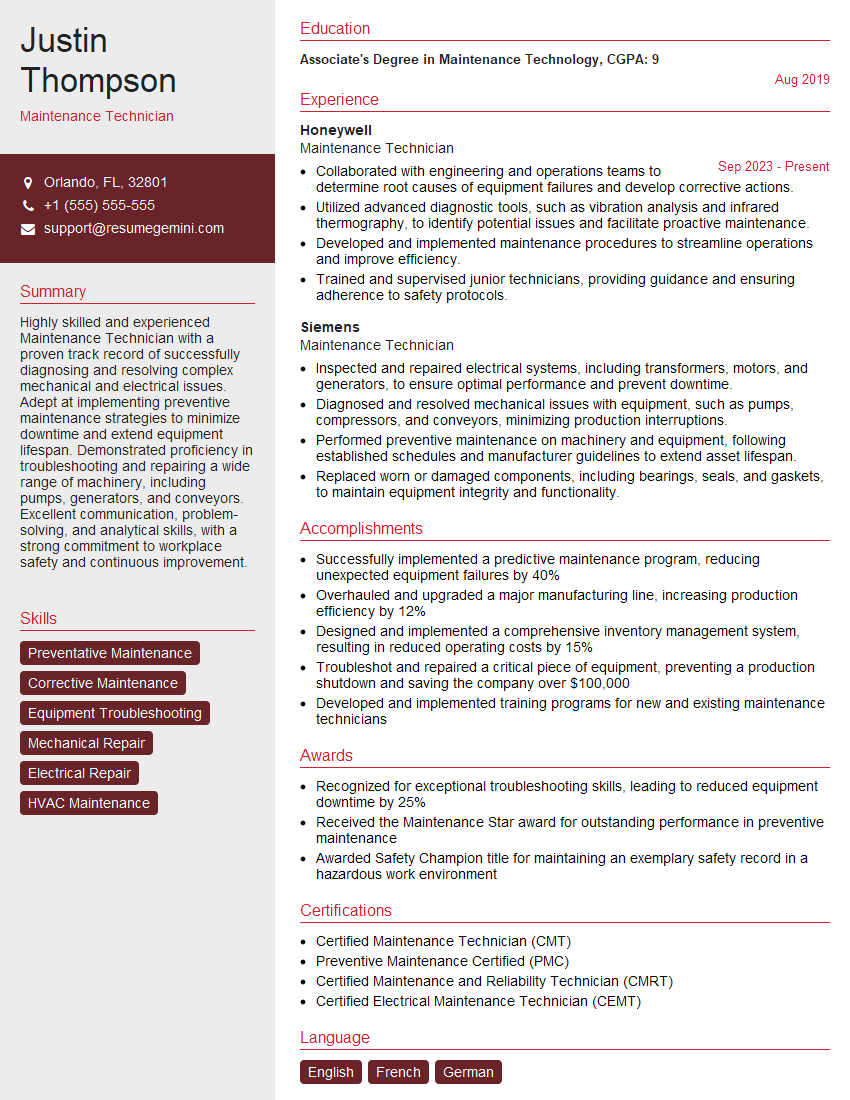
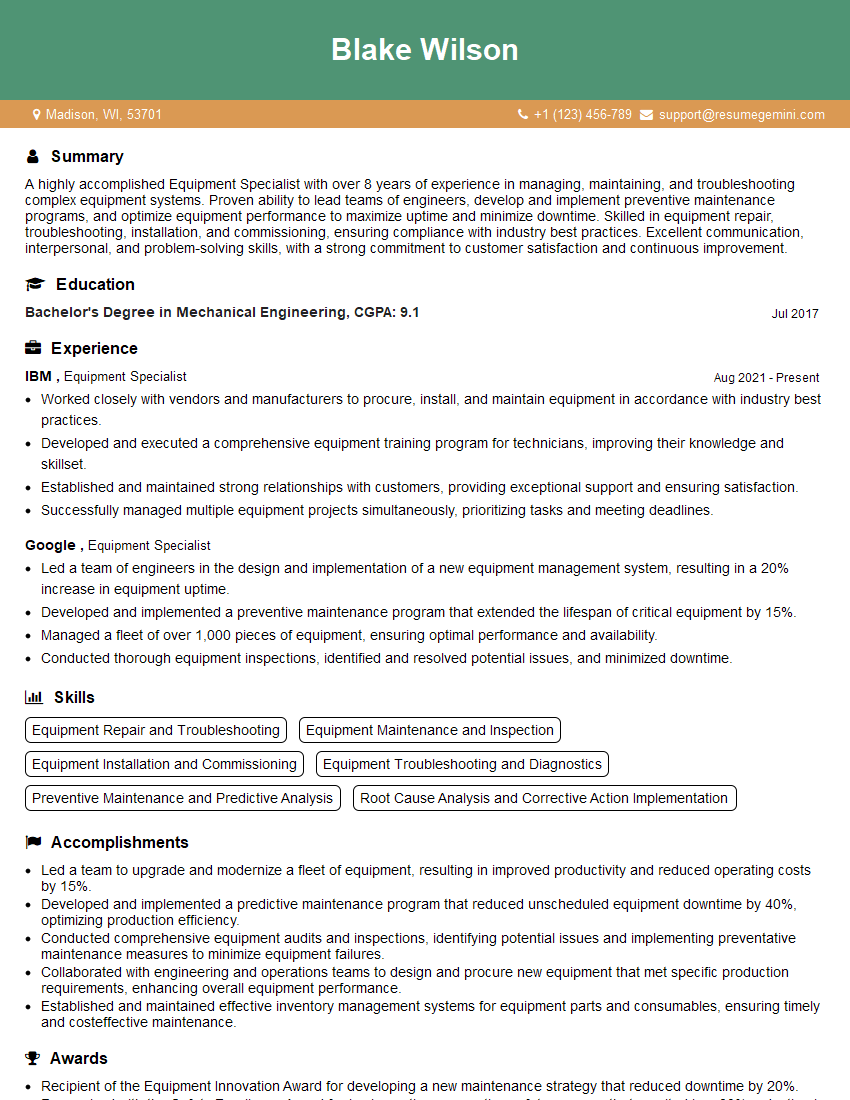
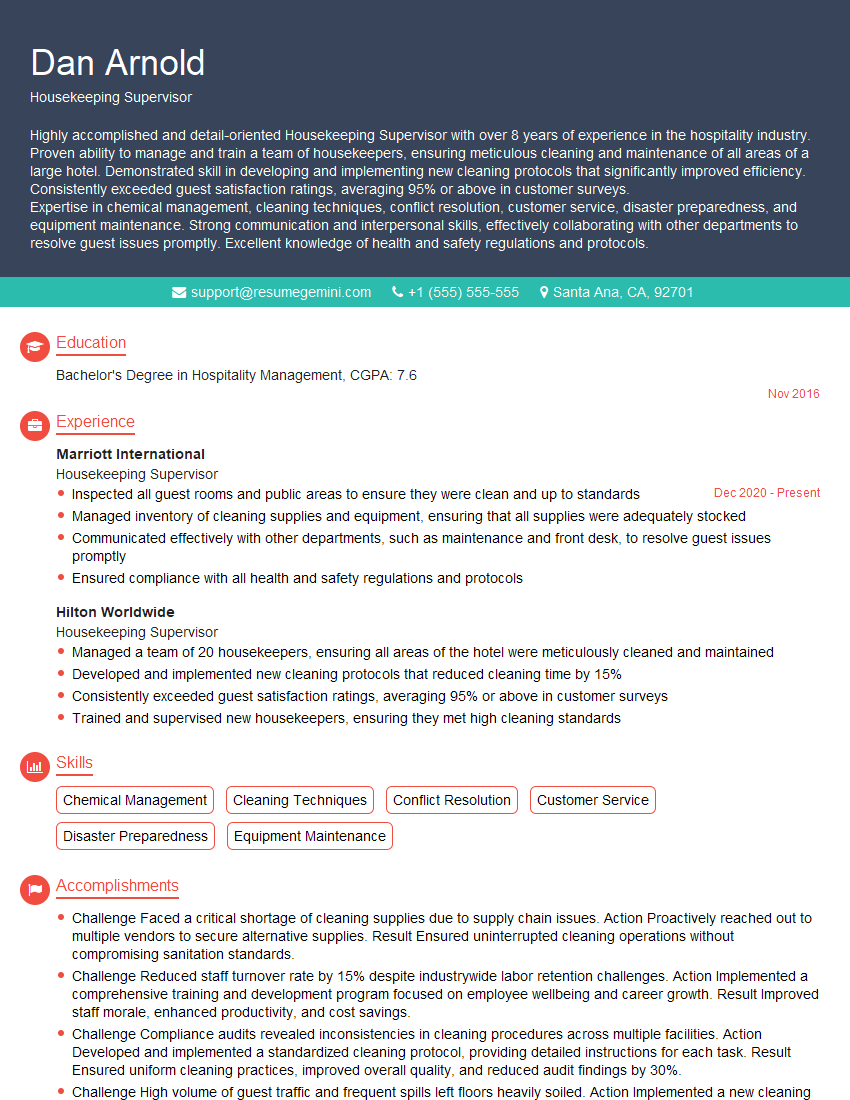
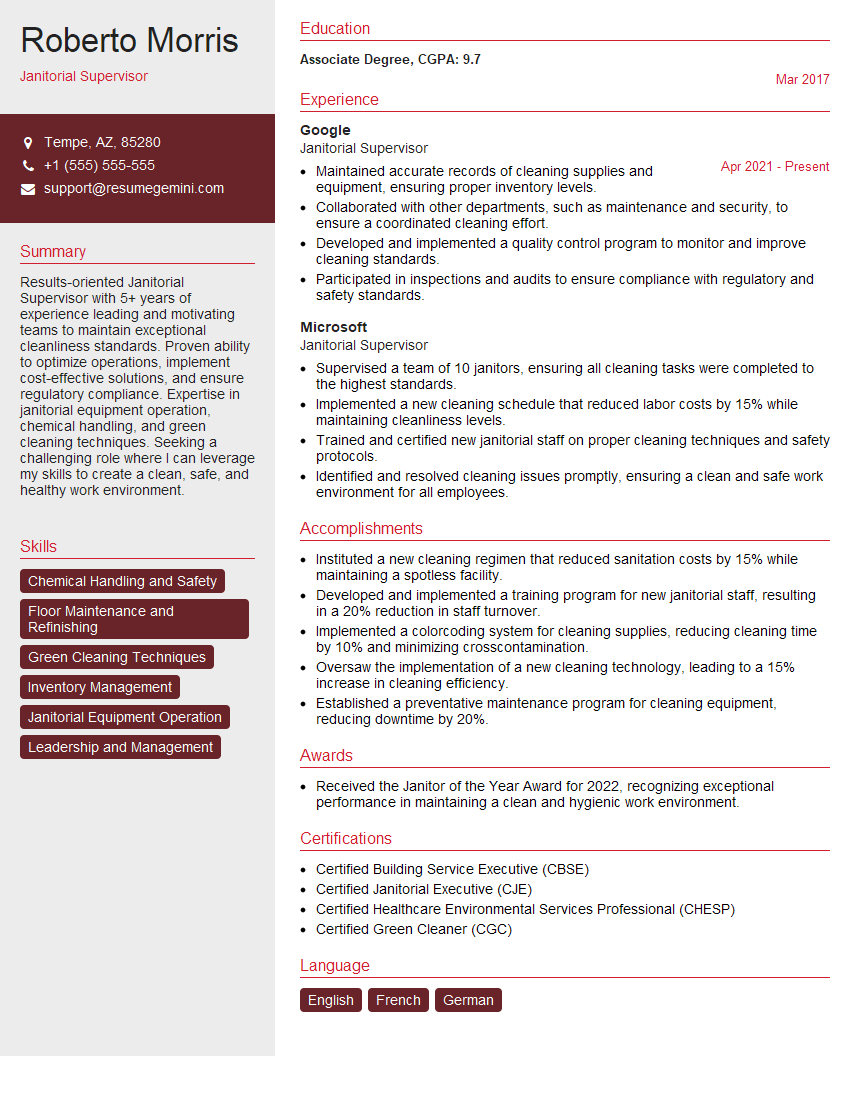
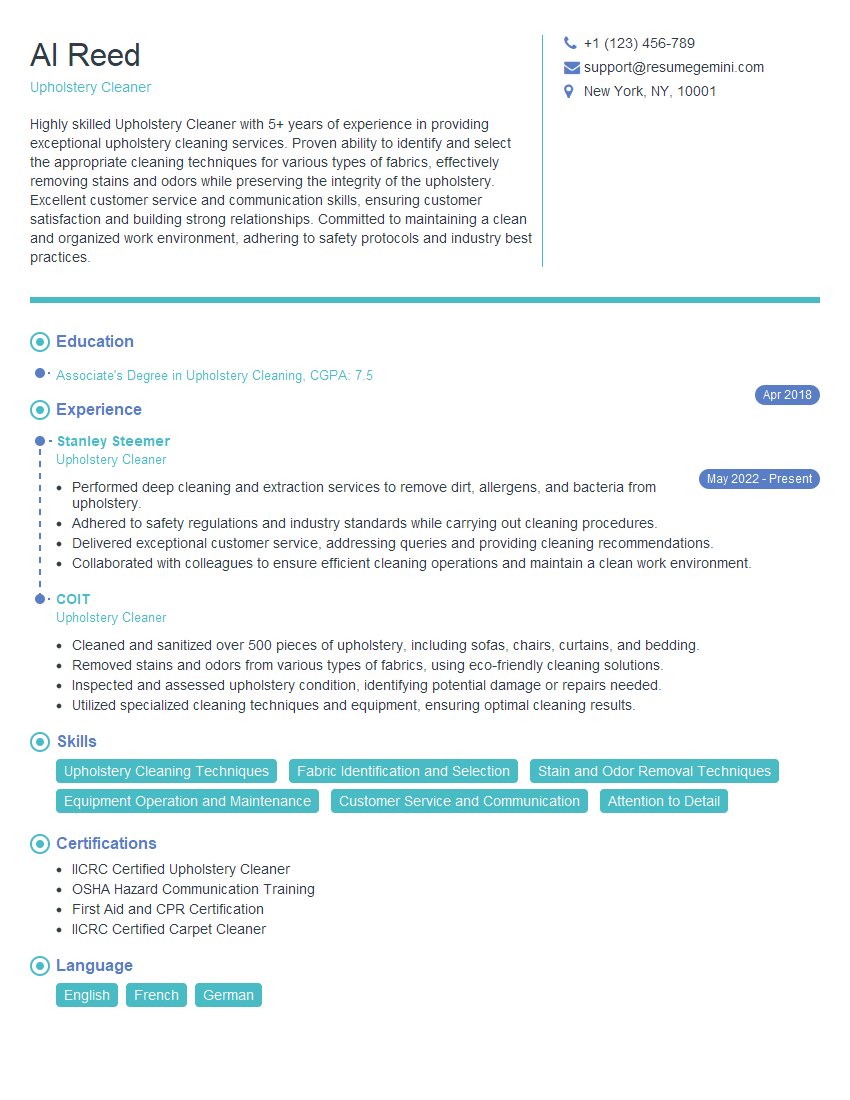
Mastering carpet and upholstery shampooing techniques opens doors to a rewarding career with excellent earning potential and opportunities for growth. A strong resume is crucial for showcasing your skills and experience to potential employers. Creating an ATS-friendly resume significantly increases your chances of getting noticed by recruiters. ResumeGemini is a trusted resource to help you build a professional and impactful resume tailored to the specific demands of this industry. Examples of resumes tailored to carpet and upholstery shampooing are provided to help guide you.



Explore more articles
Users Rating of Our Blogs
Share Your Experience
We value your feedback! Please rate our content and share your thoughts (optional).
What Readers Say About Our Blog
Really detailed insights and content, thank you for writing this detailed article.
IT gave me an insight and words to use and be able to think of examples