Interviews are opportunities to demonstrate your expertise, and this guide is here to help you shine. Explore the essential Veterinary Terminology Proficiency interview questions that employers frequently ask, paired with strategies for crafting responses that set you apart from the competition.
Questions Asked in Veterinary Terminology Proficiency Interview
Q 1. Define ‘pyrexia’.
Pyrexia simply means fever. It’s a clinical sign indicating an elevated body temperature above the normal range for a particular animal species. This elevation is usually a result of the body’s response to infection, inflammation, or other underlying conditions. For instance, a dog with a bacterial infection might present with pyrexia, and measuring its temperature would confirm this clinical sign. The severity of the pyrexia can vary and often reflects the severity of the underlying issue. Veterinarians rely on accurate temperature readings to assess the patient’s condition and guide treatment decisions.
Q 2. What is the meaning of ‘dyspnea’?
Dyspnea refers to difficulty breathing or shortness of breath. It’s a subjective clinical sign, meaning it relies on observation of the animal’s respiratory effort. Animals experiencing dyspnea may exhibit labored breathing, increased respiratory rate, open-mouth breathing, or even cyanosis (bluish discoloration of the mucous membranes due to low oxygen levels). Causes of dyspnea can range from simple conditions like mild upper respiratory infections to serious conditions like heart failure or pneumonia. A veterinarian will investigate the cause of dyspnea through physical examination, diagnostic tests, and a thorough patient history.
Q 3. Explain the difference between ‘tachycardia’ and ‘bradycardia’.
Both tachycardia and bradycardia relate to the heart rate, but they describe opposite conditions. Tachycardia is an abnormally fast heart rate, while bradycardia is an abnormally slow heart rate. The normal heart rate varies significantly across species and even within individuals based on factors like age, activity, and underlying health. For example, a small dog with tachycardia might have a heart rate of 200 beats per minute, while a large breed dog might exhibit bradycardia with a rate of 40 bpm. Both conditions can indicate underlying medical issues requiring immediate attention and veterinary assessment.
Q 4. What does ‘hepatomegaly’ indicate?
Hepatomegaly means enlargement of the liver. It’s not a disease itself but rather a clinical finding that indicates a problem with the liver. Numerous conditions can cause hepatomegaly, including liver disease, heart failure (causing congestion), certain cancers, and infections. Veterinarians might detect hepatomegaly during a physical examination by palpating an enlarged liver, or through imaging techniques like ultrasound. Further investigations are then necessary to determine the underlying cause and appropriate treatment.
Q 5. Define ‘nephritis’.
Nephritis refers to inflammation of the kidneys. This inflammation can be caused by various factors, including infections (bacterial or viral), autoimmune diseases, toxins, and certain medications. Symptoms of nephritis can vary depending on the severity and cause but may include changes in urination (frequency, volume, appearance), lethargy, and loss of appetite. Diagnosis involves blood and urine tests to assess kidney function and identify the underlying cause. Treatment depends on the underlying condition and may involve medications, dietary changes, or supportive care.
Q 6. What is the meaning of ‘anesthesia’?
Anesthesia refers to the loss of sensation or feeling. In veterinary medicine, it commonly refers to the induced state of unconsciousness used during surgical procedures or other painful procedures. Different types of anesthesia exist, ranging from local anesthesia (affecting a small, localized area) to general anesthesia (affecting the entire body, inducing unconsciousness). Careful monitoring and skillful administration by trained veterinary professionals are crucial to ensure patient safety and a smooth recovery.
Q 7. Explain the difference between ‘prognosis’ and ‘diagnosis’.
Diagnosis is the identification of a disease or condition through evaluation of symptoms, physical examination, and diagnostic testing. It answers the question: “What is wrong with the patient?” Prognosis, on the other hand, is the prediction of the likely course and outcome of a disease or condition. It answers the question: “What is the likely outcome, given the current diagnosis and treatment?” For example, a veterinarian might diagnose a dog with hip dysplasia, and the prognosis might be that with appropriate management (e.g., weight control, medication), the dog can maintain a good quality of life, but complete recovery is unlikely.
Q 8. What does ‘cephalic’ refer to in veterinary anatomy?
In veterinary anatomy, ‘cephalic’ refers to the head or head end of the body. Think of it as the ‘cranial’ region, but ‘cephalic’ is often used more broadly to describe structures or locations related to the head.
For example, the cephalic vein is a superficial vein located on the front leg of many animals, running along the cephalic aspect (the side closest to the head) of the limb. Knowing this term is crucial for venipuncture (drawing blood) as it’s a common site for obtaining blood samples.
Another example: A veterinarian might describe a wound as being located on the cephalic aspect of the skull, indicating its position near the head.
Q 9. Define ‘lateral recumbency’.
‘Lateral recumbency’ describes the position of an animal lying on its side. ‘Lateral’ means sideways, and ‘recumbency’ refers to the act of lying down. Therefore, an animal in lateral recumbency is lying on either its right or left side.
This position is frequently used during physical examinations, surgeries, and certain medical procedures. For example, a veterinarian might place a dog in right lateral recumbency to auscultate the heart more easily, or a cat in left lateral recumbency for abdominal ultrasound.
Understanding lateral recumbency is essential for veterinary technicians and assistants to correctly position animals for various procedures, ensuring patient comfort and the success of the procedure.
Q 10. What is the meaning of ‘auscultation’?
‘Auscultation’ is the process of listening to the internal sounds of the body using a stethoscope. It’s a fundamental diagnostic technique in veterinary medicine, providing valuable information about the health of various organs and systems.
Veterinarians use auscultation to assess heart rate and rhythm, lung sounds (identifying wheezing, crackles, or other abnormalities), and bowel sounds (checking for motility and potential obstructions). Abnormal sounds can be indicative of various conditions requiring further investigation.
Imagine trying to listen to a dog’s heartbeat without a stethoscope – impossible! The stethoscope amplifies the sounds, allowing for precise evaluation of heart murmurs, irregular rhythms or other subtle yet crucial clues.
Q 11. Explain the term ‘palpation’.
‘Palpation’ is the method of examining the body using touch. It involves feeling the tissues and organs to assess their size, texture, consistency, and the presence of any abnormalities such as masses, pain, or swelling.
Veterinarians routinely use palpation to assess the abdomen for tenderness or enlarged organs, to check lymph nodes for swelling, and to feel the pulse in various locations on an animal’s body. It also helps assess muscle tone and hydration status.
For example, feeling a distended bladder during palpation can indicate urinary retention. The gentle, yet systematic approach used for palpation allows the veterinarian to detect subtle changes and potential problems.
Q 12. What does ‘cyanosis’ indicate?
‘Cyanosis’ refers to a bluish discoloration of the skin, mucous membranes (like gums), and nail beds, which results from a deficiency of oxygen in the blood. It’s a significant clinical sign indicating a serious underlying problem and requires immediate attention.
Cyanosis is often associated with respiratory distress, circulatory shock, or heart conditions that impair oxygen delivery to the tissues. For instance, a dog struggling to breathe and showing blue gums is exhibiting cyanosis and needs emergency veterinary care.
Recognizing cyanosis is crucial because it represents a critical decrease in blood oxygen saturation, which can lead to organ damage and death if not addressed promptly.
Q 13. Define ‘hypotension’.
‘Hypotension’ is abnormally low blood pressure. Blood pressure is the force of blood against the walls of the arteries, and hypotension signifies an inadequate blood flow to the body’s tissues and organs.
Hypotension can result from various causes such as blood loss, dehydration, heart failure, or septic shock. It can lead to organ damage and even death if not treated immediately. A veterinarian would likely monitor vital signs and initiate fluid therapy to help restore normal blood pressure.
Imagine a car’s engine lacking sufficient oil pressure; it will quickly malfunction. Similarly, a lack of blood pressure (hypotension) severely compromises the body’s ability to function correctly.
Q 14. What is the meaning of ‘hyperthermia’?
‘Hyperthermia’ is an abnormally high body temperature. It’s often a sign of an underlying medical condition such as infection, heat stroke, or immune system disorders.
Unlike fever, which is a regulated increase in body temperature, hyperthermia signifies a failure of the body’s thermoregulatory mechanisms to maintain a normal temperature. Heat stroke is a classic example of hyperthermia caused by excessive exposure to heat. The veterinarian may need to use cooling methods to reduce the animal’s temperature.
It is critical to recognize hyperthermia and treat the underlying cause. High temperatures can cause significant damage to various organ systems. Think of it like overheating an engine – continued exposure to excessive heat can lead to damage and failure.
Q 15. Explain the term ‘thrombocytopenia’.
Thrombocytopenia is a condition characterized by a lower-than-normal number of platelets in the blood. Platelets are essential for blood clotting; therefore, thrombocytopenia increases the risk of bleeding.
Think of platelets as tiny construction workers repairing damaged blood vessels. In thrombocytopenia, there aren’t enough workers, making it harder to stop bleeding, even from minor cuts. This can manifest as spontaneous bruising (purpura), pinpoint hemorrhages (petechiae), or prolonged bleeding from wounds.
In veterinary practice, we see thrombocytopenia in various scenarios, including immune-mediated diseases (where the body attacks its own platelets), infections, certain cancers, and drug reactions. Diagnosis involves a complete blood count (CBC) which quantifies the platelet count. Treatment depends on the underlying cause and can range from supportive care (managing bleeding) to specific therapies like corticosteroids or blood transfusions.
Career Expert Tips:
- Ace those interviews! Prepare effectively by reviewing the Top 50 Most Common Interview Questions on ResumeGemini.
- Navigate your job search with confidence! Explore a wide range of Career Tips on ResumeGemini. Learn about common challenges and recommendations to overcome them.
- Craft the perfect resume! Master the Art of Resume Writing with ResumeGemini’s guide. Showcase your unique qualifications and achievements effectively.
- Don’t miss out on holiday savings! Build your dream resume with ResumeGemini’s ATS optimized templates.
Q 16. What does ‘leukocytosis’ indicate?
Leukocytosis signifies an elevated white blood cell count. White blood cells are the body’s defense system against infection and disease. An increase suggests the body is fighting an infection or inflammation.
Imagine your immune system as an army. Leukocytosis means the army has been mobilized and is increasing its troop numbers to combat an invader (bacteria, virus, parasite, or even a tumor). Different types of white blood cells increase in response to different threats, helping veterinarians pinpoint the potential cause. For example, a high neutrophil count might suggest a bacterial infection, while a high lymphocyte count could indicate a viral infection.
Veterinarians utilize a complete blood count (CBC) to detect leukocytosis. Further diagnostic tests are often needed to determine the underlying cause of this elevated white blood cell count and to guide appropriate treatment.
Q 17. Define ‘hematuria’.
Hematuria is the presence of blood in the urine. It can range from barely visible (microscopic hematuria) to readily apparent (macroscopic hematuria), making the urine appear reddish or brown.
Imagine the urinary tract as a plumbing system. Hematuria indicates bleeding somewhere along the line—from the kidneys, ureters, bladder, or urethra. The color of the urine can sometimes provide a clue about the location and severity of the bleeding. However, further diagnostic tests, such as urinalysis and imaging, are necessary to determine the cause.
Causes of hematuria in animals are diverse, ranging from urinary tract infections and kidney stones to tumors and trauma. A thorough veterinary examination, including a physical exam and diagnostic testing, is essential for identifying the source of bleeding and developing an appropriate treatment plan.
Q 18. What is the meaning of ‘polydipsia’?
Polydipsia means excessive thirst. Animals with polydipsia drink significantly more water than usual.
Think of it like your body’s way of saying it’s dehydrated. While increased water intake can be perfectly normal after strenuous exercise or in hot weather, persistent polydipsia signals an underlying problem that needs investigation.
In veterinary medicine, polydipsia is often associated with conditions affecting kidney function (renal disease), diabetes mellitus (high blood sugar), and certain hormonal imbalances. A careful history, physical examination, and blood and urine tests are crucial for diagnosing the cause and implementing the appropriate management strategy.
Q 19. Explain the term ‘polyphagia’.
Polyphagia refers to excessive eating or increased appetite. Animals with polyphagia consume much more food than expected for their size, breed, age, and activity level.
Imagine a constantly hungry animal, always looking for food. This increased hunger is often a sign of an underlying metabolic or hormonal disorder.
Common causes of polyphagia in veterinary practice include diabetes mellitus, hyperthyroidism (overactive thyroid), and certain types of tumors. Veterinarians will often perform blood tests and other diagnostic investigations to determine the root cause of the increased appetite and provide appropriate treatment, which may involve dietary adjustments or medication.
Q 20. What does ‘anorexia’ indicate?
Anorexia is a loss of appetite or a refusal to eat. Animals experiencing anorexia may eat little or nothing at all, leading to weight loss and potential health complications.
If your pet normally enjoys mealtime but suddenly loses interest, it’s a cause for concern. Anorexia can be a symptom of many underlying diseases, often indicating a serious problem.
In veterinary medicine, anorexia is a common presenting complaint associated with various conditions, such as gastrointestinal disorders, infections, pain, dental problems, and even psychological stress. Prompt veterinary attention is essential for diagnosing the cause and implementing timely treatment to prevent further health deterioration.
Q 21. Define ‘euthanasia’.
Euthanasia, in a veterinary context, is the act of inducing a humane and painless death to alleviate suffering in an animal with an incurable or debilitating condition. It’s a compassionate decision made to prevent further pain and distress.
This is a sensitive topic, and veterinarians approach it with the utmost care and empathy, ensuring the process is peaceful and respectful. It’s often a difficult decision for pet owners, but one made with the animal’s best interests at heart.
Veterinarians provide guidance and support during this process, explaining the available options and helping pet owners make an informed choice. Euthanasia is typically performed using medications that induce a peaceful and painless death, ensuring the animal’s dignity and comfort until the very end.
Q 22. What is the meaning of ‘prophylactic’?
In veterinary medicine, ‘prophylactic’ refers to measures taken to prevent disease or other undesirable outcomes. It’s about taking proactive steps rather than reacting to a problem after it arises.
For example, a prophylactic treatment might involve vaccinating a puppy against common canine diseases like parvovirus or distemper. This is done to prevent the puppy from contracting these potentially serious illnesses. Another example is administering preventative heartworm medication to a dog living in an area with a high mosquito population. This prevents the dog from becoming infected with heartworm, a potentially fatal parasite.
Essentially, anything done to safeguard an animal’s health before it becomes ill is considered prophylactic.
Q 23. Explain the term ‘iatrogenic’.
The term ‘iatrogenic’ describes an adverse condition or disease that is a result of medical treatment. It’s essentially an unintended, negative consequence of medical intervention.
Imagine a cat undergoing surgery. While the surgery itself might be successful in addressing the primary issue, a post-surgical infection at the incision site would be considered an iatrogenic complication. Similarly, if a dog experiences kidney damage due to a medication side effect, that kidney damage would be classified as iatrogenic.
It’s crucial for veterinarians to minimize iatrogenic complications by carefully considering the risks and benefits of all treatments, using appropriate sterilization techniques, and closely monitoring patients for any adverse reactions.
Q 24. What does ‘idiopathic’ mean?
‘Idiopathic’ means that the cause of a disease or condition is unknown. It’s a term used when, despite thorough investigation, there’s no identifiable reason for the animal’s illness.
For example, if a dog presents with chronic vomiting and diarrhea, but after extensive testing (bloodwork, ultrasound, etc.), the veterinarian cannot pinpoint the cause, the condition might be described as idiopathic vomiting and diarrhea. This doesn’t mean the condition isn’t serious or treatable; it simply means the underlying cause is a mystery.
Veterinarians often use this term as a placeholder until further investigation reveals a definitive diagnosis. It underscores the complexity of veterinary medicine and the limitations of our current understanding of certain diseases.
Q 25. Define ‘in vitro’ and ‘in vivo’.
These terms describe where a biological process is carried out:
- ‘In vitro’ refers to processes or experiments that occur outside of a living organism, typically in a controlled laboratory setting. Think of a petri dish.
- ‘In vivo’ refers to processes or experiments that occur within a living organism.
For example, testing the effectiveness of a new antibiotic on bacterial growth in a petri dish would be an in vitro study. In contrast, assessing the same antibiotic’s effectiveness in treating a bacterial infection in a living animal (like a mouse or dog) would be an in vivo study.
Q 26. What is the meaning of ‘caudal’?
In veterinary anatomy, ‘caudal’ means towards the tail or posterior end of the body. It’s essentially the opposite of cranial (toward the head).
If a veterinarian describes a lesion as being located caudally on a dog’s spine, it means it’s situated closer to the tail than to the head. Similarly, a caudal block is an anesthetic injection given near the tail to numb the lower part of the animal’s body.
Q 27. Explain the difference between ‘medial’ and ‘lateral’.
These terms describe location relative to the midline of the body:
- ‘Medial’ means closer to the midline of the body. Think of the midline as an imaginary line running down the center of the animal, from head to tail.
- ‘Lateral’ means further away from the midline of the body, toward the sides.
For instance, a wound on a horse’s leg that is medial to the other leg is closer to the imaginary midline of the horse’s body than the lateral wound on the same leg which is further away from the midline.
Q 28. What is the meaning of ‘distal’?
‘Distal’ means further away from the point of attachment or origin. This is usually used in reference to limbs.
Think of a dog’s leg. The paw is distal to the knee joint, because it is further away from the body’s central point than the knee. Similarly, the carpus (wrist) is distal to the elbow. This term is commonly used when describing the location of injuries or lesions on an extremity.
Key Topics to Learn for Veterinary Terminology Proficiency Interview
- Anatomical Terminology: Understanding and applying anatomical terms related to various animal species (canine, feline, equine, etc.). This includes directional terms, planes of section, and regional anatomy.
- Medical Terminology: Mastering common prefixes, suffixes, and root words used to describe diseases, conditions, and procedures in veterinary medicine. Practice applying this knowledge to understand complex medical reports and conversations.
- Pharmacological Terminology: Familiarizing yourself with common veterinary medications, their classifications, dosages, and potential side effects. This includes understanding abbreviations and drug nomenclature.
- Diagnostic Terminology: Comprehending terms related to diagnostic imaging (radiology, ultrasound), laboratory tests, and other diagnostic procedures. Be prepared to discuss the implications of various test results.
- Surgical Terminology: Understanding surgical procedures, instruments, and terminology related to various surgical specialties in veterinary medicine. This might include understanding surgical reports and post-operative care instructions.
- Clinical Case Application: Practice applying your knowledge of veterinary terminology to interpret case studies and clinical scenarios. This will demonstrate your ability to translate terminology into practical understanding.
- Species-Specific Terminology: Recognizing that terminology may vary slightly depending on the animal species. Demonstrate your understanding of these nuances.
Next Steps
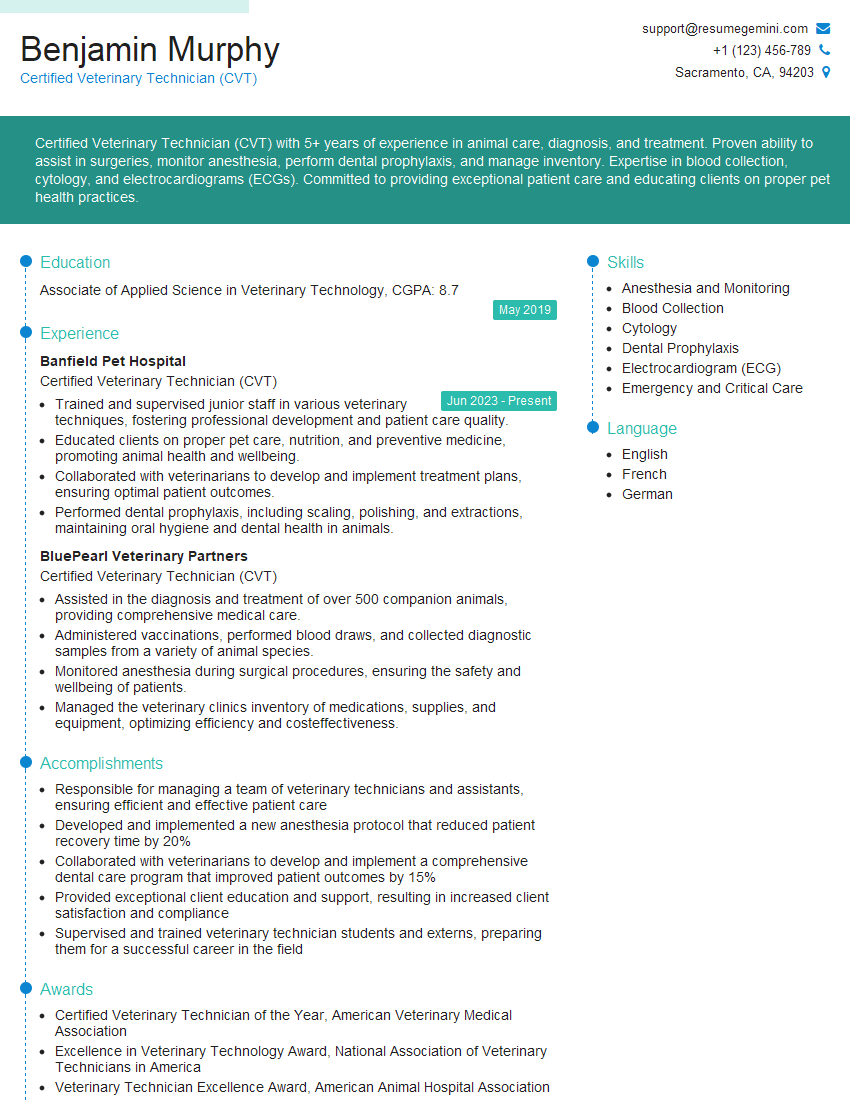
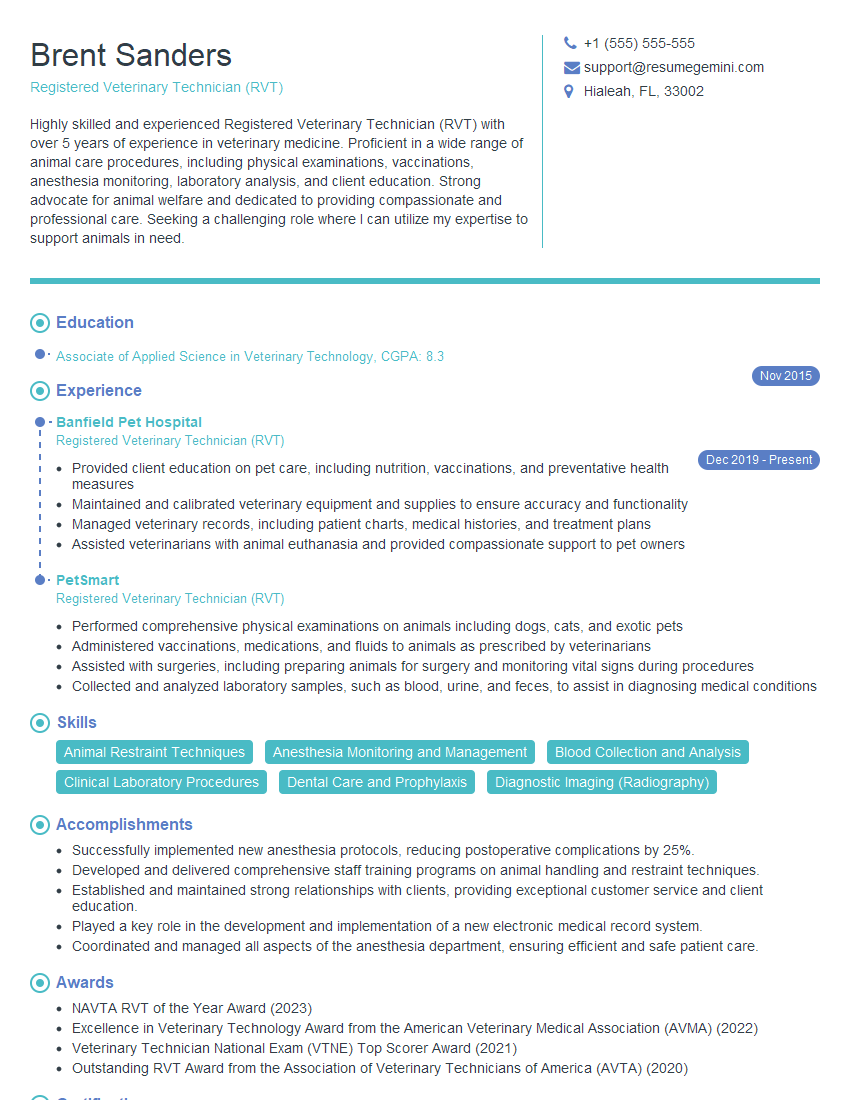
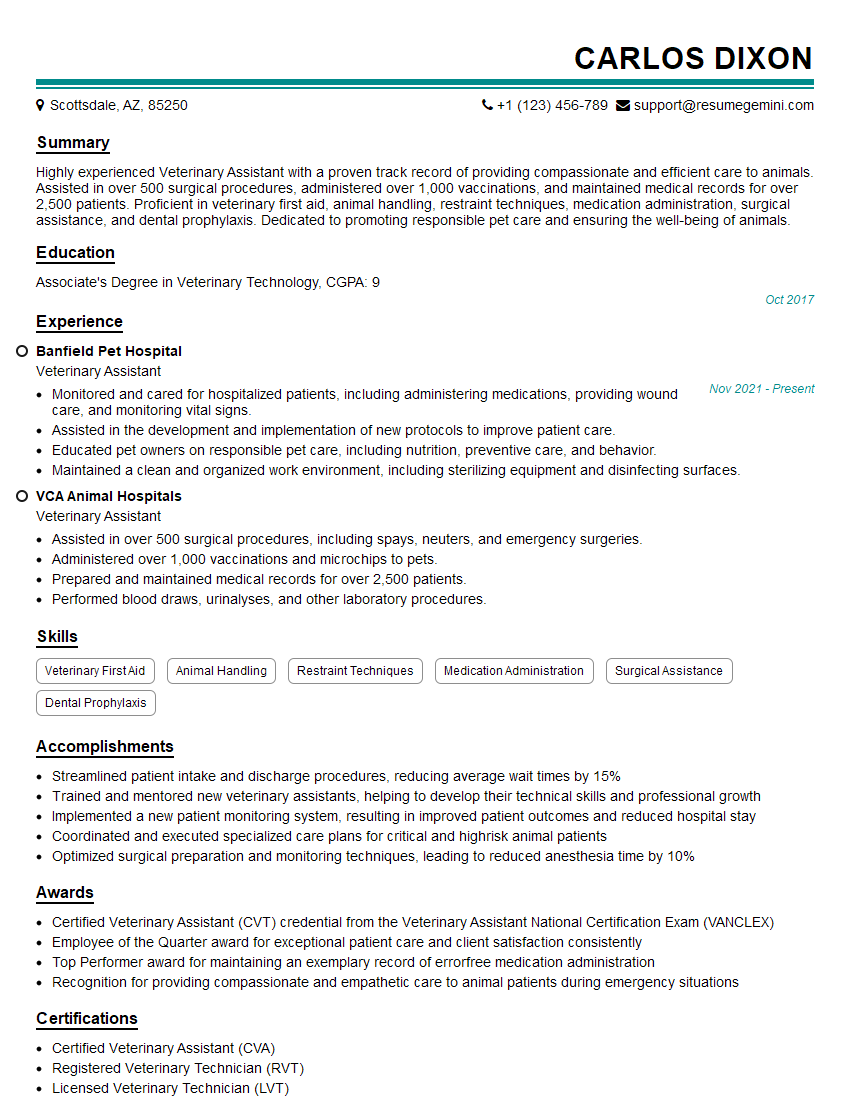
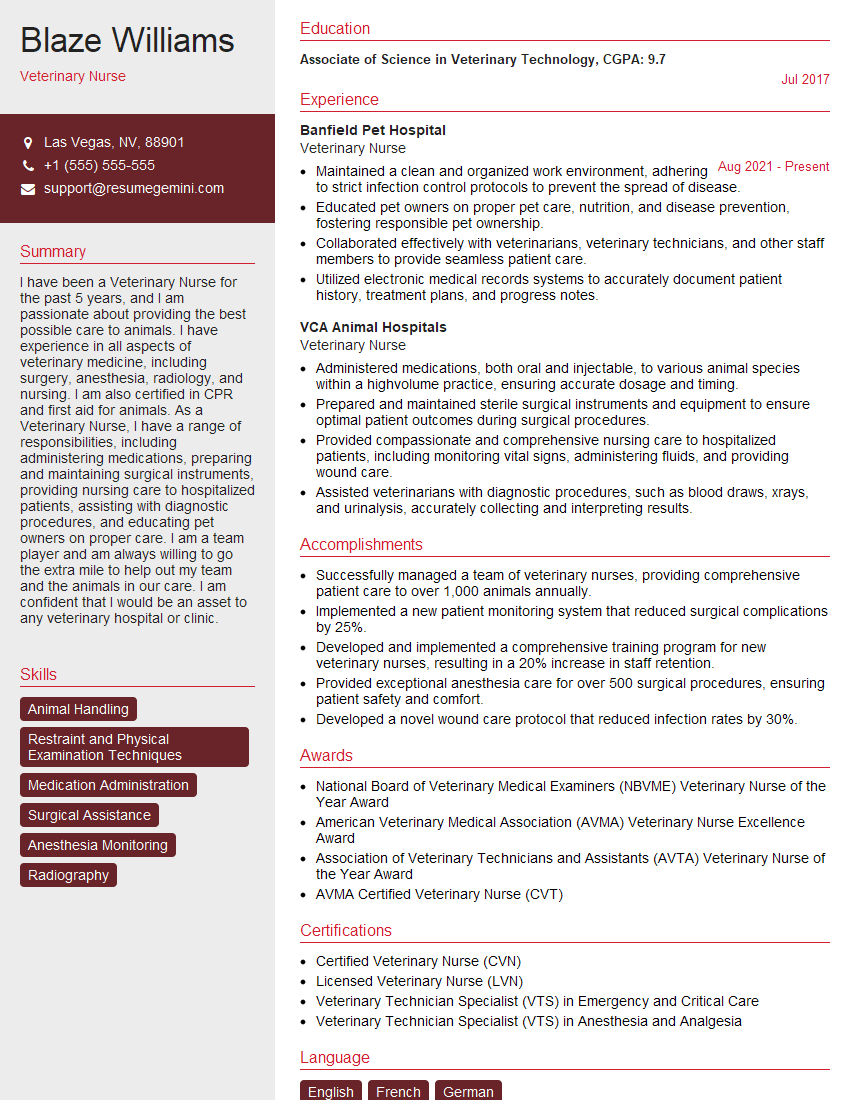
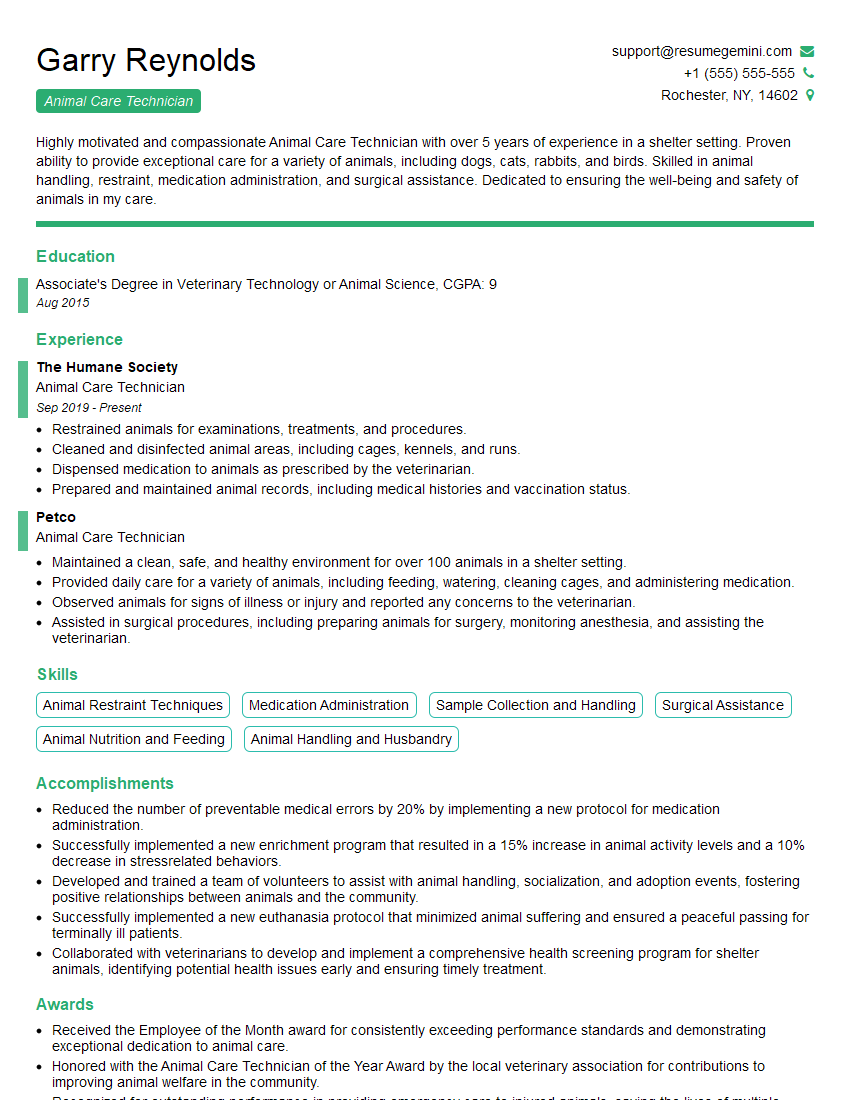
Mastering veterinary terminology is crucial for career advancement in this field. A strong understanding allows for clear communication with colleagues, clients, and other professionals. This proficiency significantly enhances your ability to provide optimal patient care and contributes to a more successful and fulfilling veterinary career. To further strengthen your job prospects, create a compelling and ATS-friendly resume that highlights your skills and experience. ResumeGemini is a trusted resource for building professional resumes, and we offer examples of resumes tailored to Veterinary Terminology Proficiency to help you get started. Use these resources to showcase your expertise and secure your dream role.

Explore more articles
Users Rating of Our Blogs
Share Your Experience
We value your feedback! Please rate our content and share your thoughts (optional).
What Readers Say About Our Blog
Really detailed insights and content, thank you for writing this detailed article.
IT gave me an insight and words to use and be able to think of examples