Are you ready to stand out in your next interview? Understanding and preparing for Maintaining sanitary and hygienic work environment interview questions is a game-changer. In this blog, we’ve compiled key questions and expert advice to help you showcase your skills with confidence and precision. Let’s get started on your journey to acing the interview.
Questions Asked in Maintaining sanitary and hygienic work environment Interview
Q 1. Describe your experience implementing and maintaining sanitation protocols.
Implementing and maintaining sanitation protocols involves a multi-faceted approach focusing on prevention, cleaning, and disinfection. My experience includes developing and executing comprehensive sanitation plans tailored to specific environments, from food processing facilities to healthcare settings. This includes defining cleaning schedules, specifying cleaning agents and techniques, and establishing procedures for handling waste.
For example, in a food processing plant, I developed a color-coded system for cleaning equipment, using different colored cloths and buckets for different zones to prevent cross-contamination. This was combined with a detailed cleaning schedule, specifying frequency and cleaning agents for each piece of equipment. Regular audits ensured compliance and identified areas needing improvement.
In a hospital setting, the focus shifted towards stringent disinfection protocols, including the use of hospital-grade disinfectants and adherence to strict hand hygiene practices, to prevent the spread of healthcare-associated infections. This involved training staff on proper techniques and monitoring their adherence to the protocols.
Q 2. How do you ensure compliance with relevant health and safety regulations?
Ensuring compliance with health and safety regulations is paramount. My approach involves thorough familiarity with relevant legislation, such as OSHA guidelines and FDA regulations (depending on the industry), and translating these into practical, actionable protocols. This begins with a comprehensive risk assessment to identify potential hazards and vulnerabilities within the workplace.
Following the risk assessment, I develop specific procedures that address those hazards. This includes providing staff with adequate Personal Protective Equipment (PPE), such as gloves, masks, and eye protection, as needed. Regular training and competency assessments ensure that staff understand and follow the implemented protocols. Documentation, such as training records and inspection reports, provides a verifiable audit trail for compliance.
For instance, in a pharmaceutical lab, strict adherence to Good Manufacturing Practices (GMP) is critical. This demands meticulous record-keeping of all cleaning and disinfection procedures, along with regular audits by qualified personnel to ensure the facility meets regulatory requirements.
Q 3. What are your methods for identifying and addressing sanitation issues?
Identifying and addressing sanitation issues requires a proactive and systematic approach. This involves regular inspections using checklists to assess cleanliness, observe potential problem areas, and identify any deviations from established protocols. Visual inspections are complemented by environmental monitoring, such as swab testing for microbial contamination, which provides objective evidence of cleanliness.
Think of it like a doctor’s diagnosis: a visual examination is important, but laboratory tests confirm the diagnosis. Similarly, swab tests provide quantifiable data to support observations. Once issues are identified, a root cause analysis is performed to understand the underlying reasons for the problem. This analysis helps to implement corrective actions and prevent future recurrences.
For example, if a consistently high microbial count is detected in a specific area, the investigation might reveal a malfunctioning piece of equipment, inadequate cleaning procedures, or a design flaw in the layout of the facility. Addressing the root cause, rather than just treating the symptoms, ensures long-term sanitation improvement.
Q 4. Explain your experience with cleaning and disinfecting various surfaces and equipment.
My experience encompasses cleaning and disinfecting a wide variety of surfaces and equipment using appropriate techniques and cleaning agents. This includes the use of various cleaning methods, such as wiping, scrubbing, and immersion, depending on the surface material and level of contamination. The selection of cleaning and disinfecting agents is crucial and depends on the type of surface and the target microorganisms.
For example, cleaning stainless steel surfaces in a food processing environment requires different procedures and agents than cleaning delicate medical instruments. Stainless steel might be cleaned with a detergent solution followed by disinfection with a suitable disinfectant, while medical instruments might require sterilization using an autoclave. Proper handling of cleaning agents, including safe storage and disposal, is always prioritized.
I’m proficient in using various cleaning equipment, including industrial floor scrubbers, pressure washers, and ultrasonic cleaners, depending on the scale and nature of the cleaning task. Safety precautions are always emphasized, particularly the use of appropriate personal protective equipment (PPE).
Q 5. How do you handle hazardous waste disposal procedures?
Handling hazardous waste disposal follows strict protocols to ensure environmental safety and compliance with local regulations. This begins with proper segregation of different types of hazardous waste, such as chemical waste, biological waste, and sharps. Each waste stream necessitates specific containment and labeling procedures. The process involves using designated containers, correctly labeling them with the type of waste, and maintaining detailed records of disposal.
For example, used syringes and needles are collected in puncture-resistant containers, and chemical waste is collected in appropriately labeled containers compatible with the chemicals being disposed. It’s crucial to understand the Safety Data Sheets (SDS) for each chemical to understand its specific handling and disposal requirements. Regular training ensures staff knows how to correctly handle and dispose of each type of hazardous waste.
Finally, engagement with licensed waste disposal companies ensures that hazardous waste is transported and disposed of according to regulations. Documentation of waste disposal is crucial for auditing and compliance purposes.
Q 6. What are your strategies for preventing cross-contamination?
Preventing cross-contamination is central to maintaining a hygienic environment. This involves implementing strategies that minimize the transfer of microorganisms between different areas or surfaces. A key element is spatial segregation, separating clean and dirty areas to prevent contamination of clean zones.
One effective strategy is using color-coded systems for cleaning equipment and cloths, as previously mentioned. Another critical aspect is the establishment of thorough hand hygiene protocols, including handwashing with soap and water or the use of hand sanitizer. This is particularly crucial in food handling areas and healthcare settings.
Additionally, regular cleaning and disinfection of surfaces and equipment is essential to eliminate potential contaminants. Proper storage of food and other materials prevents contamination, and dedicated equipment for specific tasks minimizes the risk of cross-contamination. Regular staff training reinforces these practices.
Q 7. Describe your experience with pest control measures.
Pest control measures are a crucial part of maintaining a sanitary environment. My experience includes implementing Integrated Pest Management (IPM) strategies, which focus on prevention and minimizing the use of pesticides. This approach starts with identifying potential pest entry points and eliminating them through sealing cracks and crevices, maintaining proper sanitation, and storing food properly.
Monitoring for pest activity is crucial. This involves regular inspections to detect signs of pest infestation, such as droppings or damage. If pests are detected, targeted control methods are used, starting with non-chemical methods such as traps. If chemical control is necessary, the choice of pesticide depends on the type of pest and the environment, always adhering to safety regulations and minimizing environmental impact.
Regular collaboration with licensed pest control professionals ensures effective and safe pest management. Maintaining accurate records of pest control activities, including the types of pesticides used and their application, is essential for compliance and tracking effectiveness.
Q 8. How do you ensure proper hand hygiene practices are followed?
Ensuring proper hand hygiene is paramount in maintaining a sanitary workplace. It’s not just about encouraging good habits; it’s about creating a culture of hand hygiene. This involves a multi-pronged approach:
- Visibility: Strategically placing hand sanitizer stations at entry points, near workstations, and in restrooms makes hand hygiene readily accessible and reminds staff of its importance. I’ve found that brightly colored dispensers and clear signage significantly increase usage.
- Training and Education: Regular training sessions, including demonstrations, cover the proper handwashing technique (using soap and water for at least 20 seconds, focusing on all surfaces), the correct use of hand sanitizer (applying enough to cover all surfaces and rubbing until dry), and the importance of hand hygiene in preventing the spread of germs. Role-playing scenarios can be very effective.
- Monitoring and Feedback: Regular observation checks, combined with data collection on sanitizer usage (through dispensers with usage counters), provide valuable insights into hand hygiene compliance. Positive reinforcement for good practices and constructive feedback for areas needing improvement are crucial. I’ve used anonymous surveys to gauge staff understanding and identify any obstacles.
- Creating a Culture: This involves leading by example, consistently practicing good hand hygiene, and promoting a positive and supportive environment where staff feel comfortable asking questions and reporting any hygiene concerns.
For example, in a previous role, we implemented a ‘hand hygiene champion’ program where selected staff members actively promoted hand hygiene among their colleagues, leading to a significant increase in compliance.
Q 9. What training have you received in sanitation and hygiene?
My training in sanitation and hygiene is extensive and encompasses various aspects of maintaining a clean and safe environment. I hold a certification in Occupational Safety and Health (OSH) and have completed numerous specialized courses. These include:
- Food Safety Certification: This covered food handling procedures, safe food storage, and preventing cross-contamination, crucial for kitchens and food preparation areas.
- Infection Control Training: This focused on the prevention and control of infectious diseases, including proper cleaning and disinfection protocols for surfaces, equipment, and waste management.
- Hazardous Materials Handling: I’m trained in the safe handling, storage, and disposal of hazardous cleaning chemicals, ensuring compliance with relevant regulations and minimizing risks to personnel and the environment. This involves understanding Safety Data Sheets (SDS).
- Advanced Cleaning Techniques: This encompassed specialized cleaning methodologies for different types of surfaces and materials, including cleaning and sterilization of medical equipment (in relevant settings).
Beyond formal qualifications, I’ve gained significant practical experience through years of working in various settings, constantly updating my knowledge through professional development workshops and industry publications.
Q 10. How do you monitor the effectiveness of your sanitation program?
Monitoring the effectiveness of our sanitation program is an ongoing process that utilizes both quantitative and qualitative methods.
- Environmental Monitoring: This involves regularly collecting samples from high-touch surfaces (door handles, keyboards, etc.) to test for microbial contamination. This data allows us to track trends and identify potential problem areas. We use ATP bioluminescence testing for rapid assessment of cleanliness.
- Staff Compliance Checks: Observational checks, combined with feedback forms and anonymous surveys, help to gauge staff understanding and adherence to hygiene protocols. This allows us to tailor training to specific needs and address any deficiencies.
- Incident Tracking: Maintaining a detailed record of any sanitation-related incidents (e.g., spills, equipment malfunctions) helps to identify weaknesses in the program and implement corrective actions. This also includes tracking of reported illnesses.
- Audits: Regular audits of sanitation procedures ensure compliance with established standards and regulations. These audits incorporate a thorough review of cleaning schedules, chemical usage records, and staff training records. This offers a comprehensive overview of the system’s efficiency.
For example, a consistent increase in microbial counts on a particular surface would indicate a need for adjustments in cleaning frequency or technique in that area. Similarly, a high number of reported illnesses linked to a specific area can pinpoint a sanitation deficiency that requires immediate attention.
Q 11. What are your methods for training staff on proper hygiene practices?
Training staff on proper hygiene practices is crucial and is delivered using a blended learning approach.
- Initial Training: All new employees receive comprehensive training on our sanitation protocols, including hand hygiene, proper cleaning techniques, waste disposal procedures, and the safe handling of cleaning chemicals. This involves classroom sessions, practical demonstrations, and written tests.
- Ongoing Training: Regular refresher courses, workshops, and online modules keep staff updated on best practices and new regulations. These sessions focus on specific challenges and emerging trends.
- Interactive Methods: To increase engagement and retention, I incorporate interactive elements such as videos, quizzes, and case studies into the training programs. Role-playing exercises simulating real-world situations are especially helpful.
- On-the-Job Coaching: Regular supervision and on-the-job coaching provide personalized feedback and support. This allows us to address individual needs and ensure consistent application of hygiene practices.
For example, we recently created short instructional videos demonstrating proper handwashing techniques and the correct use of cleaning agents, which were highly effective in improving staff adherence to procedures.
Q 12. How do you handle sanitation emergencies or unexpected outbreaks?
Handling sanitation emergencies or unexpected outbreaks requires a swift and coordinated response. Our protocols are designed to minimize risks and contain any potential spread.
- Immediate Action: Our first step is to isolate the affected area to prevent further contamination. This may involve temporarily closing down sections of the facility.
- Containment and Cleaning: The area is thoroughly cleaned and disinfected using appropriate chemicals and following established protocols. Specific disinfection techniques are chosen based on the nature of the outbreak (e.g., viral, bacterial).
- Notification and Reporting: We notify relevant authorities (e.g., public health officials) as required. Internal incident reports are documented to analyze the situation, identify contributing factors, and improve future response procedures.
- Employee Protection: Staff involved in the cleanup receive appropriate personal protective equipment (PPE) and follow strict safety guidelines to minimize their risk of exposure.
- Post-Incident Review: A thorough post-incident review helps to identify improvements to our existing protocols and improve future responses. This might include updates to our cleaning procedures, staff training, or emergency response plan.
For instance, during a minor norovirus outbreak, our quick response, including immediate isolation and disinfection, limited its spread, preventing further cases.
Q 13. What are your knowledge of different cleaning agents and their appropriate uses?
My knowledge of cleaning agents extends to their chemical composition, appropriate applications, safety precautions, and environmental impact. I understand the differences between disinfectants, sanitizers, and detergents, as well as the various types available for different applications.
- Disinfectants: These kill microorganisms and are used to prevent the spread of infections. Examples include bleach solutions (properly diluted), quaternary ammonium compounds, and hydrogen peroxide.
- Sanitizers: These reduce the number of microorganisms to safe levels and are frequently used in food service areas. Examples include iodine-based sanitizers.
- Detergents: These are cleaning agents that remove dirt and grime but don’t necessarily kill microorganisms. They are often used as a pre-cleaning step before disinfecting.
- Enzymes: These are biological catalysts that break down organic matter, making cleaning more effective.
When selecting a cleaning agent, I consider the specific surface being cleaned, the type of contamination, and the safety requirements. It’s crucial to follow the manufacturer’s instructions carefully and to always wear appropriate PPE (gloves, eye protection). Understanding Safety Data Sheets (SDS) for each chemical is crucial for responsible handling.
Q 14. Describe your experience with maintaining equipment used for sanitation.
Maintaining sanitation equipment is crucial for ensuring its effectiveness and longevity. This involves a comprehensive approach.
- Regular Cleaning and Disinfection: After each use, equipment such as mops, brushes, and cleaning spray bottles is thoroughly cleaned and disinfected to prevent cross-contamination and extend their lifespan. This also involves regular cleaning of the equipment storage area.
- Preventative Maintenance: This involves regularly inspecting equipment for wear and tear, ensuring proper functionality, and making necessary repairs or replacements promptly. This includes checking for leaks in spray bottles or worn bristles on brushes.
- Calibration and Testing: For equipment requiring calibration (e.g., automatic floor scrubbers), scheduled calibrations are conducted to ensure accuracy and optimal performance. This also includes periodic testing of disinfectant solutions to ensure correct concentration.
- Proper Storage: Equipment is stored correctly to prevent damage and contamination. This might include hanging mops to allow for proper drying or storing chemicals in designated, locked cabinets.
- Record Keeping: Detailed records are maintained for equipment maintenance, cleaning, and calibration. This helps to track usage, identify potential problems, and demonstrate compliance with regulations.
For example, in a previous role, we implemented a color-coded system for mops to prevent cross-contamination between areas with varying hygiene requirements, significantly reducing the risk of infection.
Q 15. How do you ensure the proper storage and handling of cleaning supplies?
Proper storage and handling of cleaning supplies are crucial for maintaining a sanitary environment and ensuring the safety of personnel. Think of it like organizing a well-stocked kitchen – everything needs its place, clearly labeled, and easily accessible but safely stored.
- Designated Storage Areas: Cleaning supplies should be stored in clearly marked, designated areas, away from food preparation and storage areas. This prevents cross-contamination and accidental ingestion.
- Proper Labeling: All containers should be clearly labeled with the name of the chemical, concentration, safety precautions, and date of receipt. This prevents accidental misuse and ensures correct dilution for application.
- Compatibility: Incompatible chemicals should never be stored together. For example, mixing bleach and ammonia creates toxic gases. A well-organized storage area considers chemical compatibility and segregates them accordingly.
- First-In, First-Out (FIFO): Implement a FIFO system for inventory management to ensure that older supplies are used before newer ones, reducing the risk of expiration and spoilage.
- Safety Data Sheets (SDS): Easily accessible SDS sheets for every cleaning chemical should be readily available and reviewed regularly. These provide crucial information on safe handling, storage, and emergency procedures.
For instance, in a previous role, I implemented a color-coded system for cleaning supply storage. Red for disinfectants, blue for general cleaners, and green for floor cleaners. This made it easier for staff to quickly identify and access the appropriate supplies, minimizing mistakes and improving efficiency.
Career Expert Tips:
- Ace those interviews! Prepare effectively by reviewing the Top 50 Most Common Interview Questions on ResumeGemini.
- Navigate your job search with confidence! Explore a wide range of Career Tips on ResumeGemini. Learn about common challenges and recommendations to overcome them.
- Craft the perfect resume! Master the Art of Resume Writing with ResumeGemini’s guide. Showcase your unique qualifications and achievements effectively.
- Don’t miss out on holiday savings! Build your dream resume with ResumeGemini’s ATS optimized templates.
Q 16. Explain your experience with developing and implementing a sanitation plan.
Developing and implementing a sanitation plan requires a systematic approach, focusing on prevention and mitigation. It’s like building a strong defense against potential threats. My experience includes creating plans for various settings, from restaurants to manufacturing facilities.
- Risk Assessment: The first step is a thorough risk assessment, identifying potential contamination sources and high-risk areas. This often involves observation, staff interviews, and reviewing existing data.
- Sanitation Procedures: Next, I create detailed sanitation procedures for all areas, equipment, and processes. This includes specific instructions for cleaning, disinfecting, and sanitizing, along with recommended chemicals and frequencies.
- Training and Education: Thorough training for all staff is essential. They need to understand the importance of sanitation, proper techniques, and the use of personal protective equipment (PPE).
- Monitoring and Evaluation: Regular monitoring and evaluation are crucial. This includes inspections, testing (e.g., ATP bioluminescence testing), and reviewing sanitation records to identify areas for improvement and ensure adherence to procedures.
- Documentation: All procedures, training records, inspection reports, and corrective actions should be meticulously documented and maintained. This is vital for compliance and demonstrating due diligence.
In one project, we reduced bacterial contamination by 80% within three months by implementing a new sanitation plan with improved training and more frequent monitoring of high-touch surfaces.
Q 17. How do you stay updated on the latest sanitation and hygiene best practices?
Staying updated in this field is crucial. It’s a dynamic environment with new regulations, technologies, and best practices emerging constantly. I use several strategies to ensure I’m always current.
- Professional Organizations: I am a member of several professional organizations, such as [mention relevant organizations], that provide access to publications, webinars, and conferences.
- Industry Publications and Journals: I regularly read industry-specific publications and journals to stay informed on the latest research and trends. This keeps me abreast of new techniques and emerging pathogens.
- Online Resources: I utilize reputable online resources, such as government agencies (e.g., FDA, CDC) and academic institutions’ websites, to access guidelines, research findings, and updated regulations.
- Continuing Education: I actively participate in continuing education courses and workshops to earn certifications and expand my knowledge base. This ensures my skills remain sharp and that I am familiar with the latest technologies.
For instance, recently I attended a workshop on the application of UV-C disinfection technology which improved our facility’s cleaning efficiency and reduced chemical usage.
Q 18. How do you measure and report on sanitation performance?
Measuring and reporting sanitation performance involves both qualitative and quantitative methods. It’s like tracking the effectiveness of a marketing campaign; you need data to show your impact.
- Key Performance Indicators (KPIs): I establish key performance indicators such as the frequency of cleaning, the number of reported sanitation issues, employee compliance rates, and results of environmental monitoring (e.g., ATP testing).
- Environmental Monitoring: Methods like ATP bioluminescence testing provide quantitative data on surface cleanliness. This objective data can be used to benchmark performance and identify problem areas.
- Inspections and Audits: Regular inspections and audits provide qualitative data on overall sanitation practices, equipment maintenance, and staff adherence to protocols. A checklist is very useful here.
- Data Analysis and Reporting: I use data analysis tools to interpret the gathered data, identify trends, and create reports that highlight successes and areas requiring improvement. These reports provide management with insight into sanitation effectiveness and the return on investment of our efforts.
By using a combination of these methods and regularly reporting on the results, I can effectively demonstrate the impact of sanitation efforts, highlight areas for improvement, and ensure compliance with regulations.
Q 19. What is your approach to managing sanitation in high-traffic areas?
Managing sanitation in high-traffic areas requires a proactive and strategic approach. Think of it like maintaining order in a busy city center—you need robust systems and constant vigilance.
- Increased Cleaning Frequency: High-traffic areas necessitate a more frequent cleaning schedule, perhaps several times a day, focusing on high-touch surfaces like door handles, handrails, and countertops.
- Strategic Placement of Sanitation Stations: Providing readily accessible hand sanitizer dispensers and handwashing facilities can encourage frequent hand hygiene, minimizing the spread of germs.
- Specialized Cleaning Products: Using effective disinfectants and appropriate cleaning tools designed for heavy-duty use in high-traffic areas is crucial.
- Monitoring and Prompt Response: Regular monitoring is especially important in these areas. Any spills or visible contamination should be addressed immediately to prevent the spread of pathogens.
- Employee Education: Staff must be educated on the importance of proper sanitation practices and how to report any issues promptly.
For example, in a hospital setting, we implemented a system where cleaning staff patrolled high-traffic corridors every hour, sanitizing frequently touched surfaces. This significantly reduced the transmission of infections.
Q 20. Describe your experience with using and maintaining sanitation monitoring equipment.
Sanitation monitoring equipment plays a vital role in ensuring a clean and safe environment. It’s like having sophisticated tools for a surgeon; precision and accuracy are critical.
- ATP Bioluminescence Meters: I have extensive experience using ATP meters to quantitatively measure surface cleanliness by detecting adenosine triphosphate (ATP), an indicator of microbial contamination. This provides objective data to validate the effectiveness of cleaning and disinfection procedures.
- pH Meters: pH meters are used to verify the effectiveness of cleaning solutions, ensuring they are correctly diluted and at the appropriate pH level for optimal efficacy.
- Temperature Monitoring Devices: In some settings, temperature monitoring devices are used to ensure equipment such as dishwashers and autoclaves are operating at the correct temperatures for effective sanitation.
- Calibration and Maintenance: Regular calibration and maintenance of all equipment are crucial to ensure accuracy and reliability. Following manufacturer instructions is essential.
In a previous role, we used ATP testing to identify a consistent problem with cleaning effectiveness in a specific kitchen area. The data pointed to a deficiency in our cleaning procedures, which we then revised, leading to a significant improvement in hygiene scores.
Q 21. How do you maintain a safe working environment regarding sanitation practices?
Maintaining a safe working environment during sanitation procedures is paramount. It’s about protecting staff while ensuring the effectiveness of cleaning. This involves a multi-faceted approach.
- Personal Protective Equipment (PPE): Providing and ensuring the correct use of PPE, including gloves, eye protection, and respirators when handling hazardous chemicals, is non-negotiable.
- Chemical Safety Training: Thorough training on the safe handling, storage, and disposal of chemicals is essential to minimize risks of accidents or exposure.
- Ergonomic Practices: Promoting ergonomic practices, such as using appropriate lifting techniques and avoiding repetitive strain injuries, is crucial for staff well-being.
- Emergency Procedures: Clear and readily accessible emergency procedures, including spill response and first aid, should be in place and regularly practiced.
- Ventilation: Adequate ventilation, especially when using chemicals, is crucial to minimize exposure to potentially harmful fumes.
We always emphasize safety first in our sanitation program. Regular safety meetings and drills ensure everyone is aware of potential hazards and knows how to react appropriately.
Q 22. What are your conflict resolution skills in relation to sanitation non-compliance?
Conflict resolution regarding sanitation non-compliance requires a calm, professional approach focused on collaboration and problem-solving, not blame. My strategy involves:
- Active Listening: I begin by patiently hearing the concerns of all parties involved – be it employees, management, or external stakeholders. Understanding their perspectives is crucial.
- Identifying Root Causes: Instead of focusing on the immediate violation, I delve into the underlying reasons. Is it a lack of training, insufficient resources, unclear procedures, or something else? For instance, repeated spills in one area might indicate a need for improved floor mats or better training in spill cleanup procedures.
- Collaborative Solutions: I facilitate a discussion to brainstorm solutions collaboratively. This involves suggesting practical improvements and agreeing on actionable steps. This might mean implementing new cleaning schedules, adjusting staffing levels, or providing additional equipment.
- Documentation and Follow-up: Every step of the process is documented, including the initial complaint, root cause analysis, agreed-upon solutions, and the implementation timeline. Regular follow-ups are crucial to ensure compliance and address any recurring issues.
- Positive Reinforcement: Once compliance is achieved, I emphasize positive reinforcement to encourage continued adherence to sanitation protocols. This builds a culture of safety and responsibility.
For example, during my time at a food processing plant, a conflict arose concerning the proper cleaning of equipment. Through active listening, I discovered that the employees lacked sufficient training on the use of the new cleaning agents. By providing updated training and clear instructions, and addressing their safety concerns, the compliance issue was resolved quickly and effectively.
Q 23. How do you prioritize tasks within a sanitation program?
Prioritizing tasks in a sanitation program involves a systematic approach that balances urgency, risk, and impact. I use a combination of methods, including:
- Risk Assessment: Identifying areas with the highest risk of contamination or health hazards receives top priority. For example, areas with food preparation or handling of potentially hazardous materials require more frequent and thorough cleaning.
- Urgency: Addressing immediate issues like spills, leaks, or equipment malfunctions takes precedence. These immediate actions mitigate the immediate risk of accidents or contamination.
- Impact Assessment: Tasks that have the greatest impact on overall hygiene and safety are prioritized. Regular deep cleaning of high-traffic areas or critical equipment falls under this.
- Frequency and Scheduling: Creating detailed cleaning schedules for various areas and equipment, based on the above factors, ensures a consistent and thorough approach.
- Resource Allocation: Effective task prioritization also involves allocating resources efficiently. This includes personnel, equipment, and cleaning supplies.
Imagine a restaurant: Cleaning a spilled drink immediately prevents slips and falls (urgency), while regular deep cleaning of the kitchen prevents foodborne illness (impact). A systematic approach balances both.
Q 24. Explain your experience with documenting and tracking sanitation activities.
I have extensive experience documenting and tracking sanitation activities using various methods, ensuring accurate record-keeping and accountability. This includes:
- Detailed Cleaning Logs: Maintaining comprehensive logs detailing the date, time, area cleaned, cleaning agents used, personnel involved, and any observations or issues.
- Digital Systems: Utilizing software or apps for real-time tracking of sanitation tasks, inspections, and any corrective actions. This allows for efficient data management and analysis.
- Inspection Checklists: Creating and employing standardized checklists for regular inspections, ensuring consistency and thoroughness. This helps highlight any recurring problems.
- Photographs/Videos: Using visual documentation to record the condition of areas before, during, and after cleaning. This provides undeniable evidence of cleanliness and serves as an audit trail.
- Reporting and Analysis: Generating regular reports summarizing sanitation activities, identifying trends, and highlighting areas needing attention or improvement. Data analysis helps prevent future issues.
For instance, at a previous role, I implemented a digital system to track equipment sanitation, reducing cleaning inconsistencies and improving overall hygiene standards. The data provided insights that led to improvements in our cleaning procedures.
Q 25. How would you address a situation where a sanitation issue is not immediately resolved?
When a sanitation issue isn’t immediately resolved, a multi-step approach is crucial:
- Escalation Protocol: The issue should be immediately escalated to the appropriate supervisor or manager, clearly documenting the problem and any attempts made to rectify it. This could involve notifying a safety officer or quality control manager.
- Root Cause Analysis: A thorough investigation is needed to determine the underlying cause of the persistent problem. This may involve interviewing personnel, reviewing procedures, or investigating equipment malfunctions.
- Corrective Actions: Based on the root cause analysis, appropriate corrective actions are implemented. This could involve repairing or replacing equipment, retraining staff, revising procedures, or procuring additional resources.
- Preventive Measures: Steps should be taken to prevent the issue from recurring. This could involve redesigning workflows, implementing new monitoring systems, or improving employee training.
- Documentation: Thorough documentation of every step of the process, including the initial problem, investigation, corrective actions, and preventive measures, ensures accountability and continuous improvement.
Consider a persistent pest infestation: Initial attempts might fail, but investigating the source (e.g., a leak attracting insects) and addressing it comprehensively will provide a long-term solution.
Q 26. What is your experience with auditing and inspecting facilities for sanitation compliance?
My experience with auditing and inspecting facilities for sanitation compliance involves a systematic, objective assessment using established criteria. I am proficient in:
- Pre-Inspection Planning: Preparing checklists and documentation beforehand based on relevant regulations and standards.
- On-Site Assessment: Conducting a thorough walkthrough of the facility, observing practices, and examining physical conditions using checklists. This involves verifying cleanliness levels of equipment, surfaces, and storage areas.
- Data Collection: Recording findings through photos, notes, and measurements, paying particular attention to any non-compliance issues.
- Report Writing: Creating comprehensive reports outlining findings, highlighting any deficiencies, and recommending corrective actions based on the severity of issues.
- Follow-up: Conducting follow-up inspections to verify that corrective actions have been taken and to assess their effectiveness.
In a previous role, I audited a food manufacturing plant, identifying critical control points that needed improvement related to their HACCP plan. My audit led to the implementation of several improvements resulting in a significant increase in sanitation scores.
Q 27. How familiar are you with relevant industry standards and certifications (e.g., HACCP, ISO)?
I am familiar with a range of industry standards and certifications relevant to sanitation, including:
- HACCP (Hazard Analysis and Critical Control Points): I understand the principles of HACCP and can identify critical control points (CCPs) related to sanitation within various food processing environments.
- ISO 9001 (Quality Management Systems): I am aware of the requirements for maintaining a quality management system that includes effective sanitation procedures.
- ISO 14001 (Environmental Management Systems): I understand the environmental considerations associated with sanitation practices and waste management.
- GMP (Good Manufacturing Practices): I am well-versed in the GMP principles for maintaining hygiene in various manufacturing settings. This includes food, pharmaceuticals, and cosmetics.
- Other Relevant Standards: Depending on the industry, other standards like those pertaining to food safety (e.g., FDA regulations), healthcare (e.g., CDC guidelines), or specific manufacturing processes are crucial and I’m familiar with their implementation.
My understanding of these standards ensures that my sanitation practices align with industry best practices and regulatory requirements.
Q 28. Describe your experience with using personal protective equipment (PPE) in sanitation tasks.
Safe handling of personal protective equipment (PPE) is paramount in sanitation tasks. My experience includes:
- Proper Selection: Choosing appropriate PPE based on the specific task and potential hazards, including gloves, aprons, eye protection, and respirators, as needed.
- Correct Use: Knowing how to properly don and doff PPE to minimize contamination risks and to ensure the equipment functions correctly.
- Maintenance and Disposal: Understanding the procedures for cleaning, storing, and disposing of PPE to prevent cross-contamination and promote hygiene.
- Training and Education: Providing training to others on the proper use and handling of PPE, emphasizing the importance of safety and compliance.
- Regulatory Compliance: Following relevant guidelines and regulations regarding PPE usage to ensure adherence to safety standards.
For example, when working with strong cleaning chemicals, I always ensure that I wear appropriate gloves and eye protection, and I am always careful to remove and dispose of contaminated PPE safely. This commitment to safe practices ensures a safe work environment for me and others.
Key Topics to Learn for Maintaining a Sanitary and Hygienic Work Environment Interview
- Understanding Infection Control: Theoretical knowledge of pathogens, transmission methods, and preventative measures. Practical application: Implementing appropriate cleaning and disinfection protocols.
- Hygiene Practices: Handwashing techniques, personal protective equipment (PPE) usage, waste disposal procedures. Practical application: Demonstrating proper handwashing and PPE donning/doffing techniques.
- Cleaning and Disinfection Procedures: Choosing appropriate cleaning agents for different surfaces, understanding dilution ratios, and following safety protocols. Practical application: Developing and implementing a cleaning schedule for a specific area.
- Workplace Safety and Ergonomics: Safe handling of cleaning chemicals, proper lifting techniques to prevent injuries, and understanding workplace hazards. Practical application: Identifying and mitigating potential safety risks in a workplace setting.
- Regulatory Compliance: Familiarity with relevant health and safety regulations and industry best practices. Practical application: Ensuring compliance with local health codes and company policies.
- Record Keeping and Documentation: Maintaining accurate logs of cleaning activities, chemical usage, and any incidents. Practical application: Demonstrating the ability to accurately document cleaning procedures and potential issues.
- Training and Supervision: Ability to train others on proper hygiene and cleaning techniques, and oversee the work of cleaning staff. Practical application: Designing a training program for new employees on maintaining a sanitary workplace.
Next Steps
Mastering the skills necessary for maintaining a sanitary and hygienic work environment is crucial for career advancement in many sectors. A strong understanding of infection control, safety protocols, and regulatory compliance demonstrates responsibility and professionalism, making you a highly desirable candidate. To significantly boost your job prospects, focus on building an ATS-friendly resume that highlights your relevant skills and experience. ResumeGemini is a trusted resource to help you craft a compelling and effective resume that gets noticed. Examples of resumes tailored to Maintaining a Sanitary and Hygienic Work Environment are available to guide you. Use these resources to showcase your expertise and land your dream job!
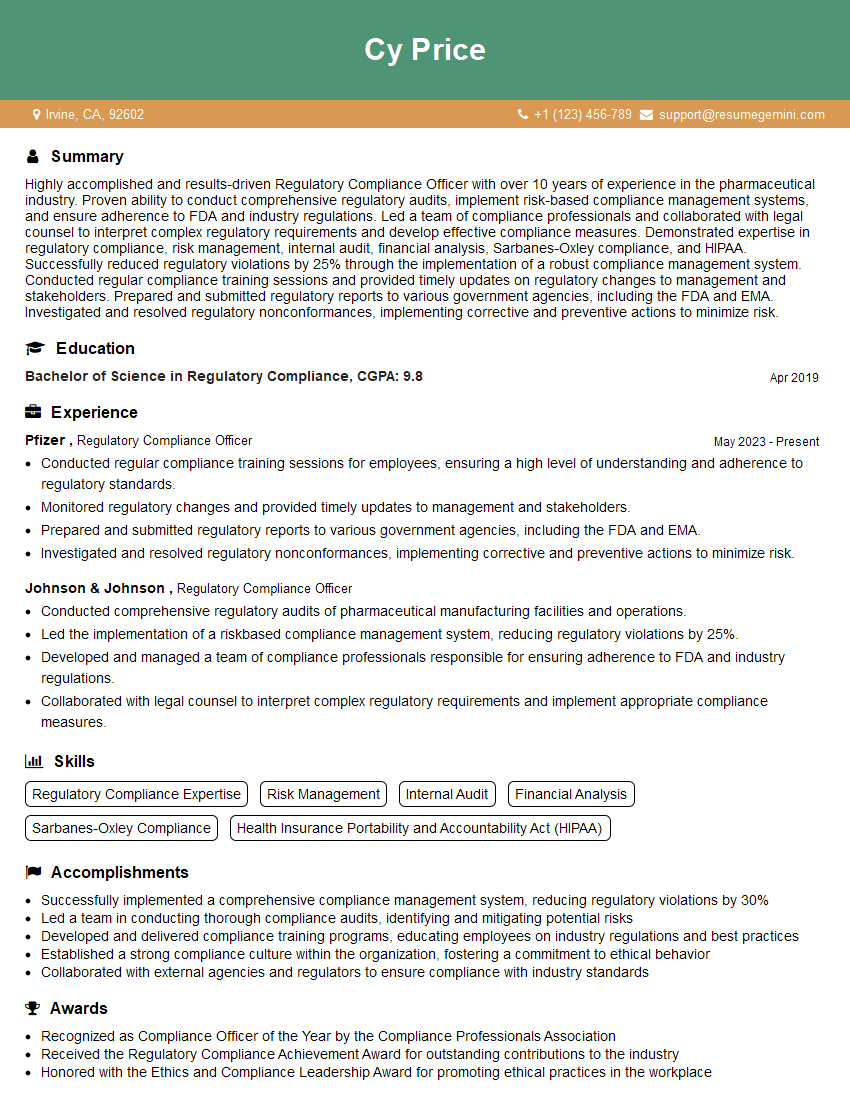
Regulatory Compliance Officer Resume Sample
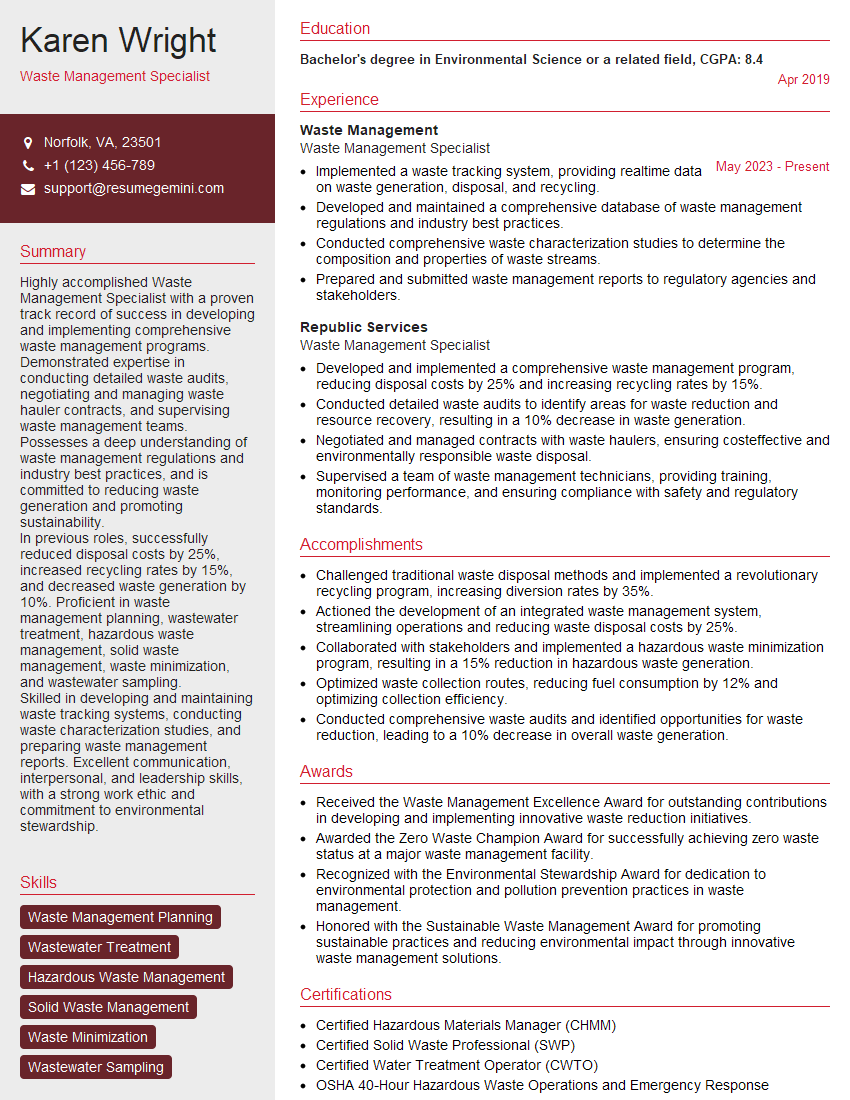
Waste Management Specialist Resume Sample
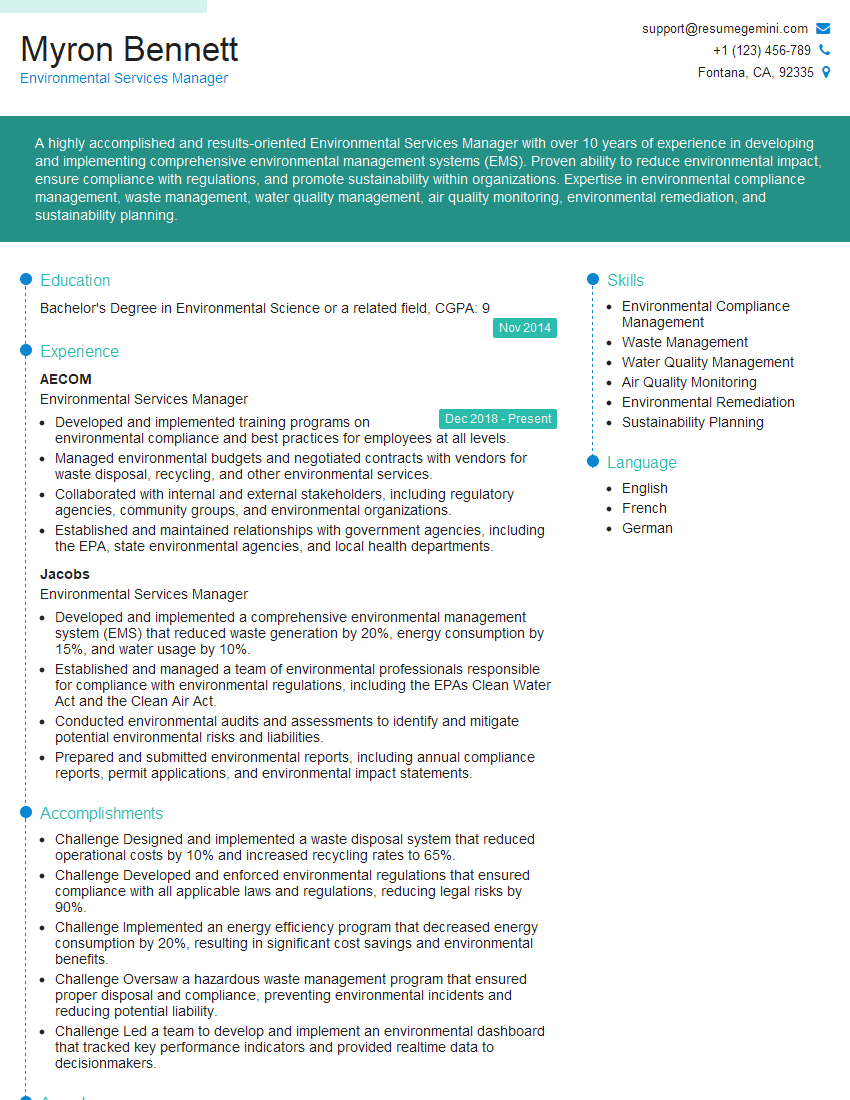
Environmental Services Manager Resume Sample
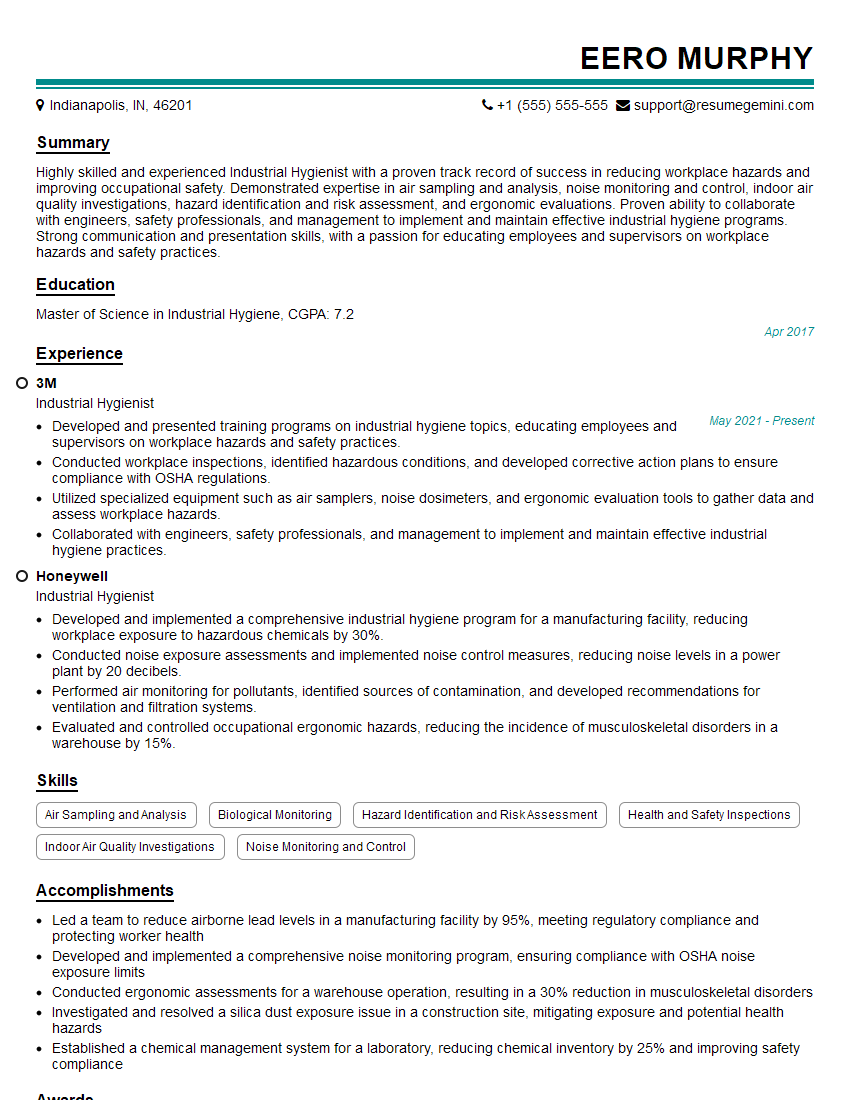
Industrial Hygienist Resume Sample
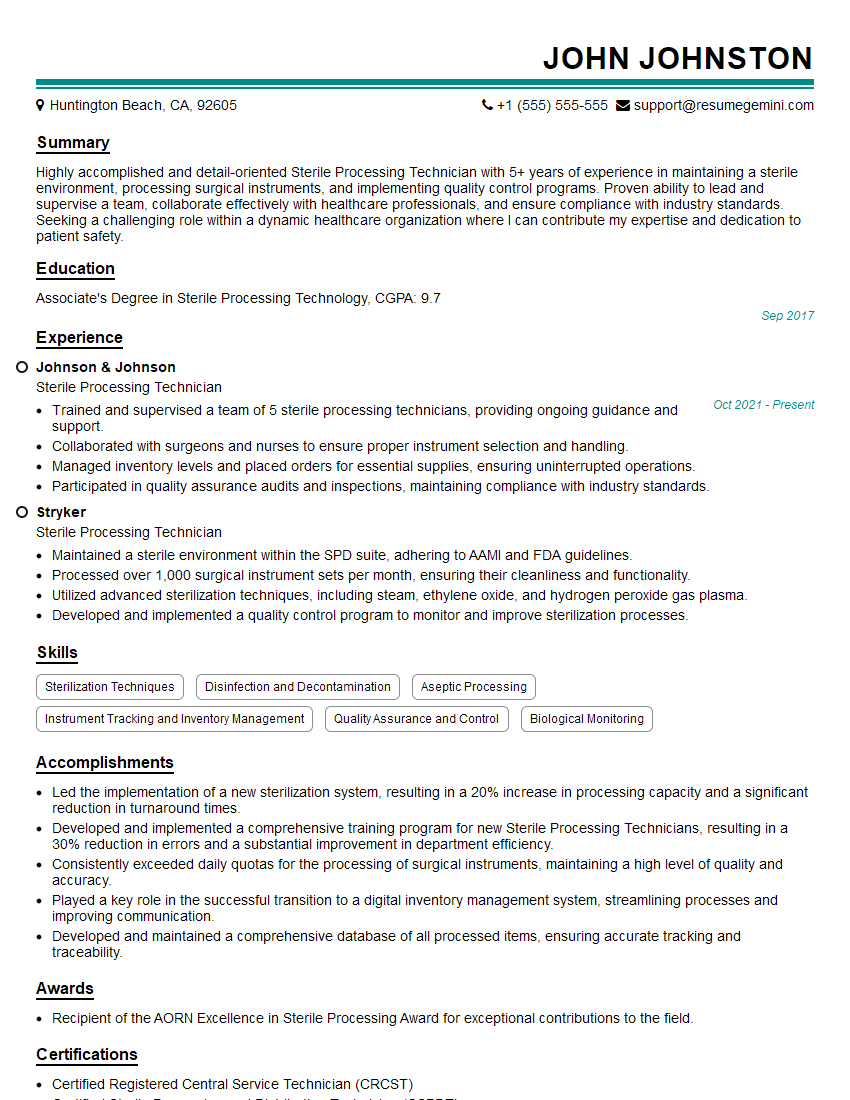
Sterile Processing Technician Resume Sample
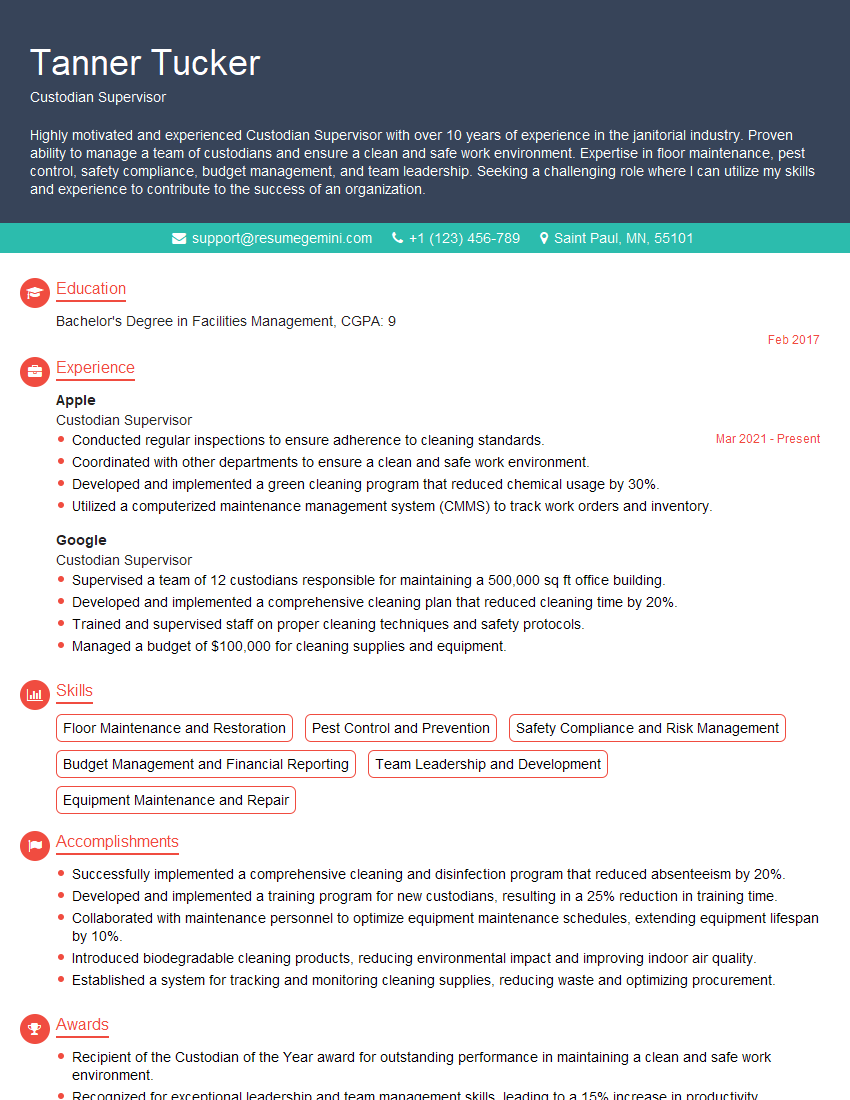
Custodian Supervisor Resume Sample
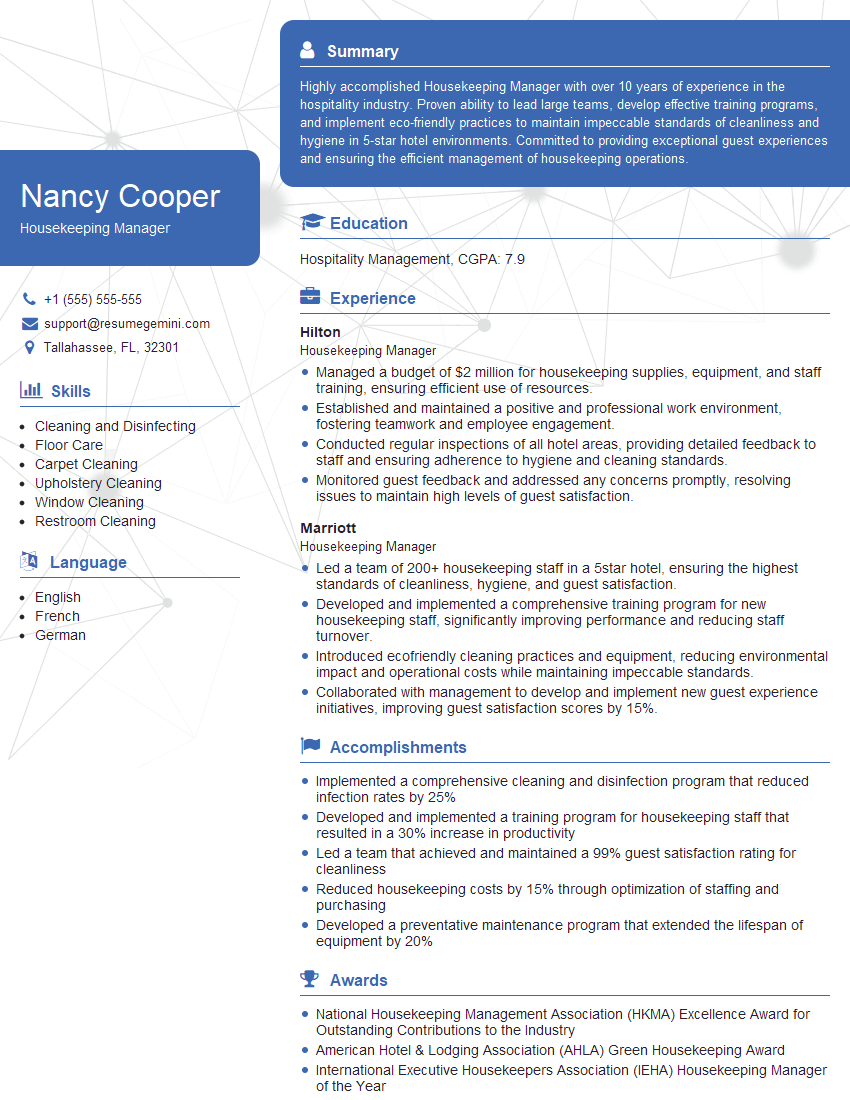
Housekeeping Manager Resume Sample
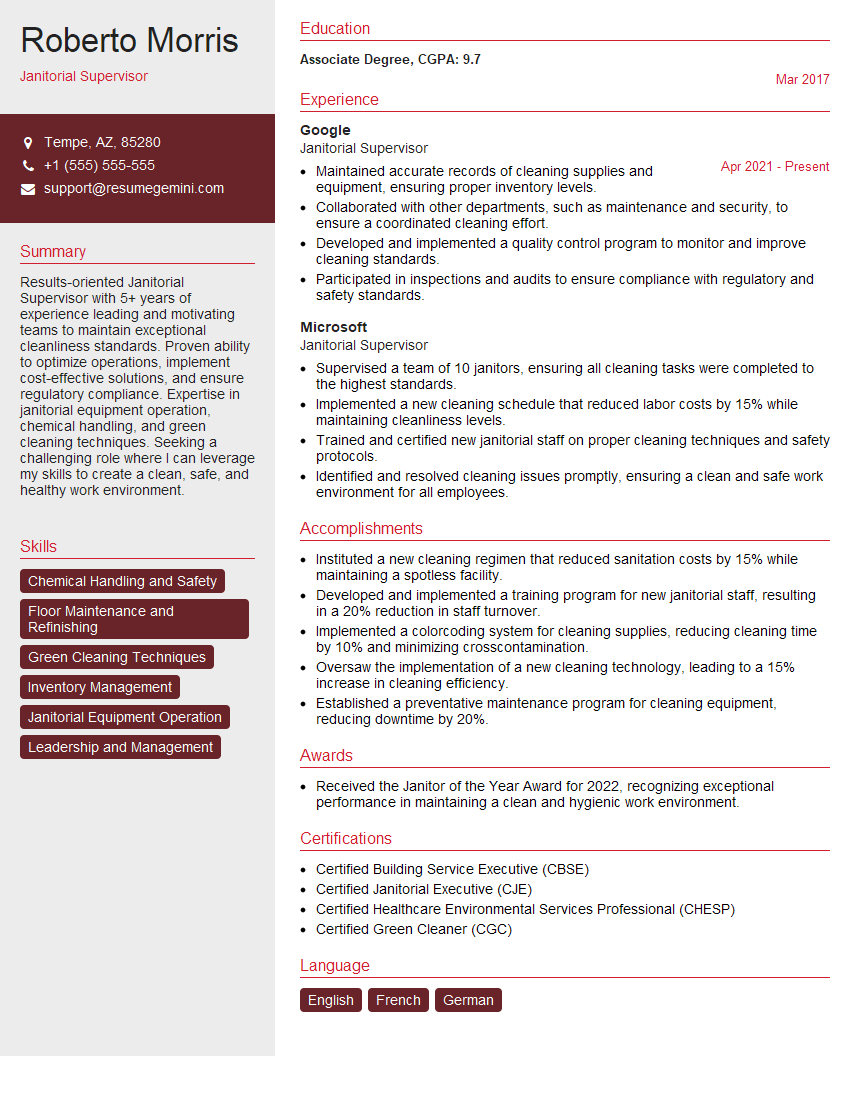
Janitorial Supervisor Resume Sample
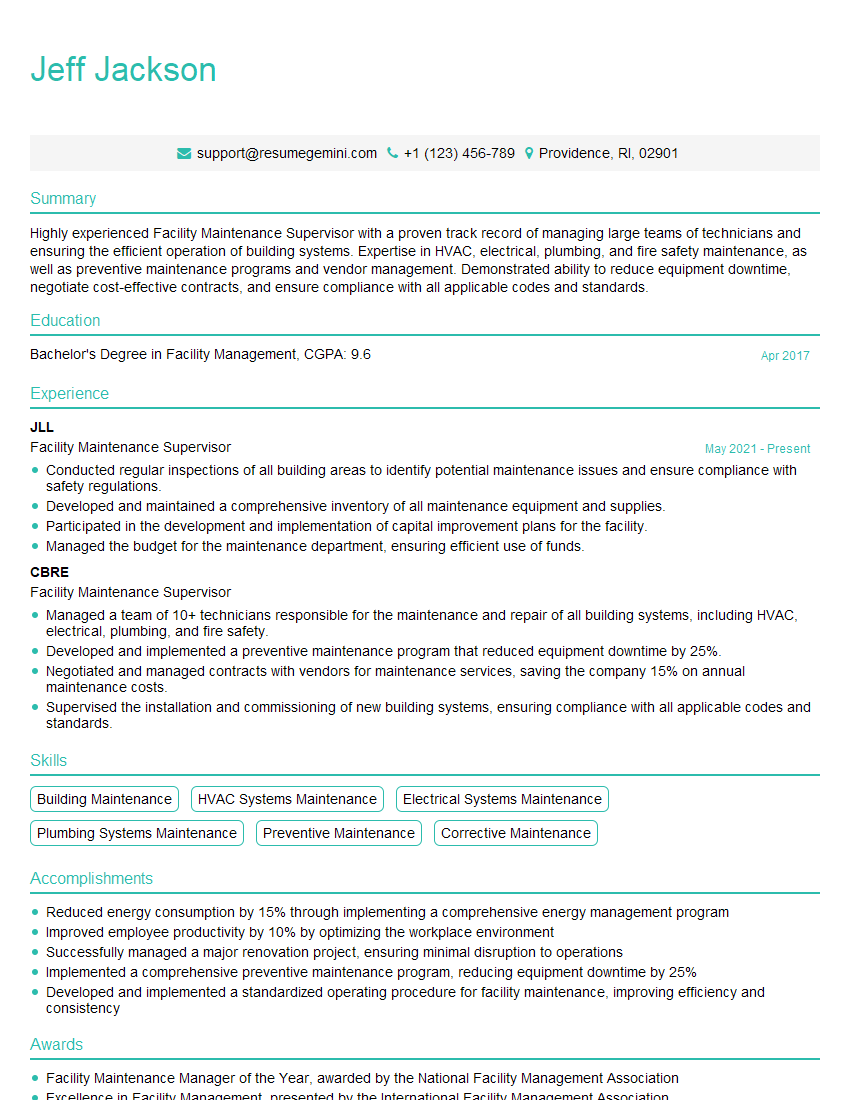
Facility Maintenance Supervisor Resume Sample
Explore more articles
Users Rating of Our Blogs
Share Your Experience
We value your feedback! Please rate our content and share your thoughts (optional).
What Readers Say About Our Blog
Really detailed insights and content, thank you for writing this detailed article.
IT gave me an insight and words to use and be able to think of examples