Are you ready to stand out in your next interview? Understanding and preparing for Confined Space Safety interview questions is a game-changer. In this blog, we’ve compiled key questions and expert advice to help you showcase your skills with confidence and precision. Let’s get started on your journey to acing the interview.
Questions Asked in Confined Space Safety Interview
Q 1. Describe the hierarchy of controls for confined space hazards.
The hierarchy of controls for confined space hazards follows a well-established principle: elimination, substitution, engineering controls, administrative controls, and finally, personal protective equipment (PPE). This is a prioritized approach, aiming to remove the hazard entirely or minimize risk as much as possible.
- Elimination: The most effective method. If the confined space isn’t essential, it might be removed altogether, or the work requiring entry could be redesigned to eliminate the need for entry. For example, replacing a tank requiring entry for cleaning with a self-cleaning tank.
- Substitution: Replacing a hazardous process with a safer alternative. For example, using robotic inspection systems instead of human entry to inspect pipelines.
- Engineering Controls: Physical changes to the workspace to minimize risk. This includes improved ventilation systems to dilute or remove hazardous gases, installing safety interlocks to prevent accidental entry, or implementing isolation procedures to prevent the flow of hazardous materials.
- Administrative Controls: Procedures, training, and safety programs that dictate safe work practices. This involves thorough risk assessments, confined space entry permits, and detailed rescue plans.
- Personal Protective Equipment (PPE): The last line of defense. This includes respirators, protective suits, harnesses, and safety lines, to be used only when other controls are insufficient. It’s crucial to remember that PPE doesn’t eliminate the hazard; it just mitigates the risk to the worker.
Think of it like a ladder – you always aim for the top rung (elimination), and only descend to the lower rungs (PPE) as a last resort after all other measures have been implemented.
Q 2. What are the common atmospheric hazards found in confined spaces?
Confined spaces present a variety of atmospheric hazards, often a combination of several, making them exceptionally dangerous. Common hazards include:
- Oxygen Deficiency: Levels below 19.5% can cause hypoxia, leading to unconsciousness and death. This can occur in spaces with poor ventilation or where oxygen is consumed by processes like rusting or combustion.
- Oxygen Enrichment: While less common, oxygen levels above 23.5% increase the risk of fire and explosion. This can occur in spaces where pure oxygen is used or stored.
- Flammable Gases: Methane, propane, butane, and others can ignite easily, causing explosions or fires. Sources might include leaks from pipelines, storage tanks, or decaying organic matter.
- Toxic Gases: Carbon monoxide, hydrogen sulfide, and chlorine are among many that can cause acute poisoning, long-term health issues, or even death. These gases are often invisible and odorless, increasing the risk.
- Vapors: Solvents, pesticides, and other volatile substances can create hazardous vapors, leading to respiratory problems, dizziness, or unconsciousness.
- Dusts: Fine particles from materials like grain, coal, or metal can cause respiratory illnesses like silicosis or lung cancer.
Remember, a seemingly harmless confined space can quickly become deadly due to the accumulation of even small amounts of these hazards. Thorough atmospheric monitoring is crucial.
Q 3. Explain the purpose and requirements of a confined space entry permit.
A confined space entry permit is a crucial safety document that authorizes entry into a confined space after ensuring necessary safety measures are in place. Its purpose is to formally record the risk assessment, control measures, and the responsible parties involved in the entry process.
Requirements for a confined space entry permit vary by jurisdiction and industry, but generally include:
- Identification of the confined space: Location, description, and any known hazards.
- Atmospheric testing results: Confirmation that the atmosphere is safe for entry.
- Lockout/Tagout procedures: Ensuring hazardous energy sources are isolated.
- Ventilation plan: Details of any ventilation systems used to maintain safe atmospheric conditions.
- Rescue plan: Outline of procedures for rescuing workers in case of an emergency.
- Emergency contact information: Names and contact details of key personnel.
- Permittee and attendant signatures: Confirmation that all parties understand the risks and procedures.
- Entry and exit times: Monitoring the duration of entry.
The permit is not just a piece of paper; it’s a critical safety management tool that ensures accountability and controls hazards before entry occurs. It needs to be meticulously reviewed and updated.
Q 4. Detail the steps involved in a confined space rescue.
Confined space rescue is a complex and potentially dangerous procedure requiring specialized training and equipment. It should never be attempted without proper preparation and expertise. A well-defined rescue plan is essential before any entry. Steps typically include:
- Assessment: Assess the situation and determine the hazards present, the number of persons needing rescue, and their condition.
- Alert Emergency Services: Immediately contact emergency services for assistance. This could include fire departments, specialized rescue teams, or paramedics.
- Isolate the Area: Secure the area around the confined space to prevent further hazards or accidental injuries.
- Attempt Non-Entry Rescue: First attempt any rescue methods that do not require entry into the confined space. This might include using ropes, retrieval systems, or extending equipment into the space.
- Entry Rescue (if necessary): If a non-entry rescue is impossible, a trained rescue team, equipped with proper PPE and self-contained breathing apparatus (SCBA), enters the space. This is the most hazardous part of the operation.
- Victim Retrieval: Carefully and safely retrieve the victim(s) from the confined space using appropriate equipment.
- Medical Attention: Provide immediate medical attention to the victim(s). This includes CPR, first aid, and transport to a hospital.
- Post-Incident Review: A thorough investigation of the incident to identify the root causes, implement corrective actions and prevent future occurrences.
Each step involves specific procedures, specialized equipment, and well-coordinated teamwork. Regular training and drills are essential to ensure that rescue teams are prepared for any eventuality.
Q 5. What are the roles and responsibilities of an attendant during a confined space entry?
The attendant plays a crucial role in confined space entry; their vigilance is paramount to worker safety. They are the eyes and ears of the entry team and responsible for monitoring the entrant’s well-being and the conditions within the confined space.
Responsibilities of the attendant include:
- Continuous Monitoring: Closely observing the entrant and the conditions within the confined space. This might involve visual checks, listening for unusual sounds, and monitoring atmospheric conditions.
- Maintaining Communication: Maintaining constant communication with the entrant using voice communication systems or other means.
- Emergency Response: Immediately initiating the rescue procedures if an emergency occurs. This includes contacting emergency services and implementing the pre-determined rescue plan.
- Monitoring Atmospheric Conditions: Regularly checking the atmosphere of the confined space with appropriate instruments.
- Preventing Unauthorized Entry: Preventing unauthorized access to the confined space.
- Documenting Activities: Keeping a detailed record of the entry activities, including any observed changes in conditions.
The attendant should be trained on confined space safety, understand the hazards present, and be fully aware of the rescue plan. They are the first line of defense in the event of an emergency.
Q 6. What are the different types of confined space entry permits?
There isn’t a standardized set of ‘types’ of confined space entry permits, but variations might exist based on the specific hazards and the complexity of the task. However, the core information remains consistent: identification of the confined space, atmospheric testing, and safety procedures. Variations might involve:
- Single-Entry Permits: For short, straightforward entries with minimal risk.
- Multi-Entry Permits: For longer tasks requiring multiple entries, often with periodic atmospheric checks.
- Hot Work Permits: If the work involves welding, cutting, or other hot work that could ignite flammable materials.
- Special Permits: For particularly hazardous confined spaces requiring additional precautions or specialized equipment.
The key is that regardless of the ‘type,’ the permit must comprehensively address all relevant hazards and safety measures. It needs to be tailored to the specific circumstances of each entry.
Q 7. Describe the process for testing the atmosphere of a confined space.
Testing the atmosphere of a confined space is a critical safety step before any entry. It’s essential to use calibrated instruments, follow established procedures, and record all readings meticulously. The process generally involves:
- Pre-Test Assessment: Understand potential hazards based on the confined space’s history, contents, and processes.
- Instrument Selection: Choose appropriate instruments to measure oxygen levels, flammable gases, and toxic gases. Multi-gas detectors are commonly used.
- Calibration and Verification: Ensure that all instruments are properly calibrated before use. This is critical for obtaining accurate readings.
- Sampling Locations: Take samples from multiple locations within the confined space, since the atmosphere may not be uniform.
- Reading Interpretation: Compare the readings to the permissible exposure limits (PELs) or other relevant standards to determine if the atmosphere is safe for entry.
- Documentation: Record all readings, date, time, location, and the names of the personnel involved.
If any hazardous levels are detected, corrective actions such as ventilation or purging must be implemented before further testing and possible entry. It’s crucial to remember that atmospheric conditions can change rapidly; frequent monitoring is crucial during the work.
Q 8. What are the legal requirements for confined space entry in your region?
Confined space regulations vary by location, but generally, they mandate a permit-required confined space entry program. This involves a comprehensive assessment of hazards, development of safe work procedures, provision of appropriate personal protective equipment (PPE), and thorough worker training. For example, in many jurisdictions, employers must identify and classify confined spaces, conduct atmospheric monitoring before entry, and implement rescue plans. Penalties for non-compliance can range from fines to criminal charges, depending on the severity of any incident.
Specific legal requirements will often refer to OSHA (Occupational Safety and Health Administration) standards in the US, or equivalent regulations in other countries. These regulations usually cover aspects such as atmospheric testing, ventilation requirements, emergency response procedures, and the role of a competent person in overseeing the entry process. Failing to adhere to these laws can result in significant legal ramifications.
Q 9. Explain the importance of proper ventilation in confined spaces.
Proper ventilation in confined spaces is paramount because it prevents the build-up of hazardous atmospheres. Think of it like this: a confined space is like a sealed container. Without proper ventilation, any dangerous gases or vapors produced within the space will quickly reach harmful concentrations. These could include oxygen deficiency, flammable gases, toxic fumes, or even a lack of breathable air altogether. Proper ventilation ensures a continuous flow of fresh air, diluting and removing these hazards, creating a safer working environment.
Ventilation methods vary depending on the specific confined space, and can range from simple mechanical fans to more complex systems utilizing specialized equipment. The goal is always to achieve a safe atmospheric condition before and during entry, and continued monitoring is essential.
Q 10. Describe different types of respiratory protection equipment and their applications in confined spaces.
Respiratory protection in confined spaces is crucial. Several types of equipment are used, each with specific applications:
- Air-Purifying Respirators (APR): These filter out contaminants from the air, but only work if there is sufficient oxygen. They are unsuitable for oxygen-deficient atmospheres. Examples include N95 masks (for particulates) and cartridges for specific gases and vapors.
- Supplied-Air Respirators (SAR): These provide a continuous supply of breathable air from an external source, either through a hose connected to an air compressor or a self-contained breathing apparatus (SCBA). SARs are ideal for environments with oxygen deficiency or high concentrations of toxic gases.
- Self-Contained Breathing Apparatus (SCBA): These are completely independent of the surrounding atmosphere, carrying their own air supply in a tank. SCBAs are essential in severely hazardous environments where oxygen levels are unknown or dangerously low.
The choice of respiratory protection depends on the specific hazards identified during the confined space entry assessment. Always remember that proper training and fit testing are essential for effective and safe use of any respiratory equipment.
Q 11. What are the signs and symptoms of oxygen deficiency?
Oxygen deficiency is a serious hazard, and its symptoms can be subtle at first, making it even more dangerous. Early symptoms might include: slight headache, rapid pulse, shortness of breath, and impaired judgment. As oxygen levels drop further, more severe symptoms will appear, including nausea, dizziness, unconsciousness, and eventually, death.
It’s crucial to understand that the lack of obvious symptoms in the early stages makes regular atmospheric monitoring essential. Never assume the air is safe; always test before entering any confined space.
Q 12. What are the procedures for handling a confined space emergency?
Confined space emergencies require swift and decisive action. A well-defined emergency response plan is crucial. This plan should include:
- Immediate evacuation of the confined space: Get everyone out safely.
- Emergency contact procedures: Contact emergency services immediately, and make sure the rescue team understands the situation and location.
- Rescue procedures: Have a trained rescue team ready to respond, equipped with appropriate PPE and equipment.
- Post-incident investigation: Thoroughly investigate the incident to identify contributing factors and prevent future occurrences.
A good emergency plan is not simply a document—it’s a live, regularly practiced strategy, with clear responsibilities assigned and procedures rehearsed. Regular training drills are critical for effective emergency response.
Q 13. How do you identify and mitigate risks associated with confined space entry?
Identifying and mitigating confined space risks requires a systematic approach. This usually includes:
- Atmospheric testing: Measure oxygen levels, flammable gases, and toxic substances before and during entry.
- Hazard identification: Identify all potential hazards, including physical hazards (e.g., falling objects, sharp edges), chemical hazards (e.g., toxic gases, vapors), and biological hazards (e.g., bacteria, fungi).
- Engineering controls: Implement measures to eliminate or reduce hazards, such as ventilation, isolation of the space, or removal of hazardous materials.
- Administrative controls: Develop safe work procedures, establish permit-required confined space entry systems, and provide adequate training.
- Personal Protective Equipment (PPE): Provide and ensure the correct use of PPE, including respiratory protection, protective clothing, and fall protection equipment.
Risk mitigation is an ongoing process. Regular inspections and monitoring are essential to ensure the effectiveness of implemented controls.
Q 14. Explain the concept of a ‘competent person’ in the context of confined space entry.
A ‘competent person’ in confined space entry is an individual with the necessary training, experience, and authority to identify existing and potential hazards, assess risks, and select appropriate control measures. This person isn’t just knowledgeable; they are responsible for ensuring the safety of the confined space entry operation. They are the one who signs off on the permit-to-work, understands atmospheric monitoring data, and ensures that all safety procedures are being followed. A competent person also has the authority to stop work if unsafe conditions exist.
Think of them as the safety guardian of the operation. They oversee every step of the process, from pre-entry planning to post-entry review. Their expertise and authority are crucial in preventing accidents and ensuring the well-being of those working in confined spaces.
Q 15. What are the different types of confined space entry systems?
Confined space entry systems are designed to ensure safe access and egress from these hazardous environments. They vary depending on the specific space and potential hazards. Common systems include:
- Self-contained breathing apparatus (SCBA): Provides a completely independent air supply, crucial in oxygen-deficient or toxic atmospheres. Think of it as your own personal, self-contained oxygen tank.
- Supplied-air respirators (SAR): These deliver air from a source outside the confined space via a hose. Imagine a lifeline of breathable air connected to a compressor above ground.
- High-pressure air cylinders: These can provide an emergency supply of breathing air for a short duration, acting as a backup system.
- Entry/Egress systems: These include things like ladders, fixed stairs, and even specialized platforms to facilitate safe entry and exit, minimizing the risk of slips, trips, or falls.
- Mechanical ventilation systems: Used to purge the space of hazardous atmospheres before entry and maintain a safe atmosphere during the work.
- Lockout/Tagout (LOTO) systems: To prevent accidental energization of equipment in the confined space.
The choice of system depends on a risk assessment specific to the confined space being entered, considering factors like the size, configuration, and potential hazards present.
Career Expert Tips:
- Ace those interviews! Prepare effectively by reviewing the Top 50 Most Common Interview Questions on ResumeGemini.
- Navigate your job search with confidence! Explore a wide range of Career Tips on ResumeGemini. Learn about common challenges and recommendations to overcome them.
- Craft the perfect resume! Master the Art of Resume Writing with ResumeGemini’s guide. Showcase your unique qualifications and achievements effectively.
- Don’t miss out on holiday savings! Build your dream resume with ResumeGemini’s ATS optimized templates.
Q 16. Describe the process of selecting appropriate PPE for confined space entry.
Selecting appropriate PPE for confined space entry is a critical step and requires a thorough risk assessment. The process involves:
- Identifying hazards: This includes assessing atmospheric conditions (oxygen levels, toxic gases, flammables), physical hazards (sharp objects, unstable structures), and biological hazards.
- Choosing the right PPE: Based on the identified hazards, select appropriate PPE, which might include:
- SCBA or SAR: To protect against hazardous atmospheres.
- Fall protection harness and lifeline: To prevent falls within the confined space.
- Protective clothing: Chemical-resistant suits, flame-resistant clothing, etc., depending on the hazards.
- Gloves and eye protection: For handling materials and shielding against splashes or impacts.
- Head protection: Hard hats to protect against falling objects.
- Training and fit testing: Ensure personnel are properly trained to use all equipment and that the PPE fits correctly. This also includes regular maintenance and inspection of the equipment.
- Documentation: Maintain detailed records of the PPE used, its inspection dates, and any issues encountered.
For example, if entering a tank that may contain flammable vapors, an SCBA and flame-resistant clothing would be essential. If working in a confined space with sharp metal edges, cut-resistant gloves would be necessary.
Q 17. How do you ensure the integrity of a confined space’s entry and exit points?
Maintaining the integrity of entry and exit points is paramount for safe confined space operations. This involves:
- Regular inspection: Check for damage, corrosion, deterioration, or any obstructions that might hinder safe entry or exit.
- Structural support: Ensure any ladders, platforms, or access points are structurally sound and securely fixed.
- Safe access/egress design: Access points should be appropriately sized, free of obstacles, and designed to facilitate swift and safe entry/exit, even in emergency situations.
- Emergency egress provisions: Alternate escape routes should be identified and kept clear whenever feasible.
- Maintenance and repair: Promptly address any damage or deterioration to ensure continued safe access.
- Proper lighting: Adequate lighting is crucial at all entry and exit points to prevent accidents.
Ignoring the integrity of access points could lead to serious injuries or fatalities during entry or, critically, in an emergency exit scenario.
Q 18. What is the role of a rescue team in a confined space emergency?
The rescue team plays a crucial role in confined space emergencies. They are responsible for:
- Rapid response: Being immediately available in case of an incident.
- Rescue planning: Developing pre-entry rescue plans specific to the confined space and potential hazards.
- Rescue equipment: Possessing specialized equipment like harnesses, ropes, winches, and breathing apparatus suitable for confined space rescues.
- Rescue techniques: Being proficient in rescue techniques appropriate for confined spaces, such as using tripods, retrieval systems, and other specialized equipment.
- Medical assistance: Providing immediate first aid and medical attention until professional medical help arrives.
- Post-incident investigation: Assisting in the investigation to determine the cause of the incident and prevent future occurrences.
A well-trained and equipped rescue team can be the difference between life and death in a confined space emergency. Their preparedness and swift response are critical.
Q 19. Describe the importance of regular confined space inspections.
Regular confined space inspections are essential for proactive hazard identification and risk mitigation. These inspections should:
- Identify potential hazards: Check for atmospheric hazards, structural weaknesses, or any other unsafe conditions.
- Ensure compliance: Verify that safety measures are in place and being followed.
- Prevent accidents: Identify and rectify potential problems before they lead to injuries or fatalities.
- Monitor equipment: Check the condition of entry/exit points, ventilation systems, and other critical equipment.
- Document findings: Maintain detailed records of inspection findings, corrective actions taken, and future inspection schedules.
Think of these inspections as a health check for the confined space – identifying and addressing minor issues before they escalate into major problems. Regular inspections help ensure the continued safety of workers and prevent costly delays.
Q 20. What are the limitations of atmospheric monitoring equipment?
While atmospheric monitoring equipment is essential for confined space safety, it does have limitations:
- Calibration and maintenance: Incorrectly calibrated or poorly maintained equipment can provide inaccurate readings, leading to potentially fatal consequences.
- Sampling limitations: Instruments may not sample the entire space, potentially missing localized pockets of hazardous gases.
- Response time: Some instruments may have slow response times, delaying detection of sudden changes in atmospheric conditions.
- Interference: Certain gases or environmental conditions can interfere with the readings of some monitors.
- Limited detection: Not all instruments can detect every potential hazard. It’s essential to use multiple instruments to cover a wide range of possible threats.
It’s crucial to understand these limitations and utilize multiple monitoring methods, along with robust safety procedures, to minimize risks.
Q 21. How do you communicate effectively during a confined space entry?
Effective communication is crucial during confined space entry. This includes:
- Pre-entry briefing: A clear and concise briefing covering the tasks, hazards, emergency procedures, and communication protocols.
- Designated communication channels: Establishing clear communication channels between entrants, attendants, and the rescue team, such as two-way radios.
- Regular communication checks: Regular communication checks are vital to ensure that entrants are safe and conditions remain stable.
- Standardized terminology: Using clear, standardized terminology to avoid misinterpretations during stressful situations.
- Emergency communication plan: A well-defined emergency communication plan detailing the procedures to follow during an emergency.
Imagine a scenario where an entrant experiences difficulty. Clear communication is critical in enabling a swift and effective rescue response. Robust communication protocols prevent confusion and ensure a coordinated response to potential problems.
Q 22. Explain the importance of confined space training for all personnel involved.
Confined space training is paramount because confined spaces present unique and often severe hazards. Lack of proper training can lead to serious injury or fatality. Training equips personnel with the knowledge and skills to identify hazards, understand safe entry procedures, use appropriate personal protective equipment (PPE), and react effectively in emergencies. Imagine entering a tank filled with potentially toxic gases – without training, you’re essentially walking into a dangerous unknown. Training ensures everyone understands the risks involved and how to mitigate them, covering topics such as atmospheric monitoring, hazard identification, rescue procedures, and the use of specialized equipment. This not only protects individuals but also enhances the overall safety of the workplace.
- Hazard Recognition: Training helps identify potential hazards like oxygen deficiency, toxic gases, flammable vapors, and engulfment hazards.
- Safe Entry Procedures: It provides a structured approach to confined space entry, including permit-required confined space entry procedures.
- Emergency Response: It teaches individuals how to react in emergencies, including recognizing signs of distress in a co-worker and initiating rescue procedures.
Q 23. What are the post-entry procedures for a confined space?
Post-entry procedures are crucial for ensuring the safety of entrants and preventing future hazards. These procedures are as vital as pre-entry checks. They systematically reverse the entry process, ensuring a safe exit and the safe condition of the space for future use.
- Equipment Removal: Carefully remove all PPE and equipment from the confined space, ensuring no items are left behind.
- Atmospheric Monitoring: Retest the atmosphere to confirm it is safe and that no hazardous conditions have developed as a result of the work performed.
- Space Ventilation: If necessary, continue ventilation to purge any remaining hazardous atmospheres.
- Cleanup and Securing: Clean up any tools, materials, or debris left within the confined space. Secure the space to prevent unauthorized entry.
- Documentation: Complete all necessary documentation, recording any observations or incidents during entry and post-entry.
Think of it like this: you wouldn’t just jump out of a car without putting on the brakes – post-entry procedures are the ‘brakes’ for a confined space entry operation, ensuring a safe and controlled return to normal conditions.
Q 24. Describe different types of confined spaces and the unique hazards associated with each.
Confined spaces come in many forms, each with its own unique hazards. Categorizing them helps tailor safety procedures.
- Storage Tanks: These often contain flammable liquids, toxic gases, or oxygen-deficient atmospheres. The major hazards are flammability, toxicity, and asphyxiation.
- Sewers and Manholes: These can contain hazardous gases, wastewater, and dangerous pathogens. The risks include drowning, exposure to sewage, and toxic gas inhalation.
- Underground Vaults: These present risks of collapse, flooding, and the accumulation of hazardous gases, such as methane or carbon monoxide.
- Trenches and Excavations: While not strictly ‘confined,’ they pose risks of collapse, engulfment, and exposure to hazardous materials.
- Process Vessels: These are typically industrial equipment containing chemicals or other substances that present various hazards depending on their contents.
Each type requires a specific risk assessment and customized safety procedures. A poorly ventilated sewer presents vastly different hazards than an empty storage tank.
Q 25. What are the key elements of a confined space emergency response plan?
A confined space emergency response plan is critical for mitigating potential accidents and ensuring swift rescue. It should be detailed, regularly practiced, and easily accessible to all personnel.
- Emergency Contact Information: This includes contact details for emergency services, supervisors, and rescue teams.
- Rescue Procedures: Step-by-step procedures for rescuing individuals from the confined space, outlining roles and responsibilities.
- Emergency Equipment: A comprehensive list of all available emergency equipment, including its location and how to use it (e.g., SCBA, harnesses, retrieval systems).
- Communication Protocols: Clear communication procedures to ensure effective communication between rescue teams, entrants, and supervisors.
- Post-Incident Procedures: Guidelines for post-incident investigations, including documentation, accident reporting, and review of safety procedures.
Imagine a scenario where an entrant collapses. A well-defined plan prevents chaos and maximizes the chances of a successful rescue. Regular drills make the plan second nature in a stressful situation.
Q 26. How do you determine if a space is classified as a confined space?
Determining if a space is a confined space involves checking against a set of criteria, typically defined by regulatory bodies. It’s not simply about size; the hazards are key. A space is generally considered a confined space if it meets at least one of the following criteria:
- Limited or Restricted Means of Entry and Exit: Difficult access and egress, like small openings or narrow passageways.
- Unfavorable Natural Ventilation: Insufficient air circulation, leading to the build-up of hazardous substances.
- Potential for Hazardous Atmospheres: Risk of oxygen deficiency, toxic gases, or flammable vapors.
For instance, a small storage tank with a narrow manhole, poor ventilation, and the potential for flammable vapors is clearly a confined space. A large, open room with good ventilation is typically not.
Q 27. What are the responsibilities of a confined space entry supervisor?
The confined space entry supervisor holds the ultimate responsibility for the safety of all personnel involved in the entry. Their role is crucial and demands exceptional knowledge and attention to detail. Key responsibilities include:
- Pre-Entry Assessments: Conducting thorough risk assessments to identify hazards, develop safe work procedures, and ensure proper permits are obtained.
- Equipment Checks: Verifying that all necessary equipment, including atmospheric monitoring devices and PPE, is functional and properly used.
- Atmospheric Monitoring: Supervising atmospheric testing and ensuring the atmosphere is safe before, during, and after entry.
- Communication: Maintaining constant communication with entrants and ensuring effective communication channels are established.
- Emergency Response: Overseeing emergency response procedures and ensuring the quick and safe rescue of entrants in case of an accident.
- Documentation: Ensuring complete and accurate documentation of all activities, including permits, atmospheric monitoring readings, and incident reports.
The supervisor is essentially the ‘air traffic controller’ of the confined space entry operation, responsible for the safety of all involved. Their decisions are critical to success.
Q 28. Explain the difference between confined space entry and confined space rescue
While both involve confined spaces, confined space entry and confined space rescue are distinct processes requiring different skills and training.
- Confined Space Entry: This involves the planned and controlled entry into a confined space by authorized personnel, following strict safety procedures. It focuses on hazard identification, risk mitigation, and safe work practices.
- Confined Space Rescue: This is an emergency operation designed to quickly and safely remove an entrant from a confined space who is in distress or injured. It involves specialized techniques, equipment (like specialized harnesses and winches), and training beyond that required for entry.
Think of it like this: confined space entry is like carefully driving a car, while confined space rescue is like performing a high-risk emergency extraction. Both require skill, but the nature of the task and the training involved are vastly different.
Key Topics to Learn for Your Confined Space Safety Interview
Preparing for a Confined Space Safety interview requires a comprehensive understanding of both theory and practice. Success hinges on demonstrating your knowledge and problem-solving abilities in real-world scenarios. Here are some key areas to focus your studies:
- Permit-Required Confined Spaces (PRCS): Understanding the criteria for defining a PRCS, the permit process, and the roles and responsibilities of each team member.
- Atmospheric Hazards: Identifying and mitigating risks associated with oxygen deficiency, flammable gases, toxic substances, and other atmospheric contaminants. This includes understanding monitoring equipment and procedures.
- Entry and Rescue Procedures: Mastering safe entry and exit techniques, including the use of appropriate personal protective equipment (PPE) and rescue procedures in emergency situations. Consider the different types of rescue systems and their limitations.
- Emergency Response Planning: Developing and implementing effective emergency response plans, including communication protocols and evacuation strategies. Practice outlining your approach to a hypothetical emergency.
- Communication and Teamwork: Highlighting the importance of clear communication and effective teamwork within a confined space entry team. This involves understanding roles, responsibilities, and non-verbal communication in stressful environments.
- Confined Space Hazards Specific to Your Industry: Research any industry-specific hazards or regulations relevant to your target role. Tailor your preparation to the specific environment and potential risks.
- Legislation and Regulations: Familiarize yourself with relevant OSHA (or equivalent international) regulations and best practices pertaining to confined space safety.
- Practical Application: Think critically about how you would apply your knowledge in various scenarios. Prepare examples demonstrating your ability to identify hazards, assess risks, and develop safe work practices.
Next Steps: Unlock Your Career Potential
Mastering Confined Space Safety is a valuable asset that significantly enhances your career prospects within various industries. A strong understanding of these critical safety protocols demonstrates your commitment to safety, problem-solving, and teamwork – highly sought-after qualities by employers. To maximize your job search success, it’s crucial to create a professional and ATS-friendly resume that effectively showcases your skills and experience.
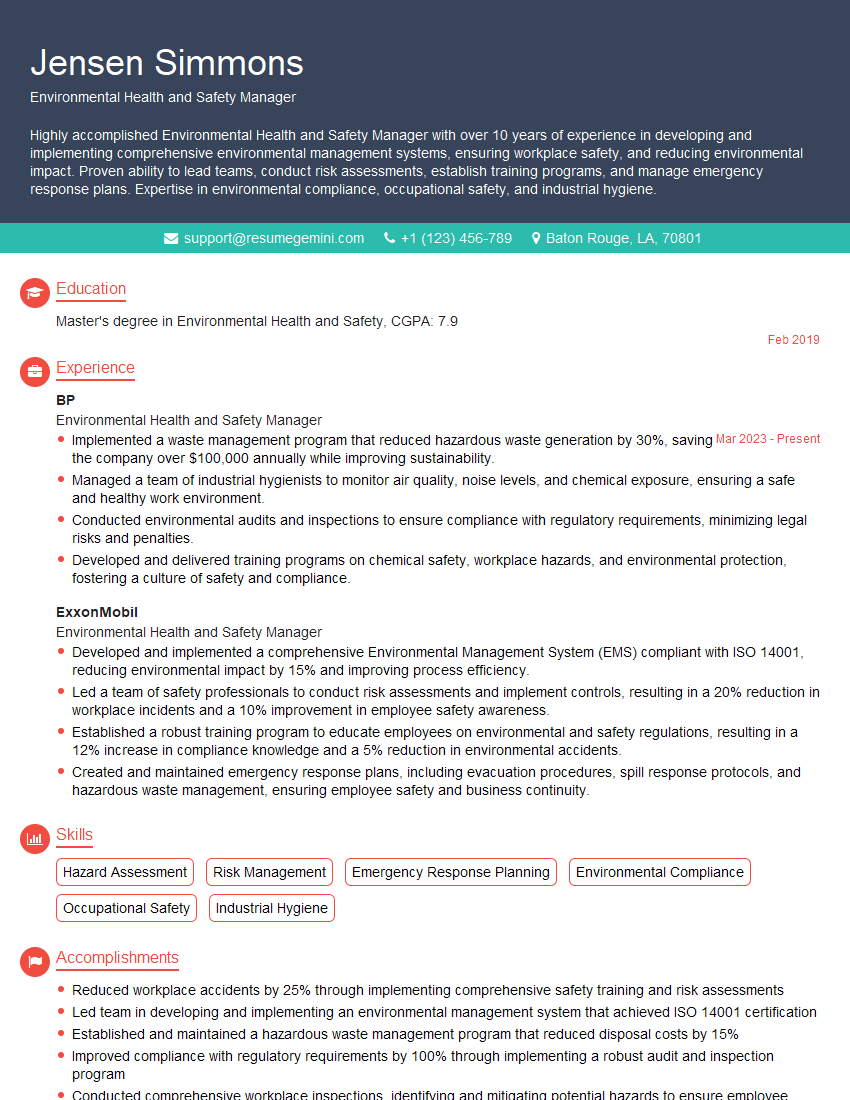
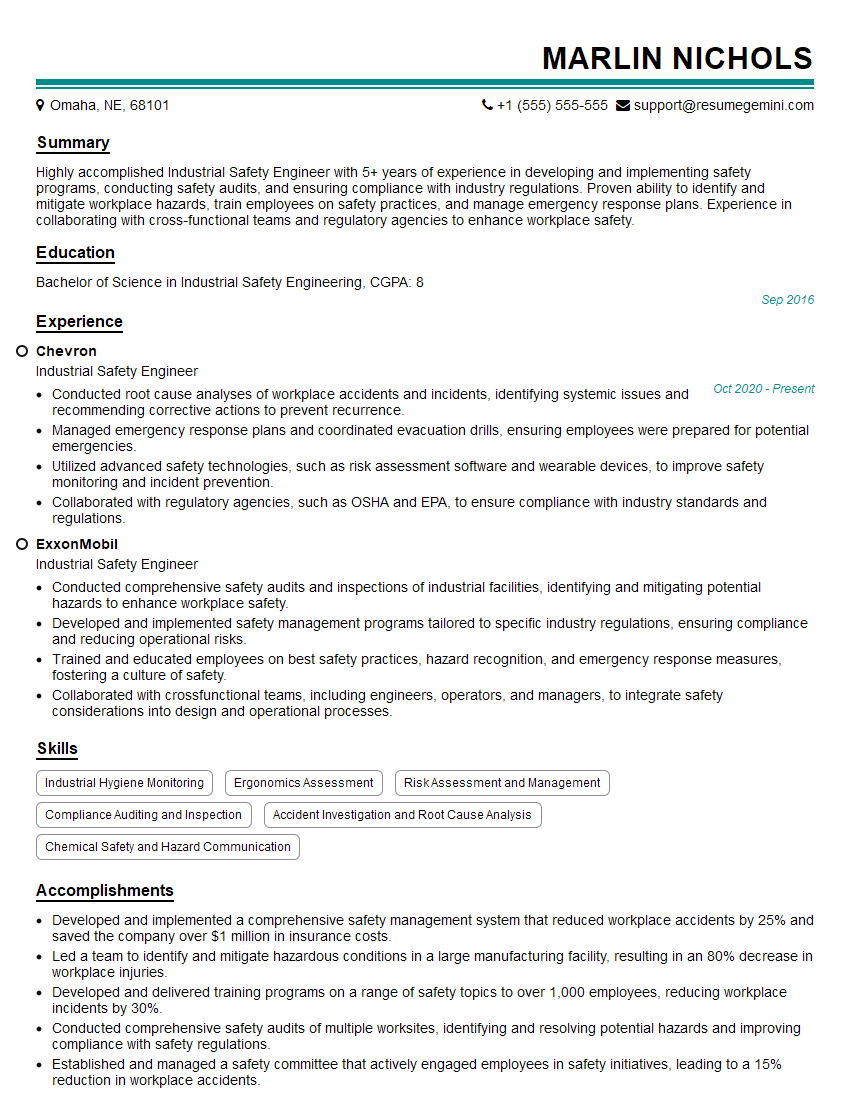
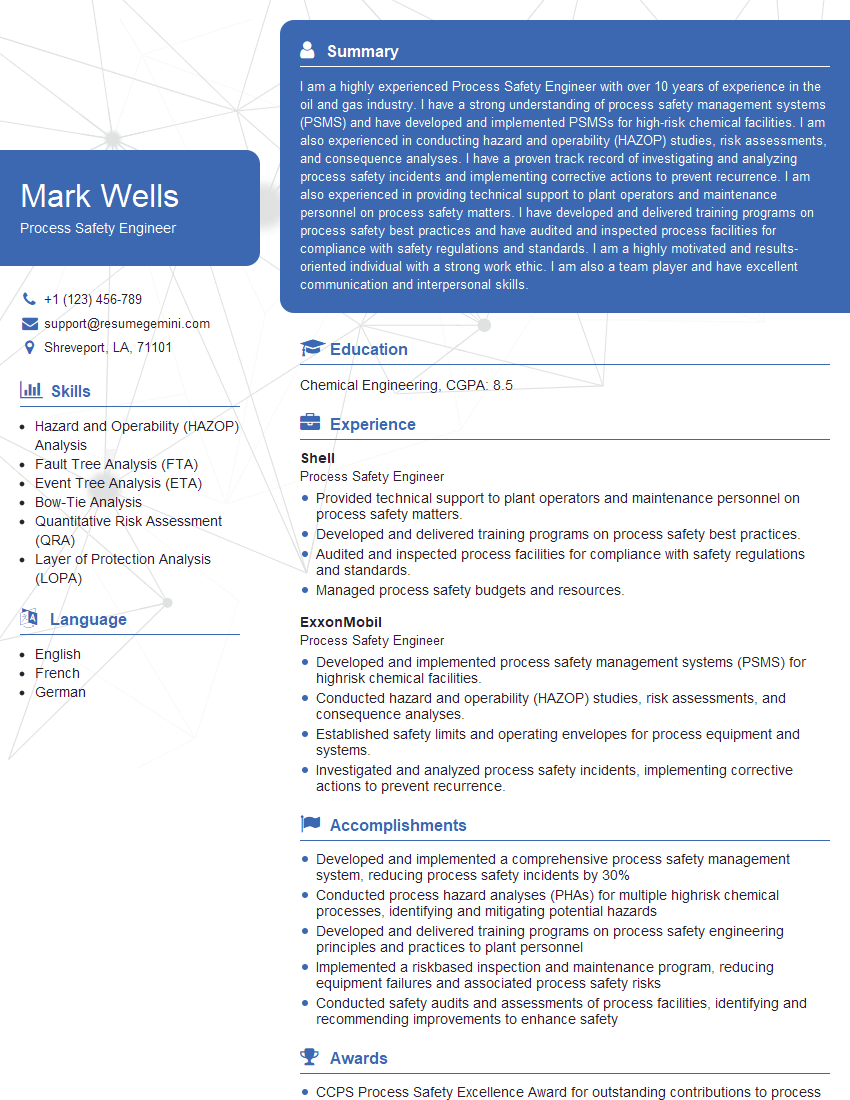
ResumeGemini is a trusted resource that can help you build a compelling resume tailored to the specific demands of the Confined Space Safety field. We provide examples of effective resumes to guide you, ensuring your qualifications are presented clearly and concisely to potential employers. Invest in your future – build a strong resume with ResumeGemini today. Examples of Confined Space Safety resumes are available for your review.
Explore more articles
Users Rating of Our Blogs
Share Your Experience
We value your feedback! Please rate our content and share your thoughts (optional).
What Readers Say About Our Blog
Really detailed insights and content, thank you for writing this detailed article.
IT gave me an insight and words to use and be able to think of examples