Are you ready to stand out in your next interview? Understanding and preparing for Fertilizer Application Equipment interview questions is a game-changer. In this blog, we’ve compiled key questions and expert advice to help you showcase your skills with confidence and precision. Let’s get started on your journey to acing the interview.
Questions Asked in Fertilizer Application Equipment Interview
Q 1. Describe the different types of fertilizer application equipment.
Fertilizer application equipment comes in various types, each suited for different needs and application methods. Broadly, we can categorize them into:
- Spreaders: These distribute granular fertilizers evenly across a field. They range from simple, manually operated broadcast spreaders for small gardens to sophisticated centrifugal spreaders mounted on tractors for large-scale agricultural operations. Centrifugal spreaders use spinning discs to throw fertilizer, while some newer models use a more precise metering system for better control.
- Sprayers: These apply liquid fertilizers, often incorporating herbicides or pesticides as well. They can be boom sprayers (with multiple nozzles on a boom for wide coverage) or nozzle-type sprayers for targeted application. Boom sprayers are common for large fields, while smaller sprayers are useful for spot treatment or smaller areas.
- Injectors: These precisely meter and inject liquid fertilizer into irrigation systems. This method ensures efficient use of fertilizer by directly applying it to the plants’ root zone, reducing fertilizer waste and runoff.
- Granular applicators: These are typically used for precise placement of fertilizers, such as banding fertilizer near the seed row or side-dressing established plants. They are designed to handle various granular products and allow for consistent placement at desired depths.
The choice of equipment depends on factors like the type of fertilizer, field size, application method, and budget.
Q 2. Explain the process of calibrating a fertilizer spreader.
Calibrating a fertilizer spreader is crucial for accurate application. Improper calibration can lead to wasted fertilizer or damage to crops due to over-application. The process generally involves these steps:
- Measure the spreader’s output: Spread fertilizer over a measured area (e.g., a tarp of known dimensions) at your intended application rate. Weigh the amount of fertilizer collected to determine the actual output.
- Calculate the spreader’s output rate: This involves converting the weight of fertilizer collected to an area/time unit (e.g., pounds per acre).
- Adjust the spreader settings: Based on the calculated output rate and your desired application rate, adjust the spreader’s settings (e.g., gate opening, spinner speed) to match. This usually involves trial and error, repeating steps 1 and 2 until you achieve the desired rate.
- Verify calibration: After adjustment, repeat the measurement process to ensure the spreader is accurately delivering the target application rate.
Calibration should be done before each use and anytime you change fertilizer type or spreader settings. Always follow the manufacturer’s instructions for specific calibration procedures.
Q 3. What are the safety precautions associated with operating fertilizer application equipment?
Safety is paramount when operating fertilizer application equipment. Key precautions include:
- Personal Protective Equipment (PPE): Always wear appropriate PPE, including gloves, eye protection, and a respirator, especially when handling concentrated fertilizers or pesticides.
- Proper handling of fertilizers: Follow the manufacturer’s instructions for safe storage and handling. Avoid inhaling fertilizer dust and prevent skin contact.
- Equipment maintenance: Regularly inspect and maintain the equipment to ensure it is in good working order. Pay attention to potential leaks or malfunctions that could lead to spills or accidents.
- Weather conditions: Avoid application during windy conditions that could lead to drift and off-target deposition. Also, be mindful of rain, which can wash away the fertilizer or cause runoff.
- Awareness of surroundings: Be aware of obstacles, bystanders, and livestock during operation. Never allow children or untrained individuals near the operating equipment.
- First aid: Be prepared for emergencies. Have access to first aid supplies and know how to respond to fertilizer exposure.
Ignoring safety procedures can lead to serious health issues, environmental contamination, and equipment damage.
Q 4. How do you ensure accurate fertilizer application rates?
Accurate fertilizer application rates are essential for maximizing crop yields while minimizing environmental impact. Several methods contribute to this accuracy:
- Calibration: As previously discussed, precise calibration of the spreader or sprayer is fundamental.
- Soil testing: Knowing the nutrient content of your soil allows you to apply the precise amount of fertilizer needed, avoiding over- or under-application.
- Variable rate technology (VRT): This technology uses GPS and sensors to map the field and vary the application rate based on soil conditions or crop needs. Areas needing more fertilizer receive a higher rate, while areas that are already sufficiently supplied receive less.
- Prescription maps: These maps are created from soil sampling and analysis, guiding VRT systems to apply the optimal amount of fertilizer to each zone of the field.
- Regular monitoring and adjustments: Monitor the fertilizer application throughout the process and make adjustments as needed based on field conditions and observed results.
By combining these approaches, farmers can greatly improve the precision and efficiency of fertilizer application.
Q 5. What are the common problems encountered with fertilizer applicators and their solutions?
Common problems with fertilizer applicators include:
- Clogging: This is often caused by using impure fertilizer or improper maintenance. Solution: Regular cleaning and maintenance, using filtered fertilizer.
- Uneven application: This can stem from incorrect calibration or worn parts. Solution: Recalibrate the equipment and replace worn components.
- Drift: Wind can cause fertilizer to drift away from the target area. Solution: Apply during calm conditions or use drift reduction technology.
- Leaks: Leaks in hoses or tanks lead to fertilizer waste and potential environmental contamination. Solution: Regular inspections and timely repairs.
- Inconsistent flow rate: Malfunctioning pumps or valves can lead to uneven application. Solution: Troubleshoot the hydraulic system and repair or replace faulty components.
Preventive maintenance is crucial to avoid many of these issues. Regular inspections, cleaning, and calibration can minimize problems and extend the life of the equipment.
Q 6. Explain the importance of GPS guidance in fertilizer application.
GPS guidance significantly enhances fertilizer application by providing precise location data. This translates into several benefits:
- Reduced overlap and skips: GPS allows applicators to cover the field precisely, minimizing overlap (wasting fertilizer) and skips (leaving unfertilized areas).
- Improved accuracy: This leads to a more even distribution of fertilizer, maximizing nutrient uptake and crop yield.
- Variable rate application: GPS is essential for VRT, enabling the application of fertilizer based on site-specific conditions.
- Documentation and record-keeping: GPS records the location and amount of fertilizer applied, facilitating efficient documentation and analysis for future management decisions.
- Reduced labor costs: Automated steering and application control can significantly reduce labor requirements.
Essentially, GPS transforms fertilizer application from a potentially inaccurate and inefficient process into a precision operation.
Q 7. Describe the different types of nozzles used in fertilizer sprayers and their applications.
Various nozzle types are employed in fertilizer sprayers, each designed for specific purposes:
- Flat Fan Nozzles: These create a broad, flat spray pattern, ideal for even coverage over wide areas. Different nozzle angles and sizes can adjust the spray width.
- Cone Nozzles: These produce a hollow cone spray pattern, often used for targeted application or weed control. Their even distribution is excellent for foliar feeding.
- Air Induction Nozzles: These incorporate air to create a larger droplet size, minimizing drift and improving application efficiency, particularly in windy conditions.
- Extended Range Nozzles: These are designed to reach further, useful for spraying taller crops or wider swaths. They generally have a higher pressure requirement.
- Pressure-compensating Nozzles: These maintain a consistent spray pattern and output even when there are variations in pressure within the sprayer system. They are ideal for uneven terrain.
The selection of the appropriate nozzle type depends on the crop, the fertilizer being applied, and the environmental conditions. Nozzle selection must carefully consider pressure, flow rate, and droplet size to optimize application efficiency and minimize losses.
Q 8. How do you maintain and troubleshoot fertilizer application equipment?
Maintaining and troubleshooting fertilizer application equipment involves a multi-faceted approach focusing on preventative maintenance, regular inspections, and prompt problem-solving. Think of it like maintaining a car – regular check-ups prevent major breakdowns.
Preventative Maintenance: This includes regular cleaning, lubrication of moving parts (like the spinner on a centrifugal spreader or the metering mechanism on a liquid applicator), and inspecting belts, hoses, and other components for wear and tear. A pre-season check-up is crucial. Imagine checking your car’s tires and fluids before a long road trip.
Calibration: Accurate calibration is essential for even fertilizer distribution. This often involves spreading a known quantity of fertilizer over a measured area and adjusting the settings until the application rate matches the target. Think of it as setting the correct dosage on a medicine dispenser.
Troubleshooting: Common issues include clogged nozzles (in liquid applicators), uneven spreading patterns (in solid applicators), and inaccurate application rates. Troubleshooting involves systematically checking each component, starting with the simplest possibilities (like a clogged nozzle) and progressing to more complex issues. A good troubleshooting strategy involves isolating the problem area, reviewing operational manuals, and possibly consulting a service technician. For example, an uneven spreading pattern might be due to a faulty spinner or incorrect calibration.
Record Keeping: Meticulous records of maintenance, calibration, and any repairs are essential for tracking equipment performance and identifying potential problems early on. This also helps in complying with regulations and ensuring insurance coverage. It’s like maintaining a service log for your car.
Q 9. What is the role of variable rate technology in fertilizer application?
Variable rate technology (VRT) revolutionizes fertilizer application by applying different amounts of fertilizer to different areas of a field based on the specific needs of the soil and crop. Imagine painting a wall – you wouldn’t use the same amount of paint everywhere, right? VRT is the same principle applied to fertilizer.
VRT uses GPS technology, soil sensors, and yield maps to create a prescription map. This map directs the applicator to vary the application rate as it moves across the field. Areas with higher nutrient needs receive more fertilizer, while areas with sufficient nutrients receive less, optimizing fertilizer use and minimizing environmental impact.
For example, a field might have variations in soil type and nutrient levels. VRT allows the applicator to apply more fertilizer to nutrient-deficient areas and less to areas already rich in nutrients.
Q 10. Explain the concept of soil sampling and its relevance to fertilizer application.
Soil sampling is the process of collecting representative soil samples from a field to analyze nutrient levels. It’s the foundational step in precision agriculture for fertilizer application because it provides the data needed to determine fertilizer requirements. Think of it as a blood test for your field.
The process involves taking samples from different zones within the field (grid sampling or zone sampling) and combining them to create a composite sample for each zone. The samples are then sent to a laboratory for analysis, which determines the levels of essential nutrients like nitrogen (N), phosphorus (P), and potassium (K), as well as soil pH. This information helps determine the precise nutrient needs of the crop and avoid over-fertilization or under-fertilization, both of which can be detrimental to the environment and the farm’s bottom line.
Q 11. How do you interpret soil test results to determine fertilizer needs?
Interpreting soil test results requires an understanding of nutrient levels and crop requirements. Soil test reports usually provide the concentrations of N, P, and K, alongside the soil pH. These values are compared to crop-specific recommendations to determine the amount of fertilizer needed. For instance, a report may show low phosphorus levels and a slightly acidic pH.
This interpretation involves several steps:
Understanding the units: The results are usually given in parts per million (ppm), pounds per acre (lbs/acre), or kilograms per hectare (kg/ha). Knowing the units is critical for proper interpretation.
Comparing to critical levels: The reported levels are compared to critical levels for the specific crop being grown. These critical levels indicate the minimum nutrient concentrations necessary for optimal plant growth.
Considering other factors: Soil type, crop yield goals, and the fertilizer’s nutrient content all influence the final fertilizer recommendation. For example, sandy soils tend to have lower nutrient retention, requiring potentially higher application rates. A high-yield goal would necessitate more fertilizer compared to a moderate-yield goal.
Using fertilizer recommendations: These are usually expressed as the amount of each nutrient (N, P, K) to be applied per unit area.
Often, agricultural extension services or soil testing laboratories provide guidance on interpreting the results and formulating the fertilizer recommendations.
Q 12. What are the environmental considerations related to fertilizer application?
Environmental considerations in fertilizer application are paramount to sustainability and responsible farming. Over-application leads to nutrient runoff, contaminating water bodies and harming aquatic life. It also contributes to greenhouse gas emissions. Proper application minimizes these impacts.
Nutrient Runoff: Excessive fertilizer can leach into groundwater or runoff into surface waters, causing eutrophication – an overgrowth of algae that depletes oxygen, harming fish and other aquatic organisms. Best management practices such as using appropriate fertilizer rates, timing application to avoid heavy rainfall, and using buffer strips around water bodies can mitigate runoff.
Greenhouse Gas Emissions: Some fertilizers, particularly nitrogen-based ones, contribute to nitrous oxide (N2O) emissions, a potent greenhouse gas. Using fertilizers with slow-release formulations, using nitrification inhibitors (to slow down the conversion of ammonium to nitrate), and adopting appropriate tillage practices helps reduce N2O emissions.
Soil Health: Improper fertilizer use can harm soil health, reducing its ability to support plant growth. Excessive salinity from fertilizers can also damage soil structure. Proper application techniques, including soil testing, and crop rotation, can prevent soil degradation.
Air Quality: Ammonia volatilization from fertilizers can contribute to air pollution. Using urea-based fertilizers with urease inhibitors minimizes ammonia losses to the atmosphere.
Q 13. Describe the different types of fertilizers and their application methods.
Fertilizers come in various forms, each with its own application methods. Choosing the right fertilizer and application method is crucial for effectiveness and environmental protection.
Solid Fertilizers: These include granular, prilled, and powdered forms. Application methods vary from broadcast spreaders (for even distribution over a large area) to row applicators (for precise placement near the crop). Examples include diammonium phosphate (DAP), monoammonium phosphate (MAP), and potassium chloride (KCl).
Liquid Fertilizers: These are solutions or suspensions of nutrients dissolved in water. They are applied using specialized liquid applicators that are attached to tractors or sprayers. These applicators can be equipped with nozzles for precise application. An example is liquid nitrogen solution.
Slow-Release Fertilizers: These fertilizers release nutrients gradually over time, reducing nutrient loss and maximizing their availability to plants. They often have a coating or a special formulation. These are applied similarly to solid fertilizers, often using broadcast spreaders.
The choice of application method depends on factors like fertilizer type, field conditions, crop type, and the desired level of precision. For instance, liquid fertilizers are ideal for fertigation (applying fertilizer through irrigation systems), while solid fertilizers are more suitable for broadcast applications. Precise placement is generally preferred in situations where environmental protection is paramount.
Q 14. What are the benefits of using precision agriculture techniques in fertilizer application?
Precision agriculture techniques offer significant benefits in fertilizer application, leading to increased efficiency, reduced environmental impact, and improved profitability. It’s about doing more with less, sustainably.
Optimized Fertilizer Use: By applying fertilizer only where and when it’s needed, precision agriculture minimizes waste and reduces costs. This also helps to maintain soil health and protect water quality.
Improved Crop Yields: By tailoring fertilizer application to the specific needs of each part of the field, precision agriculture maximizes nutrient uptake by plants, leading to improved yields and crop quality.
Reduced Environmental Impact: Precision agriculture minimizes nutrient runoff and greenhouse gas emissions associated with fertilizer use. This contributes to more sustainable farming practices.
Enhanced Profitability: The optimized use of fertilizers and improved yields translate to increased profitability for farmers. Reduced input costs and increased output contribute to a better bottom line.
Ultimately, precision agriculture promotes sustainable intensification, producing more with less environmental impact.
Q 15. How do you manage potential equipment malfunctions during field operations?
Managing potential equipment malfunctions during field operations is crucial for efficient and safe fertilizer application. My approach involves a multi-layered strategy focused on prevention, detection, and rapid response.
- Preventive Maintenance: Regular pre-season inspections are paramount. This includes checking all belts, hoses, calibration systems, and spreaders for wear and tear. I meticulously document these checks and follow a rigorous maintenance schedule. Think of it like a car—regular servicing prevents major breakdowns.
- Real-time Monitoring: During operation, I constantly monitor the equipment’s performance. This includes observing the flow rate, spread pattern, and overall functionality. Any deviation from the norm is immediately investigated. For example, if I notice an uneven spread, I’ll stop and check the calibration, spinner speed, or potential blockages.
- Troubleshooting & Repair: I carry a comprehensive toolkit and spare parts for common issues. This allows for on-site repairs whenever possible, minimizing downtime. If a more complex problem arises, I have established contacts with experienced mechanics who can provide timely assistance. Knowing which parts are most prone to failure and having spares ready makes all the difference.
- Emergency Procedures: Having a pre-planned emergency protocol is vital. This covers scenarios such as equipment failure in remote areas, which includes having a communication plan, alternative transportation, and emergency contact information readily accessible.
This proactive and comprehensive approach minimizes disruptions and ensures efficient fertilizer application, safeguarding both the equipment and the crop.
Career Expert Tips:
- Ace those interviews! Prepare effectively by reviewing the Top 50 Most Common Interview Questions on ResumeGemini.
- Navigate your job search with confidence! Explore a wide range of Career Tips on ResumeGemini. Learn about common challenges and recommendations to overcome them.
- Craft the perfect resume! Master the Art of Resume Writing with ResumeGemini’s guide. Showcase your unique qualifications and achievements effectively.
- Don’t miss out on holiday savings! Build your dream resume with ResumeGemini’s ATS optimized templates.
Q 16. What is your experience with different types of fertilizer spreaders (e.g., centrifugal, spinner, etc.)?
I have extensive experience with various fertilizer spreader types, each with its own advantages and limitations.
- Centrifugal Spreaders: These are widely used for granular fertilizers. They utilize centrifugal force to throw fertilizer outwards from a spinning disc. I’ve worked with various models, understanding their calibration intricacies and how factors like disc speed, spinner opening, and ground speed impact application rate and uniformity. For instance, adjusting the disc speed is critical for applying different fertilizer types and rates.
- Spinner Spreaders: Similar to centrifugal spreaders, but often used for larger fields and higher application rates. My experience includes optimizing their settings for varied soil conditions and wind speeds. Accurate calibration is crucial to ensure even distribution, especially at faster travel speeds.
- Pneumatic Spreaders: These use pressurized air to distribute granular fertilizers. I’ve worked with these systems and recognize the importance of maintaining proper air pressure for consistent application. Their precise control makes them ideal for applying smaller amounts of specialty fertilizers.
- Liquid Fertilizer Applicators: This includes boom sprayers and nurse tanks. I’m proficient in operating and calibrating these, understanding the importance of nozzle selection and pressure regulation for even coverage and accurate application rates. Different nozzle types have different spray patterns, and the proper choice ensures even distribution and minimizes drift.
My expertise spans across these types, allowing me to select and operate the most suitable equipment for each specific application based on factors like fertilizer type, field size, and soil conditions.
Q 17. How do you ensure the accurate application of liquid fertilizers?
Accurate application of liquid fertilizers requires meticulous attention to detail and precise calibration.
- Calibration: Before each application, I carefully calibrate the system using known volumes and distances. This involves measuring the amount of fertilizer dispensed over a set distance and adjusting the flow rate accordingly to match the desired application rate. I regularly check the calibration throughout the process to account for variations in pressure or flow.
- Pressure Regulation: Maintaining consistent pressure is crucial. Fluctuations in pressure directly affect the application rate. I monitor the pressure gauge continuously and make adjustments as needed to maintain a steady flow. Pressure regulators are key components that help maintain the desired pressure.
- Nozzle Selection and Placement: The selection of appropriate nozzles is important for even coverage. Different nozzle types create different spray patterns, so choosing the right one depends on factors like the type of liquid fertilizer and the crop height. Proper nozzle spacing ensures even coverage across the entire field. I use various nozzle types to efficiently deliver different fertilizer types and maintain consistent pressure.
- GPS Technology (if applicable): GPS-guided application systems allow for greater precision. These systems can track the application progress and ensure that no areas are missed or over-applied. The data collected can be used for future planning and optimization.
By meticulously following these steps, I ensure the accurate and efficient application of liquid fertilizers, maximizing their effectiveness and minimizing waste.
Q 18. Explain the process of cleaning and storing fertilizer application equipment after use.
Cleaning and storing fertilizer application equipment properly is essential for maintaining its longevity and preventing cross-contamination.
- Thorough Cleaning: After each use, I completely clean all components. This involves removing all residual fertilizer from the hopper, spreaders, tanks, hoses, and nozzles. I use appropriate cleaning agents, taking care to follow safety guidelines and avoid damaging sensitive equipment parts. Water rinsing alone is usually insufficient; thorough cleaning is vital to prevent fertilizer build-up and corrosion.
- Drying: After cleaning, I allow the equipment to completely dry. This prevents rust and corrosion, especially important in humid climates. Proper drying prevents bacterial and fungal growth that might affect future fertilizer applications.
- Lubrication (where applicable): I lubricate moving parts to prevent wear and tear and ensure smooth operation during the next application. This step extends the life of the equipment and reduces maintenance needs.
- Storage: The equipment is stored in a dry, covered location to protect it from the elements and prevent damage. I ensure that the equipment is properly secured to prevent accidental movement or damage. Proper storage keeps the equipment in good working order until its next use.
Following these steps ensures the equipment remains in optimal condition and ready for the next application season, minimizing downtime and maintaining its efficiency and lifespan.
Q 19. What are the regulatory requirements for operating and maintaining fertilizer application equipment?
Regulatory requirements for operating and maintaining fertilizer application equipment vary by location but generally focus on safety and environmental protection.
- Licensing and Certification: In many areas, operators must possess licenses or certifications demonstrating their competence in handling and applying fertilizers safely. This often involves training on equipment operation, safety protocols, and environmental regulations.
- Calibration and Record Keeping: Accurate calibration is mandatory, and detailed records of application rates, dates, fields treated, and fertilizer types used must be maintained. These records are crucial for compliance audits and traceability.
- Safety Regulations: Strict adherence to safety regulations is essential, including personal protective equipment (PPE) requirements, hazard communication protocols, and emergency response procedures. The use of PPE is mandatory to prevent exposure to fertilizers, and the operator should be adequately trained on emergency procedures.
- Environmental Regulations: Regulations often dictate how to minimize fertilizer drift and runoff to prevent water contamination and soil degradation. These regulations might include buffer zones around sensitive areas and restrictions on application during certain weather conditions.
Staying informed about and adhering to all applicable regulations is non-negotiable. Non-compliance can result in hefty fines and legal repercussions.
Q 20. How do you handle different soil types and conditions when applying fertilizer?
Handling different soil types and conditions requires adaptability and precision in fertilizer application.
- Soil Analysis: Before application, a soil test is crucial to determine nutrient levels and pH. This information guides the selection of fertilizers and the appropriate application rates. Knowing soil composition is vital to optimizing fertilizer usage.
- Application Rate Adjustments: Soil texture, organic matter content, and drainage influence fertilizer uptake. Heavier clay soils may require lower application rates to prevent nutrient buildup, while sandy soils might need higher rates due to faster drainage. My experience allows me to adjust application rates based on soil type.
- Equipment Adjustments: The type of spreader and its settings may need adjustment to suit different soil conditions. For example, spinner spreaders may need calibration adjustments to match the spread pattern to the terrain.
- Application Timing: Soil moisture and temperature influence nutrient availability. Applying fertilizer when the soil is appropriately moist maximizes uptake and reduces runoff. Soil temperature also affects nutrient uptake; therefore, the application timing needs to be optimized to match soil conditions.
By considering these factors, I ensure that the fertilizer is applied efficiently and effectively, maximizing nutrient uptake and minimizing environmental impact.
Q 21. How do you address issues related to fertilizer drift or runoff?
Addressing fertilizer drift and runoff requires a proactive, multi-faceted approach.
- Weather Monitoring: I carefully monitor weather conditions before and during application. High winds, rain, and temperature inversions increase the risk of drift and runoff. Application is postponed if conditions are unfavorable. Real-time monitoring of weather conditions is essential to avoid potential issues.
- Proper Equipment Selection and Calibration: Choosing the right equipment and ensuring accurate calibration are vital. Appropriate nozzles and spread patterns can minimize drift, while precise application rates reduce the risk of runoff. Proper selection and calibration are critical to achieve consistent application and minimize environmental impact.
- Buffer Zones: Establishing buffer zones around sensitive areas like water bodies and wetlands protects them from fertilizer contamination. This involves maintaining a suitable distance between the application area and these sensitive areas.
- Best Management Practices: Following best management practices (BMPs) is essential. This includes applying fertilizer at the optimal time, using appropriate application methods, and incorporating techniques like split application to reduce the risk of nutrient loss. Adherence to BMPs is paramount to ensure safe and efficient fertilizer application.
By combining careful planning, accurate equipment operation, and adherence to best management practices, I minimize the risk of fertilizer drift and runoff, protecting the environment and promoting sustainable agriculture.
Q 22. Describe your experience with different types of controllers used in fertilizer application systems.
My experience encompasses a wide range of controllers used in fertilizer application, from simple, manually-calibrated systems to sophisticated GPS-guided, variable-rate technology. I’ve worked extensively with:
- Proportional controllers: These maintain a set rate of fertilizer application by adjusting the flow based on speed and other parameters. For example, if the applicator slows down, the proportional controller reduces the fertilizer flow to maintain the desired application rate per acre.
- On/Off controllers: These are simpler and less precise, providing only a binary control – fertilizer is either on or off. While cost-effective, they’re less accurate than proportional controllers, leading to potential over or under application.
- Variable Rate Control (VRC) systems: These utilize GPS data and prescription maps to apply varying amounts of fertilizer based on soil nutrient needs across a field. I have hands-on experience programming and troubleshooting these systems, optimizing them for different field conditions and fertilizer types. This often involves integrating data from soil sensors and yield monitors for maximum efficiency.
- Microprocessor-based controllers: These offer greater precision and flexibility compared to simpler controllers. They can manage multiple functions such as fertilizer application rate, boom height, and section control. I am comfortable working with various programming interfaces for these systems.
My experience extends beyond just operation; I am also familiar with calibrating and maintaining these different types of controllers to ensure accuracy and prevent costly downtime.
Q 23. Explain the role of data logging and record-keeping in fertilizer application.
Data logging and record-keeping are crucial for optimizing fertilizer application and complying with regulations. They provide a detailed history of fertilizer application, allowing for analysis, improvements in future applications, and documentation for regulatory purposes.
- Tracking Application Rates: Accurate records show the amount of fertilizer applied per acre, ensuring optimal nutrient levels are met without excess.
- Identifying Problem Areas: By analyzing logged data, we can pinpoint areas where application rates were inconsistent or incorrect, allowing for adjustments in future applications. For instance, inconsistent application might reveal issues with the equipment’s calibration or spreader pattern.
- Improving Efficiency: Data analysis helps identify inefficiencies, such as overlapping application passes or uneven distribution. This can reduce waste and save costs.
- Compliance: Many jurisdictions require detailed records of fertilizer application for environmental protection and regulatory compliance. This helps ensure responsible farming practices.
- Return on Investment (ROI) Analysis: By comparing fertilizer application data with yield data, we can analyze the return on investment for different fertilizer strategies. This allows for data-driven decisions on fertilizer selection and application.
The data itself can be logged via various methods including onboard computers on the applicator, external data loggers, or even through integration with farm management software.
Q 24. How do you calculate the amount of fertilizer required for a given area?
Calculating the amount of fertilizer needed for a given area requires several steps:
- Determine Nutrient Needs: Soil testing is paramount. This analysis reveals the existing nutrient levels and the amount of each nutrient (e.g., nitrogen, phosphorus, potassium) that needs to be added. The results are usually expressed in pounds per acre.
- Choose the Fertilizer Type: Select a fertilizer with the appropriate nutrient ratio to meet the soil’s needs. For example, a 10-10-10 fertilizer contains 10% nitrogen, 10% phosphorus, and 10% potassium by weight.
- Convert Fertilizer Analysis to Actual Nutrient Content: The fertilizer’s analysis is expressed as a percentage. To determine the actual pounds of a given nutrient per unit of fertilizer, multiply the percentage by the weight of the fertilizer unit (e.g., a 50 lb bag).
- Calculate the Amount of Fertilizer Needed: Divide the required amount of a specific nutrient per acre (from the soil test) by the amount of that nutrient per unit of fertilizer. This will provide the number of units of fertilizer needed per acre.
- Multiply by the Area: Finally, multiply the fertilizer amount per acre by the total area to be fertilized.
Example: Let’s say a soil test indicates a need for 50 pounds of nitrogen per acre, and you’re using a 10-10-10 fertilizer in 50 lb bags. Each bag contains 50 lbs * 0.10 = 5 lbs of nitrogen. You’ll need 50 lbs N / 5 lbs N/bag = 10 bags per acre. For a 10-acre field, you would need 10 bags/acre * 10 acres = 100 bags of fertilizer.
Q 25. What are the potential consequences of inaccurate fertilizer application?
Inaccurate fertilizer application can have significant negative consequences, impacting yield, profitability, and environmental sustainability:
- Reduced Crop Yields: Applying too little fertilizer results in nutrient deficiencies, hindering plant growth and reducing yields. Conversely, excessive fertilization can lead to nutrient imbalances, also impacting yield.
- Economic Losses: Over-application wastes money on unused fertilizer and may even cause crop damage. Under-application leads to lower yields and reduced profit margins.
- Environmental Damage: Excess fertilizer can leach into groundwater, contaminating drinking water sources and harming aquatic life (eutrophication). It can also contribute to air pollution through ammonia volatilization.
- Soil Degradation: Overuse of certain fertilizers can affect soil structure and health, decreasing its long-term productivity.
- Regulatory Non-Compliance: Inaccurate records and excessive fertilizer use can lead to penalties from regulatory agencies.
Precise application is crucial for maximizing efficiency and minimizing negative impacts.
Q 26. How do you stay up-to-date on the latest technologies and best practices in fertilizer application?
Staying current in this rapidly evolving field is essential. I employ a multi-faceted approach:
- Industry Publications and Journals: I regularly read trade magazines and scientific journals focused on precision agriculture, fertilizer technology, and soil science.
- Conferences and Workshops: Attending industry conferences and workshops allows me to network with colleagues and learn about the latest advancements firsthand. I actively participate in discussions and presentations.
- Manufacturer Training: I actively seek out training opportunities provided by fertilizer equipment manufacturers. This ensures I’m familiar with the latest features and troubleshooting techniques for specific models.
- Online Resources: I utilize online platforms and educational resources to access webinars, technical bulletins, and case studies on new technologies and best practices.
- Professional Networks: I maintain memberships in professional organizations related to agriculture and precision farming. These provide access to expert networks and ongoing education.
This continuous learning ensures that I’m up-to-date with the most effective and sustainable methods for fertilizer application.
Q 27. Describe your experience with troubleshooting electrical or hydraulic problems in fertilizer applicators.
Troubleshooting electrical and hydraulic problems in fertilizer applicators requires a systematic approach. I typically follow these steps:
- Safety First: Always disconnect power and ensure the applicator is in a safe condition before beginning any troubleshooting.
- Identify the Problem: Carefully observe the symptoms – is there a complete failure, intermittent operation, or unusual behavior?
- Check the Obvious: Start with simple checks, such as fuses, circuit breakers, and fluid levels. Sometimes the issue is a loose connection or a simple blockage.
- Systematic Testing: Use diagnostic tools (multimeters, pressure gauges) to systematically check components such as sensors, solenoids, pumps, and motors. Follow wiring diagrams to trace circuits.
- Consult Manuals: Refer to the equipment’s service manual for troubleshooting guides, schematics, and component specifications.
- Component Replacement: If a faulty component is identified, replace it with an appropriate part, ensuring correct installation and secure connections.
- Testing After Repair: After repairs, thoroughly test the system to ensure the problem is resolved and the applicator is functioning correctly.
For example, if a fertilizer pump fails to operate, I might first check the power supply to the pump motor, then test the motor itself, and finally check the pump’s hydraulic circuit for blockages. My experience encompasses diagnosing and repairing various issues, from minor electrical faults to major hydraulic component failures.
Q 28. How do you contribute to the overall efficiency and productivity of fertilizer application operations?
I contribute to the overall efficiency and productivity of fertilizer application operations through several key strategies:
- Precise Calibration: Ensuring accurate calibration of applicators is vital. I meticulously calibrate spreaders and other application equipment to minimize waste and maximize uniformity.
- Optimized Application Techniques: I employ techniques like variable-rate application (VRA) and GPS guidance to deliver fertilizer precisely where it’s needed, reducing overlap and minimizing environmental impact. Proper boom height adjustment ensures even distribution.
- Preventative Maintenance: Regular inspections and preventative maintenance minimize downtime and ensure the equipment is operating efficiently. This includes routine checks of hydraulic systems, electrical components, and wear parts.
- Data Analysis and Optimization: I analyze application data to identify areas for improvement and optimize future application strategies. This might involve adjusting application rates based on yield data or soil conditions.
- Training and Knowledge Sharing: I actively train other operators on best practices for equipment use, maintenance, and data management, ensuring consistent and efficient application throughout the operation.
My focus on precision, efficiency, and preventative maintenance significantly contributes to improved yields, reduced costs, and environmental responsibility.
Key Topics to Learn for Fertilizer Application Equipment Interview
- Types of Fertilizer Application Equipment: Understand the differences between various application methods (e.g., broadcast spreaders, pneumatic applicators, liquid injection systems, etc.) and their suitability for different soil types, crops, and fertilizers.
- Calibration and Maintenance: Master the practical skills involved in calibrating equipment for accurate application rates and performing routine maintenance to ensure optimal performance and longevity. This includes understanding factors affecting calibration accuracy.
- Precision Application Technologies: Explore GPS-guided application, variable rate technology (VRT), and sensor-based systems for optimizing fertilizer use and minimizing environmental impact. Understand their benefits and limitations.
- Safety Procedures and Regulations: Familiarize yourself with relevant safety protocols and regulatory compliance related to handling fertilizers and operating application equipment. This includes understanding potential hazards and mitigation strategies.
- Troubleshooting and Problem Solving: Develop the ability to diagnose and resolve common issues with fertilizer application equipment, including mechanical malfunctions, calibration errors, and application inconsistencies. Consider different problem-solving methodologies.
- Fertilizer Types and Properties: Gain a strong understanding of different fertilizer types (granular, liquid, etc.), their chemical properties, and their impact on application methods and equipment selection.
- Environmental Impact and Sustainability: Understand the environmental considerations associated with fertilizer application, including nutrient runoff, soil erosion, and greenhouse gas emissions. Explore sustainable application practices and technologies.
Next Steps
Mastering fertilizer application equipment is crucial for career advancement in the agricultural industry, opening doors to specialized roles and higher earning potential. A well-crafted resume is your key to unlocking these opportunities. Make sure your resume is ATS-friendly to maximize its visibility to recruiters. ResumeGemini can help you create a powerful and effective resume tailored to the specific requirements of fertilizer application equipment roles. Examples of resumes optimized for this field are available to help guide your process.
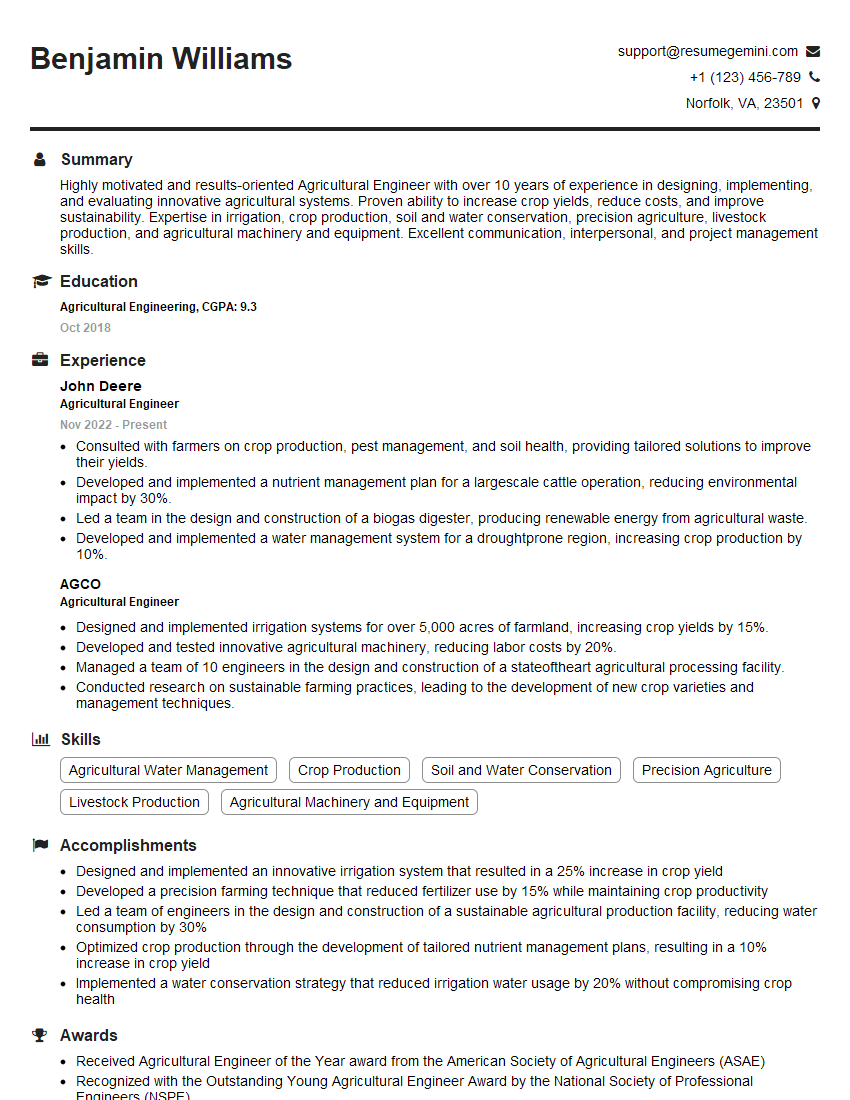
Agricultural Engineer Resume Sample
Calibration Technician Resume Sample
Field Service Technician Resume Sample

Precision Agriculture Technician Resume Sample
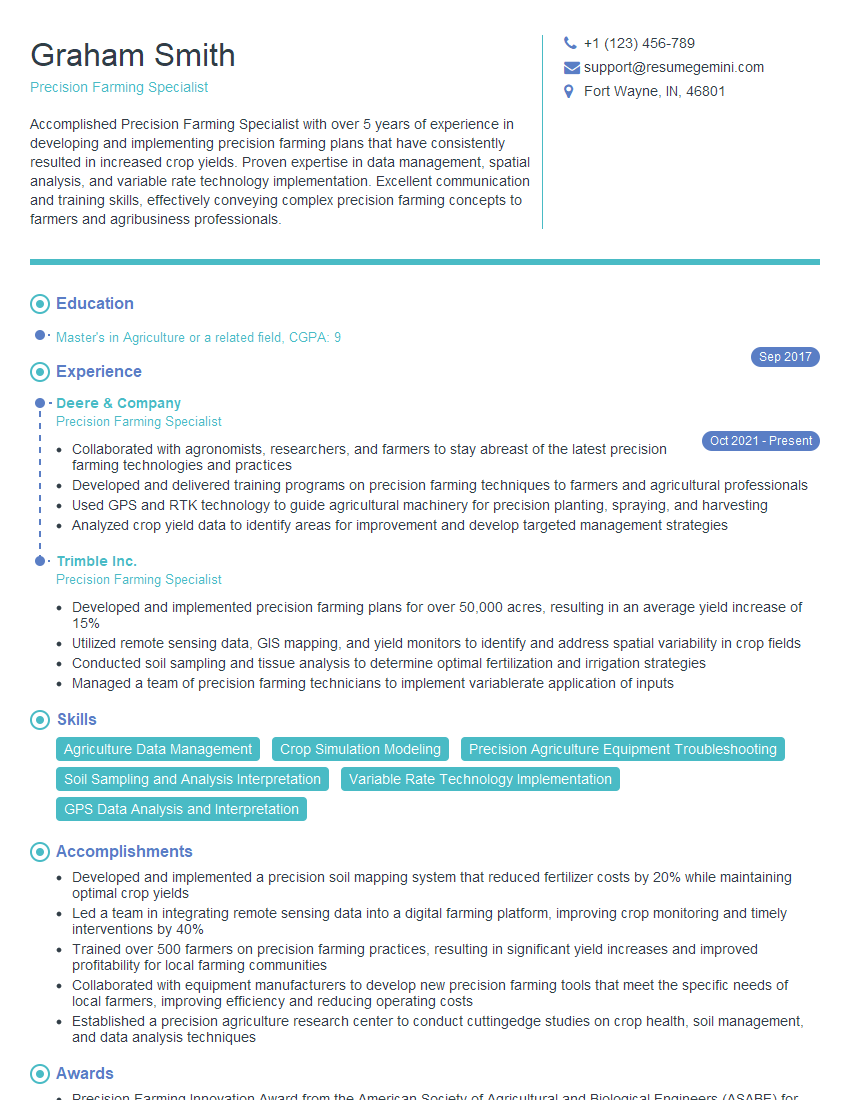
Precision Farming Specialist Resume Sample
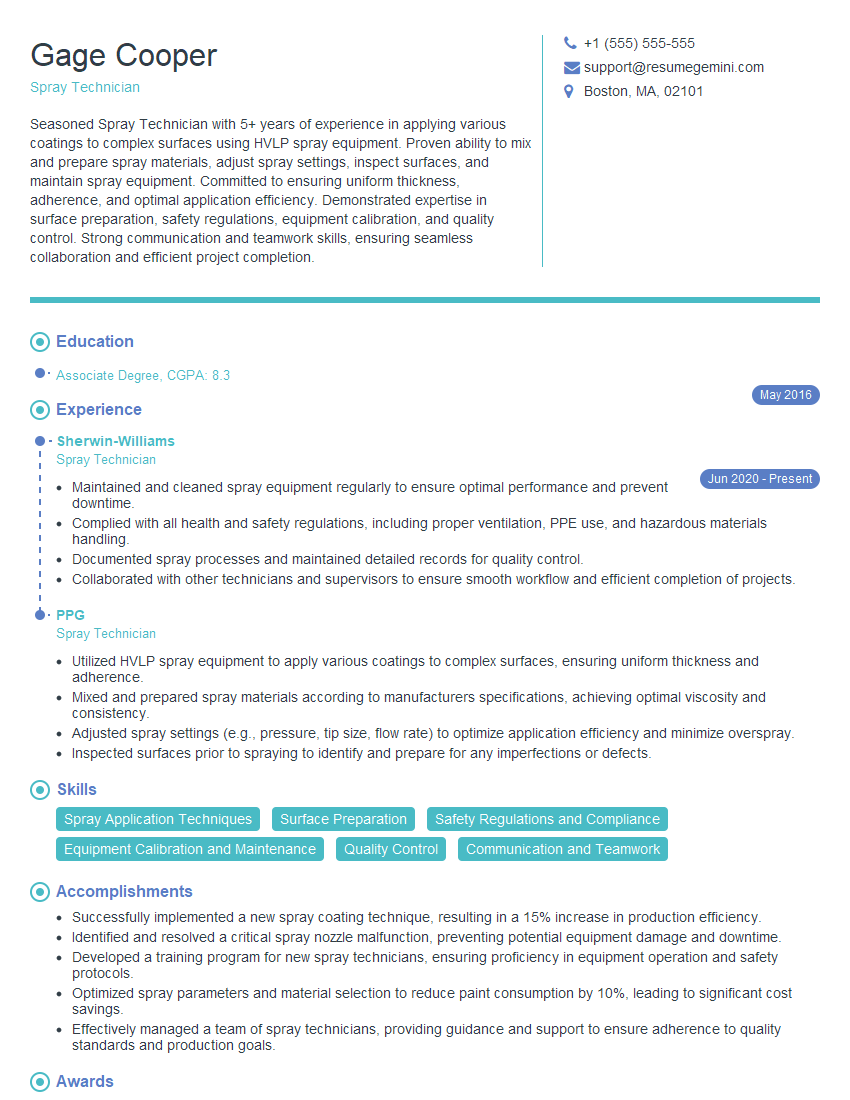
Spray Technician Resume Sample
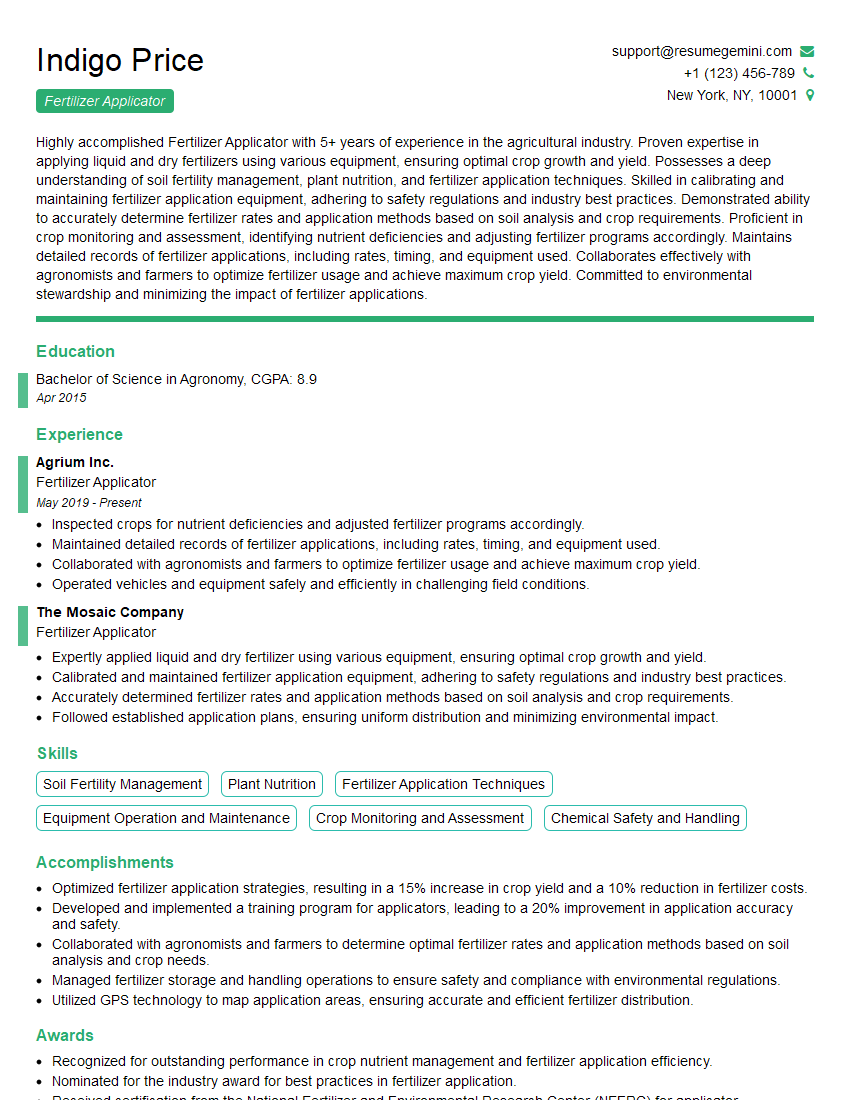
Fertilizer Applicator Resume Sample
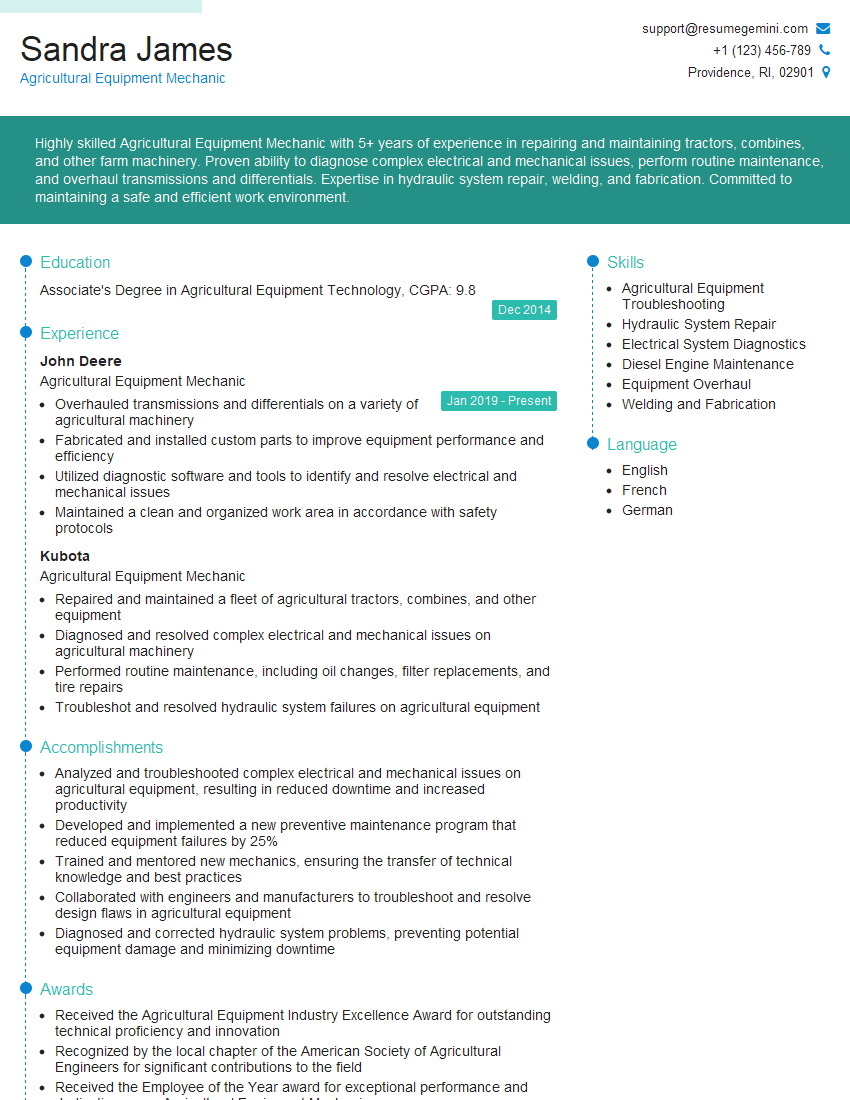
Agricultural Equipment Mechanic Resume Sample
Explore more articles
Users Rating of Our Blogs
Share Your Experience
We value your feedback! Please rate our content and share your thoughts (optional).
What Readers Say About Our Blog
Really detailed insights and content, thank you for writing this detailed article.
IT gave me an insight and words to use and be able to think of examples