Unlock your full potential by mastering the most common Adaptability and willingness to learn new techniques interview questions. This blog offers a deep dive into the critical topics, ensuring you’re not only prepared to answer but to excel. With these insights, you’ll approach your interview with clarity and confidence.
Questions Asked in Adaptability and willingness to learn new techniques Interview
Q 1. Describe a time you had to adapt to a significant change in your work environment.
Adaptability is crucial in today’s dynamic work environments. A significant change I faced was the transition from a predominantly on-site team to a fully remote one during the pandemic. This wasn’t just about working from home; it involved a complete overhaul of our communication and collaboration methods.
Initially, I struggled with the lack of spontaneous interactions and the reliance on digital communication. We addressed this by implementing more structured daily check-ins using tools like Slack and Microsoft Teams, scheduling regular virtual coffee breaks to maintain informal communication, and adopting project management software with robust task assignment and progress tracking capabilities. We also invested time in training on effective virtual communication techniques, focusing on active listening and clear articulation in online meetings.
The result was surprisingly positive. While I missed the in-person camaraderie, the new remote setup enhanced our flexibility and work-life balance. We became more efficient in our communication and task management, ultimately improving team productivity and morale. This experience honed my ability to embrace change, leverage technology to bridge communication gaps, and foster a sense of community in a virtual setting.
Q 2. How do you approach learning a new software or technology?
My approach to learning new software or technology is systematic and highly practical. I believe in a hands-on, iterative learning process. I start by understanding the overall purpose and functionality of the software, often referring to official documentation or online tutorials. Then, I break down the learning process into smaller, manageable chunks. I focus on mastering one feature or function at a time, practicing it repeatedly until I feel confident.
For example, when learning a new programming language like Python, I started with basic syntax and data structures, building small programs to solidify my understanding. I gradually progressed to more advanced concepts, always testing my knowledge through coding challenges and personal projects. I also actively seek out online communities and forums where I can ask questions and learn from others’ experiences.
I find that combining structured learning with practical application is the most effective way to learn. I don’t just passively consume information; I actively engage with the software, experiment with its capabilities, and apply what I’ve learned to solve real-world problems.
Q 3. What strategies do you use to stay updated with industry trends and advancements?
Staying updated with industry trends and advancements is an ongoing process that requires proactive effort. I utilize a multi-faceted approach:
- Industry Publications and Blogs: I regularly read relevant industry publications, blogs, and newsletters to keep abreast of new technologies, methodologies, and best practices.
- Conferences and Webinars: Attending conferences and webinars offers the opportunity to learn from experts, network with peers, and discover cutting-edge solutions.
- Online Courses and Certifications: Platforms like Coursera, edX, and Udemy offer valuable online courses and certifications that help me expand my knowledge in specific areas.
- Professional Networking: Engaging with colleagues, industry leaders, and mentors through online communities and professional organizations provides valuable insights and different perspectives.
- Following Key Influencers: Following thought leaders and experts on social media and professional platforms keeps me informed about the latest developments in my field.
This combined approach ensures that I’m continuously expanding my knowledge base and staying competitive in a rapidly evolving landscape.
Q 4. Describe a situation where you had to quickly learn a new skill to meet a deadline.
In a previous project, we needed to implement a new data visualization tool within a very tight deadline. While I had some familiarity with data analysis, I had no experience with the specific visualization library required.
To meet the deadline, I adopted a focused, step-by-step approach. First, I consulted the library’s official documentation and online tutorials. I then identified a series of simple tasks, starting with basic chart creation and gradually progressing to more complex visualizations. I practiced each task until I felt confident in executing it. This iterative approach allowed me to quickly acquire the necessary skills. I also leveraged online resources such as Stack Overflow to overcome specific challenges. While the timeline was tight, I successfully implemented the visualization tool, demonstrating my ability to learn rapidly under pressure and deliver quality results within constraints.
Q 5. How do you handle unexpected challenges or setbacks in a project?
Unexpected challenges and setbacks are inevitable in any project. My approach focuses on proactive problem-solving and effective communication. When encountering a setback, I first assess the situation objectively, identifying the root cause and its impact on the project timeline and goals.
Then, I brainstorm potential solutions, prioritizing those that are most feasible and efficient. I involve relevant stakeholders in the decision-making process, ensuring transparency and collaboration. If necessary, I adjust project plans, allocating resources and time effectively. Regular communication is key – keeping stakeholders informed about the issue, the proposed solutions, and the revised timeline helps to manage expectations and maintain trust.
Ultimately, my goal is to learn from the setback, identifying areas for improvement in future projects. This approach, characterized by a calm and systematic response, helps to mitigate the impact of setbacks and ensures project success.
Q 6. Give an example of how you have proactively sought out opportunities to expand your skillset.
Proactively seeking opportunities to expand my skillset is a core principle of my professional development. For example, I noticed a growing demand for expertise in cloud computing within my organization. Rather than waiting for a formal training opportunity, I proactively enrolled in a cloud computing certification program on my own time. This involved self-directed study, hands-on practice using cloud platforms, and completing the certification exam.
This initiative not only expanded my technical skillset but also demonstrated my commitment to professional growth and adaptability. It ultimately led to new responsibilities within my team and enhanced my contribution to company projects. This experience reinforced my belief that proactively identifying and pursuing skill development opportunities is crucial for career advancement and remaining competitive in a dynamic work environment.
Q 7. How do you prioritize learning new skills when faced with competing demands?
Prioritizing learning new skills when faced with competing demands requires a strategic approach. I use a framework that balances immediate needs with long-term goals. I start by assessing the urgency and importance of each task, considering factors like deadlines, impact on projects, and alignment with career goals.
I employ time management techniques like the Eisenhower Matrix (urgent/important) to categorize tasks. Skills development is prioritized based on its impact on current projects and future career prospects. For example, if a critical project requires a specific skill, I prioritize learning that skill immediately, even if it means temporarily delaying other learning initiatives. However, I allocate dedicated time slots for skill development, even if it’s just 30 minutes a day, to ensure consistent progress. This structured approach ensures that I effectively manage competing demands while consistently investing in my professional growth.
Q 8. How do you handle constructive criticism and use it to improve your performance?
Constructive criticism is a gift; it’s an opportunity for growth. I approach it by actively listening, seeking to understand the perspective offered, and separating the feedback from any emotional component. I don’t take it personally; instead, I view it as data I can use to improve.
My process involves several steps:
- Active Listening: I paraphrase the feedback to ensure I understand it correctly. This shows respect for the giver and prevents misunderstandings.
- Seeking Clarification: If anything is unclear, I ask clarifying questions. For example, instead of reacting defensively to “your presentation lacked impact,” I might ask, “Could you give me some examples of how I could improve the impact of my future presentations?”
- Self-Reflection: I take time to reflect on the feedback, considering its validity. I ask myself: Is this a recurring issue? What caused this? What can I do differently next time?
- Actionable Steps: Based on my reflection, I develop specific, measurable, achievable, relevant, and time-bound (SMART) goals to address the feedback. For example, if my presentation lacked impact, I might aim to incorporate more data visualizations within the next presentation.
- Follow-Up: I often follow up with the person who provided the feedback to demonstrate that I’ve acted on it and to further refine my understanding.
For instance, during a project review, my manager suggested my reports lacked sufficient detail. By following this process, I identified the specific areas needing improvement (data points, analysis depth), created a checklist for future reports, and incorporated more detailed analysis in my subsequent reports. The positive feedback I received subsequently validated this approach.
Q 9. Describe a time you failed to adapt to a change. What did you learn from it?
Early in my career, I struggled to adapt to a sudden shift in project management methodology. The team transitioned from a waterfall to an agile approach, and I initially resisted, clinging to the familiar structure of the waterfall method. This resistance manifested in missed deadlines and inefficient workflow.
My failure stemmed from a fear of the unknown and an unwillingness to embrace new processes initially. I focused on what I already knew instead of adapting to the new requirements.
However, I learned several valuable lessons:
- Embrace Change: Resistance only prolongs the adaptation process and creates unnecessary friction. It’s crucial to accept change as an inevitable part of professional life and approach it with an open mind.
- Active Learning: Instead of passively resisting, I should have actively sought to understand the new methodology. This could have involved attending training sessions, reading relevant materials, or engaging more actively with team members already familiar with Agile.
- Collaboration is Key: Agile emphasizes teamwork and communication. My initial resistance hindered collaboration, ultimately affecting the project’s success. Open communication and active participation in team discussions are crucial for successful adaptation.
This experience significantly improved my adaptability. Now, I proactively seek training on new methods and tools, fostering a mindset of continuous learning and welcoming change as an opportunity for growth.
Q 10. How do you approach problems that require you to learn new concepts or techniques?
When faced with problems requiring new concepts or techniques, I employ a structured approach emphasizing both breadth and depth of understanding:
- Problem Decomposition: I start by breaking down the problem into smaller, more manageable components. This helps to identify specific knowledge gaps.
- Information Gathering: I gather information from diverse sources – online courses, documentation, books, colleagues, mentors – focusing on reliable and credible sources. This step involves critical evaluation of the information’s relevance and accuracy.
- Hands-on Practice: I believe in learning by doing. I actively apply the new concepts through experimentation, coding exercises, or simulations. I don’t shy away from making mistakes; they are valuable learning opportunities.
- Mentorship and Collaboration: I seek guidance from experienced colleagues or mentors. Collaborating with others accelerates learning and provides diverse perspectives.
- Iterative Refinement: I don’t expect immediate mastery. Learning is an iterative process. I continuously refine my understanding through practice, feedback, and further research.
For example, when our team needed to implement a new machine learning algorithm, I started by understanding the underlying mathematical principles through online courses. Then, I experimented with the algorithm using sample datasets, gradually increasing the complexity. I collaborated with a colleague experienced in machine learning, seeking clarification on challenging aspects. Through this iterative process, I effectively integrated the algorithm into our system.
Q 11. Explain your preferred method for acquiring new knowledge and skills.
My preferred method for acquiring new knowledge and skills involves a blended approach combining various learning styles:
- Active Reading and Research: I prefer to actively engage with the material, taking notes, highlighting key points, and summarizing concepts in my own words. This helps me to internalize the information effectively.
- Hands-on Practice: I prioritize practical application. I believe that real-world experience is essential for solidifying knowledge and developing proficiency.
- Structured Courses and Training: Formal learning through online courses, workshops, or certifications provides a systematic approach to learning, ensuring coverage of essential concepts.
- Mentorship and Peer Learning: Learning from and collaborating with others accelerates understanding and exposes me to diverse perspectives.
- Feedback and Reflection: I regularly seek feedback on my progress, reflecting on my strengths and weaknesses to identify areas for improvement.
I find this blended approach efficient and sustainable. It caters to my diverse learning preferences, allowing for deeper understanding and retention of information. For example, to learn Python, I combined online courses with hands-on projects, seeking feedback from experienced colleagues, enhancing my skill significantly.
Q 12. How do you identify your own learning gaps and address them?
Identifying learning gaps is an ongoing process. I use a combination of self-assessment and external feedback:
- Self-Assessment: I regularly reflect on my performance, identifying areas where I feel less confident or where I’ve faced challenges. This often involves reviewing past projects, analyzing feedback from colleagues, and considering my own limitations honestly.
- Seeking Feedback: I actively seek feedback from supervisors, peers, and even clients. This provides an external perspective, highlighting areas for improvement that I may have overlooked.
- Performance Reviews: Formal performance reviews provide a structured opportunity to assess my progress and identify areas needing development.
- Gap Analysis: Once gaps are identified, I conduct a gap analysis, comparing my current skills with the required skills for my current role and future aspirations. This helps prioritize learning activities.
- Action Planning: Finally, I create an action plan to address the identified gaps. This plan includes specific learning goals, resources, timelines, and strategies for evaluation.
For example, realizing I lacked expertise in data visualization, I identified this as a gap after receiving feedback on a presentation. I then enrolled in an online course, practiced creating visualizations using various tools, and sought feedback on my work, gradually improving my skills.
Q 13. Describe a time you had to work with a team that had different working styles than yours.
Working with teams having diverse working styles is a common experience, and a valuable one. I believe that understanding and respecting these differences are crucial for successful collaboration.
In one project, our team comprised individuals who preferred highly structured, detailed planning (waterfall approach) alongside others who favoured iterative, flexible approaches (agile). Initially, there was some friction. The structured planners felt the agile approach was too chaotic, while the agile proponents found the detailed planning overly time-consuming.
To overcome this, I employed several strategies:
- Open Communication: I facilitated open and honest discussions to understand everyone’s preferences and concerns. I created a space for everyone to voice their opinions without judgment.
- Finding Common Ground: We identified common goals and focused on aligning our approaches to achieve them. This helped to transcend our individual differences in working styles.
- Compromise and Adaptability: We agreed on a hybrid approach, combining elements of both structured planning and iterative development. This allowed us to harness the strengths of both methodologies.
- Respecting Differences: I actively sought to understand and respect each team member’s preferences, valuing the diverse perspectives brought to the project. This fostered mutual trust and respect.
This experience taught me the importance of active listening, effective communication, and a willingness to adapt my approach to better collaborate with individuals having different working styles. The project ultimately succeeded because we valued diversity and found a way to work collaboratively despite our different preferences.
Q 14. How do you maintain a positive attitude when facing significant changes or challenges?
Maintaining a positive attitude during significant changes or challenges is crucial for resilience and success. I utilize several strategies:
- Focusing on Solutions: Instead of dwelling on the problems, I concentrate on finding solutions. This shifts my focus from negativity to proactive problem-solving.
- Seeking Support: I reach out to trusted colleagues, mentors, or friends for support and guidance. Talking about my challenges helps me to process them and gain new perspectives.
- Breaking Down Large Tasks: Large, overwhelming challenges can be daunting. I break them down into smaller, more manageable tasks, making the overall goal less intimidating.
- Celebrating Small Wins: I acknowledge and celebrate even small achievements along the way. This helps to maintain momentum and reinforces a positive mindset.
- Self-Care: I prioritize self-care activities such as exercise, adequate sleep, and mindfulness. This helps me to manage stress and maintain a healthy mental state.
- Reframing Challenges: I try to reframe challenges as opportunities for growth and learning. This changes the narrative from a negative to a positive one.
For example, when faced with a significant project setback, I focused on identifying the root cause, developed a revised plan, and celebrated each milestone achieved towards the revised goals. This helped me maintain a positive attitude and ultimately led to the successful completion of the project.
Q 15. How do you balance your existing workload with the time required to learn new things?
Balancing my existing workload with learning new skills requires strategic time management and prioritization. I approach it like a project manager would, breaking down learning into manageable chunks and integrating it into my schedule. This might involve dedicating 30 minutes each morning before tackling emails, using lunch breaks for online courses, or setting aside a specific evening for focused study. I also utilize techniques like the Pomodoro Technique (25 minutes of focused work followed by a 5-minute break) to maintain concentration and avoid burnout. Crucially, I regularly review my to-do list and adjust priorities as needed, ensuring urgent tasks don’t overshadow long-term skill development. It’s a constant process of refinement, learning what works best for my energy levels and work rhythm.
Career Expert Tips:
- Ace those interviews! Prepare effectively by reviewing the Top 50 Most Common Interview Questions on ResumeGemini.
- Navigate your job search with confidence! Explore a wide range of Career Tips on ResumeGemini. Learn about common challenges and recommendations to overcome them.
- Craft the perfect resume! Master the Art of Resume Writing with ResumeGemini’s guide. Showcase your unique qualifications and achievements effectively.
- Don’t miss out on holiday savings! Build your dream resume with ResumeGemini’s ATS optimized templates.
Q 16. Describe your approach to continuous professional development.
My approach to continuous professional development is multifaceted and proactive. It goes beyond simply attending training sessions. I actively seek opportunities to expand my knowledge and skillset through a blend of formal and informal learning. This includes enrolling in online courses (Coursera, edX, Udemy), attending workshops and conferences, participating in professional communities (LinkedIn groups, online forums), reading industry publications and research papers, and actively seeking mentorship from experienced professionals. I also make a point of regularly reflecting on my performance, identifying skill gaps, and creating a personalized learning plan to address those gaps. Finally, I document my learning journey, creating a portfolio of projects and achievements to showcase my progress. This helps to track my growth and demonstrate my commitment to lifelong learning.
Q 17. How do you determine the most effective methods for learning new skills?
Determining the most effective learning method depends heavily on the specific skill and my learning style. For instance, highly technical skills often benefit from structured courses, hands-on practice, and mentoring. For conceptual understanding, I might find podcasts or books more effective. I utilize a variety of methods and adapt as needed. I start by assessing the skill’s complexity and my existing knowledge base. Then I explore different learning resources – online courses, tutorials, books, workshops – and consider factors like cost, time commitment, and instructor credibility. I also consider my learning style: am I a visual, auditory, or kinesthetic learner? Choosing methods aligned with my preferences significantly improves retention and efficiency. I often experiment with different approaches, continuously refining my strategy based on what yields the best results. For example, if I find a video tutorial too slow, I may switch to a concise blog post or a quick reference guide. The goal is to find a learning path that is both effective and enjoyable.
Q 18. How do you evaluate the success of your learning efforts?
I evaluate the success of my learning efforts through a combination of objective and subjective measures. Objective measures include completing certifications, achieving specific performance targets (e.g., improving coding speed, reducing project completion time), and receiving positive feedback from colleagues or supervisors on the application of newly acquired skills. Subjective measures involve self-assessment: do I feel more confident and proficient in the skill? Am I able to apply it independently and effectively? Can I articulate the concepts clearly and accurately? I also track my progress using project management tools to monitor timelines, achievements, and areas needing improvement. Finally, I actively seek feedback from peers and mentors to gain external perspectives on my performance and areas for further development. This holistic approach ensures a thorough and insightful evaluation of my learning progress.
Q 19. How do you stay motivated to learn new skills, especially when facing difficulties?
Staying motivated during challenging learning experiences requires a combination of intrinsic and extrinsic motivators. Intrinsic motivation stems from a genuine interest in the subject matter and a desire for personal growth. I remind myself of the long-term benefits of acquiring new skills – improved career prospects, increased job satisfaction, and enhanced problem-solving abilities. Extrinsic motivators include setting realistic goals, breaking down tasks into smaller, achievable steps, rewarding myself for milestones reached, and creating a supportive learning environment. I also connect with others who share my learning goals – joining online communities or study groups – for encouragement and accountability. When facing difficulties, I remind myself that setbacks are part of the learning process and use them as opportunities for growth. I actively seek help when needed, without fearing failure. The key is to focus on the progress made, celebrate small victories, and maintain a positive mindset.
Q 20. How have you demonstrated adaptability in a previous role?
In my previous role at [Previous Company Name], our team was tasked with migrating our legacy system to a cloud-based platform. This involved learning a completely new set of tools and technologies within a tight deadline. I quickly adapted by proactively seeking out training resources, collaborating closely with colleagues, and immersing myself in the new technology. I not only successfully completed my assigned tasks but also assisted others in the team, sharing my learning and troubleshooting problems collaboratively. This experience demonstrated my ability to quickly learn complex new systems, work effectively under pressure, and contribute positively to a team facing significant technological change. The success of this migration was largely due to my adaptability and willingness to embrace new challenges.
Q 21. Give an example of a time you had to quickly adapt your approach due to new information.
During a critical project, we discovered a significant flaw in our initial approach halfway through the development cycle. This required a rapid shift in strategy to mitigate potential risks and meet the deadline. Instead of panicking, I immediately convened a team meeting, analyzed the new information objectively, and collaboratively brainstormed alternative solutions. We assessed each option’s feasibility and potential impact, ultimately selecting a revised approach that minimized disruption and leveraged existing resources effectively. This involved delegating tasks efficiently, adapting our communication strategies to keep stakeholders informed, and working extended hours to meet the revised timeline. The project was completed successfully, demonstrating my ability to respond effectively to unexpected changes, make quick, informed decisions under pressure, and lead a team through a challenging situation.
Q 22. How do you ensure you are staying current in your field?
Staying current in a rapidly evolving field requires a proactive and multifaceted approach. It’s not enough to simply rely on formal training; continuous learning is key. I approach this through a combination of strategies.
Targeted Research: I regularly dedicate time to researching new developments and trends through reputable journals, industry publications, and online platforms specializing in my field. This allows me to identify emerging best practices and potential disruptions.
Networking and Collaboration: Engaging with peers and experts through conferences, workshops, and online communities provides invaluable insights and exposure to different perspectives. Discussions with colleagues often spark new ideas and approaches.
Formal and Informal Learning: I actively pursue formal training like online courses and workshops, but also supplement this with informal learning such as reading industry blogs, attending webinars, and listening to podcasts.
Experimentation and Hands-on Practice: The best way to truly understand a new technique is to apply it. I actively seek opportunities to experiment with new tools and methodologies in my work, even on a small scale.
Q 23. How do you measure your own success in adapting to change?
Measuring success in adapting to change isn’t just about the outcome; it’s about the process. I use a multi-dimensional approach to assess my own adaptability.
Effectiveness of the adaptation: Did the changes I implemented achieve the desired results? Did they improve efficiency, quality, or innovation?
Speed of adaptation: How quickly did I learn and implement the necessary changes? Was I able to respond effectively to the urgency of the situation?
Resourcefulness and Problem-Solving: Did I identify and leverage the necessary resources and develop creative solutions in the face of challenges?
Resilience and Mindset: Did I maintain a positive attitude and persevere through setbacks? Adaptability often requires overcoming obstacles and maintaining a growth mindset.
Reflection and Learning: After each experience, I take time to reflect on what worked well and what could be improved. This reflective practice is crucial for continuous learning and improvement.
Q 24. Describe a situation where you had to modify your plans due to unforeseen circumstances.
During a critical project launch, we encountered a significant unforeseen issue: our primary data source went offline due to an unexpected server failure. Our original plan relied heavily on this data for real-time reporting. We had to quickly modify our plans.
Problem Identification: First, we assessed the full extent of the problem, acknowledging the impact on the launch timeline and deliverables.
Alternative Solutions: We brainstormed alternative data sources and methodologies. This included exploring backup data sets, using secondary data streams, and adjusting reporting metrics.
Team Collaboration: We engaged the entire team in identifying the most feasible solutions. Clear communication and collaboration were essential.
Rapid Implementation: We selected the most viable alternative and rapidly implemented the changes, prioritizing the aspects of the launch that were most time-sensitive. We were able to salvage most of the launch, minimizing the impact.
Lessons Learned: Post-launch, we conducted a thorough post-mortem to identify the root causes of the failure and implemented measures to prevent similar incidents in the future. This included redundant data systems and improved disaster recovery procedures.
Q 25. What resources do you typically utilize to acquire new skills (e.g., online courses, books, workshops)?
I utilize a diverse range of resources to acquire new skills, tailoring my approach to the specific skill and my learning style.
Online Courses: Platforms like Coursera, edX, and Udemy offer structured learning paths on a wide range of topics, from programming languages to project management techniques.
Books and Articles: Reading relevant books and articles is a crucial component of my learning. I focus on reputable sources and actively look for diverse perspectives.
Workshops and Conferences: Hands-on workshops and industry conferences provide invaluable networking opportunities and practical skill-building experience.
Mentorship and Peer Learning: I actively seek out mentors and engage in peer learning groups to leverage the knowledge and experience of others.
Simulations and Practice Projects: I create or participate in simulations and practice projects to solidify my understanding and improve my practical application of new skills.
Q 26. How do you deal with situations where technology changes rapidly?
Rapid technological change is a constant in my field, and my strategy is to embrace it as an opportunity rather than a threat. This involves:
Continuous Learning Mindset: I have cultivated a mindset of continuous learning, viewing technological advancements as exciting opportunities for growth and development.
Strategic Skill Development: I focus on developing skills that are transferable and adaptable across different technologies. This includes a strong foundation in programming principles, data analysis, and problem-solving.
Experimentation and Exploration: I actively explore new technologies and tools through experimentation and hands-on projects. This allows me to understand their strengths and weaknesses.
Networking and Information Gathering: I actively engage with other professionals to gather information and stay informed about emerging technologies. Conferences and online communities are invaluable resources.
Adapting Existing Skills: I continually adapt existing skills to work with new technologies. This might involve learning a new programming language or updating my workflow to integrate new tools.
Q 27. Describe a time you had to learn a new skill under pressure.
During a critical project, our lead developer unexpectedly left the company, leaving a crucial module incomplete. I had limited experience with the specific programming language used in this module but had to step in.
Assessment: I first assessed the complexity of the task and the time constraints.
Resource Gathering: I immediately accessed relevant documentation, online tutorials, and sought advice from more experienced colleagues familiar with the language.
Focused Learning: I focused my learning on the specific aspects of the language relevant to the incomplete module. I prioritized understanding the code structure and functionalities.
Incremental Progress: Instead of trying to grasp everything at once, I worked in small, manageable steps. This allowed me to build confidence and make consistent progress.
Testing and Validation: I rigorously tested my code at each step, ensuring correctness and functionality. I also documented my work clearly.
While challenging, this experience highlighted my ability to learn under pressure and adapt quickly to new situations.
Q 28. How do you apply your learning agility to solve real-world problems?
My learning agility is crucial for solving real-world problems. I approach problem-solving systematically, using my adaptability to navigate unexpected challenges.
Problem Definition and Analysis: First, I clearly define the problem, breaking it down into smaller, manageable components. This involves thorough analysis and gathering relevant data.
Solution Brainstorming: I brainstorm potential solutions, considering different approaches and perspectives. I actively look for innovative and unconventional solutions.
Resource Identification and Acquisition: I identify the resources required to implement the chosen solution. This may involve acquiring new skills, utilizing existing tools, or seeking external support.
Implementation and Iteration: I implement the solution iteratively, testing and refining it as I go. This allows for flexibility and adaptation based on feedback and results.
Evaluation and Continuous Improvement: After the solution is implemented, I evaluate its effectiveness and identify areas for improvement. This iterative process enables continuous learning and refinement.
For example, in a recent project involving optimizing a complex workflow, I leveraged my learning agility to quickly adapt to new software tools and methodologies. By combining existing knowledge with newly acquired skills, I was able to improve efficiency by over 20%.
Key Topics to Learn for Adaptability and Willingness to Learn New Techniques Interview
- Defining Adaptability: Understanding the concept of adaptability in the workplace, including embracing change, managing ambiguity, and responding effectively to unexpected challenges. Consider how you’ve demonstrated flexibility in past roles.
- Demonstrating a Growth Mindset: Articulating your belief in continuous learning and personal development. Highlight instances where you actively sought out new skills or knowledge to improve your performance.
- Learning Styles and Techniques: Identifying your preferred learning methods (e.g., hands-on, visual, auditory) and discussing how you adapt your approach based on the learning material and context. This shows self-awareness and proactive learning.
- Practical Application of New Techniques: Providing concrete examples of situations where you quickly learned and implemented new techniques, technologies, or processes, emphasizing the positive outcomes achieved.
- Problem-Solving through Adaptability: Describing scenarios where you encountered unforeseen obstacles and how your adaptability helped you find creative solutions. Focus on the process, not just the outcome.
- Transferable Skills and Their Application: Highlighting how skills learned in one context have been successfully applied to a different situation, demonstrating your ability to adapt knowledge and skills.
- Feedback and Continuous Improvement: Illustrating how you actively seek and utilize feedback to improve your skills and adapt your approach based on constructive criticism.
Next Steps
Mastering adaptability and a willingness to learn new techniques is crucial for career advancement in today’s dynamic work environment. Employers highly value individuals who can thrive in changing circumstances and continuously enhance their skills. To showcase these strengths effectively, crafting a strong, ATS-friendly resume is essential. This will ensure your application gets noticed by recruiters and hiring managers. ResumeGemini is a trusted resource to help you build a professional and impactful resume that highlights your adaptability and learning agility. Examples of resumes tailored to emphasize these skills are available to guide you. Invest the time to create a compelling resume that truly reflects your capabilities – it’s an investment in your future career success!

Operations Manager Resume Sample
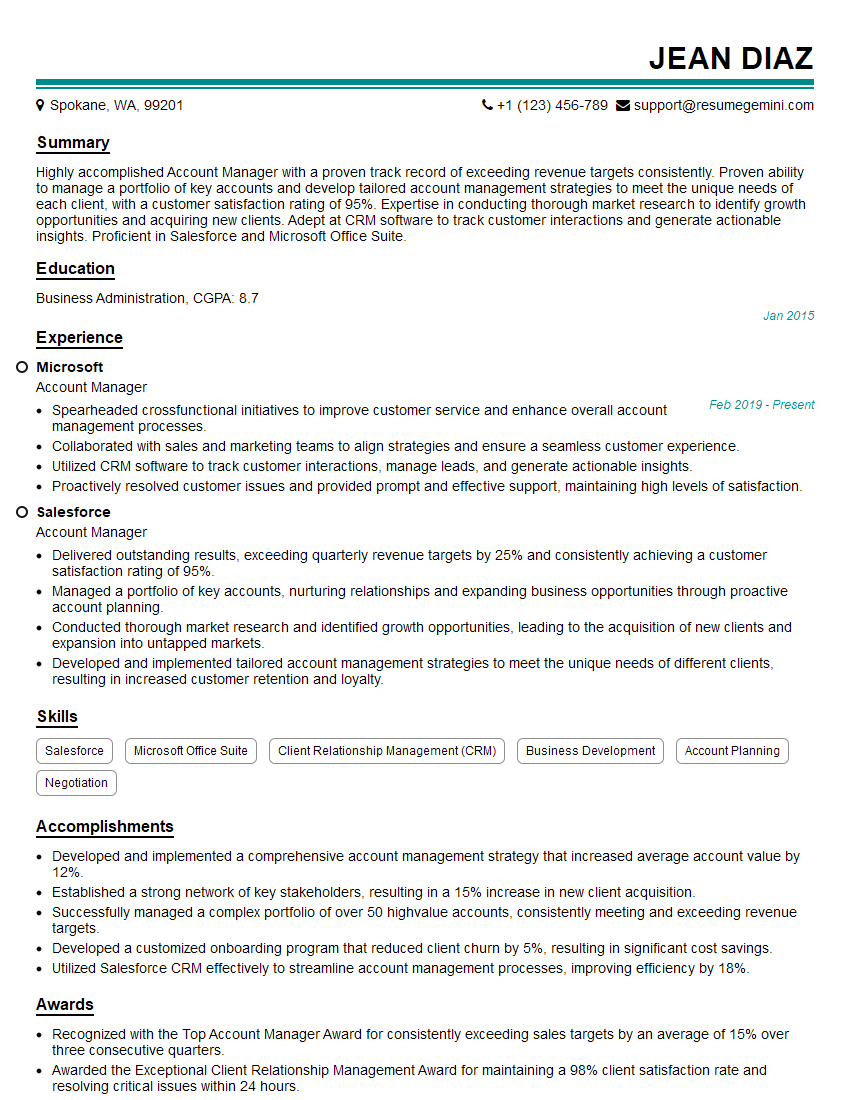
Account Manager Resume Sample
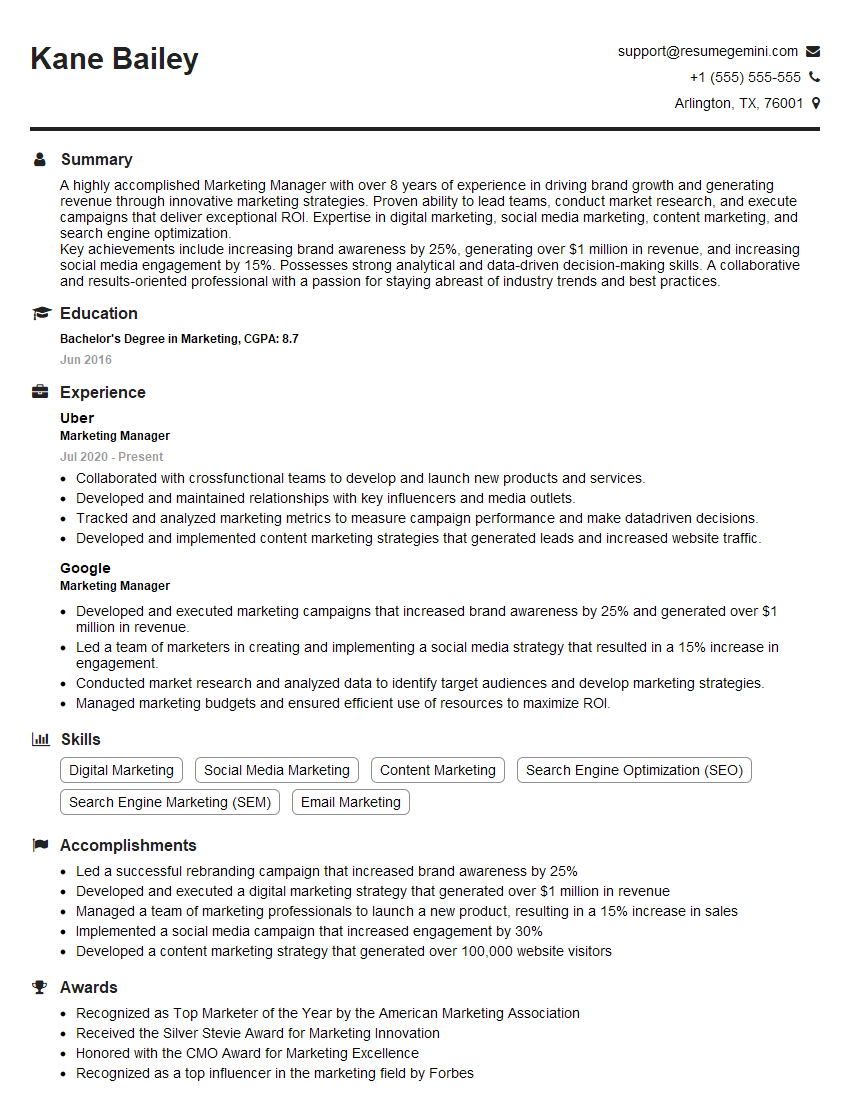
Marketing Manager Resume Sample
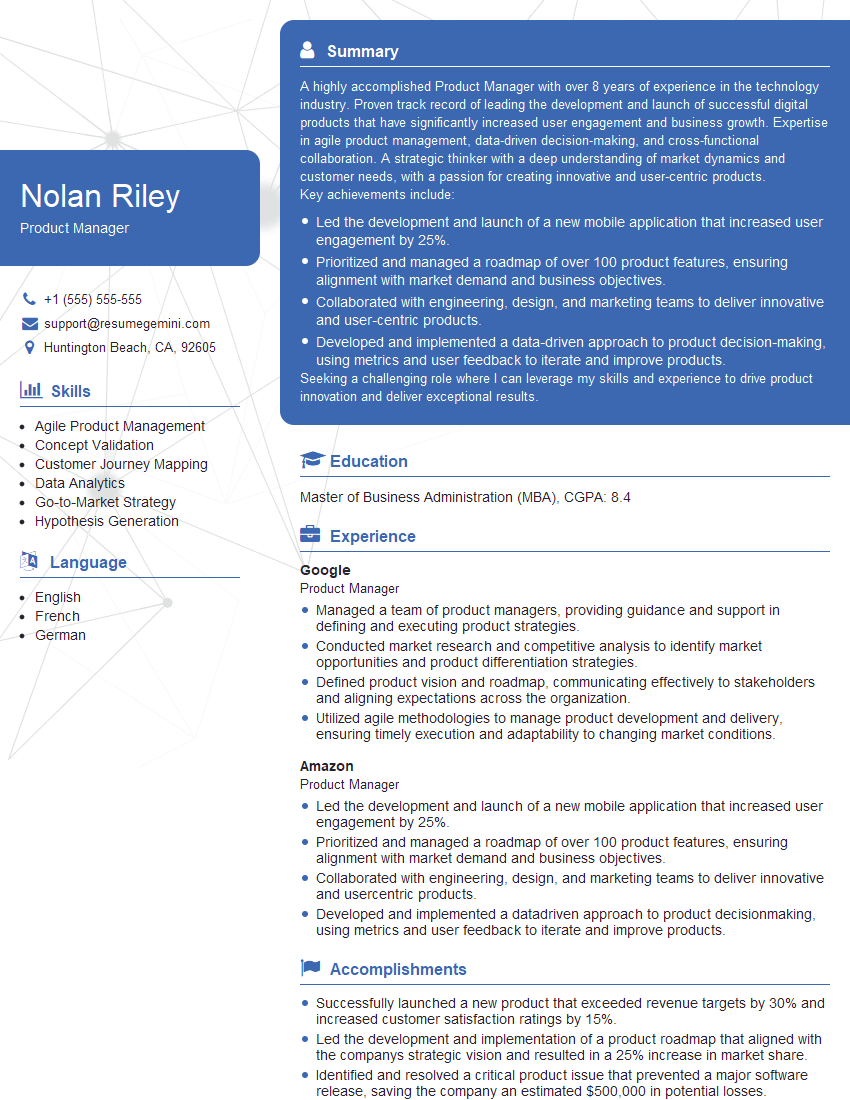
Product Manager Resume Sample
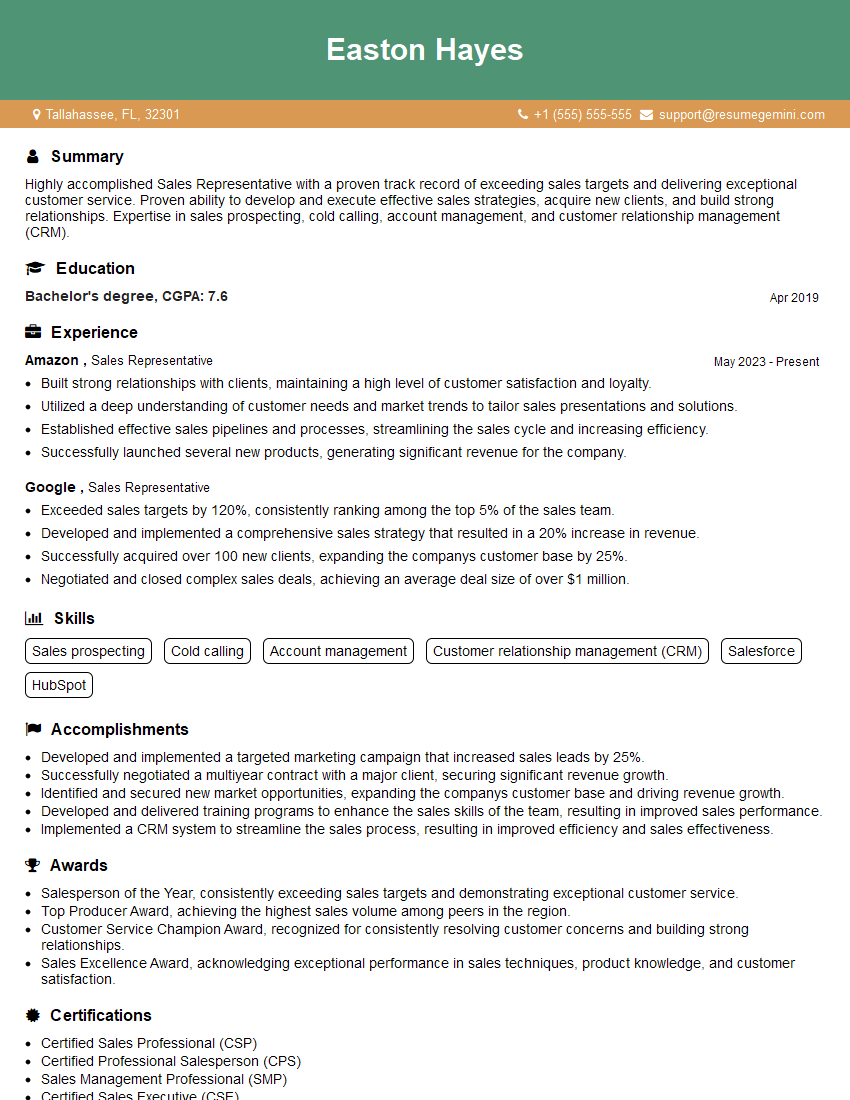
Sales Representative Resume Sample
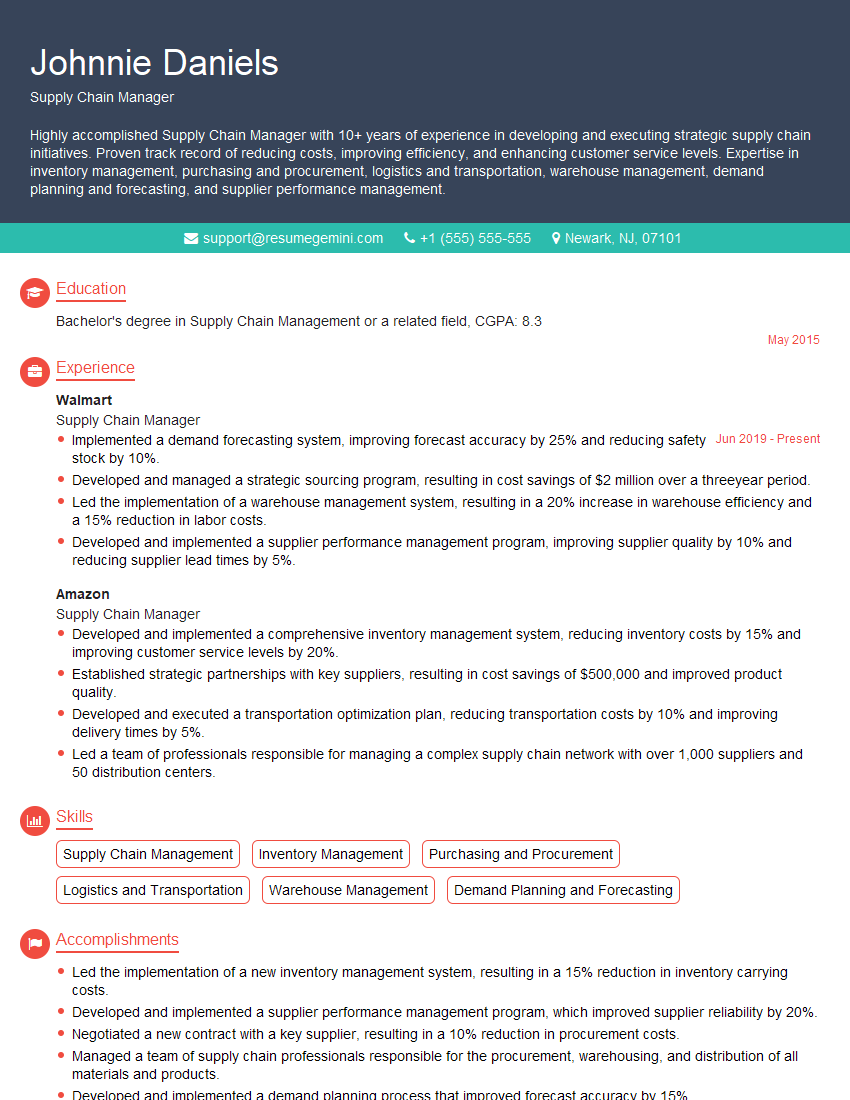
Supply Chain Manager Resume Sample
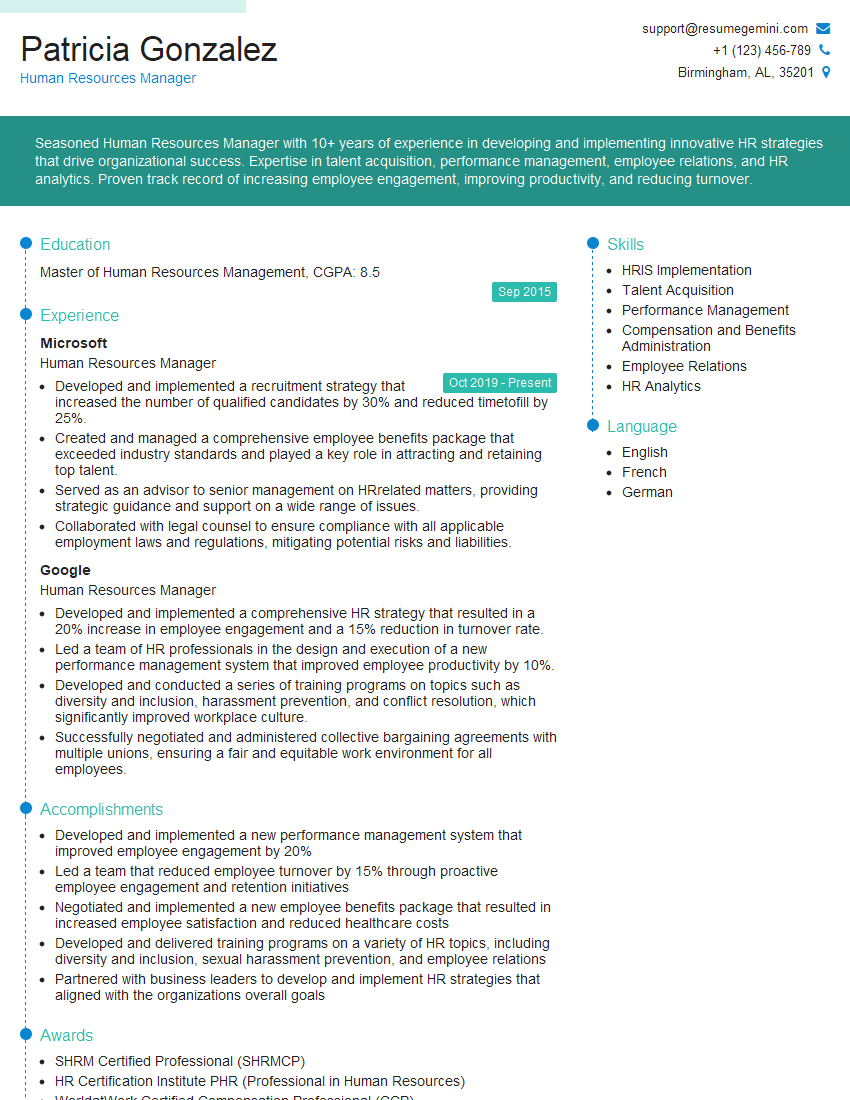
Human Resources Manager Resume Sample
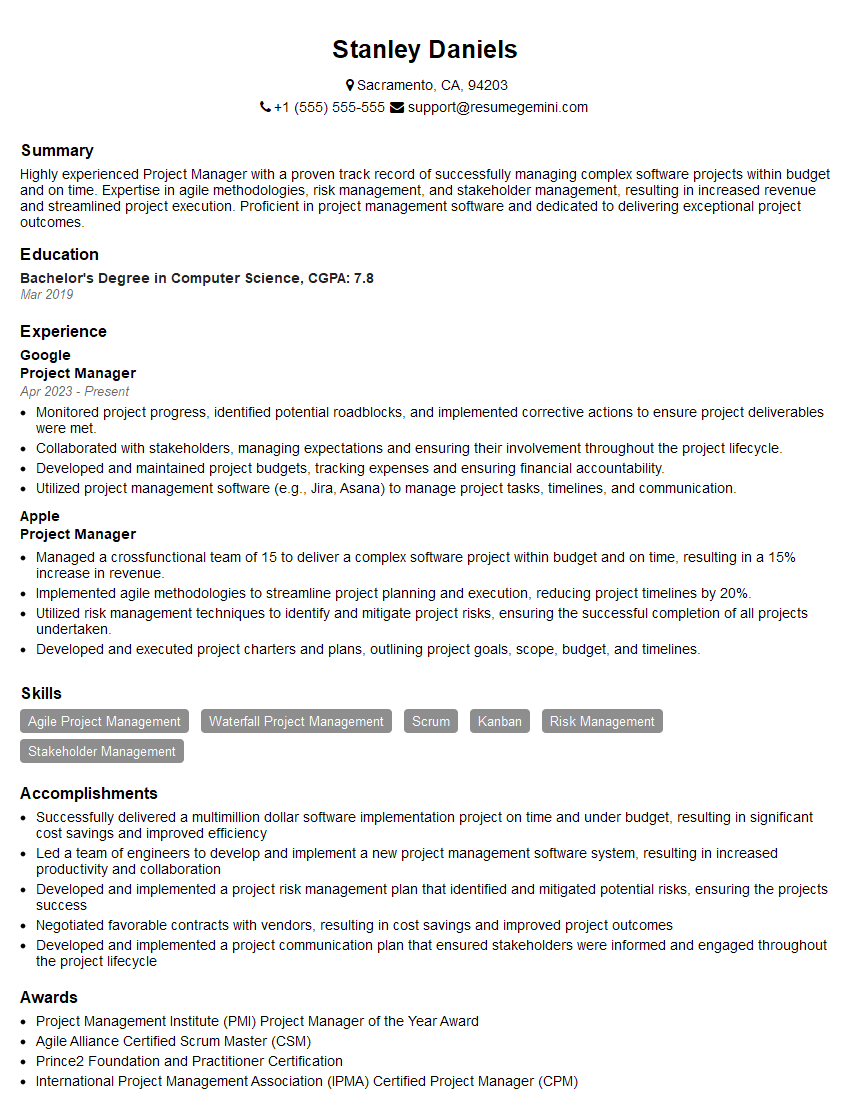
Project Manager Resume Sample
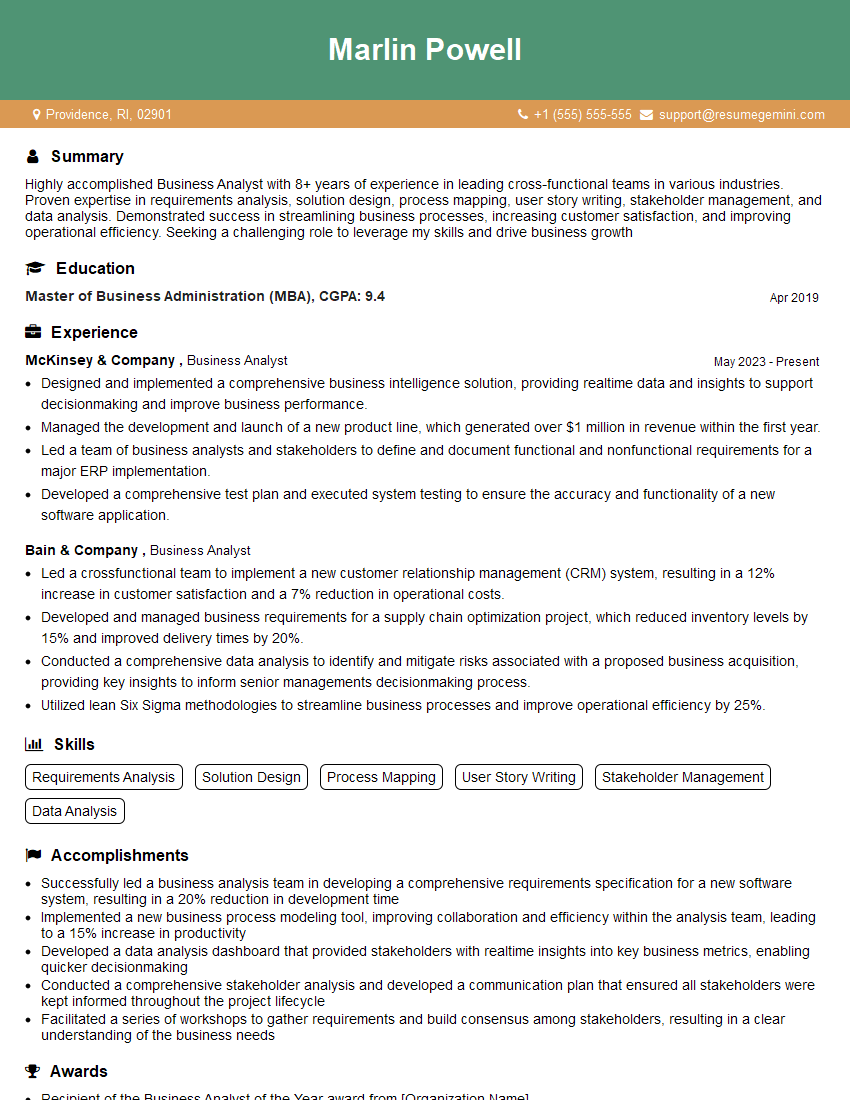
Business Analyst Resume Sample
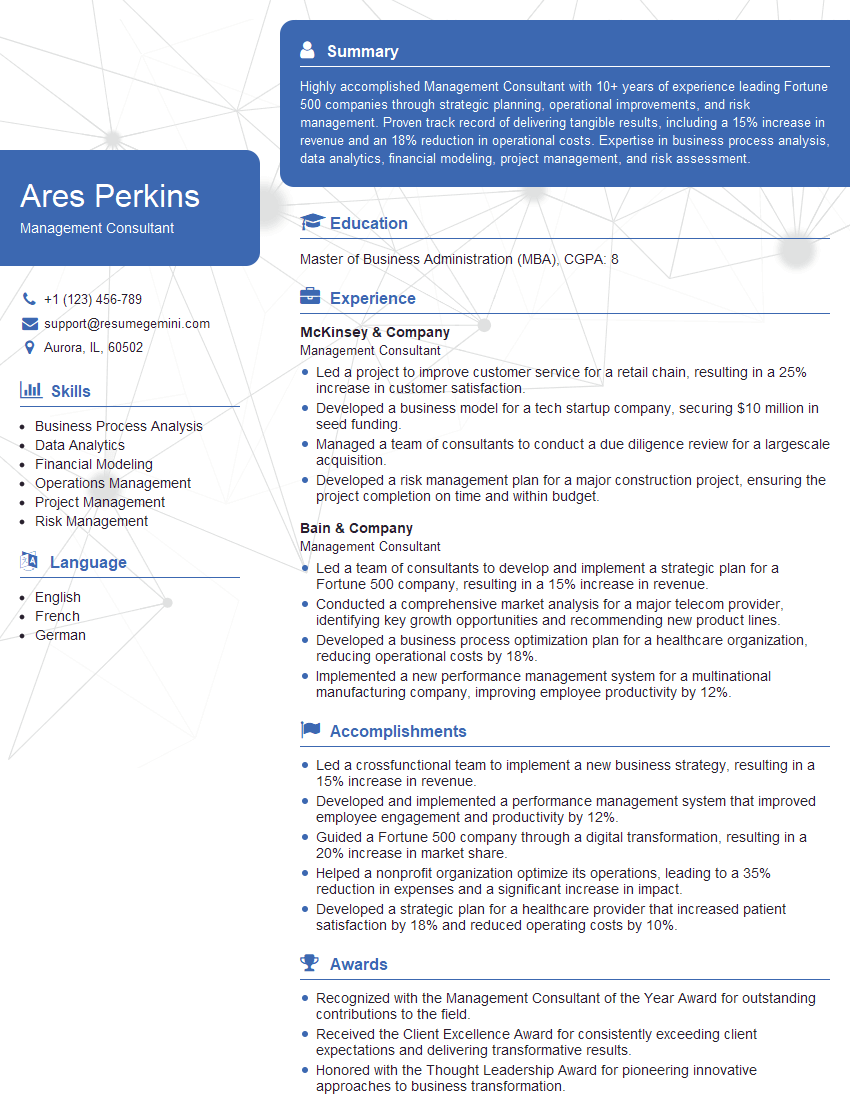
Management Consultant Resume Sample

Training Specialist Resume Sample
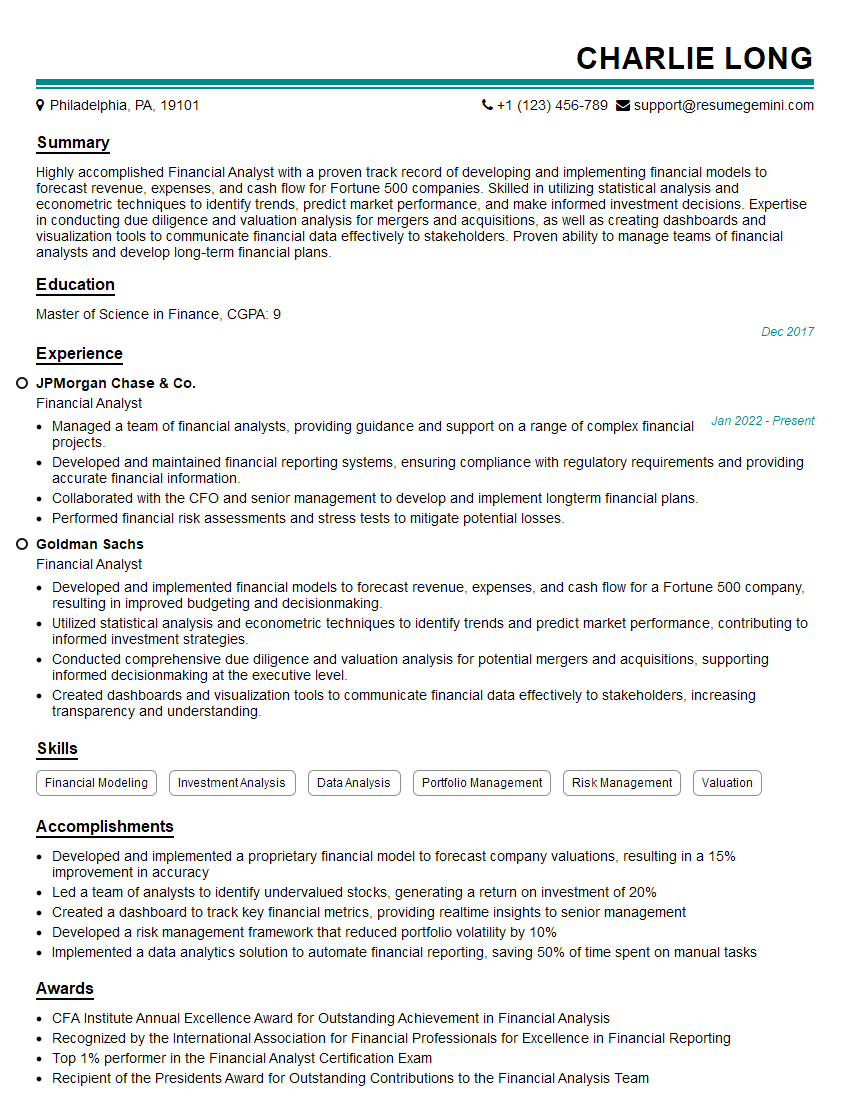
Financial Analyst Resume Sample
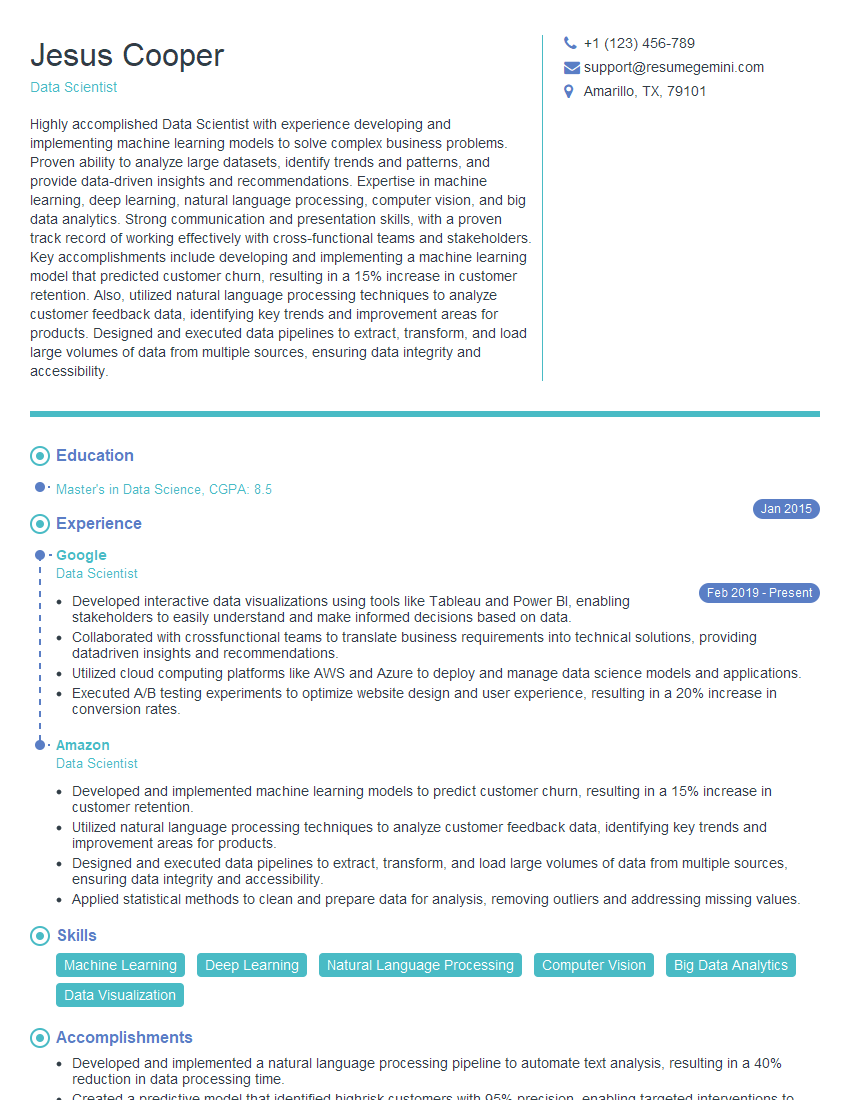
Data Scientist Resume Sample
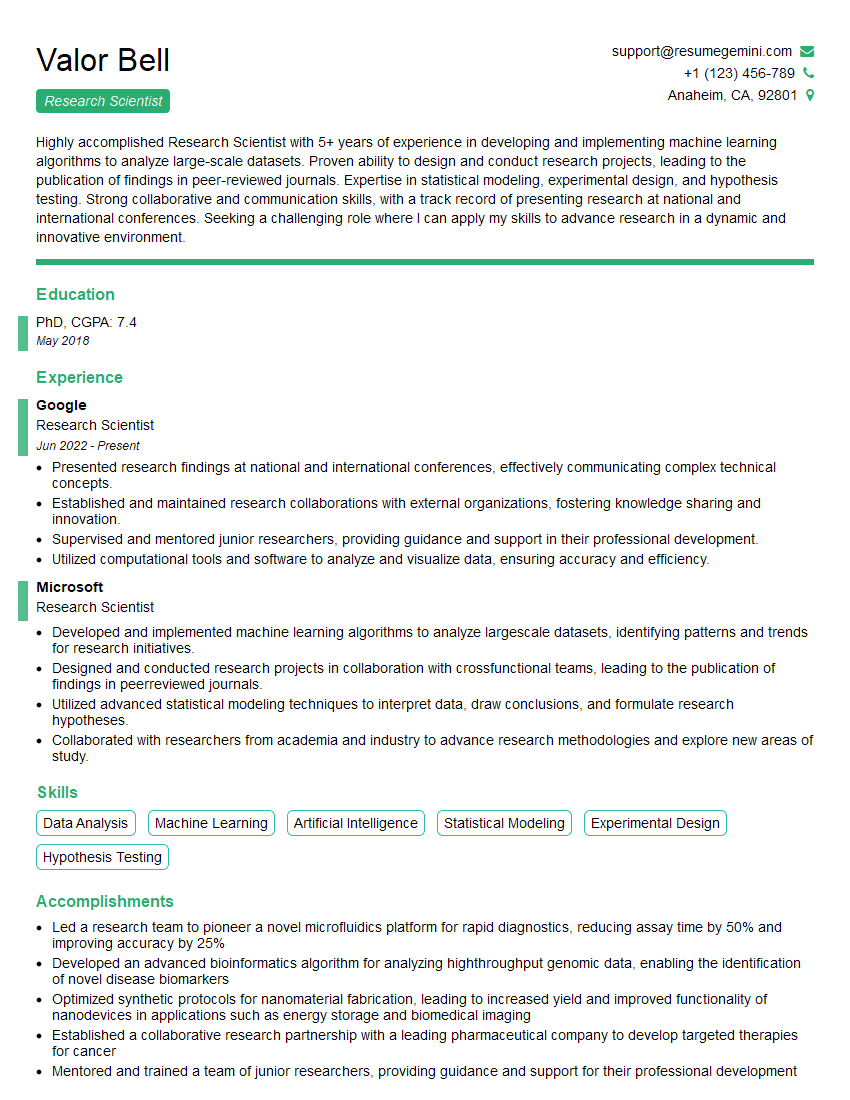
Research Scientist Resume Sample
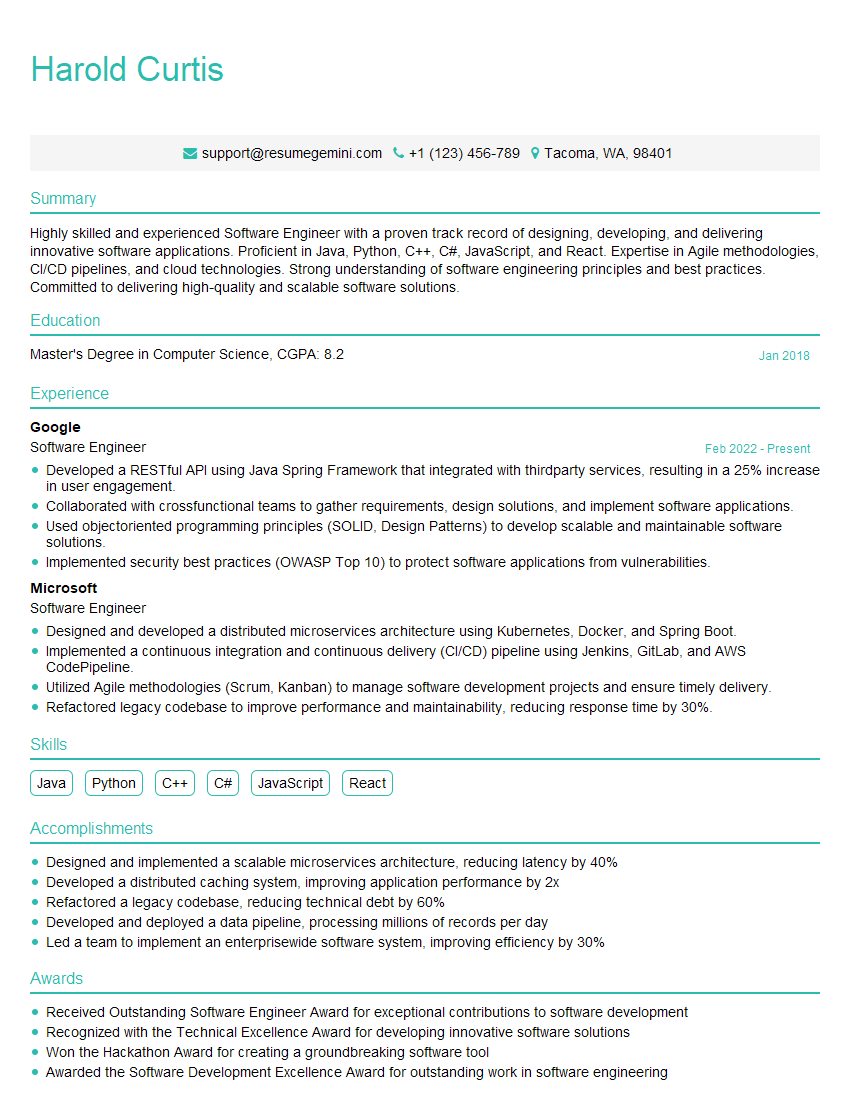
Software Engineer Resume Sample
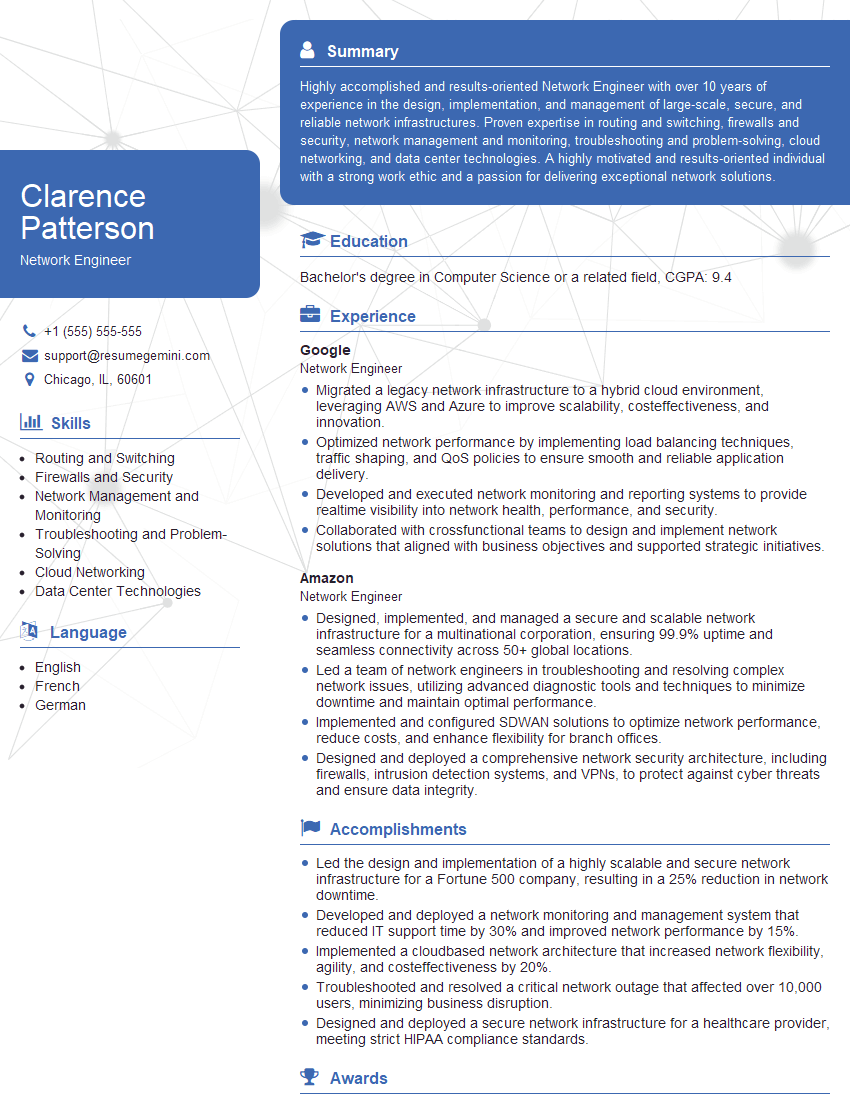
Network Engineer Resume Sample
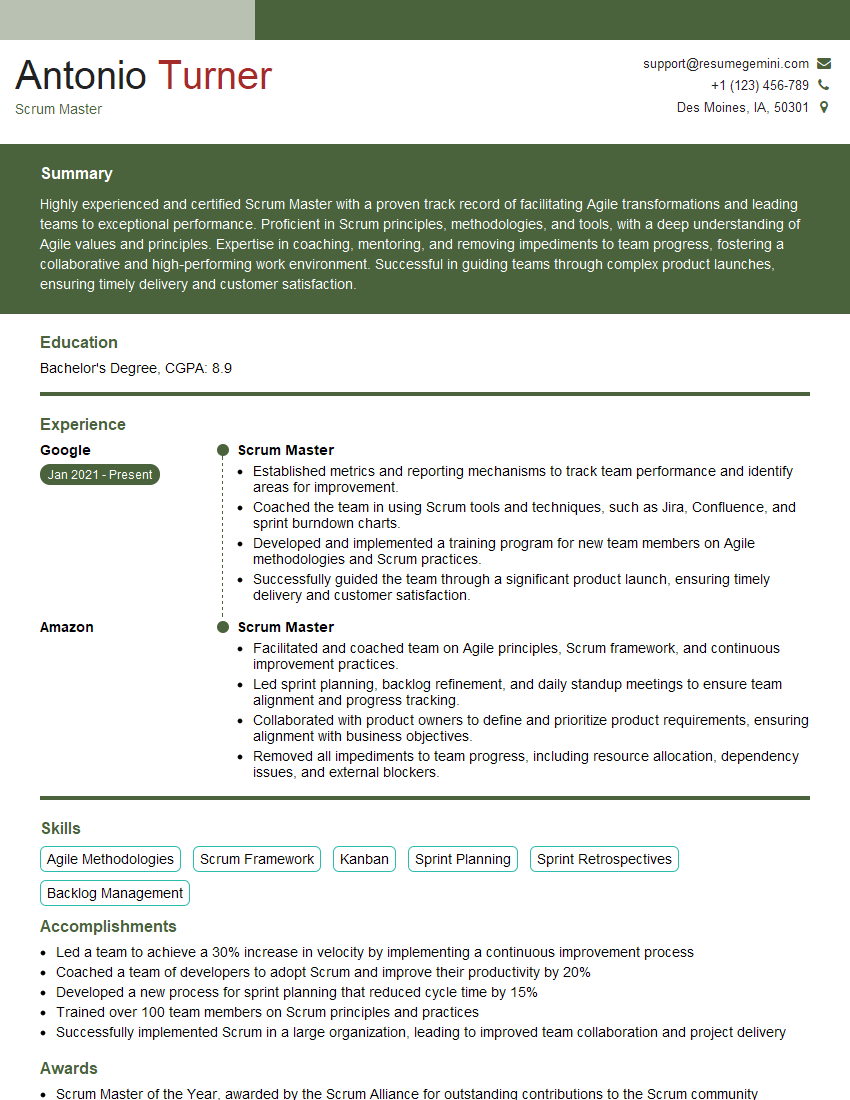
Scrum Master Resume Sample

Technical Writer Resume Sample
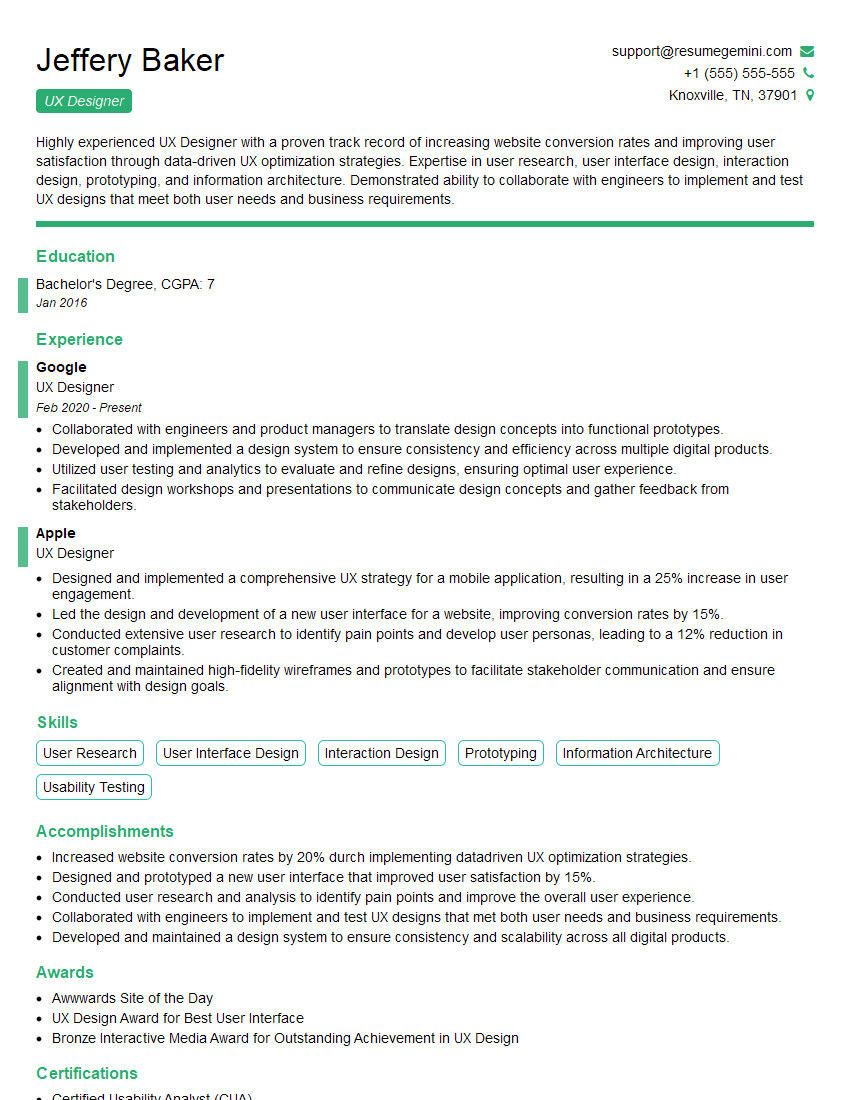
UX Designer Resume Sample
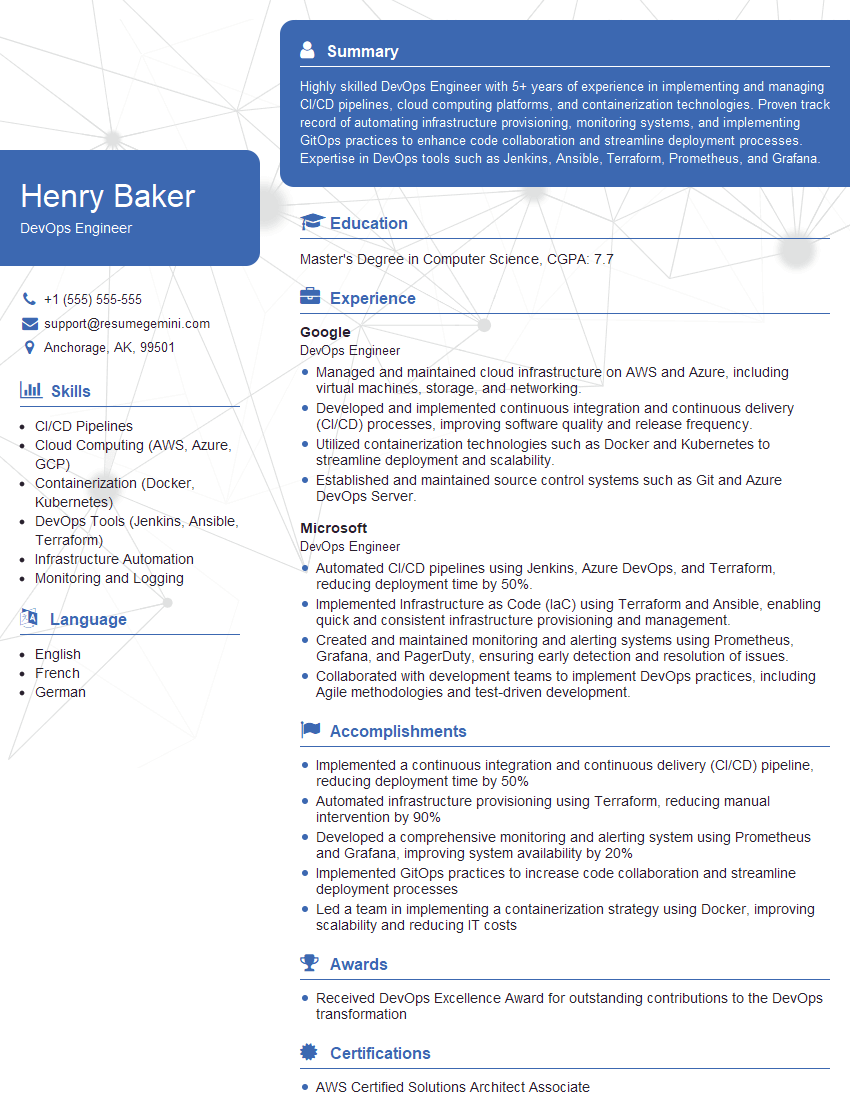
DevOps Engineer Resume Sample
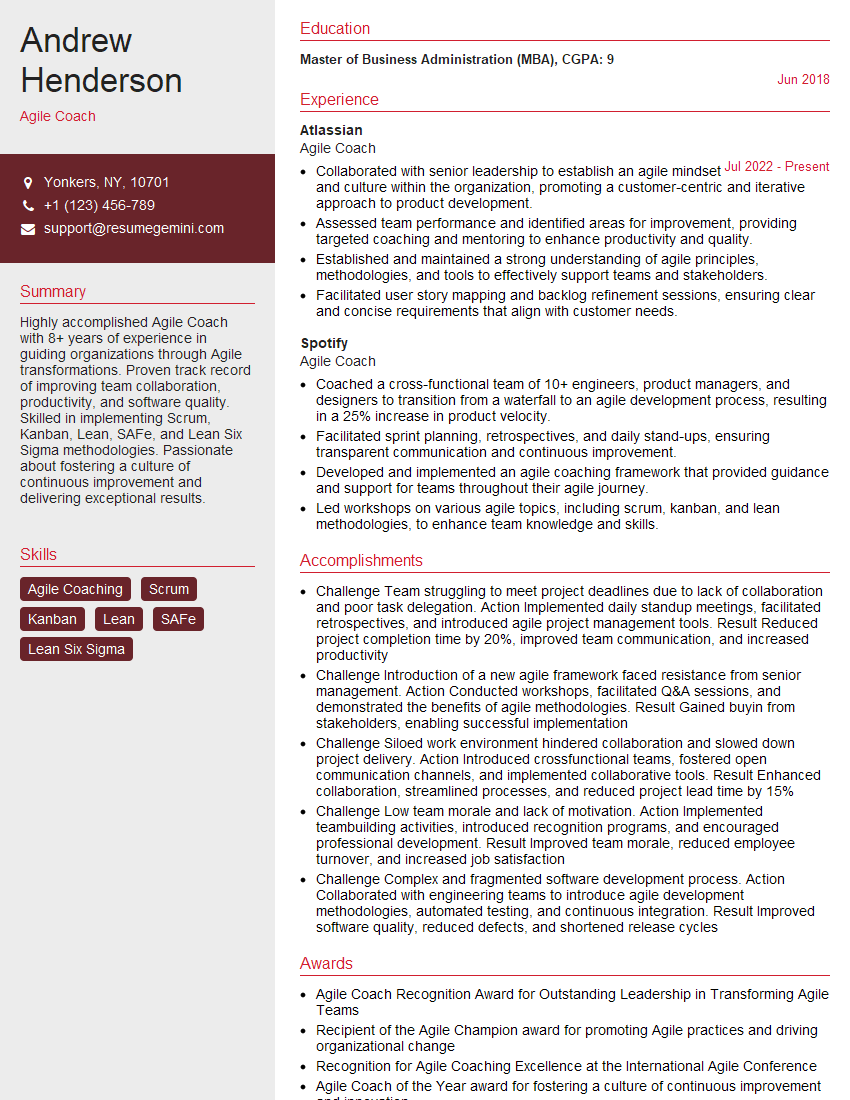
Agile Coach Resume Sample
- Operations Manager
- Account Manager
- Marketing Manager
- Product Manager
- Sales Representative
- Supply Chain Manager
- Human Resources Manager
- Project Manager
- Business Analyst
- Management Consultant
- Training Specialist
- Financial Analyst
- Data Scientist
- Research Scientist
- Software Engineer
- Network Engineer
- Scrum Master
- Technical Writer
- UX Designer
- DevOps Engineer
- Agile Coach
Explore more articles
Users Rating of Our Blogs
Share Your Experience
We value your feedback! Please rate our content and share your thoughts (optional).
What Readers Say About Our Blog
Really detailed insights and content, thank you for writing this detailed article.
IT gave me an insight and words to use and be able to think of examples