The right preparation can turn an interview into an opportunity to showcase your expertise. This guide to Ability to collaborate with editors, writers, and other creatives interview questions is your ultimate resource, providing key insights and tips to help you ace your responses and stand out as a top candidate.
Questions Asked in Ability to collaborate with editors, writers, and other creatives Interview
Q 1. Describe your experience working with editors to refine content.
Refining content with editors is a collaborative process focused on enhancing clarity, accuracy, and impact. It’s like sculpting a clay figure – the initial form is good, but the editor’s expertise helps refine details and bring out the best aspects.
My process typically involves:
- Initial Review and Feedback: I provide the initial draft to the editor, along with any relevant context or background information. The editor then reviews the content, offering feedback on areas needing improvement – clarity, tone, style, accuracy, flow, and structure.
- Iterative Revisions: Based on the editor’s feedback, I revise the content, addressing each comment thoughtfully and carefully. This is an iterative process; several rounds of review and revision are common to achieve the desired outcome.
- Open Communication: Maintaining open and proactive communication with the editor is essential. This involves actively seeking clarification on their comments, explaining my rationale for choices when there are disagreements, and working collaboratively towards a solution that satisfies both creative and editorial standards.
- Final Proofreading: After all the revisions, a final proofreading is crucial to ensure grammatical accuracy and consistency before publication. This often involves a second review by the editor.
For example, in a recent project, the editor suggested restructuring a complex paragraph to improve flow. After several back-and-forths, we landed on a version that was both clearer and more engaging.
Q 2. How do you handle conflicting creative visions among team members?
Conflicting creative visions are inevitable in collaborative projects. The key is to manage these differences constructively, fostering an environment where everyone feels heard and valued. Think of it like an orchestra – each instrument has its unique sound, but they must harmonize to create beautiful music.
My approach involves:
- Open Dialogue and Active Listening: I facilitate discussions where each team member can present their vision. Active listening is crucial to understanding each perspective.
- Identifying Shared Goals: It’s important to refocus on the project’s overarching goals. Often, seemingly disparate visions can be reconciled when viewed through the lens of shared objectives.
- Compromise and Negotiation: Finding a middle ground often involves compromise. This might involve incorporating elements from multiple visions, or choosing the approach that best suits the target audience and project constraints.
- Data-Driven Decisions: When possible, leveraging data (like analytics or user feedback) can help objectively evaluate different creative approaches and guide decisions.
- Mediation, if Needed: In cases of significant disagreement, I might act as a mediator, helping to facilitate constructive conversation and find common ground.
In one instance, a designer and a writer had drastically different ideas for an infographic. By focusing on the target audience and key message, we were able to find a visually compelling design that effectively communicated the writer’s content.
Q 3. Explain your process for providing constructive criticism to writers.
Providing constructive criticism is about offering specific, actionable feedback that helps writers improve their work. It’s less about pointing out flaws and more about guiding them toward improvement, similar to a coach working with an athlete.
My approach emphasizes:
- Specificity: Instead of general comments like “this is confusing,” I pinpoint specific sentences or paragraphs and explain *why* they’re problematic and suggest alternative phrasing.
- Focus on the Work, Not the Person: Criticism should always target the writing itself, avoiding personal attacks or judgments.
- Sandwich Method: I often structure my feedback using the sandwich method: start with a positive comment, then offer constructive criticism, and end with another positive note.
- Suggest Solutions, Not Just Problems: Along with identifying issues, I always try to offer concrete suggestions for improvement. This could be suggesting different word choices, suggesting structural changes or offering examples of better writing practices.
- Clear and Concise Language: I use clear and concise language, avoiding jargon and overly technical terms.
For instance, instead of saying “this section is weak,” I might say, “The transition between paragraphs 3 and 4 feels abrupt. Consider adding a sentence that links the ideas more smoothly. For example, you could add…”
Q 4. How do you ensure consistent branding across various creative assets?
Maintaining consistent branding across various creative assets is vital for building a strong brand identity. This is like having a consistent visual and tonal voice – it’s crucial for creating recognition and trust.
My strategies include:
- Style Guides: Creating and rigorously adhering to comprehensive style guides that cover everything from logo usage and color palettes to typography, voice, and tone of voice is essential. These guides serve as the central reference point for all creative work.
- Template Creation: Developing standardized templates for various creative assets (e.g., presentations, social media posts, website banners) ensures consistency in design and layout.
- Centralized Asset Library: Utilizing a central repository for brand assets (logos, fonts, images, etc.) prevents inconsistencies and makes it easy for team members to access the correct versions of these assets.
- Regular Check-ins and Reviews: Regularly reviewing creative work to ensure adherence to brand guidelines is crucial. This might involve team meetings or individual reviews of assets before publication.
- Training and Education: Ensuring all team members understand and follow the brand guidelines is critical through regular training.
For example, we developed a detailed brand style guide that all team members must follow. This includes specific color codes, font choices, and guidelines for imagery, ensuring consistency across our website, social media, and marketing materials.
Q 5. Describe a time you had to negotiate deadlines with multiple creatives.
Negotiating deadlines with multiple creatives requires skillful communication and organization. It’s akin to managing multiple projects simultaneously, ensuring each one stays on track.
In one project involving a website redesign, the designer, writer, and developer each had different estimations for their tasks. I approached it by:
- Individual Consultations: I met with each creative individually to understand their timeline and any potential roadblocks.
- Collaborative Timeline Creation: We then worked together to create a realistic project timeline, taking into account each person’s workload and dependencies.
- Prioritization and Task Breakdown: We broke down the project into smaller, manageable tasks, prioritizing those with the most significant impact on the launch date.
- Regular Check-Ins: Regular check-ins helped to monitor progress, identify potential delays, and address challenges early.
- Flexibility and Open Communication: A willingness to adjust the timeline based on unforeseen circumstances and maintaining open and honest communication were crucial for successful completion.
By collaboratively establishing a realistic timeline and consistently communicating, we successfully launched the website on time, despite the initial differing deadline estimations.
Q 6. How do you incorporate feedback from various stakeholders into a project?
Incorporating feedback from various stakeholders requires a systematic approach that ensures everyone’s input is considered and that the final product reflects a consensus view. It’s similar to a chef who adjusts a recipe based on different taste testers’ feedback.
My process typically involves:
- Centralized Feedback Repository: Using a platform like a shared document or project management tool to centralize all feedback allows for easy access and tracking.
- Categorizing and Prioritizing Feedback: Organizing feedback by type (e.g., design, content, functionality) and prioritizing it based on importance helps manage the volume of input effectively.
- Responding to Feedback: Acknowledging and responding to each piece of feedback shows respect for the stakeholders’ input, even if a specific suggestion isn’t adopted.
- Decision-Making Process: Establishing a clear decision-making process, often involving discussions and consensus-building among key stakeholders, ensures that final decisions are well-informed and supported.
- Documenting Decisions: Keeping a record of the decisions made, and the rationale behind them, provides transparency and accountability.
In a recent marketing campaign, we received feedback from the marketing team, sales team, and executives. Using a shared document, we categorized the feedback, prioritized based on impact, and documented decisions made, leading to a successful campaign.
Q 7. What tools or platforms do you use to facilitate collaboration with writers and editors?
Effective collaboration relies heavily on the right tools. The best tools depend on the project’s specifics but generally speaking, I utilize a combination of platforms to ensure seamless teamwork.
Some of the tools I frequently use include:
- Project Management Tools (e.g., Asana, Trello, Monday.com): These platforms facilitate task management, deadline tracking, and communication within the team. They are vital for managing workflows and keeping everyone updated on progress.
- Communication Platforms (e.g., Slack, Microsoft Teams): These enable instant messaging, file sharing, and quick feedback exchanges, ideal for prompt clarifications and updates.
- Document Collaboration Tools (e.g., Google Docs, Microsoft Office 365): These enable real-time collaboration on documents, ensuring everyone works on the most up-to-date version.
- Version Control Systems (e.g., Git): For larger projects, especially those involving code or design assets, a version control system facilitates collaboration and tracks changes effectively.
- Cloud Storage (e.g., Dropbox, Google Drive): Centralized storage for shared files ensures easy access and efficient version control.
The choice of tools often depends on the project and team preference. However, the key is to select tools that streamline communication, improve efficiency, and promote seamless collaboration.
Q 8. How do you manage competing priorities when working with a team of creatives?
Managing competing priorities in a creative team requires a structured approach. Think of it like conducting an orchestra – each instrument (team member) has a vital part, but the conductor (project manager) ensures harmony. I begin by clearly defining priorities using a system like a prioritized task list or a Kanban board. This visual representation helps everyone understand the urgency and dependencies of different tasks. For example, if we’re working on a website launch with both content creation and design elements, I’d prioritize tasks based on deadlines and dependencies. Content might need to be finalized before design can be completed. Regular team meetings, ideally daily stand-ups, help us track progress, identify roadblocks, and re-prioritize as needed. Open communication is key; if a team member is struggling with a task, we address it collaboratively rather than letting it become a bottleneck.
- Prioritization Techniques: MoSCoW method (Must have, Should have, Could have, Won’t have), Eisenhower Matrix (urgent/important).
- Communication Tools: Project management software (Asana, Trello, Jira), daily stand-up meetings.
Q 9. Describe your experience working with writers to develop content briefs.
Developing content briefs with writers is a collaborative process I find incredibly rewarding. I approach it as a partnership, not a directive. I start by providing the writers with all necessary context: the target audience, the overall marketing objective, the desired tone and style, and any existing brand guidelines. I also share relevant competitor analyses and examples of successful content in similar niches. We then brainstorm together, often using mind-mapping techniques, to flesh out the key messages and the structure of the content. I find that by actively involving writers from the beginning, we can identify potential challenges early on and ensure the final product aligns perfectly with the project goals. For instance, if we are creating a blog post about sustainable living, we would collaboratively decide on the key topics, the style (informative, persuasive, etc.), and the call to action. I ensure the brief is clear, concise, and leaves room for the writer’s creativity.
Q 10. How do you resolve disagreements about content style or tone with editors?
Disagreements about content style or tone are inevitable in collaborative projects. I approach these situations constructively, viewing them as opportunities for improvement, not conflict. My approach emphasizes respectful discussion and data-driven decision-making. First, I ensure everyone understands the reasons behind their preferences. Are they concerned about brand consistency? Target audience engagement? Then, we analyze the available data, such as audience analytics or A/B testing results, to inform our choice. If a compromise is necessary, I facilitate a collaborative effort to find a solution that incorporates the best elements of each perspective, focusing on a clear rationale. For example, if one editor prefers a more formal tone while another prefers a more casual one, we would analyze the target audience and the content’s goal to make an informed decision – perhaps by creating different content pieces aimed at various audience segments.
Q 11. How do you ensure that all team members are on the same page regarding project goals?
Keeping everyone on the same page requires proactive communication and a shared understanding of the project’s objectives from the outset. We begin with a detailed kick-off meeting where we clearly define the project goals, key performance indicators (KPIs), and the roles and responsibilities of each team member. I then create a project document that outlines all these details, making it easily accessible to everyone. Regular check-in meetings, using tools like shared project management software, ensure we stay aligned and address any questions or concerns promptly. For example, if our goal is to increase website traffic by 20%, everyone needs to understand how their individual contributions support this overarching aim. Transparency and open communication are paramount in maintaining alignment.
Q 12. How do you track the progress of a collaborative creative project?
Tracking progress in a collaborative project involves a multi-pronged approach combining technology and regular communication. We utilize project management software to create timelines, assign tasks, and monitor individual progress. These platforms allow for real-time updates, facilitating transparency and accountability. In addition to this, we hold regular check-in meetings, either daily or weekly depending on the project complexity, to discuss progress, identify bottlenecks, and adjust plans as needed. Visual tools like Gantt charts or Kanban boards help us get a clear picture of the project’s progress at a glance. This method combines the structured approach of a project management tool with the flexibility and human element of regular communication, minimizing misunderstandings and keeping the project on track. For instance, using a Gantt chart visually displays the timeline and dependencies between various tasks, making it easy to see if any delays are likely to impact the final deadline.
Q 13. Describe your process for giving and receiving feedback in a collaborative environment.
Giving and receiving feedback is critical to successful collaboration. My process involves constructive criticism delivered with sensitivity and empathy. I focus on specific behaviors or deliverables rather than making personal attacks. For instance, instead of saying “this is awful,” I might say, “I think we could improve the clarity of this section by restructuring it to follow a more logical flow.” I encourage a two-way street, creating a safe environment where everyone feels comfortable offering their perspectives. I actively listen to feedback, asking clarifying questions to ensure full understanding. I also document feedback and incorporate it into the project, demonstrating that it’s valued. Regular feedback loops (e.g., peer reviews) help ensure continuous improvement throughout the project lifecycle.
Q 14. What strategies do you employ to maintain positive team dynamics during challenging projects?
Maintaining positive team dynamics during challenging projects requires a proactive and empathetic approach. I foster a culture of mutual respect and open communication where everyone feels comfortable expressing their concerns or challenges. We celebrate small victories along the way to boost morale and acknowledge individual contributions. Recognizing each team member’s strengths and providing opportunities for them to leverage those strengths is also vital. Additionally, if conflicts arise, I facilitate constructive discussions to address them directly and find solutions collaboratively. For example, organizing team-building activities or providing opportunities for informal social interaction can significantly contribute to a positive and cohesive work environment, even during stressful periods.
Q 15. How do you handle situations where a creative’s work doesn’t meet the project’s standards?
Addressing subpar creative work requires a delicate balance of constructive criticism and support. My approach begins with a private, one-on-one conversation. I start by acknowledging the effort and positive aspects of the work before gently highlighting areas needing improvement. I focus on specifics, providing concrete examples rather than vague generalizations. For example, instead of saying ‘this isn’t engaging,’ I might say, ‘The pacing in the first paragraph feels slow; perhaps we could incorporate a more dynamic opening sentence or break it into shorter, more impactful sections?’ We collaboratively brainstorm solutions, leveraging their creative strengths and my project-specific knowledge. If the issue persists, I’ll offer specific resources, mentorship, or additional time for revisions. The goal is not to criticize but to help them grow and deliver exceptional work that aligns with the project’s goals.
Ultimately, if the quality consistently falls short despite these efforts, it might be necessary to re-evaluate the individual’s role or seek alternative solutions, involving other team members or adjusting project expectations. This is always a last resort, handled with sensitivity and transparency.
Career Expert Tips:
- Ace those interviews! Prepare effectively by reviewing the Top 50 Most Common Interview Questions on ResumeGemini.
- Navigate your job search with confidence! Explore a wide range of Career Tips on ResumeGemini. Learn about common challenges and recommendations to overcome them.
- Craft the perfect resume! Master the Art of Resume Writing with ResumeGemini’s guide. Showcase your unique qualifications and achievements effectively.
- Don’t miss out on holiday savings! Build your dream resume with ResumeGemini’s ATS optimized templates.
Q 16. How do you adapt your communication style to different personalities and communication preferences?
Effective collaboration necessitates adapting to diverse communication styles. I employ active listening to understand each individual’s preferred method – some thrive on detailed email exchanges, others prefer quick brainstorming sessions, while some are most responsive to visual cues. I adjust my communication accordingly, using clear and concise language, employing visual aids when beneficial, and offering multiple channels for interaction. For example, with a detail-oriented editor, I’d provide a meticulously documented revision plan; with a visually-minded designer, I’d present a mood board or storyboard first. I also prioritize regular check-ins, ensuring everyone feels heard and understands expectations. This flexibility fosters trust and enhances overall team productivity.
Q 17. What is your approach to conflict resolution within a creative team?
Conflict is inevitable in creative teams, but it can be a catalyst for innovation if handled constructively. My approach centers on proactive communication and fostering a safe space for open dialogue. I encourage team members to voice their concerns respectfully, using ‘I’ statements to avoid blaming. I actively listen to all perspectives and facilitate a discussion to identify the root cause of the disagreement. Then, we collaboratively explore potential solutions, focusing on finding common ground and compromise. Sometimes, a mediator is needed to ensure a fair and impartial process. It’s vital to document the resolution and any agreed-upon actions to prevent future recurrences. Post-conflict, I reinforce positive communication practices and emphasize teamwork to rebuild trust and improve future interactions.
Q 18. How do you measure the success of a collaborative creative project?
Measuring the success of a collaborative creative project extends beyond the final product. While achieving project goals (on time and within budget) is crucial, evaluating the overall impact requires a multifaceted approach. This includes:
- Client satisfaction: Did the project meet or exceed client expectations?
- Team satisfaction: Did team members feel valued, supported, and engaged throughout the process?
- Quality of output: Does the final product reflect high creative standards and effectiveness?
- Impact and reach: Did the project achieve its intended impact (e.g., increased brand awareness, sales, positive feedback)?
Q 19. How do you identify and leverage each team member’s unique strengths and skills?
Identifying and leveraging individual strengths is paramount for successful teamwork. Early in a project, I conduct informal interviews or utilize personality assessments to understand each team member’s skills, preferences, and working styles. Then, I assign tasks that best align with their expertise and interests. For example, a detail-oriented writer might be responsible for fact-checking and refining copy, while a big-picture thinker could lead brainstorming sessions. I encourage each team member to share their strengths and identify areas where they might need support. This process fosters ownership and accountability, ensuring everyone contributes their unique talents to achieve a shared goal. Regular feedback sessions further refine roles and responsibilities, ensuring optimal performance and team cohesion.
Q 20. Describe a time you successfully integrated diverse creative inputs into a single project.
During a recent rebranding project, we faced the challenge of integrating diverse creative inputs from a graphic designer, a copywriter, and a marketing strategist. Initially, their ideas seemed disparate – the designer favored a bold, minimalist aesthetic; the copywriter preferred a more narrative-driven approach; and the marketing strategist focused on data-driven optimization. I facilitated a series of brainstorming sessions, encouraging each team member to present their vision. I then used a visual mapping tool to identify common themes and bridge apparent contradictions. For example, we combined the designer’s minimalist aesthetic with the copywriter’s narrative approach by creating visually appealing infographics that told a compelling brand story. We used the marketing strategist’s data to refine our messaging and targeting. By visualizing the connections between their seemingly disparate ideas, we crafted a cohesive brand identity that successfully integrated their individual talents into a unified, impactful outcome.
Q 21. How do you ensure that everyone feels valued and respected in a collaborative environment?
Creating a collaborative environment where everyone feels valued involves fostering open communication, mutual respect, and a sense of shared ownership. I prioritize regular team meetings where everyone has an equal opportunity to voice their ideas and concerns. I actively listen to each person’s perspective, acknowledging their contributions and validating their feelings. I emphasize a culture of constructive feedback, encouraging team members to offer and receive criticism in a supportive manner. I make a conscious effort to recognize and celebrate individual and team achievements, fostering a sense of camaraderie and shared success. Regular social events or informal gatherings can help build stronger relationships and strengthen team cohesion. Ultimately, creating a positive and inclusive environment is a continuous process that requires consistent effort and attention from all team members.
Q 22. Describe your experience using version control systems for collaborative writing projects.
Version control systems (VCS), like Git, are indispensable for collaborative writing. They track changes, allowing multiple authors to work concurrently without overwriting each other’s work. Think of it like a sophisticated ‘undo’ button for a document with multiple authors.
In practice, we use a shared repository. Each writer creates a branch, makes their edits, and then submits a ‘pull request’. This allows for review and discussion before merging the changes into the main document. This avoids conflicts and ensures a cohesive final product. For instance, in a recent project on a marketing campaign, we used Git to manage the various versions of the copy, ensuring that everyone’s contribution was visible and easily integrated into the overall strategy.
Using Git’s branching feature, we could concurrently work on different sections of the marketing materials (website copy, social media posts, email newsletters) without impacting each other’s progress. The pull request feature also facilitated robust review cycles, allowing for constructive feedback and collaborative refinement before the final merge.
Q 23. How do you use technology to facilitate creative collaboration?
Technology plays a crucial role in fostering seamless creative collaboration. We leverage a suite of tools depending on the project’s needs. For example, Google Docs enables real-time co-authoring, allowing everyone to see edits as they happen. This facilitates instant feedback and keeps everyone aligned. For visual projects, we use collaborative design tools like Figma, which allow multiple users to work on the same design file concurrently and provide version history.
Communication platforms like Slack are vital for quick exchanges, file sharing, and staying updated on project milestones. Project management software, such as Asana or Trello, helps us organize tasks, track progress, and maintain accountability. Video conferencing tools like Zoom allow for face-to-face brainstorming sessions, which are invaluable for creative problem-solving, especially when working remotely.
Q 24. How do you maintain clear communication channels throughout the creative process?
Maintaining clear communication is paramount. We establish regular check-ins—daily stand-ups for agile projects or weekly meetings for longer-term ones. These meetings are not just for updates, but for problem-solving and brainstorming collaboratively. We use a combination of tools: project management software for task assignments and progress updates, instant messaging for quick questions and informal discussions, and email for more formal communications and documentation.
Establishing clear communication protocols is key. We specify preferred methods of communication for different types of updates (e.g., Slack for quick updates, email for detailed reports). We also make sure everyone knows who to contact for specific issues. A well-defined communication plan, including frequency, medium, and responsible parties, prevents misunderstandings and keeps everyone on the same page.
Q 25. Describe your experience with Agile or other collaborative project management methodologies.
My experience with Agile methodologies has been extremely positive. The iterative nature of Agile (working in short sprints) allows for flexibility and adaptability. It encourages constant feedback and improvement throughout the project lifecycle. Instead of a rigid plan, we focus on delivering value incrementally.
In a recent project, we used Scrum, a popular Agile framework. We had daily stand-ups to discuss progress, identify roadblocks, and coordinate tasks. At the end of each sprint (typically two weeks), we held sprint reviews to showcase our work and receive feedback. This iterative process allowed us to incorporate feedback early and ensure the final product aligned with client expectations. The transparency of the process—using tools like Trello to visualize tasks and progress—helped foster a sense of shared ownership and responsibility.
Q 26. How do you delegate tasks effectively within a collaborative team?
Effective delegation is about understanding team members’ strengths and matching tasks accordingly. It’s not just about assigning work; it’s about empowering individuals and fostering a sense of ownership. I consider factors such as skillset, experience level, and workload when assigning tasks. Before delegating, I provide clear instructions, expectations, deadlines, and resources. Regular check-ins ensure everyone is on track and address any challenges promptly.
I always ensure that delegated tasks align with individual goals and career development. For instance, I might assign a junior writer a less complex section of a document to build their skills, while assigning a senior writer a more challenging section. This ensures that everyone is challenged and growing professionally. Furthermore, providing opportunities for feedback and adjustments allows for a collaborative refinement of the process.
Q 27. What steps do you take to prevent creative burnout within your team?
Preventing burnout is a priority. We encourage taking breaks, prioritizing work-life balance, and celebrating achievements. This includes regular breaks during workdays, flexible working arrangements when possible, and ensuring that workloads are distributed fairly. Openly discussing workload and stress levels is encouraged. We provide opportunities for professional development and skill enhancement to keep the team engaged and motivated.
We also actively foster a supportive and collaborative environment. Team members are encouraged to support each other and share their workloads when needed. Recognizing and celebrating successes, both big and small, is crucial in boosting morale and preventing burnout. Regular team-building activities and social events are also helpful in building camaraderie and reducing stress levels.
Q 28. How do you foster a culture of trust and open communication within a creative team?
Building trust and open communication is crucial. This starts with creating a psychologically safe space where everyone feels comfortable sharing ideas, concerns, and feedback without fear of judgment. Transparency is key – we openly share information about project progress, challenges, and decisions. Active listening and respectful communication are essential. We establish clear expectations and guidelines for how team members interact with each other and clients.
Regular feedback sessions, both formal and informal, allow for open dialogue and address any concerns promptly. We encourage a culture of mutual respect and appreciation, recognizing contributions and celebrating achievements. Team-building exercises and social events help create stronger relationships and foster a sense of camaraderie. By actively investing in building relationships and fostering a positive and supportive environment, we create a culture where trust and open communication flourish.
Key Topics to Learn for Ability to Collaborate with Editors, Writers, and Other Creatives Interview
- Understanding Collaborative Workflows: Explore different project management methodologies (Agile, Waterfall, etc.) and how they impact creative collaboration. Discuss your experience adapting to various team structures and communication styles.
- Effective Communication & Feedback: Practice articulating your creative vision clearly and concisely. Learn techniques for giving and receiving constructive criticism, focusing on solutions rather than blame. Consider how you handle differing opinions and prioritize team goals.
- Active Listening & Empathy: Highlight your ability to listen attentively to others’ ideas, understand their perspectives, and respond thoughtfully. Showcase examples where you successfully integrated diverse viewpoints into a final product.
- Conflict Resolution & Negotiation: Prepare examples demonstrating your ability to navigate disagreements respectfully and find mutually agreeable solutions. Discuss strategies for mediating conflicts between team members.
- Version Control & Collaboration Tools: Demonstrate familiarity with tools like Google Docs, shared online platforms, or version control systems (e.g., Git). Explain how you’ve used these tools to streamline collaboration and track changes effectively.
- Respect for Intellectual Property & Copyright: Discuss your understanding of copyright laws and ethical considerations related to collaborative creative projects. Highlight your experience in properly attributing contributions and adhering to established guidelines.
- Adaptability & Flexibility: Showcase your ability to adjust to changing project requirements and deadlines, remaining productive and positive in dynamic collaborative environments.
Next Steps
Mastering the ability to collaborate effectively with editors, writers, and other creatives is crucial for career advancement in any creative field. Strong collaboration skills demonstrate teamwork, communication proficiency, and problem-solving abilities – highly sought-after qualities by employers. To increase your chances of landing your dream role, focus on building an ATS-friendly resume that showcases your collaborative achievements. ResumeGemini is a trusted resource to help you create a professional and impactful resume that highlights these key skills. Examples of resumes tailored to demonstrate expertise in collaborating with editors, writers, and other creatives are available to help guide you.
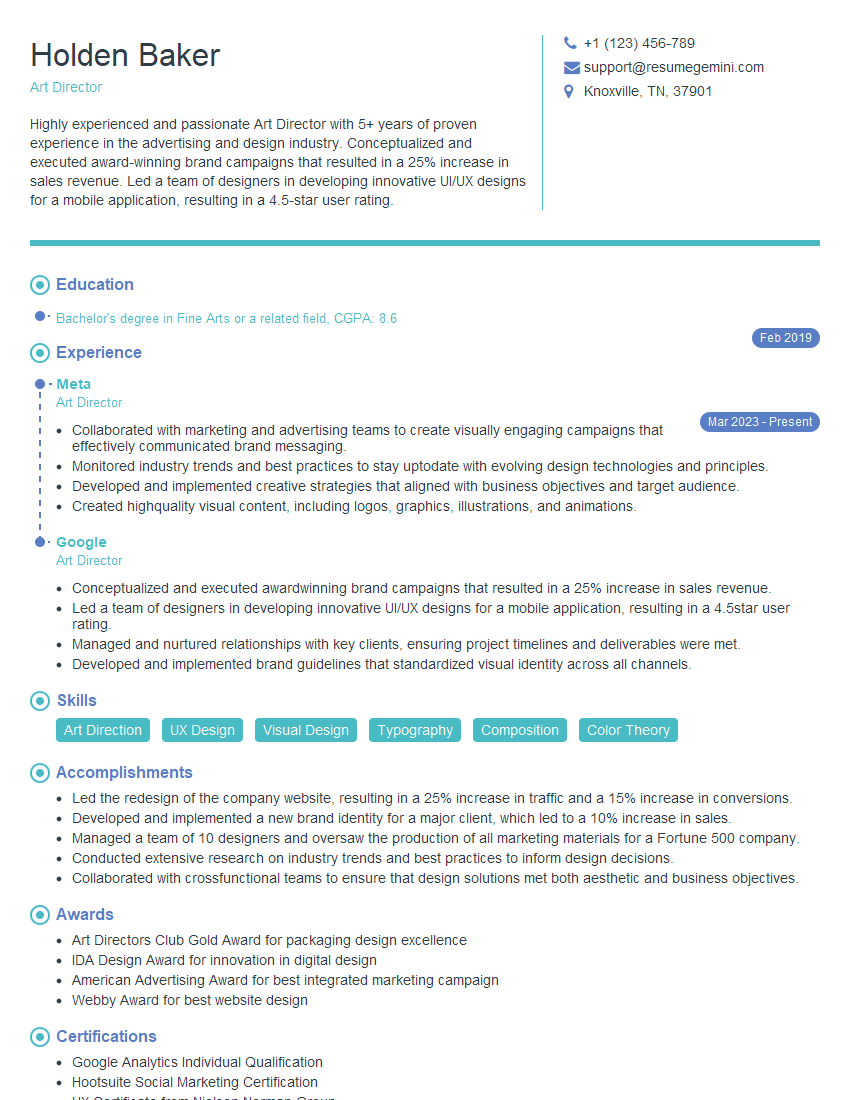
Art Director Resume Sample
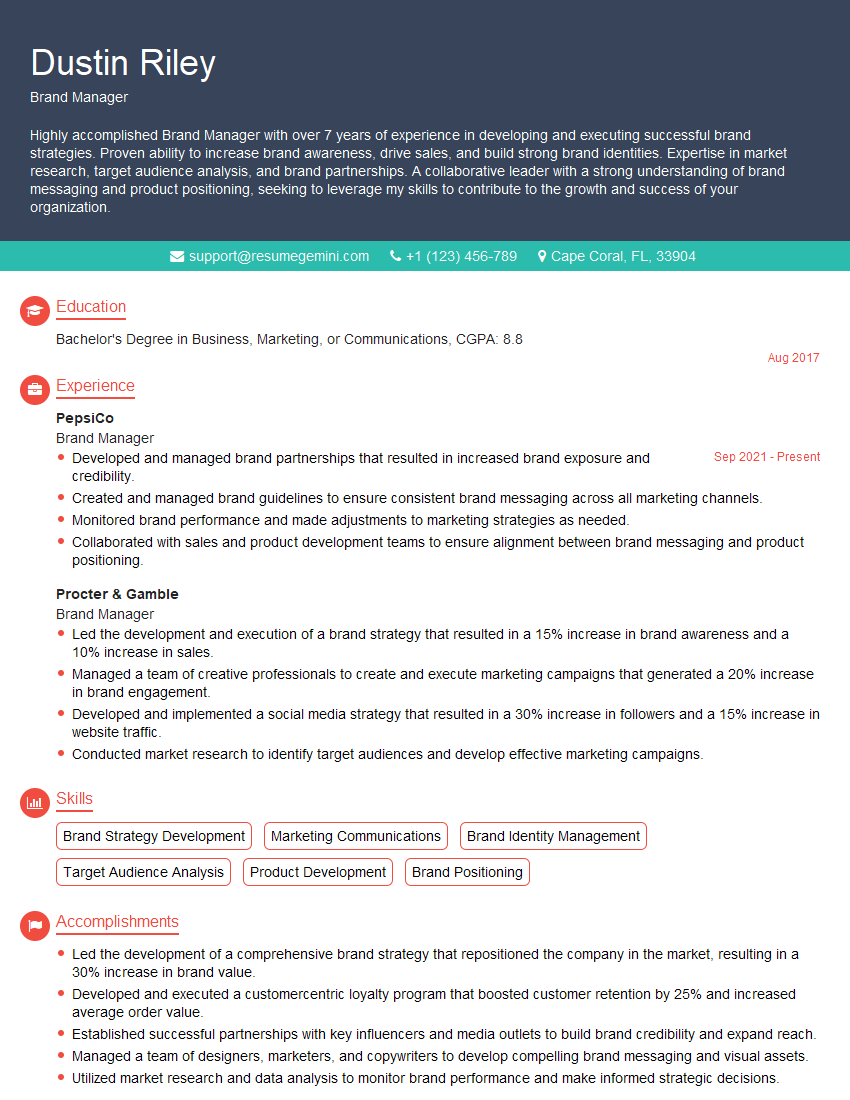
Brand Manager Resume Sample

Creative Director Resume Sample
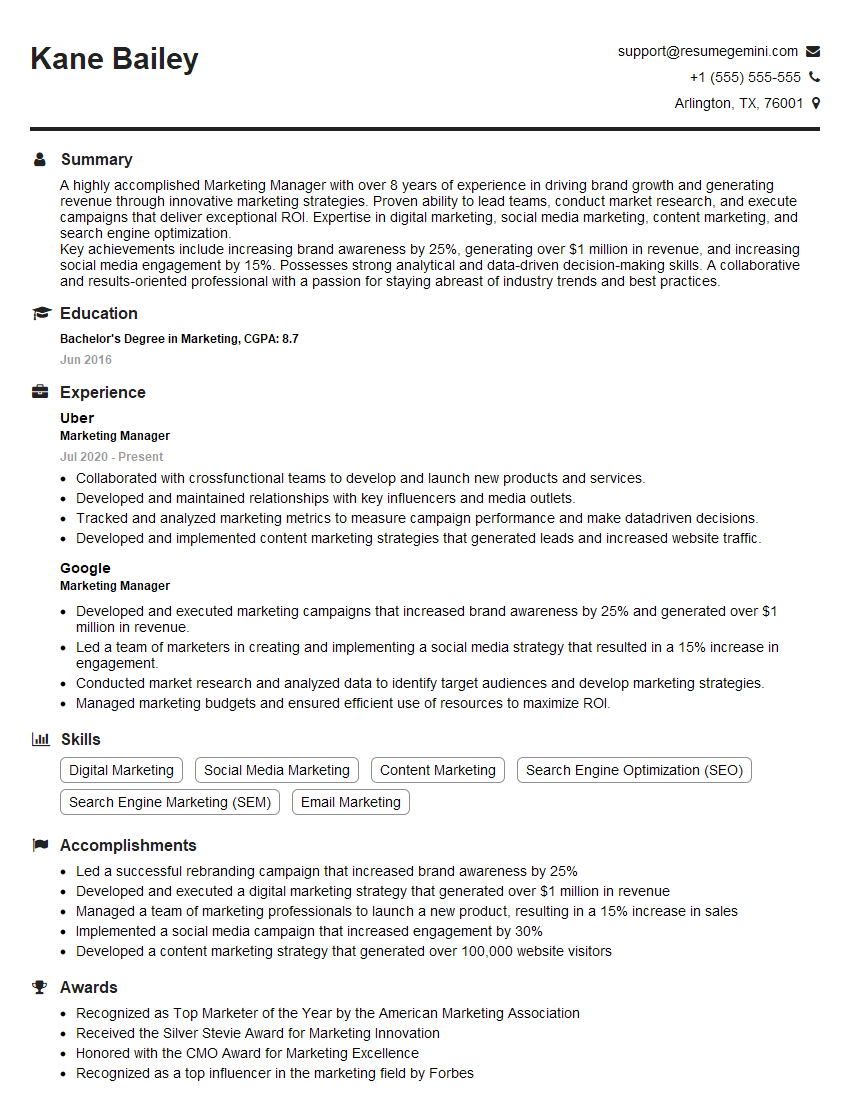
Marketing Manager Resume Sample

Communications Manager Resume Sample
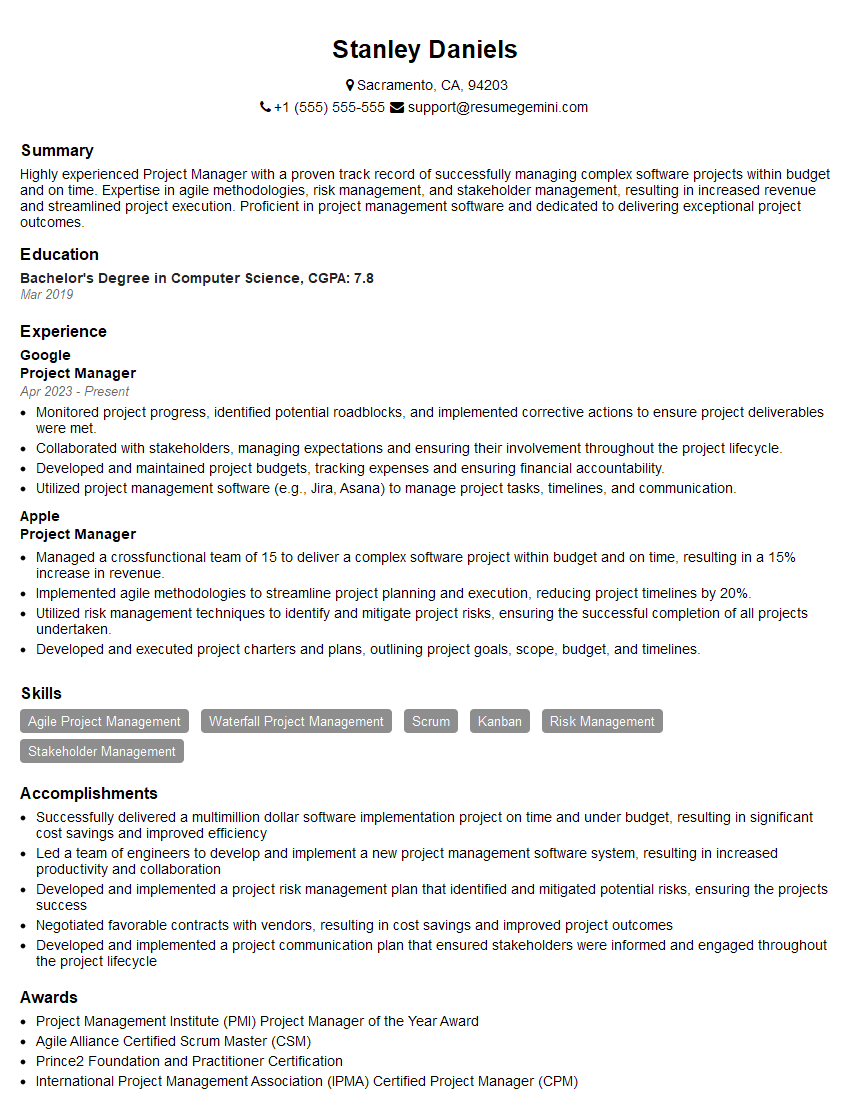
Project Manager Resume Sample

Social Media Manager Resume Sample
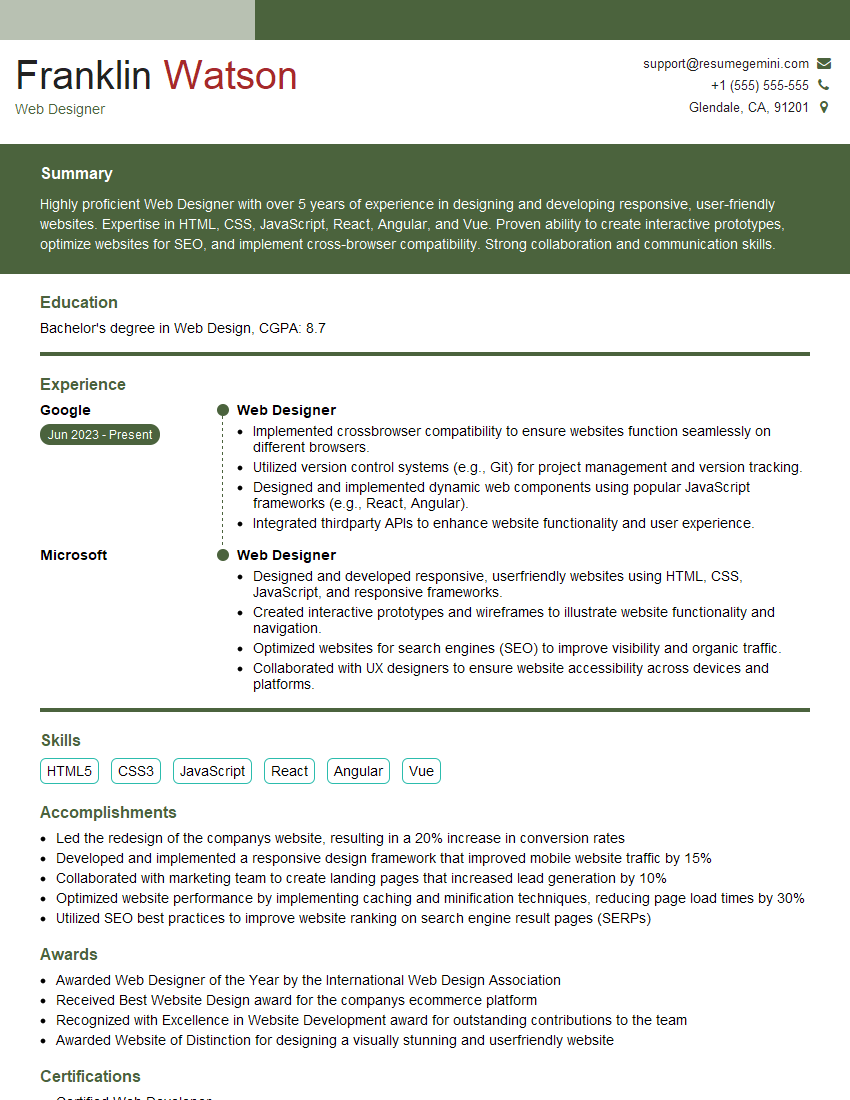
Web Designer Resume Sample
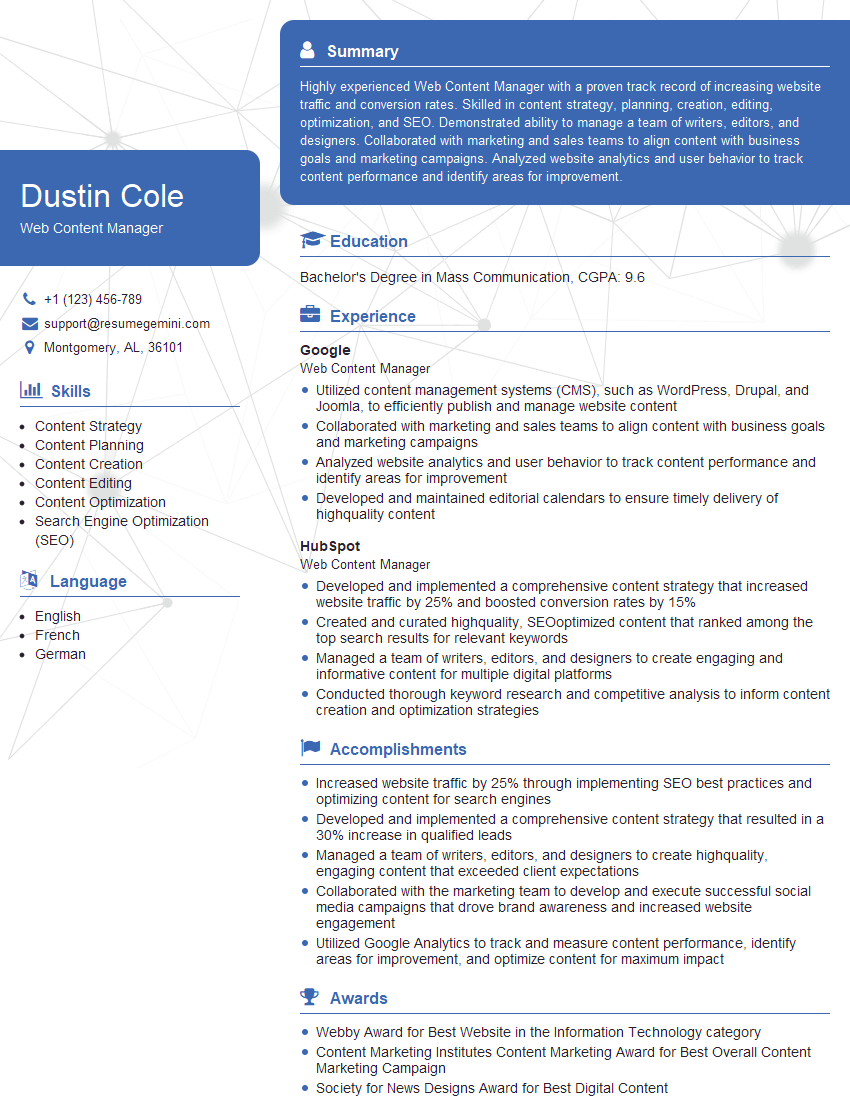
Web Content Manager Resume Sample

Content Strategist Resume Sample
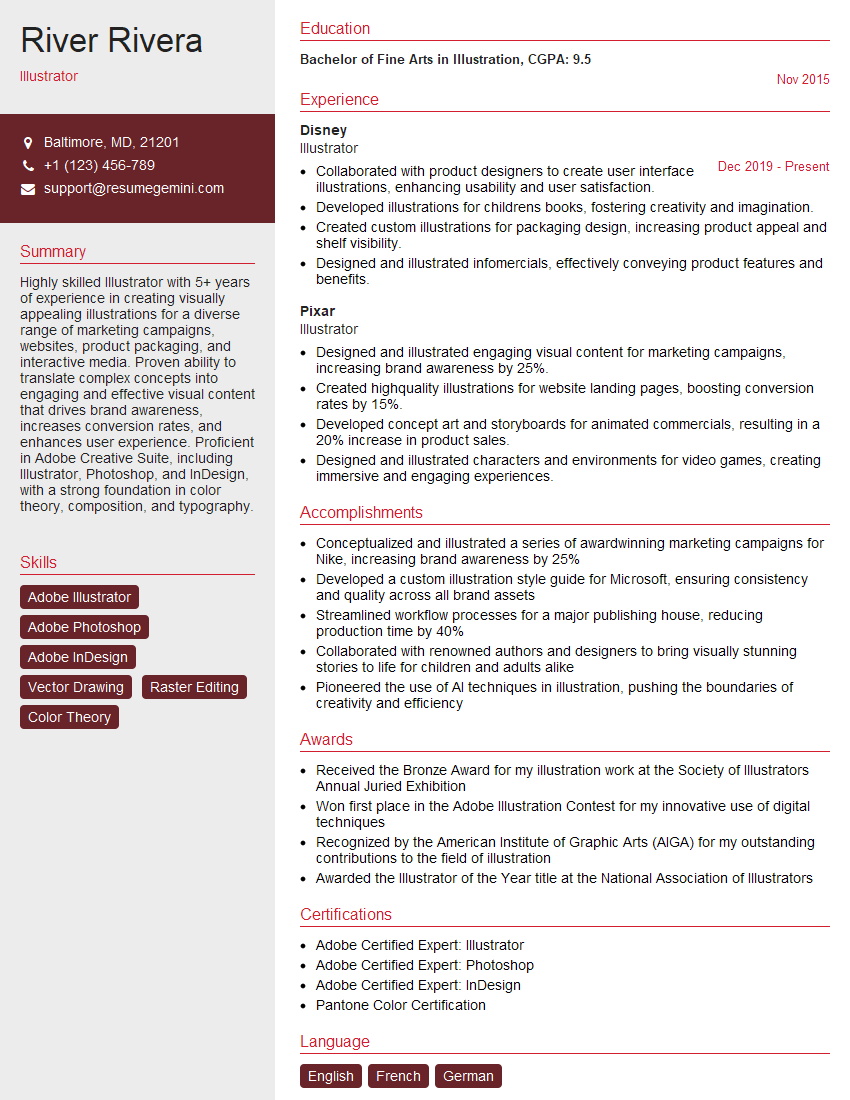
Illustrator Resume Sample
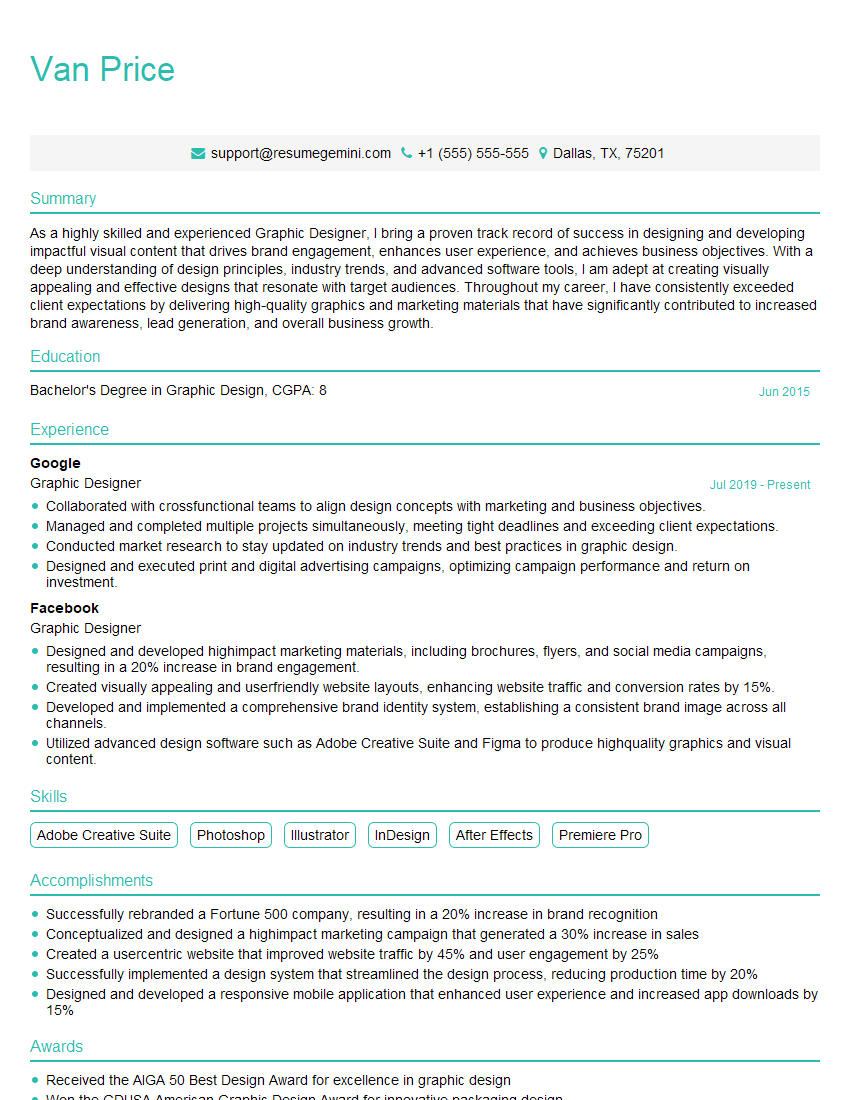
Graphic Designer Resume Sample
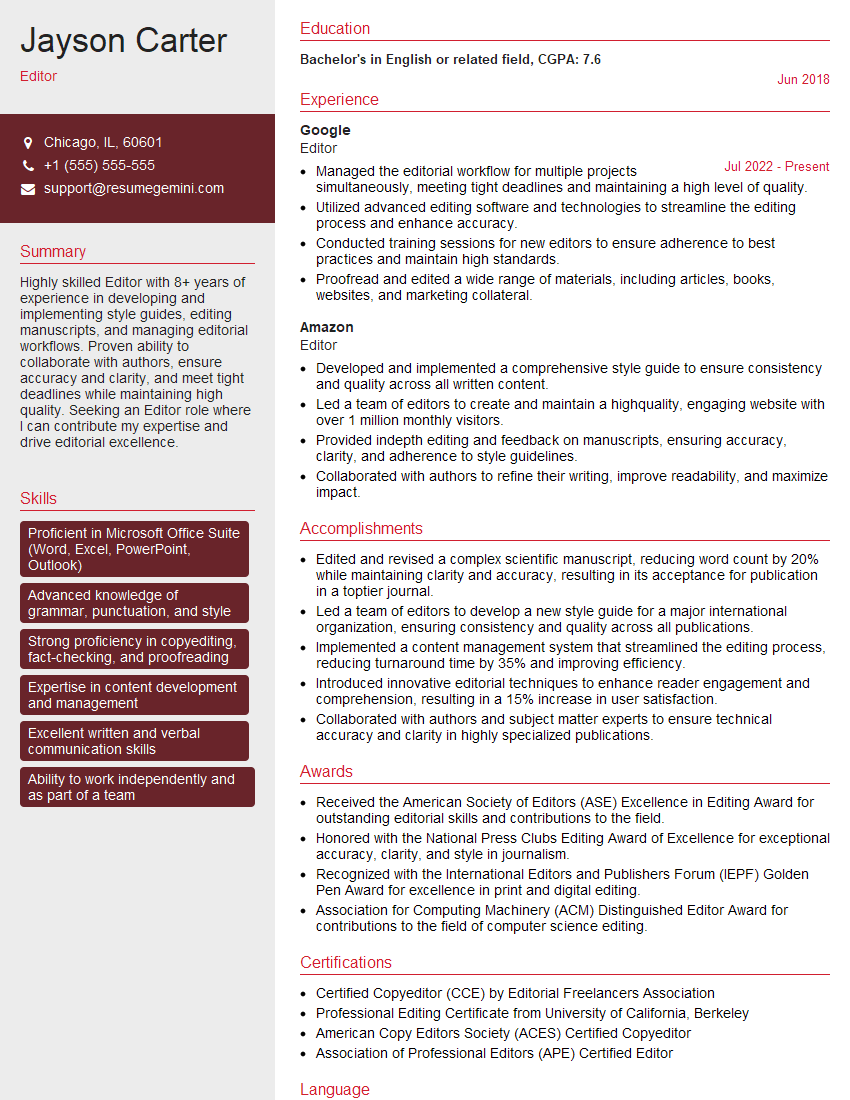
Editor Resume Sample
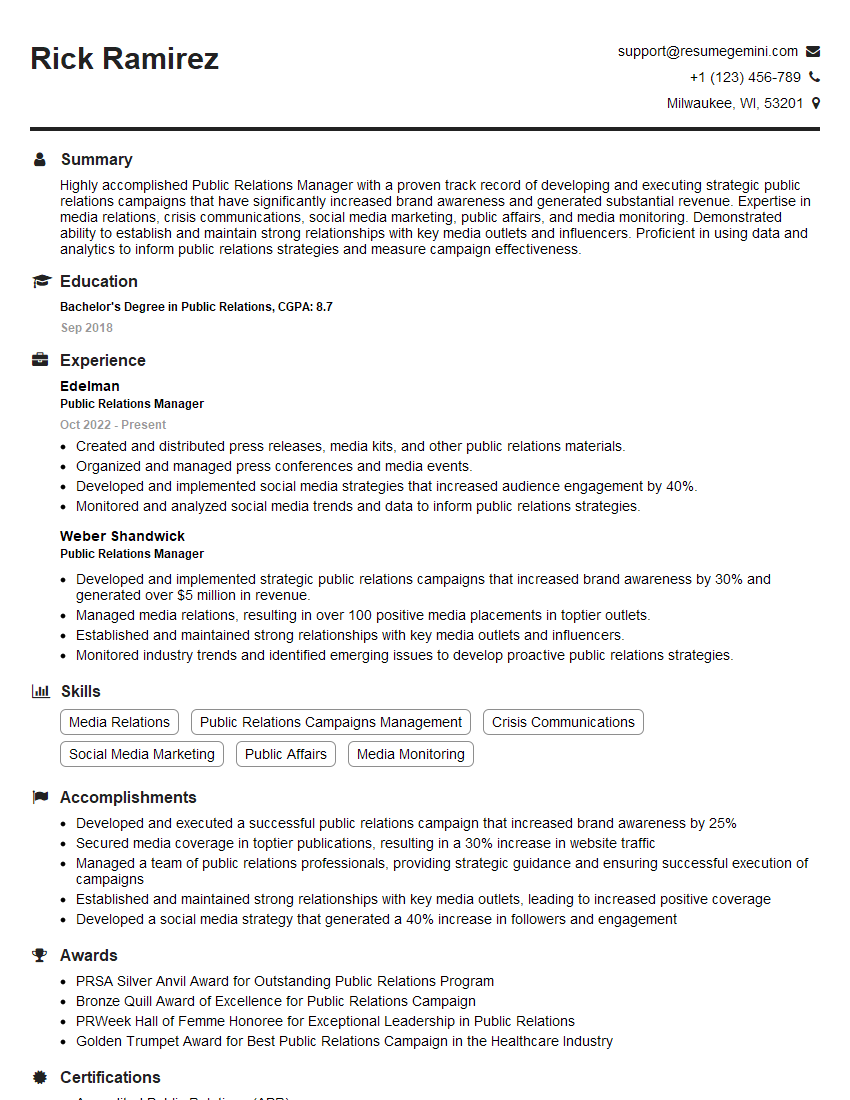
Public Relations Manager Resume Sample
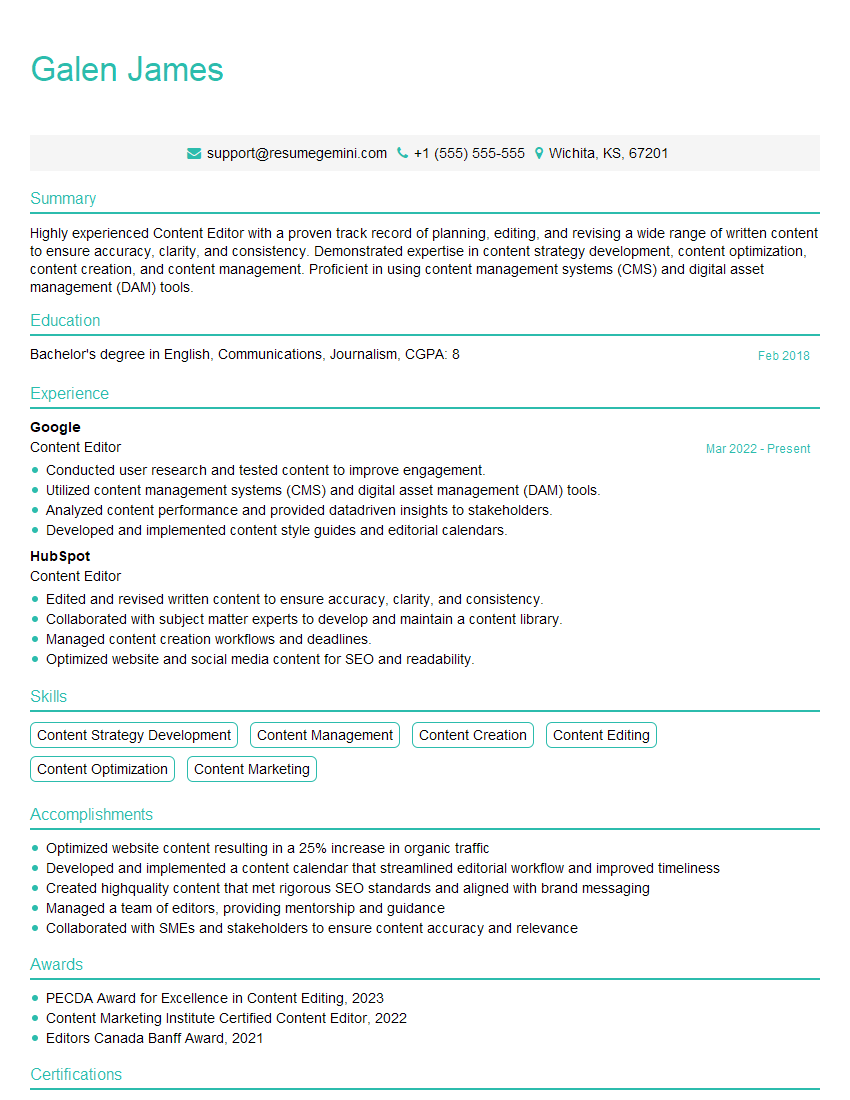
Content Editor Resume Sample
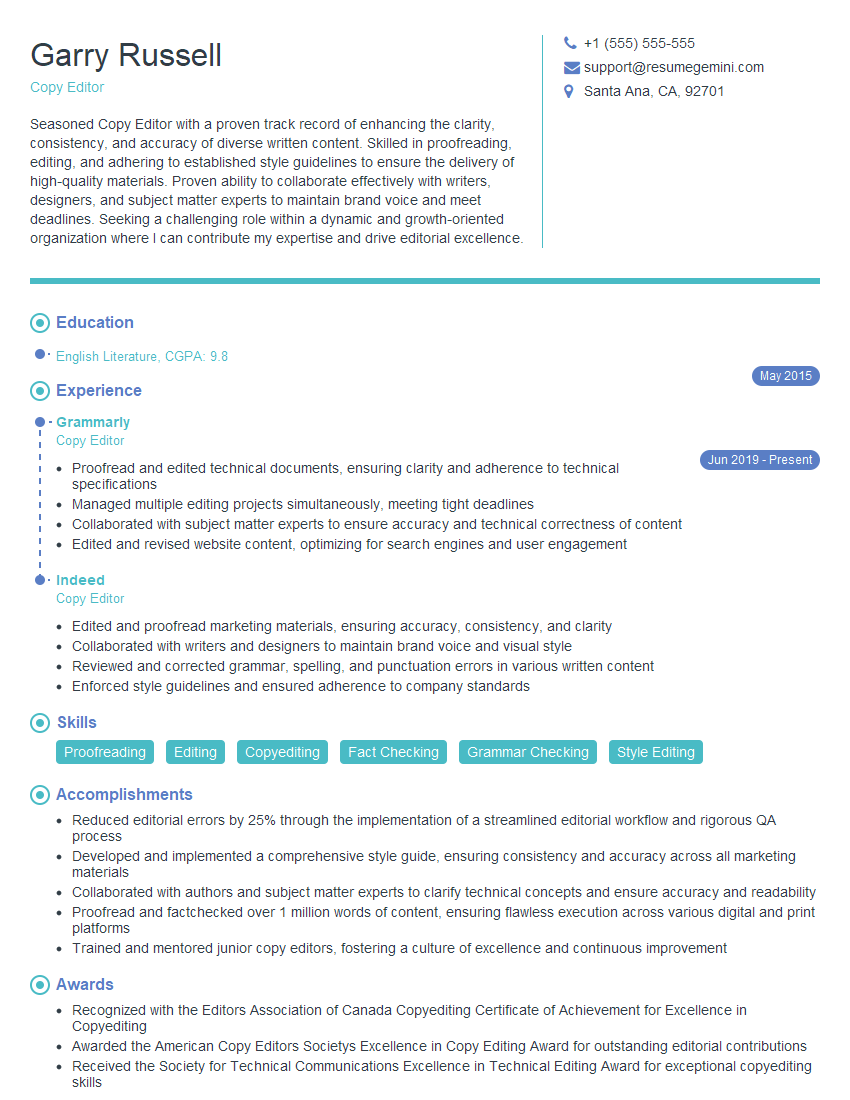
Copy Editor Resume Sample
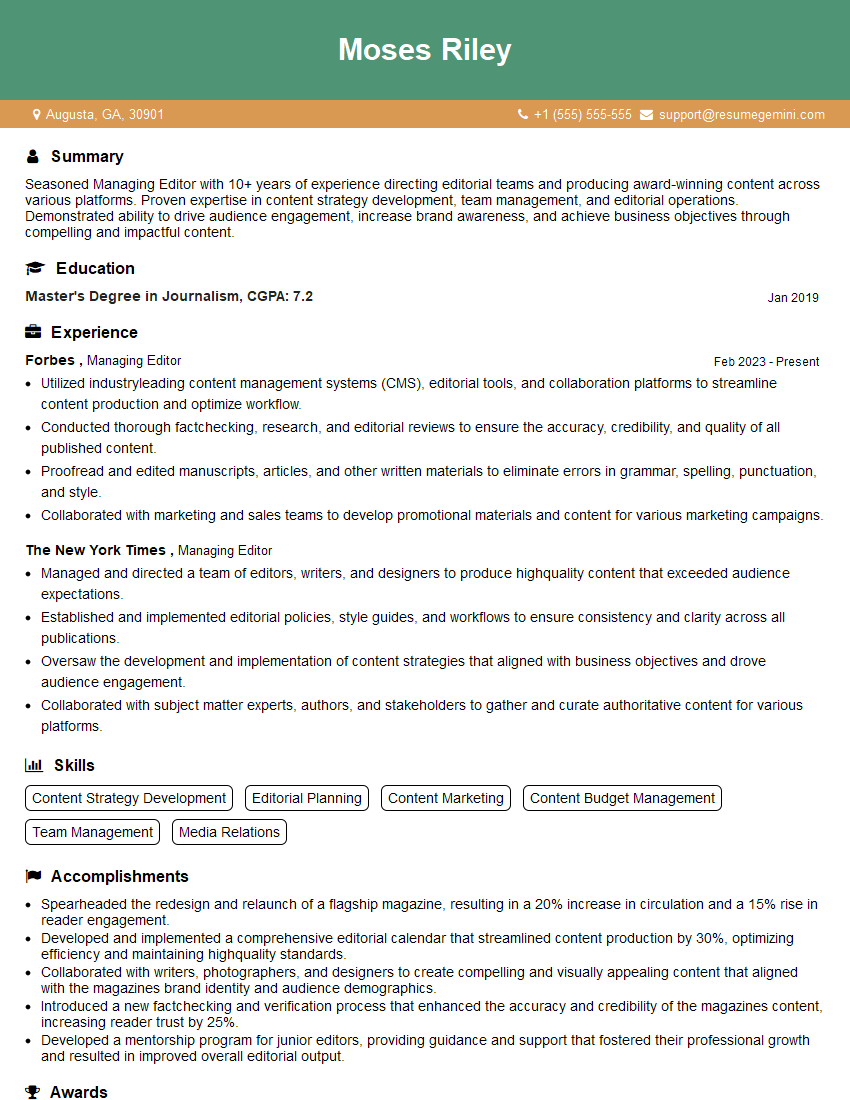
Managing Editor Resume Sample
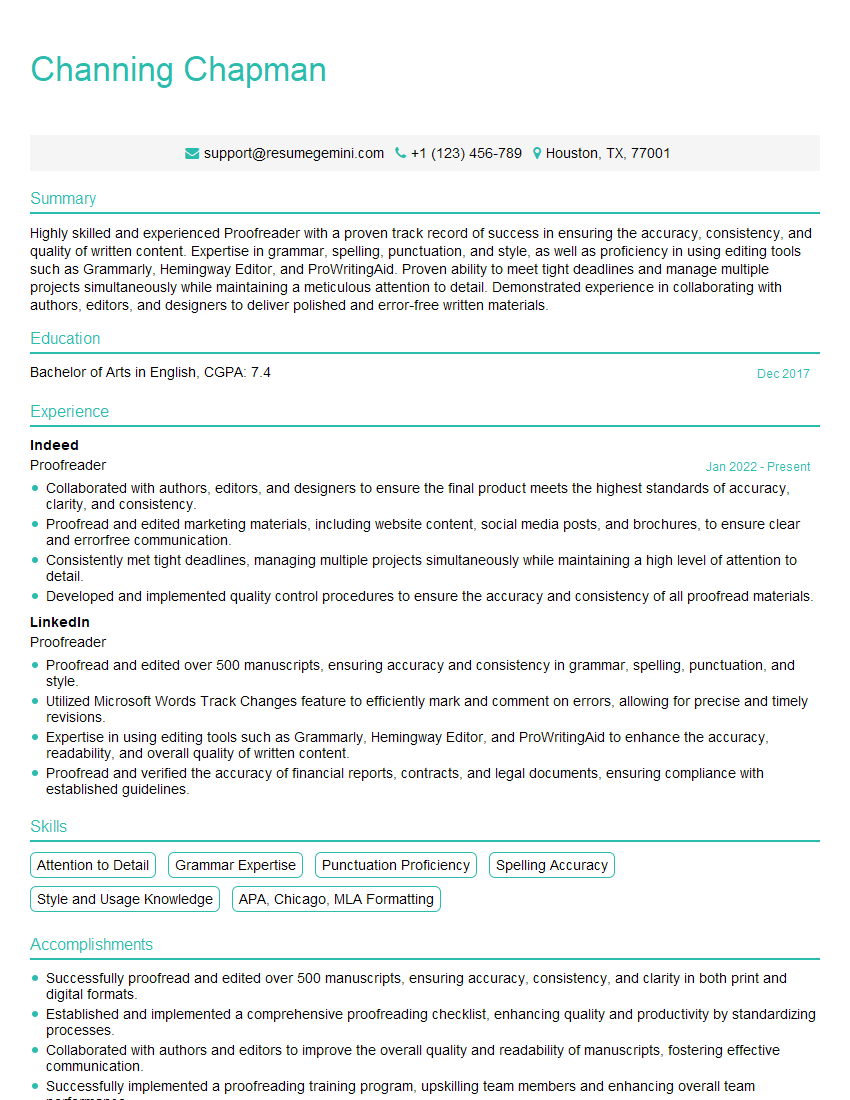
Proofreader Resume Sample

Technical Writer Resume Sample

Copywriter Resume Sample
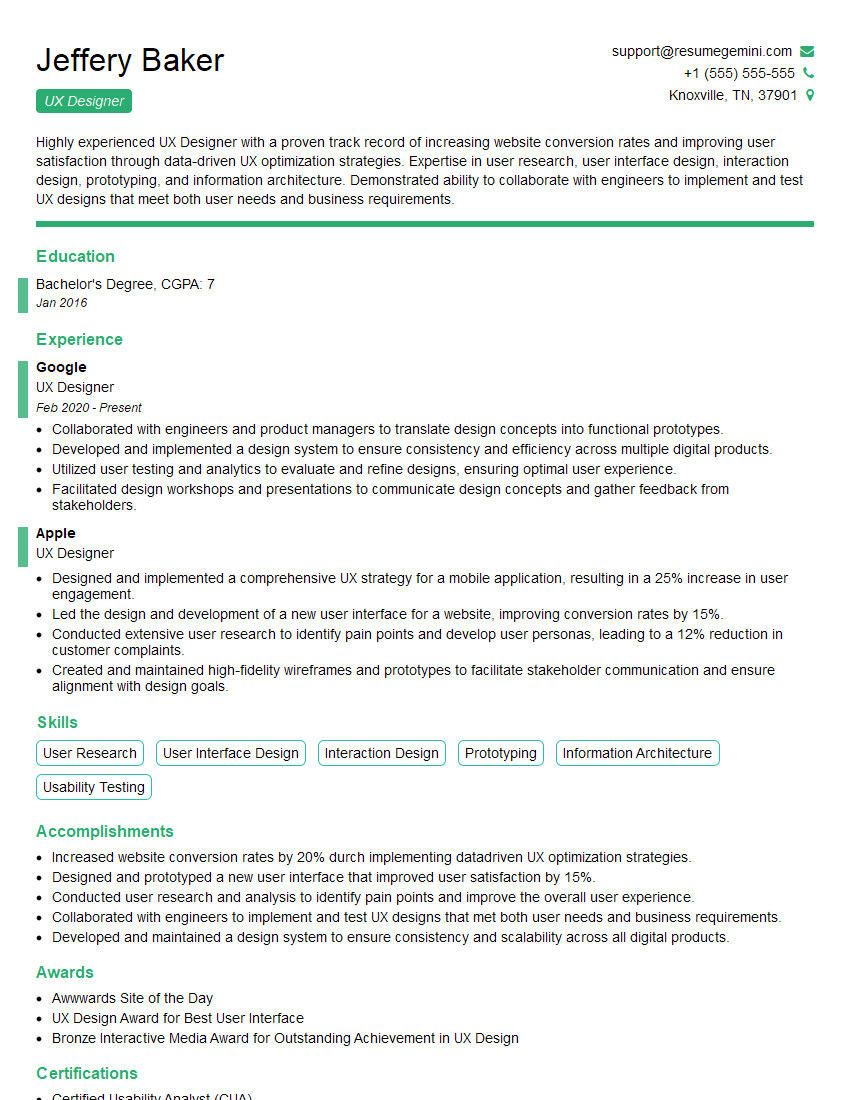
UX Designer Resume Sample
- Art Director
- Brand Manager
- Creative Director
- Marketing Manager
- Communications Manager
- Project Manager
- Social Media Manager
- Web Designer
- Web Content Manager
- Content Strategist
- Illustrator
- Graphic Designer
- Editor
- Public Relations Manager
- Content Editor
- Copy Editor
- Managing Editor
- Proofreader
- Technical Writer
- Copywriter
- UX Designer
Explore more articles
Users Rating of Our Blogs
Share Your Experience
We value your feedback! Please rate our content and share your thoughts (optional).
What Readers Say About Our Blog
Really detailed insights and content, thank you for writing this detailed article.
IT gave me an insight and words to use and be able to think of examples