Interviews are more than just a Q&A session—they’re a chance to prove your worth. This blog dives into essential Computerized Data Analysis interview questions and expert tips to help you align your answers with what hiring managers are looking for. Start preparing to shine!
Questions Asked in Computerized Data Analysis Interview
Q 1. Explain the difference between supervised and unsupervised learning.
Supervised and unsupervised learning are two fundamental approaches in machine learning that differ primarily in how they use data to train models. Think of it like teaching a child: supervised learning is like showing them labeled examples – ‘This is a cat,’ ‘This is a dog’ – so they learn to identify them. Unsupervised learning is like giving them a box of toys and letting them find patterns and groupings on their own.
Supervised learning uses labeled datasets, meaning each data point is tagged with the correct answer (the ‘label’). The algorithm learns to map inputs to outputs based on these labeled examples. Common examples include image classification (identifying objects in images), spam detection (classifying emails as spam or not spam), and predicting house prices (predicting price based on features like size and location). A classic supervised learning algorithm is linear regression which predicts a continuous value, or a Support Vector Machine (SVM) which is useful for classification.
Unsupervised learning, on the other hand, uses unlabeled datasets. The algorithm’s goal is to discover hidden patterns, structures, or relationships within the data without any predefined labels. Examples include clustering (grouping similar data points together), dimensionality reduction (reducing the number of variables while preserving important information), and anomaly detection (identifying unusual data points). K-means clustering and Principal Component Analysis (PCA) are common unsupervised learning techniques.
In essence, supervised learning aims to predict a target variable, while unsupervised learning aims to understand the underlying structure of the data.
Q 2. Describe your experience with various data visualization techniques.
My experience with data visualization spans a wide range of techniques, tailored to the specific needs of the data and the audience. I’m proficient in creating various charts and plots using tools like Matplotlib, Seaborn, and Tableau. For example, I’ve used:
- Scatter plots to visualize the relationship between two continuous variables, identifying correlations and outliers. In one project analyzing customer demographics and spending habits, a scatter plot clearly revealed a positive correlation between age and spending on luxury goods.
- Histograms to understand the distribution of a single variable, revealing skewness and identifying potential data quality issues. I used histograms to detect outliers in a dataset of sensor readings, which led to identifying a faulty sensor.
- Bar charts and pie charts for presenting categorical data effectively, making comparisons easy to understand for non-technical audiences. In a report on market share, I employed bar charts to show the relative performance of different competing products.
- Box plots to compare the distribution of a variable across different categories, identifying significant differences in medians and quartiles. I used box plots to compare the performance of different machine learning models.
- Heatmaps to visualize correlation matrices and to represent the values of a two-dimensional dataset. These were crucial in identifying relationships between numerous features in a large-scale clinical trial.
Beyond these common techniques, I’m also comfortable with more advanced visualizations like network graphs, word clouds, and interactive dashboards, selecting the most appropriate method to effectively communicate insights.
Q 3. What are the common challenges in data cleaning and preprocessing?
Data cleaning and preprocessing are crucial steps in any data analysis project. They’re often the most time-consuming, yet they significantly impact the accuracy and reliability of the results. Common challenges include:
- Missing values: Dealing with missing data points, determining the reason for missingness (missing completely at random, missing at random, or missing not at random), and choosing appropriate imputation strategies.
- Inconsistent data formats: Data may be recorded in different formats (e.g., date formats, numerical representations), requiring standardization for consistent analysis.
- Outliers: Extreme values that can skew analysis and model performance. Identifying and handling outliers requires careful consideration, as they may represent genuine anomalies or errors.
- Duplicate data: Identifying and removing duplicate entries to avoid bias and improve model accuracy.
- Data inconsistencies: Errors or inaccuracies in data entry, such as typos or incorrect values, which need to be corrected or removed.
- Data type errors: Incorrect data types being assigned which can lead to incorrect calculations.
Addressing these challenges often involves a combination of automated techniques and manual review, requiring careful consideration of the context and potential impact on the analysis.
Q 4. How do you handle missing data in a dataset?
Handling missing data is a critical aspect of data preprocessing. The best approach depends on the nature of the missing data and the overall dataset. Several strategies are available:
- Deletion: This involves removing rows or columns with missing values. This is simple but can lead to information loss, particularly if a significant portion of the data is missing. Listwise deletion (removing entire rows) is a common form of deletion.
- Imputation: This involves replacing missing values with estimated values. Methods include:
- Mean/Median/Mode imputation: Replacing missing values with the mean, median, or mode of the respective column. This is simple but can distort the distribution.
- K-Nearest Neighbors (KNN) imputation: Estimating missing values based on the values of similar data points.
- Multiple imputation: Creating multiple plausible imputed datasets and analyzing each one separately, then combining the results. This handles uncertainty in the imputation process more effectively.
- Model-based imputation: Employing machine learning models to predict missing values based on other variables in the dataset. This approach can be quite powerful but requires careful model selection and validation.
The choice of method depends on factors like the percentage of missing data, the pattern of missingness, and the impact on the analysis. For instance, if the percentage of missing data is small and there’s no systematic pattern, simple imputation methods might suffice. However, with large amounts of missing data or complex patterns, more sophisticated methods are necessary.
Q 5. Explain the concept of overfitting and underfitting in machine learning.
Overfitting and underfitting are two common problems in machine learning that affect a model’s ability to generalize to new, unseen data. Imagine teaching a child to recognize cats. Overfitting is like teaching them only specific features of *your* cat, such as its fur color, so they fail to recognize cats that look different. Underfitting is like only telling them that cats are furry animals, failing to provide sufficient detail for proper identification.
Overfitting occurs when a model learns the training data too well, including the noise and random fluctuations. This results in high accuracy on the training data but poor performance on unseen data. Symptoms include a large gap between training and testing accuracy. Techniques to mitigate overfitting include using regularization (e.g., L1 or L2 regularization), cross-validation, simpler models, and pruning decision trees.
Underfitting occurs when a model is too simple to capture the underlying patterns in the data. It performs poorly on both training and testing data. This usually means the model lacks the complexity to represent the relationship between the inputs and the outputs. Addressing underfitting involves using more complex models, adding more features, or increasing the training data.
Finding the right balance between these two extremes is crucial for building robust and generalizable machine learning models. Techniques like cross-validation help assess the model’s performance on unseen data and guide the choice of model complexity.
Q 6. What are some common metrics used to evaluate model performance?
The choice of metrics for evaluating model performance depends heavily on the type of problem (classification, regression, clustering, etc.). Some common metrics include:
- Accuracy: The percentage of correctly classified instances (for classification). While simple, it can be misleading with imbalanced datasets.
- Precision: Out of all instances predicted as positive, what proportion are actually positive?
- Recall (Sensitivity): Out of all actually positive instances, what proportion were correctly predicted?
- F1-score: The harmonic mean of precision and recall, providing a balanced measure.
- AUC (Area Under the ROC Curve): Measures the ability of a classifier to distinguish between classes across different thresholds. Useful for imbalanced datasets.
- Mean Squared Error (MSE): The average squared difference between predicted and actual values (for regression).
- Root Mean Squared Error (RMSE): The square root of MSE, providing a more interpretable measure of error in the original units.
- R-squared: The proportion of variance in the dependent variable explained by the model (for regression).
- Adjusted R-squared: A modified version of R-squared that accounts for the number of predictors in the model, penalizing the inclusion of irrelevant variables.
- Silhouette Score: Measures how similar a data point is to its own cluster compared to other clusters (for clustering).
It’s often beneficial to use multiple metrics to gain a comprehensive understanding of model performance, considering the specific context and goals of the analysis.
Q 7. Describe your experience with different regression techniques.
My experience encompasses a variety of regression techniques, each suited to different data characteristics and problem types. I’ve worked extensively with:
- Linear Regression: A fundamental technique that models the relationship between a dependent variable and one or more independent variables using a linear equation. I’ve used this to predict sales based on advertising spend and other marketing factors. It’s simple to interpret but assumes a linear relationship, which might not always hold.
- Polynomial Regression: Extends linear regression by adding polynomial terms to the model, allowing for non-linear relationships. This is useful when the relationship between variables is curved. I applied this to model the relationship between drug dosage and patient response.
- Ridge Regression and Lasso Regression: Regularization techniques that add penalty terms to the linear regression model to prevent overfitting, particularly useful with high-dimensional data. I used Lasso Regression to select important variables in a complex model predicting customer churn.
- Support Vector Regression (SVR): A powerful technique that uses support vectors to fit a regression model, robust to outliers and effective in high-dimensional spaces. This was particularly valuable in a project where outliers were a significant concern.
- Decision Tree Regression: A non-parametric method that creates a tree-like structure to predict the target variable. I used this when the data had complex non-linear interactions.
- Random Forest Regression: An ensemble method combining multiple decision trees to improve predictive accuracy and reduce overfitting. This has proven very effective in numerous projects involving complex datasets.
The selection of an appropriate regression technique depends on factors like the linearity of the data, the presence of outliers, the number of predictors, and the desired level of model interpretability.
Q 8. What are the advantages and disadvantages of using different database systems?
Choosing the right database system is crucial for efficient data analysis. Different systems offer distinct advantages and disadvantages depending on the specific needs of a project. Let’s consider some popular options:
- Relational Databases (e.g., MySQL, PostgreSQL, SQL Server): These are excellent for structured data with well-defined relationships between tables. They offer ACID properties (Atomicity, Consistency, Isolation, Durability), ensuring data integrity. However, they can be less flexible when dealing with unstructured or semi-structured data and can be slower for very large datasets.
- NoSQL Databases (e.g., MongoDB, Cassandra, Redis): These are designed for scalability and handling large volumes of unstructured or semi-structured data. They are often faster than relational databases for certain types of queries but may lack the data integrity features of relational systems. The choice depends on whether you need strict data consistency or the ability to handle massive datasets quickly.
- Cloud-based Databases (e.g., AWS RDS, Google Cloud SQL, Azure SQL Database): These offer scalability, high availability, and managed services, reducing the need for on-premise infrastructure management. However, they can be more expensive than self-managed solutions and might introduce vendor lock-in.
For example, a project analyzing customer transactions would benefit from a relational database’s structured approach and ACID properties, while a social media analytics project with vast amounts of unstructured data might leverage the scalability of a NoSQL database.
Q 9. Explain your understanding of SQL and its applications in data analysis.
SQL (Structured Query Language) is the standard language for managing and manipulating relational databases. It’s the cornerstone of data analysis for structured data, allowing us to retrieve, filter, and transform information efficiently.
In data analysis, SQL’s applications are vast. We use it to:
- Extract data: Select specific columns and rows from tables based on various criteria (e.g.,
SELECT * FROM customers WHERE country = 'USA';). - Clean and transform data: Handle missing values, standardize data formats, and create new variables (e.g., using aggregate functions like
SUM(),AVG(),COUNT()). - Join data from multiple tables: Combine data from different tables based on common fields (e.g.,
JOINstatements). - Aggregate data: Summarize data using functions like
SUM,AVG,MAX,MIN, grouping results usingGROUP BY.
Imagine analyzing sales data. Using SQL, we can easily query the database to identify the best-selling products, total sales per region, or average order value. The ability to perform these operations quickly and efficiently is crucial for timely and accurate insights.
Q 10. How would you approach identifying outliers in a dataset?
Identifying outliers is crucial in data analysis because they can skew results and mislead interpretations. Several methods exist:
- Visual inspection: Box plots, scatter plots, and histograms can visually highlight data points that deviate significantly from the rest.
- Statistical methods:
- Z-score: Measures how many standard deviations a data point is from the mean. Points with a Z-score above a threshold (e.g., 3 or -3) are often considered outliers.
- Interquartile Range (IQR): Outliers are defined as points below Q1 – 1.5*IQR or above Q3 + 1.5*IQR, where Q1 and Q3 are the first and third quartiles respectively.
- Machine learning techniques: Isolation Forest and One-Class SVM are algorithms designed specifically to detect anomalies.
The best method depends on the dataset’s characteristics and the nature of the outliers. For instance, if you suspect fraudulent transactions in financial data, Isolation Forest might be suitable due to its ability to detect unusual patterns. For simple datasets, a visual inspection combined with IQR might be sufficient.
Q 11. What is the difference between correlation and causation?
Correlation and causation are often confused, but they are distinct concepts. Correlation refers to a statistical relationship between two or more variables, indicating that they tend to change together. Causation implies that one variable directly influences or causes a change in another.
Correlation doesn’t imply causation. Two variables might be strongly correlated due to a third, unobserved variable (confounding factor) or purely by chance. For example, ice cream sales and crime rates might be positively correlated, but this doesn’t mean ice cream causes crime. Both are likely influenced by a third variable: hot weather.
Causation requires demonstrating that a change in one variable directly leads to a change in another. Establishing causation often requires controlled experiments, time-series analysis, or careful consideration of potential confounding variables.
In essence, correlation shows an association, while causation proves a cause-and-effect relationship.
Q 12. Describe your experience working with large datasets (Big Data).
I have extensive experience working with large datasets (Big Data) using various tools and techniques. In a recent project involving customer behavior analysis for a major e-commerce platform, I worked with petabytes of data. This involved leveraging distributed computing frameworks like Apache Spark and Hadoop to process and analyze the data efficiently. We used techniques like data partitioning and parallel processing to manage the computational demands of such large datasets. Data was stored in a cloud-based data warehouse for easy access and scalability. Specific tools utilized included PySpark for data manipulation and machine learning model training, along with visualization tools like Tableau to present findings in a user-friendly manner.
Q 13. Explain your experience with different data mining techniques.
My experience with data mining techniques spans a broad range, including:
- Association rule mining (Apriori, FP-Growth): Used to discover interesting relationships between variables in large datasets, such as identifying products frequently purchased together in a retail setting.
- Classification (Decision trees, Support Vector Machines, Naive Bayes): Used to build predictive models that categorize data into predefined classes, for instance, predicting customer churn or identifying fraudulent transactions.
- Clustering (K-means, hierarchical clustering): Used to group similar data points together, such as segmenting customers based on their purchasing behavior or identifying similar patterns in network traffic.
- Regression (Linear regression, logistic regression): Used to model the relationship between a dependent variable and one or more independent variables, such as predicting sales based on advertising spend or predicting the probability of an event occurring.
I have applied these techniques across various domains including customer segmentation, fraud detection, and predictive maintenance, always tailoring the choice of technique to the specific problem and data characteristics.
Q 14. How would you explain a complex data analysis finding to a non-technical audience?
Explaining complex data analysis findings to a non-technical audience requires careful communication and visualization. I would avoid technical jargon and instead focus on using clear, simple language and compelling visuals. For instance, instead of saying “We observed a statistically significant increase in conversion rates following the A/B test,” I might say, “Our experiment showed that the new website design led to a 15% increase in customers making purchases, a result we’re confident is not due to chance.”
Visual aids like charts, graphs, and infographics are essential. A simple bar chart showing the difference in conversion rates before and after the change is far more impactful than a complex statistical table. I would also use analogies and real-world examples to illustrate the findings. The key is to communicate the main insights and their implications in a clear, concise, and engaging way, focusing on the “so what?” aspect of the analysis – what do the findings mean and why should the audience care?
Q 15. What is your preferred programming language for data analysis, and why?
My preferred programming language for data analysis is Python. This choice stems from its versatility, extensive libraries specifically designed for data manipulation and analysis, and a large, supportive community. Python’s readability also makes it easier to collaborate on projects and maintain code over time.
Libraries like Pandas provide powerful tools for data cleaning, transformation, and exploration. NumPy allows for efficient numerical computations, while Scikit-learn offers a comprehensive suite of machine learning algorithms. Matplotlib and Seaborn facilitate creating informative and visually appealing data visualizations. This combination of capabilities allows me to handle a wide range of analytical tasks efficiently and effectively.
For instance, in a recent project analyzing customer churn, I used Pandas to clean and preprocess the customer data, NumPy for numerical operations like calculating churn rates, and Scikit-learn to build a predictive model using logistic regression. The results were then visualized using Matplotlib to clearly communicate key findings to stakeholders.
Career Expert Tips:
- Ace those interviews! Prepare effectively by reviewing the Top 50 Most Common Interview Questions on ResumeGemini.
- Navigate your job search with confidence! Explore a wide range of Career Tips on ResumeGemini. Learn about common challenges and recommendations to overcome them.
- Craft the perfect resume! Master the Art of Resume Writing with ResumeGemini’s guide. Showcase your unique qualifications and achievements effectively.
- Don’t miss out on holiday savings! Build your dream resume with ResumeGemini’s ATS optimized templates.
Q 16. Describe your experience with statistical hypothesis testing.
Statistical hypothesis testing is a cornerstone of data analysis. It involves formulating a hypothesis about a population parameter (e.g., the average income of a customer segment), collecting sample data, and using statistical tests to determine whether the evidence supports rejecting the null hypothesis (e.g., that there’s no difference in average income).
My experience encompasses a wide range of tests, including t-tests for comparing means, ANOVA for comparing means across multiple groups, chi-squared tests for analyzing categorical data, and non-parametric tests like the Mann-Whitney U test for situations where data doesn’t meet the assumptions of parametric tests. I’m proficient in interpreting p-values and confidence intervals to draw meaningful conclusions and avoid making Type I (false positive) or Type II (false negative) errors.
For example, in a recent A/B test (explained further in a later question), I used a two-sample t-test to determine if the conversion rate of the control group was statistically significantly different from the experimental group. The small p-value obtained indicated that the observed difference was unlikely due to random chance, allowing me to confidently conclude that the new design led to a statistically significant improvement in conversion rates.
Q 17. What are some common data manipulation techniques you use?
Data manipulation is fundamental to effective data analysis. I regularly employ techniques like data cleaning, transformation, and feature engineering to prepare data for analysis.
- Data Cleaning: This includes handling missing values (imputation or removal), identifying and correcting outliers, and dealing with inconsistent data formats.
- Data Transformation: This involves changing the format or scale of data, such as standardizing variables (z-score normalization), creating dummy variables for categorical data, or applying logarithmic transformations to handle skewed distributions.
- Feature Engineering: This is a crucial step where I create new variables from existing ones to improve model performance. For example, I might create interaction terms, aggregate variables, or derive new features based on domain expertise.
Imagine analyzing sales data. I might clean the data by removing duplicate entries, impute missing sales figures using the average sales for similar products, transform the data by converting sales amounts to monthly growth rates, and engineer a new feature combining product category and seasonality for improved predictive modeling.
Q 18. Explain the concept of A/B testing.
A/B testing is a controlled experiment used to compare two versions of something – typically a website, app, or marketing campaign – to see which performs better. It involves randomly assigning users to either a control group (exposed to the original version) or an experimental group (exposed to the new version). By tracking key metrics (e.g., conversion rates, click-through rates), we can determine if there’s a statistically significant difference in performance between the two versions.
A crucial aspect of A/B testing is randomization, ensuring that the assignment of users to groups is unbiased. This minimizes the risk of confounding factors affecting the results. Statistical tests, as discussed earlier, are then used to assess the significance of observed differences.
For instance, an e-commerce company might A/B test two different website layouts to see which one leads to higher conversion rates. By analyzing the results using a statistical test, they can determine if the observed difference is statistically significant, guiding them in choosing the better-performing design.
Q 19. How do you ensure the quality and accuracy of your data analysis?
Ensuring data quality and accuracy is paramount. My approach is multi-faceted:
- Data Validation: I perform checks on data integrity at various stages, verifying data types, ranges, and consistency. This often involves using automated scripts to detect anomalies and potential errors.
- Source Verification: I meticulously document the sources of my data and assess their reliability. Understanding the data’s origin helps identify potential biases or inaccuracies.
- Cross-Validation: Whenever feasible, I compare results obtained from different data sources or methods to identify discrepancies and improve accuracy.
- Sensitivity Analysis: I assess how sensitive the analysis results are to changes in the data or assumptions. This helps understand the robustness of the findings.
For example, when analyzing financial data, I’d carefully validate the data against known accounting principles, cross-check data from multiple financial statements, and assess how sensitive the financial ratios are to variations in input data.
Q 20. What experience do you have with data warehousing and ETL processes?
I have significant experience with data warehousing and ETL (Extract, Transform, Load) processes. Data warehousing involves designing and implementing a central repository for storing and managing data from diverse sources. ETL processes are crucial for extracting data from various sources, transforming it into a consistent format, and loading it into the data warehouse.
My experience includes working with various database management systems (DBMS), such as SQL Server and MySQL, and ETL tools like Informatica and Apache Airflow. I’m proficient in writing SQL queries to extract and manipulate data, using scripting languages to automate ETL tasks, and optimizing database performance for efficient data access. I understand the importance of data governance, ensuring data quality and consistency throughout the ETL process.
In a previous role, I designed and implemented a data warehouse for a large retail company. This involved extracting sales data from multiple point-of-sale systems, transforming it to a standardized format, and loading it into a data warehouse for business intelligence and reporting. This project significantly improved the company’s ability to generate accurate and timely insights from its sales data.
Q 21. Describe a time you had to deal with conflicting data sources.
In a previous project involving analyzing customer demographics, I encountered conflicting data from two different sources: our internal CRM system and a third-party market research provider. The CRM data showed a higher proportion of younger customers than the market research data.
To resolve this conflict, I first investigated the potential reasons for the discrepancy. This involved understanding the data collection methodologies of each source, identifying potential biases, and checking data quality. I found that the CRM data had some inaccuracies due to incomplete data entry, while the market research data had a different sampling methodology leading to a different customer representation.
My solution involved data cleaning of the CRM data to address inconsistencies and weighting the data from both sources based on their respective reliability and sample size to create a more accurate representation of customer demographics. This required careful consideration of the strengths and weaknesses of each data source and a sound understanding of statistical weighting techniques.
Q 22. Explain your experience with time series analysis.
Time series analysis is a specialized field within data analysis focusing on data points indexed in time order. This means we’re dealing with data that changes over time, like stock prices, weather patterns, or website traffic. My experience encompasses the entire analytical process, from data cleaning and preprocessing to model building and forecasting.
I’ve worked extensively with various time series models, including ARIMA (Autoregressive Integrated Moving Average), SARIMA (Seasonal ARIMA), and exponential smoothing methods. For instance, in a project analyzing daily sales data for an e-commerce company, I employed an ARIMA model to accurately predict future sales trends, enabling the company to optimize inventory management and marketing campaigns. This involved identifying seasonality, trend, and residual components within the data using techniques like decomposition and ACF/PACF analysis. I also have experience with more advanced methods like Prophet (developed by Facebook) for handling time series with strong seasonality and trend changes.
Beyond model selection, I’m proficient in evaluating model performance using metrics like RMSE (Root Mean Squared Error) and MAE (Mean Absolute Error), and in using techniques to handle missing data and outliers, which are common in real-world time series data.
Q 23. How familiar are you with cloud-based data platforms (AWS, Azure, GCP)?
I’m very familiar with cloud-based data platforms like AWS, Azure, and GCP. My experience spans across several services within each platform. For example, on AWS, I’ve worked extensively with S3 for data storage, EMR for big data processing using Spark, and Redshift for data warehousing. On Azure, I’ve utilized Azure Data Lake Storage for large-scale data management, Azure Databricks for collaborative data analysis, and Azure SQL Database for relational data storage. Finally, on GCP, I’ve leveraged Google Cloud Storage, BigQuery for large-scale data analysis, and Dataflow for data processing pipelines.
My understanding extends beyond simple data storage and processing; I’m also comfortable with the security and scalability aspects of these platforms. For instance, I understand how to configure access controls and implement encryption to protect sensitive data. I also have experience optimizing data pipelines for performance and cost efficiency on these platforms. I find the flexibility and scalability offered by cloud platforms crucial for handling large datasets and complex analytical tasks.
Q 24. What is your experience with data visualization tools (Tableau, Power BI)?
I have significant experience with both Tableau and Power BI, using them to create interactive and insightful data visualizations. My proficiency includes creating various chart types, dashboards, and reports tailored to specific business needs. For instance, I used Tableau to create a series of interactive dashboards for a marketing team, visualizing campaign performance metrics across different channels and demographics. This helped the team quickly identify high-performing campaigns and areas for improvement.
In another project, I utilized Power BI to build a comprehensive reporting system for a finance team, allowing them to easily monitor key financial indicators and generate custom reports on demand. Beyond basic visualization, I’m also experienced in connecting these tools to various data sources, incorporating advanced features like calculated fields and parameters to enhance the analysis and customization of visualizations. The choice between Tableau and Power BI often depends on the specific project requirements and existing infrastructure; both are powerful tools with strengths in different areas.
Q 25. Describe your experience with different machine learning algorithms.
My experience with machine learning algorithms is broad, encompassing both supervised and unsupervised learning techniques. In supervised learning, I’m proficient in regression algorithms like linear regression, polynomial regression, and support vector regression for predicting continuous variables. I also have extensive experience with classification algorithms such as logistic regression, support vector machines (SVMs), decision trees, random forests, and gradient boosting machines (GBMs) for predicting categorical outcomes. For example, I used a random forest model to predict customer churn for a telecommunications company, achieving a high degree of accuracy in identifying customers at risk of canceling their service.
In unsupervised learning, I’ve worked with clustering algorithms like k-means and hierarchical clustering for grouping similar data points, and dimensionality reduction techniques like principal component analysis (PCA) to reduce the number of variables while preserving important information. A recent project involved using PCA to reduce the dimensionality of a large dataset before applying a classification algorithm, improving both the speed and accuracy of the model. My approach always considers the strengths and weaknesses of each algorithm, carefully selecting the most appropriate one for the specific problem at hand and considering factors like data size, feature characteristics, and desired interpretability.
Q 26. How do you stay up-to-date with the latest trends in data analysis?
Staying current in the rapidly evolving field of data analysis is crucial. I employ several strategies to ensure I’m up-to-date with the latest trends. This includes actively following leading researchers and practitioners through publications in academic journals and industry blogs. I regularly attend conferences and workshops, such as those hosted by organizations like ODSC and Dataiku. Online learning platforms like Coursera and edX provide access to cutting-edge courses and tutorials. I also actively participate in online communities and forums, engaging in discussions and exchanging ideas with other data professionals.
Furthermore, I closely monitor the releases of new software packages and libraries relevant to data analysis, like those within the Python ecosystem (e.g., scikit-learn, TensorFlow, PyTorch). Experimenting with these new tools and techniques on personal projects allows me to gain hands-on experience and deepen my understanding. Keeping abreast of these advancements ensures I can apply the most effective and efficient methods in my work.
Q 27. What is your approach to problem-solving in a data analysis context?
My approach to problem-solving in data analysis is systematic and iterative. I begin by clearly defining the problem and identifying the desired outcome. This includes understanding the business context and the stakeholders’ needs. Then, I proceed with a thorough exploratory data analysis (EDA) phase. This involves data cleaning, handling missing values, identifying outliers, and visualizing the data to gain insights into its structure and patterns.
Based on the EDA, I select appropriate analytical techniques and develop a modeling strategy. This might involve feature engineering, model selection, and hyperparameter tuning. I employ rigorous model evaluation techniques, comparing different models based on relevant metrics. Crucially, I document every step of the process, including the assumptions made, the methods used, and the results obtained. This ensures transparency, reproducibility, and facilitates collaboration. Finally, I communicate the findings clearly and concisely, using visualizations and narratives to convey the insights in a way that is easily understood by both technical and non-technical audiences. I often iterate through these steps, refining my approach based on the results and feedback received.
Q 28. Describe your experience with data security and privacy best practices.
Data security and privacy are paramount in my work. My experience incorporates a strong understanding of relevant regulations and best practices, such as GDPR and CCPA. I prioritize data anonymization and pseudonymization techniques whenever feasible to protect sensitive information. I’m proficient in implementing secure data storage and access controls, utilizing encryption methods to safeguard data at rest and in transit. For example, I have experience working with access control lists (ACLs) and encryption keys to restrict access to sensitive data and prevent unauthorized modification.
I’m familiar with different authentication and authorization methods, ensuring only authorized personnel can access data. Furthermore, I routinely incorporate data validation and sanitization procedures to prevent malicious code injection and other security threats. In any project involving sensitive data, I meticulously document data handling processes and security measures taken to ensure compliance with relevant regulations. Data security is not an afterthought but a fundamental aspect of my approach to data analysis.
Key Topics to Learn for Computerized Data Analysis Interview
- Data Wrangling and Preprocessing: Understanding techniques like data cleaning, handling missing values, outlier detection, and data transformation is crucial. Practical application includes preparing real-world datasets for analysis.
- Exploratory Data Analysis (EDA): Mastering EDA techniques like visualizing data distributions, identifying patterns and trends, and summarizing key characteristics. Practical application involves generating insightful reports and presentations from complex datasets.
- Statistical Modeling and Inference: A strong grasp of regression analysis, hypothesis testing, and confidence intervals is essential. Practical application includes building predictive models and drawing statistically sound conclusions from data.
- Data Mining and Machine Learning Techniques: Familiarity with algorithms like linear regression, logistic regression, decision trees, and clustering. Practical application includes developing predictive models for various business problems.
- Database Management Systems (DBMS): Understanding relational databases (SQL) and NoSQL databases is valuable. Practical application includes efficient data retrieval and manipulation for analysis.
- Data Visualization and Communication: Effectively communicating findings through clear and concise visualizations (charts, graphs) is vital. Practical application includes creating impactful presentations to explain complex data insights to both technical and non-technical audiences.
- Algorithmic Complexity and Efficiency: Understanding the time and space complexity of algorithms used in data analysis is important for optimizing performance. Practical application includes selecting the most efficient algorithms for large datasets.
Next Steps
Mastering computerized data analysis opens doors to exciting and high-demand roles in various industries. To maximize your job prospects, it’s crucial to present your skills effectively. Building an ATS-friendly resume is key to getting your application noticed. ResumeGemini is a trusted resource to help you craft a professional and impactful resume that highlights your data analysis expertise. Examples of resumes tailored to Computerized Data Analysis are available within ResumeGemini, providing you with valuable templates and guidance to showcase your qualifications effectively.
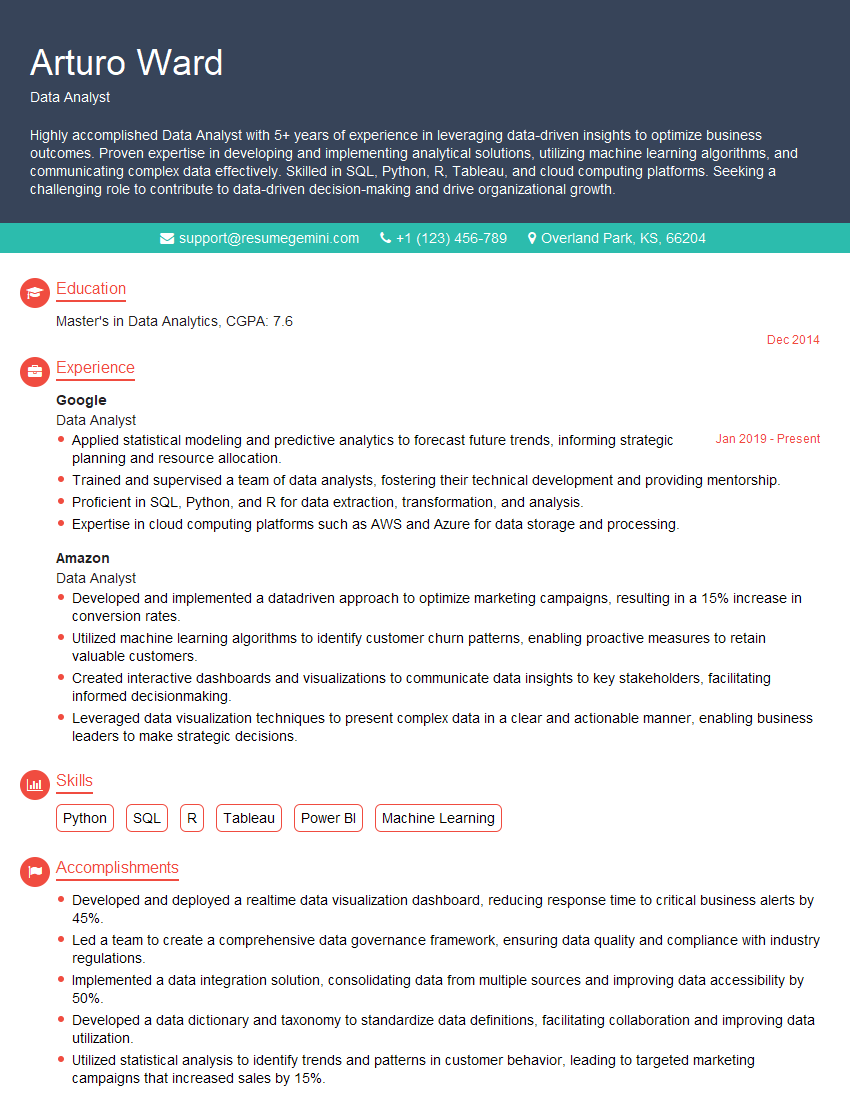
Data Analyst Resume Sample
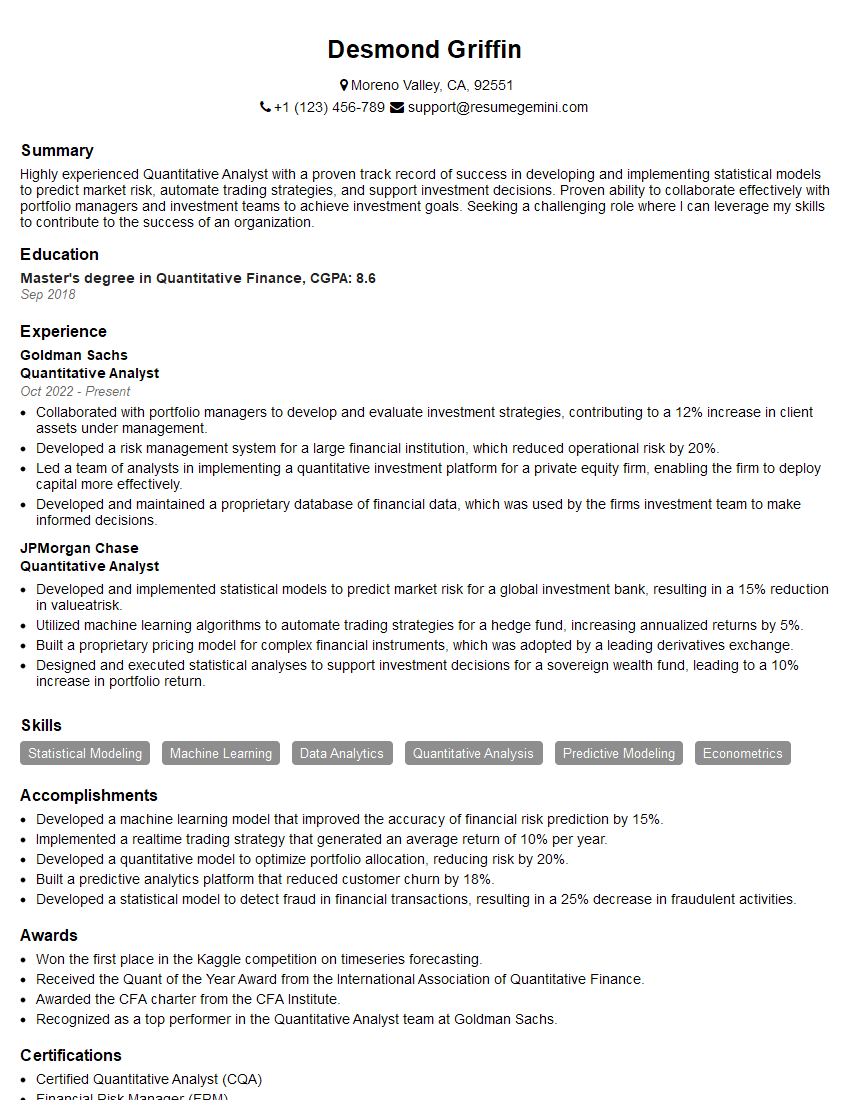
Quantitative Analyst Resume Sample
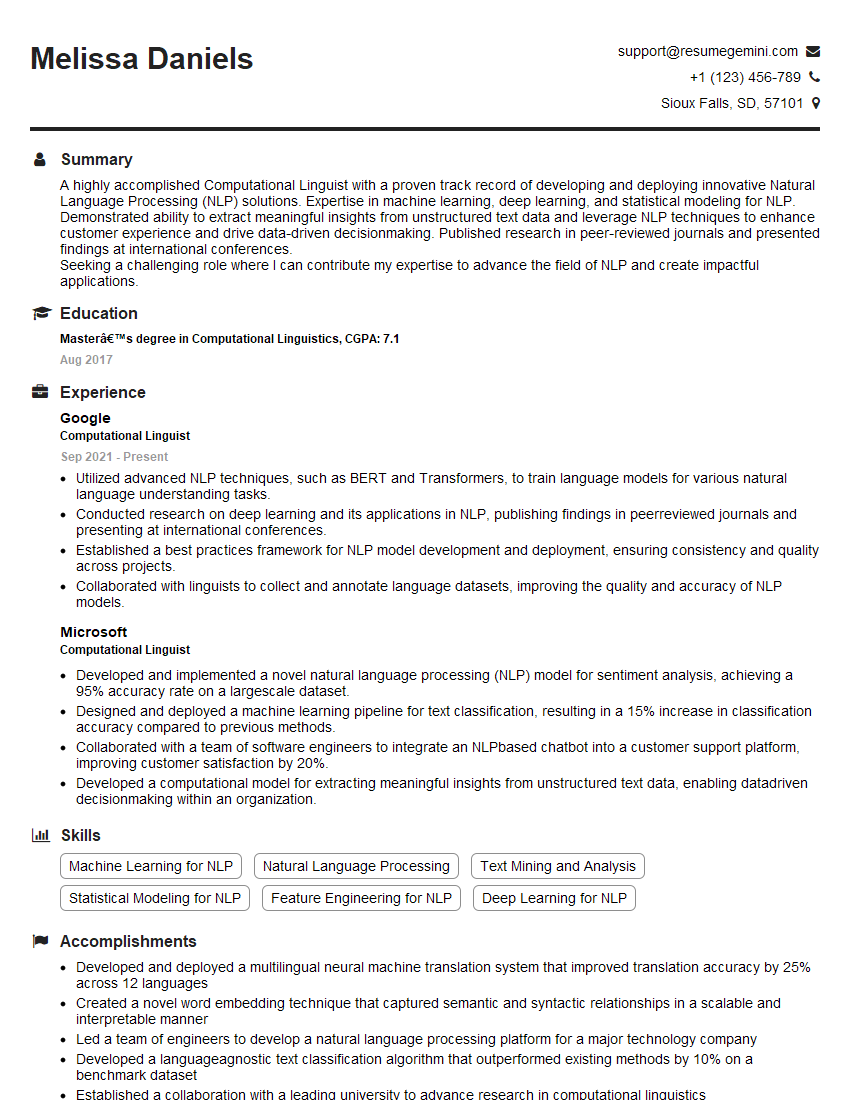
Computational Linguist Resume Sample
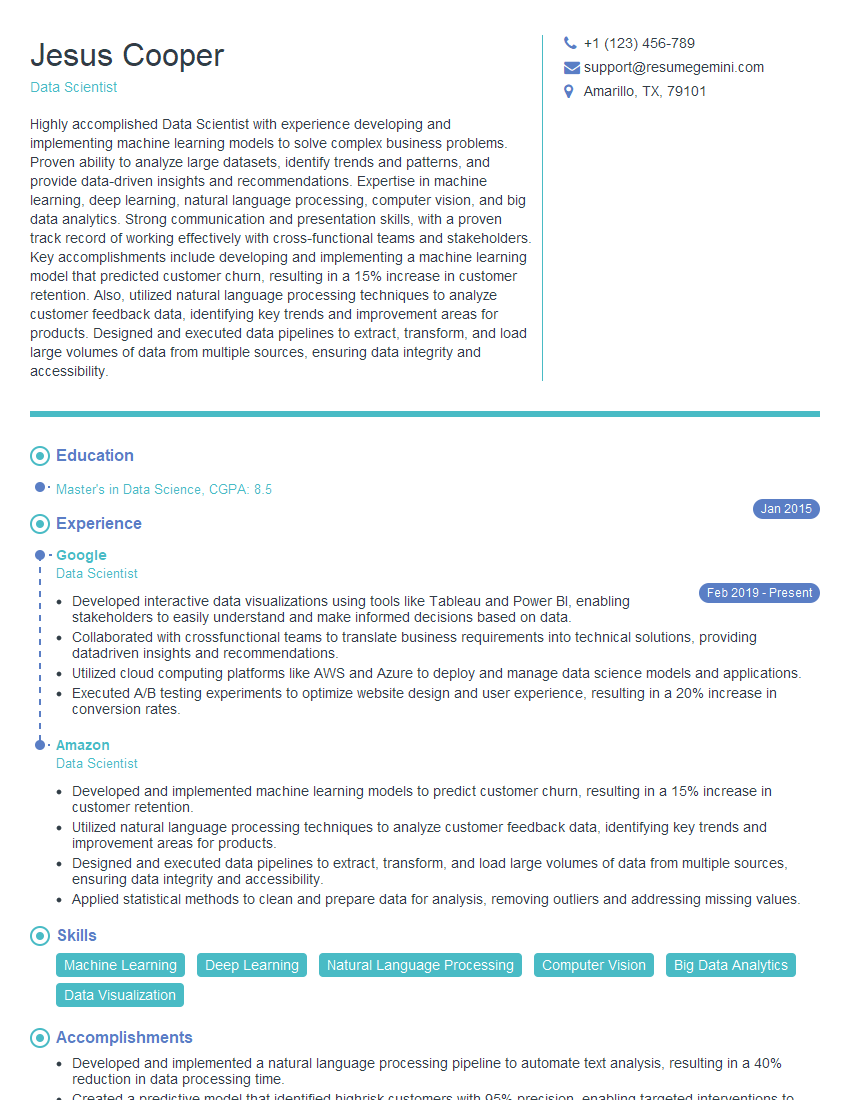
Data Scientist Resume Sample
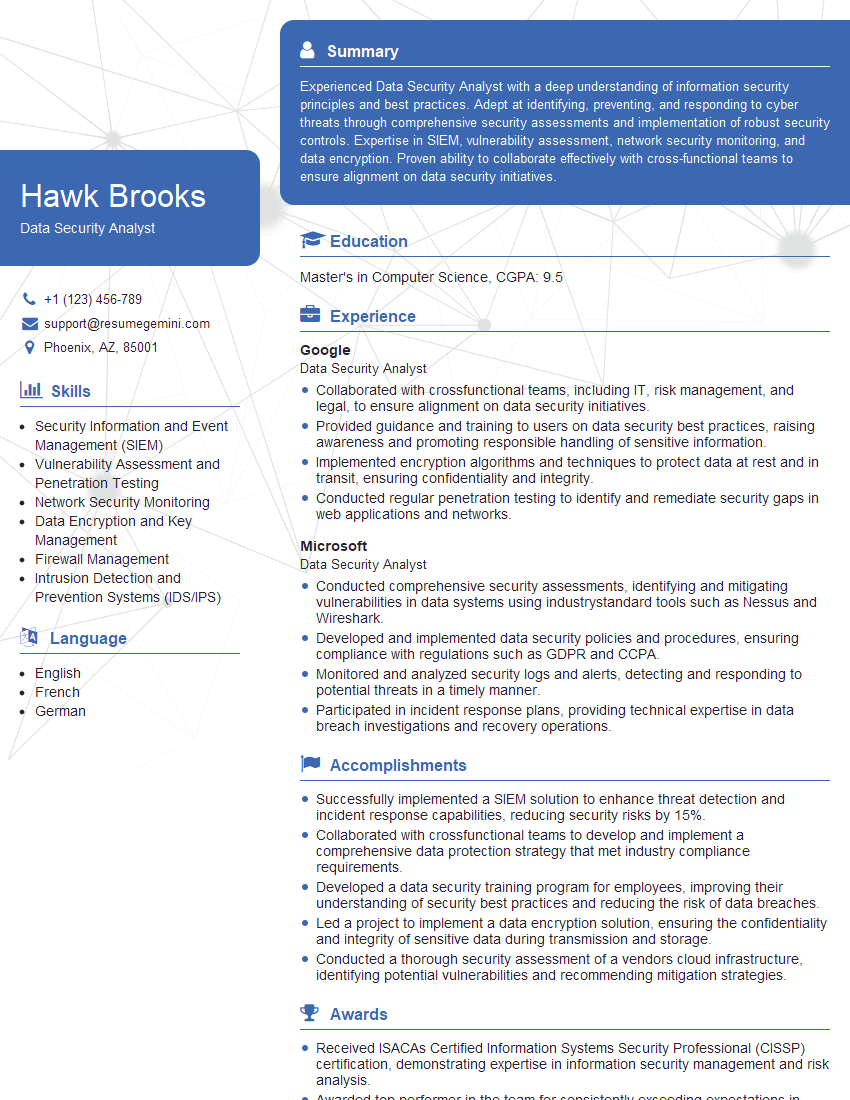
Data Security Analyst Resume Sample
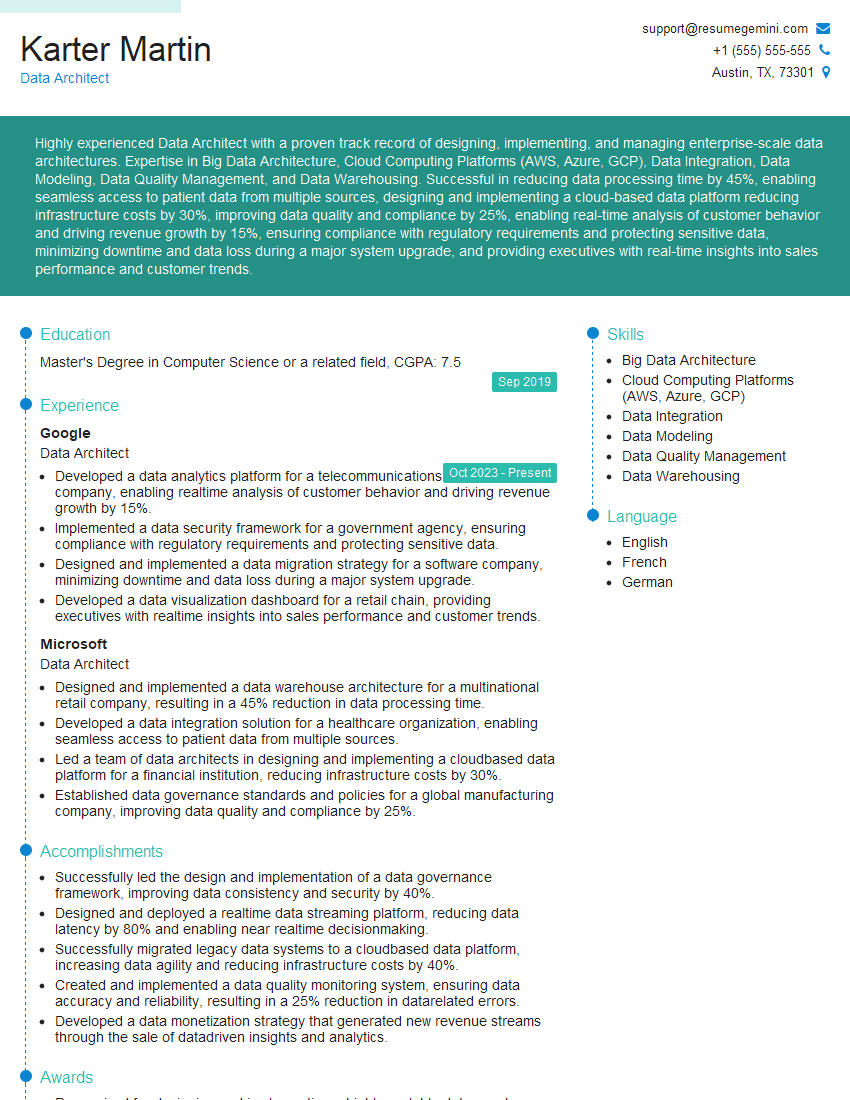
Data Architect Resume Sample
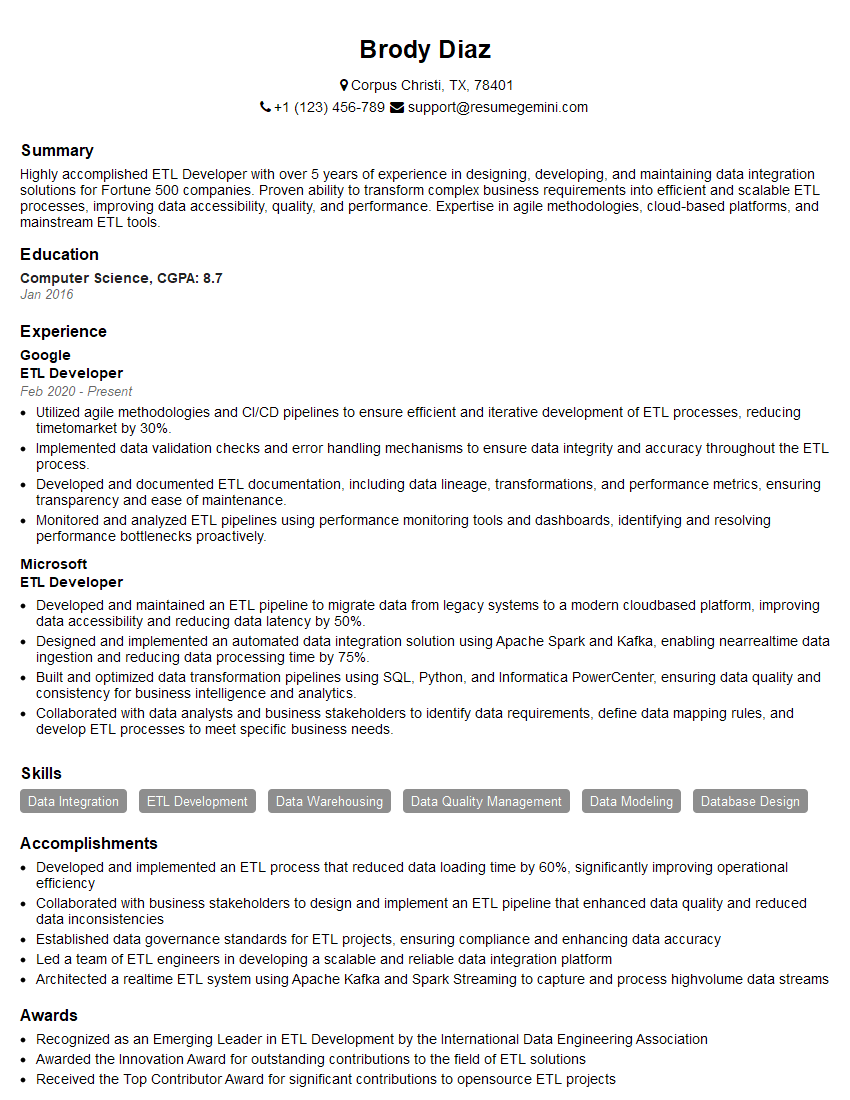
ETL Developer Resume Sample
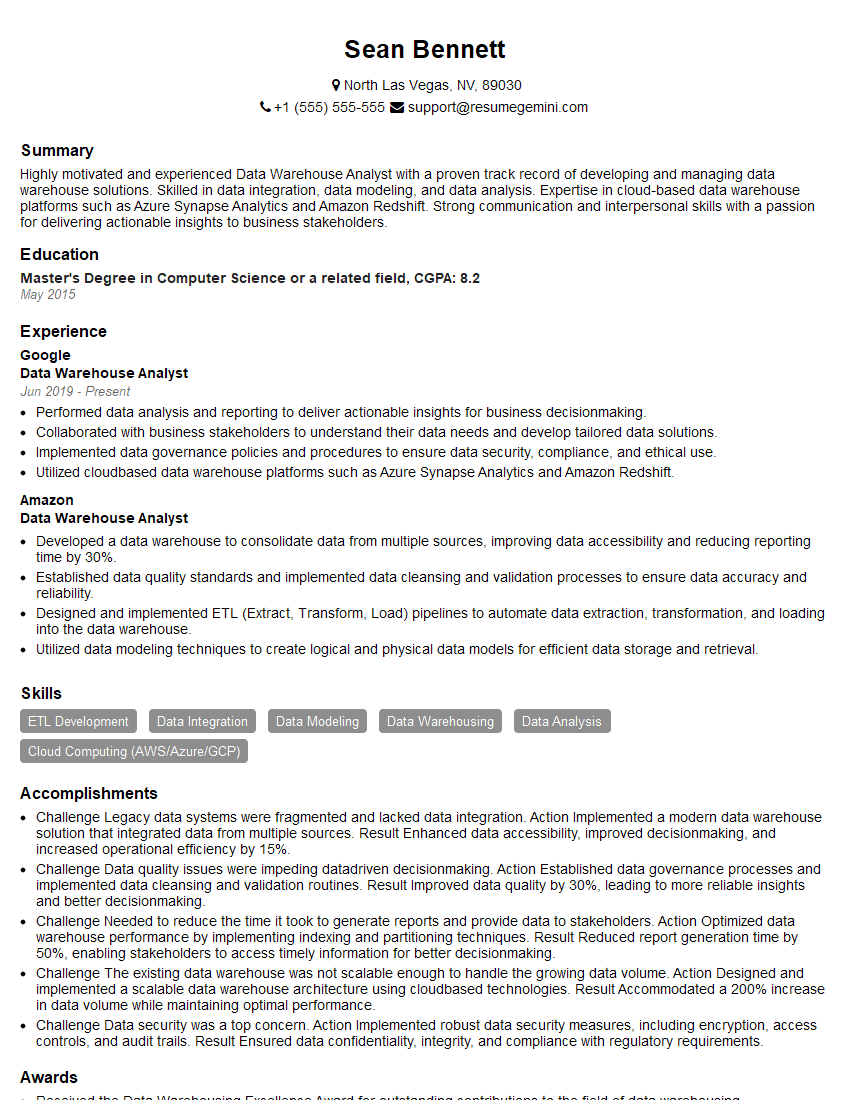
Data Warehouse Analyst Resume Sample
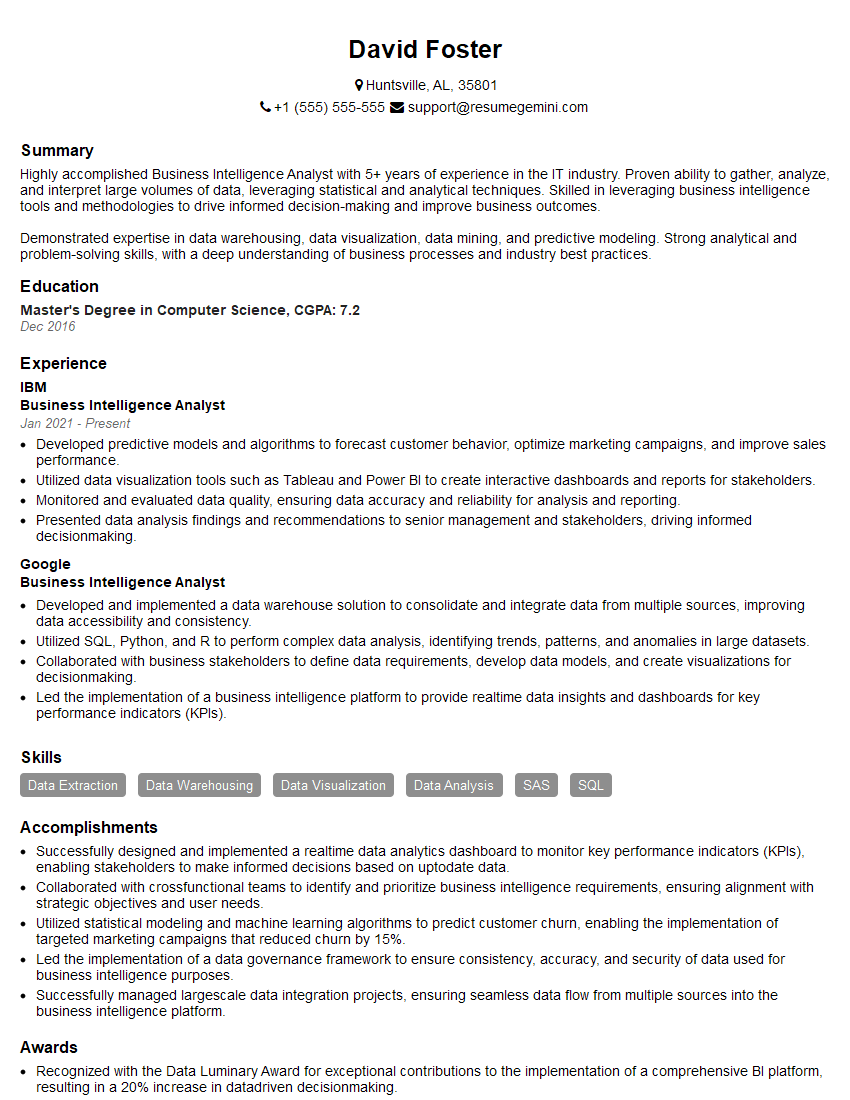
Business Intelligence Analyst Resume Sample
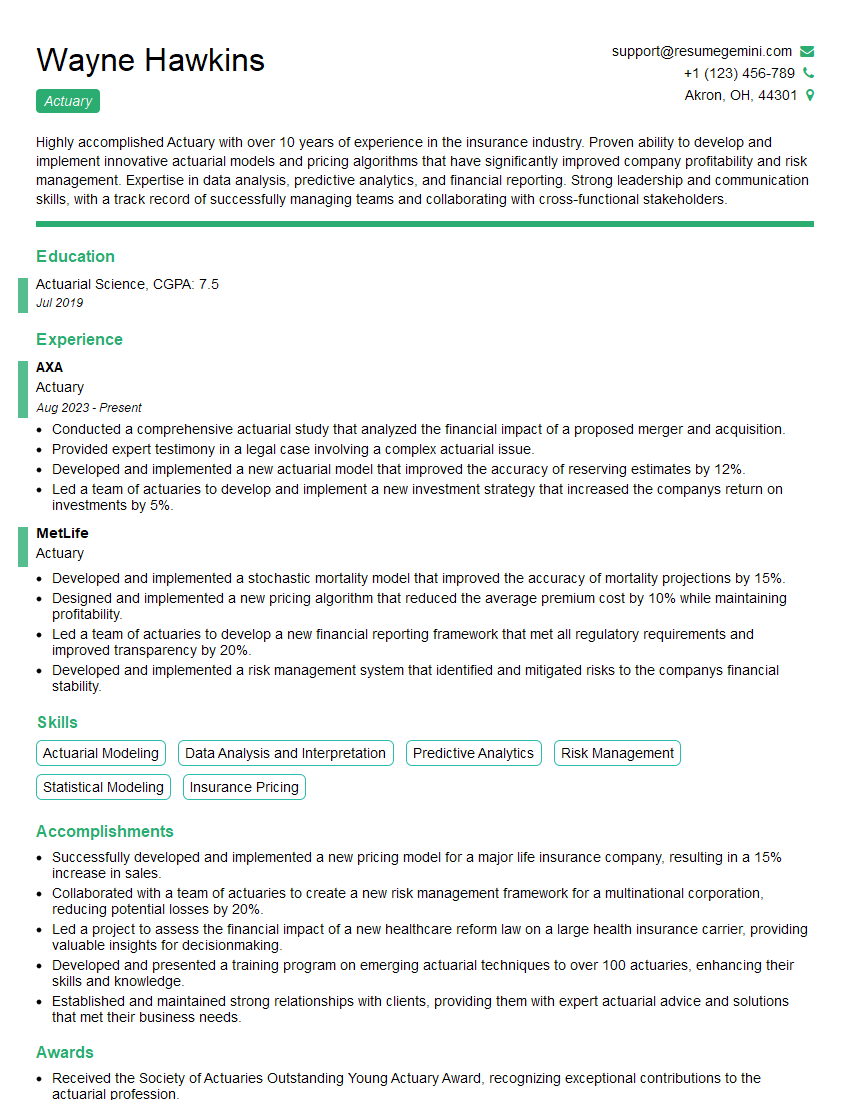
Actuary Resume Sample

Statistical Analyst Resume Sample
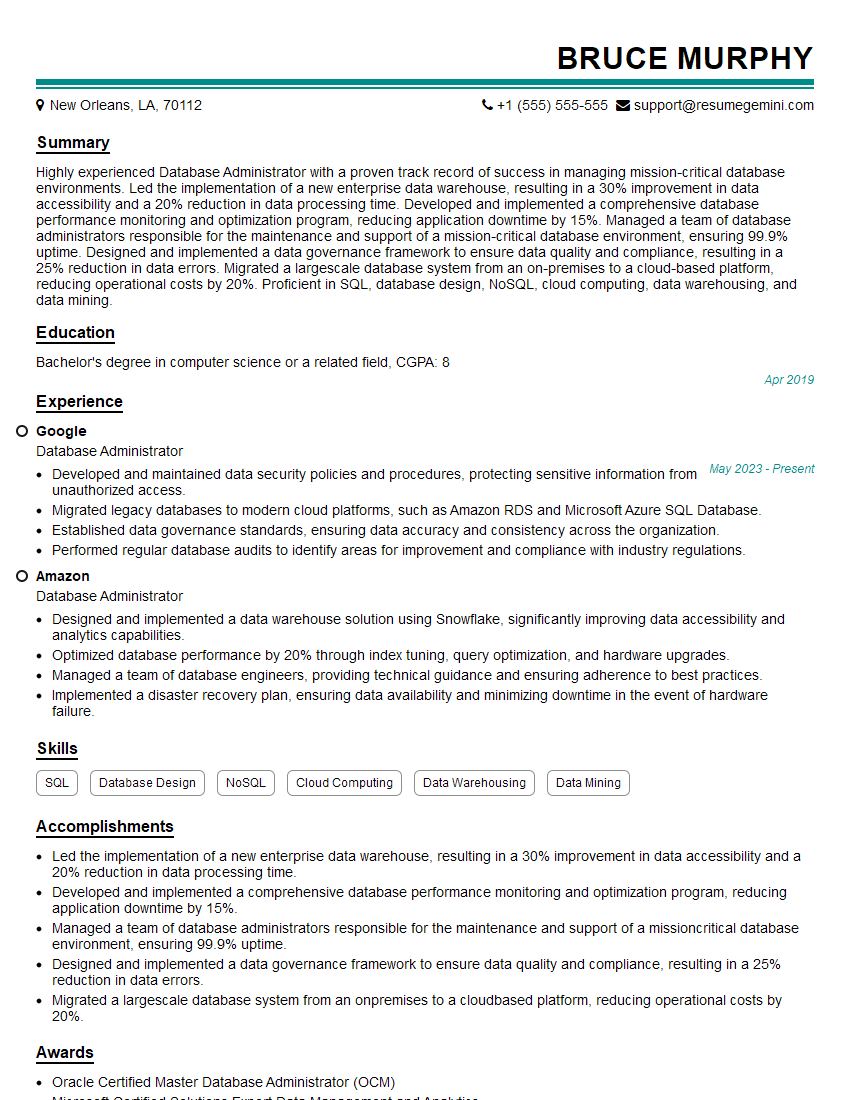
Database Administrator Resume Sample
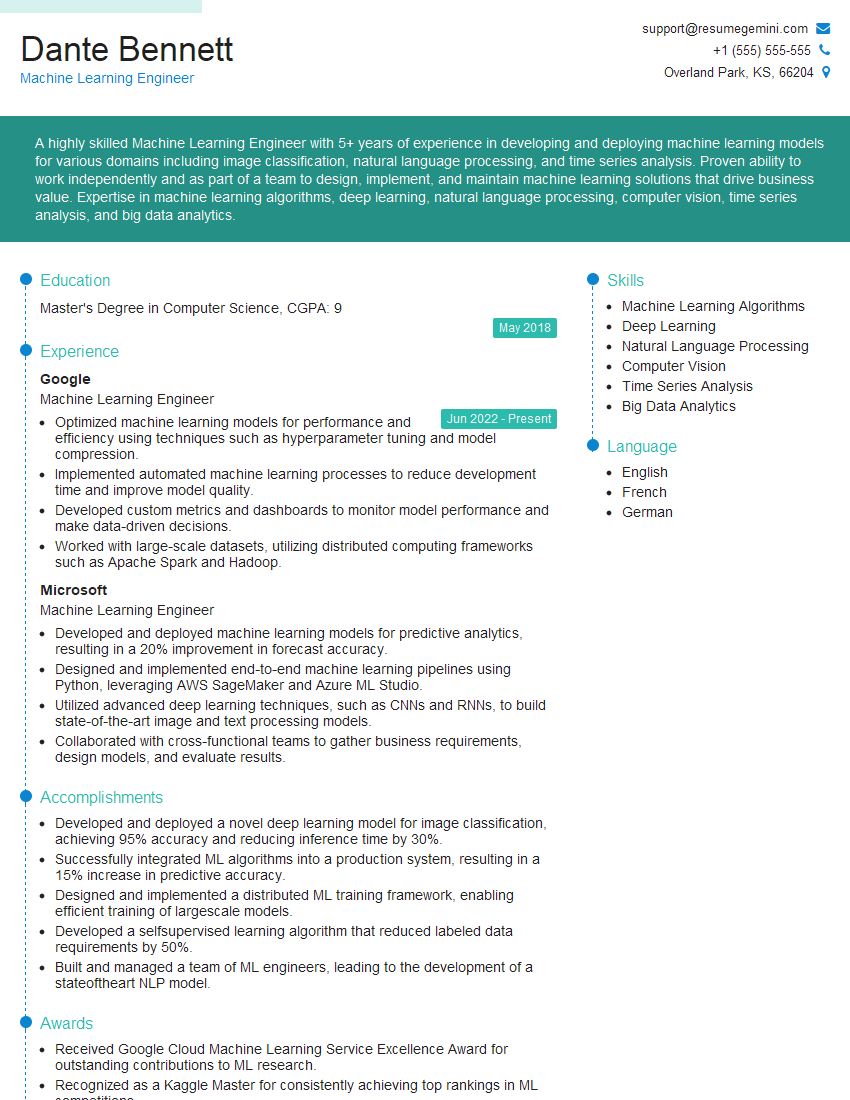
Machine Learning Engineer Resume Sample
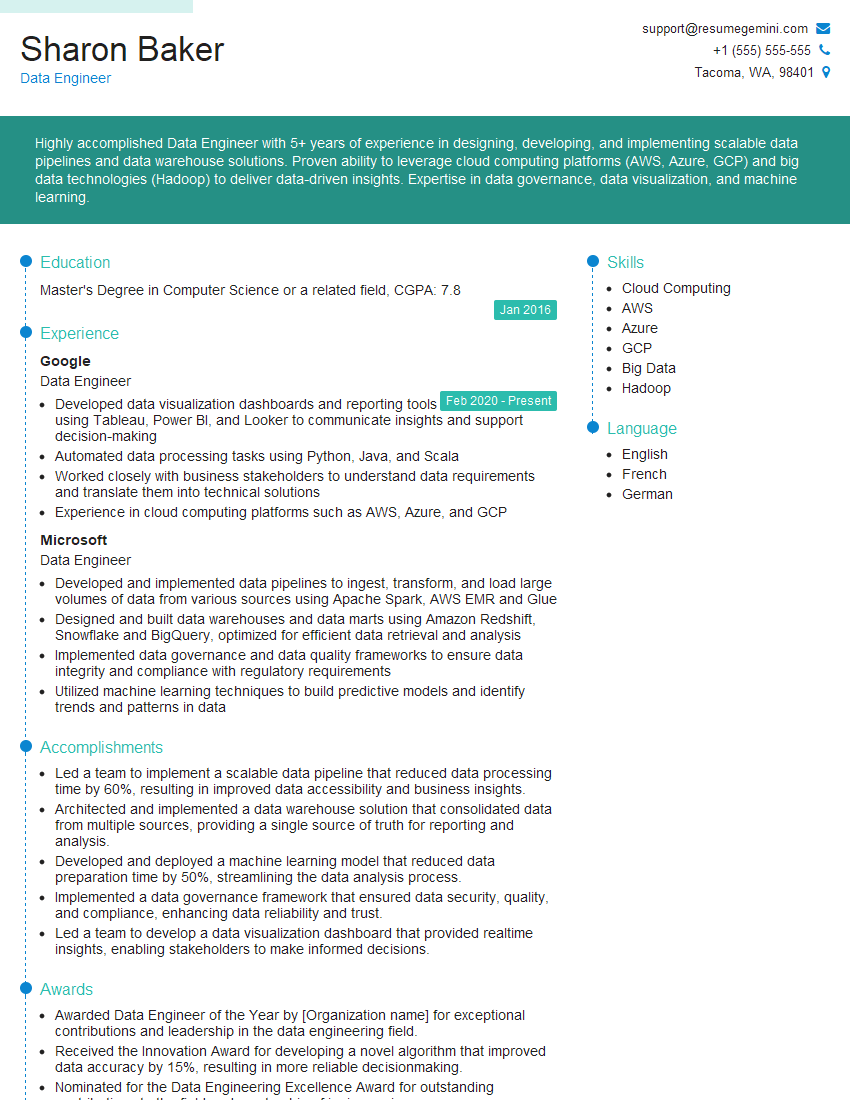
Data Engineer Resume Sample
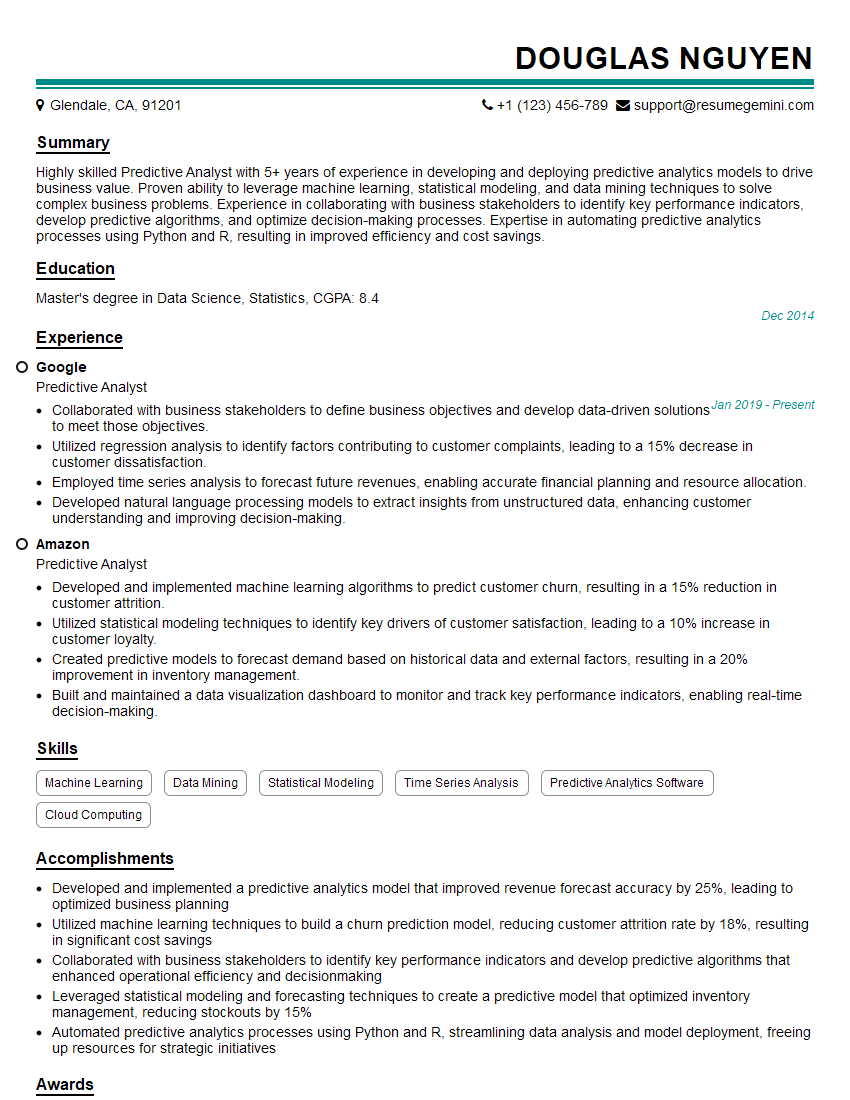
Predictive Analyst Resume Sample
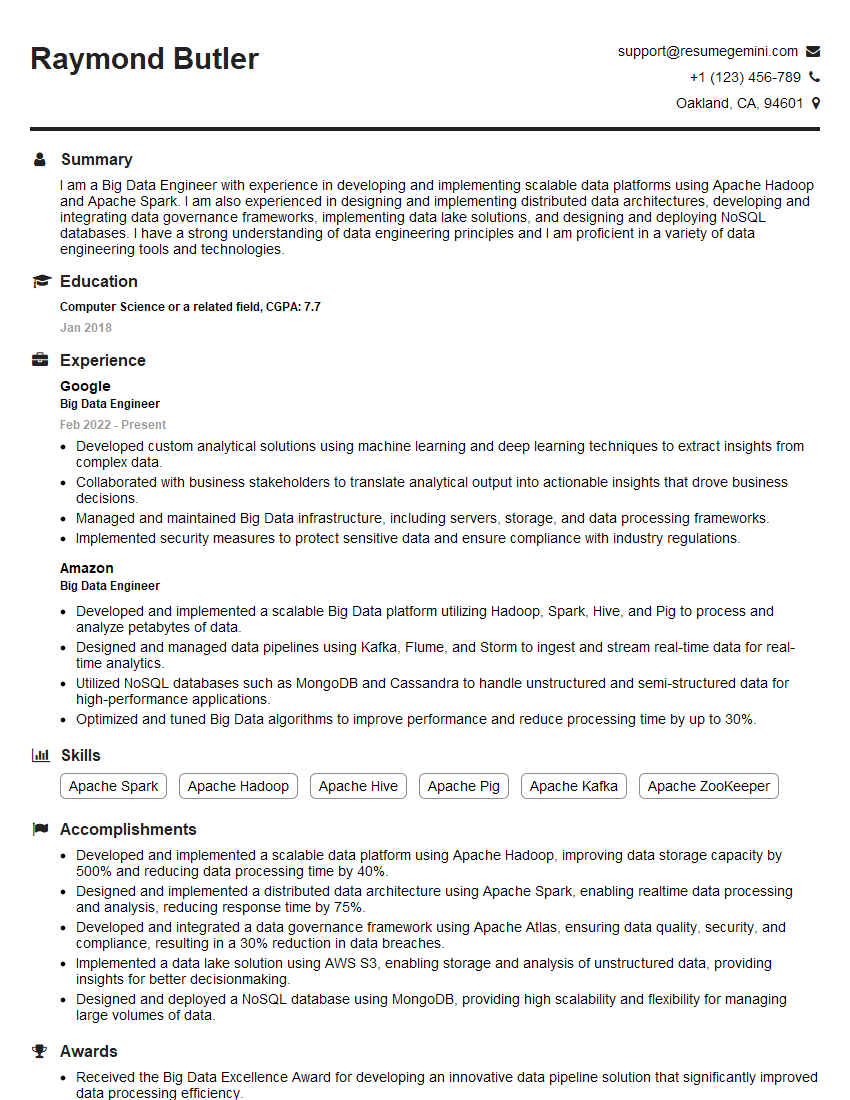
Big Data Engineer Resume Sample
- Data Analyst
- Quantitative Analyst
- Computational Linguist
- Data Scientist
- Data Security Analyst
- Data Architect
- ETL Developer
- Data Warehouse Analyst
- Business Intelligence Analyst
- Actuary
- Statistical Analyst
- Database Administrator
- Machine Learning Engineer
- Data Engineer
- Predictive Analyst
- Big Data Engineer
Explore more articles
Users Rating of Our Blogs
Share Your Experience
We value your feedback! Please rate our content and share your thoughts (optional).
What Readers Say About Our Blog
Really detailed insights and content, thank you for writing this detailed article.
IT gave me an insight and words to use and be able to think of examples