Feeling uncertain about what to expect in your upcoming interview? We’ve got you covered! This blog highlights the most important Material Transfer interview questions and provides actionable advice to help you stand out as the ideal candidate. Let’s pave the way for your success.
Questions Asked in Material Transfer Interview
Q 1. Describe your experience with different Material Transfer systems (e.g., ERP, WMS).
My experience with Material Transfer Systems (MTS) spans several robust platforms, primarily focusing on Enterprise Resource Planning (ERP) and Warehouse Management Systems (WMS). I’ve worked extensively with systems like SAP, Oracle, and Infor, utilizing their modules for inventory management, material tracking, and transfer order processing. In ERP systems, I’ve been involved in configuring and customizing transfer processes, setting up workflows, and integrating with other business modules like procurement and production planning. This involved defining transfer types, approval processes, and reporting mechanisms. WMS experience includes hands-on work with RF scanning, barcode implementation, and real-time inventory visibility using systems like Manhattan Associates and Blue Yonder. These systems allow for precise tracking of materials throughout the entire transfer lifecycle, from initiating the request to final reconciliation. A key aspect of my work has been optimizing these systems to streamline workflows and reduce processing times. For example, in one project, I implemented a custom integration between the ERP and WMS systems that automatically created transfer orders in the WMS based on demand signals from the ERP, resulting in a 20% reduction in lead times.
Q 2. Explain the importance of accurate inventory tracking in Material Transfer.
Accurate inventory tracking is paramount in Material Transfer for several critical reasons. Firstly, it ensures that the correct quantity and quality of materials are transferred, preventing costly errors and production delays. Imagine a scenario where a crucial component is incorrectly counted and a manufacturing line grinds to a halt—the financial implications can be significant. Secondly, precise tracking aids in identifying bottlenecks and inefficiencies within the material flow. Knowing exactly where materials are at any given time allows for optimized routing, reduced storage costs, and improved overall throughput. Thirdly, accurate inventory data is crucial for financial reporting. It’s essential to account for all materials to maintain accurate valuations and ensure compliance with auditing regulations. Think of it as a complex puzzle: every piece (material) needs to be accounted for to complete the picture (accurate inventory). Finally, accurate tracking helps in efficient inventory management, preventing stockouts and overstocking, thus optimizing inventory levels and minimizing waste.
Q 3. How do you handle discrepancies in material counts during transfer?
Discrepancies in material counts during transfer require a methodical approach to investigation and resolution. My first step involves a thorough reconciliation process, comparing the originating location’s records with the receiving location’s records and the transfer order itself. I investigate potential sources of error, which could range from human error during counting to damage during transit. This often involves physically inspecting the materials and verifying their condition. In cases of minor discrepancies, we might adjust the inventory records with appropriate documentation. For more significant discrepancies, a more detailed investigation may be needed. This can include reviewing security footage, checking for damaged goods, and verifying the accuracy of scanning devices. If the discrepancy remains unresolved, an internal audit may be initiated to identify systemic issues. A crucial aspect is clear documentation at every step, including photographs of damaged goods, detailed explanations of discrepancies, and records of all corrective actions. This robust process ensures accountability and prevents future recurrence.
Q 4. What methods do you use to ensure the safety and security of transferred materials?
Ensuring the safety and security of transferred materials involves multiple layers of protection. This starts with proper packaging and handling to minimize damage and loss during transit. We use appropriate containers, padding, and labeling to protect sensitive materials. For valuable or sensitive materials, we utilize specialized transport methods, such as secure vehicles with tracking devices or even chartered transport for high-value items. Access control is critical. This often involves secured storage areas at both the originating and receiving locations, along with authorized personnel access using RFID cards or biometric authentication. We also implement robust tracking mechanisms—barcodes, RFID tags, or even GPS tracking—to monitor the location of materials throughout the transfer. Furthermore, regular audits and inspections of our security procedures ensure compliance and effectiveness. Finally, detailed documentation of every stage of the transfer process, including personnel involved, timestamps, and location tracking, provides an audit trail to ensure accountability.
Q 5. Describe your experience with various material handling equipment.
My experience encompasses a wide range of material handling equipment, from basic hand trucks and forklifts to advanced automated systems. I’m proficient in operating and maintaining various forklifts (sit-down, stand-up, reach trucks), pallet jacks, conveyor systems, and automated guided vehicles (AGVs). I have experience with warehouse racking systems, including design considerations and optimization for efficient material flow. I’m familiar with specialized equipment for handling specific materials, such as vacuum lifters for delicate items or specialized cranes for heavy machinery. Moreover, I have experience with integrating and troubleshooting various material handling systems, including software interfaces, sensors, and control systems. For example, in one project, I helped implement a new automated conveyor system that increased throughput by 30% and reduced labor costs by 15%.
Q 6. How do you prioritize tasks during a high-volume Material Transfer operation?
Prioritizing tasks during high-volume material transfer operations requires a structured approach. I typically employ a combination of techniques, starting with a clear understanding of deadlines and priorities. This often involves analyzing transfer orders based on urgency, material criticality, and customer requirements. We use a combination of Kanban and priority-based scheduling systems to visualize workflows and assign tasks to the most efficient teams. Real-time tracking of materials and task progress, often facilitated by a WMS, is vital. This allows for dynamic adjustments to the schedule based on unforeseen delays or bottlenecks. Communication is crucial – keeping all stakeholders informed of potential delays and adjustments is key to maintaining efficiency. Furthermore, regularly reviewing and updating our workflow processes help identify and eliminate bottlenecks. We continuously seek ways to improve efficiency, be it through process improvement, retraining personnel, or by identifying areas to invest in new equipment or technology. Finally, a post-operation review helps identify areas for improvement in future high-volume operations.
Q 7. Explain your understanding of FIFO and LIFO inventory methods.
FIFO (First-In, First-Out) and LIFO (Last-In, First-Out) are two common inventory management methods that dictate the order in which inventory is issued. FIFO assumes that the oldest items are used or sold first. This is often ideal for perishable goods or items with limited shelf lives, minimizing spoilage and ensuring that the freshest items are always used. For example, a grocery store uses FIFO for its produce to ensure that older items are sold first. LIFO, on the other hand, assumes that the newest items are used or sold first. This method can be advantageous for non-perishable items, especially in scenarios where material costs fluctuate. By using the newest items first, the cost of goods sold reflects current market prices, which can be beneficial for tax purposes. However, LIFO can lead to a higher value of ending inventory on the balance sheet if prices are rising. The choice between FIFO and LIFO depends on several factors, including the nature of the inventory, tax implications, and the desired level of inventory control. In my work, we carefully select the optimal inventory method for each type of material based on its specific characteristics and business requirements.
Q 8. How do you manage material transfer documentation and reporting?
Material transfer documentation and reporting are crucial for maintaining accountability and traceability throughout the entire process. Think of it like a detailed recipe for your materials – every step is documented, ensuring accuracy and efficiency.
My approach involves a multi-faceted system. First, I utilize a robust digital system (often a dedicated ERP or WMS) to generate and track transfer requests, including details like material type, quantity, destination, and responsible parties. These requests are automatically linked to the associated documentation: packing slips, bills of lading, and certificates of analysis.
- Automated generation of reports: The system allows for generating various reports, including transfer summaries, inventory reconciliation reports, and exception reports highlighting delays or discrepancies. These are regularly reviewed to identify trends and areas for improvement.
- Data validation and verification: Before finalizing a transfer, I ensure all data points are validated against the source and destination systems to prevent errors and inconsistencies. This often involves cross-referencing different databases.
- Audit trails: A complete audit trail is maintained, documenting each step of the transfer process, from initiation to completion. This is essential for compliance and troubleshooting.
For example, in a recent project involving the transfer of sensitive chemicals, meticulous documentation ensured complete traceability, meeting stringent regulatory requirements and allowing us to quickly identify and address a minor discrepancy in one shipment.
Q 9. Describe your experience with barcode scanning and RFID technology in Material Transfer.
Barcode scanning and RFID (Radio-Frequency Identification) technologies are game-changers in material transfer, significantly enhancing efficiency and accuracy. Imagine trying to track thousands of items manually – it’s a logistical nightmare! These technologies eliminate that.
My experience encompasses extensive use of both technologies. Barcode scanning is primarily used for tracking individual items or packages. This ensures accurate counting and reduces the risk of human error during loading and unloading. Think of it like using a scanner at the supermarket checkout – fast and accurate.
RFID, on the other hand, offers greater range and capability. It allows for tracking multiple items simultaneously, even without line-of-sight. This is particularly beneficial for managing pallets or large quantities of materials. I have used RFID in scenarios requiring real-time location tracking of high-value or sensitive goods, providing a clear picture of their movement throughout the entire transfer process.
For instance, in a pharmaceutical project, RFID tags ensured the unbroken chain of custody for temperature-sensitive medicines, alerting us to any potential breaches in the cold chain.
Q 10. How do you identify and resolve potential bottlenecks in the Material Transfer process?
Identifying and resolving bottlenecks in material transfer requires a systematic approach. It’s like diagnosing a problem in a complex machine; you need to pinpoint the exact location of the blockage.
My strategy involves a combination of data analysis and on-site observation.
- Data analysis: I analyze key performance indicators (KPIs), such as transfer times, wait times, and error rates. Identifying trends or unusual spikes in these metrics helps pinpoint potential areas of congestion. For example, consistent delays in a particular transfer route might indicate a problem with transportation logistics.
- On-site observation: Direct observation of the material transfer process helps identify physical constraints or procedural inefficiencies. This might involve observing loading and unloading processes, examining equipment functionality, and interviewing personnel to understand their perspectives.
- Root cause analysis: Once a bottleneck is identified, a root cause analysis (RCA) is conducted to determine the underlying causes. This may involve using techniques like the 5 Whys to drill down to the fundamental issue.
For example, in a recent project, analyzing transfer times revealed a significant bottleneck at the loading dock due to inefficient equipment and inadequate staffing. Addressing these issues through equipment upgrades and improved scheduling dramatically improved transfer efficiency.
Q 11. What are the key performance indicators (KPIs) you monitor in Material Transfer?
Key Performance Indicators (KPIs) in material transfer are vital for monitoring efficiency and identifying areas for improvement. They provide a quantitative measure of performance, like a dashboard showing the health of your transfer system.
The KPIs I regularly monitor include:
- On-time delivery rate: The percentage of transfers completed on schedule.
- Transfer cycle time: The total time taken to complete a transfer, from request initiation to completion.
- Error rate: The percentage of transfers containing errors (e.g., incorrect quantities, damaged goods).
- Inventory accuracy: The degree of agreement between the physical inventory and the recorded inventory.
- Transportation costs per unit: The cost of transporting materials per unit transferred.
- Throughput: The volume of materials transferred within a given time period.
By tracking these KPIs over time, I can identify trends, pinpoint areas of weakness, and measure the effectiveness of implemented improvements. This data-driven approach guides decision-making and facilitates continuous improvement.
Q 12. How do you ensure compliance with safety regulations during Material Transfer?
Ensuring compliance with safety regulations during material transfer is paramount. It’s not just about following rules; it’s about protecting people and the environment. Think of it as a safety net that prevents accidents and ensures responsible handling of materials.
My approach involves a multi-layered strategy:
- Risk assessment: A thorough risk assessment is conducted for each material type, identifying potential hazards (e.g., flammability, toxicity) and implementing appropriate control measures.
- Employee training: All personnel involved in material transfer receive comprehensive training on safe handling procedures, including the use of personal protective equipment (PPE) and emergency response protocols.
- Compliance audits: Regular audits are conducted to verify adherence to safety regulations and identify areas requiring improvement.
- Documentation and reporting: All safety incidents and near misses are meticulously documented and reported, providing valuable data for future risk mitigation efforts.
- Proper labeling and packaging: All materials are clearly labeled with appropriate hazard warnings and transported using suitable containers.
For instance, in a project involving hazardous chemicals, strict adherence to safety protocols, including the use of specialized containers and comprehensive employee training, ensured the safe transfer of materials without any incidents.
Q 13. Describe your experience with cross-docking operations.
Cross-docking is a highly efficient material handling technique that minimizes storage time by directly transferring goods from incoming to outgoing shipments. Imagine a relay race – the baton (goods) is passed directly from one runner (incoming truck) to the next (outgoing truck) without a stop.
My experience with cross-docking operations includes optimizing layouts, coordinating receiving and shipping schedules, and employing technologies like barcode scanners and conveyor systems to streamline the process. Efficient cross-docking requires careful planning and coordination to avoid congestion and delays.
- Strategic warehouse layout: The warehouse layout must be designed to facilitate the rapid movement of goods from receiving to shipping docks, often involving strategic placement of loading docks and conveyor systems.
- Real-time inventory management: Effective cross-docking requires real-time visibility into inventory levels to ensure the correct goods are transferred to the correct outgoing shipments.
- Precise scheduling: Incoming and outgoing shipments must be carefully scheduled to ensure a smooth flow of materials and avoid delays.
In a previous role, I implemented a cross-docking system for a retail distributor, resulting in a 20% reduction in storage costs and a 15% improvement in order fulfillment times.
Q 14. How do you handle damaged or obsolete materials during transfer?
Handling damaged or obsolete materials during transfer requires a structured approach that balances cost efficiency with regulatory compliance. It’s essential to prevent the transfer of defective materials and dispose of obsolete materials responsibly. Think of it as a quality control process for your entire supply chain.
My process begins with careful inspection during the transfer process. Damaged materials are identified and segregated, with detailed documentation of the damage and its cause. Obsolete materials are also identified based on expiration dates, technological obsolescence, or changes in regulatory requirements.
- Return to supplier: If appropriate, damaged or obsolete materials are returned to the supplier for credit or replacement.
- Disposal: Obsolete or irreparable materials are disposed of in accordance with relevant environmental regulations. This often involves using certified waste disposal vendors. Proper documentation is maintained throughout the disposal process.
- Salvage: In some cases, parts of damaged materials can be salvaged and reused. This reduces waste and costs.
- Internal reuse: Some materials, even if not suitable for their original purpose, might be repurposed within the organization.
In a past project, we developed a robust system for identifying and handling obsolete electronic components, ensuring compliance with environmental regulations and recovering some value through recycling.
Q 15. How do you manage returns and rejected materials?
Managing returns and rejected materials is crucial for maintaining inventory accuracy and minimizing waste. It involves a structured process encompassing inspection, documentation, and disposition.
First, we meticulously inspect returned or rejected materials to determine the cause of return (e.g., damage, defects, incorrect specifications). This inspection is documented with photos and detailed descriptions. Then, we categorize the materials: salvageable items are repaired or refurbished; items with minor defects might be downgraded and sold at a reduced price; and items beyond repair are disposed of responsibly, adhering to all environmental regulations.
For example, in a previous role, we received a return of 500 widgets due to a packaging issue. After inspection, 100 were deemed unusable and were recycled, while the remaining 400, after repackaging, were returned to active inventory. This process requires a robust system for tracking the status of each returned item, ensuring accountability and transparency throughout the process.
Career Expert Tips:
- Ace those interviews! Prepare effectively by reviewing the Top 50 Most Common Interview Questions on ResumeGemini.
- Navigate your job search with confidence! Explore a wide range of Career Tips on ResumeGemini. Learn about common challenges and recommendations to overcome them.
- Craft the perfect resume! Master the Art of Resume Writing with ResumeGemini’s guide. Showcase your unique qualifications and achievements effectively.
- Don’t miss out on holiday savings! Build your dream resume with ResumeGemini’s ATS optimized templates.
Q 16. Explain your experience with different types of transportation modes and their suitability for different materials.
Choosing the right transportation mode is vital for ensuring timely and cost-effective material transfer while maintaining product integrity. The best mode depends heavily on the material’s characteristics (fragility, temperature sensitivity, size, weight) and the distance of the transfer.
- Road Transport (Trucks): Cost-effective and flexible for shorter distances, suitable for most materials. However, vulnerable to traffic delays and weather conditions. I’ve extensively used trucks for transporting standard packaging components.
- Rail Transport: Ideal for large volumes and long distances, cost-effective for bulky, non-perishable items. Less susceptible to traffic but may lack the flexibility of road transport. We used rail for transporting pallets of raw materials in large quantities.
- Air Freight: Fastest mode, ideal for time-sensitive or high-value materials, often used for smaller but urgent shipments. Expensive but essential when speed is paramount. I utilized air freight when transferring critical components needed for immediate production.
- Sea Freight: Most economical for large volumes over long distances but significantly slower than other modes. Suitable for non-perishable goods. We used sea freight for transporting bulk materials internationally.
Selecting the appropriate mode requires careful consideration of factors like cost, transit time, risk, and regulatory requirements. A risk assessment matrix is vital in these decisions.
Q 17. How do you track the location of materials throughout the transfer process?
Accurate material tracking is fundamental to efficient material transfer. We achieve this through a combination of barcode scanning, RFID technology, and sophisticated Material Requirements Planning (MRP) software.
Each material unit receives a unique identifier (barcode or RFID tag) at the point of origin. This identifier is scanned at every stage of the transfer process – loading, transit, unloading, and storage. The software records and updates this information in real-time, providing a complete audit trail and precise location information for each material item. This allows us to quickly respond to inquiries about material location and status.
For example, if a specific pallet of components is needed urgently, we can pinpoint its exact location within the warehouse or transit vehicle immediately using our tracking system. This minimizes downtime and improves operational efficiency.
Q 18. Describe your experience with cycle counting and its importance.
Cycle counting is a crucial inventory control technique that involves regularly counting a subset of inventory items rather than a full physical count. This reduces downtime compared to full inventory counts while providing a continuous and more accurate picture of inventory levels. The frequency and selection of items to count are determined by factors such as item value, usage frequency, and risk of loss.
I’ve been directly involved in implementing and managing cycle counting programs. It usually involves establishing a schedule for routine checks (e.g., counting a specific section of the warehouse daily) and designating responsible personnel. Discrepancies are investigated and adjusted immediately, minimizing the impact of errors. We use software to integrate cycle counting data with the overall inventory management system, generating reports on accuracy and stock levels. This has dramatically reduced discrepancies and improved inventory accuracy.
Q 19. How do you collaborate with other departments during Material Transfer?
Effective collaboration with other departments is essential for seamless material transfer. In my experience, this involves open communication and coordinated planning with key departments such as procurement, production, quality control, and shipping.
- Procurement: We collaborate to ensure that materials are ordered and received on time, meeting the specified quality standards.
- Production: We work closely to ensure that the right materials reach the production floor at the required time, avoiding production delays.
- Quality Control: We interact with quality control throughout the process, ensuring material quality is verified before and after transfer.
- Shipping: We coordinate with the shipping department to schedule efficient transport and delivery.
Regular meetings and shared reporting systems are critical for fostering communication and aligning expectations. For example, in one project, we proactively engaged with the production team to forecast material requirements, enabling timely procurement and eliminating potential bottlenecks.
Q 20. How do you handle urgent material requests?
Handling urgent material requests demands a streamlined, prioritized approach. This begins with a thorough assessment of the urgency and impact of the delay. We use a system that prioritizes requests based on criticality and impact on production or other operations.
Once the urgency is assessed, we mobilize resources immediately. This may involve expedited shipping, reallocation of existing stock, or engaging alternative suppliers if necessary. The request is tracked closely, with regular updates to the requesting department. Transparency is key to managing expectations during high-pressure situations. In a past role, we successfully managed an urgent request for critical components by rerouting a shipment from an overseas location, minimizing production downtime to only 2 hours.
Q 21. What software or systems are you proficient in for managing Material Transfer?
My experience encompasses various software and systems used for material transfer management. I’m proficient in Enterprise Resource Planning (ERP) systems such as SAP and Oracle, as well as Warehouse Management Systems (WMS) like Manhattan Associates and Blue Yonder. These systems provide comprehensive tools for tracking inventory, managing transfers, generating reports, and optimizing logistics.
Furthermore, I’m experienced with specialized software for transportation management (TMS) and barcode scanning systems that integrate directly with the ERP and WMS. This integration allows for real-time data capture, minimizing manual processes and enhancing data accuracy. I’m also comfortable working with various reporting and analytics tools to improve efficiency and identify areas for improvement in our material transfer operations.
Q 22. Describe your experience with implementing new Material Transfer processes or technologies.
Implementing new Material Transfer processes or technologies requires a systematic approach. It starts with a thorough needs assessment, identifying bottlenecks and inefficiencies in the existing system. This might involve analyzing current data, surveying stakeholders, and benchmarking against industry best practices. For example, at my previous role, we identified significant delays in transferring raw materials between our warehouse and production floor. After analyzing the data, we realized that the manual tracking system was the culprit. We then implemented a new Radio-Frequency Identification (RFID) system, along with updated software for tracking and management. This transition involved several phases: initial planning and procurement, system installation and testing, employee training, and finally, go-live and post-implementation monitoring. The RFID system dramatically reduced transfer times and improved inventory accuracy. In another project, I led the implementation of a new Warehouse Management System (WMS), which integrated seamlessly with our existing Enterprise Resource Planning (ERP) system, creating a fully automated material transfer process. This reduced errors and improved visibility across the supply chain.
Q 23. How do you ensure timely and efficient material delivery?
Ensuring timely and efficient material delivery hinges on several key factors. First, accurate forecasting and planning are critical. We utilize advanced forecasting models, combined with real-time data from our ERP system, to anticipate material needs and schedule transfers proactively. This minimizes delays and prevents stockouts. Second, efficient transportation management is essential. This includes optimizing routes, selecting reliable carriers, and implementing robust tracking systems. We regularly monitor delivery performance, identify potential delays, and make adjustments as needed. For instance, we use GPS tracking to monitor shipments in real-time, enabling us to reroute deliveries if unexpected road closures or traffic congestion occur. Third, clear communication and collaboration among all stakeholders – from procurement to production – are crucial for smooth transfers. We use collaborative platforms and regular meetings to ensure everyone is informed about delivery schedules and any potential issues.
Q 24. How do you maintain accurate records of material transactions?
Maintaining accurate records of material transactions is paramount for inventory control, financial reporting, and regulatory compliance. We use a combination of automated systems and manual verification procedures to ensure data accuracy. Our ERP system automatically records all material transfers, including timestamps, quantities, locations, and personnel involved. This data is regularly reconciled against physical inventory counts to identify discrepancies and ensure accuracy. We implement a robust audit trail, allowing us to track all changes made to the system and identify any potential errors. For example, any manual adjustment to inventory levels requires authorization from at least two personnel, ensuring accountability. Furthermore, regular data backups and disaster recovery plans ensure business continuity in case of system failures.
Q 25. How do you address customer complaints regarding material transfers?
Addressing customer complaints regarding material transfers involves a structured approach emphasizing prompt response, thorough investigation, and effective resolution. Upon receiving a complaint, we acknowledge it immediately, outlining the steps we’ll take to investigate. We gather all relevant information, including delivery documentation, tracking data, and communication logs, to understand the root cause of the issue. This might involve contacting the carrier, reviewing internal processes, or speaking directly with the affected team. We strive to resolve issues quickly, offering solutions such as expedited reshipment, refunds, or credits depending on the specific situation. Following the resolution, we conduct a root cause analysis to prevent similar issues in the future. For instance, if a recurring delivery delay is identified, we might renegotiate terms with the carrier or explore alternative transportation methods.
Q 26. Describe a time you had to solve a complex problem related to Material Transfer.
One challenging situation involved a critical material shortage during peak production season. A supplier experienced an unexpected production halt, jeopardizing our manufacturing schedule. The initial projection was a two-week delay, which would significantly impact our production targets and customer orders. To address this, we immediately activated our contingency plan. This included exploring alternative suppliers, negotiating expedited shipping from the primary supplier (even at a higher cost), and temporarily adjusting our production schedule to prioritize critical products. We also actively communicated the situation to our customers, explaining the reasons for the potential delay and keeping them updated on our progress. Through coordinated efforts and effective communication, we managed to minimize the disruption, reducing the delay to just five days. This situation highlighted the importance of having a robust supply chain management strategy, including diverse supplier relationships and contingency plans for unexpected disruptions.
Q 27. What are the challenges you anticipate in future Material Transfer roles?
Future challenges in Material Transfer roles will likely revolve around increasing supply chain complexity, technological advancements, and regulatory changes. The rise of e-commerce and globalization demands greater agility and responsiveness in material transfers. Integrating emerging technologies such as blockchain for enhanced traceability and AI for predictive analytics will be crucial. Moreover, navigating evolving regulations regarding data privacy and sustainability will become increasingly important. Another key challenge will be managing the increasing complexity of global supply chains, which includes managing geopolitical risks and navigating different regulatory environments. Finally, fostering a culture of continuous improvement and embracing new technologies will be critical to ensuring efficient and resilient material transfer processes.
Q 28. How do you stay updated on industry best practices and emerging technologies in Material Transfer?
Staying updated on industry best practices and emerging technologies is an ongoing process. I actively participate in industry conferences and webinars, attending events organized by organizations such as the Council of Supply Chain Management Professionals (CSCMP). I subscribe to relevant industry publications and journals, such as Supply Chain Management Review and Logistics Management. I also leverage online resources, including reputable industry websites and research publications, to stay informed about new technologies and best practices. Furthermore, I actively participate in professional networks, such as LinkedIn groups dedicated to supply chain management and material handling, enabling me to connect with peers and share knowledge. This multi-faceted approach ensures I remain at the forefront of developments in the field of material transfer.
Key Topics to Learn for Material Transfer Interview
- Inventory Management: Understanding inventory control principles, cycle counting, and stock rotation techniques within a material transfer context. Practical application includes optimizing warehouse layout for efficient material flow.
- Material Handling Equipment: Familiarity with various equipment (forklifts, conveyors, automated systems) used in material transfer, including safety protocols and operational procedures. Practical application includes troubleshooting equipment malfunctions and optimizing their use for efficiency.
- Logistics and Supply Chain: Understanding the broader supply chain implications of material transfer, including inbound and outbound logistics, transportation modes, and warehousing strategies. Practical application includes identifying bottlenecks and proposing solutions to improve the overall efficiency of the material transfer process.
- Quality Control and Assurance: Implementing quality checks during material transfer to ensure product integrity and prevent damage or loss. Practical application includes developing and implementing quality control procedures and identifying root causes of quality issues.
- Documentation and Record Keeping: Maintaining accurate records of material transfers, including tracking numbers, quantities, and locations. Practical application includes using ERP systems or other software to manage transfer documentation and ensuring data accuracy.
- Safety Regulations and Compliance: Adhering to all relevant safety regulations and industry best practices related to material handling and transfer. Practical application includes conducting regular safety inspections and training employees on safe work procedures.
- Process Improvement and Optimization: Identifying areas for improvement in the material transfer process and implementing solutions to enhance efficiency and reduce costs. Practical application includes using Lean methodologies or Six Sigma to streamline workflows.
Next Steps
Mastering material transfer is crucial for career advancement in logistics, operations, and supply chain management. It demonstrates valuable skills in efficiency, organization, and problem-solving, opening doors to higher-level roles and increased earning potential. To maximize your job prospects, creating an ATS-friendly resume is essential. ResumeGemini can help you build a professional, impactful resume that highlights your skills and experience effectively. Examples of resumes tailored to Material Transfer roles are available to guide you through the process. Invest time in crafting a strong resume—it’s your first impression on potential employers.
Operations Manager Resume Sample
Supply Chain Manager Resume Sample
Distribution Center Manager Resume Sample

Logistics Manager Resume Sample

Warehouse Manager Resume Sample
Transportation Coordinator Resume Sample

Distribution Center Supervisor Resume Sample
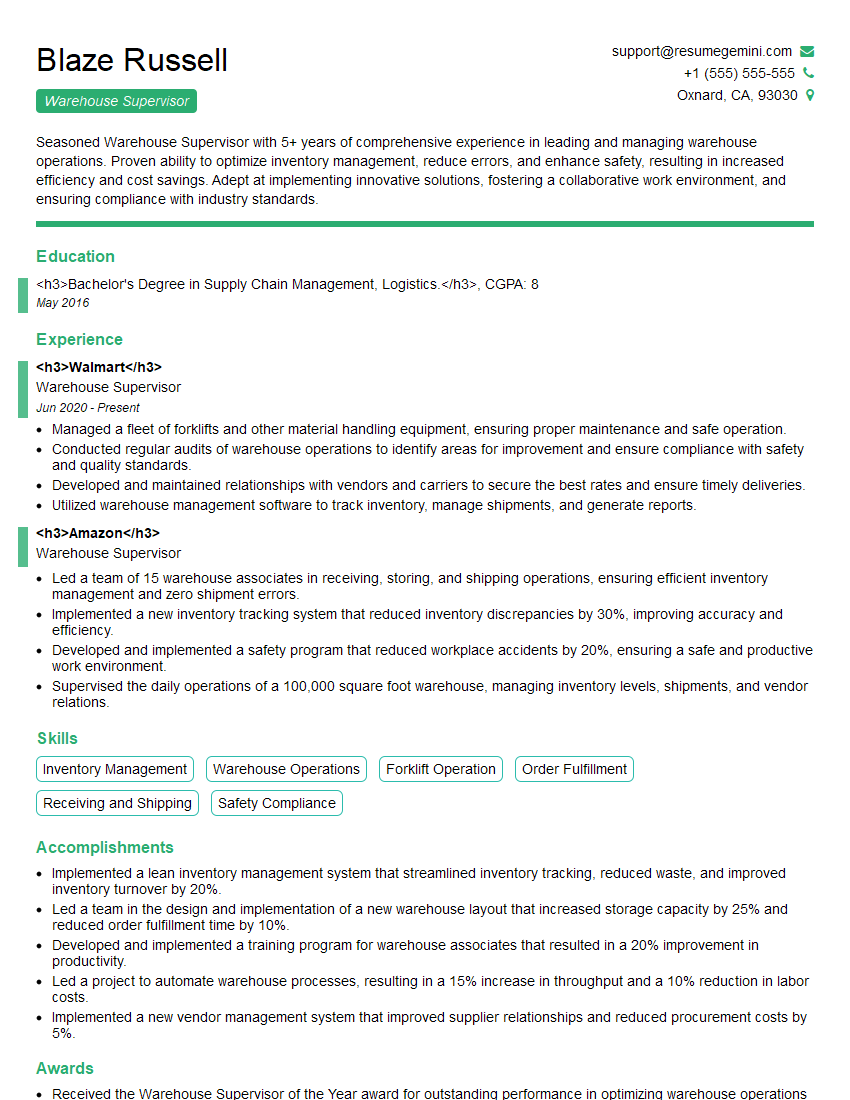
Warehouse Supervisor Resume Sample
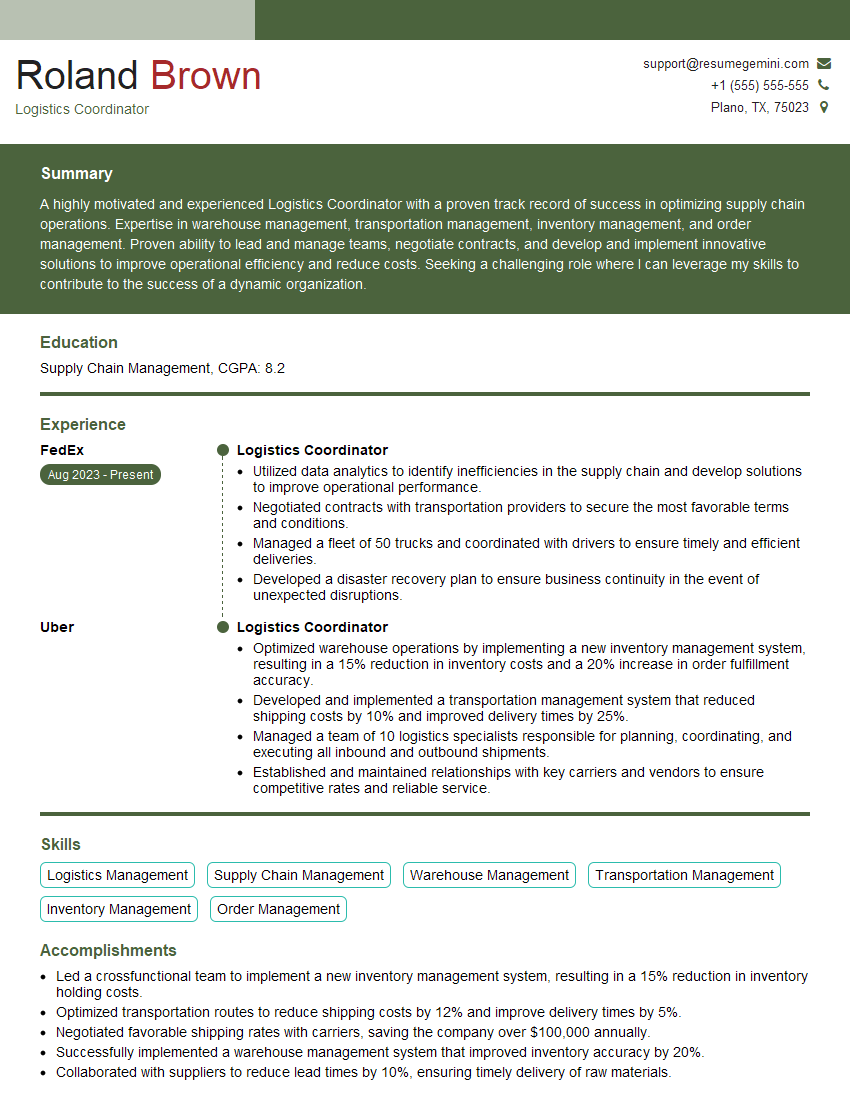
Logistics Coordinator Resume Sample
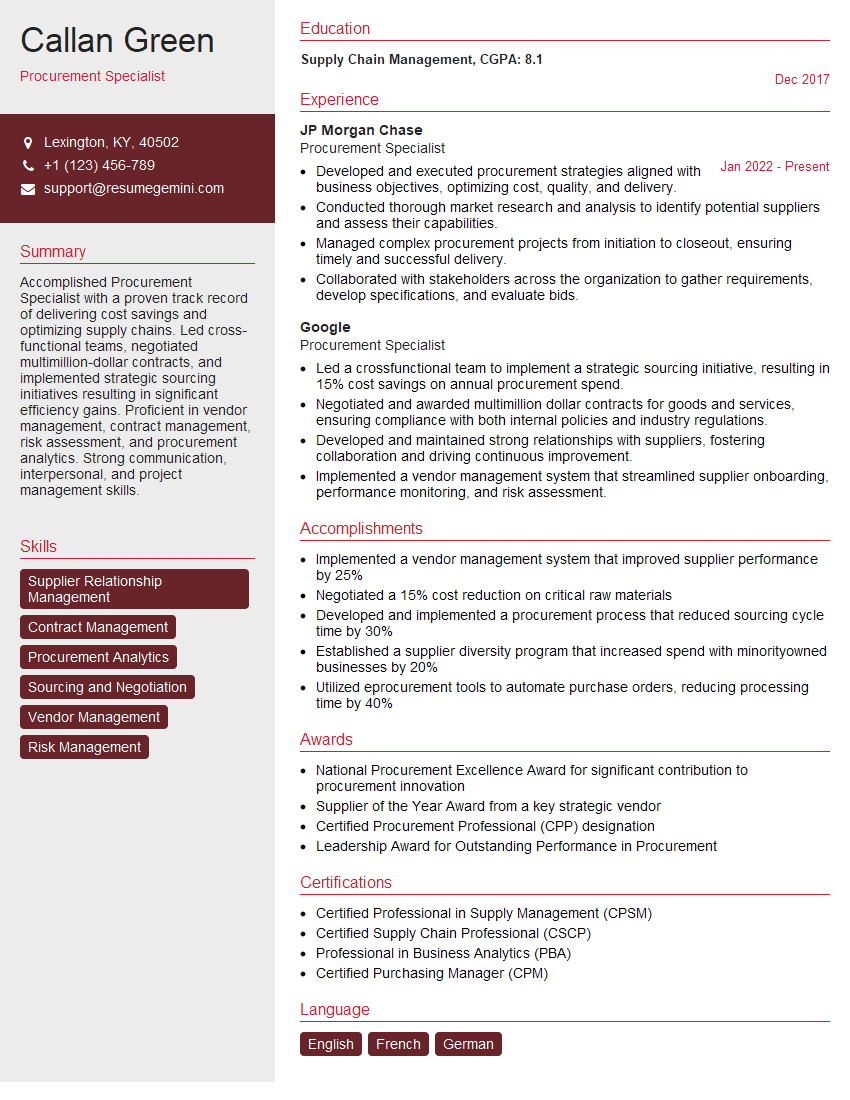
Procurement Specialist Resume Sample
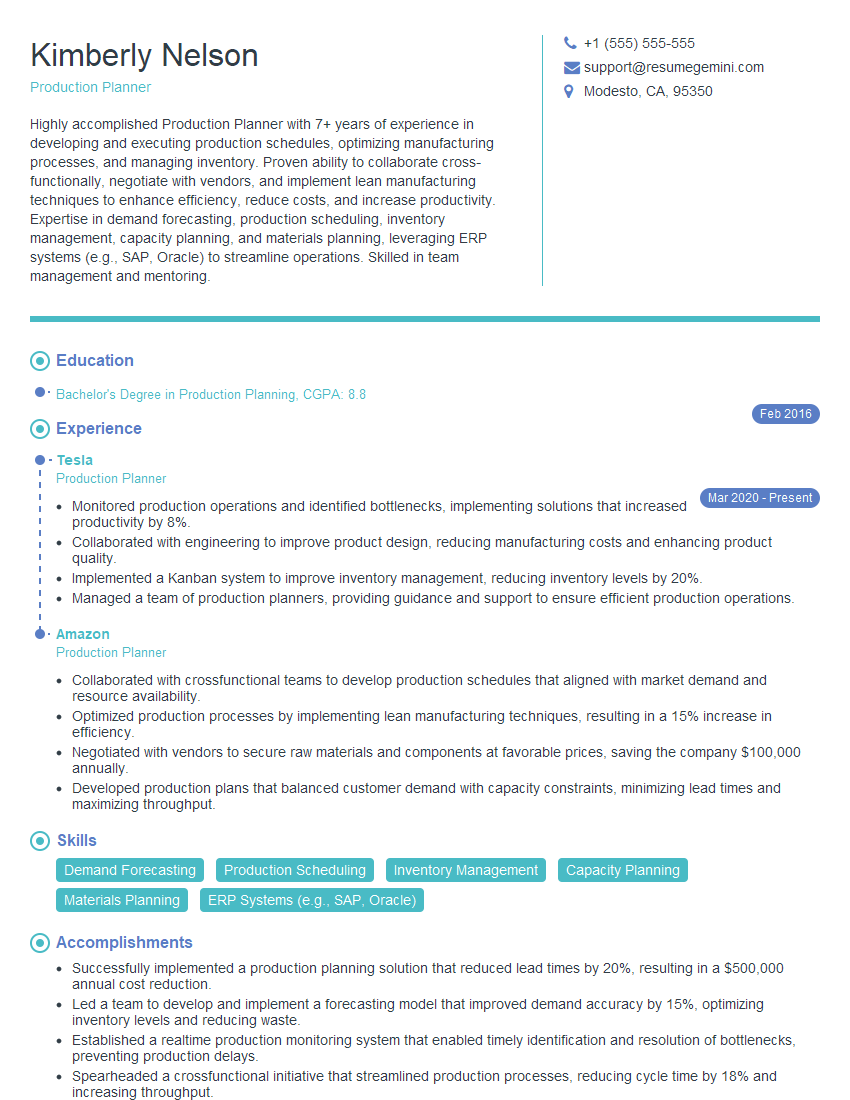
Production Planner Resume Sample
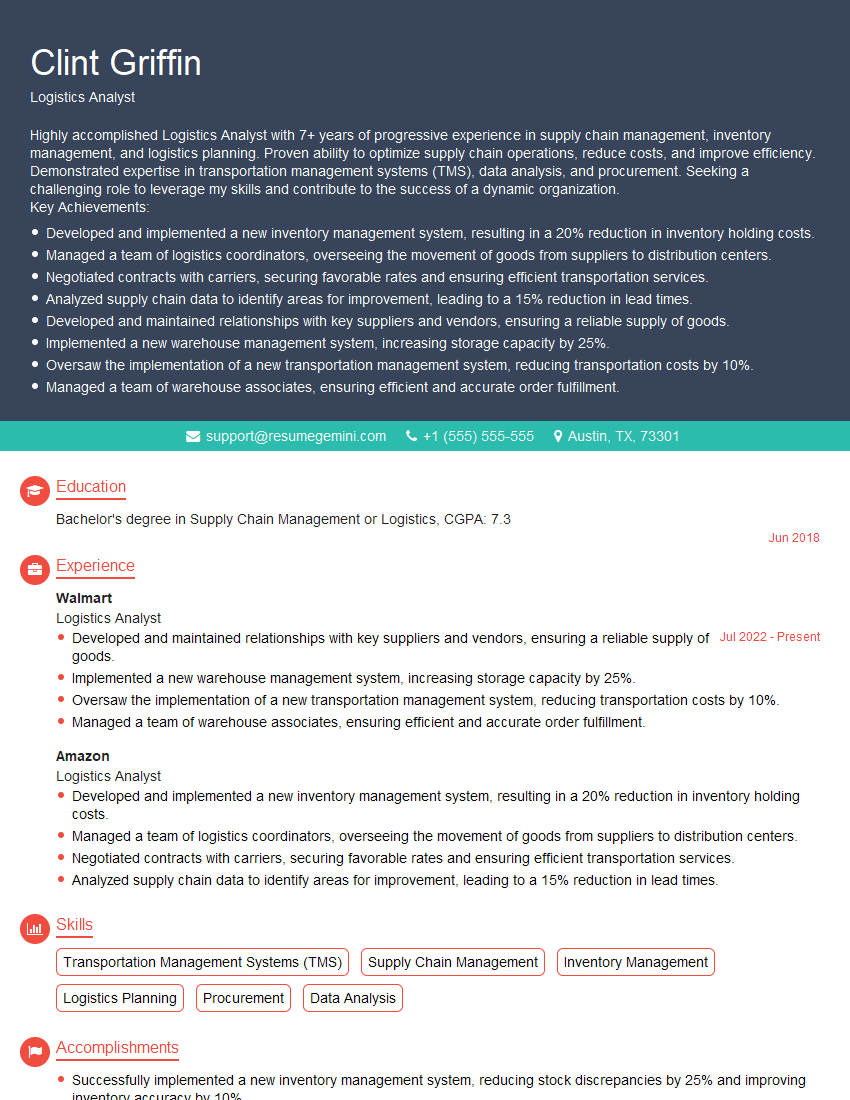
Logistics Analyst Resume Sample
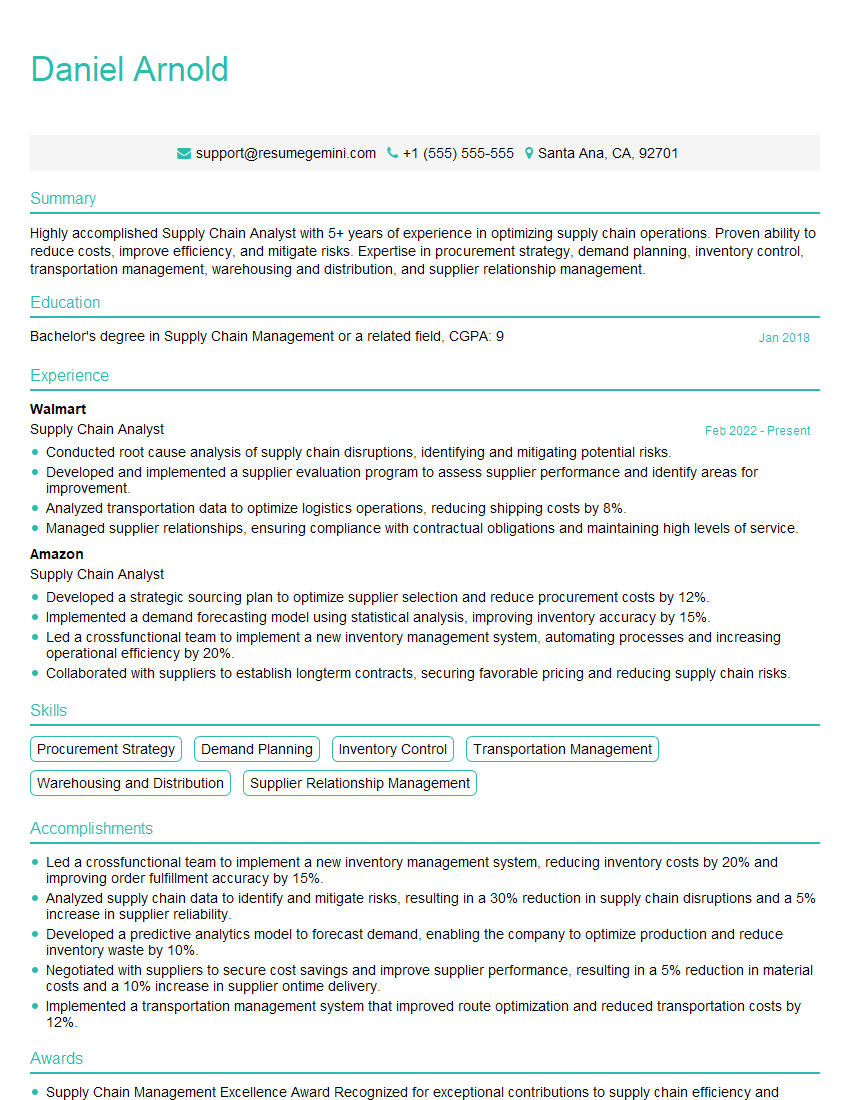
Supply Chain Analyst Resume Sample
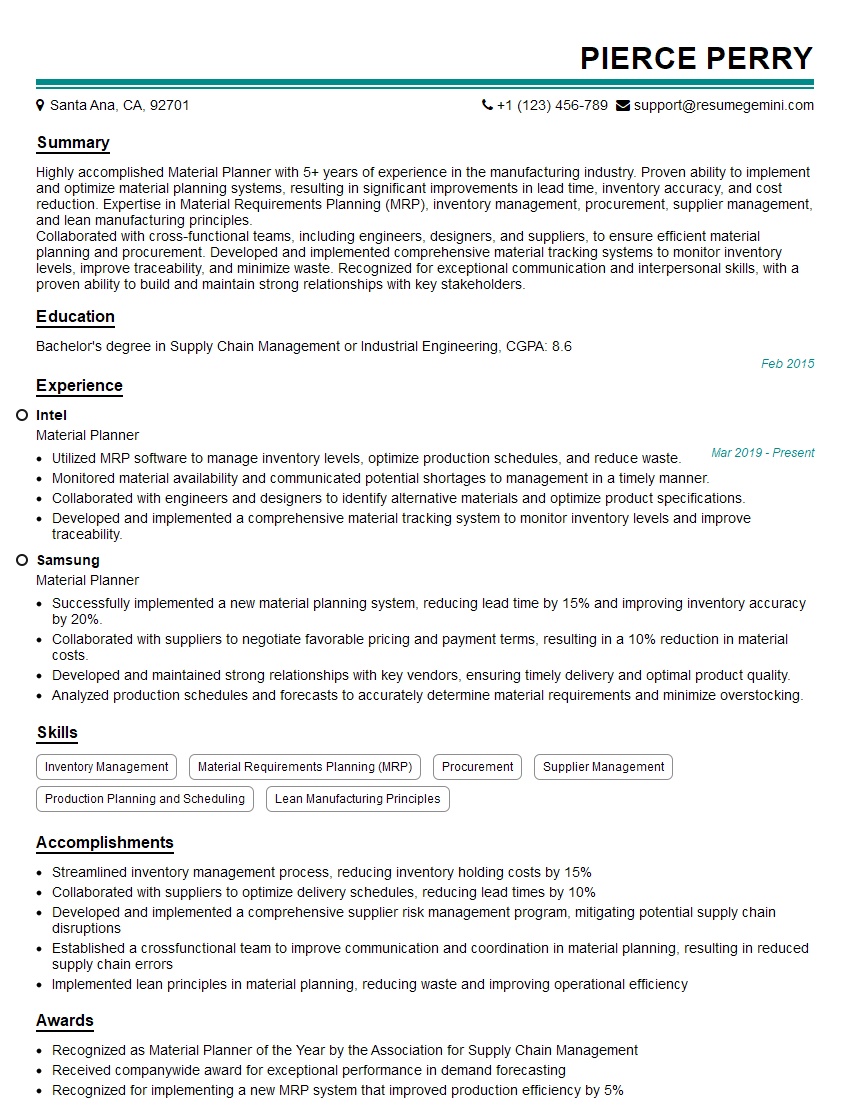
Material Planner Resume Sample
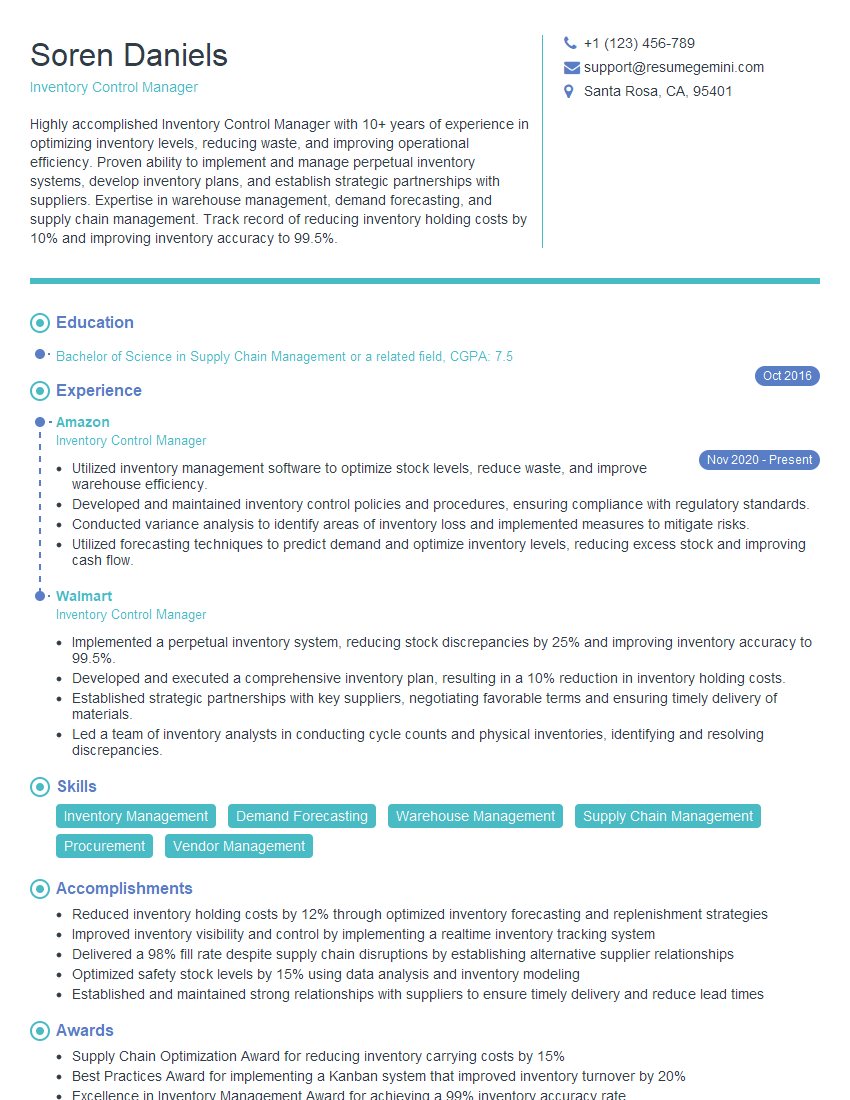
Inventory Control Manager Resume Sample

Inventory Management Specialist Resume Sample

Inventory Control Specialist Resume Sample

Order Fulfillment Specialist Resume Sample

Shipping and Receiving Clerk Resume Sample

Material Handler Resume Sample
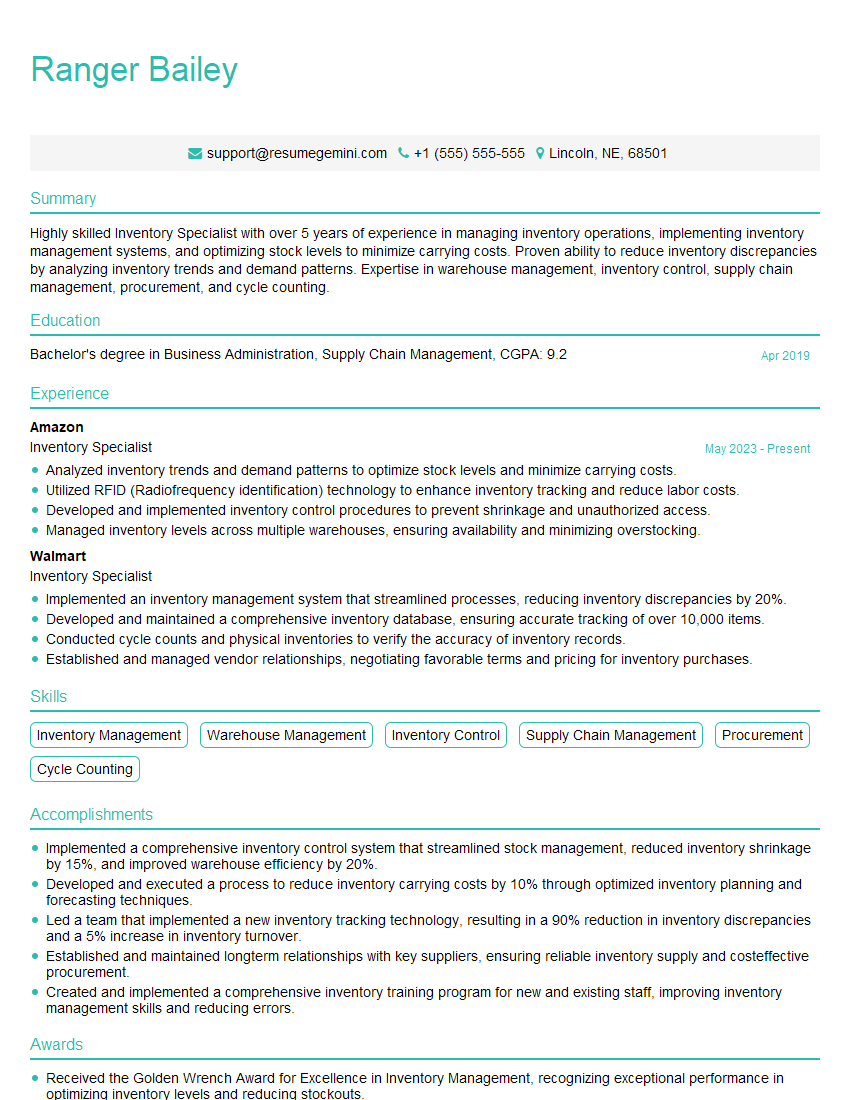
Inventory Specialist Resume Sample
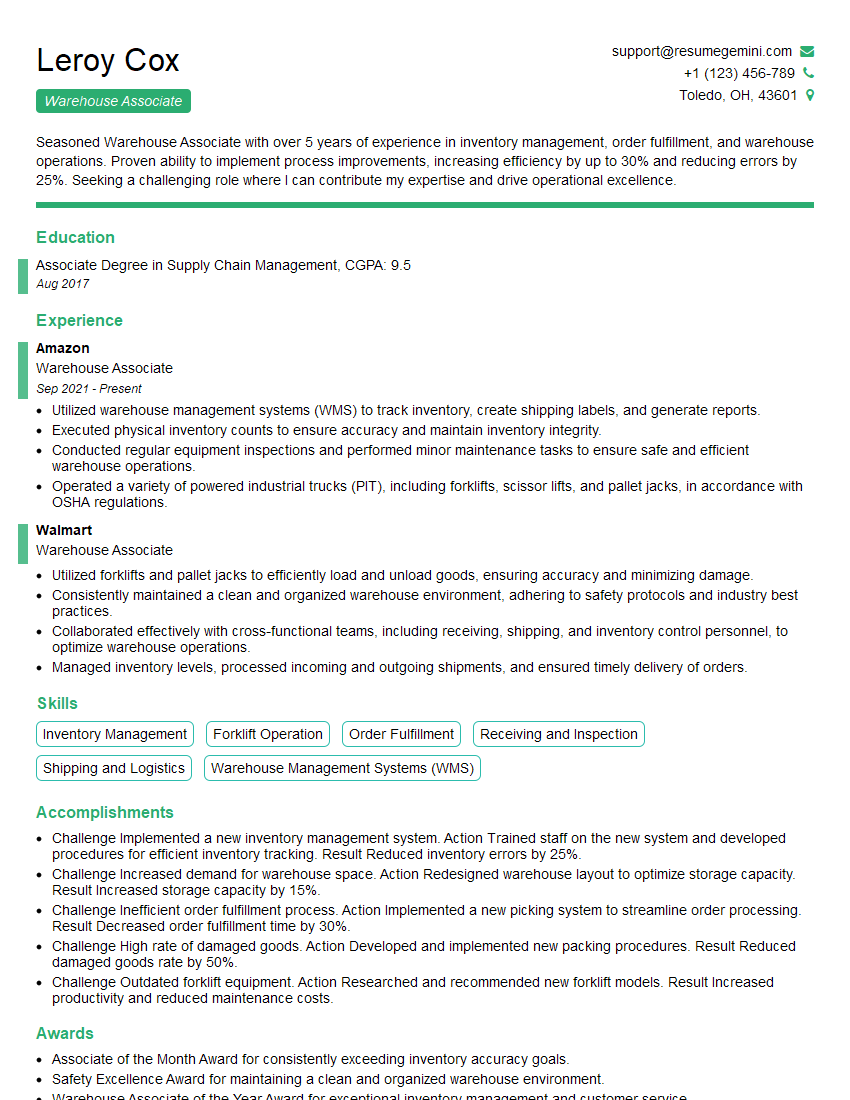
Warehouse Associate Resume Sample
- Operations Manager
- Supply Chain Manager
- Distribution Center Manager
- Logistics Manager
- Warehouse Manager
- Transportation Coordinator
- Distribution Center Supervisor
- Warehouse Supervisor
- Logistics Coordinator
- Procurement Specialist
- Production Planner
- Logistics Analyst
- Supply Chain Analyst
- Material Planner
- Inventory Control Manager
- Inventory Management Specialist
- Inventory Control Specialist
- Order Fulfillment Specialist
- Shipping and Receiving Clerk
- Material Handler
- Inventory Specialist
- Warehouse Associate
Explore more articles
Users Rating of Our Blogs
Share Your Experience
We value your feedback! Please rate our content and share your thoughts (optional).
What Readers Say About Our Blog
Really detailed insights and content, thank you for writing this detailed article.
IT gave me an insight and words to use and be able to think of examples