Preparation is the key to success in any interview. In this post, we’ll explore crucial Calibration and Troubleshooting interview questions and equip you with strategies to craft impactful answers. Whether you’re a beginner or a pro, these tips will elevate your preparation.
Questions Asked in Calibration and Troubleshooting Interview
Q 1. Explain the difference between calibration and verification.
Calibration and verification are distinct but related processes in ensuring measurement accuracy. Calibration is the process of adjusting a measuring instrument to match a known standard, essentially correcting its output to be as accurate as possible. Think of it like setting your watch to the atomic clock – you’re adjusting it to match a precise time standard. Verification, on the other hand, is the process of confirming that an instrument is still performing within its specified tolerances. It doesn’t involve adjustment; it simply checks if the instrument is still ‘good enough’ to continue use. You’re checking your watch against your phone to see if it’s still reasonably accurate, but not necessarily adjusting it.
For example, a calibrated scale will have its readings adjusted to conform to known weights. Verification would then check if the scale remains within its acceptable error range after a period of use, without adjusting its readings. Failure of verification may then necessitate a recalibration.
Q 2. Describe your experience with different calibration methods.
My experience encompasses a wide range of calibration methods, tailored to the specific instrument and its application. I’ve worked extensively with:
- Direct comparison: This involves directly comparing the instrument under test to a known standard. For instance, comparing a thermometer to a calibrated reference thermometer in a controlled environment. This is ideal for simple instruments.
- Substitution methods: Here, a known standard replaces the instrument’s output signal, allowing for precise comparisons and adjustments. This is commonly used with electrical instruments like multimeters.
- Calibration using specialized equipment: This involves utilizing sophisticated equipment such as calibration baths (for temperature sensors), signal generators (for oscilloscopes), or specialized software for complex instruments. This approach is crucial for ensuring high accuracy.
- In-situ calibration: Some instruments, such as flow meters in a pipeline, cannot easily be removed. In these cases, calibration is performed ‘in place,’ typically using portable standards and specialized techniques.
Each method requires careful consideration of environmental factors like temperature, humidity, and pressure, and a thorough understanding of the instrument’s specifications and limitations.
Q 3. What are the common sources of measurement error in calibration?
Measurement error in calibration stems from several sources. These include:
- Instrument drift: Instruments can gradually deviate from their calibrated values over time due to wear and tear, environmental factors, or component aging.
- Environmental factors: Temperature, humidity, pressure, and even electromagnetic interference can significantly impact measurement accuracy.
- Operator error: Incorrect handling, reading errors, or improper setup can introduce significant biases.
- Standard uncertainty: The calibration standards themselves have inherent uncertainties, which propagate into the measurements.
- Non-linearity: Some instruments exhibit non-linear behavior, meaning their accuracy varies across their measurement range.
- Hysteresis: This refers to the difference in output when approaching a value from above versus below.
Careful control of these factors and using appropriate correction methods are essential for minimizing measurement errors.
Q 4. How do you identify and troubleshoot faulty instruments?
Identifying and troubleshooting faulty instruments follows a systematic approach:
- Visual inspection: Look for obvious signs of damage, loose connections, or corrosion.
- Review calibration history: Check previous calibration records for trends or anomalies. A sudden deviation might indicate a problem.
- Functional test: Perform a series of tests across the instrument’s range, comparing the readings to known standards or expected values. Document all observations.
- Isolating the problem: Use a process of elimination to determine whether the fault lies within the instrument itself or in its associated components (e.g., sensors, cables, or power supply).
- Diagnostic testing: More advanced instruments may have built-in self-diagnostic features or require specialized testing equipment.
- Repair or replacement: Based on the diagnosis, either repair the faulty component or replace the instrument if the repair is not cost-effective.
Throughout this process, meticulous record-keeping is crucial, documenting each step, observation, and action taken.
Q 5. Explain your understanding of traceability in calibration.
Traceability in calibration ensures that the measurements are linked back to internationally recognized standards, such as those maintained by national metrology institutes. This creates a chain of custody, proving the accuracy and reliability of the calibration process. It’s like tracing the pedigree of a champion racehorse – each step in the lineage is documented, verifying its quality and origin.
For example, a laboratory calibrating a pressure gauge would use a standard that has itself been calibrated against a higher-level standard, ultimately traceable to the national standard. This unbroken chain of comparison ensures the accuracy and reliability of the measurements.
Q 6. What are the key elements of a calibration certificate?
A calibration certificate is a vital document that provides assurance of the instrument’s accuracy and reliability. Key elements include:
- Instrument identification: Unique serial number, model number, and description of the instrument.
- Calibration date and details: The date of calibration, the methods and standards used, and the laboratory performing the calibration.
- Calibration results: A detailed report of the measurements taken, showing the instrument’s deviations from the standards, expressed as uncertainties or corrections.
- Uncertainty of measurement: The level of uncertainty associated with the calibration results. This quantifies the potential error in the measurements.
- Calibration interval: Recommended time period before the next calibration is needed.
- Accreditations and approvals: Information on the laboratory’s accreditations, such as ISO/IEC 17025, demonstrating its competence and impartiality.
- Signatures and stamps: Authorizing signatures and official stamps from the calibrating laboratory.
Q 7. How do you determine the appropriate calibration frequency for an instrument?
Determining the appropriate calibration frequency is crucial for maintaining measurement accuracy and depends on several factors:
- Instrument type and stability: Some instruments are more stable than others. A highly stable instrument might require less frequent calibration.
- Usage frequency and conditions: Instruments used frequently in harsh environments will require more frequent calibration than those used infrequently under controlled conditions.
- Criticality of measurements: If the measurements are critical for safety or quality, a higher frequency of calibration is warranted.
- Manufacturer recommendations: The manufacturer’s specifications often provide guidance on recommended calibration intervals.
- Past calibration history: Analyzing past calibration data helps identify trends and potential issues, allowing for informed decisions about the optimal calibration frequency.
A risk assessment is usually conducted to properly determine the calibration frequency. This weighs the potential consequences of inaccurate measurements against the cost and effort of calibration.
Q 8. Describe your experience with different types of calibration equipment.
My experience encompasses a wide range of calibration equipment, from simple hand-held devices like multimeters and thermometers to sophisticated automated systems used in labs and manufacturing environments. I’m proficient with various types, including:
- Electrical Calibration Equipment: This includes calibrators for voltage, current, resistance, and frequency, using both precision sources and digital multimeters (DMMs) for accurate measurements. For example, I’ve extensively used Fluke calibrators for verifying the accuracy of various electronic instruments in a manufacturing setting.
- Temperature Calibration Equipment: My experience includes calibrating thermometers (liquid-in-glass, digital, thermocouples, RTDs) using dry-block calibrators, temperature baths, and even specialized furnaces for high-temperature applications. I’ve worked with NIST traceable standards to ensure accuracy.
- Pressure Calibration Equipment: I’m familiar with calibrating pressure gauges, transducers, and switches using deadweight testers and electronic pressure calibrators, covering various pressure ranges. This often involves understanding the complexities of different pressure units and ensuring proper system sealing.
- Mass and Weight Calibration Equipment: This involves using analytical balances and precision weights, ensuring accurate mass measurements. I’ve worked with both internal and external calibration labs to maintain the traceability of our reference standards.
- Dimensional Calibration Equipment: This includes using various tools such as micrometers, calipers, and coordinate measuring machines (CMMs) for precise dimensional measurements. I’ve worked with laser interferometers for highly precise calibration needs.
My experience spans both manual and automated calibration processes, ensuring I can effectively use equipment across various industries and precision levels.
Q 9. How do you handle discrepancies found during calibration?
Discrepancies found during calibration are addressed methodically. First, I verify the discrepancy’s reproducibility by repeating the measurement. If the discrepancy persists, I then:
- Investigate the Instrument: I thoroughly inspect the instrument for any physical damage, signs of misuse, or environmental factors that could have impacted its performance. This might include checking for loose connections, power supply issues, or extreme operating temperatures.
- Check Calibration Procedures: I review the calibration procedures to ensure they were followed correctly and that the equipment used for calibration was itself properly calibrated and within its specified uncertainty.
- Analyze the Data: I carefully review all collected data points, looking for patterns or trends that could indicate a systematic error. I use statistical analysis techniques to understand the distribution of the data and identify any outliers.
- Identify the Root Cause: Based on the investigation, I identify the root cause of the discrepancy. This could be anything from a simple adjustment needed on the instrument to a more significant repair or replacement.
- Implement Corrective Actions: Once the root cause is identified, appropriate corrective actions are taken, including repairs, adjustments, or even instrument replacement. All actions are meticulously documented.
- Re-calibrate and Verify: After corrective actions, the instrument is recalibrated, and the results are verified to confirm that the discrepancy has been resolved and that the instrument is within its specified tolerances.
Throughout this process, I maintain meticulous records, ensuring complete traceability and adherence to relevant standards.
Q 10. What are some common calibration standards?
Common calibration standards are essential for ensuring measurement accuracy and traceability. They serve as the benchmark against which instruments are compared. Some key examples include:
- National Institute of Standards and Technology (NIST): NIST in the US, and equivalent national metrology institutes in other countries, provide highly accurate measurement standards and traceability to the international system of units (SI). These are often the top tier of standards.
- International Organization for Standardization (ISO): ISO develops international standards that specify requirements for calibration procedures and documentation. Compliance with ISO 17025 is crucial for many calibration labs.
- Manufacturer’s Specifications: Instrument manufacturers provide specifications detailing the instrument’s accuracy, resolution, and other performance characteristics. These form the basis for many calibration procedures.
- Traceable Reference Standards: These standards are calibrated against higher-level standards (often NIST traceable) and used to calibrate working standards and the instruments themselves. A chain of traceability is essential.
Choosing the appropriate standard depends on the instrument being calibrated, the required level of accuracy, and the industry regulations. The entire calibration process must ensure traceability back to a recognized national or international standard.
Q 11. How do you maintain calibration records and documentation?
Calibration records and documentation are crucial for maintaining traceability, demonstrating compliance, and facilitating audits. We utilize a comprehensive system that includes:
- Calibration Certificates: These formal documents provide details of the calibration process, including the instrument’s identification, calibration dates, measured values, uncertainties, and the calibration lab’s accreditation details.
- Calibration Procedures: Detailed step-by-step instructions for calibrating each type of instrument are developed and maintained, ensuring consistency and accuracy.
- Calibration Logs: These logs record all calibration activities, including the date, time, personnel involved, and any discrepancies found. This provides a complete history of each instrument’s calibration status.
- Database Management: A computerized database stores all calibration records, simplifying searches, reporting, and tracking of instrument due dates. This can often integrate with instrument management systems.
- Electronic Signatures and Data Security: To enhance integrity, electronic signatures and secure data storage practices are implemented to protect the confidentiality and validity of the calibration data.
This system ensures that all calibration records are readily accessible, auditable, and compliant with relevant regulatory requirements.
Q 12. Explain your experience with statistical process control (SPC) in calibration.
Statistical Process Control (SPC) plays a vital role in calibration by providing tools to monitor and improve the calibration process itself. We use SPC techniques like control charts (e.g., X-bar and R charts) to:
- Monitor Calibration Data: We plot calibration data on control charts to detect any trends, shifts, or unusual patterns. This helps identify potential problems in the calibration process before they significantly impact instrument accuracy.
- Assess Calibration Stability: Control charts allow us to assess whether the calibration process is stable and predictable over time. This ensures consistency in calibration results.
- Identify Out-of-Control Conditions: If the plotted data points fall outside the control limits, it indicates a potential problem in the calibration process requiring investigation. This might signal a need to recalibrate reference standards or review procedures.
- Improve Calibration Procedures: SPC data provides valuable insights to identify areas for improvement in our calibration procedures, leading to better accuracy, efficiency, and reduced variability.
By implementing SPC, we can proactively identify and address potential problems, ensuring consistent calibration accuracy and improving the overall effectiveness of our calibration program. It shifts the focus from reactive problem-solving to preventative measures.
Q 13. Describe a time you had to troubleshoot a complex instrument failure.
I once had to troubleshoot a complex failure on a high-precision spectrophotometer used in a pharmaceutical quality control lab. The instrument was failing to produce consistent absorbance readings, jeopardizing crucial product testing. The troubleshooting involved a systematic approach:
- Initial Assessment: I started by reviewing the instrument’s error messages and checking for obvious physical damage. I also checked the instrument’s log files for any errors or unusual events.
- Verification Steps: I performed several verification tests using known standards to isolate the problem. This included checking the lamp’s intensity, the detector’s response, and the overall optical path. I found the absorbance readings were significantly inconsistent across wavelengths.
- Systematic Elimination: I systematically eliminated possible causes. I checked the power supply, the data acquisition system, and the instrument’s software. I also cleaned and inspected the optical components. This process eventually isolated the issue to a malfunctioning optical filter wheel.
- Repair/Replacement: After confirming the faulty filter wheel, I contacted the manufacturer for assistance and repair or replacement, as this required specialized expertise. This involved a thorough cleaning and precise alignment of the optical components.
- Re-calibration and Verification: Once the repair was complete, I recalibrated the spectrophotometer and performed rigorous verification tests to confirm that the instrument was performing within its specifications. This involved using NIST traceable standards across various wavelengths.
This experience reinforced the importance of a methodical approach to troubleshooting, meticulous record-keeping, and leveraging manufacturer support when dealing with complex instrumentation.
Q 14. How do you prioritize troubleshooting tasks?
Prioritizing troubleshooting tasks requires a systematic approach. I generally use a risk-based prioritization framework that considers:
- Impact: How critical is the malfunctioning instrument to overall operations? Instruments vital to safety or production get immediate priority.
- Urgency: How quickly does the issue need to be resolved? Issues impacting critical processes or deadlines get prioritized.
- Complexity: How difficult is it to troubleshoot and repair the instrument? Simpler issues are addressed before more complex ones.
- Cost: What is the potential cost of downtime or inaccurate measurements? Issues with high financial implications are often prioritized.
I often use a simple matrix to visually represent the prioritization. For example, I might rate each factor (impact, urgency, complexity, cost) on a scale of 1 to 5, with 5 being the highest. The sum of the scores determines the priority. This approach allows for a balanced consideration of different factors, leading to efficient and effective troubleshooting.
Q 15. What are your methods for documenting troubleshooting steps?
Thorough documentation is crucial for effective troubleshooting and future reference. My method involves a structured approach using a combination of written notes and digital tools. I begin by clearly stating the problem encountered, including specific error messages or observed anomalies. Then, I detail each step taken, including adjustments made, tests performed, and the results obtained. This includes timestamps for accountability. I utilize a combination of checklists, flowcharts (especially useful for complex systems), and detailed descriptions. For instance, if I’m troubleshooting a malfunctioning temperature sensor, my documentation would include the sensor’s location, the initial reading, the steps taken to test the sensor’s wiring and power supply, any calibration adjustments, and ultimately, the resolution and verification of the fix. I use a dedicated system, whether it’s a company-provided software or a well-organized digital notebook, to ensure easy accessibility and searchability for future reference.
For complex issues, I create a dedicated troubleshooting report with sections for problem description, investigation steps, findings, corrective actions, and verification. Diagrams and screenshots are often included to aid understanding.
Career Expert Tips:
- Ace those interviews! Prepare effectively by reviewing the Top 50 Most Common Interview Questions on ResumeGemini.
- Navigate your job search with confidence! Explore a wide range of Career Tips on ResumeGemini. Learn about common challenges and recommendations to overcome them.
- Craft the perfect resume! Master the Art of Resume Writing with ResumeGemini’s guide. Showcase your unique qualifications and achievements effectively.
- Don’t miss out on holiday savings! Build your dream resume with ResumeGemini’s ATS optimized templates.
Q 16. Explain your experience with different diagnostic tools.
My experience spans a wide range of diagnostic tools, both hardware and software. I’m proficient with multimeters for measuring voltage, current, and resistance; oscilloscopes for analyzing waveforms and identifying signal integrity issues; and spectrum analyzers for detecting frequency-related problems. I’m also experienced with loop calibrators for process instrumentation and specialized software for specific equipment, including PLC (Programmable Logic Controller) programming software and data acquisition systems. For example, when troubleshooting a pressure transmitter, I would use a calibrated pressure source along with my multimeter and loop calibrator to check for signal integrity, sensor response, and any voltage drops. Software tools allow me to monitor real-time data, analyze historical trends, and pinpoint anomalies that might indicate the root cause of a problem. In one instance, using data acquisition software, I was able to identify a cyclical pattern in a temperature sensor’s readings that pointed towards a faulty component in the control system, not the sensor itself.
Q 17. How do you ensure the safety of yourself and others during troubleshooting?
Safety is paramount. Before commencing any troubleshooting, I thoroughly assess the potential hazards. This includes identifying potential electrical hazards, ensuring proper lockout/tagout procedures are followed for high-voltage equipment, and wearing appropriate personal protective equipment (PPE) such as safety glasses, gloves, and protective clothing. I understand the importance of following all relevant safety regulations and company procedures. If working with hazardous materials or in confined spaces, I ensure proper ventilation and follow all safety guidelines for those specific environments. I always prioritize safety, and if uncertain about any step, I seek clarification from a supervisor or safety officer. I believe a proactive safety approach is better than reacting to an accident. A good example would be checking for any energized components in an industrial setting before starting my troubleshooting process.
Q 18. What are the common causes of instrument drift?
Instrument drift, the gradual deviation of an instrument’s reading from its true value, can stem from several factors. Environmental conditions play a significant role: temperature fluctuations can affect the internal components of an instrument, causing drift. Similarly, changes in humidity or pressure can impact the accuracy of certain sensors. Component aging is another crucial factor: electronic components degrade over time, leading to shifts in performance. Mechanical wear and tear, particularly in moving parts of instruments, can also introduce drift. Finally, poor maintenance and calibration schedules also contribute to drift, as regular calibrations help maintain accuracy and identify problems early. For example, a thermocouple used in a high-temperature oven might drift over time due to the constant exposure to heat, leading to inaccurate temperature readings. Regular calibration and preventative maintenance, such as checking for oxidation or loose connections, could minimize this drift.
Q 19. How do you deal with a calibration failure that affects production?
A calibration failure affecting production is a critical situation demanding immediate attention. My response would involve a structured, prioritized approach. First, I’d assess the extent of the impact on production—identifying the affected processes and the potential consequences (e.g., safety risks, production downtime, quality issues). Second, I’d initiate a temporary workaround (if possible and safe), such as using a backup instrument or adjusting operating parameters. Third, I’d initiate a thorough investigation into the root cause of the calibration failure, examining the instrument, its calibration history, and related equipment. Fourth, I would implement corrective actions, repairing or replacing the faulty equipment. Documentation of the entire process is crucial, and a detailed report will be filed, covering the failure analysis, remedial actions, and preventative measures to ensure the issue does not recur. I would also communicate the situation and updates clearly to production staff, management, and relevant stakeholders.
Q 20. Explain your experience with preventative maintenance to reduce calibration issues.
Preventative maintenance is crucial in minimizing calibration issues. My approach includes a proactive schedule incorporating regular inspections, cleaning, and functional tests. This includes checking for physical damage, loose connections, and corrosion. In addition to scheduled maintenance, I perform environmental checks, ensuring proper temperature and humidity control for sensitive equipment. I keep detailed records of all maintenance activities, including dates, performed tasks, and any observations made. The data from this preventative maintenance allows for trend analysis, enabling proactive identification of potential problems before they cause calibration failures. For example, for a balance, regular calibration, cleaning of the weighing pan, and level checks greatly improve its lifespan and accuracy. For a pH meter, regular calibration, cleaning of the electrode, and proper storage significantly decrease drift. A planned and documented maintenance program is critical for minimizing calibration-related issues.
Q 21. Describe your familiarity with different types of sensors and transducers.
I have extensive familiarity with various sensors and transducers used in different applications. My experience encompasses temperature sensors (thermocouples, RTDs, thermistors), pressure sensors (strain gauge, piezoelectric, capacitive), flow sensors (turbine, ultrasonic, vortex shedding), level sensors (capacitive, ultrasonic, radar), and others such as pH sensors, conductivity sensors, and force sensors. I understand their operating principles, limitations, and calibration methods. For example, I understand that thermocouples produce a voltage proportional to temperature and require cold junction compensation, while RTDs change their resistance with temperature and need a stable excitation current. This knowledge helps me diagnose issues related to sensor malfunctions and ensures appropriate troubleshooting and calibration procedures. I also understand the interfaces between these sensors and data acquisition systems, and I can easily troubleshoot signal conditioning and communication problems.
Q 22. How do you handle calibration of complex systems with multiple components?
Calibrating complex systems requires a structured approach. Think of it like assembling a complex piece of machinery – you wouldn’t just throw all the parts together and hope it works. Instead, you’d systematically check each component and ensure its proper function. For complex systems with multiple components, I employ a hierarchical calibration strategy. This involves:
- Identifying individual components and their interdependencies: First, I create a detailed flowchart or diagram of the system, highlighting each component and how it interacts with others. This allows me to understand the ‘chain of influence’ – a change in one component can affect another.
- Developing a calibration plan: This plan outlines the specific procedures for calibrating each component, including the required tools, standards, and acceptance criteria. The order of calibration is crucial; some components might need to be calibrated before others to ensure accurate measurements.
- Calibration in stages: I often calibrate the system in stages, starting with individual components and then moving to subsystems before finally calibrating the entire system. This helps isolate issues and prevents cascading errors. For example, if you’re calibrating a robotic arm, you’d start with calibrating individual joints before testing the entire arm’s movement.
- Documentation and traceability: Each calibration step is meticulously documented, ensuring full traceability. This is crucial for compliance and for troubleshooting future problems. This involves recording all settings, measurements, and deviations from the expected values.
This methodical approach ensures accuracy and minimizes the risk of errors. By breaking down the complex system into manageable components, we ensure each part functions optimally, resulting in a well-calibrated and reliable whole.
Q 23. What software or tools do you use for calibration and data analysis?
My toolset for calibration and data analysis is quite extensive and depends on the specific system being calibrated. However, some common tools I utilize include:
- Specialized Calibration Software: I use software packages designed for specific instruments, such as those for multimeters, pressure gauges, and temperature sensors. These provide automated calibration procedures and data logging capabilities.
- Spreadsheet Software (e.g., Excel): I use spreadsheets for data analysis, creating charts and graphs to visualize calibration results and identify trends. I use formulas to perform calculations and analyze deviations from expected values.
- Statistical Software (e.g., Minitab, JMP): For more complex statistical analysis, such as determining uncertainty budgets or performing regression analysis, I use statistical software packages. These allow for more sophisticated data analysis techniques.
- Data Acquisition Systems (DAQ): For systems requiring real-time data acquisition during calibration, DAQ systems are essential. These systems allow for capturing high-speed data streams and monitoring system performance.
- Calibration Management Software: I use software designed to manage calibration schedules, certificates, and instrument history, ensuring compliance with relevant regulations.
The choice of software depends on the complexity of the calibration and the specific requirements of the project. Often, a combination of these tools provides the most effective solution.
Q 24. What is your experience with ISO 9001 or other relevant quality standards?
I have extensive experience working within the framework of ISO 9001 and other related quality management systems. My understanding extends beyond simply adhering to the standards; I actively integrate these principles into my daily calibration and troubleshooting workflow. This includes:
- Calibration Procedures: I’m responsible for developing and maintaining documented calibration procedures that align with ISO 9001 requirements, ensuring traceability and repeatability.
- Calibration Records and Certificates: I meticulously maintain calibration records and generate certificates that meet the specified standards. This is crucial for demonstrating compliance to audits.
- Corrective and Preventive Actions (CAPA): I actively participate in CAPA activities to address identified nonconformances, implementing corrective actions and preventing similar issues from recurring.
- Internal Audits: I participate in internal audits, assessing the effectiveness of our calibration processes and identifying areas for improvement.
- Continuous Improvement: I continuously strive to improve our calibration processes and adopt best practices to ensure high quality and efficiency.
My commitment to these standards ensures that our calibration processes are robust, reliable, and compliant with industry best practices. I view adherence to these standards not as a constraint, but as a framework for improving the overall quality of our work.
Q 25. Describe your experience with Root Cause Analysis (RCA) techniques.
Root Cause Analysis (RCA) is fundamental to effective troubleshooting. It’s not just about fixing a symptom; it’s about identifying the underlying cause to prevent recurrence. I’m proficient in various RCA techniques, including:
- 5 Whys: A simple yet effective method that involves repeatedly asking “why” to uncover the root cause. I find this useful for simpler issues.
- Fishbone Diagram (Ishikawa): This visually represents potential causes categorized by factors like manpower, machinery, materials, methods, measurement, and environment. It aids in brainstorming and systematically exploring potential causes.
- Fault Tree Analysis (FTA): This technique uses a top-down approach, starting with the undesired event (failure) and working backward to identify contributing causes. It’s particularly useful for complex systems.
- Pareto Analysis: This method helps identify the ‘vital few’ causes contributing to the majority of problems. This focuses efforts on addressing the most impactful causes.
The choice of technique depends on the complexity of the problem and the available data. Regardless of the method, a thorough investigation, data collection, and objective analysis are crucial for accurate RCA. I always strive to implement corrective actions to prevent similar issues from occurring in the future, ensuring continuous improvement within our processes.
Q 26. How do you stay up-to-date on the latest calibration technologies and techniques?
Staying current in the rapidly evolving field of calibration requires a multifaceted approach. I actively engage in several strategies to stay up-to-date:
- Professional Organizations: I am a member of relevant professional organizations (e.g., [mention relevant organizations]) that offer access to industry publications, conferences, and webinars.
- Industry Publications and Journals: I regularly read industry-specific journals and publications to keep abreast of new technologies and methodologies.
- Conferences and Workshops: Attending conferences and workshops provides hands-on learning opportunities and networking with other professionals.
- Online Courses and Webinars: Numerous online platforms offer training courses and webinars on advanced calibration techniques and software.
- Manufacturer Training: Direct training from instrument manufacturers ensures I am familiar with the latest features and best practices for specific equipment.
Continuous learning is vital in my field. By actively seeking out new information and integrating it into my practice, I ensure that my skills and knowledge remain current and relevant.
Q 27. Describe a time you had to work under pressure to resolve a calibration or troubleshooting issue.
During a critical production run, a key piece of equipment – a high-precision dispensing system – malfunctioned. The system was out of calibration, leading to unacceptable variations in product output. The pressure was immense, as every minute of downtime resulted in significant financial losses. My approach was:
- Rapid Assessment: I quickly assessed the situation, gathering data from the system’s logs and operator reports to identify the immediate problem.
- Prioritization: I prioritized critical components for examination, focusing on those most likely to affect accuracy.
- Systematic Troubleshooting: I systematically checked each component of the dispensing system, using my knowledge of its operation and calibration procedures. I carefully compared measurements to the specifications.
- Teamwork: I collaborated with the maintenance team to address mechanical issues and with the quality control team to ensure the product met specifications after the calibration.
- Efficient Calibration: Once the root cause was identified (a faulty sensor), I performed a rapid recalibration, carefully documenting every step.
Through decisive action, systematic troubleshooting, and effective teamwork, we restored the system to operational status within a much shorter time frame than initially anticipated, minimizing production losses. This experience underscored the importance of quick thinking, thorough calibration knowledge, and efficient communication under pressure.
Q 28. How do you communicate technical information clearly to non-technical audiences?
Communicating technical information effectively to non-technical audiences is crucial. My approach involves simplifying complex concepts without sacrificing accuracy. I use several strategies:
- Analogies and Metaphors: Relating technical information to everyday experiences helps bridge the knowledge gap. For example, I might explain signal-to-noise ratio using the analogy of listening to a radio station – a strong signal (high signal-to-noise ratio) means clear reception, while a weak signal (low signal-to-noise ratio) results in static.
- Visual Aids: Charts, graphs, and diagrams help illustrate complex processes and data. A picture is truly worth a thousand words.
- Plain Language: I avoid jargon and technical terminology whenever possible, replacing them with clear and concise explanations.
- Storytelling: Framing technical information within a narrative makes it more engaging and memorable. A relatable story can help the audience understand the context and significance of the information.
- Active Listening and Feedback: Engaging with the audience, encouraging questions, and tailoring the explanation based on their understanding ensures effective communication.
By focusing on clarity, simplicity, and audience engagement, I can effectively communicate complex technical concepts to a variety of stakeholders, fostering better understanding and collaboration.
Key Topics to Learn for Calibration and Troubleshooting Interview
- Calibration Fundamentals: Understanding accuracy, precision, traceability, and calibration standards. Explore different calibration methods and their applications.
- Troubleshooting Methodologies: Mastering systematic approaches like the 5 Whys, fault tree analysis, and root cause analysis to effectively identify and resolve issues.
- Instrumentation and Measurement Systems: Gain a strong understanding of various instruments used in calibration (e.g., multimeters, oscilloscopes, pressure gauges) and their limitations. Practice analyzing measurement uncertainty.
- Calibration Procedures and Documentation: Learn about creating and following calibration procedures, maintaining accurate records, and adhering to relevant industry standards and regulations (e.g., ISO 9001, ISO/IEC 17025).
- Preventive Maintenance and Calibration Schedules: Understanding the importance of preventative maintenance to minimize downtime and prolong equipment lifespan. Learn to develop and implement effective calibration schedules.
- Data Analysis and Interpretation: Develop skills in interpreting calibration data, identifying trends, and using statistical methods to assess the overall performance of equipment.
- Communication and Reporting: Practice effectively communicating technical information to both technical and non-technical audiences, including preparing clear and concise calibration reports.
- Safety Procedures and Regulations: Familiarize yourself with safety regulations and procedures related to handling equipment and working in a calibration lab environment.
- Specific Equipment Knowledge: Depending on the job description, deeply understand the calibration procedures and troubleshooting techniques for specific equipment relevant to the role (mention specific equipment if known from job description).
- Problem-Solving and Decision-Making: Showcase your ability to analyze complex situations, make informed decisions under pressure, and demonstrate effective problem-solving skills.
Next Steps
Mastering Calibration and Troubleshooting is crucial for a successful and rewarding career in many technical fields. It demonstrates a strong foundation in precision, attention to detail, and problem-solving—highly valued attributes in today’s competitive job market. To significantly boost your job prospects, focus on creating an ATS-friendly resume that clearly showcases your skills and experience. ResumeGemini is a trusted resource that can help you build a professional and impactful resume. We provide examples of resumes tailored to Calibration and Troubleshooting to help guide your resume creation process.
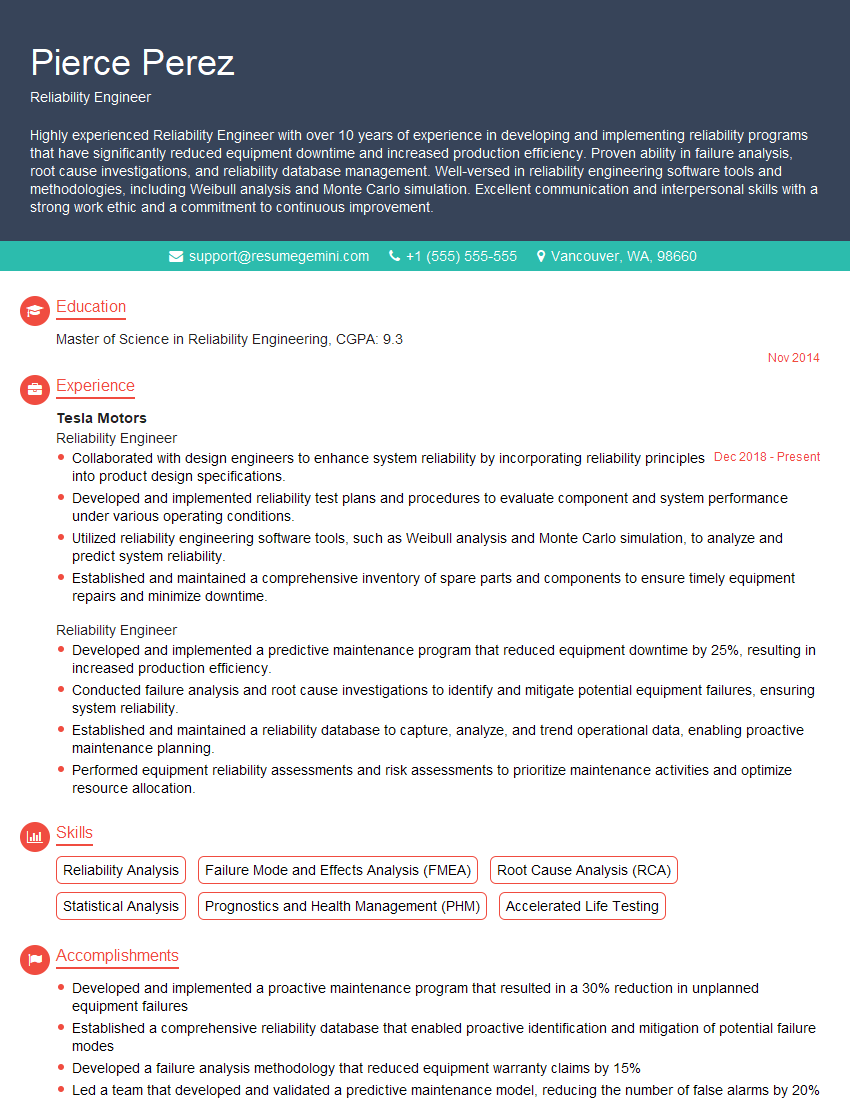
Reliability Engineer Resume Sample
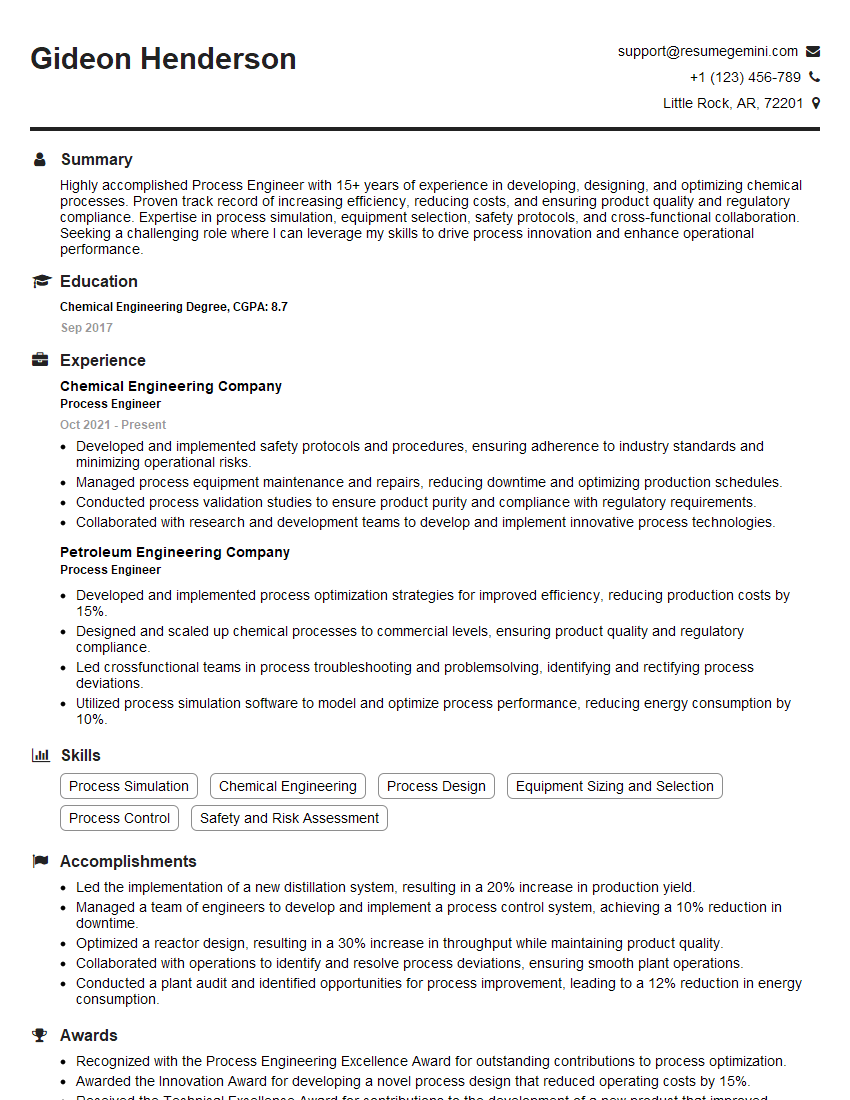
Process Engineer Resume Sample
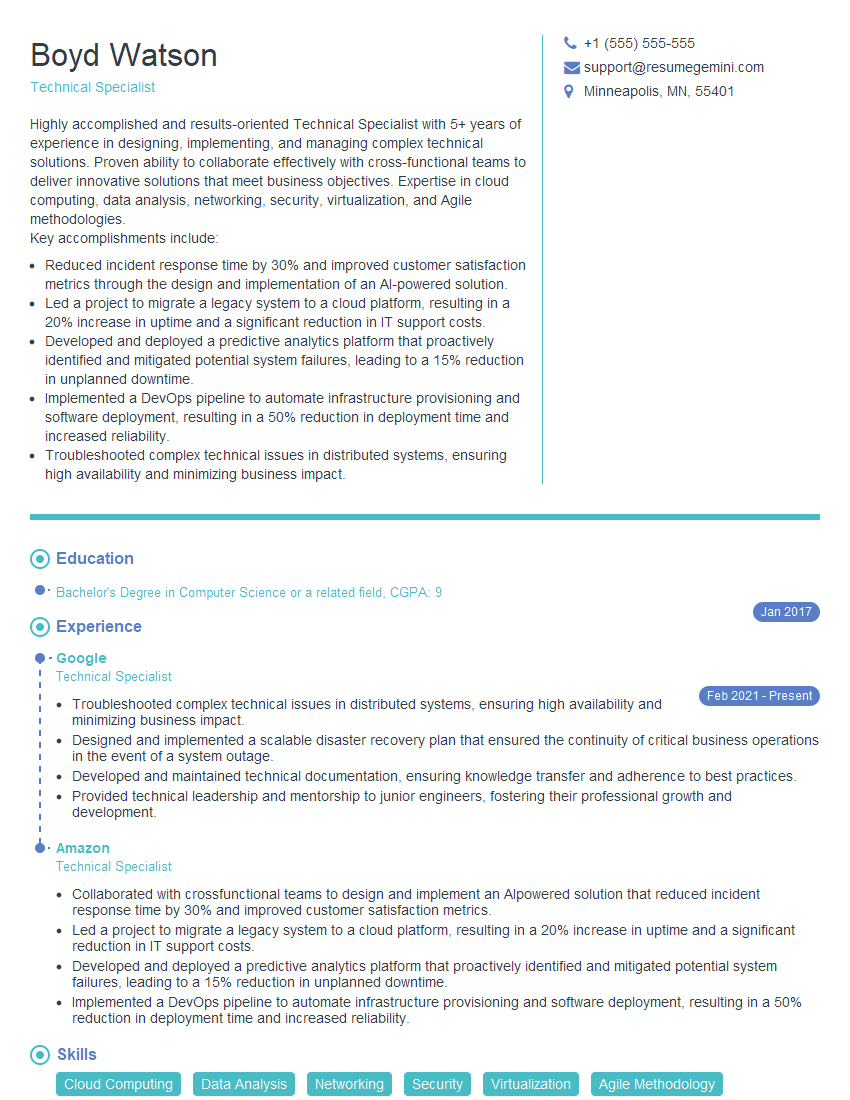
Technical Specialist Resume Sample
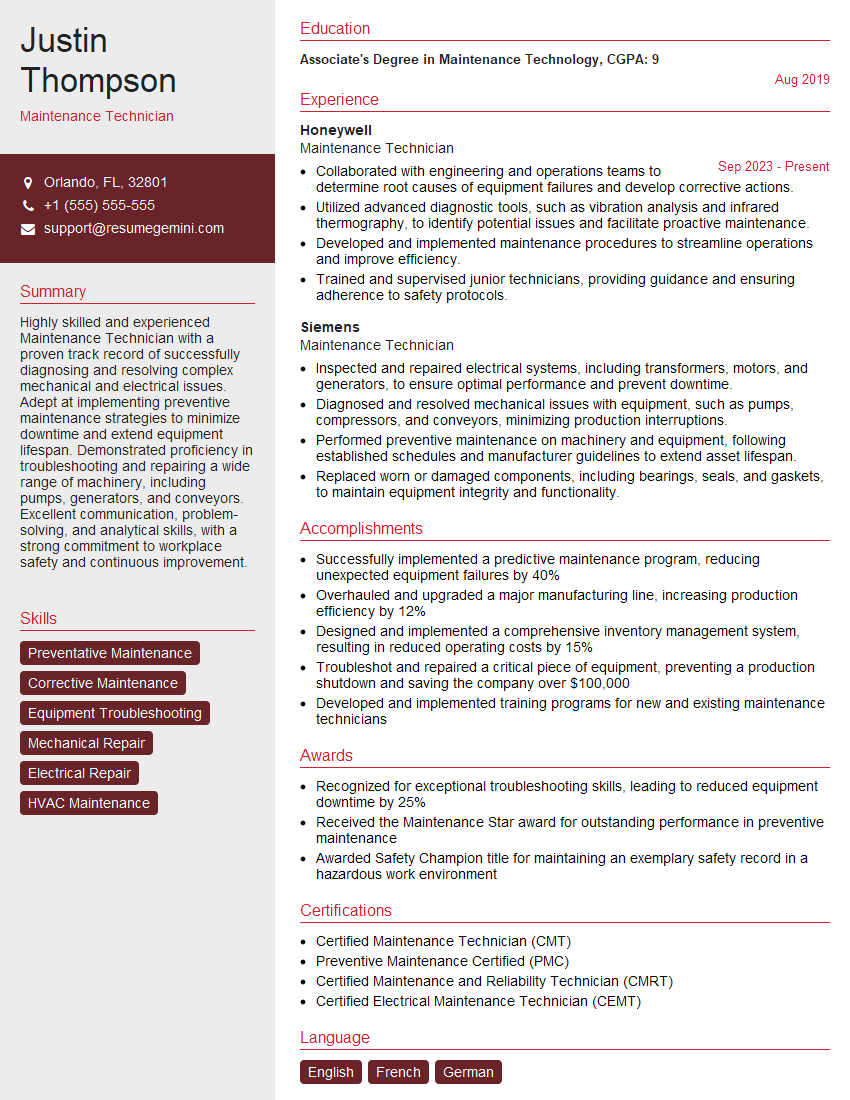
Maintenance Technician Resume Sample
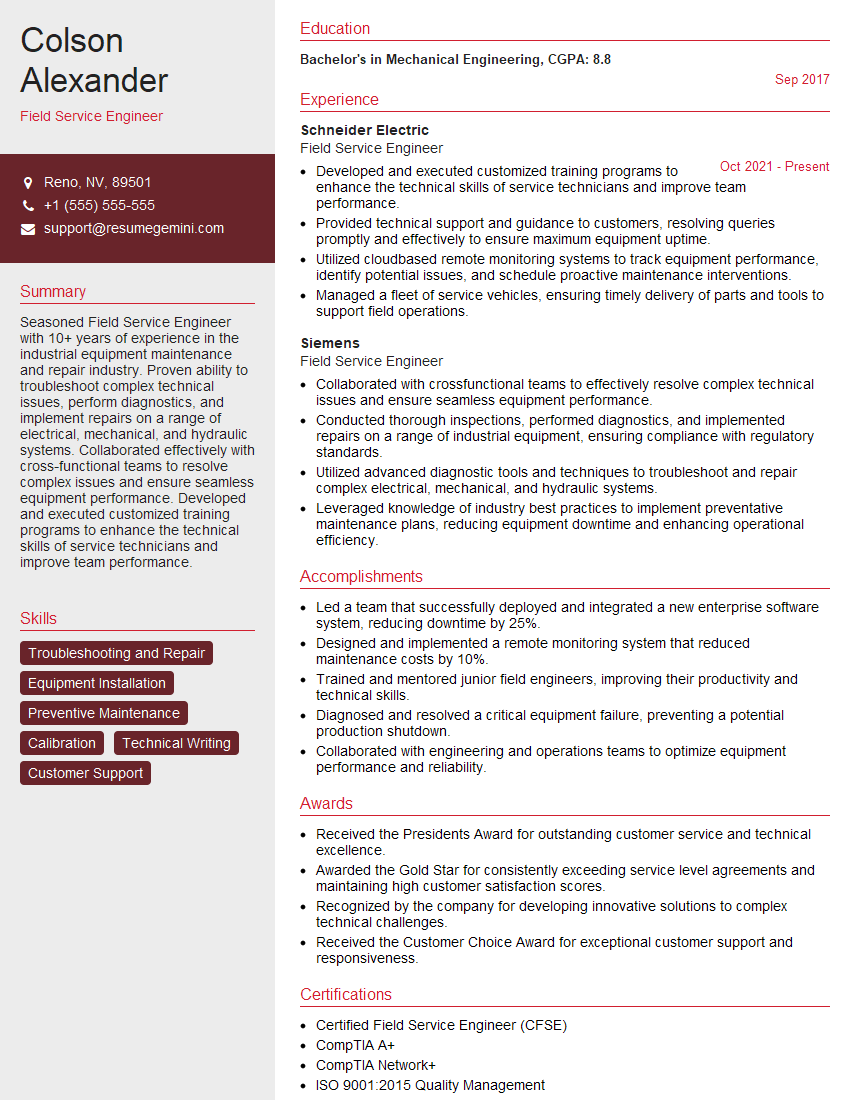
Field Service Engineer Resume Sample
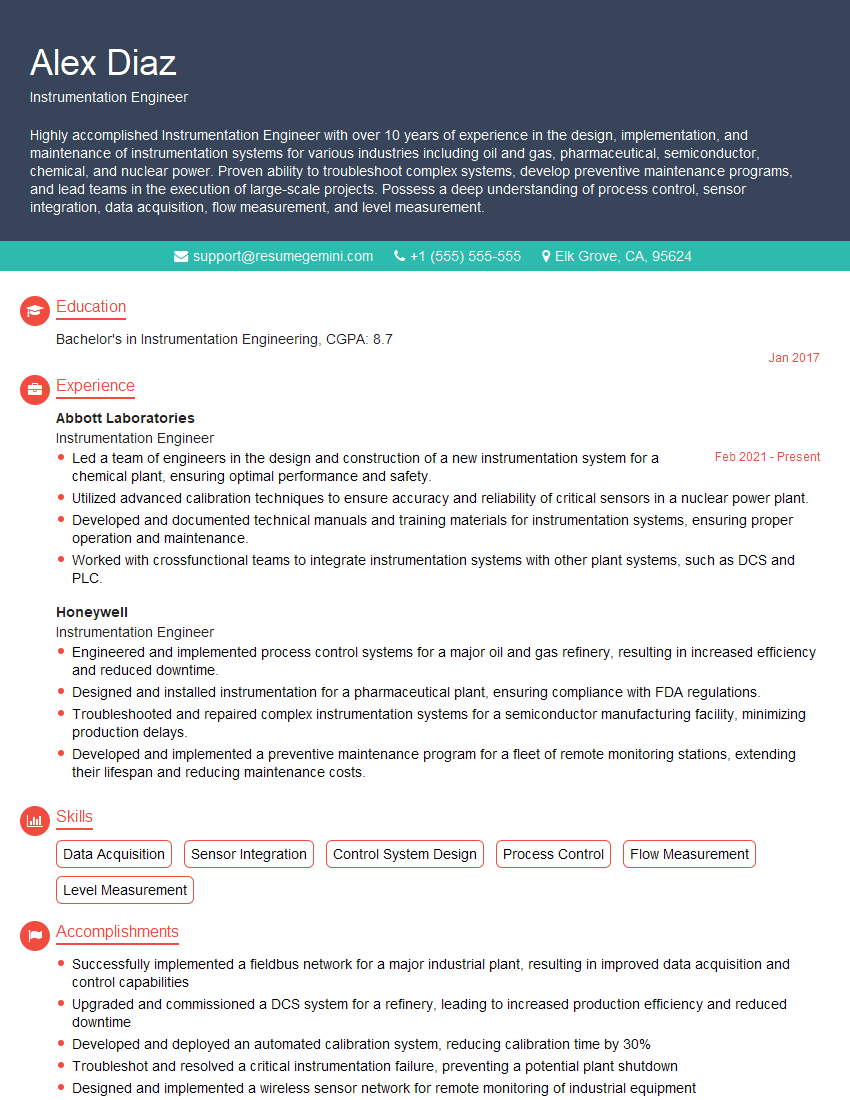
Instrumentation Engineer Resume Sample
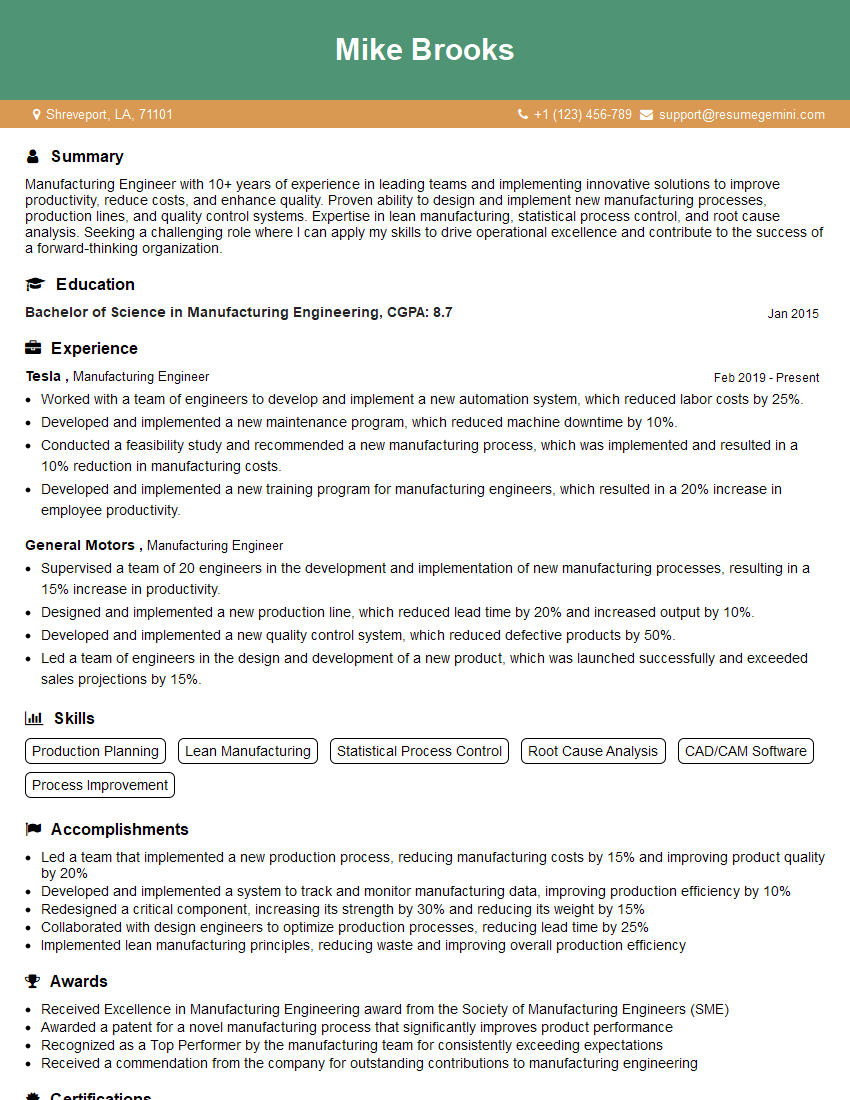
Manufacturing Engineer Resume Sample
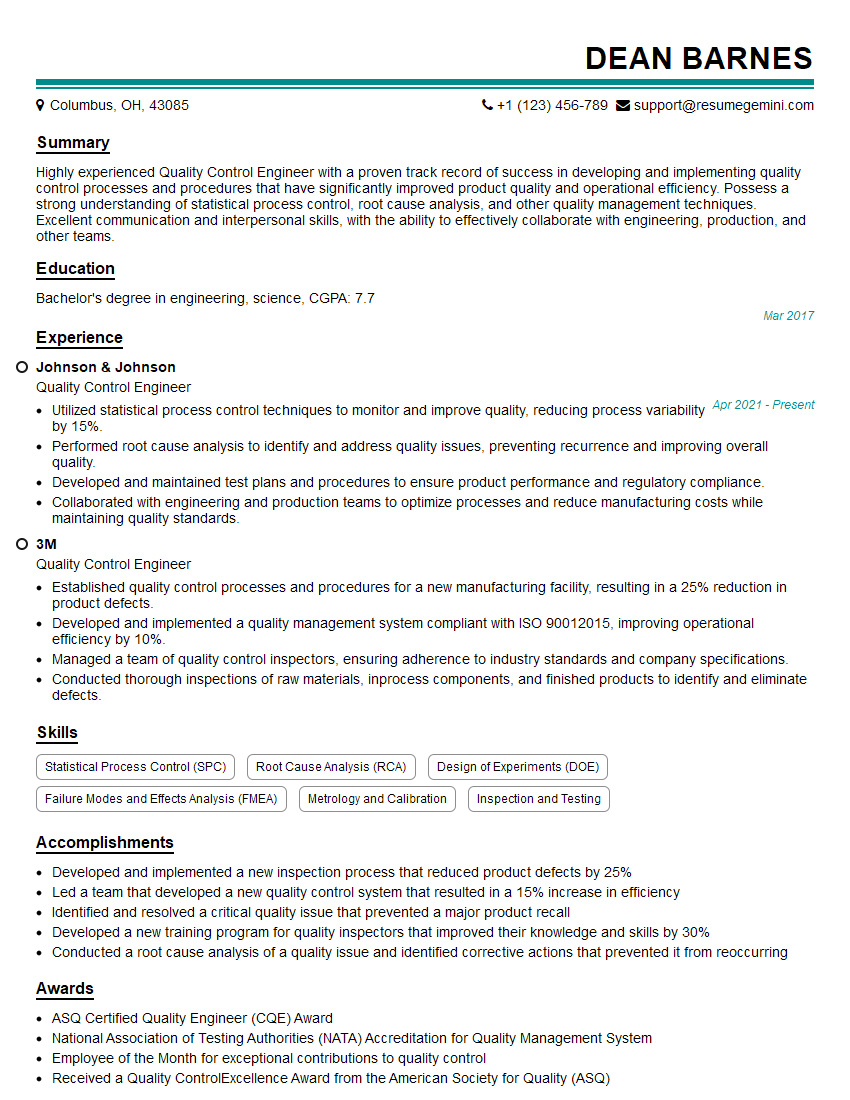
Quality Control Engineer Resume Sample
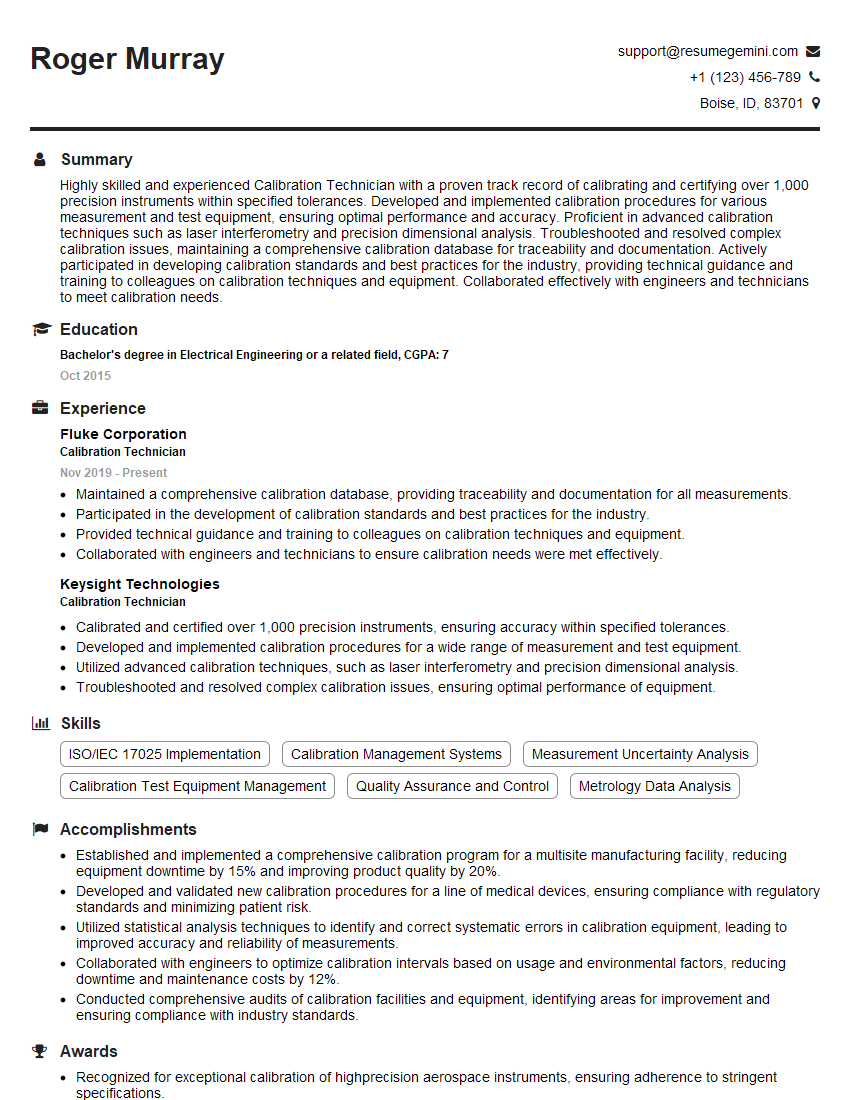
Calibration Technician Resume Sample
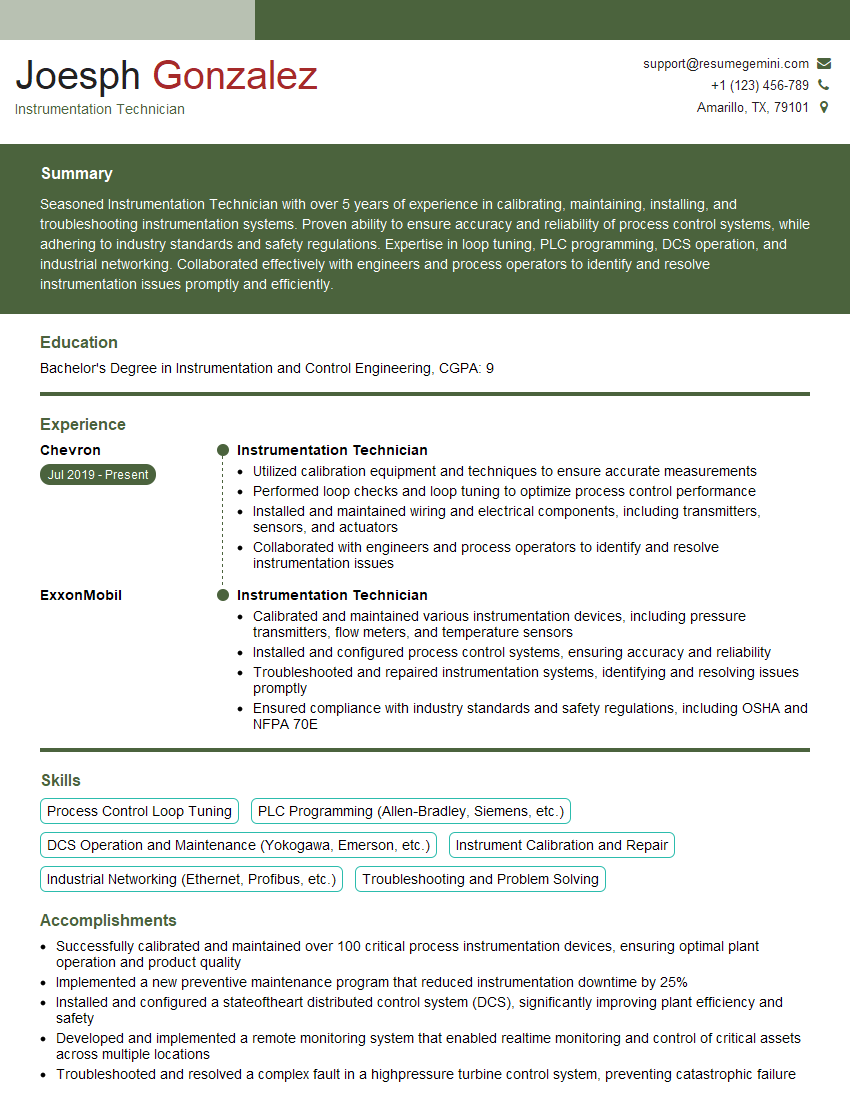
Instrumentation Technician Resume Sample
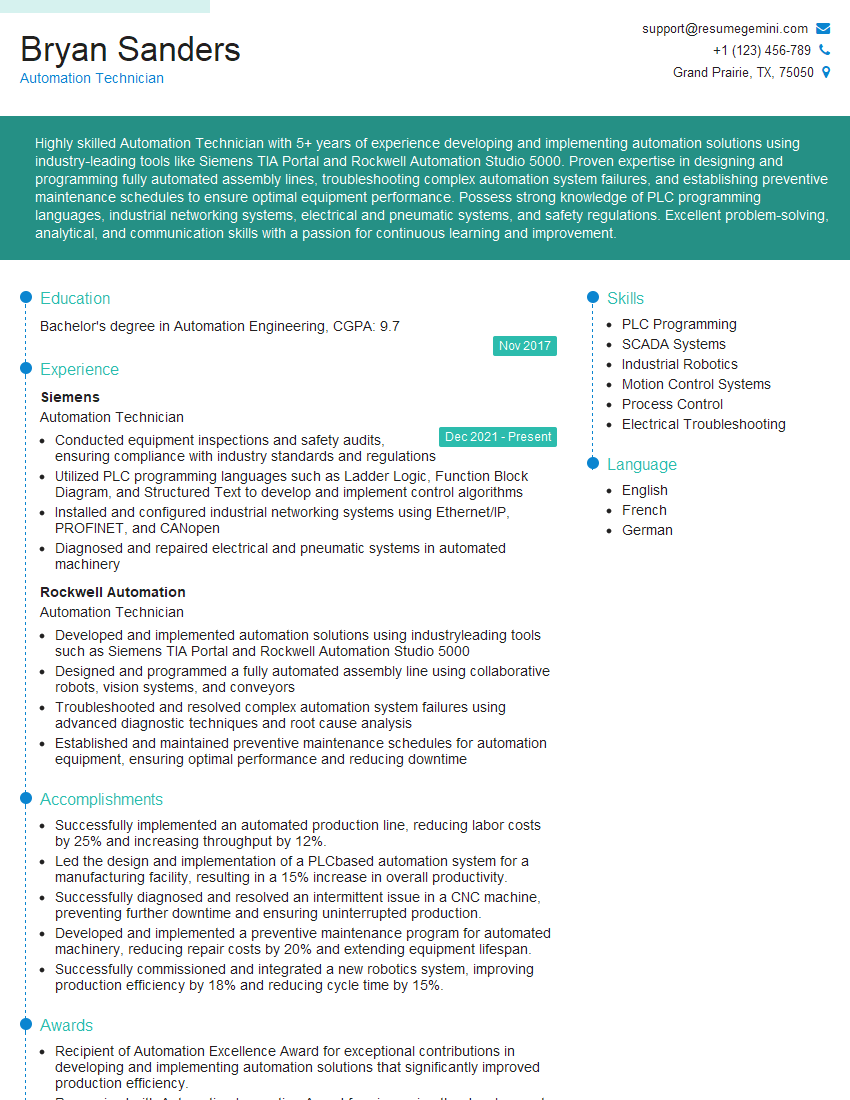
Automation Technician Resume Sample
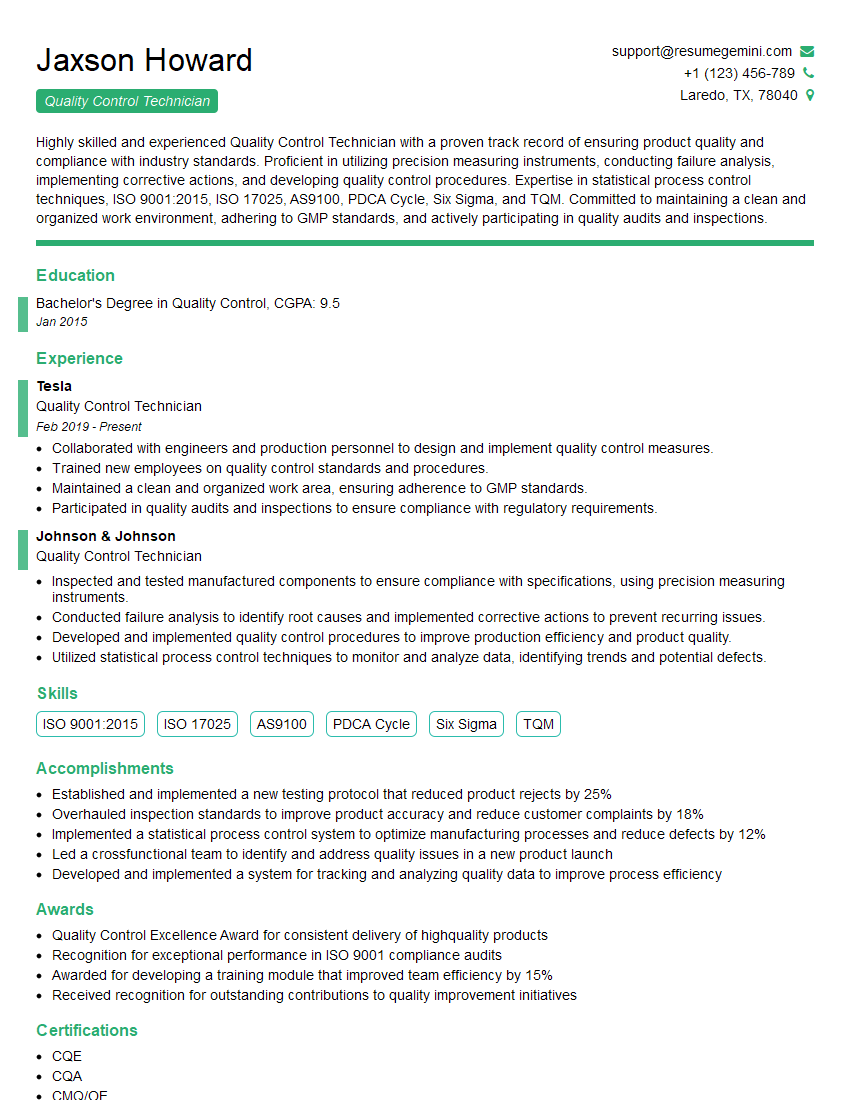
Quality Control Technician Resume Sample
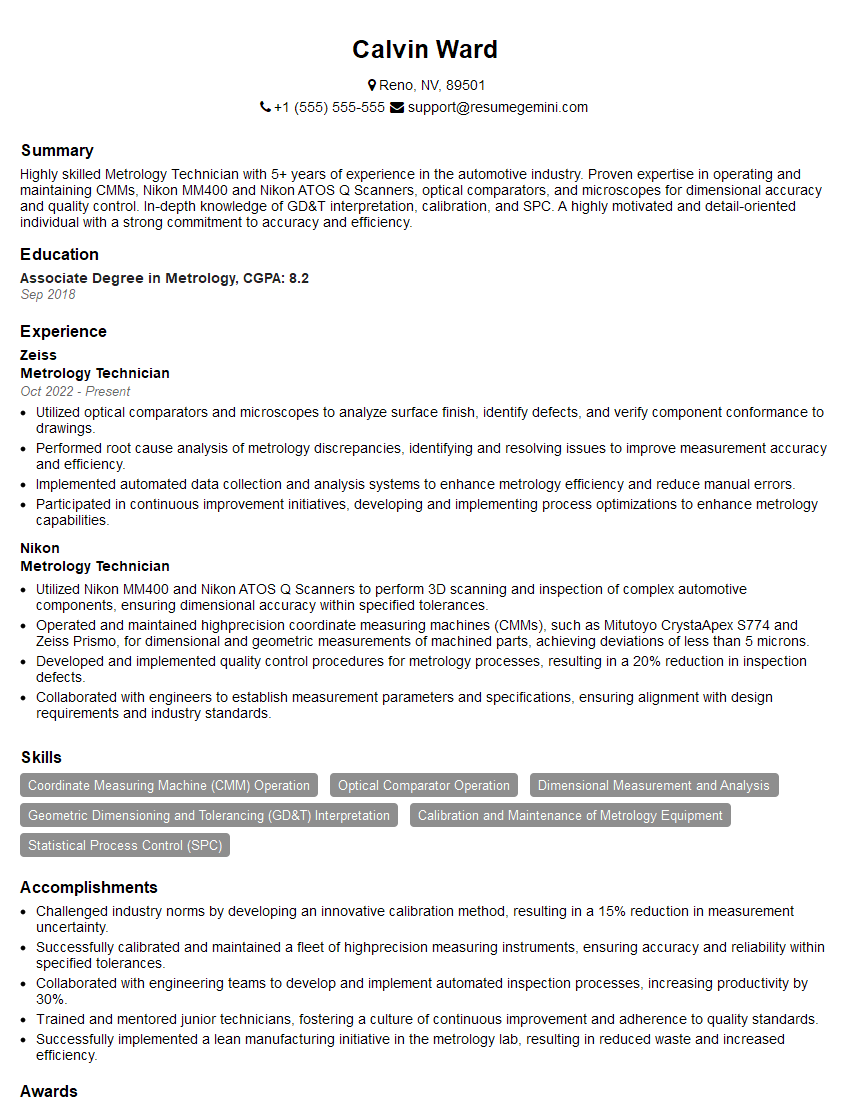
Metrology Technician Resume Sample
Explore more articles
Users Rating of Our Blogs
Share Your Experience
We value your feedback! Please rate our content and share your thoughts (optional).
What Readers Say About Our Blog
Really detailed insights and content, thank you for writing this detailed article.
IT gave me an insight and words to use and be able to think of examples