Cracking a skill-specific interview, like one for Engineering Judgment, requires understanding the nuances of the role. In this blog, we present the questions you’re most likely to encounter, along with insights into how to answer them effectively. Let’s ensure you’re ready to make a strong impression.
Questions Asked in Engineering Judgment Interview
Q 1. Describe a situation where you had to make a critical engineering decision with incomplete information.
In my previous role, we were designing a critical component for a new satellite launch system. We faced a significant challenge: a key supplier was experiencing delays in delivering a crucial sub-assembly. The available data on potential substitute components was incomplete – we had limited performance data and no long-term reliability information. This meant we needed to make a critical decision: proceed with the potentially unreliable substitute, risking a launch delay or even failure; or delay the entire project, facing significant cost overruns and schedule impacts. We addressed this by forming a small team to thoroughly analyze the available data, conduct accelerated life testing on the substitute, and create a robust failure mode and effects analysis (FMEA). While the data wasn’t complete, our analysis allowed us to quantify the risk associated with using the substitute and develop contingency plans to mitigate its potential failure. Ultimately, a combination of risk assessment, meticulous testing, and conservative engineering judgment led to a decision to proceed with the substitute, accompanied by a revised launch plan incorporating built-in redundancy.
Q 2. Explain how you balance risk and reward when making engineering judgment calls.
Balancing risk and reward in engineering judgment is a crucial skill. It’s not about eliminating risk entirely – that’s often impossible – but about making informed decisions that accept acceptable levels of risk while maximizing potential benefits. Think of it like sailing: you can’t avoid all wind and waves, but you can use your knowledge and experience to navigate safely while still reaching your destination. I use a structured approach, employing techniques like quantitative risk assessment and decision matrices. I identify potential hazards, estimate their likelihood and potential consequences, and assign risk scores. Then, I evaluate potential mitigation strategies, weighing the cost and effectiveness of each against the potential rewards. A high-risk, high-reward decision demands more rigorous analysis and risk mitigation. For instance, using cutting-edge but less-proven technology may offer significant performance advantages, but it necessitates extensive testing, redundancy, and thorough failure analysis to manage the associated risks.
Q 3. How do you identify and mitigate potential risks in your engineering designs?
Risk identification and mitigation are integrated throughout the design process. I utilize several methods, including Failure Mode and Effects Analysis (FMEA), Fault Tree Analysis (FTA), and Hazard and Operability studies (HAZOP). FMEA systematically identifies potential failure modes, their causes, and effects, allowing us to prioritize mitigation efforts. For example, in a bridge design, FMEA might reveal the risk of fatigue failure in a particular structural member due to repeated loading. This prompts investigation into using stronger materials, increased inspection frequency, or incorporating safety factors into the design. FTA helps trace back the cause of a potential system failure. HAZOP is a brainstorming technique that explores deviations from normal operating conditions to identify potential hazards. Furthermore, adhering to established industry standards and codes provides a baseline for safe and reliable designs, but innovation also demands a proactive assessment of unique risks associated with new technologies or methodologies. The key is to document and justify all mitigation strategies.
Q 4. Describe a time you had to justify a technical decision to non-technical stakeholders.
During a project involving the implementation of a new water purification system, I had to explain the decision to utilize a specific filtration technology to non-technical stakeholders (investors and community representatives). They were concerned about the higher initial cost compared to a more conventional, less efficient method. To address their concerns, I prepared a presentation that used simple language and visual aids, avoiding jargon. I explained that while the initial investment was higher, the superior efficiency of the chosen technology would result in lower long-term operating costs, reduced maintenance needs, and improved water quality. I quantified these benefits using charts and graphs depicting projected savings and improvements over the system’s lifespan. Further, I stressed the long-term environmental benefits and the improved public health outcomes associated with the higher-quality water. This approach convinced stakeholders of the technical and economic viability of the chosen solution.
Q 5. How do you approach problem-solving when facing conflicting priorities?
Conflicting priorities are common in engineering. I approach this using a structured prioritization framework. First, I clearly define all conflicting priorities and their relative importance. This often involves stakeholder engagement to understand their perspectives and goals. I might use techniques like weighted scoring matrices to quantify the importance of each priority. Next, I explore potential solutions that address as many priorities as possible. Sometimes, compromises are necessary. For example, if budget and performance are conflicting, I’ll look for cost-effective solutions that still meet the minimum performance requirements. This process requires a high degree of communication and collaboration to ensure that the chosen solution satisfies the most critical needs while minimizing the negative impact on other priorities. Transparency throughout the decision-making process is essential.
Q 6. Explain your process for evaluating the trade-offs between different engineering solutions.
Evaluating trade-offs between different engineering solutions requires a holistic approach. I start by clearly defining the criteria for evaluation, which typically include performance, cost, reliability, safety, environmental impact, and maintainability. Then, I gather data for each solution against these criteria, often using quantitative metrics wherever possible. Next, I use tools like decision matrices to systematically compare the solutions. This could involve assigning weights to the different criteria based on their relative importance. Finally, I conduct a sensitivity analysis to determine how the optimal solution changes when the input parameters (e.g., costs, performance metrics) vary. This helps understand the robustness of the chosen solution and identify potential risks associated with uncertainties. The process needs thorough documentation to justify the final decision.
Q 7. How do you stay updated on the latest industry standards and best practices?
Staying updated on industry standards and best practices is vital. I actively participate in professional organizations, such as ASME (American Society of Mechanical Engineers) or IEEE (Institute of Electrical and Electronics Engineers), attending conferences and workshops, and reading technical journals and publications. I also follow industry news and online resources to learn about emerging technologies and regulatory changes. Furthermore, I regularly review relevant codes and standards, such as those published by ANSI or ISO, to ensure that my designs meet current requirements and best practices. Continuous learning is a key aspect of my professional development, and it ensures that I can apply the most up-to-date knowledge and techniques in my work.
Q 8. Describe a situation where you had to make a difficult decision that affected the project timeline or budget.
During a large-scale infrastructure project, we faced a critical decision regarding the implementation of a new software module. The original schedule allocated three months for development and testing, but early testing revealed unforeseen compatibility issues with existing systems. Ignoring this would risk significant project delays and cost overruns later. I had to decide between pushing forward with the original timeline, risking failure, or delaying the project to rectify the compatibility issues. The latter option, while increasing the timeline by approximately one month, was demonstrably safer. I presented the data demonstrating the potential risks of the original schedule to the project manager and stakeholders, arguing that the short-term delay would prevent a far more costly and extensive remediation effort later. This decision was difficult because of pressure to meet the original deadline, but ultimately resulted in a smoother and more successful project launch, preventing substantial budget overruns associated with fixing the compatibility issues later in the project lifecycle.
Q 9. How do you handle disagreements with other engineers regarding technical decisions?
Disagreements are inevitable in engineering, particularly when dealing with complex technical challenges. My approach focuses on collaborative problem-solving. First, I ensure everyone clearly understands the problem, including the relevant constraints and goals. Then, I encourage open communication where each engineer presents their proposed solution, the reasoning behind it, and any potential risks or limitations. This often involves visual aids like diagrams or prototypes to foster a shared understanding. If a consensus isn’t readily reached, we analyze the proposed solutions using a structured decision-making framework, such as a cost-benefit analysis or a risk assessment matrix. This often highlights trade-offs and allows us to make a data-driven decision. The key is respect, active listening, and a shared commitment to the project’s success. If differences persist, I advocate for involving a senior engineer or project manager to help mediate and ensure a fair and informed decision. The goal is never to ‘win’ an argument, but to find the best technical solution for the project.
Q 10. How do you ensure the quality and reliability of your engineering work?
Ensuring quality and reliability is paramount in engineering. My approach employs a multi-layered strategy. Firstly, I adhere strictly to established design standards and best practices, ensuring each stage of the design process follows rigorous guidelines. This includes thorough documentation, code reviews, and unit testing. I use version control systems like Git, which allows for tracking changes and easy collaboration. Secondly, I utilize various testing methodologies, including static analysis, dynamic testing, and integration testing, to identify and address potential defects early in the development process. This reduces the likelihood of problems surfacing later in the project, saving time and money. I also consistently utilize simulations and modeling to predict the performance and reliability of the design under various operating conditions. Finally, I implement robust quality control measures throughout the process, with regular inspections and checks to ensure compliance with specifications and standards. By combining rigorous design processes with comprehensive testing and verification, I consistently strive to deliver high-quality and reliable engineering solutions.
Q 11. Describe your experience with failure analysis and root cause determination.
Failure analysis is a crucial skill. In one instance, a critical component in a robotics system failed unexpectedly during testing. My approach to root cause determination involved a systematic investigation. We began with data collection – analyzing sensor readings, log files, and any available video recordings from the failure event. This was followed by visual inspection of the failed component, identifying physical damage or anomalies. Next, we used several analytical tools to test material properties and structural integrity. Following this, we conducted simulations replicating the failure conditions to better understand the contributing factors. Through this iterative process of data analysis, physical examination, and simulation, we concluded that a combination of fatigue stress due to repetitive movements and a manufacturing defect led to the failure. This systematic approach allowed us not only to identify the root cause but also to implement corrective actions to prevent future failures, including tighter manufacturing tolerances and modifications to the component design to mitigate fatigue.
Q 12. How do you incorporate feedback from testing and validation into your engineering designs?
Feedback from testing and validation is invaluable. I incorporate this feedback iteratively throughout the design process. This involves reviewing the test results thoroughly to identify any discrepancies between the expected and actual performance. I then categorize these discrepancies based on their severity and impact. Major issues are addressed immediately, possibly requiring a redesign or significant modification. Minor issues might be handled through fine-tuning or parameter adjustments. To ensure effective incorporation, I use a structured approach, documenting each test result, its corresponding impact analysis, and the corrective action taken. This meticulous documentation helps to track progress, manage changes efficiently, and prevent similar issues from reoccurring. The iterative nature of this approach ensures that the final design is robust and performs as expected, ultimately enhancing reliability and reducing the likelihood of post-launch problems.
Q 13. How do you use data and analytics to inform your engineering judgment?
Data and analytics are essential tools in informing engineering judgment. I frequently use data collected from simulations, experiments, and field testing to validate assumptions and refine designs. For example, during a project involving the optimization of a heat exchanger, we gathered extensive data on temperature profiles, flow rates, and pressure drops. By employing statistical analysis techniques and machine learning models, we identified optimal parameters that improved energy efficiency by 15%. We also used sensor data from deployed systems in the field to continuously monitor performance and predict potential issues. This predictive maintenance capability drastically reduced downtime and repair costs. In essence, data allows me to move beyond intuition and make data-driven decisions, leading to more efficient, reliable, and cost-effective designs.
Q 14. How do you prioritize tasks and manage your workload effectively?
Effective task prioritization and workload management are crucial. I utilize a combination of techniques. Firstly, I use project management tools like Jira or Asana to clearly define tasks, assign responsibilities, and track progress. Secondly, I prioritize tasks based on their urgency and impact, using a matrix that categorizes them as urgent/important, important/not urgent, etc. This helps me focus on the most critical tasks first. Thirdly, I break down large tasks into smaller, more manageable sub-tasks. This improves focus, allows for more frequent progress checks, and fosters a sense of accomplishment as each sub-task is completed. Finally, I proactively communicate my workload and any potential bottlenecks to my team and supervisor. This ensures that any roadblocks are addressed promptly and prevents delays. Open communication and effective task management are vital for maintaining productivity and delivering projects on time and within budget.
Q 15. Explain your approach to troubleshooting complex technical problems.
My approach to troubleshooting complex technical problems is systematic and iterative, drawing heavily on engineering judgment. I begin by clearly defining the problem, gathering all relevant data, and analyzing the symptoms. This often involves breaking down the problem into smaller, more manageable components. I then develop and test hypotheses, prioritizing those most likely to address the root cause. This is where strong analytical skills and experience play a crucial role. I leverage diagnostic tools and techniques relevant to the specific system, and I meticulously document each step of the process, including both successful and unsuccessful attempts. This documentation is invaluable for future troubleshooting and understanding the problem’s evolution. Finally, I verify the solution and implement preventative measures to avoid similar issues in the future. Think of it like diagnosing a medical condition – you wouldn’t jump straight to surgery without a proper diagnosis and understanding of the symptoms.
For example, during a recent project involving a malfunctioning robotic arm, I first identified the specific error codes and error messages. Then, I examined the robot’s log files for any unusual activity preceding the failure. This led me to suspect a faulty sensor. By replacing the sensor and thoroughly testing the system, I was able to resolve the issue. Crucially, I documented the entire process, including the initial symptoms, troubleshooting steps, and the final solution, ensuring future technicians could easily understand the issue and resolve it efficiently.
Career Expert Tips:
- Ace those interviews! Prepare effectively by reviewing the Top 50 Most Common Interview Questions on ResumeGemini.
- Navigate your job search with confidence! Explore a wide range of Career Tips on ResumeGemini. Learn about common challenges and recommendations to overcome them.
- Craft the perfect resume! Master the Art of Resume Writing with ResumeGemini’s guide. Showcase your unique qualifications and achievements effectively.
- Don’t miss out on holiday savings! Build your dream resume with ResumeGemini’s ATS optimized templates.
Q 16. Describe a time you had to make a quick decision under pressure.
During a critical system update, we experienced unexpected database performance degradation. The update window was closing rapidly, and if we didn’t address the issue promptly, the service would be unavailable to thousands of users. Under intense pressure, I made the quick decision to temporarily revert to the previous database version to maintain service. This was not ideal, as it meant postponing some desirable features, but it was essential to avoid a complete system outage. While this was a reactive solution, it bought us the time needed for a thorough investigation. We subsequently identified and fixed the root cause, a poorly optimized query in the update. I communicated transparently with the team about the decision, outlining the reasoning and the short-term consequences, and together we developed a plan to roll out a more efficient, properly tested version as soon as possible. The key was prioritization under pressure: maintaining service was paramount, and a temporary setback was acceptable to prevent a major disruption.
Q 17. How do you document your engineering decisions and their rationale?
I maintain meticulous documentation of my engineering decisions, emphasizing clarity, completeness, and traceability. My documentation usually includes a problem statement, the proposed solution, the rationale behind the chosen approach (considering alternatives and their trade-offs), the results of analysis and testing, and a clear record of any assumptions made. This documentation is often integrated into the project management system, making it easily accessible to the entire team. I utilize different tools depending on the context, ranging from simple text files to more sophisticated version control systems like Git. For example, when designing a structural component, my documentation would include detailed calculations, material specifications, FEA (Finite Element Analysis) results, and a discussion of safety factors and design constraints. This ensures accountability and facilitates future modifications or troubleshooting.
Q 18. How do you balance innovation with practicality in your engineering designs?
Balancing innovation and practicality in engineering design requires a careful assessment of risks, constraints, and potential benefits. While innovative ideas are crucial for progress, they must be grounded in reality. I often employ a phased approach: starting with a proof-of-concept to validate the feasibility of an innovative solution before fully integrating it into a project. This minimizes risk and allows us to identify and mitigate potential challenges early on. Furthermore, I use established engineering principles and best practices as a baseline. Innovation can build upon these principles, enhancing efficiency or capabilities, but it shouldn’t disregard established safety standards or reliability considerations. For instance, while exploring a novel material for a component, we might conduct extensive testing to confirm that its performance and durability meet our requirements, even if it has unique properties or presents manufacturing challenges.
Q 19. Describe a time you had to adapt to changing requirements or priorities.
In a previous project, the client unexpectedly changed the project’s scope midway through development, requiring a significant alteration in our design approach. Rather than resisting the change, we embraced a flexible strategy. We prioritized the critical functionalities that were most affected by the new requirements, and we prioritized these in an agile manner. We held regular meetings with the client to ensure that the changes aligned with their evolving needs and to manage expectations. We used project management tools to track progress and adjust timelines accordingly. We were able to adapt effectively by openly communicating with the client and maintaining a clear understanding of their evolving priorities. Adaptability in engineering is not simply about technical skills, but also effective communication and project management.
Q 20. How do you collaborate effectively with cross-functional teams?
Effective collaboration with cross-functional teams hinges on clear communication, mutual respect, and a shared understanding of project goals. I strive to build strong relationships with team members from different disciplines, actively listening to their perspectives and valuing their expertise. I regularly participate in team meetings and actively contribute to discussions, ensuring that my contributions are clear, concise, and respectful. When necessary, I create detailed documentation explaining technical aspects to non-technical team members. This ensures everyone is on the same page, minimizing misunderstandings and facilitating efficient progress. I believe in empowering others, encouraging everyone to contribute their unique skills to the overall project, creating a collaborative and inclusive environment.
Q 21. How do you handle unexpected technical challenges during a project?
Unexpected technical challenges are an inevitable part of engineering projects. My response involves a calm and methodical approach. I first assess the severity of the challenge and its impact on project timelines and goals. I then assemble the necessary team members to brainstorm potential solutions. This collaborative process involves analyzing the problem, identifying potential root causes, and developing multiple solutions. We then evaluate each solution’s feasibility and potential risks, selecting the most viable option based on thorough analysis and engineering judgment. Finally, we implement the chosen solution, meticulously documenting the entire process, including the problem, the solutions considered, the rationale for the final selection, and the results. This detailed documentation serves as a valuable lesson learned, helping us avoid similar challenges in future projects. Remember, unexpected challenges are learning opportunities.
Q 22. Describe your experience using different engineering tools and software.
My experience spans a wide range of engineering tools and software, tailored to the specific needs of each project. For example, in structural engineering, I’m proficient in software like Autodesk Robot Structural Analysis Professional for finite element analysis, and AutoCAD for detailed design drawings. For project management and collaboration, I utilize tools like Microsoft Project and Jira. In the realm of process simulation, I’ve extensively used Aspen Plus and COMSOL Multiphysics. My familiarity isn’t limited to the software itself; I also understand the underlying principles and limitations of each tool, ensuring I choose the appropriate software for each task and interpret results effectively. For instance, I understand the importance of mesh refinement in FEA to ensure accuracy and the limitations of steady-state simulations in dynamic systems. I am also comfortable learning new software as needed – the engineering landscape is constantly evolving, and adaptability is key.
Beyond software, I’m adept at using various hardware and instrumentation for data acquisition and testing. This includes strain gauges, accelerometers, and data loggers, coupled with signal processing techniques for data analysis.
Q 23. How do you ensure your engineering designs meet safety and regulatory requirements?
Ensuring designs meet safety and regulatory requirements is paramount. This involves a multi-faceted approach. First, a thorough understanding of all applicable codes and standards is essential. This includes national and international standards relevant to the specific engineering discipline, such as ASME, ASTM, and local building codes. Second, I meticulously review design specifications and incorporate safety factors appropriately. This involves careful consideration of potential failure modes and worst-case scenarios. Third, I utilize simulations and modeling (discussed further in the next question) to validate design performance under various loading conditions. Finally, documentation is key; rigorous documentation throughout the design process ensures traceability and allows for easy auditing and compliance verification. For instance, when designing a bridge, we’d consider factors like live load, dead load, wind load, seismic load, and material properties. All calculations and design decisions would be meticulously documented to meet regulatory requirements.
Q 24. How do you use simulations and modeling to improve your engineering judgment?
Simulations and modeling are indispensable tools for refining engineering judgment. They allow us to explore the behavior of designs under various conditions without the cost and time commitment of physical prototyping. For example, in designing a complex piping system, I would use computational fluid dynamics (CFD) simulations to analyze pressure drops, flow velocities, and potential areas for optimization. The results provide valuable insights that would be difficult, if not impossible, to obtain through traditional methods alone. This iterative process of simulation, analysis, and design refinement is crucial. We start with a base design, run simulations, analyze results, identify shortcomings, modify the design, and repeat until the desired performance is achieved. It allows me to make informed decisions, mitigate potential risks, and optimize designs for efficiency and cost-effectiveness.
Furthermore, I use simulations to understand the sensitivities of design parameters. This allows for better decision making when uncertainties or variations in input parameters are considered. For example, understanding how changes in material properties affect the overall structural integrity of a component.
Q 25. Describe a time you had to defend a controversial technical decision.
In a previous project, we were tasked with developing a new manufacturing process for a critical component. My team proposed a novel approach that significantly reduced production costs, but it deviated from established industry practices. Some stakeholders raised concerns about the reliability and safety of the new process. To defend our decision, I prepared a comprehensive technical presentation that included detailed simulations, risk assessments, and failure mode effects analysis (FMEA). We demonstrated that the potential risks were mitigated through rigorous quality control measures, and the potential benefits significantly outweighed the risks. We also presented comparative data showing the performance of our proposed method against the established one, supporting its superiority. Following several presentations and discussions, the stakeholders accepted our proposal, and the new process yielded substantial cost savings without compromising safety or quality.
Q 26. How do you measure the success of your engineering decisions?
Measuring the success of engineering decisions is a crucial aspect of the profession. It’s not solely about meeting deadlines or staying within budget; it’s about achieving the intended outcome reliably and sustainably. I use multiple metrics, depending on the project’s goals. This includes evaluating the design’s performance against its specifications, its reliability and maintainability over time, its cost-effectiveness, its impact on the environment, and its overall safety. For instance, in a building design, success would be measured by factors like energy efficiency, structural integrity, user satisfaction, compliance with regulations, and cost-effectiveness. Often, post-implementation reviews and performance monitoring are essential in evaluating long-term success. Collecting operational data and comparing it with predicted performance allows for continuous improvement and refinement.
Q 27. How do you deal with technical debt in a project?
Technical debt, essentially shortcuts taken during development to accelerate delivery, is a constant challenge. Addressing it effectively requires a strategic approach. I advocate for proactive management rather than reactive firefighting. This involves prioritizing the most critical areas of technical debt based on their impact on performance, maintainability, and future development. We use a risk-based approach, evaluating the potential cost of not addressing the debt versus the cost of fixing it. We often incorporate technical debt reduction into project plans, allocating time and resources for refactoring and improving code quality. Documentation plays a crucial role; clearly documenting the technical debt, its impact, and the proposed solutions ensures everyone is aware and aligned.
Q 28. Describe a situation where you had to escalate a technical issue to senior management.
In one instance, we encountered an unexpected and significant deviation from predicted performance in a critical system during testing. Initial troubleshooting efforts failed to identify the root cause. Given the potential for project delays and safety implications, I escalated the issue to senior management. I presented a concise report detailing the problem, the efforts already undertaken, the potential impact, and proposed next steps. This included requesting additional resources and expertise for further investigation. The timely escalation allowed for a swift response, bringing in specialist engineers who identified and resolved the underlying issue, preventing significant project setbacks.
Key Topics to Learn for Engineering Judgment Interview
- Understanding Risk & Uncertainty: Learn to identify and assess potential risks in design and implementation, weighing them against project constraints and deadlines. This includes understanding probabilistic methods and risk mitigation strategies.
- Balancing Trade-offs: Practice evaluating competing design choices, considering factors like cost, performance, safety, and maintainability. Develop a structured approach to comparing alternatives and justifying your decisions.
- Data-Driven Decision Making: Explore how to effectively utilize data to inform engineering decisions. This includes understanding data analysis techniques and interpreting results to support your judgments.
- Problem Decomposition and Simplification: Master the art of breaking down complex engineering problems into manageable sub-problems. Learn to identify key assumptions and make appropriate simplifications to facilitate analysis and solution finding.
- Communication and Collaboration: Develop your ability to clearly and concisely communicate technical information to both technical and non-technical audiences. Understand the importance of teamwork and collaboration in engineering problem solving.
- Ethical Considerations: Explore the ethical implications of engineering decisions and the importance of responsible engineering practices. Consider the impact of your choices on safety, sustainability, and society.
- Root Cause Analysis & Problem Solving: Develop expertise in identifying the underlying causes of engineering problems using structured methodologies like the “5 Whys” or Fishbone diagrams. Practice applying these techniques to various scenarios.
Next Steps
Mastering Engineering Judgment is crucial for career advancement in any engineering field. It demonstrates a high level of technical proficiency, problem-solving skills, and professional maturity—qualities highly sought after by employers. To significantly boost your job prospects, crafting an ATS-friendly resume is essential. ResumeGemini can help you create a powerful, impactful resume tailored to highlight your skills and experience in Engineering Judgment. Examples of resumes specifically designed for Engineering Judgment roles are available to help you get started.
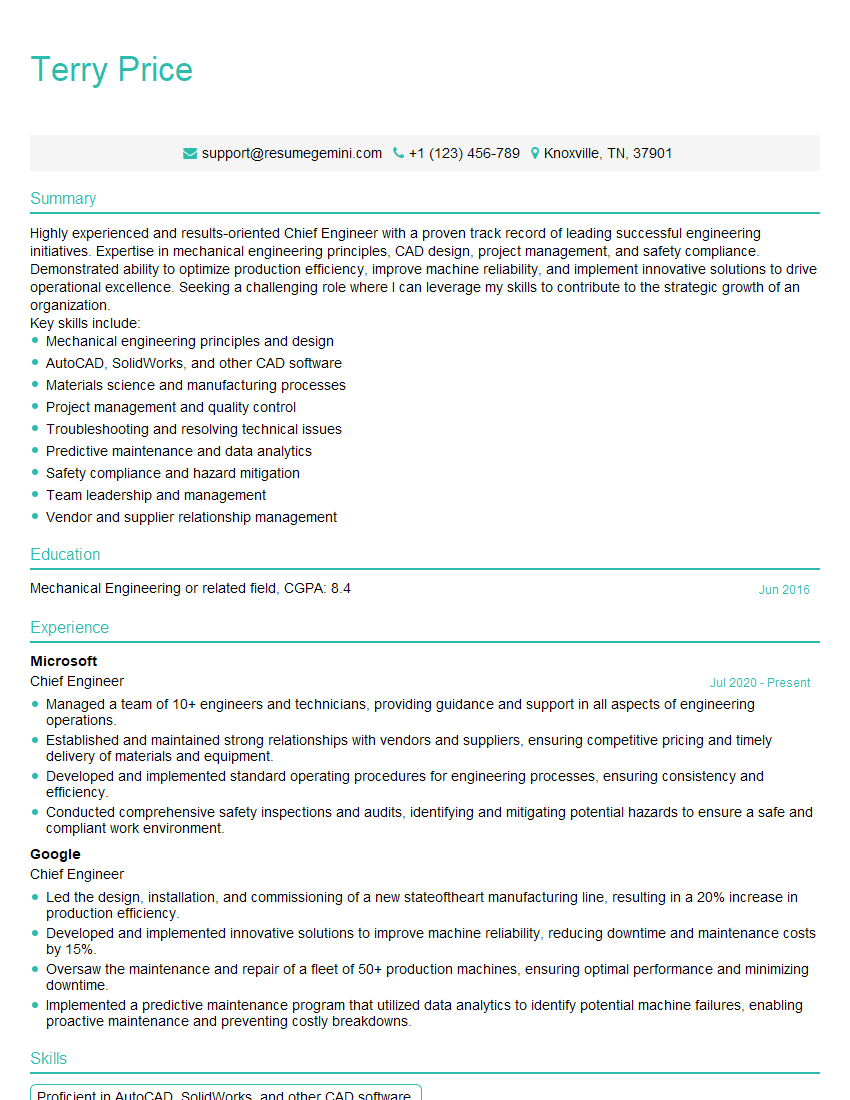
Chief Engineer Resume Sample
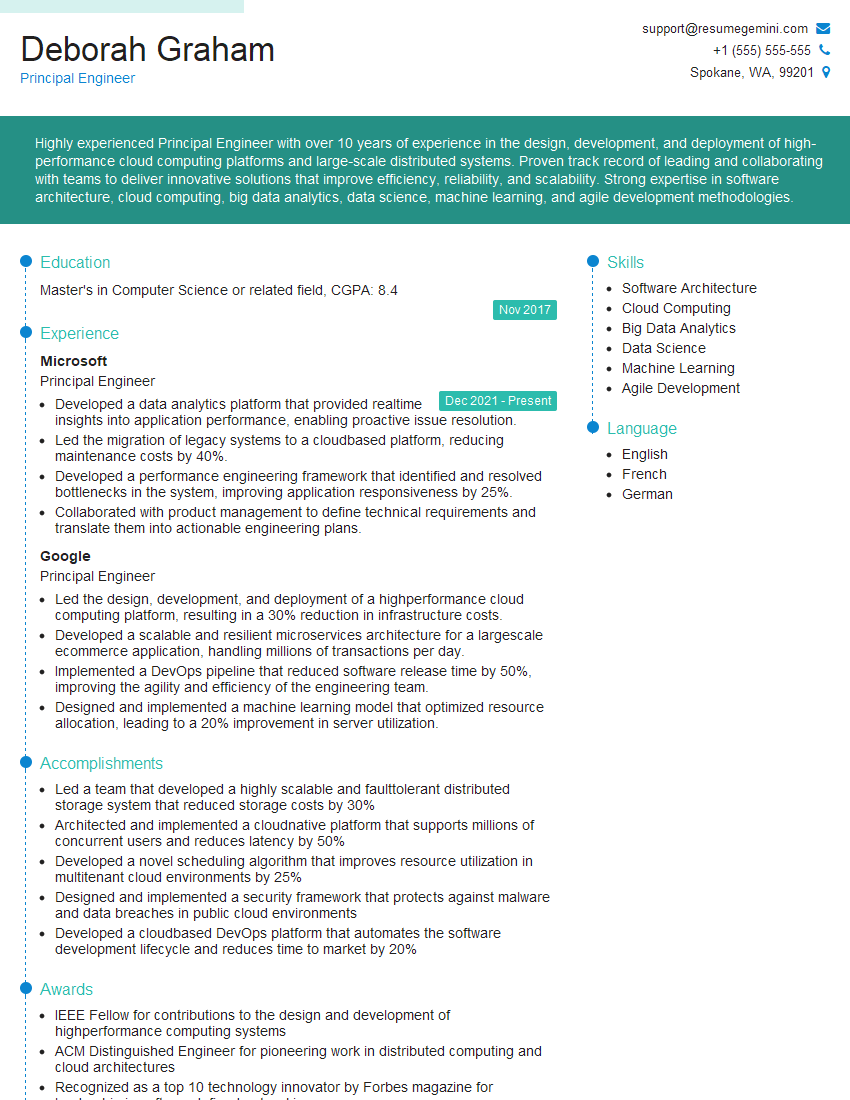
Principal Engineer Resume Sample

Project Engineer Resume Sample
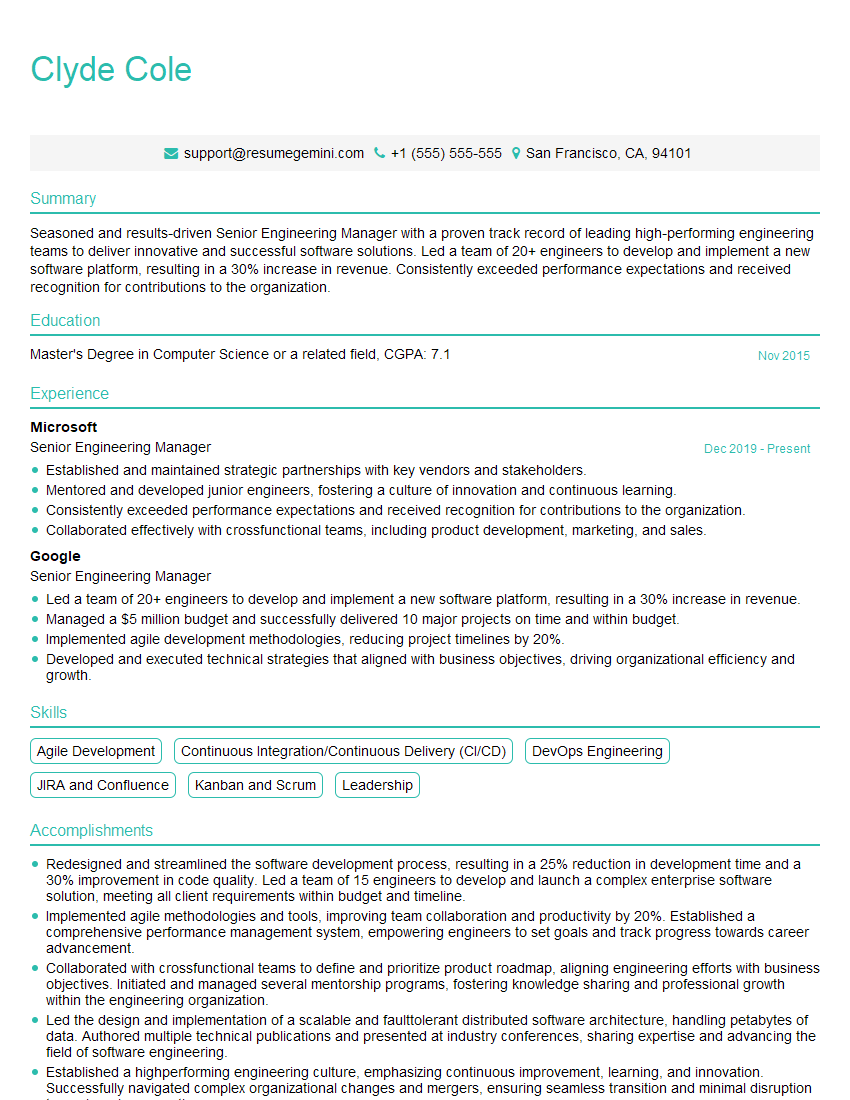
Senior Engineering Manager Resume Sample
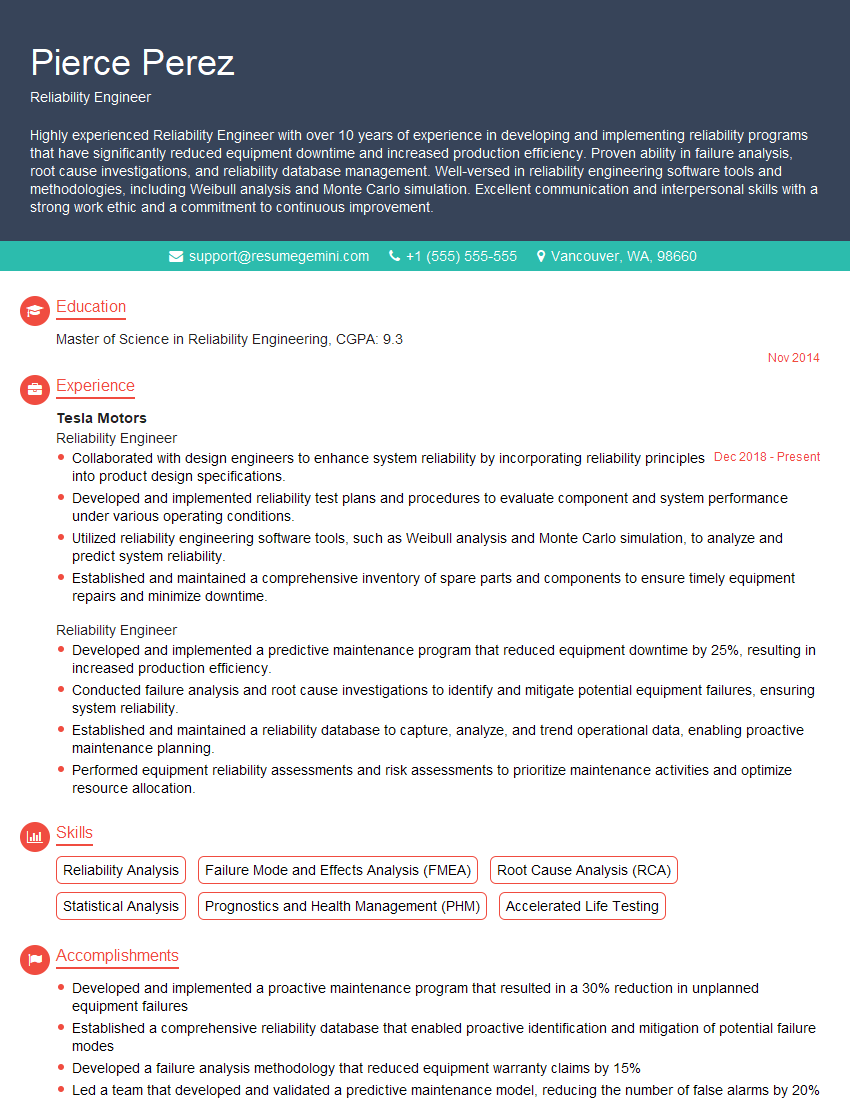
Reliability Engineer Resume Sample
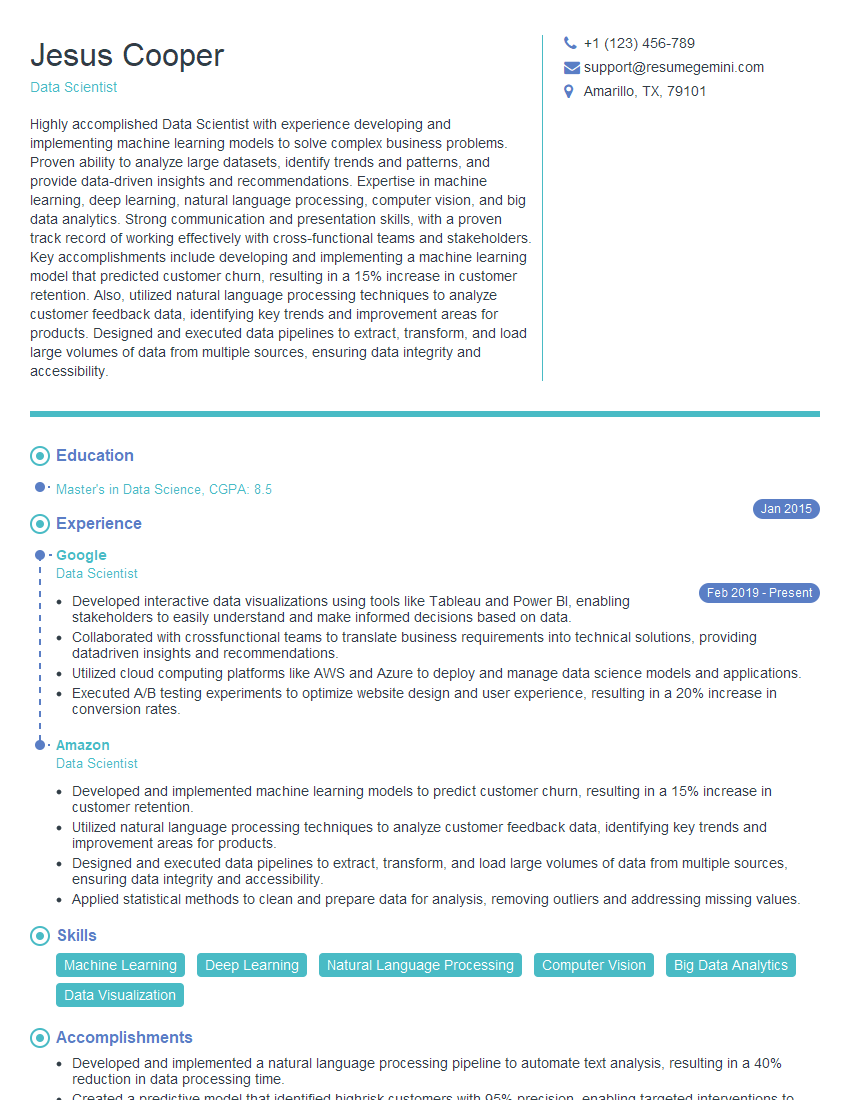
Data Scientist Resume Sample
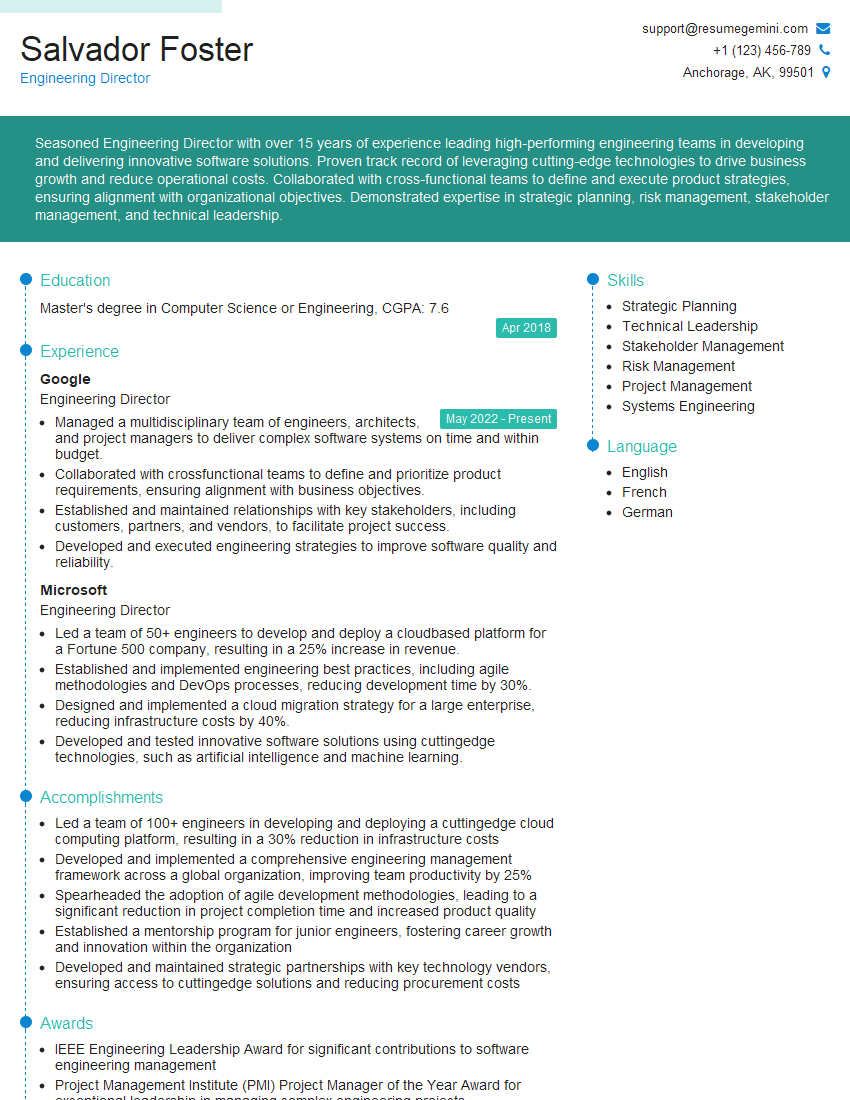
Engineering Director Resume Sample
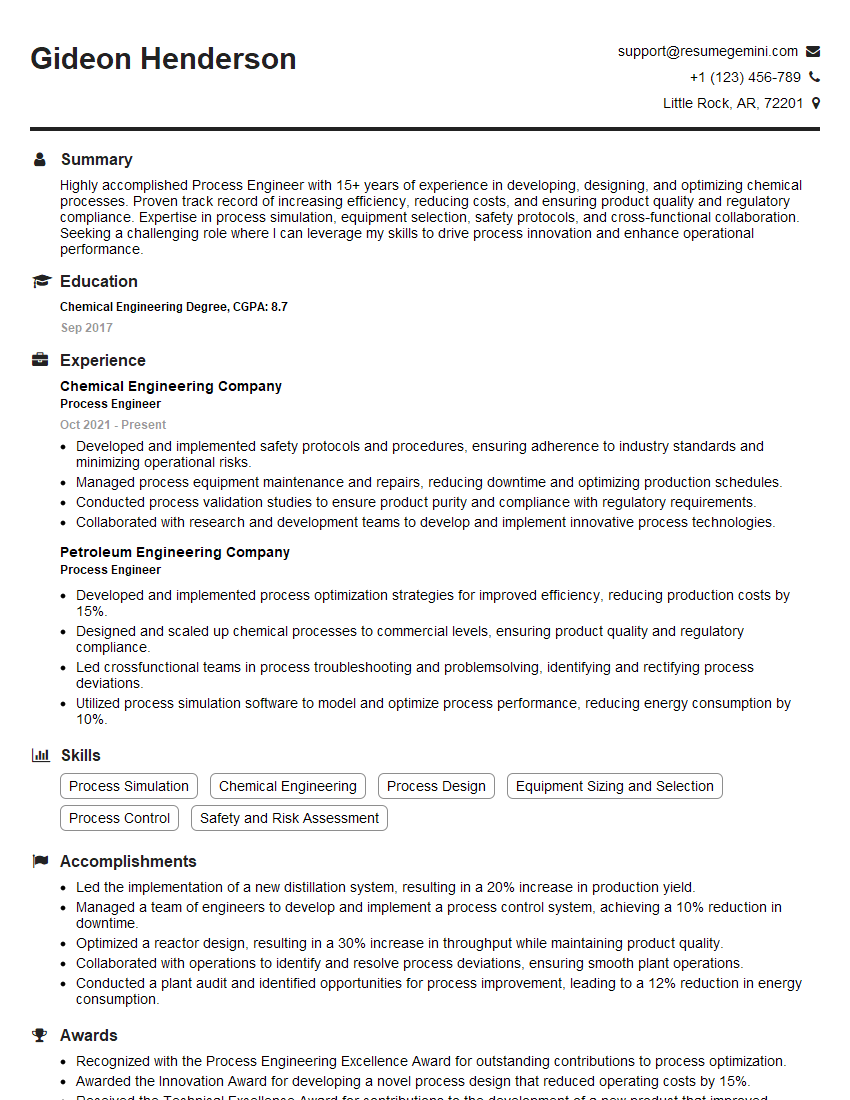
Process Engineer Resume Sample
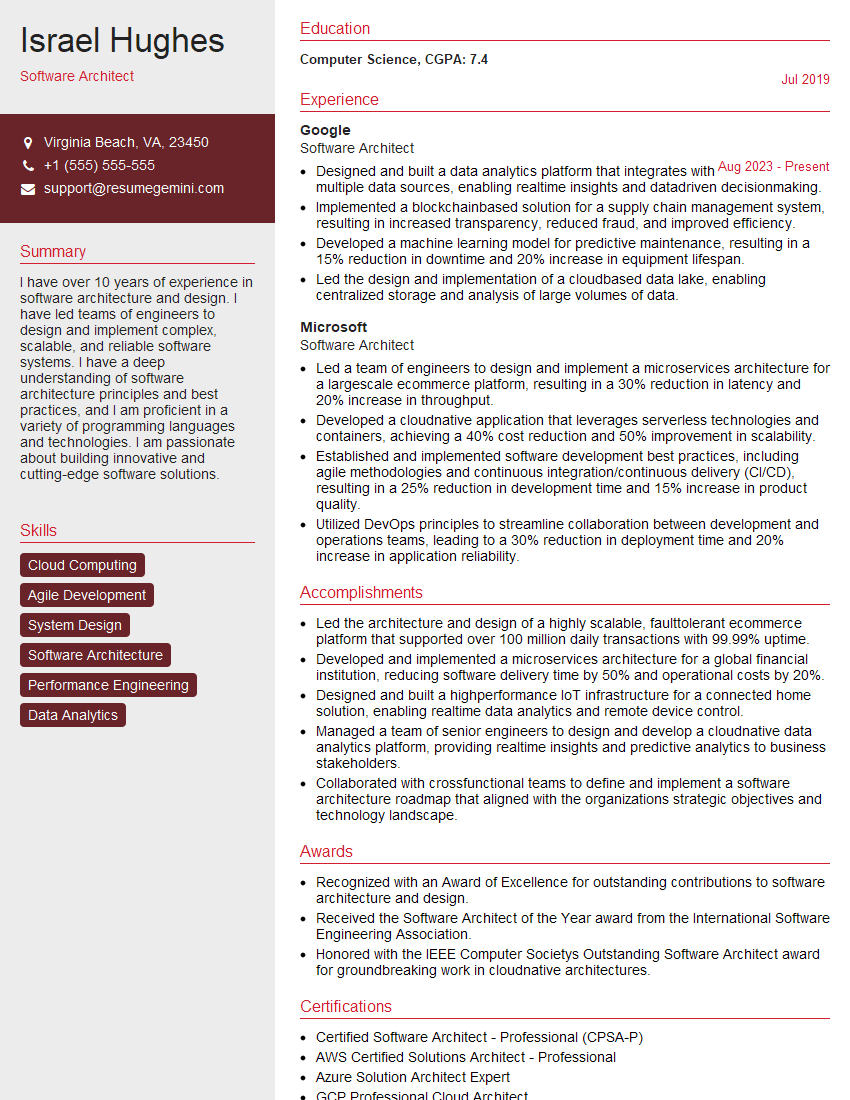
Software Architect Resume Sample
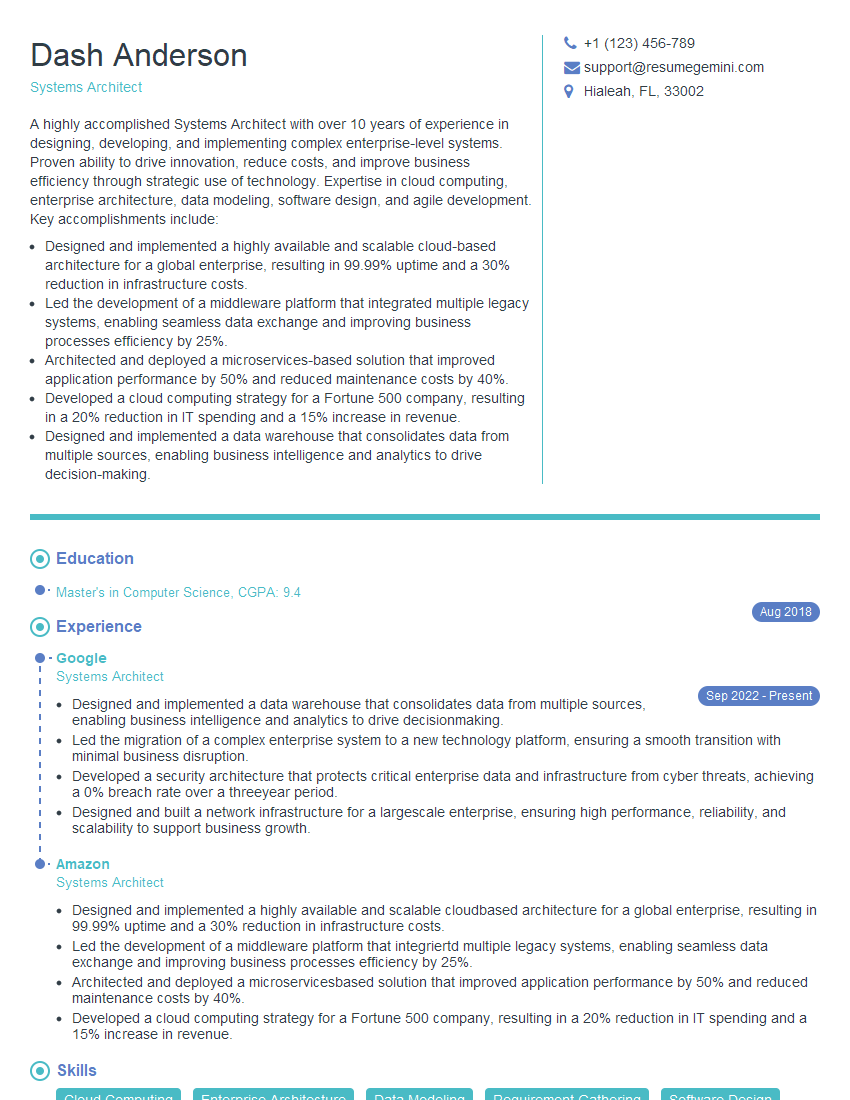
Systems Architect Resume Sample
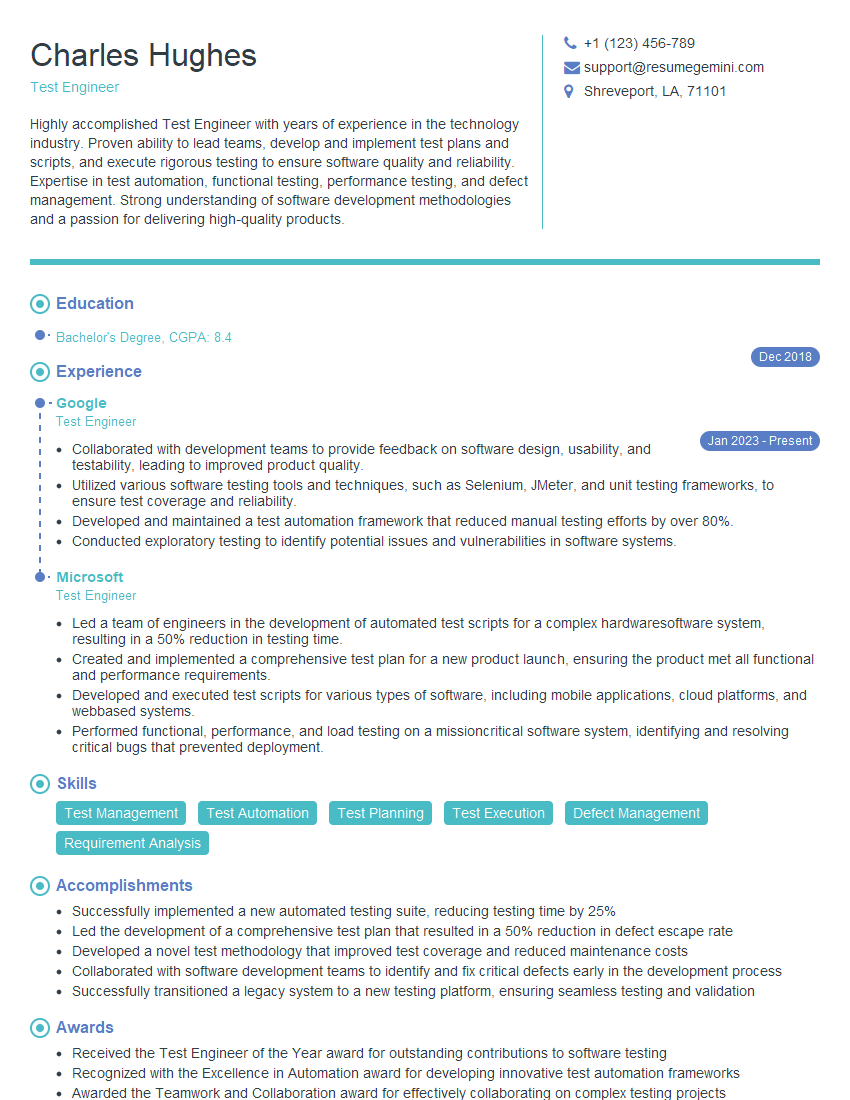
Test Engineer Resume Sample
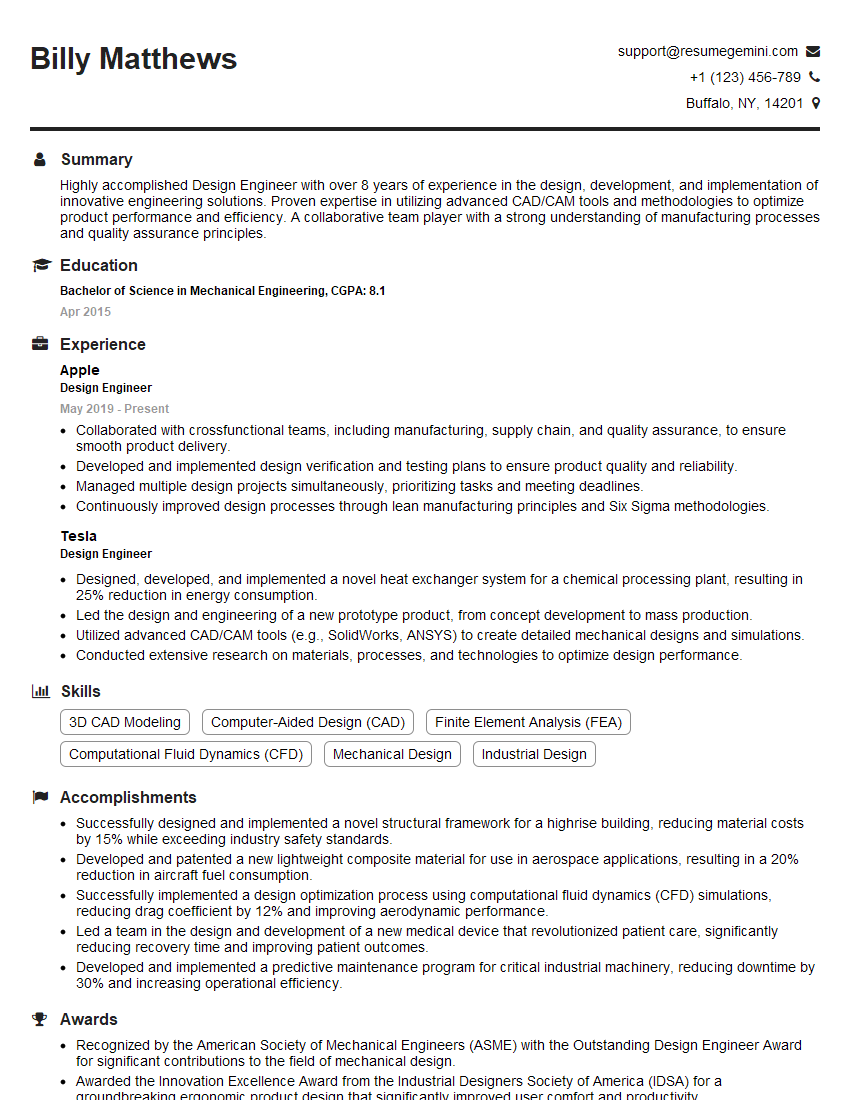
Design Engineer Resume Sample
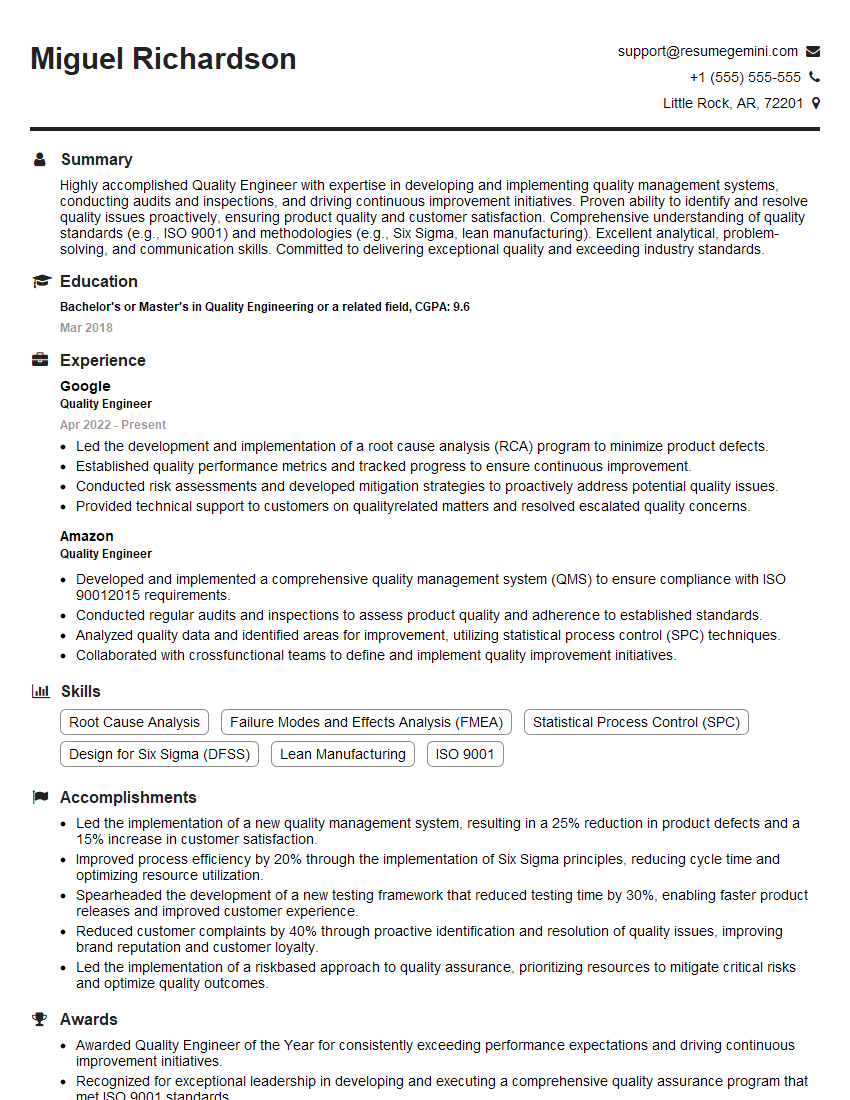
Quality Engineer Resume Sample
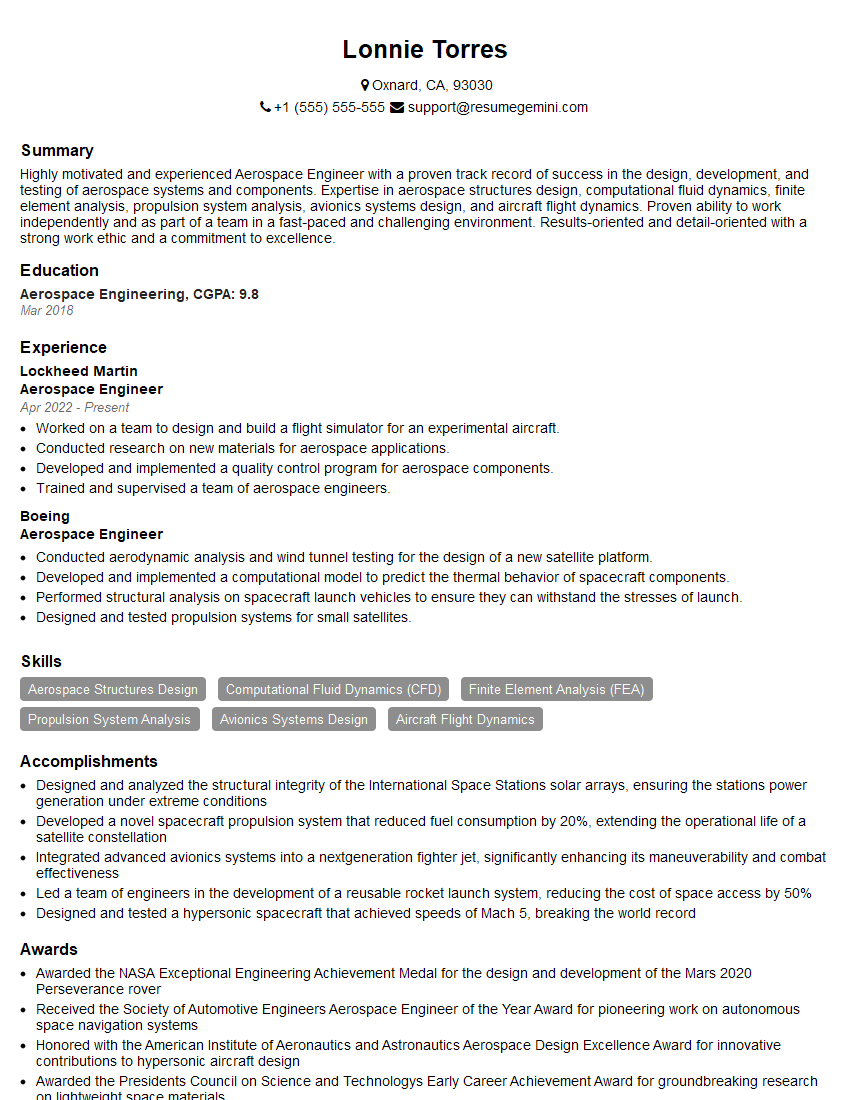
Aerospace Engineer Resume Sample
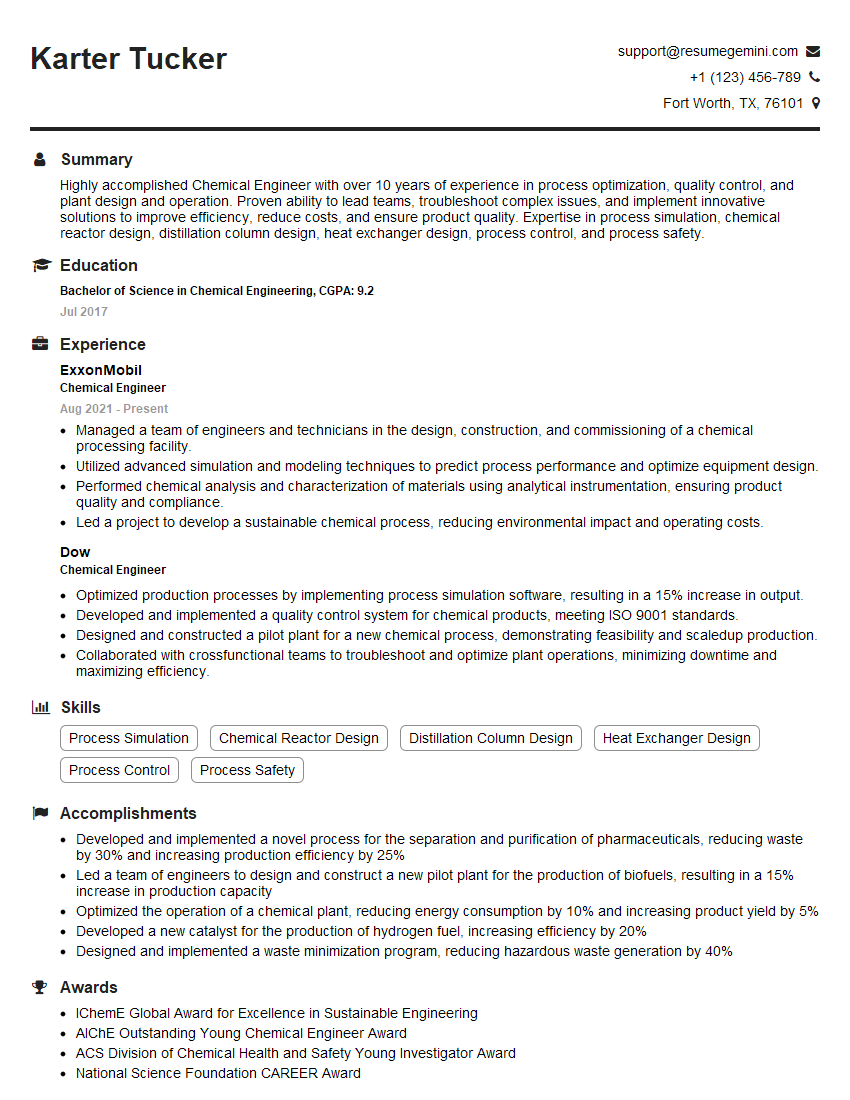
Chemical Engineer Resume Sample
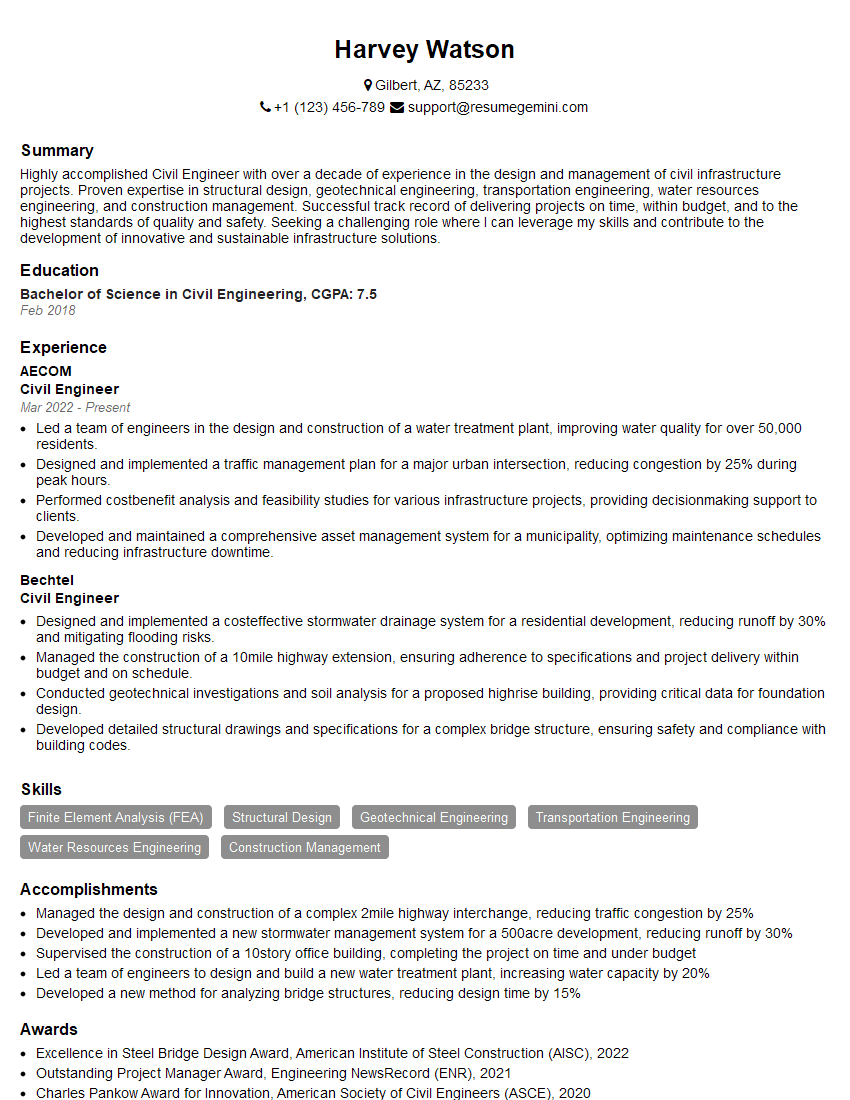
Civil Engineer Resume Sample
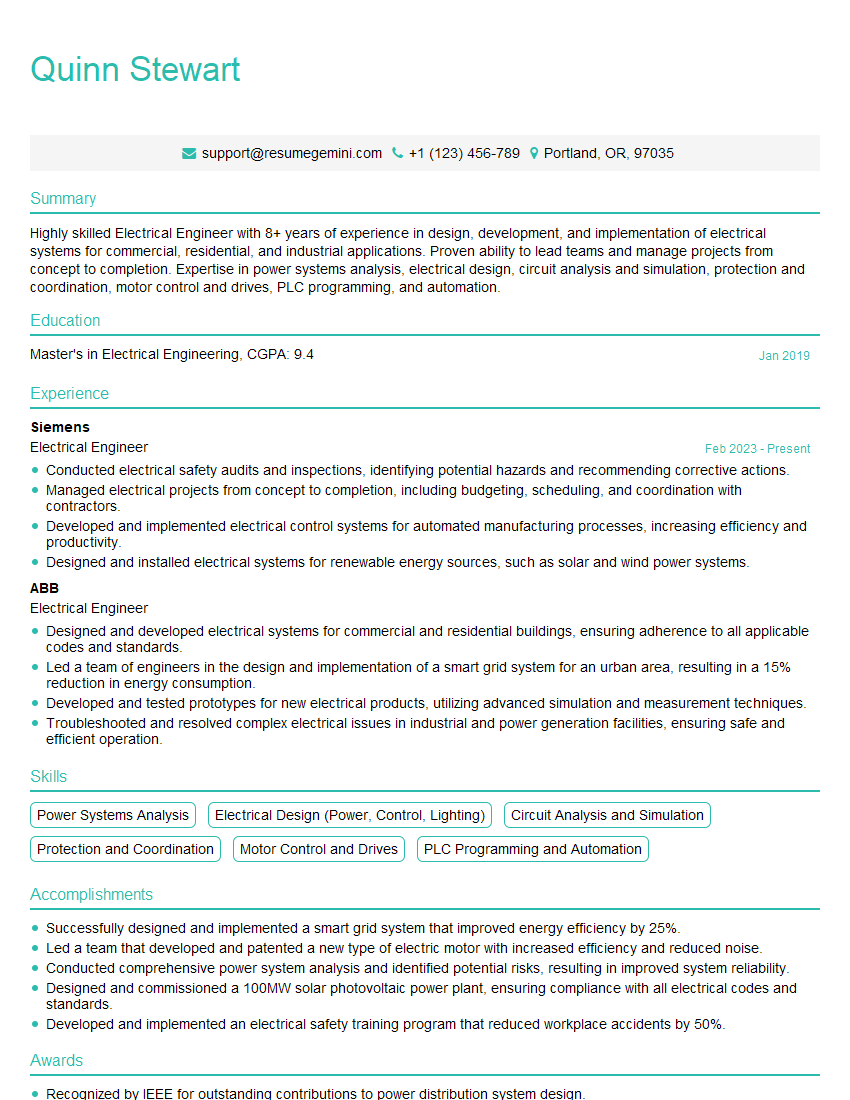
Electrical Engineer Resume Sample
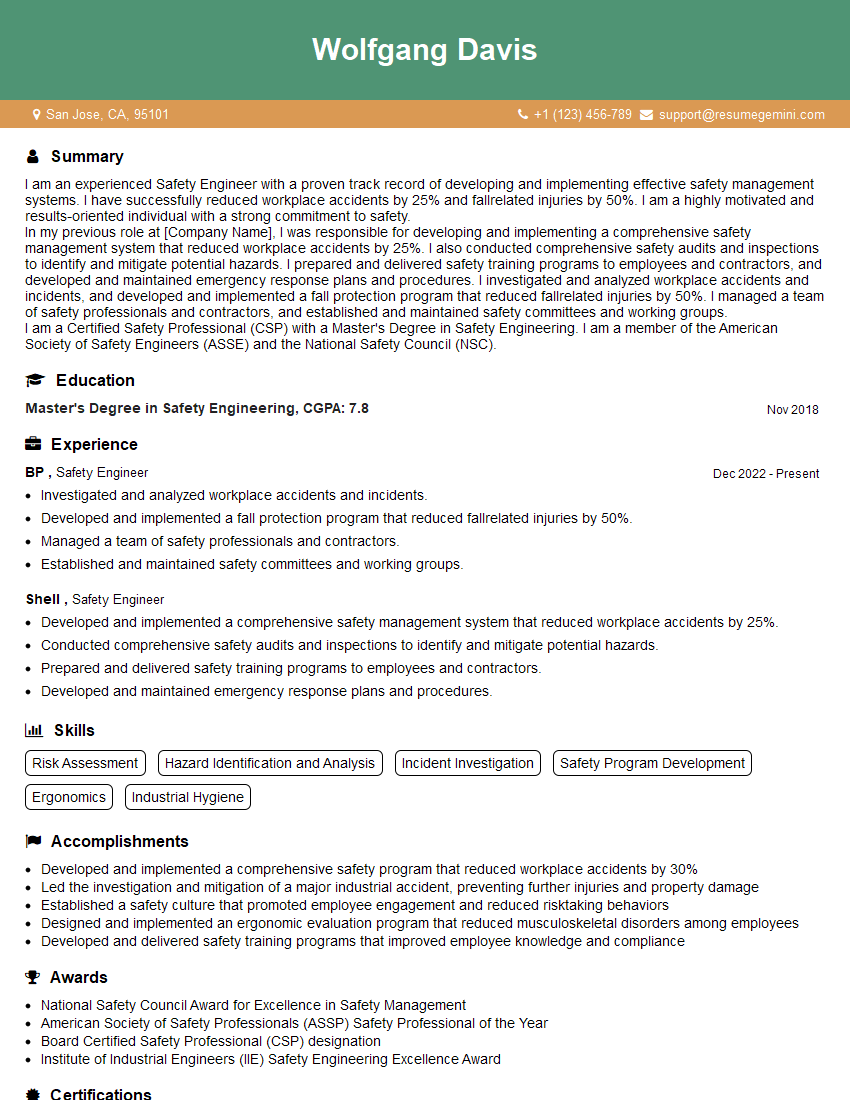
Safety Engineer Resume Sample
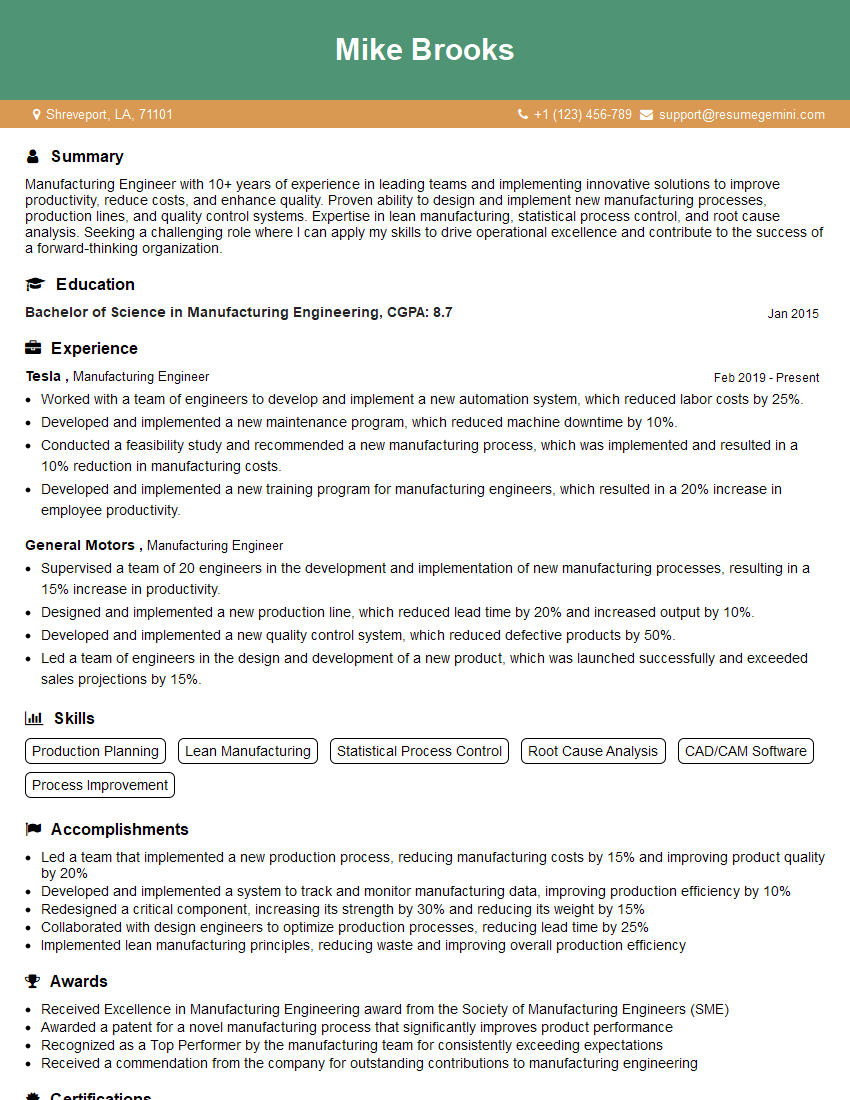
Manufacturing Engineer Resume Sample
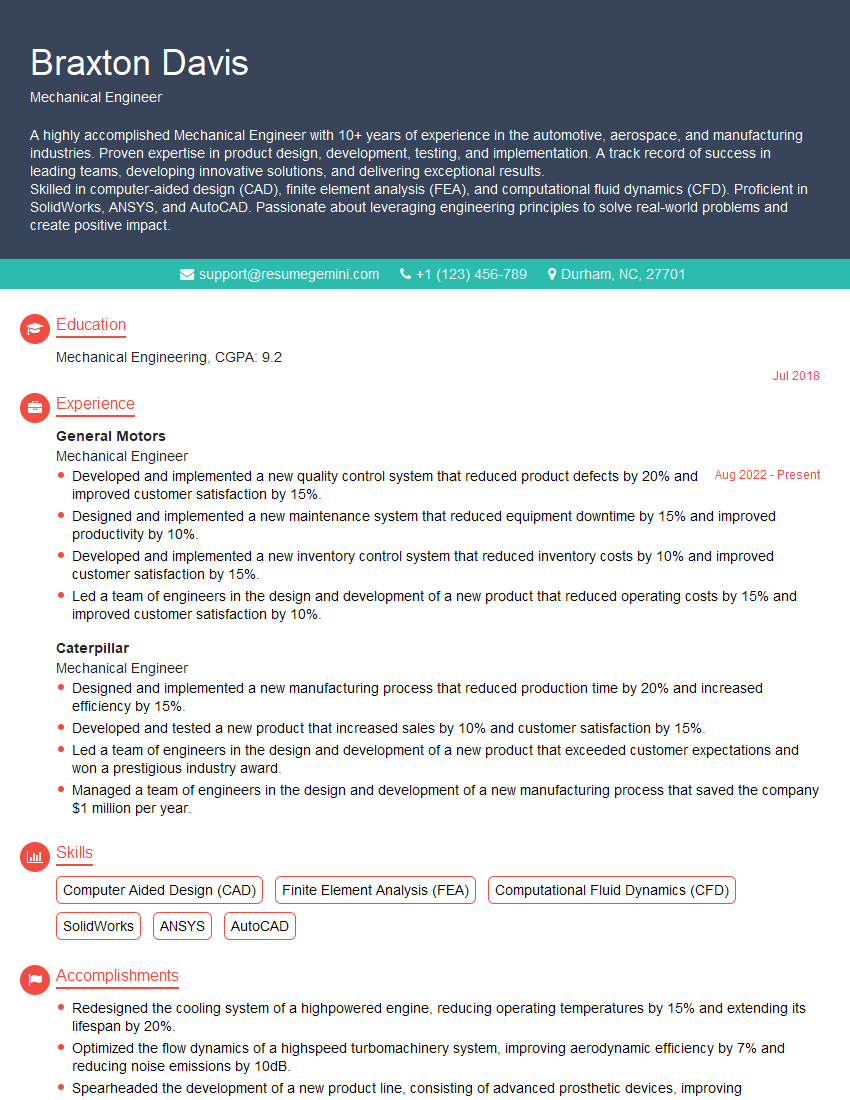
Mechanical Engineer Resume Sample
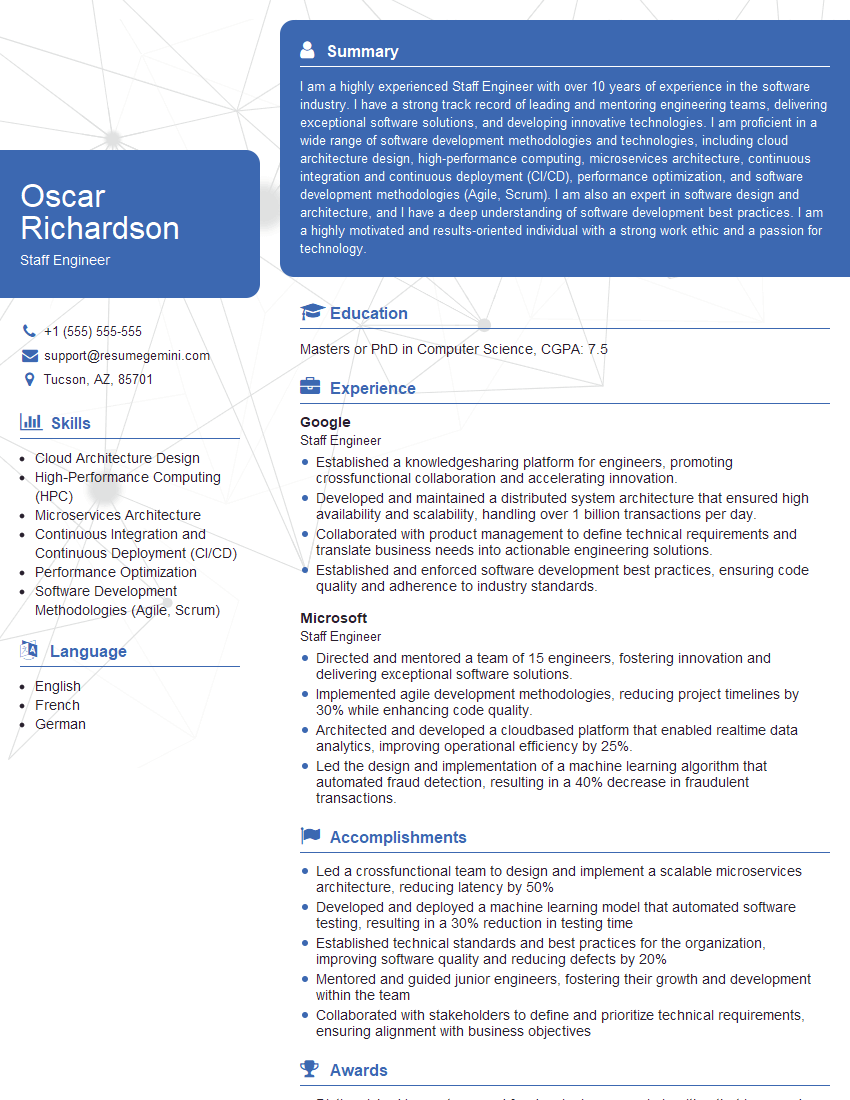
Staff Engineer Resume Sample
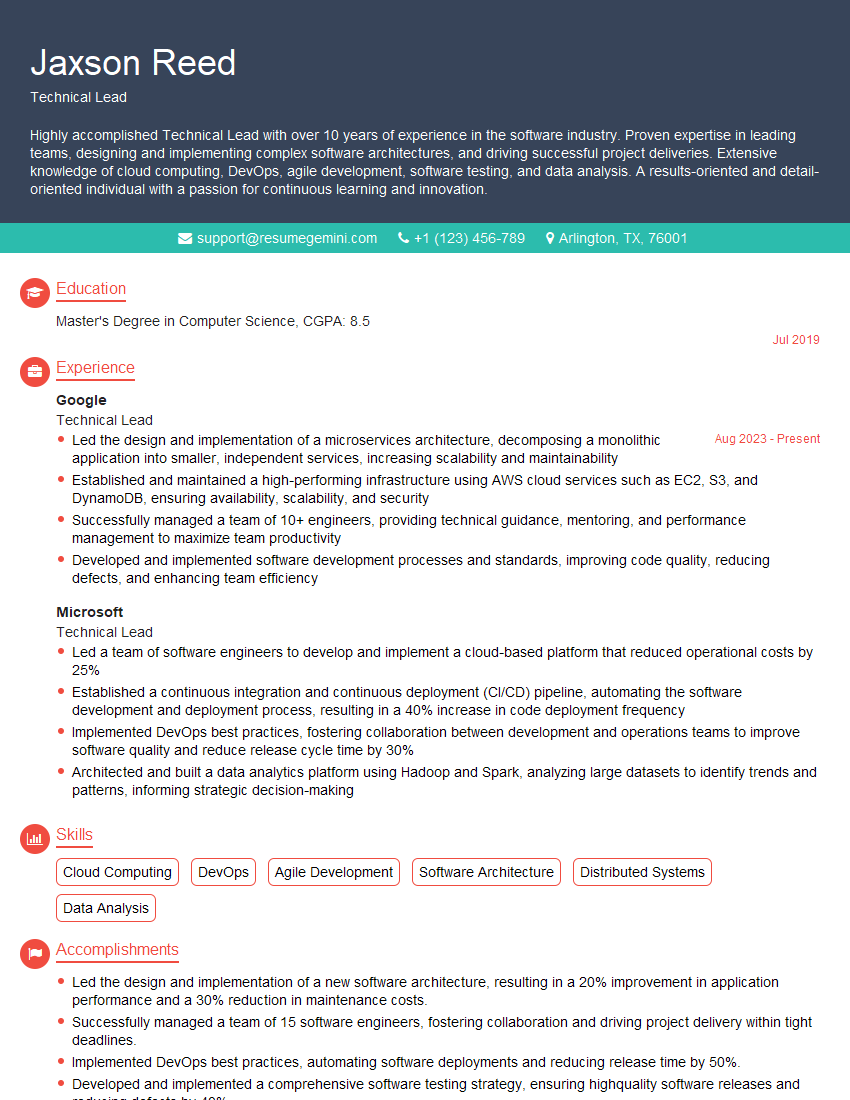
Technical Lead Resume Sample
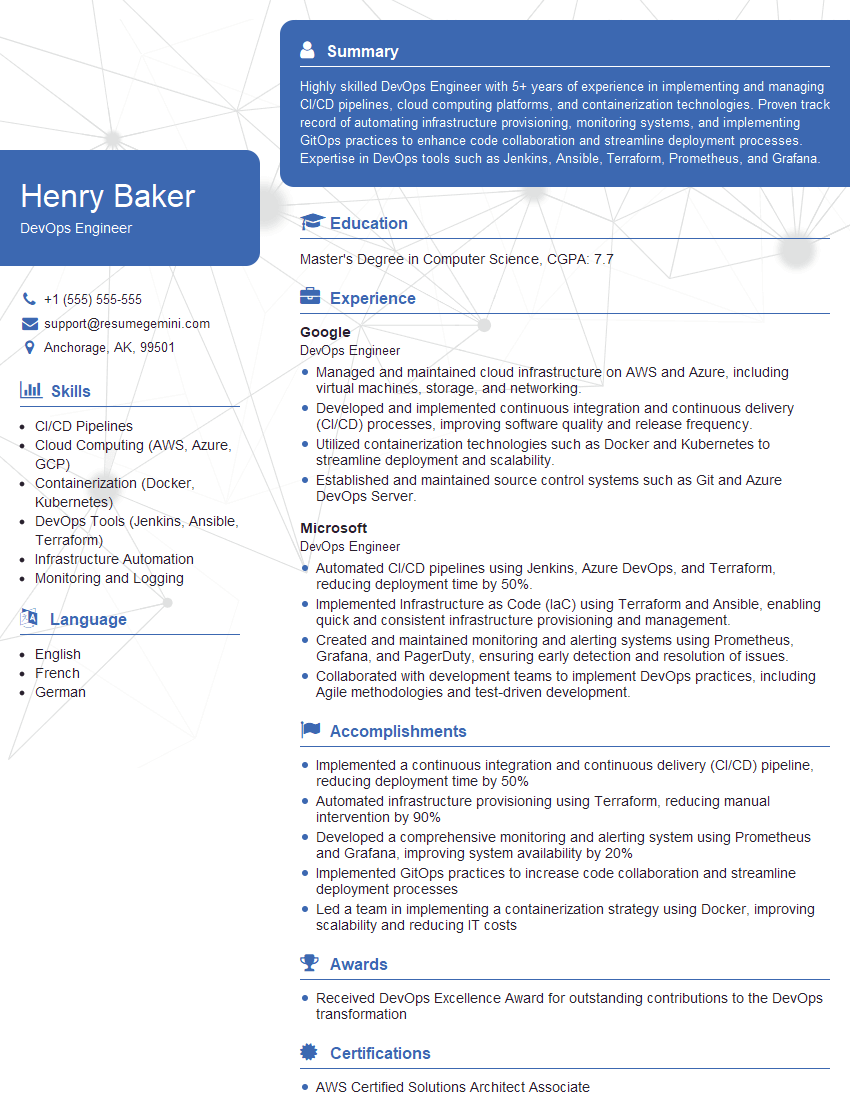
DevOps Engineer Resume Sample
- Chief Engineer
- Principal Engineer
- Project Engineer
- Senior Engineering Manager
- Reliability Engineer
- Data Scientist
- Engineering Director
- Process Engineer
- Software Architect
- Systems Architect
- Test Engineer
- Design Engineer
- Quality Engineer
- Aerospace Engineer
- Chemical Engineer
- Civil Engineer
- Electrical Engineer
- Safety Engineer
- Manufacturing Engineer
- Mechanical Engineer
- Staff Engineer
- Technical Lead
- DevOps Engineer
Explore more articles
Users Rating of Our Blogs
Share Your Experience
We value your feedback! Please rate our content and share your thoughts (optional).
What Readers Say About Our Blog
Really detailed insights and content, thank you for writing this detailed article.
IT gave me an insight and words to use and be able to think of examples