The thought of an interview can be nerve-wracking, but the right preparation can make all the difference. Explore this comprehensive guide to 5 Whys Analysis interview questions and gain the confidence you need to showcase your abilities and secure the role.
Questions Asked in 5 Whys Analysis Interview
Q 1. Explain the 5 Whys analysis technique.
The 5 Whys analysis is a simple yet powerful iterative interrogative technique used to explore the cause-and-effect relationships underlying a particular problem. Its core principle is to repeatedly ask “Why?” to peel back layers of explanation, ultimately uncovering the root cause. Each answer becomes the basis for the next “Why?” question, leading you progressively deeper into the problem’s origin. Think of it as an investigative onion; each layer you remove reveals a deeper truth. This method is particularly useful for identifying relatively straightforward issues where the root cause is reasonably close to the surface.
Q 2. What are the limitations of the 5 Whys method?
While effective in many situations, the 5 Whys method has some limitations. Firstly, it’s heavily reliant on the knowledge and experience of the person conducting the analysis. Bias or incomplete information can lead to inaccurate conclusions. Secondly, it might not be suitable for complex problems with multiple intertwined causes. The simplistic nature of repeatedly asking “Why?” can oversimplify a complex scenario, overlooking crucial contributing factors. Finally, there’s no guarantee that you’ll reach the root cause within five questions; sometimes more (or fewer) are necessary. The method’s name is thus more a guideline than a rigid rule.
Q 3. Describe a situation where you successfully used 5 Whys analysis.
During my time at a manufacturing facility, we experienced a significant increase in product defects. We employed the 5 Whys to understand the root cause.
- Problem: High defect rate in product X.
- Why 1: Inadequate training for new employees on assembly line.
- Why 2: Insufficient training materials provided.
- Why 3: The training materials development process lacked a robust review cycle.
- Why 4: The production manager lacked time to properly oversee the creation of materials.
- Why 5: The production manager was overloaded with administrative tasks.
This revealed the root cause: the production manager’s excessive workload prevented proper training material creation, resulting in poorly trained employees and, ultimately, a higher defect rate. By addressing the managerial workload, we significantly improved training and reduced defects.
Q 4. How do you ensure objectivity when conducting a 5 Whys analysis?
Objectivity in 5 Whys analysis is crucial. To ensure this, we must involve multiple perspectives. Instead of a single person conducting the analysis, form a diverse team representing different departments and levels of experience. This helps challenge assumptions and biases, leading to a more complete and impartial understanding of the issue. Furthermore, documented evidence should be gathered at each step. Relying solely on memory introduces the risk of subjective interpretation. Use data, process maps, and other relevant documents to support the findings at each stage of the “Why?” questioning.
Q 5. When is 5 Whys analysis most effective?
The 5 Whys analysis is most effective for relatively simple problems where the root cause is directly linked to the initial problem statement. It is particularly valuable in identifying issues related to process flaws, operational inefficiencies, or straightforward equipment failures. It’s a quick, efficient tool for frontline problem-solving when the problem is localized and well-defined. It’s less effective when dealing with complex systems or problems with many interacting variables.
Q 6. How do you handle situations where the 5 Whys process doesn’t reveal the root cause?
If the 5 Whys process doesn’t reach a root cause, it’s a signal to explore more advanced root cause analysis techniques. It might be that the initial problem statement was poorly defined, or that the problem is far more complex than initially thought. In such cases, consider using a fishbone diagram (Ishikawa diagram) to brainstorm potential causes, or a fault tree analysis to visualize the potential failure paths leading to the problem. Sometimes, engaging external expertise is necessary to bring in fresh perspectives and specialized knowledge.
Q 7. What are some alternative root cause analysis techniques?
Several alternative root cause analysis techniques exist, each with its strengths and weaknesses. These include:
- Fishbone Diagram (Ishikawa Diagram): A visual tool for brainstorming potential causes, categorizing them into different contributing factors (e.g., people, materials, methods, machines).
- Fault Tree Analysis (FTA): A top-down, deductive method used to identify the events that can lead to a specific undesirable event.
- Failure Mode and Effects Analysis (FMEA): A systematic approach to identifying potential failure modes and their effects, allowing for proactive risk mitigation.
- Root Cause Analysis (RCA) Software Tools: Many software packages offer sophisticated tools to guide root cause analysis, providing structured approaches and data visualization capabilities.
The choice of method depends on the complexity of the problem and the available resources.
Q 8. How do you document the findings of a 5 Whys analysis?
Documenting the findings of a 5 Whys analysis is crucial for its effectiveness. A simple, yet thorough, approach is to create a visual representation of the ‘why’ chain. This can be done in several ways.
- Table Format: A table with two columns – ‘Problem/Effect’ and ‘Cause’ – is a straightforward method. Each row represents a ‘Why’ question and its corresponding answer, leading from the initial problem to the root cause.
- Fishbone Diagram (Ishikawa Diagram): This visual tool effectively maps out the chain of causes, making it easy to identify the root cause and contributing factors. The main problem is the ‘head’ of the fish, and the ‘bones’ represent the various causes discovered during the 5 Whys.
- Flowchart: A flowchart can visually illustrate the sequence of events leading to the problem. Each step would represent a ‘Why’ and its corresponding ‘Cause’.
Regardless of the method chosen, ensure the documentation includes:
- The initial problem statement: Clearly state the problem you’re investigating.
- The ‘Why’ questions and answers: Each question and its corresponding answer should be documented clearly and concisely.
- The root cause identification: Highlight the root cause you’ve identified after asking ‘Why’ five (or more) times.
- Date and participants: Record the date of the analysis and the individuals involved.
Using a shared document (like a Google Doc or spreadsheet) ensures easy access and collaboration among stakeholders.
Q 9. Explain the difference between correlation and causation in the context of 5 Whys.
Understanding the difference between correlation and causation is critical when using 5 Whys. Correlation means two things happen together, but it doesn’t necessarily mean one causes the other. Causation means one thing directly causes another.
Example: Let’s say ice cream sales and crime rates both increase during the summer. This shows a correlation – they happen at the same time. However, this doesn’t mean eating ice cream *causes* crime. The underlying cause might be the warmer weather, which leads to more people being out and about (more ice cream sales) and also an increase in opportunities for crime.
In 5 Whys, we aim to uncover causation, not just correlation. Each ‘Why’ question helps to move us closer to understanding the direct cause-and-effect relationship, weeding out coincidental correlations along the way. If your 5 Whys analysis only reveals correlations, you haven’t reached the root cause; you need to dig deeper.
Q 10. How can you use 5 Whys to improve a specific process?
5 Whys can be powerfully applied to improve any process by systematically identifying and addressing the root cause of inefficiencies or problems. Here’s a step-by-step approach:
- Identify the problem: Clearly define the process issue you want to improve. Be specific!
- Ask ‘Why’ five (or more) times: Start with the initial problem and repeatedly ask ‘Why’ to delve deeper into the underlying causes. Involve stakeholders to gain diverse perspectives.
- Document each answer: Carefully record each ‘Why’ question and its corresponding answer. This forms your chain of causality.
- Identify the root cause: After multiple ‘Whys’, you should reach a root cause that’s no longer explainable by another ‘Why’. This is the core issue to address.
- Develop solutions: Based on the identified root cause, brainstorm and implement solutions to directly address the problem. Solutions should be measurable and verifiable.
- Monitor and evaluate: After implementing the solution, monitor its effectiveness and make adjustments as necessary.
Example: Imagine a manufacturing process with high defect rates. By repeatedly asking ‘Why’ (e.g., Why are defect rates high? Why is the machine not calibrated? Why isn’t there proper training?), you might uncover a root cause like inadequate employee training on the new machinery.
Q 11. Can you give an example of a situation where 5 Whys might be ineffective?
5 Whys, while incredibly useful, isn’t a magic bullet. It can be ineffective in situations involving:
- Complex systems with multiple interacting causes: If a problem stems from a complex interplay of numerous factors, 5 Whys might oversimplify the issue and miss crucial contributing factors. More sophisticated root cause analysis techniques, like Fault Tree Analysis (FTA) might be needed.
- Human error driven by systemic issues: Repeated human errors often indicate deeper, systemic flaws (e.g., poor training, inadequate tools, unrealistic expectations). 5 Whys might identify the error but miss the underlying systemic issue. This requires a broader analysis of the work environment and processes.
- Unclear problem definition: If the initial problem statement is vague or poorly defined, the subsequent ‘Whys’ will be equally unclear, leading to inaccurate root cause identification. A precise problem definition is essential for a successful 5 Whys analysis.
- Lack of information or data: Without sufficient information or data, you can’t effectively answer the ‘Why’ questions. You might need more investigation or data gathering before applying 5 Whys.
In these cases, 5 Whys might be a starting point but should be augmented by other root cause analysis methods for a complete picture.
Q 12. How do you involve stakeholders in a 5 Whys analysis?
Involving stakeholders in a 5 Whys analysis is essential for gaining diverse perspectives and ensuring buy-in for implementing solutions. Here’s how:
- Identify key stakeholders: Determine who has relevant knowledge or is impacted by the problem being addressed. This might include employees from different departments, customers, or management.
- Plan a collaborative session: Schedule a meeting or workshop where stakeholders can actively participate in asking and answering ‘Why’ questions. A facilitator can guide the discussion and ensure everyone contributes.
- Encourage open communication: Create a safe and inclusive environment where everyone feels comfortable sharing their thoughts and perspectives, even if they differ.
- Use visual aids: Employ whiteboards, flip charts, or digital tools to document the ‘Why’ chain visually, facilitating collaboration and making the process transparent.
- Summarize and share findings: After the session, summarize the findings, including the identified root cause, and share them with all stakeholders. This ensures everyone is aligned and can contribute to solution implementation.
By actively engaging stakeholders, you get a more comprehensive understanding of the problem and develop solutions that are more likely to be accepted and implemented successfully.
Q 13. Describe a time you had to overcome resistance to using 5 Whys.
In a previous project involving a software development team, I encountered resistance to using 5 Whys. The team was accustomed to assigning blame instead of investigating root causes. They felt 5 Whys was too simplistic and time-consuming.
To overcome this resistance, I started with a small, easily solvable problem that demonstrated the power of 5 Whys. The team quickly saw how effectively it pinpointed the problem’s source. I then emphasized that 5 Whys wasn’t about finger-pointing, but about collaborative problem-solving and learning. I also showed them how documenting the analysis would help avoid repeating past mistakes.
Finally, I integrated 5 Whys into our existing project management process, making it a regular part of our problem-solving routine. This helped demonstrate its value and made it less disruptive to their workflows. Gradually, the team embraced 5 Whys as a helpful tool for improving productivity and reducing defects.
Q 14. How do you determine when to stop asking ‘Why’ in the 5 Whys method?
Determining when to stop asking ‘Why’ in the 5 Whys method is crucial. You should stop when you reach a point where:
- You’ve identified a root cause: This is a cause that’s not a symptom or consequence of another deeper cause. It’s often a fundamental issue, a systemic problem, a policy, a process, or a lack of resources.
- Further ‘Whys’ don’t provide additional insights: You reach a level where additional questioning wouldn’t significantly add to your understanding of the problem’s origin. Asking more ‘Whys’ could become counterproductive.
- You’ve reached a point where action is needed: You’ve sufficiently understood the problem’s origin to start brainstorming and implementing solutions. Continuing to ask ‘Why’ might delay necessary action.
- The answers are becoming speculative or hypothetical: You’ve exhausted available information or data. Further investigation might be necessary to continue beyond a certain point.
It’s important to remember that 5 Whys is a guideline, not a rigid rule. The number of ‘Whys’ needed can vary depending on the complexity of the problem. The key is to reach a root cause that enables effective problem-solving, not to rigidly stick to five questions.
Q 15. What are some common mistakes to avoid when using 5 Whys?
The 5 Whys, while simple, is prone to errors if not executed carefully. Common mistakes include prematurely stopping the questioning before reaching the root cause, bias influencing the questions or answers, focusing solely on symptoms rather than the underlying issues, and neglecting to consider multiple contributing factors.
- Prematurely stopping: Stopping at a superficial answer instead of digging deeper. For example, asking why a machine broke down and stopping at “a part failed.” The true root cause could be inadequate maintenance.
- Bias: Allowing preconceived notions to shape the questions or interpretations of answers. For instance, blaming a single team without considering other factors contributing to the problem.
- Symptom focus: Focusing on symptoms rather than the underlying cause. Example: “The website is slow.” Instead of immediately jumping to solutions like upgrading the server (a symptom), the 5 Whys should explore why the server is overloaded (the root cause might be poor code).
- Ignoring multiple factors: Complex problems rarely have a single cause. The 5 Whys might identify one cause but miss interconnected factors.
Career Expert Tips:
- Ace those interviews! Prepare effectively by reviewing the Top 50 Most Common Interview Questions on ResumeGemini.
- Navigate your job search with confidence! Explore a wide range of Career Tips on ResumeGemini. Learn about common challenges and recommendations to overcome them.
- Craft the perfect resume! Master the Art of Resume Writing with ResumeGemini’s guide. Showcase your unique qualifications and achievements effectively.
- Don’t miss out on holiday savings! Build your dream resume with ResumeGemini’s ATS optimized templates.
Q 16. How can you ensure the accuracy of your findings using 5 Whys?
Ensuring accuracy in 5 Whys requires a structured and objective approach. It’s crucial to involve a diverse group with different perspectives, to challenge assumptions, and to validate findings with data.
- Diverse team: Different perspectives can uncover blind spots and biases.
- Challenge assumptions: Actively question each response to ensure it’s not just a superficial answer.
- Data validation: Use data (metrics, logs, etc.) to validate the root cause identified. Does the data support the conclusion?
- Document everything: This allows for a clear audit trail and enhances transparency.
- Iteration and refinement: The 5 Whys might need to be revisited based on new information or data.
For example, if the 5 Whys suggests poor training led to a production error, review training records, incident reports, and employee performance data to confirm this conclusion.
Q 17. Explain how 5 Whys relates to other root cause analysis methods.
The 5 Whys is a simple root cause analysis (RCA) method, suitable for relatively straightforward problems. While effective, it’s less structured than other techniques. Let’s compare it to others:
- Fishbone Diagram (Ishikawa): This visual tool helps brainstorm potential causes, categorized systematically. 5 Whys can be used to further explore causes identified in the fishbone diagram.
- Fault Tree Analysis (FTA): A more formal and detailed method, useful for complex systems, modeling failures and their contributing factors. 5 Whys can be a preliminary step to identify some of the initial failures for FTA.
- Root Cause Analysis (RCA) with corrective actions: RCA is a broader term, and 5 Whys is one specific RCA tool. To get the most out of it, this should be followed up with plans for correction and verification that the actions taken were indeed effective.
Think of it this way: 5 Whys is a quick diagnostic tool, like a mechanic’s initial inspection. More complex methods are like performing a full engine teardown for a thorough diagnosis.
Q 18. How can you use data to support your findings from a 5 Whys analysis?
Data significantly strengthens 5 Whys analysis. It prevents assumptions and provides objective evidence to support or refute the identified root cause.
For example, if a 5 Whys suggests that customer complaints are due to slow shipping, review shipping times, delivery metrics, and customer feedback data to validate this. Data can also reveal patterns or trends that might be missed through questioning alone.
Use data such as:
- Metrics: Production numbers, defect rates, customer satisfaction scores.
- Logs: Server logs, error logs, security logs.
- Surveys/Feedback: Customer satisfaction surveys, employee feedback forms.
By presenting this supporting data along with the 5 Whys findings, you strengthen the credibility and actionable insights of your analysis.
Q 19. Describe how to present the results of a 5 Whys analysis to a stakeholder.
Presenting 5 Whys results should be clear, concise, and visually appealing. Avoid overwhelming stakeholders with excessive detail. Focus on the key findings, the root cause, and the recommended actions.
- Visual representation: A simple flowchart showing the chain of 5 Whys, visually connecting the problem to the root cause, is very effective.
- Summary of findings: Clearly state the problem and the identified root cause.
- Recommended actions: Outline specific steps to address the root cause and prevent recurrence.
- Data visualization: Use charts or graphs to present supporting data in an easily digestible format.
- Actionable insights: Focus on actionable steps, avoiding ambiguity or vague recommendations.
For instance, a presentation might begin with the problem (“High customer churn”), then visually trace the 5 Whys, leading to the root cause (“Inadequate onboarding process”), and conclude with actionable steps like improving training materials and implementing customer success initiatives.
Q 20. How can you use 5 Whys analysis to identify and address risks?
5 Whys can proactively identify and mitigate risks by exploring potential failure points within a system or process. By systematically investigating “what if” scenarios, potential risks are surfaced, and preventive measures can be implemented.
Example: A company wants to use 5 Whys to assess the risk of a new software launch. They could ask:
- Why might the launch fail?
- Why would there be insufficient testing?
- Why would the development team not have enough time?
- Why would the project be under-resourced?
- Why wasn’t a detailed project plan created with sufficient contingency?
By answering these questions, the company identifies risks associated with insufficient testing, resource constraints, and inadequate planning. This allows them to develop mitigation strategies and proactively reduce the likelihood of failure. The outcome could involve additional testing resources, a clearer project plan, or adjusting the launch timeline.
Q 21. How do you adapt the 5 Whys technique for complex problems?
For complex problems, the 5 Whys might need adaptation. A single chain of questioning might not suffice. Consider these modifications:
- Multiple 5 Whys chains: Several parallel 5 Whys chains can explore different aspects of the problem, converging on the root causes.
- Fishbone diagram integration: Use a Fishbone diagram to initially brainstorm causes, and then apply 5 Whys to each branch for deeper investigation.
- Iterative approach: The process may require multiple rounds of 5 Whys as new information surfaces and understandings evolve.
- Involve experts: For specialized technical issues, seek input from domain experts to ensure accurate questioning and interpretations.
- Utilize data analysis: Data analysis is crucial to verify assumptions and identify patterns missed in the questioning.
For highly complex problems, a more structured method like Fault Tree Analysis might be more suitable; however, 5 Whys can still be valuable as a preliminary step to narrow down potential causes and inform a more comprehensive analysis.
Q 22. What is the difference between reactive and proactive use of 5 Whys?
The 5 Whys technique can be used reactively or proactively to identify root causes. Reactive use addresses a problem *after* it has occurred. Think of it like a firefighter putting out a blaze – you’re dealing with the immediate crisis. Proactive use, on the other hand, is preventative. It’s like installing a fire sprinkler system – you’re anticipating potential problems and taking steps to avoid them.
For example, a reactive application might involve a customer complaint about a late delivery. A proactive application might involve analyzing delivery times to identify bottlenecks *before* customers experience delays.
- Reactive: Problem arises, then investigation begins with 5 Whys.
- Proactive: Regular review of key metrics triggers a 5 Whys to explore potential problems *before* they impact customers or processes.
Q 23. How can 5 Whys be integrated with other process improvement methodologies?
The 5 Whys method complements many process improvement methodologies beautifully. It’s particularly effective when integrated with:
- Lean: 5 Whys helps pinpoint the root causes of waste (muda) identified through Value Stream Mapping or other Lean tools. By eliminating root causes, you streamline processes and boost efficiency.
- Six Sigma: Used within the Define, Measure, Analyze, Improve, Control (DMAIC) cycle, 5 Whys aids in the ‘Analyze’ phase by helping define the root cause of a defect before developing solutions.
- Kaizen (Continuous Improvement): 5 Whys can be a powerful tool for generating small, incremental improvements by addressing the root causes of minor inefficiencies.
Essentially, 5 Whys provides a focused approach to root cause identification that enhances the effectiveness of broader process improvement initiatives.
Q 24. What software tools can assist with conducting 5 Whys analysis?
While 5 Whys is fundamentally a simple, pen-and-paper exercise, several software tools can enhance its application, particularly in larger teams or for complex issues:
- Mind mapping software (e.g., MindManager, XMind): These tools help visually represent the 5 Whys process, making it easier to track the chain of cause and effect and share findings with others.
- Collaboration platforms (e.g., Microsoft Teams, Slack): These platforms facilitate group brainstorming and collaborative root cause analysis using the 5 Whys method.
- Issue tracking software (e.g., Jira, Asana): These tools allow you to document the 5 Whys analysis within the context of a specific issue or bug report, creating an audit trail and ensuring accountability.
- Specialized Root Cause Analysis software: There are specialized tools dedicated to RCA (Root Cause Analysis) that incorporate 5 Whys and other techniques.
The choice of software depends on the specific needs of your organization and the complexity of the issues you’re addressing. Even a simple spreadsheet can be effective for basic 5 Whys exercises.
Q 25. Describe a situation where the 5 Whys method led to a significant improvement.
In a manufacturing plant, we experienced a significant increase in product defects. Using the 5 Whys, we uncovered the root cause: Improperly calibrated machinery.
- Problem: High defect rate.
- Why? Machine producing inconsistent results.
- Why? Machine not calibrated correctly.
- Why? Calibration procedures were not followed consistently by operators.
- Why? Lack of clear, standardized training and documentation for calibration procedures.
By addressing the lack of standardized training (the root cause), we implemented comprehensive training programs, updated the calibration documentation, and saw a dramatic reduction in defects, leading to significant cost savings and improved customer satisfaction.
Q 26. How would you handle a situation where the root cause identified by 5 Whys is outside your control?
If the 5 Whys reveals a root cause outside your control (e.g., a supplier’s unreliable delivery schedule), you need to shift from problem-solving to problem-management. This involves:
- Clearly documenting the external root cause and its impact.
- Communicating this to the relevant stakeholders. This might involve your supplier, upper management, or even external regulatory bodies.
- Developing mitigation strategies. This could include finding alternative suppliers, implementing contingency plans (e.g., increased inventory), or negotiating improved terms with the existing supplier.
- Tracking and monitoring the issue’s impact to ensure that the mitigation strategies are effective and to inform future decisions.
The goal is to minimize the negative effects of the external factor while working towards a long-term solution, which might involve influencing the external factor if possible.
Q 27. How do you prioritize root causes identified through 5 Whys analysis?
Prioritizing root causes identified by 5 Whys often involves considering:
- Impact: How significantly does the root cause affect the organization (financially, operationally, reputationally)? High-impact root causes should be tackled first.
- Frequency: How often does this root cause contribute to problems? Frequent causes warrant higher priority.
- Feasibility: How easy or difficult is it to address this root cause? Begin with relatively simple solutions.
- Urgency: How quickly must this root cause be addressed? Immediate threats demand immediate attention.
A simple matrix combining impact and urgency can provide a useful framework for prioritization. For instance, high-impact, high-urgency issues get immediate attention, while low-impact, low-urgency issues can be addressed later.
Q 28. How can you ensure that the 5 Whys analysis drives actionable recommendations?
To ensure actionable recommendations, the 5 Whys analysis needs to go beyond simply identifying the root cause. You need to:
- Define specific, measurable, achievable, relevant, and time-bound (SMART) actions. Don’t just say ‘improve training’; specify what training will be provided, by when, and how its effectiveness will be measured.
- Assign ownership and accountability for each action. Who is responsible for implementing the recommendations?
- Develop a plan for monitoring and evaluating the results. How will you know if the actions are effective in addressing the root cause?
- Establish a feedback loop. Regularly review the results and make adjustments as needed.
By linking the root cause analysis directly to concrete actions and a plan for measurement, the 5 Whys process moves beyond theoretical understanding to practical improvement.
Key Topics to Learn for 5 Whys Analysis Interview
- Understanding the Core Principle: Grasp the fundamental concept of the 5 Whys technique – its purpose, methodology, and limitations. Understand when it’s appropriate and when other root cause analysis methods might be more effective.
- Practical Application in Different Contexts: Explore how 5 Whys is used in various scenarios, including process improvement, problem-solving in manufacturing, software development debugging, and customer service issue resolution. Practice applying the technique to hypothetical situations.
- Effective Questioning Techniques: Master the art of asking open-ended “why” questions that progressively delve deeper into the root cause. Learn to avoid leading questions and biases that could hinder the process.
- Identifying the True Root Cause: Learn to differentiate between superficial symptoms and the underlying root cause. Practice recognizing patterns and connections between seemingly unrelated events.
- Documenting and Communicating Findings: Understand the importance of clearly documenting the 5 Whys process and effectively communicating your findings to stakeholders. Practice presenting your analysis in a concise and persuasive manner.
- Limitations and Alternatives: Recognize the limitations of the 5 Whys technique, such as its potential for bias and its suitability for complex problems. Be prepared to discuss alternative root cause analysis methods and when they might be preferred.
Next Steps
Mastering 5 Whys Analysis demonstrates valuable problem-solving skills highly sought after by employers across many industries. This analytical approach showcases your critical thinking and ability to get to the heart of an issue, boosting your candidacy significantly. To further strengthen your job prospects, invest time in creating an ATS-friendly resume that highlights these skills effectively. ResumeGemini is a trusted resource to help you build a professional and impactful resume that catches the eye of recruiters. We provide examples of resumes tailored to highlight 5 Whys Analysis experience, helping you present your capabilities in the best possible light.

Operations Manager Resume Sample
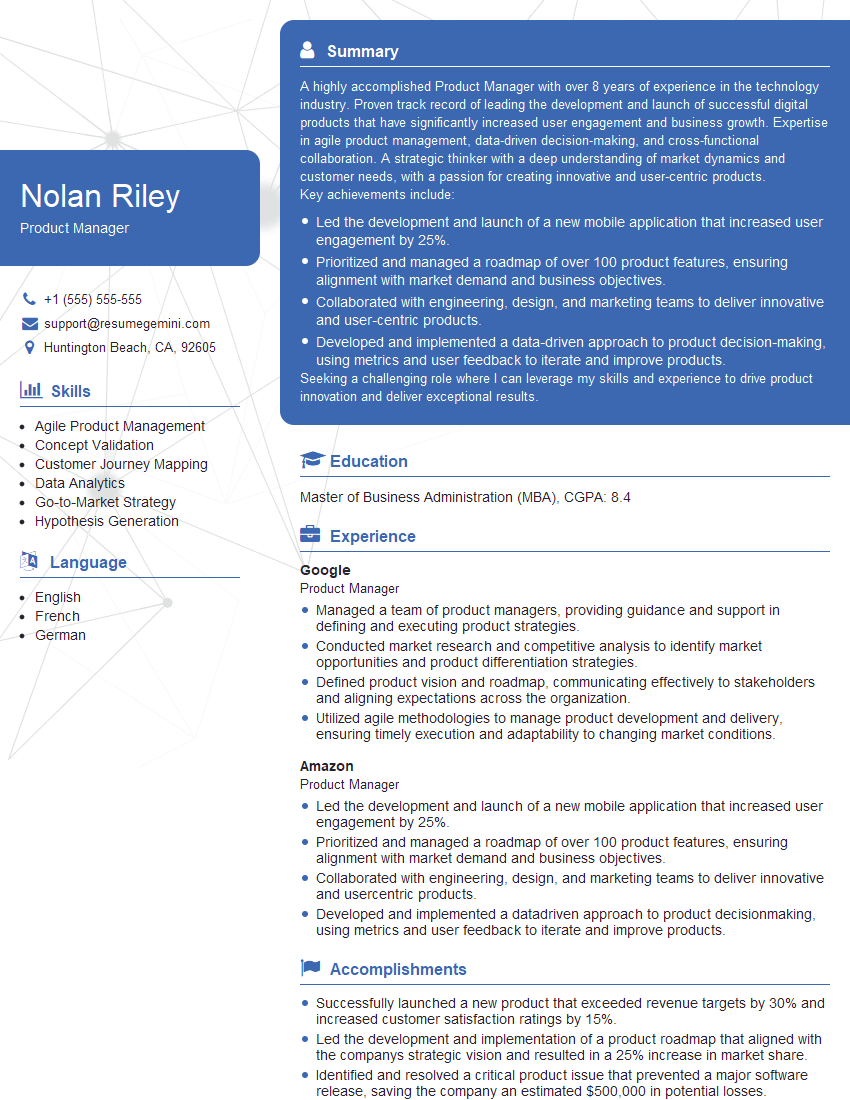
Product Manager Resume Sample
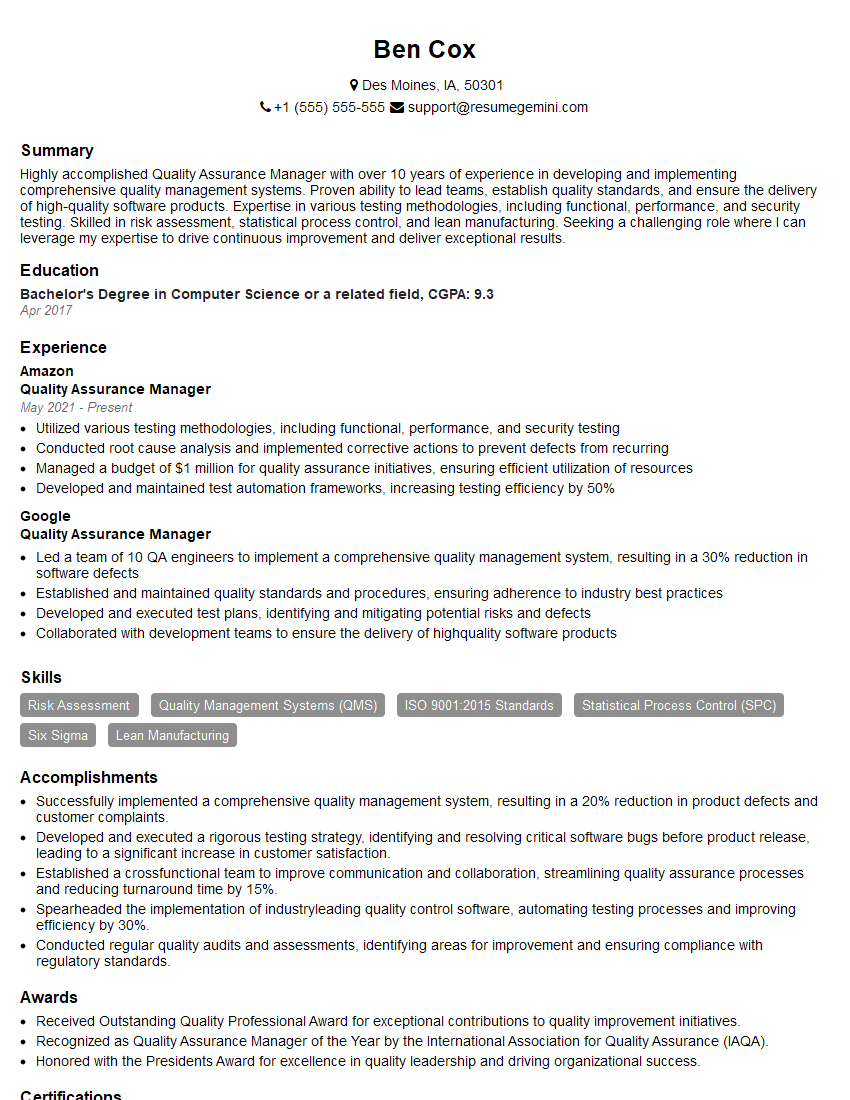
Quality Assurance Manager Resume Sample

Supply Chain Manager Resume Sample

Project Manager Resume Sample
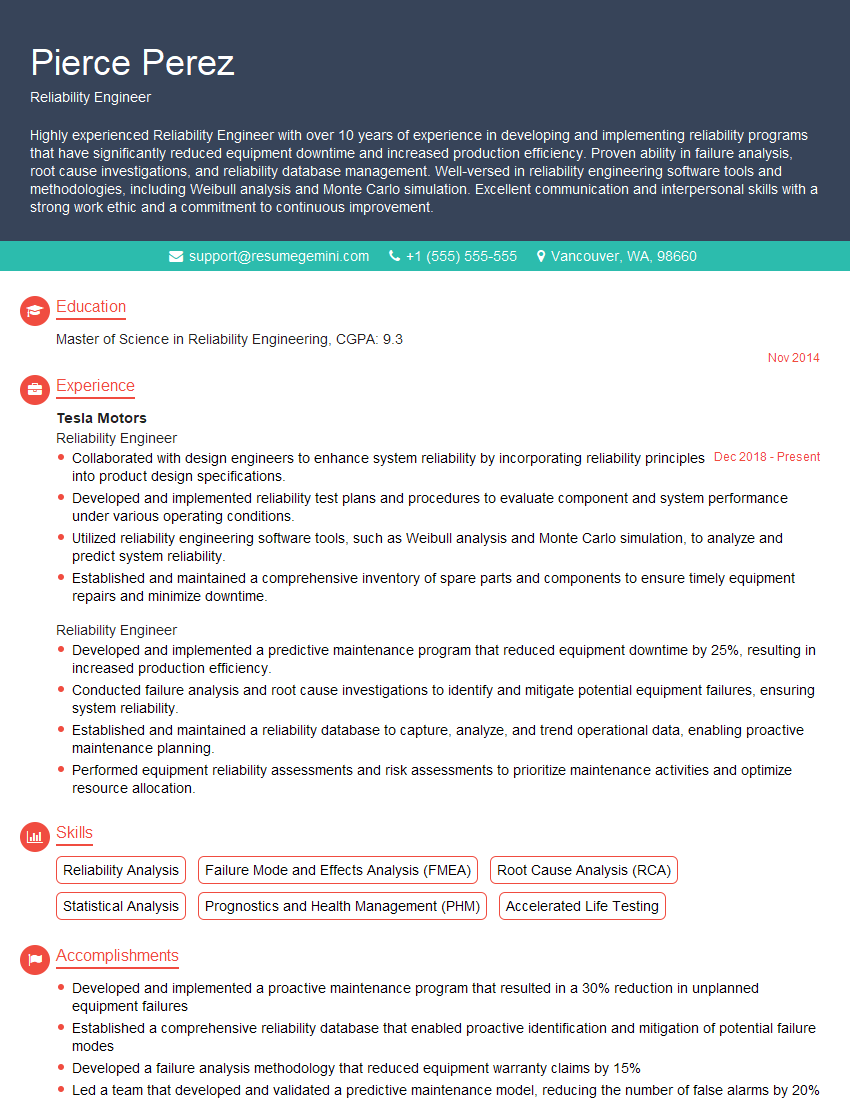
Reliability Engineer Resume Sample
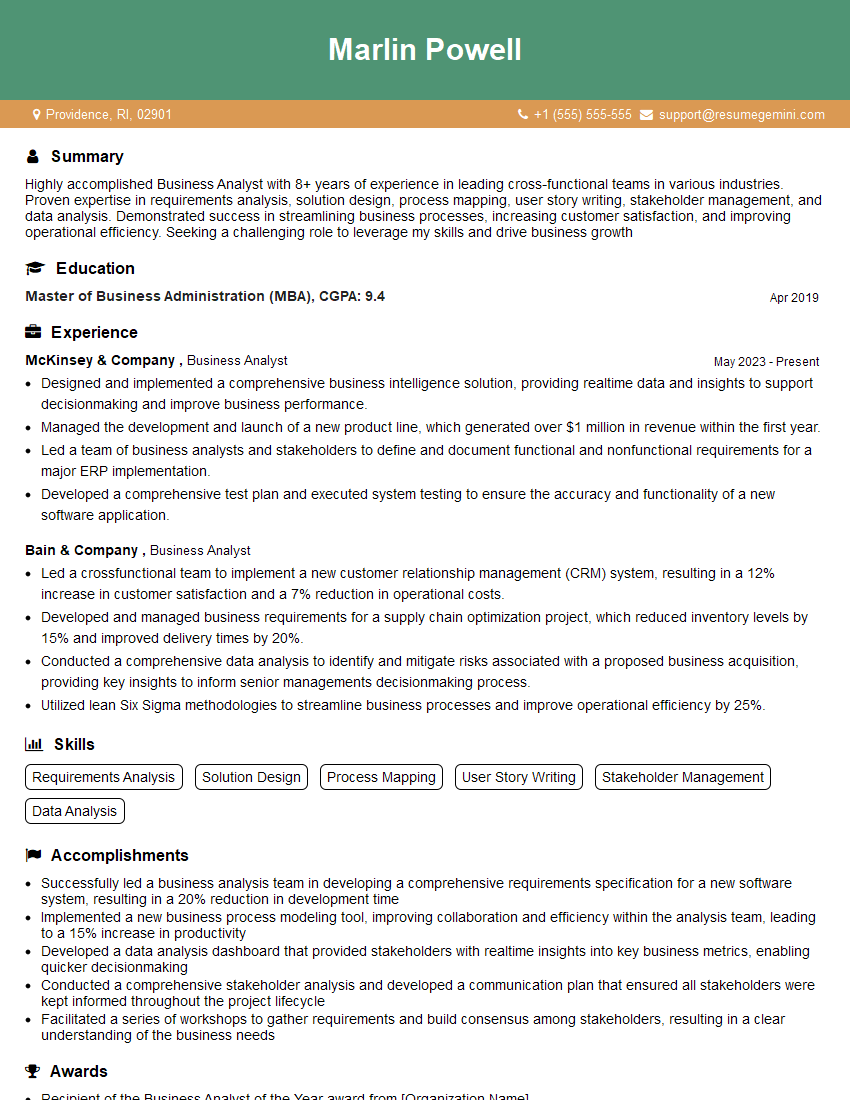
Business Analyst Resume Sample
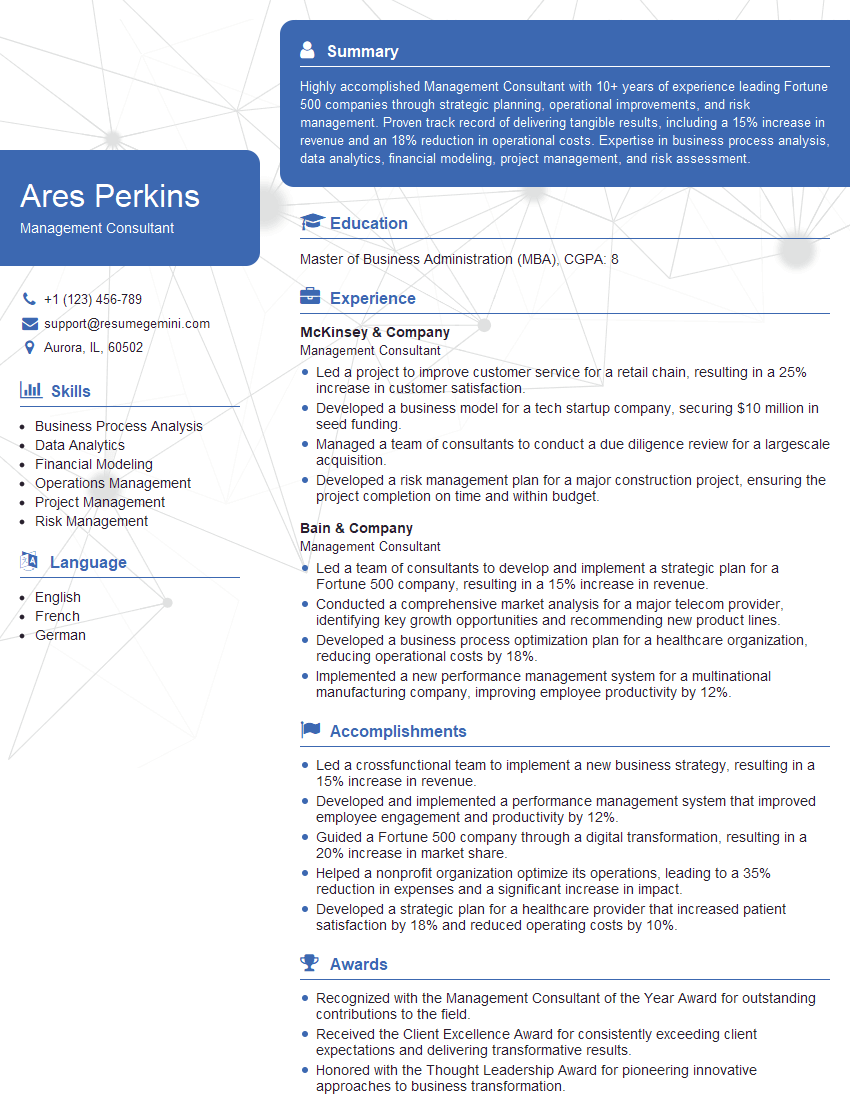
Management Consultant Resume Sample
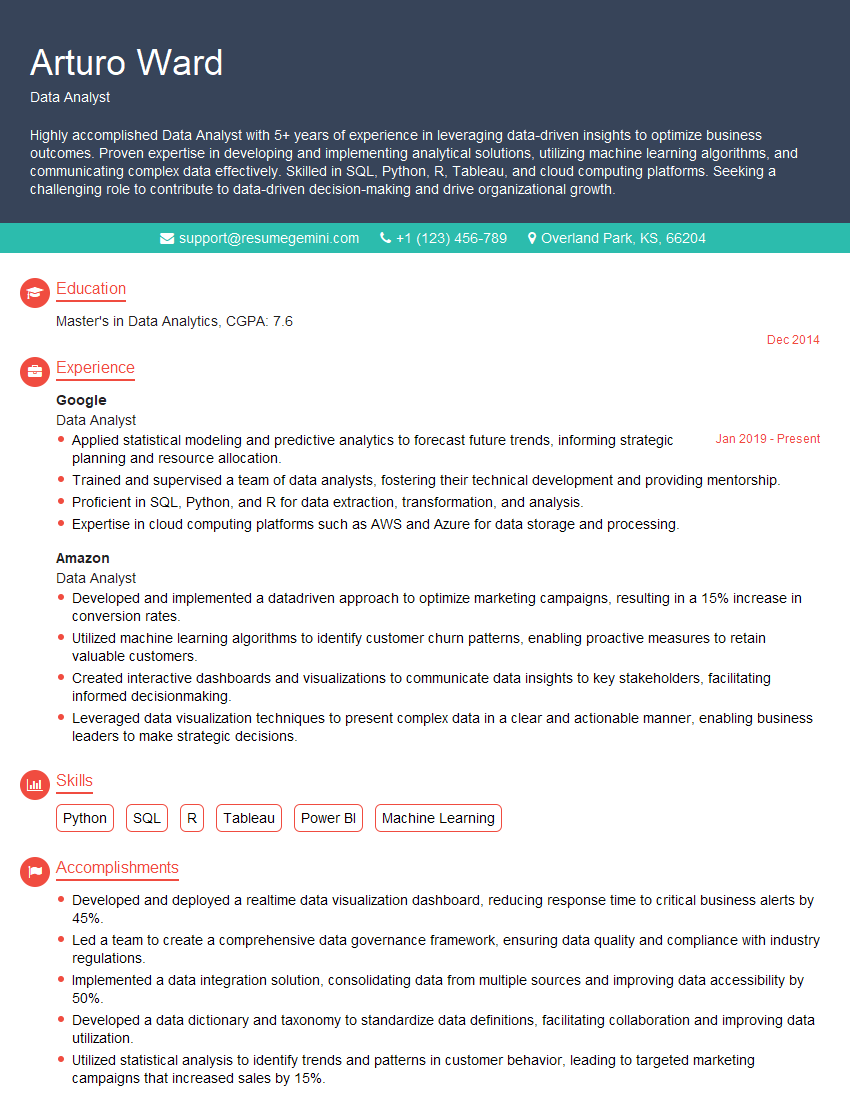
Data Analyst Resume Sample
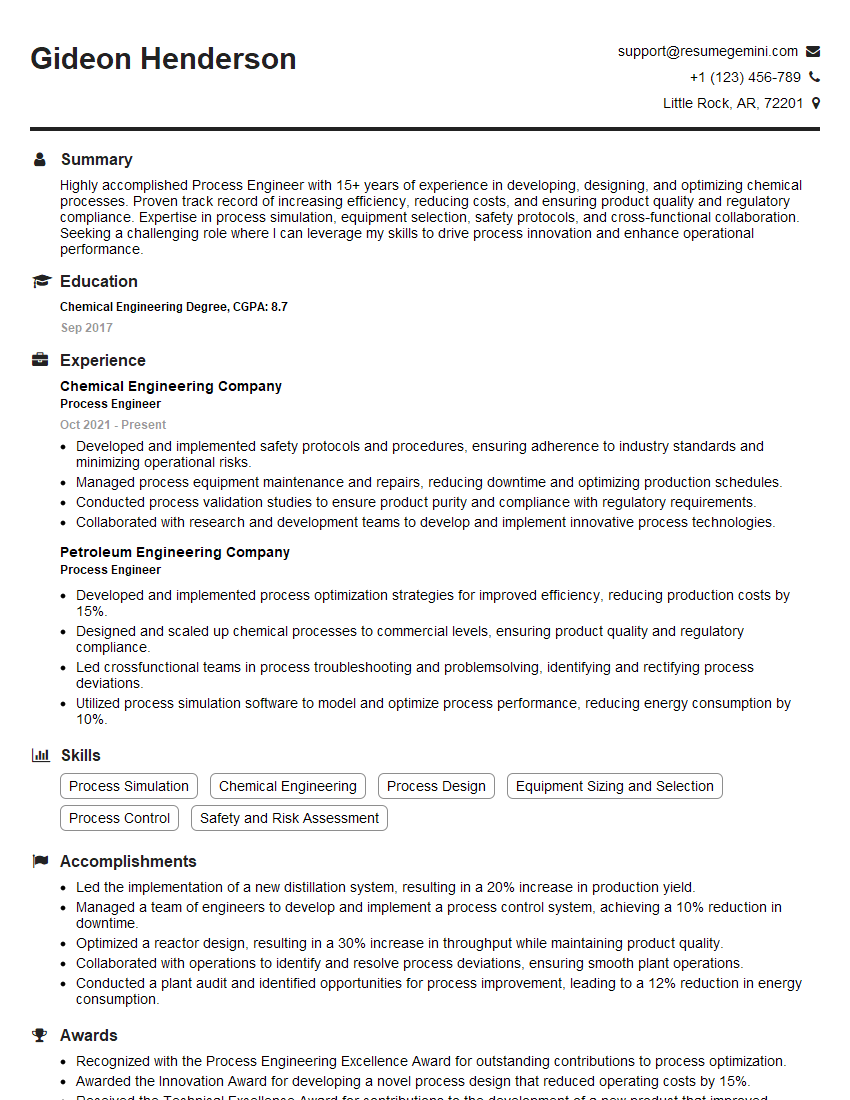
Process Engineer Resume Sample
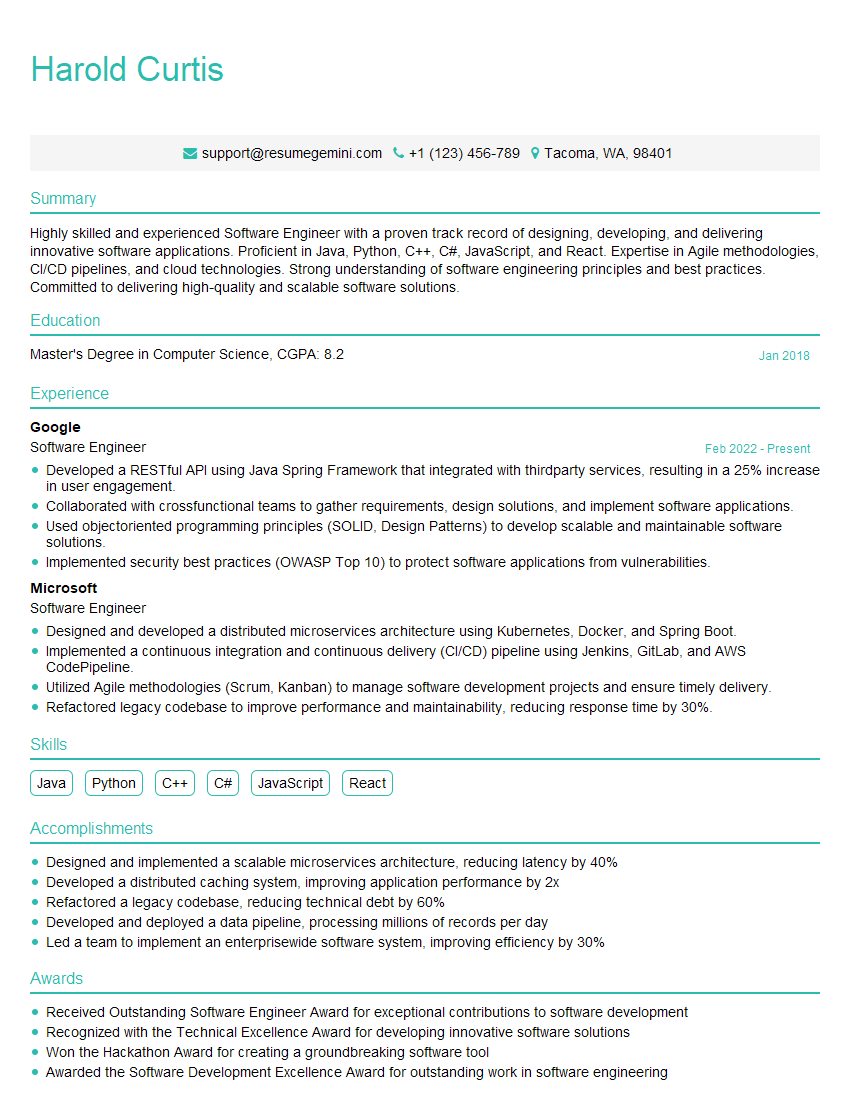
Software Engineer Resume Sample
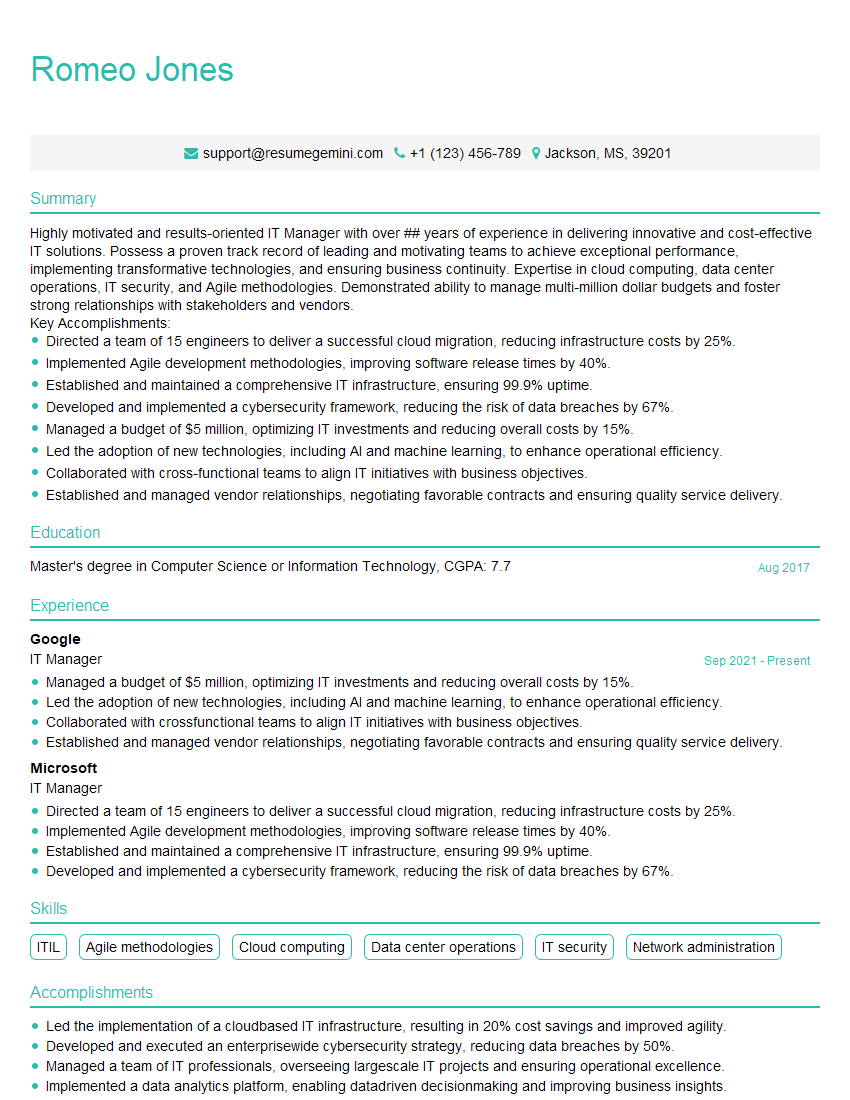
IT Manager Resume Sample

Operations Research Analyst Resume Sample
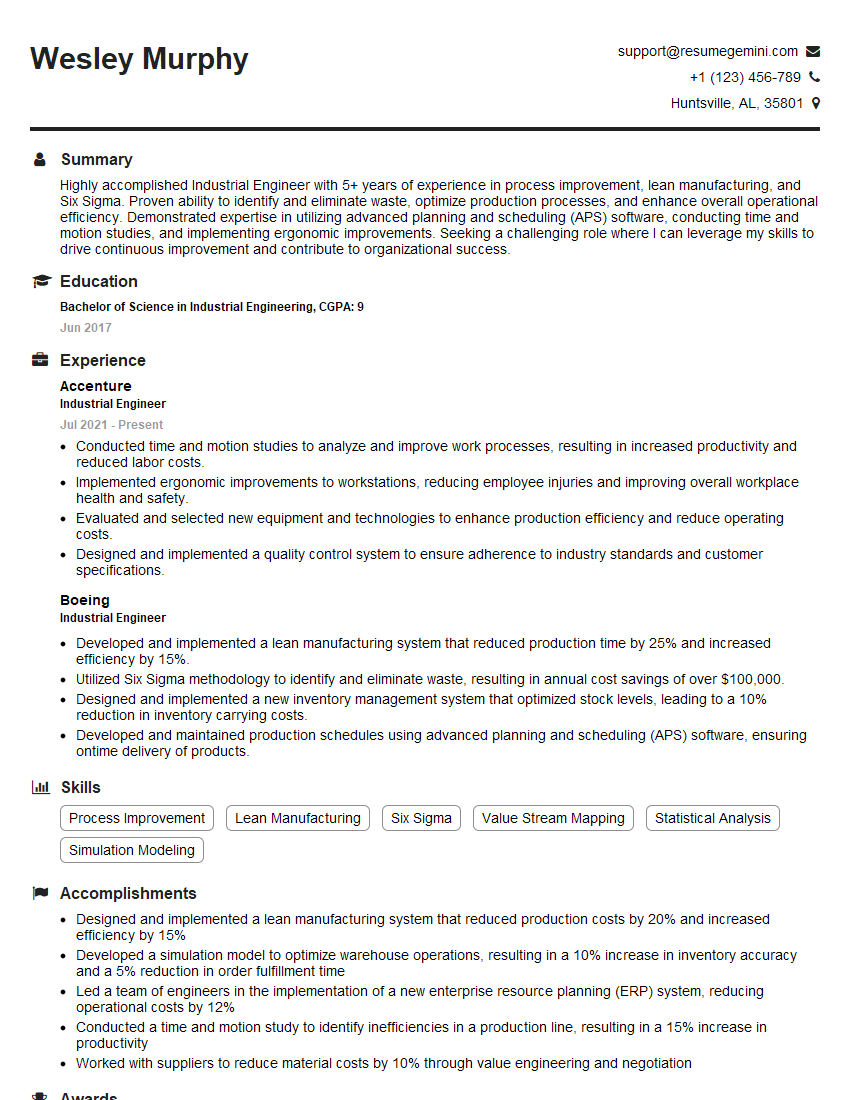
Industrial Engineer Resume Sample
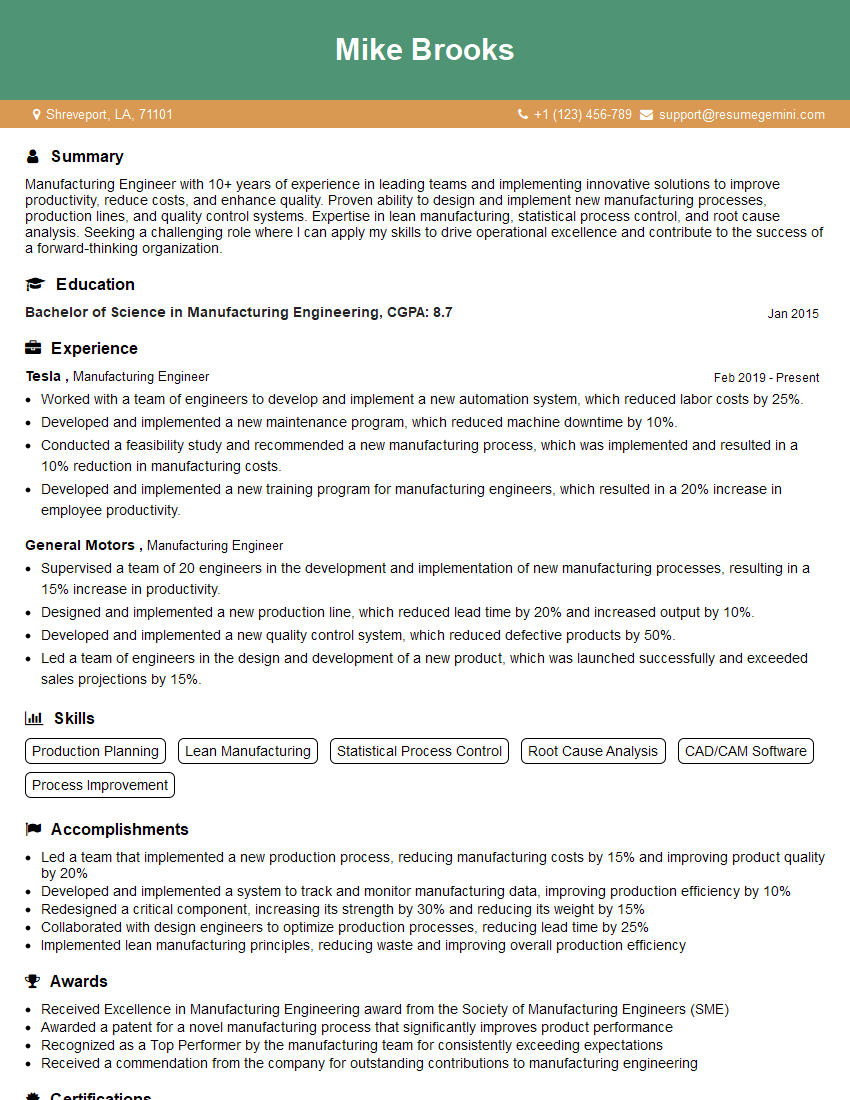
Manufacturing Engineer Resume Sample
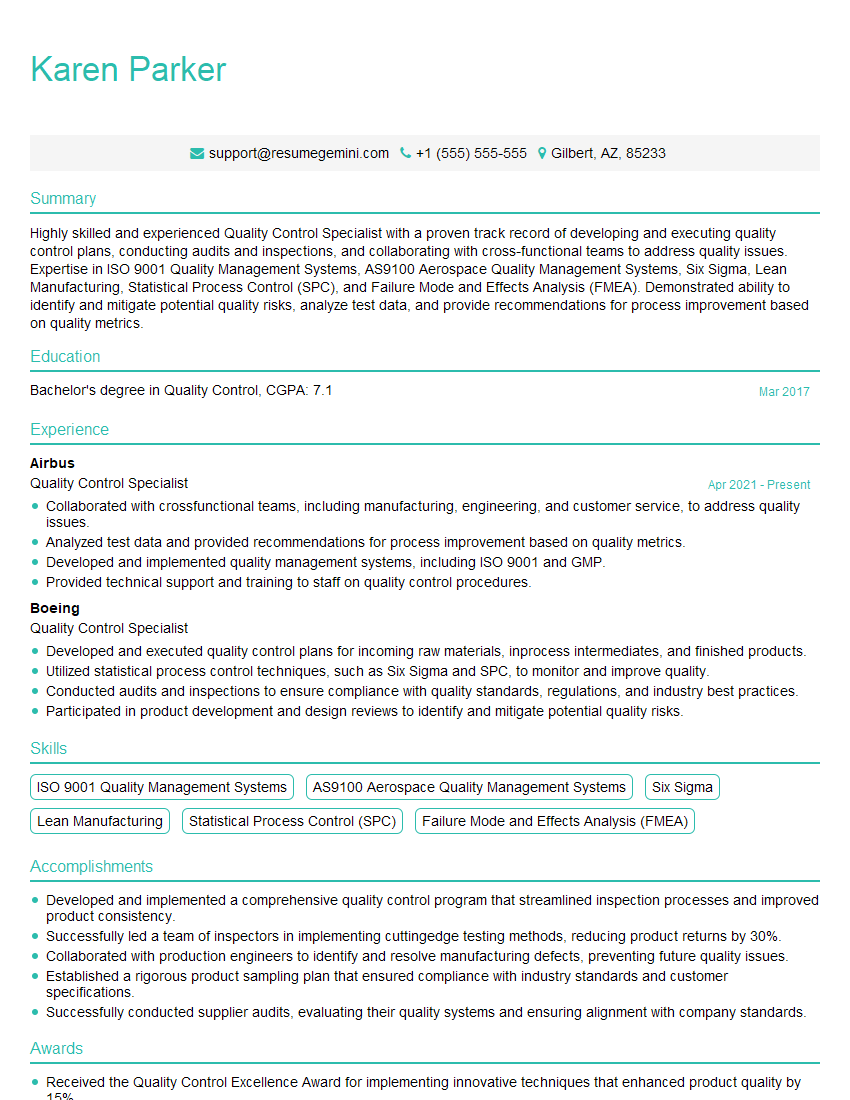
Quality Control Specialist Resume Sample
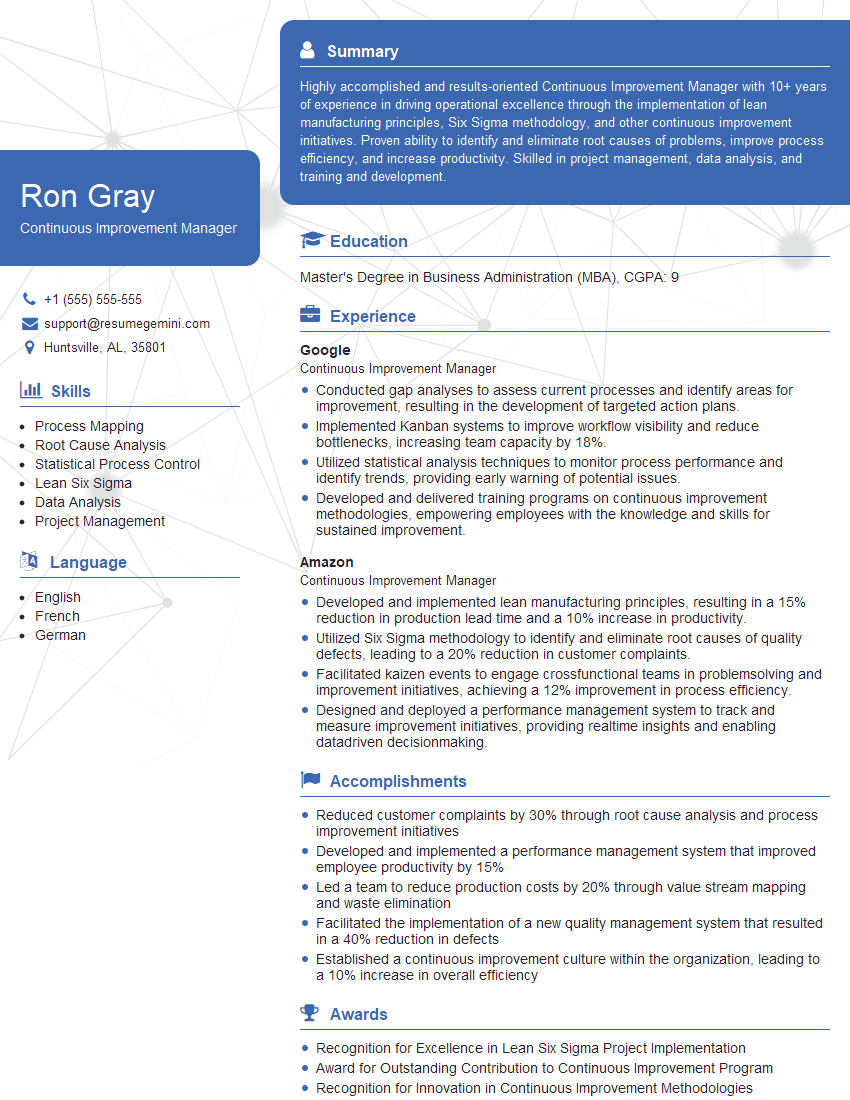
Continuous Improvement Manager Resume Sample
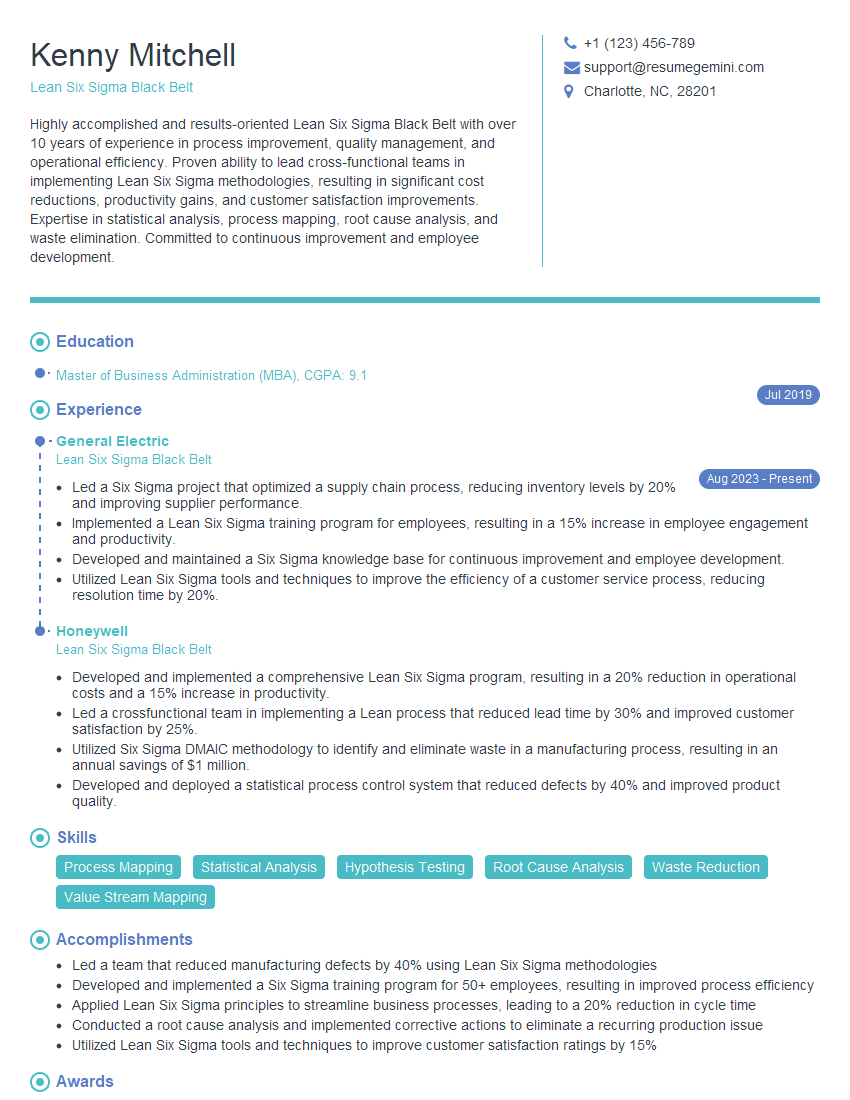
Lean Six Sigma Black Belt Resume Sample
- Operations Manager
- Product Manager
- Quality Assurance Manager
- Supply Chain Manager
- Project Manager
- Reliability Engineer
- Business Analyst
- Management Consultant
- Data Analyst
- Process Engineer
- Software Engineer
- IT Manager
- Operations Research Analyst
- Industrial Engineer
- Manufacturing Engineer
- Quality Control Specialist
- Continuous Improvement Manager
- Lean Six Sigma Black Belt
Explore more articles
Users Rating of Our Blogs
Share Your Experience
We value your feedback! Please rate our content and share your thoughts (optional).
What Readers Say About Our Blog
Really detailed insights and content, thank you for writing this detailed article.
IT gave me an insight and words to use and be able to think of examples