Interviews are more than just a Q&A session—they’re a chance to prove your worth. This blog dives into essential Ability to build rapport with students and create a positive learning environment interview questions and expert tips to help you align your answers with what hiring managers are looking for. Start preparing to shine!
Questions Asked in Ability to build rapport with students and create a positive learning environment Interview
Q 1. Describe your approach to establishing a positive classroom environment on the first day of school.
The first day sets the tone for the entire year. My approach focuses on building immediate trust and establishing clear expectations. I start with a warm welcome, introducing myself in a friendly and approachable manner, and making an effort to learn students’ names quickly. I then outline my classroom rules collaboratively, involving students in the discussion to foster a sense of ownership. This ensures the rules are fair and understandable. We might even create a classroom contract together! I follow this with a fun, engaging icebreaker activity – maybe a quick ‘two truths and a lie’ game – to help students connect with each other and feel comfortable. Finally, I provide a brief overview of the year’s curriculum, highlighting exciting projects and learning opportunities to build anticipation and excitement.
For example, in my previous role, I started the day by playing a game of ‘human bingo,’ where students had to mingle and find classmates who matched specific descriptions (e.g., ‘loves to read,’ ‘plays a musical instrument’). This instantly broke the ice and encouraged interaction.
Q 2. How do you handle a student who is consistently disruptive in class?
Addressing disruptive behavior requires a multi-faceted approach that emphasizes understanding and positive reinforcement. First, I try to identify the root cause. Is the student bored? Frustrated? Seeking attention? Observing their behavior carefully provides crucial clues. I then use non-verbal cues initially, like making eye contact or moving closer to the student. If that doesn’t work, I might have a brief, private conversation with the student to address the issue directly, focusing on the behavior, not the student’s character. Positive reinforcement and building rapport are vital. Rewarding positive behaviors consistently is far more effective than solely punishing negative ones. For consistent disruptions, I may involve parents/guardians and implement a behavior management plan collaboratively with the student.
For instance, I once had a student who was constantly interrupting. After observing him, I realized he was struggling to keep up with the pace of the lesson. By adjusting the pace and providing him with additional support, the disruptive behavior significantly decreased. We also established a signal he could use if he needed a break or clarification without disrupting the class.
Q 3. Explain your strategy for building rapport with students from diverse backgrounds.
Building rapport with diverse students requires actively seeking to understand and appreciate their unique backgrounds and perspectives. This involves acknowledging and celebrating the richness that diversity brings to the classroom. I start by creating a welcoming and inclusive environment where every student feels respected and valued. I learn about my students’ cultures and languages, asking about their interests and experiences respectfully. I incorporate diverse perspectives and examples into my teaching materials and curriculum, ensuring they see themselves represented. I also adapt my communication style to suit different learning preferences and cultural norms. Building relationships with families is also crucial for understanding their children’s background better.
For example, when I had a student who was new to the country and spoke limited English, I paired him with a peer who was fluent in his native language. This fostered a supportive learning environment and improved his overall confidence.
Q 4. How do you adapt your teaching methods to meet the needs of students with different learning styles?
Catering to diverse learning styles is essential for maximizing student engagement and understanding. I incorporate various teaching methods into my lessons, including visual aids, hands-on activities, group projects, individual work, and technology-based learning. I also regularly assess students’ understanding through various means like quizzes, presentations, and class discussions. This allows me to identify their strengths and weaknesses. For students who are struggling, I provide individualized support through differentiated instruction, tailored to their specific needs and learning style. This may involve adapting the pace of instruction, offering alternative assignments, or providing extra support and resources.
For example, for students who are visual learners, I use diagrams and mind maps. For kinesthetic learners, I incorporate hands-on activities and movement. For auditory learners, discussions and verbal instructions work best. I am constantly evaluating and adjusting my approach based on observation and student feedback.
Q 5. Share a time you successfully de-escalated a conflict between students.
I once had a conflict arise between two students during a group project. One student felt the other wasn’t contributing fairly. Instead of immediately reprimanding them, I created a safe space for them to express their feelings. I listened empathetically to both sides, acknowledging their perspectives without judgment. We then collaboratively worked out a solution, focusing on the project’s successful completion and how to best work together. I helped them identify strategies for effective communication and conflict resolution, such as active listening and compromise. The result was not only a successful project but also strengthened their understanding and ability to navigate future disagreements.
Q 6. How do you foster a sense of community and collaboration within your classroom?
Fostering a sense of community and collaboration is paramount. I create a classroom where students feel a sense of belonging and support each other. This involves establishing clear expectations for respectful interaction, teamwork, and cooperation. I regularly utilize cooperative learning activities, where students work together to achieve a common goal, learning from each other’s strengths and perspectives. I also create opportunities for social interaction, such as team-building games or class discussions, helping students bond and build relationships. Regular celebrations of student success and accomplishments further reinforce the sense of community.
Examples of these activities could include group projects, peer tutoring, and class discussions where students share their perspectives and support each other.
Q 7. What techniques do you use to encourage student participation and engagement?
Encouraging student participation and engagement involves creating a stimulating and supportive learning environment where students feel safe to take risks and express themselves. I use various techniques, including incorporating interactive activities, games, and technology into lessons. I regularly pose open-ended questions, encouraging thoughtful responses and discussions. I also provide opportunities for students to share their ideas and perspectives through presentations, debates, or creative projects. I make it clear that their input is valued and that mistakes are seen as learning opportunities. Building positive relationships with students is key, ensuring they feel comfortable participating actively.
Techniques like think-pair-share, student-led discussions, and the use of interactive whiteboards or educational games are all effective ways to achieve this.
Q 8. Describe your approach to providing constructive feedback to students.
My approach to constructive feedback centers around fostering a growth mindset. I believe feedback should be specific, actionable, and focused on the learning process, not just the outcome. I avoid generalizations and instead pinpoint specific areas for improvement, offering concrete suggestions for how to address them. I always begin by highlighting the student’s strengths and accomplishments before discussing areas needing development. This positive reinforcement boosts confidence and creates a receptive environment for receiving feedback.
For example, instead of saying ‘Your essay is poorly written,’ I might say, ‘Your introduction is strong, but the body paragraphs could benefit from more detailed evidence to support your claims. Let’s work together on developing stronger examples using the resources we’ve discussed in class.’ I often use a sandwich method: positive feedback, constructive criticism, and then another layer of positive reinforcement. The feedback session is always a two-way conversation; I encourage students to ask questions and share their perspectives.
Q 9. How do you differentiate instruction to meet the needs of students at varying academic levels?
Differentiating instruction is crucial for creating an inclusive learning environment. I utilize various strategies to cater to diverse learners, considering their readiness, interests, and learning profiles. This might involve tiered assignments, where students select tasks aligned with their skill levels, or flexible grouping, allowing for collaborative learning opportunities with peers of similar abilities. I also incorporate varied teaching methods – lectures, discussions, hands-on activities, project-based learning – to engage students with different learning styles.
For example, in a math class, I might offer different levels of complexity within a single problem set. Some students could tackle more challenging problems involving complex equations, while others might focus on applying fundamental concepts to simpler scenarios. I also use learning platforms that allow for personalized learning paths and adapt the pacing and content based on student performance.
Q 10. How do you use technology to enhance student learning and engagement?
Technology plays a significant role in enhancing student learning and engagement in my classroom. I use various educational tools and platforms to make learning more interactive and accessible. This includes utilizing learning management systems (LMS) for assignment distribution, grading, and communication, incorporating educational videos and simulations to supplement lessons, and employing interactive online games and quizzes to reinforce learning concepts.
For instance, I use Kahoot! for interactive quizzes that review key concepts, making learning fun and engaging. I also utilize educational simulations like those found on PhET Interactive Simulations to allow students to explore scientific concepts hands-on without the limitations of a physical lab setting. Collaborating tools like Google Docs or Slides allow for real-time group work, fostering collaboration and communication skills. It’s crucial, however, to balance technology use with other teaching methods to avoid screen fatigue and ensure comprehensive learning.
Q 11. What strategies do you employ to ensure inclusivity in your classroom?
Inclusivity is paramount in my classroom. I strive to create a welcoming and respectful environment where all students feel valued and empowered. I begin by learning about my students’ diverse backgrounds, learning styles, and needs. This includes proactively seeking information about students with disabilities, cultural differences, and diverse learning preferences. I differentiate instruction, as previously mentioned, to meet the unique needs of all students, and use flexible seating arrangements to promote comfort and inclusion.
Moreover, I incorporate diverse perspectives into the curriculum, utilizing diverse reading materials and discussing relevant social issues. I model respectful communication and create opportunities for students to share their diverse experiences and perspectives in class. I proactively address instances of bias or exclusion, ensuring that all students feel safe and respected in the learning environment.
Q 12. How do you manage student behavior effectively without resorting to punishment?
I believe in managing student behavior proactively rather than reactively. I focus on establishing clear expectations and routines from the beginning of the year, fostering a positive classroom culture based on mutual respect and trust. I clearly communicate class rules and procedures, and involve students in developing classroom norms. This participatory approach enhances student ownership and responsibility.
When addressing disruptive behavior, I use positive reinforcement strategies, such as praising positive behaviors and rewarding students for following rules. I also employ restorative practices, focusing on repairing harm caused by misbehavior through dialogue and understanding. Instead of resorting to punishment, I try to address the root cause of the disruptive behavior and work with the student to develop coping mechanisms or alternative strategies. For instance, if a student is constantly interrupting, I might work with them individually to develop strategies for self-regulation.
Q 13. How do you address the needs of students who are struggling academically or emotionally?
Addressing students struggling academically or emotionally requires a multifaceted approach combining academic support, emotional support, and collaboration with parents and specialists. For academic struggles, I provide extra help sessions, differentiated instruction, and access to tutoring resources. I work closely with the student to identify learning gaps and create personalized learning plans. I also use formative assessments frequently to monitor progress and adjust instruction accordingly.
For emotional struggles, I create a supportive and empathetic classroom environment where students feel safe to share their feelings. I might refer the student to school counselors or other support services, depending on the nature and severity of their issues. Maintaining open communication with parents is critical, as they can often provide valuable insights and support for the student’s well-being. It’s vital to prioritize the student’s overall well-being, recognizing that academic success is often interconnected with emotional well-being.
Q 14. Describe your process for identifying and addressing student learning gaps.
Identifying and addressing student learning gaps is an ongoing process. I use a variety of assessment methods, including formative and summative assessments, to monitor student progress and pinpoint areas where students are struggling. Formative assessments, like quizzes, classwork, and observations, provide ongoing feedback and allow for timely intervention. Summative assessments, like tests and projects, offer a broader picture of student understanding at specific points in the learning process.
Once learning gaps are identified, I use various strategies to address them. This might involve providing targeted instruction, differentiated assignments, extra help sessions, or referring students to tutoring or other support services. Data from assessments informs my instructional decisions, helping me to tailor my teaching to meet the specific needs of each student. Continuous monitoring and adjustments are key to ensuring that all students are making progress and achieving their learning goals.
Q 15. How do you create a safe and supportive learning environment for all students?
Creating a safe and supportive learning environment is paramount. It’s about building a classroom where every student feels respected, valued, and empowered to learn. This involves several key strategies:
- Establishing clear expectations and routines: A structured classroom provides predictability and security. Students know what’s expected of them, reducing anxiety and fostering a sense of order. This includes clear rules, procedures for transitions, and consistent enforcement.
- Building positive relationships: Getting to know each student individually, learning about their interests and challenges, helps build rapport and trust. I regularly engage in informal conversations, showing genuine interest in their lives beyond academics.
- Promoting inclusivity and respect: Creating a culture of respect where differences are celebrated is crucial. This means actively addressing bullying, discrimination, and any form of negativity. I explicitly teach students about empathy and understanding diverse perspectives.
- Providing choices and autonomy: Giving students some control over their learning – choices in projects, group work, or even seat selection – empowers them and increases engagement. This doesn’t mean chaos; it’s about offering options within a structured framework.
- Celebrating successes and effort: Regularly acknowledging effort and progress, even small ones, boosts student confidence and motivation. I utilize positive reinforcement, praise, and public acknowledgment of accomplishments.
For example, in my previous role, I implemented a ‘Kindness Crew’ where students nominated peers who exhibited kindness and respect. This fostered a positive classroom climate and encouraged prosocial behavior.
Career Expert Tips:
- Ace those interviews! Prepare effectively by reviewing the Top 50 Most Common Interview Questions on ResumeGemini.
- Navigate your job search with confidence! Explore a wide range of Career Tips on ResumeGemini. Learn about common challenges and recommendations to overcome them.
- Craft the perfect resume! Master the Art of Resume Writing with ResumeGemini’s guide. Showcase your unique qualifications and achievements effectively.
- Don’t miss out on holiday savings! Build your dream resume with ResumeGemini’s ATS optimized templates.
Q 16. How do you communicate effectively with parents and guardians?
Effective communication with parents and guardians is essential for student success. I believe in open, honest, and proactive communication:
- Regular updates: I utilize newsletters, emails, and parent-teacher conferences to provide regular updates on student progress, assignments, and upcoming events. This proactive approach prevents misunderstandings and keeps parents informed.
- Multiple communication channels: I offer various channels for communication – email, phone calls, text messaging (with parental consent) – to cater to parents’ preferences and ensure accessibility.
- Positive and solution-focused approach: Even when addressing concerns, I focus on solutions and collaboration. I frame conversations constructively, highlighting strengths and offering strategies to improve.
- Active listening: I listen attentively to parents’ concerns and perspectives, validating their feelings and showing empathy. This builds trust and encourages open dialogue.
- Professional and respectful language: I always maintain a professional and respectful tone in all communications, regardless of the situation.
For instance, I once had a parent concerned about their child’s performance. Instead of simply stating the problem, I collaborated with them to develop a support plan, involving both home and school strategies. This collaborative approach resulted in a significant improvement in the student’s academic performance and strengthened the parent-teacher relationship.
Q 17. What are some of your favorite classroom management strategies?
My classroom management strategies are built on a foundation of positive relationships and clear expectations. I utilize a variety of techniques:
- Proactive strategies: Creating a structured classroom environment with clear routines and procedures minimizes disruptions. This includes established procedures for entering and exiting the classroom, transitions between activities, and seeking assistance.
- Positive reinforcement: I focus on rewarding positive behaviors, such as active participation, cooperation, and respect. This can involve verbal praise, positive notes, class rewards, or individual recognition.
- Non-verbal cues: I use non-verbal cues, like proximity control or eye contact, to address minor disruptions before they escalate. This prevents minor issues from becoming major distractions.
- Restorative practices: When conflicts arise, I utilize restorative practices, focusing on repairing harm and building relationships. This involves having students reflect on their actions and develop solutions to make amends.
- Collaboration with parents: I involve parents in classroom management strategies when appropriate. This can include sharing concerns and developing strategies together.
For example, I implemented a class reward system where students earned points for positive behavior, leading to fun class activities or extra recess time. This created a positive and motivating learning environment.
Q 18. How do you assess student learning and progress effectively?
Assessing student learning is an ongoing process, not a single event. I use a variety of methods to gain a holistic understanding of each student’s progress:
- Formative assessments: These ongoing assessments, like quizzes, class discussions, and exit tickets, provide regular feedback and inform instruction. This allows for adjustments to teaching strategies based on student needs.
- Summative assessments: These larger-scale assessments, such as tests, projects, and presentations, measure student learning at the end of a unit or term. They provide a comprehensive view of student understanding.
- Observations: I regularly observe students during class activities, noting their participation, engagement, and problem-solving skills. This provides valuable qualitative data beyond test scores.
- Student self-assessment: I encourage students to reflect on their own learning and identify areas of strength and weakness. This promotes metacognition and self-directed learning.
- Portfolio assessments: For some subjects, I utilize portfolios to showcase student work over time, demonstrating growth and progress. This provides a more comprehensive view of a student’s development than single assessments.
I always provide detailed and constructive feedback, focusing on both strengths and areas for improvement. This feedback is crucial for guiding student learning and fostering a growth mindset.
Q 19. Describe your experience working with students with IEPs or 504 plans.
I have extensive experience working with students with Individualized Education Programs (IEPs) and 504 plans. My approach centers on collaboration, differentiation, and individualized support:
- Collaboration with special education staff: I work closely with special education teachers, case managers, and other professionals to understand each student’s unique needs and develop appropriate support strategies. This collaborative approach ensures the student receives the best possible education.
- Differentiated instruction: I adjust my teaching methods and materials to meet the specific learning styles and needs of each student. This might involve providing modified assignments, extra time, or alternative assessment formats.
- Individualized support: I provide individualized support to students, including one-on-one assistance, small group instruction, and targeted interventions. This can involve modifying instruction, assistive technology, or other accommodations.
- Accommodations and modifications: I implement the accommodations and modifications outlined in the student’s IEP or 504 plan, ensuring they have the necessary support to succeed. This could include preferential seating, noise-reducing headphones, or extended time on assignments.
- Regular communication with parents: I maintain open communication with parents, providing updates on student progress and collaborating on support strategies. This ensures consistency between home and school environments.
In my previous role, I successfully supported a student with an IEP by implementing specific modifications in my instruction and assessment methods. By doing so, I enabled this student to not only meet the learning objectives of the class but to also excel. Regular check-ins with the student and communication with their parents created an environment of trust and understanding.
Q 20. How do you handle situations where students are struggling with personal issues?
When students are struggling with personal issues, my priority is their well-being and safety. My approach is empathetic, supportive, and collaborative:
- Creating a safe space: I foster a classroom environment where students feel comfortable sharing their concerns without judgment. This involves building trusting relationships and demonstrating empathy.
- Active listening and validation: I listen attentively to students’ concerns, validating their feelings and showing empathy. I avoid offering unsolicited advice but provide support and guidance.
- Referral to appropriate resources: I connect students with appropriate resources, such as school counselors, social workers, or other professionals, when needed. This can include counseling services, community organizations, or other support networks.
- Collaboration with parents/guardians: I work closely with parents/guardians to provide a consistent and supportive environment for the student. This requires sensitive communication and respect for family dynamics.
- Maintaining confidentiality: I maintain confidentiality, following school policies and ethical guidelines. This builds trust and encourages students to seek support.
It’s important to remember that I am not a therapist. My role is to provide a supportive environment and connect students with professionals who can provide the necessary help. I prioritize the student’s safety and well-being above all else.
Q 21. How do you maintain a balance between maintaining classroom control and fostering student autonomy?
Balancing classroom control and fostering student autonomy requires a delicate approach. It’s not about choosing one over the other, but rather finding a synergy between the two:
- Clear expectations and structure: A structured classroom provides a sense of security and predictability, reducing disruptions and promoting focus. This doesn’t stifle autonomy; it provides a framework within which students can exercise choice.
- Gradual release of responsibility: I gradually increase student autonomy as they demonstrate responsibility and maturity. This might start with small choices and progress to more significant decision-making opportunities.
- Student voice and choice: I actively seek student input in classroom decisions, allowing them to participate in selecting projects, activities, or even classroom rules. This fosters a sense of ownership and responsibility.
- Collaborative decision-making: I involve students in collaborative decision-making processes, such as planning projects or establishing group norms. This develops teamwork and problem-solving skills.
- Positive feedback and reinforcement: I emphasize positive feedback and reinforcement for responsible choices and self-regulation. This encourages students to take ownership of their learning and behavior.
Think of it like learning to ride a bike. You need training wheels (structure and clear expectations) initially, but eventually, you remove them (gradually release responsibility) and the child learns to ride independently. The goal is to help students develop the skills and confidence to become self-directed learners.
Q 22. What is your philosophy on student discipline?
My philosophy on student discipline is rooted in restorative justice and positive behavior interventions and supports (PBIS). I believe that discipline should be about teaching students self-regulation and responsible decision-making, not simply about punishment. My classroom operates on a foundation of mutual respect and clear expectations. Rather than focusing on infractions, I proactively build a positive classroom culture where students feel safe, valued, and empowered to learn. This includes:
- Establishing clear rules and consequences collaboratively with students: This ensures buy-in and understanding. We discuss why rules are important and the impact of breaking them on the learning environment.
- Using positive reinforcement and rewards: I focus on celebrating successes and recognizing positive behaviors, fostering a sense of accomplishment and community.
- Addressing misbehavior through restorative conversations: Instead of punitive measures, I engage students in conversations to understand the root cause of their behavior and help them find solutions. This focuses on repairing harm and promoting understanding.
- Building strong relationships with students: A strong teacher-student relationship provides a safe space for students to feel comfortable taking risks and making mistakes without fear of harsh judgment.
For example, if a student is consistently disrupting class, instead of immediately issuing a consequence, I might have a private conversation to understand the underlying reason. Is there something happening at home? Are they struggling with the material? Addressing the root cause is key to preventing future disruptions.
Q 23. Describe a time when you had to adapt your teaching style to better meet the needs of your students.
In my previous role, I taught a diverse group of students with varying learning styles and needs. I initially used a lecture-based approach, but noticed some students were struggling to engage. I adapted my teaching style by incorporating:
- More hands-on activities and collaborative projects: This allowed students to learn through doing and to benefit from peer interaction and support.
- Differentiated instruction: I began providing different levels of support and challenge based on individual student needs, ensuring that every student could access the material and be appropriately challenged.
- Technology integration: Utilizing interactive simulations, online resources, and educational games made learning more engaging and catered to students’ diverse learning preferences.
- Frequent check-ins and feedback: I regularly monitored student understanding through informal assessments and adjusted my instruction accordingly. This allowed for immediate adjustments and personalized support.
For instance, I had a student who was struggling with reading comprehension. After observing their difficulties, I implemented differentiated instruction through providing graphic organizers, audiobooks, and shorter reading passages. The use of these strategies significantly improved their comprehension and engagement.
Q 24. How do you motivate students to take ownership of their learning?
Motivating students to take ownership of their learning requires creating a classroom environment where they feel empowered, respected, and invested in their own success. I employ strategies such as:
- Goal setting: I work with students to establish individual learning goals, ensuring they are realistic, achievable, and aligned with their interests.
- Choice and autonomy: Whenever possible, I provide students with choices in their assignments, projects, and learning activities, fostering a sense of agency.
- Student-led learning activities: Incorporating peer teaching, presentations, and group projects promotes collaboration and active learning, while also providing opportunities for students to lead and share their knowledge.
- Providing regular feedback and celebrating achievements: I regularly provide constructive feedback, focusing on effort and progress, and celebrate both individual and collective accomplishments.
- Connecting learning to real-world applications: I make learning relevant by demonstrating how concepts apply to students’ lives and future aspirations.
For example, I might allow students to choose a topic for a research project, or let them select the format of their presentation (poster, video, oral presentation, etc.). This sense of ownership significantly increases their investment in the learning process.
Q 25. How do you promote critical thinking and problem-solving skills in your classroom?
Promoting critical thinking and problem-solving skills involves designing learning experiences that challenge students to analyze information, evaluate evidence, and develop creative solutions. I achieve this through:
- Open-ended questions and discussions: I encourage students to question assumptions, explore multiple perspectives, and justify their reasoning.
- Case studies and simulations: Real-world scenarios and simulations provide opportunities for students to apply their knowledge and skills in a practical context.
- Problem-based learning: Presenting students with complex problems that require them to work collaboratively to find solutions fosters teamwork and problem-solving skills.
- Debates and discussions: Engaging students in respectful debates and discussions strengthens their ability to articulate their viewpoints, consider different perspectives, and build well-supported arguments.
- Inquiry-based projects: Encouraging students to design their own investigations and experiments allows them to develop their curiosity, research skills, and analytical thinking.
For instance, we might tackle a real-world problem, like the impact of plastic pollution on the environment. Students would research the issue, propose solutions, and present their findings, actively applying critical thinking and problem-solving skills.
Q 26. How do you use formative and summative assessments to inform your instruction?
Formative and summative assessments are crucial for informing my instruction. Formative assessments are ongoing checks for understanding that guide my teaching, while summative assessments provide a comprehensive overview of student learning at the end of a unit or course.
- Formative assessments: I use a variety of formative assessment strategies, such as exit tickets, quick quizzes, think-pair-share activities, and observations to monitor student progress and identify areas where students need additional support. This allows me to adjust my teaching in real-time.
- Summative assessments: Summative assessments, like unit tests, projects, and presentations, provide a broader picture of student learning at the end of a unit. These assessments inform my future instruction by highlighting areas where I need to adjust my approach or provide additional support in future units.
For example, if exit tickets reveal that many students are struggling with a particular concept, I’ll adjust the next lesson to provide further explanation and practice. Summative assessment results show overall performance and help me refine my curriculum for the future.
Q 27. Describe your approach to creating a culturally responsive classroom.
Creating a culturally responsive classroom involves recognizing and valuing the diverse cultural backgrounds, experiences, and perspectives of all students. This means adapting my teaching to be inclusive and equitable for everyone. My approach includes:
- Learning about my students’ cultures: I take the time to get to know my students individually, learning about their backgrounds, interests, and experiences.
- Using culturally relevant materials: I incorporate materials and examples that reflect the diverse cultures represented in my classroom, making the learning more relatable and engaging for all students.
- Incorporating diverse learning styles: I adapt my teaching methods to accommodate various learning preferences, ensuring that all students have opportunities to succeed.
- Creating a safe and inclusive classroom environment: I foster a classroom culture where all students feel respected, valued, and empowered to share their perspectives without fear of judgment.
- Building relationships with families: I actively engage with families to understand their children’s backgrounds and support their learning at home.
For example, I might incorporate stories and examples from different cultures into my lessons, or I might allow students to choose projects that reflect their own cultural interests.
Q 28. How do you ensure that all students feel valued and respected in your classroom?
Ensuring all students feel valued and respected is paramount. This requires building a classroom community founded on empathy, inclusivity, and equity. My strategies include:
- Creating a welcoming and inclusive classroom environment: I decorate the classroom with diverse representations, and promote a climate of respect and understanding among students.
- Using inclusive language and avoiding stereotypes: I am mindful of the language I use and ensure that it is respectful and inclusive of all students, regardless of background or identity.
- Providing opportunities for student voice and participation: I create space for students to share their perspectives, experiences, and ideas, empowering them to contribute to the classroom community.
- Addressing bullying and harassment promptly and effectively: I have clear procedures for dealing with bullying and harassment, ensuring that all students feel safe and protected.
- Celebrating diversity and promoting understanding: I actively promote understanding and appreciation for diversity through activities and discussions that celebrate the richness of different cultures and perspectives.
For example, I might have a class discussion on different cultural perspectives on a particular topic, or I might invite guest speakers from various backgrounds to share their experiences with the class. The key is to consistently model respect and create a safe space for open communication.
Key Topics to Learn for Ability to build rapport with students and create a positive learning environment Interview
- Understanding Individual Learning Styles: Learn to identify different learning styles (visual, auditory, kinesthetic) and adapt your teaching methods accordingly. This involves active listening and observation of student responses.
- Building Trust and Empathy: Explore strategies for creating a safe and inclusive classroom where students feel comfortable taking risks and asking questions. Practical application includes demonstrating genuine interest in students’ lives and perspectives.
- Effective Communication Techniques: Master clear and concise communication, both verbally and nonverbally. Practice active listening, providing constructive feedback, and using inclusive language.
- Classroom Management Strategies: Develop and articulate your approach to classroom management, emphasizing positive reinforcement and proactive strategies to prevent disruptive behavior. Consider examples of how you’ve handled challenging situations in the past.
- Creating a Positive and Engaging Learning Environment: Discuss methods for fostering collaboration, promoting active participation, and incorporating diverse learning activities to keep students motivated and engaged. This includes creating a physically and emotionally comfortable space.
- Addressing Diverse Needs: Prepare to discuss your approach to working with students from diverse backgrounds and with varying levels of academic ability. Showcase your understanding of inclusion and equity in education.
- Reflection and Self-Improvement: Demonstrate a commitment to continuous professional development and your ability to reflect on your teaching practices to improve student outcomes. Discuss how you seek feedback and use it for growth.
Next Steps
Mastering the ability to build rapport with students and create a positive learning environment is crucial for career advancement in education. It demonstrates your commitment to student success and your ability to foster a thriving learning community. To increase your job prospects, focus on building an ATS-friendly resume that highlights these key skills. ResumeGemini is a trusted resource that can help you craft a compelling resume showcasing your abilities. Examples of resumes tailored to highlight your skills in building rapport and creating a positive learning environment are available to help you get started.
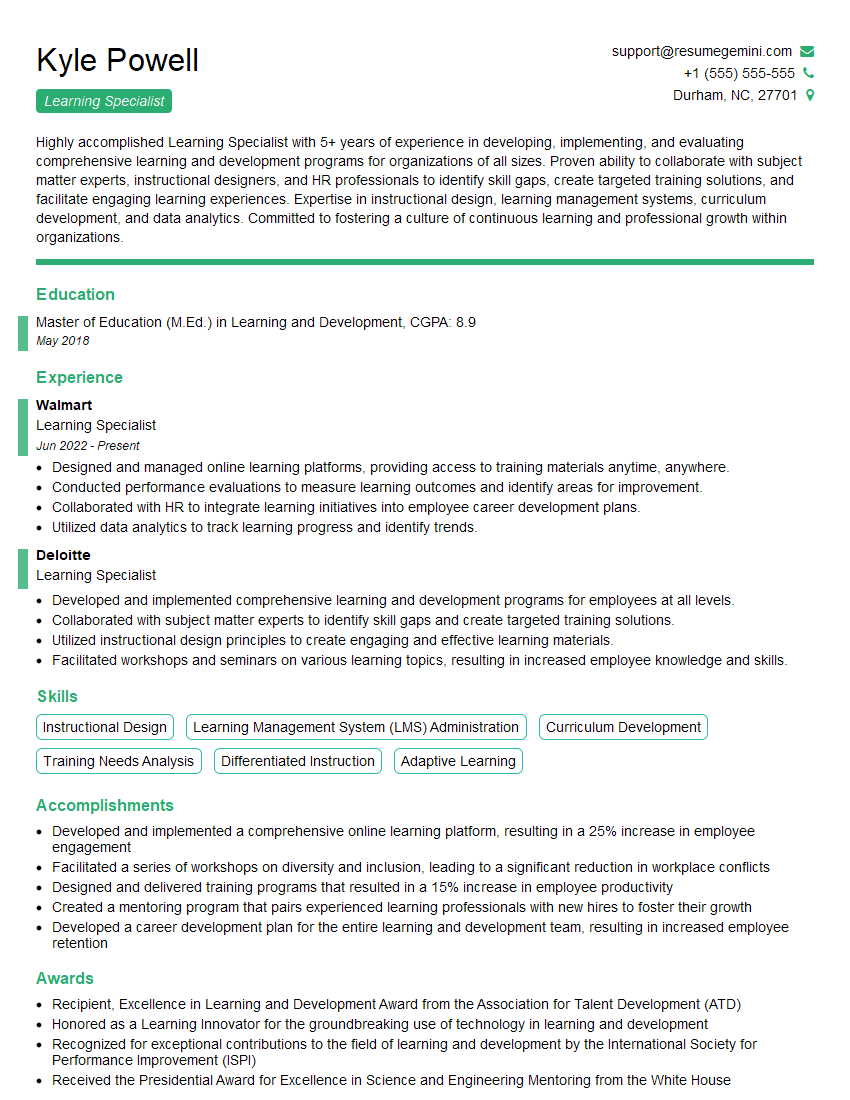
Learning Specialist Resume Sample
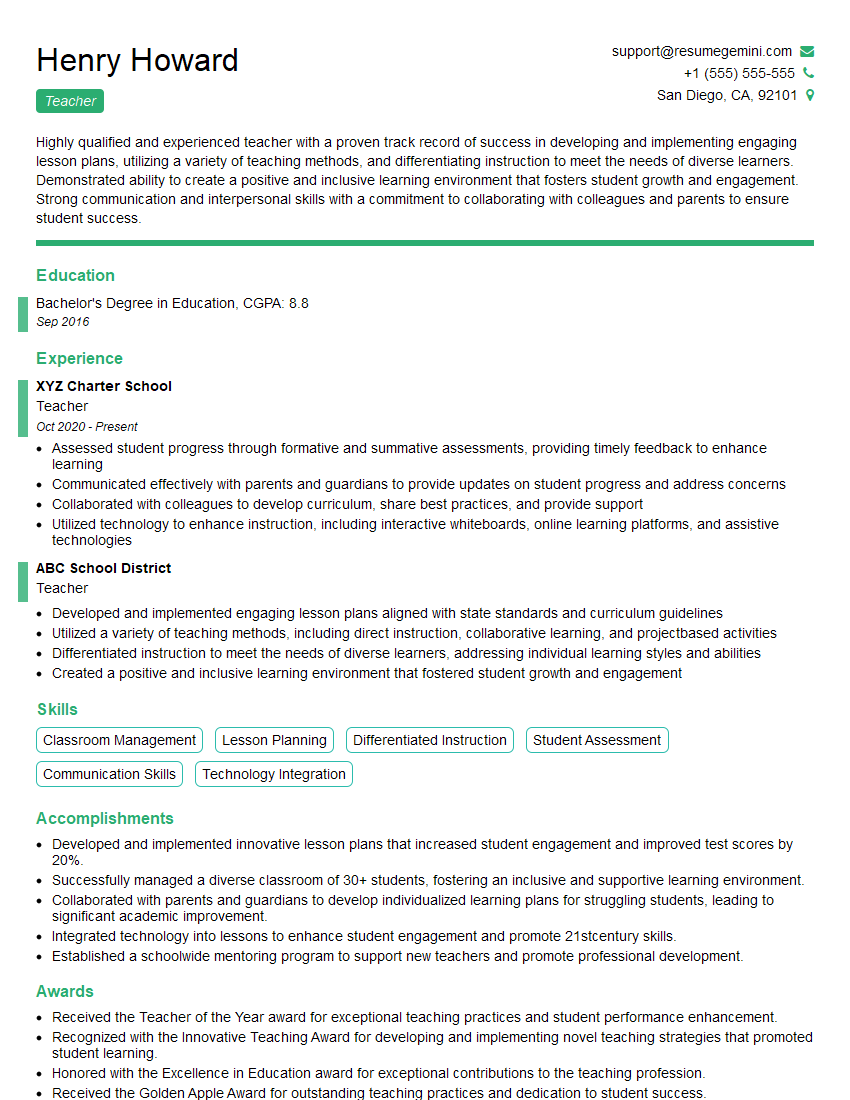
Teacher Resume Sample

Instructor Resume Sample

Professor Resume Sample

Curriculum Developer Resume Sample
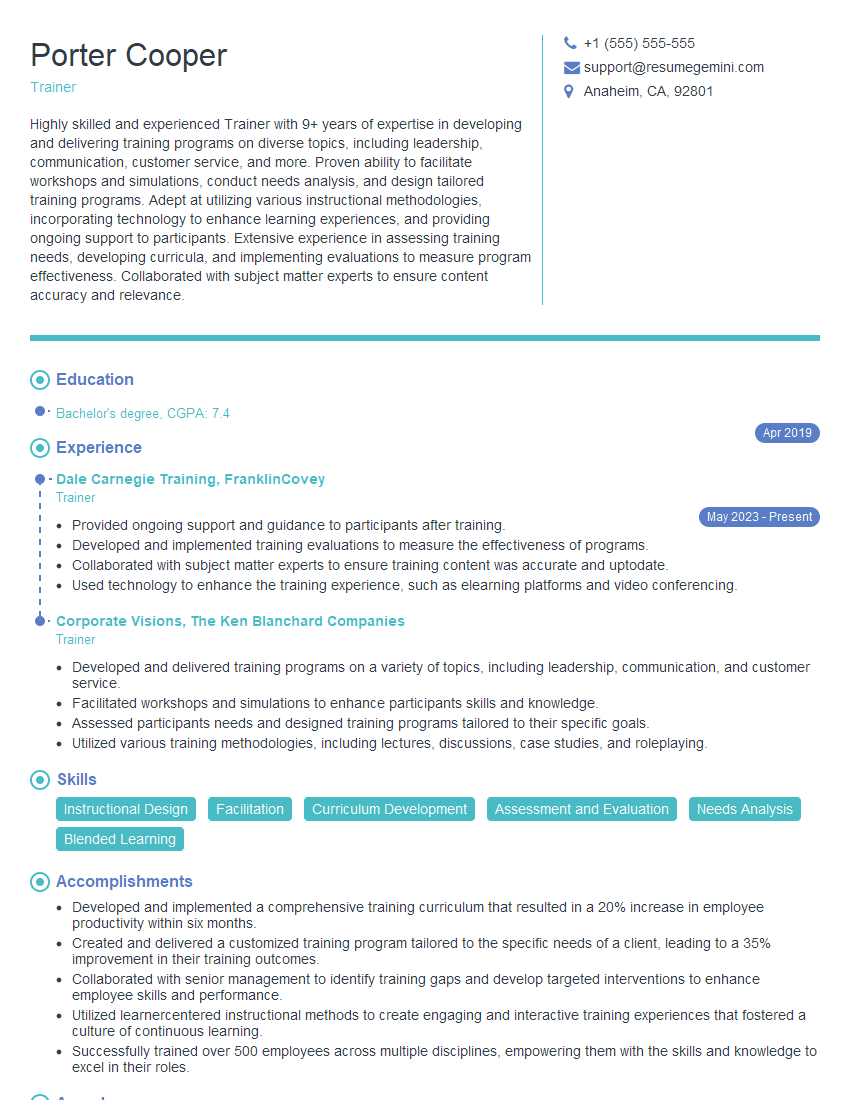
Trainer Resume Sample
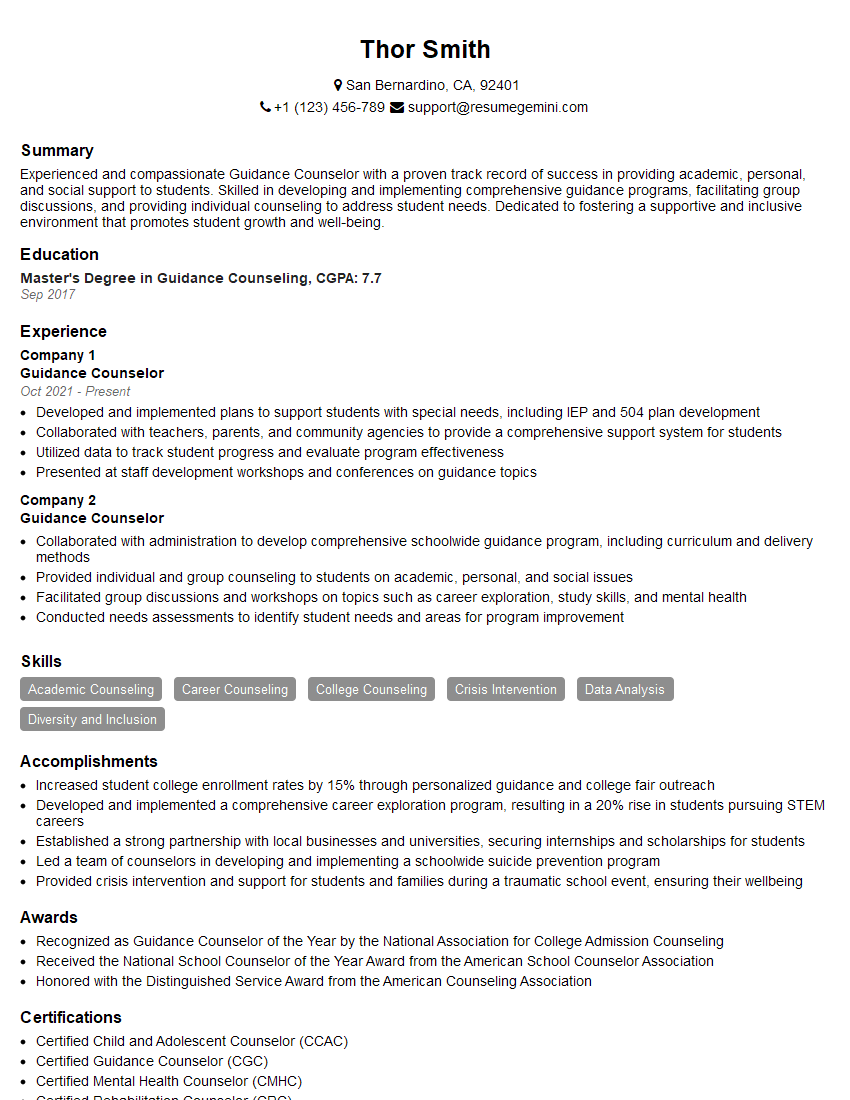
Guidance Counselor Resume Sample
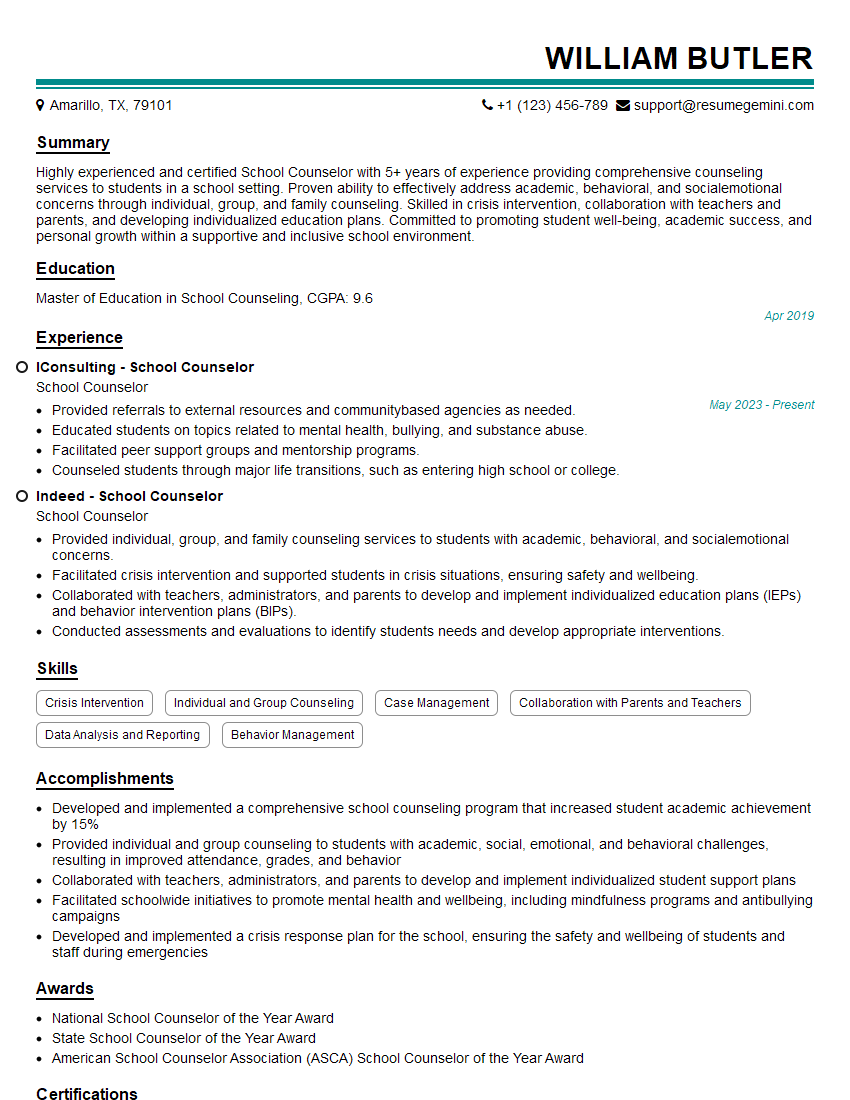
School Counselor Resume Sample
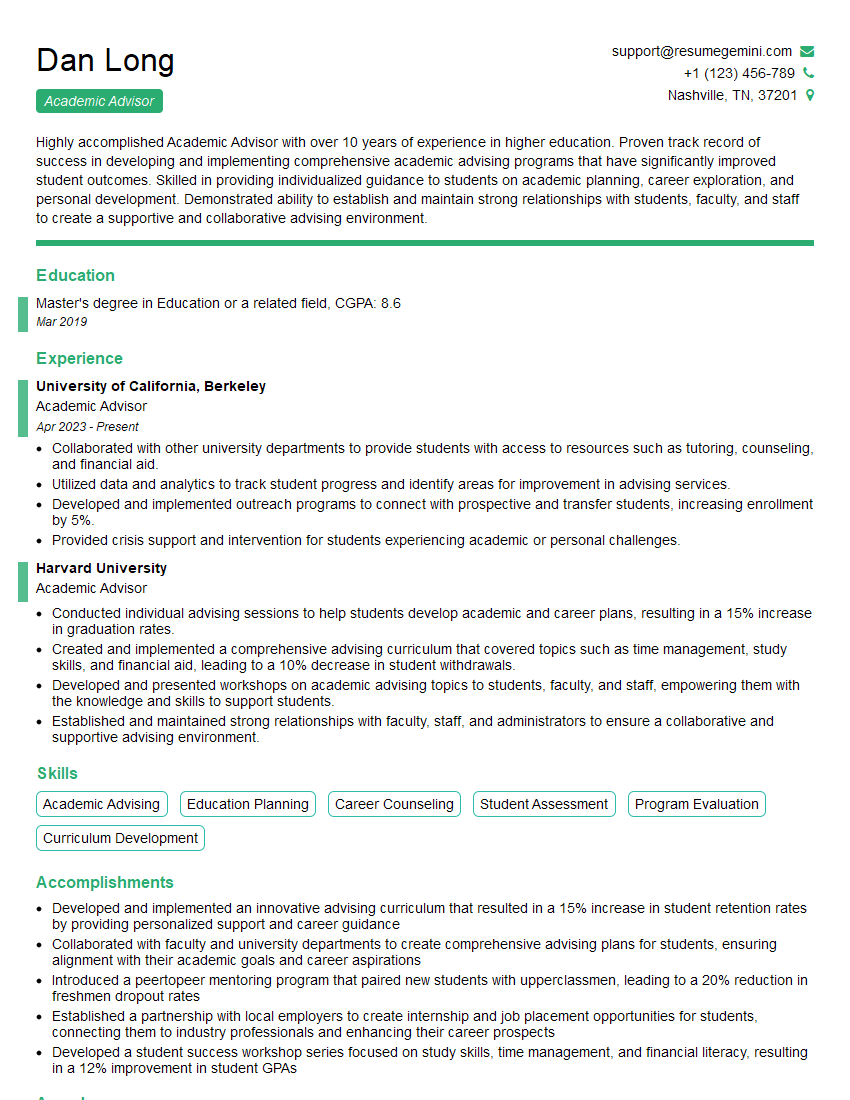
Academic Advisor Resume Sample
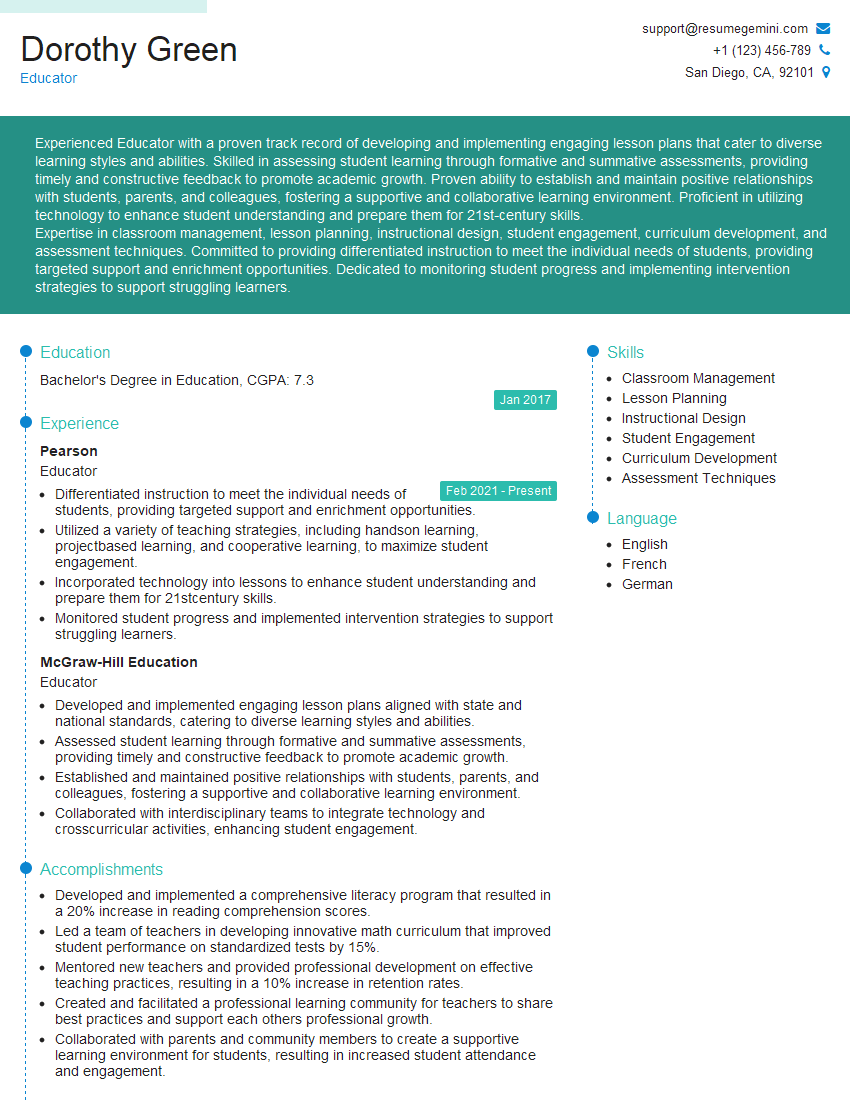
Educator Resume Sample
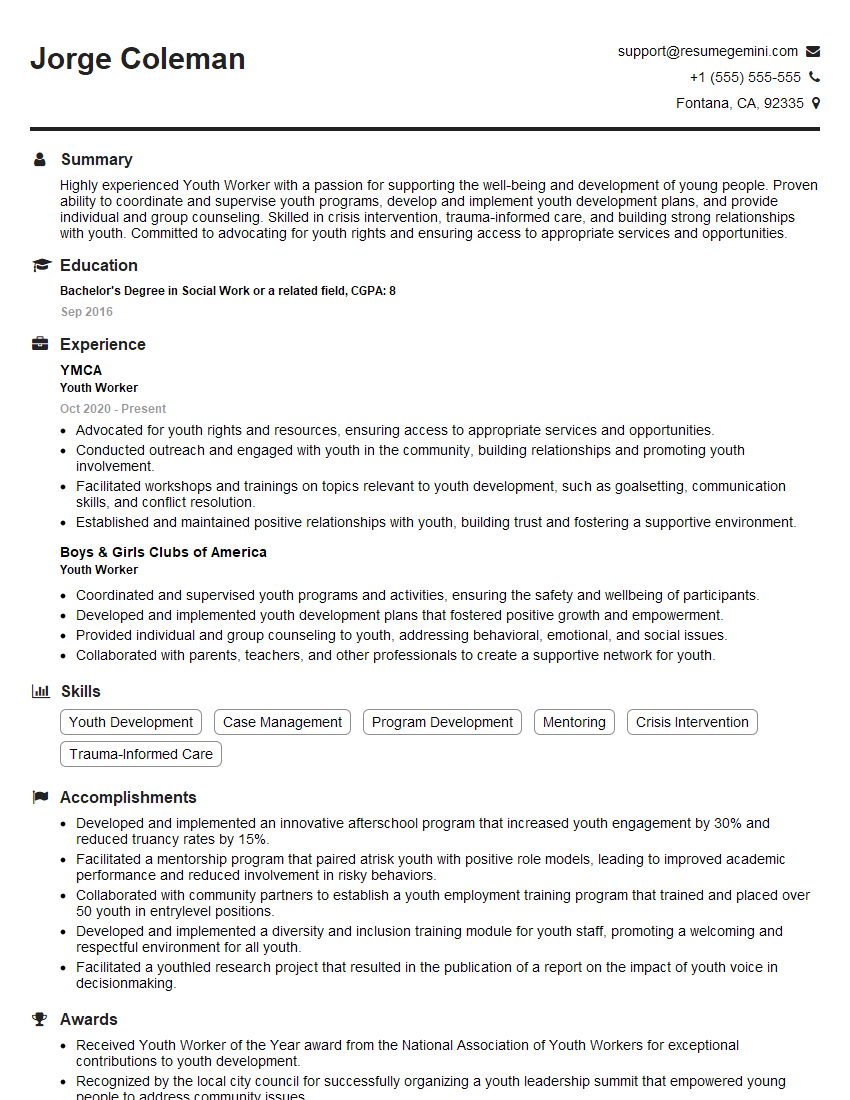
Youth Worker Resume Sample
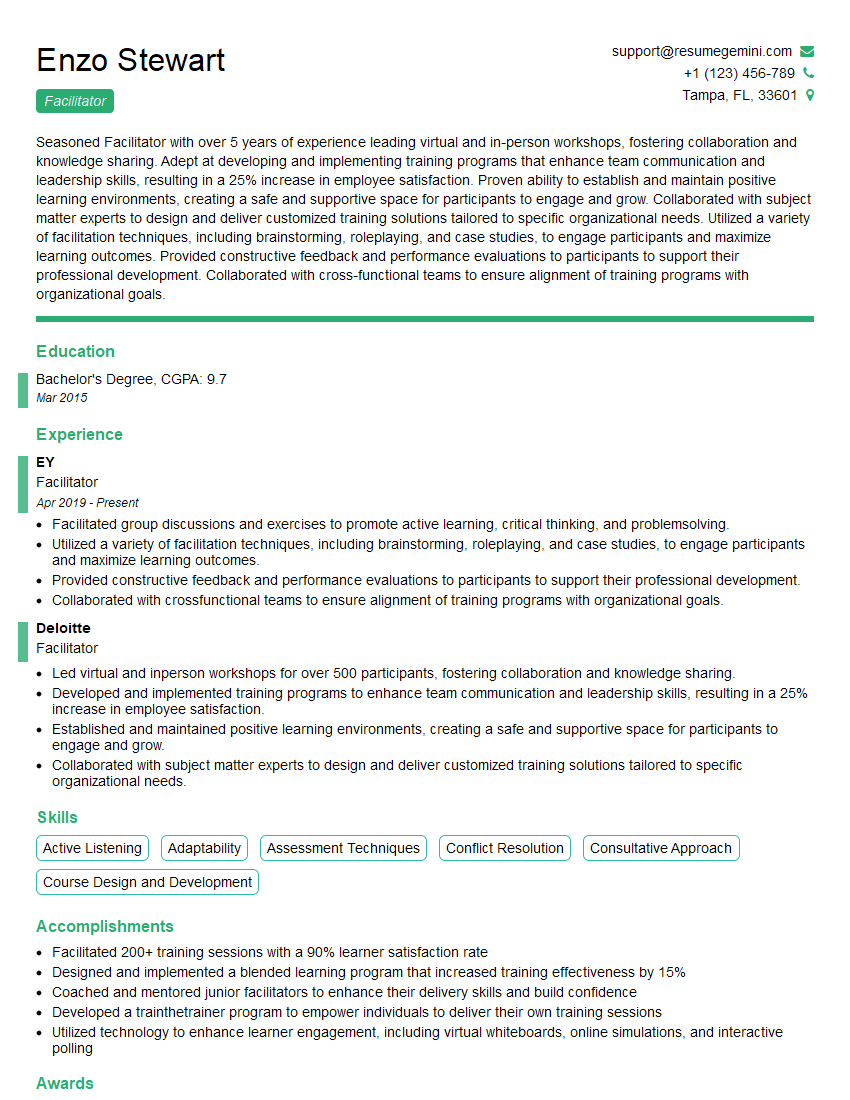
Facilitator Resume Sample

Lecturer Resume Sample

Adjunct Professor Resume Sample
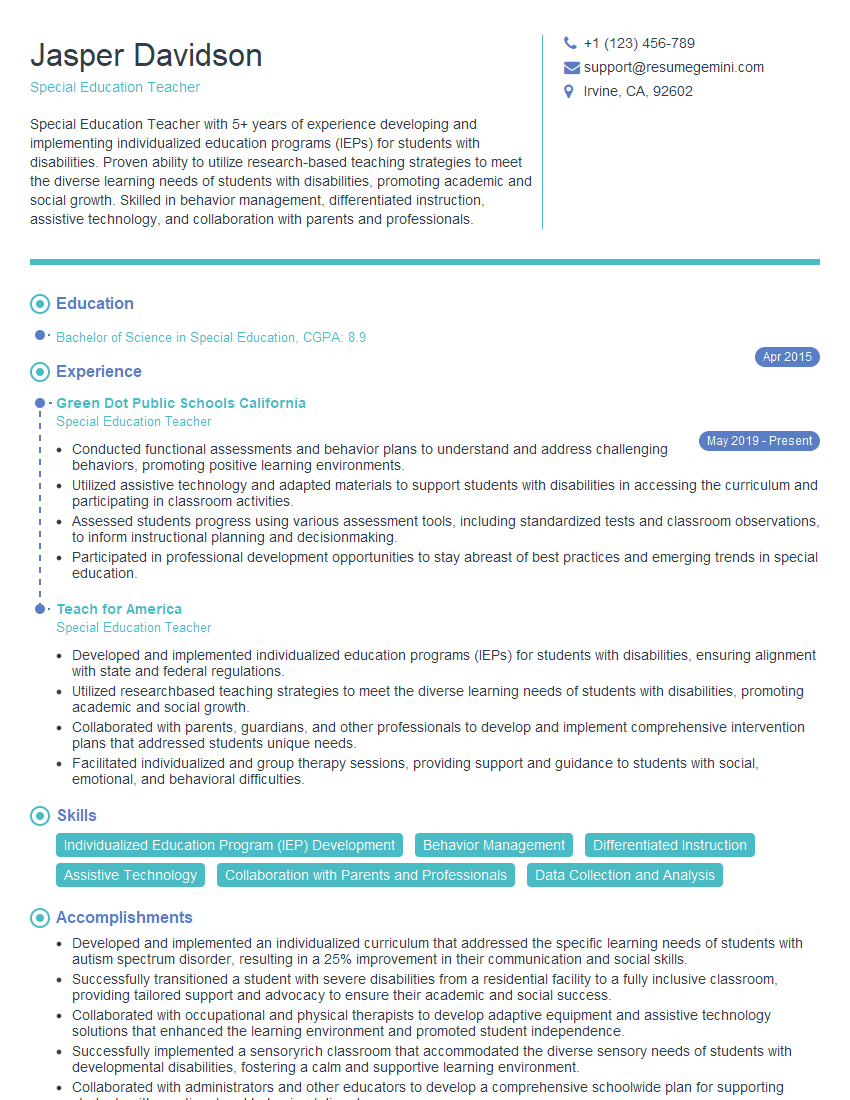
Special Education Teacher Resume Sample

Tutor Resume Sample
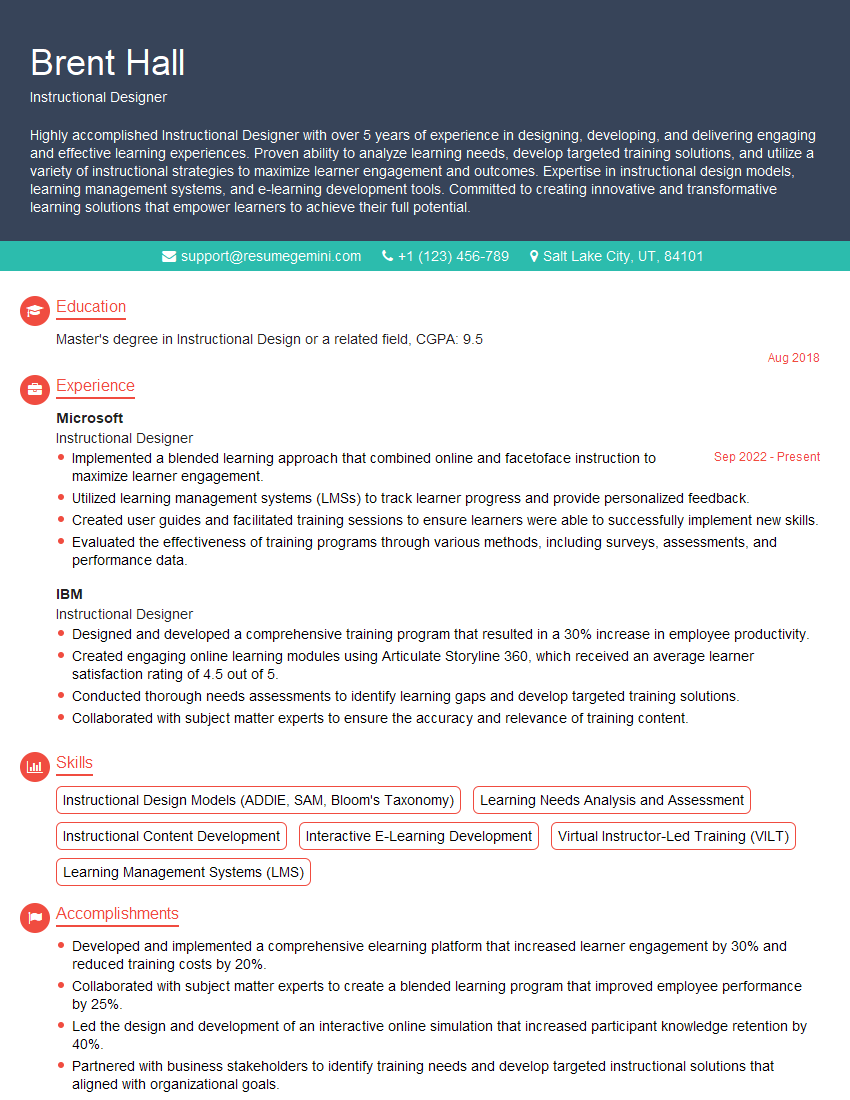
Instructional Designer Resume Sample

Educational Technologist Resume Sample

Teaching Assistant Resume Sample
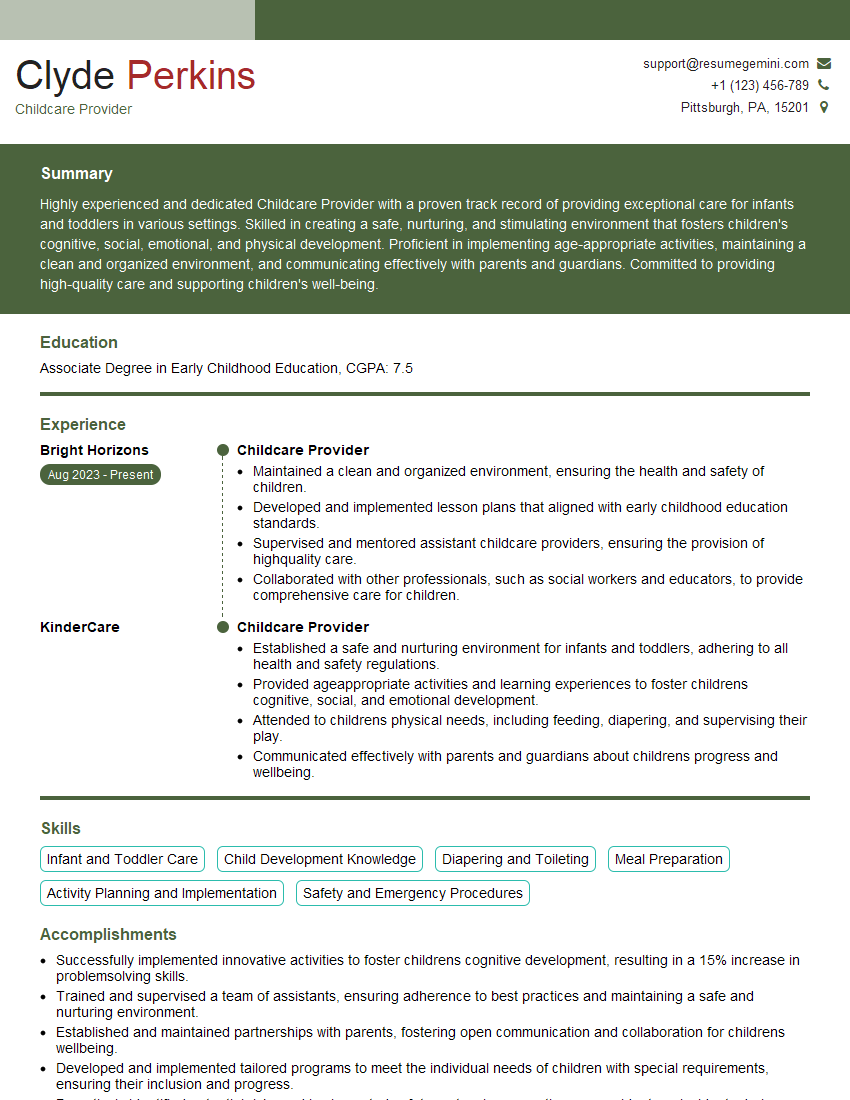
Childcare Provider Resume Sample
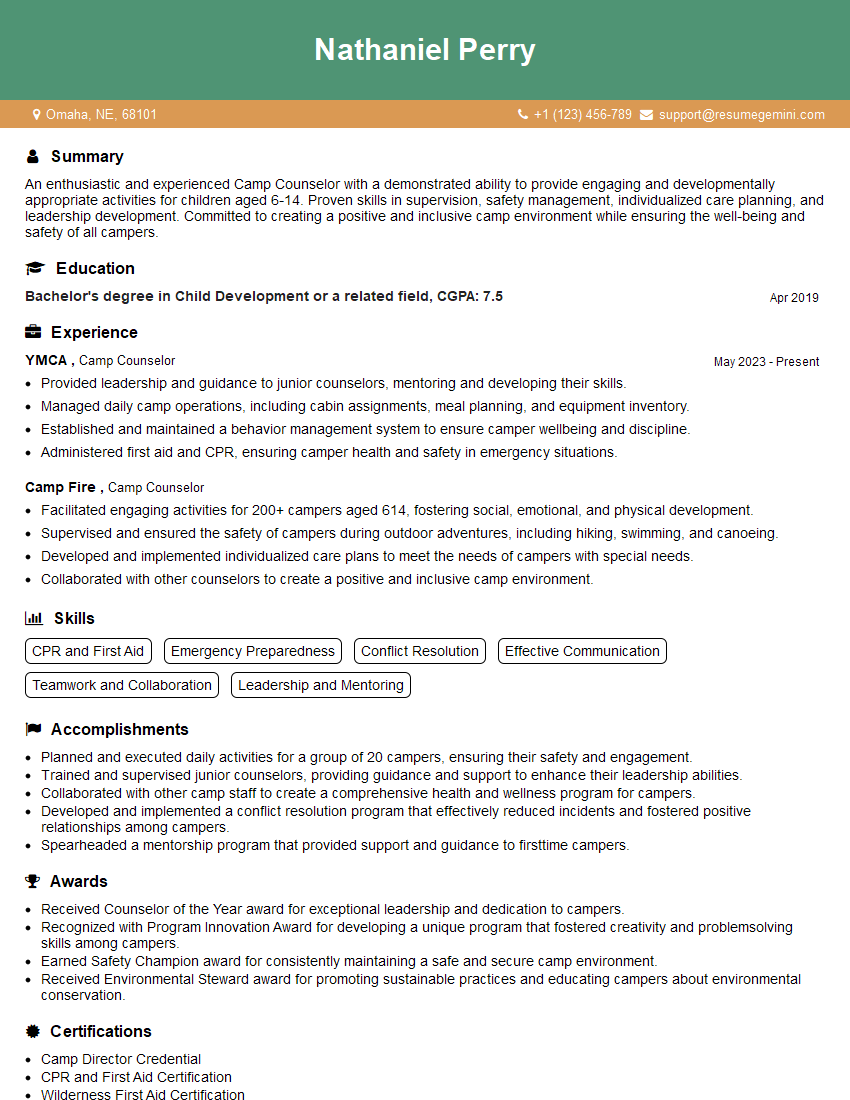
Camp Counselor Resume Sample
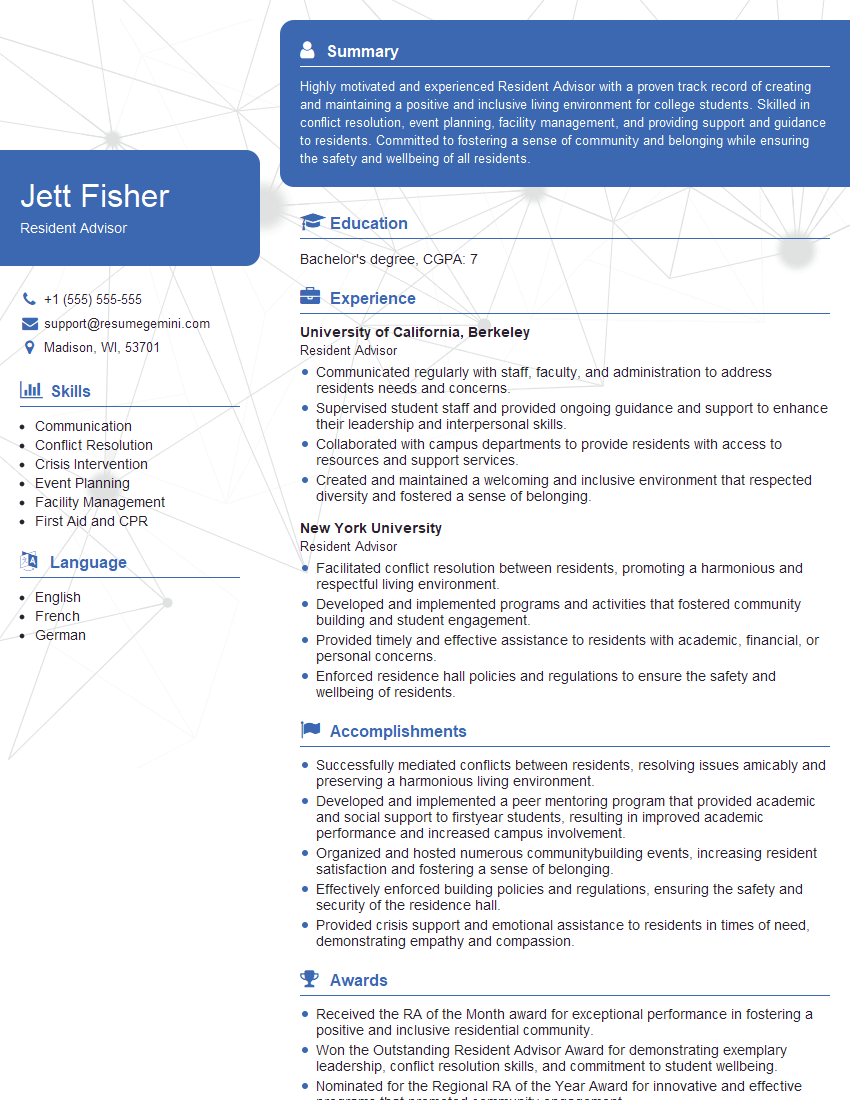
Resident Advisor Resume Sample
- Learning Specialist
- Teacher
- Instructor
- Professor
- Curriculum Developer
- Trainer
- Guidance Counselor
- School Counselor
- Academic Advisor
- Educator
- Youth Worker
- Facilitator
- Lecturer
- Adjunct Professor
- Special Education Teacher
- Tutor
- Instructional Designer
- Educational Technologist
- Teaching Assistant
- Childcare Provider
- Camp Counselor
- Resident Advisor
Explore more articles
Users Rating of Our Blogs
Share Your Experience
We value your feedback! Please rate our content and share your thoughts (optional).
What Readers Say About Our Blog
I Redesigned Spongebob Squarepants and his main characters of my artwork.
https://www.deviantart.com/reimaginesponge/art/Redesigned-Spongebob-characters-1223583608
IT gave me an insight and words to use and be able to think of examples
Hi, I’m Jay, we have a few potential clients that are interested in your services, thought you might be a good fit. I’d love to talk about the details, when do you have time to talk?
Best,
Jay
Founder | CEO