Interviews are more than just a Q&A session—they’re a chance to prove your worth. This blog dives into essential Ability to create and maintain a safe and nurturing learning environment interview questions and expert tips to help you align your answers with what hiring managers are looking for. Start preparing to shine!
Questions Asked in Ability to create and maintain a safe and nurturing learning environment Interview
Q 1. Describe your strategies for establishing classroom rules and expectations.
Establishing clear classroom rules and expectations is foundational to a safe and nurturing learning environment. My approach involves collaborative rule-creation, ensuring students feel ownership and buy-in. I begin by explaining the importance of rules for mutual respect and effective learning. Then, we brainstorm together, discussing what constitutes respectful behavior, productive collaboration, and a positive learning atmosphere.
- Collaborative Rule Creation: We collectively create a list of rules, discussing their purpose and consequences of breaking them. This might involve a class meeting or small group discussions, encouraging active participation from every student.
- Visual Representation: Once finalized, we visually display the rules prominently in the classroom, perhaps creating posters together or using a digital format accessible to all. This constant visibility serves as a reminder throughout the day.
- Consistent Enforcement: Finally, consistent and fair enforcement is crucial. I focus on positive reinforcement whenever possible, but address infractions promptly and calmly, using restorative practices where appropriate. This shows students I value both the rules and their well-being.
For example, in my previous classroom, we collectively decided on rules like ‘Respectful listening’, ‘Kind words’, and ‘Hands and feet to yourself.’ Creating these rules together meant students understood the rationale behind them, increasing their likelihood of adhering to them.
Q 2. How do you address disruptive behavior in a constructive manner?
Addressing disruptive behavior requires a multifaceted approach that prioritizes understanding the underlying cause before implementing solutions. My strategy involves a calm, empathetic response, focusing on redirection and restorative practices rather than punitive measures.
- Understanding the Root Cause: Before reacting, I try to understand *why* the disruptive behavior occurred. Is the student tired, frustrated, overwhelmed, or seeking attention? Sometimes a simple conversation is enough to uncover the issue.
- Redirection and Positive Reinforcement: If the disruption is minor, I might use gentle redirection. For example, I’ll quietly move closer to the student, make eye contact, or subtly remind them of the classroom rules using a positive statement, such as ‘Remember our agreement about keeping hands to ourselves?’ Positive reinforcement for good behavior is key.
- Restorative Practices: For more significant disruptions, I use restorative practices, which aim to repair harm caused by the behavior. This might involve a private conversation with the student to discuss their actions, their impact on others, and how they can make amends. I focus on teaching empathy and problem-solving skills.
- Collaboration with Parents/Guardians: In cases of persistent behavior, I always collaborate with parents/guardians to develop a consistent approach at home and at school.
Imagine a student constantly talking out of turn. Instead of immediate punishment, I might first observe if there’s a pattern—are they seeking attention? Are they unsure of the material? Addressing the underlying need will usually resolve the disruptive behavior more effectively than simply silencing them.
Q 3. Explain your approach to differentiating instruction to meet diverse learning needs.
Differentiated instruction is crucial for catering to diverse learning styles and needs within a classroom. My approach involves adapting teaching methods, materials, and assessment to ensure all students can access and succeed in the curriculum.
- Assessing Learning Styles and Needs: I start by gathering information about each student’s learning preferences, strengths, and challenges. This might involve pre-assessments, observations, and conversations with students and parents.
- Varied Instructional Methods: I employ a variety of teaching methods—lectures, group work, independent projects, hands-on activities—to engage diverse learners. Some students benefit from visual aids, while others learn best through kinesthetic activities.
- Tiered Assignments: I often provide tiered assignments, offering varying levels of complexity to challenge students at their appropriate levels. This ensures that both advanced and struggling learners are appropriately engaged and challenged.
- Flexible Grouping: I utilize flexible grouping strategies, pairing students strategically for group work based on their learning styles and needs. This encourages peer learning and support.
- Adaptive Assessments: I use a variety of assessment methods, including projects, presentations, essays, and tests, allowing students to demonstrate their understanding in ways that best suit their abilities.
For example, in a science lesson, I might offer different levels of a lab report—a basic report for struggling learners, an expanded report for average learners, and a research-based report for advanced learners, ensuring everyone is appropriately challenged.
Q 4. How do you create a sense of community and belonging in your classroom?
Creating a sense of community and belonging is essential for a positive learning environment. My approach focuses on fostering positive relationships, creating shared experiences, and promoting inclusivity.
- Building Relationships: I make an effort to get to know each student individually, learning about their interests and backgrounds. This shows that I care about them as individuals, not just as students.
- Shared Activities and Experiences: We engage in collaborative projects, classroom discussions, and games that encourage teamwork and interaction. This helps students to build relationships with each other and feel a sense of shared identity.
- Celebrating Diversity: We explicitly celebrate our differences, respecting and appreciating everyone’s unique backgrounds and perspectives. This creates a safe space for all students to feel accepted and valued.
- Positive Classroom Culture: I establish clear expectations for respectful communication and interaction, ensuring all students feel safe and supported.
For example, we might start each day with a ‘morning meeting,’ sharing news or concerns. Or, we could create a classroom mural together, where each student contributes their own unique artwork, reflecting our shared classroom identity.
Q 5. What strategies do you use to foster positive relationships with students?
Fostering positive relationships with students is critical for a thriving classroom. My strategy is built on respect, open communication, and consistent effort to understand each student’s individual needs.
- Open Communication: I create opportunities for open communication, both formal and informal. This includes regular check-ins, class discussions, and one-on-one meetings where students can share their thoughts and feelings openly.
- Showing Empathy and Understanding: I strive to understand each student’s unique circumstances, showing empathy and support. This means actively listening to their concerns, validating their feelings, and offering assistance when needed.
- Building Trust: Building trust involves consistently following through on promises, demonstrating fairness, and maintaining confidentiality. Students need to know that they can trust their teacher to be supportive and understanding.
- Positive Interactions: I initiate positive interactions with students, remembering their names, showing interest in their lives, and offering encouragement. Small gestures of kindness can make a big difference in building positive relationships.
For instance, I might remember a student’s interest in soccer and ask about their game on the weekend, showing that I value their life outside the classroom. These personal connections are important for building trust and rapport.
Q 6. How do you handle conflict resolution among students?
Conflict resolution is an important skill to teach students, fostering empathy and problem-solving abilities. My approach emphasizes restorative practices, encouraging students to understand different perspectives and find mutually agreeable solutions.
- Mediation: When conflicts arise, I act as a mediator, guiding students through a structured process to resolve their differences. This involves encouraging them to express their feelings, understand each other’s viewpoints, and brainstorm solutions collaboratively.
- Restorative Questions: I use restorative questions to help students reflect on their actions and their impact on others. For example, I might ask, ‘How did your actions make the other person feel?’ or ‘What could you have done differently?’
- Role-Playing: To practice conflict resolution skills, we might engage in role-playing scenarios, allowing students to practice different communication strategies in a safe and supportive environment.
- Focus on Repairing Harm: The goal is to repair any harm caused by the conflict, not just to punish those involved. This might involve apologies, amends, or collaborative solutions to restore a positive relationship.
If two students are arguing over a toy, instead of simply taking the toy away, I’d guide them through a conversation where they both express their feelings and work together to find a solution, maybe sharing the toy or agreeing on a schedule.
Q 7. Describe your methods for incorporating positive reinforcement techniques.
Positive reinforcement is a powerful tool for shaping behavior and promoting a positive classroom environment. My approach involves regularly recognizing and rewarding positive actions and attitudes, rather than focusing solely on correcting negative behaviors.
- Verbal Praise: I frequently provide specific and sincere verbal praise for good work, effort, and positive behavior. Saying things like, ‘I really appreciate your effort on that assignment,’ or, ‘I noticed you were helping your classmate – that’s fantastic!’ goes a long way.
- Non-Verbal Affirmations: Positive body language, a smile, or a nod can also be effective forms of positive reinforcement. These small gestures show that I am paying attention and appreciate the student’s actions.
- Class Rewards: I sometimes use class rewards, such as extra playtime or a special activity, to reinforce collective positive behavior.
- Individual Rewards: Individual rewards might include stickers, small prizes, positive notes sent home, or privileges like choosing a reading book or helping with a classroom task. The rewards should be aligned with student interests.
- Public Acknowledgement: I occasionally publicly acknowledge positive behaviors during class, highlighting students’ achievements and contributions. This creates positive role models.
Instead of just addressing a student’s misbehavior, I might also mention the students who are following the rules, saying, ‘I’m really pleased to see how well everyone is working quietly on their assignments.’ This not only addresses misbehavior but also reinforces good behavior.
Q 8. How do you identify and address students’ emotional needs?
Identifying and addressing students’ emotional needs is paramount to fostering a nurturing learning environment. It involves a proactive and responsive approach, combining observation, communication, and individualized support.
Observational Skills: I regularly observe students’ behavior, noting changes in mood, engagement levels, interactions with peers, and body language. For instance, a usually cheerful student exhibiting persistent withdrawal might indicate underlying emotional distress.
Open Communication: I create a safe space for students to share their feelings. This involves building rapport through informal chats, one-on-one conversations, and class discussions about emotional well-being. I use active listening techniques, ensuring students feel heard and understood.
Individualized Support: Once an emotional need is identified, I tailor my response. This could involve providing extra support, adjusting assignments, connecting them with school counselors or relevant resources, or simply offering a listening ear. For example, if a student is struggling with anxiety related to testing, I might offer alternative assessment methods or provide extra time and a quiet space.
Collaboration: I actively collaborate with parents/guardians, school counselors, and other professionals to provide holistic support. A consistent approach between home and school greatly benefits the student.
Q 9. How do you ensure all students feel safe and respected in your classroom?
Ensuring all students feel safe and respected involves creating a classroom culture built on mutual respect, empathy, and clear expectations. This requires a multi-faceted approach:
Establish Clear Rules and Expectations: Co-creating classroom rules with students empowers them and fosters a sense of ownership. These rules should clearly outline respectful behavior, conflict resolution strategies, and consequences for inappropriate actions. These are consistently reinforced.
Promote Positive Relationships: Building positive relationships with each student is crucial. I learn about their interests and strengths, showing genuine interest in their lives beyond academics. This builds trust and creates a supportive environment.
Conflict Resolution Strategies: I teach students effective conflict resolution skills through role-playing, discussions, and modeling appropriate behavior. Mediating disputes fairly and impartially is key to preventing escalation.
Zero Tolerance for Bullying and Harassment: A clear message of zero tolerance for bullying and harassment must be communicated consistently. Reporting procedures are clear and easily accessible. I ensure every incident is thoroughly investigated and appropriate actions are taken.
Creating a physically safe space: This includes well-organized furniture, clear pathways, and readily available emergency exits. It’s also important to minimize tripping hazards and potential safety concerns.
Q 10. Explain your approach to inclusive teaching practices.
Inclusive teaching practices ensure all students, regardless of their background, abilities, or learning styles, feel valued and have equal opportunities to succeed. My approach involves:
Differentiated Instruction: I adapt my teaching methods and materials to meet the diverse needs of my students. This includes providing varied learning activities, adjusting the complexity of assignments, and offering different modes of assessment.
Culturally Responsive Teaching: I incorporate diverse perspectives and cultures into my curriculum and teaching methods. This involves understanding and valuing the cultural backgrounds of my students and adapting my teaching to be relevant and engaging to all.
Universal Design for Learning (UDL): I apply UDL principles to create flexible learning environments and materials that cater to different learning styles and preferences. This might involve providing multiple means of representation, action and expression, and engagement.
Collaboration and Communication: I regularly communicate with parents, specialists, and other educators to ensure students receive comprehensive support. This collaborative effort helps identify and address any challenges.
Q 11. How do you adapt your teaching methods to meet the needs of students with disabilities?
Adapting teaching methods for students with disabilities requires a thorough understanding of their individual needs and the implementation of appropriate accommodations and modifications. This begins with collaboration with the student’s IEP (Individualized Education Program) team.
IEP Collaboration: I work closely with the IEP team to understand the student’s strengths, weaknesses, and specific learning needs. The IEP outlines specific accommodations and modifications that need to be implemented.
Assistive Technology: I utilize assistive technology, such as text-to-speech software, speech-to-text software, or specialized learning apps, as needed. This could also include adaptive learning materials or equipment.
Modified Assessments: Depending on the student’s needs, I might modify assessments by adjusting the format, providing extra time, or offering alternative methods of demonstrating understanding. This ensures fair and accurate assessment of their learning.
Differentiated Instruction and Support: I implement differentiated instruction to meet the individual learning needs of the student. This could involve providing visual aids, breaking down tasks into smaller steps, or offering one-on-one support.
Positive Reinforcement and Encouragement: Creating a positive and supportive learning environment is critical for students with disabilities. Regular positive reinforcement and encouragement can significantly enhance their learning experience and self-esteem. Celebrating successes, however small, can build confidence and self-efficacy.
Q 12. What resources do you utilize to support students’ social and emotional learning?
Supporting students’ social and emotional learning (SEL) requires a multifaceted approach utilizing various resources:
School Counseling Services: I work closely with school counselors to identify and address students’ social and emotional needs. Counselors provide individual and group counseling, social-emotional skill-building workshops, and crisis intervention services.
SEL Curricula and Programs: I integrate SEL curricula and programs into my teaching. These programs often include lessons on self-awareness, self-management, social awareness, relationship skills, and responsible decision-making.
Classroom Activities and Strategies: I incorporate various classroom activities and strategies that promote SEL, such as mindfulness exercises, cooperative learning activities, conflict resolution exercises, and discussions about social and emotional issues.
Parent and Community Involvement: I actively involve parents and the wider community in supporting students’ SEL. This could involve workshops for parents, community partnerships, and opportunities for students to connect with positive role models.
Online Resources and Apps: There are many online resources and apps that can support SEL, such as educational videos, interactive exercises, and self-assessment tools. These can supplement classroom activities and provide additional support for students.
Q 13. Describe your strategies for creating a physically safe and organized classroom.
Creating a physically safe and organized classroom involves proactive planning and consistent maintenance. This encompasses several key aspects:
Clear Pathways and Space: Ensure there are clear pathways for movement and ample space between desks and learning centers, minimizing tripping hazards.
Organized Storage: Utilize efficient storage solutions such as cabinets, shelves, and drawers to keep materials organized and accessible. This reduces clutter and creates a less chaotic environment.
Safety Procedures: Establish and review safety procedures regularly, including emergency exits, fire drills, and lockdown procedures. Ensure students understand and can follow these procedures. Regular safety checks are vital.
Age-Appropriate Furniture: Use age-appropriate furniture sized correctly for the students. Desks and chairs should provide good posture support.
Clean and Well-Maintained Space: Maintain a clean and well-maintained classroom to prevent accidents and illness. Regular cleaning and tidying are essential.
Hazard Identification and Mitigation: Regularly assess the classroom for potential hazards, such as loose wires, broken furniture, or sharp objects. Address any identified hazards promptly.
Q 14. How do you promote a culture of respect and empathy in your learning environment?
Promoting a culture of respect and empathy involves intentional and consistent efforts to foster positive relationships and modeling appropriate behavior.
Modeling Respectful Behavior: I consistently model respectful behavior in my interactions with students, colleagues, and parents. This includes active listening, using kind language, and treating everyone with dignity.
Classroom Discussions and Activities: I incorporate classroom discussions and activities that focus on empathy, perspective-taking, and understanding diverse viewpoints. These discussions can focus on various social issues and current events.
Positive Reinforcement: I consistently reinforce respectful behavior through positive reinforcement. This could involve praise, rewards, or recognition of students’ positive actions. This positive reinforcement fosters a culture of mutual respect.
Conflict Resolution Skills: I teach students effective conflict resolution skills, such as negotiation, compromise, and empathy. This can be achieved through role-playing and real-world scenarios within the classroom.
Community Building Activities: Engaging in community-building activities such as team-based projects, cooperative learning games, or class discussions can foster a sense of belonging and shared responsibility.
Restorative Justice Practices: Implementing restorative justice practices emphasizes repairing harm caused by conflict, rather than focusing solely on punishment. It allows students to take responsibility for their actions and make amends. This focuses on building stronger relationships based on empathy and understanding.
Q 15. How do you collaborate with parents or guardians to support students’ learning?
Building strong partnerships with parents and guardians is crucial for a student’s success. I believe in open communication and collaborative goal-setting. My approach involves regular communication – perhaps weekly newsletters, parent-teacher conferences, or informal check-ins – to share updates on the student’s progress, both academically and socially-emotionally. I actively seek parent input on their child’s learning styles, strengths, and challenges. This collaborative approach helps to tailor learning strategies to individual needs and ensures a consistent approach to discipline and support between home and school. For instance, if a student is struggling with math, I’d discuss strategies with the parents, perhaps suggesting specific online resources or home practice exercises. This collaborative approach fosters a sense of shared responsibility and strengthens the student’s support network.
I also utilize various communication channels like email, phone calls, and online platforms to share information efficiently and maintain transparency. Parent volunteers are also welcome in the classroom, enriching the learning experience and reinforcing positive relationships. This strengthens the home-school connection, leading to improved student outcomes.
Career Expert Tips:
- Ace those interviews! Prepare effectively by reviewing the Top 50 Most Common Interview Questions on ResumeGemini.
- Navigate your job search with confidence! Explore a wide range of Career Tips on ResumeGemini. Learn about common challenges and recommendations to overcome them.
- Craft the perfect resume! Master the Art of Resume Writing with ResumeGemini’s guide. Showcase your unique qualifications and achievements effectively.
- Don’t miss out on holiday savings! Build your dream resume with ResumeGemini’s ATS optimized templates.
Q 16. Describe your process for assessing students’ social-emotional development.
Assessing social-emotional development involves a multifaceted approach, going beyond simply observing classroom behavior. I use a combination of methods to gain a comprehensive understanding. This includes regular classroom observations to note interactions with peers and teachers, participation levels, and emotional responses. I also utilize checklists and rating scales to track specific social-emotional skills like self-regulation, empathy, and conflict resolution, adapting these assessments to the age and developmental stage of the students. Informal conversations and activities, such as group projects or role-playing exercises, provide additional insights into students’ social-emotional capabilities. Finally, I value input from parents and other school professionals to create a well-rounded picture. For example, if I notice a child consistently withdrawing, I might speak to the parent and school counselor to explore potential underlying causes and create a support plan.
Q 17. How do you manage student anxiety or stress in the classroom?
Managing student anxiety and stress requires a proactive and empathetic approach. Creating a calming classroom environment is paramount – this might involve incorporating mindfulness activities, relaxation techniques, or even simply having a designated ‘calm down’ corner with calming visuals and sensory tools. I actively teach coping mechanisms, such as deep breathing exercises or progressive muscle relaxation, and make sure these techniques are explicitly taught and practiced. Open communication is key; I encourage students to share their concerns and validate their feelings without judgment. Building positive relationships with each student helps create a safe space for vulnerability. If a student’s anxiety is persistent or severe, I’d collaborate with school counselors, parents, and potentially outside specialists to develop an individualized support plan.
Furthermore, I regularly assess the classroom workload and adjust assignments to avoid overwhelming students. Providing clear expectations, consistent routines, and opportunities for success builds confidence and reduces stress. For instance, I might break down large assignments into smaller, more manageable tasks or offer alternative assessment options to accommodate diverse learning styles and needs.
Q 18. What strategies do you use to promote student self-regulation?
Promoting self-regulation is a foundational aspect of creating a nurturing learning environment. I start by modeling self-regulation strategies myself – taking breaks when needed, managing my own emotions effectively, and demonstrating positive problem-solving. Then, I explicitly teach self-regulation skills through activities like identifying emotions, practicing deep breathing, and using mindfulness techniques. We might use games, role-playing, and visual aids to reinforce these concepts. I provide students with opportunities for self-reflection, encouraging them to assess their own behavior and identify triggers for emotional outbursts. Providing students with choices and control over aspects of their learning – such as project selection or work pace – empowers them and promotes self-regulation. For students who need extra support, I work closely with parents and specialists to develop individual strategies and provide consistent reinforcement.
Q 19. How do you address bullying or harassment incidents?
Addressing bullying or harassment involves a zero-tolerance policy coupled with a restorative approach. My immediate response to any reported incident involves listening empathetically to the victim, validating their feelings, and reassuring them of their safety. Then, I thoroughly investigate the incident, gathering information from all parties involved. This process involves documenting the event, speaking with witnesses, and ensuring fairness to all students involved. Depending on the severity of the incident, appropriate disciplinary action is taken, in accordance with school policies and potentially involving parents and administrators. More importantly, I focus on restorative practices to address the root causes of the bullying and promote empathy and understanding. This might involve facilitated discussions between the involved parties, focused on reconciliation and accountability. Ultimately, I aim to create a classroom culture of respect and kindness where all students feel safe and valued.
Q 20. Explain your understanding of trauma-informed practices.
Trauma-informed practices recognize the profound impact that adverse childhood experiences (ACEs) can have on a child’s learning and behavior. My understanding is that trauma can manifest in various ways, impacting emotional regulation, attention, and social interactions. In a trauma-informed classroom, safety and trust are paramount. I strive to create a predictable, structured environment with clear rules and routines, minimizing surprises or sudden changes. Relationships are central; I foster strong, positive relationships with each student, building rapport and trust through empathy and consistent support. I prioritize choice and control, empowering students to make decisions whenever possible. Classroom management techniques are non-punitive and focus on understanding the underlying reasons for challenging behaviors. Collaboration with parents, counselors, and specialists is essential to provide comprehensive support and a consistent approach. Ultimately, I aim to create a classroom where students feel safe, respected, and empowered to learn and grow.
Q 21. How do you adapt your teaching strategies for students from diverse backgrounds?
Adapting teaching strategies for diverse learners requires a commitment to culturally responsive teaching and differentiated instruction. I begin by understanding the unique cultural backgrounds, languages, and learning styles of my students. This involves getting to know each student individually and learning about their families and communities. I incorporate diverse perspectives and materials into my curriculum, ensuring representation of various cultures and experiences. For students who are English language learners, I incorporate visuals, hands-on activities, and bilingual support, tailoring instruction to their proficiency levels. I offer various assessment options, considering students’ strengths and learning preferences, moving beyond standardized tests and incorporating project-based learning and portfolio assessments. Collaboration with specialists and families is key to understanding and meeting the diverse needs of my students. Celebrating cultural diversity in the classroom creates a welcoming and inclusive environment for all students to thrive.
Q 22. How do you build rapport and trust with students from various cultural backgrounds?
Building rapport and trust with students from diverse cultural backgrounds requires a conscious effort to understand and respect their individual experiences. It’s about creating a classroom where everyone feels valued and respected.
- Active Listening and Showing Genuine Interest: I begin by actively listening to students’ stories and perspectives, showing genuine interest in their lives and backgrounds. This helps me understand their unique needs and challenges. For example, I might ask about their favorite foods, hobbies, or cultural traditions.
- Cultural Sensitivity Training: I regularly participate in professional development on cultural competency to broaden my understanding of different cultures and communication styles. This knowledge helps me adapt my teaching strategies to better meet the needs of my diverse student population.
- Creating Inclusive Classroom Norms: I establish classroom norms that emphasize respect, empathy, and inclusivity. This might involve discussions about respecting differing viewpoints and creating a safe space for sharing experiences.
- Utilizing Diverse Resources: I incorporate culturally relevant materials and resources into my lessons to make the learning experience more engaging and relatable for all students. This could mean using examples from different cultures or featuring diverse authors and artists.
- Open Communication: I encourage open communication and create opportunities for students to share their thoughts and concerns. Regular check-ins, both individually and as a class, allow for me to address concerns and build relationships.
By consistently demonstrating respect, empathy, and a genuine interest in understanding each student’s cultural background, I can foster a classroom environment characterized by trust and mutual respect.
Q 23. What are your strategies for promoting active listening and communication skills in students?
Promoting active listening and communication skills requires a multifaceted approach that integrates both direct instruction and practical application. It’s not just about hearing; it’s about understanding and responding thoughtfully.
- Modeling Active Listening: I consistently model active listening in my interactions with students. This includes maintaining eye contact, nodding, asking clarifying questions, and summarizing their points to ensure understanding.
- Structured Activities: I incorporate activities specifically designed to develop these skills. For example, I might have students engage in role-playing scenarios or participate in debates to practice both listening and speaking effectively.
- Feedback and Reflection: I provide regular feedback on students’ communication skills, focusing both on their listening and speaking. I encourage them to reflect on their communication strategies and identify areas for improvement.
- Nonverbal Communication Awareness: I emphasize the importance of nonverbal cues in communication, such as body language and tone of voice. We discuss how these factors impact message reception.
- Communication Strategies: I directly teach students various communication strategies, such as paraphrasing, summarizing, and asking clarifying questions. We practice these techniques through group discussions and collaborative projects.
By combining direct instruction with practice opportunities and consistent feedback, I create a supportive learning environment where students can develop and refine their active listening and communication skills. This is crucial for their academic success and their ability to thrive in diverse social settings.
Q 24. How do you deal with a student who is consistently withdrawn or disengaged?
Addressing a consistently withdrawn or disengaged student requires a sensitive and proactive approach, focusing on building a relationship and uncovering the underlying cause of their disengagement.
- Building Rapport: I make a conscious effort to connect with the student on a personal level, showing genuine interest in their well-being. This might involve casual conversations before or after class about their interests or hobbies.
- Identifying Underlying Issues: I try to understand the reasons behind the withdrawal. This may involve speaking to the student privately, observing their behavior in class, and communicating with parents or guardians (with appropriate consent).
- Collaboration: I collaborate with school counselors, special education staff, or other support services to develop a tailored support plan for the student. This collaborative approach ensures comprehensive support.
- Adjusting Teaching Strategies: I modify my teaching strategies to better suit the student’s learning style and needs. This might involve providing more individualized attention, offering alternative assignments, or using different teaching methods.
- Small Steps: I focus on achieving small, incremental successes. Celebrating even minor progress helps build confidence and encourages further engagement. Instead of expecting drastic change immediately, I focus on consistent, small steps towards greater participation.
Remember, patience and persistence are key. Understanding the root cause of the disengagement is crucial for designing effective interventions.
Q 25. How do you provide support for students experiencing grief or loss?
Supporting students experiencing grief or loss requires empathy, sensitivity, and a proactive approach that prioritizes their emotional well-being.
- Creating a Safe Space: I create a safe and supportive classroom environment where students feel comfortable expressing their emotions. This may involve establishing clear classroom norms and fostering a culture of empathy and respect.
- Individualized Support: I offer individualized support tailored to the student’s specific needs and the nature of their loss. This might involve providing extra time for assignments, offering flexible deadlines, or simply allowing them time to process their emotions.
- Collaboration with Support Services: I collaborate closely with school counselors, social workers, or other mental health professionals to provide comprehensive support to the student. I make referrals as needed and work in tandem with the school’s support system.
- Age-Appropriate Resources: I provide access to age-appropriate resources on grief and loss, such as books, websites, or support groups. I make sure these resources are easily accessible and appropriate for their emotional maturity level.
- Validation and Understanding: I emphasize the importance of validating the student’s feelings and normalizing their grief response. I remind students that their feelings are valid and that it’s okay to grieve at their own pace.
Supporting grieving students requires patience, understanding, and a willingness to adapt teaching practices to meet their emotional and academic needs.
Q 26. Describe a time you had to modify your approach to create a more inclusive learning experience.
In my previous role, I realized my lesson plans were heavily reliant on visual aids, inadvertently excluding a student with a visual impairment. This highlighted the need for a more inclusive approach.
The Modification: I modified my approach by incorporating a variety of learning modalities to cater to different learning styles and abilities. This included:
- Audio Descriptions: I provided audio descriptions of visual materials for the visually impaired student. This ensured they had equal access to information presented visually to other students.
- Tactile Learning Materials: I integrated tactile learning materials, such as raised-line drawings or 3D models, into my lessons, providing the student with alternative ways to engage with the curriculum.
- Collaborative Learning: I encouraged collaborative learning, which allowed the visually impaired student to work with peers and learn from their experiences, while also assisting their peers in understanding alternative learning methods.
- Assistive Technology: I explored and incorporated available assistive technology, such as screen readers or text-to-speech software, to ensure the student had access to information in a format they could understand.
This experience taught me the importance of proactively identifying potential barriers to learning and adapting my teaching strategies to create an inclusive environment for all students.
Q 27. How do you ensure equitable access to learning opportunities for all students?
Ensuring equitable access to learning opportunities requires a multifaceted approach that addresses systemic barriers and individual needs. This includes:
- Universal Design for Learning (UDL): I utilize the principles of UDL to create flexible learning environments that cater to diverse learning styles and needs. This means providing multiple means of representation, action and expression, and engagement.
- Differentiated Instruction: I implement differentiated instruction, tailoring my teaching methods and materials to meet the individual needs of each student. This might involve providing different levels of support, varying assignments, or offering alternative assessment methods.
- Addressing Bias in Curriculum and Materials: I carefully review curriculum and teaching materials to ensure they are free from bias and represent diverse perspectives and cultures.
- Providing Support Services: I work closely with school support staff, such as counselors, special education teachers, and English language learners specialists, to provide appropriate support services to students who need them.
- Promoting Inclusive Classroom Culture: I foster an inclusive classroom culture that values diversity and celebrates differences. This involves creating a safe and respectful environment where all students feel welcomed and respected.
Equitable access means providing the necessary support and resources for every student to reach their full potential, regardless of their background or learning style. It requires ongoing reflection and adaptation.
Q 28. What professional development activities have you undertaken to enhance your ability to create a safe and nurturing learning environment?
I am committed to ongoing professional development to enhance my ability to create a safe and nurturing learning environment. My recent professional development activities include:
- Trauma-Informed Practices Workshop: This workshop provided me with strategies for understanding and addressing the impact of trauma on student learning and behavior. It helped me create a classroom environment that is sensitive to the needs of students who have experienced trauma.
- Culturally Responsive Teaching Training: This training helped me understand the importance of culturally responsive teaching and how to adapt my teaching methods to meet the needs of students from diverse cultural backgrounds.
- Positive Behavior Interventions and Supports (PBIS) Training: This training provided me with strategies for creating a positive classroom environment and preventing disruptive behaviors. I’ve implemented these strategies to proactively build a strong classroom culture.
- Inclusive Classroom Practices Workshop: This workshop focused on strategies for creating an inclusive learning environment that supports students with disabilities and diverse learning needs.
- Conflict Resolution and Mediation Training: This training equipped me with skills to effectively mediate conflicts between students and address issues in a constructive and fair manner.
By continually investing in my professional development, I can ensure that my teaching practices are current, effective, and supportive of all learners. I believe in continuous growth and strive to improve my skills to better support my students.
Key Topics to Learn for Ability to create and maintain a safe and nurturing learning environment Interview
- Establishing Classroom Rules and Expectations: Understanding how to create and communicate clear, age-appropriate rules and expectations that foster respect, responsibility, and collaboration. Consider practical application of positive behavior interventions and supports (PBIS).
- Building Positive Relationships: Developing strategies for building rapport with students, fostering trust and open communication, and addressing individual student needs. Explore the practical application of active listening, empathy, and conflict resolution techniques.
- Creating a Physically and Emotionally Safe Space: Identifying and mitigating potential physical and emotional hazards within the learning environment. This includes understanding and addressing bullying, harassment, and other forms of disruptive behavior. Practical application might involve creating a classroom crisis plan and implementing de-escalation techniques.
- Promoting Inclusivity and Diversity: Creating a learning environment that values and celebrates the diversity of learners, including students with diverse learning styles, backgrounds, and abilities. Consider practical applications like differentiated instruction and culturally responsive teaching.
- Managing Challenging Behaviors: Developing strategies for proactively preventing and effectively managing challenging behaviors using positive reinforcement and restorative practices. Explore theoretical frameworks such as trauma-informed care and their application in the classroom.
- Collaboration and Communication with Parents/Guardians: Strategies for effective communication and collaboration with parents/guardians to support student learning and well-being. This includes understanding appropriate channels for communication and addressing concerns professionally and promptly.
- Self-Care and Wellbeing: Recognizing the importance of maintaining your own well-being as an educator to effectively create and maintain a nurturing learning environment. Explore strategies for managing stress and maintaining a healthy work-life balance.
Next Steps
Mastering the ability to create and maintain a safe and nurturing learning environment is crucial for career advancement in education. It demonstrates your commitment to student success and your capacity to build a positive and effective learning community. To increase your job prospects, focus on building an ATS-friendly resume that highlights your relevant skills and experiences. ResumeGemini is a trusted resource to help you craft a professional and impactful resume. Examples of resumes tailored to highlight your skills in creating and maintaining a safe and nurturing learning environment are available, showcasing how to effectively present your qualifications to potential employers.
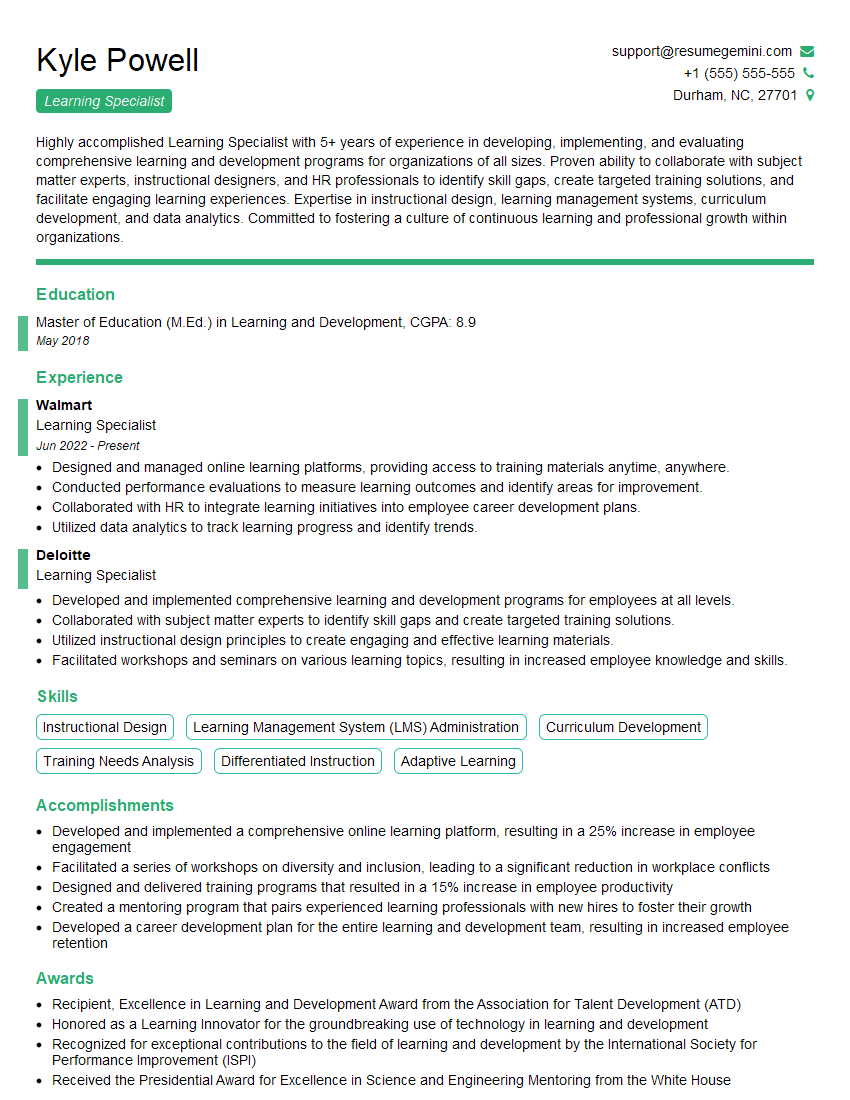
Learning Specialist Resume Sample
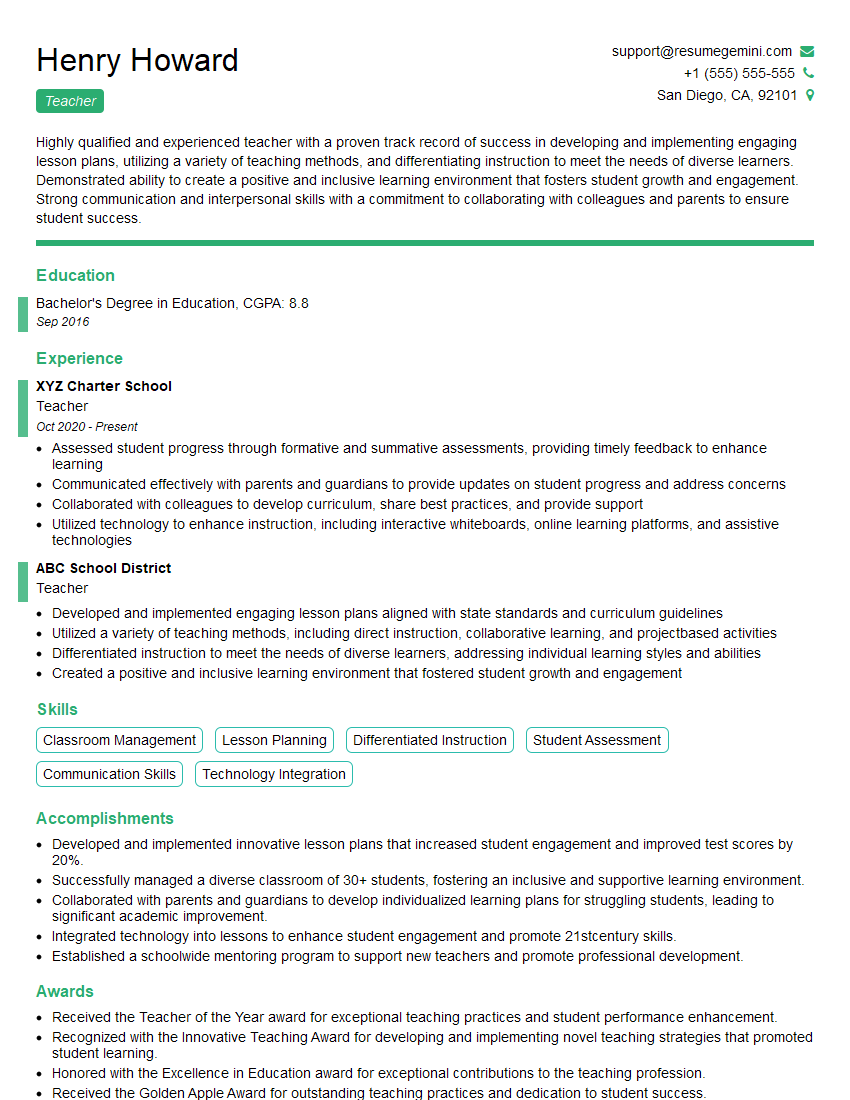
Teacher Resume Sample
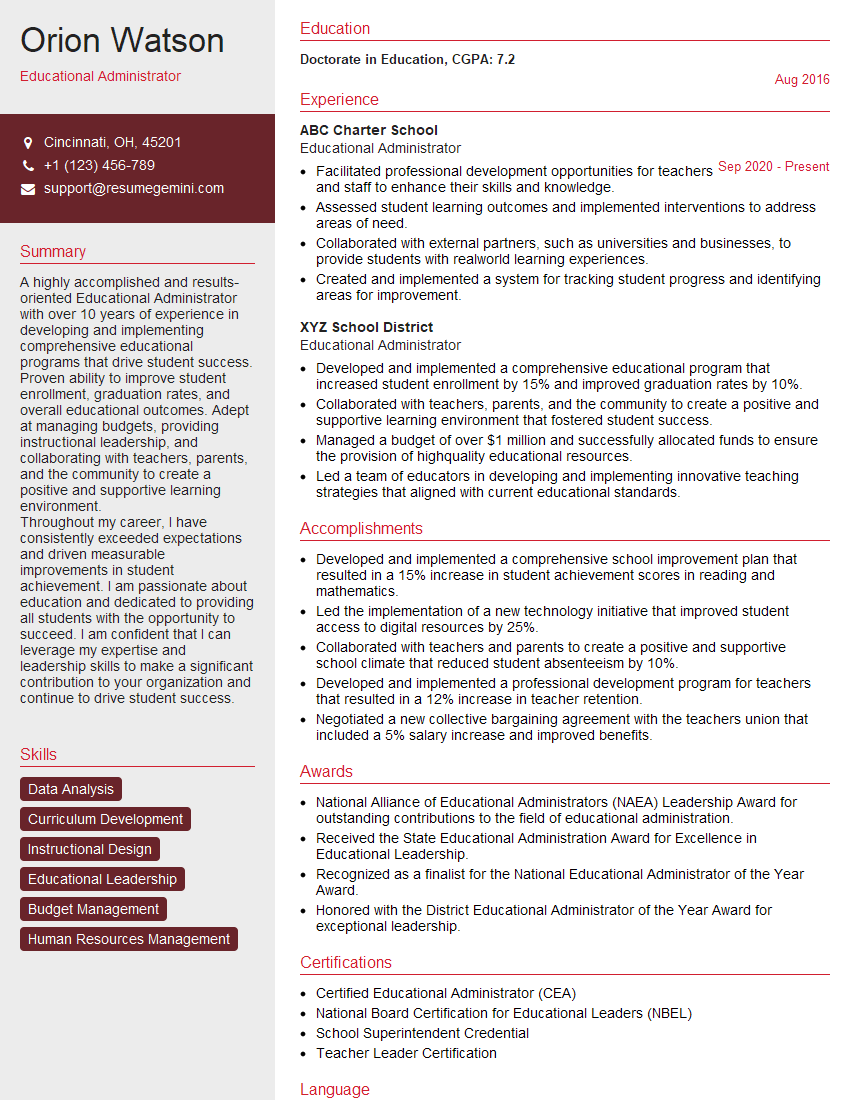
Educational Administrator Resume Sample

Instructor Resume Sample

Professor Resume Sample

Curriculum Developer Resume Sample
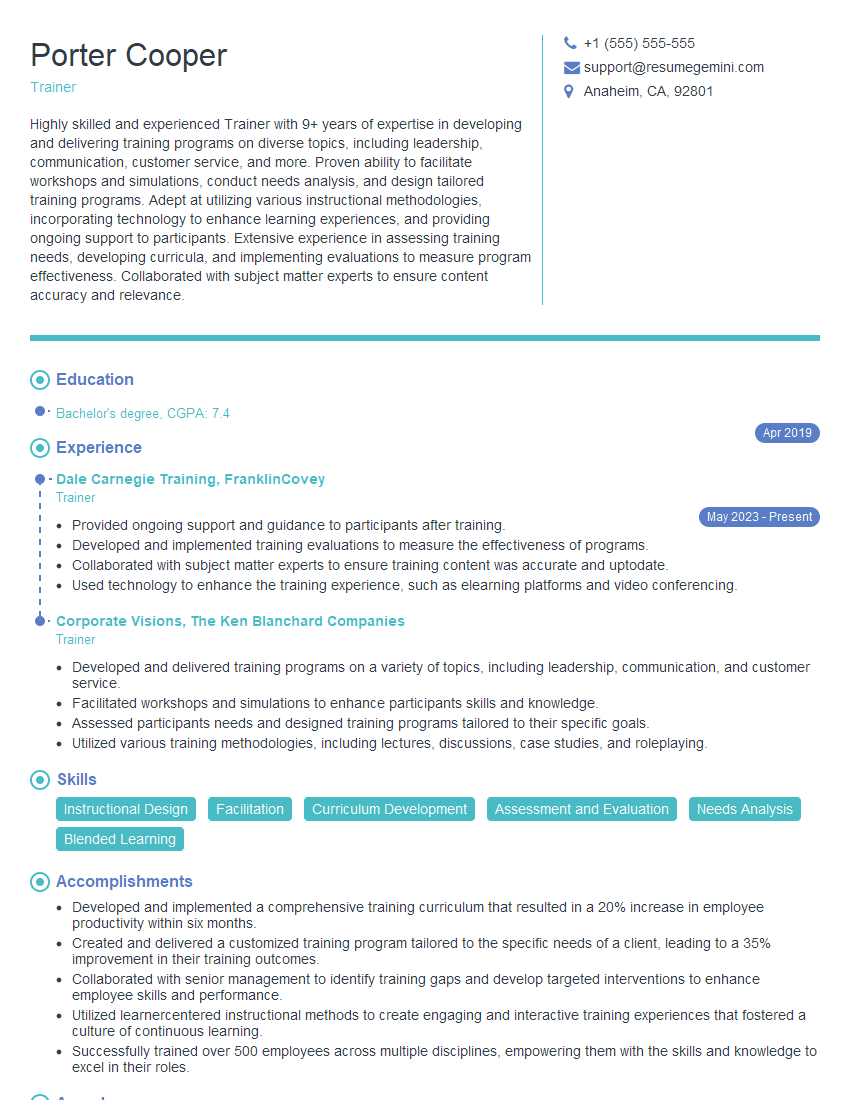
Trainer Resume Sample
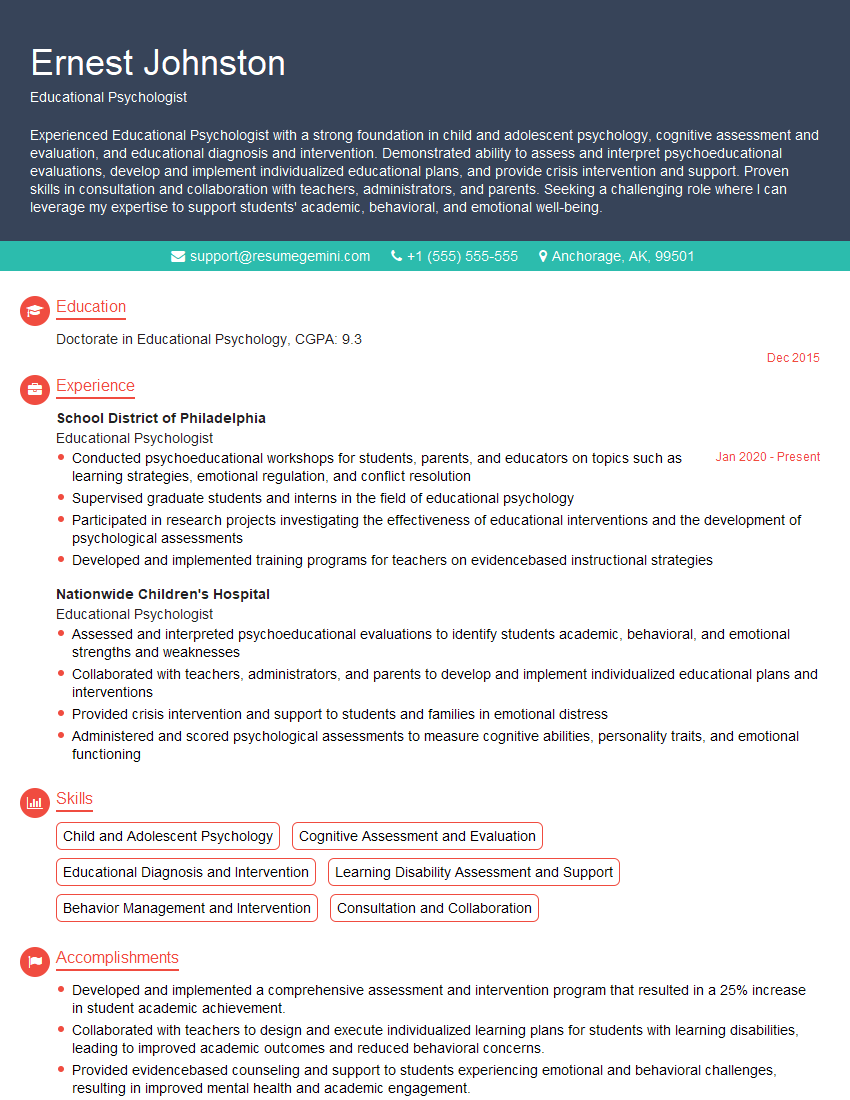
Educational Psychologist Resume Sample
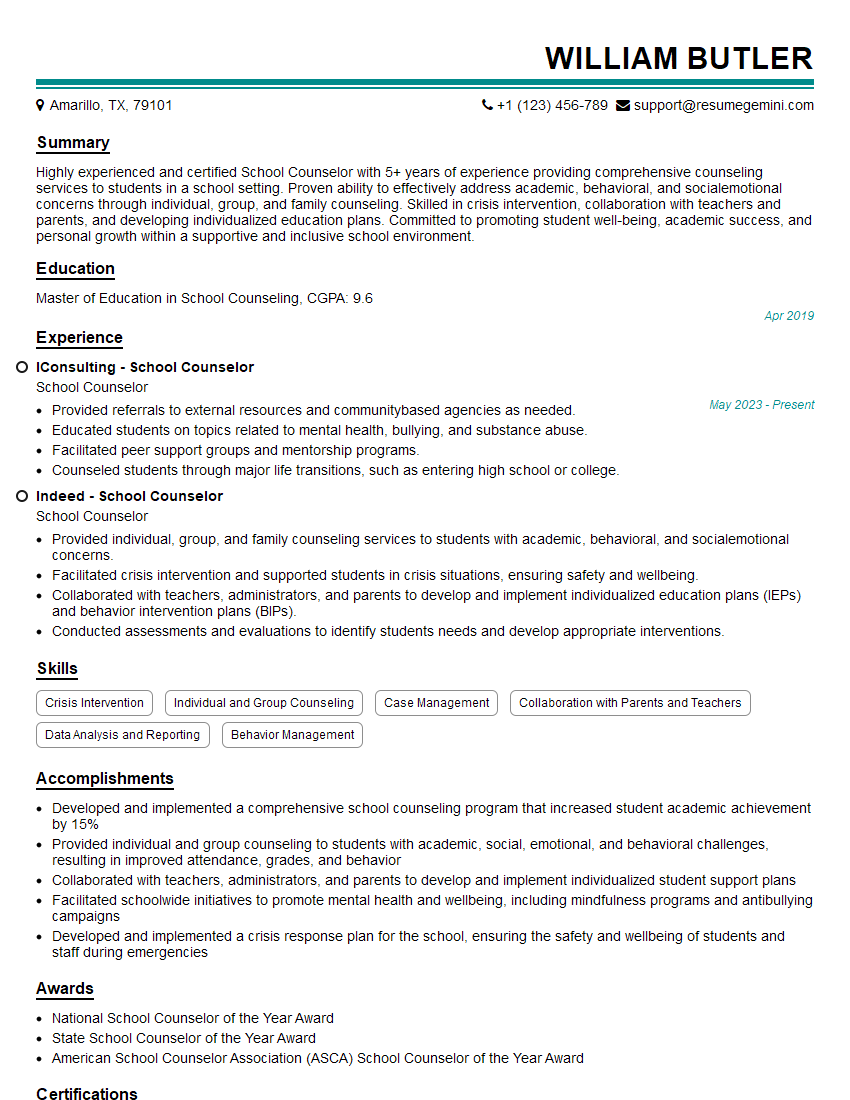
School Counselor Resume Sample
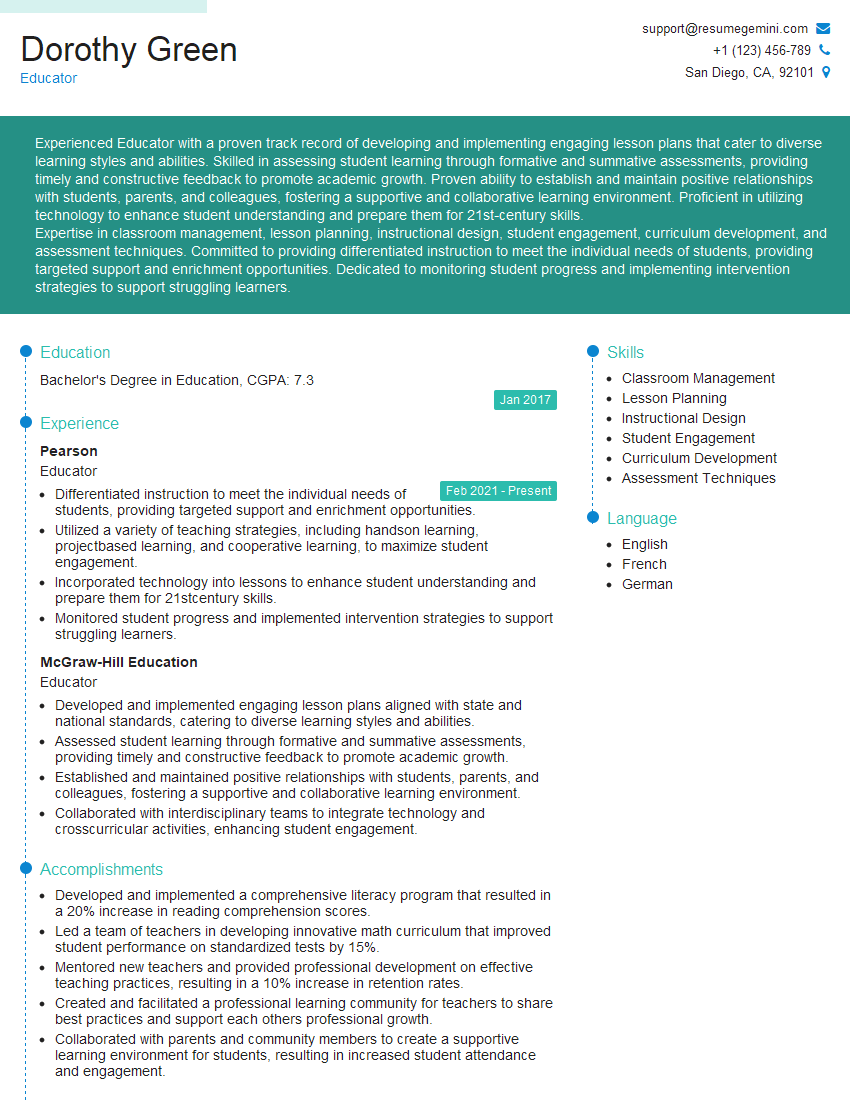
Educator Resume Sample
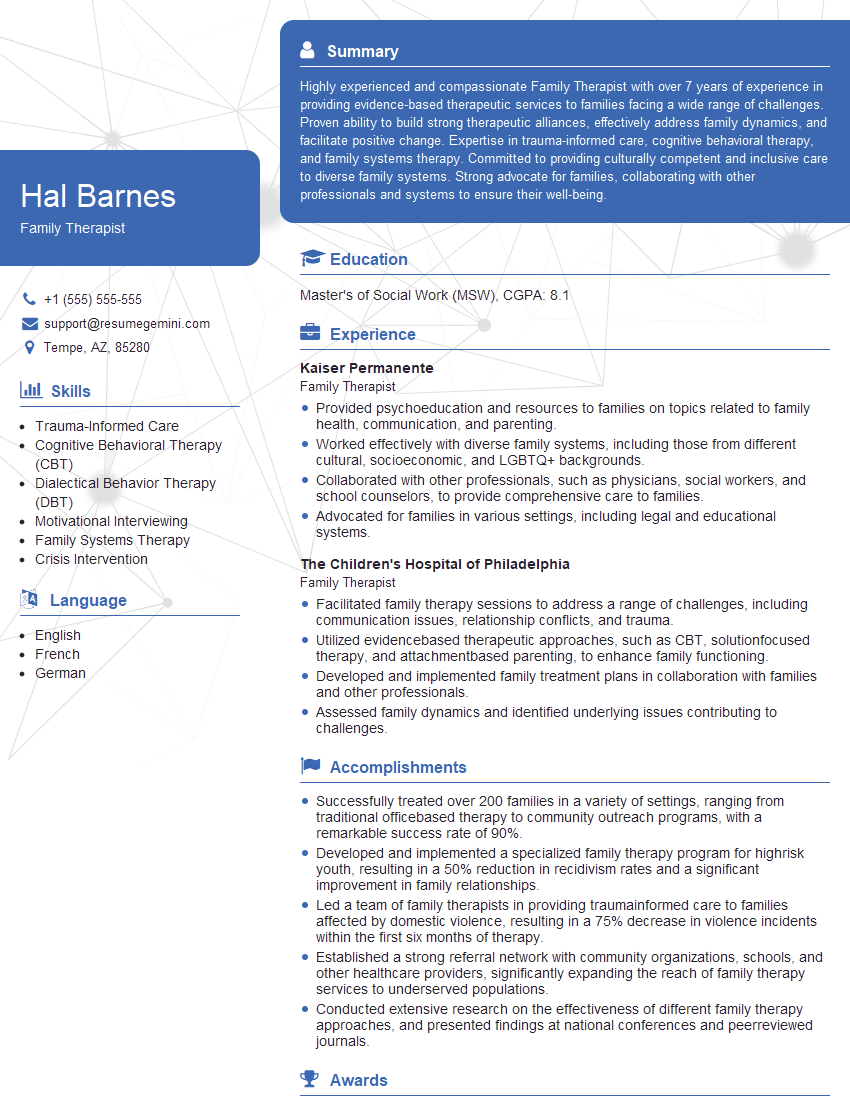
Family Therapist Resume Sample
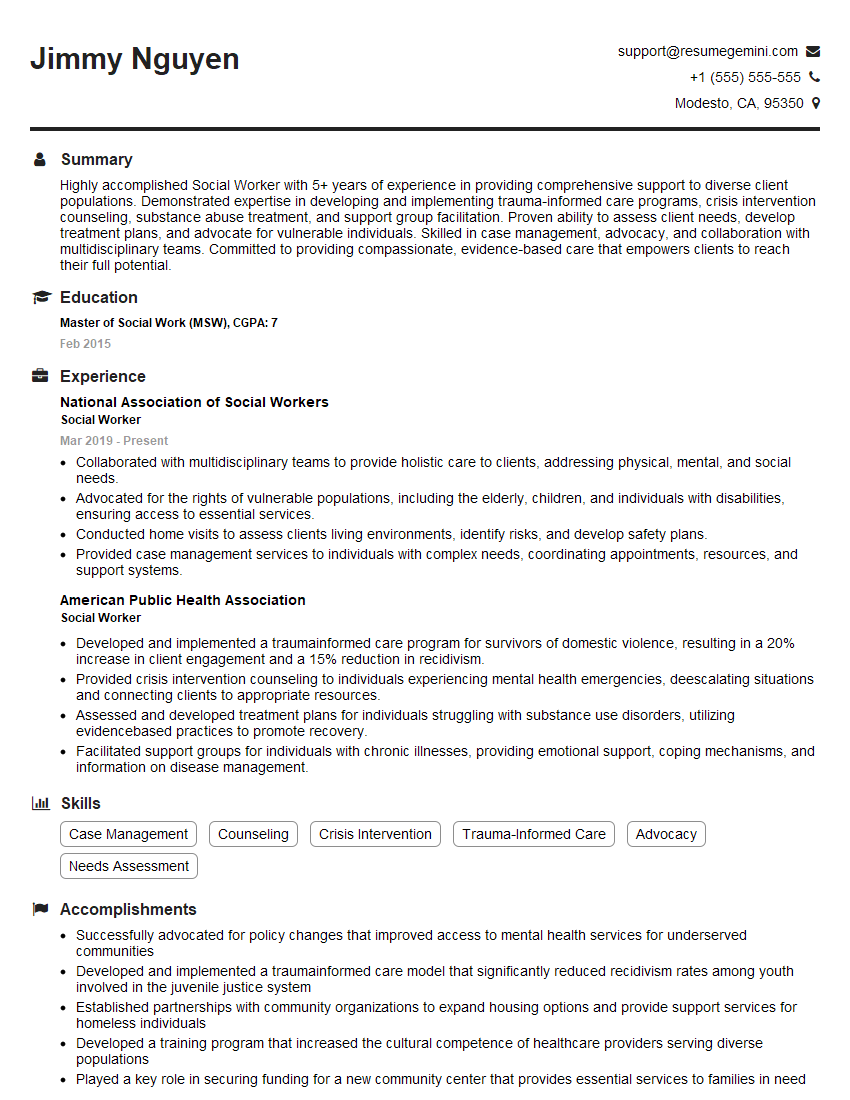
Social Worker Resume Sample
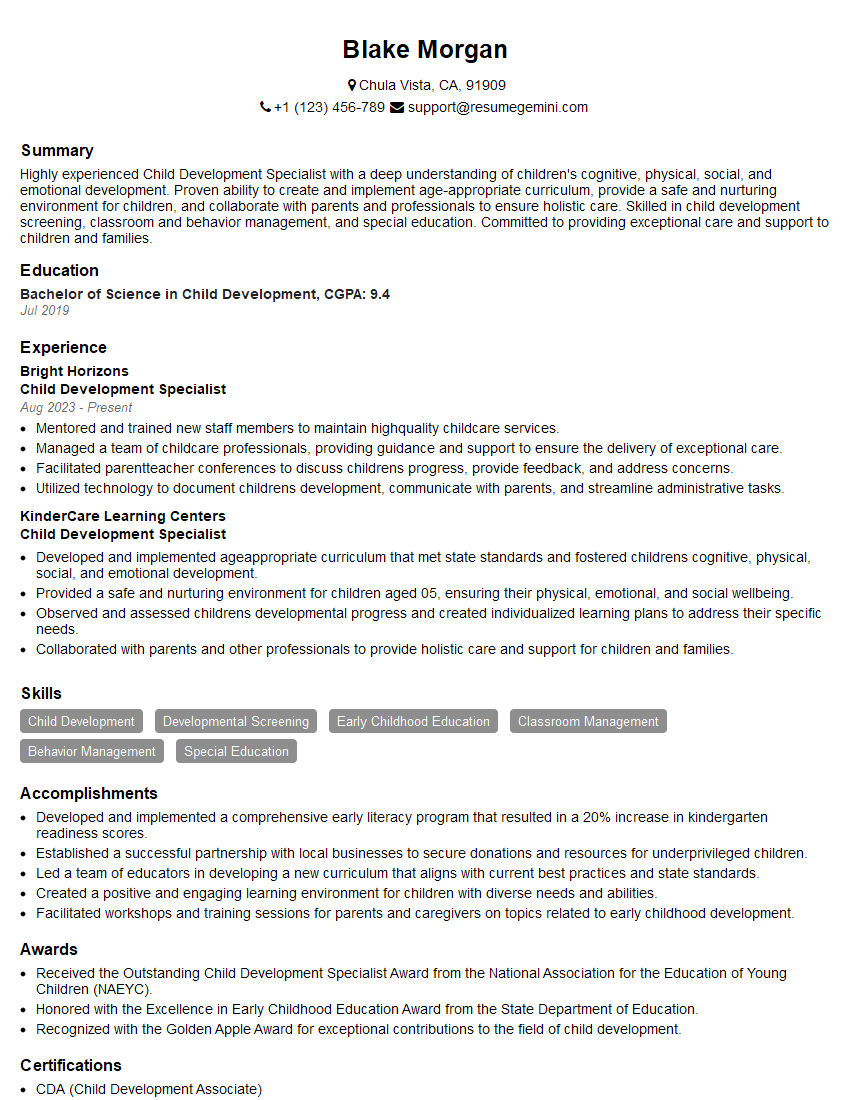
Child Development Specialist Resume Sample
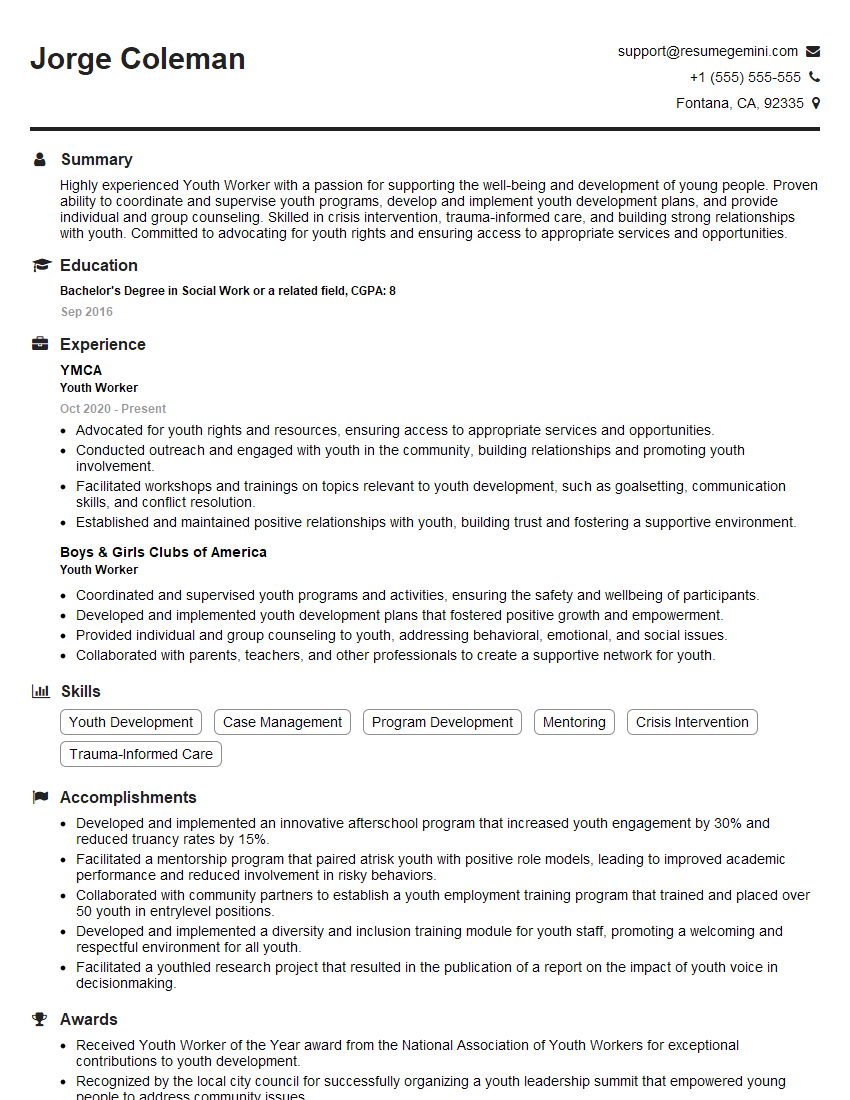
Youth Worker Resume Sample
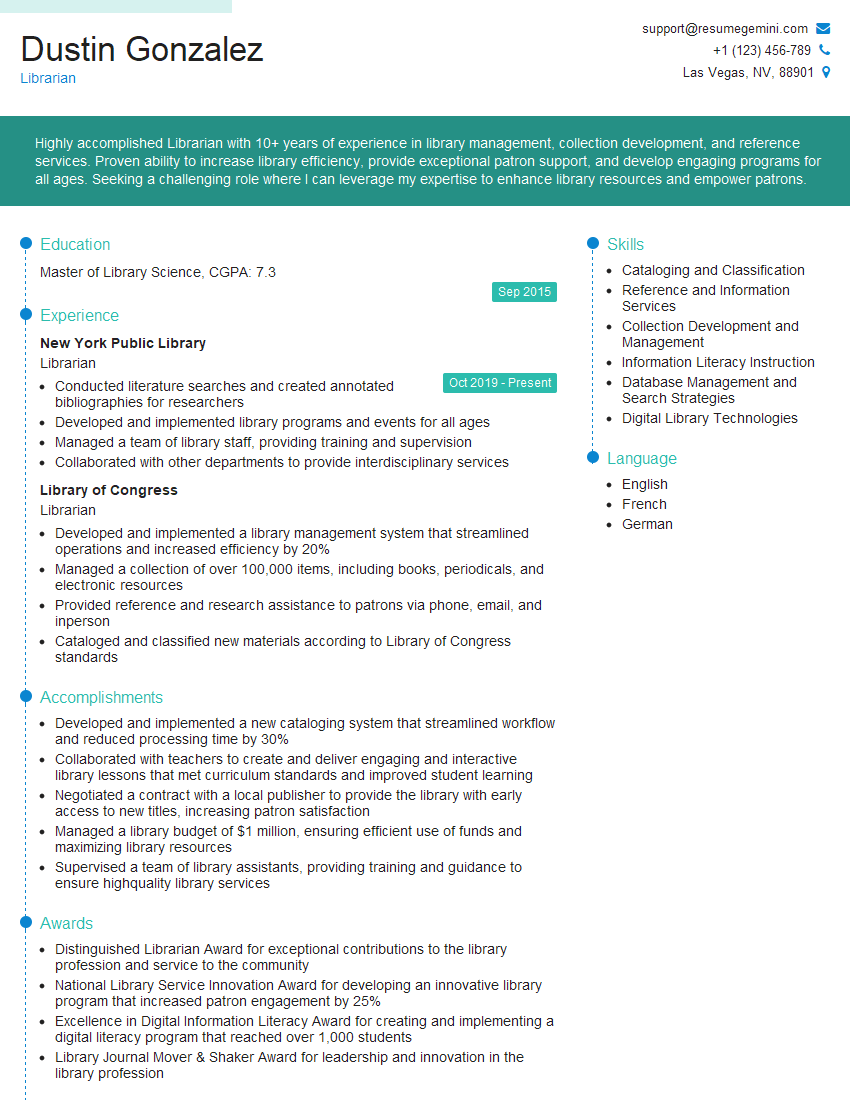
Librarian Resume Sample
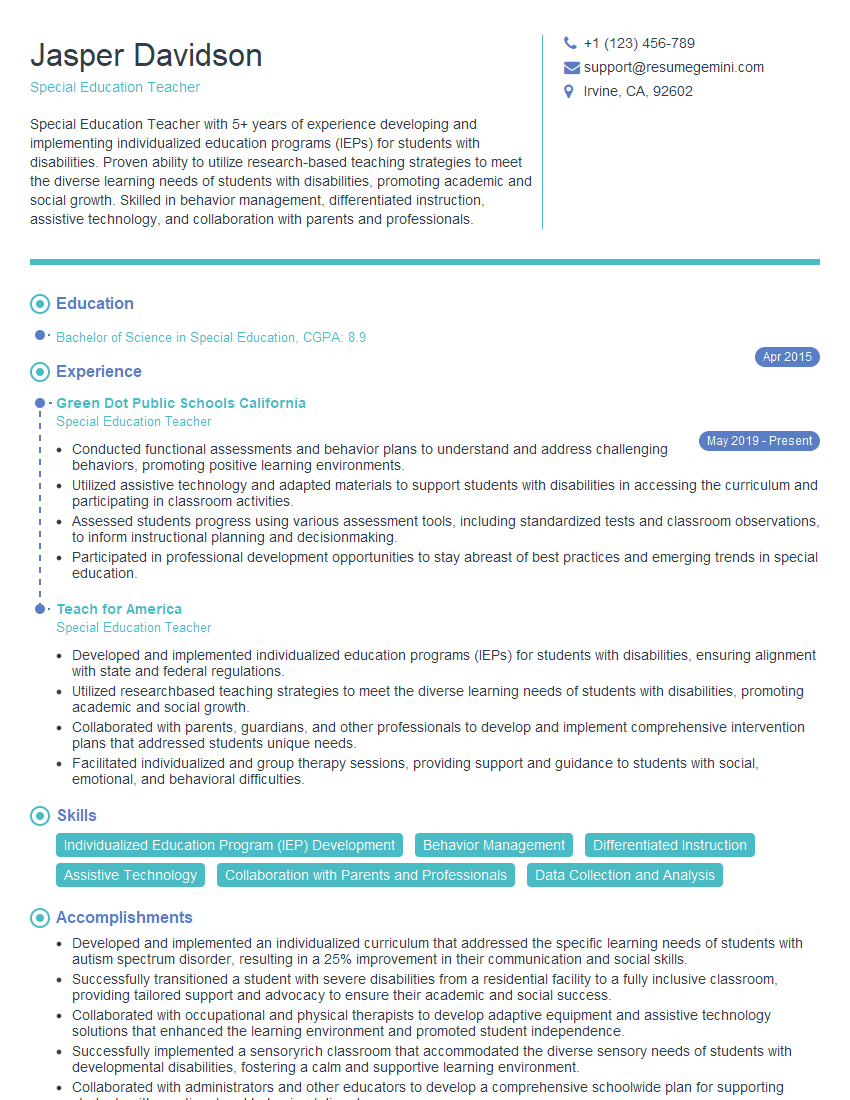
Special Education Teacher Resume Sample
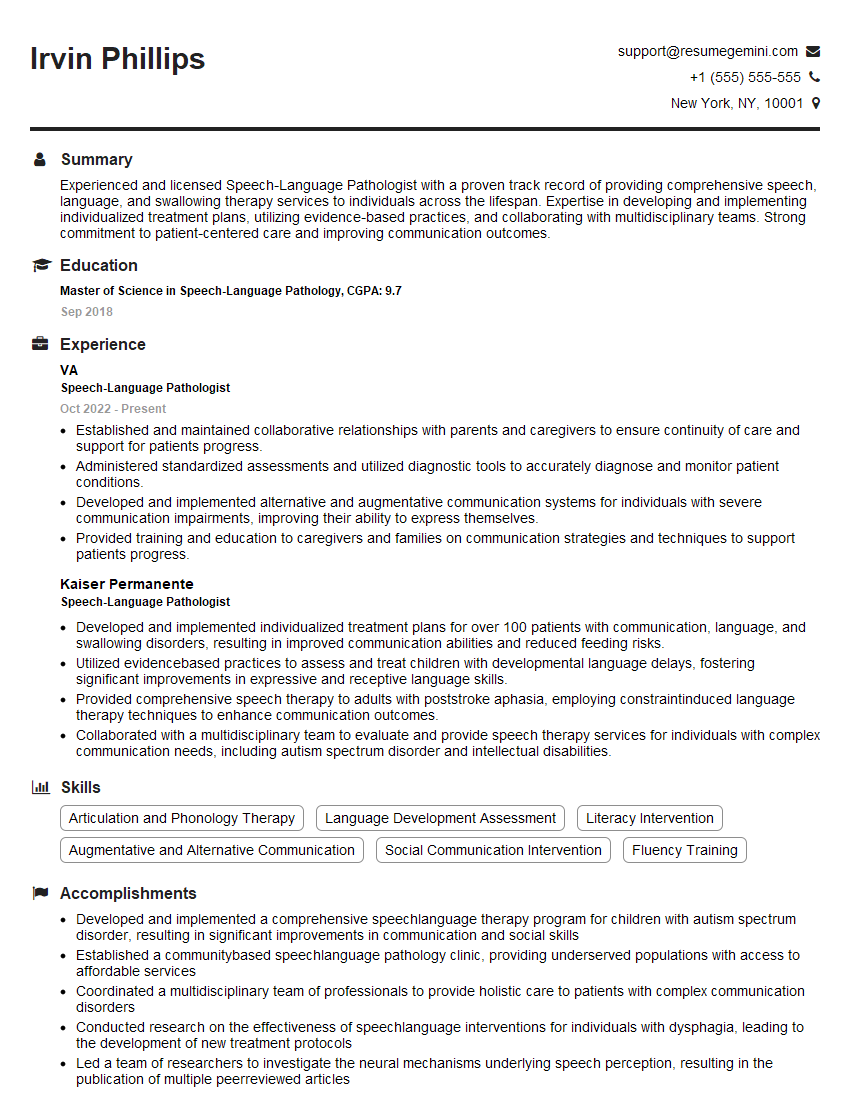
Speech-Language Pathologist Resume Sample

Tutor Resume Sample
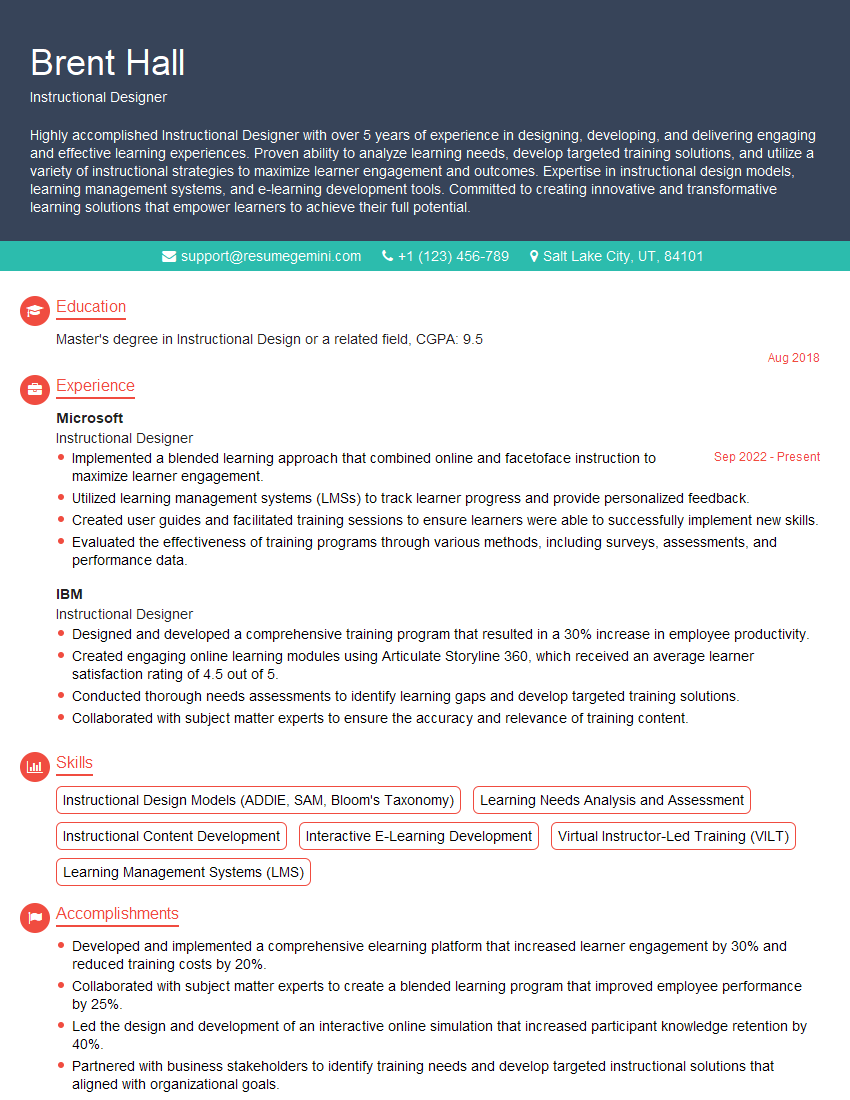
Instructional Designer Resume Sample
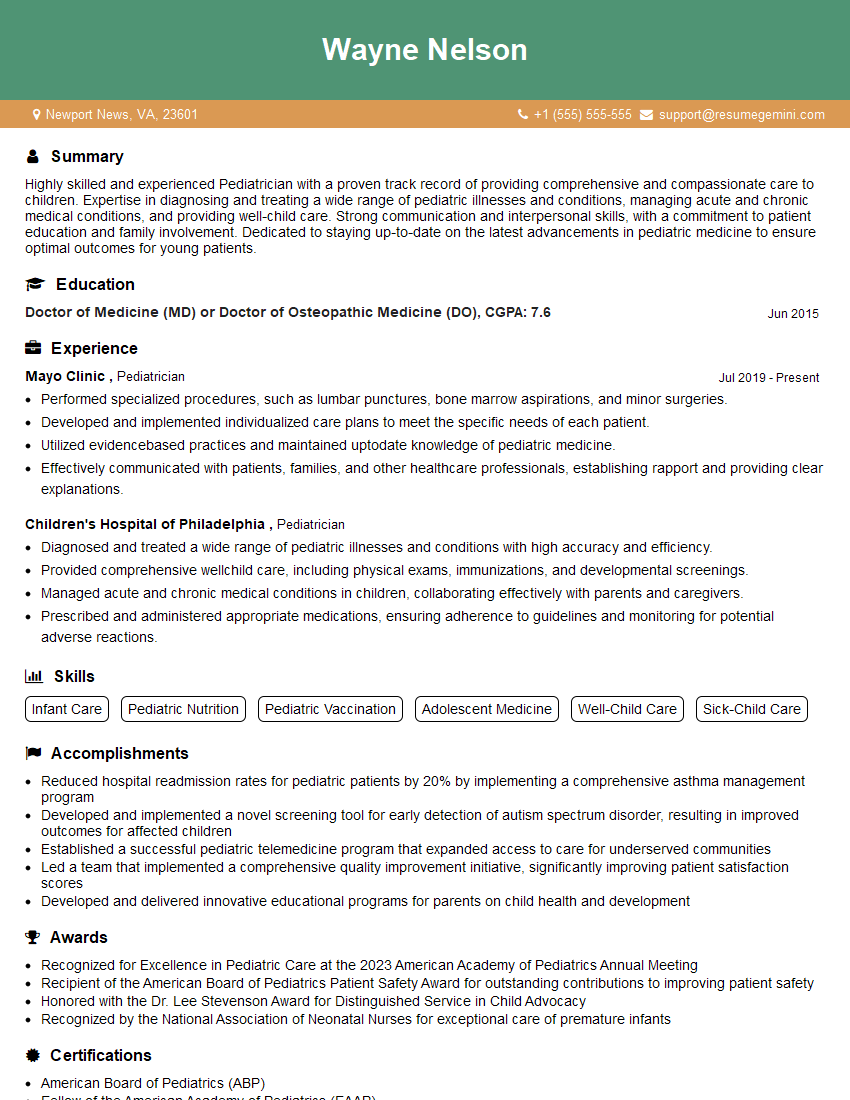
Pediatrician Resume Sample
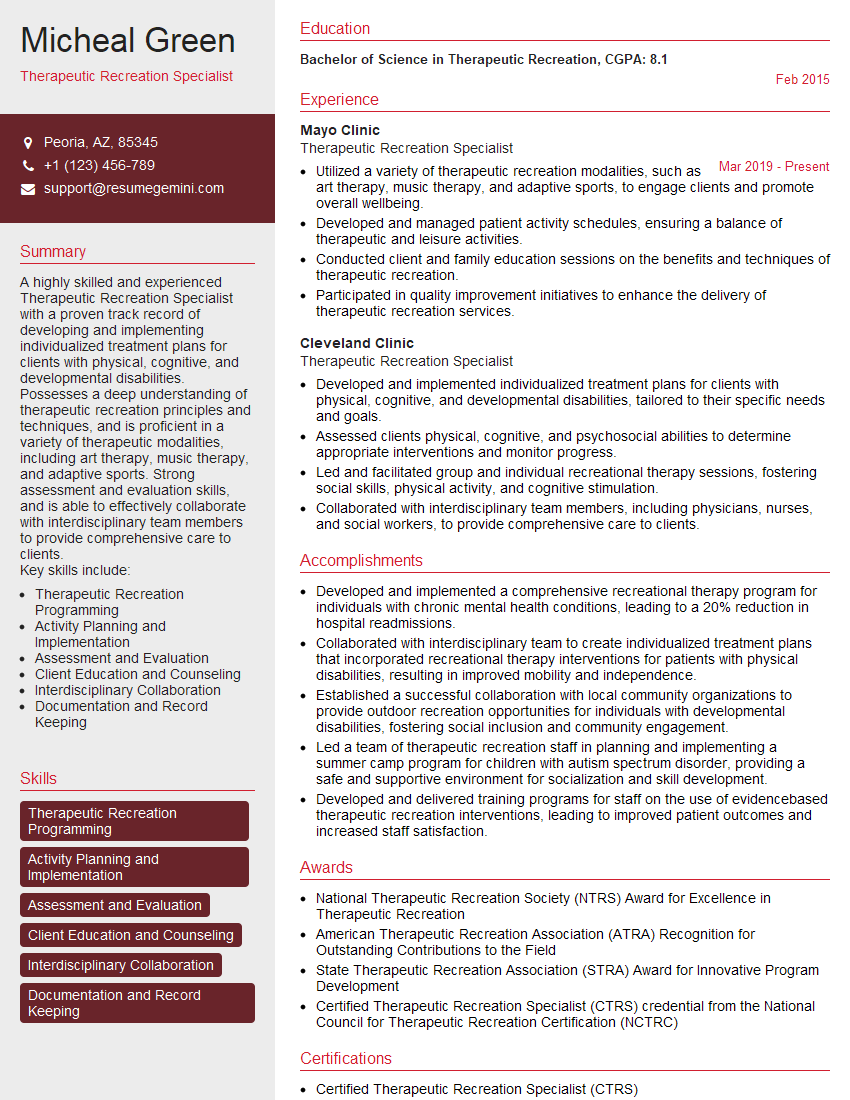
Therapeutic Recreation Specialist Resume Sample
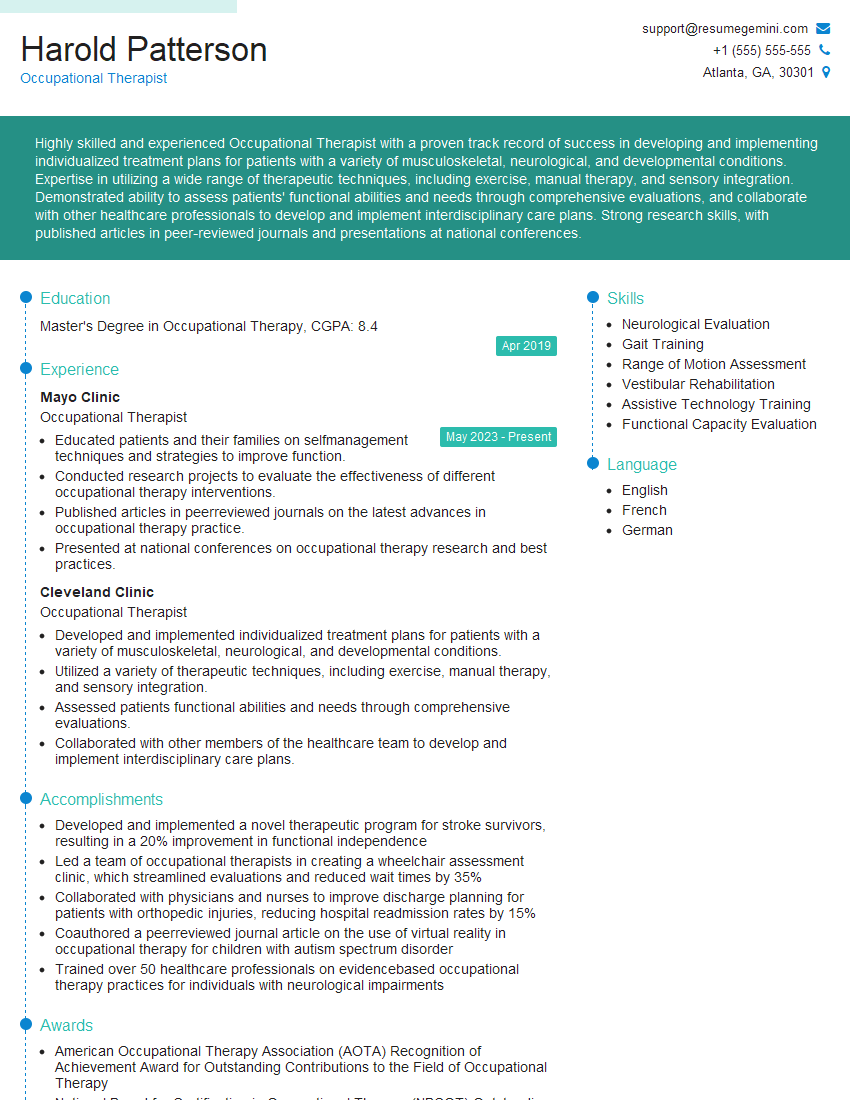
Occupational Therapist Resume Sample
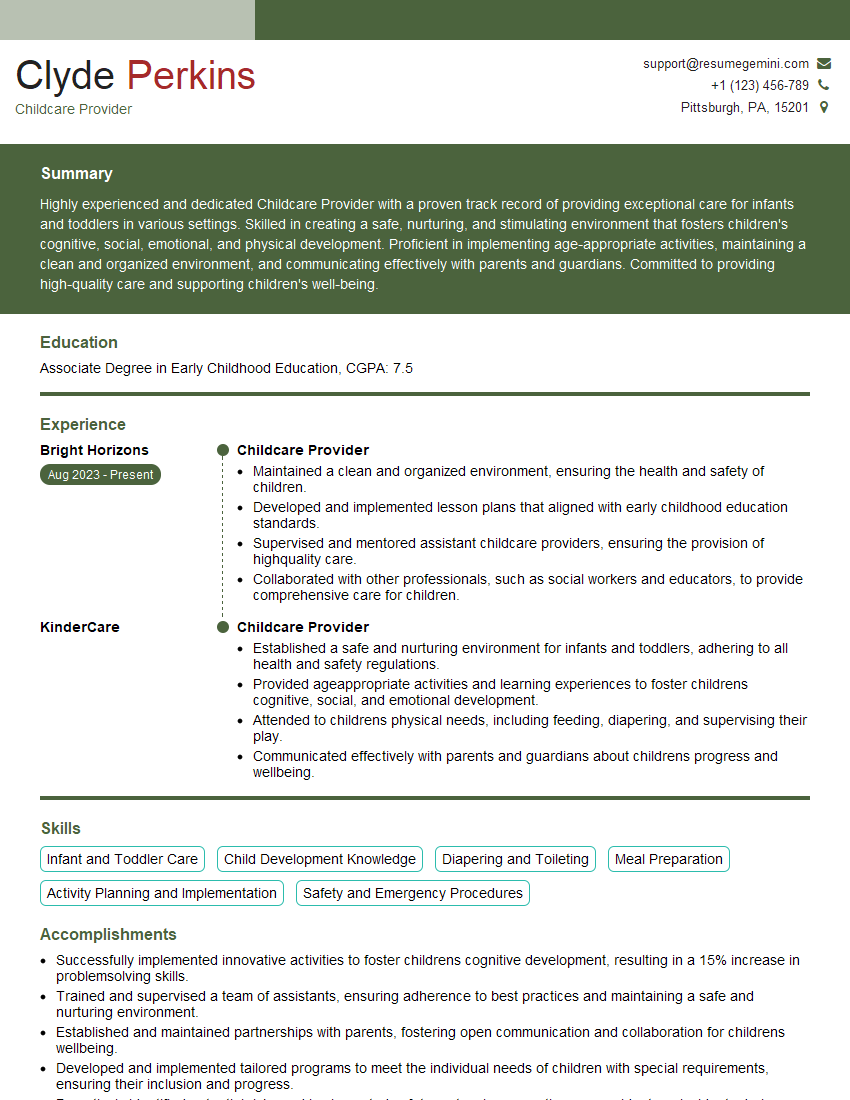
Childcare Provider Resume Sample
- Learning Specialist
- Teacher
- Educational Administrator
- Instructor
- Professor
- Curriculum Developer
- Trainer
- Educational Psychologist
- School Counselor
- Educator
- Family Therapist
- Social Worker
- Child Development Specialist
- Youth Worker
- Librarian
- Special Education Teacher
- Speech-Language Pathologist
- Tutor
- Instructional Designer
- Pediatrician
- Therapeutic Recreation Specialist
- Occupational Therapist
- Childcare Provider
Explore more articles
Users Rating of Our Blogs
Share Your Experience
We value your feedback! Please rate our content and share your thoughts (optional).
What Readers Say About Our Blog
Really detailed insights and content, thank you for writing this detailed article.
IT gave me an insight and words to use and be able to think of examples