The thought of an interview can be nerve-wracking, but the right preparation can make all the difference. Explore this comprehensive guide to Ability to interpret data and make sound judgments interview questions and gain the confidence you need to showcase your abilities and secure the role.
Questions Asked in Ability to interpret data and make sound judgments Interview
Q 1. Describe your process for identifying biases in data sets.
Identifying biases in datasets is crucial for drawing accurate conclusions. My process involves a multi-step approach, beginning with understanding the data’s source and collection methods. This helps identify potential systematic errors or influences. For example, a survey conducted only online might exclude individuals without internet access, creating a sample bias.
Next, I visually inspect the data using histograms, scatter plots, and box plots to look for unusual patterns or outliers. These visualizations can reveal skewed distributions or unexpected relationships that might indicate bias. For instance, a significant outlier in income data could skew the average income significantly.
Further investigation involves statistical tests. I use techniques like chi-squared tests to detect relationships between variables that might suggest bias. For example, I might test if there’s a disproportionate representation of a particular demographic group in a certain outcome variable. Finally, I document all identified biases and their potential impact on the analysis, considering how these biases might affect the validity of any conclusions drawn.
Q 2. How do you handle conflicting data sources when making a decision?
Handling conflicting data sources requires a systematic approach. First, I evaluate the credibility of each source. This includes assessing the source’s reputation, methodology, and potential biases. For example, government data often has high reliability, while blog posts or social media posts might be less reliable.
Next, I examine the data itself for consistency and accuracy. Discrepancies may highlight errors or limitations in data collection. For example, inconsistencies between data sets could indicate differing definitions or measurement units.
When resolving conflicts, I prioritize sources with higher credibility and more rigorous methodologies. If the conflict remains, I might use data reconciliation techniques like triangulation, where I compare information across multiple sources to reach a more robust conclusion. Alternatively, I might use statistical techniques to estimate the most likely value while acknowledging the uncertainty. In situations where the conflict can’t be resolved, I explicitly acknowledge the uncertainty and its potential impact on my conclusions.
Q 3. Explain a time you had to make a critical decision with incomplete data.
In a previous role, I had to decide whether to launch a new product feature based on incomplete user feedback data. We only had data from a small beta test group, which wasn’t fully representative of our target market. While the initial feedback was positive, the small sample size made it difficult to draw strong conclusions.
To address this, I used a Bayesian approach. We started with prior beliefs about the feature’s potential success, based on similar products and market research. We then updated these beliefs with the limited beta test data. This allowed us to quantify the uncertainty surrounding our decision and to estimate the probability of success under different scenarios.
Ultimately, we decided to proceed with a phased launch, starting with a smaller segment of our user base. This approach allowed us to gather more data and make informed adjustments before a full-scale launch, mitigating the risk associated with incomplete data.
Q 4. How do you determine the validity and reliability of data?
Determining data validity and reliability is essential for trustworthy analysis. Validity refers to whether the data accurately measures what it intends to measure, while reliability refers to the consistency of the measurements. For example, a survey question might be valid if it accurately reflects customer satisfaction but unreliable if respondents answer inconsistently.
To assess validity, I look at the data collection methods, ensuring they are appropriate for the research question. I also check for biases that could affect the accuracy of the measurements. To assess reliability, I look for consistency within the data. I might check for internal consistency using techniques such as Cronbach’s alpha (for surveys), or I might compare the data to other reliable sources.
Furthermore, I consider the source of the data and any potential limitations. Clearly documenting the data’s limitations is crucial for transparency and helps to avoid misinterpretations. For instance, missing data or outliers might affect the reliability of the analysis, but understanding the reasons behind them can be insightful.
Q 5. What statistical methods are you familiar with, and how have you used them to make informed judgments?
I’m proficient in various statistical methods, including descriptive statistics (mean, median, standard deviation), regression analysis (linear, logistic), hypothesis testing (t-tests, ANOVA), and time series analysis. The choice of method depends on the nature of the data and the research question.
For example, in a recent project, I used linear regression to model the relationship between advertising spend and sales revenue. The results helped the marketing team optimize their budget allocation. In another project, I used logistic regression to predict customer churn, which helped the customer retention team target high-risk customers.
Furthermore, I regularly employ data visualization techniques like histograms and scatter plots to gain initial insights into the data’s distribution and relationships between variables. These visualizations often guide my choice of statistical methods and aid in interpretation of the results. Understanding the limitations of each method is critical, and I always ensure the results are interpreted within the context of the data and its limitations.
Q 6. Describe a situation where you had to interpret complex data to solve a problem.
I once worked on a project analyzing customer behavior data to identify patterns in product usage and improve user experience. The dataset was incredibly large and complex, including website activity, app usage, customer support tickets, and survey responses. Many variables were interrelated, making it challenging to understand the underlying patterns.
My approach involved a combination of data mining techniques and statistical modeling. Initially, I used exploratory data analysis to identify key variables and interesting patterns. I then applied clustering techniques to segment customers based on their behavior. This allowed me to identify distinct groups of users with different needs and preferences.
Finally, I used regression models to predict user engagement based on specific characteristics and behaviors. The results helped the product team prioritize features and improve the overall user experience. The key was to break down the complex problem into smaller, manageable pieces and use the right combination of techniques to derive meaningful insights.
Q 7. How do you prioritize data points when making a decision?
Prioritizing data points when making a decision involves considering several factors. First, I assess the relevance of each data point to the decision at hand. Data that directly addresses the key question has higher priority. For example, if deciding whether to launch a new product, sales projections are more relevant than employee satisfaction scores.
Next, I consider the reliability and validity of the data, as previously discussed. More reliable and valid data carries more weight in the decision-making process. Then, I assess the uncertainty associated with each data point. Data with higher uncertainty should be given less weight. For example, a small sample size will result in higher uncertainty than a large sample size.
Finally, I weigh the potential consequences of different decisions. Data points that relate to high-impact outcomes will be given greater consideration. This multi-faceted approach ensures that all relevant data is considered, while accounting for its reliability, validity and potential impact on the final decision.
Q 8. How do you identify patterns and trends in large datasets?
Identifying patterns and trends in large datasets involves a multi-step process that combines automated techniques with human judgment. It starts with data exploration and pre-processing – cleaning the data, handling missing values, and transforming variables as needed. Then, I leverage statistical methods and machine learning algorithms. For instance, I might use correlation analysis to find relationships between variables, or employ clustering algorithms like k-means to group similar data points together. Time series analysis is crucial for identifying trends over time. Visualizations like scatter plots, line graphs, and heatmaps are indispensable for visualizing these patterns and trends. Finally, I use domain knowledge to interpret the results and ensure they align with the context of the data.
For example, in analyzing customer purchase data, I might identify a correlation between customer age and the purchase of specific product categories. Or, using time series analysis, I could discover a seasonal trend in online sales, peaking during the holiday season. These insights can then inform strategic business decisions such as targeted marketing campaigns or inventory management.
Q 9. How do you communicate complex data findings to non-technical audiences?
Communicating complex data findings to non-technical audiences requires translating technical jargon into plain language and focusing on the story the data tells. This involves choosing the right visualization tools – charts and graphs are far more effective than tables of numbers for most audiences. I create compelling narratives, focusing on key insights and their implications. Analogies and metaphors are helpful to make abstract concepts more concrete. I ensure the visualizations are visually appealing and easy to understand, using clear labels, titles, and concise explanations. Interactive dashboards can also be very effective for allowing the audience to explore the data at their own pace. Finally, I always tailor my communication style to my audience; a presentation to executives will differ from one to a team of analysts.
Imagine explaining the results of an A/B testing experiment on a new website design. Instead of discussing statistical significance levels, I might say something like: “The new design resulted in a 15% increase in conversion rates, meaning we’re seeing significantly more people making purchases.”
Q 10. How do you use data visualization to support your judgments?
Data visualization is fundamental to my judgment process. It allows me to quickly grasp complex relationships within the data and identify outliers or anomalies that might otherwise be missed. I use different visualization techniques depending on the type of data and the insights I’m seeking. Scatter plots are excellent for showing relationships between two numerical variables. Histograms help me understand the distribution of a single variable. Box plots highlight the median, quartiles, and outliers in a dataset. Heatmaps are effective for visualizing correlations between many variables. Interactive dashboards allow for dynamic exploration and deeper dives into specific subsets of the data. The choice of visualization is crucial for effective communication and interpretation.
For instance, a scatter plot might reveal a non-linear relationship between marketing spend and sales, suggesting that beyond a certain point, increased spending yields diminishing returns. This visual cue informs my judgment about the optimal marketing budget allocation.
Q 11. How do you ensure data accuracy and integrity?
Ensuring data accuracy and integrity is paramount. This involves a multi-faceted approach starting with data validation during the data acquisition phase. I carefully check for inconsistencies, missing values, and outliers. Data cleaning is a crucial step – this involves handling missing values (imputation or removal), correcting errors, and transforming variables (e.g., standardizing or normalizing). I also employ data quality checks throughout the analysis process, verifying data transformations and calculations. Data provenance tracking, where I meticulously document the data’s origin and transformations, is critical for reproducibility and accountability. Finally, using version control for data and code ensures that changes are tracked and that earlier versions can be recovered if necessary.
For example, if I’m analyzing sales data and notice inconsistencies in the units of measurement (some entries in kilograms, others in pounds), I must correct these discrepancies before proceeding with analysis to avoid erroneous conclusions.
Q 12. Explain your understanding of different data types (categorical, numerical, etc.) and their appropriate analysis methods.
Understanding different data types is crucial for choosing the appropriate analysis methods. Categorical data represents groups or categories (e.g., colors, genders, product types). Numerical data represents quantities (e.g., age, weight, income). Numerical data can be further classified as discrete (countable, like the number of items) or continuous (measurable, like height or temperature). Ordinal data is categorical data with an inherent order (e.g., education level: high school, bachelor’s, master’s). The choice of analysis method depends heavily on the data type. For categorical data, I might use chi-squared tests or logistic regression. For numerical data, I might use t-tests, ANOVA, linear regression, or correlation analysis. For time series data, I use specialized methods like ARIMA modeling.
Imagine analyzing customer feedback. Sentiment (positive, negative, neutral) is categorical, while the number of complaints is numerical. I would use different statistical tests for each to draw meaningful conclusions.
Q 13. How do you handle outliers in your data analysis?
Outliers are data points that significantly deviate from the rest of the data. Handling outliers requires careful consideration. I first investigate the cause of the outlier – is it a data entry error, a truly exceptional event, or something else? If it’s an error, I correct or remove it. If it’s a genuine observation but influences the results unduly, I might use robust statistical methods that are less sensitive to outliers (e.g., median instead of mean). Alternatively, I might transform the data (e.g., using a logarithmic transformation) to reduce the impact of outliers. In some cases, I might analyze the data both with and without the outliers to assess their impact on the conclusions.
For instance, if I’m analyzing house prices and one house has a price dramatically higher than others due to a unique feature, I may choose to analyze the data with and without that data point to understand its influence on the overall price trends.
Q 14. How do you assess the significance of statistical findings?
Assessing the statistical significance of findings involves determining whether observed results are likely due to chance or reflect a real effect. This typically involves calculating p-values and confidence intervals. The p-value represents the probability of observing the results if there were no real effect. A small p-value (typically less than 0.05) suggests that the results are statistically significant, meaning it’s unlikely they occurred by chance. Confidence intervals provide a range of values within which the true population parameter is likely to fall with a certain level of confidence (e.g., a 95% confidence interval). However, statistical significance doesn’t always imply practical significance. A small effect might be statistically significant in a large sample but not practically meaningful. Context and effect size are equally important considerations.
For example, a study might find a statistically significant difference in average test scores between two groups of students. However, the difference might be so small (e.g., 0.1 points) that it’s not practically meaningful.
Q 15. What is your experience with A/B testing and interpreting the results?
A/B testing is a powerful method for comparing two versions of something (e.g., a webpage, email, advertisement) to determine which performs better. My experience encompasses the entire process, from designing the test, implementing it, analyzing the results, and drawing actionable conclusions.
For instance, in a past role, we A/B tested two different call-to-action buttons on a landing page. One button was red and said ‘Sign Up Now!’, the other was green and said ‘Get Started’. We used a statistically significant sample size, ensuring a low margin of error. After analyzing the data, we found that the green ‘Get Started’ button had a significantly higher click-through rate. This data-driven insight directly led to a change in our marketing materials, resulting in a noticeable increase in conversions.
Interpreting results involves understanding statistical significance (p-values), confidence intervals, and effect sizes. I’m proficient in using statistical software like R or Python to perform these analyses and ensure the results are robust and reliable. I also consider factors beyond statistical significance, such as practical significance and business context, to make well-informed decisions.
Career Expert Tips:
- Ace those interviews! Prepare effectively by reviewing the Top 50 Most Common Interview Questions on ResumeGemini.
- Navigate your job search with confidence! Explore a wide range of Career Tips on ResumeGemini. Learn about common challenges and recommendations to overcome them.
- Craft the perfect resume! Master the Art of Resume Writing with ResumeGemini’s guide. Showcase your unique qualifications and achievements effectively.
- Don’t miss out on holiday savings! Build your dream resume with ResumeGemini’s ATS optimized templates.
Q 16. How do you deal with ambiguity and uncertainty when analyzing data?
Ambiguity and uncertainty are inherent in data analysis. My approach involves a structured process:
- Clearly Define the Problem: Before diving into the data, I ensure a precise understanding of the question we’re trying to answer. This reduces the risk of misinterpreting results.
- Explore Data Thoroughly: I conduct exploratory data analysis (EDA) to identify patterns, outliers, and potential biases. Visualizations are crucial here – histograms, scatter plots, and box plots help uncover hidden insights.
- Sensitivity Analysis: I often perform sensitivity analyses, systematically varying assumptions or input parameters to understand how the results might change. This helps quantify the uncertainty associated with my conclusions.
- Scenario Planning: For highly uncertain situations, I develop multiple scenarios based on different plausible assumptions. This provides a range of potential outcomes and helps decision-makers prepare for different possibilities.
- Transparent Communication: I clearly communicate both the findings and the limitations of the analysis, acknowledging any uncertainty or assumptions made. This fosters trust and promotes informed decision-making.
For example, if faced with incomplete data on customer churn, I wouldn’t simply fill in missing values with averages. Instead, I’d investigate the reasons for missing data, explore imputation techniques that are appropriate given the context, and openly discuss the potential impact of these choices on the final results.
Q 17. Describe your approach to risk assessment and mitigation based on data analysis.
My risk assessment and mitigation approach is data-driven and focuses on identifying, quantifying, and mitigating potential risks. This involves:
- Data Collection and Analysis: I gather relevant data, including historical performance, market trends, and potential threats.
- Risk Identification: I use data analysis techniques to identify potential risks, such as low customer satisfaction, supply chain disruptions, or security breaches.
- Risk Quantification: I quantify the likelihood and potential impact of each identified risk, often using techniques like Monte Carlo simulations or scenario planning.
- Risk Mitigation: Based on the quantified risks, I develop strategies to mitigate those risks. This might involve investing in new technologies, improving operational processes, or adjusting business strategies.
- Monitoring and Evaluation: I continuously monitor the effectiveness of the mitigation strategies and adjust them as needed.
For instance, if data analysis reveals a rising trend of customer complaints related to a particular product feature, I might propose an A/B test to improve the feature, along with a communication plan to address concerns from existing customers.
Q 18. How do you use data to support strategic decision-making?
Data plays a pivotal role in strategic decision-making. My approach is to translate raw data into actionable insights that inform business strategy. This involves:
- Identifying Key Performance Indicators (KPIs): I work with stakeholders to define relevant KPIs that align with the overall business objectives.
- Data Collection and Cleaning: I gather data from various sources, ensuring its accuracy and completeness through rigorous cleaning and validation processes.
- Data Analysis and Interpretation: I perform appropriate statistical analyses, create visualizations, and draw insights that reveal trends, patterns, and potential opportunities or challenges.
- Scenario Planning and Forecasting: I use predictive modeling techniques to forecast future trends and assess the potential impact of different strategic decisions.
- Communication and Recommendation: I clearly communicate my findings and recommendations using a combination of narrative, visualizations, and data tables, ensuring stakeholders understand the implications of the data.
In a previous project, we used data analysis to identify a declining market share for a specific product. By analyzing customer feedback and market trends, we identified the root cause and recommended a product redesign, leading to a significant turnaround in sales.
Q 19. How familiar are you with predictive modeling techniques?
I am highly familiar with various predictive modeling techniques, including:
- Regression Analysis: Predicting a continuous outcome variable (e.g., sales revenue) based on one or more predictor variables.
- Classification: Predicting a categorical outcome variable (e.g., customer churn, fraud detection).
- Time Series Analysis: Analyzing data collected over time to forecast future values (e.g., stock prices, website traffic).
- Machine Learning Algorithms: Utilizing algorithms such as linear regression, logistic regression, support vector machines, random forests, and neural networks, depending on the specific problem and data characteristics.
My experience includes selecting the appropriate algorithm based on the data characteristics and business problem, training and validating the model, and assessing its performance using metrics such as accuracy, precision, and recall. I understand the importance of feature engineering and model tuning to optimize prediction accuracy.
Q 20. Explain your experience with data mining and extraction.
Data mining and extraction is a crucial step in the data analysis process. My experience involves extracting relevant information from various sources, including databases, spreadsheets, and web APIs. This process typically includes:
- Data Identification and Selection: Identifying the relevant data sources and selecting the specific data points needed for the analysis.
- Data Cleaning and Preprocessing: Handling missing values, outliers, and inconsistencies to ensure data quality.
- Data Transformation: Transforming the data into a suitable format for analysis, which might include creating new variables or scaling existing ones.
- Data Loading and Integration: Loading the data into analytical tools, such as SQL databases or programming environments like Python, and integrating data from different sources.
For example, I’ve worked on projects where I extracted customer data from a CRM system, website analytics data, and social media to build a comprehensive customer profile for targeted marketing campaigns.
Q 21. How do you identify the root cause of a problem using data analysis?
Identifying the root cause of a problem using data analysis often involves a systematic approach, often employing techniques like:
- Descriptive Analytics: Starting with descriptive analytics to understand the problem’s scope and impact (e.g., how many customers are affected, what are the associated costs?).
- Diagnostic Analytics: Using diagnostic techniques such as drill-down analysis, data mining, and correlation analysis to explore potential causes and identify patterns.
- Hypothesis Testing: Formulating hypotheses about potential root causes and using statistical tests to determine if the data supports these hypotheses.
- Cause-and-Effect Analysis: Using techniques like fishbone diagrams or 5 Whys to systematically investigate potential causes and their relationships.
- A/B Testing (if applicable): Conducting A/B tests to verify the impact of potential solutions.
Imagine a scenario where website conversion rates are dropping. I’d start by analyzing website traffic data, identifying potential changes in user behavior. Through diagnostic analysis, I might find a correlation between the drop in conversion and a recent change in website design. I would then formulate a hypothesis and potentially run A/B tests to validate the root cause and determine the most effective solution.
Q 22. How do you present data to support your recommendations?
Presenting data to support recommendations requires a clear and concise narrative that seamlessly integrates findings with actionable insights. I avoid overwhelming the audience with raw data; instead, I focus on visualizing key trends and patterns using appropriate charts and graphs.
For example, if recommending a new marketing campaign, I wouldn’t simply present a table of website traffic data. Instead, I’d use a line chart to show website traffic growth over time, comparing it to the period before and after implementing a previous campaign. A bar chart could then illustrate the relative success of different marketing channels. I’d then clearly articulate the story behind the data, explaining *why* the data suggests a particular recommendation and its potential impact.
My presentations often include:
- Executive Summary: A high-level overview of the key findings and recommendations.
- Data Visualization: Charts, graphs, and other visuals that effectively communicate complex information.
- Statistical Analysis: Key metrics and statistical measures to support the findings.
- Actionable Recommendations: Specific, measurable, achievable, relevant, and time-bound (SMART) recommendations.
- Risk Assessment: A discussion of potential risks and mitigation strategies.
Ultimately, my goal is to make the data accessible and persuasive, allowing decision-makers to quickly understand the implications and confidently support my recommendations.
Q 23. Describe a situation where you had to make a difficult decision based on quantitative and qualitative data.
During a product launch strategy meeting, we needed to decide whether to prioritize a feature-rich, but more expensive, version of our software or a simpler, less expensive version with limited functionalities. Quantitative data from market research showed strong demand for the feature-rich version, indicating a potentially higher profit margin. However, qualitative data from customer interviews revealed concerns about the complexity of the feature-rich version and a preference for a simpler user experience.
This presented a classic trade-off: maximize potential profit versus ensure user satisfaction. To make an informed decision, I used a decision matrix. I weighed various factors, such as potential profit, customer satisfaction, development cost, and time to market, assigning weights to each based on their importance. I then scored each product version against these factors, allowing me to quantitatively compare the options, despite having both qualitative and quantitative information influencing the decision. This process revealed that while the feature-rich version had higher potential profit, the potential negative impact on customer satisfaction—as evidenced by the qualitative data—outweighed the short-term financial gains. We opted for the simpler version, supplemented by a roadmap for adding features later based on ongoing user feedback.
Q 24. How do you balance quantitative data with qualitative insights?
Balancing quantitative and qualitative data is crucial for making well-rounded decisions. Quantitative data provides the ‘what’ – the numbers, trends, and statistical relationships. Qualitative data provides the ‘why’ – the context, reasons, and underlying motivations behind the numbers. They are complementary, not competing, sources of information.
I approach this balance using a mixed-methods approach. For instance, if analyzing customer churn, quantitative data might show a 15% churn rate. Qualitative data, through customer surveys and interviews, might reveal that the high churn rate is primarily due to user frustration with a specific software feature. This qualitative insight contextualizes the quantitative finding, leading to a more targeted and effective solution. The solution might be improving the problematic feature (as suggested by the qualitative data) rather than a broad marketing campaign based only on the churn rate (quantitative data).
I use techniques such as triangulation, where I compare findings from multiple data sources to validate conclusions, and thematic analysis, to identify recurring patterns and themes in qualitative data. The goal is to create a holistic understanding of the problem, enabling more accurate and effective decision-making.
Q 25. How do you stay updated on the latest advancements in data analysis techniques?
Staying updated in the rapidly evolving field of data analysis is paramount. I actively engage in several strategies to ensure I remain at the forefront of advancements.
- Online Courses and Certifications: Platforms like Coursera, edX, and DataCamp offer excellent courses on advanced statistical modeling, machine learning, and big data technologies.
- Conferences and Workshops: Attending industry conferences and workshops allows me to network with other professionals and learn about the latest research and best practices.
- Professional Journals and Publications: I regularly read publications such as the Journal of the American Statistical Association and others focused on data science and analytics to stay abreast of new methodologies and research findings.
- Online Communities and Forums: Participating in online communities, such as those on Reddit or Stack Overflow, exposes me to real-world challenges and innovative solutions from other professionals.
- Following Key Influencers: Following prominent data scientists and analysts on social media and through their blogs helps me stay up-to-date on emerging trends and breakthroughs.
Continuous learning is not just about keeping my skills sharp, but also about understanding how to apply new techniques to solve emerging business problems.
Q 26. What tools and software are you proficient in for data analysis?
I’m proficient in a range of tools and software for data analysis. My expertise covers several categories:
- Programming Languages: Python (including libraries like Pandas, NumPy, Scikit-learn, and TensorFlow), R
- Data Visualization Tools: Tableau, Power BI, Matplotlib, Seaborn
- Database Management Systems: SQL, MySQL, PostgreSQL
- Big Data Technologies: Hadoop, Spark
- Cloud Computing Platforms: AWS, Azure, GCP
My choice of tools depends heavily on the specific project and data size. For smaller datasets, I might use Python with Pandas for data manipulation and visualization with Matplotlib. For larger datasets, I might utilize big data technologies like Spark and Hadoop, leveraging cloud computing resources for scalable processing. My skills enable me to effectively tackle a wide range of data analysis challenges.
Q 27. How do you ensure data security and privacy?
Data security and privacy are of utmost importance. I adhere to strict protocols and best practices throughout the data lifecycle, from collection to disposal.
- Data Minimization: I only collect the data absolutely necessary for the analysis, avoiding excessive data collection that could increase the risk of breaches.
- Data Encryption: Data is encrypted both in transit and at rest to protect against unauthorized access.
- Access Control: I implement robust access control mechanisms, limiting access to sensitive data based on the principle of least privilege.
- Regular Security Audits: Conducting regular security audits and penetration testing helps identify vulnerabilities and ensures the effectiveness of security measures.
- Compliance with Regulations: I am well-versed in relevant data privacy regulations such as GDPR and CCPA, ensuring that all data handling practices comply with the legal framework.
- Data Anonymization and Pseudonymization: When possible, I use techniques to de-identify data to reduce the risk of re-identification and protect individual privacy.
Data security and privacy are not merely technical considerations, but also ethical responsibilities. I prioritize responsible data handling practices to protect the integrity and confidentiality of the data I work with.
Key Topics to Learn for Ability to Interpret Data and Make Sound Judgments Interview
- Data Analysis Techniques: Understanding various data analysis methods like descriptive statistics, regression analysis, and hypothesis testing. Learn to identify the appropriate technique based on the data type and the question at hand.
- Data Visualization: Mastering the art of presenting data effectively using charts, graphs, and dashboards. Practice interpreting visuals to identify trends, patterns, and anomalies.
- Critical Thinking & Problem Solving: Develop your ability to identify biases, assumptions, and limitations in data. Practice formulating well-defined questions, designing experiments to answer those questions and drawing logical conclusions from the data.
- Uncertainty and Risk Assessment: Learn to quantify uncertainty in data and incorporate this understanding into your judgment. Practice scenarios that require considering potential risks and outlining mitigation strategies.
- Communication of Findings: Practice explaining complex data and analyses clearly and concisely to both technical and non-technical audiences. Focus on tailoring your communication style to your audience.
- Case Study Application: Practice applying your data interpretation skills to real-world scenarios. Consider using hypothetical case studies to test your ability to analyze data and formulate recommendations.
Next Steps
Mastering the ability to interpret data and make sound judgments is crucial for career advancement in virtually any field. It demonstrates critical thinking, problem-solving skills, and a data-driven approach – highly valued attributes in today’s competitive job market. To significantly boost your job prospects, focus on creating an ATS-friendly resume that highlights these skills. ResumeGemini can help you build a professional and impactful resume that effectively showcases your abilities. We provide examples of resumes tailored to highlight proficiency in data interpretation and sound judgment, enabling you to craft a compelling application that stands out from the crowd.
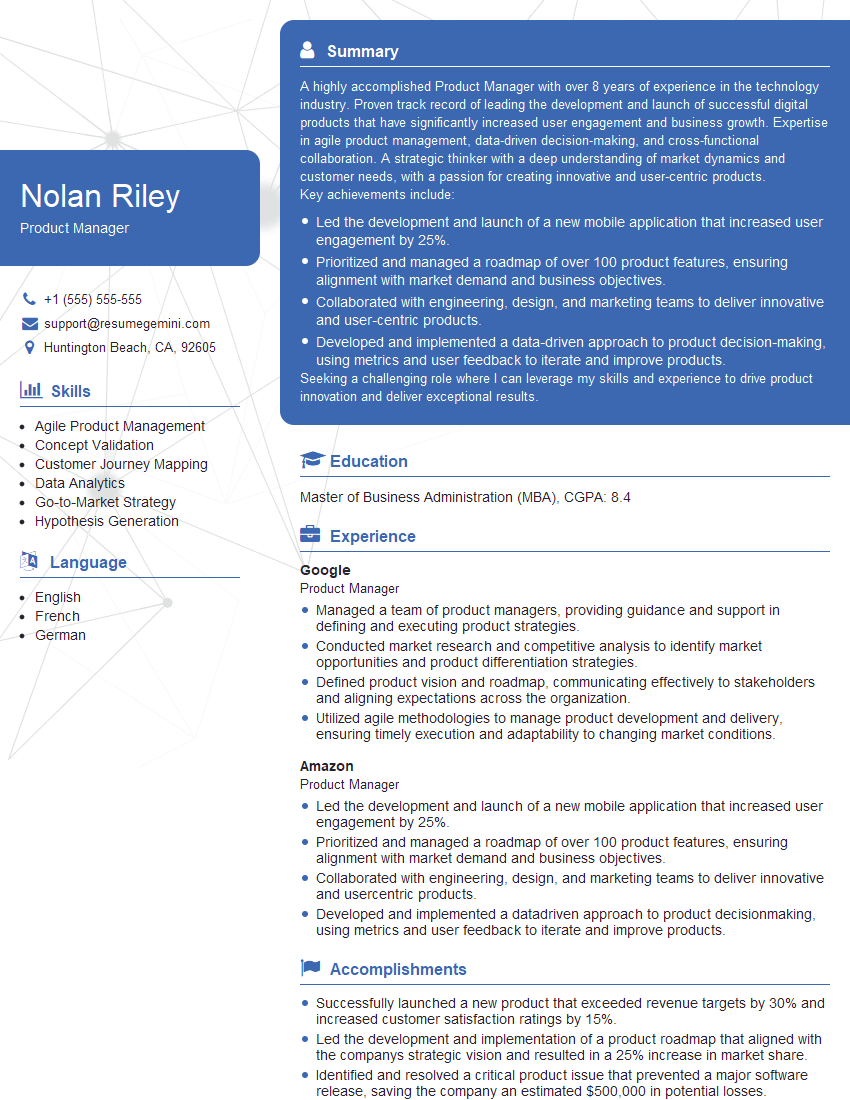
Product Manager Resume Sample

Project Manager Resume Sample

Compliance Officer Resume Sample
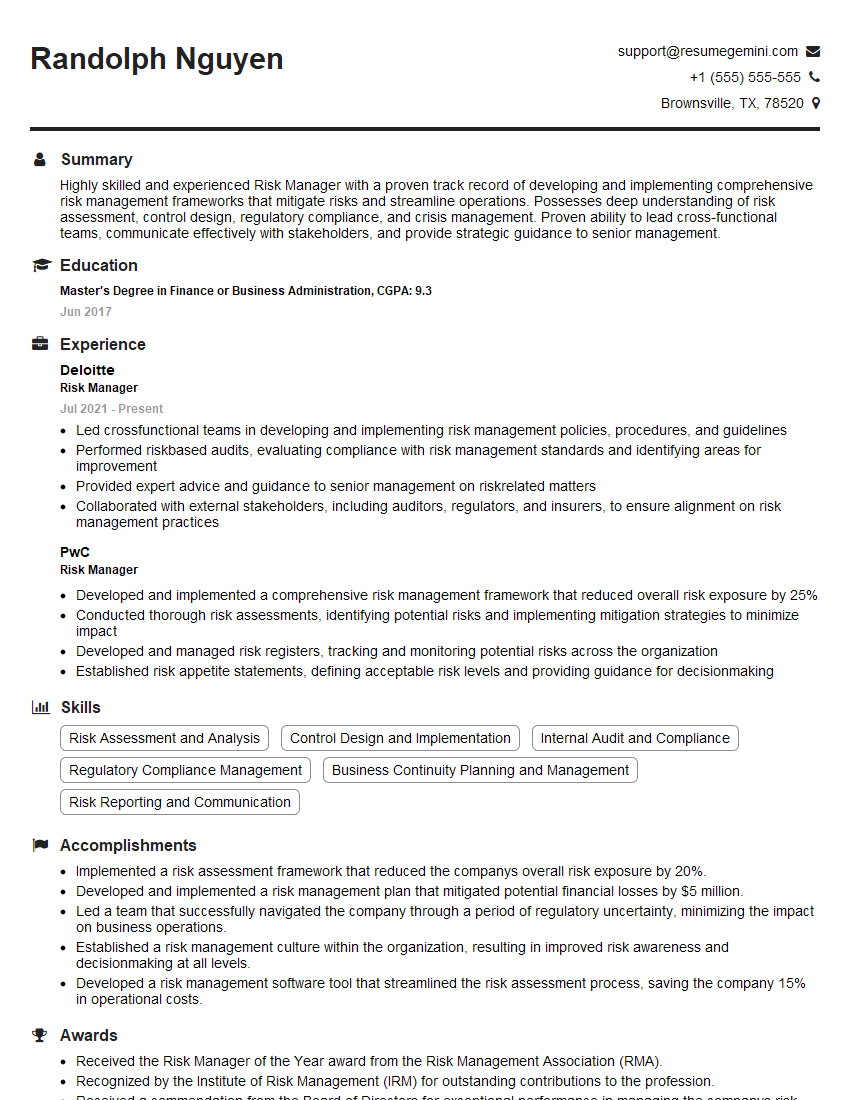
Risk Manager Resume Sample
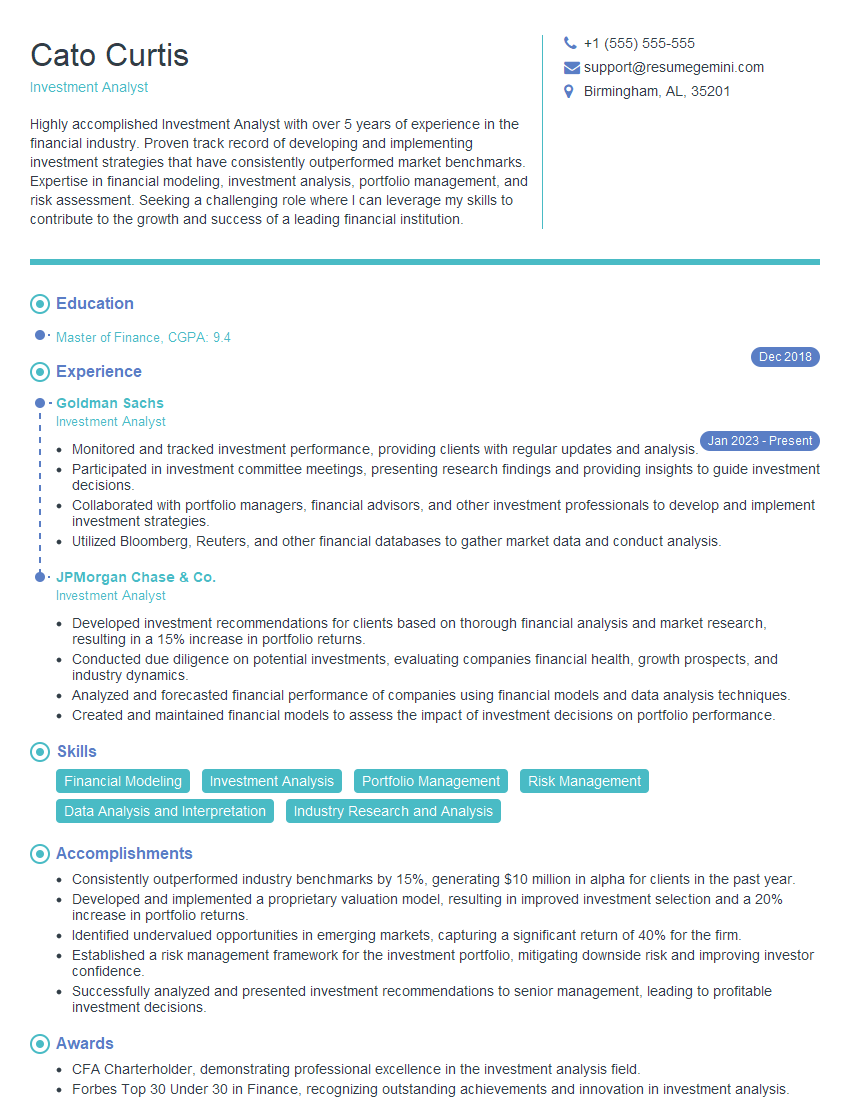
Investment Analyst Resume Sample
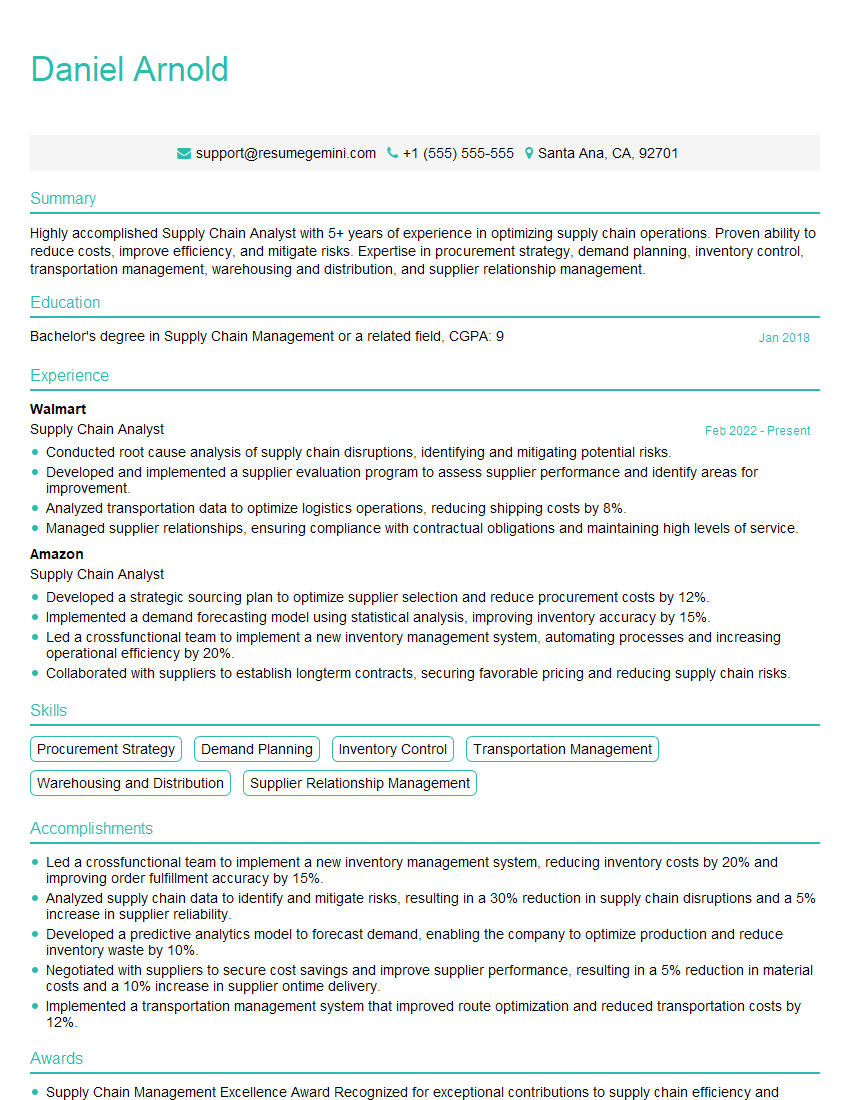
Supply Chain Analyst Resume Sample
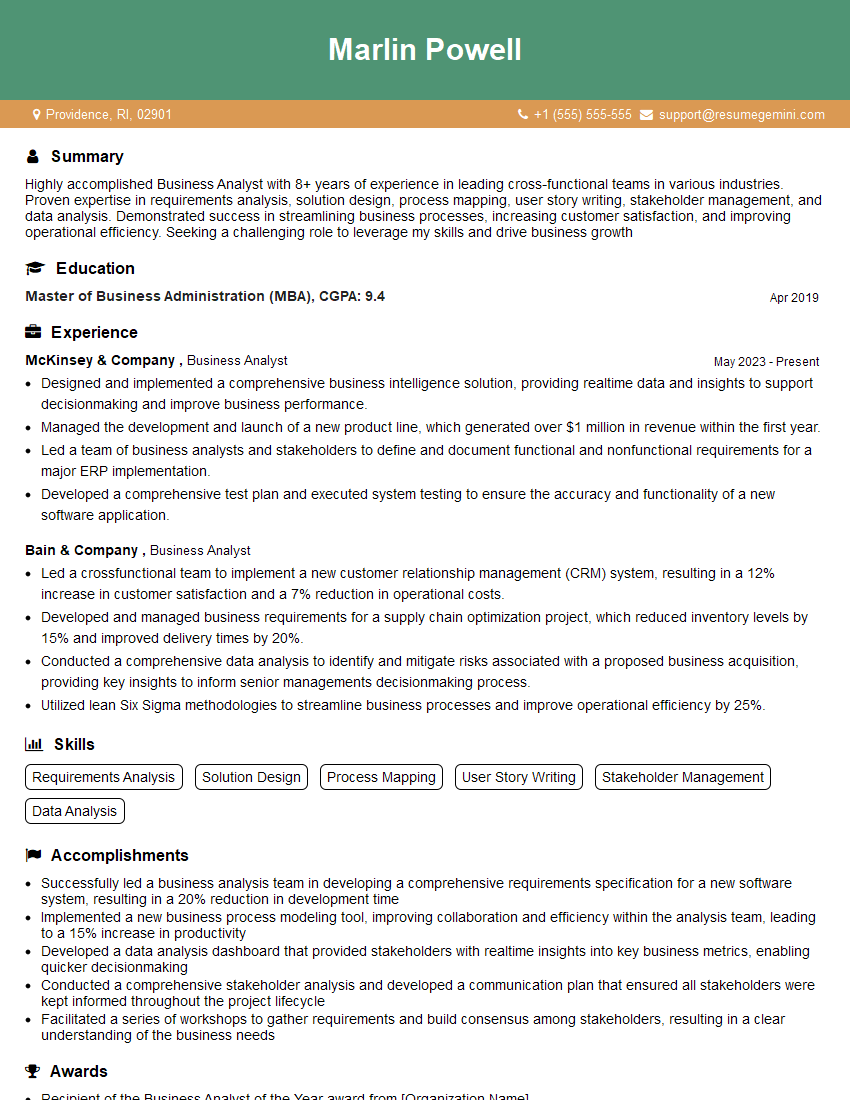
Business Analyst Resume Sample
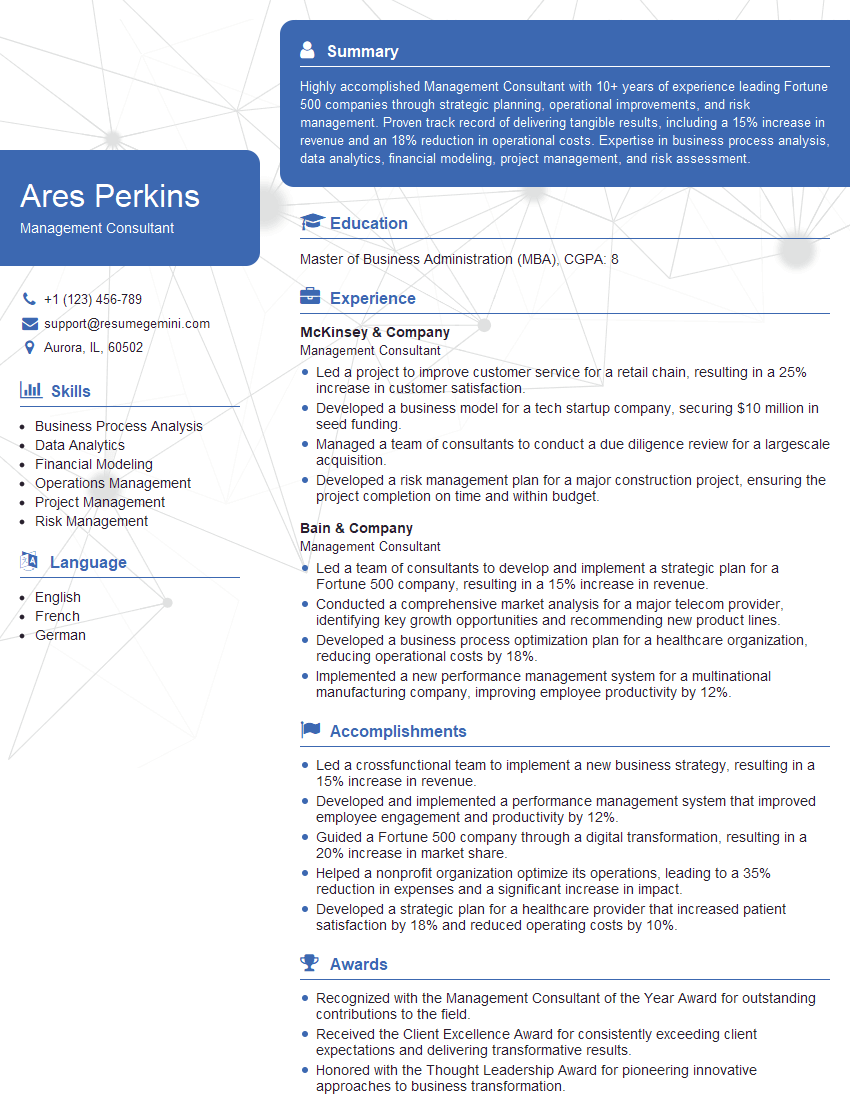
Management Consultant Resume Sample
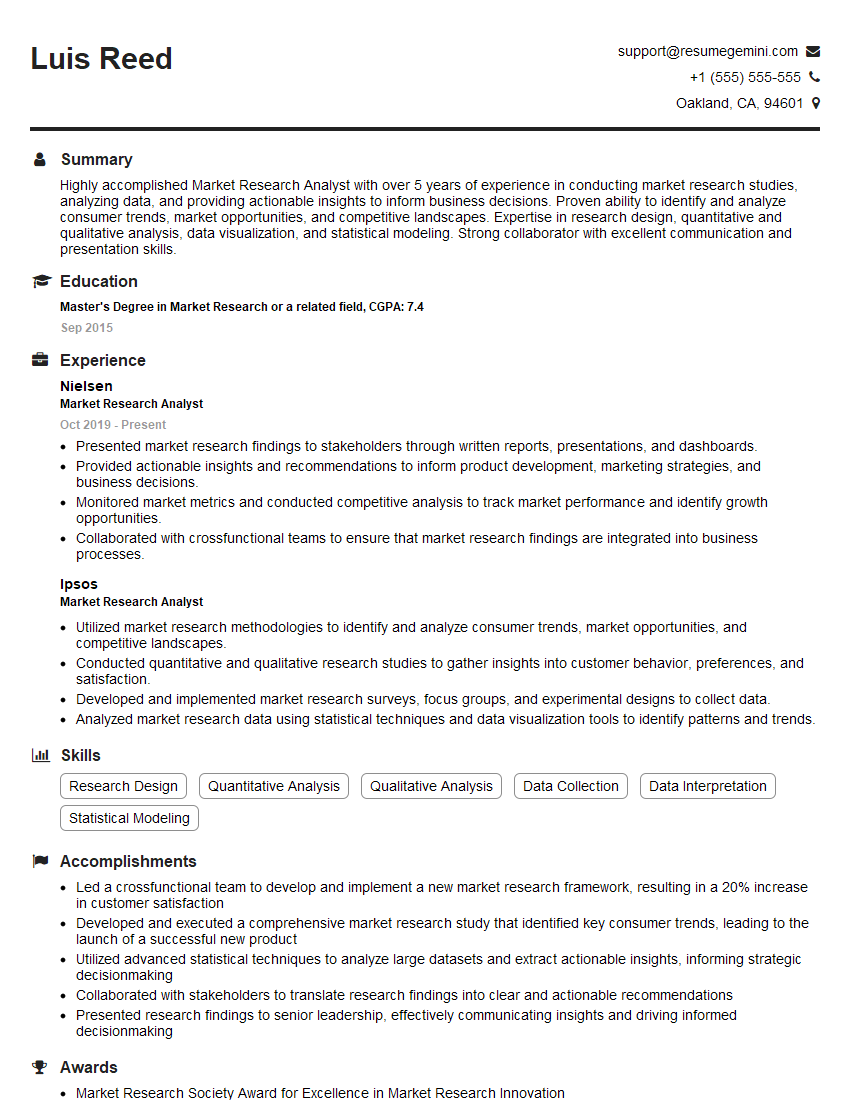
Market Research Analyst Resume Sample
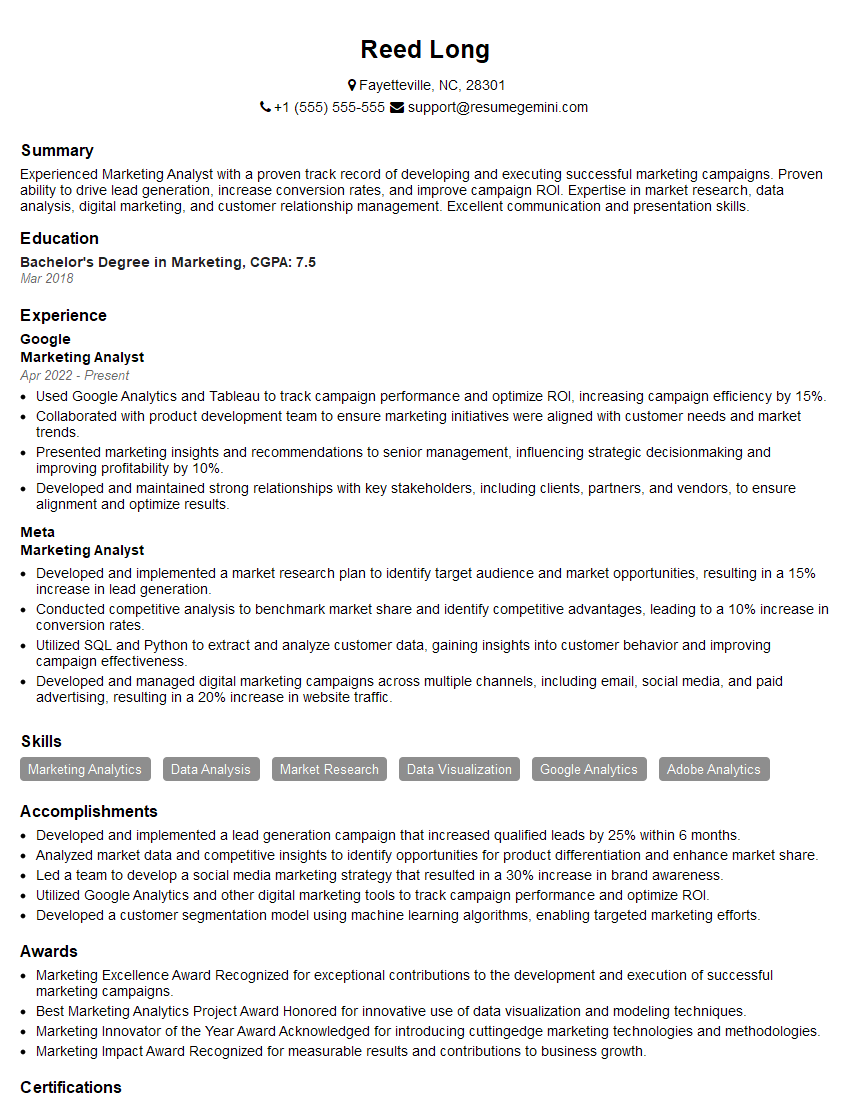
Marketing Analyst Resume Sample
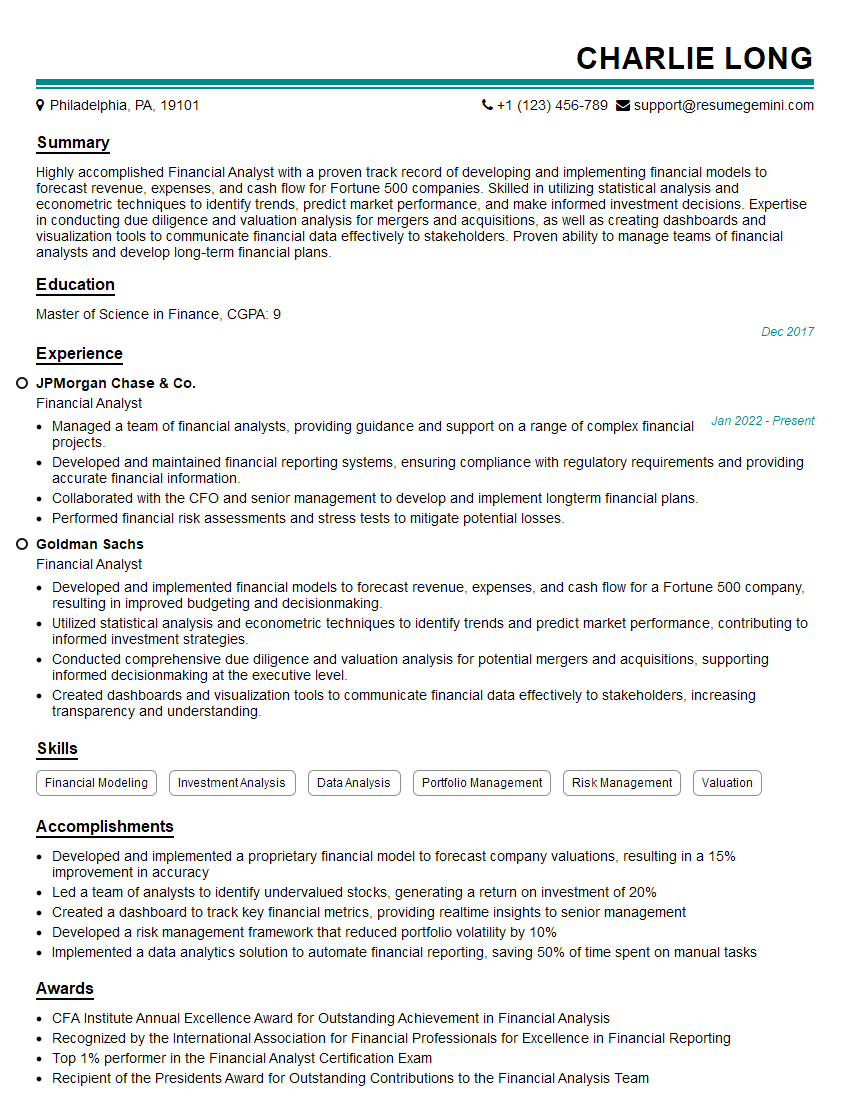
Financial Analyst Resume Sample
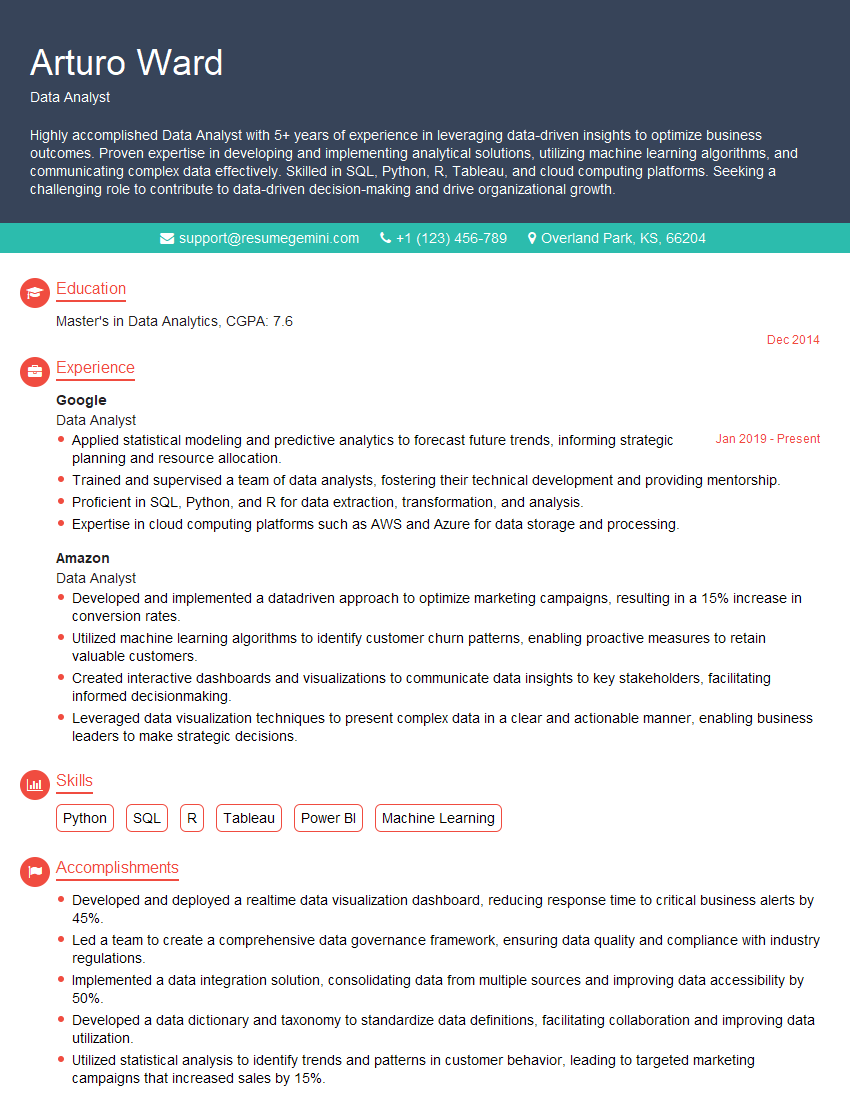
Data Analyst Resume Sample
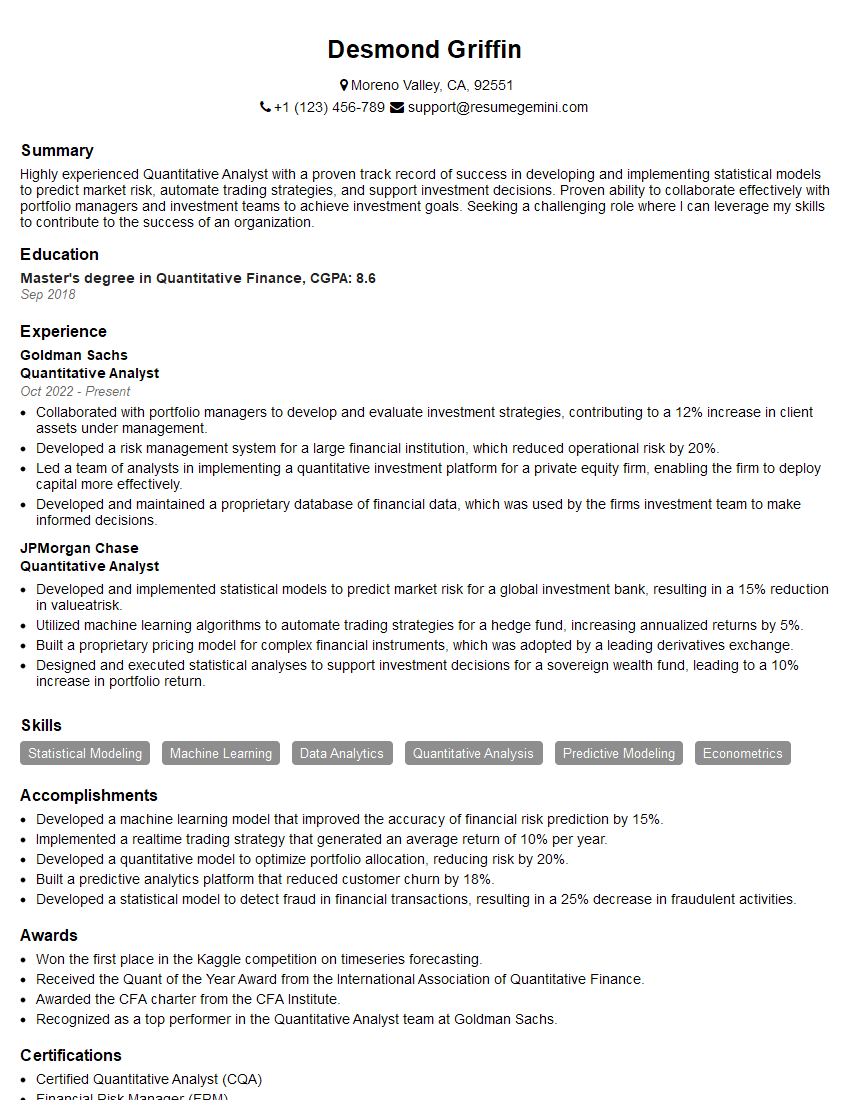
Quantitative Analyst Resume Sample
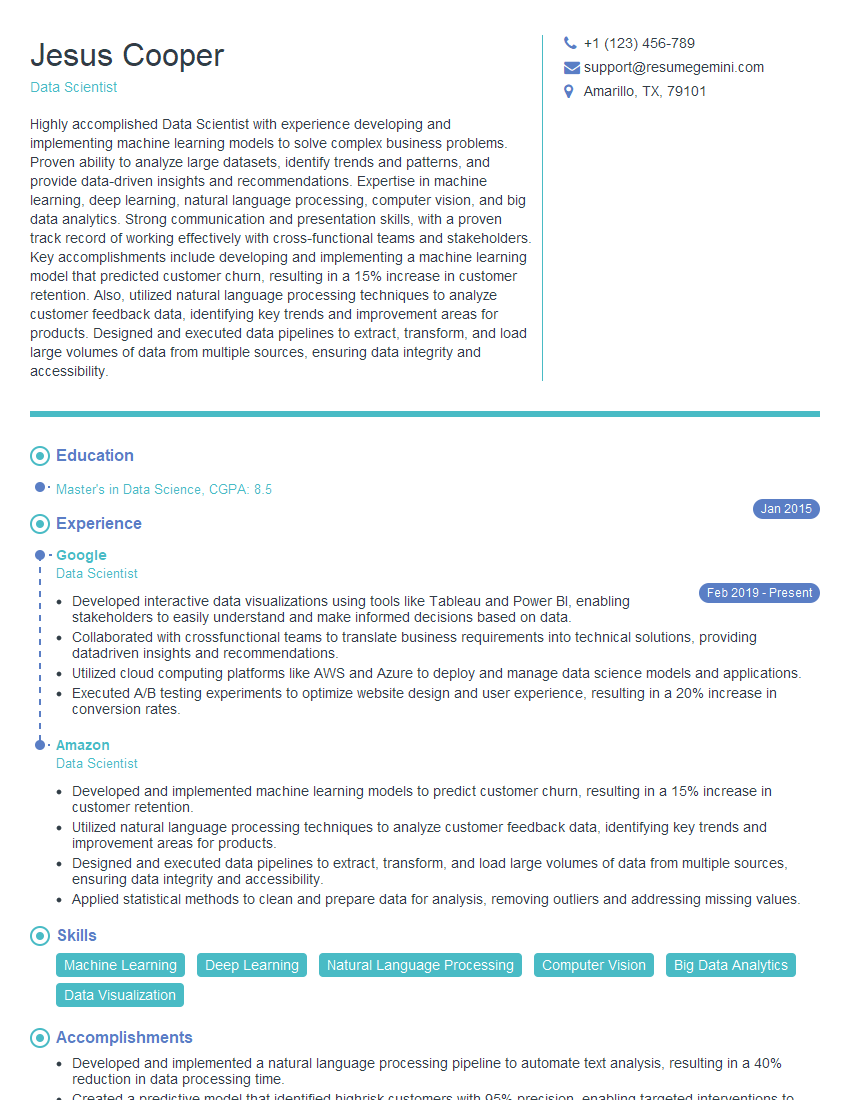
Data Scientist Resume Sample
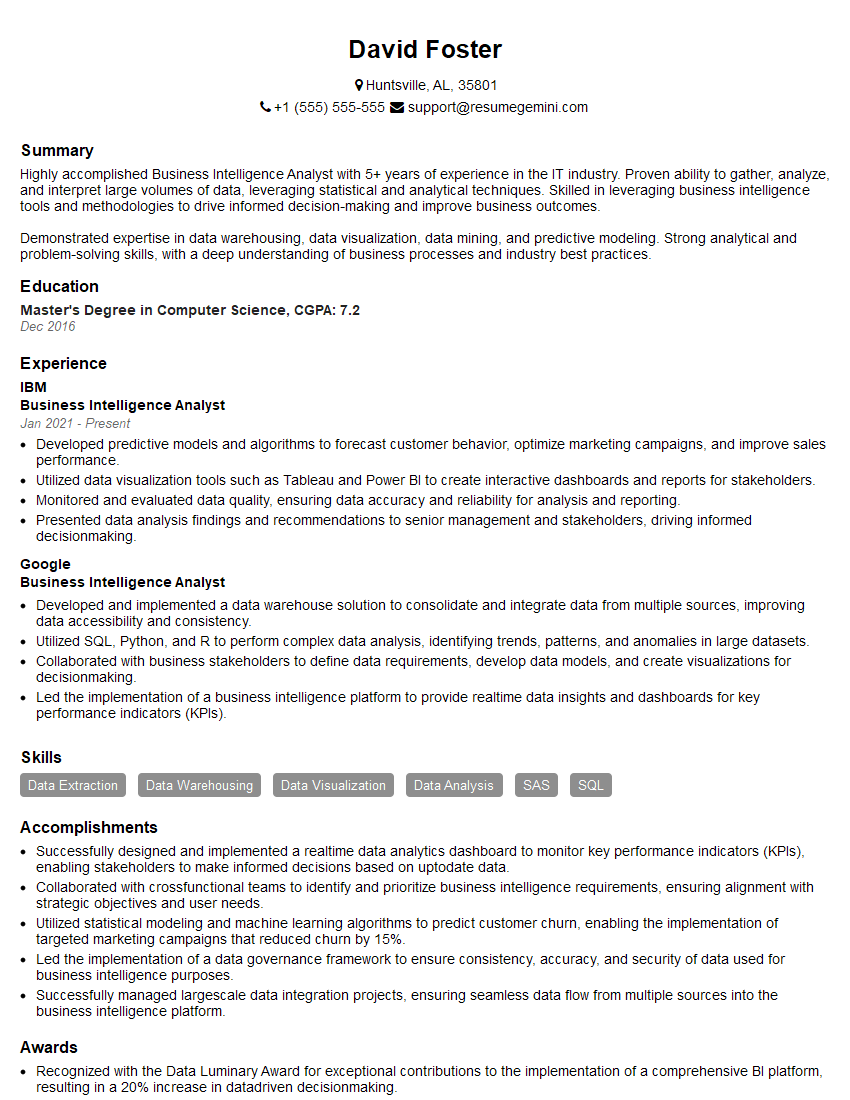
Business Intelligence Analyst Resume Sample
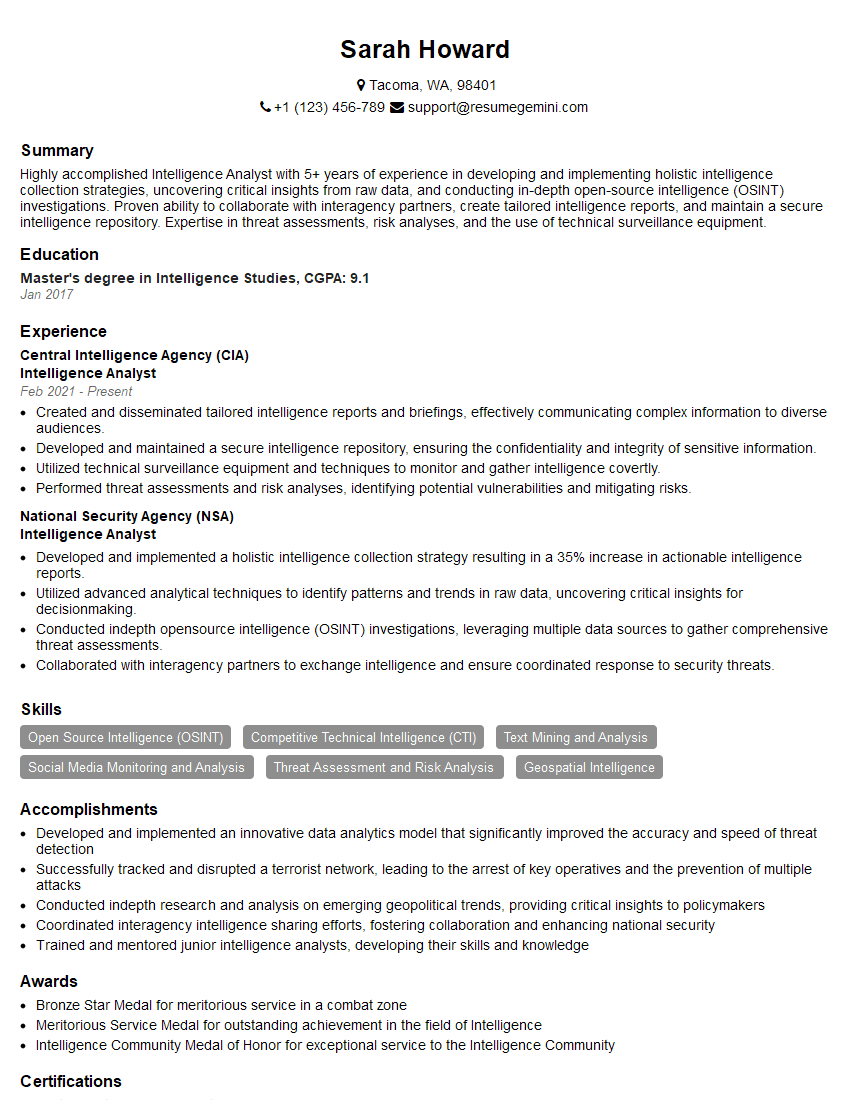
Intelligence Analyst Resume Sample
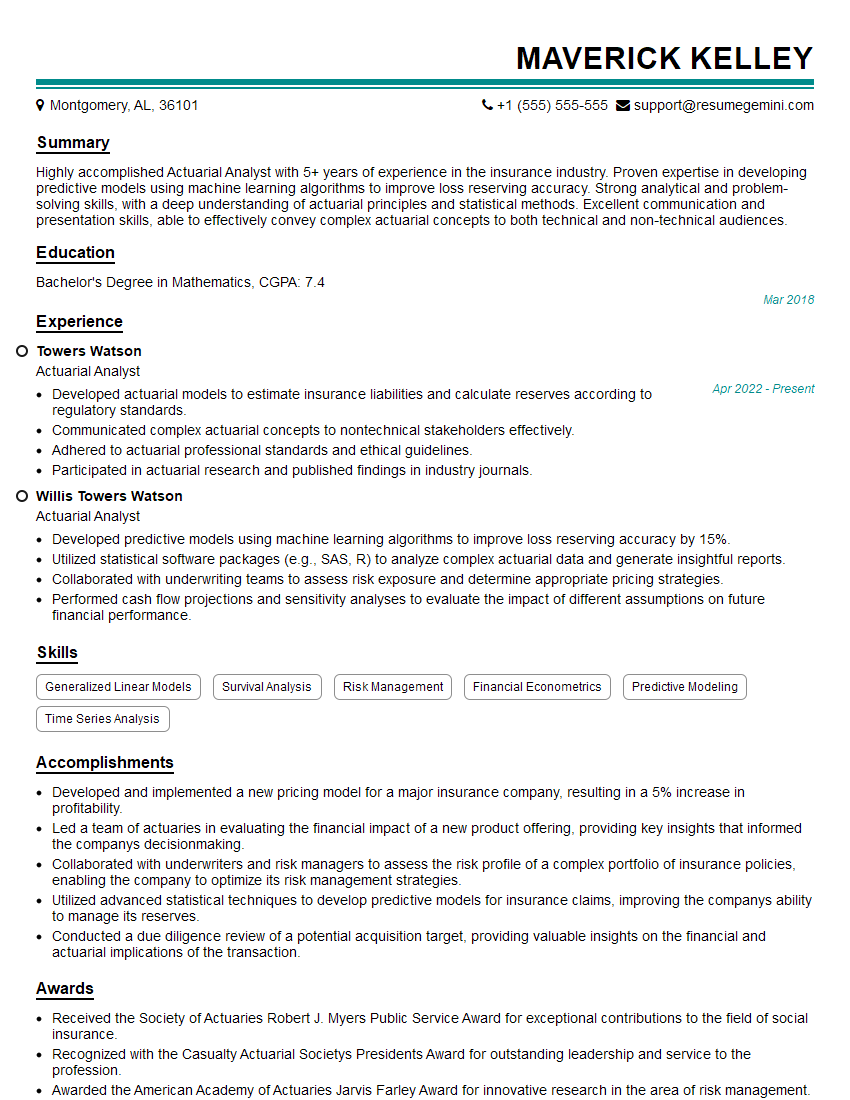
Actuarial Analyst Resume Sample
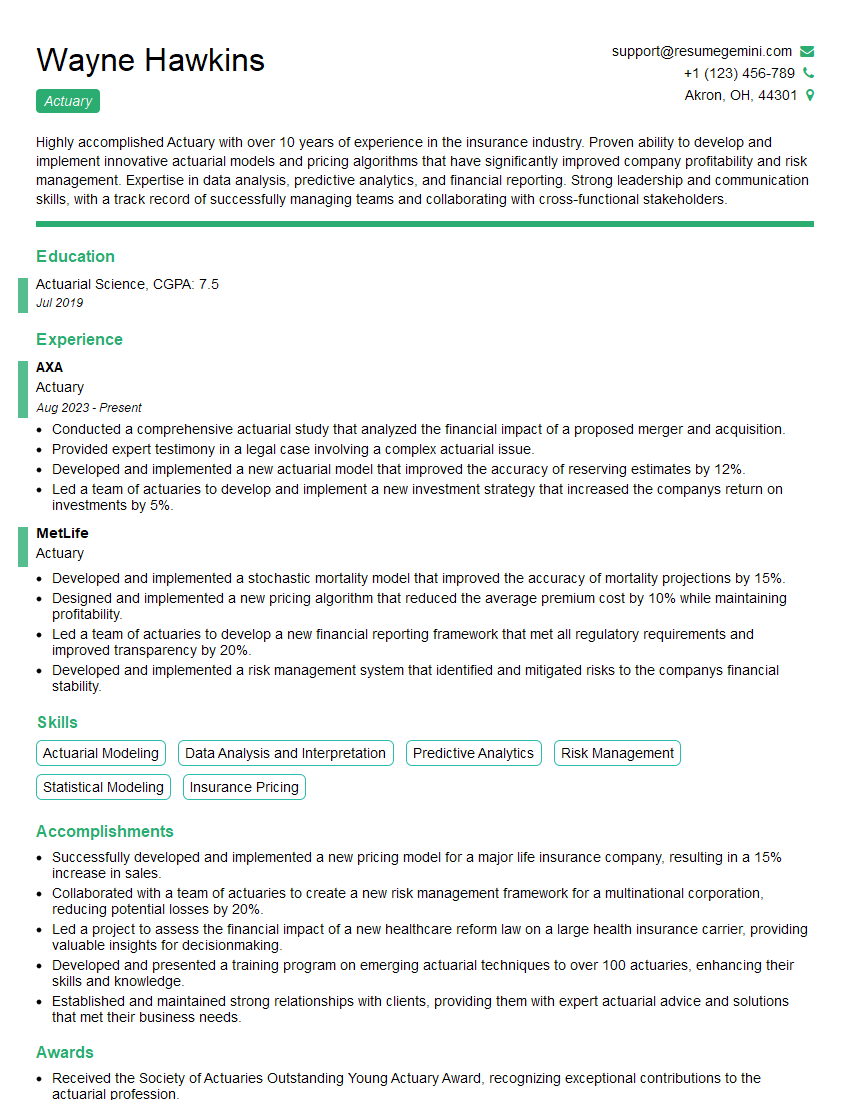
Actuary Resume Sample

Operations Research Analyst Resume Sample
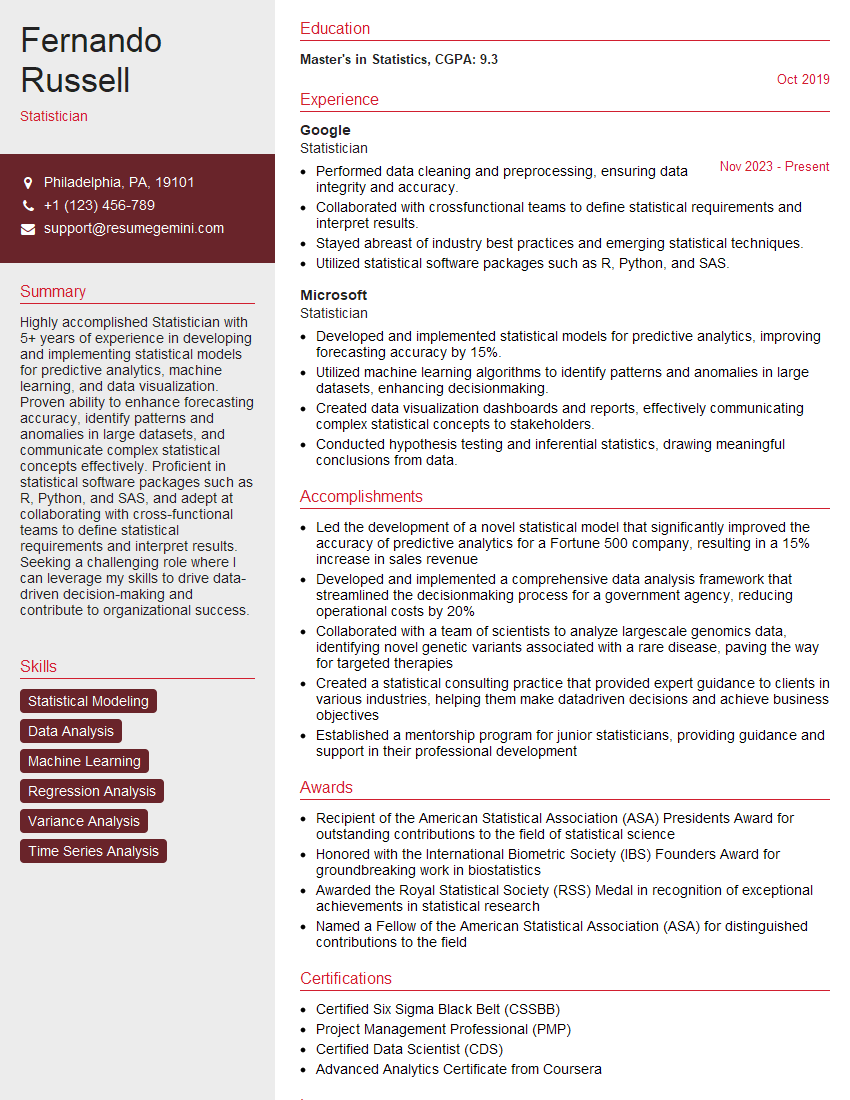
Statistician Resume Sample
- Product Manager
- Project Manager
- Compliance Officer
- Risk Manager
- Investment Analyst
- Supply Chain Analyst
- Business Analyst
- Management Consultant
- Market Research Analyst
- Marketing Analyst
- Financial Analyst
- Data Analyst
- Quantitative Analyst
- Data Scientist
- Business Intelligence Analyst
- Intelligence Analyst
- Actuarial Analyst
- Actuary
- Operations Research Analyst
- Statistician
Explore more articles
Users Rating of Our Blogs
Share Your Experience
We value your feedback! Please rate our content and share your thoughts (optional).
What Readers Say About Our Blog
Really detailed insights and content, thank you for writing this detailed article.
IT gave me an insight and words to use and be able to think of examples