The thought of an interview can be nerve-wracking, but the right preparation can make all the difference. Explore this comprehensive guide to Ability to Maintain a Clean and Organized Range interview questions and gain the confidence you need to showcase your abilities and secure the role.
Questions Asked in Ability to Maintain a Clean and Organized Range Interview
Q 1. Describe your methods for maintaining a clean and organized workspace.
Maintaining a clean and organized workspace is crucial for efficiency and safety. My method involves a systematic approach combining preventative measures and regular cleaning. I begin by establishing designated zones for different tasks and equipment. This prevents clutter and allows for easy access to necessary items. For example, I’d have a separate area for prepping ingredients, a zone for cooking, and a designated cleaning station. I then follow a ‘clean as you go’ philosophy, wiping down surfaces after each task and immediately disposing of trash. This prevents the build-up of dirt and grease. Finally, I conduct a more thorough cleaning at the end of each shift, including sanitizing surfaces and restocking supplies.
- Designated Zones: Clear separation of tasks prevents cross-contamination and streamlines workflow.
- Clean as You Go: Minimizes buildup of grime and reduces the workload at the end of the day.
- End-of-Shift Cleaning: Ensures a sanitized and ready-to-use workspace for the next shift.
Q 2. How do you prioritize tasks to ensure both cleanliness and efficiency?
Prioritizing tasks requires a balance between immediate needs and preventative maintenance. I use a combination of techniques to ensure both cleanliness and efficiency. I employ a tiered system: high-priority tasks involve addressing immediate safety hazards (e.g., spills) or critical workflow interruptions. medium-priority tasks focus on maintaining cleanliness (e.g., wiping down counters, washing dishes). low-priority tasks are preventative actions like deep cleaning and organizing storage areas. I use checklists and time-management techniques (like the Pomodoro Technique) to schedule these tasks throughout the day. For instance, if a large spill occurs, that immediately becomes the high-priority task; only after that is addressed will I resume with other scheduled tasks.
Q 3. Explain your approach to handling spills or unexpected messes.
Handling spills or unexpected messes requires quick action to prevent accidents and contamination. My approach involves a four-step process: Assess, Act, Clean, Prevent. First, I assess the situation – identifying the type of spill and the area affected. Second, I take immediate action to prevent further spread or injury. For example, I’d immediately cordon off a spilled liquid to prevent slips and falls. Third, I thoroughly clean the area using appropriate cleaning agents and procedures, following all relevant safety regulations. Finally, I take steps to prevent similar incidents in the future, such as better storage or improved practices. For instance, if a jar of spices spilled, I’d ensure all spices are properly secured in the future.
Q 4. What are your strategies for preventing clutter and disorganization?
Preventing clutter and disorganization relies on proactive strategies and a commitment to maintaining order. I use a combination of techniques, including: Regular purging – removing unnecessary items and disposing of outdated or unusable materials. Designated storage – utilizing appropriate storage containers and shelving for efficient organization of supplies. First-in, first-out (FIFO) system for inventory management. This ensures that older items are used before newer ones, minimizing waste and reducing the risk of spoilage. Labeling – clearly labeling containers and storage areas to ensure everything is easily identifiable. For example, I’d label containers with contents and expiry dates.
Q 5. How do you ensure proper sanitation procedures are followed?
Ensuring proper sanitation procedures are followed is paramount in maintaining a safe and hygienic work environment. My approach adheres strictly to all relevant guidelines and regulations, including the use of appropriate sanitizing agents and equipment. I familiarize myself with all relevant food safety regulations and ensure I follow correct handwashing procedures, proper temperature control, and safe handling and storage of food. A key element is maintaining accurate records of all cleaning and sanitizing activities, including dates, times, and the specific chemicals used. Regular training and adherence to checklists are vital for maintaining consistent standards.
Q 6. How do you organize and maintain inventory in a kitchen or similar environment?
Organizing and maintaining inventory is essential for efficient workflow and preventing waste. I use a combination of methods including the FIFO system mentioned earlier. I also employ a visual inventory system – regularly checking stock levels and noting what needs replenishing. This can include clearly labeled shelves, color-coded storage, and a digital inventory management system. For example, I’d rotate stock regularly, placing newer items behind older items, to ensure older stock is used first. Regular stock-taking helps to identify expiring items and plan for replenishment.
Q 7. Describe your experience with food safety regulations and procedures.
My experience with food safety regulations and procedures is extensive. I’m thoroughly familiar with HACCP (Hazard Analysis and Critical Control Points) principles and their application in a kitchen setting. This includes understanding temperature danger zones, proper handwashing techniques, cross-contamination prevention, and the importance of personal hygiene. I am also knowledgeable about food storage requirements and the correct procedures for handling and preparing various types of food to minimize the risk of foodborne illnesses. I actively seek opportunities to update my knowledge on the latest food safety standards and regulations.
Q 8. How do you handle conflicts between maintaining cleanliness and meeting deadlines?
Balancing cleanliness and deadlines requires strategic planning and prioritization. Think of it like a well-orchestrated symphony – each instrument (task) needs to play its part in harmony to create a beautiful performance (completed project).
I approach this by employing time management techniques, such as breaking down large cleaning tasks into smaller, manageable chunks. For instance, instead of tackling a whole kitchen at once, I might focus on cleaning the countertops and sink before a crucial meeting, then returning to the oven and stovetop later. Prioritization involves identifying high-impact cleaning tasks that minimize disruption or prevent safety hazards, addressing those first. Communication is key; I’ll proactively inform my team about any potential delays due to unexpected cleaning needs, offering alternative solutions if possible.
In a past role, I was tasked with deep-cleaning a lab before a critical inspection. The deadline was tight. I quickly prioritized areas needing immediate attention – removing biohazards and spills – before tackling other sections. This approach ensured the lab met safety standards, which was the absolute top priority, while still managing to complete most of the general cleaning tasks by the deadline.
Q 9. What cleaning supplies and equipment are you most familiar with?
My experience encompasses a wide array of cleaning supplies and equipment, ranging from basic tools to specialized machinery. I’m proficient in using various types of cleaning agents, including disinfectants, all-purpose cleaners, and specialized solutions for different surfaces (e.g., glass cleaners, stainless steel polish). I’m also adept at using a variety of equipment:
- Manual tools: Mops, brooms, dustpans, scrub brushes, sponges, squeegees, cloths.
- Powered equipment: Vacuum cleaners (both upright and canister), floor buffers, carpet extractors, pressure washers (where appropriate).
- Specialized equipment: Depending on the environment, I might use auto scrubbers for large floor areas, or specialized cleaning agents for delicate surfaces.
Beyond equipment, I understand the importance of selecting appropriate cleaning agents for specific surfaces and the implications of mixing different chemicals. Safety is always my top priority, and I rigorously follow all safety data sheets (SDS) instructions.
Q 10. How do you adapt your cleaning methods to different work environments?
Adaptability is crucial in maintaining cleanliness across diverse environments. My approach involves a thorough assessment of the space: identifying the type of surfaces, potential contaminants, and any unique challenges. For example, a hospital demands a different approach than a warehouse.
Hospital: Strict adherence to infection control protocols, utilizing hospital-grade disinfectants, and careful waste disposal are paramount. Warehouse: This setting might require heavy-duty cleaning equipment to handle larger spaces and potential debris. I adjust my cleaning schedule and methods accordingly, focusing on high-traffic areas and potential hazards. I always use appropriate personal protective equipment (PPE) relevant to the environment, which might include gloves, masks, and safety glasses.
Imagine cleaning a delicate antique shop versus a bustling industrial kitchen – the methods, supplies, and even the pace would be significantly different. I’m comfortable and experienced with these variations.
Q 11. Describe your experience with waste management and disposal.
Effective waste management is a cornerstone of maintaining a clean and organized environment. My experience includes proper segregation of waste according to local regulations and the specific requirements of the work environment (e.g., hazardous waste, recyclable materials, general trash). I’m familiar with using different waste disposal systems, including disposal bins, compactors, and specialized containers for hazardous materials.
I always adhere to all relevant safety regulations during waste handling and disposal. This includes wearing appropriate PPE, properly labeling hazardous waste, and ensuring that all containers are securely sealed and disposed of according to established procedures. Regularly emptying bins and keeping them clean prevents overflowing and reduces potential health and safety risks.
In my previous role, I implemented a new waste management system that reduced our facility’s waste by 20% by implementing a more effective recycling program. This showed the impact of a well-organized waste disposal system.
Q 12. How do you train others on proper cleaning and organization techniques?
Training others in proper cleaning and organization techniques is best approached through a combination of demonstration and hands-on practice. I start by explaining the importance of cleanliness, highlighting health and safety implications. Then, I provide step-by-step demonstrations of the correct techniques, using visual aids when necessary.
I emphasize the importance of:
- Using the correct cleaning agents and equipment for different surfaces.
- Following a logical cleaning sequence (e.g., top-to-bottom, left-to-right).
- Proper disposal of waste materials.
- Maintaining a clean and organized workspace.
Finally, I provide opportunities for supervised practice to ensure the trainees understand and can effectively implement the techniques. Regular feedback and follow-up help refine their skills and reinforce best practices.
In my previous role, I developed a training program for new employees, resulting in a noticeable improvement in the overall cleanliness and organization of our facility.
Q 13. How do you identify and address potential safety hazards related to cleanliness?
Identifying and addressing safety hazards related to cleanliness is a critical responsibility. This starts with regular inspections of the work environment, looking for potential hazards such as spills, wet floors, exposed wires, and improperly stored cleaning supplies.
My approach includes:
- Immediate action on identified hazards: Cleaning up spills immediately, placing warning signs on wet floors, and securing any potentially hazardous materials.
- Proper storage of cleaning supplies: Keeping cleaning products out of reach of unauthorized personnel and storing them correctly to prevent spills or accidents.
- Appropriate PPE: Ensuring that all personnel use appropriate PPE, such as gloves, masks, and eye protection, when handling cleaning agents or potentially hazardous materials.
- Reporting and documentation: Documenting any safety hazards and reporting them to the appropriate personnel to ensure prompt remediation.
A proactive approach to safety prevents accidents and creates a safe work environment for everyone.
Q 14. How do you maintain a consistently high standard of cleanliness?
Maintaining a consistently high standard of cleanliness demands a combination of meticulous attention to detail, established procedures, and regular monitoring.
My strategy involves:
- Establishing a cleaning schedule: This ensures that regular cleaning tasks are performed consistently. The schedule might need adjustment based on factors like foot traffic and potential contamination.
- Using checklists and standardized procedures: This guarantees a consistent and thorough approach to cleaning, minimizing the risk of overlooking areas.
- Regular inspections and quality control: This allows for prompt identification and correction of any deviations from the established standards. I might also conduct spot checks throughout the day to maintain standards.
- Continuous improvement: Regularly evaluating cleaning methods and procedures to identify areas for improvement and to adopt best practices.
Think of it like maintaining a beautiful garden – regular attention, weeding, and pruning ensure the garden’s ongoing beauty. The same principle applies to maintaining a consistently clean and organized environment.
Q 15. Have you ever had to deal with a major cleaning emergency? How did you handle it?
One time, a significant grease fire erupted in the range hood during a particularly busy service. My immediate response was to activate the fire suppression system – a crucial safety measure we regularly inspect and test. Simultaneously, I evacuated the kitchen area, ensuring the safety of all staff and patrons. After the fire department extinguished the blaze and the area was declared safe, we followed a rigorous cleanup procedure. This involved thorough cleaning of the hood and surrounding areas with specialized degreasers and high-pressure cleaning equipment. All affected equipment was disinfected and inspected for damage. We then documented the entire incident, including the cause, the steps taken, and any damage sustained. This detailed report was essential for our insurance claim and also for informing future preventative measures.
This experience underscored the importance of proactive safety training, regular maintenance checks on our equipment (especially the fire suppression system), and a well-defined emergency response plan. Having a pre-established plan allowed us to react quickly and effectively, minimizing damage and preventing injury.
Career Expert Tips:
- Ace those interviews! Prepare effectively by reviewing the Top 50 Most Common Interview Questions on ResumeGemini.
- Navigate your job search with confidence! Explore a wide range of Career Tips on ResumeGemini. Learn about common challenges and recommendations to overcome them.
- Craft the perfect resume! Master the Art of Resume Writing with ResumeGemini’s guide. Showcase your unique qualifications and achievements effectively.
- Don’t miss out on holiday savings! Build your dream resume with ResumeGemini’s ATS optimized templates.
Q 16. What are some common challenges you face in maintaining a clean work environment?
Maintaining a pristine range environment presents several challenges. One common issue is the sheer volume of food waste and grease buildup. This requires diligent cleaning and disposal, often multiple times a day, especially in high-volume settings. Another challenge is managing the high temperatures inherent in a kitchen; this can impact the efficiency and lifespan of cleaning products. We also have to contend with constant spills, accidental damage, and the general wear and tear on equipment from heavy use. Finally, adhering to strict hygiene and safety regulations, like those set by health inspectors, requires meticulous attention to detail and precise record-keeping.
For instance, dealing with stubborn grease stains necessitates using appropriate degreasers and specific cleaning techniques. We need to be mindful of environmental impact, and therefore carefully select eco-friendly products where possible. Dealing with unexpected equipment malfunctions requires quick thinking and resourcefulness to avoid disrupting service.
Q 17. How do you ensure proper storage of food and supplies?
Proper food and supply storage is paramount. We utilize a FIFO (First-In, First-Out) system for all perishable goods, clearly labeling items with their purchase and expiration dates. This prevents waste and maintains food safety. Perishable items are refrigerated at the correct temperature, and a thermometer is used to regularly monitor the temperature and is recorded in a log. Dry goods are stored in sealed containers, elevated off the floor to prevent pest infestation. Cleaning supplies are segregated from food items and stored safely in designated areas, away from heat sources, and clearly labeled to avoid accidental misuse. A visual checklist is used daily to ensure proper stock rotation and temperature compliance. This system not only prevents spoilage and contamination but also ensures a smooth workflow by making it easy to locate supplies.
Q 18. How do you monitor the cleanliness of equipment and tools?
We meticulously monitor the cleanliness of equipment and tools through a multi-pronged approach. Daily cleaning routines include thorough scrubbing and sanitizing of all surfaces and equipment after each use. This includes ovens, grills, fryers, preparation surfaces, knives, and utensils. Weekly, a more intensive cleaning is performed, which may involve disassembling some equipment for a deeper clean. A regular inspection schedule targets all components of the equipment for signs of wear, tear, or damage. Any maintenance issues are reported immediately. We maintain a detailed log book to record cleaning schedules, maintenance activities, and any repairs undertaken. This comprehensive approach ensures equipment operates efficiently and safely while adhering to the highest hygienic standards.
Q 19. How do you delegate cleaning tasks effectively?
Effective delegation of cleaning tasks hinges on clear communication, defined responsibilities, and regular feedback. I create a detailed cleaning schedule assigning tasks according to individual strengths and experience levels. For instance, experienced staff may handle more complex tasks, such as deep-cleaning ovens, while newer team members may focus on basic cleaning duties. I provide comprehensive training on proper cleaning techniques and the use of equipment and chemicals. Regular supervision and feedback sessions ensure tasks are completed to the expected standards and address any challenges faced. Regularly rotating cleaning responsibilities keeps tasks fresh and allows staff to develop a well-rounded understanding of hygiene protocols within the kitchen. We use checklists and visual aids to maintain consistent standards.
Q 20. What is your preferred method for scheduling cleaning tasks?
My preferred scheduling method integrates a combination of daily, weekly, and monthly cleaning tasks. Daily tasks, such as wiping down counters, cleaning equipment after use, and sweeping the floors, are fundamental and are scheduled at the end of each shift. Weekly tasks include deeper cleaning of ovens, grills, and other equipment, and inventory management. Monthly tasks encompass more intensive cleaning, such as scrubbing floors, cleaning ventilation systems, and a thorough review of the entire kitchen. This tiered system helps prevent a buildup of dirt and grime and allows for systematic maintenance of all areas. A visual schedule posted in a prominent location serves as a constant reminder for the team and ensures transparency.
Q 21. How do you track and document cleaning activities?
We maintain detailed records of all cleaning activities using both digital and physical methods. Digital records are maintained using a dedicated cleaning log software, where each task is recorded along with the date, time, employee responsible, and any noted issues. The software generates reports that help track progress, highlight areas needing improvement, and ensure compliance with health and safety regulations. A physical logbook, signed by the staff member completing the task, provides a backup record. This dual system safeguards against data loss and provides a verifiable audit trail for inspections. This combination of physical and digital tracking ensures comprehensive and accurate documentation of cleaning activities.
Q 22. What metrics do you use to assess the effectiveness of your cleaning efforts?
Assessing the effectiveness of cleaning efforts requires a multifaceted approach, going beyond just visual inspection. I utilize a combination of metrics to ensure a comprehensive evaluation.
- Visual Inspection Checklists: I use detailed checklists to systematically inspect all areas, noting cleanliness levels (e.g., presence of dust, spills, debris) and assigning scores. This provides a standardized measure across different times and locations.
- Microbial Testing (where applicable): In food preparation or healthcare settings, swabbing surfaces and analyzing samples for microbial counts (e.g., using ATP bioluminescence) provides objective data on sanitation effectiveness. High counts indicate a need for improved cleaning protocols.
- Employee Feedback & Self-Assessment: Regular feedback from cleaning staff and other employees helps identify areas requiring improvement and highlights any challenges in maintaining standards. This is crucial as those on the ground often have unique insights.
- Audits & Inspections: Scheduled audits by supervisors or external parties ensure accountability and offer an unbiased perspective. This allows for identifying systematic problems or gaps in the cleaning process.
- Data Tracking & Analysis: Using spreadsheets or dedicated software to track inspection scores, microbial test results, and employee feedback provides valuable data for trend analysis. This identifies recurring issues and allows for targeted interventions.
For example, a consistently low score on a particular checklist item (like equipment sanitation in a kitchen) suggests the need for retraining staff or adjusting the cleaning process for that specific area. Tracking microbial counts allows us to prove effectiveness of cleaning agents and procedures over time.
Q 23. How do you stay up-to-date on the latest cleaning and sanitation best practices?
Staying current in cleaning and sanitation best practices is paramount. I utilize several strategies to ensure I’m always up-to-date:
- Professional Development Courses & Certifications: I regularly participate in training programs and workshops focused on advanced cleaning techniques, new technologies, and emerging industry standards. Certifications like those offered by the ISSA (International Sanitary Supply Association) demonstrate a commitment to professional excellence.
- Industry Publications & Journals: I subscribe to industry-specific journals and publications, staying informed about research findings, new cleaning products, and best practices in various sectors. This allows for informed decision-making on the selection of products and methods.
- Manufacturer Training & Information: Many cleaning product manufacturers offer training on the effective and safe use of their products. This helps optimize results and ensures compliance with safety regulations.
- Networking & Industry Events: Attending conferences, webinars, and trade shows provides opportunities to network with other professionals and learn from their experiences. Sharing best practices is essential to continuous improvement.
- Online Resources & Regulatory Updates: I regularly consult government websites (like the EPA and OSHA) to access updated regulations and guidelines on cleaning, disinfection, and waste disposal. These resources are crucial for ensuring compliance.
For instance, learning about new enzymatic cleaners and their applications has allowed me to improve cleaning efficiency and reduce reliance on harsh chemicals in several settings. Staying abreast of OSHA guidelines is crucial to maintaining a safe and healthy work environment.
Q 24. Describe your understanding of OSHA guidelines related to workplace cleanliness.
OSHA (Occupational Safety and Health Administration) guidelines emphasize workplace safety, which strongly ties into cleanliness. My understanding of relevant OSHA standards includes:
- Hazard Communication Standard (HazCom): This requires proper labeling, training, and handling of cleaning chemicals to prevent exposure and associated health risks. This includes understanding Safety Data Sheets (SDS) and communicating potential hazards to employees.
- Bloodborne Pathogens Standard: In settings where exposure to blood or other bodily fluids is possible (e.g., healthcare, cleaning services), this standard mandates procedures for cleaning and disinfecting contaminated surfaces to prevent the spread of infectious diseases. Strict protocols for handling and disposal of contaminated materials are critical.
- Personal Protective Equipment (PPE): OSHA mandates the use of appropriate PPE (gloves, masks, eye protection) when handling cleaning chemicals or potentially hazardous materials to protect employees from exposure and injury. This is crucial for safeguarding worker health.
- Ergonomics: OSHA also promotes ergonomic practices to minimize the risk of musculoskeletal injuries among cleaning staff. This includes providing proper equipment, training staff on safe lifting techniques, and avoiding repetitive strain injuries.
- Waste Disposal: Proper disposal of cleaning waste and chemicals in accordance with local and federal regulations is crucial to protect the environment and prevent contamination.
For example, we must follow specific procedures for cleaning up blood spills in a healthcare setting, involving the use of specific disinfectants and disposal of contaminated materials in biohazard bags. This ensures both worker safety and infection control.
Q 25. How do you handle situations where equipment malfunctions impact cleanliness?
Equipment malfunctions directly impact cleanliness, so I have a systematic approach to handling these situations:
- Immediate Assessment & Containment: The first step is to assess the extent of the malfunction and contain the issue to prevent further contamination. This might involve isolating the affected area or temporarily suspending operations.
- Reporting & Maintenance Request: The malfunction must be reported to the appropriate maintenance personnel immediately. Accurate documentation of the issue and its potential impact on cleanliness is essential.
- Temporary Solutions (if safe): Depending on the nature of the malfunction and safety regulations, temporary solutions might be implemented to maintain cleanliness until the equipment is repaired. This could involve manual cleaning or using backup equipment.
- Remedial Cleaning: Once the equipment is repaired, a thorough remedial cleaning of the affected area is essential to eliminate any potential contamination caused by the malfunction. This may require more intense cleaning protocols.
- Preventive Maintenance: Regular preventative maintenance schedules help minimize equipment malfunctions. Proper training of staff in equipment use and safety procedures is also crucial.
For example, if a dishwasher malfunctions, we’d immediately stop using it, report the issue, and manually wash dishes until it’s fixed. Afterwards, we’d thoroughly clean the dishwasher and surrounding area to ensure no lingering food particles or bacteria remain.
Q 26. How do you communicate effectively with coworkers regarding cleanliness standards?
Effective communication is crucial for maintaining consistent cleanliness standards. I use several methods:
- Regular Team Meetings: Scheduled meetings provide a platform to discuss cleanliness issues, share best practices, address challenges, and provide training updates. This encourages a collaborative approach.
- Clear Communication Channels: Establishing clear communication channels (e.g., email, messaging apps, notice boards) ensures efficient flow of information regarding cleaning schedules, updates on procedures, and reporting of issues. This ensures everyone is on the same page.
- Written Procedures & Checklists: Standardized cleaning procedures and checklists eliminate ambiguity and ensure consistency across all team members. This allows for consistent cleaning quality.
- Constructive Feedback & Coaching: Providing constructive feedback and coaching helps staff improve their cleaning techniques and address any shortcomings. This is a positive reinforcement approach.
- Open Dialogue & Collaboration: Fostering an environment of open dialogue and collaboration encourages team members to raise concerns, share ideas, and work together to maintain high cleanliness standards. This fosters ownership.
For instance, if a new cleaning product is introduced, I would ensure everyone receives training on its proper use and safety precautions. We would also regularly review the effectiveness of our cleaning protocols and discuss any issues or areas of improvement.
Q 27. How do you address complaints or concerns about cleanliness?
Addressing complaints or concerns about cleanliness requires a professional and prompt response:
- Acknowledge & Investigate: The first step is to acknowledge the complaint and promptly investigate the situation. This involves documenting the concern, identifying the source of the issue, and gathering evidence (photos, witness accounts).
- Apologize (if necessary): If a genuine issue exists, offering a sincere apology demonstrates professionalism and a commitment to resolving the problem.
- Implement Corrective Actions: Once the cause of the complaint is identified, implement appropriate corrective actions to address the issue. This may involve retraining staff, adjusting cleaning procedures, or replacing equipment.
- Follow-up & Communication: Following up with the complainant to inform them of the actions taken demonstrates accountability and reinforces commitment to maintaining high cleanliness standards. This reassures the complainant.
- Preventative Measures: Implementing preventative measures to avoid similar complaints in the future is essential. This could involve strengthening training, improving cleaning protocols, or enhancing communication channels.
For example, if a client complains about a dirty restroom, I would immediately investigate, possibly re-cleaning the area, and then implement corrective actions to improve restroom cleaning procedures, perhaps by adding more frequent cleaning checks. I’d follow up with the client to address their concern and assure them that the issue has been resolved.
Q 28. Describe a time you had to improve the cleanliness or organization of a workspace.
In a previous role, the break room was consistently disorganized and unclean, impacting employee morale and productivity. To improve this, I implemented a multi-pronged approach:
- Assessment & Needs Identification: I first assessed the root causes of the problem through observation and staff interviews. This revealed a lack of clear guidelines, insufficient storage space, and inadequate cleaning supplies.
- Develop a Cleaning Schedule & Guidelines: I then developed a detailed cleaning schedule with assigned responsibilities and established clear guidelines for maintaining order. This made roles and responsibilities clear.
- Organize Storage & Procure Supplies: I organized the storage space, procured additional storage containers and cleaning supplies, and clearly labelled all items. This helped keep things tidy.
- Implement a Rotation System: I introduced a weekly rotation system for cleaning responsibilities among employees to share the workload and foster ownership. This gave everyone responsibility.
- Positive Reinforcement & Feedback: I provided positive reinforcement for consistent adherence to the guidelines, addressing any issues promptly and constructively. This helped keep up morale.
The results were dramatic. The break room became noticeably cleaner and more organized, leading to positive feedback from employees and increased productivity. This demonstrated the impact of well-planned organization and communication on overall workspace efficiency.
Key Topics to Learn for Ability to Maintain a Clean and Organized Range Interview
- Spatial Organization: Understanding efficient space utilization, including storage solutions and workflow optimization.
- Inventory Management: Demonstrating knowledge of tracking, restocking, and disposal procedures for maintaining optimal stock levels.
- Cleaning and Sanitization Protocols: Familiarity with relevant safety regulations and best practices for maintaining hygiene and cleanliness in different work environments.
- Time Management & Prioritization: Balancing multiple tasks related to organization and cleanliness, prioritizing urgent needs effectively.
- Problem-Solving & Troubleshooting: Identifying and resolving issues related to organization, such as equipment malfunction or unexpected messes, demonstrating resourcefulness.
- Teamwork and Communication: Collaborating with colleagues to maintain a shared workspace, communicating effectively regarding cleaning schedules and responsibilities.
- Safety Procedures: Understanding and adhering to safety regulations to prevent accidents and maintain a hazard-free environment.
- Technological Applications: Exploring the use of software or tools to enhance organizational efficiency (e.g., inventory management systems).
Next Steps
Mastering the ability to maintain a clean and organized range is crucial for career success across many industries. A well-organized work environment leads to increased productivity, improved safety, and a more positive overall work experience. This skill demonstrates responsibility, attention to detail, and the ability to contribute to a positive team dynamic – all highly valued by employers. To boost your job prospects, creating an ATS-friendly resume is essential. ResumeGemini is a trusted resource to help you build a professional resume that highlights your abilities effectively. We provide examples of resumes tailored to showcase your skills in maintaining a clean and organized range to help you craft a compelling application.
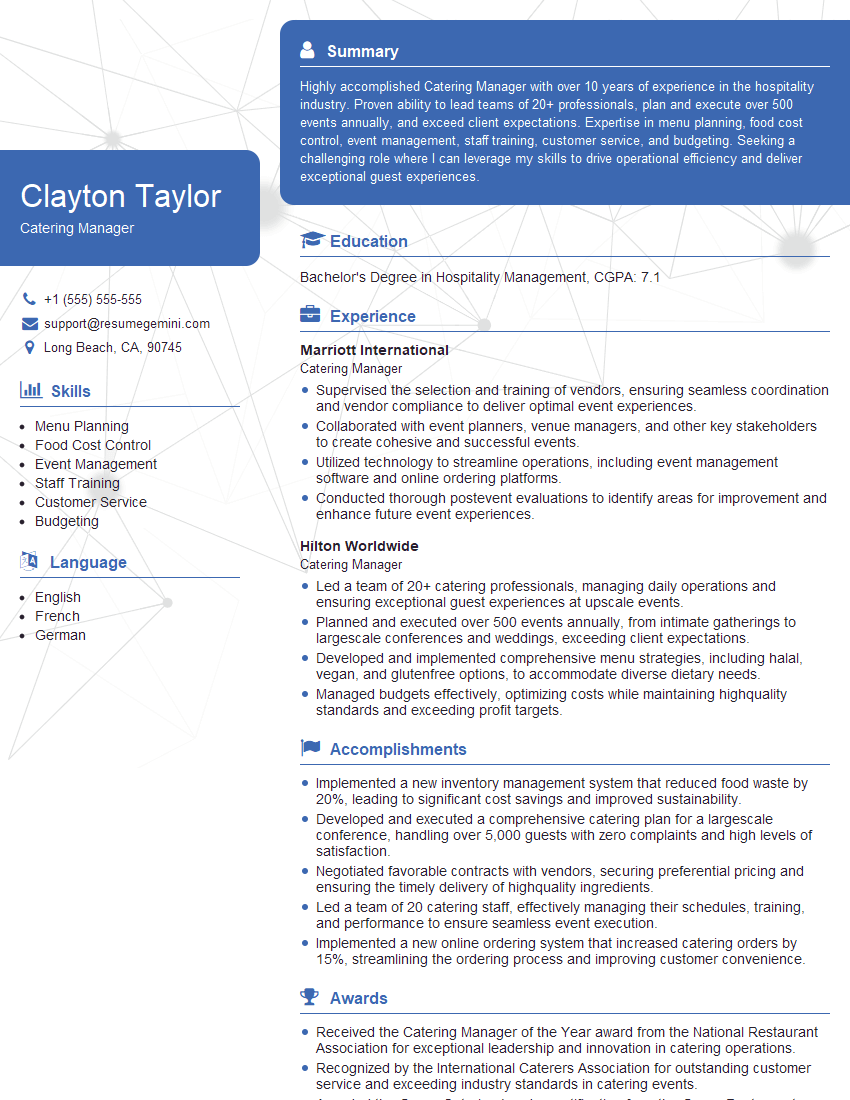
Catering Manager Resume Sample
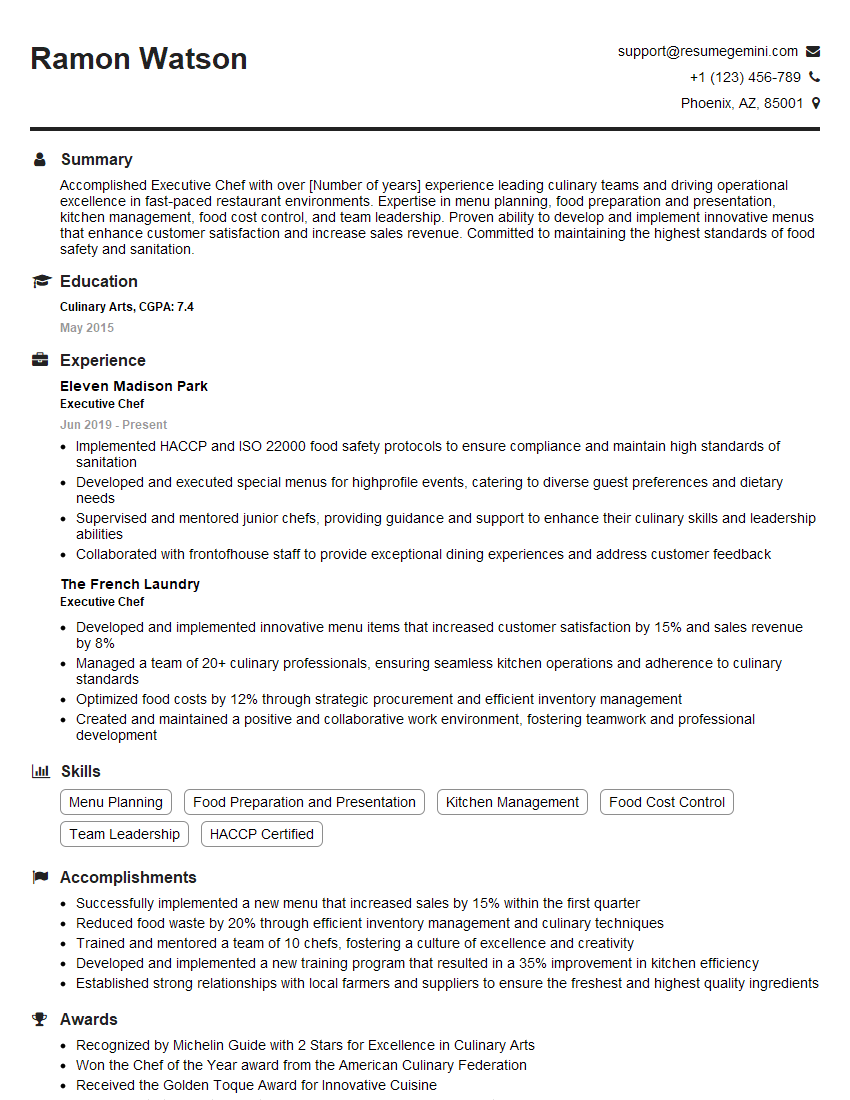
Executive Chef Resume Sample
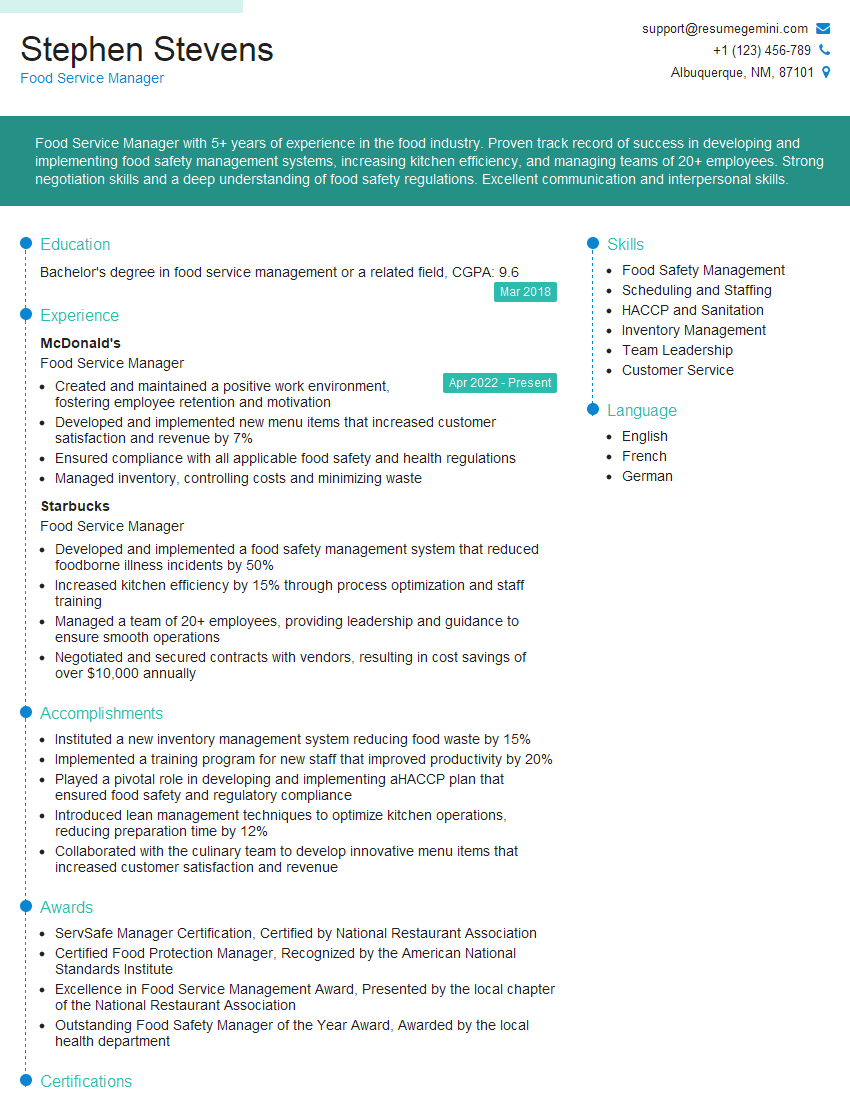
Food Service Manager Resume Sample
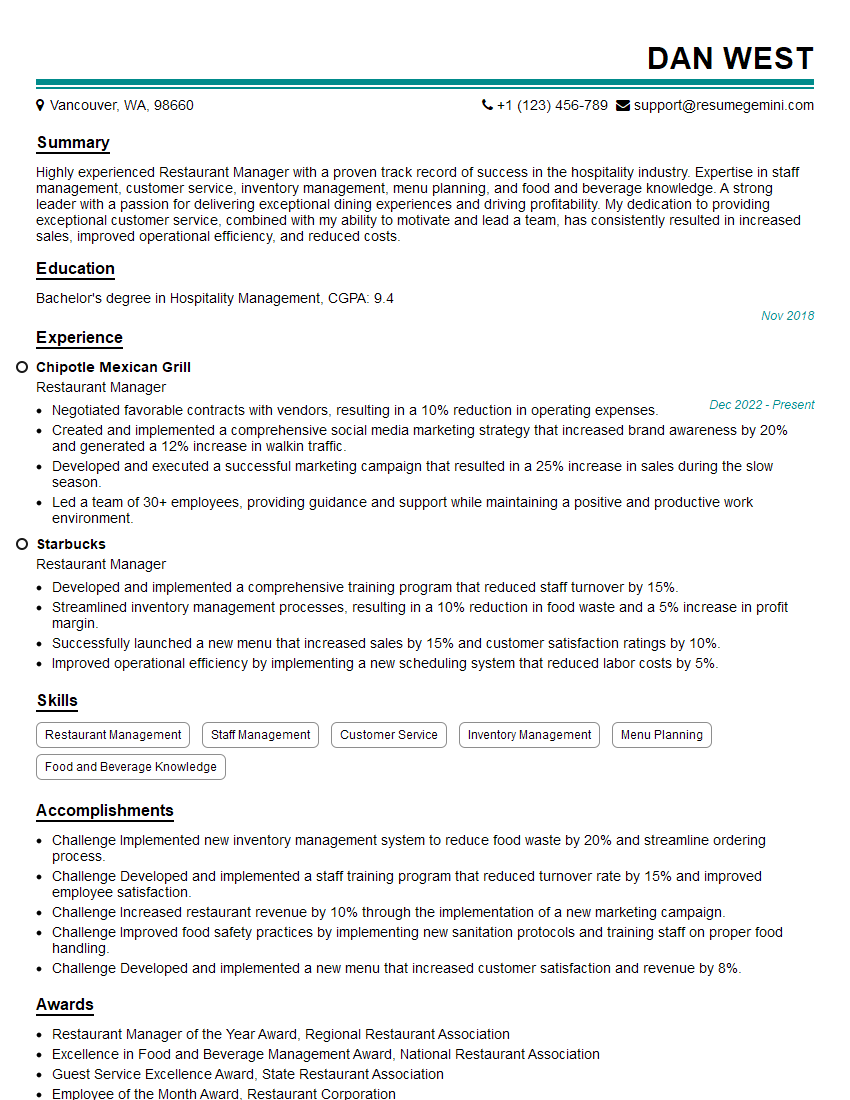
Restaurant Manager Resume Sample
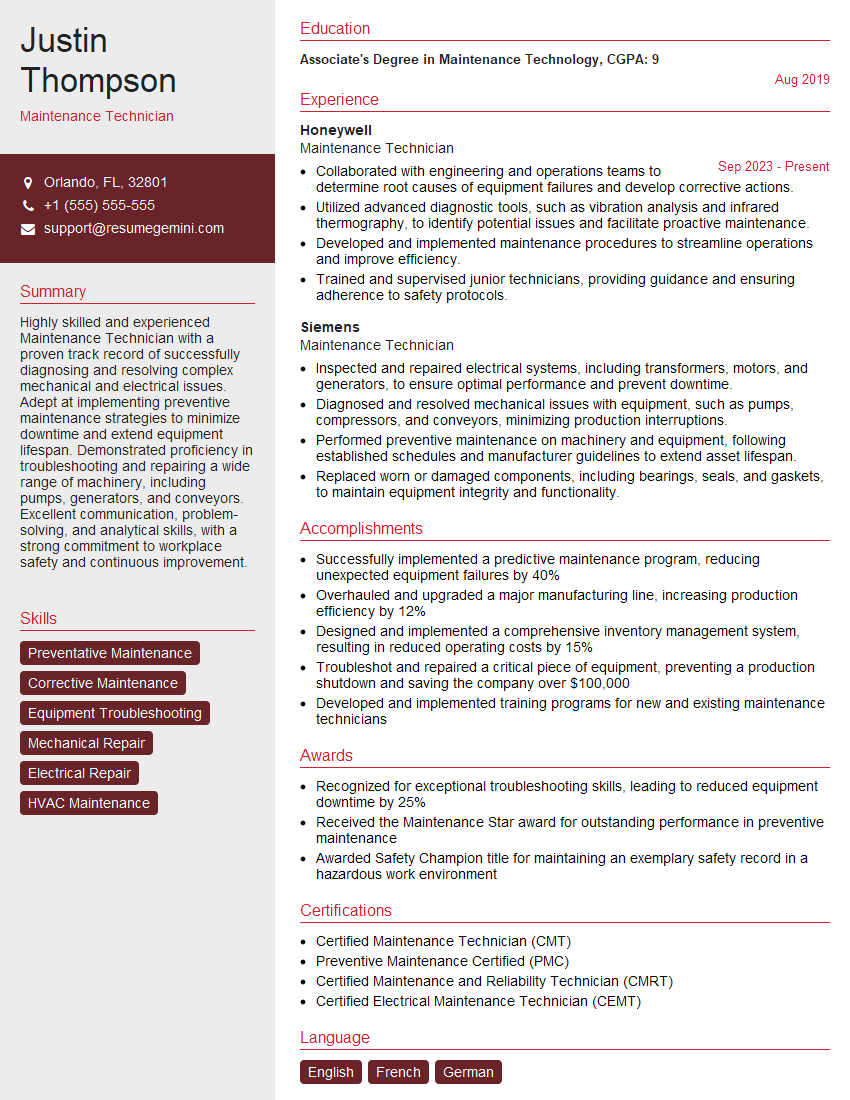
Maintenance Technician Resume Sample
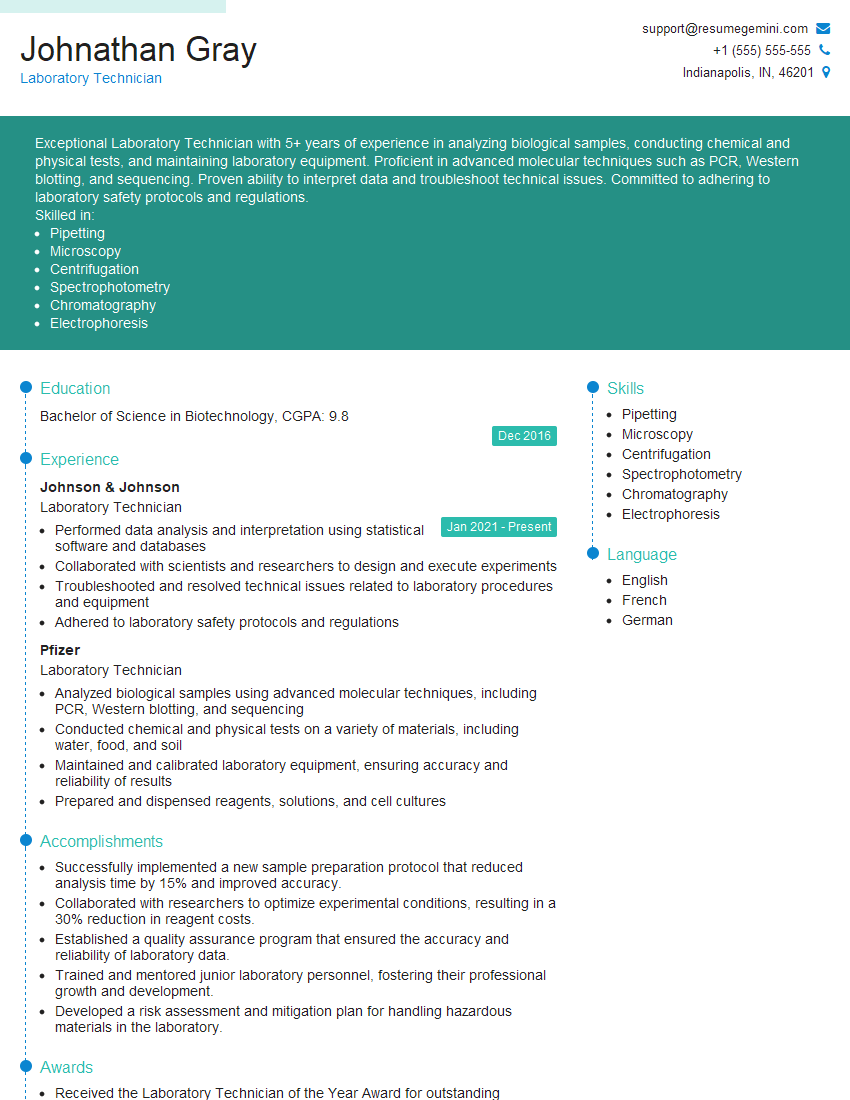
Laboratory Technician Resume Sample
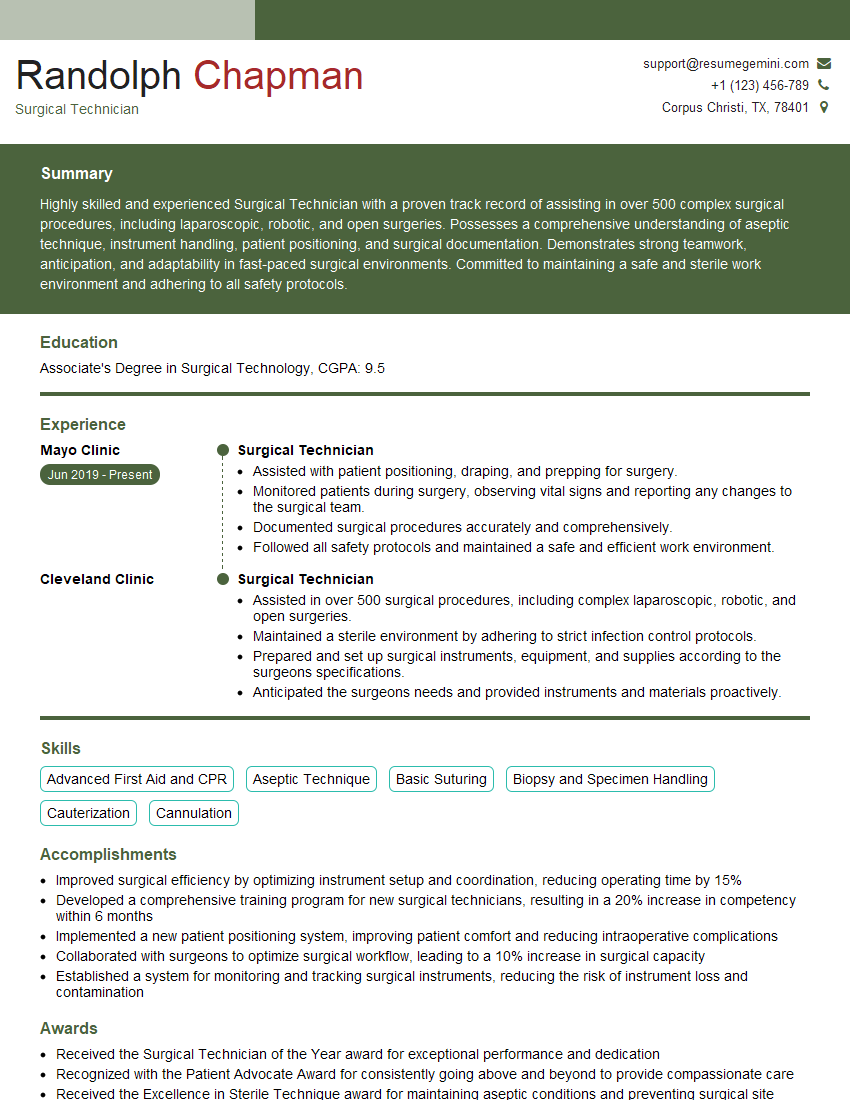
Surgical Technician Resume Sample
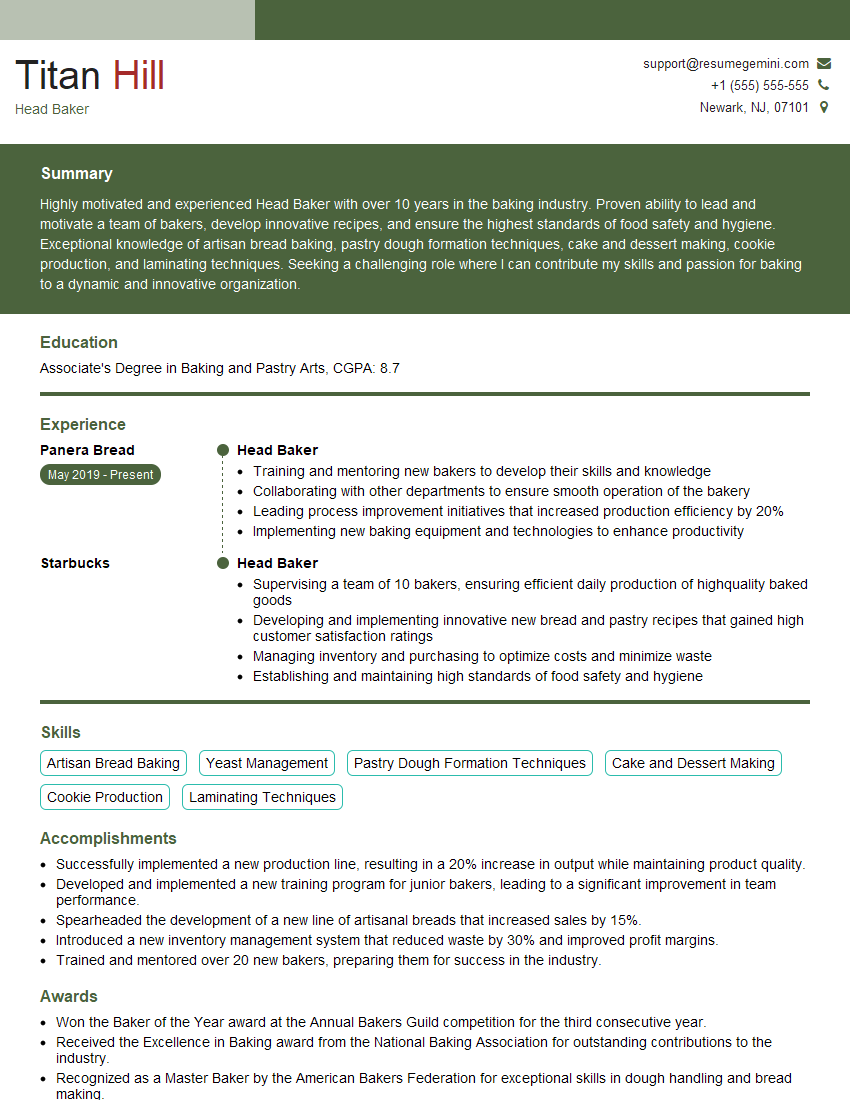
Head Baker Resume Sample
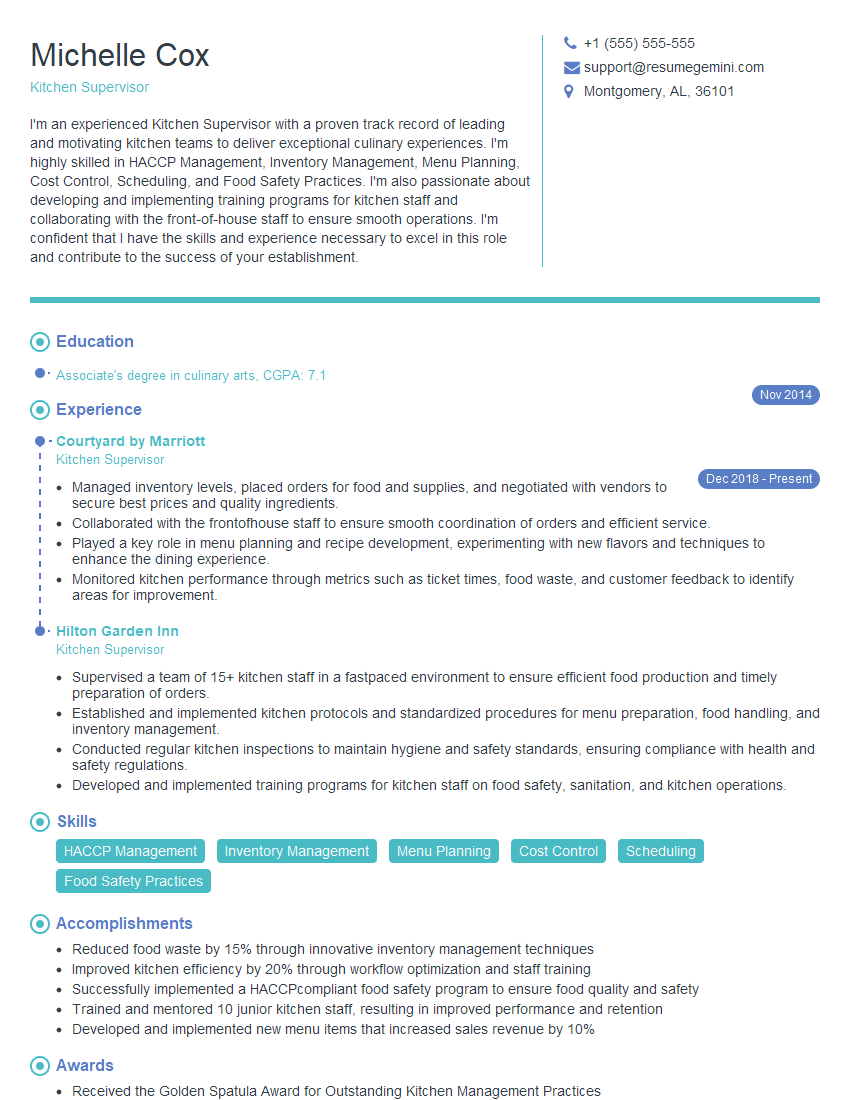
Kitchen Supervisor Resume Sample
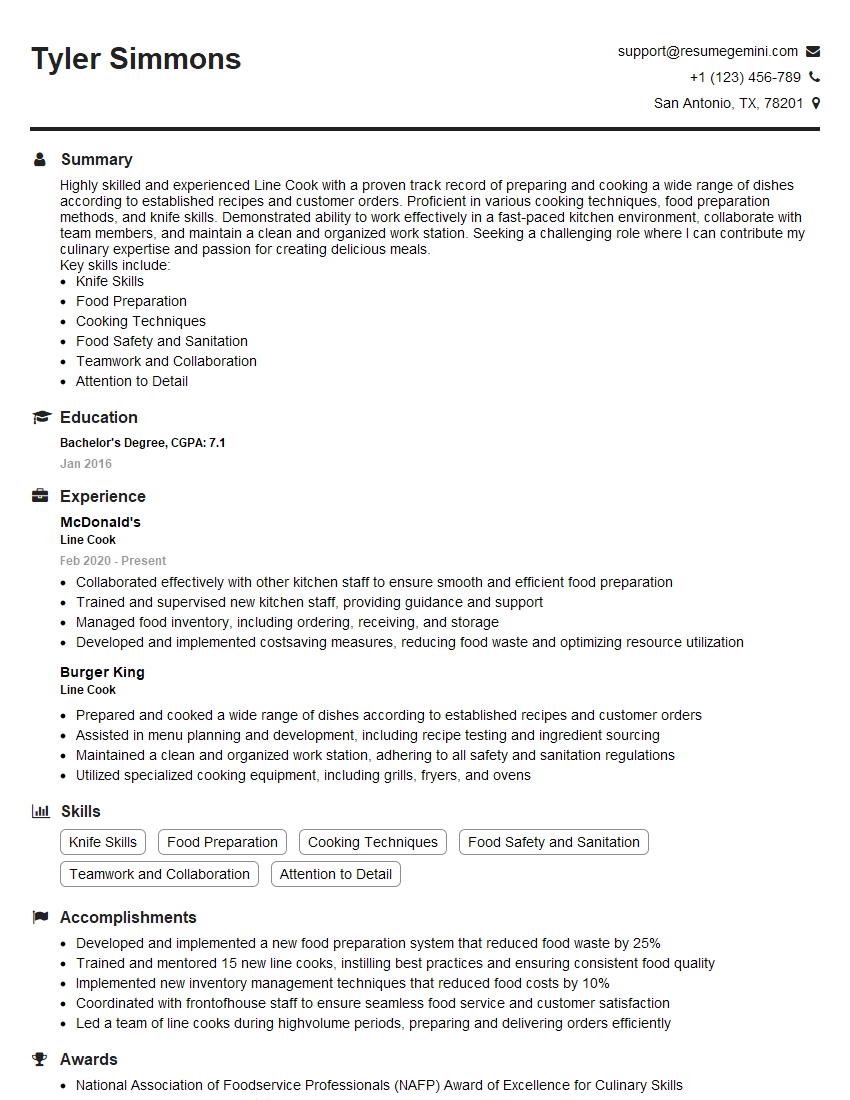
Line Cook Resume Sample
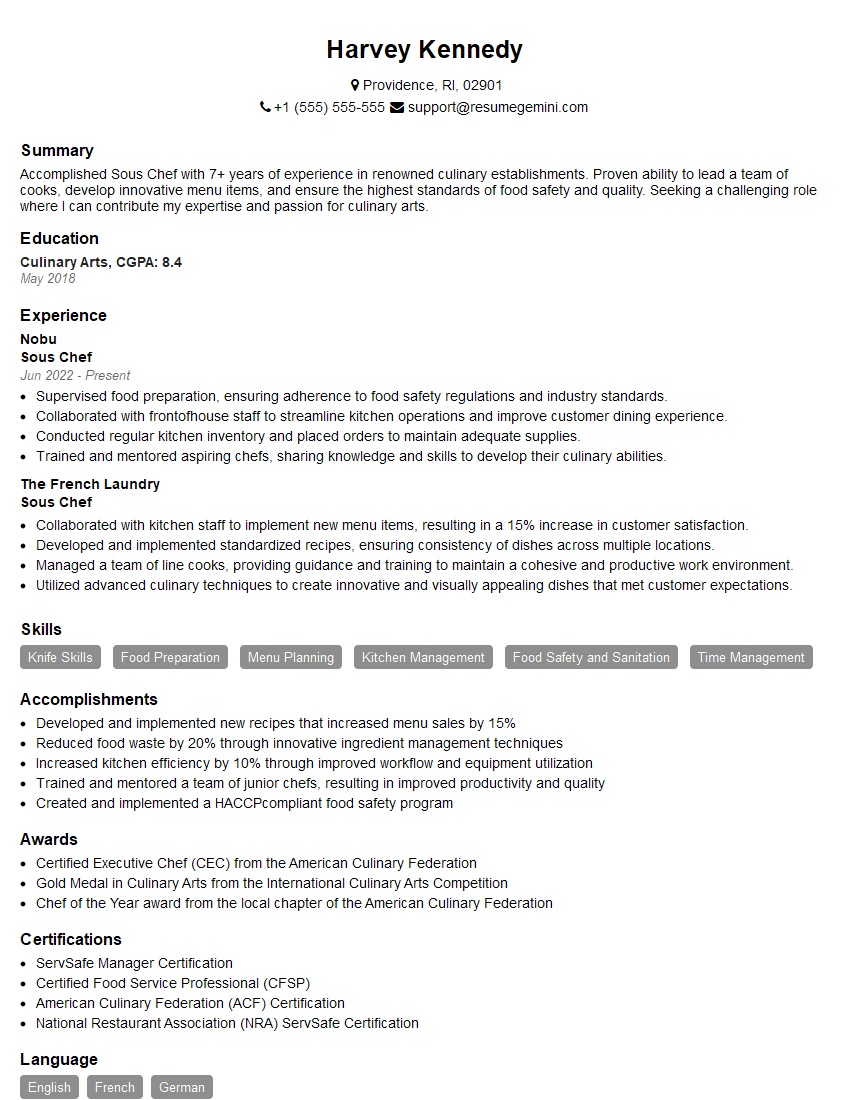
Sous Chef Resume Sample
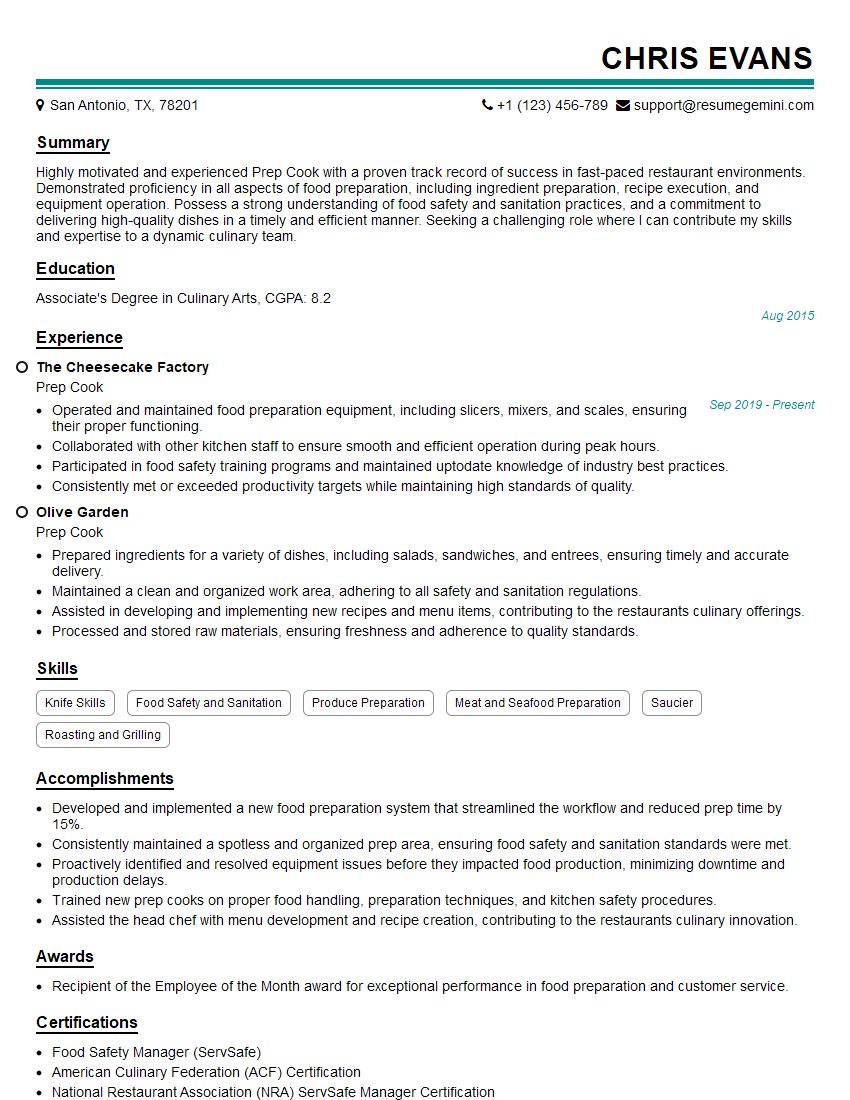
Prep Cook Resume Sample
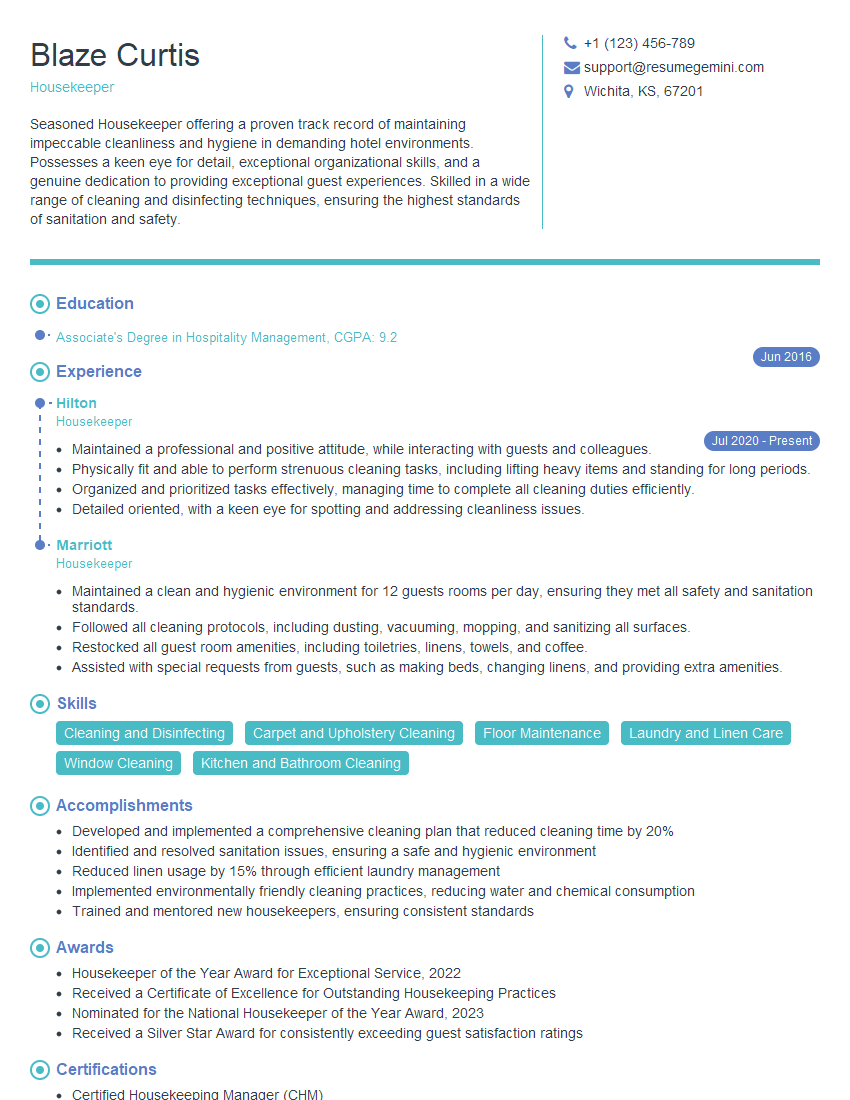
Housekeeper Resume Sample
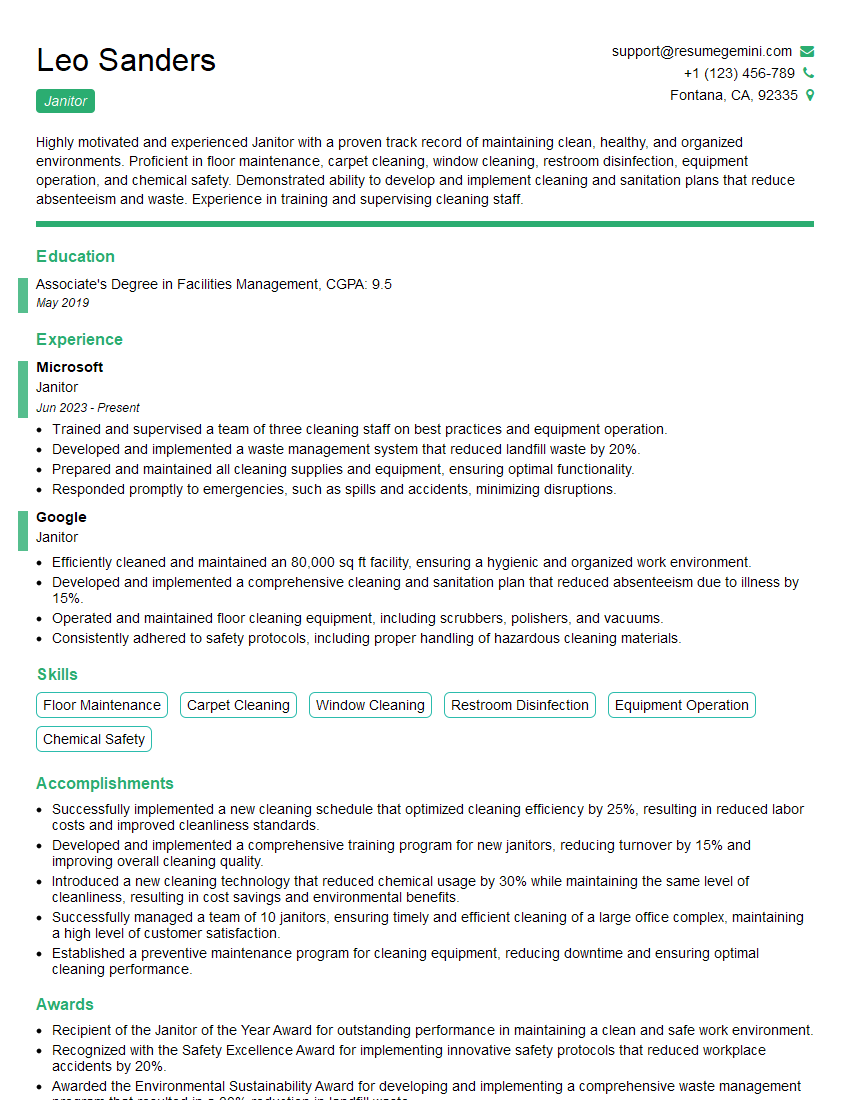
Janitor Resume Sample
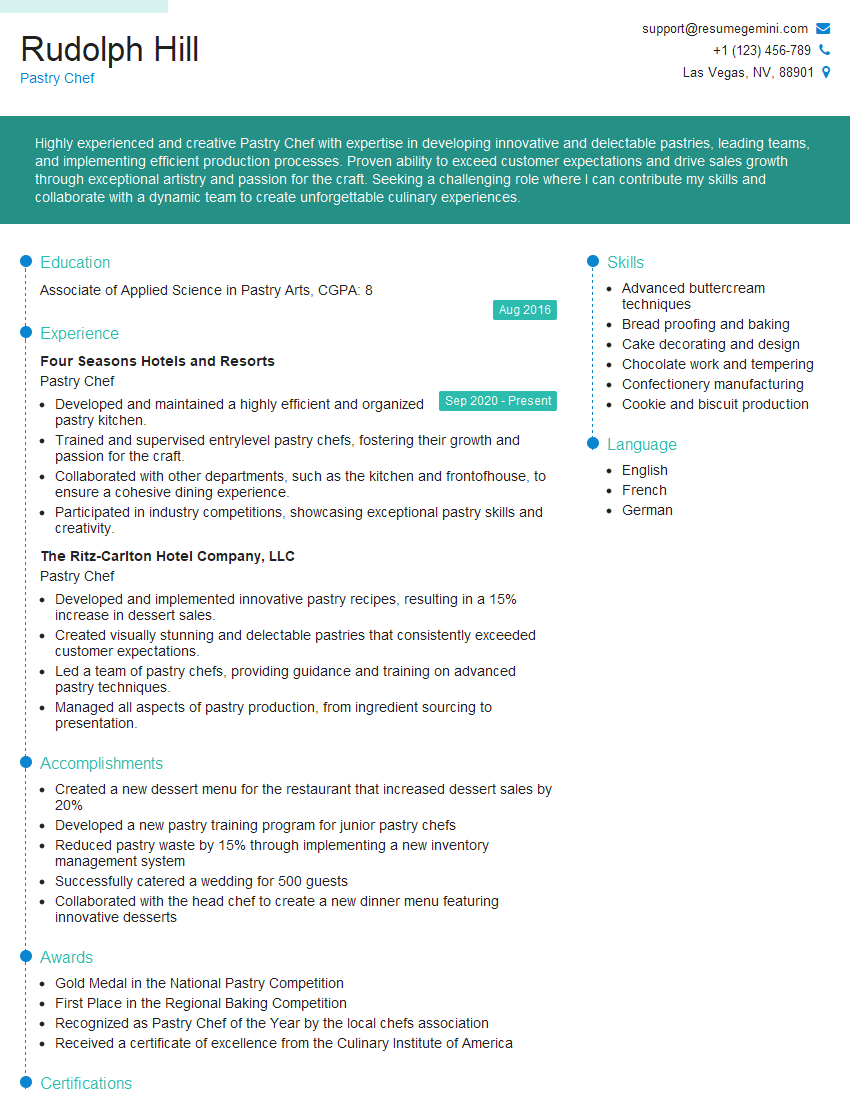
Pastry Chef Resume Sample
Explore more articles
Users Rating of Our Blogs
Share Your Experience
We value your feedback! Please rate our content and share your thoughts (optional).
What Readers Say About Our Blog
I Redesigned Spongebob Squarepants and his main characters of my artwork.
https://www.deviantart.com/reimaginesponge/art/Redesigned-Spongebob-characters-1223583608
IT gave me an insight and words to use and be able to think of examples
Hi, I’m Jay, we have a few potential clients that are interested in your services, thought you might be a good fit. I’d love to talk about the details, when do you have time to talk?
Best,
Jay
Founder | CEO