The right preparation can turn an interview into an opportunity to showcase your expertise. This guide to Ability to manage multiple tasks effectively interview questions is your ultimate resource, providing key insights and tips to help you ace your responses and stand out as a top candidate.
Questions Asked in Ability to manage multiple tasks effectively Interview
Q 1. Describe your approach to prioritizing tasks with competing deadlines.
Prioritizing tasks with competing deadlines requires a structured approach. I typically use a combination of methods, starting with a clear understanding of each task’s urgency and importance. I often employ the Eisenhower Matrix (Urgent/Important), categorizing tasks into four quadrants: Do, Decide, Delegate, and Delete. This helps me focus on high-impact, urgent tasks first while strategically planning for less urgent but important ones.
For example, if I have a critical client presentation due tomorrow (Urgent/Important) and a long-term project proposal due next week (Important/Not Urgent), I’ll prioritize the presentation. I’ll then schedule dedicated time slots for the proposal, breaking it down into smaller, manageable chunks to avoid feeling overwhelmed.
Beyond the matrix, I also consider dependencies. If one task needs to be completed before another can begin, that naturally dictates the priority. Finally, I use project management software to visually track deadlines and progress, allowing for dynamic adjustments as needed.
Q 2. How do you handle unexpected interruptions while working on multiple projects?
Unexpected interruptions are inevitable, but I’ve developed strategies to minimize their impact. Firstly, I communicate my current priorities and expected availability to my colleagues. This helps prevent unnecessary interruptions during crucial work periods. Secondly, I utilize time-blocking techniques, scheduling specific times for focused work on particular projects.
When an interruption does occur, I assess its urgency. If it’s truly urgent and requires immediate attention, I’ll address it, documenting where I left off in my previous task. If it’s not urgent, I politely request to address it later, scheduling a time to follow up. I also employ a task management system that allows me to quickly return to my previous workflow after addressing the interruption. Thinking of it like a stack of plates, I carefully place the interrupted task back on the stack and return to what was on top.
Q 3. Explain a time you had to delegate tasks effectively to manage your workload.
In a previous role, we were launching a new product, and the marketing materials were falling behind schedule. I realized I couldn’t handle all the design, copywriting, and social media aspects myself while also managing the overall product launch. So, I delegated tasks based on team members’ strengths and availability.
I assigned the social media component to our junior marketing specialist, who was eager to gain experience and had excellent social media skills. I delegated the copywriting to a more experienced colleague known for their sharp writing abilities. I then focused on the design aspects, leveraging my own skills and providing guidance to the others. We held regular check-in meetings to ensure everyone stayed on track and addressed any roadblocks. This delegation effectively lightened my workload, ensured timely completion of all materials, and contributed to a successful product launch.
Q 4. What strategies do you use to stay organized when managing several projects simultaneously?
Staying organized with multiple projects involves a multi-pronged approach. I rely heavily on project management software, like Asana or Trello, to visually represent tasks, deadlines, and dependencies. These tools allow for task assignments, progress tracking, and collaborative communication.
Beyond software, I maintain detailed to-do lists, often broken down into smaller, manageable sub-tasks. This provides a sense of accomplishment as I complete each sub-task and makes the overall project seem less daunting. I also use color-coding or tagging systems to categorize tasks by project or priority. Regularly reviewing and updating my lists and project boards is crucial to maintaining organization and adapting to changing priorities.
Q 5. How do you utilize project management tools or software to improve efficiency?
Project management tools are indispensable for efficient multitasking. I’ve used various tools, including Asana, Trello, and Jira, depending on the project’s complexity and team size. These tools facilitate task assignment, deadline setting, progress tracking, and team communication.
For instance, in Asana, I can create projects, assign tasks with due dates, and monitor the progress of each task visually through Kanban boards or list views. The ability to add comments, share files, and tag team members directly within the platform ensures efficient communication and collaboration. The reporting features also allow me to track overall project progress and identify potential bottlenecks early on.
Q 6. Describe your experience using a time management technique (e.g., Pomodoro, Eisenhower Matrix).
I frequently employ the Pomodoro Technique, a time management method that involves working in focused bursts with short breaks. I typically work in 25-minute intervals (Pomodoros) followed by a 5-minute break. After four Pomodoros, I take a longer break of 15-20 minutes.
This technique helps me maintain concentration and avoid burnout. The short breaks prevent mental fatigue, and the structured approach helps me stay on schedule. I find it particularly useful for tackling challenging or tedious tasks. It allows me to maintain consistent productivity throughout the day and prevents me from getting bogged down in less important tasks for extended periods of time. I use a timer app to ensure I adhere to the schedule.
Q 7. How do you identify and mitigate potential bottlenecks when managing multiple tasks?
Identifying and mitigating bottlenecks in multitasking requires proactive monitoring and analysis. I start by clearly defining tasks and their dependencies. Then, I use project management tools to visualize workflow and identify potential choke points. This often involves looking for tasks that take longer than anticipated or have a long dependency chain.
Once a bottleneck is identified, I analyze the cause. Is it a lack of resources, unclear instructions, technical difficulties, or a skills gap? I then implement solutions accordingly. This might involve seeking additional resources, clarifying instructions, providing training, or re-prioritizing tasks. Regular progress reviews and communication with the team are essential to catch and resolve bottlenecks before they significantly impact the overall project timeline.
Q 8. How do you ensure consistent communication with stakeholders across multiple projects?
Consistent communication across multiple projects with various stakeholders requires a proactive and multi-faceted approach. Think of it like orchestrating a symphony – each instrument (stakeholder) needs clear instructions and regular updates to play their part harmoniously.
- Regular Meetings: Scheduled meetings (weekly or bi-weekly, depending on project complexity) with different stakeholder groups are crucial. This ensures everyone is on the same page and can address concerns promptly.
- Project Management Software: Utilizing platforms like Asana, Trello, or Jira allows for centralized communication, task assignment, and progress tracking. This transparency keeps everyone informed in real-time.
- Communication Plan: A detailed communication plan outlines the frequency, method (email, video call, instant messaging), and content of communication for each stakeholder group. This ensures consistent messaging and avoids information silos.
- Regular Status Reports: Concise, visually appealing status reports (perhaps using dashboards within project management software) give stakeholders a quick overview of project progress, risks, and potential roadblocks. These should be tailored to each stakeholder’s level of detail required.
- Open Door Policy: Encouraging open communication and providing channels for questions and concerns fosters a collaborative and transparent environment, preventing misunderstandings.
For example, in a previous role managing the launch of a new software application, I held weekly status meetings with the development team, bi-weekly meetings with the marketing team, and monthly meetings with executive stakeholders. Each meeting had a clear agenda and distributed minutes, ensuring everyone was informed and could contribute effectively.
Q 9. Have you ever experienced project scope creep? How did you handle it?
Project scope creep, the uncontrolled expansion of project requirements, is an ever-present challenge. It’s like building a house and continuously adding rooms without adjusting the budget or timeline – eventually, it becomes unsustainable.
In a past project involving the development of a mobile application, the client repeatedly requested additional features beyond the initial scope. To handle this, I implemented the following:
- Formal Change Request Process: I instituted a formal process requiring all scope changes to be documented as formal change requests. Each request was assessed for its impact on the project timeline, budget, and resources.
- Prioritization Matrix: We used a prioritization matrix to evaluate the value and feasibility of each request, enabling us to make informed decisions about which features to incorporate.
- Client Communication: I maintained open and transparent communication with the client, clearly explaining the implications of each change request on the project timeline and budget. We collaboratively negotiated and prioritized features to prevent overwhelming the project.
- Regular Scope Reviews: We conducted regular scope reviews to ensure alignment between the client’s expectations and the project’s deliverable. This helped prevent future scope creep.
By proactively managing scope changes, we successfully delivered a functional and valuable product while minimizing the negative impact on the project’s timeline and budget.
Q 10. How do you measure your success in managing multiple projects?
Measuring success in managing multiple projects involves a holistic approach, focusing on both quantitative and qualitative metrics. It’s not just about hitting deadlines, but also about the overall impact and efficiency.
- On-Time and On-Budget Delivery: This is a fundamental metric, demonstrating effective planning and execution.
- Stakeholder Satisfaction: Gathering feedback from stakeholders helps assess the success of projects in meeting their needs and expectations.
- Resource Utilization: Efficient allocation and utilization of resources (time, budget, personnel) indicate effective management.
- Risk Management: Successfully mitigating or avoiding risks indicates proactive project management.
- Project Quality: Delivering high-quality results that meet or exceed expectations demonstrates competence.
- Team Morale: A successful project manager fosters a positive and productive team environment.
For instance, I track project success using a combination of project management software data (e.g., task completion rates, budget adherence) and regular feedback surveys sent to stakeholders. This provides a comprehensive picture of project performance.
Q 11. What is your process for setting realistic goals and expectations when managing multiple tasks?
Setting realistic goals and expectations when managing multiple projects requires a structured and data-driven approach. Think of it like planning a complex journey – you need a map, a compass, and a realistic estimate of the travel time.
- Work Breakdown Structure (WBS): Breaking down each project into smaller, manageable tasks allows for more accurate time estimation.
- Historical Data: Analyzing past project data helps identify realistic timelines and resource requirements.
- Contingency Planning: Building buffer time into project schedules accounts for unforeseen delays or challenges.
- Resource Capacity Planning: Assessing the availability of resources (team members, tools, budget) ensures realistic allocation.
- Regular Review and Adjustment: Regularly reviewing progress and making necessary adjustments prevents unrealistic goals from derailing the projects.
I typically use a combination of WBS, historical data analysis, and regular progress reviews to establish realistic goals and expectations. This approach has proven successful in preventing overcommitment and ensuring projects are delivered on time and within budget.
Q 12. How do you adapt your approach when task priorities shift unexpectedly?
Adapting to unexpected priority shifts requires flexibility, clear communication, and a systematic approach. It’s like navigating a ship through a storm – you need to adjust the course while keeping the crew informed and the ship afloat.
- Re-prioritization Meeting: Holding a meeting with relevant stakeholders to discuss the reasons for the shift and the new priorities is essential.
- Revised Project Plan: Updating the project plan to reflect the changed priorities and timelines is crucial for maintaining alignment.
- Communication Plan Update: Communicating the changes to all affected parties promptly ensures transparency and minimizes confusion.
- Resource Re-allocation: Adjusting resource allocation (time, budget, personnel) to reflect the new priorities ensures that the most critical tasks receive the necessary attention.
- Risk Assessment: Assessing the potential risks and implications of the priority shift helps to mitigate any negative consequences.
In one instance, a critical client request unexpectedly shifted priorities on three of my projects. I immediately convened a meeting with my team and relevant stakeholders to discuss the change and collaboratively adjust the project timelines and resource allocation. By clearly communicating the adjustments and implementing a revised plan, we successfully navigated the shift and met the new priorities.
Q 13. Describe a situation where you had to make difficult decisions about task prioritization.
During a product launch, we faced a critical decision regarding task prioritization. We were simultaneously working on the mobile app, the web application, and the marketing campaign. The deadline for the mobile app launch was approaching, but crucial testing revealed a critical bug in the web application, which also had a significant launch date. Choosing which to prioritize was difficult, as both were essential.
To make this decision, I followed these steps:
- Impact Assessment: I assessed the potential impact of delaying each project on the overall business goals and client satisfaction.
- Risk Analysis: I analyzed the risks associated with each option, including the potential financial implications of delayed launches.
- Stakeholder Consultation: I consulted with key stakeholders, including the development team, marketing team, and senior management, to gather their input and perspectives.
- Decision Matrix: We used a decision matrix to weigh the risks and rewards of each option based on factors such as business impact, client satisfaction, and potential financial consequences.
Ultimately, we decided to prioritize fixing the critical bug in the web application, even though it meant delaying its launch slightly. The decision was justified by the higher potential risk and negative financial impact associated with releasing a buggy web application. Open communication with the stakeholders and transparency in the decision-making process were vital to maintaining morale and trust. While the mobile app launch was delayed by a few days, the ultimate outcome – avoiding a major failure – validated our decision.
Q 14. How do you handle conflicting deadlines or competing priorities?
Conflicting deadlines and competing priorities are common challenges in managing multiple projects. It requires a structured approach to resolve conflicts and ensure effective resource allocation. Imagine it like air traffic control – you must manage multiple aircraft (projects) to prevent collisions (missed deadlines) while ensuring safe landings (successful project completion).
- Prioritization Matrix: Utilize a matrix that weighs the urgency and importance of each task to guide prioritization. This matrix can be based on factors like business impact, risk, and deadlines.
- Negotiation and Collaboration: Work with stakeholders to negotiate deadlines and adjust expectations where necessary. Open communication is critical to finding mutually acceptable solutions.
- Resource Optimization: Efficiently allocate resources (personnel, time, budget) to the most critical tasks, ensuring that essential work is completed on time.
- Escalation: If conflicts cannot be resolved internally, escalate the issue to senior management for mediation and decision-making.
- Contingency Planning: Develop contingency plans to address potential delays or setbacks caused by conflicting priorities. This ensures you have backup plans in place.
In a previous role, two projects had overlapping deadlines. Using a prioritization matrix, we identified that one project had a significantly higher business impact. We negotiated with the stakeholder of the lower-priority project and successfully shifted the deadline slightly, preventing a critical conflict and ensuring both projects were successfully completed, albeit with minor adjustments to the timelines.
Q 15. What are your strategies for avoiding burnout when managing a heavy workload?
Avoiding burnout when juggling multiple tasks requires a proactive and multifaceted approach. It’s not about superhuman effort, but about sustainable strategies.
Prioritization and Time Blocking: I use Eisenhower Matrix (urgent/important) to prioritize tasks and time blocking to allocate specific time slots for focused work. This prevents task-switching and maintains momentum.
Delegation: I’m not afraid to delegate tasks when appropriate. This frees up my time for higher-priority activities and develops the skills of my team. For example, if a junior team member has the capacity, I might delegate data entry tasks to allow me to focus on analysis.
Regular Breaks and Self-Care: Short, frequent breaks throughout the day are crucial. I schedule these into my calendar just like any other meeting. This includes short walks, stretching, or even just a few minutes of mindfulness to help recharge and prevent mental fatigue. Outside of work, I maintain a healthy work-life balance through exercise, hobbies, and quality time with loved ones.
Setting Realistic Expectations: I avoid over-committing. I carefully assess the workload before accepting new tasks, considering my existing commitments and capacity. Sometimes saying ‘no’ is the most effective way to prevent burnout.
Seeking Support: I don’t hesitate to reach out for help when needed. Whether it’s discussing challenges with a mentor, collaborating with colleagues, or seeking guidance from leadership, building a support network is invaluable.
Career Expert Tips:
- Ace those interviews! Prepare effectively by reviewing the Top 50 Most Common Interview Questions on ResumeGemini.
- Navigate your job search with confidence! Explore a wide range of Career Tips on ResumeGemini. Learn about common challenges and recommendations to overcome them.
- Craft the perfect resume! Master the Art of Resume Writing with ResumeGemini’s guide. Showcase your unique qualifications and achievements effectively.
- Don’t miss out on holiday savings! Build your dream resume with ResumeGemini’s ATS optimized templates.
Q 16. How do you handle stress and pressure when managing multiple tasks simultaneously?
Handling stress and pressure under a heavy workload requires a combination of mental strategies and practical techniques.
Mindfulness and Stress-Reduction Techniques: Deep breathing exercises, mindfulness meditation, and even short periods of physical activity (like a quick walk) help manage stress responses. I’ve found these are particularly helpful before tackling complex or high-pressure tasks.
Positive Self-Talk and Reframing: Instead of focusing on the pressure, I try to reframe challenges as opportunities for growth. Positive self-talk helps maintain a constructive mindset. For instance, instead of thinking ‘I’m overwhelmed’, I might tell myself, ‘This is challenging, but I have the skills to handle it.’
Time Management Techniques: Effective time management is crucial. Techniques like the Pomodoro Technique (working in focused bursts followed by short breaks) help maintain concentration and prevent feeling overwhelmed.
Seeking Clarification and Support: If a task is unclear or I feel I lack the resources to complete it effectively, I proactively seek clarification and support from my team or supervisor. This prevents unnecessary stress and delays.
Breaking Down Large Tasks: Overwhelming tasks can feel less daunting when broken down into smaller, more manageable steps. This allows for a sense of progress and accomplishment, boosting morale and reducing stress.
Q 17. Describe your experience with using project management methodologies (e.g., Agile, Waterfall).
I have extensive experience with both Agile and Waterfall methodologies, and my choice depends on the project’s specific requirements.
Waterfall: I’ve used Waterfall in projects with well-defined requirements and minimal anticipated changes. Its sequential nature is ideal for straightforward projects where each phase needs to be completed before moving on. For example, developing a simple software application with fixed specifications is well-suited for Waterfall.
Agile: I’ve extensively used Agile methodologies, particularly Scrum, for projects with evolving requirements and a need for flexibility. The iterative nature of Agile, with its short development cycles (sprints), allows for continuous feedback, adaptation, and faster response to changes. A successful example was a website redesign project where user feedback constantly shaped the design and functionality throughout the process. We used daily stand-up meetings, sprint reviews, and retrospectives to ensure efficiency and collaboration.
I understand that hybrid approaches are also possible, combining elements from both methodologies to best suit a particular project.
Q 18. How do you ensure that all tasks are completed accurately and efficiently?
Ensuring accuracy and efficiency in task completion involves a multi-pronged approach.
Clear Communication and Documentation: I prioritize clear communication about task requirements and expectations. Detailed documentation ensures everyone is on the same page, reducing the risk of errors and misunderstandings. This also facilitates task handovers if needed.
Quality Checks and Reviews: Implementing quality checks and reviews at different stages of a project is crucial. This might include peer reviews, self-checks, or using automated testing tools (depending on the nature of the task).
Process Optimization: I constantly look for opportunities to optimize processes to improve efficiency. This might involve automating repetitive tasks, streamlining workflows, or improving communication channels.
Use of Technology: Utilizing project management software (like Asana, Jira, Trello) aids in task management, tracking progress, and ensuring accountability.
Continuous Improvement: After completing projects, I conduct post-project reviews to identify areas for improvement in our processes and workflows. This helps prevent future errors and ensures continuous optimization.
Q 19. How do you proactively identify potential problems before they affect project timelines?
Proactive problem identification is key to preventing delays and ensuring project success. This involves a combination of foresight and careful planning.
Risk Assessment: Before starting a project, I conduct a thorough risk assessment, identifying potential challenges and developing mitigation strategies. This might involve brainstorming sessions with the team or using risk assessment matrices.
Regular Monitoring and Progress Reviews: I regularly monitor progress and hold progress review meetings. This allows for early detection of potential issues before they escalate. For example, if a team member is falling behind schedule, I address it immediately, offering support or adjusting timelines as needed.
Communication and Collaboration: Open communication and collaboration with team members are vital. Encouraging team members to report challenges early enables quick responses.
Data Analysis: Analyzing project data (e.g., task completion rates, resource allocation) helps identify trends and potential bottlenecks before they impact timelines. This might involve using visual tools like Gantt charts.
Contingency Planning: Developing contingency plans for identified risks ensures that there are backup strategies in place should unexpected issues arise.
Q 20. How do you document your progress and communicate it to relevant stakeholders?
Documenting progress and communicating with stakeholders is crucial for transparency and accountability.
Project Management Software: I utilize project management software to document progress, track tasks, and share updates with stakeholders. These tools provide centralized repositories for all project-related information.
Regular Reports and Updates: I prepare and distribute regular progress reports, highlighting key achievements, challenges, and upcoming milestones. The frequency of these reports depends on the project and stakeholder expectations (e.g., weekly, bi-weekly, or monthly reports).
Meetings and Presentations: I schedule regular meetings with stakeholders to discuss progress, address concerns, and gather feedback. Presentations provide a visual overview of project status and key metrics.
Communication Channels: I utilize various communication channels, such as email, instant messaging, and project management software notifications, to keep stakeholders informed of important updates in a timely manner.
Clear and Concise Communication: I always strive for clear, concise, and easily understandable communication, avoiding technical jargon unless absolutely necessary.
Q 21. What metrics do you use to track your performance in managing multiple tasks?
The metrics I use to track my performance in managing multiple tasks depend on the specific project and its objectives. However, some common metrics I rely on include:
Task Completion Rate: The percentage of tasks completed on time and within budget.
Project Timeline Adherence: How well the project stays on schedule.
Budget Adherence: How well the project stays within the allocated budget.
Resource Utilization: How effectively resources (time, personnel, budget) are allocated and utilized.
Client/Stakeholder Satisfaction: Measured through feedback surveys or direct communication.
Defect Rate: The number of errors or defects identified in completed tasks.
By tracking these metrics, I can identify areas of strength and weakness, optimize my approach, and continuously improve my performance in managing multiple tasks effectively. Regularly reviewing these metrics allows for data-driven decision-making and improvements in future projects.
Q 22. Describe your experience with utilizing project management software (e.g., Asana, Trello, Jira).
Throughout my career, I’ve extensively used various project management software, including Asana, Trello, and Jira, adapting my approach based on project needs and team preferences. Asana, for instance, excels at managing tasks within a team, particularly its list and calendar views. I find its subtask functionality crucial for breaking down complex projects into manageable chunks. Trello’s Kanban board system is ideal for visualizing workflow and tracking progress, especially in agile environments. Its flexibility and simplicity make it perfect for smaller projects or those requiring quick adjustments. Jira, on the other hand, is powerful for larger, more complex projects requiring detailed issue tracking and reporting; its customizability and integration capabilities are invaluable in larger organizations. In one specific instance, I used Asana to manage a website redesign project, assigning tasks, setting deadlines, and tracking progress effectively. The ability to comment and attach files within each task ensured seamless communication and transparency among the team.
My selection of software is always driven by the project’s scale, team size, and specific requirements. Understanding the strengths and weaknesses of each tool allows me to leverage the best features to maximize efficiency and team productivity.
Q 23. How do you balance short-term and long-term priorities in your workload?
Balancing short-term and long-term priorities is a crucial aspect of effective task management. I utilize a prioritization matrix, often employing the Eisenhower Matrix (Urgent/Important), to categorize tasks. Urgent and Important tasks receive immediate attention. Important but not Urgent tasks are scheduled proactively, ensuring they don’t become urgent later. Urgent but not Important tasks are delegated if possible, or streamlined to minimize time commitment. Finally, tasks that are neither Urgent nor Important are eliminated or postponed. For long-term priorities, I break them down into smaller, achievable short-term goals. This allows me to track progress and maintain momentum, preventing feeling overwhelmed by the larger picture. For example, in a recent project involving a year-long software development cycle, I used this method to ensure that immediate bug fixes didn’t overshadow the planned feature development for later releases.
Q 24. How do you ensure that you meet deadlines while also maintaining a high level of quality?
Meeting deadlines while maintaining quality requires a proactive approach that combines careful planning and consistent monitoring. I start by realistically estimating task durations, factoring in potential delays. I then utilize time-blocking techniques, allocating specific time slots for focused work on high-priority tasks. Regular progress checks – ideally daily stand-ups or weekly reviews – are essential to identify any roadblocks early. If delays threaten a deadline, I communicate proactively with stakeholders, proposing solutions and negotiating adjusted deadlines if necessary. Quality assurance is built into the process – incorporating testing and review stages throughout the workflow, not just at the end. For instance, in a recent marketing campaign, we implemented a multi-stage review process involving multiple team members, ensuring both quality and timely delivery.
Q 25. How do you handle situations where a task requires collaboration with multiple individuals?
Collaboration is key to successful project completion. When working with multiple individuals, I begin by clearly defining roles and responsibilities, ensuring everyone understands their contributions. I leverage collaborative tools like shared documents, project management software, and communication platforms (e.g., Slack or Microsoft Teams) to facilitate seamless information sharing and communication. Regular team meetings, both formal and informal, are crucial for addressing challenges, coordinating efforts, and ensuring everyone is on the same page. In one instance, I facilitated a cross-functional team working on a new product launch. By utilizing a shared project plan in Asana and holding weekly team meetings, we successfully coordinated marketing, sales, and product development efforts, resulting in a successful launch.
Q 26. Describe your experience with conducting regular progress reviews for multiple projects.
Regular progress reviews are critical for keeping projects on track. I conduct these reviews using a combination of methods, tailoring them to the project’s needs and complexity. These often include progress reports, visual dashboards (e.g., using project management software or creating simple charts), and direct communication with team members. During these reviews, we discuss accomplishments, identify roadblocks, reassess timelines, and adjust plans as needed. This feedback loop allows for course correction, ensuring projects remain aligned with objectives. For example, in managing a portfolio of marketing projects, I’ve used weekly progress reports combined with monthly client review meetings to maintain transparency and accountability.
Q 27. How do you ensure that you are delegating tasks appropriately and effectively?
Effective delegation hinges on understanding individual strengths and weaknesses. I assess team members’ skills and experience before assigning tasks, ensuring each person receives assignments aligned with their capabilities and workload. I provide clear instructions, deadlines, and expected outcomes for each delegated task. Furthermore, I offer support and guidance as needed, ensuring team members have the resources and information they require to succeed. Regular check-ins are crucial to monitor progress and address any issues. I avoid micromanagement, empowering team members to take ownership and make decisions within their assigned tasks. For instance, when managing a content creation team, I assigned writers based on their specialized areas of expertise, ensuring high-quality content within the set deadlines.
Q 28. How do you measure the effectiveness of your multitasking strategies?
Measuring the effectiveness of my multitasking strategies involves a multi-faceted approach. I track key metrics such as project completion rates, task turnaround times, and overall project success rates. I analyze whether deadlines are consistently met, and evaluate the quality of completed work. Regular self-reflection and feedback from team members also play a crucial role. I use project management software to track data and identify areas for improvement. For example, by consistently tracking project completion times, I identified a bottleneck in a particular stage of a workflow and implemented changes resulting in a 15% reduction in overall project completion time.
Key Topics to Learn for Ability to Manage Multiple Tasks Effectively Interview
- Prioritization and Time Management: Understanding techniques like Eisenhower Matrix (urgent/important), time blocking, and the Pareto Principle (80/20 rule) to effectively allocate time and resources across multiple tasks.
- Task Delegation and Collaboration: Recognizing when and how to delegate tasks effectively, leveraging team strengths, and fostering clear communication for collaborative projects. This includes understanding the importance of providing clear instructions and setting realistic expectations.
- Organization and Planning: Mastering tools and methods for organizing tasks, projects, and information, such as project management software, to-do lists, and effective note-taking. This includes discussing strategies for maintaining a structured workflow.
- Stress Management and Resilience: Developing strategies for managing workload stress and maintaining focus under pressure. This involves showcasing coping mechanisms and demonstrating adaptability to changing priorities.
- Proactive Problem Solving: Identifying and addressing potential roadblocks before they impact project timelines or outcomes. This includes discussing approaches to anticipate challenges and develop contingency plans.
- Communication and Reporting: Effectively communicating progress updates, roadblocks, and solutions to stakeholders. Demonstrate skills in clear and concise reporting, tailored to the audience.
Next Steps
Mastering the ability to manage multiple tasks effectively is crucial for career advancement. It showcases valuable skills employers highly seek – proficiency, adaptability, and a proactive approach to problem-solving. Building an ATS-friendly resume is essential to highlight these skills and increase your job prospects. ResumeGemini is a trusted resource to help you craft a compelling resume that effectively showcases your abilities. We provide examples of resumes tailored to highlight proficiency in managing multiple tasks effectively, helping you present your skills in the most impactful way.
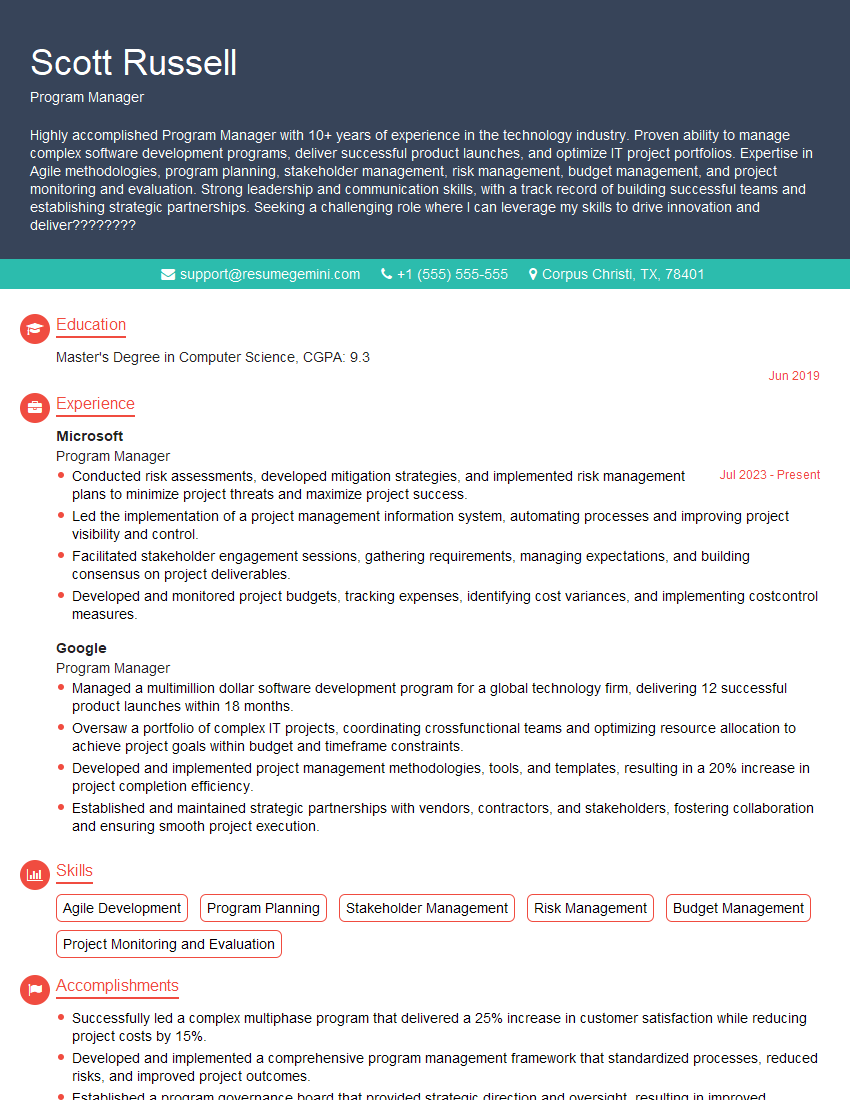
Program Manager Resume Sample
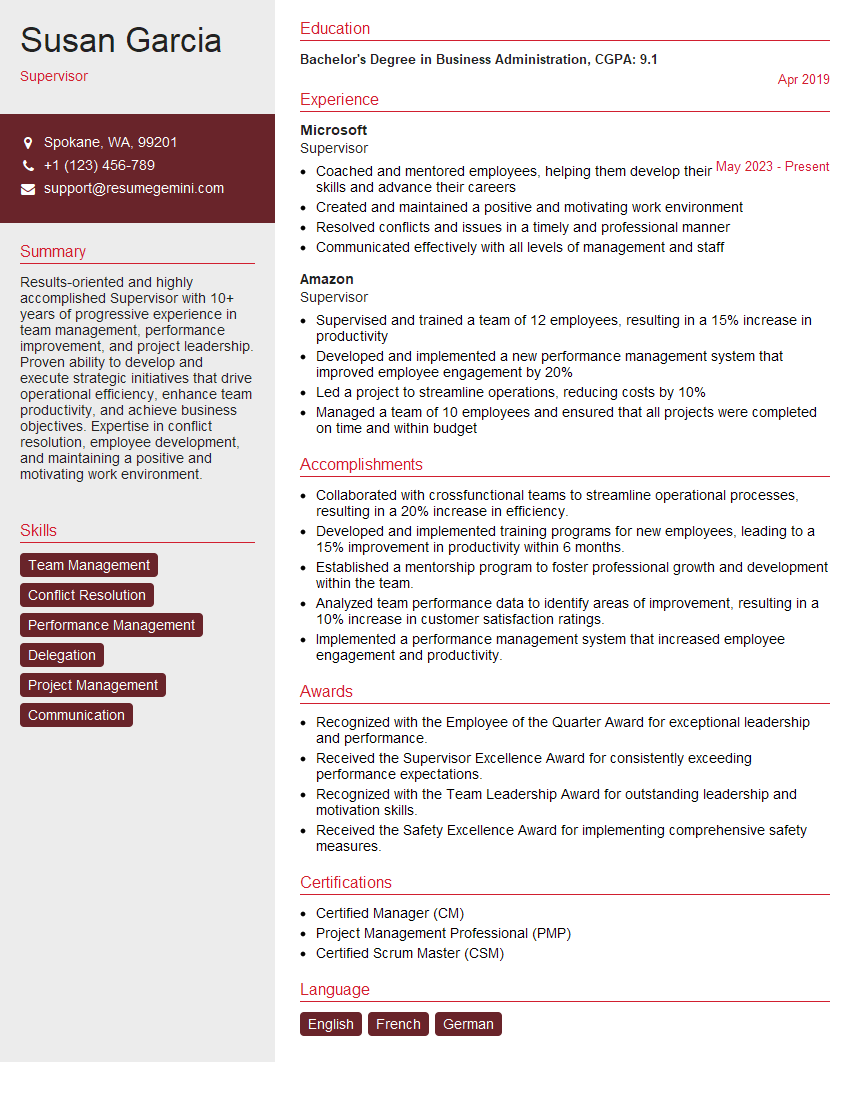
Supervisor Resume Sample
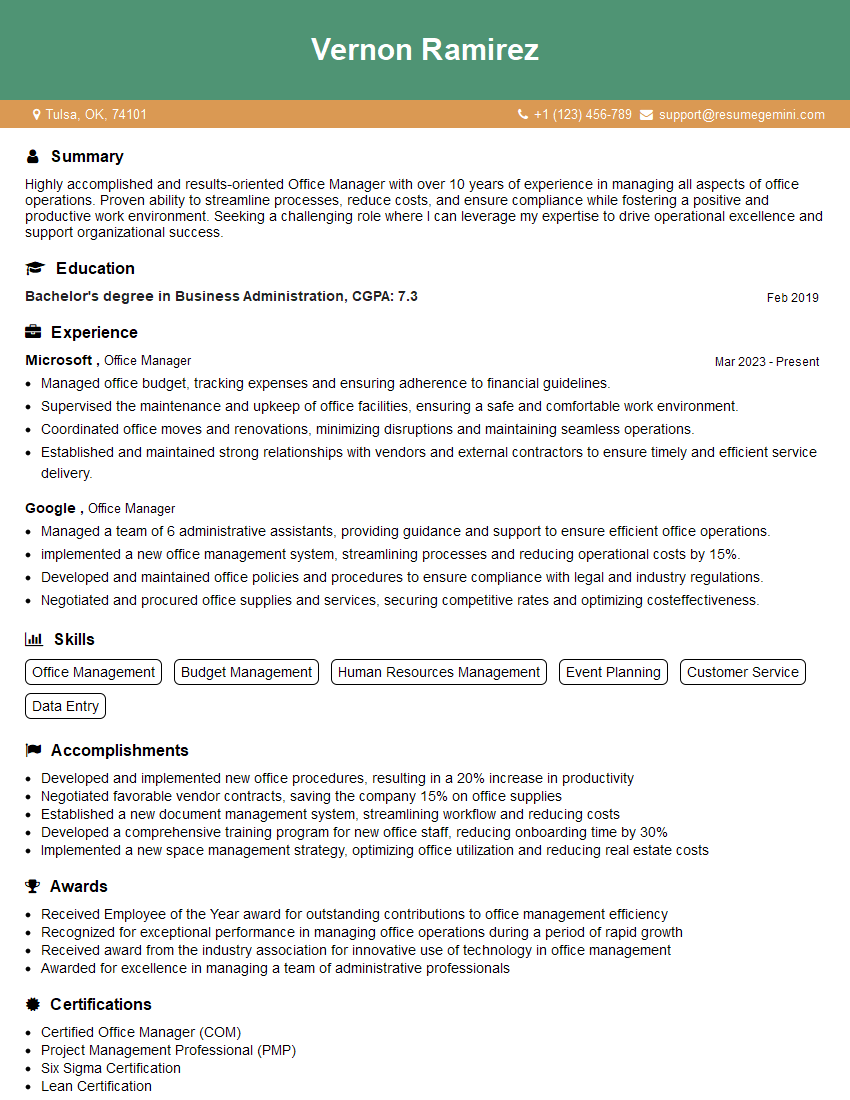
Office Manager Resume Sample
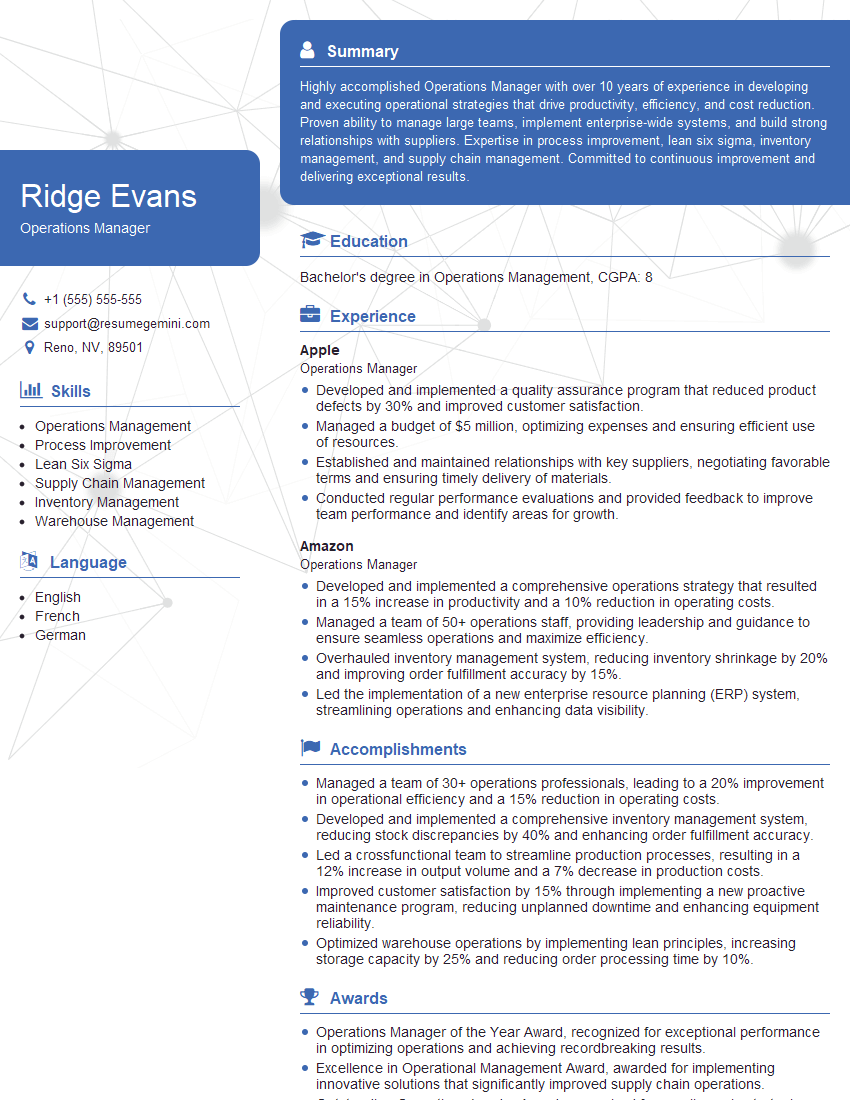
Operations Manager Resume Sample
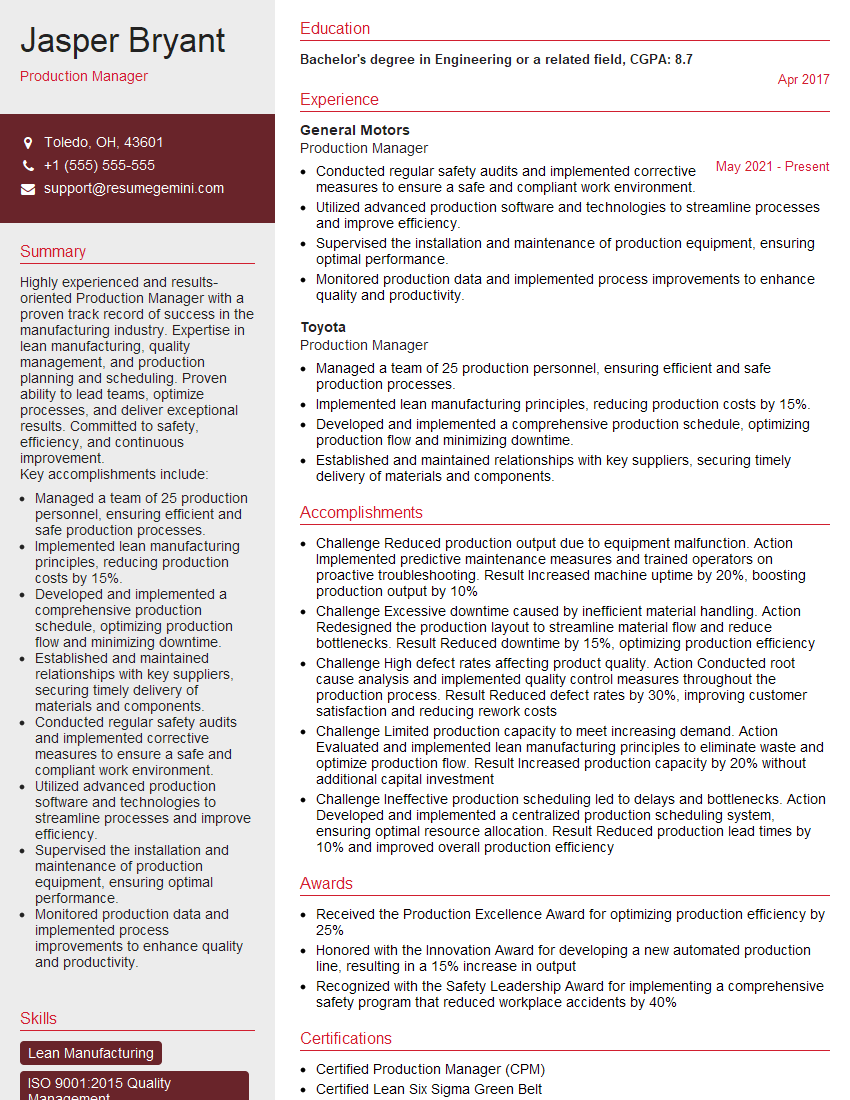
Production Manager Resume Sample
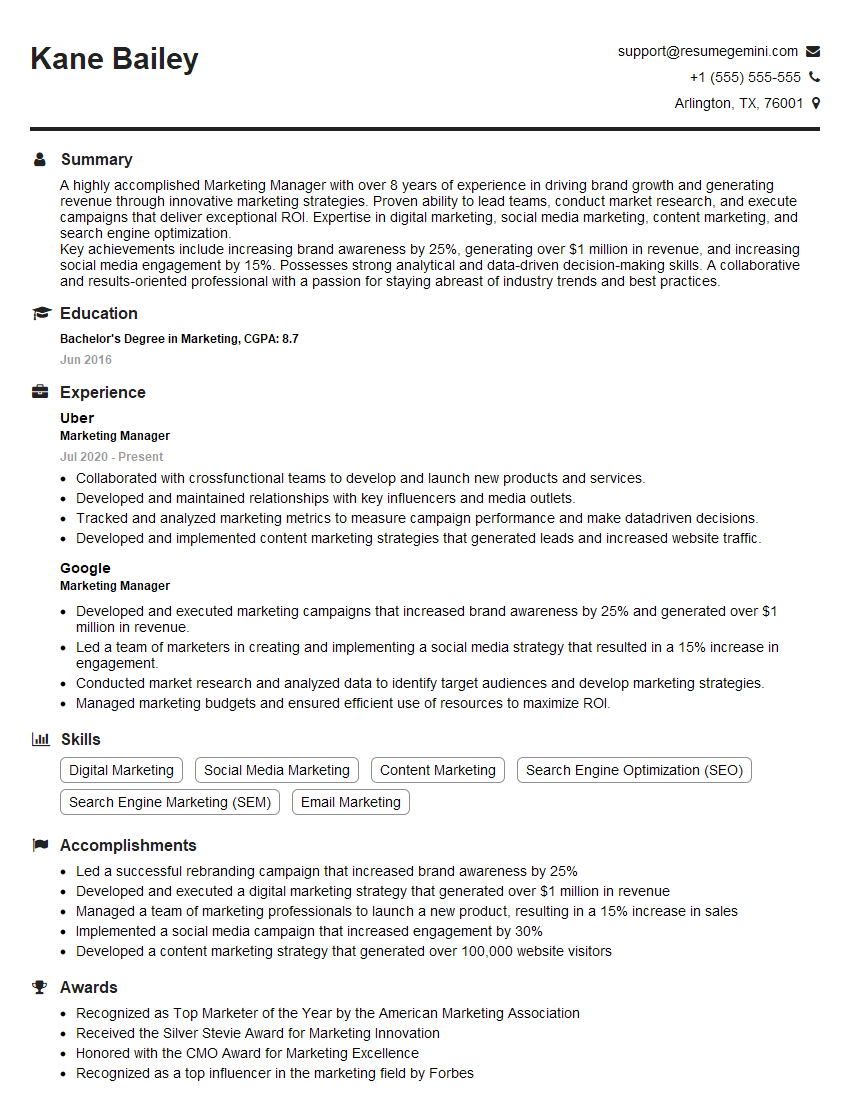
Marketing Manager Resume Sample
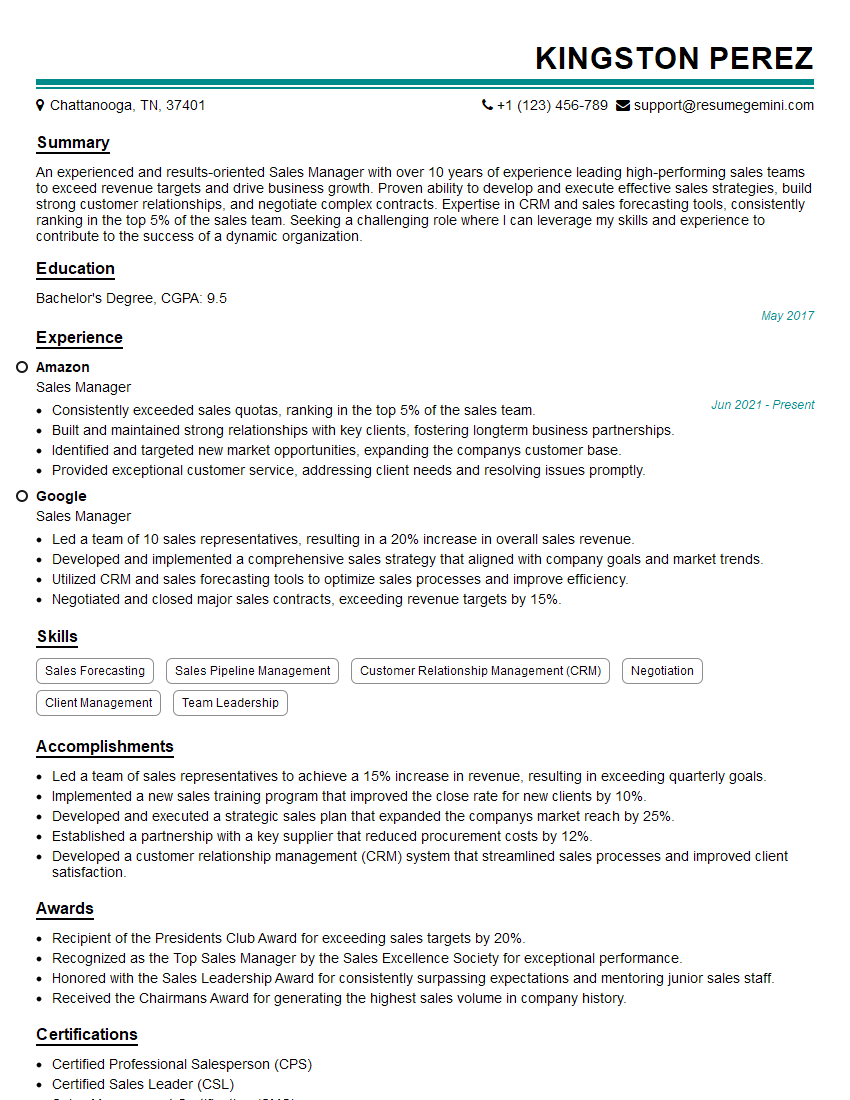
Sales Manager Resume Sample
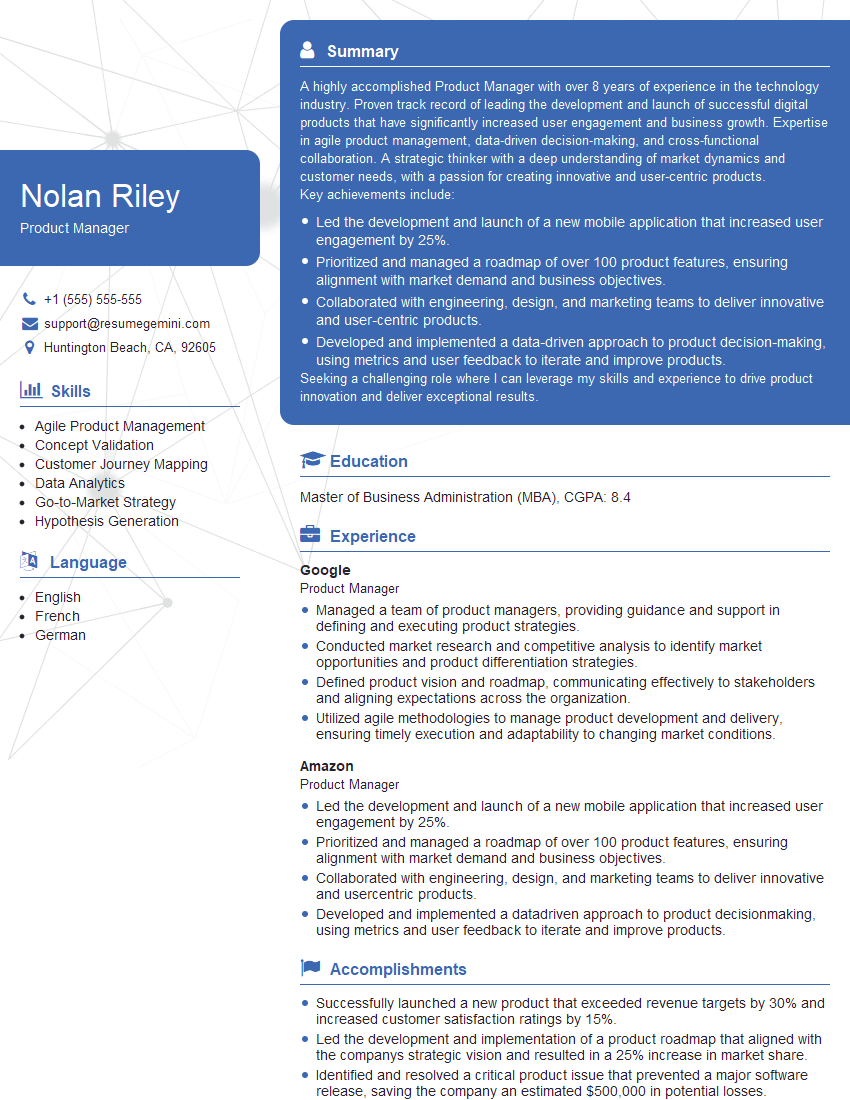
Product Manager Resume Sample

Customer Service Manager Resume Sample
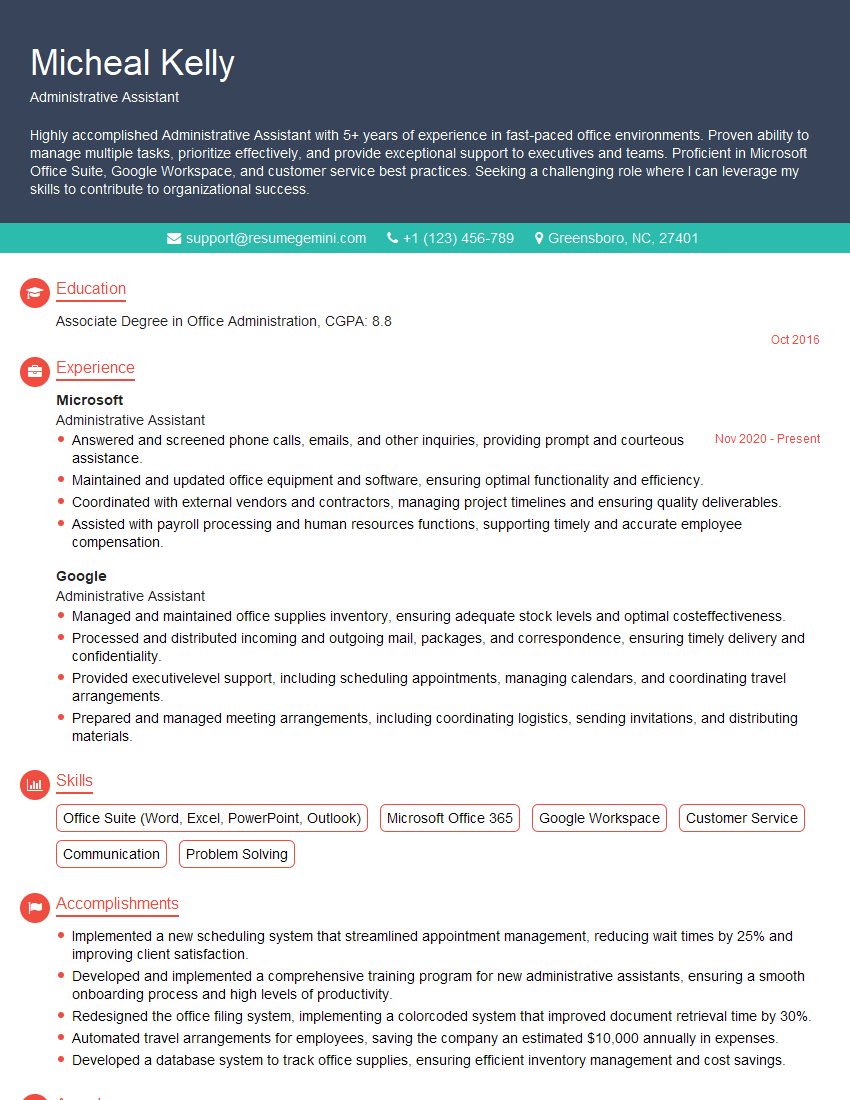
Administrative Assistant Resume Sample
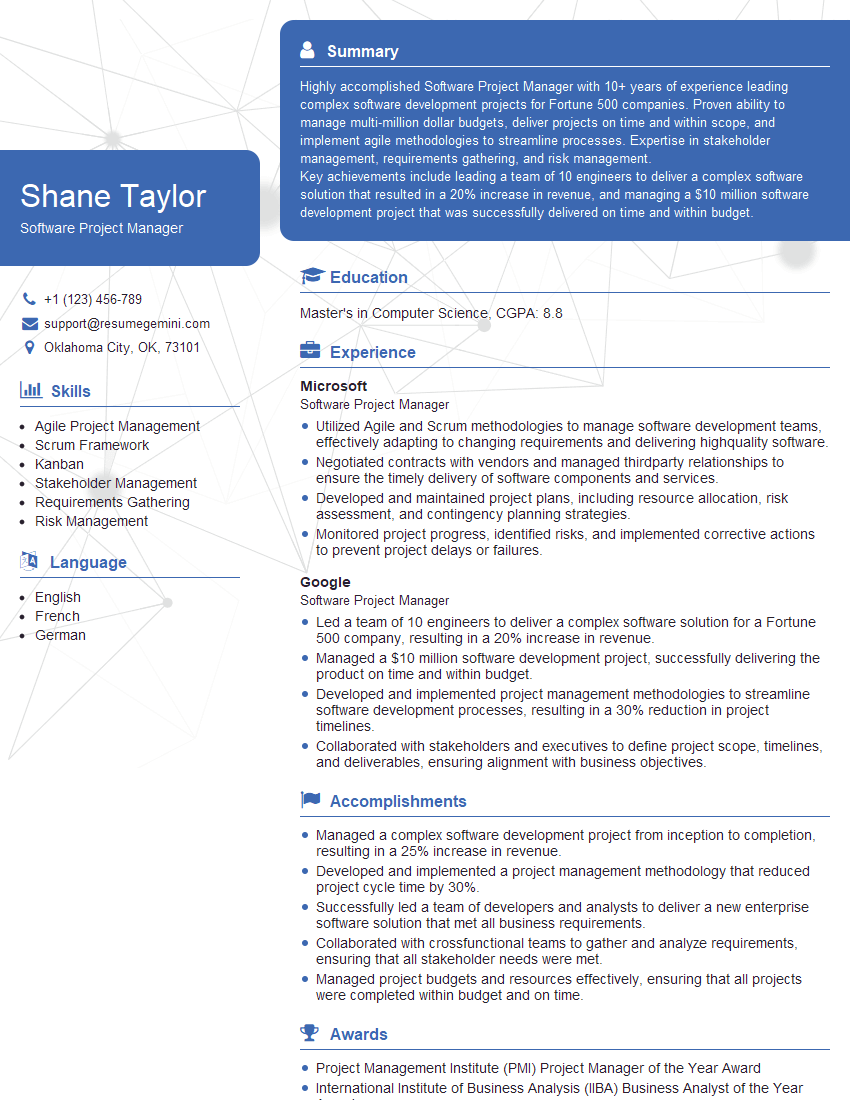
Software Project Manager Resume Sample
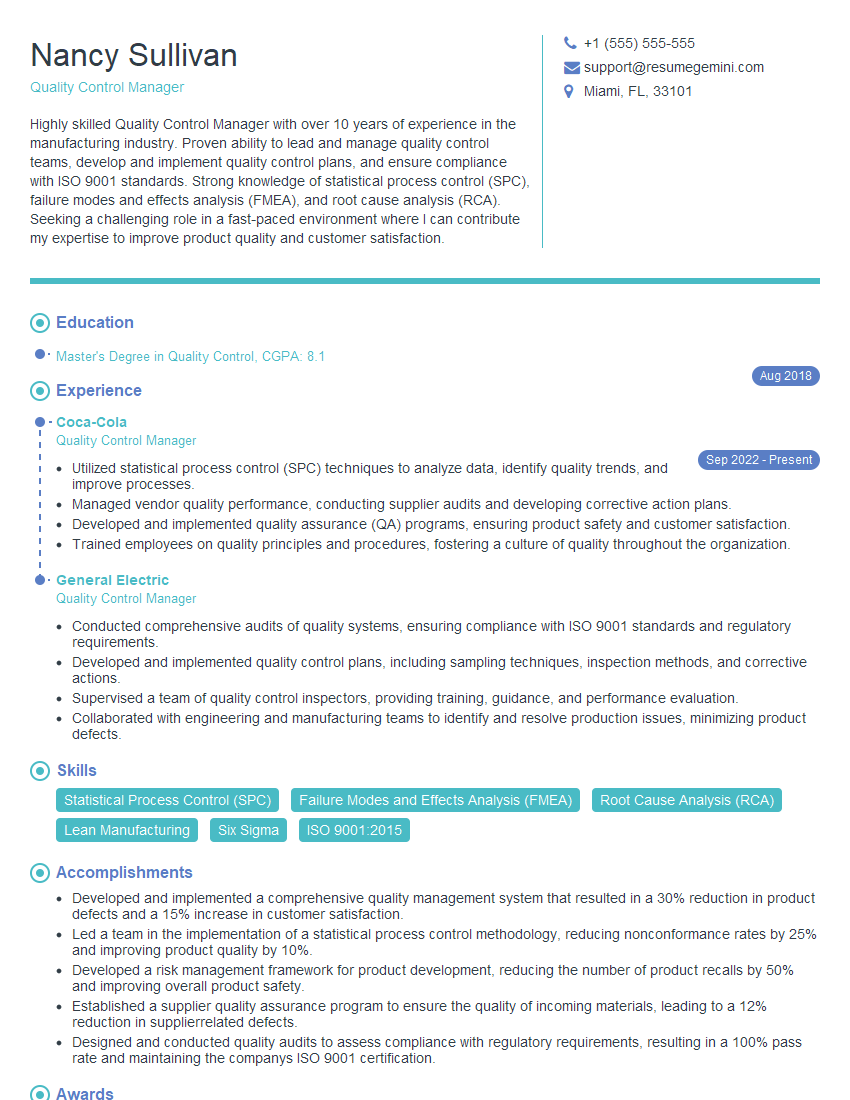
Quality Control Manager Resume Sample
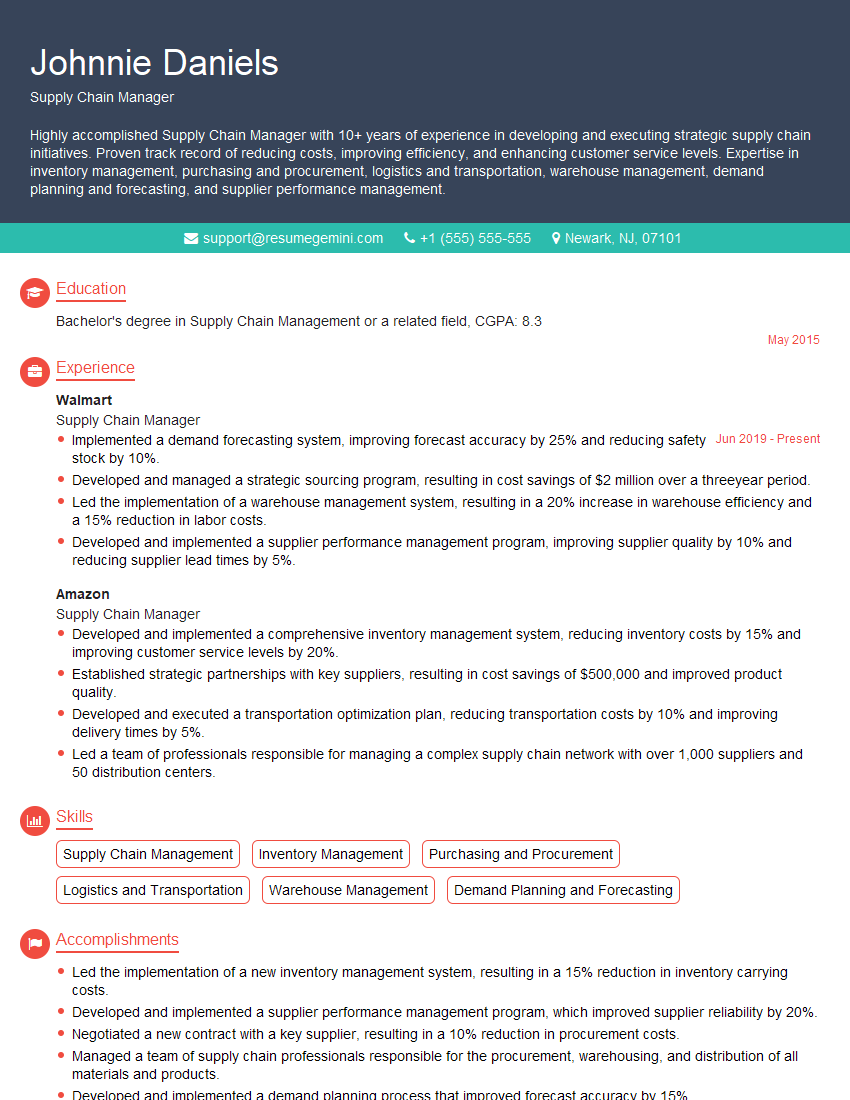
Supply Chain Manager Resume Sample
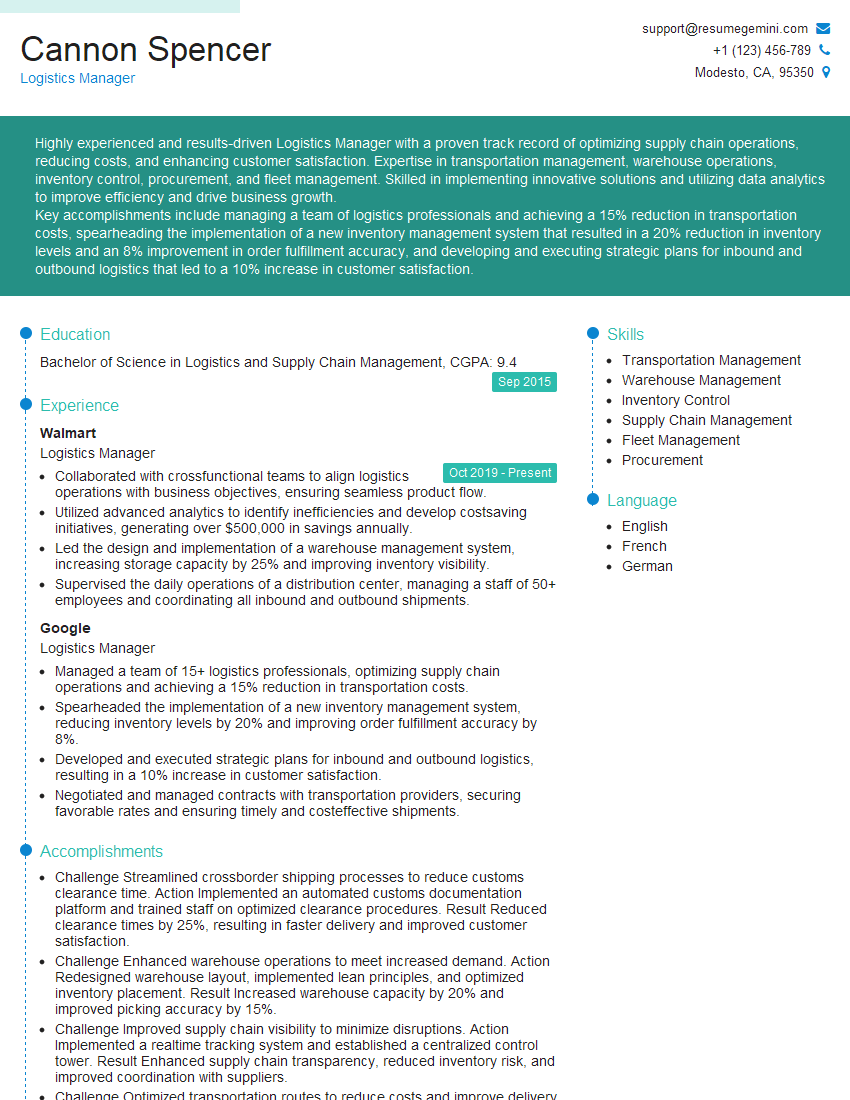
Logistics Manager Resume Sample
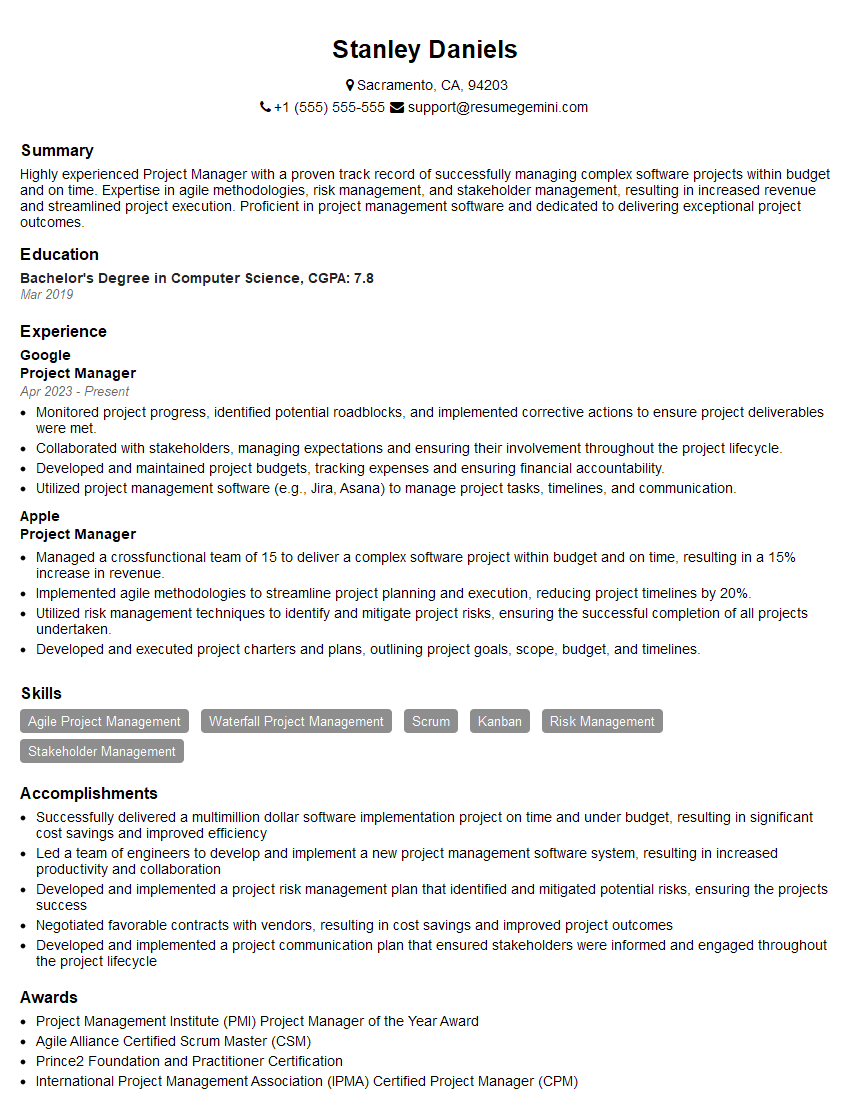
Project Manager Resume Sample
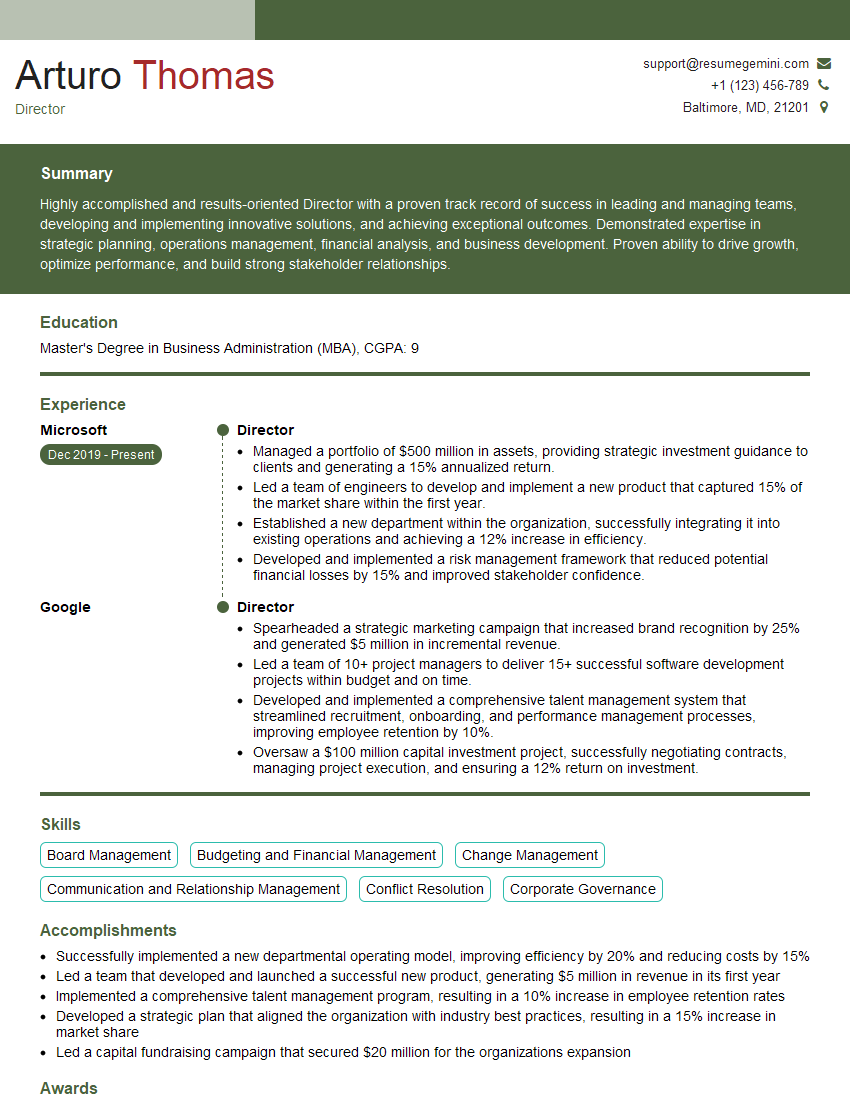
Director Resume Sample
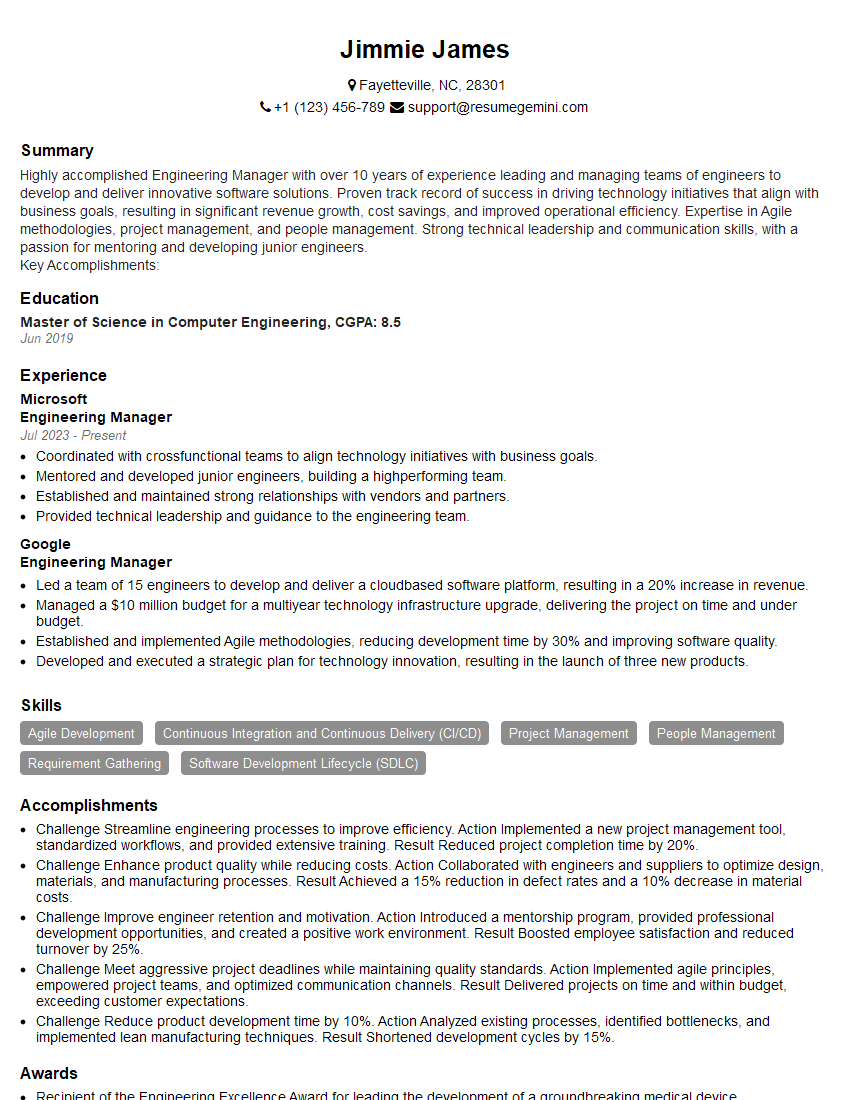
Engineering Manager Resume Sample
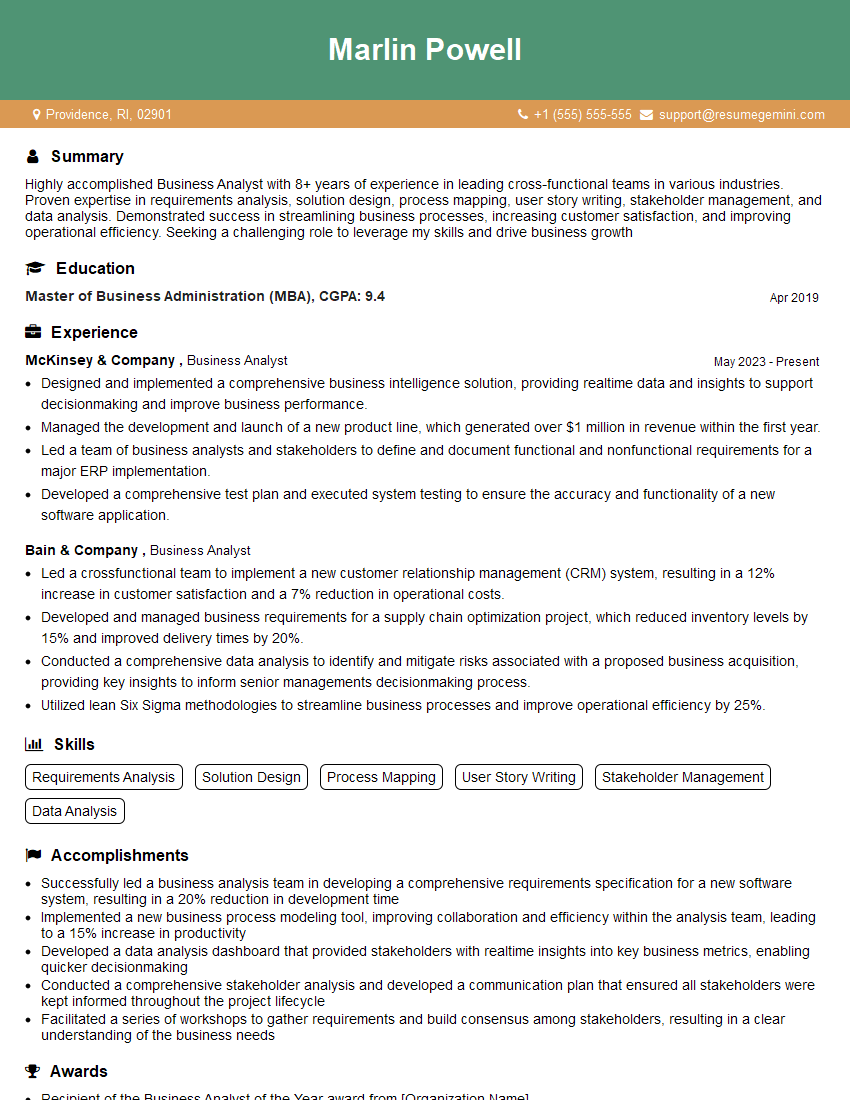
Business Analyst Resume Sample
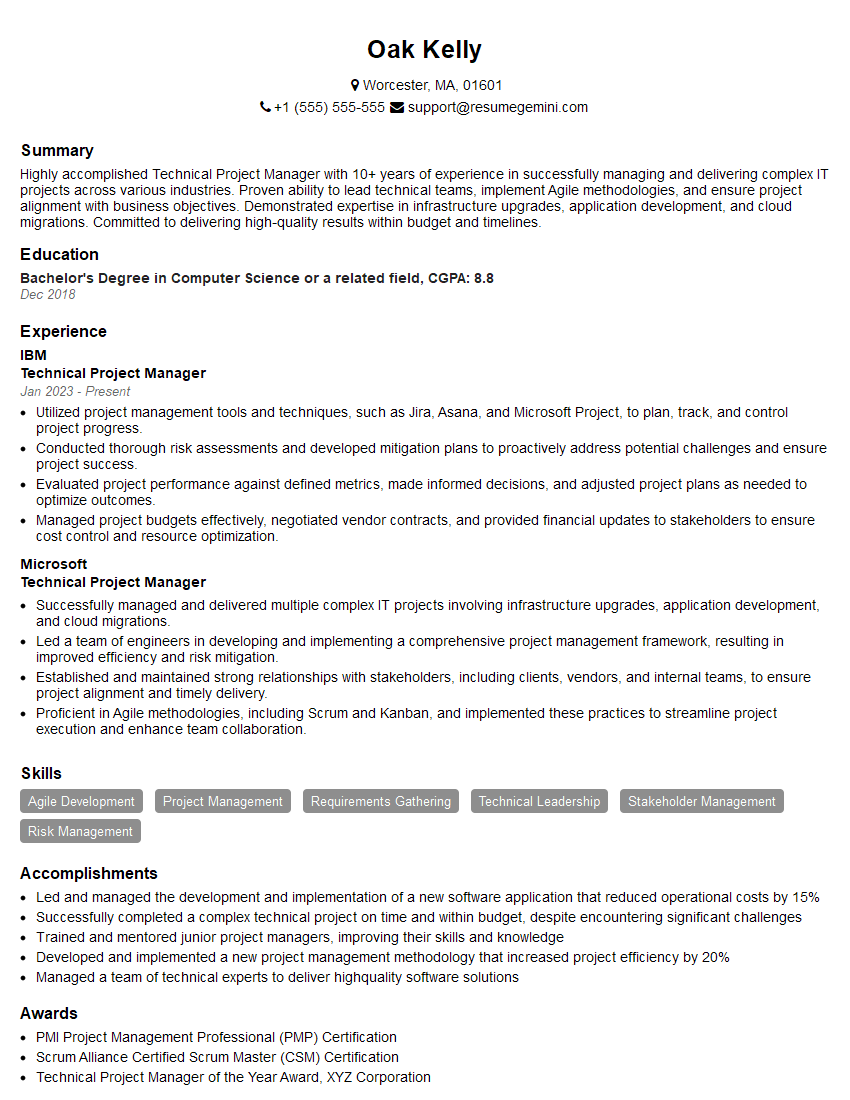
Technical Project Manager Resume Sample
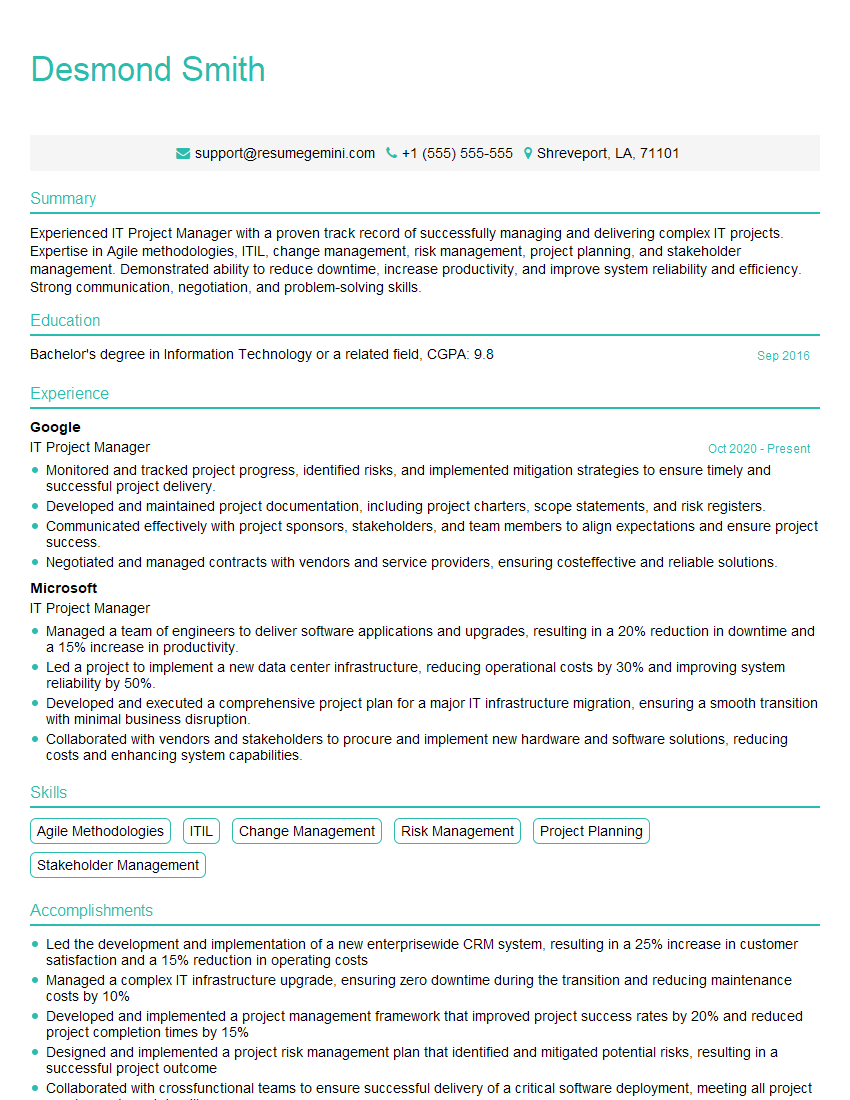
IT Project Manager Resume Sample
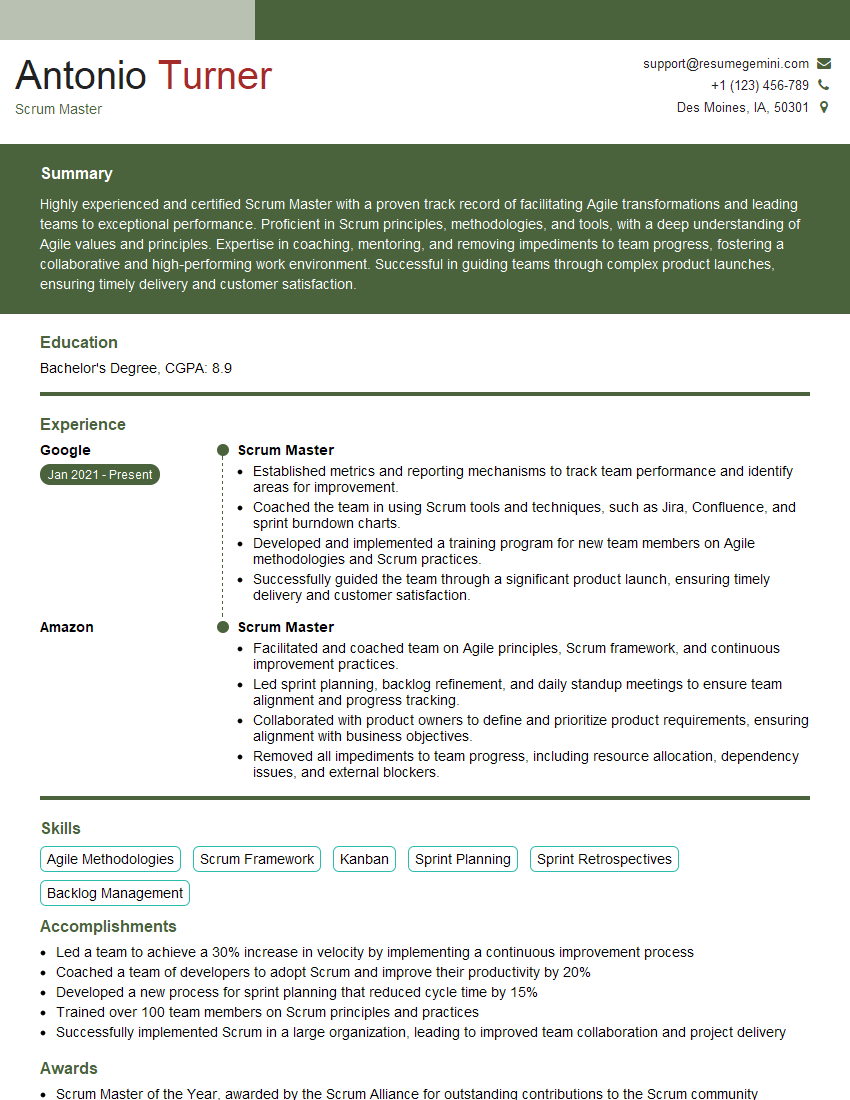
Scrum Master Resume Sample
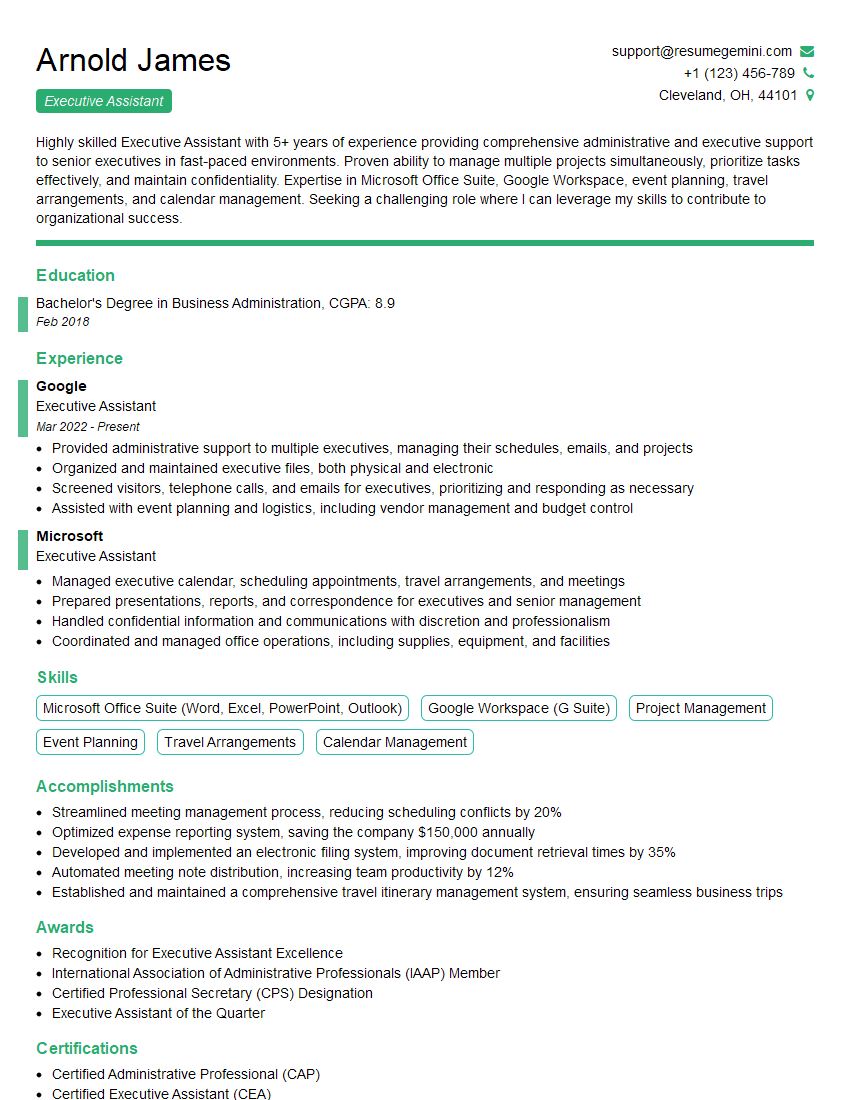
Executive Assistant Resume Sample
- Program Manager
- Supervisor
- Office Manager
- Operations Manager
- Production Manager
- Marketing Manager
- Sales Manager
- Product Manager
- Customer Service Manager
- Administrative Assistant
- Software Project Manager
- Quality Control Manager
- Supply Chain Manager
- Logistics Manager
- Project Manager
- Director
- Engineering Manager
- Business Analyst
- Technical Project Manager
- IT Project Manager
- Scrum Master
- Executive Assistant
Explore more articles
Users Rating of Our Blogs
Share Your Experience
We value your feedback! Please rate our content and share your thoughts (optional).
What Readers Say About Our Blog
Really detailed insights and content, thank you for writing this detailed article.
IT gave me an insight and words to use and be able to think of examples