Are you ready to stand out in your next interview? Understanding and preparing for Advanced Cattle Management Practices interview questions is a game-changer. In this blog, we’ve compiled key questions and expert advice to help you showcase your skills with confidence and precision. Let’s get started on your journey to acing the interview.
Questions Asked in Advanced Cattle Management Practices Interview
Q 1. Describe your experience with different grazing management systems (e.g., rotational grazing, continuous grazing).
Grazing management is crucial for optimizing pasture utilization and cattle health. I have extensive experience with both continuous and rotational grazing systems. Continuous grazing involves allowing cattle unrestricted access to a pasture throughout the grazing season. This system is simpler to manage but can lead to overgrazing in some areas and undergrazing in others, reducing pasture productivity and potentially impacting forage quality.
Rotational grazing, on the other hand, involves dividing a pasture into smaller paddocks and systematically moving cattle between them. This allows for a period of rest and recovery for each paddock, promoting forage regrowth and improving pasture quality. I’ve successfully implemented various rotational grazing strategies, including the mob grazing system, where large groups of cattle graze intensely on a small area before being moved to the next, and the strip grazing system, where cattle access a narrow strip of pasture at a time, creating a high-intensity grazing system. The choice between these systems depends on factors like pasture type, cattle density, and management goals.
For example, on one ranch, we transitioned from continuous grazing to a mob grazing system. The result was a significant improvement in pasture health and overall carrying capacity, leading to a 20% increase in cattle weight gain within a year.
Q 2. Explain the principles of precision livestock farming and how it enhances cattle management.
Precision livestock farming (PLF) utilizes technology to monitor and manage individual animals or small groups, allowing for more precise and efficient management. It’s all about collecting data to make better, data-driven decisions. Key technologies include:
- RFID tags and sensors: These track animal location, activity, and even physiological data (e.g., temperature, heart rate).
- Automated feeding systems: These provide precise feed rations based on individual animal needs, reducing waste and improving feed efficiency.
- Automated milking systems: These automate milking and individual milk recording, providing valuable data for herd health and productivity monitoring.
- Data analytics and software: These tools help analyze the collected data to identify trends, predict potential issues, and make informed management decisions.
Implementing PLF significantly enhances cattle management by enabling early disease detection, improved reproductive management, optimizing feed efficiency, and increasing overall herd productivity. For instance, we used data from RFID tags and activity sensors to identify a cow showing signs of illness before any visible symptoms appeared. Early intervention prevented the spread of the disease and saved the animal.
Q 3. How do you monitor and control cattle health, including disease prevention and treatment?
Cattle health monitoring and control are crucial for maintaining productivity and profitability. My approach involves a multi-pronged strategy:
- Regular visual inspections: Daily observation of cattle for any signs of illness, lameness, or unusual behavior.
- Vaccination programs: Implementing comprehensive vaccination schedules to prevent common diseases like bovine respiratory disease (BRD) and leptospirosis.
- Parasite control: Regular fecal egg counts and strategic deworming programs to minimize the impact of internal and external parasites.
- Biosecurity measures: Strict biosecurity protocols to prevent the introduction of diseases onto the farm.
- Record keeping: Meticulous record-keeping of animal health, treatments, and vaccination history. This allows for easy tracking of individual animal health status and identification of potential issues.
In cases of illness, swift diagnosis and treatment are crucial. This might involve blood tests, veterinary consultations, and the administration of appropriate medication. Using technology such as body temperature sensors can provide early warning signs, enabling preventative action.
Q 4. What are the key indicators of reproductive efficiency in cattle herds?
Reproductive efficiency is a critical aspect of profitable cattle production. Key indicators include:
- Conception rate: The percentage of cows that become pregnant during a breeding season. A high conception rate indicates efficient breeding management.
- Calving interval: The time between successive calvings. A shorter calving interval reflects improved reproductive performance.
- Calving percentage: The percentage of cows that successfully give birth to a calf. This indicator reflects overall herd health and management.
- Days open: The number of days a cow remains open (not pregnant) after calving. A shorter days open period is desirable.
Monitoring these indicators allows for the identification of bottlenecks in the reproductive cycle and implementation of corrective measures. For example, low conception rates might suggest issues with breeding management, nutrition, or herd health. Regularly checking these metrics helps in making necessary adjustments in breeding programs and management strategies.
Q 5. Discuss your experience in formulating balanced rations for cattle based on their nutritional needs and life stage.
Formulating balanced rations is essential for optimizing cattle performance and health. This involves considering various factors including:
- Nutrient requirements: These vary based on the animal’s life stage (e.g., growing heifers, lactating cows), breed, and production goals (e.g., milk production, weight gain).
- Feedstuffs availability and cost: Choosing the most cost-effective combination of feedstuffs that meet the animal’s nutritional needs.
- Feed quality: Ensuring that feedstuffs are of good quality and free from contaminants.
I use nutrition software and established nutrient requirements databases to develop rations. For example, a lactating cow requires a higher energy and protein intake compared to a dry cow. Therefore, the ration for a lactating cow would include higher proportions of energy-dense feeds like corn silage and protein supplements such as soybean meal. Regular monitoring of animal weight, body condition score, and milk production allows for adjustments in the rations as needed, ensuring optimal performance and preventing nutritional deficiencies or excesses.
Q 6. Explain the role of genetics in improving cattle production efficiency.
Genetics play a pivotal role in improving cattle production efficiency. Genetic selection and breeding programs can significantly impact:
- Growth rate: Selecting animals with superior growth genetics results in faster weight gain and improved feed efficiency.
- Reproductive performance: Breeding programs focusing on reproductive traits like conception rate, calving interval, and calving ease can significantly improve herd reproductive efficiency.
- Milk production: In dairy cattle, genetic selection for milk yield, fat content, and protein content is crucial for maximizing milk production.
- Disease resistance: Selecting animals with inherent resistance to common diseases can reduce health costs and improve overall herd health.
Modern genetic technologies such as genomic selection allow for more accurate prediction of an animal’s genetic merit, leading to more effective breeding decisions. This enables faster genetic progress compared to traditional selection methods. I have experience implementing genomic selection programs to improve several key traits in dairy and beef cattle.
Q 7. How do you utilize data analytics to make informed decisions in cattle management?
Data analytics are crucial for evidence-based decision-making in cattle management. I leverage data from various sources, including:
- Production records: Data on milk production, weight gain, feed intake, and reproductive performance.
- Health records: Data on disease incidence, treatment records, and mortality rates.
- Financial records: Data on feed costs, labor costs, and income from sales.
- PLF technologies: Data from sensors, RFID tags, and automated systems.
Using statistical software and data visualization tools, I analyze this data to identify trends, patterns, and outliers. For instance, by analyzing milk production data in conjunction with feed intake data, we can identify cows with suboptimal feed efficiency. Similarly, analyzing health records can reveal disease outbreaks or underlying health issues within the herd. This data-driven approach allows for proactive management decisions, leading to improved efficiency and profitability.
Q 8. Describe your experience with various cattle breeding strategies (e.g., artificial insemination, embryo transfer).
My experience encompasses a wide range of cattle breeding strategies, prioritizing genetic improvement and herd health. Artificial Insemination (AI) is a cornerstone of my approach, allowing for precise genetic selection and the introduction of superior genetics into the herd. I’ve successfully implemented AI programs utilizing both conventional and sexed semen, resulting in significant increases in genetic merit and profitability for several clients. For example, one operation saw a 15% increase in calf weaning weight within three years of implementing an AI program focusing on growth traits. Embryo transfer (ET) is another key technique I utilize, particularly for high-performing cows. ET allows for rapid multiplication of superior genetics, accelerating genetic progress and maximizing the reproductive potential of elite females. I have extensive experience in all aspects of ET, from superovulation and embryo recovery to embryo transfer and cryopreservation. In one instance, we successfully transferred embryos from a champion show cow, resulting in multiple high-quality offspring that are now contributing to the genetic pool of several prestigious herds.
Q 9. How do you manage cattle welfare and ensure compliance with animal welfare regulations?
Cattle welfare is paramount in my operations. I adhere strictly to all relevant animal welfare regulations, which vary by region, but generally focus on minimizing stress, providing adequate nutrition, shelter, and veterinary care. This involves regular health checks, prompt treatment of illness or injury, and maintaining clean and comfortable housing environments. We utilize pain management protocols for procedures such as castration and dehorning, and ensure proper handling techniques to minimize stress and injuries. I believe in a proactive approach, regularly auditing our practices to ensure compliance and identify areas for improvement. For example, we’ve invested in automated feeding systems to ensure consistent feed delivery and reduce competition amongst animals, significantly reducing stress levels. We also monitor behavioral indicators for any signs of distress or illness.
Q 10. What are your strategies for managing cattle stress during transportation and handling?
Managing cattle stress during transportation and handling is crucial for maintaining animal health and productivity. This involves careful planning and execution of every step, from pre-transport preparation to arrival at the destination. Key strategies include minimizing travel time, providing adequate ventilation and space in transport vehicles, and ensuring proper loading and unloading techniques to prevent injury and overcrowding. Prior to transport, animals should be properly rested and hydrated. Upon arrival, providing immediate access to water and feed helps reduce stress. Gentle handling, avoiding sudden movements or loud noises, is essential throughout the process. We also utilize stress-reducing techniques such as providing shade during transport and employing trained handlers who understand cattle behavior. For example, we’ve implemented a pre-conditioning program that acclimates cattle to trailers before long-distance transport, leading to significantly calmer animals during transportation.
Q 11. Describe your experience with different types of cattle housing and their impact on animal health and productivity.
My experience includes various cattle housing systems, each with its impact on animal health and productivity. Free-stall barns offer good individual animal space and hygiene but require careful management to prevent disease transmission. Pasture-based systems provide opportunities for natural behavior expression, but require effective grazing management to prevent overgrazing and soil degradation. Open-lot systems are cost-effective but require careful consideration of environmental conditions and disease prevention. The choice of housing system depends on factors like climate, available resources, and management goals. For example, in colder climates, well-insulated barns are essential to protect cattle from the elements, while in warmer climates, shade and adequate ventilation are crucial. Effective housing designs minimize stress, maximize animal comfort, and contribute to improved animal health and productivity. Proper ventilation and drainage are key in all systems to prevent respiratory diseases and reduce the risk of injuries from slips and falls.
Q 12. Explain your understanding of different forage types and their suitability for cattle grazing.
Understanding forage types and their suitability for cattle grazing is essential for optimizing animal nutrition and pasture health. Different forages vary in their nutritional content, digestibility, and growth characteristics. Legumes (like alfalfa and clover) are rich in protein and improve soil fertility, while grasses (like fescue and orchardgrass) provide energy. The optimal forage mix depends on factors like climate, soil type, and cattle breed. For example, cool-season grasses are best suited for temperate climates, while warm-season grasses thrive in hot, dry regions. I use soil testing to understand nutrient deficiencies and tailor fertilizer applications to maximize forage production and quality. Pasture rotation, ensuring sufficient rest periods for pasture recovery, is another critical aspect of forage management, which promotes sustainable grazing and improves forage quality over time. Analyzing forage samples to determine nutritional value allows me to supplement rations as needed, ensuring optimal cattle performance.
Q 13. How do you assess and interpret body condition scores in cattle?
Body condition scoring (BCS) is a crucial tool for assessing cattle nutritional status. It’s a visual assessment of fat reserves across key areas of the animal’s body, typically graded on a scale of 1 to 9 (1 being emaciated and 9 being obese). I use a standardized scoring system, examining the prominence of bones, muscle definition, and fat deposits. A BCS of 5-6 is generally considered ideal for most cattle, indicating optimal body condition. Regular BCS monitoring allows for timely intervention in cases of under- or over-nutrition. For example, cows with low BCS before calving may have reduced milk production or experience calving difficulties. Conversely, overconditioned cows may be more prone to metabolic disorders. I use this information to adjust feeding strategies, ensuring that animals consistently maintain optimal body condition for health and productivity.
Q 14. Describe your experience with pasture improvement techniques (e.g., fertilization, weed control).
Pasture improvement is crucial for maximizing forage production and improving pasture quality. Fertilization is a key technique, involving soil testing to determine nutrient deficiencies (nitrogen, phosphorus, potassium etc.) and applying appropriate fertilizers. The type and amount of fertilizer will vary depending on soil type, forage species, and desired outcome. Weed control is equally important, involving strategies such as selective herbicides, mowing, or grazing management to suppress undesirable plants. Overgrazing can significantly impact pasture health; rotational grazing helps prevent this by allowing pastures to rest and recover, leading to better forage quality and soil health. Other improvement techniques include overseeding to introduce improved forage varieties, improving drainage to prevent waterlogging, and managing soil compaction through controlled grazing or aeration. These integrated approaches lead to improved pasture productivity, higher quality forage, and ultimately, greater profitability and sustainability.
Q 15. What are the common health challenges faced in cattle production, and how do you address them?
Cattle health is paramount to successful production. Common challenges include respiratory diseases like Bovine Respiratory Disease (BRD), reproductive issues like metritis and cystic ovarian disease, and parasitic infestations such as liver flukes and internal parasites. Addressing these requires a multi-pronged approach.
- Prevention: This is key! Implementing biosecurity measures like strict quarantine protocols for new animals, vaccination programs tailored to the specific region and herd’s needs, and regular parasite control through strategic deworming are crucial. For example, vaccinating against BRD significantly reduces morbidity and mortality, preventing significant economic losses.
- Early Detection: Regular visual inspections, monitoring of vital signs (temperature, respiration rate), and utilization of diagnostic tools like blood tests can help detect illnesses early. Early intervention leads to better treatment outcomes and less severe disease progression. For instance, early detection of lameness can prevent the development of chronic conditions and improve animal welfare.
- Treatment: This involves a combination of veterinary interventions, such as administering antibiotics for bacterial infections or anthelmintics for parasites, along with supportive care, including providing clean water, nutritious feed, and a comfortable environment. Working closely with a veterinarian to establish a treatment protocol is essential.
- Data Analysis: Tracking disease incidence, treatment responses, and mortality rates helps identify patterns and risk factors, allowing for improvements in management practices. For example, if we see a spike in BRD cases after a particularly wet period, we can adjust management practices to reduce the risk of future outbreaks.
Career Expert Tips:
- Ace those interviews! Prepare effectively by reviewing the Top 50 Most Common Interview Questions on ResumeGemini.
- Navigate your job search with confidence! Explore a wide range of Career Tips on ResumeGemini. Learn about common challenges and recommendations to overcome them.
- Craft the perfect resume! Master the Art of Resume Writing with ResumeGemini’s guide. Showcase your unique qualifications and achievements effectively.
- Don’t miss out on holiday savings! Build your dream resume with ResumeGemini’s ATS optimized templates.
Q 16. Explain your understanding of the economic factors influencing cattle production (e.g., feed costs, market prices).
Cattle production is heavily influenced by economic factors. It’s a complex interplay of costs and revenues.
- Feed Costs: This is often the largest single expense. Fluctuations in grain prices (corn, soybeans), hay prices, and the cost of supplements directly impact profitability. For example, a drought can significantly increase hay prices, squeezing profit margins.
- Market Prices: The price of cattle (live weight or carcass) fluctuates based on supply and demand, influenced by factors like consumer demand, global markets, and seasonal variations. Understanding these market trends is critical for making informed decisions about selling animals.
- Labor Costs: The cost of hiring and managing labor, whether it’s employed staff or hired help during specific seasons, forms a significant portion of the operational expenses.
- Land Costs: The cost of land, whether it’s owned or rented, also directly impacts profitability. The land’s carrying capacity and quality influence production potential.
- Interest Rates: Access to credit and the associated interest rates affect investment decisions, whether it’s for land acquisition, infrastructure development, or livestock purchases.
Effective management involves carefully monitoring these factors and adapting strategies (e.g., altering feed rations, adjusting selling strategies) to navigate economic fluctuations and maximize returns. For example, using hedging strategies to mitigate risk associated with price fluctuations in the cattle market can be very effective.
Q 17. How do you develop and implement effective cattle management plans?
Developing and implementing effective cattle management plans requires a systematic approach. It’s like building a house – you need a solid foundation.
- Define Objectives: Clearly define your goals. Are you focused on beef production, dairy, or both? What are your target production levels, and what is your desired level of profitability?
- Assess Resources: Evaluate available resources such as land, labor, capital, and infrastructure. This is the ‘foundation’ of your plan.
- Develop a Breeding Program: Select appropriate breeds considering climate, market demands, and production goals. A well-defined breeding program improves genetics and optimizes production.
- Nutrition Management: Develop a feeding strategy that meets the nutritional requirements of the animals at different stages of their life cycle. This will impact growth rates, reproductive performance, and overall health.
- Health Management: Implement a comprehensive health plan, including vaccination schedules, parasite control, and disease prevention strategies.
- Record Keeping: Maintain detailed records of animal performance, health, reproduction, and finances. Data analysis identifies areas for improvement.
- Marketing Strategy: Develop a plan for marketing your cattle based on market demands and prices.
- Risk Management: Identify potential risks, such as disease outbreaks, weather events, and market fluctuations, and implement strategies to mitigate them.
- Monitor and Adapt: Regularly monitor the performance of the plan and make adjustments as needed to optimize efficiency and profitability.
Q 18. Describe your experience with record-keeping and data analysis in cattle management.
Record-keeping and data analysis are essential for efficient cattle management. It’s like having a detailed map for your operation.
I use various tools, including spreadsheets, specialized farm management software, and even mobile apps to track key data points, such as:
- Animal Identification: Each animal is uniquely identified (ear tags, RFID tags) to track individual performance and health history.
- Weight Records: Regular weight measurements help monitor growth rates and assess the effectiveness of feeding strategies.
- Reproduction Data: Tracking breeding dates, calving dates, and reproductive performance (e.g., pregnancy rates) is vital for maximizing herd productivity.
- Health Records: Detailed records of vaccinations, treatments, and illnesses help identify disease patterns and improve disease prevention measures.
- Financial Records: Tracking income, expenses, and profit margins allows for financial analysis and strategic decision-making.
I then use data analysis techniques, such as calculating average daily gain, pregnancy rates, and cost of production, to identify areas for improvement and optimize the efficiency of my operations. For example, analyzing weight gain data might reveal an issue with the feed ration or indicate the need for improved pasture management.
Q 19. How do you manage labor and resources effectively in a cattle operation?
Effective labor and resource management are crucial for profitability and sustainability. Think of it as orchestrating a well-coordinated team.
- Labor Planning: Carefully plan labor requirements based on seasonal demands. This may involve hiring temporary help during peak periods, such as calving season or harvest.
- Training and Skill Development: Invest in training for your employees to improve their skills and efficiency. Well-trained staff are more productive and reduce the risk of errors.
- Equipment Maintenance: Regular maintenance of equipment ensures efficient operation and minimizes downtime. Preventative maintenance is far more cost-effective than emergency repairs.
- Resource Allocation: Efficiently allocate resources such as feed, water, and pasture to optimize utilization and minimize waste. This could involve implementing rotational grazing systems.
- Technology Integration: Utilizing technology, such as automated feeding systems or GPS-based tracking, can improve efficiency and reduce labor demands.
- Safety Protocols: Implementing clear safety protocols and providing personal protective equipment (PPE) are essential to minimize workplace accidents and ensure the well-being of your staff.
Q 20. What are your strategies for mitigating the risks associated with climate change in cattle production?
Climate change poses significant threats to cattle production, impacting feed availability, water resources, and animal health. Mitigation strategies are crucial for long-term sustainability.
- Improved Grazing Management: Implementing rotational grazing and improving pasture quality can enhance resilience to drought conditions. This ensures sufficient feed even during periods of reduced rainfall.
- Water Management: Investing in efficient water storage and delivery systems is crucial in drought-prone regions. This could involve installing water tanks or implementing rainwater harvesting techniques.
- Heat Stress Management: Developing strategies to mitigate heat stress, such as providing shade, improving ventilation, and adjusting feeding schedules, is crucial for animal welfare and productivity. This can involve strategically planting trees or using cooling systems.
- Breed Selection: Selecting breeds that are well-adapted to local climatic conditions, including heat and drought tolerance, enhances resilience.
- Supplemental Feeding: Developing strategies for supplemental feeding during periods of feed scarcity minimizes production losses and ensures animal health.
- Carbon Footprint Reduction: Adopting practices to reduce greenhouse gas emissions, such as improving feed efficiency and manure management, is essential for environmental sustainability.
Q 21. Explain your understanding of sustainable cattle farming practices.
Sustainable cattle farming focuses on balancing economic viability with environmental stewardship and social responsibility. It’s about ensuring the long-term health of both the business and the planet.
- Reduced Environmental Impact: Minimizing greenhouse gas emissions, reducing water usage, and protecting biodiversity are essential components of sustainable practices.
- Improved Animal Welfare: Providing animals with adequate space, nutrition, and veterinary care is paramount. This means focusing on humane handling practices and minimizing stress.
- Enhanced Soil Health: Implementing practices that improve soil health, such as rotational grazing and cover cropping, enhances carbon sequestration and reduces soil erosion.
- Responsible Resource Management: Efficiently using water and energy, managing waste effectively (manure management), and minimizing reliance on synthetic inputs contributes to sustainability.
- Economic Viability: Sustainable practices should be economically viable, allowing farmers to earn a fair income while operating responsibly.
- Community Engagement: Engaging with local communities, respecting their concerns, and potentially collaborating on initiatives that benefit the wider community are crucial aspects of sustainable cattle farming.
Sustainable cattle farming is not just a trend; it’s a necessity for the long-term survival of the industry and the planet.
Q 22. How do you maintain herd health records and use them for decision-making?
Maintaining accurate and comprehensive herd health records is fundamental to successful cattle management. Think of it like a medical chart for your entire herd. We utilize a combination of paper and digital systems to ensure data integrity and accessibility.
- Individual Animal Records: Each animal has a unique ID, linked to a detailed record including birth date, parentage, vaccinations, treatments (including medication, dosage, and administration date), breeding history, health events (illness, injury, culling reason), and performance data (weight gain, milk production etc.).
- Herd-Level Summaries: We generate regular summaries providing insights into overall herd health, incidence of specific diseases, average weight gain, reproduction rates, etc. This allows for identification of trends and potential problems.
- Data Analysis: We use software to analyze the data, identifying correlations between factors like breeding practices, nutrition, and disease incidence. This data-driven approach informs strategic decision-making, for example, highlighting areas needing improvement in vaccination protocols or nutritional strategies.
For example, if we see a spike in respiratory infections during a particular season, we can review our vaccination schedule and environmental management (ventilation in barns) to prevent future occurrences. This proactive approach significantly reduces losses and improves profitability.
Q 23. What is your experience with implementing biosecurity protocols to prevent disease spread?
Biosecurity is paramount to preventing the introduction and spread of diseases within the herd. It’s about creating a protective barrier around the cattle to keep them safe from external threats. Our protocols are multi-layered and start with strict controls at the perimeter of the farm.
- Perimeter Control: Limiting access to the farm, designating separate areas for different groups of cattle, implementing vehicle disinfection procedures, and controlling pedestrian movement.
- Quarantine Procedures: New animals are quarantined for a period (usually 30 days) to monitor their health before integration into the main herd. This helps prevent the spread of disease from outside sources.
- Hygiene Practices: Regular cleaning and disinfection of facilities, equipment, and animal handling areas. This minimizes the chance of disease transmission through contaminated surfaces. Staff are trained to practice good hygiene, such as changing clothes before entering barns.
- Pest Control: We utilize effective pest management strategies to control vectors that can transmit diseases, like ticks and flies.
- Vaccination Programs: Implementing a comprehensive vaccination program tailored to the specific diseases prevalent in the region and the age of the cattle.
For instance, during a recent outbreak of foot-and-mouth disease in a neighboring farm, our strict biosecurity protocols prevented the disease from reaching our herd. This saved us substantial financial losses and prevented unnecessary animal suffering.
Q 24. Describe a time you had to troubleshoot a problem in cattle management; explain your approach and the outcome.
One time, we experienced a significant drop in milk production in a particular group of dairy cows. Initially, we suspected a nutritional deficiency. My approach involved a systematic troubleshooting process:
- Data Collection: We reviewed milk yield records, feed intake data, and any observed changes in cow behavior.
- Hypothesis Generation: Based on the data, we developed several hypotheses, including nutritional deficiency, mastitis, and environmental stress.
- Testing and Validation: We conducted tests to validate our hypotheses. We analyzed feed samples, performed physical exams on the cows, and tested for mastitis. We also checked for environmental factors like inadequate ventilation or overcrowding.
- Solution Implementation: We discovered the problem was a combination of inadequate mineral supplementation in their feed and a recent change to a denser bedding material that was causing udder irritation. This irritation increased the risk of infection. We corrected the feed formulation and switched back to a more comfortable bedding.
The outcome was a rapid increase in milk yield, returning to pre-problem levels within weeks. This experience reinforced the importance of systematic problem-solving and the value of meticulous record-keeping.
Q 25. How do you ensure the safety of your employees and the public while working with cattle?
Ensuring the safety of both employees and the public is crucial. We implement a robust safety program that integrates into all aspects of cattle handling and farm operations.
- Training: All employees receive comprehensive training on safe cattle handling techniques, understanding cattle behavior, and use of safety equipment (e.g., protective clothing, footwear). They are trained to identify and respond to dangerous situations.
- Proper Facilities: We utilize well-designed facilities with adequate space and appropriate handling equipment (e.g., squeeze chutes, head gates). These facilities prioritize both animal and human safety.
- Emergency Procedures: We have established clear emergency procedures and communication protocols to effectively respond to accidents or injuries involving cattle or humans.
- Public Awareness: We educate the public about potential risks associated with cattle and how to interact safely near the farm.
- Regular Safety Audits: We conduct regular safety audits to identify and rectify any potential hazards.
For example, we have clear signage around the perimeter of the farm instructing the public on safe viewing distances and practices. We also conduct regular safety meetings to refresh employee training and ensure everyone remains vigilant about safety precautions.
Q 26. What are your strategies for minimizing environmental impact in cattle production?
Minimizing environmental impact is a crucial component of modern cattle production. Our strategies focus on resource efficiency and waste management.
- Manure Management: We utilize effective manure management systems, such as anaerobic digesters to produce biogas, which can be used as a renewable energy source. Solid manure is composted and used as fertilizer, reducing reliance on synthetic fertilizers.
- Grazing Management: We employ rotational grazing practices, allowing pastures to recover and minimizing soil erosion. This promotes biodiversity and soil health.
- Water Management: We use efficient irrigation techniques to reduce water consumption and conserve this precious resource.
- Feed Efficiency: We select cattle breeds and feed rations optimized for efficient feed conversion, reducing the amount of feed required per unit of meat or milk produced.
- Waste Reduction: We constantly strive to minimize waste throughout the production process, from packaging to feed waste, to reduce our overall environmental footprint.
Implementing these practices not only reduces our environmental impact but also leads to cost savings and improved animal welfare.
Q 27. How do you adapt your management practices based on changing market conditions?
Adaptability is key in cattle production. We continuously monitor market trends and adjust our management practices accordingly. This involves a multi-pronged approach:
- Market Research: We constantly monitor market prices for beef and dairy products, as well as feed prices, to predict changes and adjust our production strategies accordingly.
- Breed Selection: Choosing breeds that are best suited to the current market demand (e.g., leaner meat, higher milk production).
- Production Strategies: Adjusting production methods based on market demand, such as shifting from producing primarily one type of product to a mix of products to diversify revenue streams. For example, if the beef market is weak, we may increase our focus on dairy production.
- Risk Management: Implementing risk management strategies like hedging (using financial instruments to protect against price fluctuations) to mitigate potential losses due to market volatility.
For example, during a period of high feed prices, we adjusted our rations to optimize feed efficiency, minimizing costs without compromising animal health and performance.
Q 28. Describe your experience with different types of cattle breeds and their suitability for specific production systems.
Experience with various cattle breeds is essential for optimized production. The ideal breed selection depends heavily on the intended production system (dairy, beef, dual-purpose), climate, and available resources.
- Beef Breeds: Angus, Hereford, and Simmental are popular breeds known for their high-quality meat and adaptability. Angus is often chosen for its marbling and tenderness, while Herefords are known for their hardiness.
- Dairy Breeds: Holstein Friesians are the dominant dairy breed globally, known for their high milk production, while Jersey cattle produce milk with higher fat and protein content. The choice depends on the desired milk characteristics and market demands.
- Dual-Purpose Breeds: Breeds like Shorthorns provide both beef and milk, offering flexibility in production systems.
For example, in a dry, harsh climate, a hardy breed like the Hereford would be more suitable than a high-producing Holstein, which may require more intensive management and resources. Selecting the right breed is crucial for maximizing productivity and profitability while ensuring animal well-being.
Key Topics to Learn for Advanced Cattle Management Practices Interview
- Reproductive Management: Understanding estrous synchronization techniques, artificial insemination procedures, pregnancy diagnosis methods, and strategies for improving reproductive efficiency. Practical application includes analyzing breeding records to identify areas for improvement and implementing strategies to maximize herd fertility.
- Nutrition and Feed Management: Developing and implementing balanced ration formulations for various stages of cattle production (e.g., growing heifers, lactating cows, finishing steers). This includes understanding nutrient requirements, feedstuff analysis, and the economic implications of feed choices. Practical application involves cost-benefit analysis of different feed strategies and optimizing feed efficiency.
- Health and Disease Management: Proficiently diagnosing and treating common cattle diseases, implementing effective vaccination programs, and employing biosecurity measures to prevent disease outbreaks. Practical application involves interpreting laboratory results, implementing treatment protocols, and analyzing herd health data to identify trends and potential problems.
- Genetics and Breeding Programs: Applying principles of quantitative genetics to select and improve cattle for desired traits (e.g., milk production, meat quality, disease resistance). Practical application includes utilizing genomic selection tools and implementing breeding strategies to enhance genetic merit within a herd.
- Financial Management and Budgeting: Developing and managing budgets for cattle operations, analyzing cost and revenue data, and making informed financial decisions. Practical application involves forecasting production costs, pricing strategies, and return on investment analyses for different management practices.
- Sustainable Cattle Production: Understanding and implementing environmentally sound management practices, including grazing management, manure management, and water conservation. Practical application includes developing and implementing plans for minimizing environmental impact while maintaining efficient production.
- Data Analysis and Technology: Utilizing data analysis tools and technologies (e.g., herd management software) to improve decision-making and monitor herd performance. Practical application involves interpreting data from various sources to identify areas for improvement and track key performance indicators.
Next Steps
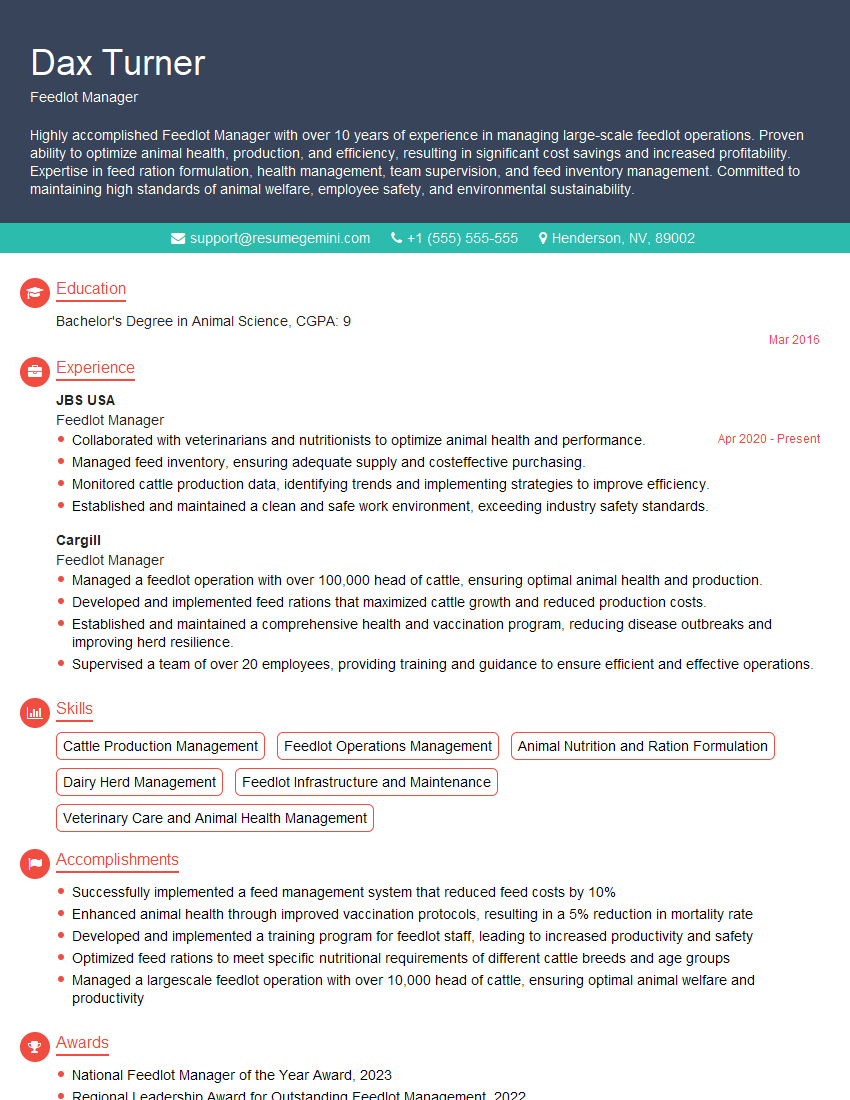
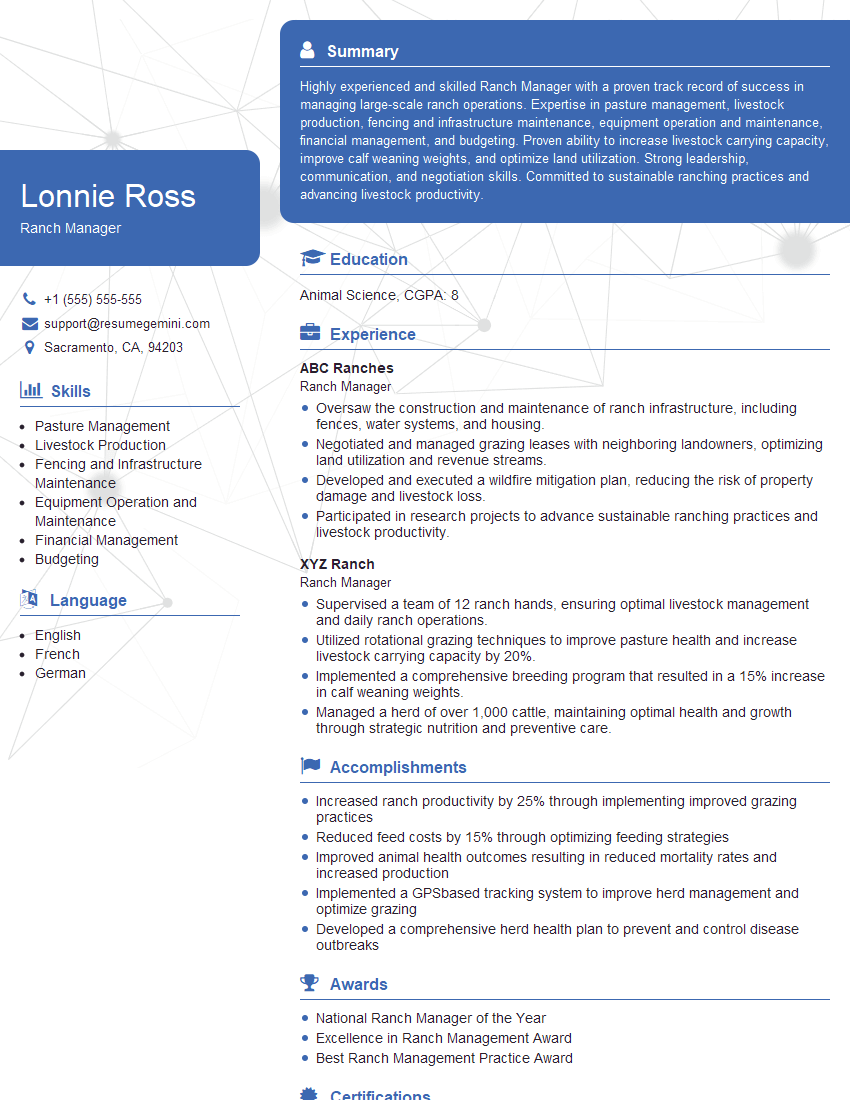
Mastering Advanced Cattle Management Practices is crucial for career advancement within the agricultural sector, opening doors to leadership roles and higher earning potential. To maximize your job prospects, create an ATS-friendly resume that highlights your skills and experience effectively. ResumeGemini is a trusted resource to help you build a professional and impactful resume. We provide examples of resumes tailored to Advanced Cattle Management Practices to guide you through the process. Invest time in crafting a strong resume – it’s your first impression on potential employers.
Explore more articles
Users Rating of Our Blogs
Share Your Experience
We value your feedback! Please rate our content and share your thoughts (optional).
What Readers Say About Our Blog
Really detailed insights and content, thank you for writing this detailed article.
IT gave me an insight and words to use and be able to think of examples