Every successful interview starts with knowing what to expect. In this blog, we’ll take you through the top Advocating for Students interview questions, breaking them down with expert tips to help you deliver impactful answers. Step into your next interview fully prepared and ready to succeed.
Questions Asked in Advocating for Students Interview
Q 1. Describe your experience advocating for students with diverse needs.
My experience advocating for students with diverse needs spans over [Number] years, encompassing various roles within [Institution/Organization Name(s)]. I’ve worked extensively with students from diverse socioeconomic backgrounds, learning abilities, cultural identities, and physical/mental health conditions. My approach is always centered on understanding each student’s unique circumstances and strengths. This involves active listening, collaborative goal-setting, and tailoring support strategies accordingly. For instance, I helped a visually impaired student secure adaptive technology and navigate campus accessibility challenges. In another case, I supported a first-generation college student facing financial difficulties by connecting them with scholarship opportunities and financial aid resources. Crucially, my advocacy involves not just addressing immediate needs but also empowering students to advocate for themselves and build their own resilience.
- Individualized Support Plans: Developing tailored plans encompassing academic, social, and emotional aspects.
- Collaboration with Stakeholders: Working with teachers, counselors, administrators, and external agencies to create a supportive ecosystem.
- Resource Navigation: Guiding students through the maze of available resources and supports.
- Advocacy Training: Empowering students to communicate their needs effectively and advocate for themselves.
Q 2. How would you address a student’s concern regarding unfair grading practices?
Addressing a student’s concern about unfair grading practices requires a systematic and empathetic approach. First, I would actively listen to the student’s perspective, gathering all relevant details about the grading process, the specific assignment, and the student’s understanding of the criteria. Next, I would review the grading rubric and the assignment itself, comparing it to the instructor’s feedback to identify any potential inconsistencies. If inconsistencies are found, I would facilitate a respectful dialogue between the student and the instructor, aiming for a mutually understood solution. This could involve re-evaluation of the assignment, clarification of grading standards, or exploring alternative assessment options. If the issue remains unresolved, I would explore established institutional grievance procedures, ensuring the student’s rights are protected throughout the process.
Example: A student felt their essay was unfairly graded due to inconsistencies in feedback. After reviewing the work, I helped them reframe their arguments based on the instructor’s comments, and facilitated a meeting where the instructor acknowledged some inconsistencies in the feedback and offered a revised grade.
Q 3. Explain your approach to resolving conflicts between students and faculty.
My approach to resolving conflicts between students and faculty emphasizes mediation and collaborative problem-solving. I begin by meeting separately with both parties to understand their perspectives, encouraging them to clearly articulate their concerns and feelings without interruption. Then, I facilitate a joint meeting where each party can explain their side of the story in a safe and respectful environment. I act as a neutral facilitator, focusing on fostering open communication and identifying shared goals. The aim is to create a collaborative solution that addresses the root cause of the conflict, ensuring both parties feel heard and respected. If mediation is unsuccessful, I will guide them through the formal grievance procedures established by the institution.
Example: A student and a professor clashed over course expectations. Through separate meetings, I identified the disconnect in understanding assignment guidelines. A joint meeting led to clearer expectations, and the student received an extension to re-submit their work.
Q 4. What strategies do you employ to promote student retention?
Promoting student retention involves a multifaceted approach addressing academic, social, and emotional factors. My strategies include:
- Early Intervention: Identifying at-risk students through academic monitoring and proactively offering support.
- Mentorship Programs: Connecting students with faculty or peer mentors who provide academic and personal guidance.
- Community Building: Fostering a sense of belonging through social events, clubs, and extracurricular activities.
- Academic Support Services: Ensuring easy access to tutoring, advising, and academic skills workshops.
- Financial Aid and Resources: Helping students navigate financial challenges and access available resources.
- Mental Health Support: Providing resources and support for students struggling with mental health issues.
For instance, a mentoring program paired struggling first-year students with upperclassmen, leading to increased academic success and retention rates.
Q 5. How would you support a student experiencing mental health challenges?
Supporting a student experiencing mental health challenges requires sensitivity, confidentiality, and a collaborative approach. My first step would be to listen empathetically and validate their feelings without judgment. I would then provide information about available mental health resources on campus, such as counseling services, support groups, and crisis hotlines. Depending on the severity of the situation, I might assist them in accessing professional help, advocating for necessary accommodations, and connecting them with relevant support services both within and outside the institution. Throughout this process, maintaining confidentiality and respecting their autonomy are paramount. I would emphasize the importance of seeking professional help and reassure the student that they are not alone.
Example: A student disclosed experiencing anxiety related to academic pressure. I helped them connect with the university’s counseling center, arranged for extended deadlines on assignments, and encouraged them to join a stress-management workshop.
Q 6. Detail your experience navigating institutional policies to benefit students.
My experience navigating institutional policies to benefit students includes successfully advocating for policy changes that improve student accessibility, financial aid, and academic support. For example, I worked with the administration to revise the university’s disability services policy, improving accessibility for students with various disabilities. I also played a key role in securing additional funding for financial aid programs, providing more support to low-income students. This often involves understanding the policy’s nuances, identifying potential loopholes, and constructively engaging with administrators to implement changes. I also advocate for fair application of existing policies, ensuring students are treated equitably and have access to their due processes.
Example: By highlighting data demonstrating the need for increased mental health support, I successfully advocated for the creation of a new mental health resource center on campus.
Q 7. How do you identify and address systemic barriers impacting student success?
Identifying and addressing systemic barriers impacting student success requires a data-driven approach coupled with critical reflection on institutional practices. I start by analyzing data on student retention, graduation rates, and academic performance, looking for disparities across different student groups. This data analysis helps identify potential systemic biases in admissions processes, curriculum design, financial aid allocation, or disciplinary procedures. Once systemic issues are identified, I work with stakeholders to develop and implement solutions. This might involve revising policies, creating new programs, or implementing diversity and inclusion training. It’s crucial to involve diverse voices in this process, including students, faculty, and staff, ensuring proposed changes are effective and equitable.
Example: Analyzing graduation rates revealed a significant disparity between first-generation and continuing-generation students. This led to a comprehensive review of existing support programs and the development of new initiatives specifically targeting first-generation students.
Q 8. Describe a time you had to advocate for a student facing disciplinary action.
Advocating for a student facing disciplinary action requires a delicate balance of upholding institutional policies and ensuring fair treatment for the student. My approach is always to thoroughly understand the situation from all perspectives.
For example, I once worked with a student accused of plagiarism. Instead of immediately accepting the accusation, I met with the student to understand their perspective, reviewed the evidence carefully, and helped them understand the institution’s academic integrity policy. We then developed a plan that included acknowledging the mistake, completing a research ethics workshop, and revising the assignment under supervision. This approach ensured the student learned from the experience while also addressing the infraction fairly. The outcome was a successful resolution that prevented further disciplinary action.
In another case involving a behavioral issue, I facilitated a mediation session between the student, the reporting party, and relevant staff. This allowed all parties to voice concerns and work towards a mutually agreeable solution. This approach emphasized restorative justice rather than simply punishment.
Q 9. What resources are you familiar with that support students from low-income backgrounds?
Supporting students from low-income backgrounds requires a multifaceted approach, leveraging various resources. I’m familiar with programs such as Pell Grants and federal student loans, which provide financial aid. I also actively seek out and connect students with campus-based resources like:
- Food banks and pantries: Addressing food insecurity is crucial for academic success.
- Housing assistance programs: Stable housing is essential for concentration and well-being.
- Scholarship opportunities: Many organizations offer scholarships based on financial need and/or merit.
- Tuition assistance programs: These programs provide additional financial support beyond federal aid.
- Mental health services: Socioeconomic stressors can significantly impact mental health, so access to these services is critical.
Furthermore, I work closely with community organizations that offer additional support like job training, mentoring, and access to affordable healthcare.
Q 10. How do you prioritize student needs while also adhering to institutional regulations?
Prioritizing student needs while adhering to institutional regulations is a central part of my role. I utilize a framework that balances advocacy with compliance. This involves:
- Understanding institutional policies: I thoroughly understand the university’s rules, regulations, and procedures relevant to student support.
- Assessing student needs: I carefully assess the student’s circumstances, taking into account their individual needs and challenges.
- Identifying appropriate resources: I identify and connect students with appropriate internal and external resources.
- Advocating within the framework of regulations: I advocate for students, working within the boundaries of the institution’s regulations and policies. This includes utilizing the established grievance procedures when necessary.
- Documenting all interactions: Maintaining detailed records of all communication and actions is essential for transparency and accountability.
Sometimes, there are conflicts between a student’s needs and institutional regulations. In these cases, I will work to find creative solutions that meet both, while always maintaining ethical and legal compliance.
Q 11. Explain your understanding of FERPA and its implications for student advocacy.
FERPA, the Family Educational Rights and Privacy Act, is a federal law protecting the privacy of student education records. It mandates that educational institutions obtain consent before releasing student information to third parties. For a student advocate, this means:
- Confidentiality: I must maintain strict confidentiality regarding all student information.
- Consent: I must obtain explicit consent from the student before releasing any information, even to parents, unless legally required.
- Access to records: Students have the right to access their own education records.
- Amendment rights: Students have the right to request corrections to inaccurate information in their records.
Understanding FERPA is crucial for ethical and legal advocacy. It guides my actions in all interactions, ensuring student information is handled responsibly and respectfully.
Q 12. How do you build rapport and trust with students from various cultural backgrounds?
Building rapport and trust with students from diverse cultural backgrounds requires cultural sensitivity and humility. My approach focuses on:
- Active listening: Paying close attention to both verbal and nonverbal cues, understanding that communication styles vary across cultures.
- Respectful communication: Using inclusive language and adapting my communication style to be sensitive to cultural differences.
- Empathy and understanding: Acknowledging and respecting the student’s unique cultural context and experiences.
- Building relationships: Taking the time to get to know the student as an individual, beyond their cultural background.
- Seeking cultural understanding: Engaging in continuous learning about different cultures to improve my ability to communicate effectively.
For instance, I might learn about a student’s cultural norms related to family involvement in education before engaging with their family members. This approach demonstrates respect and enhances trust.
Q 13. Describe your experience working with families of students.
Working with families requires careful communication and collaboration. My experience includes various forms of contact, from formal meetings to informal phone calls. I always aim to:
- Maintain open communication: Regular updates keep families informed and involved.
- Provide support and resources: I connect families with relevant resources based on their needs.
- Collaborate on solutions: I work collaboratively with families to create solutions that support the student’s success.
- Respect differing perspectives: I recognize that families may have different approaches and values.
- Adhere to FERPA guidelines: I ensure that all communication respects the student’s privacy rights under FERPA.
For example, I’ve worked with families to develop strategies to improve student engagement in classes and to navigate challenges relating to financial aid or mental health support.
Q 14. How would you approach a situation where a student is facing academic probation?
Academic probation is a serious issue requiring immediate attention. My approach would be systematic and supportive:
- Understanding the situation: I would first meet with the student to understand the reasons for academic probation and their perspective.
- Assessment and resource identification: We would then assess their academic strengths and weaknesses, identifying potential barriers to success (e.g., time management, study skills, mental health concerns).
- Developing an academic support plan: Based on this assessment, we would create a comprehensive plan. This might include connecting them with tutoring services, academic advising, or mental health counseling.
- Monitoring progress: Regular check-ins are crucial to monitor progress and make adjustments to the support plan as needed.
- Advocating for additional support: If necessary, I would advocate for the student to receive extensions or other accommodations within the framework of institutional policies.
The goal is not only to help the student avoid dismissal but to equip them with the skills and support needed for long-term academic success.
Q 15. What strategies do you use to empower students to advocate for themselves?
Empowering students to advocate for themselves is crucial for their long-term success. My strategy is multifaceted, focusing on building self-advocacy skills through education, practice, and support.
- Skill-building workshops: I conduct workshops covering communication techniques, conflict resolution, understanding institutional policies, and navigating bureaucracy. We role-play common scenarios, such as requesting accommodations or appealing a grade.
- Individual mentoring: I offer one-on-one mentoring to students who need more personalized guidance. This involves helping them identify their needs, articulate them effectively, and develop action plans. For example, I recently helped a student with a learning disability navigate the process of obtaining necessary academic accommodations.
- Resource provision: I connect students with relevant resources, such as disability services, academic advising, and mental health support. This ensures they have the tools and support they need to succeed.
- Building confidence: A key part of my approach is fostering confidence. I help students recognize their strengths and abilities and believe in their capacity to effect change. Success breeds confidence, so celebrating small victories along the way is important.
This holistic approach moves students from passive recipients of support to active participants in shaping their educational experience.
Career Expert Tips:
- Ace those interviews! Prepare effectively by reviewing the Top 50 Most Common Interview Questions on ResumeGemini.
- Navigate your job search with confidence! Explore a wide range of Career Tips on ResumeGemini. Learn about common challenges and recommendations to overcome them.
- Craft the perfect resume! Master the Art of Resume Writing with ResumeGemini’s guide. Showcase your unique qualifications and achievements effectively.
- Don’t miss out on holiday savings! Build your dream resume with ResumeGemini’s ATS optimized templates.
Q 16. Explain your approach to data collection and analysis to inform student support strategies.
Data-driven decision-making is essential for effective student support. My approach to data collection and analysis involves several steps:
- Identifying key indicators: I begin by identifying key performance indicators (KPIs) related to student success, such as GPA, retention rates, graduation rates, and participation in support services. This allows me to pinpoint areas needing improvement.
- Data collection: I utilize various data sources, including student records, surveys, focus groups, and feedback from faculty and staff. For example, I might administer a survey to gauge student satisfaction with existing support services.
- Data analysis: Once collected, data is analyzed to identify trends and patterns. This may involve statistical analysis, identifying correlations, and visualizing data through charts and graphs. For example, I might analyze GPA data to identify which students are at risk of academic probation.
- Actionable insights: Finally, the analysis informs the development of targeted interventions and support strategies. For example, if data reveals a high rate of student attrition in a specific program, I might propose changes to curriculum or advising to improve student retention.
This iterative process of data collection, analysis, and intervention ensures that support strategies are evidence-based and effective.
Q 17. How do you remain objective while advocating for a student’s best interests?
Maintaining objectivity while advocating for a student’s best interests requires a delicate balance. It’s crucial to separate personal feelings from professional responsibilities.
- Focus on facts and evidence: I focus on verifiable facts and evidence to support my advocacy efforts. This ensures my arguments are based on objective data, not emotions.
- Understand all perspectives: I actively seek to understand all perspectives involved, including the student’s, faculty’s, and administration’s. This helps me identify potential points of compromise and develop mutually agreeable solutions.
- Professional boundaries: I maintain professional boundaries while building rapport with students. While empathy is crucial, it must not compromise objectivity or professional judgment.
- Ethical considerations: I adhere to strict ethical guidelines and prioritize the student’s well-being within the confines of institutional policies and regulations.
By employing these strategies, I can ensure that my advocacy is both effective and ethically sound.
Q 18. How do you handle challenging conversations with faculty or administrators?
Challenging conversations with faculty or administrators require careful preparation and a diplomatic approach.
- Preparation is key: Before initiating the conversation, I gather all relevant information and documentation to support my case. This could include student records, emails, and witness statements.
- Active listening: I practice active listening to understand their perspective and address their concerns. This demonstrates respect and fosters collaboration.
- Collaborative problem-solving: I frame the conversation as a collaborative problem-solving exercise, focusing on finding solutions that benefit all parties involved.
- Professional language and demeanor: I maintain a professional demeanor and use respectful language throughout the conversation, even if the other party is not.
- Follow-up: After the conversation, I document the discussion and any agreed-upon actions. This provides a record of the conversation and ensures accountability.
Even difficult conversations can lead to positive outcomes with a measured and professional approach.
Q 19. Describe your experience developing and implementing student support programs.
I have extensive experience developing and implementing student support programs. For example, I spearheaded the creation of a peer mentoring program that connected first-year students with upperclassmen to provide academic and social support.
- Needs assessment: This involved conducting a thorough needs assessment to identify the specific needs of the student population.
- Program design: We designed a program that addressed those needs, including training for mentors and mentees, structured meetings, and ongoing evaluation.
- Implementation and evaluation: The program was implemented, and its effectiveness was continuously evaluated through student feedback, performance data, and ongoing adjustments.
- Outcomes: The peer mentoring program demonstrated significant improvements in student retention rates and academic performance, showcasing the effectiveness of well-designed student support initiatives.
This is just one example. I’ve also been involved in developing programs focused on academic advising, mental health support, and career counseling.
Q 20. How would you evaluate the effectiveness of your advocacy efforts?
Evaluating the effectiveness of advocacy efforts is essential for continuous improvement. My approach is multifaceted:
- Quantitative data: I use quantitative data, such as changes in student grades, retention rates, and graduation rates, to assess the impact of my interventions.
- Qualitative data: I also gather qualitative data through student feedback, surveys, and interviews to gain a deeper understanding of students’ experiences and perspectives.
- Case studies: Individual case studies can illustrate the impact of advocacy on specific students. These provide rich detail and allow for a nuanced understanding of success.
- Regular reflection: I regularly reflect on my practices to identify areas for improvement and refine my strategies based on lessons learned.
By utilizing a combination of quantitative and qualitative data, and incorporating regular reflection, I can ensure that my advocacy efforts are producing meaningful and sustainable results.
Q 21. Describe a time you had to manage conflicting priorities in student advocacy.
In one instance, I had to manage conflicting priorities when two students, both facing significant academic challenges, needed my assistance simultaneously. One student was struggling with a learning disability and required immediate accommodations, while the other was facing disciplinary action and needed support navigating the process.
- Prioritization: I prioritized based on urgency and the potential impact on each student’s well-being. The student facing disciplinary action needed immediate support to avoid suspension.
- Time management: Effective time management was critical. I scheduled meetings with each student, faculty, and administrators efficiently, and communicated transparently about my availability.
- Collaboration: I collaborated with other support staff to ensure both students received the necessary help. For example, I worked with the disability services office to expedite the accommodations for the student with a learning disability.
- Outcome: Both students received the support they needed, resulting in positive outcomes for both. This highlighted the importance of proactive communication, collaborative teamwork, and effective time management when managing competing priorities.
This experience reinforced the importance of strong organizational skills and the ability to prioritize effectively in a demanding environment.
Q 22. How familiar are you with different types of learning disabilities and their accommodations?
I have extensive familiarity with various learning disabilities and their associated accommodations. My understanding encompasses a wide range, from common conditions like dyslexia, dysgraphia, and ADHD, to less frequently diagnosed disabilities such as auditory processing disorder and nonverbal learning disability.
Understanding these disabilities goes beyond simply knowing the definitions; it requires grasping the diverse ways they manifest in students. For example, a student with dyslexia might struggle with reading speed and comprehension, while a student with ADHD might experience challenges with focus and organization.
- Dyslexia: Accommodations might include extended time on tests, use of text-to-speech software, and access to audiobooks.
- ADHD: Accommodations can involve preferential seating, frequent breaks, and the use of organizational tools like planners and checklists.
- Dysgraphia: This might necessitate the use of assistive technology like speech-to-text software, allowing students to dictate their work rather than struggling with handwriting.
Developing effective accommodations requires a collaborative approach, working closely with the student, their parents (when appropriate), teachers, and specialists to create a personalized learning plan. This plan should be regularly reviewed and adjusted to ensure its effectiveness. I always prioritize creating a supportive and inclusive learning environment for all students.
Q 23. How would you support a student struggling with financial aid issues?
Supporting students facing financial aid challenges requires a multi-faceted approach combining empathy, resourcefulness, and knowledge of available programs. I would begin by actively listening to the student’s situation, understanding the specific difficulties they’re facing, and ensuring they feel comfortable and heard.
My next steps would involve exploring various avenues for assistance. This could include:
- Reviewing their current financial aid package: Identifying any potential errors or missed opportunities for grants, scholarships, or work-study programs.
- Exploring external resources: Connecting them with on-campus resources such as the financial aid office, student employment services, and campus-based food banks, as well as external scholarship databases and community organizations offering financial support to students.
- Assisting with application processes: Guiding them through the often-complex application procedures for various financial aid programs, providing support with paperwork, and ensuring all deadlines are met.
- Advocating for increased aid: If warranted, I would advocate on their behalf with the financial aid office, presenting a strong case for their need based on their unique circumstances.
Throughout this process, I’d maintain open communication with the student, keeping them informed of progress and offering emotional support. The goal is not just to solve the immediate problem but to empower them with the knowledge and skills to manage their finances effectively in the future.
Q 24. Describe your experience working within a team to provide holistic student support.
In my previous role, I was part of a holistic student support team comprising counselors, academic advisors, disability services staff, and other student support specialists. We worked collaboratively using a case management approach to address the diverse needs of our students.
For instance, we had a student struggling with both academic performance and mental health challenges. The team worked together to develop an individualized support plan. The academic advisor helped create a manageable academic schedule, the counselor provided therapeutic interventions, and I advocated for necessary accommodations with the faculty. Regular team meetings allowed us to share updates, track progress, and adjust the plan as needed, ensuring a coordinated and effective response to the student’s needs. Effective teamwork and communication are key to success in providing holistic support; it’s about creating a supportive network rather than a siloed approach.
Q 25. How do you stay updated on current legislation and best practices in student advocacy?
Staying current on legislation and best practices is crucial for effective student advocacy. I utilize several strategies:
- Professional Organizations: I’m an active member of relevant professional organizations like the National Association of Student Personnel Administrators (NASPA) and attend their conferences and webinars.
- Legal Updates: I regularly review legal updates and publications concerning student rights, including the Family Educational Rights and Privacy Act (FERPA) and the Americans with Disabilities Act (ADA).
- Educational Journals and Publications: I subscribe to journals focusing on student affairs, higher education, and disability services, keeping abreast of research and best practices in the field.
- Online Resources and Legal Databases: I use online resources and legal databases to access relevant information and case law.
This continuous learning ensures I can provide the most effective and legally sound advocacy for students. The educational landscape is constantly evolving, and staying informed is a priority for me.
Q 26. Describe your experience using technology to facilitate student support services.
Technology plays a significant role in facilitating student support services. I’m proficient in using various technologies to improve efficiency and effectiveness.
- Student Information Systems (SIS): I utilize SIS to access student records, track progress, and communicate effectively with other support staff.
- Learning Management Systems (LMS): I utilize LMS platforms like Canvas or Blackboard to communicate with instructors regarding accommodations and student progress.
- Video Conferencing: I utilize video conferencing tools for virtual meetings with students, parents, and faculty.
- Online Collaboration Tools: I employ online collaboration tools for efficient case management and document sharing.
For example, I’ve utilized online scheduling tools to streamline appointment bookings for students and online forms to collect necessary documentation efficiently. These technologies enable me to provide more accessible and timely support to a broader range of students.
Q 27. How would you handle a situation where a student’s needs conflict with institutional policies?
When a student’s needs conflict with institutional policies, a careful and nuanced approach is essential. My first step would be to thoroughly understand both the student’s needs and the relevant institutional policies.
Next, I would engage in a collaborative discussion with the student to explore potential solutions. This might involve:
- Seeking Clarification: I would clarify the specific policy and its underlying rationale with the relevant department.
- Exploring Exceptions: I would explore whether there are any exceptions or alternative interpretations of the policy that might accommodate the student’s needs.
- Developing a Compromise: Working with the relevant stakeholders to develop a compromise that meets both the student’s needs and the institution’s policy requirements, where feasible.
- Escalating the Issue: If a satisfactory solution cannot be reached, I would escalate the issue to higher levels of administration, documenting all steps taken and advocating for the student’s rights and needs.
The goal is to find a fair and equitable solution that respects both the student’s individual needs and the institution’s legitimate interests. Transparency and open communication are vital throughout this process.
Q 28. How do you measure the impact of your advocacy on student outcomes?
Measuring the impact of advocacy requires a multifaceted approach. I utilize both quantitative and qualitative methods to assess the effectiveness of my interventions.
- Quantitative Data: I track metrics such as the number of students assisted, the types of issues addressed, and the outcomes achieved (e.g., successful accommodation implementation, improved academic performance, increased student retention). These data points provide a snapshot of the overall impact.
- Qualitative Data: I gather qualitative data through student feedback surveys, interviews, and case studies to gain a deeper understanding of their experiences and the impact of the advocacy efforts on their well-being and academic success. This data provides valuable insights into the overall effectiveness of my work.
- Longitudinal Tracking: Following up with students over time to assess the long-term impact of my interventions is crucial. This allows for a more comprehensive understanding of the lasting effects of the support provided.
By combining quantitative and qualitative data, I can create a comprehensive picture of the impact of my advocacy and use this information to refine my strategies and enhance the effectiveness of my support services.
Key Topics to Learn for Advocating for Students Interview
- Understanding Student Needs: Identifying diverse student challenges (academic, social, emotional, financial) and tailoring advocacy strategies accordingly.
- Effective Communication & Collaboration: Mastering active listening, clear articulation of student needs to various stakeholders (teachers, administrators, parents), and building collaborative relationships.
- Policy & Procedure Knowledge: Familiarity with relevant educational policies, institutional procedures, and legal frameworks affecting student rights and support services.
- Resource Navigation & Referral: Developing expertise in locating and connecting students with appropriate resources (academic advising, financial aid, mental health services, disability support).
- Conflict Resolution & Mediation: Employing effective conflict resolution techniques to address student concerns, navigate disagreements, and find mutually beneficial solutions.
- Advocacy Strategies & Techniques: Developing and implementing effective advocacy plans, including documentation, communication strategies, and negotiation skills.
- Data Analysis & Reporting: Understanding the importance of data in evaluating the effectiveness of advocacy efforts and reporting progress to stakeholders.
- Ethical Considerations & Confidentiality: Maintaining student confidentiality, adhering to ethical guidelines, and navigating challenging ethical dilemmas in advocacy.
- Self-Care & Resilience: Recognizing the emotional demands of advocacy and developing strategies for self-care and maintaining professional resilience.
Next Steps
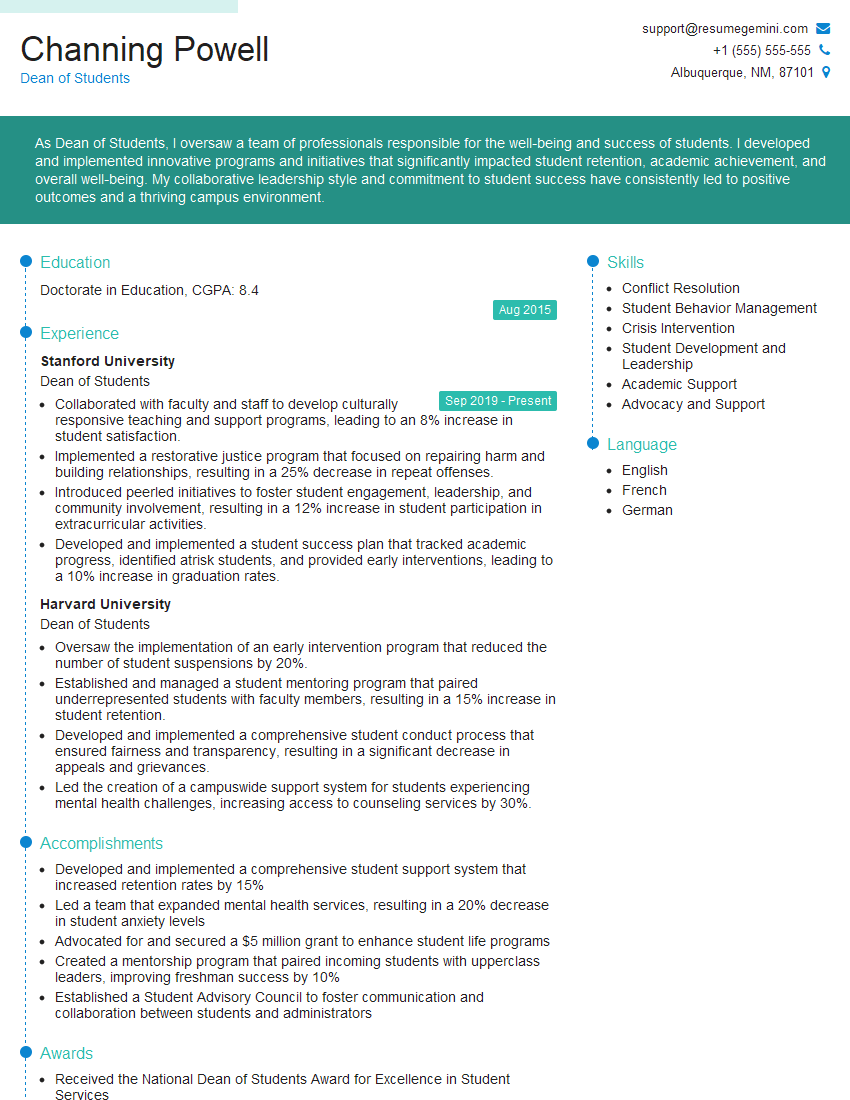
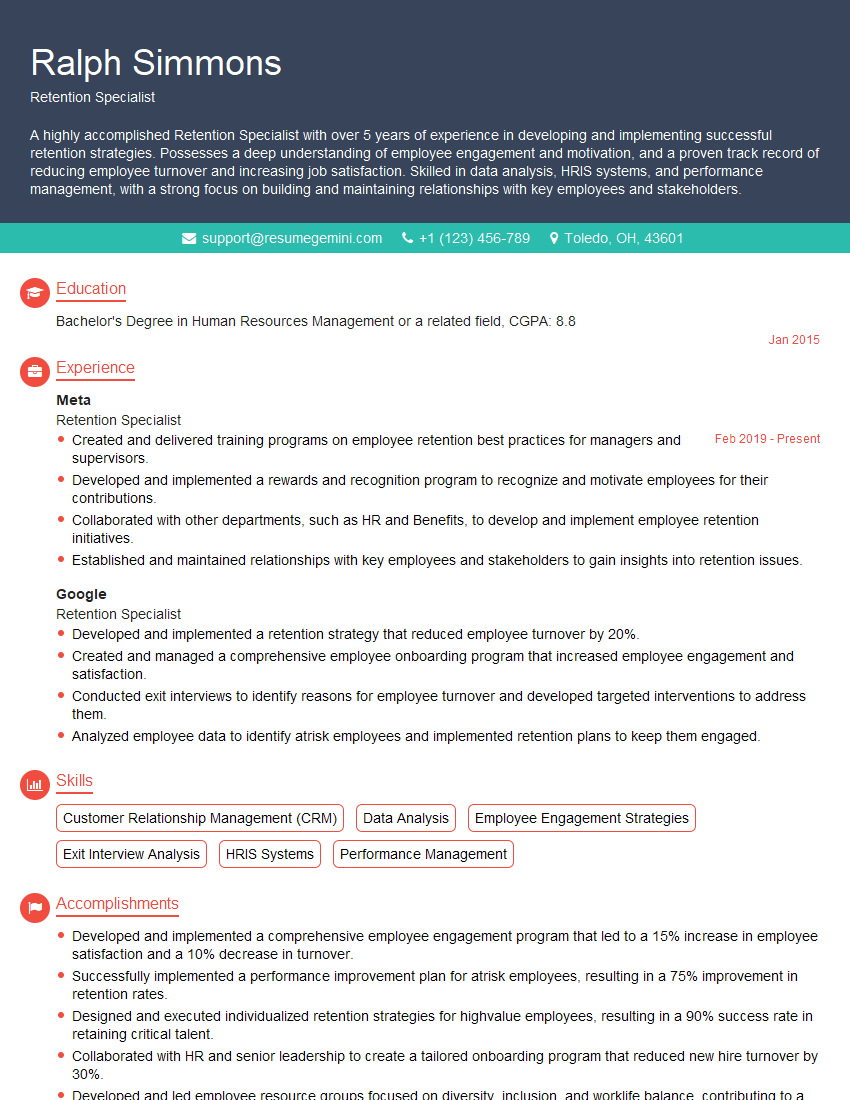
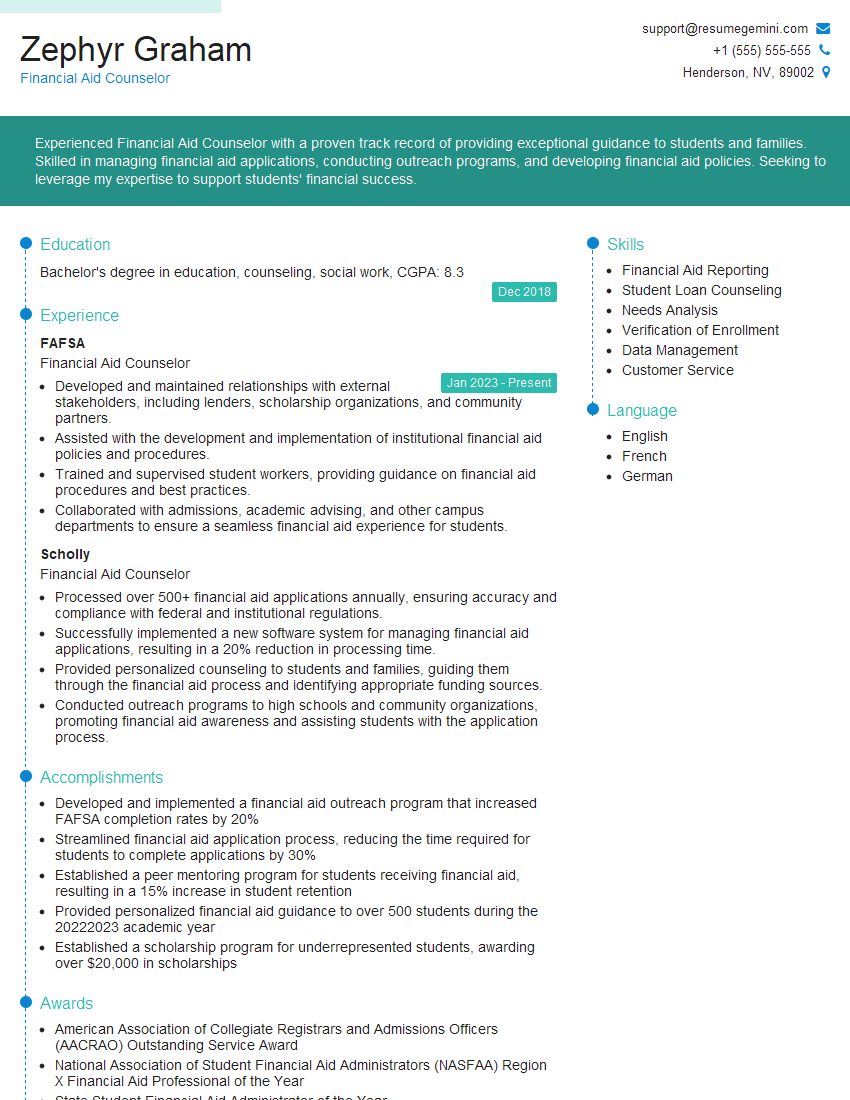
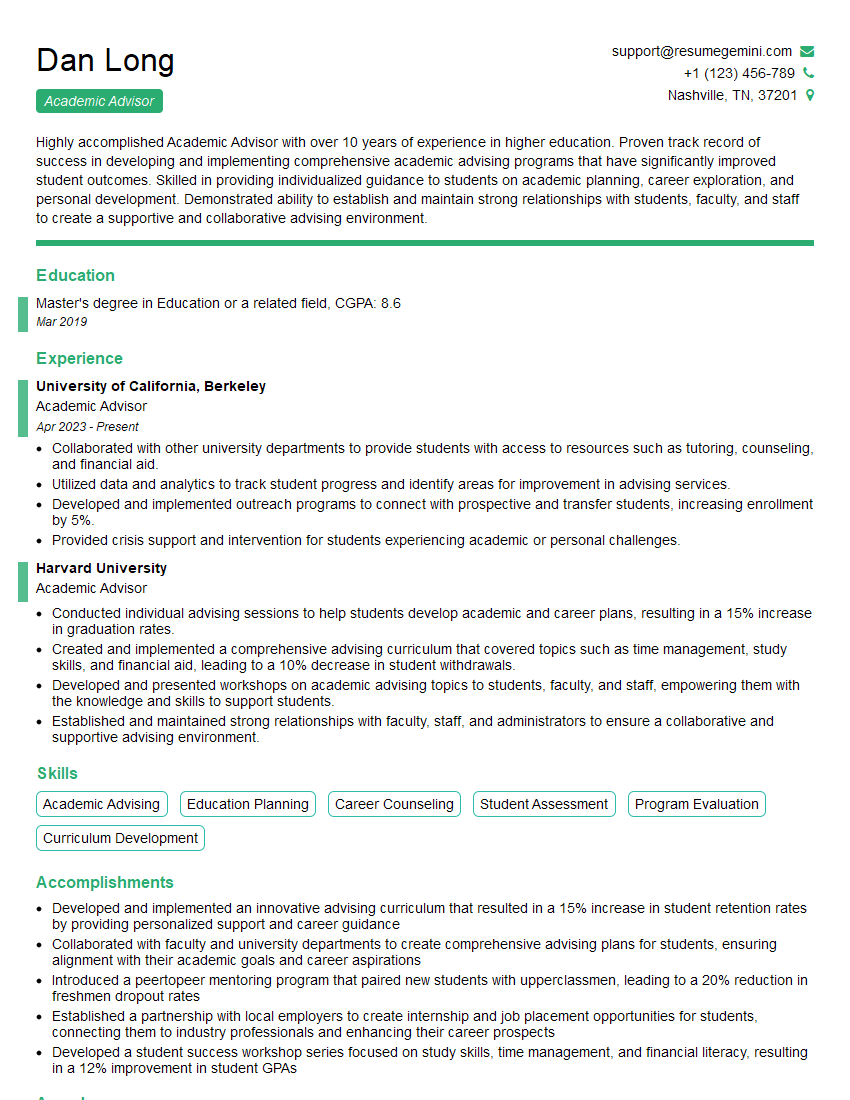
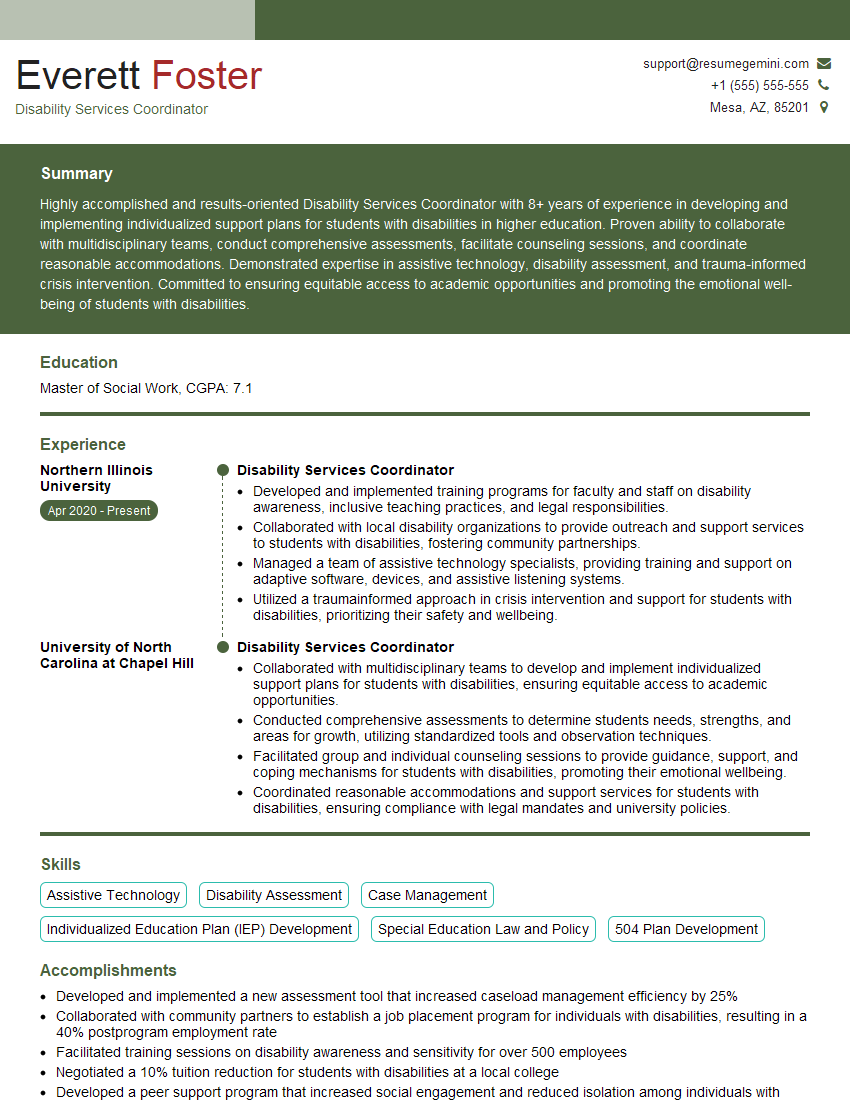
Mastering the art of advocating for students is crucial for career advancement in education and related fields. It demonstrates your commitment to student success and your ability to navigate complex systems effectively. To significantly enhance your job prospects, creating a compelling and ATS-friendly resume is vital. We strongly encourage you to leverage ResumeGemini, a trusted resource for building professional resumes. ResumeGemini provides examples of resumes tailored to Advocating for Students, ensuring your application stands out. Invest time in crafting a powerful resume that showcases your skills and experience – it’s your first step towards securing your dream role.
Explore more articles
Users Rating of Our Blogs
Share Your Experience
We value your feedback! Please rate our content and share your thoughts (optional).
What Readers Say About Our Blog
Really detailed insights and content, thank you for writing this detailed article.
IT gave me an insight and words to use and be able to think of examples