Unlock your full potential by mastering the most common Airframe Repair interview questions. This blog offers a deep dive into the critical topics, ensuring you’re not only prepared to answer but to excel. With these insights, you’ll approach your interview with clarity and confidence.
Questions Asked in Airframe Repair Interview
Q 1. Describe the different types of aircraft composite materials and their repair methods.
Aircraft composite materials are used extensively in modern aircraft due to their high strength-to-weight ratio. Common types include fiberglass, carbon fiber reinforced polymers (CFRP), and aramid fiber reinforced polymers (AFRP). Repair methods vary depending on the type of composite and the extent of damage.
- Fiberglass: Repairs often involve patching using epoxy resin and woven fiberglass cloth. This process usually requires careful surface preparation, application of resin, curing, and sanding to achieve a smooth finish.
- CFRP and AFRP: These advanced composites require more specialized repair techniques. Damage may necessitate the use of prepreg (pre-impregnated) patches, autoclave curing (for high-quality repairs), or even section replacement in severe cases. Proper bonding techniques and careful attention to fiber orientation are crucial for maintaining structural integrity.
For example, a small impact damage on a CFRP component might be repaired using a bonded patch, whereas a delamination (separation of composite layers) may require more involved techniques such as resin infusion or a more extensive patch.
Q 2. Explain the process of conducting a pre-flight inspection on an aircraft.
A pre-flight inspection is a critical safety procedure. It’s a visual check of the aircraft’s external and internal components to identify any potential problems before flight. The level of detail varies depending on the type of aircraft and regulations but typically includes:
- Exterior Inspection: Checking for damage to the fuselage, wings, tail, control surfaces (ailerons, elevators, rudder), and landing gear. This also involves inspecting antennas, pitot tubes, and static ports for any obstructions or damage.
- Interior Inspection: Verification of the proper functioning of instruments, controls, seats, and safety equipment like emergency exits and oxygen masks.
- Engine Inspection: A visual check of the engines for oil leaks, damage to cowlings, and any loose or missing parts.
- Fuel System Check: Verification of fuel levels, proper sealing of fuel caps, and absence of any leaks.
Think of it like a thorough car check-up before a long road trip. Catching a minor issue during a pre-flight inspection can prevent a major problem during flight.
Q 3. What are the common causes of corrosion on aircraft structures, and how are they prevented?
Corrosion is a significant threat to aircraft structural integrity. Common causes include:
- Exposure to the elements: Moisture (rain, snow, humidity), salt spray (near coastal areas), and pollutants in the atmosphere can accelerate corrosion.
- Electrochemical reactions: Dissimilar metals in contact can create galvanic corrosion. For example, aluminum and steel in proximity can lead to corrosion of the aluminum.
- Fluid leaks: Leaks of fuel, hydraulic fluid, or other chemicals can create corrosive environments.
Corrosion prevention methods include:
- Protective coatings: Applying paints, primers, and other coatings to protect metal surfaces.
- Corrosion inhibitors: Using chemicals to slow down corrosion processes.
- Material selection: Choosing corrosion-resistant materials where appropriate.
- Regular inspections and maintenance: Frequent visual inspections and chemical treatment to address corrosion before it becomes severe.
For example, aircraft operating in coastal environments require more frequent inspections and more robust corrosion protection measures than those operating inland.
Q 4. Describe the steps involved in repairing a dent in an aluminum aircraft skin.
Repairing a dent in an aluminum aircraft skin involves several steps ensuring the structural integrity of the aircraft is not compromised:
- Assessment: Determine the depth and extent of the dent.
- Cleaning: Thoroughly clean the affected area to remove dirt, grease, and any loose paint.
- Metal Shaping: Use specialized tools like dollies and hammers (sometimes accompanied by heat) to carefully reshape the dented area.
- Surface Finishing: After the dent is removed, use sanding and filling techniques to smooth out the surface.
- Refinishing: Apply primer and paint to match the surrounding area.
- NDT Inspection: Conduct Non-Destructive Testing (like dye penetrant testing) to check for cracks or other hidden damage.
The process requires precision and skill to avoid further damaging the aircraft skin. Improper repair can lead to stress concentrations and potential structural failure.
Q 5. How do you identify and repair cracks in composite materials?
Identifying and repairing cracks in composite materials involves a careful approach.
- Visual Inspection: A thorough visual examination of the component is the first step, looking for cracks, delamination (separation of layers), or other damage.
- NDT Methods: Utilize Non-Destructive Testing methods like ultrasonic testing (UT) to detect hidden cracks or damage within the composite material.
- Repair Techniques: The repair method depends on the type of damage and its location. Small cracks may be repaired using resin injection or bonded patches, while more extensive damage may require section replacement. Prepreg patches, with precise curing, are often employed for major repairs.
- Post-Repair Inspection: After the repair, NDT methods are again used to verify the effectiveness of the repair and ensure there is no remaining damage.
Imagine a crack in a car’s windshield—a small chip might be easily repaired, but a large crack would require replacing the entire windshield. Similarly, small cracks in composites can often be effectively repaired, but extensive damage usually necessitates part replacement.
Q 6. Explain the importance of Non-Destructive Testing (NDT) in airframe repair.
Non-Destructive Testing (NDT) is essential in airframe repair because it allows us to detect hidden flaws and damage without causing further damage to the aircraft. It’s crucial for ensuring the structural integrity and safety of the aircraft after repairs. NDT helps identify problems that may not be visible to the naked eye, preventing potentially catastrophic failures. It’s like a medical checkup for the airplane—it helps us find and address hidden issues before they become major problems.
Q 7. What are the different types of NDT methods used in airframe maintenance?
Several NDT methods are used in airframe maintenance, each with its strengths and limitations. Some common methods include:
- Visual Inspection (VI): The simplest method, but relies heavily on the inspector’s expertise.
- Dye Penetrant Inspection (DPI): Used to detect surface-breaking cracks. A dye is applied to the surface, and any cracks will draw the dye in, making them visible.
- Magnetic Particle Inspection (MPI): Used to detect surface and near-surface cracks in ferromagnetic materials (iron and steel). Magnetic particles are applied, and cracks disrupt the magnetic field, causing the particles to accumulate at the cracks.
- Ultrasonic Testing (UT): Uses high-frequency sound waves to detect internal flaws. The sound waves reflect off flaws, allowing technicians to locate and assess their size and location.
- Radiographic Inspection (RT): Uses X-rays or gamma rays to create images of internal structures, revealing hidden flaws.
- Eddy Current Testing (ECT): Uses electromagnetic induction to detect surface and subsurface flaws in conductive materials.
The choice of NDT method depends on the type of material being inspected, the type of defect suspected, and the accessibility of the area.
Q 8. Describe the process of repairing a damaged aircraft window.
Repairing a damaged aircraft window is a meticulous process that prioritizes safety and airworthiness. The procedure varies depending on the extent of the damage, but generally involves these steps:
- Assessment: A thorough inspection is crucial. We determine the type and severity of damage – a simple scratch versus a crack, delamination, or impact damage. This assessment dictates the repair method.
- Preparation: The area around the damage is cleaned meticulously to remove any contaminants. This might involve specialized cleaning solvents and careful masking to protect the surrounding structure.
- Repair: For minor scratches or small cracks, specialized polishing compounds or repair kits containing resins may suffice. For larger cracks or significant damage, the window might need to be replaced entirely. Replacement involves precise removal of the damaged window, ensuring no damage to the surrounding structure, followed by careful installation of a new window, using the correct sealant and torque specifications.
- Inspection: After the repair, a rigorous inspection is performed to ensure the structural integrity of the window and its proper fit. This often includes non-destructive testing (NDT) methods like visual inspection, dye penetrant testing, or ultrasonic testing.
- Documentation: The entire repair process, including materials used, methods employed, and inspection results, is meticulously documented as per FAA regulations. This documentation is crucial for maintaining a complete record of the aircraft’s maintenance history.
For example, a small crack might be repaired using a specialized resin and curing process, while a significant impact requiring replacement will necessitate adherence to the manufacturer’s specifications for window installation and sealant application. The key is to restore the window’s structural integrity and ensure it can withstand the stresses of flight.
Q 9. What are the safety regulations and procedures you must follow when performing airframe repairs?
Safety is paramount in airframe repair. We strictly adhere to numerous regulations and procedures, including:
- Following the manufacturer’s instructions: Every repair is guided by the aircraft manufacturer’s maintenance manual (AMM) and service bulletins. These documents provide detailed instructions, specifications, and approved repair methods.
- Utilizing approved parts and materials: Only parts and materials approved by the manufacturer or FAA are used. This ensures that the repaired component meets the required safety standards.
- Wearing appropriate personal protective equipment (PPE): PPE is essential to protect against hazards like sharp edges, chemical exposure, and flying debris. This includes safety glasses, gloves, respirators, and hearing protection.
- Maintaining a clean and organized workspace: A clutter-free workspace minimizes the risk of accidents and ensures that tools and parts are readily accessible.
- Adhering to lock-out/tag-out procedures: Before any repair involving electrical or mechanical systems, we utilize lock-out/tag-out procedures to prevent accidental activation and ensure worker safety.
- Complying with FAA regulations: All repairs must be performed in accordance with FAA regulations, ensuring compliance with airworthiness standards and proper documentation.
A real-world example would be strictly following the AMM’s instructions for replacing a rivet, using only FAA-approved rivets of the correct size and material. Failure to comply could lead to serious consequences, from minor structural issues to catastrophic failure during flight.
Q 10. How do you determine the repairability of damaged aircraft components?
Determining repairability hinges on several factors:
- Extent of damage: Minor damage, such as small dents or scratches, is often repairable. However, extensive damage, including cracks, corrosion, or significant structural deformation, may render the component beyond repair.
- Material properties: The type of material and its susceptibility to damage influence repairability. Some materials are more easily repaired than others.
- Location of damage: The location of damage impacts its repairability. Damage in a critical stress area might necessitate replacement, even if minor.
- Structural integrity: The primary consideration is the component’s structural integrity post-repair. If the repair compromises this, replacement is necessary.
- Cost-benefit analysis: Repairing a component might be more expensive than replacing it, especially if extensive work is required. We always conduct a thorough cost-benefit analysis.
For example, a small dent on an aluminum skin panel might be repairable using specialized techniques like hammering and dolly work. However, a cracked spar (a main structural component of a wing) would almost certainly necessitate replacement due to safety concerns.
Q 11. Explain the use of different adhesives and sealants in airframe repair.
Various adhesives and sealants play crucial roles in airframe repair. Their selection depends on the material being repaired and the specific application:
- Epoxy adhesives: Often used for bonding metal, composite, and other materials. They offer high strength and durability.
- Acrylic adhesives: Suitable for bonding plastics and other less-rigid materials. They often provide good gap-filling capabilities.
- Silicone sealants: Commonly used for sealing gaps and joints, providing excellent weather resistance and flexibility.
- Polyurethane sealants: Offer high strength and durability, often used in critical sealing applications.
Each adhesive or sealant has specific application instructions regarding preparation, curing time, and temperature requirements. Failure to adhere to these instructions can compromise the repair’s integrity. For instance, improper curing of an epoxy adhesive could lead to a weak bond, jeopardizing the structural strength of the repaired component.
Q 12. How do you document the repair process according to FAA regulations?
FAA regulations mandate meticulous documentation of all airframe repairs. This includes:
- Detailed description of the damage: This includes photographs, sketches, and a precise description of the location and extent of the damage.
- Repair methods employed: A step-by-step account of the repair procedure, including materials used, tools, and techniques.
- Inspection results: Records of all inspections conducted before, during, and after the repair, including any non-destructive testing (NDT) performed.
- Signatures and certifications: The repair documentation must be signed and certified by a qualified airframe and powerplant (A&P) mechanic.
- Maintenance logbook entry: A concise entry is made in the aircraft’s maintenance logbook, referencing the detailed repair documentation.
This comprehensive documentation ensures traceability and allows for future inspections and maintenance. Think of it as a meticulous medical record for the aircraft – it’s essential for its continued safe operation.
Q 13. What are the limitations of different repair techniques?
Every repair technique has limitations. Understanding these limitations is crucial for selecting the appropriate method and ensuring repair success:
- Patching: While effective for minor damage, patching has limitations in terms of the size and location of the damage. A large patch might compromise the overall structural integrity.
- Welding: Welding can introduce heat-affected zones that could weaken the material. It’s not suitable for all materials and requires specialized skills.
- Bonding: The strength of a bonded repair depends on proper surface preparation and the choice of adhesive. Improper preparation or the wrong adhesive can lead to failure.
- Filling: Fillers are limited in their ability to restore structural integrity. They are generally suitable only for cosmetic repairs.
For example, while welding might be effective for repairing certain metal structures, it could damage composite materials due to the heat generated. Choosing the right technique requires deep knowledge of material properties and repair limitations.
Q 14. Describe the proper use and maintenance of hand tools and power tools in airframe repair.
Proper use and maintenance of tools is critical for safe and effective airframe repair. This involves:
- Selecting the right tool: Choosing the appropriate tool for the job is essential. Using the wrong tool can lead to damage, injury, or an ineffective repair.
- Regular inspection and maintenance: Tools should be regularly inspected for damage, wear, and tear. Damaged tools should be replaced or repaired immediately.
- Proper storage: Tools should be stored properly to prevent damage and maintain their effectiveness.
- Safe handling practices: Always follow safe handling practices when using hand and power tools. This includes wearing appropriate PPE and following manufacturer instructions.
- Calibration: Power tools such as torque wrenches require regular calibration to ensure accuracy.
For example, using a worn-out rivet gun can lead to improperly set rivets, compromising structural integrity. Regular tool maintenance is an investment in safety and quality workmanship.
Q 15. How do you manage and dispose of hazardous materials used in airframe repair?
Managing hazardous materials in airframe repair is paramount for safety and environmental compliance. We adhere strictly to regulations set by bodies like the FAA (Federal Aviation Administration) and OSHA (Occupational Safety and Health Administration). This involves a multi-step process starting with proper identification and segregation of materials. For example, we’d separate solvents, paints, and composites, each requiring specific handling protocols.
Storage is in designated, well-ventilated areas with clear labeling and appropriate safety measures like spill containment. Disposal follows a strict chain of custody, ensuring materials are handled by licensed waste management companies specializing in hazardous waste disposal, according to the Material Safety Data Sheets (MSDS). Proper documentation, including waste manifests and disposal records, is crucial for audits and traceability. We regularly conduct training to ensure staff understands the risks and proper procedures, reinforcing safe handling techniques like using personal protective equipment (PPE) and following emergency response protocols.
Think of it like this: we treat every hazardous material as a potential threat. Our careful management ensures we minimize that threat to ourselves, the environment, and the integrity of the aircraft.
Career Expert Tips:
- Ace those interviews! Prepare effectively by reviewing the Top 50 Most Common Interview Questions on ResumeGemini.
- Navigate your job search with confidence! Explore a wide range of Career Tips on ResumeGemini. Learn about common challenges and recommendations to overcome them.
- Craft the perfect resume! Master the Art of Resume Writing with ResumeGemini’s guide. Showcase your unique qualifications and achievements effectively.
- Don’t miss out on holiday savings! Build your dream resume with ResumeGemini’s ATS optimized templates.
Q 16. Explain the importance of maintaining accurate records and documentation.
Accurate records and documentation are the backbone of airframe repair. They’re not just bureaucratic necessities; they’re critical for ensuring airworthiness, traceability, and liability protection. Imagine a scenario where a component fails. Without meticulous records showing the parts used, the repair methods employed, and the inspections conducted, it’s impossible to determine the cause and prevent similar failures. This can lead to catastrophic consequences.
We maintain detailed logs of every repair action, including the aircraft’s identification, the specific parts replaced, the techniques used, inspection results, the technicians involved, and any deviations from the maintenance manual. This documentation is crucial for regulatory compliance, ensuring that the aircraft meets the standards set forth by the relevant aviation authorities. Digital record-keeping systems are also crucial, providing easy access, searchability, and backups.
In essence, these records are like a meticulous aircraft’s medical history, crucial for its ongoing health and safety. It protects both the aircraft’s integrity and the reputation of the maintenance facility.
Q 17. What are the different types of aircraft rivets and how are they installed?
Aircraft rivets are classified by their material, shape, and size. Common types include:
- Solid rivets: These are the most common, typically made of aluminum alloy (e.g., 2024-T3, 5056). Installation involves driving a mandrel through the rivet shank to deform the end, creating a tight joint. The mandrel is then broken off.
- Tubular rivets (or solid rivets with a hole): Similar to solid rivets but have a pre-drilled hole in the head, facilitating the passage of a wire or pin to help with setting. These are generally used for thicker materials.
- Blind rivets: Used where access is only possible from one side. These require a special setting tool to expand the rivet shank, forming a head on the opposite side. Popular types include CherryMax and Huck rivets.
- Countersunk rivets: These have a countersunk head that sits flush with the surface, providing an aerodynamically smooth finish.
Installation techniques depend on the rivet type and material. Tools range from simple hand-held bucking bars for solid rivets to specialized pneumatic or hydraulic tools for blind rivets. Proper rivet setting is critical for joint integrity; improper setting can lead to leaks or structural weakness. Each rivet type has specific installation procedures to ensure proper formation and strength. The process always involves careful drilling, precise rivet selection and proper tool use, verified through visual inspections.
Q 18. Describe the process of repairing a damaged control surface.
Repairing a damaged control surface, such as an aileron or elevator, is a complex process demanding precision and adherence to strict guidelines. The first step is a thorough damage assessment, determining the extent of the damage. This involves visual inspection, often augmented by non-destructive testing (NDT) methods like X-ray or ultrasonic inspection to reveal hidden damage.
Next, the damaged section is prepared for repair. This may involve removing damaged material, cleaning the surface and addressing corrosion. Depending on the damage severity, repairs can range from simple patching with composite materials, using specialized adhesives and bonding techniques to more extensive repairs involving section replacement or even fabricating new components. The repair is then inspected using NDT methods again to confirm the integrity of the repair.
Finally, the control surface is re-attached to the aircraft’s structure and its functionality is tested thoroughly. This includes rigorous control system checks to ensure proper movement and function. The entire process requires meticulous documentation to comply with aviation regulations and ensure the continued airworthiness of the aircraft. A major repair might require an airworthiness certification from aviation authorities before the aircraft can be flown.
Q 19. How do you interpret and follow maintenance manuals and repair schematics?
Interpreting and following maintenance manuals and repair schematics is fundamental to safe and compliant airframe repair. These documents, often quite extensive, provide step-by-step instructions, diagrams, and specifications for every repair procedure. The first step is understanding the terminology used. Aircraft maintenance manuals use precise language. We need to understand the exact meanings of each term. The next step is reviewing the schematic to understand the structural components and their interrelationships.
This involves careful examination of diagrams, cross-sectional views, and illustrations, to understand how the components are assembled and connected. The maintenance manual will guide us through each step of the repair, specifying tolerances, material specifications, and acceptance criteria. For instance, a schematic may show the exact location of a fastener and the size of a hole. The manual may outline the approved method for replacing that fastener. Any deviation from the prescribed procedures must be carefully documented and justified. Understanding the drawings and text is complemented by referring to manufacturer-approved parts lists (to ensure the right materials are used). Essentially it is like following a complex recipe: the schematic illustrates the components and the manual provides the sequence of steps and the measurements to follow.
Q 20. What are the signs of fatigue damage in aircraft structures?
Fatigue damage in aircraft structures is a silent and insidious threat. It results from repeated stress cycles that gradually weaken the material, leading to cracks and eventual failure. Early detection is critical. Signs of fatigue damage can be subtle and include:
- Surface cracks: These might appear as fine hairline cracks, often originating at stress concentration points like rivet holes or sharp corners.
- Corrosion: Corrosion weakens the material, making it more susceptible to fatigue. Areas of corrosion should always be carefully examined.
- Dents or deformation: These may indicate areas of higher stress concentration which can accelerate fatigue damage.
- Disbonding: Separation between layers of composite materials is a serious sign of fatigue.
- Changes in material texture or color: These can hint at microscopic damage.
Detection relies heavily on NDT methods, such as visual inspections, dye penetrant testing, ultrasonic testing, and radiography. A thorough understanding of the aircraft’s stress profile, its operational history and service conditions are crucial in helping locate potential problem areas. Regular inspections, combined with diligent monitoring, are essential for early detection and preventive measures.
Q 21. How do you identify and address stress corrosion cracking?
Stress corrosion cracking (SCC) is a dangerous form of material degradation that occurs when a metal is subjected to a corrosive environment and tensile stress. It leads to cracks that can propagate rapidly and unexpectedly. Identifying SCC requires a keen eye and thorough inspection. Common signs include:
- Surface cracks: Often branching, with a characteristic appearance.
- Intergranular cracking: Cracks that propagate along the grain boundaries of the metal.
- Localized corrosion: SCC is often accompanied by localized corrosion.
Addressing SCC requires a multi-faceted approach. The cracked component may need to be replaced or repaired, depending on the severity of the damage. This might involve carefully removing the damaged section, using a patching method or fabricating a new part. It’s essential to address the underlying cause of SCC. This might involve changing the aircraft’s operating environment (if applicable), improving corrosion protection, or modifying the design to reduce stress concentrations.
Prevention is key. Careful material selection, proper surface treatments, and regular inspections are all crucial in preventing SCC. A holistic approach, incorporating material science, structural analysis, and corrosion control strategies, is required to effectively address this critical threat to airworthiness.
Q 22. Describe the use of specialized jigs and fixtures in airframe repair.
Specialized jigs and fixtures are indispensable tools in airframe repair, ensuring accuracy and consistency during repairs. They act as precise guides and supports, preventing misalignment and ensuring components are restored to their original specifications. Think of them as custom-made molds for your aircraft parts.
Examples: A wing jig holds a damaged wing section perfectly in place while repairs are made, preventing warping or distortion. A fuselage jig helps to align and join sections of the aircraft’s body during structural repairs. Fixtures are used for smaller components, such as riveting operations, providing stable positioning for accurate work.
Practical Application: Without jigs and fixtures, it would be incredibly difficult to maintain the structural integrity of an aircraft. Repairs would be prone to error, leading to potential safety hazards.
Q 23. Explain the importance of quality control in airframe repair.
Quality control in airframe repair is paramount – it’s not just about fixing something, but about ensuring the aircraft remains airworthy and safe. This involves meticulous attention to detail throughout the entire repair process, from initial inspection to final acceptance.
Importance: A compromised repair can have catastrophic consequences. Quality control minimizes these risks by adhering to strict industry standards and manufacturer specifications.
Methods: This includes thorough inspections at each stage, using specialized tools like NDT (Non-Destructive Testing) equipment (e.g., ultrasonic testing, dye penetrant inspection) to identify hidden flaws, and maintaining detailed records of all repairs.
Real-World Example: A missed crack during an inspection could lead to a catastrophic failure in flight, highlighting the critical importance of thorough quality control.
Q 24. How do you handle discrepancies found during an inspection?
Discrepancies found during inspection are addressed systematically. The first step is to clearly document the discrepancy, including location, nature, and severity. Photographs and detailed descriptions are essential. Then, depending on the severity, we determine the appropriate course of action.
Minor Discrepancies: These might involve minor surface damage easily repaired with standard procedures. We’d repair the damage and document the process.
Major Discrepancies: If the discrepancy impacts structural integrity or airworthiness, a more detailed investigation is required, possibly involving consultations with engineering or the aircraft manufacturer. Repair methods would need to meet stringent regulations and potentially require more extensive testing.
Example: If a crack is found in a critical structural member, we’d need to carefully assess its extent, obtain engineering approval for repair, and possibly replace the affected part entirely, following strict procedures and documentation.
Q 25. Describe your experience with different types of aircraft.
My experience encompasses a variety of aircraft, from smaller general aviation aircraft like Cessna 172s and Piper Cherokees to larger commercial airliners such as Boeing 737s and Airbus A320 family. I’ve also worked on military aircraft like the C-130 Hercules, gaining experience with diverse materials, structural designs, and repair techniques.
This varied experience allows me to adapt readily to different aircraft types and apply my skills effectively to diverse repair scenarios. Each aircraft presents unique challenges and requires a deep understanding of its specific design and systems.
Q 26. What are your strengths and weaknesses as an airframe repair technician?
Strengths: I possess a strong understanding of airframe structures, materials, and repair techniques. My attention to detail is exceptional, ensuring the highest quality workmanship. I am adept at troubleshooting and problem-solving, and I value teamwork and collaboration. I’m also highly proficient in using a wide range of inspection and repair equipment.
Weaknesses: I’m always seeking ways to improve my knowledge of the newest composite repair techniques, as the industry is constantly evolving. While I excel at detailed work, I’m working on delegating tasks effectively to maintain efficiency within a team environment more effectively.
Q 27. Describe a challenging airframe repair you’ve completed and how you overcame the difficulties.
One challenging repair involved a significant dent in the fuselage of a Cessna 172 due to a ground collision. The dent was extensive and impacted several structural stringers. The challenge was to repair the damage without compromising the aircraft’s structural integrity or creating stress concentrations.
We used a combination of techniques, including careful metal straightening, localized patching using compatible materials, and meticulous riveting and sealant application. Throughout the process, we employed NDT techniques to ensure the repair was sound and free of any hidden flaws. We also sought guidance from the aircraft manufacturer’s repair manual and engineering support to ensure compliance with all regulations. The aircraft passed its post-repair inspection, confirming the success of the challenging repair.
Q 28. What are your salary expectations?
My salary expectations are commensurate with my experience and skills in the field of airframe repair, taking into account industry standards and the specific requirements of this position. I am open to discussing a competitive compensation package that reflects my value to the company.
Key Topics to Learn for Airframe Repair Interview
- Airframe Structures and Materials: Understanding various aircraft materials (aluminum alloys, composites, etc.), their properties, and common failure modes. Practical application: Diagnosing damage based on material characteristics.
- Repair Techniques: Mastering different repair methods like patching, riveting, bonding, and composite repair. Practical application: Selecting the appropriate repair technique for a specific damage scenario.
- Corrosion Control and Prevention: Knowledge of corrosion mechanisms, inspection techniques, and preventative measures. Practical application: Identifying corrosion and implementing effective treatment strategies.
- Damage Assessment and Repair Documentation: Accurately assessing damage extent, completing detailed repair documentation, and adhering to regulatory compliance (e.g., FAA regulations). Practical application: Creating clear and concise repair reports.
- Non-Destructive Inspection (NDI) Methods: Familiarity with NDI techniques like visual inspection, liquid penetrant testing, magnetic particle inspection, and ultrasonic testing. Practical application: Using NDI methods to detect hidden damage.
- Safety Regulations and Procedures: Understanding and adhering to all relevant safety regulations and procedures in an aircraft maintenance environment. Practical application: Maintaining a safe working environment and ensuring compliance.
- Troubleshooting and Problem-Solving: Developing strong analytical skills to effectively diagnose and resolve complex repair challenges. Practical application: Identifying root causes of damage and implementing effective solutions.
Next Steps
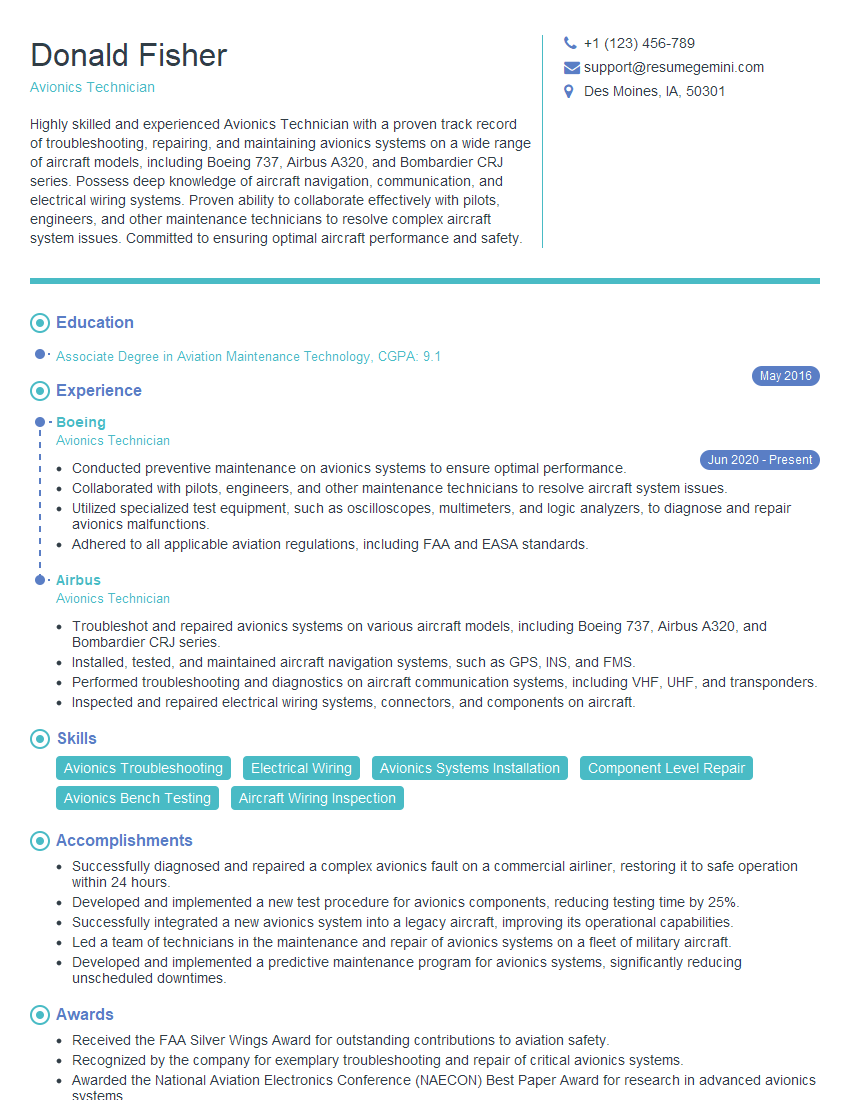
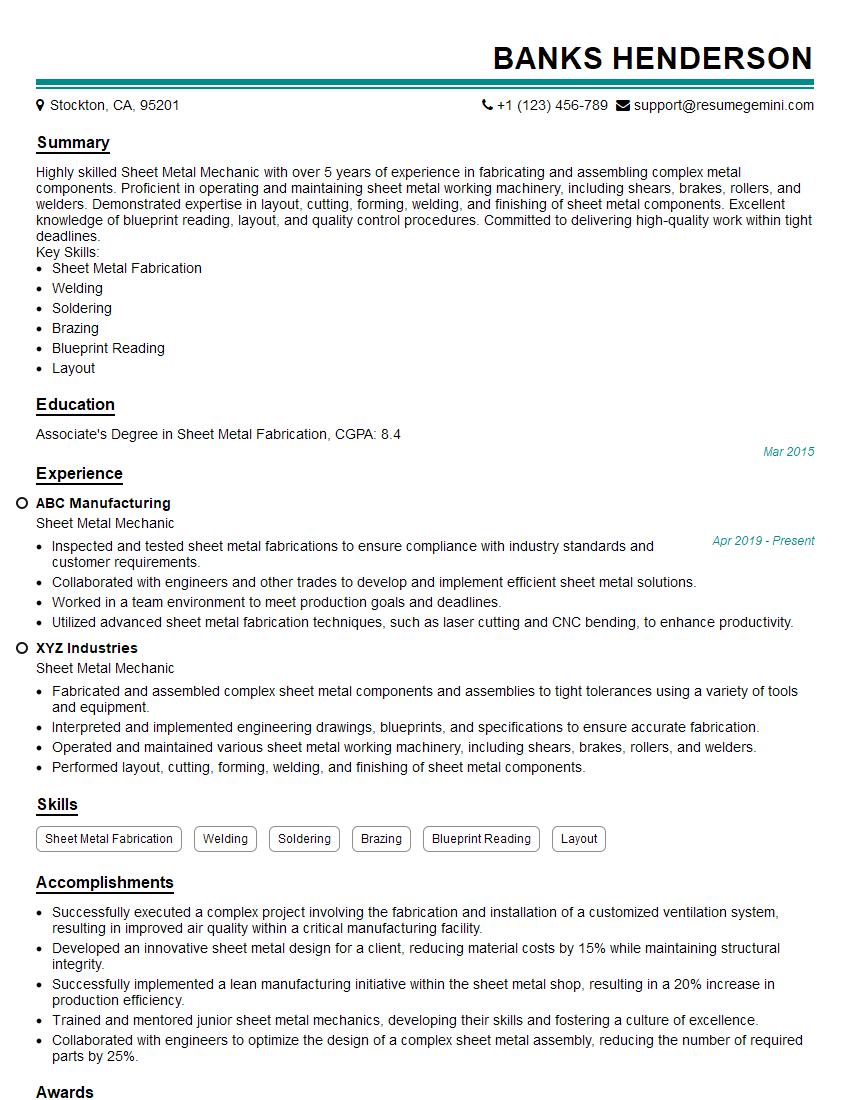
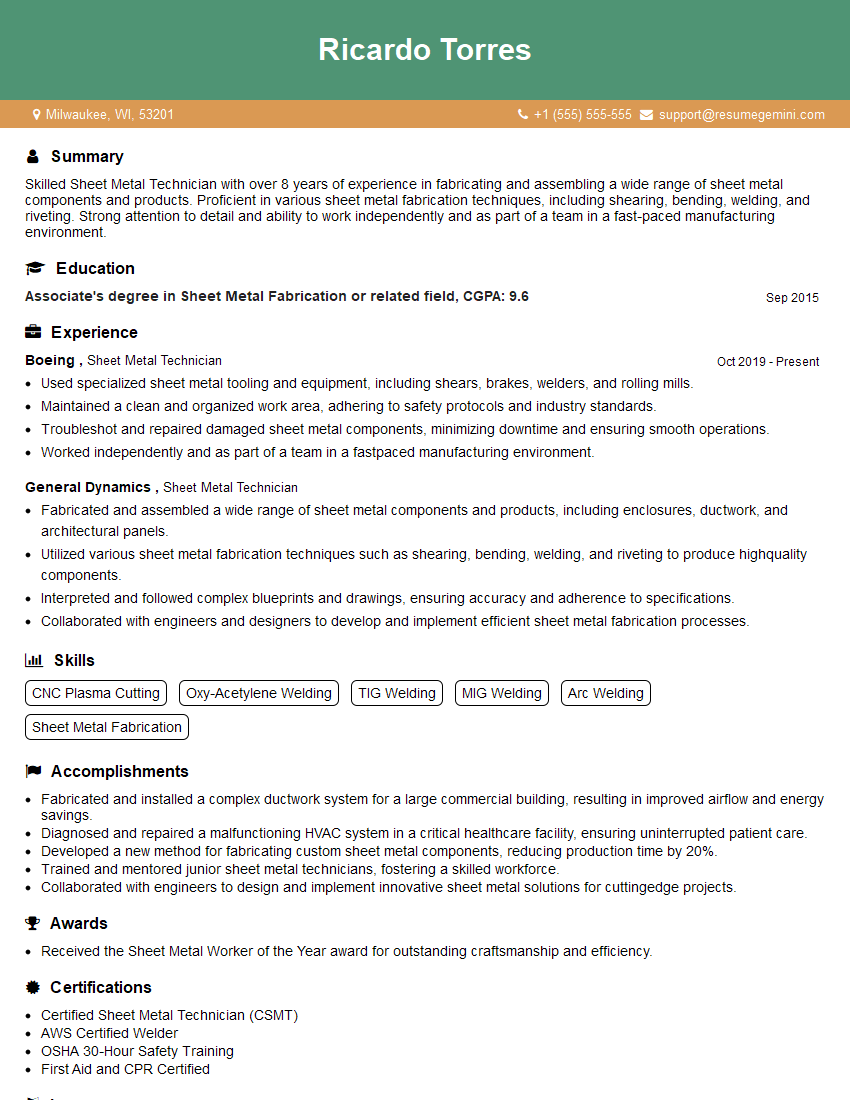
Mastering Airframe Repair opens doors to a rewarding and highly skilled career in aviation maintenance. A strong understanding of these core concepts is crucial for securing your dream job. To significantly boost your job prospects, create a resume that showcases your skills and experience effectively. An ATS-friendly resume is essential for getting past applicant tracking systems. ResumeGemini is a trusted resource to help you craft a professional and impactful resume. Take advantage of the provided examples of resumes tailored to Airframe Repair to jumpstart your application process.

Explore more articles
Users Rating of Our Blogs
Share Your Experience
We value your feedback! Please rate our content and share your thoughts (optional).
What Readers Say About Our Blog
Really detailed insights and content, thank you for writing this detailed article.
IT gave me an insight and words to use and be able to think of examples