Interviews are opportunities to demonstrate your expertise, and this guide is here to help you shine. Explore the essential Anatomic knowledge interview questions that employers frequently ask, paired with strategies for crafting responses that set you apart from the competition.
Questions Asked in Anatomic knowledge Interview
Q 1. Describe the layers of the epidermis.
The epidermis, the outermost layer of our skin, is a stratified squamous epithelium, meaning it’s composed of multiple layers of flat, scale-like cells. These layers, from deepest to most superficial, are:
- Stratum Basale (Basal Layer): This is the deepest layer, constantly producing new cells through mitosis. It contains melanocytes, which produce melanin, the pigment responsible for skin color and protection from UV radiation. Think of this as the skin’s ‘factory floor’ where new skin cells are made.
- Stratum Spinosum (Spiny Layer): Cells here are connected by desmosomes, giving them a spiny appearance under a microscope. These cells continue to divide, but at a slower rate than the basal layer. This layer provides structural strength and helps hold the skin together.
- Stratum Granulosum (Granular Layer): Cells in this layer begin to die as they move further away from the nutrient-rich dermis. They accumulate keratohyalin granules, which contribute to the formation of keratin, a tough, waterproof protein. This is where the skin starts to toughen up.
- Stratum Lucidum (Clear Layer): This layer is only present in thick skin (like on the palms of hands and soles of feet). It’s composed of dead, flattened cells filled with eleidin, a precursor to keratin. It’s a clear transitional zone between granular and cornified layers.
- Stratum Corneum (Horny Layer): This is the outermost layer, composed of many layers of dead, flat, keratinized cells. These cells are constantly shed, providing a protective barrier against the environment. Think of this as the outermost shield, constantly replenishing itself.
Understanding these layers is crucial in dermatology, for example, to diagnose skin conditions affecting specific layers, like psoriasis (affecting stratum spinosum and granulosum) or skin cancers (often originating in the stratum basale).
Q 2. What are the main functions of the skeletal system?
The skeletal system has several vital functions, working together to maintain our overall health. These include:
- Support: The skeleton provides a framework for the body, supporting soft tissues and organs. Imagine it as the scaffolding of a building.
- Protection: Bones protect vital organs, such as the skull protecting the brain, the rib cage protecting the heart and lungs, and the vertebrae protecting the spinal cord. It’s like a suit of armor.
- Movement: Bones work in conjunction with muscles and joints to allow for a wide range of movements. This is our locomotive system.
- Mineral Storage: Bones serve as a reservoir for essential minerals, particularly calcium and phosphorus. These minerals are released into the bloodstream as needed to maintain homeostasis. This is like a natural mineral bank.
- Blood Cell Production (Hematopoiesis): Red and white blood cells, as well as platelets, are produced within the bone marrow, a soft tissue found inside many bones. It’s our internal blood factory.
A deficiency in calcium, for instance, can lead to weakened bones (osteoporosis), highlighting the importance of the skeletal system’s mineral storage function. Understanding these functions is essential for diagnosing and treating skeletal disorders.
Q 3. Explain the difference between the axial and appendicular skeletons.
The human skeleton is divided into two main parts: the axial and appendicular skeletons. They differ significantly in their structure and function:
- Axial Skeleton: This forms the central axis of the body and includes the skull, vertebral column (spine), and rib cage. It primarily provides support and protection for the head, neck, and trunk. Think of it as the core of the body.
- Appendicular Skeleton: This includes the bones of the limbs (arms and legs) and the girdles (shoulder and pelvic) that connect the limbs to the axial skeleton. It’s primarily responsible for movement and locomotion. This is the part that allows us to move around.
Understanding this division is critical in many medical fields, for instance, trauma surgery dealing with injuries affecting different parts of the skeleton, or orthopedic surgery focusing on correcting skeletal deformities.
Q 4. Name the three major types of muscle tissue and their locations.
There are three major types of muscle tissue in the human body:
- Skeletal Muscle: These muscles are attached to bones and are responsible for voluntary movements, like walking, running, and lifting objects. They are striated (have a striped appearance under a microscope) and multinucleated (have multiple nuclei per cell). Think of the muscles you consciously control.
- Smooth Muscle: This type of muscle is found in the walls of internal organs, such as the stomach, intestines, and blood vessels. It’s responsible for involuntary movements, like digestion and blood pressure regulation. It’s non-striated (smooth) and uninucleated (one nucleus per cell). Think of the muscles you don’t consciously control.
- Cardiac Muscle: This specialized muscle tissue is found only in the heart. It’s responsible for pumping blood throughout the body. It’s striated, but unlike skeletal muscle, it’s uninucleated and under involuntary control. This is the muscle that keeps your heart beating.
Understanding the differences between these muscle types is vital for diagnosing and treating various medical conditions, such as muscular dystrophy (affecting skeletal muscle) or heart disease (affecting cardiac muscle).
Q 5. Describe the process of bone remodeling.
Bone remodeling is a continuous process where old bone tissue is removed (bone resorption) and new bone tissue is formed (bone formation). This dynamic process involves two main cell types:
- Osteoclasts: These are large, multinucleated cells that break down bone tissue. Think of them as the demolition crew.
- Osteoblasts: These cells build new bone tissue. Think of them as the construction crew.
The process is regulated by several factors, including hormones (like parathyroid hormone and calcitonin), mechanical stress (weight-bearing exercise stimulates bone formation), and nutritional factors (sufficient calcium and vitamin D are essential). The balance between bone resorption and formation maintains bone mass and strength. Imbalances can lead to conditions like osteoporosis (increased resorption) or osteopetrosis (decreased resorption).
Imagine bone remodeling as a continuous repair and renovation process. Old, damaged sections are removed, and new, stronger bone replaces them. This ensures the skeleton remains strong and functional throughout life. Understanding this process is crucial for designing effective treatments for bone diseases.
Q 6. What are the major arteries and veins of the systemic circulation?
The systemic circulation is responsible for delivering oxygenated blood from the heart to the body’s tissues and returning deoxygenated blood back to the heart. Key arteries and veins involved include:
- Arteries:
- Aorta: The largest artery, carrying oxygenated blood from the left ventricle to the rest of the body.
- Pulmonary Artery: Carries deoxygenated blood from the right ventricle to the lungs.
- Carotid Arteries: Supply blood to the head and neck.
- Renal Arteries: Supply blood to the kidneys.
- Mesenteric Arteries: Supply blood to the intestines.
- Femoral Arteries: Supply blood to the legs.
- Veins:
- Vena Cava (Superior and Inferior): Return deoxygenated blood from the body to the right atrium.
- Pulmonary Veins: Return oxygenated blood from the lungs to the left atrium.
- Jugular Veins: Return blood from the head and neck.
- Renal Veins: Return blood from the kidneys.
- Mesenteric Veins: Return blood from the intestines.
- Femoral Veins: Return blood from the legs.
Understanding the systemic circulation’s arteries and veins is paramount in diagnosing and managing cardiovascular diseases, such as hypertension (high blood pressure) and atherosclerosis (plaque buildup in arteries). For example, a blockage in the coronary arteries (supplying the heart muscle) can lead to a heart attack.
Q 7. Explain the conduction system of the heart.
The heart’s conduction system is a network of specialized cardiac muscle cells that initiate and coordinate the heartbeat. It ensures the heart’s chambers contract in a coordinated manner to efficiently pump blood. The key components include:
- Sinoatrial (SA) Node: Often called the heart’s natural pacemaker, it initiates the heartbeat by generating electrical impulses. These impulses spread through the atria, causing them to contract.
- Atrioventricular (AV) Node: This node delays the electrical impulse briefly, allowing the atria to fully contract before the ventricles. This delay is crucial for efficient blood flow.
- Bundle of His (AV Bundle): This bundle transmits the impulse from the AV node to the ventricles.
- Bundle Branches: These branches further conduct the impulse down to the apex of the heart.
- Purkinje Fibers: These fibers distribute the impulse throughout the ventricles, causing them to contract simultaneously.
This precise sequence of electrical events is essential for a regular and efficient heartbeat. Disruptions in the conduction system, such as heart blocks, can lead to irregular heart rhythms (arrhythmias) and potentially life-threatening conditions. Electrocardiography (ECG) is a diagnostic tool used to assess the heart’s electrical activity and identify conduction system abnormalities.
Q 8. Describe the different lobes of the brain and their primary functions.
The human brain is divided into four major lobes: frontal, parietal, temporal, and occipital. Each lobe has specialized functions, although they work together in complex ways.
- Frontal Lobe: Situated at the front of the brain, this lobe is responsible for higher-level cognitive functions such as planning, decision-making, problem-solving, and voluntary movement. It also houses our personality and plays a critical role in speech production (Broca’s area).
- Parietal Lobe: Located behind the frontal lobe, the parietal lobe processes sensory information related to touch, temperature, pain, and spatial awareness. It helps us understand the position of our bodies in space and allows us to interpret sensory input.
- Temporal Lobe: Situated on the sides of the brain, the temporal lobes are crucial for auditory processing, memory formation (hippocampus), and language comprehension (Wernicke’s area). They also play a role in recognizing faces and objects.
- Occipital Lobe: Located at the back of the brain, the occipital lobe is primarily responsible for visual processing. It receives and interprets information from the eyes, allowing us to see and understand what we see.
Think of it like a well-orchestrated team: the frontal lobe is the project manager, the parietal lobe is the sensory input analyst, the temporal lobe handles memory and communication, and the occipital lobe interprets the visual world.
Q 9. What are the meninges of the brain and their functions?
The meninges are three protective membranes that surround the brain and spinal cord. They act as a cushion and a barrier, protecting the delicate neural tissue from injury and infection.
- Dura Mater: The outermost layer, it’s tough and fibrous, providing strong protection. Think of it as a sturdy helmet.
- Arachnoid Mater: This middle layer is a delicate, web-like membrane. It’s filled with cerebrospinal fluid (CSF), which acts as a shock absorber.
- Pia Mater: The innermost layer, it’s thin and closely adheres to the surface of the brain and spinal cord. It’s like a protective cling film.
The spaces between these layers (subdural and subarachnoid spaces) also contain CSF, further enhancing the protective function. Inflammation of the meninges (meningitis) is a serious condition that requires immediate medical attention.
Q 10. Outline the pathway of air through the respiratory system.
Air enters the respiratory system through the nose or mouth and follows this pathway:
- Nose/Mouth: Air is initially filtered, warmed, and moistened.
- Pharynx (Throat): Air passes through the pharynx, a common passageway for both air and food.
- Larynx (Voice Box): Air moves into the larynx, containing the vocal cords.
- Trachea (Windpipe): Air travels down the trachea, a tube reinforced with cartilage rings to prevent collapse.
- Bronchi: The trachea branches into two main bronchi, one for each lung.
- Bronchioles: The bronchi further subdivide into smaller and smaller bronchioles.
- Alveoli: The bronchioles terminate in tiny air sacs called alveoli, where gas exchange occurs.
Imagine a tree: the trachea is the trunk, the bronchi are the main branches, the bronchioles are smaller branches, and the alveoli are the leaves.
Q 11. Describe the process of gas exchange in the lungs.
Gas exchange in the lungs occurs in the alveoli through a process called diffusion. Oxygen from inhaled air diffuses across the thin alveolar walls into the capillaries (tiny blood vessels) surrounding the alveoli, and carbon dioxide from the blood diffuses into the alveoli to be exhaled. This exchange happens due to differences in partial pressures of these gases.
The alveoli have a large surface area and thin walls, making them highly efficient at gas exchange. The close proximity of the capillaries ensures efficient transfer of oxygen to the bloodstream and removal of carbon dioxide. Think of it as a highly efficient swapping system: oxygen moves into the blood, and carbon dioxide moves out.
Q 12. Name the major organs of the digestive system and their functions.
The digestive system is a complex network of organs working together to break down food and absorb nutrients. Key organs include:
- Mouth: Mechanical and chemical digestion begins here.
- Esophagus: Transports food to the stomach.
- Stomach: Further chemical digestion occurs here, breaking down food into chyme.
- Small Intestine: The primary site for nutrient absorption.
- Large Intestine: Absorbs water and electrolytes, forming feces.
- Rectum: Stores feces before elimination.
- Anus: The opening for the elimination of feces.
- Liver: Produces bile, essential for fat digestion.
- Gallbladder: Stores and concentrates bile.
- Pancreas: Secretes digestive enzymes and hormones (like insulin).
Each organ plays a specific role, like an assembly line in a factory, ensuring efficient processing of food.
Q 13. Explain the role of the liver in metabolism.
The liver plays a central role in metabolism, acting as a chemical processing plant. Its functions include:
- Carbohydrate Metabolism: Regulates blood glucose levels, storing excess glucose as glycogen and releasing it when needed.
- Lipid Metabolism: Synthesizes and breaks down fats, producing cholesterol and lipoproteins.
- Protein Metabolism: Synthesizes proteins, deaminates amino acids, and converts ammonia to urea (a less toxic waste product).
- Detoxification: Processes and eliminates toxins and waste products from the blood, including drugs and alcohol.
- Bile Production: Produces bile, which aids in fat digestion.
The liver’s metabolic activities are essential for maintaining overall health and homeostasis. Its ability to handle diverse metabolic processes makes it a vital organ.
Q 14. Describe the structure and function of a nephron.
The nephron is the functional unit of the kidney, responsible for filtering blood and producing urine. It’s a tiny, intricate structure with distinct parts:
- Renal Corpuscle: Composed of the glomerulus (a capillary network) and Bowman’s capsule (a cup-like structure surrounding the glomerulus). This is where filtration occurs.
- Renal Tubule: A long, convoluted tube extending from Bowman’s capsule. It consists of the proximal convoluted tubule (PCT), loop of Henle, and distal convoluted tubule (DCT). Reabsorption and secretion of substances occur in these segments.
- Collecting Duct: Receives urine from multiple nephrons and transports it to the renal pelvis.
Imagine a mini-filtration plant: the glomerulus filters the blood, the renal tubule fine-tunes the filtrate by reabsorbing essential substances and secreting waste products, and the collecting duct channels the final product (urine) out of the kidney. This intricate process is essential for maintaining electrolyte balance, blood pressure, and removing waste from the body.
Q 15. Outline the process of urine formation.
Urine formation is a sophisticated process involving three main steps: glomerular filtration, tubular reabsorption, and tubular secretion. Think of your kidneys as highly efficient filters.
Glomerular Filtration: Blood enters the nephron (the functional unit of the kidney) under high pressure. Water, small molecules like glucose and amino acids, and waste products like urea pass through the glomerulus (a network of capillaries) into Bowman’s capsule. Larger molecules like proteins and blood cells are retained in the blood.
Tubular Reabsorption: As the filtrate flows through the renal tubules, essential substances like glucose, amino acids, water, and electrolytes are selectively reabsorbed back into the bloodstream. This is a highly regulated process, ensuring the body retains vital nutrients while removing waste. For example, if blood sugar is low, more glucose will be reabsorbed.
Tubular Secretion: Certain substances, such as hydrogen ions, potassium ions, and creatinine, are actively secreted from the bloodstream into the renal tubules. This is another crucial step in maintaining acid-base balance and removing additional waste products. This process helps fine-tune the composition of the final urine.
The final urine, a concentrated waste product, then flows through the collecting duct and is eventually excreted from the body.
Career Expert Tips:
- Ace those interviews! Prepare effectively by reviewing the Top 50 Most Common Interview Questions on ResumeGemini.
- Navigate your job search with confidence! Explore a wide range of Career Tips on ResumeGemini. Learn about common challenges and recommendations to overcome them.
- Craft the perfect resume! Master the Art of Resume Writing with ResumeGemini’s guide. Showcase your unique qualifications and achievements effectively.
- Don’t miss out on holiday savings! Build your dream resume with ResumeGemini’s ATS optimized templates.
Q 16. What are the major endocrine glands and their hormones?
Major endocrine glands produce hormones that regulate various bodily functions. Think of them as the body’s chemical messengers.
Hypothalamus: Produces releasing and inhibiting hormones that control the pituitary gland. Examples include Gonadotropin-releasing hormone (GnRH) and Corticotropin-releasing hormone (CRH).
Pituitary Gland: Often called the ‘master gland’, it secretes several hormones including growth hormone (GH), prolactin (PRL), and thyroid-stimulating hormone (TSH).
Thyroid Gland: Produces thyroid hormones (T3 and T4) that regulate metabolism.
Parathyroid Glands: Secrete parathyroid hormone (PTH), which regulates calcium levels in the blood.
Adrenal Glands: Produce cortisol (stress hormone), aldosterone (regulates sodium and potassium), and adrenaline (fight-or-flight response).
Pancreas: Produces insulin and glucagon, vital for blood sugar regulation (discussed in more detail below).
Ovaries (females): Produce estrogen and progesterone, crucial for reproductive function.
Testes (males): Produce testosterone, essential for male sexual development and function.
Q 17. Explain the role of the pancreas in blood sugar regulation.
The pancreas plays a critical role in maintaining blood glucose homeostasis (stable blood sugar levels). It acts like a thermostat for blood sugar.
The pancreas contains two main cell types:
Alpha cells: Produce glucagon, a hormone that raises blood sugar levels. When blood sugar is low, glucagon stimulates the liver to release stored glucose into the bloodstream.
Beta cells: Produce insulin, a hormone that lowers blood sugar levels. When blood sugar is high (after a meal), insulin facilitates the uptake of glucose by cells, promoting storage of glucose as glycogen in the liver and muscles.
A delicate balance between insulin and glucagon ensures that blood sugar levels remain within a narrow, healthy range. Imbalances can lead to conditions like diabetes mellitus.
Q 18. Describe the components of the immune system.
The immune system is a complex network of cells, tissues, and organs working together to defend the body against harmful invaders like bacteria, viruses, and parasites. It’s like the body’s army.
Innate Immunity: This is the body’s first line of defense, providing immediate but non-specific protection. It includes physical barriers like skin, chemical barriers like stomach acid, and cellular components like phagocytes (cells that engulf and destroy pathogens).
Adaptive Immunity: This is a slower but more targeted response. It involves lymphocytes (B cells and T cells) that recognize specific pathogens and develop long-lasting immunity. This is why vaccines work – they trigger the adaptive immune system to create memory cells for future protection.
Other important components include the lymphatic system (which transports immune cells), the bone marrow (where immune cells are produced), and the thymus (where T cells mature).
Q 19. What are the different types of lymphocytes?
Lymphocytes are key players in adaptive immunity. There are two major types:
B lymphocytes (B cells): Mature in the bone marrow and produce antibodies, specialized proteins that bind to specific antigens (foreign substances) and neutralize them. Think of antibodies as custom-made weapons targeting specific threats.
T lymphocytes (T cells): Mature in the thymus and play various roles in adaptive immunity. There are several types, including:
Helper T cells: Orchestrate the immune response by activating other immune cells.
Cytotoxic T cells: Directly kill infected cells.
Regulatory T cells: Suppress immune responses to prevent autoimmune diseases.
The different types of lymphocytes work together in a coordinated manner to effectively eliminate pathogens and maintain immune homeostasis.
Q 20. Explain the process of inflammation.
Inflammation is the body’s response to injury or infection. It’s a protective mechanism designed to eliminate the harmful stimulus and initiate tissue repair. Think of it as the body’s emergency response team.
The process typically involves:
Vasodilation: Blood vessels dilate, increasing blood flow to the affected area. This causes redness and warmth.
Increased vascular permeability: Blood vessels become more permeable, allowing fluid and immune cells to leak into the tissues. This causes swelling (edema).
Cellular recruitment: Immune cells, such as neutrophils and macrophages, migrate to the site of injury to engulf pathogens and debris. This can lead to pain.
Tissue repair: Once the harmful stimulus is removed, the body begins the process of tissue repair and regeneration.
While inflammation is a crucial part of healing, chronic or excessive inflammation can be damaging to the body, contributing to various diseases.
Q 21. Describe the structure and function of the male reproductive system.
The male reproductive system is designed to produce sperm and deliver it to the female reproductive tract for fertilization. It’s a complex system with several interconnected components.
Testes: The primary male reproductive organs, where sperm are produced (spermatogenesis) and testosterone is synthesized.
Epididymis: A long, coiled tube where sperm mature and are stored.
Vas deferens: Tubes that transport mature sperm from the epididymis to the ejaculatory ducts.
Seminal vesicles: Glands that secrete a fluid rich in fructose, providing energy for sperm.
Prostate gland: Secretes a fluid that neutralizes the acidity of the vagina, enhancing sperm survival.
Bulbourethral glands (Cowper’s glands): Secrete a pre-ejaculatory fluid that lubricates the urethra.
Penis: The male copulatory organ, delivering sperm to the female reproductive tract during sexual intercourse.
These components work together in a coordinated manner to ensure successful reproduction.
Q 22. Describe the structure and function of the female reproductive system.
The female reproductive system is a complex network of organs responsible for producing eggs, facilitating fertilization, supporting fetal development, and enabling childbirth. It comprises internal and external structures working in concert.
- External Structures: These include the vulva (external genitalia), encompassing the labia majora and minora, clitoris, and vaginal opening. These protect the internal organs and play a role in sexual arousal.
- Internal Structures:
- Vagina: A muscular canal connecting the external genitalia to the uterus; it’s the passageway for menstruation, sexual intercourse, and childbirth.
- Uterus (womb): A pear-shaped organ where a fertilized egg implants and develops into a fetus. Its muscular walls expand to accommodate the growing baby.
- Fallopian Tubes (oviducts): Two tubes extending from the uterus, transporting eggs released from the ovaries to the uterus. Fertilization typically occurs within the fallopian tubes.
- Ovaries: Two almond-shaped organs producing eggs (ova) and hormones like estrogen and progesterone, crucial for the menstrual cycle and reproductive health.
Function: The primary function is to produce and nurture offspring. This involves the cyclical release of eggs (ovulation), providing an environment for fertilization, supporting pregnancy, and facilitating childbirth. Hormonal regulation ensures the coordination of these processes, with disruptions leading to conditions like infertility or irregular periods. For example, imbalances in estrogen and progesterone can cause painful periods or irregular cycles.
Q 23. What are the different stages of embryonic development?
Embryonic development, the period from fertilization to the end of the eighth week of gestation, is a remarkably rapid and intricate process. It’s divided into several key stages:
- Zygote Stage: Begins with fertilization, forming a single-celled zygote. This cell undergoes rapid cell division (cleavage).
- Morula Stage: A solid ball of cells formed from successive cleavage divisions.
- Blastocyst Stage: The morula develops into a blastocyst, a hollow ball of cells with an inner cell mass (which will form the embryo) and an outer layer (trophoblast, which will contribute to the placenta).
- Gastrulation: The process of forming the three primary germ layers: ectoderm (forms skin and nervous system), mesoderm (forms muscles, bones, and circulatory system), and endoderm (forms lining of digestive tract and respiratory system). This is a crucial stage establishing the body plan.
- Neurulation: Formation of the neural tube, the precursor to the brain and spinal cord. This process involves the folding of the ectoderm.
- Organogenesis: The development of various organs and organ systems from the three germ layers. This is a complex and highly regulated process, with different organs developing at different rates.
Disruptions during any of these stages can lead to congenital birth defects. For example, failure of the neural tube to close properly can result in conditions like spina bifida.
Q 24. Explain the process of fertilization.
Fertilization is the process of a sperm cell fusing with an egg cell (ovum), resulting in the formation of a zygote. It’s a remarkable event with multiple steps ensuring the successful union of gametes.
- Sperm Capacitation: Sperm undergo changes in the female reproductive tract, enabling them to penetrate the egg.
- Penetration of the Corona Radiata: Sperm cells navigate through the layers of cells surrounding the egg.
- Acrosomal Reaction: Enzymes released from the sperm’s acrosome break down the zona pellucida, a protective layer around the egg.
- Sperm-Egg Fusion: The sperm’s plasma membrane fuses with the egg’s plasma membrane.
- Cortical Reaction: Changes in the egg’s surface prevent further sperm from entering, ensuring only one sperm fertilizes the egg.
- Zygote Formation: The sperm’s nucleus fuses with the egg’s nucleus, forming a diploid zygote containing a unique combination of genetic material from both parents.
Successful fertilization is essential for reproduction. Problems like low sperm count or damaged eggs can impede this process, leading to infertility.
Q 25. Describe the structure of a neuron.
A neuron, or nerve cell, is the fundamental unit of the nervous system, responsible for receiving, processing, and transmitting information. Its structure is optimized for this function.
- Cell Body (Soma): Contains the nucleus and other organelles, responsible for maintaining the neuron’s metabolic processes.
- Dendrites: Branch-like extensions receiving signals from other neurons. They have numerous receptors to bind neurotransmitters.
- Axon: A long, slender projection transmitting signals away from the cell body. It’s often covered in a myelin sheath, which speeds up signal transmission.
- Myelin Sheath: A fatty insulating layer produced by glial cells (oligodendrocytes in the CNS, Schwann cells in the PNS), increasing the speed of nerve impulse conduction. Gaps in the myelin sheath are called Nodes of Ranvier.
- Axon Terminals (Synaptic Terminals): Branches at the end of the axon releasing neurotransmitters to communicate with other neurons or target cells at synapses.
Imagine a neuron like a miniature electrical circuit, with dendrites as the input, the axon as the wire, and axon terminals as the output.
Q 26. Explain the process of nerve impulse transmission.
Nerve impulse transmission involves the rapid propagation of an electrical signal along the neuron’s axon. This process, also known as action potential, relies on changes in membrane potential.
- Resting Potential: The neuron’s membrane maintains a negative charge inside compared to the outside, due to ion concentration differences (more potassium inside, more sodium outside).
- Depolarization: A stimulus triggers the opening of sodium channels, causing sodium ions to rush into the neuron, making the inside more positive (depolarization).
- Action Potential: If depolarization reaches the threshold, an action potential is generated – a rapid and self-propagating change in membrane potential traveling down the axon.
- Repolarization: Potassium channels open, allowing potassium ions to flow out, restoring the negative charge inside the neuron.
- Refractory Period: A brief period where the neuron cannot generate another action potential, ensuring unidirectional signal transmission.
- Synaptic Transmission: At the axon terminal, the arrival of the action potential triggers the release of neurotransmitters into the synapse. These neurotransmitters bind to receptors on the postsynaptic neuron, initiating a new signal.
The myelin sheath significantly accelerates this process by allowing saltatory conduction, where the action potential ‘jumps’ between Nodes of Ranvier.
Q 27. What are the different types of sensory receptors?
Sensory receptors are specialized cells or nerve endings that detect specific stimuli and convert them into electrical signals (transduction), which are then transmitted to the central nervous system (CNS).
- Mechanoreceptors: Detect mechanical pressure or distortion. Examples include those in skin (touch, pressure), ears (hearing), and joints (proprioception).
- Chemoreceptors: Detect chemicals. Examples include taste buds (taste), olfactory receptors in the nose (smell), and receptors monitoring blood pH and oxygen levels.
- Thermoreceptors: Detect temperature changes, found in skin and other tissues.
- Photoreceptors: Detect light, found in the retina of the eye (rods and cones).
- Nociceptors: Detect painful stimuli, including mechanical damage, extreme temperatures, and chemicals.
Each type of receptor is specialized for its specific stimulus and is strategically located throughout the body to provide detailed sensory information. For example, the high density of mechanoreceptors in fingertips allows for fine tactile discrimination.
Q 28. Describe the structure and function of the eye.
The eye is a complex sensory organ responsible for detecting light and converting it into electrical signals, enabling vision. Its structure is intricately designed to focus light onto the retina, processing visual information.
- Outer Layer: Includes the cornea (transparent outer layer focusing light) and sclera (protective white outer layer).
- Middle Layer (Uvea): Includes the iris (controls pupil size regulating light entry), ciliary body (adjusts lens shape for focusing), and choroid (provides blood supply to the retina).
- Inner Layer (Retina): Contains photoreceptor cells (rods for low-light vision and cones for color vision), which convert light into electrical signals. These signals are then processed by other retinal neurons before being transmitted to the brain via the optic nerve.
- Lens: A transparent structure behind the iris that focuses light onto the retina.
- Optic Nerve: Transmits visual information from the retina to the brain.
Imagine the eye like a sophisticated camera: the cornea and lens focus light, the iris controls the aperture, and the retina acts as the film, capturing the image which is then transmitted to the brain for interpretation. Defects in any of these structures can lead to vision problems like nearsightedness or color blindness.
Key Topics to Learn for Anatomic Knowledge Interview
- Regional Anatomy: Mastering the organization of structures within specific body regions (e.g., head and neck, thorax, abdomen). Consider practical application to surgical procedures or diagnostic imaging interpretation.
- Systemic Anatomy: Deep understanding of the functional systems (e.g., cardiovascular, nervous, musculoskeletal). Focus on the interrelationships between different organs and tissues within each system.
- Microscopic Anatomy (Histology): Familiarize yourself with the cellular structure of tissues and organs. Be prepared to discuss how microscopic features relate to macroscopic function.
- Developmental Anatomy (Embryology): Understanding the developmental origins of anatomical structures can provide insights into anatomical variations and congenital anomalies. Consider its application in diagnosing developmental disorders.
- Neuroanatomy: Detailed knowledge of the brain, spinal cord, and peripheral nervous system is crucial, especially for roles involving neurological assessments or treatments. Practice visualizing pathways and connections.
- Clinical Applications: Relate anatomical knowledge to real-world clinical scenarios. This includes understanding how anatomical variations impact disease processes or treatment options.
- Anatomical Terminology and Imaging: Proficiency in using anatomical terminology and interpreting medical images (e.g., X-rays, CT scans, MRI) is essential for effective communication and diagnosis.
Next Steps
Mastering anatomical knowledge is paramount for career advancement in many healthcare fields, opening doors to specialized roles and enhanced professional credibility. To maximize your job prospects, crafting an ATS-friendly resume is crucial. This ensures your application is effectively screened by applicant tracking systems, increasing your chances of securing an interview.
We recommend using ResumeGemini, a trusted resource for building professional and impactful resumes. ResumeGemini provides tools and templates to help you highlight your skills and experience effectively. Examples of resumes tailored to showcase Anatomic knowledge expertise are available within the ResumeGemini platform.
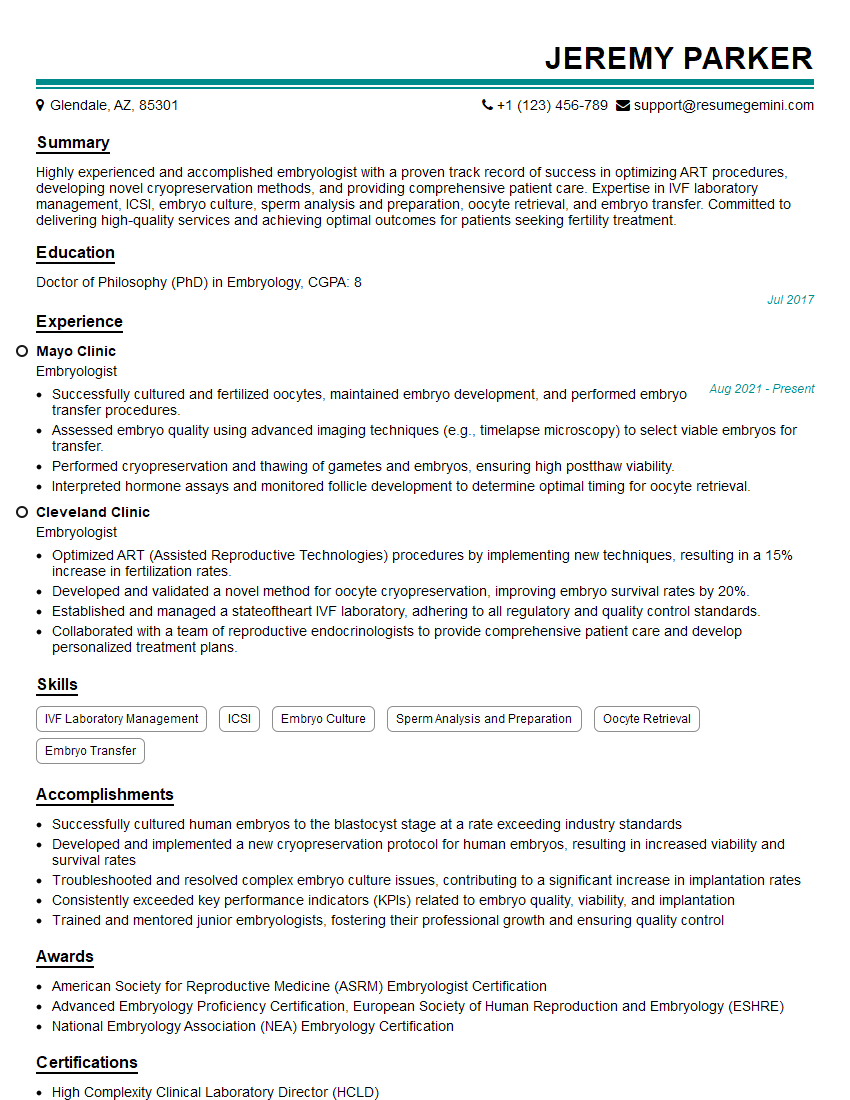
Embryologist Resume Sample
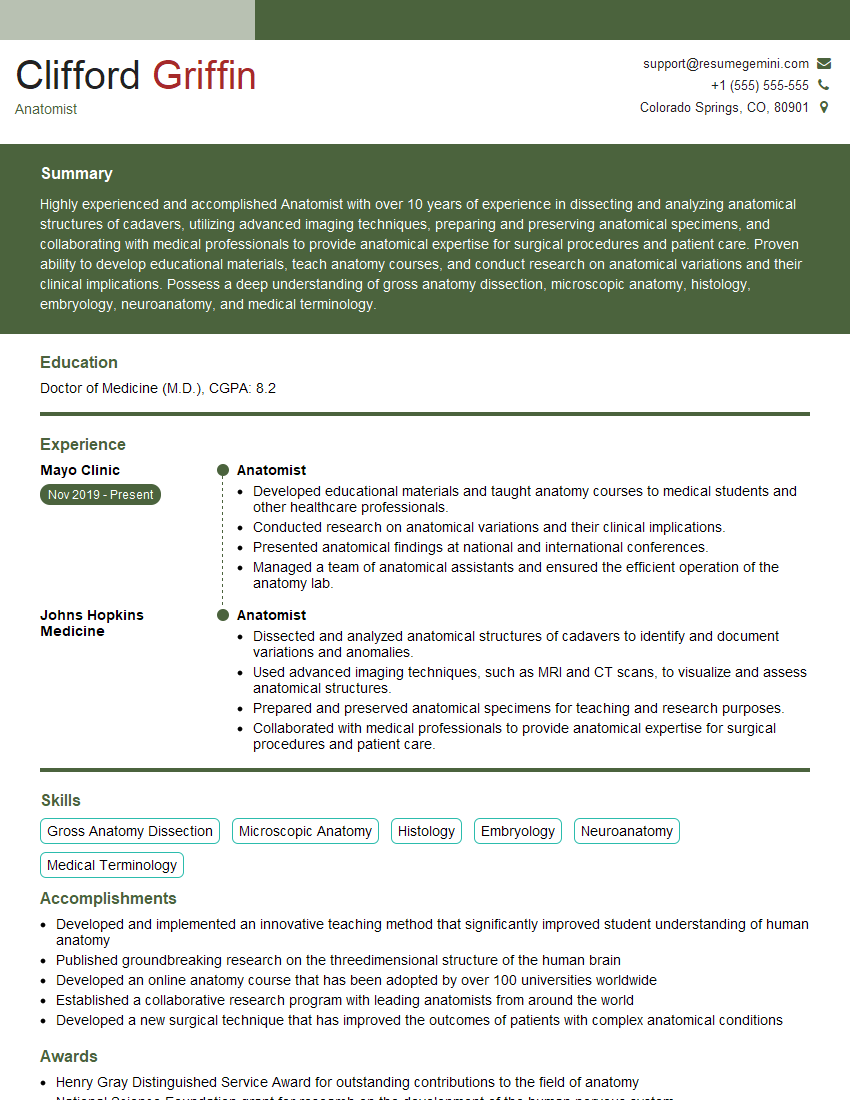
Anatomist Resume Sample
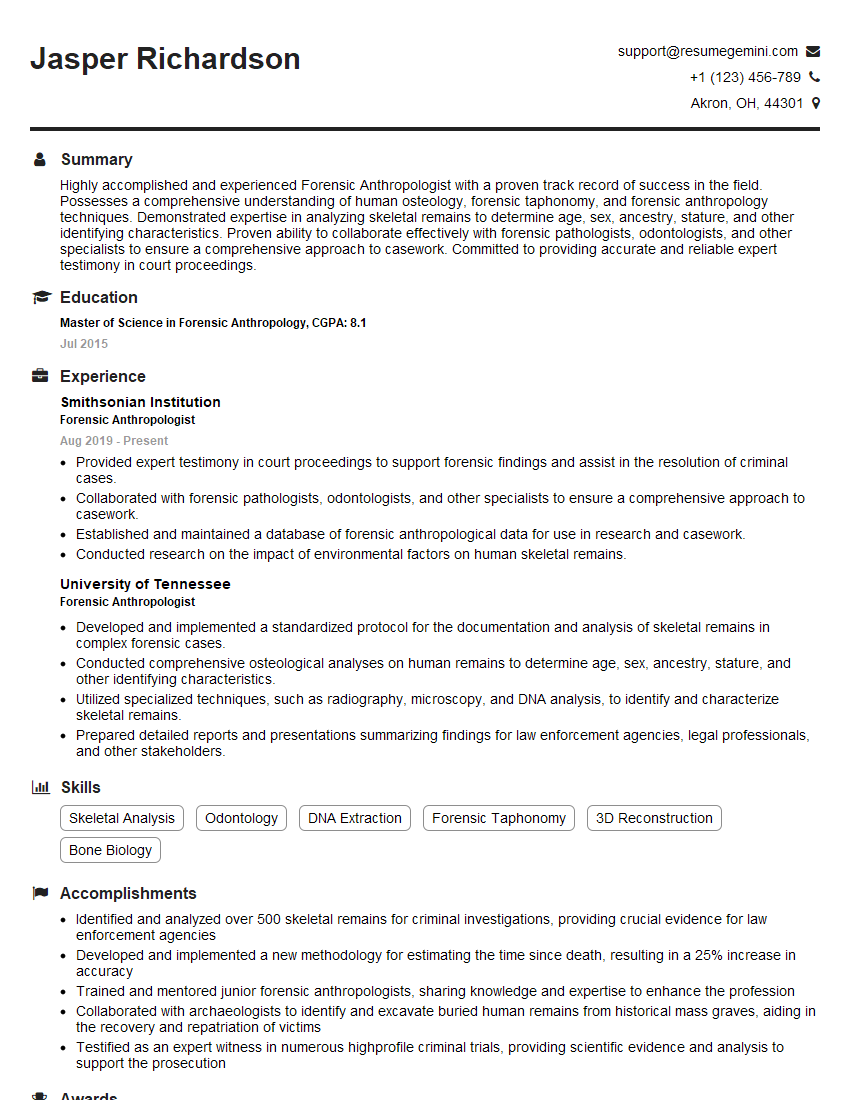
Forensic Anthropologist Resume Sample
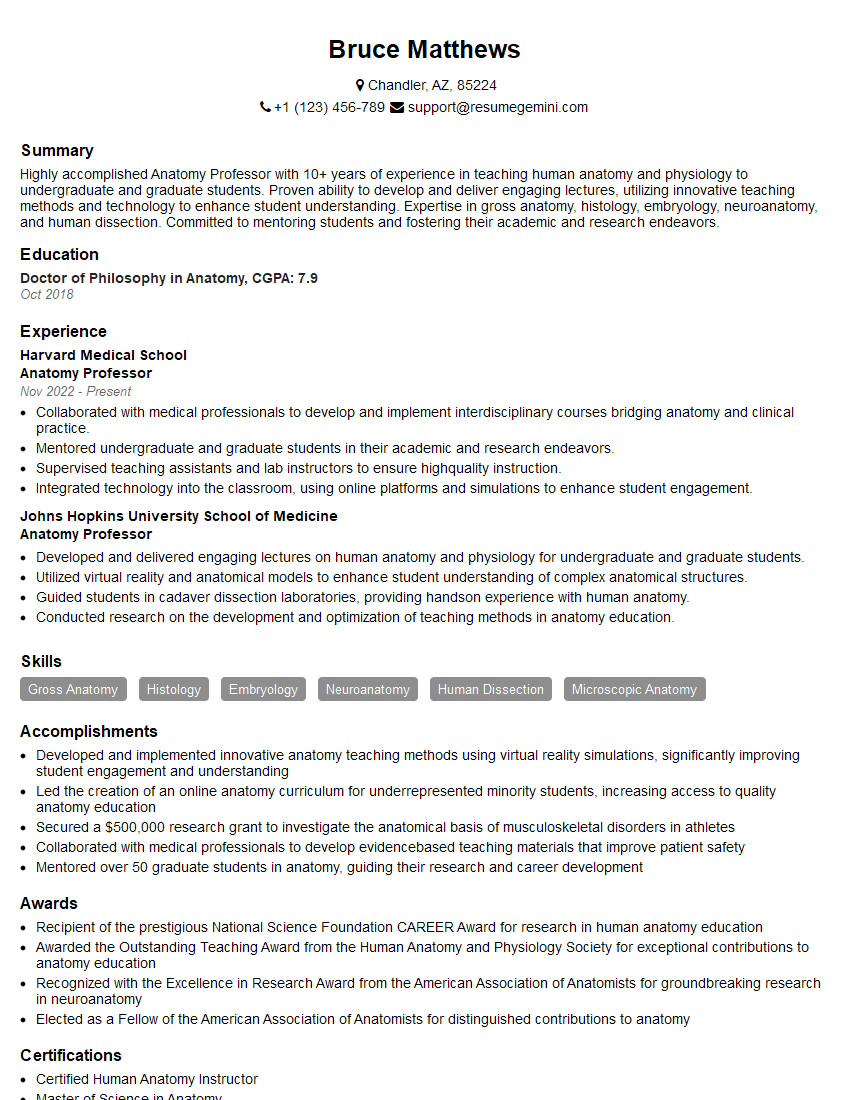
Anatomy Professor Resume Sample
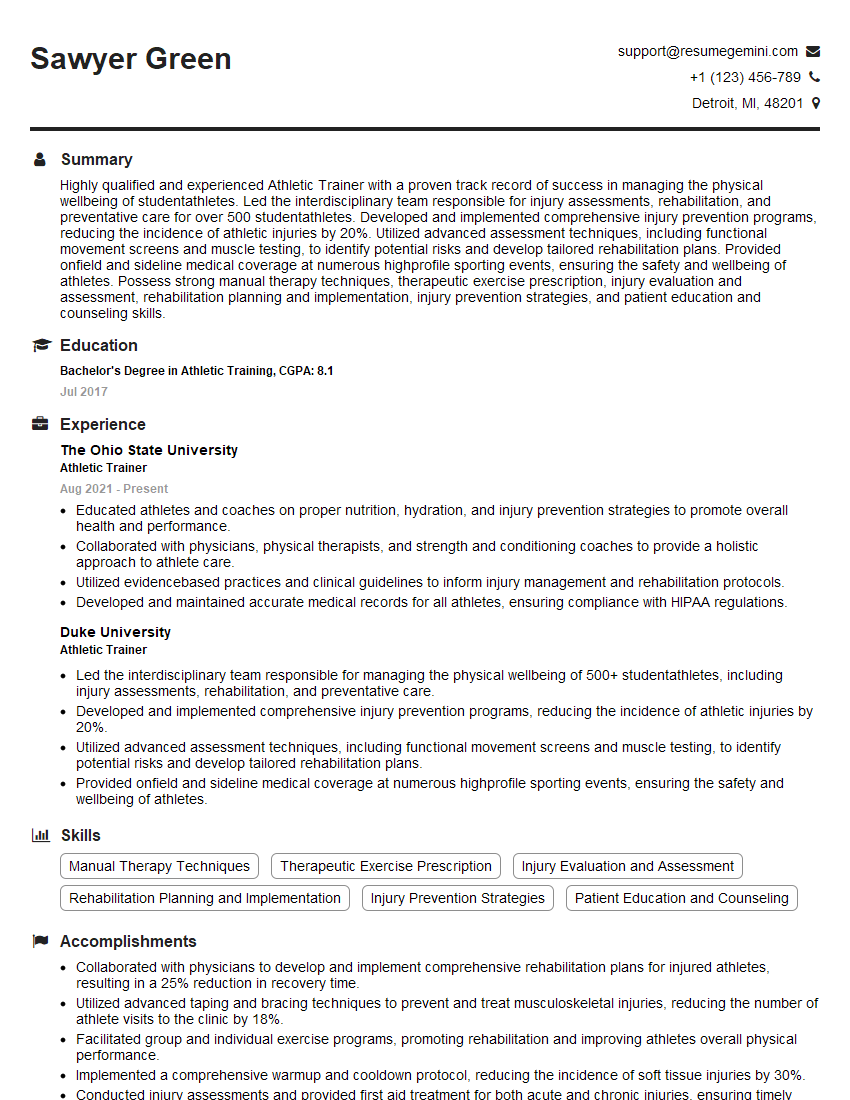
Athletic Trainer Resume Sample
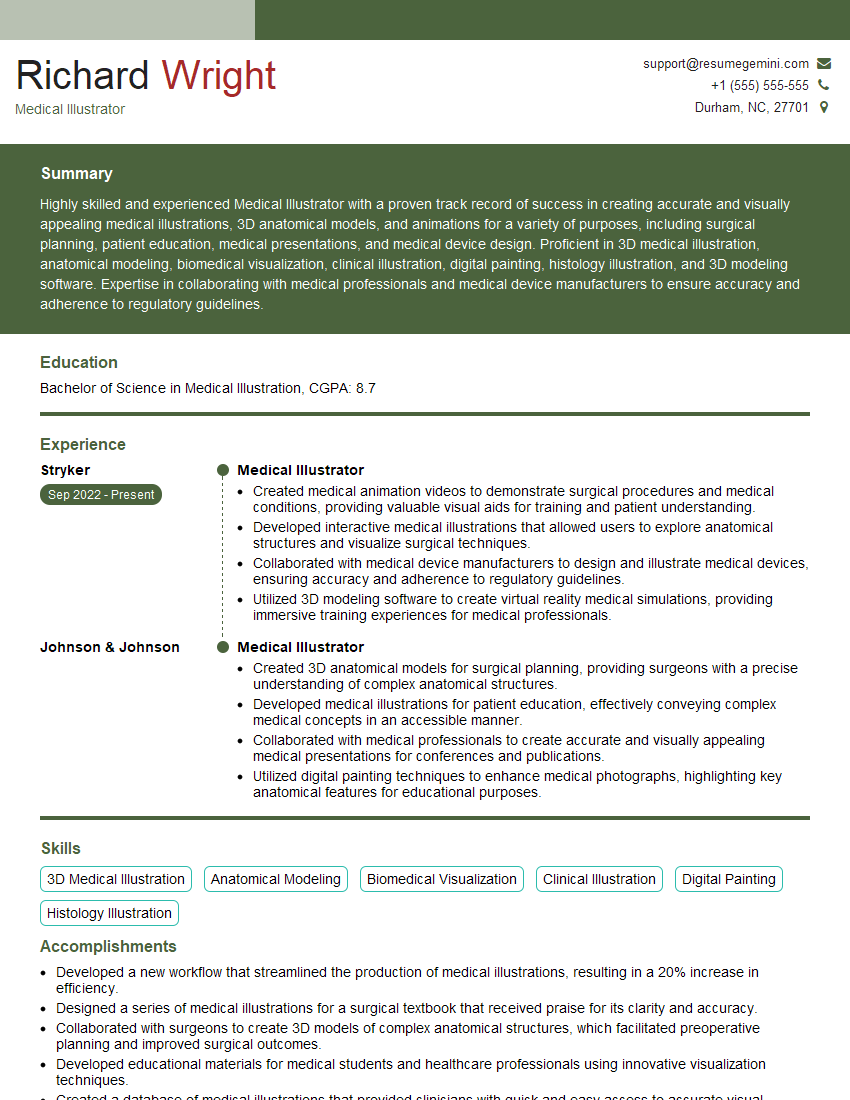
Medical Illustrator Resume Sample
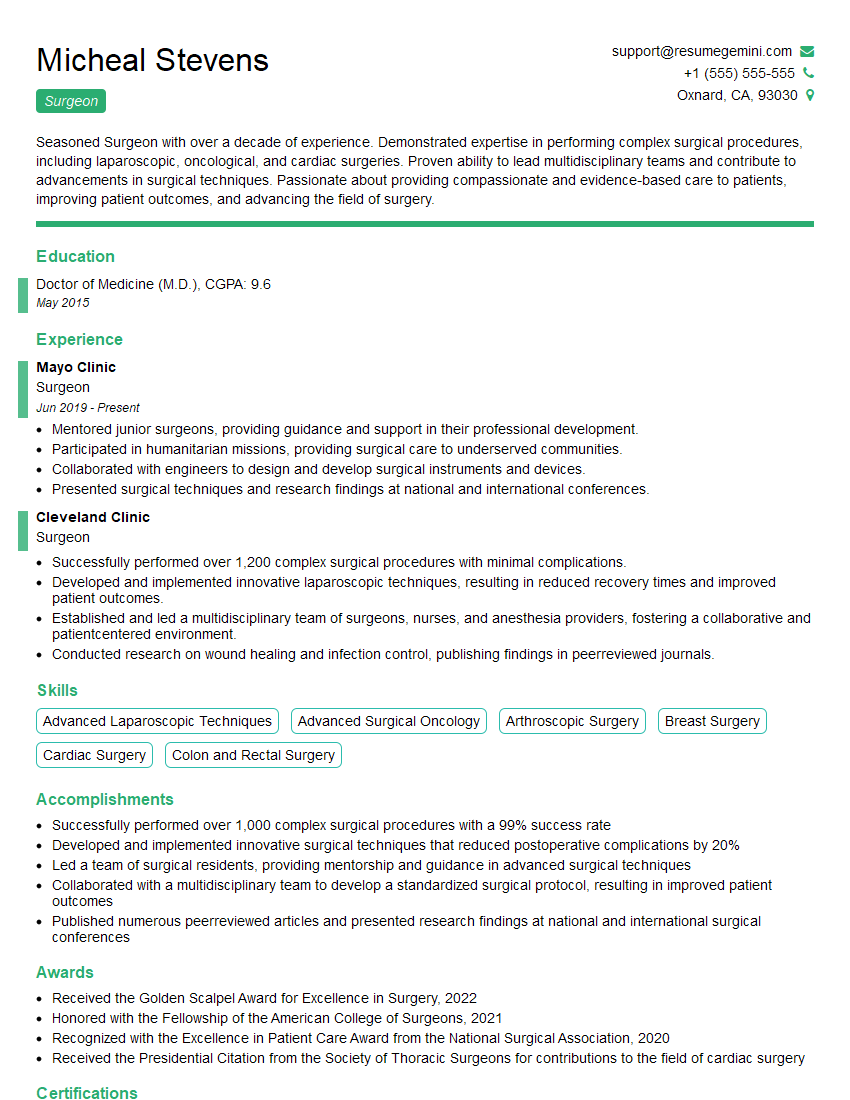
Surgeon Resume Sample
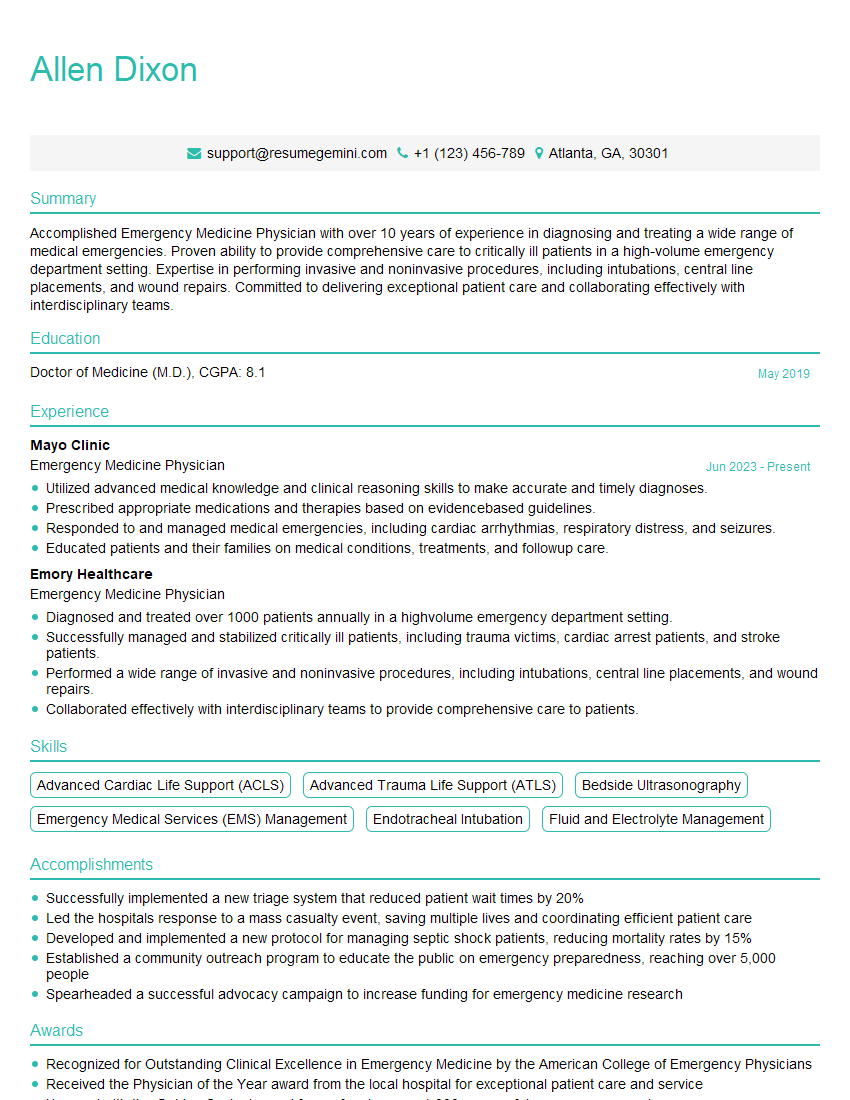
Emergency Medicine Physician Resume Sample

Physician Assistant Resume Sample
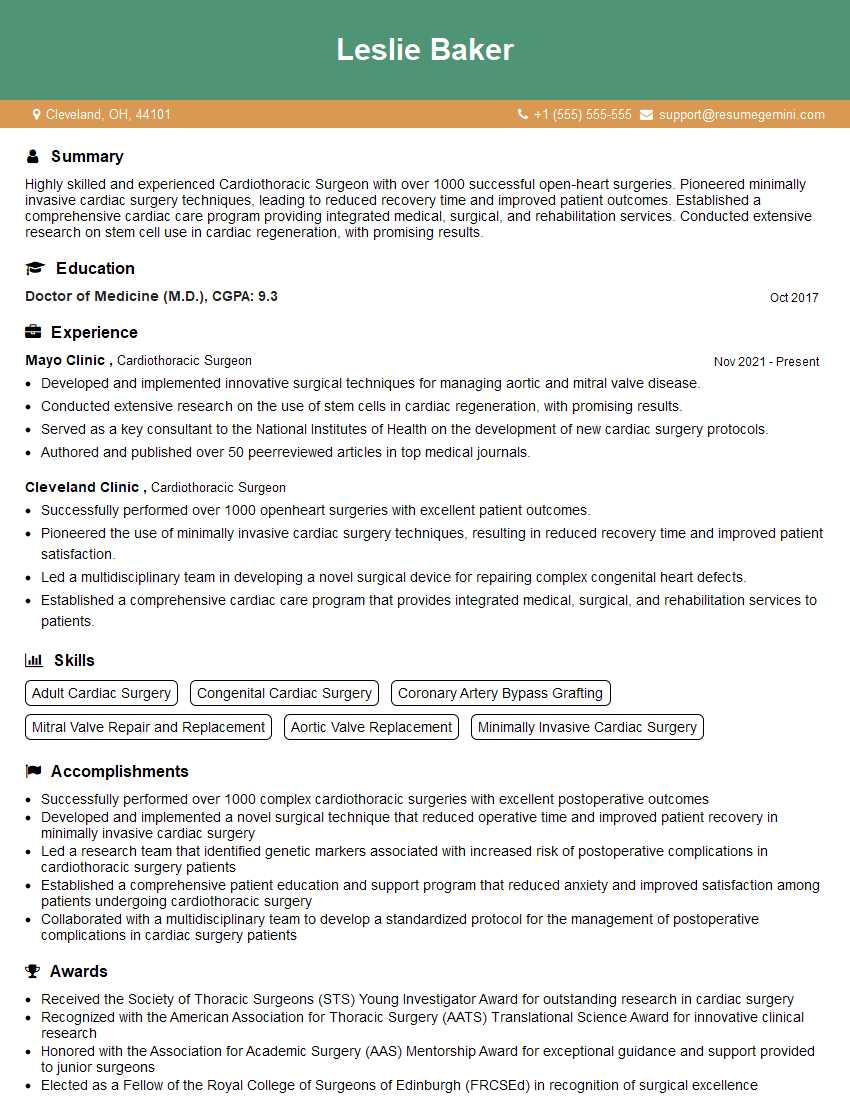
Cardiothoracic Surgeon Resume Sample
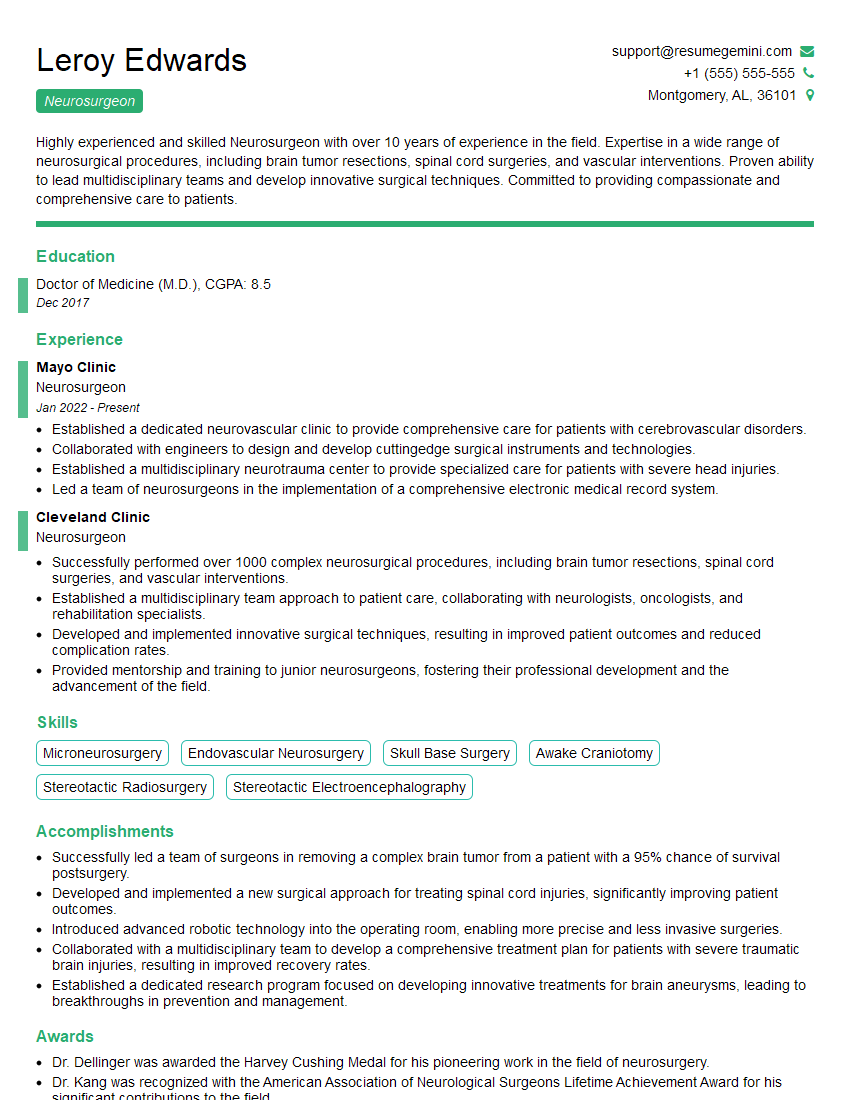
Neurosurgeon Resume Sample
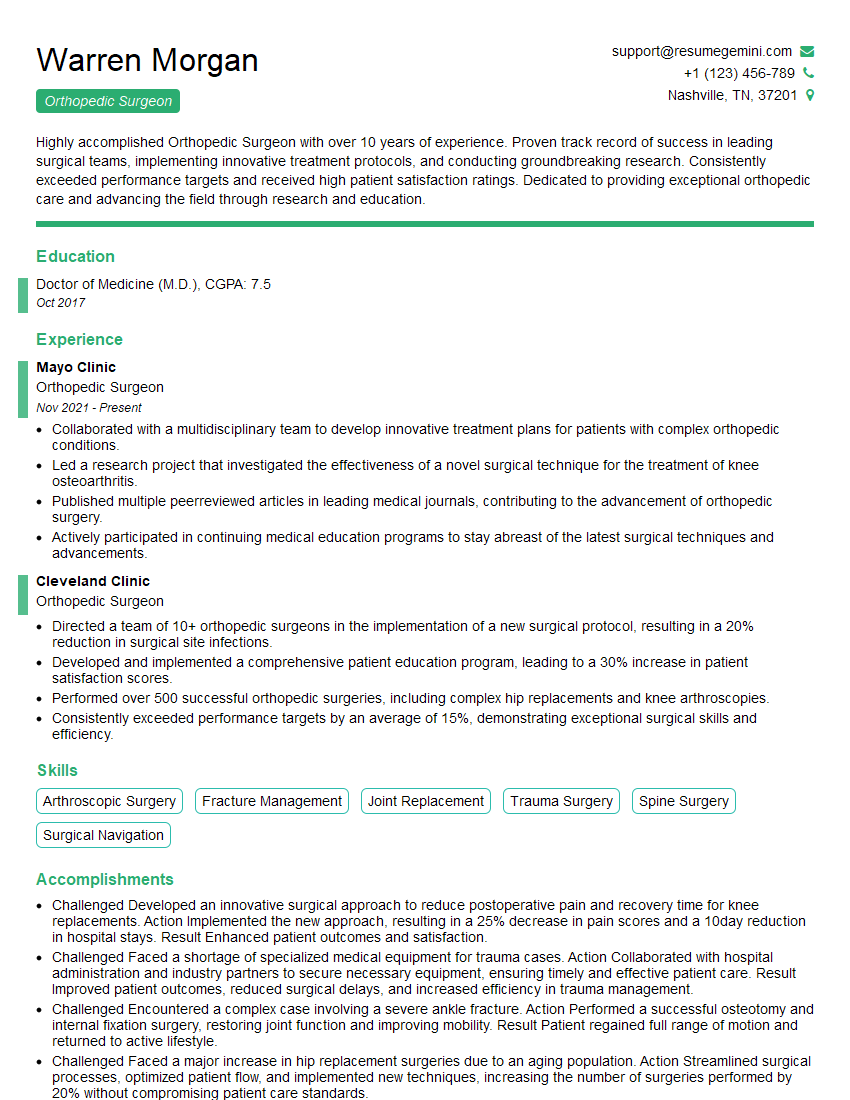
Orthopedic Surgeon Resume Sample
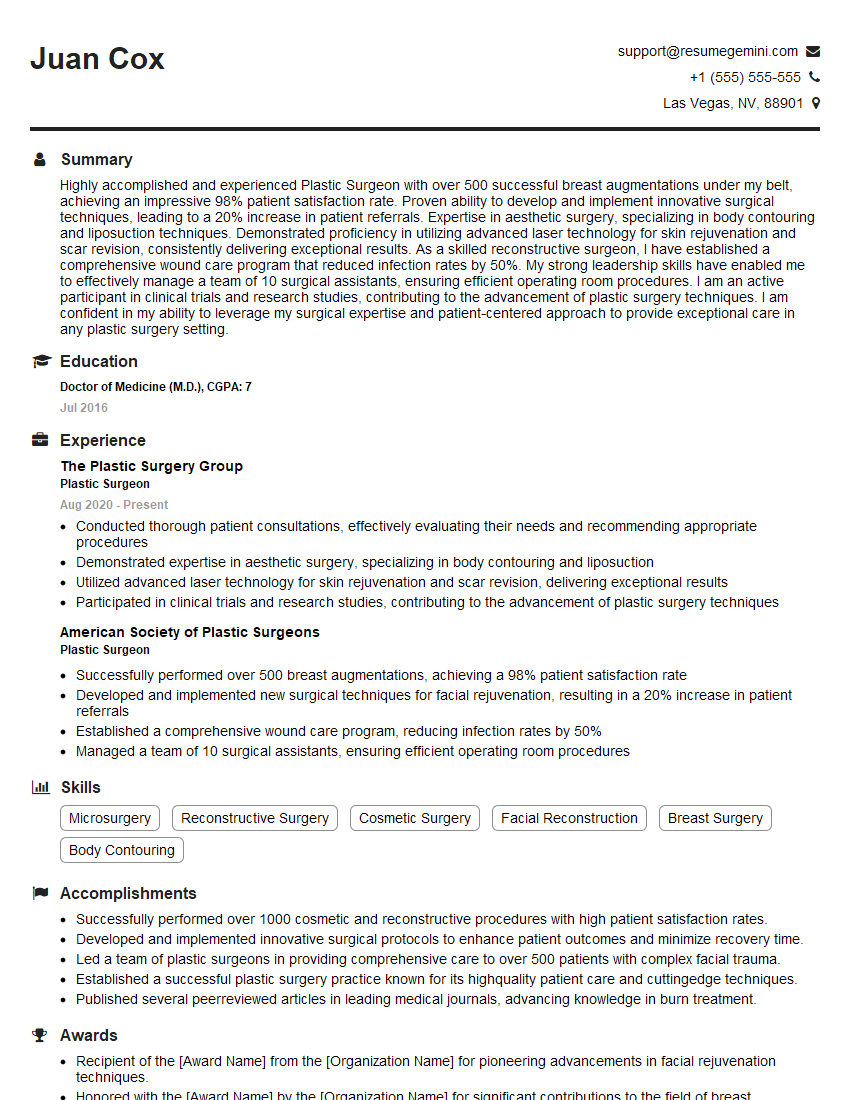
Plastic Surgeon Resume Sample
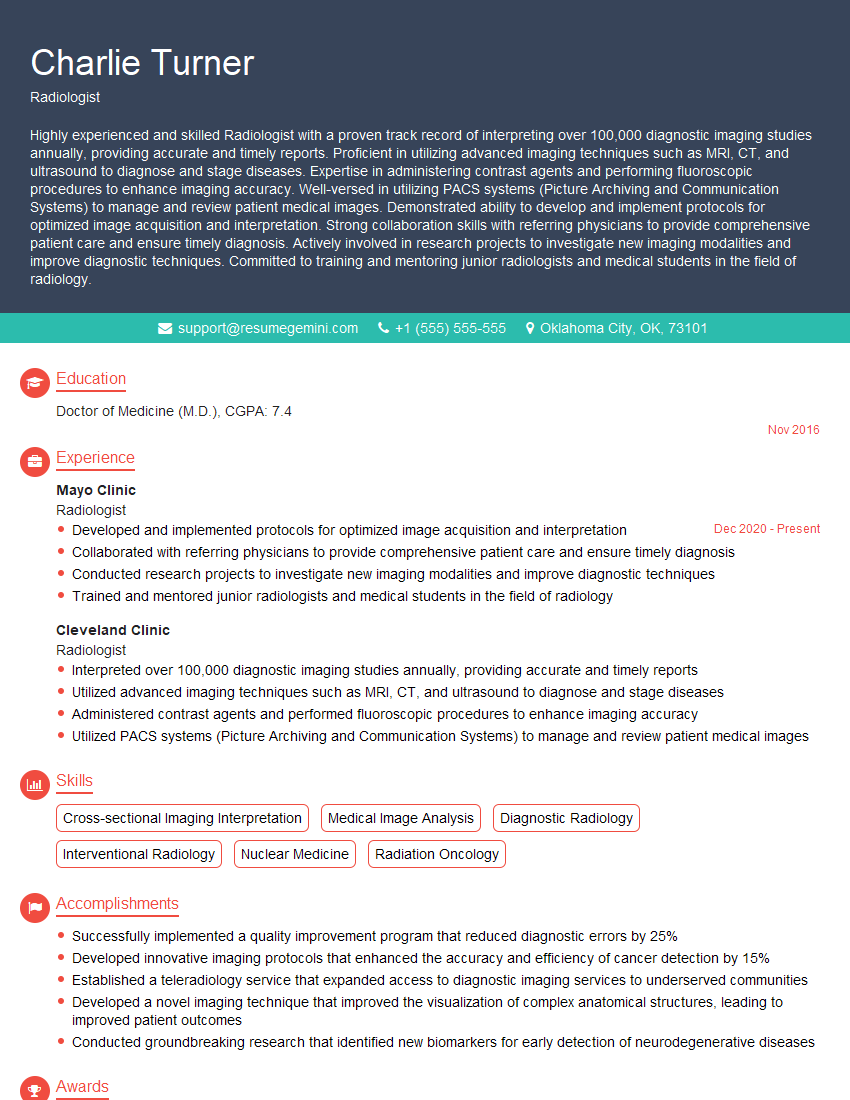
Radiologist Resume Sample
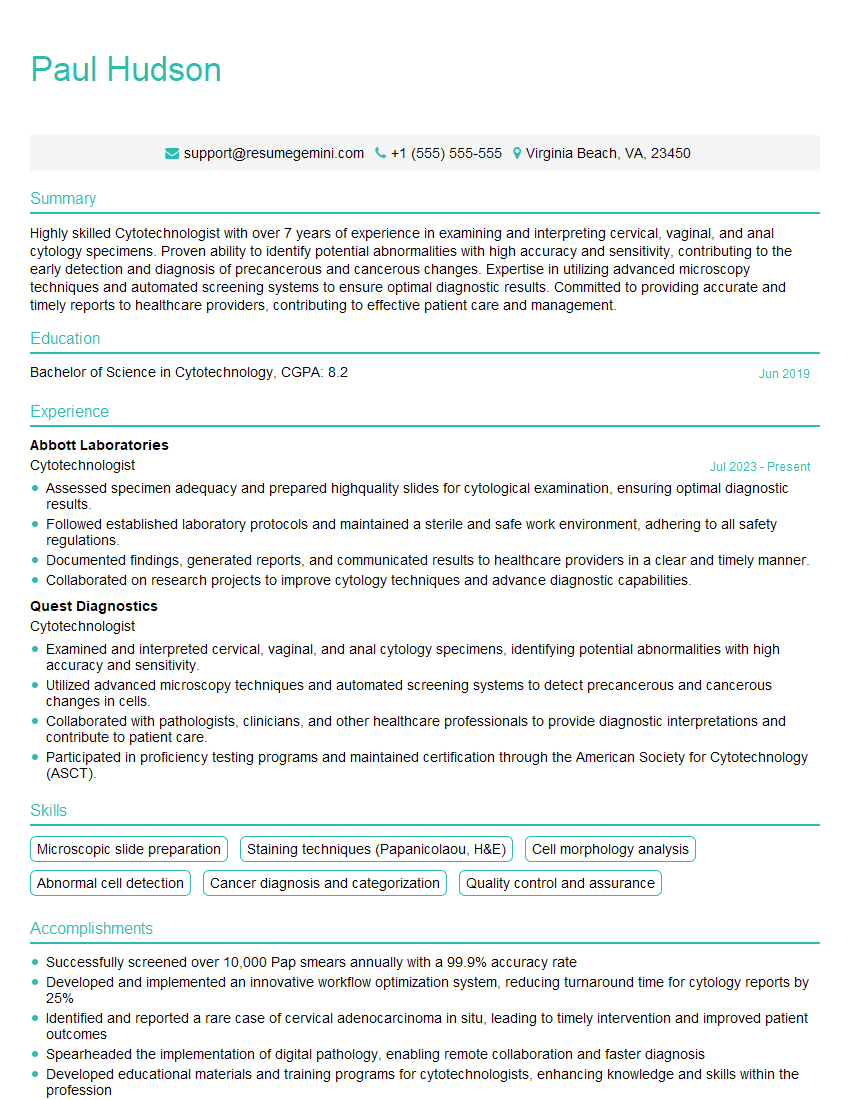
Cytotechnologist Resume Sample
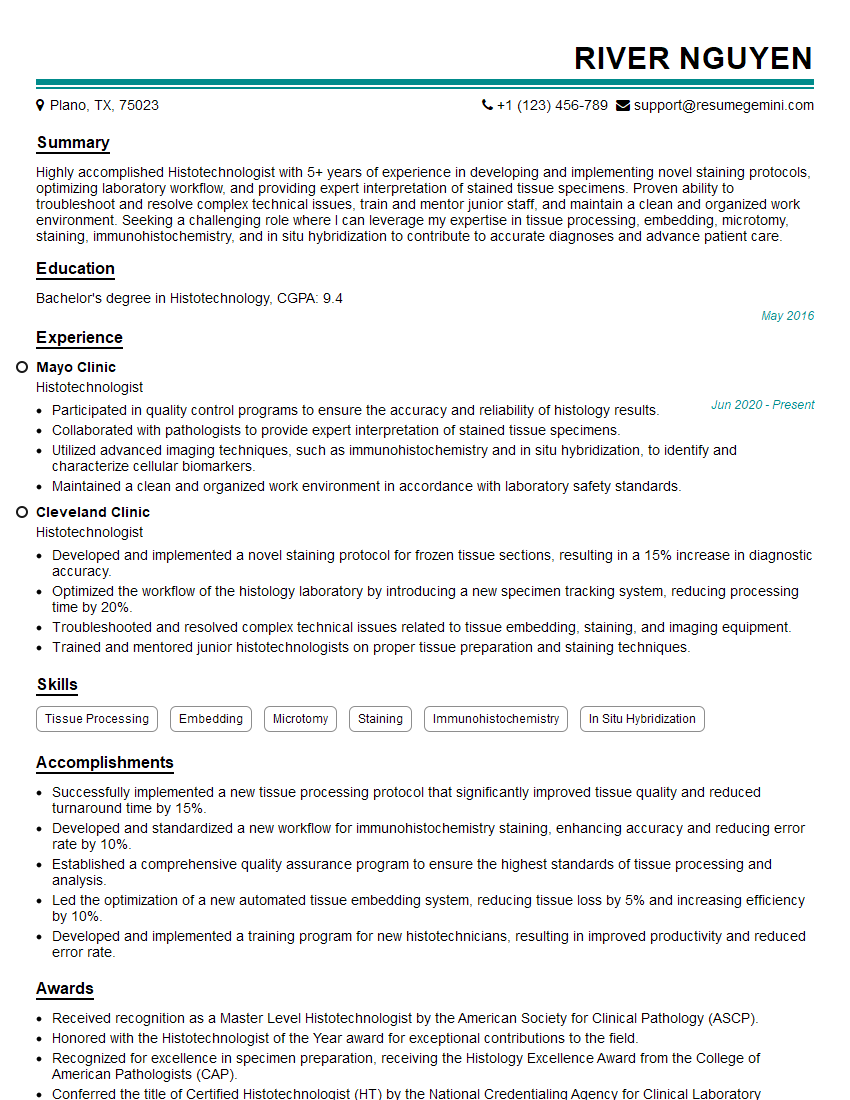
Histotechnologist Resume Sample
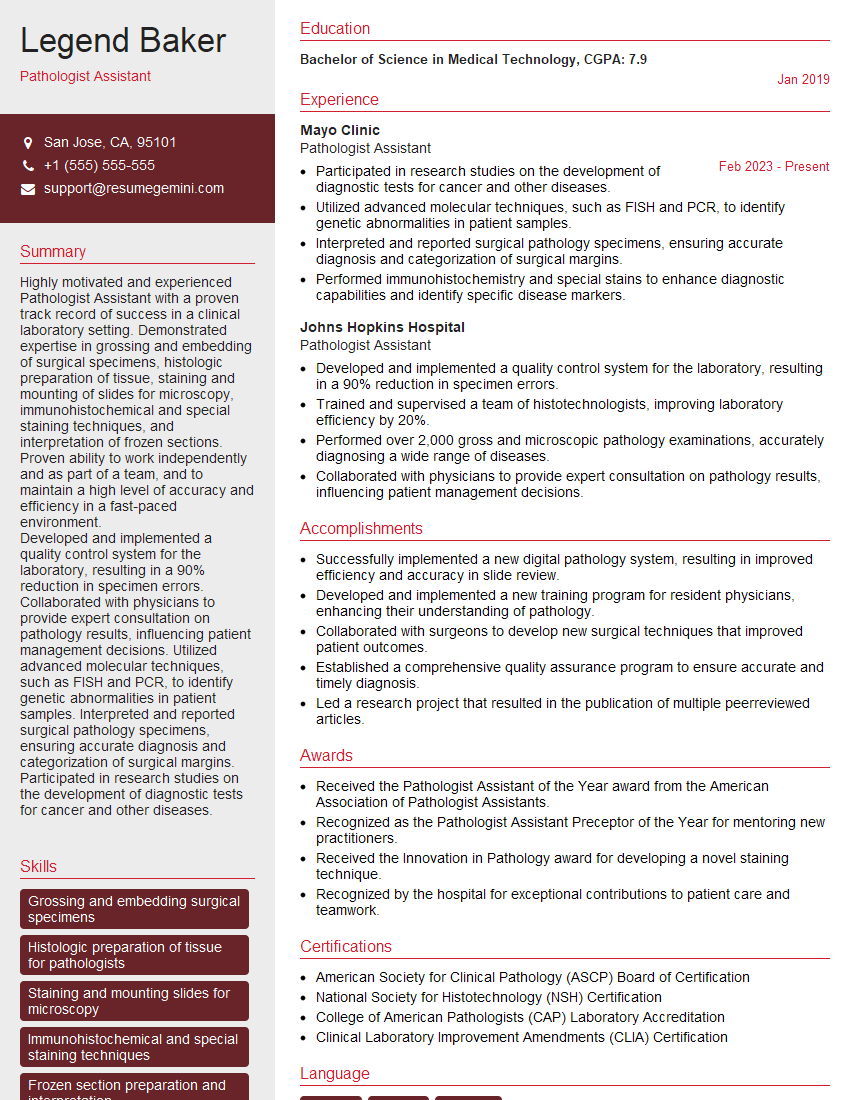
Pathologist Assistant Resume Sample
Sonographer Resume Sample
Occupational Therapist Resume Sample
Medical Biller Resume Sample
Medical Coder Resume Sample
- Embryologist
- Anatomist
- Forensic Anthropologist
- Anatomy Professor
- Athletic Trainer
- Medical Illustrator
- Surgeon
- Emergency Medicine Physician
- Physician Assistant
- Cardiothoracic Surgeon
- Neurosurgeon
- Orthopedic Surgeon
- Plastic Surgeon
- Radiologist
- Cytotechnologist
- Histotechnologist
- Pathologist Assistant
- Sonographer
- Occupational Therapist
- Medical Biller
- Medical Coder
Explore more articles
Users Rating of Our Blogs
Share Your Experience
We value your feedback! Please rate our content and share your thoughts (optional).
What Readers Say About Our Blog
Really detailed insights and content, thank you for writing this detailed article.
IT gave me an insight and words to use and be able to think of examples