The thought of an interview can be nerve-wracking, but the right preparation can make all the difference. Explore this comprehensive guide to Arterial puncture interview questions and gain the confidence you need to showcase your abilities and secure the role.
Questions Asked in Arterial puncture Interview
Q 1. Describe the anatomical landmarks for radial artery puncture.
Identifying the radial artery for puncture relies on precise anatomical landmarks. We’re aiming for the distal radial artery, specifically the area just proximal to the wrist crease, where the artery is relatively superficial and easily palpable. The key landmarks are:
- Wrist crease: The prominent crease at the base of the hand.
- Radial styloid process: The bony prominence on the thumb side of the wrist.
- Anatomical snuffbox: The depression formed by the tendons of the thumb extensors. The radial artery runs medially (towards the center of the body) to the snuffbox.
By palpating gently in this region, you’ll feel the pulse of the radial artery. This is crucial for successful puncture. Imagine you’re trying to find a hidden treasure; the wrist crease, radial styloid, and snuffbox are your map.
Q 2. What are the contraindications for arterial puncture?
Several contraindications exist for radial artery puncture, some absolute and some relative. Absolute contraindications mean the procedure should not be performed. Relative contraindications mean the procedure might be possible with careful consideration and perhaps alternative approaches.
- Absolute:
- Severe radial artery disease (e.g., previous radial artery harvest, occlusion).
- Absent or severely diminished radial pulse.
- Local infection at the puncture site.
- Relative:
- Peripheral arterial disease (PAD) in the arm.
- Coagulopathy (bleeding disorder).
- Patient’s inability to cooperate (e.g., due to agitation or pain).
- Presence of arteriovenous fistula in the arm.
It’s vital to meticulously assess a patient before attempting arterial puncture. Overlooking a contraindication can lead to serious consequences, such as ischemia or hemorrhage.
Q 3. Explain the Allen test and its importance in arterial puncture.
The Allen test assesses the patency of the ulnar artery, which is critical before radial artery puncture. It ensures collateral blood flow to the hand is sufficient to avoid ischemia if the radial artery is accidentally damaged. Here’s how it’s performed:
- The patient’s hand is elevated and the radial and ulnar arteries are compressed simultaneously.
- The patient makes a fist repeatedly until the hand becomes pale.
- The radial artery compression is released while continuing to compress the ulnar artery. The hand should quickly return to its normal color. This indicates adequate ulnar artery perfusion.
- The process is repeated releasing the ulnar artery pressure while keeping the radial artery compressed.
A positive Allen test demonstrates adequate collateral circulation. A negative test (failure of the hand to re-perfuse) indicates compromised ulnar artery flow and contraindicates radial artery puncture because it raises the risk of hand ischemia.
Q 4. Detail the steps involved in performing a radial artery puncture.
Performing a radial artery puncture involves a precise and sterile procedure. Here’s a step-by-step guide:
- Preparation: Explain the procedure to the patient, obtain consent, and perform appropriate hand hygiene and sterile prepping of the site.
- Palpation: Palpate the radial artery to confirm its location and pulse.
- Allen test: Perform the Allen test to ensure adequate collateral circulation.
- Anesthesia: Administer local anesthesia (e.g., 1% lidocaine) to numb the area.
- Puncture: Insert the needle at a shallow angle (approximately 30 degrees) in the direction of blood flow. Avoid excessive depth.
- Aspiration: Gently aspirate to confirm arterial blood; observe the pulsatile flashback of blood.
- Attachment: Connect the arterial line to the pressure transducer, ensuring secure connections to minimize leakage.
- Post-puncture: Apply direct pressure to the puncture site for at least 5 minutes to achieve hemostasis. Assess the patient’s circulation.
Remember, every step requires meticulous attention to detail. Think of it like assembling a delicate piece of machinery—each part has to be carefully placed and secured.
Q 5. What size needle is typically used for arterial puncture?
The choice of needle size depends on the specific application and the patient’s anatomy. However, needles typically range from 20-gauge to 22-gauge for arterial puncture. Smaller gauge needles (e.g., 22 gauge) minimize trauma and reduce the risk of bleeding, while a slightly larger gauge may be used if blood flow is slow. The selection is a balance between the need for adequate blood flow and minimizing patient discomfort and complications.
Q 6. What are the potential complications of arterial puncture?
While generally safe, arterial puncture carries potential complications:
- Hematoma: The most common complication, resulting from bleeding at the puncture site. Size varies.
- Arterial spasm: Spasm of the artery causing reduced or absent blood flow.
- Thrombosis: Clot formation at the puncture site, potentially leading to ischemia.
- Pseudoaneurysm: A false aneurysm forming at the puncture site.
- Infection: Rare but possible complication if sterile technique is not followed.
- Nerve injury: Possible, especially with incorrect needle placement.
- Ischemia: Tissue damage due to reduced blood flow, most often associated with inadequate collateral circulation.
Meticulous technique, proper patient selection, and close post-procedure monitoring are vital to minimize these risks. Think of it as risk management—we identify the potential problems and take steps to mitigate them.
Q 7. How do you manage a hematoma following arterial puncture?
Management of a hematoma after arterial puncture depends on its size and severity. Small hematomas (less than 2-3 cm) usually resolve spontaneously with direct pressure, and elevation of the arm. Larger hematomas (larger than 3cm) may require more intervention.
- Direct Pressure: Maintain direct pressure on the site for at least 5-10 minutes, or until bleeding stops completely. This is often the first line of management.
- Ice Packs: Applying ice packs to the area can help reduce swelling and vasoconstriction.
- Elevation: Keep the arm elevated to reduce swelling.
- Compression Dressing: Applying a compression dressing can help control bleeding.
- Surgical Intervention: In rare cases, particularly with large or expanding hematomas that compromise blood flow or show signs of infection, surgical intervention may be required.
The goal is to prevent further bleeding, control swelling, and promote healing. Regular monitoring is essential to watch for any signs of worsening or complications.
Q 8. How do you select the appropriate arterial puncture site?
Selecting the appropriate arterial puncture site is crucial for successful arterial blood gas (ABG) sampling and minimizing complications. The ideal site offers good collateral circulation, reducing the risk of ischemia and ensuring accurate blood gas values. We prioritize easily accessible arteries with minimal overlying soft tissue and close proximity to the surface.
- Radial artery: This is the preferred site due to its superficial location, excellent collateral circulation via the ulnar artery (Allen test confirms this), and ease of palpation. The anatomical snuffbox is a common landmark.
- Brachial artery: Used if radial artery access is impossible. However, it’s deeper and carries a higher risk of nerve injury.
- Femoral artery: A larger vessel, used as a last resort, particularly in critically ill patients. However, it carries a higher risk of complications like hematoma and pseudoaneurysm due to its size and location.
The choice depends on patient factors (e.g., body habitus, pre-existing conditions), the urgency of the situation, and the clinician’s experience. For example, a patient with known peripheral vascular disease might require a femoral artery puncture due to compromised radial or brachial artery blood flow.
Q 9. Describe the procedure for arterial line insertion and maintenance.
Arterial line insertion and maintenance involves a meticulous approach to ensure accurate readings and patient safety. The procedure begins with proper site selection (as discussed previously), followed by:
- Preparation: Strict sterile technique is mandatory. The skin is cleaned with an antiseptic solution.
- Local anesthesia: A local anesthetic, such as lidocaine, is injected to numb the area, improving patient comfort and minimizing discomfort.
- Puncture: Using a specialized cannula (typically 20-22 gauge), the artery is punctured at a 30-45 degree angle. A flash of blood confirms successful arterial entry.
- Cannula insertion: The cannula is advanced into the artery, and the needle is withdrawn. The catheter is secured with sutures and connected to a pressure transducer.
- Continuous monitoring: Blood pressure is continuously monitored, and waveforms should be assessed for quality. The site is monitored for complications such as bleeding, hematoma, or infection.
- Regular maintenance: The line is flushed regularly with heparinized saline to prevent clotting. The dressing and site are checked regularly for signs of infection or bleeding.
Regular blood gas analysis and careful waveform monitoring form a critical part of maintenance. A compromised waveform signals issues like occlusion or dislodgement, necessitating immediate action.
Q 10. How do you ensure patient safety during arterial puncture?
Patient safety is paramount during arterial puncture. Several key strategies are implemented:
- Strict sterile technique: This is the cornerstone of infection prevention. Hand hygiene, appropriate antiseptic solutions, and sterile gloves are essential.
- Proper site selection: Choosing an artery with good collateral circulation minimizes the risk of ischemia. The Allen test (for radial artery) is crucial to ensure adequate collateral blood flow.
- Local anesthesia: Using a local anesthetic significantly reduces patient discomfort and potential complications.
- Appropriate equipment: Using correctly sized needles and cannulas minimizes trauma and complications.
- Post-procedure monitoring: Close monitoring of the puncture site and distal circulation is crucial to detect and manage complications promptly.
- Patient education: Informing the patient about the procedure, potential complications, and post-procedure care enhances their cooperation and reduces anxiety.
For instance, ensuring adequate hand hygiene before the procedure drastically minimizes the chances of introducing pathogens and infection. Similarly, continuous monitoring for bleeding after the procedure allows for prompt intervention and prevention of a potentially dangerous hematoma.
Q 11. What are the indications for arterial blood gas analysis?
Arterial blood gas analysis is indicated in various clinical situations to assess respiratory and metabolic function. It provides crucial information about:
- Respiratory status: Evaluating oxygenation (PaO2), ventilation (PaCO2), and acid-base balance (pH) in respiratory distress, acute lung injury, or suspected pulmonary embolism.
- Metabolic status: Assessing acid-base balance (pH), bicarbonate levels (HCO3-), and metabolic disorders like diabetic ketoacidosis or lactic acidosis.
- Treatment monitoring: Tracking the efficacy of treatments for respiratory or metabolic disorders, such as oxygen therapy or ventilator management.
- Critical illness: Monitoring patients in critical care settings (ICU) to guide fluid management, ventilator settings, and other life-support measures.
For example, a patient presenting with shortness of breath might undergo ABG analysis to determine if their respiratory acidosis is due to hypoventilation or a metabolic cause. The results will then guide appropriate treatment strategies.
Q 12. Explain the process of obtaining an arterial blood sample.
Obtaining an arterial blood sample requires precision and adherence to sterile technique. The steps are:
- Site preparation: Clean the chosen site with an antiseptic solution, following the facility’s established protocol.
- Anesthesia (optional): Administer a local anesthetic for patient comfort.
- Puncture: Insert the needle into the artery at the appropriate angle. A flash of blood in the syringe confirms arterial entry.
- Sample collection: Gently aspirate blood into a pre-heparinized syringe, avoiding air bubbles. The amount collected varies depending on the laboratory’s requirements.
- Withdrawal: Remove the needle, apply pressure to the puncture site, and secure the dressing.
- Sample handling: Immediately label the sample with patient identifiers, time, and date. Deliver it promptly to the laboratory to prevent clotting.
Failing to follow proper collection techniques, such as introducing air bubbles into the sample, can lead to inaccurate results and compromise patient care. Timely transport to the lab is crucial to maintain the integrity of the blood gases.
Q 13. How do you interpret arterial blood gas results?
Interpreting arterial blood gas results requires understanding the relationship between pH, PaCO2, PaO2, and HCO3-. The results are analyzed in terms of:
- pH: Reflects the overall acid-base status. Below 7.35 indicates acidosis, above 7.45 indicates alkalosis.
- PaCO2: Partial pressure of carbon dioxide, reflecting respiratory function. Elevated values indicate hypercapnia (respiratory acidosis), while low values indicate hypocapnia (respiratory alkalosis).
- PaO2: Partial pressure of oxygen, reflecting oxygenation. Low values (hypoxemia) indicate inadequate oxygenation.
- HCO3-: Bicarbonate level, reflecting metabolic compensation. Changes in HCO3- usually indicate a metabolic component to the acid-base disturbance.
The interpretation considers all four parameters to determine the primary acid-base disorder (respiratory or metabolic) and the compensatory mechanisms. For example, a low pH with elevated PaCO2 suggests respiratory acidosis, while a low pH with low HCO3- suggests metabolic acidosis. Understanding these relationships enables clinicians to make informed diagnostic and therapeutic decisions.
Q 14. How do you manage an arterial line occlusion?
Arterial line occlusion is a common complication that requires prompt management to restore blood flow and prevent complications. The initial steps include:
- Assess the waveform: A dampened or absent waveform indicates occlusion.
- Flush the line: Attempt to dislodge the clot using a saline flush. A forceful flush should be avoided to prevent trauma. Different flushing techniques, such as using a pressure bag, may be used.
- Assess for thrombus: If flushing fails, a thrombus may be present. The line may need to be removed and replaced.
- Consider thrombolytic therapy: In some cases, particularly with significant thrombus formation, thrombolytic therapy might be considered under strict medical supervision.
- Document the event: Meticulous documentation of the event, including interventions and outcomes, is crucial.
The treatment strategy depends on the cause and severity of the occlusion. Ignoring an occlusion can lead to inaccurate blood pressure readings, compromised patient care, and potential limb ischemia. Immediate action is key.
Q 15. What are the signs and symptoms of arterial line complications?
Arterial line complications, while rare with proper technique, can be serious. Signs and symptoms can vary depending on the specific complication, but generally fall into these categories:
- Bleeding: This can range from minor oozing to significant hemorrhage, especially at femoral sites. Look for swelling, hematoma formation, and decreased blood pressure.
- Infection: Localized redness, swelling, warmth, and purulent drainage around the insertion site are classic signs. Fever and chills are systemic indicators.
- Thrombosis: A blood clot can form at the insertion site or in the artery itself. This can lead to ischemia (lack of blood flow) to the distal extremity, manifesting as pain, pallor, paresthesia (numbness or tingling), pulselessness, and paralysis (the classic five Ps of ischemia).
- Embolic events: A thrombus can break loose and travel to other parts of the body, leading to stroke, myocardial infarction, or other organ damage.
- Arterial spasm: This can cause pain and reduced distal perfusion. You might observe pallor and coolness of the extremity.
- Hematoma: A collection of blood outside the artery at the puncture site. This can lead to significant swelling and pressure.
- Neurovascular compromise: Damage to nearby nerves or blood vessels can result in weakness, numbness, or paralysis of the extremity.
Early recognition and prompt intervention are crucial to minimizing the impact of these complications.
Career Expert Tips:
- Ace those interviews! Prepare effectively by reviewing the Top 50 Most Common Interview Questions on ResumeGemini.
- Navigate your job search with confidence! Explore a wide range of Career Tips on ResumeGemini. Learn about common challenges and recommendations to overcome them.
- Craft the perfect resume! Master the Art of Resume Writing with ResumeGemini’s guide. Showcase your unique qualifications and achievements effectively.
- Don’t miss out on holiday savings! Build your dream resume with ResumeGemini’s ATS optimized templates.
Q 16. Describe the appropriate technique for removing an arterial line.
Removing an arterial line requires meticulous technique to prevent complications like bleeding or hematoma formation. Here’s a step-by-step approach:
- Gather supplies: This includes sterile gloves, gauze pads, antiseptic solution, and a pressure dressing.
- Assess the site: Check for any signs of infection or bleeding.
- Confirm the line placement: Ensure the line is still correctly positioned and functioning.
- Disconnect the transducer and flush system: Gently disconnect the arterial line from the monitoring system, ensuring the system is appropriately flushed with heparinized saline as per protocol.
- Apply pressure: While carefully removing the catheter, immediately apply firm, direct pressure to the insertion site with a sterile gauze pad. The pressure must be maintained for at least 5-10 minutes, or longer if necessary, to achieve hemostasis (stop bleeding).
- Secure the dressing: Once bleeding has stopped, apply a sterile pressure dressing to the site.
- Monitor the patient: Closely monitor the patient for any signs of bleeding, hematoma formation, or other complications. Assess distal pulses.
- Document the procedure: Thoroughly document the removal time, any complications encountered, and the patient’s response.
The pressure application is critical; the length of time required depends on factors such as the patient’s coagulation status and the size of the artery. Never use a tourniquet, as this can cause further complications.
Q 17. What is the proper way to dispose of used arterial line equipment?
Disposal of used arterial line equipment is crucial for infection control and safety. All used materials, including the catheter, tubing, and any other items that came into contact with blood or body fluids, should be treated as biohazardous waste. Specific disposal protocols vary across institutions, but the general principles are as follows:
- Dispose of sharps safely: The catheter should be placed in a puncture-resistant sharps container.
- Use appropriate biohazard bags: Other used equipment should be placed in designated red biohazard bags.
- Follow institutional guidelines: Always adhere to your institution’s established protocols for handling and disposing of biohazardous waste, including labeling and transportation to designated disposal areas.
- Decontamination: In some cases, pre-disposal decontamination processes may be necessary before placing the items in a biohazard bag. This is often determined by individual institutional guidelines and the type of equipment being disposed of.
Proper disposal prevents the spread of infections and protects healthcare workers.
Q 18. How do you prevent infection during arterial puncture and line maintenance?
Infection prevention during arterial puncture and line maintenance is paramount. This involves a multifaceted approach:
- Strict aseptic technique: This is fundamental. Thorough hand hygiene, using sterile gloves, drapes, and equipment is crucial. The site should be cleaned with an appropriate antiseptic solution (e.g., chlorhexidine or povidone-iodine).
- Appropriate site selection and preparation: Choosing a site with minimal risk of infection and prepping the site correctly are essential first steps.
- Maintaining the integrity of the insertion site dressing: Regular assessment and changing of dressings according to institutional protocol help to prevent contamination.
- Regular flushing of the arterial line: This prevents clot formation and maintains patency, minimizing the risk of infection. Protocols usually involve using heparinized saline.
- Careful monitoring for signs of infection: Regular observation for local and systemic signs of infection is crucial.
- Proper catheter care: All tubing connections need to be maintained securely to prevent the ingress of pathogens.
Remember, a proactive approach to infection control is much better than reacting to an established infection.
Q 19. What are the differences between radial, brachial, and femoral artery punctures?
The radial, brachial, and femoral arteries are common sites for arterial puncture, each with its own characteristics:
- Radial artery: Located on the lateral aspect of the wrist. It’s relatively superficial and easily palpable, making it a preferred site for its ease of access and lower risk of complications.
- Brachial artery: Located in the antecubital fossa (the inner elbow). It’s a larger artery than the radial, but it’s closer to nerves and has a higher risk of complications, such as thrombosis and nerve damage.
- Femoral artery: Located in the groin area. It’s the largest of the three and is often used in emergency situations when other sites are not accessible. However, it carries a significantly higher risk of complications including bleeding, hematoma formation, pseudoaneurysm, and arteriovenous fistula.
The choice of site depends on factors such as patient factors, urgency of the situation, and the experience of the healthcare professional.
Q 20. What are the advantages and disadvantages of each arterial puncture site?
Each arterial puncture site offers advantages and disadvantages:
| Artery | Advantages | Disadvantages |
|---|---|---|
| Radial | Easy access, low complication rate, good collateral circulation | Smaller artery, may be difficult to cannulate in some patients |
| Brachial | Larger artery than radial, easier cannulation in some patients | Higher risk of complications (thrombosis, nerve damage), deeper puncture |
| Femoral | Largest artery, easily accessible, useful in emergencies | High risk of complications (bleeding, hematoma, pseudoaneurysm, AV fistula), requires strict post-procedure monitoring |
The risk-benefit ratio should be carefully considered when choosing the puncture site. For example, while the femoral artery offers ease of access, the higher risk of complications means it should be reserved for situations where the benefits outweigh the risks.
Q 21. How do you address patient anxiety before arterial puncture?
Addressing patient anxiety before arterial puncture is crucial for a positive experience and successful procedure. Here are some strategies:
- Explain the procedure clearly and concisely: Use simple language, avoiding medical jargon. Explain the purpose, steps, and expected sensations (a slight sting or pressure).
- Answer questions patiently and thoroughly: Address concerns and alleviate fears with accurate information and reassurance.
- Use a calm and empathetic approach: A reassuring and supportive demeanor can significantly reduce anxiety.
- Provide distraction techniques: Offer opportunities to focus on something else, such as listening to music or focusing on breathing exercises.
- Consider pain management: Topical anesthetic creams or sprays can minimize discomfort.
- Offer choices where appropriate: Involve the patient in decisions about positioning or comfort measures.
- Provide reassurance throughout the procedure: Continue communicating with the patient, providing updates on progress and acknowledging their discomfort.
Building trust and rapport helps create a calm environment and increases patient cooperation.
Q 22. What are the ethical considerations related to arterial puncture?
Ethical considerations in arterial puncture center around patient safety, informed consent, and adherence to professional standards. Before performing the procedure, obtaining informed consent is paramount. This means clearly explaining the procedure, its benefits, risks (including hematoma, infection, and arterial spasm), and alternative methods to the patient. We must ensure the patient understands and agrees to the procedure. Their right to refuse must be respected. Furthermore, we must maintain patient confidentiality and ensure that only authorized personnel have access to the collected data. Proper disposal of sharps and adherence to infection control protocols are also critical ethical responsibilities. For example, if a patient is hesitant or unclear about the procedure, we have an ethical obligation to address their concerns thoroughly before proceeding. Another example would be carefully documenting any complications and reporting them appropriately to ensure ongoing learning and improvement within the healthcare system.
Q 23. How do you document arterial puncture procedures accurately?
Accurate documentation of arterial puncture procedures is crucial for patient safety and legal protection. My documentation would include the date, time, and location of the puncture. I’d meticulously record the artery accessed (e.g., radial, femoral), the size and type of catheter used, the initial blood pressure readings, and the amount and type of heparin flush used. Any complications encountered during the procedure, such as bleeding or hematoma formation, would also be noted. Post-procedure, I would document the catheter’s securement method, the patient’s response to the procedure, and any relevant nursing interventions. Finally, I would document the discontinuation of the arterial line, including the time, method, and assessment of the puncture site for bleeding or hematoma. I always use standardized terminology and follow institutional guidelines for documentation. Think of it like a detailed recipe: precise details are essential to ensure reproducibility and accountability. For instance, ‘Radial artery puncture with 20 gauge catheter, minimal bleeding noted, secured with Tegaderm dressing’ provides a clear, concise record.
Q 24. Describe your experience with troubleshooting arterial line problems.
Troubleshooting arterial line problems requires a systematic approach. For instance, if there are inaccurate blood pressure readings, I would first check for air bubbles in the line, ensuring the transducer is properly leveled, and verifying the catheter placement through waveform analysis and palpation. If the waveform is dampened or absent, I’d investigate for clots, kinks in the tubing, or dislodgement of the catheter. I’ve had experience where an inaccurate reading was due to a poorly zeroed transducer; once corrected, the readings were accurate. Another situation involved a dampened waveform. By systematically checking for clots, kinks and re-positioning the catheter, the problem was resolved. If the problem persists despite these checks, I’d promptly notify the physician. Careful observation of the waveform, coupled with palpation of the insertion site and the tubing, is crucial to identifying the source of the problem. Documentation of the troubleshooting steps and their outcomes is essential.
Q 25. How do you maintain sterile technique during arterial puncture?
Maintaining sterile technique during arterial puncture is paramount to prevent infection. This begins with thorough hand hygiene using an alcohol-based hand rub. The insertion site is prepared using a sterile technique with chlorhexidine or povidone-iodine antiseptic, allowing sufficient drying time. I use a sterile drape to create a sterile field, and I handle all instruments and equipment aseptically. Gloves are worn throughout the procedure, and I avoid touching non-sterile surfaces. Any potential contamination is addressed immediately. The insertion site is meticulously monitored post-procedure for signs of infection. Think of it like preparing a surgical site – meticulous attention to detail is non-negotiable. For example, I would never reuse a single-use item, and I would immediately dispose of any contaminated materials in appropriate sharps containers.
Q 26. What is your understanding of the role of heparin in arterial line maintenance?
Heparin is used in arterial line maintenance to prevent clotting within the catheter and maintain patency. It’s typically used as a dilute heparin flush solution that is intermittently injected into the arterial line to keep the catheter from becoming blocked by thrombi. The concentration of heparin and the flushing frequency are determined by institutional protocol and the patient’s clinical condition. It’s important to remember that heparin is an anticoagulant and carries a risk of bleeding complications. Therefore, careful monitoring of the patient for signs of bleeding, such as hematoma formation, is essential. For example, a patient on high-dose anticoagulation therapy might require less frequent flushes. Similarly, a patient with a history of bleeding would necessitate close monitoring and perhaps a lower heparin concentration. Regular assessment of the arterial line and documentation of the flushing schedule are crucial aspects of arterial line maintenance.
Q 27. What are the key performance indicators for arterial puncture success?
Key performance indicators (KPIs) for arterial puncture success include the first-pass success rate (the percentage of attempts resulting in successful cannulation), the time taken to complete the procedure, the incidence of complications (hematoma, arterial spasm, infection), and patient satisfaction. A high first-pass success rate indicates efficiency and skill. Minimizing procedure time reduces patient discomfort and risk. Low complication rates demonstrate a high level of expertise and adherence to safety protocols. Patient satisfaction is a crucial indicator of the overall quality of care. Data collection on these KPIs allows for continuous improvement of the procedure and the identification of areas requiring attention. For example, consistently low first-pass success rates might signal the need for additional training or a refinement of technique.
Q 28. How would you handle a situation where the arterial line is accidentally dislodged?
If an arterial line is accidentally dislodged, immediate action is crucial. The first step is to apply firm, direct pressure to the insertion site to control bleeding. I would assess the patient’s vital signs and monitor for signs of hemorrhage or shock. The site would be inspected to determine the extent of bleeding. If bleeding is significant, a pressure dressing would be applied. I would immediately notify the physician, providing a detailed report of the incident. The patient would be closely monitored for complications, such as hematoma formation. Depending on the situation and physician orders, further interventions might include local exploration or surgical repair. Documentation of the incident, including all actions taken, is vital for legal and quality assurance purposes. This entire process emphasizes the importance of proactive monitoring and rapid response to potential complications.
Key Topics to Learn for Arterial Puncture Interview
- Anatomy and Physiology: Understanding the arterial system, including location and characteristics of accessible arteries for puncture (e.g., radial, brachial, femoral).
- Technique and Procedure: Mastering the steps involved in arterial puncture, from patient preparation and site selection to insertion, aspiration, and post-procedure care. This includes knowledge of different puncture techniques and equipment.
- Complications and Management: Identifying potential complications such as hematoma, arteriospasm, thrombosis, and infection. Knowing how to prevent and manage these complications is crucial.
- Specimen Handling and Analysis: Understanding the proper handling and labeling of arterial blood samples to ensure accurate laboratory results. Familiarity with the purpose of different arterial blood gas analyses.
- Safety and Infection Control: Adhering to strict aseptic techniques to minimize the risk of infection. Proper disposal of sharps and adherence to relevant safety protocols.
- Legal and Ethical Considerations: Understanding informed consent procedures, patient rights, and the legal implications of arterial puncture.
- Troubleshooting and Problem-Solving: Developing the ability to identify and address issues that may arise during the procedure, such as difficulties in cannulation or obtaining a sufficient blood sample.
- Equipment and Supplies: Demonstrating knowledge of the various instruments and supplies used in arterial puncture, and their proper use and maintenance.
Next Steps
Mastering arterial puncture opens doors to exciting career opportunities in critical care, emergency medicine, and other high-demand healthcare settings. To maximize your job prospects, crafting a compelling and ATS-friendly resume is essential. ResumeGemini can significantly enhance your resume-building experience, providing you with the tools and resources to create a professional document that showcases your skills and experience effectively. We offer examples of resumes tailored to arterial puncture to help you get started. Invest in your future – build a standout resume today with ResumeGemini.
Clinical Laboratory Scientist Resume Sample
Medical Laboratory Technician Resume Sample
Physician Resume Sample
Vascular Surgeon Resume Sample
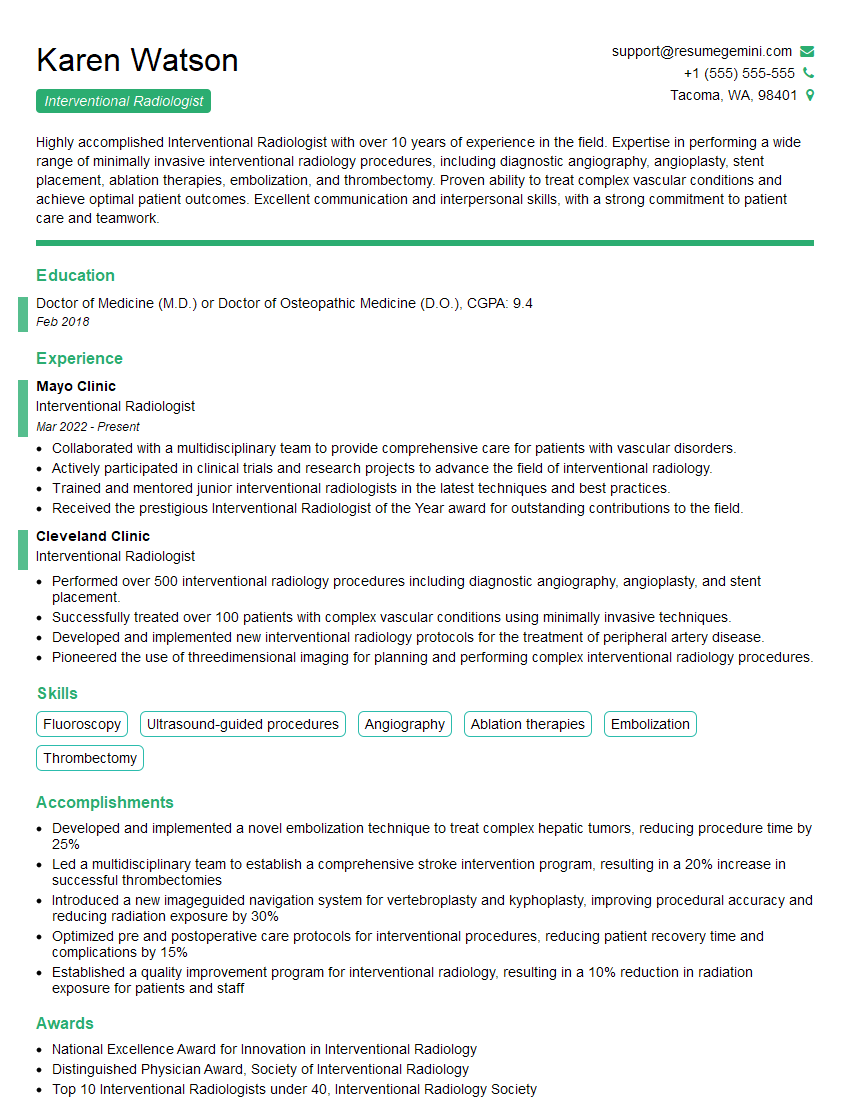
Interventional Radiologist Resume Sample
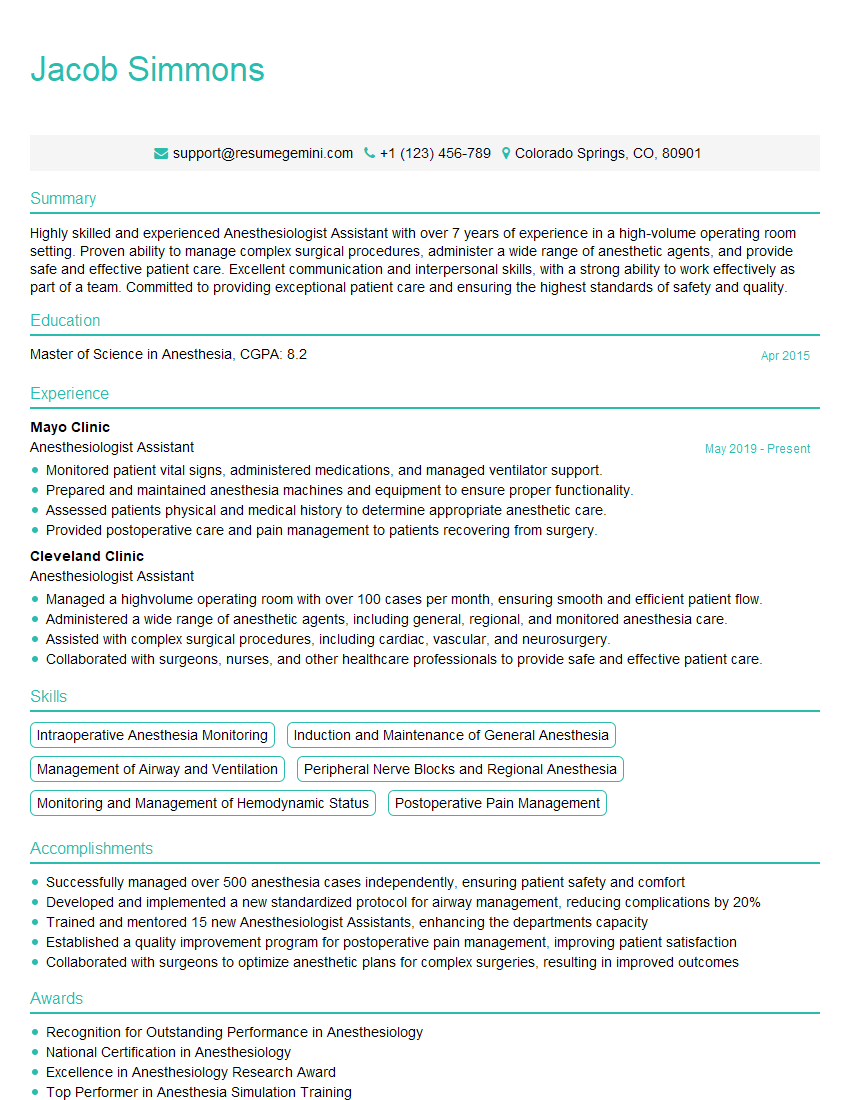
Anesthesiologist Assistant Resume Sample
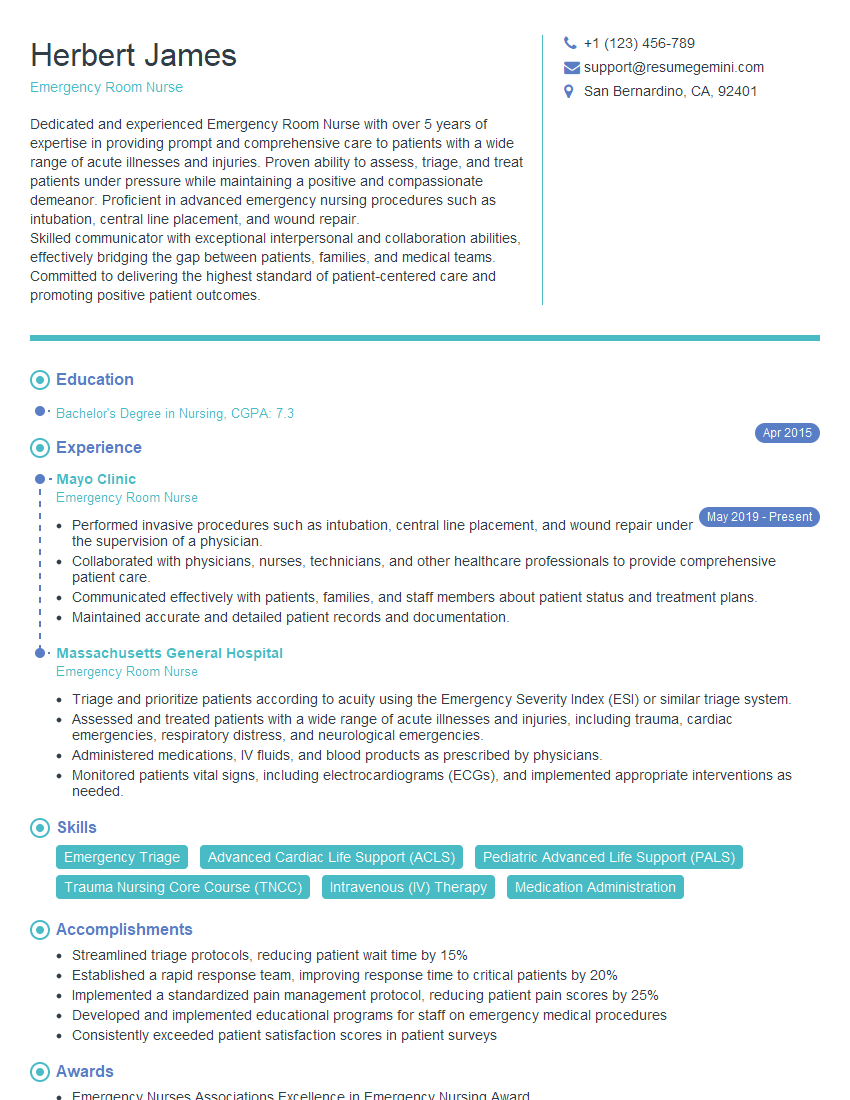
Emergency Room Nurse Resume Sample
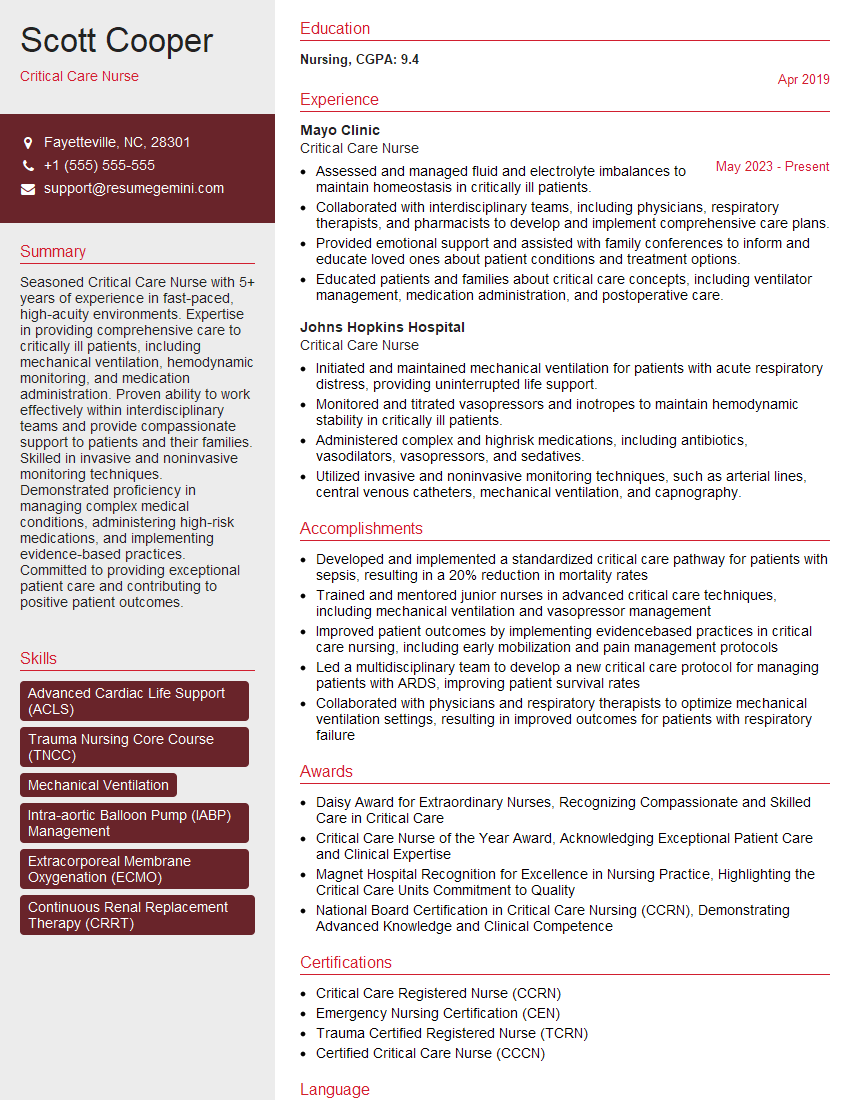
Critical Care Nurse Resume Sample
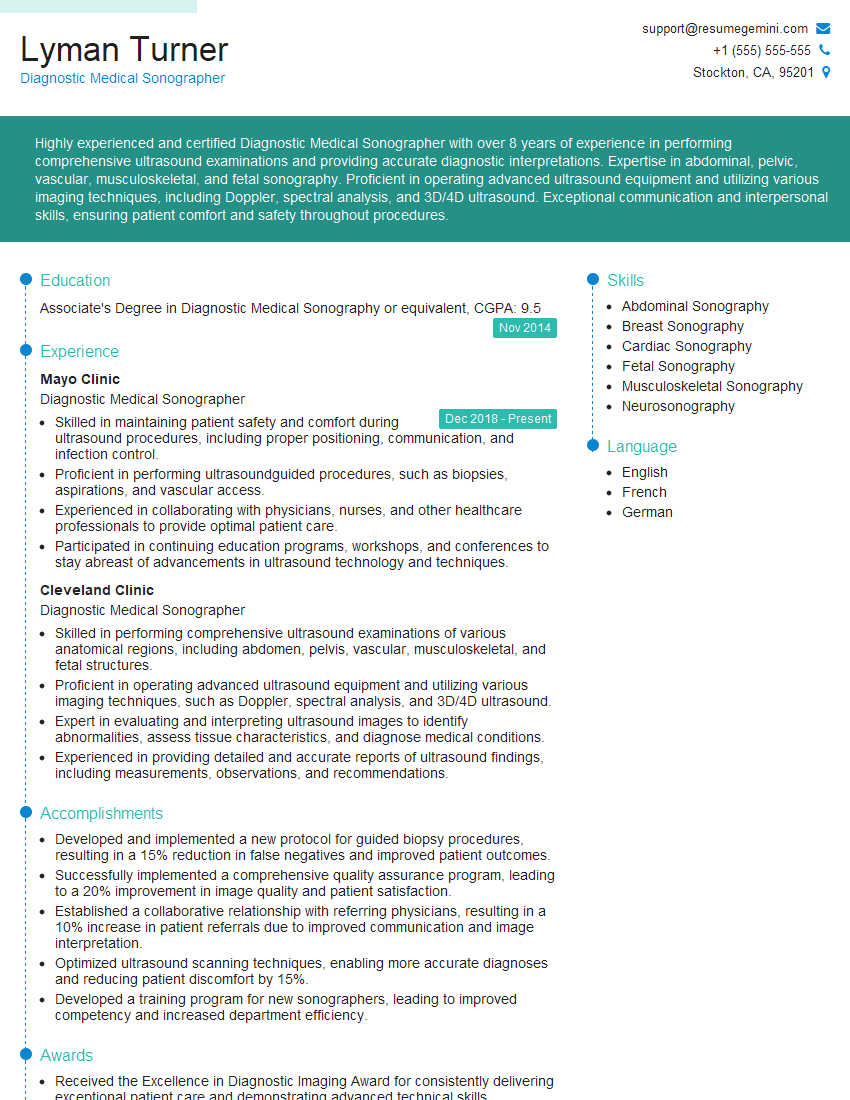
Diagnostic Medical Sonographer Resume Sample
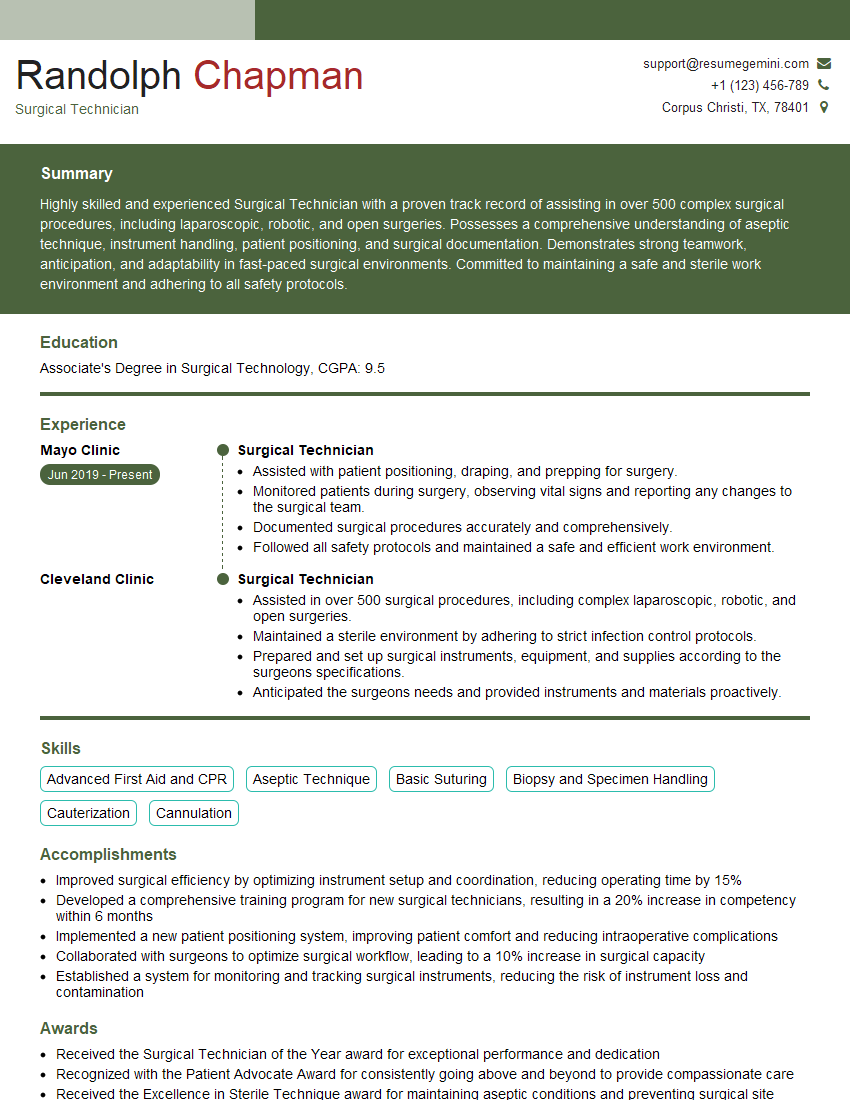
Surgical Technician Resume Sample
Explore more articles
Users Rating of Our Blogs
Share Your Experience
We value your feedback! Please rate our content and share your thoughts (optional).
What Readers Say About Our Blog
Really detailed insights and content, thank you for writing this detailed article.
IT gave me an insight and words to use and be able to think of examples