Every successful interview starts with knowing what to expect. In this blog, we’ll take you through the top Attention to Detail and Analytical Thinking interview questions, breaking them down with expert tips to help you deliver impactful answers. Step into your next interview fully prepared and ready to succeed.
Questions Asked in Attention to Detail and Analytical Thinking Interview
Q 1. Describe a time you identified a critical error overlooked by others.
Identifying critical errors often involves a combination of deep understanding, systematic review, and a healthy dose of skepticism. During a project involving the development of a financial reporting system, my team had completed the initial testing phase. While everyone was confident in the accuracy of the reports, I noticed a subtle discrepancy in the calculation of compound interest for long-term investments. The existing formula, while seemingly correct at first glance, failed to account for leap years, leading to a minor but accumulating error over longer periods. This seemingly insignificant oversight, if left uncorrected, would have resulted in inaccurate financial projections and potentially misleading investor reports. My attention to detail, coupled with my analytical background in finance, allowed me to identify this error, which was then swiftly corrected.
Q 2. How do you approach a complex problem requiring meticulous attention to detail?
Approaching complex problems demanding meticulous attention to detail requires a structured approach. My process typically involves:
- Deconstruction: Breaking down the problem into smaller, more manageable components. This helps in focusing attention on individual aspects without being overwhelmed by the complexity as a whole.
- Prioritization: Identifying critical elements and sequencing them based on their impact and interdependence. This prevents tackling less important elements before critical ones.
- Checklist Creation: Developing a detailed checklist of steps to ensure all aspects of the problem are addressed. This mitigates the risk of overlooking crucial steps.
- Cross-Verification: Employing multiple methods or approaches to verify the accuracy of results. This independent validation significantly reduces the probability of error.
- Documentation: Meticulously documenting each step, findings, and decisions. This aids in troubleshooting, understanding the process, and facilitates collaboration.
For example, when analyzing large datasets, I might use a combination of automated scripts for initial data cleaning and manual inspection to check for anomalies that automated processes might miss. This layered approach ensures both efficiency and accuracy.
Q 3. Explain your process for reviewing and verifying data for accuracy.
Data verification is crucial for reliable conclusions. My process involves a multi-stage approach:
- Source Verification: Evaluating the reliability and trustworthiness of the data source. This includes assessing data collection methodologies, potential biases, and the credibility of the source.
- Data Cleaning: Identifying and handling missing data, outliers, and inconsistencies using appropriate techniques such as imputation, filtering, or transformation. This ensures data quality and integrity.
- Cross-referencing: Comparing data from multiple sources to identify discrepancies and validate information. This helps to identify potential errors or biases in any single source.
- Statistical Analysis: Applying appropriate statistical methods to analyze the data for patterns, trends, and anomalies. This helps in identifying potentially inaccurate or misleading data points.
- Visual Inspection: Examining data visualizations (charts, graphs, etc.) to detect anomalies and patterns that might be missed through purely numerical analysis. This provides a visual representation for easier identification of outliers and trends.
For instance, when analyzing sales data, I might cross-reference sales figures from point-of-sale systems with inventory data to identify potential discrepancies or inconsistencies.
Q 4. How do you handle conflicting data or information?
Conflicting data requires a thorough investigation and careful analysis. My approach involves:
- Identify the Source: Pinpoint the source of each conflicting data point to understand the potential reasons for the discrepancy.
- Evaluate Reliability: Assess the credibility and reliability of each source. Consider the data collection methods, potential biases, and the overall reputation of the source.
- Data Reconciliation: Attempt to reconcile the conflicting data by identifying potential errors, inconsistencies, or differences in interpretation. This might involve further data investigation or clarification from data providers.
- Documentation: Record the discrepancies, the investigation steps, and the rationale behind any chosen resolution. This ensures transparency and traceability.
- Resolution Strategy: If reconciliation fails, develop a strategy for handling the conflict. This may involve choosing the most reliable source, using weighted averages, or flagging the conflicting data for further review.
For example, if I encountered different figures for customer acquisition costs from different departments, I’d investigate the different methodologies used, looking for differences in accounting practices or data definitions before deciding on the most accurate and consistent data.
Q 5. Describe a situation where your analytical skills helped solve a problem.
My analytical skills were instrumental in solving a problem related to a significant drop in customer engagement on a company website. The initial reports pointed to various possible causes, from a recent site redesign to seasonal fluctuations. I systematically analyzed user data, including traffic sources, bounce rates, time spent on site, and conversion rates. Through rigorous statistical analysis, correlation analysis, and regression modeling, I discovered a correlation between the drop in engagement and the introduction of a new pop-up advertising system. Further analysis indicated that the pop-up frequency and intrusive nature were significantly impacting user experience. This data-driven conclusion led to changes in the advertising strategy, ultimately restoring user engagement to previous levels.
Q 6. How do you prioritize tasks when facing multiple deadlines requiring high accuracy?
Prioritizing tasks with multiple high-accuracy deadlines demands a strategic approach. I utilize a system combining urgency, importance, and risk assessment:
- Eisenhower Matrix: I employ the Eisenhower Matrix (Urgent/Important) to categorize tasks, prioritizing urgent and important tasks first. This ensures timely completion of critical tasks.
- Risk Assessment: I assess the potential risks associated with delayed completion of each task, prioritizing tasks with higher risk first. This minimizes the impact of potential errors.
- Time Blocking: I allocate specific time blocks for each task, ensuring sufficient time is dedicated to high-accuracy tasks. This minimizes rushing and enhances precision.
- Batch Similar Tasks: I group similar tasks together to enhance focus and efficiency, reducing the cognitive load of switching between different task types.
- Regular Review: I regularly review progress and readjust priorities as needed. This ensures adaptability to changing circumstances and ensures optimal resource allocation.
For instance, if faced with deadlines for a financial report and a marketing campaign report, I would prioritize the financial report if its completion carries a higher risk of financial penalties, even if both have imminent deadlines.
Q 7. Walk me through your process for identifying and correcting errors in a document or dataset.
My error identification and correction process is methodical and iterative:
- Initial Review: I conduct a thorough initial review of the document or dataset, focusing on identifying obvious errors, inconsistencies, or anomalies. This often involves comparing against known standards or expectations.
- Specific Checks: I then implement specific checks based on the nature of the document or dataset. This might involve formula checks in spreadsheets, grammar and style checks in documents, or data type validation in databases.
- Data Validation: For datasets, I might employ data validation techniques such as range checks, consistency checks, and cross-referencing with other data sources to ensure accuracy and completeness.
- Automated Tools: I leverage automated tools wherever possible, such as spell-checkers, grammar tools, and data validation scripts, to enhance efficiency and consistency.
- Peer Review: A final step involves seeking a second opinion or conducting a peer review to catch any remaining errors. A fresh perspective can often identify errors missed during individual review.
- Documentation: All errors found, the methods used for identification, and the corrections implemented are meticulously documented. This provides a trail of the correction process and ensures future reference and prevention of recurring errors.
For instance, when reviewing a scientific report, I would not only check for grammatical errors but also scrutinize the methodology, data analysis, and conclusions for logical consistency and accuracy.
Q 8. How do you ensure the accuracy of your work under pressure?
Maintaining accuracy under pressure requires a structured approach. It’s not just about speed; it’s about controlled efficiency. My strategy involves several key steps:
- Prioritization and Planning: Before starting any task, I prioritize sub-tasks and create a checklist. This helps break down large projects into manageable chunks and prevents feeling overwhelmed.
- Double-Checking: I always build in time for thorough review. This includes proofreading, cross-referencing data, and using multiple methods to verify results whenever feasible. For instance, if calculating figures, I might use a calculator and then manually double-check the calculation to catch any errors.
- Utilizing Technology: I leverage technology to minimize errors. Tools like spell-checkers, grammar checkers, and automated data validation systems are invaluable. Using version control in programming projects ensures I can revert to previous, correct versions if needed.
- Taking Breaks: Burnout significantly impacts accuracy. I ensure I take short breaks throughout a long work period to rest my mind and prevent making mistakes from fatigue.
- Seeking Feedback: When possible, I involve a colleague for a second set of eyes on crucial tasks. A fresh perspective can often catch errors that I might have missed.
For example, during a critical project deadline involving data analysis, I broke down the task into smaller modules, meticulously checked each calculation, and reviewed the findings with a colleague before finalizing the report. This methodical approach allowed me to submit accurate work despite the time constraint.
Q 9. Explain how you use logic and reasoning to solve problems.
Logic and reasoning are fundamental to my problem-solving approach. I generally follow a structured process:
- Problem Definition: I begin by clearly defining the problem, ensuring I understand all its aspects. This often involves asking clarifying questions and gathering all relevant information.
- Data Gathering and Analysis: I gather all relevant data and analyze it, looking for patterns, correlations, and anomalies. I use both deductive (general to specific) and inductive (specific to general) reasoning to interpret the data.
- Hypothesis Generation: Based on my analysis, I formulate potential solutions or hypotheses. I consider various possibilities and try to eliminate unlikely scenarios.
- Testing and Evaluation: I test each hypothesis, gathering evidence to support or refute it. This might involve experimentation, simulations, or further data analysis.
- Conclusion and Refinement: Based on the results of my testing, I draw conclusions and refine my solutions. This is an iterative process; if a hypothesis is incorrect, I reassess and reformulate new ones.
Imagine troubleshooting a malfunctioning piece of equipment. I wouldn’t just start replacing parts randomly. I’d systematically check power supply, connections, and individual components, using logic to narrow down the possible causes before reaching a solution.
Q 10. How do you approach a problem with incomplete data?
Working with incomplete data is a common challenge. My approach prioritizes transparency and acknowledges the limitations while striving for the best possible outcome:
- Identify Missing Information: The first step is to clearly identify what data is missing and its potential impact on the analysis.
- Explore Data Sources: I explore all available avenues to find the missing information. This could include internal databases, external resources, or even reaching out to colleagues or experts.
- Sensitivity Analysis: If the missing data can’t be found, I perform a sensitivity analysis to understand how different assumptions about the missing data affect the results. This helps to understand the range of possible outcomes and identify the most likely scenarios.
- Qualitative Input: If quantitative data is scarce, I might incorporate qualitative data, such as expert opinions or anecdotal evidence, to enhance my analysis.
- Transparency and Reporting: It’s crucial to clearly state the limitations imposed by the incomplete data in any reports or conclusions. Honesty about the uncertainties is essential for informed decision-making.
For example, when analyzing market trends with limited customer feedback data, I would acknowledge the limitations in my report and focus on the available data points while exploring complementary qualitative information through customer surveys or interviews.
Q 11. Describe a time you had to make a decision based on limited information. How did you approach it?
In a previous role, I had to decide whether to launch a new marketing campaign with limited pre-launch market research data. We had some early user feedback, but a full market analysis was not completed due to time constraints.
My approach was as follows:
- Risk Assessment: I assessed the potential risks and rewards of launching the campaign with the limited data. This included considering the financial implications of a potential failure.
- Scenario Planning: I developed various scenarios based on different assumptions about market reception, ranging from best-case to worst-case.
- Data Prioritization: I focused on the most critical data points we did have – the early user feedback, which, although limited, indicated positive sentiment.
- Phased Launch: To mitigate risk, I recommended a phased rollout. This would allow us to gather real-time data from the initial launch and make adjustments before a full-scale launch. This minimized the risk of a major financial loss.
This measured approach, based on careful evaluation of the incomplete information, allowed us to launch the campaign successfully, gathering valuable data as we proceeded.
Q 12. How do you identify patterns and trends in data?
Identifying patterns and trends in data relies heavily on visualization and statistical methods. I use various techniques:
- Data Visualization: I use charts, graphs, and other visual tools to identify trends and outliers visually. Tools like Excel, Tableau, or specialized statistical software are invaluable for this.
- Statistical Analysis: I employ statistical techniques such as regression analysis, correlation analysis, and time series analysis to identify relationships between variables and predict future trends.
- Data Mining Techniques: For larger datasets, I might use data mining techniques like clustering and association rule mining to discover hidden patterns and relationships.
- Anomaly Detection: I also look for outliers or anomalies in the data, as these can indicate interesting patterns or potential problems.
For example, when analyzing sales data, a line chart might reveal a seasonal pattern, while regression analysis could show the correlation between advertising spend and sales volume.
Q 13. How do you interpret data to draw meaningful conclusions?
Interpreting data to draw meaningful conclusions requires a critical and nuanced approach:
- Contextual Understanding: I always consider the context of the data. Understanding the data’s source, limitations, and potential biases is crucial for accurate interpretation.
- Statistical Significance: I evaluate the statistical significance of any observed patterns or trends. A correlation doesn’t necessarily imply causation, and I’m careful not to over-interpret results.
- Data Triangulation: Whenever possible, I corroborate findings from multiple data sources to increase confidence in my conclusions.
- Critical Thinking: I avoid jumping to conclusions and instead engage in critical thinking, questioning assumptions and considering alternative explanations.
- Clear Communication: Finally, I ensure my conclusions are clearly and concisely communicated, emphasizing both the findings and the limitations of the analysis.
For example, if a survey shows a negative correlation between product price and customer satisfaction, I would investigate if other factors contribute before concluding that price reduction will automatically increase satisfaction. The analysis would need to consider factors like brand loyalty, perceived value, and overall market trends.
Q 14. Give an example of a time you had to interpret complex information and communicate it clearly to others.
In a previous project, I was tasked with analyzing complex financial data related to a company’s performance. The data included multiple financial statements, market trends, and economic indicators.
My approach involved:
- Data Consolidation: I first consolidated the data from various sources into a single, cohesive dataset. This included cleaning and transforming the data to ensure consistency and accuracy.
- Key Metric Identification: I identified key performance indicators (KPIs) such as revenue growth, profitability, and return on investment.
- Data Analysis and Interpretation: I then analyzed the data using various statistical and financial modeling techniques to identify key trends and patterns.
- Report Creation: I created a comprehensive report summarizing my findings, using clear and concise language, avoiding jargon, and including relevant charts and graphs to illustrate the key points.
- Presentation and Discussion: I presented the report to stakeholders, answering their questions and facilitating a discussion of the findings and their implications.
By structuring the complex data into a clear and concise narrative, and using visual aids to support the key findings, I successfully communicated complex financial information to a non-technical audience, leading to informed and effective decision-making.
Q 15. How do you stay organized when working on multiple projects simultaneously?
Managing multiple projects effectively requires a robust organizational system. I rely on a combination of tools and techniques to ensure nothing slips through the cracks. Firstly, I utilize project management software like Asana or Trello to create detailed task lists for each project, breaking down larger goals into smaller, manageable steps. This allows for clear prioritization and progress tracking. Secondly, I employ time-blocking, dedicating specific time slots in my day to work on particular projects. This prevents context switching and maintains focus. Thirdly, I regularly review my schedules and adjust priorities as needed, adapting to unexpected changes or urgent tasks. For instance, if a critical task arises in one project, I’ll temporarily shift resources and adjust my time blocks to ensure timely completion. Finally, I maintain meticulous documentation, including meeting minutes and progress reports, to ensure clear communication and accountability across all projects.
- Project Management Software: Asana, Trello, Monday.com
- Time Blocking: Scheduling specific times for specific tasks.
- Regular Review & Adjustment: Adapting to changing priorities.
- Documentation: Maintaining detailed records for clarity and accountability.
Career Expert Tips:
- Ace those interviews! Prepare effectively by reviewing the Top 50 Most Common Interview Questions on ResumeGemini.
- Navigate your job search with confidence! Explore a wide range of Career Tips on ResumeGemini. Learn about common challenges and recommendations to overcome them.
- Craft the perfect resume! Master the Art of Resume Writing with ResumeGemini’s guide. Showcase your unique qualifications and achievements effectively.
- Don’t miss out on holiday savings! Build your dream resume with ResumeGemini’s ATS optimized templates.
Q 16. How do you handle ambiguity and uncertainty in data analysis?
Ambiguity and uncertainty in data analysis are common challenges. My approach involves a structured process to address these issues. First, I thoroughly examine the data source to understand its limitations, potential biases, and the methods used to collect it. Second, I employ exploratory data analysis (EDA) techniques, such as visualizations and summary statistics, to gain a better understanding of the data’s structure and identify any inconsistencies or outliers. Third, I employ robust statistical methods that account for uncertainty and handle missing data appropriately. For example, if dealing with incomplete datasets, I might use imputation techniques to fill in missing values while carefully documenting the methods used. Finally, I document all assumptions and limitations of my analysis, ensuring transparency and acknowledging areas of uncertainty. This way, any conclusions are presented with caveats and potential error margins clearly identified.
For example, if analyzing survey data with low response rates, I’d clearly state that the results might not be generalizable to the broader population and acknowledge potential non-response bias.
Q 17. Describe your process for conducting thorough research.
My research process is systematic and thorough. It begins with clearly defining the research question and objectives. This ensures that all subsequent steps are focused and relevant. Next, I identify and evaluate relevant sources, using a combination of academic databases, reputable websites, and primary data collection methods where appropriate. I critically evaluate each source for credibility, bias, and relevance. I meticulously document my sources and take detailed notes, ensuring proper attribution to avoid plagiarism. Then, I synthesize the information, identifying patterns, contradictions, and gaps in the existing knowledge. I analyze the findings, formulating logical conclusions and identifying areas for further investigation. Throughout the process, I maintain rigorous documentation and transparency to ensure the reproducibility and validity of my research.
For instance, when researching market trends, I would consult industry reports, market research databases, competitor analysis, and potentially conduct customer surveys to gain a comprehensive understanding.
Q 18. How do you identify potential biases in data or information?
Identifying potential biases is a crucial aspect of data analysis. I approach this by considering several key areas. First, I examine the data collection methods to identify potential sampling bias. For example, a survey distributed only online may exclude individuals without internet access. Second, I look for measurement bias, which might stem from poorly designed questions or flawed instruments. Third, I investigate reporting bias, recognizing that the way data is presented can influence interpretations. Fourth, I consider confirmation bias, acknowledging my own predispositions and actively seeking to counterbalance them. Finally, I explore the potential for publication bias where studies with significant results are more likely to be published than those with null findings. By systematically assessing these areas, I strive to minimize the impact of bias on my analysis and draw more objective conclusions.
Q 19. How do you use technology to improve your attention to detail and analytical skills?
Technology plays a vital role in enhancing both my attention to detail and analytical skills. I utilize various software tools to improve accuracy and efficiency. For example, I use spreadsheet software like Excel or Google Sheets with data validation and formula checks to prevent errors in data entry and calculations. I also employ statistical software packages like R or Python with specialized libraries (e.g., Pandas, NumPy) for advanced data analysis and visualization, allowing for more thorough exploration and interpretation of datasets. Moreover, I leverage grammar and style checkers to improve the clarity and precision of my written reports, ensuring accuracy in communication. These technologies help to automate repetitive tasks, allowing me to focus on more complex analytical challenges and reduce the risk of overlooking small, yet potentially significant details.
Q 20. How do you handle criticism of your work?
I view criticism as an opportunity for growth and improvement. I actively seek feedback and consider it a valuable tool to refine my work and enhance my skills. When receiving criticism, I listen attentively, ask clarifying questions, and avoid becoming defensive. I analyze the feedback objectively, separating constructive criticism from personal attacks. I then consider how to address the valid points raised, incorporating improvements where appropriate. I believe that professional growth hinges on a willingness to accept and learn from feedback, using it to enhance performance. I maintain open communication with my colleagues and supervisors, proactively seeking feedback throughout the project lifecycle to prevent major issues from arising later.
Q 21. How do you ensure the quality of your work meets the highest standards?
Maintaining the highest quality standards requires a multi-faceted approach. First, I define clear quality metrics at the outset of a project. This could include accuracy benchmarks, completion deadlines, or specific quality control checks. Second, I follow established best practices and methodologies throughout my work. This may involve adhering to specific coding standards, employing rigorous testing procedures, or using validated data sources. Third, I engage in peer reviews and seek input from colleagues, leveraging their expertise to identify potential flaws or areas for improvement. Fourth, I conduct thorough testing and validation of results, including sensitivity analysis to assess the robustness of my findings. Finally, I meticulously document all my processes and decisions, ensuring transparency and enabling easy reproduction of results. This commitment to quality assurance ensures that my work is not only accurate but also reliable and trustworthy.
Q 22. How do you adapt your approach when faced with unexpected challenges or errors?
When faced with unexpected challenges or errors, my approach is systematic and driven by a deep understanding of root cause analysis. I start by acknowledging the issue without panic, ensuring I’ve accurately understood the problem. This involves carefully reviewing all relevant information – logs, error messages, data points – to identify the exact nature of the challenge.
Next, I break down the problem into smaller, manageable parts. This decomposition helps me focus my efforts and avoid getting overwhelmed. I prioritize tasks based on urgency and impact. For example, if a critical system is down, restoring functionality immediately takes precedence over investigating less pressing issues.
I then investigate potential causes using a combination of deduction and testing. I leverage my analytical skills to eliminate unlikely possibilities, and I meticulously test hypotheses to confirm or refute them. Once the root cause is identified, I implement a solution, ensuring that it addresses the underlying problem rather than just masking symptoms. Finally, I document everything – the problem, its cause, the solution, and lessons learned – to prevent recurrence. Think of it like detective work – finding clues, formulating theories, and testing them until the mystery is solved.
Q 23. Give an example of a time you had to make a difficult decision based on data analysis. What were the considerations?
In a previous role, we were deciding whether to launch a new marketing campaign. My analysis involved examining historical sales data, customer demographics, and competitor activity. The data initially suggested a positive ROI, but a closer examination revealed a significant correlation between high campaign spend and low conversion rates during specific seasons.
My considerations included not just the potential profit, but also the risks. I presented multiple scenarios, highlighting the best-case and worst-case projections based on different levels of investment and targeted segments. I also emphasized the importance of testing the campaign in a smaller market before a full-scale launch. This approach allowed us to make an informed decision – opting for a phased rollout based on the data insights, minimizing financial risk and maximizing potential returns. It was a case of being highly detail-oriented and using analytical reasoning to navigate uncertainty.
Q 24. How do you ensure your analysis is objective and unbiased?
Objectivity and unbiased analysis are paramount. I employ several strategies to ensure this. Firstly, I define clear research questions and methodologies before starting the analysis, minimizing potential biases in the data selection and interpretation process. I treat all data with equal scrutiny, regardless of whether it supports my initial hypothesis or not. This involves actively seeking out data that might contradict my initial assumptions.
Furthermore, I use rigorous statistical methods to identify and control for confounding variables that might skew the results. Where possible, I incorporate blind testing procedures, whereby the data is analyzed without knowledge of group assignments, minimizing unconscious bias. Finally, I carefully document my entire process, making it transparent and replicable by others. This fosters greater confidence in the results and allows others to identify potential flaws or biases. It’s like having a ‘checklist’ for fairness in data analysis.
Q 25. How do you validate your findings and ensure their accuracy?
Validating findings is crucial. I use multiple methods to ensure accuracy. First, I conduct thorough cross-validation checks, comparing results from different data sources or analytical techniques. Discrepancies are investigated thoroughly to identify their source. Second, I employ sensitivity analysis, assessing how changes in input data impact the results. This helps in evaluating the robustness of the findings.
Third, I employ peer review. Sharing my findings and methodology with colleagues allows for different perspectives and improves the thoroughness of validation. Finally, I contextualize my findings within the broader business objectives and realistic constraints. This ensures the analysis is relevant and impactful, rather than just statistically significant. It’s about understanding if the findings stand up to scrutiny, both mathematically and practically.
Q 26. Describe a situation where you needed to present complex data in a simple and understandable way.
In one instance, I had to present complex financial data to a non-technical audience. The data involved multiple revenue streams, cost structures, and profitability metrics. Instead of overwhelming them with spreadsheets and technical jargon, I opted for a visually engaging presentation.
I used clear, concise charts and graphs to illustrate key trends and insights. For example, I used a bar chart to compare revenue across different departments, a line chart to showcase growth over time, and a pie chart to represent the breakdown of expenses. I avoided technical terminology and explained complex concepts using simple analogies. I also prioritized the key takeaways, focusing on the insights that were most relevant to the audience’s decision-making process. The result was a successful presentation where the audience grasped the key information easily and could make well-informed choices. It’s about translation – turning complex data into a story everyone can understand.
Q 27. How do you continuously improve your analytical and detail-oriented skills?
Continuous improvement is crucial. I actively seek opportunities to enhance my skills through various means. I regularly read industry publications, attend workshops and conferences, and participate in online courses focusing on advanced analytical techniques and best practices. I also regularly participate in professional development training, which has broadened my skills in areas such as statistical modeling and data visualization.
Furthermore, I actively seek feedback on my work from colleagues and supervisors. This allows me to identify areas for improvement and refine my approach. I also make a conscious effort to improve my attention to detail by breaking down complex tasks into smaller, manageable steps, double-checking my work meticulously, and using checklists to ensure thoroughness. Learning is a continuous process, and I embrace it proactively.
Q 28. How do you handle situations where you discover inconsistencies or discrepancies in data?
When inconsistencies or discrepancies arise, my initial reaction is not alarm, but rather curiosity. I methodically investigate the root cause, considering various possibilities. First, I verify the accuracy of the data source, checking for data entry errors or flaws in data collection methods. I look for anomalies or outliers and investigate their potential explanations. This process might involve examining data logs, checking source systems, and reviewing documentation.
If the discrepancies persist, I perform further analyses to explore the potential reasons behind them. I might need to refine my analytical methods or seek additional data sources. I clearly document the inconsistencies and my investigation process, ensuring complete transparency. Addressing data discrepancies is a detective-like process that requires careful attention to detail, logical reasoning, and a commitment to finding the truth in the data, even if it involves challenging initial assumptions.
Key Topics to Learn for Attention to Detail and Analytical Thinking Interviews
- Recognizing Patterns and Anomalies: Understanding how to identify inconsistencies, errors, and deviations from established norms or expectations. This includes developing the ability to spot subtle differences and inconsistencies in data sets or processes.
- Data Interpretation and Analysis: Mastering the skill of extracting meaningful insights from raw data, using various techniques to analyze trends, correlations, and causal relationships. This involves critical thinking and the ability to draw accurate conclusions.
- Problem Decomposition and Structured Thinking: Breaking down complex problems into smaller, manageable components to facilitate effective problem-solving. This involves a systematic approach to analyzing the problem and identifying key factors.
- Accuracy and Precision in Execution: Demonstrating meticulousness and precision in all tasks, paying close attention to detail to avoid errors and ensure high-quality output. This includes double-checking work and seeking feedback to refine processes.
- Effective Communication of Findings: Clearly and concisely communicating analytical findings and insights to diverse audiences, adapting the communication style to suit the audience’s knowledge and understanding. This includes supporting conclusions with evidence and data.
- Root Cause Analysis: Going beyond identifying problems to understand the underlying causes. This involves investigating the root of an issue to prevent future occurrences.
- Quality Control and Assurance: Understanding and implementing quality control measures to ensure accuracy and prevent errors. This includes developing and applying checklists and utilizing quality assurance techniques.
Next Steps
Mastering Attention to Detail and Analytical Thinking is crucial for career advancement across all industries. These skills are highly valued by employers as they directly contribute to efficiency, accuracy, and problem-solving capabilities. Building an ATS-friendly resume that highlights these skills is essential for maximizing your job prospects. To craft a compelling and effective resume that showcases your abilities, we highly recommend using ResumeGemini. ResumeGemini provides the tools and resources you need to create a professional and impactful resume. Examples of resumes tailored to highlight Attention to Detail and Analytical Thinking are available to guide your process.

Project Manager Resume Sample

Compliance Officer Resume Sample
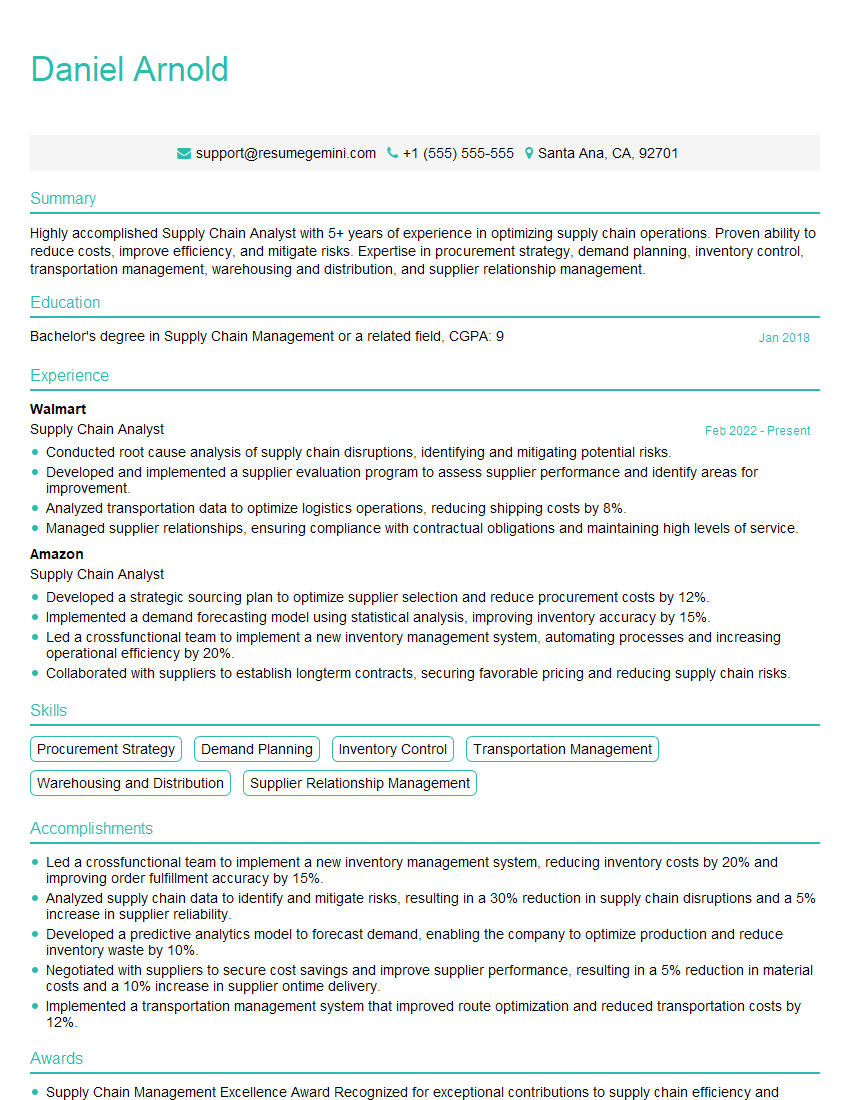
Supply Chain Analyst Resume Sample
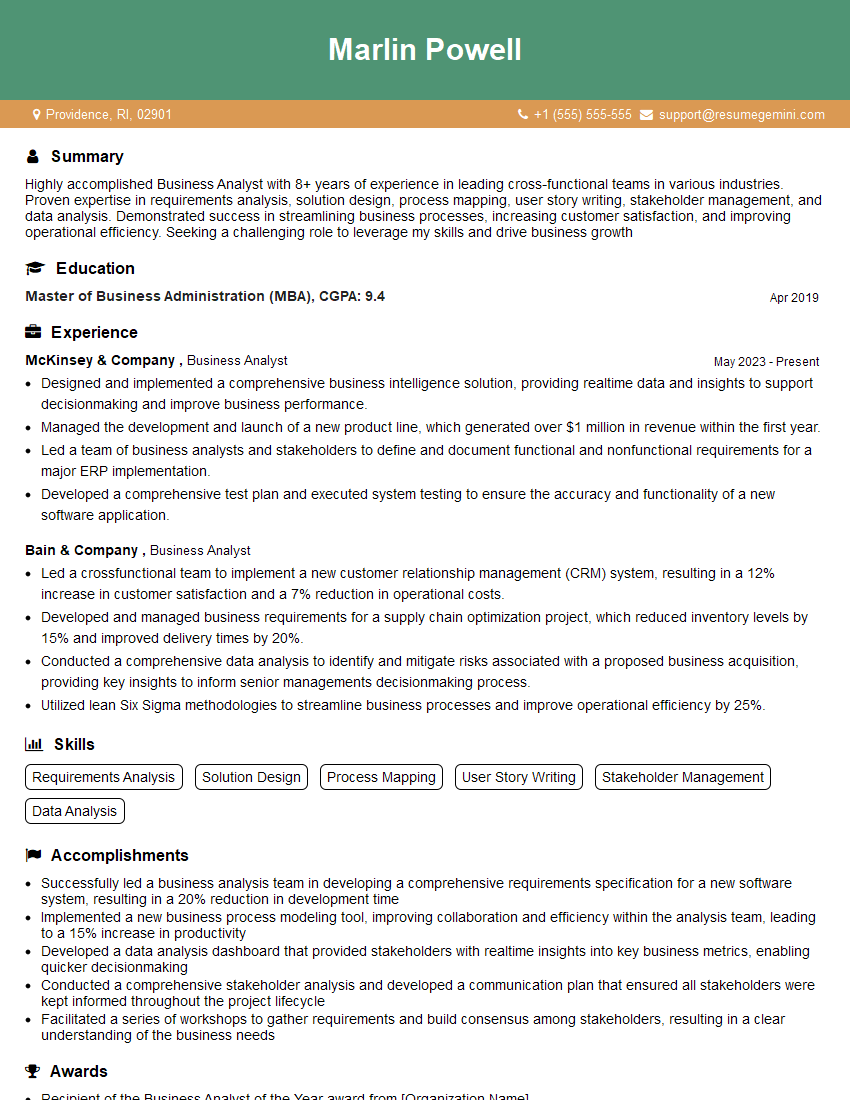
Business Analyst Resume Sample
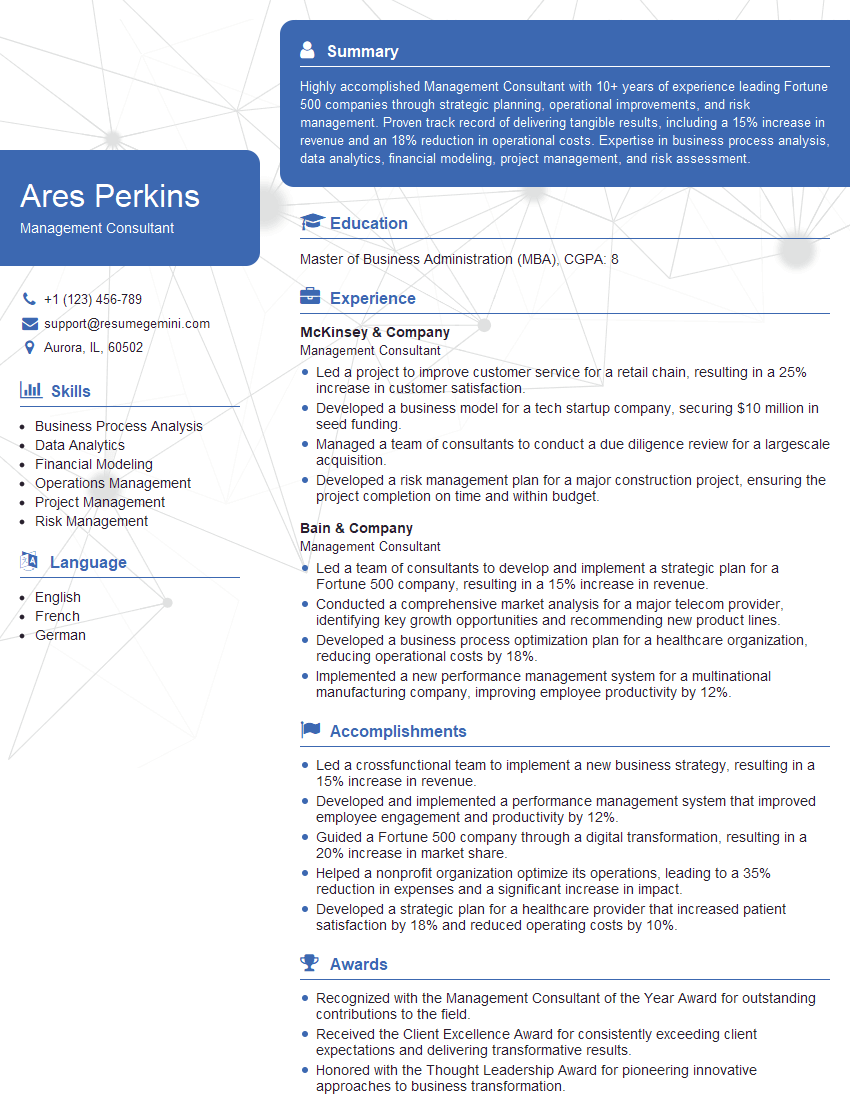
Management Consultant Resume Sample
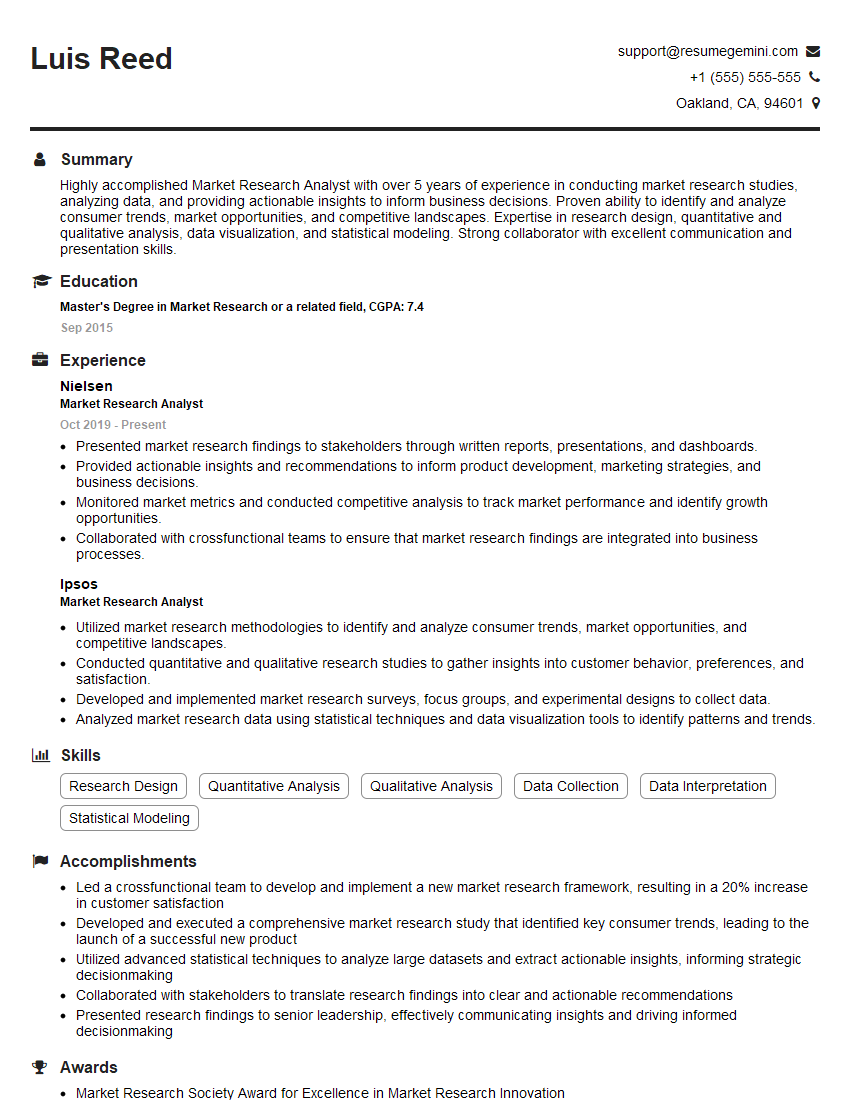
Market Research Analyst Resume Sample
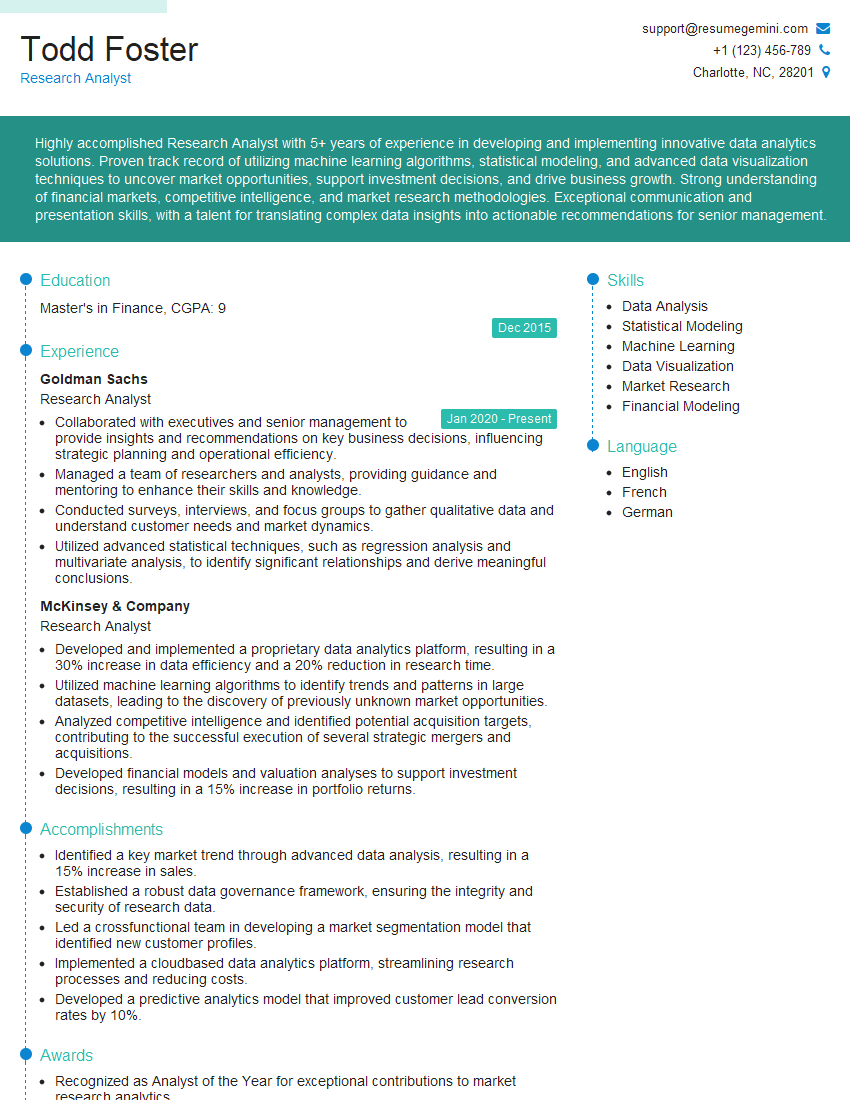
Research Analyst Resume Sample
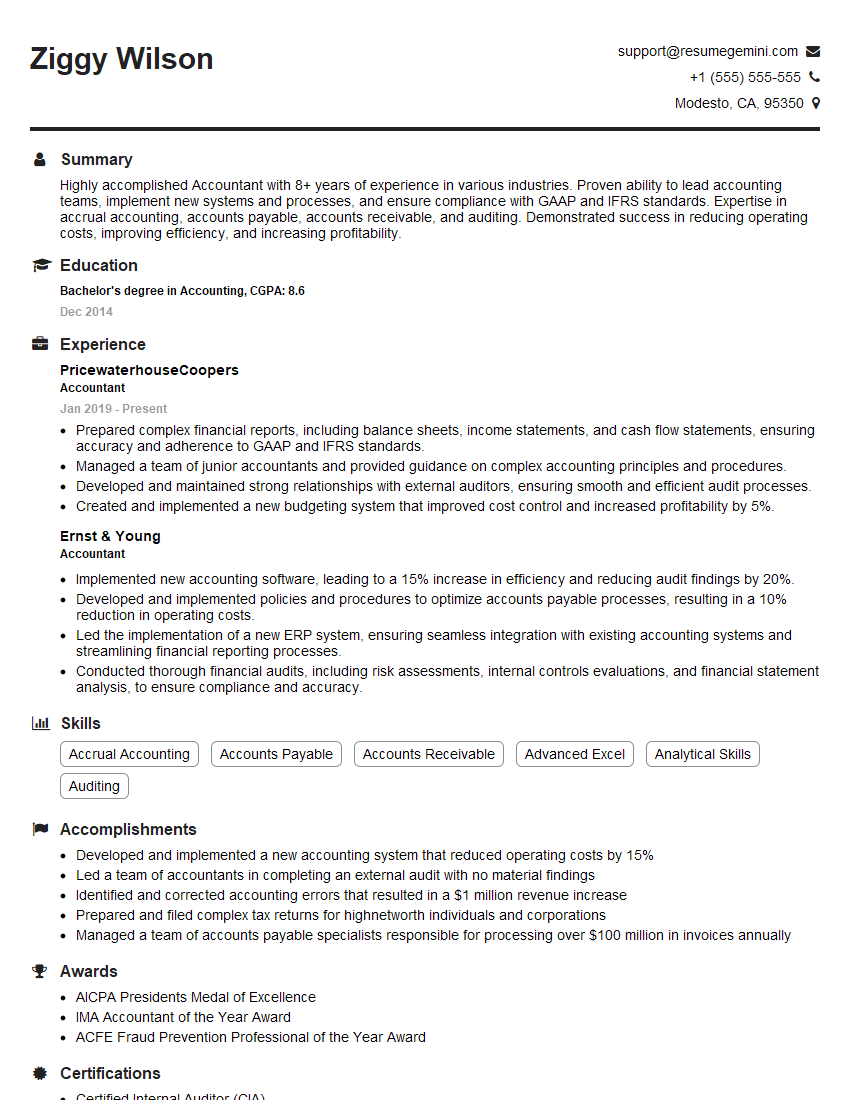
Accountant Resume Sample
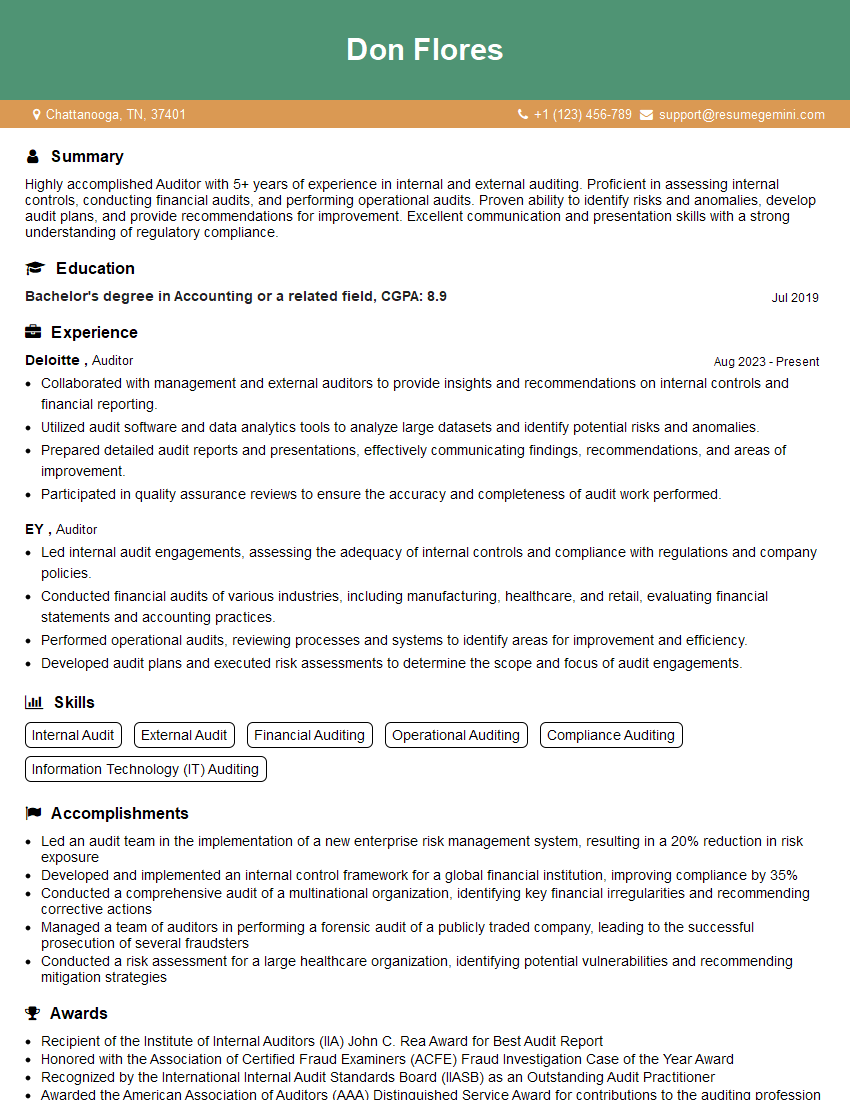
Auditor Resume Sample
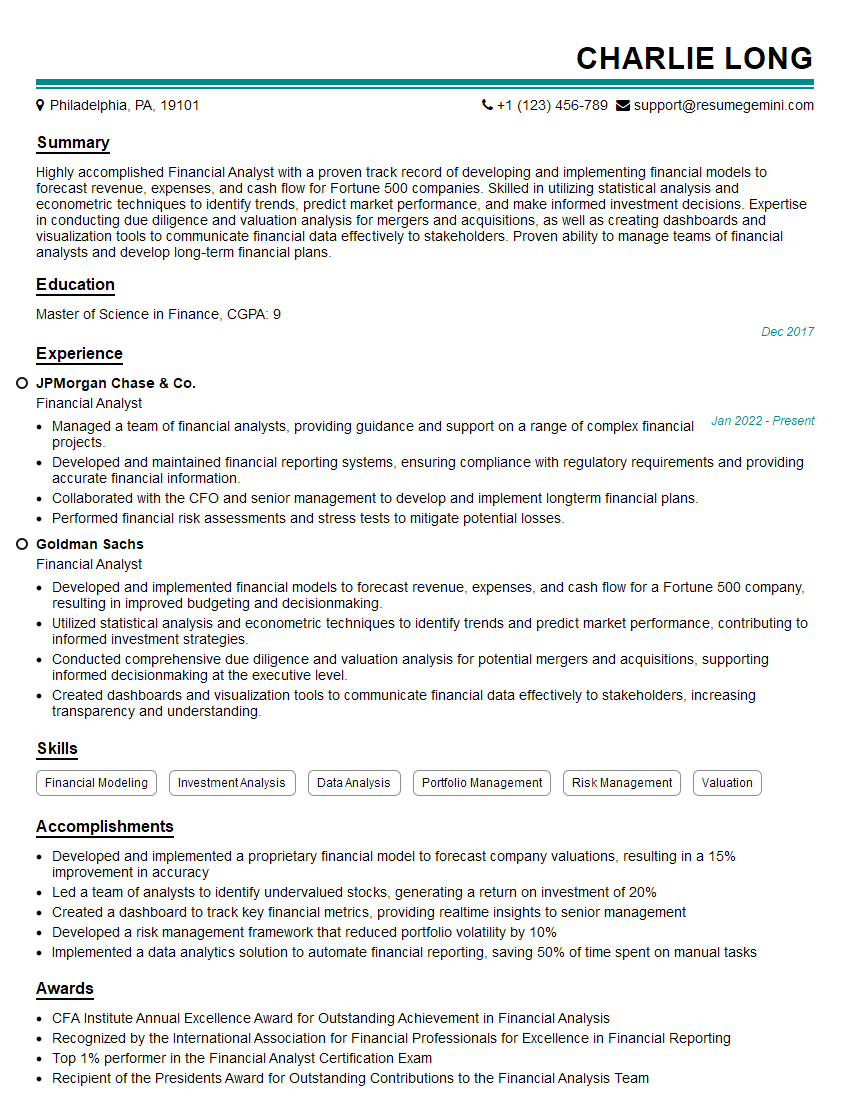
Financial Analyst Resume Sample
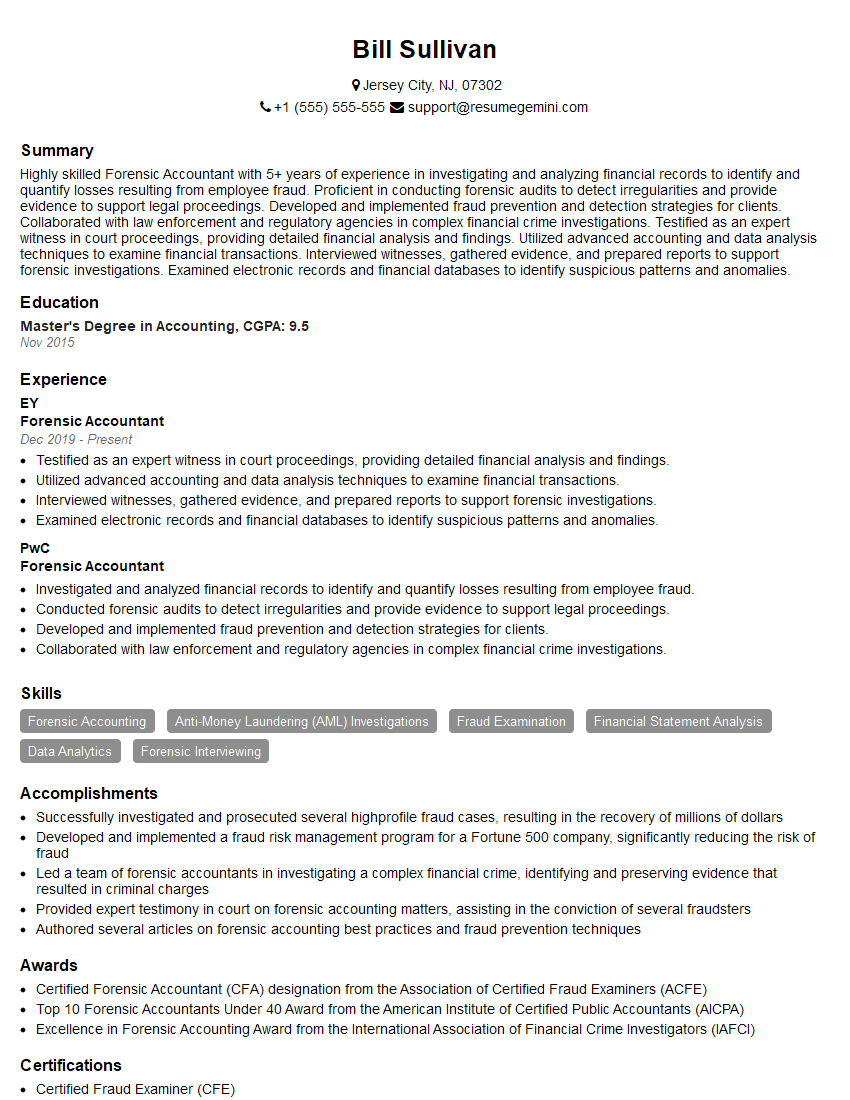
Forensic Accountant Resume Sample
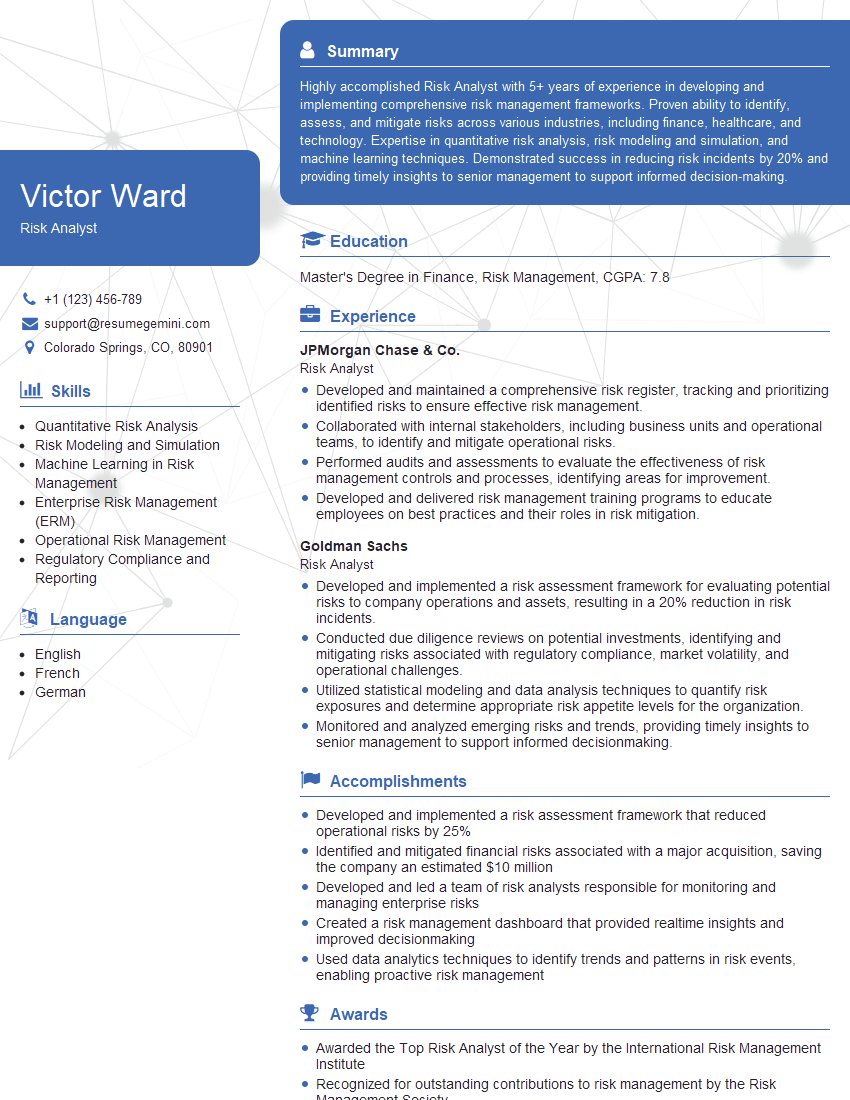
Risk Analyst Resume Sample
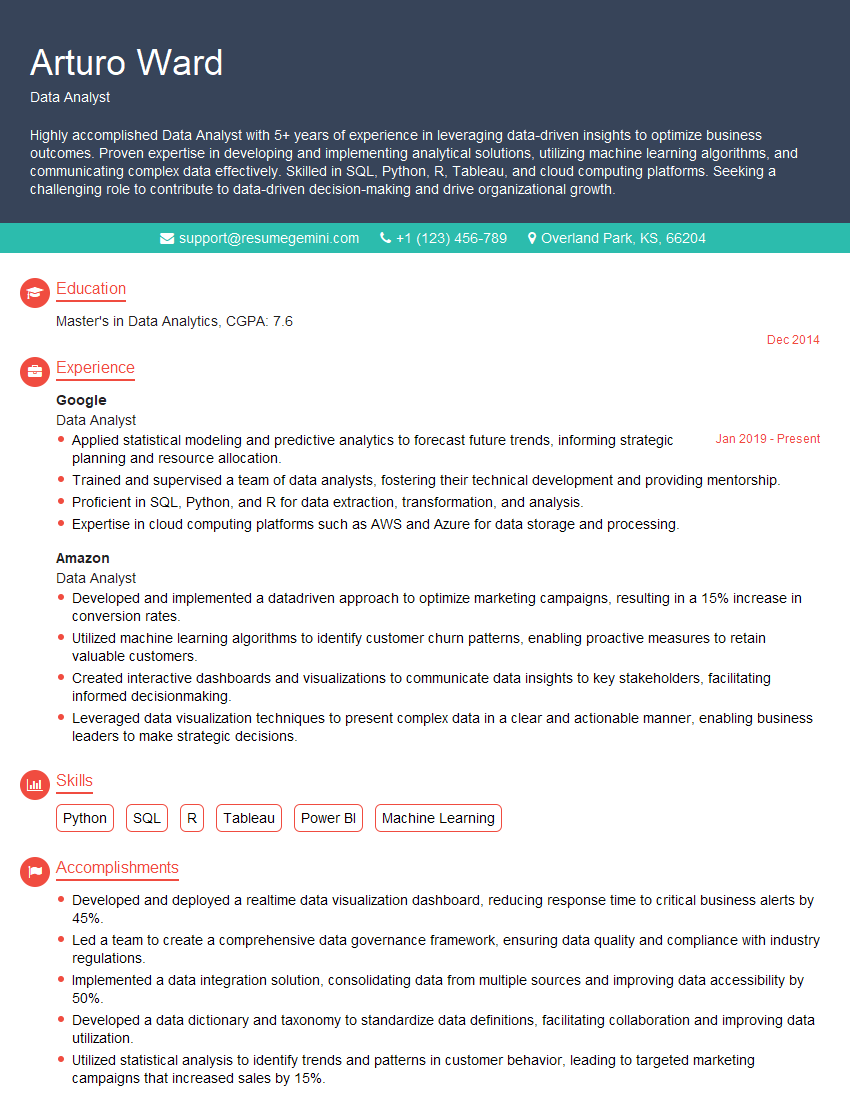
Data Analyst Resume Sample
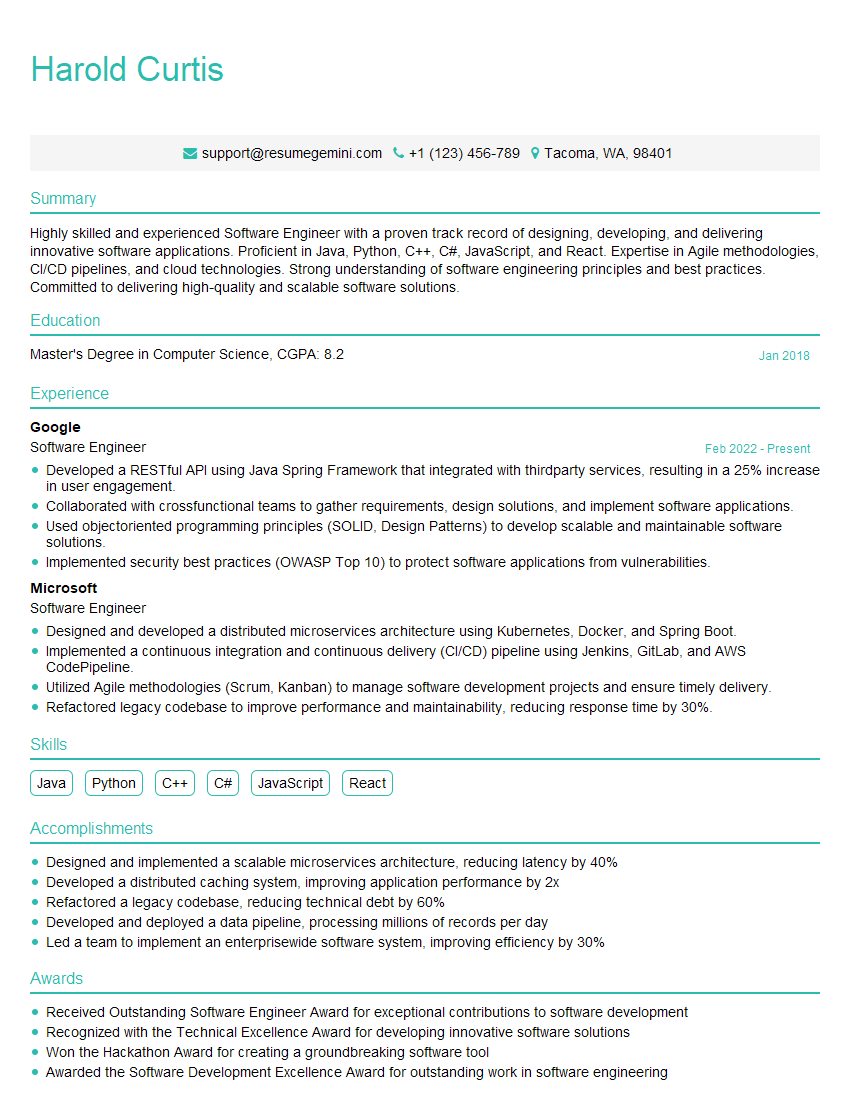
Software Engineer Resume Sample
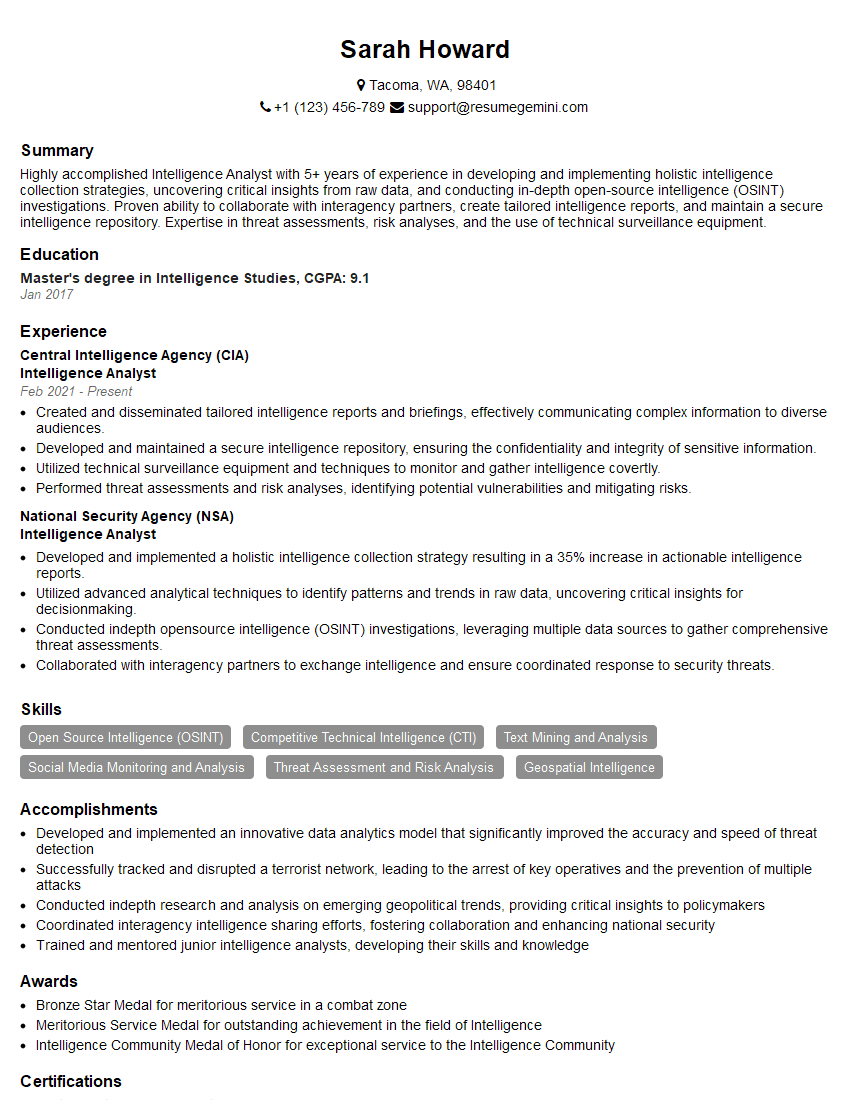
Intelligence Analyst Resume Sample
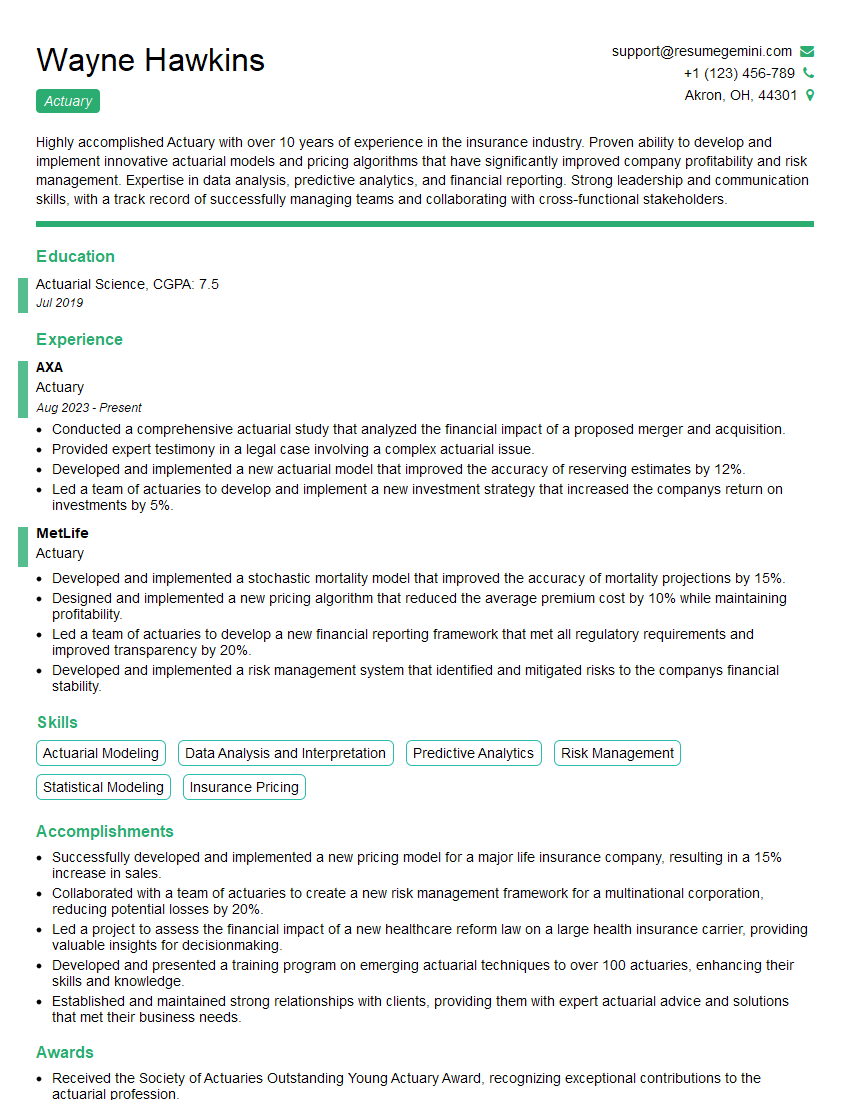
Actuary Resume Sample
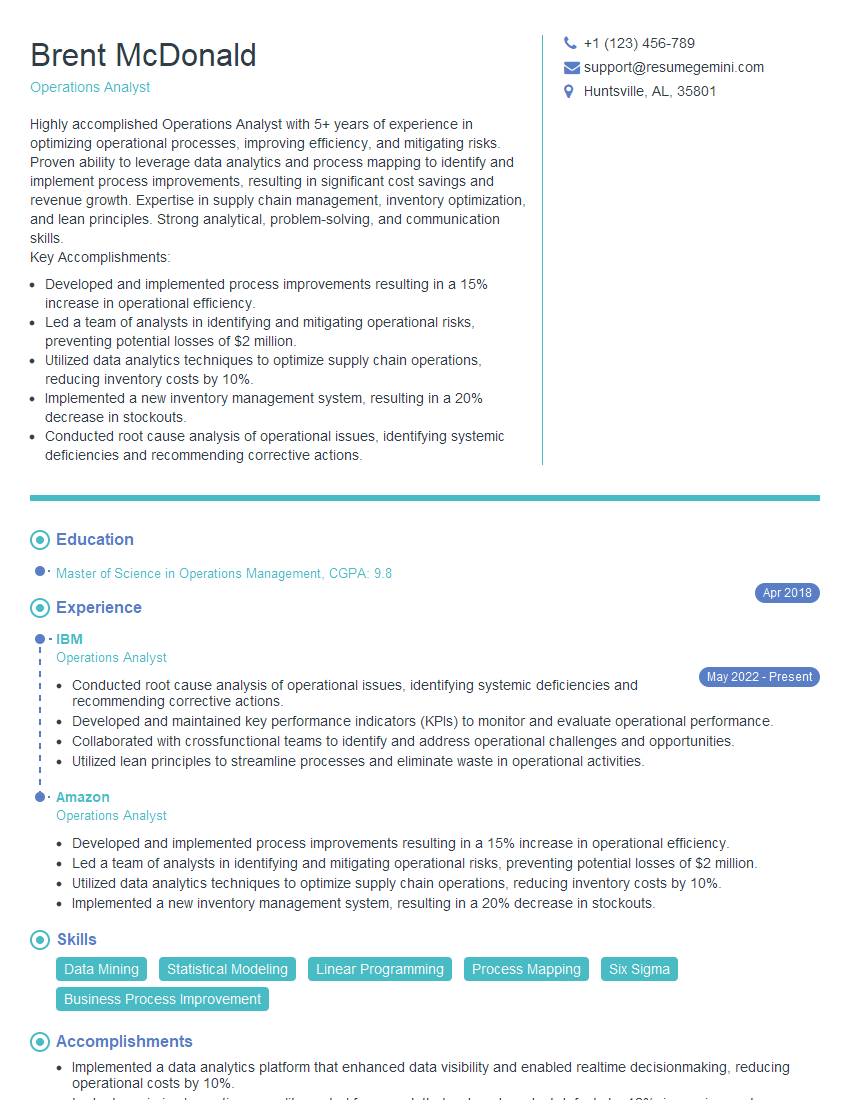
Operations Analyst Resume Sample
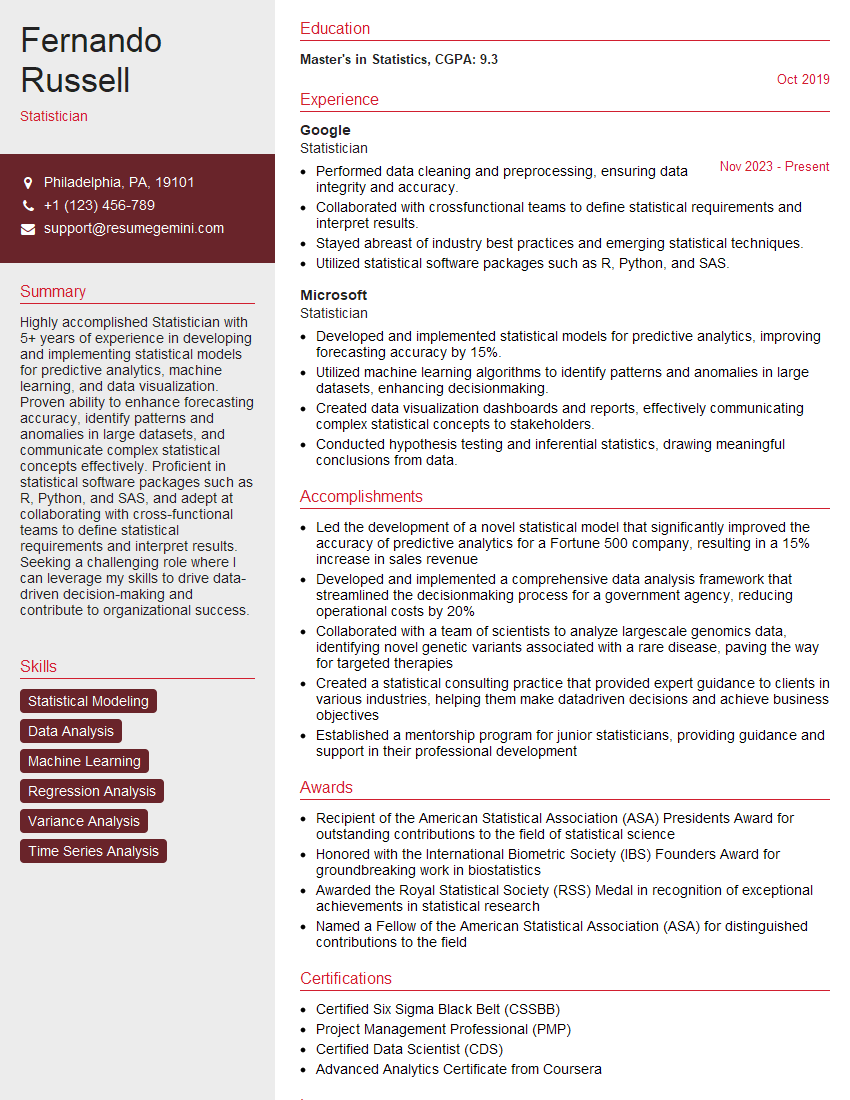
Statistician Resume Sample
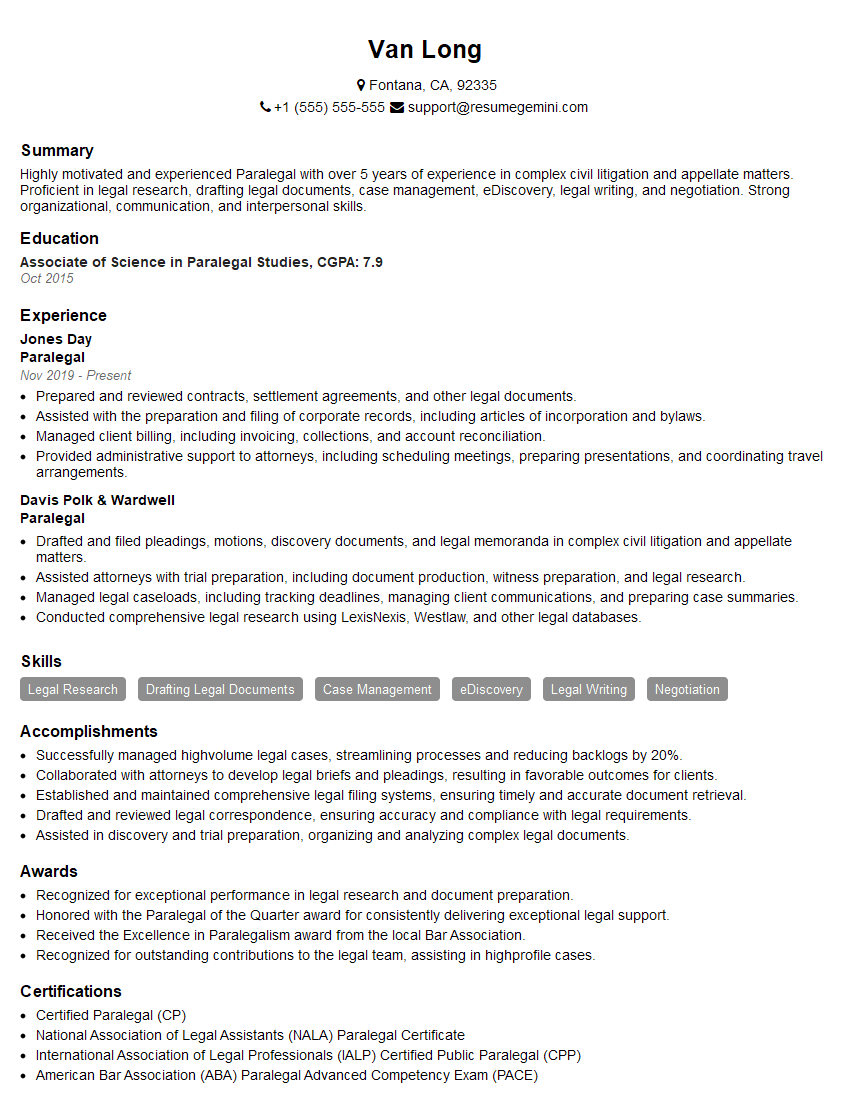
Paralegal Resume Sample
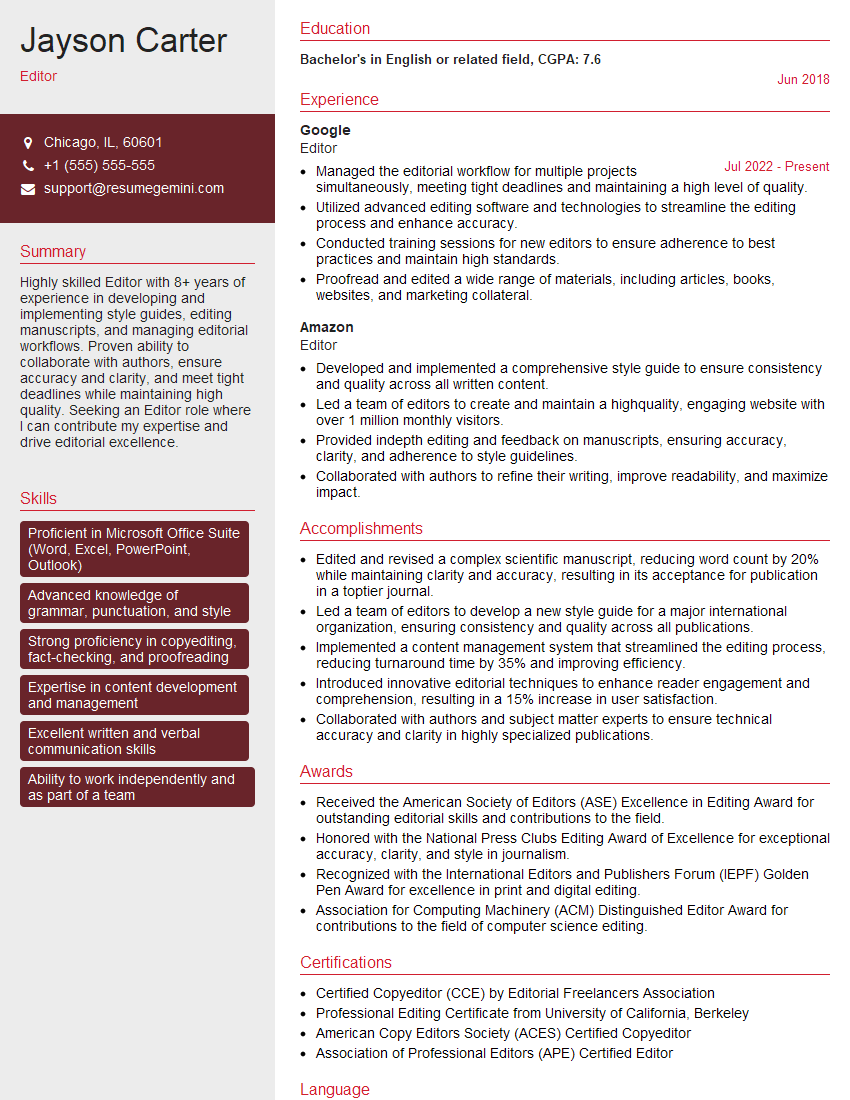
Editor Resume Sample
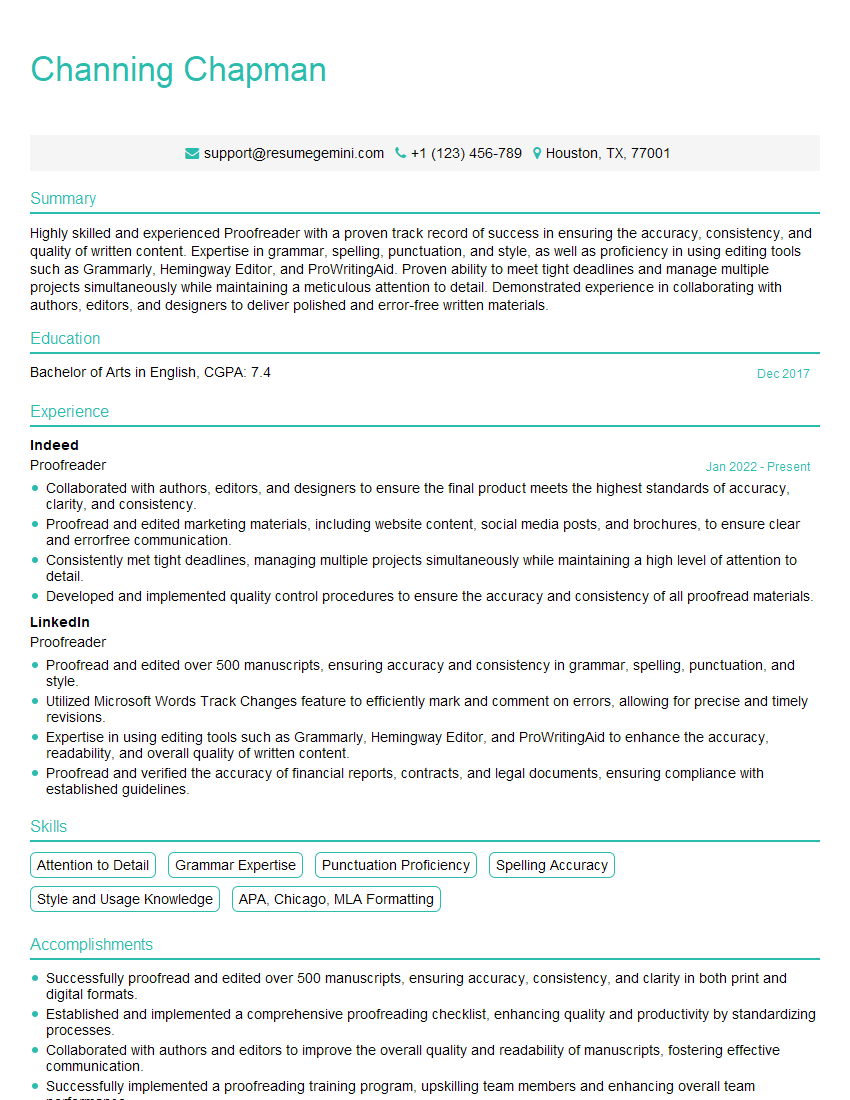
Proofreader Resume Sample

Technical Writer Resume Sample
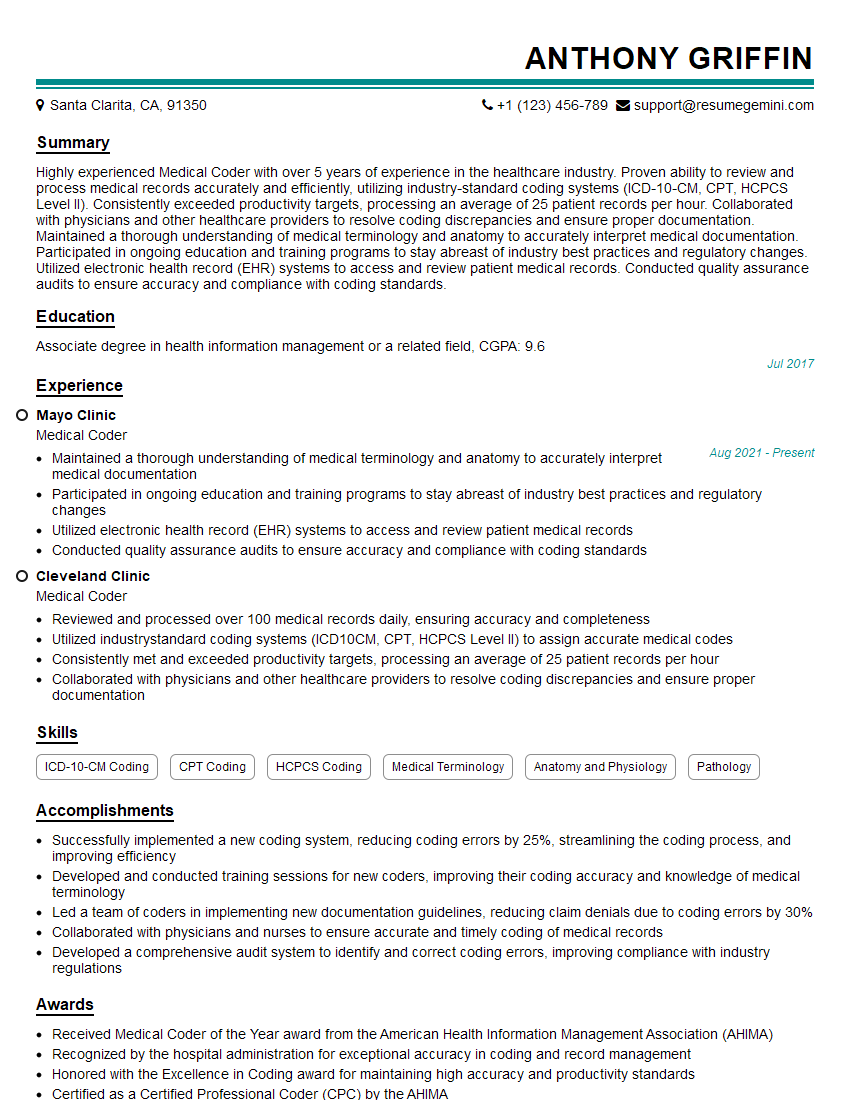
Medical Coder Resume Sample
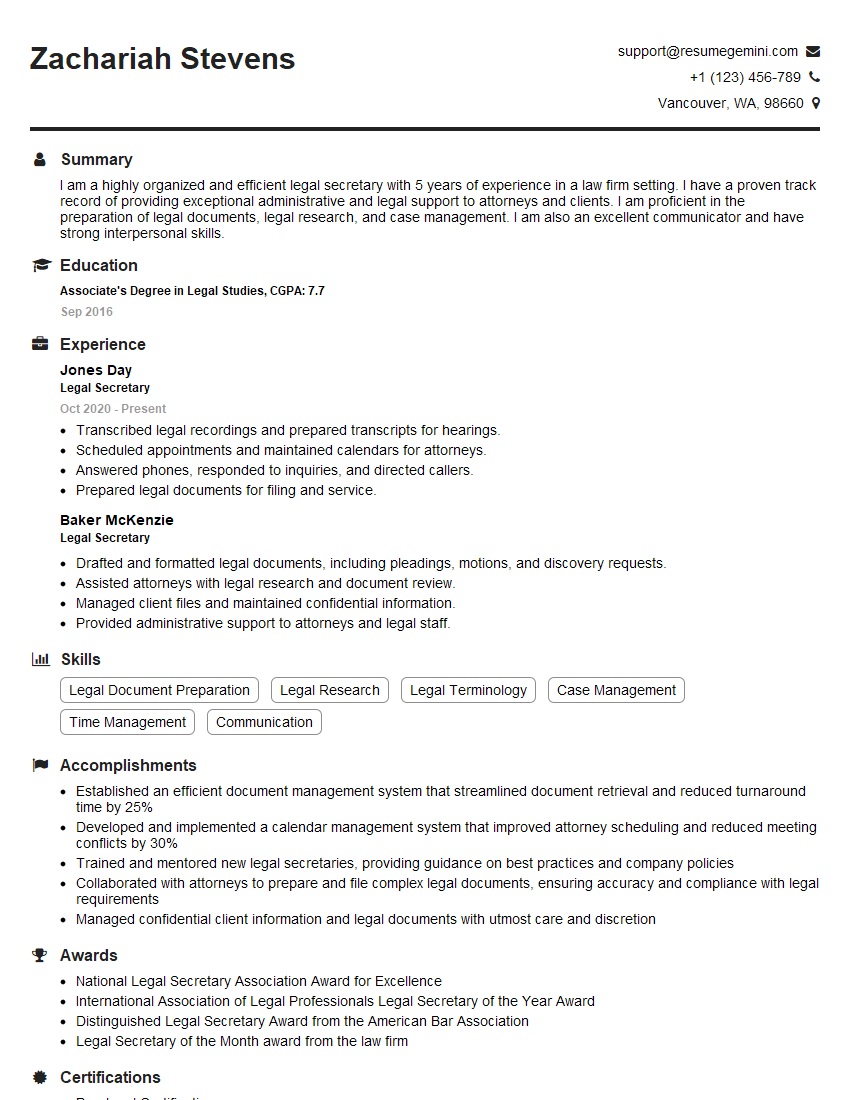
Legal Secretary Resume Sample

Quality Control Inspector Resume Sample
- Project Manager
- Compliance Officer
- Supply Chain Analyst
- Business Analyst
- Management Consultant
- Market Research Analyst
- Research Analyst
- Accountant
- Auditor
- Financial Analyst
- Forensic Accountant
- Risk Analyst
- Data Analyst
- Software Engineer
- Intelligence Analyst
- Actuary
- Operations Analyst
- Statistician
- Paralegal
- Editor
- Proofreader
- Technical Writer
- Medical Coder
- Legal Secretary
- Quality Control Inspector
Explore more articles
Users Rating of Our Blogs
Share Your Experience
We value your feedback! Please rate our content and share your thoughts (optional).
What Readers Say About Our Blog
Really detailed insights and content, thank you for writing this detailed article.
IT gave me an insight and words to use and be able to think of examples