The thought of an interview can be nerve-wracking, but the right preparation can make all the difference. Explore this comprehensive guide to Auto Body Customization interview questions and gain the confidence you need to showcase your abilities and secure the role.
Questions Asked in Auto Body Customization Interview
Q 1. Describe your experience with different types of auto body damage repairs.
My experience encompasses a wide range of auto body damage repairs, from minor dents and scratches to extensive collision damage. I’ve handled everything from repairing fiberglass body panels on a classic sports car to straightening severely damaged unibody structures on modern vehicles. I’m proficient in repairing damage caused by impacts, rust, and environmental factors. For instance, I recently repaired a significant dent in an aluminum car door using a combination of PDR (Paintless Dent Repair) techniques and traditional body filler where PDR wasn’t sufficient. Another example includes the complete restoration of a classic car’s rusted quarter panel, which involved extensive metal fabrication and welding. I also have experience with plastic bumper repair, including cracking, splitting and re-attachment. The key is understanding the underlying structure and material properties to apply the most appropriate repair method.
- Minor Damage: Scratches, small dents (often repairable with PDR)
- Moderate Damage: Larger dents, minor collision damage requiring body filler and paint
- Major Damage: Severe collision damage, structural frame damage requiring frame straightening and panel replacement
- Rust Repair: Involves rust removal, metal fabrication, and welding
- Plastic Repair: Repairing cracked or broken bumpers and other plastic components
Q 2. Explain the process of estimating auto body repair costs.
Estimating auto body repair costs involves a detailed assessment of the damage and the necessary repair steps. It’s more than just adding up parts and labor; it requires expertise to accurately predict the time and materials required. I begin by thoroughly inspecting the vehicle, documenting the damage with photos and notes. Then, I identify the parts requiring repair or replacement, checking for hidden damage that may not be immediately visible. I use industry-standard estimating software, considering factors such as labor rates, parts costs, and potential complications. For example, if a seemingly minor dent requires extensive panel repair due to hidden structural damage, the estimate must accurately reflect this unforeseen complexity. The estimate is a breakdown of costs, including parts, labor, materials (paint, primer, etc.), and any associated taxes or fees. I always ensure transparency with the client, explaining each item in the estimate and answering any questions.
Consider this example: A bumper replacement might seem straightforward but if the supporting structure behind the bumper is damaged it will increase the labor costs significantly. I’d always clearly detail this to ensure the client is informed about any additional complexity and cost.
Q 3. What are the different types of automotive paints and their applications?
Automotive paints are categorized into several types, each with specific applications. The choice depends on factors like the vehicle’s finish, desired durability, and budget.
- Acrylic Lacquer: A fast-drying, relatively inexpensive option, often used for quick repairs or on older vehicles. It’s less durable than other types and susceptible to chipping.
- Acrylic Enamel: More durable than lacquer, offers a good balance of cost and quality, widely used for both repairs and refinishing.
- Urethane: Highly durable and resistant to chipping and fading, commonly used for premium finishes and new vehicle paint jobs. It requires specific application techniques and specialized equipment.
- Basecoat/Clearcoat: This two-part system provides superior depth of color, gloss, and protection. The basecoat provides the color, while the clearcoat adds shine and UV protection. This is the most common system used today for top-quality finishes.
Choosing the right paint ensures both a visually appealing and long-lasting finish. For instance, using lacquer on a vehicle frequently exposed to harsh weather conditions would be inappropriate due to its lower durability.
Q 4. How do you determine the appropriate paint matching technique for a specific vehicle?
Paint matching is crucial for maintaining a vehicle’s factory appearance. Several methods ensure precise color matching. I often start with a spectrophotometer, a device that measures the color’s precise wavelengths. This digital reading helps identify the exact paint code and formula. Sometimes, however, a spectrophotometer reading isn’t enough. In that case, I’ll create a paint sample and compare it to the existing paint. The sample needs to be blended with multiple colors from the automotive paint library, making minute adjustments until there is a nearly imperceptible match. In older cars, where slight color variations due to fading are inevitable, I may need to consider minor color variations which are still visually acceptable and blend them seamlessly.
The best technique is determined by factors such as the vehicle’s age, the extent of the damage, and the client’s budget. For instance, a classic car restoration may require extensive color blending to account for years of fading, whereas a modern vehicle might only require a precise color match using a spectrophotometer.
Q 5. Explain your experience with various auto body welding techniques.
My welding proficiency includes MIG (Metal Inert Gas), TIG (Tungsten Inert Gas), and spot welding. MIG welding is ideal for quick repairs of sheet metal, particularly on larger areas. TIG welding is preferred for precise welds on thinner materials, requiring more skill and precision. Spot welding is utilized for joining sheet metals together and ensures the welds are structurally strong. I am trained in the safe handling and operation of all necessary equipment, and have an understanding of all relevant safety protocols when welding. This includes appropriate ventilation, personal protective equipment and fire safety precautions. My experience includes repairing structural damage and restoring rusted-out sections, requiring not only skillful welding but careful metal shaping and preparation. I choose the technique based on the material thickness, the location of the repair, and the required weld strength. For example, TIG welding is perfect for repairing a hole in a classic car’s body panel where precision is key, whereas MIG is better for repairing a large section of a modern unibody.
Q 6. Describe your proficiency in using different auto body repair tools and equipment.
My proficiency extends to a wide array of tools and equipment, including various types of welders (MIG, TIG, spot welders), body hammers, dollies, sanders (both air and electric), and various types of paint spray guns (HVLP, conventional). I’m experienced with using frame-straightening equipment, including pullers and measuring tools. Furthermore, I am familiar with using measuring tools and digital devices to ensure accurate and consistent body repair. I regularly use specialized tools for dent repair, including PDR tools. Safety is paramount and I’m adept at using all equipment correctly, understanding the limitations and safety procedures of each. The ability to choose the right tool for a job is crucial for efficient and high-quality work. For instance, using the correct sanding paper grit for each step of the process is critical to achieving a smooth surface for painting. The use of appropriate personal protective equipment, such as respirators and safety glasses, is also a crucial part of my safe working practices.
Q 7. How do you ensure proper surface preparation before applying paint?
Proper surface preparation is fundamental for achieving a lasting and high-quality paint finish. It involves several key steps: cleaning, sanding, priming and filling. First, the surface must be thoroughly cleaned to remove any dirt, grease, wax, or old paint. This is usually done with appropriate solvents and degreasers. Then, sanding removes imperfections, creating a smooth and even surface for optimal paint adhesion. Different grits of sandpaper are used depending on the level of damage and the desired smoothness. The choice of sandpaper grit is crucial for the subsequent layers. Next, any dents or imperfections are filled using automotive body filler, and then sanded smooth. Finally, a high-quality primer is applied to ensure good adhesion and to create a uniform surface for the topcoat. Skipping any of these steps can lead to poor paint adhesion, chipping, and an uneven finish. It’s like preparing a wall before painting—a poorly prepped wall will lead to a less than perfect paint job. Thorough surface preparation is crucial for a professional and lasting finish.
Q 8. What safety precautions do you follow while working with automotive paints and chemicals?
Working with automotive paints and chemicals requires meticulous attention to safety. My approach is based on a layered safety protocol. First, I always ensure I’m working in a well-ventilated area, ideally a spray booth with proper exhaust systems. This minimizes inhalation of harmful fumes. Second, I consistently wear appropriate personal protective equipment (PPE), including a respirator specifically designed for paint fumes (not just a dust mask!), safety glasses to protect my eyes from splashes, and chemical-resistant gloves to prevent skin contact. Third, I meticulously follow the manufacturer’s instructions on every product I use, paying close attention to mixing ratios, drying times, and disposal procedures. I also have a designated area for storing chemicals, keeping them locked and away from ignition sources. Finally, I regularly clean my workspace to prevent spills and maintain a safe working environment. For example, I never mix different types of solvents or thinners, as this could create dangerous chemical reactions. Regularly disposing of waste according to local regulations is also paramount.
Q 9. Describe your experience with repairing fiberglass and plastic body parts.
Repairing fiberglass and plastic body parts requires a different approach than working with metal. My experience includes working with various types of fiberglass, from gel coat to matting, and plastics, including polyurethane and ABS. I’m proficient in repairing cracks using techniques like layering fiberglass matting with resin, sanding to achieve a smooth finish, and then applying appropriate primer and paint. For plastics, I often use plastic-specific welding techniques, or in the case of smaller cracks, I utilize specialized adhesives and fillers designed for plastic repair. For larger repairs, I often reinforce the affected area with additional layers of plastic or fiberglass. One memorable instance involved repairing a severely cracked front bumper on a classic sports car. Using a combination of plastic welding and fiberglass reinforcement, I was able to restore the bumper’s original shape and structural integrity. It is crucial to correctly identify the type of plastic before attempting repairs to ensure the right adhesives and welding techniques are used. The wrong approach can lead to a weaker repair or further damage.
Q 10. How do you identify and address rust damage in vehicle bodies?
Rust is a common enemy in auto body repair. My process for identifying and addressing rust damage begins with a thorough visual inspection. I look for surface rust, bubbling paint, and areas where the metal feels soft or pitted. I use a wire brush or specialized rust removal tools to clean away loose rust and assess the extent of the damage. For surface rust, wire brushing and applying a rust converter may suffice. For more significant damage, I’ll need to cut out the rusted area. This often involves using a cutting wheel to remove the affected metal, leaving a clean, rust-free edge. Next, I carefully fabricate a replacement piece of metal, often using a similar gauge and ensuring a proper fit. I use welding techniques to attach the new piece, ensuring a structurally sound repair. Once the welding is complete, I grind it smooth and apply several coats of primer before proceeding with body filler and paint. In some severe cases where the rust is structural, specialized frame repair techniques are necessary, which I’m also experienced in. It’s critical to remove all traces of rust to prevent it from spreading again. Using a rust inhibitor under the primer coat is an essential step in ensuring long-lasting repairs.
Q 11. What is your experience with frame straightening and alignment?
Frame straightening and alignment are crucial for vehicle safety and drivability. I have extensive experience using frame racks and measuring tools to diagnose and correct frame damage. This involves precisely measuring the frame’s dimensions and then using the frame rack to apply controlled force to straighten bent or twisted sections. Accurate measurements are essential to ensure the frame is aligned correctly. Using specialized pulling systems and clamps is often required to ensure even straightening and avoid adding further stress to other components. A precise alignment is verified by measuring various points across the chassis using laser or digital measuring systems. Post-repair, a wheel alignment is always necessary to ensure the vehicle drives correctly. I’ve worked on everything from minor collision damage to major structural repairs requiring substantial frame manipulation. A recent example involved a vehicle that had been in a significant side-impact collision. Using a combination of pulling, clamping, and heat, I was able to restore the frame’s structural integrity and ensure the vehicle was safe to drive again. The use of advanced measuring equipment during frame straightening is vital to accurate and safe repairs.
Q 12. Explain your knowledge of different types of body fillers and their applications.
Body fillers are used to smooth out imperfections in the vehicle’s body before painting. Different fillers cater to various needs. For example, lightweight fillers are useful for smaller repairs, while heavy-duty fillers are needed for larger dents and imperfections. Epoxy fillers are known for their strength and durability, ideal for areas subject to stress. Polyester fillers are common and offer good workability. I use a variety of fillers depending on the specific requirements of the repair. Choosing the right filler is crucial; a too-heavy filler in a thin repair area can crack, while using a lightweight filler for significant damage could prove insufficient. I always apply filler in thin coats, allowing each coat to dry completely before sanding and applying the next. Proper preparation and sanding are vital for ensuring the filler is smooth and well-integrated into the surrounding metal. I never use a body filler to repair significant structural damage; instead, I will properly address underlying issues using welding and other structural repair methods before considering the use of body filler.
Q 13. How do you ensure the quality and durability of your auto body repairs?
Ensuring the quality and durability of auto body repairs is paramount. It’s a multi-step process starting with careful preparation. That means thoroughly cleaning and preparing the surface before applying any primer or filler. This ensures good adhesion. The use of high-quality materials is also vital; I source my primers, fillers, and paints from reputable suppliers. Throughout the repair process, I follow meticulous procedures, adhering to industry best practices. This includes proper sanding techniques, ensuring smooth transitions between filler and surrounding metal, and applying even coats of paint. Regular quality checks are integrated into each step to prevent errors. After painting, the final process is thorough cleaning, ensuring that any overspray or dust is removed for a professional finish. Finally, a clear coat is applied for protection and shine. My commitment to precision means I take the time to properly prepare and finish each repair, thus ensuring lasting quality. My reputation hinges on creating durable and lasting repairs that stand the test of time.
Q 14. Describe your experience with diagnosing and repairing structural damage.
Diagnosing and repairing structural damage requires a thorough understanding of vehicle dynamics and frame construction. My diagnostic process begins with a careful visual inspection, checking for misalignments, gaps, and any signs of damage. I then use measuring tools to precisely assess the extent of any deformation, often employing laser measuring systems for accuracy. This allows me to determine the impact points and the severity of the damage. The repair strategy depends on the extent of the damage. Minor bends can often be corrected using frame pulling techniques. More extensive damage may necessitate more invasive techniques, such as section replacement and welding. In severe cases of structural damage, it may be necessary to consult with a structural engineer or frame specialist to determine the best course of action. The goal is to restore the vehicle’s structural integrity, ensuring its safety and long-term durability. For example, working on a vehicle that had significant unibody damage required careful sectioning, welding, and reinforcement to restore its structural rigidity. I never compromise on safety; if the damage is too extensive to ensure safety, I would advise against repair.
Q 15. How familiar are you with modern automotive diagnostic equipment?
My familiarity with modern automotive diagnostic equipment is extensive. I’m proficient in using a wide range of tools, from basic scan tools capable of reading diagnostic trouble codes (DTCs) to advanced systems like factory-specific diagnostic software. This includes understanding how to interpret data from various sensors, such as those monitoring engine performance, airbag deployment, and body control modules. For example, I’ve used equipment from companies like Snap-on, Bosch, and Autel to diagnose everything from minor electrical faults to complex issues requiring component replacement. Understanding the diagnostic process is crucial, not only for effective repairs but also for ensuring the safety and proper function of the vehicle post-repair. A crucial skill is the ability to differentiate between related and unrelated DTCs and trace the underlying problem, rather than simply replacing parts based on codes alone.
Career Expert Tips:
- Ace those interviews! Prepare effectively by reviewing the Top 50 Most Common Interview Questions on ResumeGemini.
- Navigate your job search with confidence! Explore a wide range of Career Tips on ResumeGemini. Learn about common challenges and recommendations to overcome them.
- Craft the perfect resume! Master the Art of Resume Writing with ResumeGemini’s guide. Showcase your unique qualifications and achievements effectively.
- Don’t miss out on holiday savings! Build your dream resume with ResumeGemini’s ATS optimized templates.
Q 16. Describe your experience with different types of body repair techniques.
My experience encompasses a wide spectrum of body repair techniques, ranging from traditional methods to the latest advancements. I’m skilled in metal straightening using techniques like hammer and dolly work, and I’m proficient in the use of advanced tools like frame measuring systems to ensure precise alignment after collision repair. I’m also experienced in plastic repair, including techniques for welding, bonding, and filling plastic parts. I’ve worked extensively with different welding techniques such as MIG, TIG and spot welding depending on the metal type and thickness. I’ve also had considerable experience with paintless dent repair (PDR) for minor imperfections, greatly reducing the need for more invasive repairs. For example, I once successfully repaired a severely damaged unibody frame using a combination of frame straightening techniques and specialized welding methods, ensuring the structural integrity of the vehicle.
Q 17. What is your experience with working with different types of materials?
My experience working with various materials is a key strength. This includes different types of steel (high-strength steel, mild steel, etc.), aluminum, various plastics (polyurethane, ABS, etc.), carbon fiber, and composite materials. Understanding the unique properties of each material is crucial for selecting the appropriate repair technique and ensuring a lasting fix. For instance, repairing aluminum requires different welding techniques and filler materials compared to steel. Working with composites necessitates a careful approach to avoid damage to the underlying structure. I’ve even had experience working with exotic materials on high-end vehicles. The knowledge and experience in handling various materials allow me to tackle a wide range of vehicles and customization projects successfully.
Q 18. How do you handle difficult or complex repair jobs?
Handling complex repair jobs requires a methodical approach. Firstly, I thoroughly assess the damage using various tools, including frame measuring systems and digital imaging to document the extent of the damage and create a detailed repair plan. This plan includes sourcing necessary parts, selecting appropriate repair techniques, and estimating the time required. I prioritize safety throughout the process, adhering strictly to safety regulations and utilizing appropriate personal protective equipment (PPE). For example, a recent project involved a vehicle with extensive frame damage. I meticulously documented the damage, repaired the frame, and confirmed its alignment using advanced measuring equipment before proceeding with bodywork and paint. Communication with the customer throughout the process is also critical, especially in these complex jobs.
Q 19. How do you manage your time and prioritize tasks in a busy shop environment?
Time management in a busy shop environment is critical. I utilize a combination of techniques to effectively manage tasks. This includes creating prioritized lists based on job urgency, complexity, and customer deadlines. I utilize shop management software to track job progress, parts ordering, and labor hours. I’m also adept at multi-tasking, efficiently switching between different tasks to maximize productivity without compromising quality. For instance, while a paint job is drying, I can work on prepping another vehicle. Furthermore, effective communication with colleagues and timely updates to customers are key aspects of my time management, preventing delays and misunderstandings.
Q 20. Describe your experience with customer interaction and communication.
Customer interaction is a vital part of my role. I focus on clear and concise communication, explaining repair procedures in a way that customers can easily understand, even if they lack technical expertise. I actively listen to their concerns, address their questions honestly, and keep them informed about the progress of their vehicle’s repair. I strive to build trust and rapport, ensuring they feel confident in my skills and abilities. For instance, I recently helped a customer understand the necessity of a certain repair and its benefits to long-term vehicle safety. This approach builds loyalty and promotes positive word-of-mouth referrals.
Q 21. What are the common causes of auto body damage and their respective repair methods?
Common causes of auto body damage include collisions (front-end, side impacts, rear-end collisions), environmental factors (hail damage, rust), and minor incidents (parking lot dings, scratches). Repair methods vary significantly depending on the type and severity of the damage. Collisions often require frame straightening, panel replacement or repair, and welding. Hail damage may involve PDR or panel replacement. Rust requires thorough removal and repair of affected areas, often including replacement of rusty panels. Minor scratches and dings can be resolved using PDR or spot painting. I’ve encountered and successfully repaired each of these types of damage, adapting my approach based on the specific circumstances and always prioritizing safety and structural integrity.
Q 22. How do you stay updated on the latest technologies and trends in auto body repair?
Staying current in auto body repair requires a multi-pronged approach. It’s not just about knowing how to use the latest tools, but understanding the evolving materials and repair techniques. I actively participate in industry conferences and workshops like those offered by the I-CAR (Inter-Industry Conference on Auto Collision Repair) to learn about new technologies and best practices. These events often feature manufacturers’ demonstrations of cutting-edge equipment like advanced welding systems (e.g., laser welding) and paint application technologies (e.g., waterborne paints). I also subscribe to trade publications like Autobody Repair News and online resources that provide continuous learning opportunities. Furthermore, I actively seek out training on new materials such as carbon fiber composites which are becoming increasingly common in vehicle construction and require specialized repair techniques. This continuous learning ensures I’m always at the forefront of the industry.
For example, recently I attended a workshop on the repair of aluminum body panels using advanced adhesive bonding techniques. This knowledge has already proven invaluable in handling repairs on newer models with their extensive use of lightweight materials. Regularly updating my skills ensures I provide top-tier service to my clients and stay competitive in a rapidly evolving field.
Q 23. How do you handle pressure and meet tight deadlines?
The auto body repair industry frequently involves tight deadlines and high-pressure situations, especially when dealing with insurance claims and customer expectations. My approach involves meticulous planning and prioritization. I use project management techniques to break down complex repairs into smaller, manageable tasks, setting realistic timelines for each. This allows me to efficiently allocate my time and resources and also helps to identify potential bottlenecks early on. Clear communication with the team and clients is crucial in managing expectations and adjusting to unexpected issues.
For instance, I once had to repair a severely damaged vehicle that needed to be ready for an important event within a very short timeframe. By carefully outlining the repair steps, delegating tasks effectively, and communicating with the client consistently about progress and any potential delays, we successfully completed the repair on time and to the customer’s satisfaction. Proactive communication is key to mitigating pressure and ensuring timely project completion.
Q 24. Describe your experience with maintaining and troubleshooting auto body tools and equipment.
Maintaining and troubleshooting auto body tools and equipment is critical for efficient and safe operation. My experience includes regular preventative maintenance checks on all equipment, from welders and spray guns to measuring tools and paint mixers. I meticulously follow manufacturer’s guidelines for maintenance schedules, ensuring proper lubrication, cleaning, and calibration. This preventative approach minimizes downtime and extends the lifespan of the equipment.
Troubleshooting involves a systematic approach. When equipment malfunctions, I start by examining the obvious – power supply, connections, and any visible damage. I then consult service manuals, online resources, and if needed, contact manufacturers’ technical support. For instance, I recently diagnosed a problem with a paint mixing system by carefully checking the pressure gauges, filter screens, and air supply. A simple cleaning of a clogged filter solved the issue, preventing a costly repair or replacement. I am proficient with a wide array of tools and their associated safety precautions which enables me to maintain them effectively.
Q 25. What is your understanding of industry regulations and safety standards?
Understanding and adhering to industry regulations and safety standards is paramount in auto body repair. I am familiar with OSHA (Occupational Safety and Health Administration) regulations concerning workplace safety, including the proper handling and disposal of hazardous materials like paints and solvents. I am also well-versed in state and local regulations pertaining to vehicle emissions and proper repair procedures. Additionally, I am knowledgeable about the proper use of Personal Protective Equipment (PPE), including respirators, safety glasses, and gloves.
For example, I ensure all paint booth operations comply with air quality standards, and I strictly follow the manufacturer’s instructions for handling and disposing of hazardous waste. This commitment to safety protects both myself and my colleagues and ensures compliance with all relevant legal requirements. Staying informed about updates and changes in these regulations is an ongoing process.
Q 26. Explain your process for documenting repair work and keeping accurate records.
Accurate record-keeping is essential for efficient operations and legal compliance. My process begins with a detailed initial assessment of the vehicle damage, including photographs and detailed written notes. This information is used to create a repair estimate for the customer. Throughout the repair process, I meticulously document each step, including the parts used, the labor hours involved, and any changes made to the initial plan. This documentation includes digital photos at various stages of repair.
Upon completion of the repair, all documentation is compiled into a comprehensive report that serves as a detailed history of the work performed. This organized system allows for easy tracking of parts, labor costs, and progress. Digital record keeping via specialized software also helps streamline communication with clients and insurance companies. This robust documentation system minimizes misunderstandings and streamlines the claim process.
Q 27. How do you handle customer complaints and resolve disputes?
Handling customer complaints is a critical aspect of providing excellent service. My approach emphasizes active listening and empathy. I start by letting the customer fully explain their concerns without interruption. Once I understand the issue, I explain the process and steps taken during the repair, addressing any misunderstandings. If there’s a genuine issue with the repair, I proactively work towards a solution, focusing on finding a fair and mutually acceptable outcome.
For instance, if a customer expresses dissatisfaction with the paint finish, I would re-inspect the work, explain the factors that could have contributed to the issue, and offer to correct it immediately. Open and transparent communication is crucial in resolving disputes, prioritizing the customer’s satisfaction, and maintaining a positive reputation.
Q 28. Describe your experience working as part of a team in an auto body shop.
Working effectively as part of a team is crucial in a busy auto body shop. My experience involves seamless collaboration with estimators, painters, and other technicians. I communicate effectively and proactively share information, assisting colleagues where needed. I believe in a supportive team environment where everyone contributes their expertise to achieve a common goal. We regularly hold team meetings to discuss ongoing projects, problem-solve, and ensure everyone is aligned on priorities and processes.
For example, during a complex repair requiring multiple specialized skills, I’ve collaborated closely with the painter to ensure a smooth transition between the repair and the final finishing touches, ensuring a consistent and high-quality result. This collaborative spirit creates a more efficient and positive work environment resulting in better outcomes for the clients.
Key Topics to Learn for Your Auto Body Customization Interview
- Vehicle Body Repair Techniques: Understanding various repair methods for collision damage, including dent repair, panel replacement, and structural alignment. Practical application: Explain your experience with different welding techniques and body fillers.
- Paint and Finishing Processes: Knowledge of color matching, paint application techniques (spray gun operation, air pressure regulation), clear coat application, and surface preparation. Practical application: Describe your experience with achieving a flawless, durable finish and troubleshooting paint issues.
- Customization Techniques: Familiarity with modifying vehicle aesthetics and performance, including body kits, aftermarket parts installation, custom paint jobs, and airbrushing. Practical application: Showcase projects where you’ve successfully integrated custom parts while maintaining structural integrity.
- Automotive Materials and Composites: Understanding the properties of different materials used in vehicle construction (steel, aluminum, fiberglass, carbon fiber) and their repair implications. Practical application: Explain your knowledge of working with different materials and selecting appropriate repair methods.
- Safety and Regulations: Adherence to safety protocols, including proper use of personal protective equipment (PPE) and compliance with industry regulations. Practical application: Describe your experience prioritizing safety in a fast-paced workshop environment.
- Problem-Solving and Troubleshooting: Ability to diagnose and resolve complex body repair issues, including identifying hidden damage and selecting appropriate repair strategies. Practical application: Describe a challenging repair you completed and the steps you took to overcome obstacles.
- Estimating and Costing: Understanding the process of estimating repair costs, including labor, materials, and potential complications. Practical application: Explain your experience in accurately estimating repair times and costs.
Next Steps
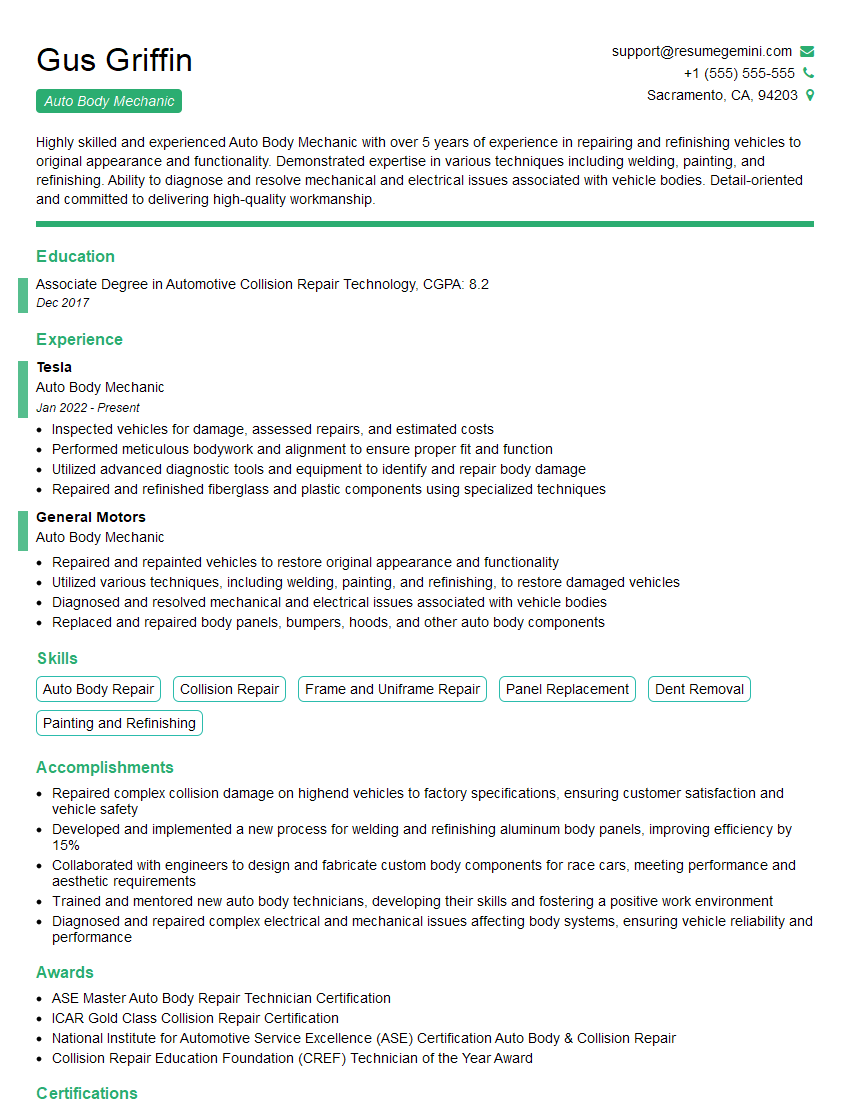
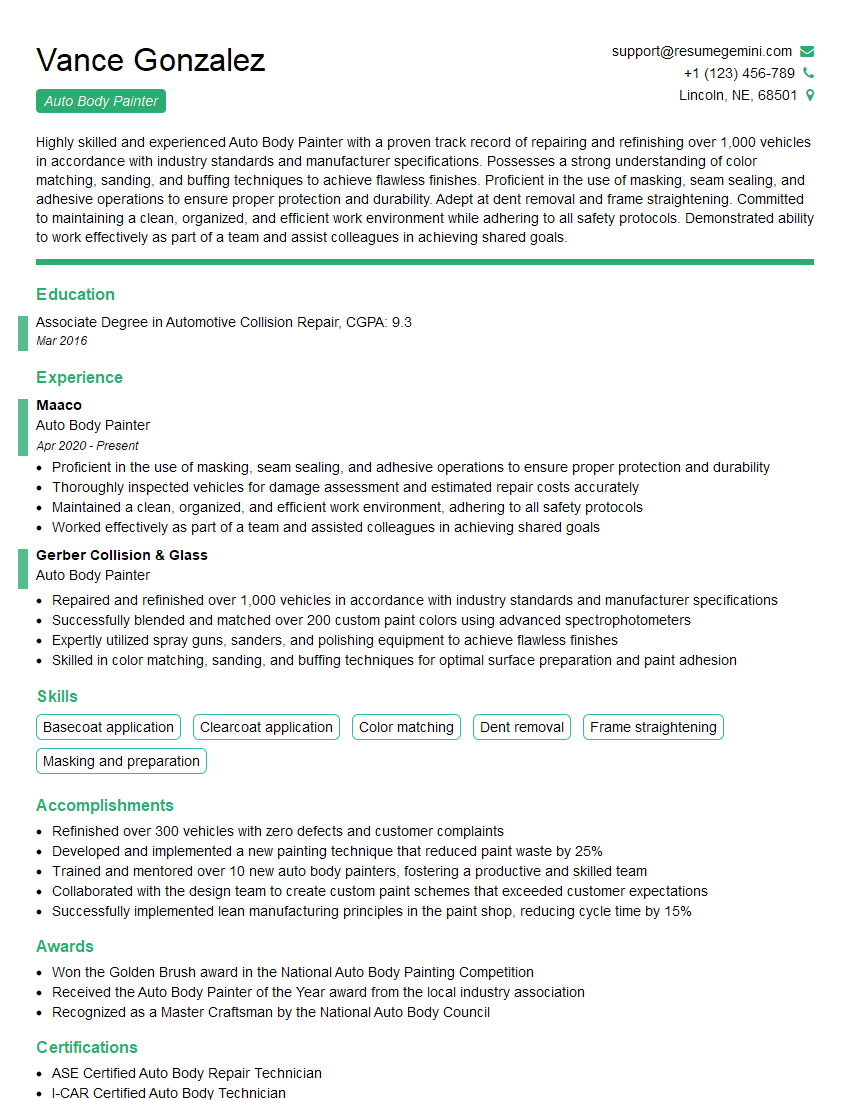
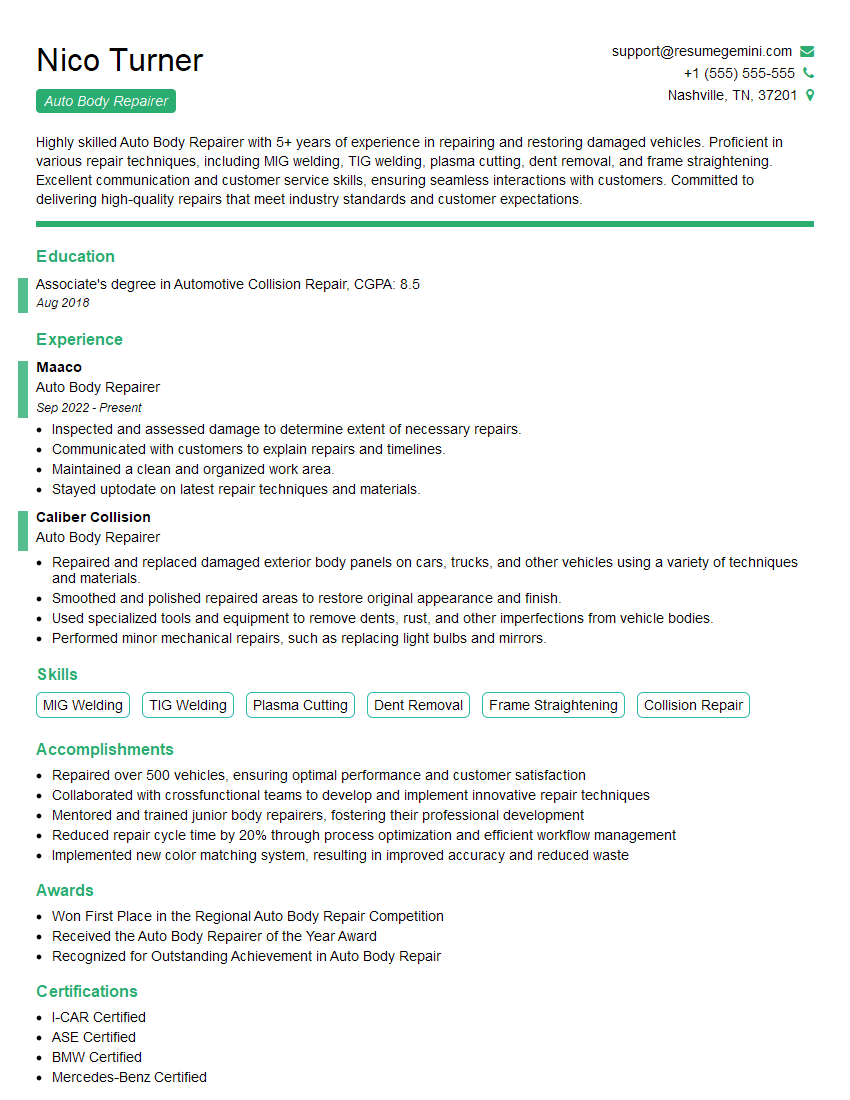
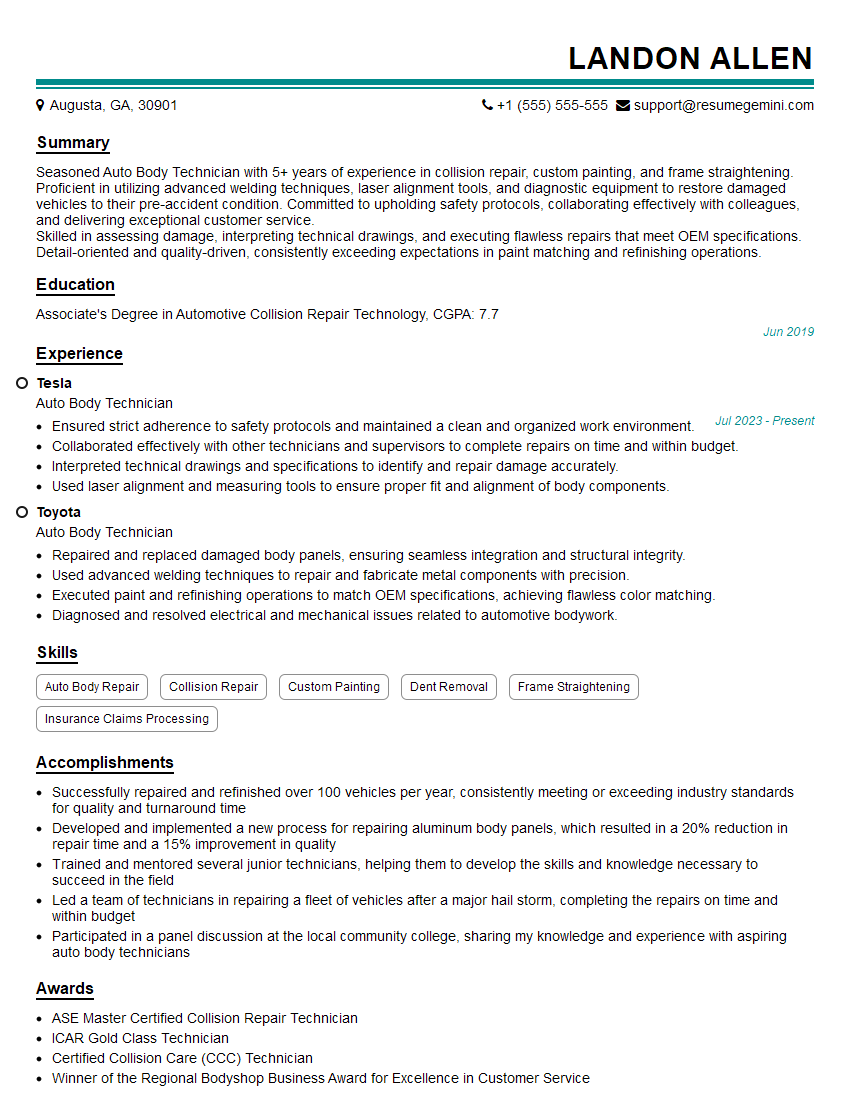
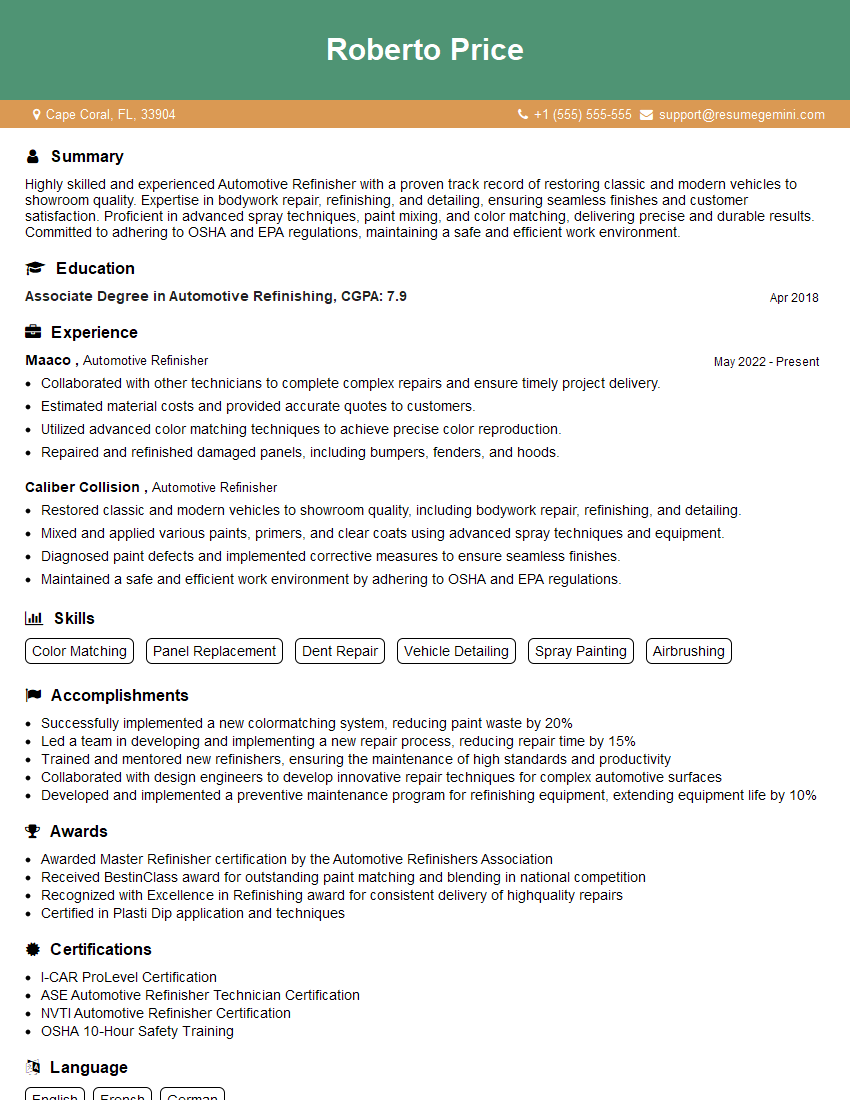
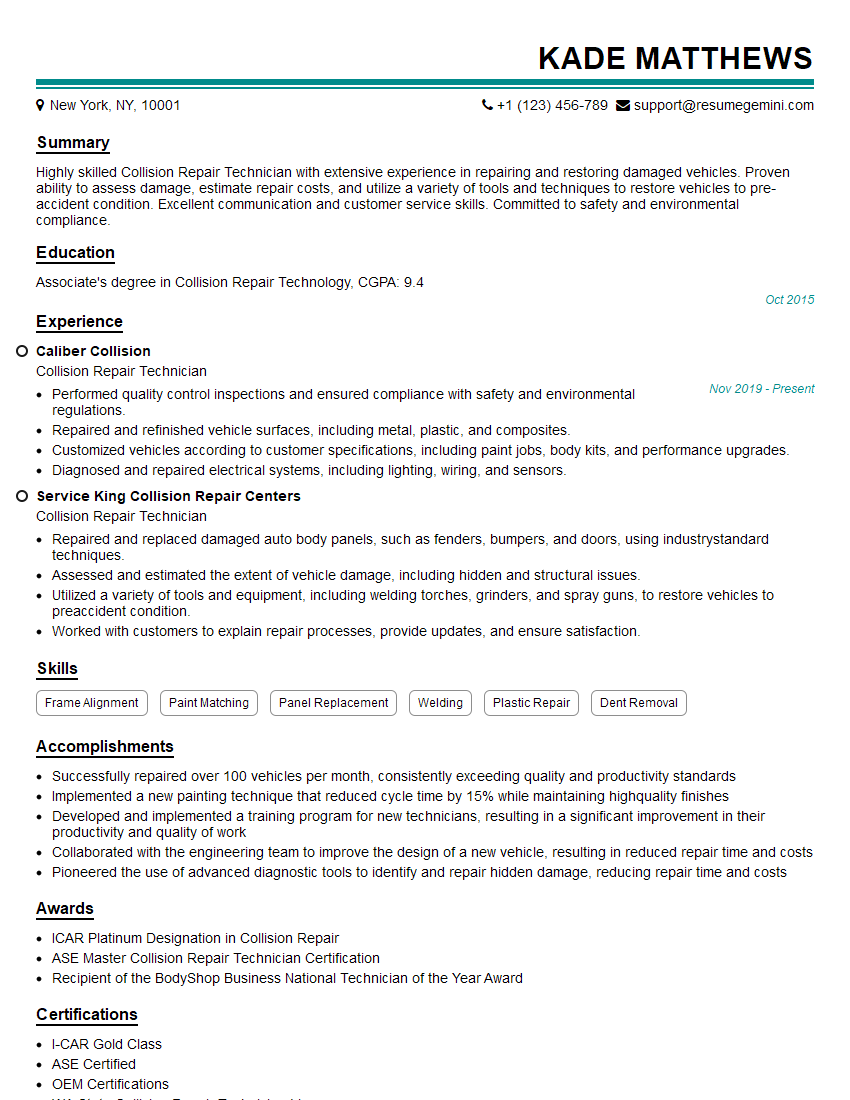
Mastering auto body customization opens doors to exciting career opportunities with excellent growth potential. A strong understanding of these key areas will significantly boost your interview performance and help you land your dream job. To enhance your job prospects, focus on crafting an ATS-friendly resume that highlights your skills and experience effectively. ResumeGemini is a trusted resource that can help you build a professional and impactful resume. They provide examples of resumes tailored to the auto body customization field, giving you a head start in creating a winning application.
Explore more articles
Users Rating of Our Blogs
Share Your Experience
We value your feedback! Please rate our content and share your thoughts (optional).
What Readers Say About Our Blog
Really detailed insights and content, thank you for writing this detailed article.
IT gave me an insight and words to use and be able to think of examples