Cracking a skill-specific interview, like one for Auto Glass Replacement, requires understanding the nuances of the role. In this blog, we present the questions you’re most likely to encounter, along with insights into how to answer them effectively. Let’s ensure you’re ready to make a strong impression.
Questions Asked in Auto Glass Replacement Interview
Q 1. Describe your experience with different types of auto glass.
My experience encompasses a wide range of auto glass types, from the standard laminated windshields found in most passenger vehicles to the tempered glass used in side and rear windows. I’ve worked with various thicknesses, tints, and even specialized glasses like those with integrated antennas or heating elements. For instance, I’ve handled the complexities of replacing a heated windshield on a luxury SUV, requiring precise alignment and careful connection of the heating wires. I’m also familiar with the differences in glass composition and the implications for repair versus replacement. Some glasses are more repairable than others depending on the type of damage and the location of the impact.
- Laminated Glass: The most common type for windshields, consisting of two layers of glass bonded to a layer of polyvinyl butyral (PVB) interlayer. This interlayer adds safety and security, holding the glass together in case of impact.
- Tempered Glass: Used for side and rear windows, it’s stronger than laminated glass but shatters into small, relatively harmless pieces upon impact. This makes replacement easier, but it’s not suitable for windshields.
- Specialty Glass: This category includes glass with acoustic layers for noise reduction, tinted glass for UV protection, and glass with embedded antennas or heating elements.
Q 2. Explain the process of windshield replacement.
Windshield replacement is a precise process requiring specialized tools and expertise. It begins with a thorough inspection of the damaged windshield and surrounding area. We then carefully remove the old windshield using specialized tools, taking great care not to damage the vehicle’s paint or other components. After cleaning the area, we apply a bead of urethane adhesive to the vehicle’s frame according to manufacturer specifications. The new windshield is carefully positioned, ensuring perfect alignment. The adhesive is allowed to cure according to its specific instructions before the vehicle is ready to be driven. This curing time is crucial for the long-term adhesion and structural integrity of the windshield.
Imagine it like building with incredibly precise LEGOs – every piece needs to be in the right place, and the adhesive is the strong glue holding it all together. A mistake can compromise the safety and integrity of the entire system. I always follow the manufacturer’s instructions meticulously to ensure a safe and durable installation.
Q 3. How do you handle challenging glass installations?
Challenging installations often involve older vehicles with complex frames, unusual glass shapes, or severely damaged surrounding areas. For example, replacing a windshield on a classic car might require sourcing a specialized replacement and carefully working around delicate trim pieces. In such scenarios, we utilize specialized tools and techniques, sometimes including aftermarket adhesives or sealants that offer extra flexibility and adaptability. Prior preparation is key; thoroughly inspecting the damage and planning the installation steps carefully minimizes unexpected issues. We might use additional sealant to address small gaps or irregularities, and we often consult repair manuals or online resources to access specific installation guidelines for that particular vehicle model. Thorough planning and meticulous attention to detail are paramount.
Q 4. What safety precautions do you take during auto glass replacement?
Safety is paramount in auto glass replacement. We always wear safety glasses and gloves to protect ourselves from flying debris during the removal process. We use specialized tools designed to minimize the risk of damage and injury. We ensure the work area is properly ventilated to avoid inhaling harmful fumes from adhesives. Before driving after the replacement, the customer is advised to wait for the proper curing time of the adhesive to ensure the integrity of the windshield. This is crucial, as driving before the adhesive is fully cured could result in the windshield becoming dislodged.
Think of it as a surgical procedure – precision and safety precautions are vital to a successful outcome.
Q 5. How do you repair minor chips and cracks in windshields?
Minor chips and cracks can often be repaired using a resin injection technique. This involves carefully cleaning the damaged area, then injecting a specialized resin into the crack. The resin is then cured using UV light, filling the crack and strengthening the glass. This repair is only effective for small, non-structural damage. Larger cracks or damage that compromises the structural integrity of the windshield will require full replacement. I assess the damage carefully to determine whether repair or replacement is the best course of action. A repaired chip might be barely noticeable, while an improperly repaired or inappropriately repaired chip could compromise the windshield’s structural integrity and lead to further damage.
Q 6. What are the different types of adhesives used in auto glass replacement?
Several types of adhesives are used in auto glass replacement, each with specific properties and curing times. The most common is polyurethane urethane adhesive, which forms a strong bond between the glass and the vehicle frame. Different formulations offer varying degrees of flexibility, curing time, and adhesion strength, depending on the application. The choice of adhesive is crucial and depends on factors such as the vehicle make and model, the ambient temperature, and the type of glass being installed. We also sometimes use primers or sealants to enhance adhesion and prevent leaks.
It’s not simply about using any glue; the right adhesive ensures a long-lasting, secure, and safe installation.
Q 7. How do you determine the correct type of glass for a vehicle?
Determining the correct type of glass requires careful attention to detail. The vehicle’s year, make, and model are critical. We utilize various resources, including the vehicle’s VIN number, online databases, and parts catalogs to identify the precise specifications of the original equipment manufacturer (OEM) glass or a suitable equivalent. Factors such as glass thickness, tint, and any embedded features (like heating elements or antennas) must be considered. We need to ensure a perfect fit and functionality. Incorrect glass can compromise safety, functionality, and even the vehicle’s appearance.
Imagine trying to fit a square peg in a round hole – it won’t work. Getting the right glass is essential for a safe and proper installation.
Q 8. Describe your experience with different types of glass removal tools.
Safe and efficient glass removal is crucial. My experience encompasses a wide range of tools, each suited for specific situations. For instance, we use specialized cutting wires for precise cuts around the perimeter of the glass, minimizing damage to the surrounding vehicle components. These are particularly useful for heavily bonded windshields. For more challenging removals, I’m proficient with sliders and suction cups, always prioritizing the integrity of the vehicle’s paint and surrounding seals. Sometimes, a combination of these is required. For example, a tough rear window might necessitate using a wire to score the sealant, then employing suction cups to carefully pull the glass out. We also utilize various knives and picks for cleaning the old adhesive from the frame, ensuring a clean surface for the new glass installation. Finally, safety is paramount, so the use of protective eyewear and gloves is always standard practice.
Q 9. How do you ensure a proper seal after auto glass installation?
A proper seal is paramount for the safety and functionality of the new auto glass. It’s a multi-step process beginning with meticulous cleaning of the vehicle’s frame to remove any old adhesive, dust, or debris. Then comes the application of a high-quality polyurethane adhesive. This adhesive is applied in a precise bead around the frame, ensuring a uniform thickness to guarantee a strong bond. Proper dispensing tools help ensure even distribution and prevent gaps. After the new glass is carefully installed, we use tools to ensure it’s correctly aligned and seated. Finally, proper curing time is critical. The time allowed for the urethane to set is crucial, following manufacturer recommendations to ensure optimal adhesion and water resistance. Think of it like baking a cake – the correct temperature and time are essential for a good result. Insufficient curing leads to leaks, while over-curing could compromise the adhesive’s bond. We always check for proper curing and bond before releasing the vehicle.
Q 10. How do you handle insurance claims related to auto glass replacement?
Handling insurance claims involves a systematic approach. First, I verify the customer’s insurance coverage and obtain all necessary information like policy details and claim numbers. Then, I document the damage extensively, taking clear photographs of the damage before and after the repair. This photographic evidence is critical for the insurance claim. I also create a detailed repair order, including the type of glass used, labor costs, and any other expenses. I then submit this documentation to the insurance company, often through their online portal or directly via fax or email. Clear communication with the customer and insurance adjuster is key throughout the process. I explain the process, providing updates regularly and addressing any questions or concerns. In some cases, I might need to follow up to expedite the process if there are any delays. My experience shows that proactive communication and comprehensive documentation lead to smoother, faster insurance claim resolutions.
Q 11. What is your experience with calibrating advanced driver-assistance systems (ADAS) after a windshield replacement?
Modern vehicles often have Advanced Driver-Assistance Systems (ADAS) such as lane departure warnings, adaptive cruise control, and automatic emergency braking, which rely on sensors and cameras integrated into the windshield. Replacing the windshield can disrupt these systems, requiring recalibration. I have extensive experience with using specialized ADAS calibration tools and following manufacturer’s guidelines. This includes using a static or dynamic calibration system, depending on the vehicle’s requirements. The static systems involve placing the vehicle on a specialized jig, while dynamic calibrations utilize driving maneuvers under controlled conditions. Improper calibration can significantly impact the performance and safety of these crucial systems. I’m trained to calibrate a wide range of ADAS systems found in various makes and models, ensuring the safety and functionality are restored to their original state after windshield replacement. Documentation of the calibration process is vital, providing proof to both the customer and insurance company that the system is working correctly.
Q 12. How do you handle difficult customers or situations?
Dealing with difficult customers or situations requires patience, empathy, and strong communication skills. I always try to listen actively to understand their concerns and respond calmly and professionally. I explain the repair process clearly, answering their questions thoroughly and honestly. If there’s a misunderstanding, I strive to clarify the issue and find a mutually acceptable solution. For instance, if a customer is unhappy about delays, I clearly explain the reason for the delay and offer alternative solutions such as scheduling a different appointment. In some cases, I might need to involve a supervisor or manager for more complex issues, ensuring a fair and reasonable outcome. The goal is always customer satisfaction while maintaining a professional and respectful environment. Documentation of such interactions is also helpful for future reference.
Q 13. What are the common causes of auto glass damage?
Auto glass damage has various causes. Road debris like rocks and gravel are frequent culprits, causing chips, cracks, and even complete shattering. Accidents, whether minor fender benders or significant collisions, often lead to damaged windshields and other glass components. Temperature fluctuations, especially extreme cold or heat, can weaken the glass over time, making it more susceptible to damage. Vandalism, such as intentional breaking, is another factor. Improper handling during the installation process can result in unforeseen issues down the line. Finally, age and wear naturally weaken the glass, increasing its vulnerability to damage.
Q 14. Explain the importance of proper urethane application.
Proper urethane application is critical for a successful auto glass installation. The urethane acts as a strong adhesive, creating a secure and watertight seal between the glass and the vehicle’s frame. Incorrect application can lead to several problems, including: water leaks, wind noise, and glass detachment. The proper application involves a precise bead of urethane of the correct thickness, applied evenly around the frame’s perimeter. The use of the correct dispensing tools helps ensure even distribution and proper thickness. The curing time is crucial; insufficient curing results in a weakened bond and potential leaks, while over-curing can negatively impact the adhesive’s strength. Proper urethane application not only ensures the safety and longevity of the new glass but also adds to the overall aesthetic appeal of the vehicle. Think of the urethane as the glue holding everything together; a poor application is like using weak glue for a critical construction project.
Q 15. How do you identify and address potential glass installation defects?
Identifying and addressing glass installation defects requires a keen eye and a methodical approach. I begin by visually inspecting the newly installed glass for any imperfections, such as chips, cracks, or scratches. I then check the adhesion of the glass to the vehicle’s frame, looking for any gaps or unevenness. A properly installed windshield should be firmly seated and free from any movement.
Next, I assess the sealant for proper curing and coverage. An inadequate sealant bead can lead to leaks or wind noise. I check for any signs of sealant extrusion, which indicates potential problems with the installation process. Finally, I perform a water test, carefully pouring water onto the glass and along the seal to check for any leaks.
If any defects are found, I address them using a variety of techniques. Minor imperfections might be addressed by polishing or using a sealant repair compound. More serious issues, like poor adhesion or significant sealant defects, require removal and reinstallation of the glass.
For example, once I found a slight imperfection in the sealant during a water test. Instead of immediately replacing the entire windshield, I used a specialized sealant to reinforce the weaker area and re-ran the water test. This saved both time and material, illustrating my focus on cost-effective solutions.
Career Expert Tips:
- Ace those interviews! Prepare effectively by reviewing the Top 50 Most Common Interview Questions on ResumeGemini.
- Navigate your job search with confidence! Explore a wide range of Career Tips on ResumeGemini. Learn about common challenges and recommendations to overcome them.
- Craft the perfect resume! Master the Art of Resume Writing with ResumeGemini’s guide. Showcase your unique qualifications and achievements effectively.
- Don’t miss out on holiday savings! Build your dream resume with ResumeGemini’s ATS optimized templates.
Q 16. Describe your experience with mobile auto glass repair.
Mobile auto glass repair is a significant part of my experience. I’ve found that the ability to bring the repair service directly to the client is hugely beneficial – it saves them time and often reduces stress, particularly in cases of emergency repairs or when the vehicle is not easily movable. The mobile aspect requires adaptability and the ability to work in diverse environments – from busy parking lots to residential driveways.
The key to success in mobile repair is proper preparation. This includes ensuring I have all necessary tools, materials, and safety equipment for each job, as well as a reliable and well-equipped vehicle. I always confirm the location and assess accessibility before arriving to avoid any unexpected delays or complications. The process itself is similar to a shop installation, but requires more attention to detail in maintaining cleanliness in an often less-than-ideal workspace.
I recall one instance where I had to repair a cracked windshield on a client’s classic car at their private residence, in a tight and confined space. Careful planning and attention to detail meant that the repair was completed successfully and to the client’s satisfaction, preserving the valuable vehicle.
Q 17. What is your experience with different types of vehicle glass?
My experience encompasses a wide range of vehicle glass types, including laminated windshields (the most common type), tempered side and rear windows, and specialized glass for certain vehicles, such as panoramic sunroofs or specific automotive models requiring unique glass specifications.
Laminated windshields are designed to hold together in case of impact, preventing the glass from shattering into sharp pieces, offering significant safety features. Tempered glass, on the other hand, is designed to break into small, relatively harmless pieces when shattered. Understanding the differences in these glass types is crucial for proper installation and repair techniques. This includes knowing which adhesive and sealant are appropriate for each glass type and ensuring that the correct installation methods are followed for optimal safety and durability.
For instance, I’ve worked with vehicles that have acoustic-laminated glass designed to reduce noise from wind and road, and I’ve also worked with heated windshields that require special care during installation to prevent damage to the heating elements.
Q 18. How do you maintain a clean and organized workspace?
Maintaining a clean and organized workspace is paramount, both in a shop environment and during mobile repairs. It improves efficiency, reduces the risk of accidents or damage to the vehicle, and fosters a professional image.
My approach involves using clearly labeled containers for tools, materials, and waste. Before starting any work, I carefully prepare the area to protect the vehicle’s interior, using drop cloths and masking tape to minimize potential damage or spillages. I meticulously clean the work area, removing any debris or loose particles that could interfere with the installation. After the job is complete, I carefully dispose of all waste materials according to regulations and ensure that the workspace is left cleaner than when I arrived.
This organizational approach is not merely about aesthetics; it contributes directly to the quality and safety of the work.
Q 19. How do you troubleshoot common auto glass installation problems?
Troubleshooting auto glass installation problems requires systematic investigation. I typically begin by visually inspecting the installation for obvious issues, such as improper sealant application, gaps in the adhesion, or damage to the glass. I then check the vehicle’s frame for any damage or irregularities that could have affected the installation. If there’s wind noise or leaks, I use specialized tools to pinpoint the source of the problem.
If the problem is with the sealant, I might need to remove and reapply it. Issues with adhesion often require more extensive repair or even replacement of the glass. Many times, an effective approach is to carefully examine the problem step by step, retracing the process to understand what might have gone wrong. A systematic approach to investigation, combined with a clear understanding of installation procedures, is key to efficient and effective troubleshooting.
For example, if a windshield leaks, I’d systematically check the sealant for gaps or incomplete curing, examine the glass for cracks or chips near the seal, and look for any defects in the vehicle’s frame.
Q 20. Describe your experience working with different types of adhesives and sealants.
My experience with adhesives and sealants is extensive. I’m familiar with urethane-based adhesives, which are the most common type used in auto glass installation. These adhesives cure to form a strong, durable bond between the glass and the vehicle’s frame. I’m proficient in using both one-component and two-component urethanes and understanding the different curing times and application techniques for each.
I’m also knowledgeable about various sealants, used to create a watertight and airtight seal around the perimeter of the glass. These can include butyl tape, polyurethane sealants, and other specialized materials depending on the vehicle and the specific application. I understand how the choice of sealant impacts long-term durability and the overall quality of the installation.
Understanding the properties of different adhesives and sealants, like their curing times, temperature sensitivity, and compatibility with different glass types, is critical for a successful and long-lasting installation. I always adhere strictly to manufacturer’s guidelines on proper storage, application and curing time.
Q 21. What safety equipment do you regularly use during glass replacement?
Safety is my top priority. The equipment I regularly use includes safety glasses to protect my eyes from flying debris, cut-resistant gloves to protect my hands from sharp glass fragments, and a respirator to prevent inhalation of dust or fumes from adhesives and sealants. I also use a variety of tools safely and always employ appropriate safety procedures. Depending on the nature of the repair, I may use other protective equipment, such as hearing protection when using power tools.
Additionally, I follow strict procedures for handling and disposing of glass fragments to prevent injury. I ensure the workspace is properly secured to prevent accidental damage or injury to myself and others.
For instance, I always use the correct type of safety glasses with side shields, rather than just standard eye protection, to provide maximal protection from glass shards.
Q 22. How do you ensure the proper disposal of hazardous materials?
Proper disposal of hazardous materials, like broken auto glass and certain adhesives, is paramount for environmental safety and worker health. We follow a strict protocol involving several key steps.
- Segregation: We meticulously separate glass shards from other waste, including sealant remnants and any metal fragments. This prevents accidental mixing and simplifies later processing.
- Specialized Containers: Glass is collected in puncture-resistant containers clearly labeled for hazardous waste. This prevents accidental injury and contamination.
- Proper Recycling/Disposal: We partner with licensed hazardous waste disposal companies. They have the expertise and permits to handle the materials according to local, state, and federal regulations. This ensures the glass is recycled responsibly or disposed of in an environmentally sound manner. For example, we wouldn’t simply throw broken glass in a dumpster. That’s reckless and illegal.
- Documentation: We maintain detailed records of all waste disposal activities, including dates, quantities, and the disposal company’s name and confirmation. This ensures full accountability and traceability.
Think of it like this: we treat hazardous waste with the same care we’d use handling a delicate antique – except the goal is safe and proper disposal, not preservation.
Q 23. What is your understanding of OEM specifications?
OEM (Original Equipment Manufacturer) specifications are crucial in auto glass replacement. They detail the precise measurements, materials, and installation techniques recommended by the vehicle’s manufacturer. Ignoring these specs can lead to safety risks, poor fit, and warranty issues.
For example, using a non-OEM approved adhesive on a windshield can compromise its structural integrity and affect its ability to perform in a crash. The wrong glass type could also impair visibility or not provide proper airbag deployment. We meticulously follow OEM specifications by consulting the vehicle’s specific documentation, ensuring we use the correct glass type and adhesives, and following the recommended installation methods.
We utilize resources like online databases and manufacturer’s guides. The goal is never to simply ‘get the job done,’ but to execute the job to the highest safety and quality standards.
Q 24. How do you manage your time effectively during a busy workday?
Managing time effectively during a busy workday in auto glass replacement involves meticulous planning and prioritization. We use a combination of techniques.
- Prioritized Scheduling: We start by prioritizing jobs based on urgency and complexity. Emergency repairs get immediate attention, while routine replacements are scheduled accordingly.
- Efficient Workflow: We maintain a well-organized workspace and optimize the flow of our tasks to minimize wasted time. This includes having all necessary tools and materials readily available.
- Time Tracking and Analysis: We track the time spent on each job to identify areas for improvement in our efficiency. This helps refine our workflow and prevent time-consuming errors.
- Delegation (if applicable): When working as part of a team, effective delegation helps to manage a high volume of jobs smoothly. Clear communication and assignment ensures everyone’s contribution maximizes our collective efficiency.
Imagine a chef preparing several dishes simultaneously: efficient time management ensures all dishes are prepared perfectly and on time, without compromising quality.
Q 25. How do you stay current with the latest auto glass repair techniques?
The auto glass repair and replacement industry is constantly evolving. To stay updated, I engage in continuous professional development.
- Industry Publications: I regularly read trade journals and online publications that feature the latest advancements in techniques, materials, and safety regulations.
- Manufacturer Training: Many glass manufacturers offer training programs for installers, introducing us to new products and improved techniques. This includes hands-on workshops and online courses.
- Industry Certifications: I pursue relevant certifications to maintain my expertise and demonstrate my commitment to professional standards.
- Networking: Attending industry conferences and networking with other professionals provides opportunities to learn from best practices and share experiences.
This proactive approach to learning helps me deliver optimal results, ensuring our clients receive the highest quality service based on the most advanced and safest procedures.
Q 26. Describe your experience with working in a team environment.
I thrive in team environments. My experience shows I’m adept at collaboration and communication.
In past roles, I’ve worked alongside technicians, service advisors, and management. We’ve successfully handled high-volume workdays by effectively delegating tasks, sharing knowledge, and assisting each other when needed. For example, if one technician encounters a particularly challenging installation, others will assist or offer advice. This collaborative spirit results in higher efficiency and improved job quality.
Clear communication is key. We regularly hold briefings to discuss daily schedules, upcoming challenges, and share any new techniques or information. This seamless collaboration not only speeds up the workflow, but also enhances job satisfaction and produces better outcomes.
Q 27. How do you handle unexpected challenges or complications during a job?
Unexpected challenges are a part of this profession. My approach involves a systematic problem-solving process.
- Assessment: I first carefully assess the nature of the complication. This might involve a damaged component, a faulty part, or unforeseen structural issues with the vehicle.
- Information Gathering: I gather relevant information, consulting repair manuals, contacting suppliers, and seeking advice from senior colleagues as needed.
- Creative Solutions: I explore creative solutions to address the challenge. This could involve adapting existing techniques, sourcing alternative parts, or finding innovative workarounds.
- Documentation: I meticulously document the challenge, the solutions implemented, and the outcomes achieved. This helps in future problem-solving and continuous improvement.
Imagine a mechanic working on an engine. A surprise complication will often arise – a critical part failure, for example. Through methodical diagnosis, resourceful part sourcing and application of expert knowledge, the problem will be resolved successfully. This is my approach to challenges in auto glass work.
Q 28. What are your salary expectations for this position?
My salary expectations are commensurate with my experience and skills, and align with the industry standard for this position. I am open to discussing a specific range based on the comprehensive compensation package offered.
While salary is important, I value a supportive work environment with opportunities for growth and development, making it a crucial component of my decision.
Key Topics to Learn for Your Auto Glass Replacement Interview
- Glass Types & Properties: Understanding the differences between laminated, tempered, and other types of automotive glass, and their respective strengths and weaknesses. This includes knowledge of tint options and safety features.
- Removal Techniques: Mastering safe and efficient methods for removing damaged windshields and other auto glass, including the proper use of tools and techniques to avoid damage to the vehicle.
- Installation Procedures: Thorough understanding of the precise steps involved in installing new auto glass, ensuring a proper seal and adherence to manufacturer specifications. This includes understanding the use of urethane and primers.
- Safety Protocols: Demonstrating a strong understanding of safety regulations and best practices in the auto glass replacement industry, including personal protective equipment (PPE) use and proper handling of hazardous materials.
- Calibration & Technology: Familiarity with advanced driver-assistance systems (ADAS) calibration procedures and the importance of ensuring their proper functioning after glass replacement.
- Troubleshooting & Problem Solving: Ability to identify and address common issues encountered during the glass replacement process, such as leaks, improper adhesion, and damage to surrounding components. This also includes understanding warranty issues and customer expectations.
- Customer Service & Communication: Highlighting skills in effectively communicating with customers, explaining the process, addressing concerns, and ensuring customer satisfaction.
Next Steps
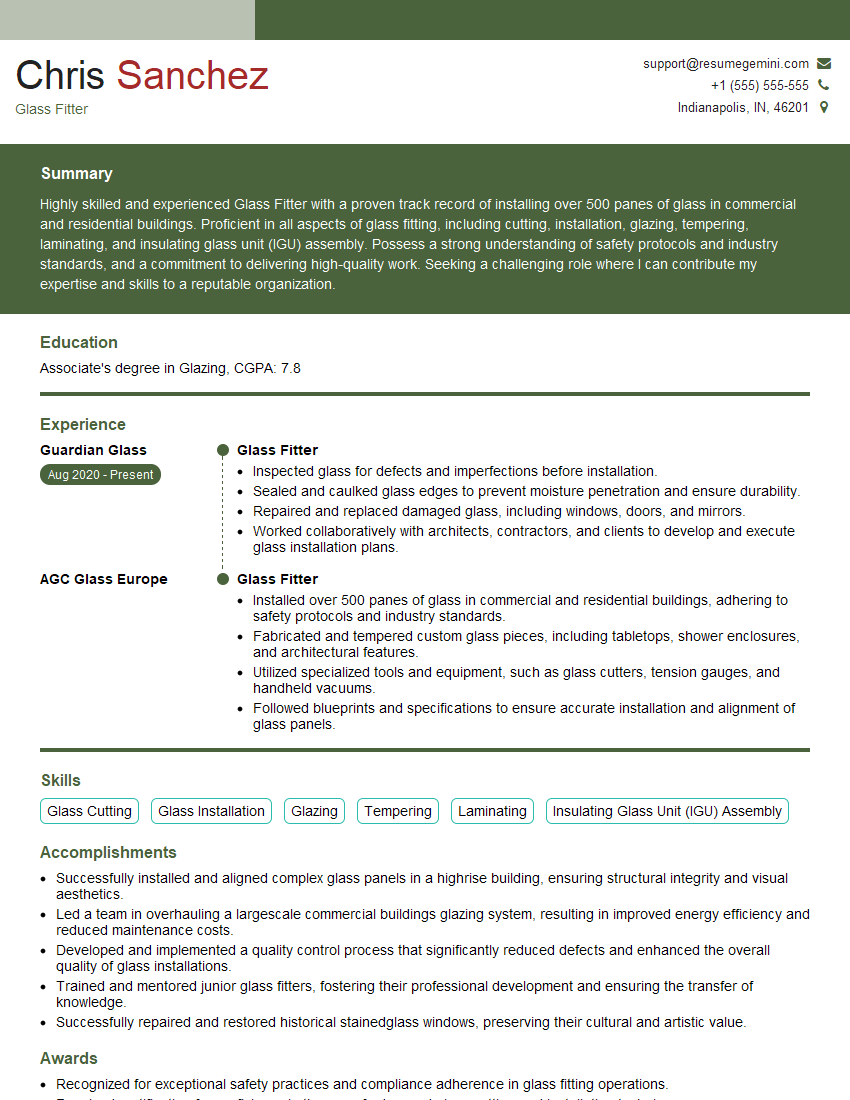
Mastering auto glass replacement opens doors to a rewarding career with excellent growth potential. Demand for skilled technicians is high, and your expertise will be valuable in a rapidly evolving industry. To significantly increase your chances of landing your dream job, create a professional, ATS-friendly resume that highlights your skills and experience. ResumeGemini is a trusted resource to help you build a compelling resume that showcases your qualifications effectively. We offer examples of resumes tailored specifically to the auto glass replacement industry to give you a head start. Take the next step towards your successful career today!
Explore more articles
Users Rating of Our Blogs
Share Your Experience
We value your feedback! Please rate our content and share your thoughts (optional).
What Readers Say About Our Blog
Really detailed insights and content, thank you for writing this detailed article.
IT gave me an insight and words to use and be able to think of examples