Interviews are more than just a Q&A session—they’re a chance to prove your worth. This blog dives into essential Bentley Systems interview questions and expert tips to help you align your answers with what hiring managers are looking for. Start preparing to shine!
Questions Asked in Bentley Systems Interview
Q 1. Explain your experience with MicroStation.
MicroStation is the cornerstone of Bentley’s design software, a CAD platform renowned for its power and flexibility. My experience spans over [Number] years, encompassing everything from 2D drafting to complex 3D modeling. I’ve utilized its robust capabilities for various projects, including [mention project types, e.g., highway design, building information modeling, and land development]. I’m proficient in utilizing its key features such as cell libraries, design models, and its powerful scripting capabilities using VBA or other languages. For example, I automated repetitive tasks like generating design sheets using VBA macros, significantly improving efficiency. I’m also adept at managing large datasets within MicroStation, ensuring project files are organized and easily accessible. Working with MicroStation has allowed me to seamlessly integrate with other Bentley products, like OpenRoads and AECOsim, in a collaborative BIM environment.
Q 2. Describe your proficiency in OpenRoads Designer.
OpenRoads Designer is my go-to application for civil engineering design. My expertise includes the entire design workflow, from conceptual design to construction documentation. I’m highly proficient in using its tools for roadway design, drainage modeling, and quantity takeoff. I’ve utilized OpenRoads to design [mention specific projects or project types, e.g., complex highway interchanges, urban roadway networks, and earthworks modeling]. A particular project involved designing a complex interchange with multiple ramps and bridges. OpenRoads’ powerful terrain modeling tools were crucial in optimizing the design and minimizing environmental impact. I’ve also leveraged its collaboration features to share models and coordinate with other disciplines. I understand the intricacies of the design process and its impact on downstream construction phases. Furthermore, I have experience utilizing the various visualization tools within OpenRoads Designer to present designs effectively to clients.
Q 3. How familiar are you with AECOsim Building Designer?
I have significant experience with AECOsim Building Designer, focusing primarily on [mention specific areas of expertise within AECOsim, e.g., architectural modeling, structural design, and MEP coordination]. I’m comfortable navigating the software’s interface and creating detailed 3D models using its intuitive tools. I understand the importance of BIM workflows within AECOsim, and I’m adept at creating and managing detailed building information models, including managing various disciplines and ensuring data consistency. One project involved coordinating the architectural, structural, and MEP models in AECOsim for a high-rise building. This required careful management of model clashes and effective communication with other design teams. My experience ensures I can successfully utilize AECOsim to create accurate and comprehensive building models that support the entire building lifecycle.
Q 4. What are your experiences using Bentley ProjectWise?
Bentley ProjectWise is the central hub for managing project data. My experience includes utilizing ProjectWise for document control, collaboration, and data management across multiple projects. I’m proficient in setting up and managing ProjectWise workflows, including defining document permissions, version control, and workflows for design review. In one instance, I implemented a ProjectWise system for a large-scale infrastructure project, successfully managing thousands of documents and facilitating seamless collaboration among numerous teams across different locations. I understand the importance of a well-structured ProjectWise environment for efficient project execution and effective communication. My experience with ProjectWise extends to integrating it with other Bentley applications, creating a cohesive BIM environment.
Q 5. Explain your understanding of BIM methodologies within Bentley’s software.
My understanding of BIM methodologies within Bentley’s software is comprehensive. I understand the principles of BIM execution planning (BEP), data modeling, collaboration, and lifecycle management within the Bentley ecosystem. I’ve participated in several projects employing Level 2 BIM, effectively using model-based workflows for design, analysis, and construction. For example, on a recent project, we utilized Bentley’s software to develop a comprehensive digital twin of a building. This involved creating a detailed 3D model, integrating it with other relevant data, and leveraging the model for various purposes throughout the building’s lifecycle, including design review, cost estimation, and facility management. I believe in a collaborative approach to BIM, ensuring everyone involved has access to the relevant information and can contribute effectively to the project’s success.
Q 6. How do you handle complex geometry issues in Bentley software?
Complex geometry issues can arise in any Bentley software. My approach involves a combination of careful modeling techniques, understanding the software’s limitations, and utilizing its problem-solving tools. For instance, resolving intersecting surfaces or cleaning up topology errors often requires a methodical approach, sometimes involving simplification or the use of specialized tools like Boolean operations or surface cleanup utilities. I also leverage the software’s diagnostic tools to pinpoint the source of the issue. In cases where the problem is particularly complex, I’ve found that breaking the model into smaller, more manageable parts is often a useful strategy. Understanding the underlying data structure within the model helps in diagnosing and resolving issues more efficiently. This understanding allows for a proactive approach, preventing complex geometric problems from arising during the modeling process.
Q 7. Describe your experience with data management within Bentley’s ecosystem.
Data management within Bentley’s ecosystem is critical for successful project delivery. My experience encompasses various aspects of data management, including data modeling, data structure, and data migration. I’m familiar with various strategies for organizing and managing large datasets, leveraging tools like ProjectWise for document control and version management. I understand the importance of data interoperability between different Bentley applications, facilitating a seamless workflow. Moreover, I’m familiar with data standards and best practices, ensuring data integrity and consistency across the project lifecycle. In several projects, I’ve implemented strategies for streamlining data exchange, reducing errors, and enhancing collaboration. A well-managed data strategy prevents data loss, ensures accuracy, and facilitates better decision-making throughout the project.
Q 8. How would you troubleshoot a common issue in MicroStation?
Troubleshooting in MicroStation often involves identifying the root cause of the problem systematically. A common issue might be file corruption, slow performance, or unexpected behavior from a command. My approach starts with identifying the symptoms and then working through a series of checks.
- Check the file: Is the file extremely large? Are there any error messages upon opening? Try opening the file in a new MicroStation session to rule out conflicting settings. A corrupted file might require repair using MicroStation’s built-in tools or third-party file repair utilities.
- Review recent actions: What actions were performed before the issue occurred? Did you import a large dataset, or make significant edits? Sometimes undoing recent actions can resolve the problem.
- Check system resources: Ensure your computer has sufficient RAM and disk space. MicroStation can be resource-intensive, especially with large models. Close unnecessary applications to free up resources.
- Verify configuration settings: Check MicroStation’s settings, especially graphics settings. For performance issues, reducing graphics quality or disabling some features can improve responsiveness. Review your workspace settings as well, to ensure that there aren’t conflicting or incorrect settings.
- Seek external assistance: If the issue persists, Bentley’s support documentation and forums are invaluable resources. You can also consult with other users or seek help from Bentley’s support team.
For example, I once encountered a performance bottleneck in a large project involving hundreds of design files. Through systematic troubleshooting, I identified the problem to be excessive use of complex cell libraries. By simplifying the cell libraries and optimizing the referencing process, I significantly improved the project’s performance.
Q 9. Explain your experience with creating and managing digital twins using Bentley software.
My experience in creating and managing digital twins with Bentley software is extensive. I’ve been involved in several projects leveraging ContextCapture, OpenRoads Designer, and ProjectWise for various infrastructure assets, including bridges, roads, and pipelines. The process typically involves several key steps:
- Data Acquisition: Using various methods such as laser scanning, aerial photography, and sensor data to capture real-world asset data. ContextCapture plays a critical role here in processing this data into realistic 3D models.
- Modeling: Utilizing Bentley’s modeling software (e.g., OpenRoads Designer, OpenBuildings Designer) to create accurate digital representations of the assets, incorporating survey data and design information. This step often requires significant coordination with engineering and design teams.
- Integration and Simulation: Integrating the 3D models with simulation tools to analyze asset performance under various scenarios. This allows for predictive maintenance and improved operational efficiency.
- Data Management and Collaboration: Using ProjectWise for centralized data management and collaborative workflows. Version control and access control are crucial to ensure data integrity and effective teamwork.
In a recent project, we created a digital twin of a highway system. By using ContextCapture for point cloud generation and OpenRoads Designer for road modeling, we created an accurate, interactive digital representation. We then integrated this model with traffic simulation software to optimize traffic flow and improve emergency response times. This digital twin enabled informed decision-making and improved infrastructure management.
Q 10. Describe your understanding of Bentley’s iModel technology.
Bentley’s iModel technology is a revolutionary approach to infrastructure modeling. It’s a foundation for creating and managing digital twins, enabling collaboration and data sharing across various disciplines. Essentially, an iModel is a container for comprehensive infrastructure data, representing both the physical and functional aspects of an asset. Key features include:
- Data Interoperability: iModels facilitate seamless data exchange between different Bentley applications, enhancing collaboration and reducing data silos.
- Version Control: iModels support robust version control, allowing teams to manage changes and track modifications effectively.
- Scalability: They are designed to handle massive datasets, making them suitable for large and complex infrastructure projects.
- Contextual Data: iModels store not just geometry but also rich contextual data such as asset information, material properties, and maintenance records.
- Openness: While relying on Bentley’s ecosystem, iModels adopt open standards, providing a degree of flexibility.
Think of it as a sophisticated database designed specifically for infrastructure. It’s more than just a 3D model; it’s a living digital representation that evolves throughout an asset’s lifecycle.
Q 11. What is your experience with creating and managing point clouds in Bentley software?
My experience with point clouds in Bentley software centers primarily around ContextCapture and MicroStation. I’ve utilized point clouds extensively for various purposes, from creating realistic 3D models to performing detailed measurements and analysis. My workflow generally includes:
- Data Acquisition: Working with survey teams or using available point cloud data to acquire the raw point cloud data (typically from laser scanning or photogrammetry).
- Processing with ContextCapture: Using ContextCapture to process the raw data, creating high-resolution 3D models. This involves tasks such as point cloud registration, mesh generation, and surface creation. This stage often requires expertise in parameter tuning and quality control.
- Integration into MicroStation: Importing the processed point clouds into MicroStation for further analysis and integration with design models. This allows for accurate site modeling and as-built comparisons.
- Analysis and Measurement: Utilizing MicroStation’s tools to extract measurements, generate sections, and conduct other analyses based on the point cloud data. This is essential for creating detailed design plans, and verifying existing infrastructure.
For instance, I used point cloud data to create an as-built model of a bridge during a renovation project. The detailed point cloud data facilitated accurate measurements, allowing the design team to create precise plans, eliminating costly rework during construction.
Q 12. How do you ensure data interoperability between different Bentley applications?
Data interoperability is crucial in infrastructure projects. Bentley’s software suite promotes interoperability through several mechanisms. iModels, as discussed earlier, play a pivotal role. Additionally, various file formats are supported, ensuring compatibility with other software packages.
- iModels: The central mechanism for data exchange between different Bentley applications. This ensures consistency and minimizes data loss during the transfer.
- Standard File Formats: Bentley software supports various industry-standard file formats like DWG, DXF, LandXML, and IFC, allowing for data exchange with non-Bentley software.
- Data Transfer Utilities: Bentley provides various data transfer utilities to facilitate the transfer of data between different applications and platforms.
- Open API: The use of Bentley’s open APIs enables custom solutions and tailored integration to meet specific project needs.
In a real-world scenario involving a large transportation project, we used iModels to transfer data between OpenRoads Designer (for road design), OpenBridge Modeler (for bridge design), and MicroStation (for detailed drafting). This seamless data flow eliminated the need for tedious manual data entry and ensured consistency throughout the design process.
Q 13. Explain your experience with scripting or customization in Bentley software (e.g., VBA, Open API).
My scripting experience involves primarily VBA and, more recently, Bentley’s Open API. VBA is useful for automating repetitive tasks within MicroStation, while the Open API allows for more extensive customization and integration.
- VBA Macro Development: I’ve written numerous VBA macros to automate tasks such as batch processing of files, generating reports, and customizing user interfaces. This significantly improves efficiency in repetitive tasks.
- Open API Development: I am familiar with using the Open API to develop more sophisticated custom applications and integrate Bentley software with other systems. This includes developing plugins and extensions for specific functionalities not available out-of-the-box.
For example, I developed a VBA macro to automate the process of generating design sheets from a complex 3D model in MicroStation. This automated process reduced the time required for sheet generation by over 75%, significantly improving productivity.
' Example VBA Macro (Illustrative): Sub CreateSheets() ' Code to automatically generate design sheets End Sub Q 14. Describe your experience with using Bentley software for infrastructure projects.
My experience with Bentley software in infrastructure projects spans various disciplines, including highway design, bridge engineering, and water management. I’ve used a range of Bentley applications, including OpenRoads Designer, OpenBridge Modeler, and MicroStation, to participate in projects of varying scales and complexities.
- Highway Design: Using OpenRoads Designer for detailed road design, including horizontal and vertical alignment, cross-sections, and earthwork calculations. I have successfully delivered projects that include complex interchanges and highway improvements.
- Bridge Engineering: Leveraging OpenBridge Modeler for bridge design and analysis, including structural modeling, stress analysis, and drawing production. This involved collaborating with structural engineers and ensuring the accurate modeling of bridge components.
- Water Management: Utilizing Bentley’s water management software for modeling hydraulic systems, analyzing water flow, and developing drainage solutions for various projects. This includes managing drainage systems and addressing flood risks.
- Project Collaboration: Experience using ProjectWise for collaborative design and data management, facilitating communication and coordination among various stakeholders, including engineers, designers, and contractors.
One notable project involved the design and construction of a new highway overpass. Using OpenRoads Designer and OpenBridge Modeler, we were able to successfully complete the design in a timely manner and meet the project requirements. The project required extensive collaboration with various teams, and ProjectWise helped to ensure efficient data management and communication. The use of Bentley’s suite of software contributed to the successful completion of this challenging project.
Q 15. How familiar are you with the different versions and updates of Bentley’s software?
My familiarity with Bentley Systems software versions spans several releases, from older versions like MicroStation V8i to the current CONNECT Edition and its various applications. I understand the evolution of features, the introduction of new functionalities like reality modeling and digital twins, and the shift towards cloud-based collaboration. For instance, I’ve worked extensively with MicroStation CONNECT Edition, experiencing firsthand the improvements in performance and interoperability compared to previous versions. I’m also aware of the specific updates and service packs released for each application, ensuring I am using the most current, stable version for any given project. This includes understanding the version control mechanisms and the implications of upgrading or downgrading software for project compatibility.
I stay abreast of new releases through Bentley’s website, their user forums, webinars, and industry publications. My experience covers a wide range of applications within the Bentley portfolio, including OpenRoads Designer, ProjectWise, and AECOsim Building Designer, allowing me to effectively navigate the nuances of each software’s version history and update cycles. I understand the importance of choosing the right version based on project requirements and available resources.
Career Expert Tips:
- Ace those interviews! Prepare effectively by reviewing the Top 50 Most Common Interview Questions on ResumeGemini.
- Navigate your job search with confidence! Explore a wide range of Career Tips on ResumeGemini. Learn about common challenges and recommendations to overcome them.
- Craft the perfect resume! Master the Art of Resume Writing with ResumeGemini’s guide. Showcase your unique qualifications and achievements effectively.
- Don’t miss out on holiday savings! Build your dream resume with ResumeGemini’s ATS optimized templates.
Q 16. How do you ensure data accuracy and consistency in Bentley projects?
Data accuracy and consistency are paramount in Bentley projects. My approach is multi-faceted and begins with establishing clear data standards and protocols at the project’s outset. This includes defining naming conventions, coordinate systems, and data templates. We use Bentley’s ProjectWise for centralized data management, ensuring a single source of truth and version control. This prevents conflicting versions and promotes collaboration without compromising data integrity. Regular quality control checks using tools within the Bentley applications are implemented, including geometric checks for inconsistencies and data validation against established standards.
Furthermore, we utilize data validation tools and scripts to automatically identify and flag potential errors. For example, we might use custom scripts in MicroStation to check for inconsistencies in surface models or clash detection between disciplines. Regular data backups and disaster recovery plans are also critical components of our strategy. Think of it like building a skyscraper – a strong foundation (data standards) is crucial, with robust structural elements (ProjectWise and validation tools) ensuring the building (project) remains stable and accurate.
Q 17. Describe your approach to collaborating on a project using Bentley’s collaborative tools.
My collaborative approach heavily relies on Bentley’s collaborative tools, primarily ProjectWise and its integration with other applications like OpenRoads Designer and AECOsim Building Designer. I begin by establishing clear roles and responsibilities for team members within ProjectWise. This involves setting up appropriate access permissions and workspaces to manage data effectively. We utilize the version control capabilities of ProjectWise to track changes, manage revisions, and resolve conflicts in a structured manner.
Regular meetings, utilizing tools like ProjectWise’s communication features, are essential for coordinating work and addressing challenges proactively. We leverage the commenting and markup tools within the Bentley applications for direct feedback on models and drawings. Think of it as a shared online workspace – everyone has access to the latest information, can contribute their work, and see the contributions of others in real-time. This transparent and organized approach ensures seamless collaboration and avoids costly rework.
Q 18. Explain your knowledge of industry standards and regulations relevant to Bentley’s software applications.
My understanding of industry standards and regulations related to Bentley software applications is comprehensive. This includes familiarity with standards like IFC (Industry Foundation Classes) for interoperability between different BIM software, and knowledge of local building codes and regulations which vary significantly by geographic location. For example, I’m aware of how to configure Bentley applications to meet specific requirements for building information modeling (BIM) execution plans, ensuring projects comply with industry best practices and regulatory requirements.
I understand the importance of adhering to these standards, not only for compliance but also for the efficient exchange of information between different stakeholders and applications. This knowledge is crucial for ensuring the deliverable meets all legal and industry requirements. I routinely consult relevant standards and codes to inform my modeling and design choices, ensuring compliance and interoperability throughout the project lifecycle.
Q 19. How do you stay up-to-date with the latest advancements in Bentley’s software and technologies?
Staying current with Bentley’s advancements involves a multi-pronged approach. I actively participate in Bentley’s online learning platforms, attending webinars and taking advantage of their training materials. I regularly review the latest news and updates on Bentley’s website and engage with their user forums, gaining insights from other professionals. Industry conferences and user groups also provide valuable opportunities for networking and learning about the latest technologies and best practices.
I subscribe to relevant industry publications and journals, keeping abreast of the latest developments in BIM, digital twins, and other related fields. Furthermore, I actively seek out and experiment with new features in the software, understanding how to incorporate them effectively into my workflow. This continuous learning ensures that my skills and knowledge remain aligned with the leading edge of Bentley technologies.
Q 20. Describe your experience with performing quality control checks on Bentley models.
My quality control checks on Bentley models are thorough and systematic. They begin with reviewing the model’s adherence to the established project standards and guidelines. This involves checking the accuracy of geometry, coordinate systems, and attribute data. I utilize built-in model checking tools within Bentley applications to identify and resolve any geometric inconsistencies or errors. For instance, I regularly use the clash detection tools in AECOsim Building Designer to identify conflicts between different disciplines before construction begins.
Beyond automated checks, visual inspection of the model is essential. I meticulously review the model’s elements, paying close attention to details and identifying any anomalies or inconsistencies that might have been missed by automated tools. Documentation of all checks performed and any issues identified is crucial, creating a clear audit trail for future reference. The quality assurance process is an iterative one, often requiring revisiting and refining the model to ensure perfection before the final delivery.
Q 21. How would you approach optimizing a large and complex Bentley model for performance?
Optimizing large and complex Bentley models for performance requires a systematic approach. This starts by analyzing the model’s structure and identifying areas for improvement. Techniques like using proxy geometry for elements that don’t require high detail can significantly reduce the model’s size and improve loading times. Furthermore, we can employ level of detail (LOD) management, simplifying model elements when zoomed out and increasing detail only when zoomed in, improving display performance.
Properly managing references and external files can also boost efficiency. Ensuring efficient referencing methods minimizes the load on the system. Data purging, removing unnecessary or duplicate data, is also critical. Finally, optimizing the system hardware (RAM, GPU) and utilizing the software’s performance tuning options are essential steps to improve overall responsiveness. These optimizations are done incrementally, with regular testing and performance monitoring to ensure efficiency without compromising data accuracy. Think of it like streamlining a complex factory – optimizing each process (data management, geometry simplification) will improve the overall efficiency of the manufacturing line (model performance).
Q 22. Describe a situation where you had to solve a challenging problem using Bentley software.
During a large-scale highway design project using OpenRoads Designer, we encountered a significant challenge in optimizing the alignment to minimize environmental impact while adhering to strict design standards. The initial alignment generated numerous conflicts with existing utilities and environmentally sensitive areas. To solve this, I leveraged OpenRoads Designer’s powerful terrain modeling and analysis tools. I meticulously analyzed the digital terrain model (DTM) data, incorporating survey data and LiDAR scans for high accuracy. Using the constraint-based design features, I iteratively adjusted the alignment, optimizing for grade, curvature, and clearance from constraints. This iterative process, guided by visual analysis and automated conflict detection, resulted in a final alignment that met all regulatory requirements and minimized environmental disruption. The key was utilizing the software’s powerful capabilities to not only design but also to perform rigorous analysis and optimization throughout the process.
Q 23. Explain your experience with using Bentley software for asset management.
My experience with Bentley software for asset management centers primarily around AssetWise. I’ve utilized it extensively in various projects, from managing the lifecycle of water infrastructure assets for a municipal water utility to tracking the condition of bridges for a state transportation department. AssetWise allows for centralized data management, enabling comprehensive tracking of asset attributes, maintenance histories, and associated documentation. This helps in efficient scheduling of preventative maintenance, improving operational efficiency and minimizing unexpected outages. For example, in the water utility project, we utilized AssetWise’s reporting capabilities to identify assets approaching the end of their useful life, allowing for proactive planning and budgeting for replacements. This proactive approach significantly reduced the risk of service disruptions and minimized overall operational costs. The ability to integrate with GIS systems for spatial analysis further enhanced the efficiency of asset management.
Q 24. How would you implement a new Bentley software application within an existing workflow?
Implementing a new Bentley application requires a phased approach focused on user training, data migration, and workflow integration. First, I’d conduct a thorough needs assessment to determine the specific functionalities required and identify potential conflicts with existing systems. Next, a pilot program involving a small team would allow for hands-on training and identification of any integration issues. Parallel data migration is crucial – we’d begin transferring relevant data from the old system to the new application, validating data integrity throughout the process. We’d also develop standardized processes and workflows optimized for the new application. Once the pilot program is successful and data migration is complete, the new application would be rolled out to the broader team, with ongoing support and training provided. Regular feedback sessions would allow for continuous improvement and optimization of the workflow.
Q 25. What are your experiences with Bentley’s support resources and training materials?
Bentley’s support resources and training materials are extensive and generally high-quality. I’ve regularly utilized their online knowledge base, which provides comprehensive documentation, tutorials, and troubleshooting guides. Their instructor-led training sessions are extremely valuable for deeper understanding of specific software functionalities. The online forums offer a great platform for collaborative problem-solving and sharing best practices with other users. Occasionally, direct contact with Bentley support has been necessary for resolving complex technical issues; their response time has generally been prompt, and their technical expertise has been helpful. While their resources are comprehensive, the depth of available training can vary between products, so strategic selection of training courses based on project needs is essential.
Q 26. How would you approach integrating Bentley software with other engineering applications?
Integrating Bentley software with other engineering applications often relies on open standards and APIs. For example, integrating Bentley’s OpenRoads Designer with a GIS system like ArcGIS can be achieved using industry-standard formats such as shapefiles or through direct API connections. This allows for seamless exchange of spatial data. For applications lacking direct API support, techniques like data extraction and import/export using compatible file formats (e.g., DXF, IFC) are frequently used. Choosing the right integration strategy depends on factors such as data volume, frequency of data exchange, and the level of automation required. It’s crucial to define clear data exchange protocols and validation procedures to maintain data integrity and prevent errors. In some cases, custom scripts or middleware may be needed to handle complex data transformations.
Q 27. Describe your experience with creating and managing custom templates within Bentley software.
Creating and managing custom templates in Bentley software significantly improves efficiency and consistency in project deliverables. I’ve extensively used this functionality in MicroStation and OpenRoads Designer to create templates for drawings, reports, and even 3D models. This involves setting up standard layers, styles, cell libraries, and other design elements. Well-designed templates ensure projects adhere to company standards, reducing errors and rework. For instance, I developed a template for road design drawings that automatically includes standard annotations, symbols, and title blocks, significantly reducing the time needed for creating new drawings. Version control is critical when managing multiple custom templates; implementing a centralized system, such as a shared network folder with revision control, helps track changes and maintain consistency.
Q 28. Explain your understanding of the different data formats used in Bentley’s software.
Bentley software utilizes a range of data formats, reflecting the diverse nature of engineering data. Common formats include DGN (Bentley’s native format), which is highly versatile and capable of storing complex design data, including geometry, attributes, and relationships. Other frequently used formats include IFC (Industry Foundation Classes), an open standard for building information modeling, allowing for interoperability with other BIM software. Shapefiles and other geospatial formats are commonly used for integrating geographic information. Understanding these formats is crucial for data exchange and interoperability. For instance, using IFC allows for seamless collaboration between structural, architectural, and MEP engineers working on a single project using different Bentley or third-party software. Converting between formats may sometimes be necessary, requiring careful attention to data integrity and potential loss of information during conversion.
Key Topics to Learn for Bentley Systems Interview
- MicroStation: Understand its core functionalities, including CAD modeling, design review, and collaboration features. Explore practical applications in various engineering disciplines like civil, structural, and mechanical engineering.
- ProjectWise: Learn about its role in project information management, data collaboration, and workflow optimization. Consider how you would use it to manage large, complex projects and improve team communication.
- OpenRoads: Familiarize yourself with its capabilities in road design, modeling, and analysis. Think about how you’d utilize its tools to solve real-world infrastructure challenges.
- AECOsim Building Designer: Explore its BIM functionalities for architectural, structural, and MEP design. Consider how you would leverage BIM for better design coordination and clash detection.
- Digital Twins: Understand the concept of digital twins and their application within Bentley Systems’ ecosystem. Explore how they are used for asset performance management and operational efficiency.
- Data Management and Interoperability: Grasp the importance of effective data management and interoperability between different Bentley software applications. Consider challenges and solutions related to data integration and exchange.
- Cloud Services and Collaboration Platforms: Understand Bentley’s cloud offerings and how they facilitate collaborative design and data sharing. Prepare to discuss the advantages and challenges of cloud-based solutions in a project setting.
- Problem-Solving and Analytical Skills: Practice applying your technical knowledge to solve real-world engineering problems. Be prepared to discuss your approach to troubleshooting and finding creative solutions.
Next Steps
Mastering Bentley Systems software significantly enhances your career prospects in the AEC industry, opening doors to challenging and rewarding roles. Creating a strong, ATS-friendly resume is crucial for getting your application noticed. To build a compelling resume that highlights your skills and experience effectively, leverage the power of ResumeGemini. ResumeGemini provides a user-friendly platform to craft professional resumes, and we offer examples of resumes tailored to Bentley Systems to help you get started.
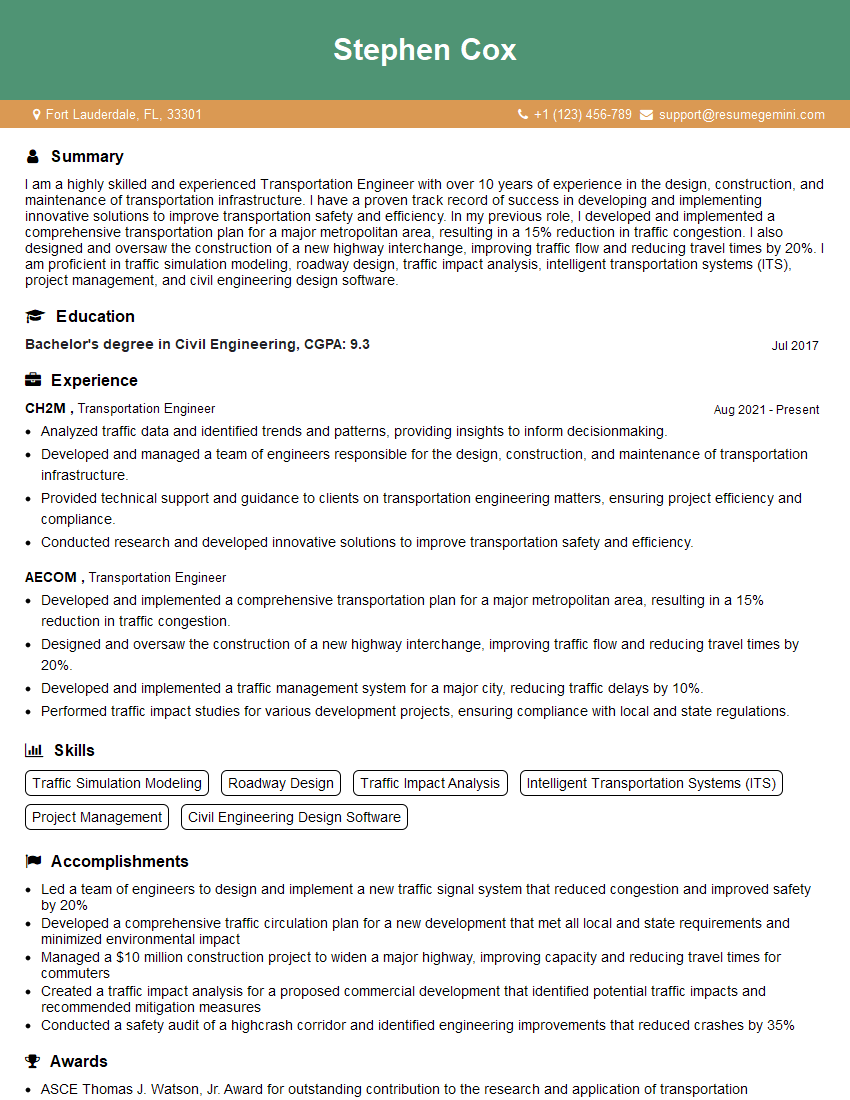
Transportation Engineer Resume Sample

Project Manager Resume Sample

Project Engineer Resume Sample
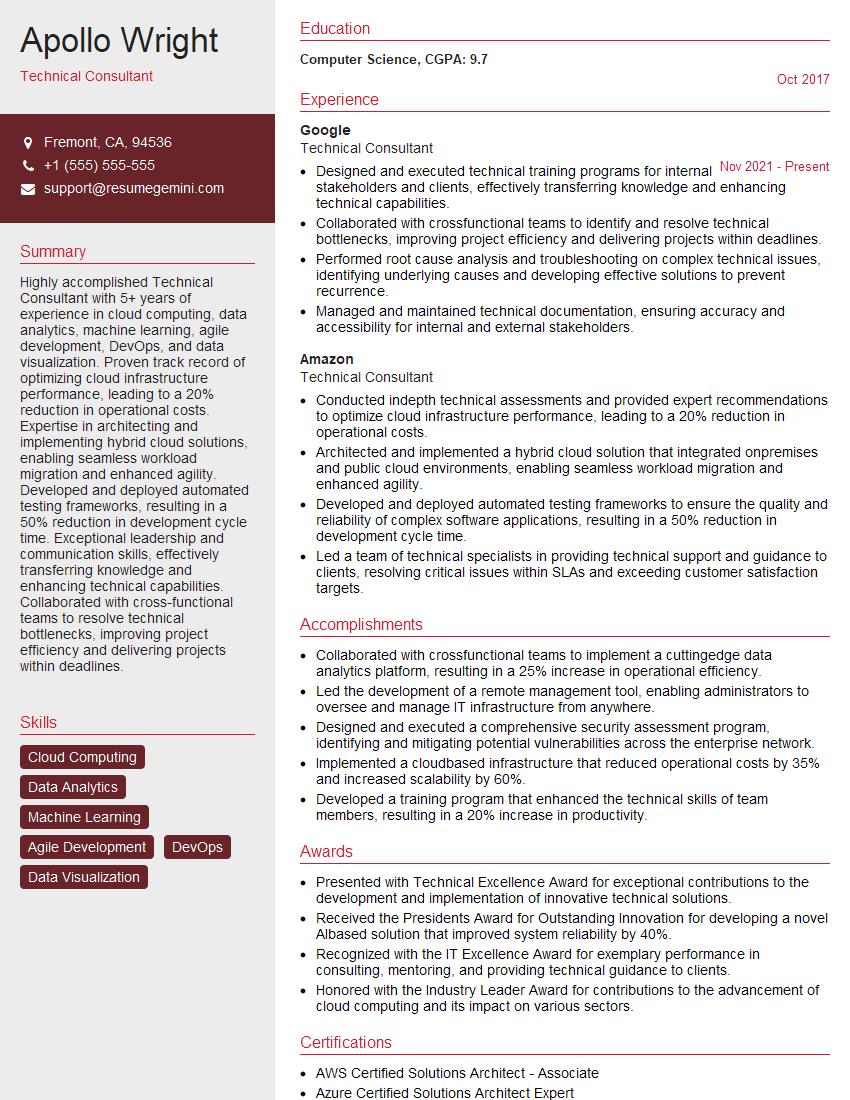
Technical Consultant Resume Sample
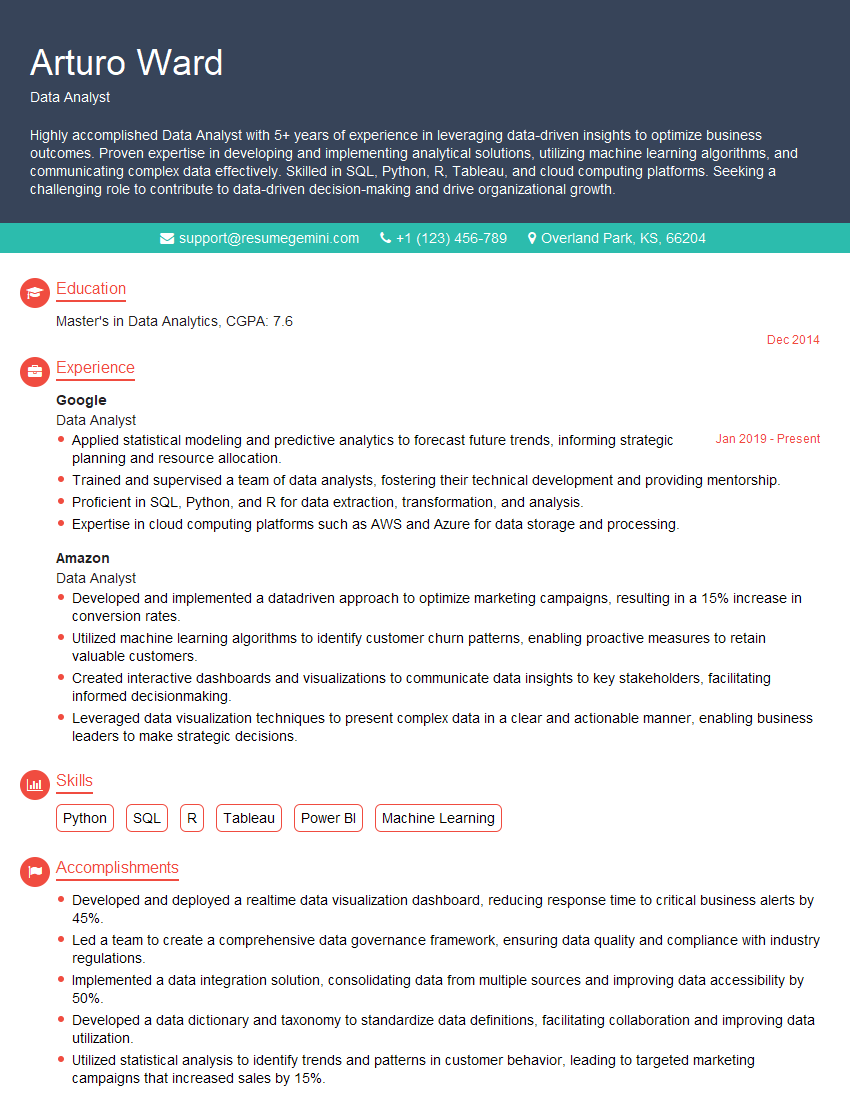
Data Analyst Resume Sample
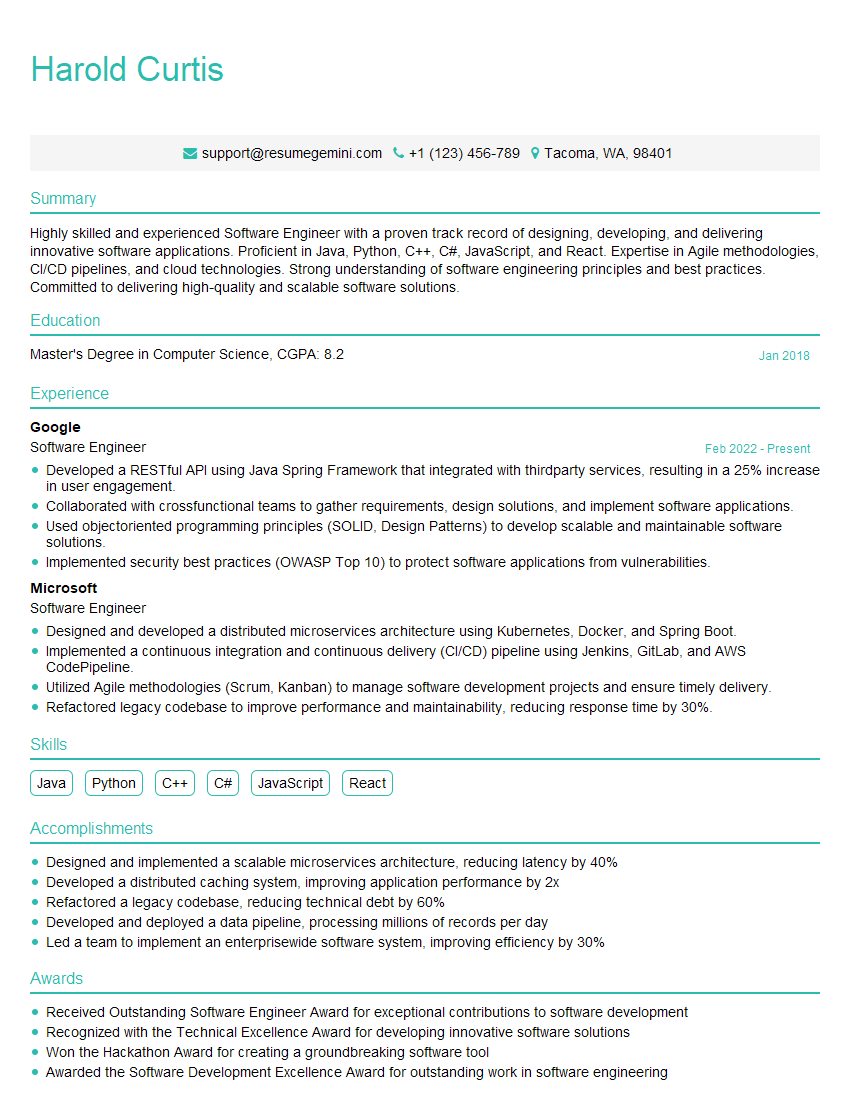
Software Engineer Resume Sample
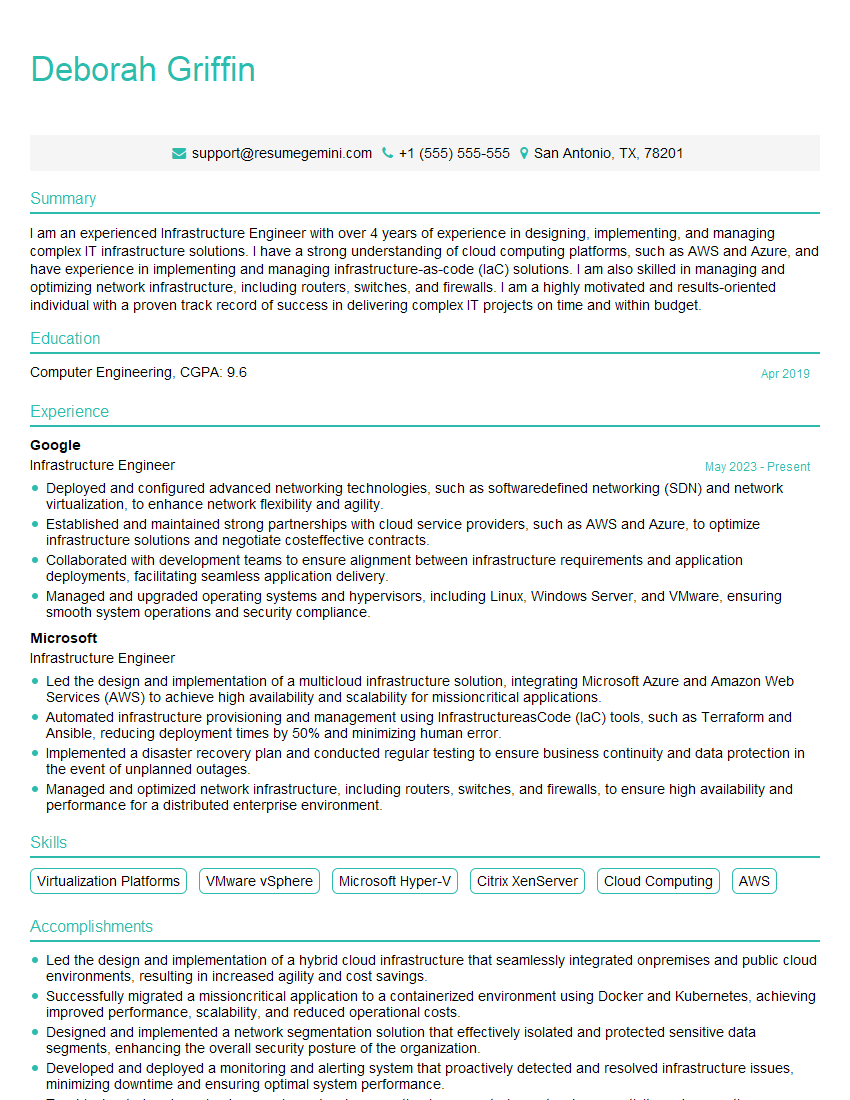
Infrastructure Engineer Resume Sample
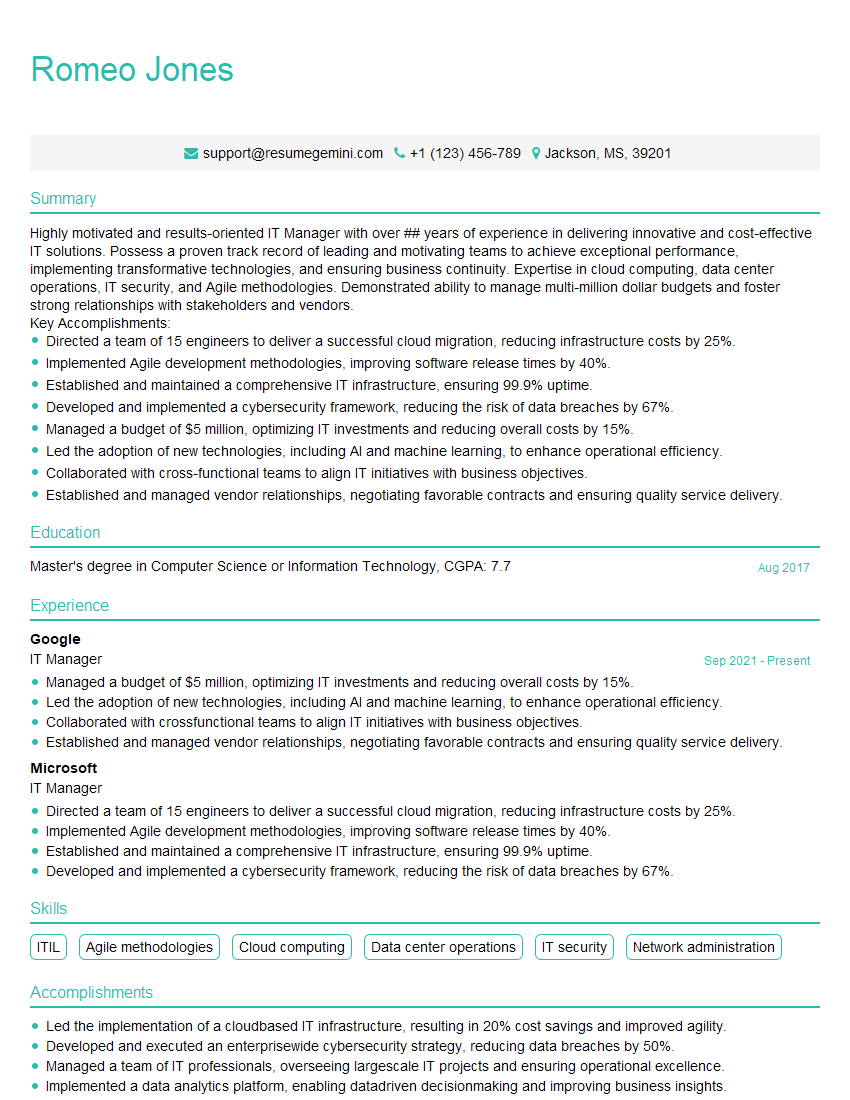
IT Manager Resume Sample
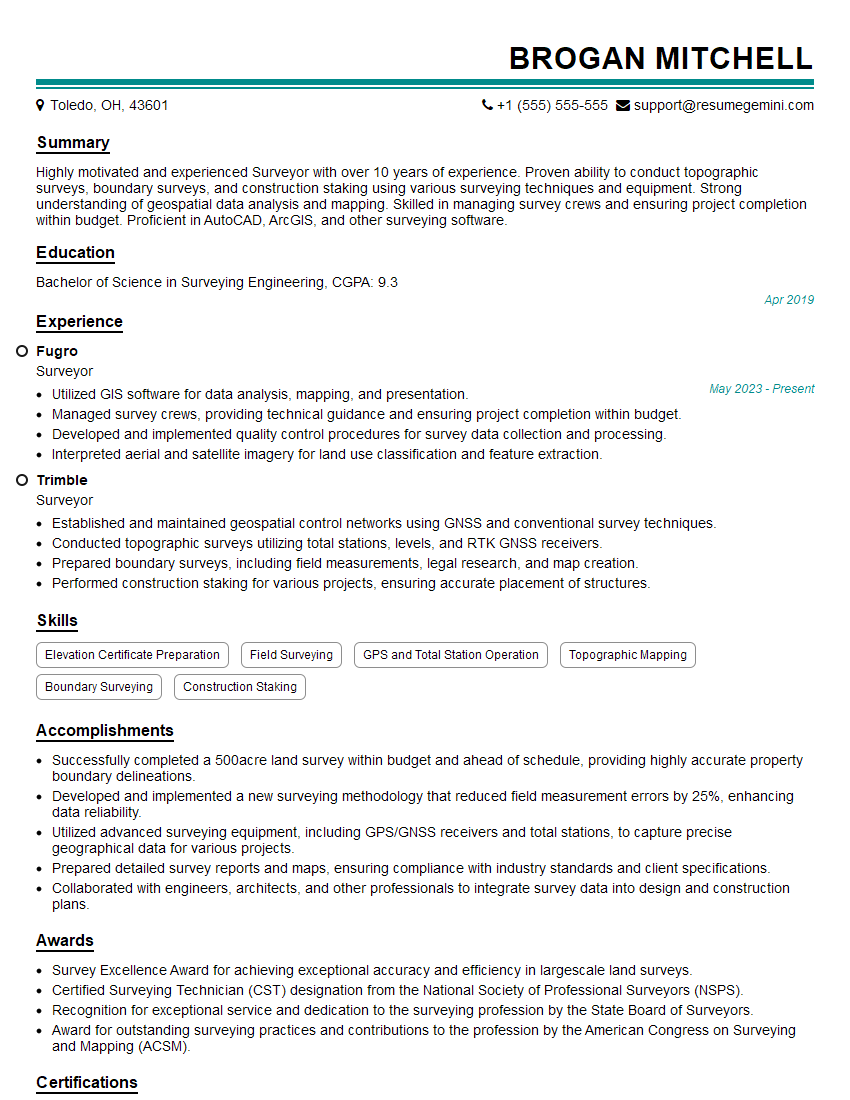
Surveyor Resume Sample
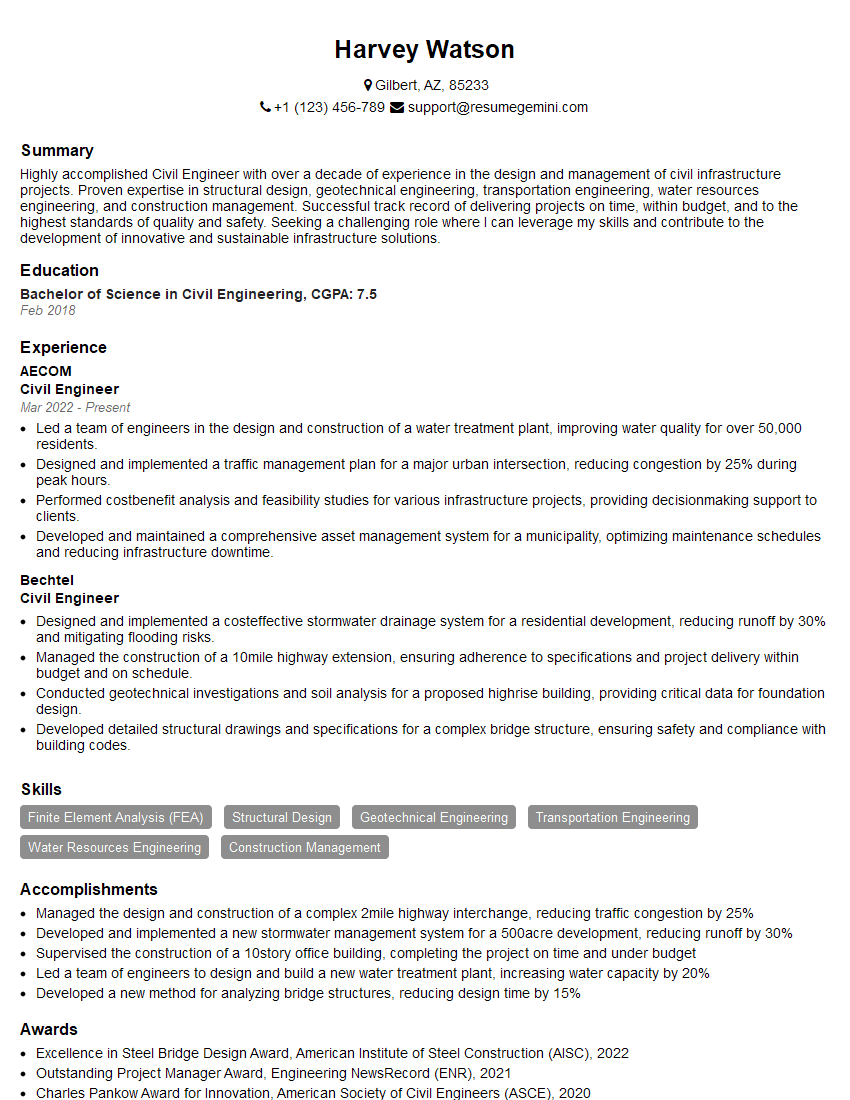
Civil Engineer Resume Sample
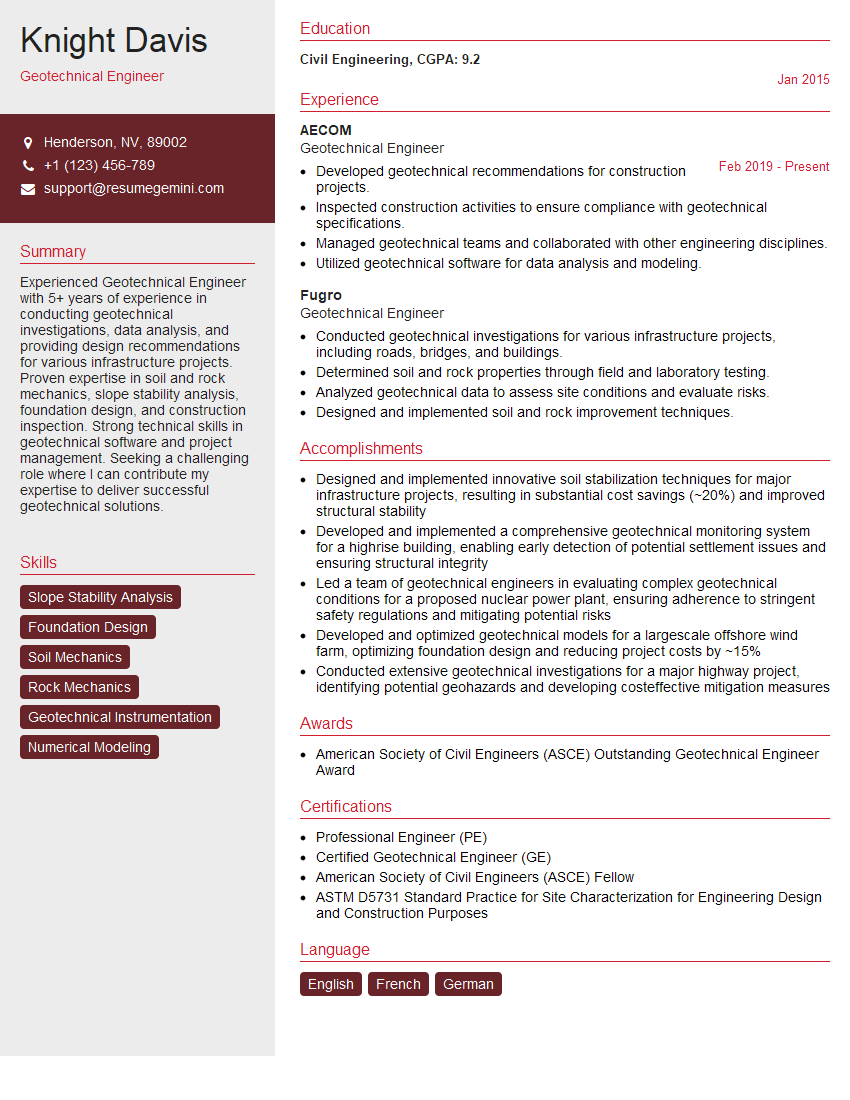
Geotechnical Engineer Resume Sample
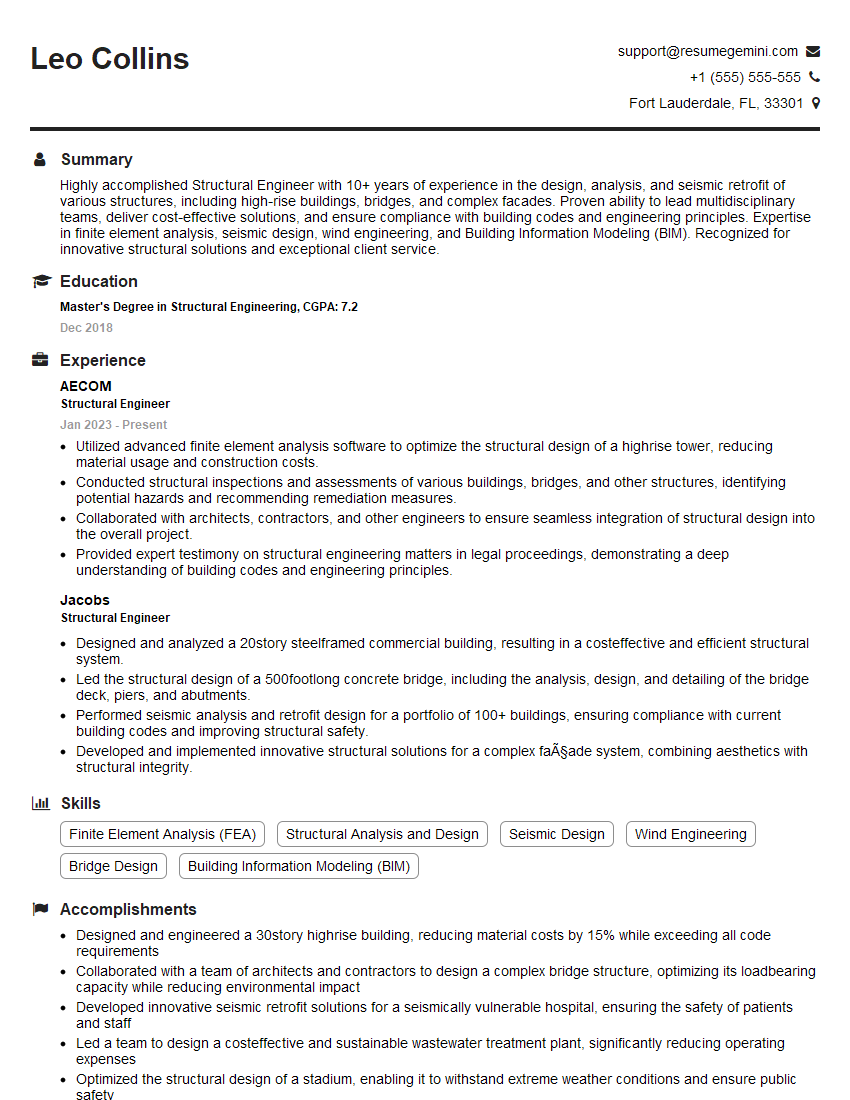
Structural Engineer Resume Sample
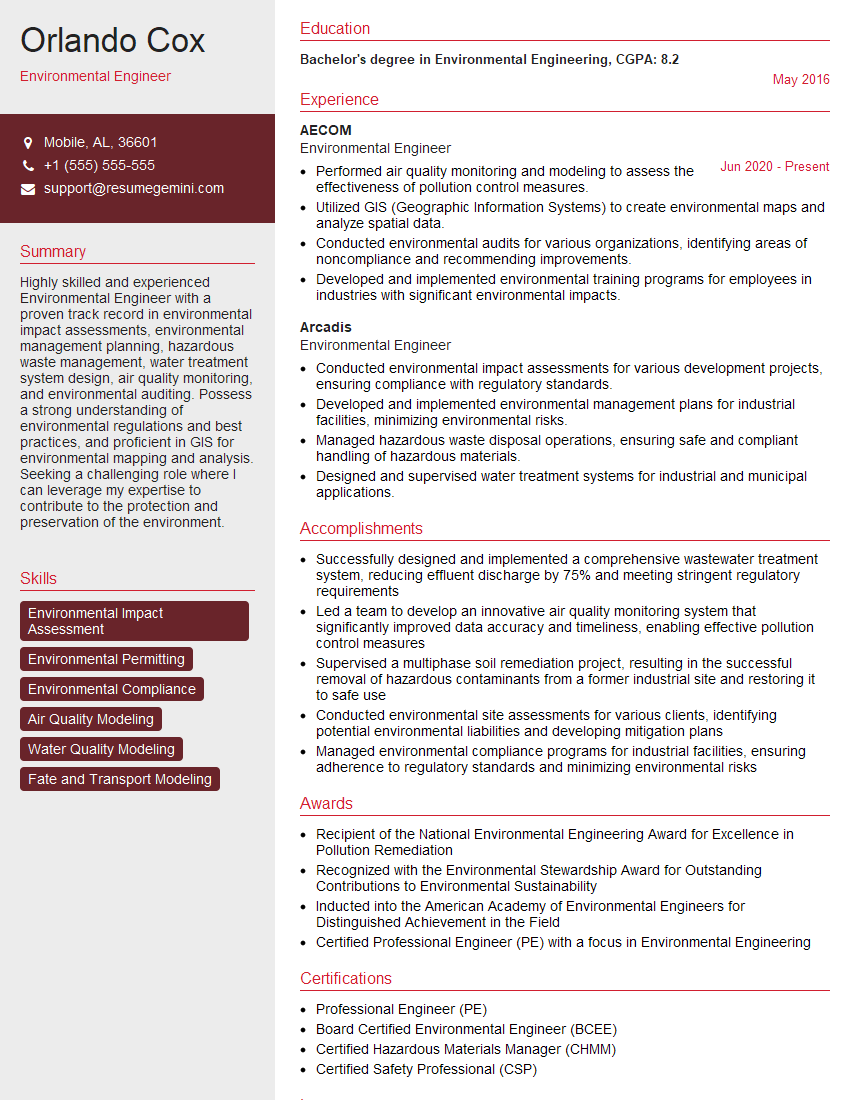
Environmental Engineer Resume Sample
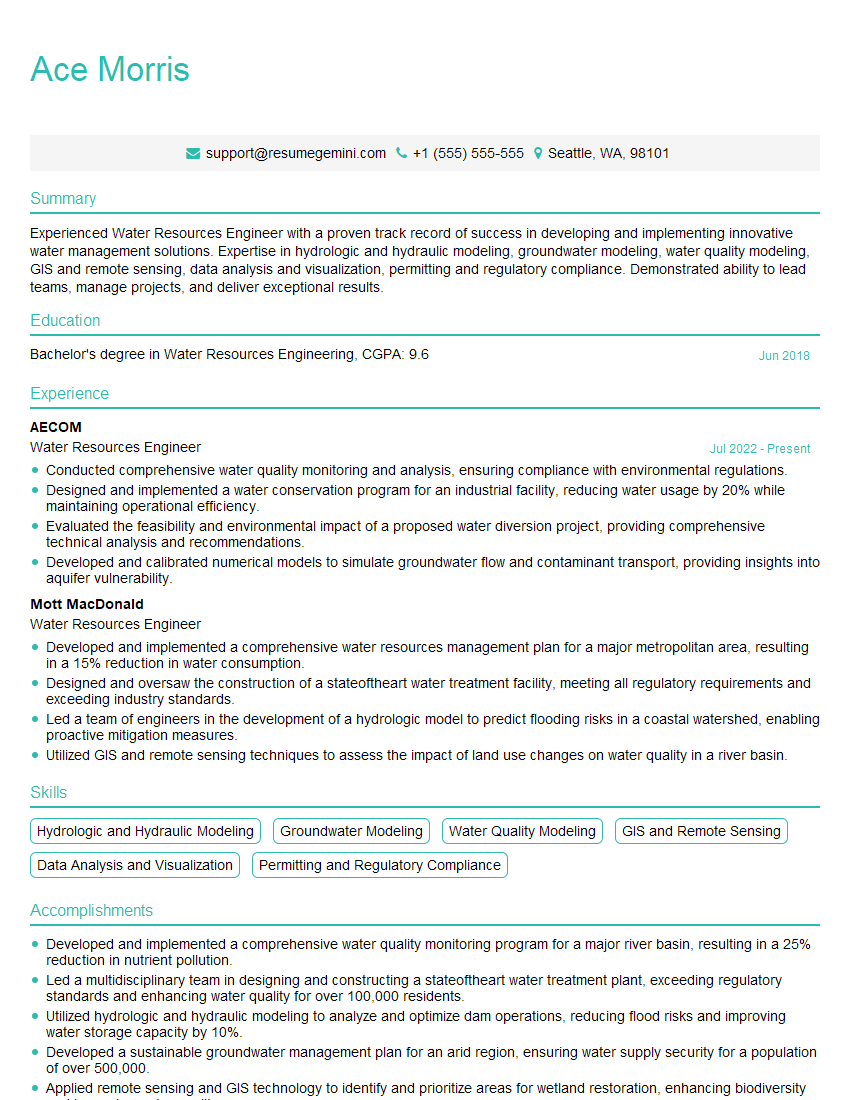
Water Resources Engineer Resume Sample
Explore more articles
Users Rating of Our Blogs
Share Your Experience
We value your feedback! Please rate our content and share your thoughts (optional).
What Readers Say About Our Blog
Really detailed insights and content, thank you for writing this detailed article.
IT gave me an insight and words to use and be able to think of examples