Interviews are opportunities to demonstrate your expertise, and this guide is here to help you shine. Explore the essential Brazing Jig and Fixture Fabrication interview questions that employers frequently ask, paired with strategies for crafting responses that set you apart from the competition.
Questions Asked in Brazing Jig and Fixture Fabrication Interview
Q 1. Explain the difference between a brazing jig and a welding fixture.
While both brazing jigs and welding fixtures hold components during a joining process, their design and functionality differ significantly. A brazing jig is specifically designed to facilitate brazing, a joining process that uses a filler metal with a lower melting point than the base metals. This requires precise alignment and often incorporates features to control the flow of the brazing filler metal. A welding fixture, on the other hand, is broader in application, holding parts for various welding processes (MIG, TIG, etc.) It may not require the same level of precise alignment or features for filler metal control as a brazing jig. Think of it this way: a welding fixture is a general-purpose tool, while a brazing jig is specialized for a specific joining technique. A brazing jig might include features like capillary gaps for filler metal flow or precisely located clamping points to ensure consistent joint geometry, whereas a welding fixture may be simpler, prioritizing strong clamping and part stability.
Q 2. What materials are commonly used in brazing jig fabrication?
The choice of material for brazing jig fabrication depends heavily on the application, but common choices prioritize dimensional stability, heat resistance, and ease of machining. Steel (mild steel, tool steel) is widely used due to its strength and machinability. Aluminum can be used for lighter jigs, especially when brazing aluminum components. Cast iron offers good damping characteristics, useful for reducing vibration during the brazing process. For high-temperature applications or to minimize contamination, stainless steel or other high-temperature alloys may be necessary. Finally, materials like graphite or specialized ceramics are employed in specialized applications where specific thermal properties are crucial. The selection is often a trade-off between cost, durability, and thermal properties.
Q 3. Describe your experience with CAD software for jig and fixture design.
I have extensive experience using various CAD software packages, including SolidWorks, AutoCAD, and Creo Parametric, for jig and fixture design. My proficiency extends beyond simple 3D modeling to encompass detailed design for manufacturability (DFM), finite element analysis (FEA) to predict thermal stresses, and the creation of comprehensive manufacturing drawings. For example, in a recent project involving a complex brazing assembly for a heat exchanger, I used SolidWorks to design a jig that incorporated precise locating pins, clamping mechanisms, and channels for efficient filler metal flow. FEA helped us optimize the jig’s design to minimize warping during the brazing process, ensuring consistent joint quality. Generating detailed manufacturing drawings from the CAD model was crucial for seamless communication with the fabrication shop.
Q 4. How do you ensure the dimensional accuracy of a brazing jig?
Ensuring dimensional accuracy is paramount in brazing jig fabrication. This involves a multi-pronged approach: Firstly, meticulous CAD design utilizing precise dimensions and tolerances is essential. Secondly, selecting the appropriate manufacturing process is critical; CNC machining generally provides higher accuracy compared to traditional methods. Thirdly, regular quality control checks are implemented throughout the fabrication process. This includes using precision measuring instruments (e.g., CMM, calipers, micrometers) at various stages, from raw material inspection to finished jig inspection. Finally, the jig itself might be subjected to a trial run with dummy parts to verify its dimensional accuracy and performance before full-scale production.
Q 5. What are the critical considerations for designing a jig for high-volume production?
Designing jigs for high-volume production requires a focus on efficiency, repeatability, and durability. Ease of loading and unloading is critical to minimize cycle time. This often involves designing jigs with quick-release mechanisms or specialized tooling. Robust construction is necessary to withstand repeated use without wear or damage. Simplified designs, avoiding complex or hard-to-machine features, help reduce production costs. Modular design can be advantageous, allowing for easy adaptation to minor design changes or the ability to reuse components for different applications. Employing standard components (e.g., off-the-shelf clamps) whenever possible helps streamline manufacturing and reduce lead times. Finally, considering ergonomics is important to minimize operator fatigue and improve productivity.
Q 6. Explain your process for selecting the appropriate brazing filler metal.
Selecting the appropriate brazing filler metal involves considering several factors. The most crucial is compatibility with the base metals being joined; the filler metal must wet and bond effectively with both materials. The melting point of the filler metal should be lower than the melting point of the base metals but high enough for sufficient strength at the operating temperature. The flow characteristics are also critical; good flow is essential for complete joint penetration. The strength and ductility of the resulting braze joint must meet the application’s requirements. Finally, factors like cost and availability are also taken into account. For example, when brazing copper to steel, I would consider a copper-base filler metal with a suitable melting point and excellent flow characteristics to ensure a strong, leak-tight joint.
Q 7. How do you account for thermal expansion and contraction during jig design?
Accounting for thermal expansion and contraction is vital to prevent warping or damage during brazing. This is especially important for complex assemblies or those involving materials with significantly different thermal expansion coefficients. During the design phase, FEA simulation can be used to predict thermal stresses and deformations. The jig design should compensate for these stresses, possibly incorporating features to allow for controlled expansion or using materials with similar thermal expansion coefficients. In some cases, using a pre-heating stage to minimize thermal shock can also be beneficial. For example, in brazing thin-walled components, I might design the jig to provide uniform heating and support to counteract the stresses caused by differential expansion during the brazing cycle.
Q 8. Describe your experience with different brazing techniques.
My experience encompasses a wide range of brazing techniques, each chosen based on the specific materials and application requirements. For instance, torch brazing is ideal for smaller, less complex assemblies, offering good control and visibility. I’ve extensively used furnace brazing for high-volume production runs, where consistent heating is crucial for uniform braze joint quality. Immersion brazing provides excellent control over the brazing temperature and atmosphere, making it suitable for intricate parts. Lastly, induction brazing is my go-to method for its speed and precision, particularly beneficial for high-strength, repeatable joints. The choice always hinges on factors like material compatibility, joint design, production volume, and the desired level of precision.
- Torch Brazing: Excellent for smaller projects, offers precise control over heat application.
- Furnace Brazing: High-volume production, consistent heating for even brazing.
- Immersion Brazing: Precise temperature and atmosphere control, suited for complex parts.
- Induction Brazing: Fast and precise, ideal for high-strength joints.
Q 9. How do you troubleshoot a brazing jig that is not producing consistent results?
Troubleshooting inconsistent brazing results requires a systematic approach. I begin by analyzing the entire process, from jig design to brazing parameters. Common issues include:
- Inconsistent Part Clamping: This can lead to uneven heat distribution, resulting in weak or incomplete braze joints. I would check for worn clamping mechanisms, incorrect clamping pressure, or a jig design that doesn’t adequately support the parts.
- Improper Flux Application: Insufficient or uneven flux application can hinder the flow of the brazing filler metal. A thorough examination of the fluxing process is vital, and adjustments to the application method or type of flux might be necessary.
- Temperature Variations: Inconsistent heating, whether from the torch, furnace, or induction system, will dramatically affect the braze. This is verified by monitoring heating equipment and refining the brazing cycle.
- Brazing Material Issues: Using an incorrect brazing filler metal or one that’s not compatible with the base materials will lead to poor results. This requires a careful review of material selection and compatibility charts.
Once the potential cause is identified, I’d implement corrective measures and rigorously test the jig again. It’s a process of iterative refinement until consistent, high-quality results are achieved.
Q 10. What safety precautions do you take when working with brazing equipment?
Safety is paramount in brazing. My routine begins with appropriate personal protective equipment (PPE), including safety glasses with side shields, heat-resistant gloves, and a long-sleeved shirt or jacket. I always ensure adequate ventilation to remove any harmful fumes produced during the brazing process. For larger operations, I ensure the workspace complies with relevant safety regulations and includes proper fume extraction systems. When handling flammable materials like propane or acetylene, I strictly adhere to safety protocols, including proper storage and handling techniques. Regularly checking equipment for any signs of damage or malfunction is also crucial. Finally, maintaining a clean and organized workspace helps prevent accidents.
Q 11. How do you ensure the longevity and maintainability of a brazing jig?
Longevity and maintainability are designed into the jig from the start. I use high-quality, durable materials resistant to heat and corrosion. Proper surface treatment, such as plating or coating, can significantly extend the jig’s lifespan. A modular design allows for easier repair and replacement of individual components, reducing downtime. Clear and concise documentation, including material specifications and assembly instructions, facilitates maintenance and future modifications. Regular inspection and preventative maintenance, such as cleaning and lubrication of moving parts, are vital. Implementing a scheduled maintenance plan ensures the jig remains operational and accurate for years.
Q 12. Describe your experience with different jig clamping mechanisms.
My experience with clamping mechanisms includes various types, chosen based on the specific application and part geometry. For simple geometries, robust C-clamps or toggle clamps often suffice. For more complex parts, I utilize quick-release cam clamps or pneumatic clamps for faster operation and better control over clamping force. Some jigs employ specialized fixtures incorporating spring-loaded pins or magnetic hold-downs for precise and repeatable part positioning. In situations requiring high clamping force and uniform pressure distribution, hydraulic clamps might be necessary. The selection always prioritizes reliable part fixturing and ease of use.
Q 13. What are some common design flaws in brazing jigs, and how can they be avoided?
Common design flaws in brazing jigs often stem from neglecting critical factors. One frequent issue is insufficient rigidity, leading to part distortion during brazing. This is avoided by using robust materials and proper structural design. Another flaw is inadequate heat distribution, often resulting in uneven brazing. Careful consideration of the jig’s thermal conductivity and its geometry, ensures even heat transfer. Poor accessibility for cleaning and maintenance hinders longevity, so designs should incorporate easy access points. Finally, insufficient clamping pressure can lead to inconsistent joints. Therefore, well-designed clamps and a robust jig structure are essential. Using Finite Element Analysis (FEA) software can help predict and prevent such issues before the jig is fabricated.
Q 14. How do you document your jig and fixture designs?
Comprehensive documentation is fundamental. My approach includes detailed drawings showing dimensions, tolerances, and material specifications. Assembly instructions with clear diagrams and exploded views are crucial for maintenance and replication. A bill of materials (BOM) lists all components and their part numbers. I also include revision control to track any modifications or improvements. Finally, a photographic record of the jig’s construction and usage enhances clarity. This approach ensures consistent quality, facilitates repairs, and helps streamline future jig design and fabrication.
Q 15. Explain your experience working with different types of metals in brazing applications.
My experience spans a wide range of metals commonly used in brazing applications. Understanding the properties of each metal is crucial for successful jig design. For instance, I’ve extensively worked with stainless steels (304, 316) due to their corrosion resistance and strength, making them ideal for applications involving aggressive brazing fluxes or high-temperature processes. Copper alloys like brass and bronze are frequently used for their excellent thermal conductivity, ensuring even heat distribution during brazing. I’ve also utilized aluminum alloys in specific cases where lightweight structures are required, although their lower melting point necessitates careful consideration of the brazing temperature. Finally, I have experience working with nickel-based alloys for high-temperature applications, where superior strength and corrosion resistance are paramount. The choice of metal depends heavily on the application’s requirements, encompassing factors such as the base metal being brazed, the brazing temperature, and the operating environment of the final assembly.
Career Expert Tips:
- Ace those interviews! Prepare effectively by reviewing the Top 50 Most Common Interview Questions on ResumeGemini.
- Navigate your job search with confidence! Explore a wide range of Career Tips on ResumeGemini. Learn about common challenges and recommendations to overcome them.
- Craft the perfect resume! Master the Art of Resume Writing with ResumeGemini’s guide. Showcase your unique qualifications and achievements effectively.
- Don’t miss out on holiday savings! Build your dream resume with ResumeGemini’s ATS optimized templates.
Q 16. How do you determine the appropriate tolerance levels for a brazing jig?
Determining appropriate tolerance levels for a brazing jig is a critical step, directly impacting the quality and repeatability of the brazing process. These tolerances are defined based on several factors: the dimensional accuracy of the parts being brazed, the desired joint gap for optimal capillary action (typically 0.002” – 0.005”), and the thermal expansion characteristics of the materials involved. Too tight tolerances can lead to difficulties in assembly and potential distortion, while excessively loose tolerances can result in inconsistent braze joint quality. I typically employ a combination of design analysis and experience to determine the optimal tolerance levels. For instance, using CAD software, I would simulate the assembly process, considering the thermal expansion of the jig and parts during heating. For complex geometries, finite element analysis (FEA) may be needed to predict deformations and ensure accurate component placement.
Q 17. Describe your experience with CNC machining in the context of jig fabrication.
CNC machining is an indispensable tool in my jig fabrication workflow. Its precision and repeatability are crucial for creating the complex geometries and tight tolerances often required in brazing jigs. I’ve used CNC milling extensively to machine jigs from solid blocks of metal, achieving intricate features that would be impossible with traditional methods. I’m proficient in programming and operating various CNC milling machines, including those with multi-axis capabilities, allowing for complex 3D geometries. Furthermore, my experience includes using CNC turning for creating cylindrical components of the jigs. The ability to accurately machine features like locating pins, clamping mechanisms, and cooling channels is essential for a high-performing jig. For example, I once used a 5-axis CNC mill to create a brazing jig with internal channels for precise cooling fluid flow, significantly improving the brazing process’s consistency and repeatability.
Q 18. How do you manage a project involving multiple brazing jigs?
Managing multiple brazing jig projects simultaneously requires a structured and organized approach. I typically begin by creating a detailed project schedule for each jig, outlining key milestones such as design finalization, material procurement, machining, assembly, and testing. These schedules are then integrated into a master project plan that tracks the overall progress. Effective communication among the team is critical. Regular meetings are held to track progress, address any challenges, and ensure resources are allocated efficiently. Furthermore, the use of project management software allows me to track individual tasks, assign responsibilities, and monitor the overall project timeline. Prioritizing projects based on urgency and complexity ensures that deadlines are met and resources are optimized. For example, in one project, we used a Kanban board to visually manage the progress of multiple jigs, allowing for easy identification of bottlenecks and efficient resource allocation.
Q 19. Explain your experience with quality control procedures for brazing jigs.
Quality control is paramount in brazing jig fabrication. My approach incorporates several key steps. First, I perform a thorough design review to check for potential flaws or manufacturing limitations. Then, rigorous inspection procedures are implemented at each stage of the fabrication process, starting with material inspection for defects and continuing through machining, assembly, and final testing. Dimensional accuracy is verified using precision measurement tools such as CMMs (Coordinate Measuring Machines) and dial indicators to ensure the jig meets the specified tolerances. Furthermore, I frequently employ destructive and non-destructive testing methods (e.g., dye penetrant testing) to detect potential flaws in the jig’s structure before it is used in production. Maintaining meticulous documentation throughout the entire process is crucial for traceability and continuous improvement. All inspection results are recorded and analyzed to identify areas for process optimization and defect prevention.
Q 20. Describe a time you had to redesign a brazing jig due to a design flaw.
In one instance, I designed a brazing jig for a complex assembly involving several delicate components. The initial design, while seemingly sound on paper, resulted in localized overheating during the brazing process, causing warping of the assembled parts. After analyzing the brazing cycle data and reviewing the thermal simulations, I identified that the jig’s cooling system was insufficient, leading to uneven heat distribution. The redesign focused on incorporating optimized cooling channels into the jig, leveraging the capabilities of our 5-axis CNC milling machine to create intricate pathways for coolant flow. The revised jig incorporated strategically placed cooling fins and channels, ensuring uniform temperature distribution during the brazing process. Thorough testing of the redesigned jig validated its effectiveness, eliminating the warping issue and significantly improving the consistency of the brazing process. This experience reinforced the importance of thorough thermal analysis and iteration in the design process.
Q 21. What are the advantages and disadvantages of different brazing jig materials?
The selection of brazing jig material is dictated by the specific application requirements. Steel offers high strength and rigidity but may be susceptible to corrosion depending on the brazing environment and the cleaning process. Aluminum offers excellent thermal conductivity and light weight, beneficial for applications requiring rapid heating and cooling cycles, but possesses less strength than steel. Copper alloys provide excellent thermal conductivity and corrosion resistance, making them suitable for many applications. However, they can be relatively softer than steel. The choice often involves a trade-off between cost, strength, thermal conductivity, corrosion resistance, and machinability. For instance, a high-production brazing jig that experiences significant stress might necessitate using a high-strength steel, while a jig for a low-volume, high-precision application might warrant the use of a copper alloy for its superior thermal characteristics. A thorough understanding of these material properties is critical for selecting the optimal material for a given project.
Q 22. How do you choose the appropriate brazing temperature and time for a specific application?
Selecting the correct brazing temperature and time is crucial for a successful braze joint. It’s a delicate balance; too low a temperature and the filler metal won’t flow properly, leading to a weak joint; too high, and you risk damaging the base materials or creating excessive oxidation. The process begins with identifying the base materials and the filler metal being used. Each combination has a specific temperature range for optimal flow and metallurgical bonding. This information is typically found in the filler metal manufacturer’s datasheet.
For example, if brazing copper to steel using a silver-based filler metal, the datasheet might specify a temperature range of 1000-1100°F (538-593°C) and a dwell time (the time held at temperature) of 2-5 minutes depending on the joint design and thickness of materials. The dwell time allows the filler metal to fully melt, flow into the joint, and achieve proper metallurgical bonding. Factors like joint design (gap size, clearance) influence this time as well; tighter clearances might require a longer dwell time.
Practically, I use a combination of thermocouple monitoring and visual inspection. The thermocouple provides real-time temperature readings, ensuring I maintain the desired range. Visual observation confirms proper filler metal flow and capillary action, indicating successful brazing. It’s important to remember that experimentation might be necessary to fine-tune these parameters, particularly for unusual joint designs or material combinations, always prioritizing safety and following established procedures.
Q 23. Describe your experience with different types of brazing fluxes.
My experience encompasses a wide range of brazing fluxes, each tailored to specific applications. Fluxes serve the critical function of removing oxide layers from the base metals, allowing for proper wetting and bonding by the filler metal. The choice depends largely on the base materials being joined and the atmosphere in which the brazing will be performed.
- Borax-based fluxes: These are common and relatively inexpensive, suitable for many ferrous and non-ferrous metals. However, they can be less effective with certain alloys and require higher brazing temperatures.
- Organic fluxes: These are often preferred for lower brazing temperatures and offer better cleaning capabilities. They typically produce less fumes and are environmentally friendlier.
- Phosphoric acid-based fluxes: These are excellent for stainless steels and offer good wetting and corrosion inhibition. However, careful control is needed due to potential for corrosion if not properly cleaned after brazing.
- Fluoride-based fluxes: Used for high-temperature brazing applications and specialized alloys, often requiring specific handling and safety measures.
In my experience, I’ve found that selecting the right flux can be the difference between a successful braze and a failed one. I always start by consulting material compatibility charts and manufacturer’s recommendations for both the base materials and filler metal being used. Each flux has its own strengths and weaknesses, so a thorough understanding of the available options is key for optimizing the brazing process.
Q 24. How do you ensure the proper alignment of parts during brazing?
Precise alignment is paramount in brazing to ensure a strong, reliable joint. Improper alignment leads to uneven stress distribution and potential failure. This is where the brazing jig plays a crucial role.
Jig design is tailored to the specific part geometry and brazing requirements. Common methods include the use of:
- Clamps and Fixtures: Precisely positioned clamps hold parts securely during the brazing process, ensuring accurate alignment.
- Locating Pins and Dowels: These guide parts into position and maintain consistent spacing between them.
- Welding Fixtures: Modified or adapted for brazing, offering excellent rigidity and precise part alignment.
- Customized Jigs: Fabricated to address unique part geometries, offering tailored alignment mechanisms.
Beyond the physical jig design, I often use pre-assembly techniques. This involves dry-fitting parts in the jig to confirm accurate alignment *before* brazing. Any adjustments needed can be made at this stage. Careful consideration is also given to the jig’s material selection (for thermal expansion considerations) and its tolerance. To verify everything is well-aligned, we use precision measuring tools post brazing.
Q 25. What software programs are you proficient in for designing and modeling jigs and fixtures?
Proficiency in CAD software is essential for designing jigs and fixtures. I’m highly proficient in SolidWorks and AutoCAD. SolidWorks allows for detailed 3D modeling, including simulations of thermal expansion and stress distribution, critical in jig design. This ensures the jig can withstand the brazing process without deformation.
AutoCAD is valuable for creating 2D drawings for manufacturing, enabling seamless communication between design and fabrication. I also have experience with other software, such as Fusion 360, which provides versatility for different design needs and workflows.
My approach involves creating a comprehensive digital model that incorporates all relevant details including material specifications, tolerances, and assembly instructions. This ensures precision in fabrication and simplifies the manufacturing process. This has been invaluable in streamlining the production process and improving accuracy.
Q 26. Explain your understanding of GD&T (Geometric Dimensioning and Tolerancing) and its application in jig design.
GD&T (Geometric Dimensioning and Tolerancing) is integral to precision jig design. It provides a standardized language for specifying the permissible variations in a part’s geometry. In jig design, this ensures the jig itself is manufactured to the necessary accuracy to maintain alignment and prevent dimensional errors in the brazed assembly.
For instance, a critical dimension on a locating pin might require a positional tolerance of ±0.005 inches. This ensures the pin consistently locates the part within the acceptable range. Similarly, surface finish tolerances are specified to guarantee smooth operation of moving components within the jig and prevent binding. Without proper GD&T, even minor variations in the jig’s dimensions can result in misalignment of the parts during brazing, leading to weak and unreliable joints. Understanding and correctly applying GD&T directly improves the quality and repeatability of the brazing process.
Q 27. How do you ensure the efficient and ergonomic design of a brazing jig?
Designing efficient and ergonomic jigs is critical for both productivity and operator well-being. My approach considers several factors:
- Ease of Loading and Unloading: Jigs should be designed for quick and easy part loading and unloading, minimizing operator fatigue and improving cycle times. This often involves using quick-release mechanisms or gravity-assisted loading systems.
- Accessibility: All components must be readily accessible for cleaning and maintenance. This avoids frustration and reduces downtime.
- Material Handling: Incorporating features like handles or lifting points can simplify the movement of heavy jigs.
- Operator Comfort: The jig should be designed to minimize awkward postures and repetitive motions to enhance operator comfort and reduce risks of injuries. This includes things like appropriately placed handles and sufficient clearance around the work area.
For example, for a repetitive brazing operation, I would incorporate a simple indexing mechanism that moves parts systematically through the brazing process, reducing operator movements and errors.
Q 28. Describe your experience with troubleshooting and repairing damaged brazing jigs.
Troubleshooting and repairing damaged jigs is a regular part of my work. The process begins with a thorough inspection to identify the nature and extent of the damage. This could range from minor wear and tear to significant structural damage.
My approach includes:
- Assessment of Damage: Detailed examination to determine the cause of the damage—was it due to excessive wear, misuse, or accidental impact?
- Repair Strategy: This depends on the type and severity of damage. Minor repairs, such as welding or patching, might suffice. More extensive damage might necessitate partial or complete rebuilding of the jig.
- Materials and Methods: Selection of appropriate materials for repair, ensuring compatibility with the original jig construction and brazing process.
- Testing and Verification: After repair, the jig undergoes rigorous testing to ensure it meets the original specifications and performs reliably.
For example, a severely warped jig might require careful straightening using heat treatment and pressure, followed by precision machining to restore its dimensional accuracy. Documenting each repair is essential for maintaining records and improving future designs, thus minimizing future issues.
Key Topics to Learn for Brazing Jig and Fixture Fabrication Interview
- Materials Selection: Understanding the properties of various metals and alloys used in brazing, and how to choose the right materials for specific applications and jig designs. Consider factors like thermal expansion, strength, and brazing compatibility.
- Jig Design Principles: Mastering the principles of designing robust and efficient jigs and fixtures. This includes understanding clamping mechanisms, part alignment techniques, and the importance of minimizing distortion during the brazing process. Practical application includes sketching and designing jigs for specific parts.
- Brazing Process Knowledge: Thorough understanding of the brazing process itself, including flux selection, filler metal choice, heating methods (e.g., torch brazing, furnace brazing), and quality control procedures. Be prepared to discuss troubleshooting common brazing defects.
- Manufacturing Processes & Tolerances: Familiarity with manufacturing processes that integrate brazing, such as machining, welding, and sheet metal fabrication. Understanding dimensional tolerances and their impact on jig design and brazing success is crucial.
- Fixture Fabrication Techniques: Proficiency in various fabrication techniques used to create jigs and fixtures, such as welding, machining, and assembly. This includes selecting appropriate tools and equipment for each technique.
- Blueprint Reading and Interpretation: Ability to accurately read and interpret engineering drawings and specifications to create functional and precise jigs and fixtures. This involves understanding various types of technical drawings and notations.
- Troubleshooting and Problem-Solving: Developing your ability to diagnose and solve problems related to jig design, fabrication, and the brazing process itself. This includes identifying potential sources of defects and implementing corrective actions.
- Safety Procedures: Demonstrate a strong understanding of safety protocols and best practices related to brazing, machining, and other fabrication processes. This includes proper use of personal protective equipment (PPE).
Next Steps
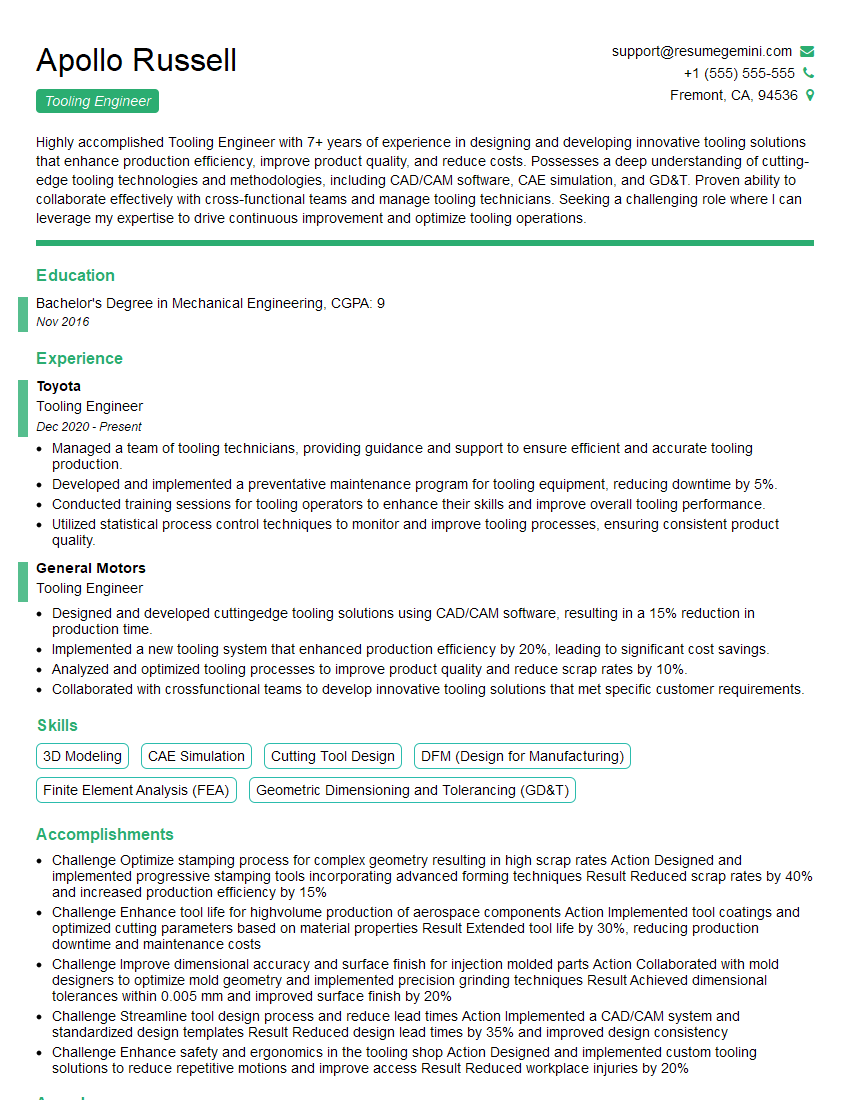
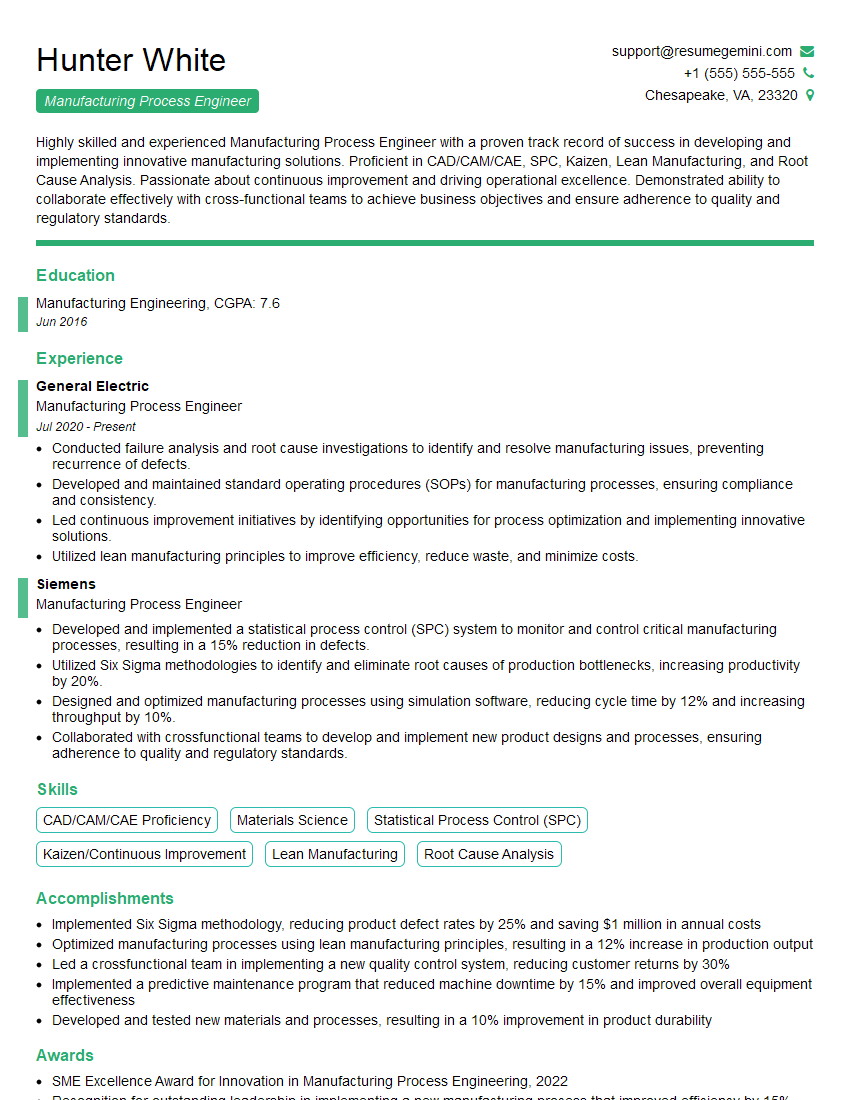
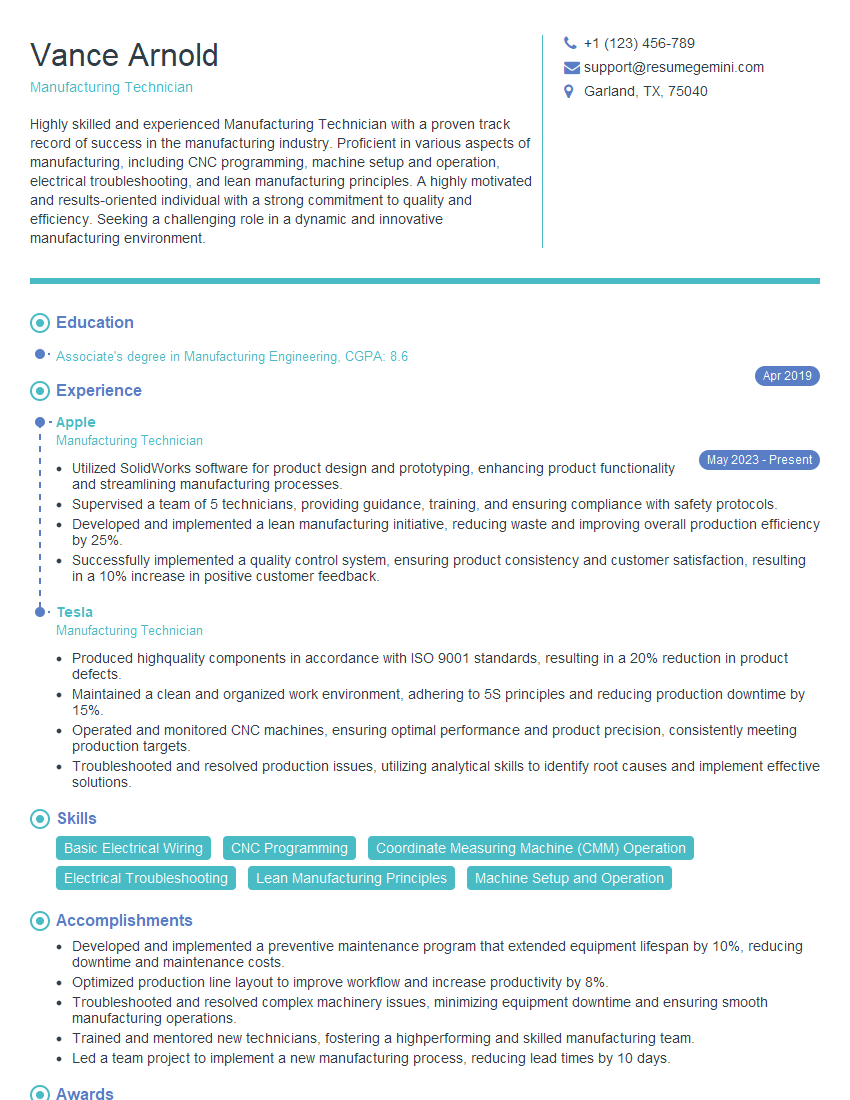
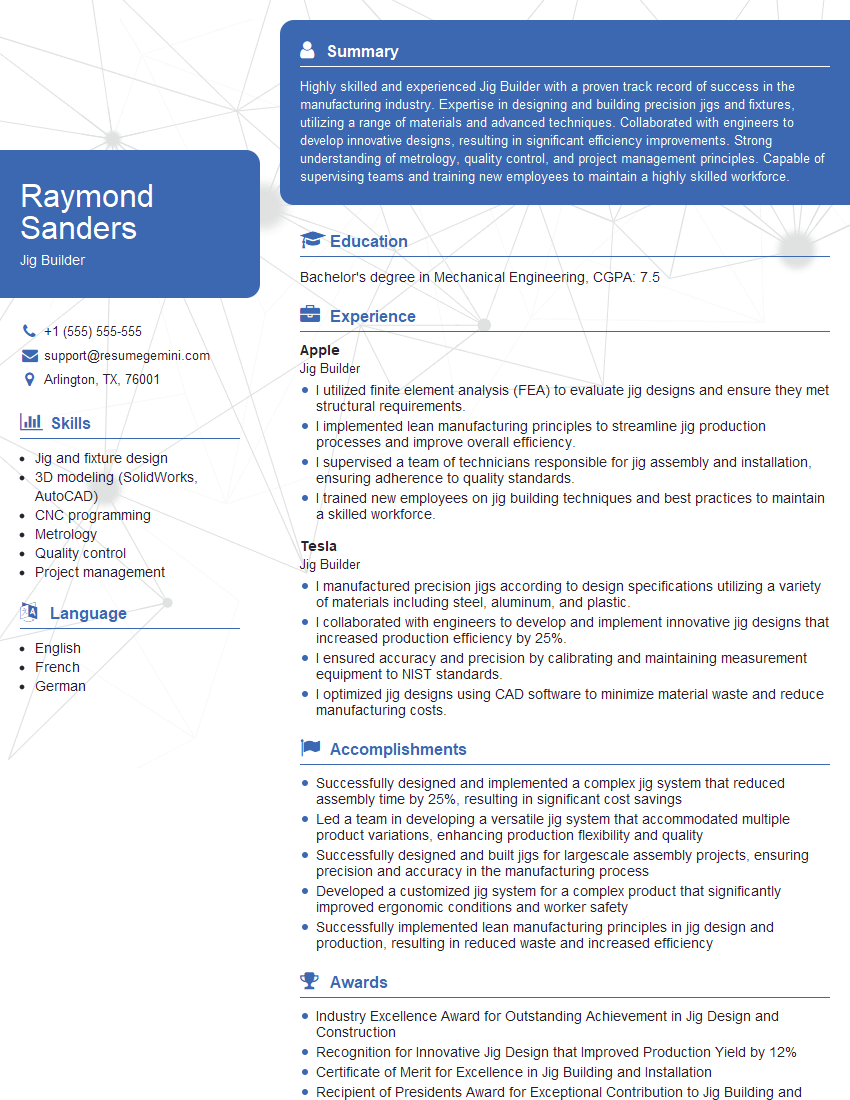
Mastering Brazing Jig and Fixture Fabrication opens doors to exciting career opportunities in manufacturing and engineering. A strong understanding of these principles is highly valued by employers and will significantly enhance your career prospects. To maximize your chances of landing your dream job, it’s crucial to present yourself effectively. Creating an ATS-friendly resume is essential for getting past initial screening. ResumeGemini is a trusted resource to help you build a professional and impactful resume that highlights your skills and experience. They even provide examples of resumes tailored to Brazing Jig and Fixture Fabrication to guide you. Invest in your future – invest in your resume.
Explore more articles
Users Rating of Our Blogs
Share Your Experience
We value your feedback! Please rate our content and share your thoughts (optional).
What Readers Say About Our Blog
Really detailed insights and content, thank you for writing this detailed article.
IT gave me an insight and words to use and be able to think of examples