The thought of an interview can be nerve-wracking, but the right preparation can make all the difference. Explore this comprehensive guide to Budgetary Planning and Execution interview questions and gain the confidence you need to showcase your abilities and secure the role.
Questions Asked in Budgetary Planning and Execution Interview
Q 1. Explain the difference between zero-based budgeting and incremental budgeting.
Zero-based budgeting (ZBB) and incremental budgeting are two distinct approaches to budgetary planning. Incremental budgeting, the more common method, starts with the previous year’s budget as a base and adjusts it upward or downward based on anticipated changes. Think of it like building upon a foundation – you’re adding onto what already exists. In contrast, ZBB starts from scratch each year. Every expense must be justified and defended, regardless of whether it was included in the prior year’s budget. It’s like demolishing the old house and building a brand new one, with each room meticulously planned and its necessity proven.
Incremental Budgeting: Simple, faster to implement, but can lead to budget bloat over time as unnecessary expenses are perpetuated.
Zero-Based Budgeting: More time-consuming and resource-intensive, but promotes efficiency by scrutinizing every expense and prioritizing resource allocation. It is particularly useful for organizations undergoing significant changes or facing financial constraints.
Example: Imagine a marketing department. In incremental budgeting, they might simply increase their advertising budget by 5% from the previous year. In ZBB, they’d need to justify each advertising campaign, showing how it will contribute to the company’s bottom line. If a campaign’s return on investment (ROI) is low, it’s removed or altered.
Q 2. Describe your experience with variance analysis and how you’ve addressed unfavorable variances.
Variance analysis is a crucial part of budget management. It involves comparing actual results to the budgeted amounts to identify and explain any differences (variances). I have extensive experience in this area, often utilizing both Excel and dedicated budgeting software (mentioned in a later response). In my previous role, we regularly tracked variances in sales, marketing, and operational expenses. When unfavorable variances arose (meaning costs exceeded budget or revenue fell short), I adopted a structured approach:
- Investigation: First, I would delve into the root causes. Was the variance due to unexpected economic downturns, internal inefficiencies, or external factors beyond our control? For example, a decline in sales might be due to a competitor’s new product launch, or a rise in production costs could be due to inflation in raw materials.
- Corrective Action: Based on the analysis, I’d implement corrective measures. This could range from adjusting pricing strategies to improve revenue, negotiating better deals with suppliers to reduce costs, or improving internal processes to increase efficiency.
- Communication: I always kept management informed, clearly explaining the variances and the actions being taken to address them. This ensures transparency and accountability. I’ve used dashboards and regular reports to visually communicate this information effectively.
For instance, if marketing expenses exceeded budget due to an unexpectedly successful social media campaign (a positive outcome despite the variance), we’d analyze the ROI to justify the additional spend and possibly allocate more resources for future similar campaigns. If it were due to inefficient ad spending, we’d adjust strategies going forward. It is all about learning from these variances to improve future budgets.
Q 3. How do you prioritize budget allocation across different departments or projects?
Prioritizing budget allocation requires a strategic approach. I typically employ a multi-faceted process that considers several key factors:
- Strategic Alignment: Budgets should directly support the overall business strategy. Projects and departments that are critical to achieving key strategic objectives receive higher priority.
- Return on Investment (ROI): I analyze the potential ROI for each project or department, focusing on quantifiable metrics. Projects with a high potential ROI are typically favored.
- Risk Assessment: I assess the risks associated with each allocation. Projects with higher risks might require additional funding or careful monitoring.
- Resource Constraints: I consider the availability of resources – personnel, equipment, and time – when making allocations. If resources are limited, choices must reflect this constraint.
- Contingency Planning: I always allocate a small percentage of the total budget to cover unforeseen circumstances or emergency situations.
Often, a combination of these factors is weighed using a scoring system or decision matrix to ensure a fair and objective allocation process. This transparency ensures that everyone understands how decisions are made.
Q 4. What software or tools have you used for budget planning and execution?
Throughout my career, I’ve utilized several software tools for budget planning and execution. My experience includes proficiency with:
- Microsoft Excel: A cornerstone tool for building detailed budgets, tracking expenses, and performing variance analysis. I’m skilled in using advanced formulas, pivot tables, and charts to visualize data effectively.
- Anaplan: A cloud-based enterprise planning platform that allows for sophisticated budgeting, forecasting, and reporting across multiple departments and locations. This is ideal for larger organizations with complex needs.
- Adaptive Insights (Workday): Another cloud-based solution that facilitates collaborative budgeting, offering strong workflow capabilities and improved team communication.
- Oracle Hyperion Planning: A robust budgeting and forecasting tool suitable for enterprise-level deployments. I’m familiar with its data consolidation and reporting functionalities.
The choice of software depends on the organization’s size, complexity, and specific requirements. Regardless of the tool, strong data integrity and robust reporting capabilities are essential features I look for.
Q 5. How do you forecast revenue and expenses?
Forecasting revenue and expenses is an iterative process that combines historical data with market analysis and future projections. I typically use a combination of quantitative and qualitative methods:
- Quantitative Methods: These involve statistical analysis of historical data to identify trends and patterns. Time series analysis, regression analysis, and other forecasting techniques are employed to predict future values. For instance, I might use historical sales data to forecast future sales based on seasonal trends or economic indicators.
- Qualitative Methods: These incorporate expert judgment and market research to account for unforeseen circumstances or shifts in market dynamics. This might involve gathering insights from sales teams, market analysts, or industry experts to refine the quantitative forecasts.
- Scenario Planning: I often develop multiple scenarios (e.g., best-case, worst-case, most-likely) to account for uncertainty in future events. This allows for flexible budget adjustments based on actual outcomes.
The level of detail in the forecasting process depends on the organization’s needs and planning horizon. A short-term forecast (e.g., monthly) might focus on immediate sales trends, while a long-term forecast (e.g., annual) would consider broader market factors and strategic objectives. Regular monitoring and adjustment are key to maintaining forecast accuracy.
Q 6. Describe your experience developing and managing a budget.
In my previous role at [Company Name], I was responsible for developing and managing the annual budget for the operations department, which had a budget of [Dollar Amount]. The process started with gathering data from various teams, analyzing historical spending patterns, and incorporating their input for future projects. I then used this information to create a detailed budget broken down by category, including personnel costs, operational expenses, and capital expenditures.
Throughout the year, I closely monitored actual spending against the budget and performed regular variance analysis. This involved identifying any discrepancies and working with department heads to address them. I used the aforementioned software to facilitate this process, generating regular reports to track budget performance and highlight potential issues. I also played a key role in securing additional funding when needed and in re-allocating funds when necessary due to unforeseen circumstances or changing priorities. This required strong communication and collaboration skills to justify funding requests and to ensure all team members understood and followed the budget guidelines.
Q 7. What are some key performance indicators (KPIs) you use to monitor budget performance?
Key performance indicators (KPIs) are crucial for monitoring budget performance. The specific KPIs used vary depending on the context, but some commonly used ones include:
- Budget Variance: The difference between actual spending and the budgeted amount. This is often expressed as a percentage to show the magnitude of the variance.
- Revenue vs. Budget: Comparing actual revenue to the budgeted revenue figures, showing how well revenue projections are being met.
- Expense Ratio: The ratio of expenses to revenue, indicating operational efficiency.
- Return on Investment (ROI): Measures the return generated from investments in different projects or initiatives.
- Cost per Unit/Service: Tracks the cost of producing each unit or providing a service.
- Cash Flow: Monitors the inflow and outflow of cash, crucial for ensuring liquidity.
By regularly monitoring these KPIs and analyzing trends, I can identify potential problems early on and take corrective action before they become major issues. These KPIs are also helpful in communicating budget performance to stakeholders and making data-driven decisions to optimize resource allocation.
Q 8. How do you handle budget overruns?
Budget overruns are a serious concern, but with a proactive approach, they can be mitigated. My strategy involves a three-pronged attack: prevention, detection, and correction.
Prevention starts with rigorous planning. This includes detailed cost estimations, contingency planning (allocating a percentage for unforeseen expenses), and regular monitoring against the baseline budget. For example, I’ve successfully used the Earned Value Management (EVM) technique in previous roles to track progress and identify potential overruns early. EVM compares planned vs. actual work and costs, providing early warnings.
Detection relies on robust reporting and analysis. I utilize dashboards and automated reports to track key performance indicators (KPIs) against budget, allowing for quick identification of variances. For instance, if material costs unexpectedly increase, an alert system would immediately flag this deviation.
Correction involves immediate action when overruns are detected. This might include renegotiating contracts with vendors, prioritizing essential tasks, or identifying areas where costs can be reduced without compromising quality. I’ve successfully navigated situations requiring tough decisions, such as prioritizing projects based on their strategic importance and return on investment.
Ultimately, handling budget overruns is about being proactive, data-driven, and decisive. It requires a blend of careful planning, diligent monitoring, and swift corrective action.
Q 9. Explain your understanding of cash flow budgeting.
Cash flow budgeting is the process of projecting and managing the inflows and outflows of cash within a specific timeframe. Unlike a traditional budget that focuses on accrual accounting, cash flow budgeting deals exclusively with actual cash movements. It’s crucial for maintaining liquidity and ensuring the organization can meet its short-term obligations.
Think of it like managing your personal finances – you need to know when money comes in (sales, investments) and when it goes out (salaries, rent, materials) to ensure you don’t run out of cash. In a business setting, accurate cash flow forecasting helps avoid situations like missed payroll or inability to pay suppliers.
A typical cash flow budget includes:
- Cash receipts: Projected income from sales, investments, etc.
- Cash disbursements: Projected expenses like salaries, rent, materials, taxes.
- Net cash flow: The difference between receipts and disbursements.
- Beginning and ending cash balances: Showing the company’s cash position at the start and end of the period.
Effective cash flow budgeting enables proactive financial management, allowing for timely adjustments to mitigate potential cash shortages or surpluses.
Q 10. How do you collaborate with different departments to ensure budget alignment?
Collaboration is paramount for budget alignment. I foster communication and transparency across departments through regular meetings, shared dashboards, and collaborative budgeting tools. I find that a participatory budgeting approach works best.
My approach typically involves:
- Initial meetings: Engaging with department heads early in the process to understand individual needs and priorities.
- Data sharing: Providing access to relevant financial data to each department, ensuring transparency.
- Joint workshops: Facilitating collaborative sessions to discuss budget proposals and reach consensus.
- Regular updates: Maintaining open communication throughout the budgeting cycle, sharing progress reports and addressing concerns.
- Conflict resolution: Using data-driven analysis to address disagreements and find mutually acceptable solutions.
For example, in a previous role, I used a collaborative budgeting software that allowed different departments to input their budget requests, see the overall budget picture, and track their progress against targets. This fostered a shared understanding of the budget constraints and priorities.
Q 11. Describe your experience with capital budgeting.
Capital budgeting involves planning and evaluating significant investments in long-term assets, such as equipment, property, or new projects. It’s a crucial process that impacts the long-term financial health of any organization.
My experience encompasses all aspects of the capital budgeting process, from identifying potential investment opportunities to evaluating their financial feasibility and monitoring their performance. I’ve used various techniques including:
- Net Present Value (NPV): Discounting future cash flows to their present value to determine the overall profitability of a project.
- Internal Rate of Return (IRR): Calculating the discount rate at which the NPV of a project equals zero, providing a measure of its profitability.
- Payback Period: Determining how long it takes for a project to recoup its initial investment.
In one project, I successfully led the evaluation of a new manufacturing facility expansion. We used NPV and IRR analysis, along with sensitivity analysis to account for various economic scenarios, to justify the investment to the board. This involved detailed financial modeling, forecasting future demand and revenue streams, and considering potential risks and uncertainties.
Q 12. How do you incorporate risk management into the budgeting process?
Incorporating risk management is critical to realistic budgeting. Ignoring potential risks can lead to significant budget shortfalls. My approach involves identifying, assessing, and mitigating potential risks throughout the budgeting process.
This includes:
- Risk identification: Brainstorming sessions with stakeholders to identify potential risks such as economic downturns, supply chain disruptions, or project delays.
- Risk assessment: Evaluating the likelihood and potential impact of each identified risk.
- Risk mitigation: Developing strategies to reduce the likelihood or impact of significant risks. This might involve contingency planning, insurance, or alternative sourcing options.
- Contingency reserves: Building buffers into the budget to cover unforeseen expenses.
For example, when budgeting for a new software development project, I included a contingency reserve to account for potential delays or unexpected technical challenges. This ensured that the project could proceed even if unforeseen issues arose.
Q 13. What is your experience with financial modeling?
Financial modeling is a cornerstone of my budgeting expertise. I’m proficient in using spreadsheets (e.g., Excel) and specialized financial modeling software to build and analyze models that represent a company’s financial performance, project feasibility, or other key financial aspects.
My experience includes creating various models such as:
- Three-statement model: Linking the income statement, balance sheet, and cash flow statement to simulate the impact of different scenarios on the company’s financials.
- DCF (Discounted Cash Flow) model: Used for capital budgeting, evaluating investments by discounting future cash flows to their present value.
- Sensitivity analysis: Assessing the impact of changes in key assumptions on the model’s results.
I use these models to forecast future performance, assess the financial viability of projects, and support strategic decision-making. For example, I’ve developed models that helped companies evaluate the impact of price changes on profitability or simulate different growth scenarios to inform long-term strategic planning.
Q 14. How do you ensure budget accuracy and integrity?
Ensuring budget accuracy and integrity requires a multi-faceted approach combining rigorous processes, technology, and a strong ethical framework.
Key elements include:
- Accurate data collection: Using reliable data sources and implementing robust data validation processes to ensure the accuracy of input data.
- Clear budgeting process: Defining a well-documented budgeting process with clear roles and responsibilities.
- Regular reconciliation: Regularly reconciling budget data with actual results to identify and correct discrepancies.
- Internal controls: Implementing internal controls to prevent errors, fraud, and misuse of funds.
- Auditing: Conducting regular audits to review the budgeting process and ensure its effectiveness and compliance.
- Technology utilization: Leveraging budgeting software and other technology to automate tasks, improve data accuracy, and enhance transparency.
By implementing these measures, I ensure that budgets are reliable, trustworthy, and provide a solid foundation for sound financial decision-making.
Q 15. How do you present budget information to stakeholders?
Presenting budget information to stakeholders requires tailoring the message to their needs and understanding. I avoid overwhelming them with technical jargon and instead focus on clear, concise visuals and narratives.
- For executive leadership: I present high-level summaries focusing on key performance indicators (KPIs) and overall financial health, highlighting areas of concern and opportunity. I might use a dashboard showing key metrics like revenue, expenses, and profitability trends.
- For department heads: I provide more detailed breakdowns specific to their department’s budget, outlining allocated funds, expenses, and variances. Interactive reports or spreadsheets allow them to explore the data further.
- For employees: I communicate budget implications in a way that’s easily understood and connects to their work. This might involve explaining how budget constraints impact project timelines or resource allocation.
Regardless of the audience, I always ensure the information is accurate, consistent, and presented in a timely manner. Interactive sessions and Q&A periods are crucial for clarifying any doubts and fostering transparency.
Career Expert Tips:
- Ace those interviews! Prepare effectively by reviewing the Top 50 Most Common Interview Questions on ResumeGemini.
- Navigate your job search with confidence! Explore a wide range of Career Tips on ResumeGemini. Learn about common challenges and recommendations to overcome them.
- Craft the perfect resume! Master the Art of Resume Writing with ResumeGemini’s guide. Showcase your unique qualifications and achievements effectively.
- Don’t miss out on holiday savings! Build your dream resume with ResumeGemini’s ATS optimized templates.
Q 16. Describe a time you had to make a difficult budget decision. What was the outcome?
During a period of unexpected revenue shortfall, I had to make the difficult decision to temporarily freeze non-essential projects. This meant delaying some marketing initiatives and postponing the hiring of several new employees. The decision was challenging because it affected team morale and could impact long-term growth.
However, the outcome was ultimately positive. By carefully prioritizing spending and focusing on core business functions, we successfully navigated the revenue dip without significant long-term damage. We implemented cost-saving measures, renegotiated contracts with some vendors, and proactively communicated the situation to all employees, ensuring transparency and fostering understanding. We also used this opportunity to streamline processes and identify areas for greater efficiency, ultimately making the organization more resilient.
Q 17. What are some common budgeting challenges and how have you overcome them?
Common budgeting challenges include inaccurate forecasting, unexpected expenses, and lack of data transparency.
- Inaccurate forecasting: I address this by using robust forecasting methods, incorporating historical data, market trends, and expert opinions. We also implement regular budget reviews and adjustments to adapt to changing circumstances.
- Unexpected expenses: Contingency planning is crucial. I ensure a reserve is built into the budget to absorb unforeseen costs. This requires proactive risk assessment and careful monitoring of expenses.
- Lack of data transparency: Implementing a centralized budgeting system with clear data access controls and a robust reporting framework enhances transparency. Regular training for staff on the use of the system and reporting tools is vital.
Overcoming these challenges requires a combination of strong analytical skills, collaborative teamwork, and a proactive, adaptable approach. It’s about building a culture of continuous improvement and learning from past experiences.
Q 18. How do you stay updated on the latest budgeting and financial planning best practices?
Staying updated on best practices is crucial in the dynamic field of budgeting and financial planning. I utilize several strategies:
- Professional memberships: I actively participate in professional organizations like the Association of Government Financial Officers (AGFO) or the Institute of Management Accountants (IMA), accessing their resources and networking with other professionals.
- Industry publications and journals: I regularly read publications like the Journal of Financial Planning and Harvard Business Review to stay abreast of current trends and best practices.
- Conferences and webinars: Attending industry events offers valuable opportunities for learning from leading experts and networking.
- Online courses and certifications: Continuous learning through online platforms helps me develop and update my skillset. I actively pursue relevant certifications like those from the Chartered Institute of Management Accountants (CIMA).
Continuous professional development ensures that my knowledge and skills remain current and relevant, allowing me to effectively contribute to achieving organizational goals.
Q 19. What is your understanding of operating budgets versus capital budgets?
Operating budgets and capital budgets are distinct but interconnected.
- Operating budgets cover the day-to-day expenses required to run a business. This includes things like salaries, rent, utilities, and materials directly related to producing goods or services. They are usually prepared annually and focus on short-term financial performance.
- Capital budgets, on the other hand, focus on long-term investments in assets like property, plant, and equipment (PP&E). This includes purchases of machinery, buildings, or major renovations. These budgets are typically planned over several years and require detailed justification, often including discounted cash flow (DCF) analysis.
A crucial link between these two is that capital expenditures often influence operating budgets in subsequent years (e.g., purchasing a new machine might reduce operating costs in the long term, but initially involves a significant capital outlay).
Q 20. Explain the concept of a rolling forecast.
A rolling forecast is a dynamic budgeting technique where the budget is continuously updated. Instead of a static annual budget, a rolling forecast usually covers a set period (e.g., 12 months) that’s constantly reviewed and adjusted. As one month passes, another month is added to the end of the forecast.
This provides a more accurate and responsive approach to budgeting because it adapts to changing market conditions and unforeseen events. Think of it like a ship constantly adjusting its course based on the latest weather reports. This allows businesses to proactively respond to changes rather than reacting to them after the fact.
Q 21. How do you use data analytics to improve budgeting accuracy?
Data analytics plays a vital role in improving budgeting accuracy. I use several techniques:
- Predictive modeling: Using statistical techniques and historical data, I can build models to forecast future revenue and expenses with greater accuracy. This can incorporate various factors like seasonality, economic indicators, and past performance.
- Variance analysis: I regularly analyze the differences between budgeted and actual figures to pinpoint areas of overspending or underspending. This allows for corrective actions and improved forecasting in subsequent periods.
- Data visualization: Using dashboards and other visual tools to present budget data makes it easier to identify trends and patterns. This allows for better decision-making and a clearer understanding of the financial health of the organization.
- Automation: Integrating data analytics with budgeting software automates many repetitive tasks, reduces human error, and allows for real-time monitoring of budget performance.
The goal is to move from reactive budgeting based on gut feeling to a more data-driven, proactive approach that minimizes surprises and maximizes accuracy.
Q 22. What is your approach to building a long-term financial plan?
Building a robust long-term financial plan involves a strategic, multi-step process. It’s not just about projecting numbers; it’s about aligning financial goals with the overall organizational strategy. My approach begins with a thorough understanding of the organization’s mission, vision, and strategic objectives. This forms the foundation upon which the financial plan is built.
Strategic Analysis: I start by analyzing historical financial data, market trends, and competitive landscapes to identify opportunities and potential risks. This helps establish realistic growth projections and understand potential challenges.
Scenario Planning: Rather than relying on a single projection, I develop multiple scenarios – best-case, worst-case, and most-likely – to prepare for different economic and market conditions. This proactive approach enables the organization to adapt swiftly to unexpected circumstances.
Resource Allocation: Based on the strategic analysis and scenario planning, I prioritize resource allocation to projects and initiatives that best support the organization’s strategic objectives. This includes capital expenditures, operational budgets, and investments in human capital.
Regular Review and Adjustment: A long-term financial plan is a living document. I advocate for regular reviews (at least quarterly) to monitor progress, identify variances, and make necessary adjustments based on actual performance and changing market conditions. This iterative process ensures the plan remains relevant and effective over time.
For example, in my previous role, we developed a five-year financial plan that incorporated different growth scenarios, ranging from a conservative 5% annual growth to an aggressive 15% growth. This allowed us to adjust our strategies and resource allocation as market conditions evolved.
Q 23. How do you handle unexpected changes or disruptions to the budget?
Handling unexpected changes requires a flexible and proactive approach. My strategy involves a combination of contingency planning and swift response mechanisms. The first step is to identify potential disruptions before they occur. This could involve monitoring economic indicators, assessing potential supply chain issues, or anticipating changes in government regulations.
Contingency Planning: I always build contingency plans into the budget. This involves identifying potential risks and allocating funds to mitigate their impact. For example, setting aside a reserve fund for unforeseen expenses or including buffer in project timelines.
Scenario Analysis: As mentioned earlier, scenario analysis is crucial. When a disruption occurs, we refer back to our pre-defined scenarios to determine the best course of action.
Rapid Response Team: A cross-functional team, including finance, operations, and sales, should be readily available to assess the impact of the disruption and develop a corrective action plan. This team’s responsibility is to identify cost-saving measures, secure additional funding, or adjust project timelines as needed.
Communication: Open and transparent communication with all stakeholders is critical. This ensures everyone is aware of the situation and the steps being taken to address it. This might include communicating with investors, employees and customers.
For instance, during a sudden spike in raw material costs, we quickly convened a response team. By analyzing various cost-cutting measures and re-negotiating supplier contracts, we managed to minimize the impact on profitability and avoid significant budget overruns.
Q 24. How do you reconcile budget variances?
Reconciling budget variances involves investigating the reasons behind differences between budgeted and actual figures. It’s a crucial step for understanding performance, identifying areas for improvement, and refining future budgets. The process generally involves these steps:
Variance Analysis: The first step is to calculate the variances – the difference between budgeted and actual figures. This analysis will highlight both favorable and unfavorable variances.
Investigation: Next, we investigate the causes of significant variances. This might involve reviewing sales data, production reports, expense invoices, or conducting interviews with department managers. The goal is to pinpoint the root cause, whether it’s increased costs, lower sales volume, or inefficient operations.
Corrective Action: Once the root cause is identified, corrective actions are implemented to address the issue and prevent similar variances in the future. This might involve improving cost controls, renegotiating contracts, streamlining processes, or adjusting sales strategies.
Documentation: A clear record of the variance analysis, investigation, and corrective actions is maintained. This documentation serves as a valuable learning tool for future budgeting cycles.
For example, if we found a significant unfavorable variance in marketing expenses, we might investigate to find that a new campaign was unexpectedly costly. This would inform future campaign planning and budget allocation.
Q 25. Describe your experience with budget reporting and analysis.
My experience in budget reporting and analysis is extensive. I’m proficient in developing comprehensive budget reports that provide clear and concise information to various stakeholders. This includes creating dashboards, presenting key performance indicators (KPIs), and utilizing data visualization techniques to communicate complex financial information effectively.
Report Design: I design reports tailored to the specific needs of each audience. For senior management, this might involve high-level summaries focusing on key financial metrics. For departmental managers, the report may dive deeper into specific expenses and revenues.
Data Analysis: I use data analysis techniques to identify trends, patterns, and anomalies in the budget data. This involves using spreadsheet software (Excel), database management systems, and potentially business intelligence tools to conduct in-depth analysis.
Variance Explanation: I focus on providing clear explanations of budget variances, including their root causes and potential impacts. This aids in informed decision-making and proactive adjustments.
Forecasting: I regularly use the budget data to develop forecasts for future periods. This enables proactive planning and resource allocation.
In my previous role, I developed an interactive budget dashboard that enabled real-time tracking of key performance indicators. This significantly improved the accuracy and timeliness of budget monitoring and reporting.
Q 26. What is your experience with different budgeting methodologies?
I have extensive experience with various budgeting methodologies, including incremental budgeting, zero-based budgeting, activity-based budgeting, and value-based budgeting. Each method has its own strengths and weaknesses, and the best approach depends on the organization’s specific context and goals.
Incremental Budgeting: This traditional method uses the previous year’s budget as a starting point and adjusts it based on anticipated changes. It’s simple and quick, but can lead to inefficiencies and a lack of strategic focus.
Zero-Based Budgeting: This method requires justifying every expense from scratch each year. It encourages cost-consciousness but can be time-consuming and resource-intensive.
Activity-Based Budgeting: This method links budget allocations to specific activities and their associated costs. It offers a more accurate reflection of resource consumption but requires a detailed understanding of the organization’s processes.
Value-Based Budgeting: This approach prioritizes investments based on their strategic value and contribution to organizational goals. It’s a more strategic approach but requires a strong understanding of the organization’s overall strategy.
For example, in a rapidly growing startup, a value-based budgeting approach may be more suitable to prioritize investments in high-growth areas. In a more established organization, an activity-based budgeting approach might be more appropriate to ensure efficient allocation of resources to various projects.
Q 27. How do you ensure the budget is aligned with the overall strategic goals of the organization?
Aligning the budget with strategic goals is paramount for effective resource allocation and achieving organizational objectives. My approach focuses on a deep understanding of the organization’s strategic plan and translating its priorities into concrete budget allocations.
Strategic Planning Involvement: I actively participate in the strategic planning process to understand the organization’s key objectives, priorities, and anticipated challenges.
Goal Setting: Based on the strategic plan, I work with departmental managers to set specific, measurable, achievable, relevant, and time-bound (SMART) goals. These goals directly support the overarching strategic objectives.
Resource Prioritization: I prioritize resource allocation to initiatives that directly contribute to achieving strategic goals. This involves analyzing the potential return on investment (ROI) of different projects and making trade-offs where necessary.
Performance Measurement: I incorporate key performance indicators (KPIs) that directly measure progress towards strategic goals into the budget monitoring and reporting processes. This ensures accountability and allows for timely adjustments.
For instance, if a company’s strategic goal is to expand into a new market, the budget would include allocations for marketing, sales, and operational expenses related to this expansion. The success of this expansion would then be measured against pre-defined KPIs such as market share and revenue generation in the new market.
Q 28. How do you communicate the budget to non-financial stakeholders?
Communicating the budget to non-financial stakeholders requires simplifying complex financial information into easily understandable terms. My approach focuses on clear and concise communication, using visual aids and storytelling to make the budget relatable and engaging.
Visual Aids: I utilize charts, graphs, and dashboards to present key budget information in a visually appealing and easy-to-understand format. This avoids overwhelming non-financial stakeholders with complex numbers and tables.
Storytelling: I frame the budget within the context of the organization’s strategic goals and operational plans. This helps non-financial stakeholders understand the budget’s purpose and how it contributes to the overall success of the organization.
Interactive Sessions: I conduct interactive sessions, workshops, or presentations to explain the budget and answer any questions. This ensures two-way communication and addresses any concerns or misunderstandings.
Key Messages: I identify key messages to emphasize the most important aspects of the budget, focusing on aspects relevant to each stakeholder group.
For example, when explaining the budget to a sales team, I might focus on the sales targets, marketing budget, and the resources allocated to support their sales efforts. This keeps the communication relevant and engaging for the audience.
Key Topics to Learn for Budgetary Planning and Execution Interview
- Budgetary Forecasting & Analysis: Understanding different forecasting methods (e.g., top-down, bottom-up), analyzing historical data, and identifying key performance indicators (KPIs) to inform budget projections.
- Budget Development & Control: Creating detailed budgets, allocating resources effectively, monitoring actual spending against the budget, and implementing corrective actions when variances occur. Practical application: Developing a budget for a specific project or department, considering various cost drivers and potential risks.
- Variance Analysis & Reporting: Identifying and explaining budget variances, performing root cause analysis, and creating clear and concise reports for stakeholders. This includes understanding the difference between favorable and unfavorable variances and their implications.
- Performance Management & Accountability: Linking budgetary performance to individual and team goals, establishing clear accountability for budget adherence, and using performance metrics to drive improvements.
- Financial Modeling & Scenario Planning: Building financial models to simulate different scenarios (e.g., best-case, worst-case, most likely), assessing the impact of various factors on the budget, and developing contingency plans.
- Budgeting Software & Tools: Familiarity with budgeting software and tools (e.g., Excel, specialized budgeting applications) and their application in efficient budget management.
- Ethical Considerations in Budgeting: Understanding ethical implications in budget preparation and execution, including transparency, accountability, and responsible resource allocation.
Next Steps
Mastering Budgetary Planning and Execution is crucial for career advancement in finance and management. Strong budgeting skills demonstrate your analytical capabilities, financial acumen, and ability to contribute significantly to organizational success. To maximize your job prospects, it’s essential to create a compelling, ATS-friendly resume that highlights your relevant skills and experience. ResumeGemini is a trusted resource that can help you build a professional and effective resume tailored to the specific demands of the Budgetary Planning and Execution field. Examples of resumes tailored to this area are available for your review, helping you craft a document that truly showcases your expertise.
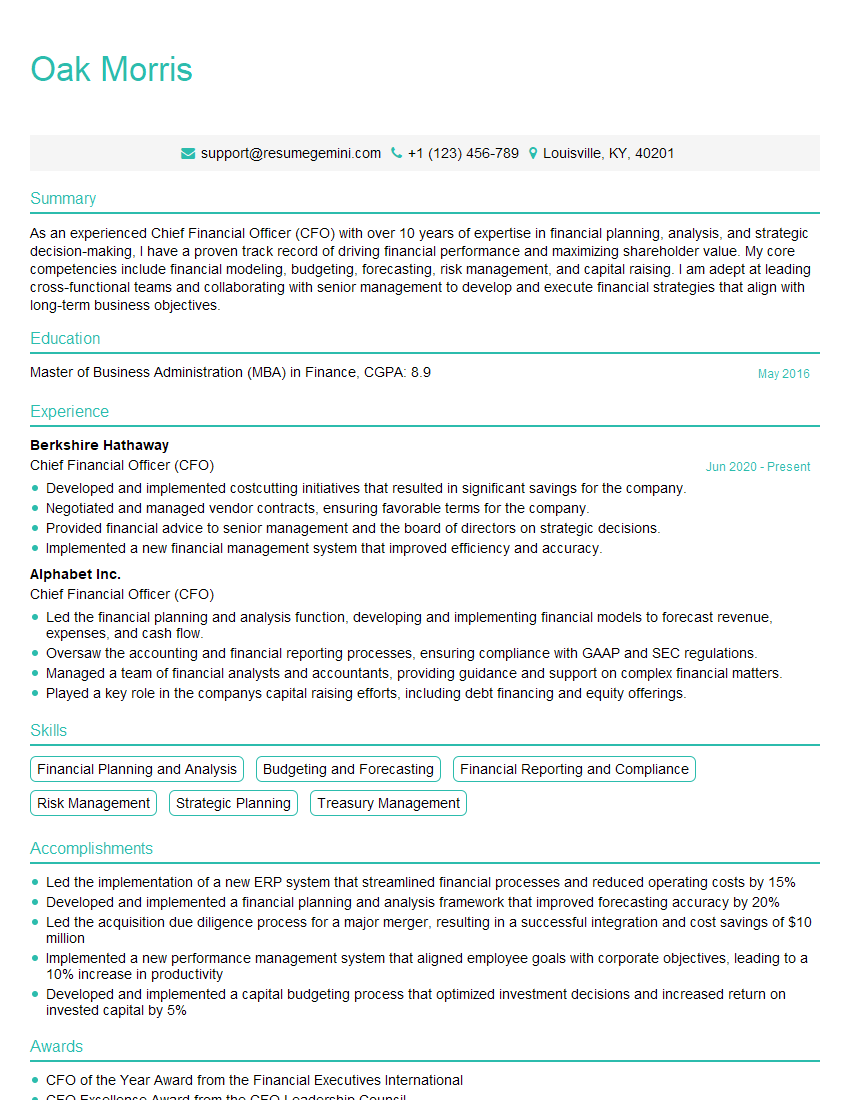
Chief Financial Officer (CFO) Resume Sample
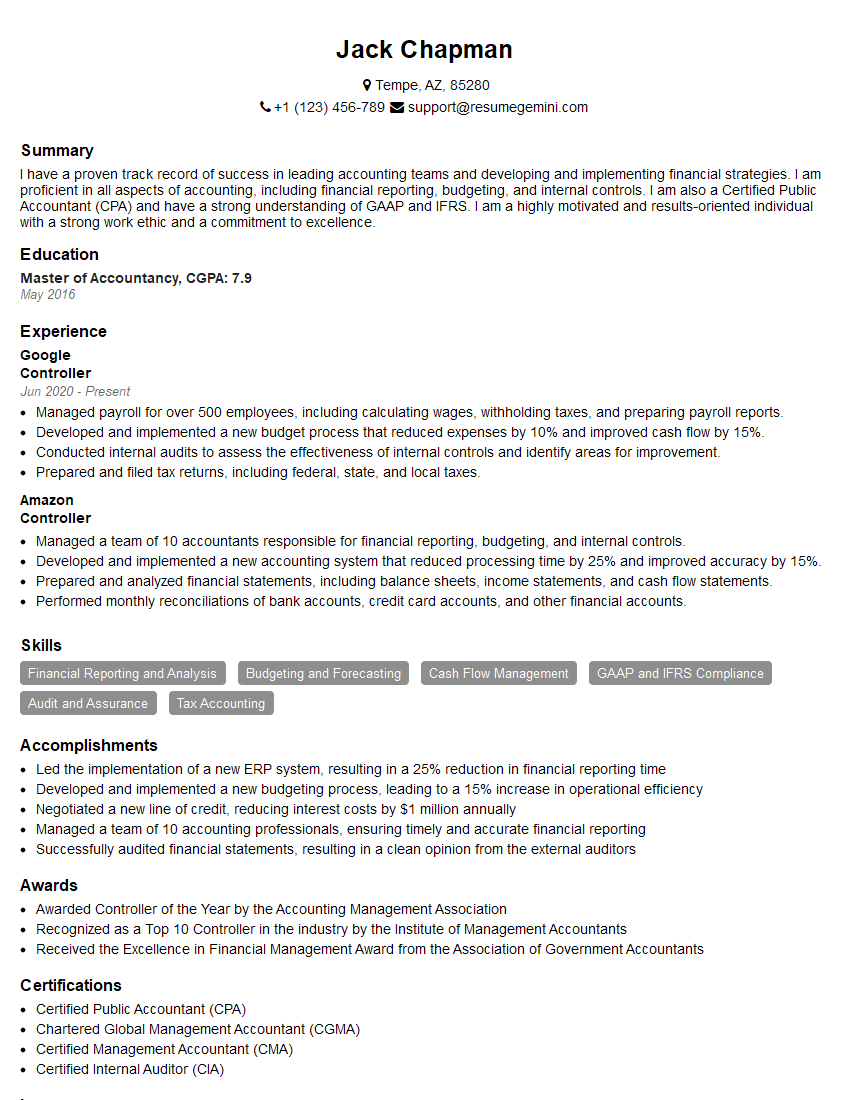
Controller Resume Sample
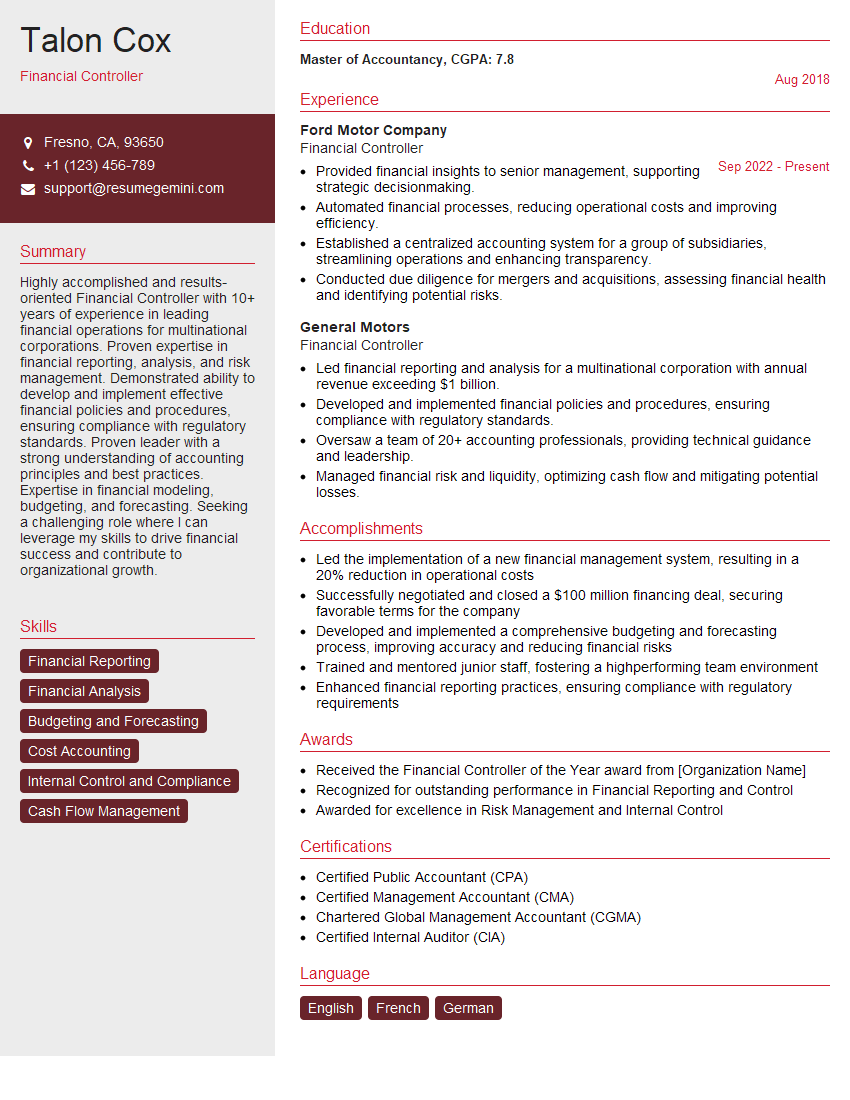
Financial Controller Resume Sample

Budget Manager Resume Sample
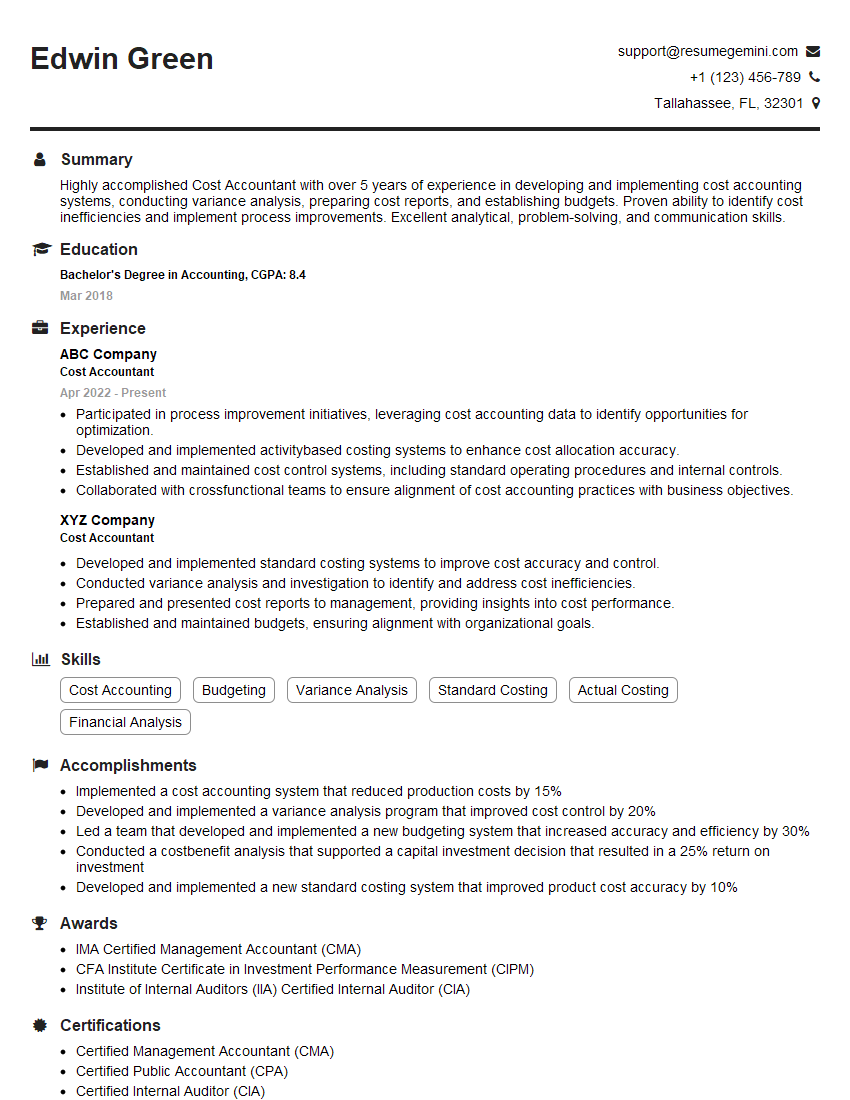
Cost Accountant Resume Sample
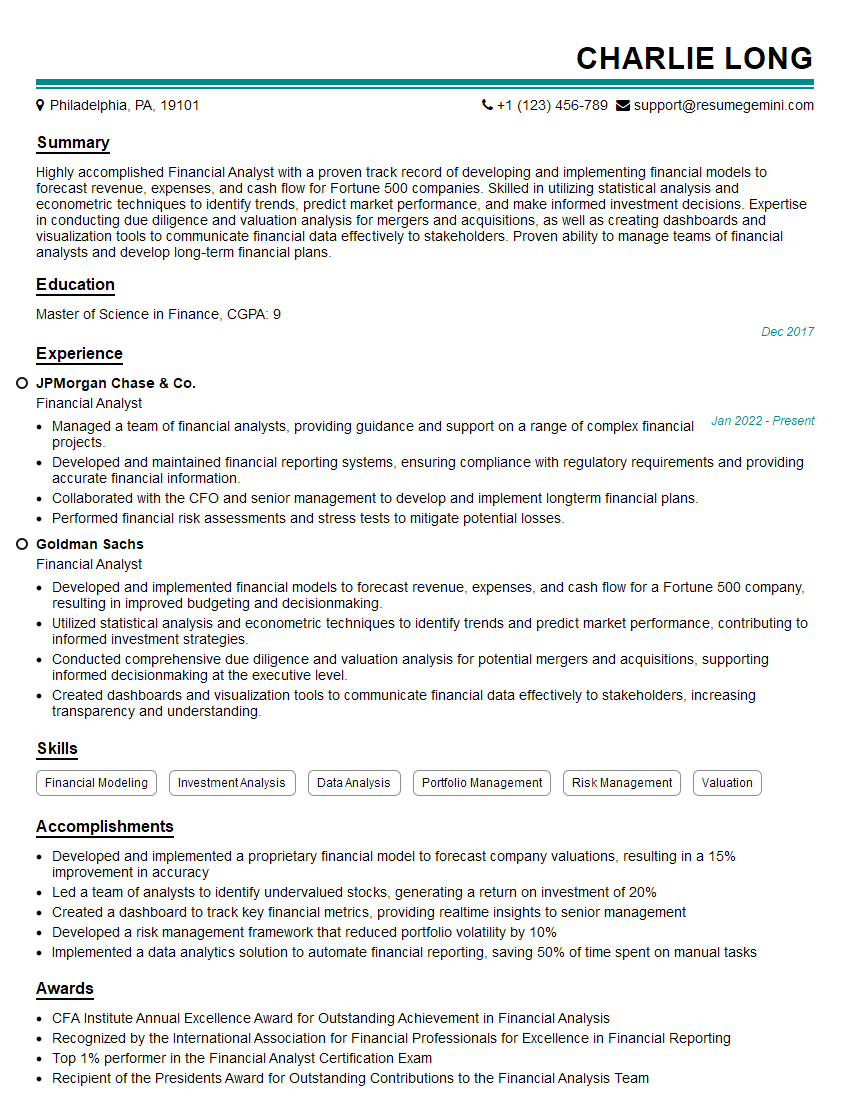
Financial Analyst Resume Sample
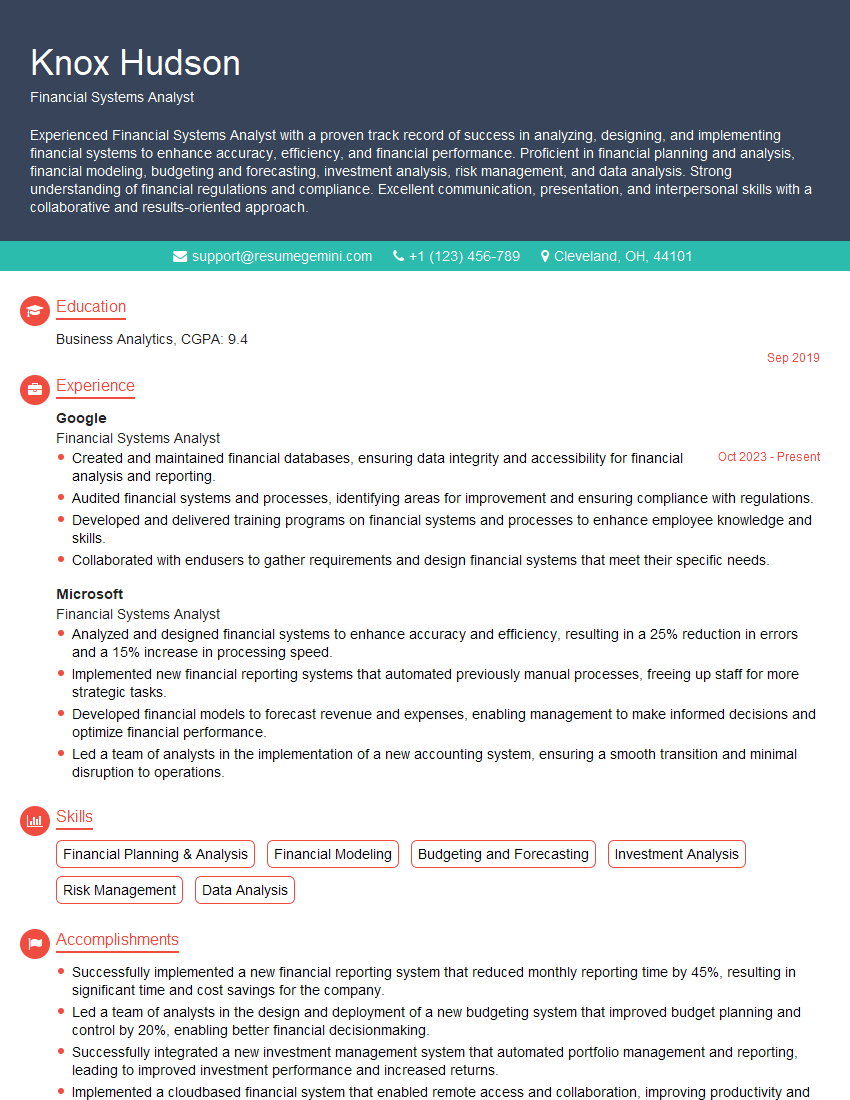
Financial Systems Analyst Resume Sample
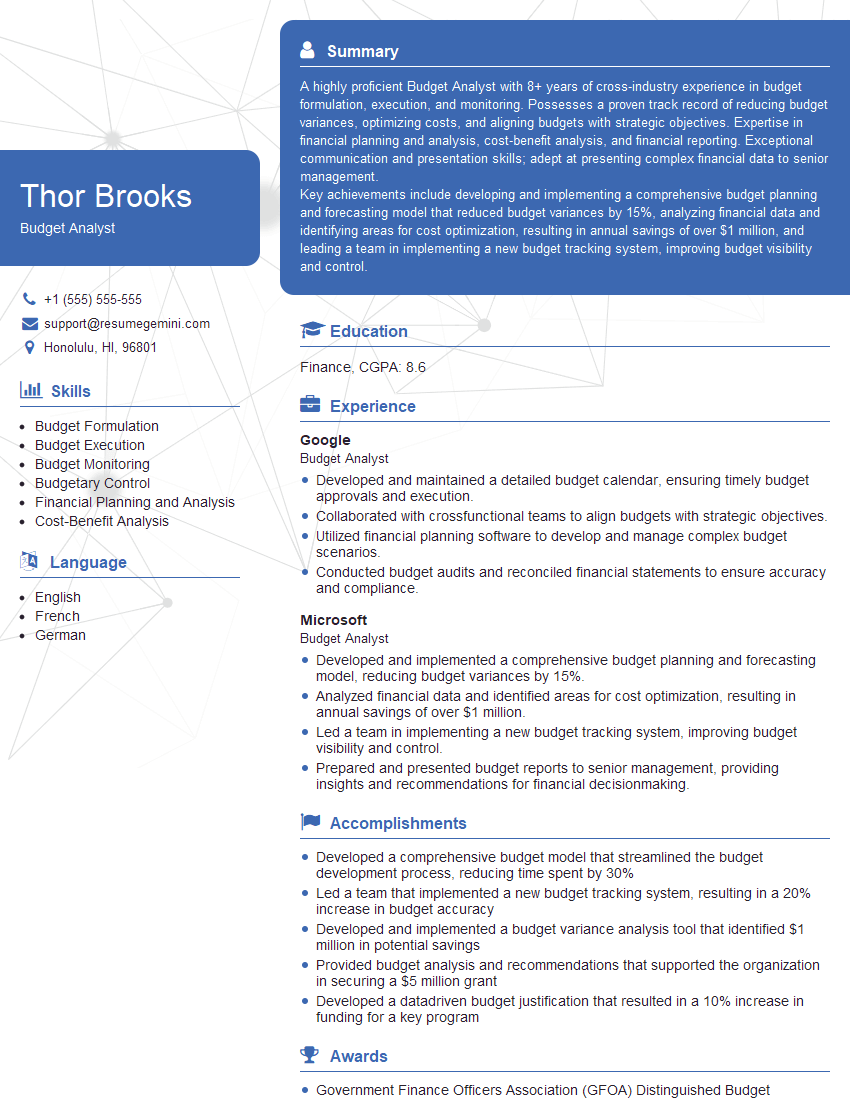
Budget Analyst Resume Sample
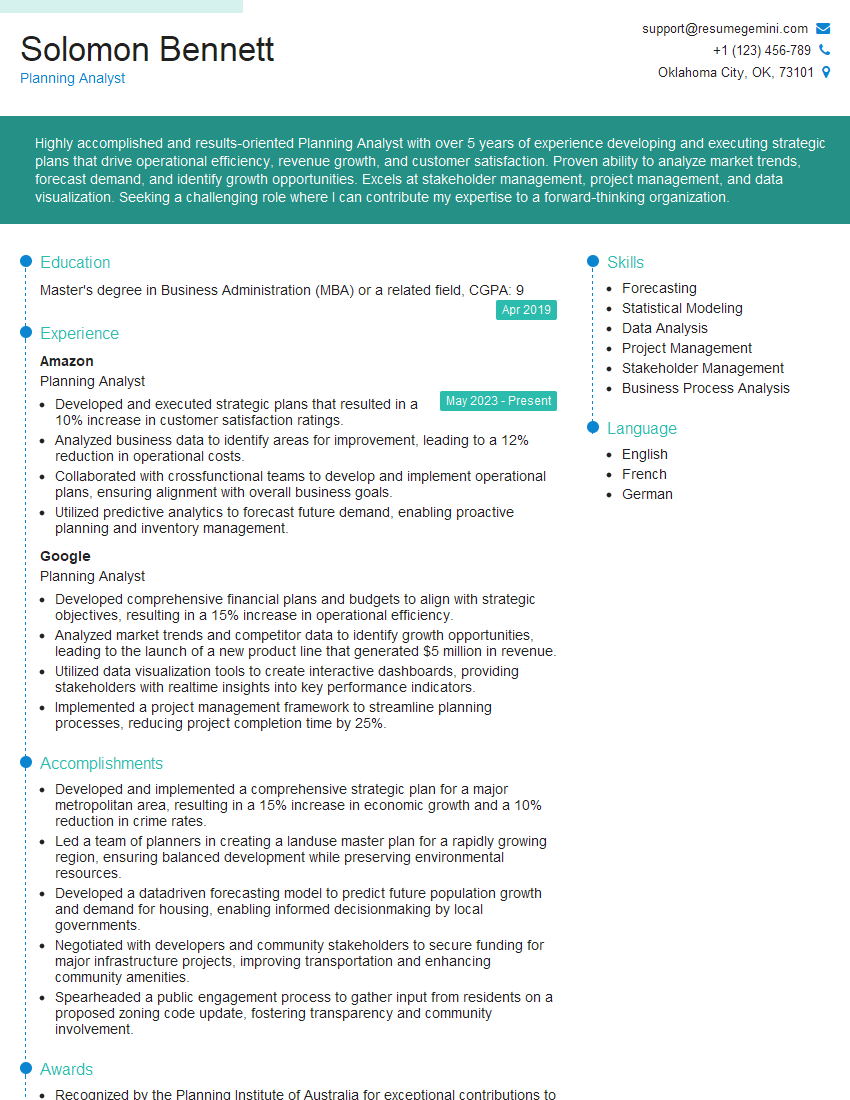
Planning Analyst Resume Sample
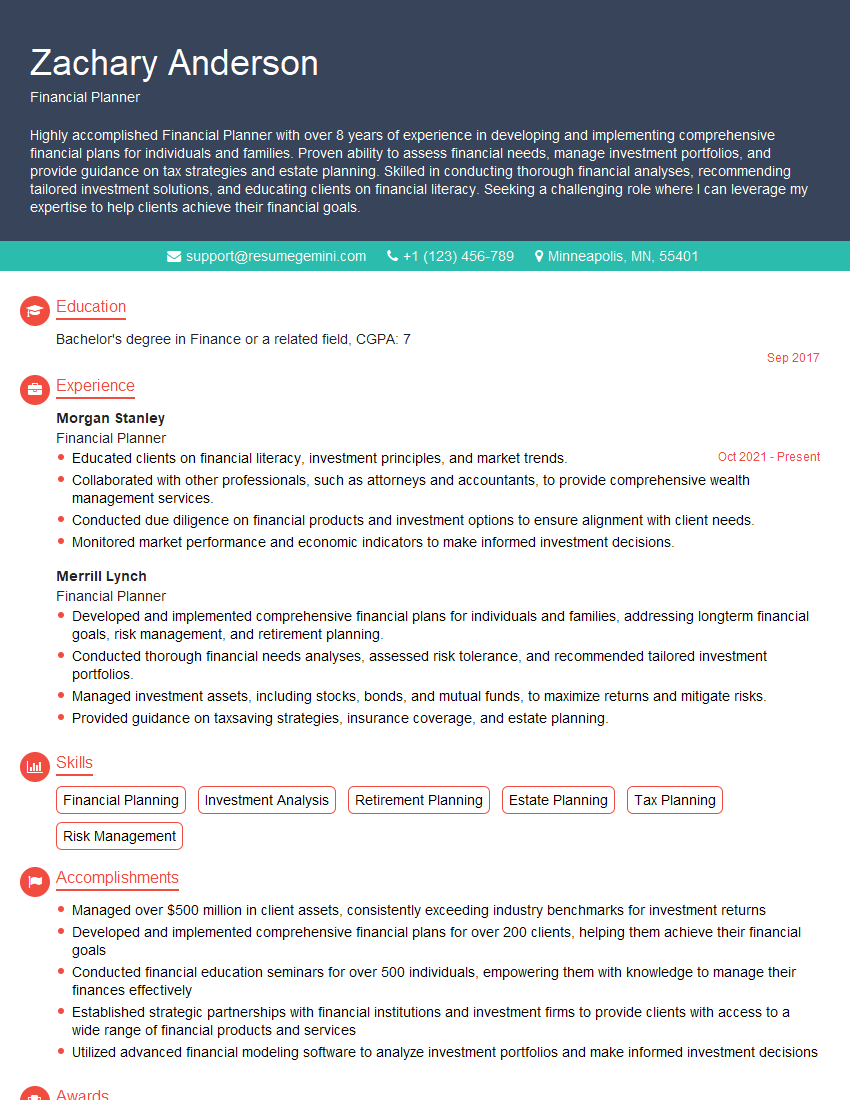
Financial Planner Resume Sample
Explore more articles
Users Rating of Our Blogs
Share Your Experience
We value your feedback! Please rate our content and share your thoughts (optional).
What Readers Say About Our Blog
Really detailed insights and content, thank you for writing this detailed article.
IT gave me an insight and words to use and be able to think of examples