Unlock your full potential by mastering the most common Bug and Bird Dropping Removal interview questions. This blog offers a deep dive into the critical topics, ensuring you’re not only prepared to answer but to excel. With these insights, you’ll approach your interview with clarity and confidence.
Questions Asked in Bug and Bird Dropping Removal Interview
Q 1. What safety precautions do you take when removing bird droppings from high-rise buildings?
Safety is paramount when working at heights. Removing bird droppings from high-rise buildings requires meticulous adherence to safety protocols. This begins with a thorough risk assessment, identifying potential hazards like uneven surfaces, strong winds, and the risk of falls. We always use appropriate personal protective equipment (PPE), including harnesses, safety lanyards connected to anchor points, and hard hats. Before commencing work, we inspect all equipment, ensuring ropes, pulleys, and platforms are in perfect working order. We also implement a buddy system, where two technicians work together, constantly monitoring each other’s safety. Communication is key; we use two-way radios to stay in constant contact, especially in noisy environments. Finally, we comply with all local and national safety regulations for working at heights, ensuring all permits and licenses are in place.
For instance, on a recent project cleaning a 20-story building, we used a suspended platform system with multiple safety lines and regularly checked the wind speed to ensure safe operation.
Q 2. Describe your experience with various pressure washing techniques for bird dropping removal.
Pressure washing is a crucial tool in bird dropping removal, but the technique must be tailored to the surface. Low-pressure washing is ideal for delicate surfaces like glass or painted surfaces, using a gentle spray to avoid damage. For more robust materials like concrete or brick, a higher pressure can be employed, but even then, care must be taken to avoid damaging the substrate. We use a variety of nozzle tips to control the spray pattern and pressure, selecting the appropriate one for the specific surface and the severity of the fouling. For example, a fan-shaped nozzle is perfect for covering large areas efficiently, whereas a pencil-jet nozzle is best for targeting stubborn stains. We also vary the distance between the nozzle and the surface to control the intensity of the cleaning. The key is to start with lower pressure and gradually increase it as needed, always observing the surface for any signs of damage.
Recently, I used a combination of low and high-pressure washing on a project. Low pressure was used to pre-clean the delicate window frames of a historic building, followed by higher pressure for the more resilient brickwork.
Q 3. What are the different types of cleaning solutions effective for removing bird droppings and insect residue?
Choosing the right cleaning solution is critical for effective bird dropping removal and depends heavily on the surface being cleaned. For general cleaning, a solution of warm water and a mild detergent is often sufficient. For more stubborn stains, we might add a biodegradable enzyme cleaner, which effectively breaks down organic matter like bird droppings. For insect residue, a solution containing bleach (carefully diluted and appropriate for the surface material) can be effective, but always test a small inconspicuous area first to avoid discoloration or damage. For particularly challenging stains on porous surfaces, specialized stain removers might be necessary. Acid-based cleaners should generally be avoided unless specifically recommended for the material, as they can etch surfaces. Always prioritize environmentally friendly, biodegradable solutions whenever possible.
For example, on a stone building, we used a specialized enzyme cleaner to safely remove bird droppings without damaging the porous stone. On a metal surface, a diluted bleach solution effectively removed insect residue.
Q 4. How do you identify the source of bird infestations and propose preventative measures?
Identifying the source of a bird infestation is the first step towards effective prevention. We begin by visually inspecting the building, identifying potential nesting areas, perching points, and food sources that attract birds. We look for signs of nesting material, droppings, and feathers. We may also employ binoculars to observe bird activity patterns. Understanding the species of bird involved is important, as different species have different nesting preferences and behaviors. Once the source is identified, preventative measures can be implemented, such as installing bird spikes, netting, or bird repellents. We also recommend removing or modifying attractive features, such as ledges, overhangs, and easily accessible nesting sites. Regular cleaning and removal of droppings discourage birds from returning.
In one instance, we identified a significant starling infestation stemming from an open attic vent. Installing mesh screens over the vents successfully prevented further nesting.
Q 5. Explain your understanding of biohazard safety protocols in handling bird droppings.
Bird droppings pose a significant biohazard risk, containing pathogens like *Salmonella*, *E. coli*, and *Histoplasma capsulatum*. Our biohazard safety protocols prioritize the safety of our team and the environment. This begins with the use of appropriate PPE, including gloves, masks, and eye protection. We use designated cleaning tools and equipment to prevent cross-contamination, and all waste materials are disposed of according to local regulations, often involving specialized hazardous waste disposal services. We thoroughly disinfect all equipment and surfaces after each job. Furthermore, we follow strict procedures for handling and disposal of contaminated materials, preventing accidental exposure or spread of pathogens. All team members receive regular training on biohazard safety procedures and are fully aware of the risks involved.
We always ensure all waste is properly bagged and labeled as biohazardous waste for safe disposal, and we have an emergency response plan in place for accidental exposure.
Q 6. What methods do you use to remove stubborn bird dropping stains from various surfaces?
Removing stubborn bird dropping stains requires a multi-pronged approach. The cleaning method depends heavily on the surface material and the age of the stain. For fresh stains, often a simple solution of warm water and detergent is sufficient, followed by rinsing and drying. Older, dried stains may require more aggressive methods, starting with pre-treatment with an enzyme cleaner or a specialized stain remover. For particularly stubborn stains, low-pressure washing might be necessary. In some cases, the stain may be too deeply embedded, requiring professional stain removal services or even surface replacement. Always test any cleaning solution on an inconspicuous area first to ensure it doesn’t damage the surface.
For example, on a painted wooden fence, we used a mixture of enzyme cleaner and low-pressure washing to effectively remove several years’ worth of bird droppings.
Q 7. Describe your experience with using specialized equipment for high-reach cleaning.
Experience with high-reach cleaning equipment is essential for handling high-rise building projects. I’m proficient in operating various types of equipment, including reach and wash systems, which use purified water delivered through telescopic poles. These systems allow for efficient cleaning of windows and facades at considerable heights. I’m also experienced using rope access techniques, which provide access to areas difficult to reach by other means. This involves specialized training and certification. We also utilize boom lifts and scaffolding where appropriate. Safety is always the top priority when using any of these types of equipment, and we ensure thorough inspections and adherence to all safety regulations before, during, and after each operation.
Recently, I used a reach and wash system to clean the exterior windows of a 15-story office building, demonstrating the efficiency and safety of this method.
Q 8. How do you handle customer complaints regarding bird dropping removal services?
Handling customer complaints effectively is paramount. I begin by actively listening to understand their concerns, validating their feelings, and expressing empathy. This shows respect and builds trust. Then, I clearly explain the steps we took, highlighting our methodologies and the challenges encountered (if any). If there’s a legitimate issue, such as incomplete cleaning or damage, I immediately offer a solution, be it a re-cleaning, a partial refund, or an alternative arrangement. Open communication, transparency, and a willingness to find a mutually agreeable resolution are key to maintaining positive customer relationships. For example, if a customer complains about lingering odor after a bird dropping removal, I explain that sometimes residual uric acid requires specialized treatments and offer a follow-up service at a discounted rate. Documenting the complaint and its resolution thoroughly is crucial.
Q 9. What are the common types of insects found alongside bird droppings and how do you address them?
Bird droppings often attract various insects, particularly those drawn to decaying organic matter. Common culprits include flies (houseflies, blowflies), beetles (carrion beetles, dermestid beetles), and ants. Addressing these insects requires a multi-pronged approach. First, thorough removal of the bird droppings is essential to eliminate the attractant. We then use appropriate insecticides, carefully selected based on the specific insect species and the treated surface (taking into account safety and environmental impact). In some cases, I may recommend preventative measures like sealing cracks and crevices to limit access points for insects. For instance, if we encounter a large infestation of flies, we might use residual insecticides after the initial cleaning to prevent further breeding. We always ensure that any insecticides used are registered for the particular application and follow all safety guidelines meticulously.
Q 10. Explain your experience with different cleaning techniques for various materials (e.g., stone, metal, wood).
Cleaning techniques vary significantly depending on the substrate. Stone surfaces, for instance, are typically cleaned with a pressure washer (adjusting pressure based on porosity) followed by a neutral detergent and thorough rinsing. Metal surfaces are often easier to clean and can handle harsher cleaning agents if necessary, but caution is always needed to avoid corrosion. Wood, however, requires a more delicate approach. We use specialized cleaning agents specifically formulated for wood, avoiding excessive scrubbing that could damage the finish. For delicate materials or intricate carvings, manual cleaning with soft brushes and mild solutions is often preferred. In all cases, the safety of the material is paramount, and pre-testing any cleaning agent on an inconspicuous area is always recommended. For example, on a historic stone building, I might use a low-pressure wash and biodegradable cleaning solution to avoid damaging the delicate facade.
Q 11. What are your strategies for preventing future bird infestations?
Preventing future bird infestations focuses on eliminating attractants and nesting sites. This involves regular cleaning to remove droppings and food sources. We also install bird spikes or netting on ledges and other perching spots that birds commonly use. Proper maintenance of gutters and downspouts, which often attract birds, is crucial. Trimming overhanging branches that provide easy access to buildings also helps deter birds. In some situations, we recommend ultrasonic devices or visual deterrents like reflective tape, although their effectiveness varies and needs careful consideration to avoid scaring birds inappropriately. For example, we recently installed bird spikes on the ledges of a historic building, effectively preventing pigeons from roosting there without impacting the building’s aesthetic appeal.
Q 12. How do you ensure the safety of yourself and others during the cleaning process?
Safety is our top priority. We always wear appropriate personal protective equipment (PPE), including gloves, eye protection, and respirators (particularly when dealing with large-scale cleaning or potentially hazardous materials). We work at safe heights, utilizing harnesses and scaffolding when necessary. We also follow all relevant safety regulations and adhere strictly to Material Safety Data Sheets (MSDS) for all chemicals used. Furthermore, we secure the work area to prevent accidents and clearly inform others about the cleaning process to ensure their safety. We also carry out regular safety briefings with our team to reinforce safe practices and address any potential hazards.
Q 13. Describe your understanding of proper disposal procedures for bird droppings and contaminated materials.
Proper disposal of bird droppings and contaminated materials is crucial to prevent the spread of diseases. We follow all local regulations and guidelines. Typically, bird droppings are collected in sealed, heavy-duty bags and disposed of as hazardous waste (especially if dealing with large volumes or potentially hazardous species). Contaminated cleaning materials and PPE are also handled and disposed of appropriately, often requiring special arrangements depending on the chemicals involved. Strict adherence to safety protocols and environmental considerations are maintained at every step of the process.
Q 14. How do you estimate the time and resources needed for a bird dropping removal project?
Estimating time and resources for a bird dropping removal project involves a thorough on-site assessment. Factors considered include the extent of the infestation, the surface area to be cleaned, the type of material, accessibility, and the presence of any other issues (e.g., insect infestations). We use our experience to estimate the number of personnel needed, the equipment required, and the time for pre-treatment, cleaning, and post-treatment. A detailed quote, outlining all costs involved, is provided to the client. For example, a small residential project might take a few hours with one technician, while a large commercial building could require a team and several days. Transparency and clear communication about the project timeline and associated costs are crucial for client satisfaction.
Q 15. What are your skills in using specialized cleaning chemicals and equipment?
My expertise extends to a wide range of specialized cleaning chemicals and equipment designed for effective bug and bird dropping removal. I’m proficient in using biodegradable enzyme cleaners for delicate surfaces, powerful pressure washers for stubborn stains, and specialized disinfectants to eliminate bacteria and pathogens. I understand the crucial difference between cleaning agents appropriate for various surfaces like stone, wood, metal, and glass, ensuring I always select the safest and most effective product. For instance, I wouldn’t use a high-pressure washer on delicate stained glass – instead, I’d opt for a gentler enzymatic cleaning method. I also am skilled in the safe and effective use of scaffolding and safety harnesses when dealing with high-reach areas, ensuring both efficiency and safety.
- Enzyme Cleaners: These are environmentally friendly and effective for breaking down organic matter like bird droppings.
- Pressure Washers: Ideal for removing large quantities of dried droppings, but require careful control to avoid damage.
- Disinfectants: Crucial for eliminating harmful bacteria and viruses often present in bird droppings.
- Specialized Tools: I utilize scrapers, brushes, and microfiber cloths to tailor the cleaning approach to different surface types and levels of infestation.
Career Expert Tips:
- Ace those interviews! Prepare effectively by reviewing the Top 50 Most Common Interview Questions on ResumeGemini.
- Navigate your job search with confidence! Explore a wide range of Career Tips on ResumeGemini. Learn about common challenges and recommendations to overcome them.
- Craft the perfect resume! Master the Art of Resume Writing with ResumeGemini’s guide. Showcase your unique qualifications and achievements effectively.
- Don’t miss out on holiday savings! Build your dream resume with ResumeGemini’s ATS optimized templates.
Q 16. Explain your experience in working with diverse clients and their specific requirements.
I’ve worked with a diverse clientele, including homeowners, property managers, businesses, and historical preservation societies. Each client has unique needs and expectations. For example, a homeowner might prioritize a quick turnaround and cost-effectiveness, while a historical society would prioritize the preservation of delicate materials. I adapt my approach to meet these specific requirements. This includes flexible scheduling, customized cleaning plans tailored to the level of infestation and the sensitivity of the materials, and detailed communication to keep the client informed every step of the way. One memorable project involved removing bird droppings from a century-old church stained-glass window – requiring meticulous hand-cleaning to prevent damage.
My ability to understand and respond to diverse needs is a key element in building trust and delivering exceptional service. I always make sure to actively listen to the client’s concerns and expectations before beginning any project.
Q 17. How do you manage unexpected problems during a bird dropping removal job?
Unexpected problems are part of the job. My approach involves a combination of preparedness and adaptability. Before starting a job, I perform a thorough assessment to identify potential issues. This could include checking for structural weaknesses around nests or identifying hidden areas of infestation. If unforeseen problems arise—such as discovering extensive hidden damage or encountering aggressive wildlife—I immediately communicate the situation transparently to the client, outlining potential solutions and adjusting the plan accordingly. My experience allows me to identify the best course of action quickly and efficiently, while always prioritizing safety.
For instance, if I find a larger-than-anticipated infestation, I would re-evaluate the necessary time and resources and propose a revised plan to the client, ensuring complete transparency throughout the process.
Q 18. How do you ensure the quality of your work meets the client’s expectations?
Quality control is paramount. I adhere to a rigorous process that includes pre-cleaning inspections, detailed documentation of the cleaning process, and post-cleaning inspections. Client feedback is invaluable. I actively solicit feedback after each job, using this to refine my methods and ensure future projects meet or exceed expectations. Before I consider a job complete, I always perform a final walkthrough with the client, making sure they are completely satisfied with the results.
I believe that clear communication and proactive problem-solving are essential to maintaining high-quality work. I also use photography to document the before-and-after results, providing visual evidence of the effectiveness of my services.
Q 19. What is your approach to communicating with clients about the process and results?
Communication is key to a successful client experience. I begin by providing a clear and concise estimate that details the scope of work, the timeline, and the cost. During the cleaning process, I keep clients informed of any significant developments. After completion, I provide a detailed report outlining the work performed and any recommendations for preventative measures. I’m always available to answer questions and address any concerns. I use a combination of phone calls, emails, and on-site communication to ensure seamless interaction throughout the project.
For instance, I might send a text message update if I’m running slightly behind schedule due to unexpected circumstances. This open and proactive communication style helps maintain trust and ensures client satisfaction.
Q 20. Describe your familiarity with relevant health and safety regulations.
I’m thoroughly familiar with relevant health and safety regulations, including OSHA guidelines for working at heights, handling hazardous materials, and waste disposal. I’m also aware of local ordinances concerning wildlife and environmental protection. Compliance is not just a matter of following rules; it’s a matter of ensuring the safety of myself, my clients, and the environment. I maintain up-to-date knowledge of all relevant regulations and ensure that all my practices adhere to the highest safety standards.
This includes proper training in the handling of chemicals and the use of safety equipment, along with a deep understanding of local regulations for waste disposal and wildlife interaction.
Q 21. What type of personal protective equipment (PPE) do you regularly use?
Safety is my top priority. The personal protective equipment (PPE) I regularly use includes:
- Gloves: Nitrile gloves to protect against chemicals and pathogens.
- Eye Protection: Safety glasses to prevent eye injuries from splashing chemicals or debris.
- Respiratory Protection: A respirator mask when dealing with potentially harmful dust or fumes.
- Protective Clothing: Coveralls to protect my clothing from stains and potential hazards.
- Safety Harness & Fall Protection: When working at heights.
- Footwear: Steel-toed boots to protect my feet.
The specific PPE I use depends on the nature of the job and the potential hazards involved. I always choose the appropriate equipment to ensure my safety and the safety of others.
Q 22. How do you maintain accurate records and documentation of completed projects?
Maintaining accurate records is crucial for any professional service. For each project, I use a digital system – currently a customized spreadsheet – that tracks key information. This includes the client’s name and contact details, the service date, the address of the affected property (with photos showing the pre-cleaning condition), a detailed description of the work performed (e.g., type and extent of bird dropping removal, bug infestation specifics, methods used, materials consumed), and the final cost. I also take before-and-after photos for every job to visually document the improvements. These records serve as proof of service, assist with invoicing, and allow me to track my progress and identify any trends or recurring issues.
This system allows for efficient searching and reporting. For instance, I can easily generate a report showing all projects completed in a specific month or for a particular client. This level of documentation is vital for maintaining a high standard of professionalism and managing client expectations.
Q 23. How do you prioritize tasks and manage your time effectively during busy periods?
Prioritizing tasks during busy periods involves a strategic approach combining planning and flexibility. I typically start by creating a daily schedule based on the urgency and complexity of each task. Jobs requiring specialized equipment or longer travel times are usually scheduled first, minimizing wasted time. I also prioritize based on client deadlines and the potential for additional work, often bundling geographically close jobs to increase efficiency.
Using a time-tracking app helps me monitor my progress and adjust the schedule as needed. Unexpected issues or emergencies are addressed immediately; a clear communication plan with clients helps set expectations. I’ve learned that flexible scheduling and proactive communication are key to managing my time effectively even during hectic periods.
Q 24. Explain your experience with working in diverse weather conditions.
My experience working in various weather conditions is extensive. From scorching summer heat to freezing winter temperatures and unexpected downpours, I’ve adapted my procedures to maintain safety and efficiency. In extreme heat, I plan my work during cooler parts of the day and take frequent breaks to stay hydrated. In cold weather, I utilize appropriate clothing, including waterproof layers, and ensure any cleaning solutions are effective even in low temperatures. I also factor in potential delays caused by inclement weather when scheduling jobs. For instance, I’ll always have contingency plans for rainy days – rescheduling or finding sheltered areas to continue work. The safety of myself and my team always comes first.
Q 25. What are the different types of bird droppings and how do they affect cleaning strategies?
Bird droppings vary widely depending on the bird species. For example, droppings from pigeons are generally watery and less acidic than those from gulls, which are often more corrosive and harder to remove. The composition affects cleaning strategies. Watery droppings can usually be cleaned with simple water and detergent solutions, while more corrosive droppings might require stronger enzymatic cleaners to prevent damage to the surface. Older, dried droppings are much more challenging to remove and often require pre-treatment with specialized products.
Understanding the type of bird and the age of the droppings guides my choice of cleaning agents and techniques. I always test any cleaning solution on an inconspicuous area first to avoid damage. Sometimes, high-pressure washing is necessary for stubborn stains, but this must be carefully done to prevent damage, particularly to delicate surfaces. The cleaning strategy is always adapted to the specific situation to ensure effective and safe removal.
Q 26. Describe your experience working independently and as part of a team.
I’m equally comfortable working independently and as part of a team. When working alone, my self-discipline and organizational skills are key to managing my time and ensuring projects are completed to a high standard. I’m proficient in managing my own schedule, procuring supplies, and communicating effectively with clients. As part of a team, I’m able to contribute my expertise while collaborating effectively with colleagues. For larger jobs, teamwork is invaluable, allowing for faster completion and the sharing of workload. This collaboration also creates an opportunity to learn new techniques and share best practices.
I value open communication and mutual respect in any team environment, believing these are fundamental to successful collaboration. My adaptability allows me to seamlessly switch between independent and collaborative modes of work depending on the needs of the project.
Q 27. How do you handle challenging clients or unexpected situations?
Handling challenging clients or unexpected situations requires a calm and professional approach. My first step is always to actively listen to the client’s concerns, seeking to understand their perspective. This helps in finding a mutually acceptable solution. For instance, if a client is unhappy with a particular aspect of the service, I offer a detailed explanation of the process and, if appropriate, provide a partial refund or revisit the site to rectify the situation.
Unexpected situations, such as discovering a more extensive problem than initially anticipated, are addressed by transparent communication with the client. I would explain the issue, provide a revised quote if necessary, and work collaboratively to find a solution that meets both the client’s needs and my operational capabilities. Maintaining a professional and empathetic attitude is crucial to navigating these challenges effectively.
Q 28. What are your career aspirations in the field of bug and bird dropping removal?
My career aspirations center on becoming a leading expert in the field of pest and bird dropping removal. I aim to continually enhance my skills and knowledge by staying updated on the latest industry best practices and technologies. This includes exploring new, eco-friendly cleaning solutions and expanding my expertise in various types of pest control. I also envision myself mentoring and training others in the field, sharing my experience and contributing to the growth of the industry.
Ultimately, I want to establish a reputation for providing exceptional service and building strong, long-lasting relationships with my clients. My ambition is to lead a team of skilled professionals, offering comprehensive and reliable solutions for pest and bird dropping removal, creating a business known for its quality, expertise and professionalism.
Key Topics to Learn for Bug and Bird Dropping Removal Interview
- Safety Procedures and Regulations: Understanding and adhering to safety protocols for handling cleaning agents, working at heights (if applicable), and proper waste disposal.
- Different Dropping Types and Treatment: Identifying various bird and insect droppings and selecting appropriate cleaning methods and solutions for each (e.g., pressure washing, chemical treatments, specialized tools).
- Surface Preparation and Cleaning Techniques: Mastering techniques for pre-cleaning surfaces, applying cleaning solutions effectively, and ensuring thorough removal of droppings and stains without damaging the underlying material (e.g., wood, stone, metal).
- Equipment and Tool Usage: Demonstrating proficiency in using various cleaning tools, including pressure washers, brushes, scrapers, and vacuum systems. Understanding their maintenance and safe operation.
- Stain Removal and Prevention: Knowing how to effectively remove stubborn stains from different surfaces. Discussing preventative measures to minimize future droppings and accumulation.
- Customer Service and Communication: Highlighting skills in interacting professionally with clients, explaining procedures, addressing concerns, and maintaining a positive client experience.
- Estimating and Job Quoting: Demonstrating the ability to accurately assess jobs, estimate time and materials required, and provide competitive yet profitable quotes.
- Environmental Considerations: Understanding environmentally responsible cleaning practices, including the proper disposal of waste and the selection of eco-friendly cleaning products.
Next Steps
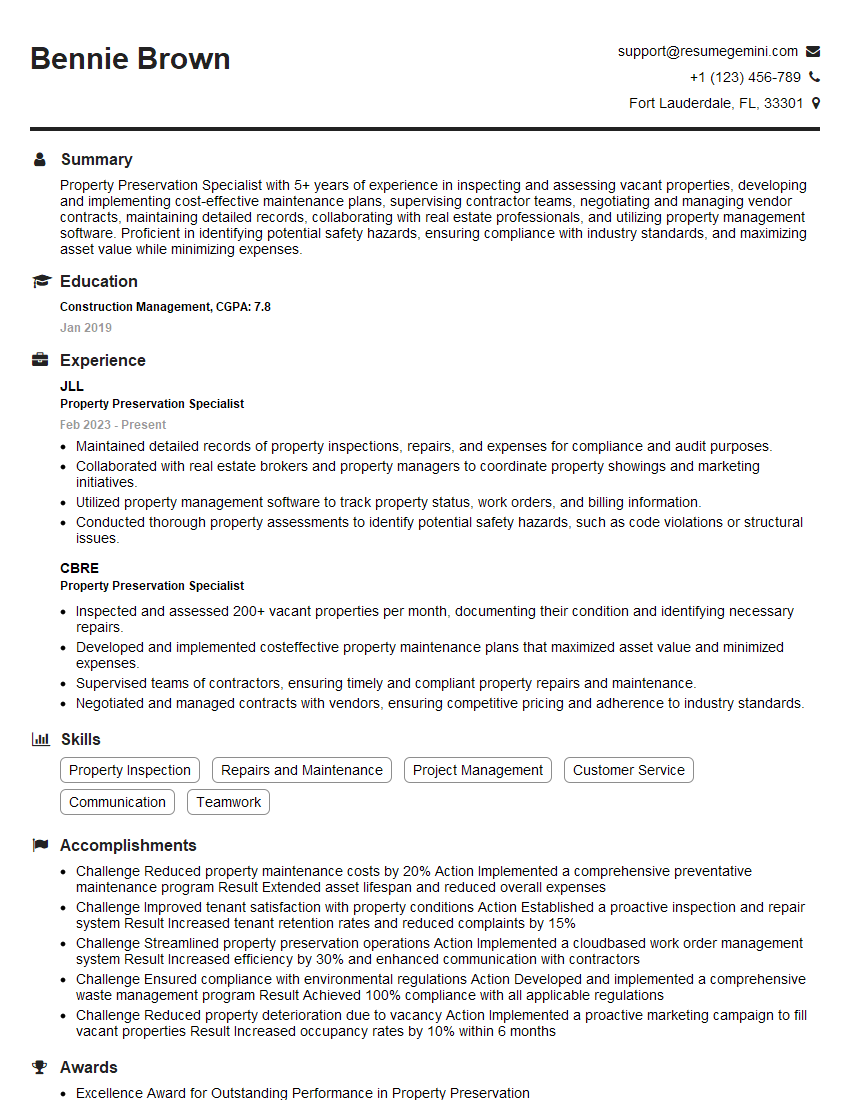
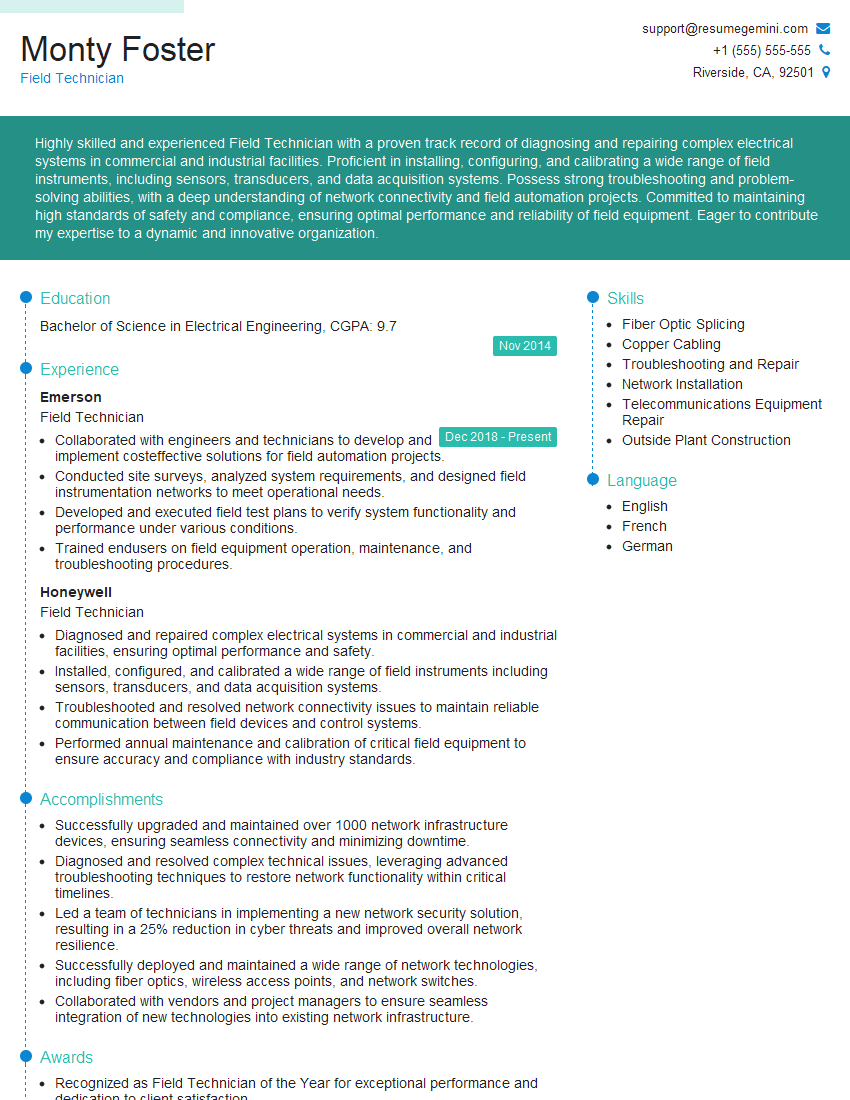
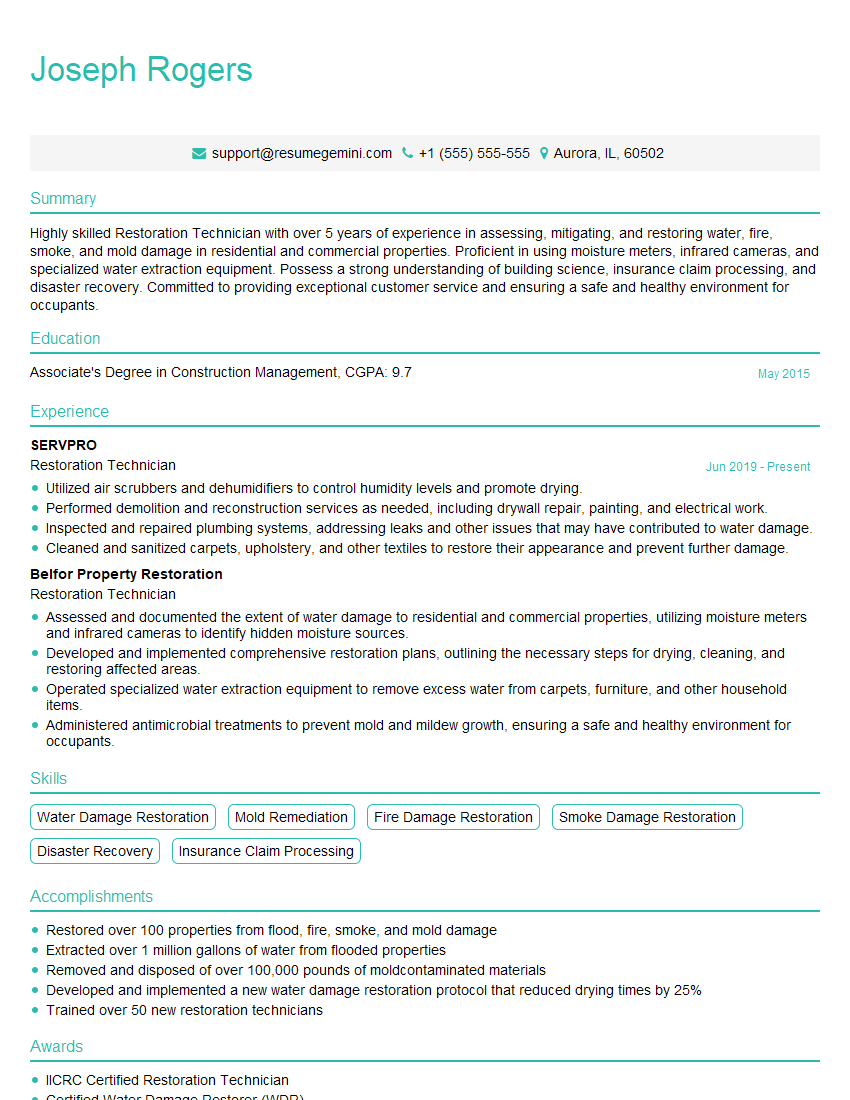
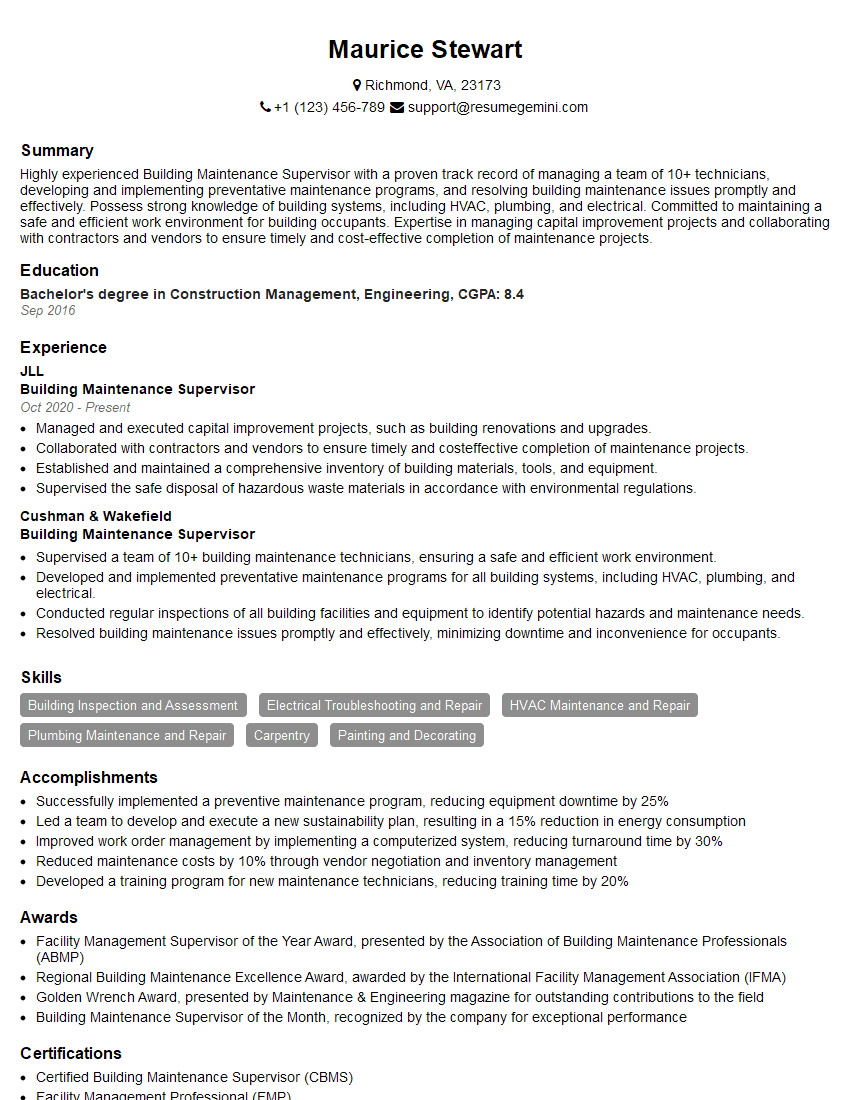
Mastering the art of bug and bird dropping removal opens doors to a rewarding career with diverse opportunities. From residential cleaning to commercial contracts, the demand for skilled professionals is consistently high. To maximize your job prospects, it’s crucial to present your skills effectively. An ATS-friendly resume is your key to getting noticed by potential employers. ResumeGemini is a valuable resource to help you craft a professional and impactful resume that highlights your expertise in this field. Examples of resumes tailored to Bug and Bird Dropping Removal are available to guide you, ensuring your qualifications shine through.
Explore more articles
Users Rating of Our Blogs
Share Your Experience
We value your feedback! Please rate our content and share your thoughts (optional).
What Readers Say About Our Blog
Really detailed insights and content, thank you for writing this detailed article.
IT gave me an insight and words to use and be able to think of examples