Feeling uncertain about what to expect in your upcoming interview? We’ve got you covered! This blog highlights the most important Business Management and Operations interview questions and provides actionable advice to help you stand out as the ideal candidate. Let’s pave the way for your success.
Questions Asked in Business Management and Operations Interview
Q 1. Describe your experience with process improvement methodologies (e.g., Lean, Six Sigma).
Process improvement methodologies like Lean and Six Sigma are crucial for optimizing business operations. Lean focuses on eliminating waste in all forms – be it time, materials, or effort – to maximize value for the customer. Six Sigma, on the other hand, uses data-driven methods to reduce variation and defects, aiming for near-perfection in processes.
In my previous role at Acme Corp, I implemented Lean principles to streamline our order fulfillment process. We identified and eliminated several bottlenecks, such as unnecessary paperwork and inefficient inventory management. This resulted in a 20% reduction in lead times and a 15% decrease in operational costs. My experience with Six Sigma includes leading a DMAIC (Define, Measure, Analyze, Improve, Control) project to reduce customer complaints related to product defects. Through rigorous data analysis and process adjustments, we achieved a 75% reduction in complaints within six months. I’m proficient in various Lean tools like Value Stream Mapping and Kaizen events, and Six Sigma tools such as Control Charts and Failure Mode and Effects Analysis (FMEA).
Q 2. How would you handle a project that is significantly behind schedule?
Handling a significantly behind-schedule project requires a calm, decisive approach. First, I’d conduct a thorough assessment to identify the root causes of the delay. This might involve reviewing the project plan, meeting with team members, and analyzing resource allocation. Once the root causes are identified (e.g., underestimated effort, unforeseen technical challenges, resource constraints), I’d develop a revised project plan with realistic timelines and milestones. This often involves prioritizing critical tasks, reallocating resources, and potentially adjusting the project scope to bring it back on track. Open and honest communication with stakeholders is vital throughout this process to manage expectations and secure necessary support.
For instance, in a previous project involving software development, we encountered unexpected delays due to integration issues with a third-party system. We immediately held a meeting to analyze the situation and prioritize tasks based on their impact on the overall project delivery. This involved assigning additional resources to address the integration problem and re-prioritizing less critical features for a later release. By actively managing expectations and transparently communicating the revised timeline with stakeholders, we managed to mitigate the impact of the delay.
Q 3. Explain your understanding of budgeting and financial forecasting.
Budgeting and financial forecasting are integral parts of operational management. Budgeting involves creating a detailed plan for how resources will be allocated over a specific period (e.g., annual budget), while financial forecasting is predicting future financial performance based on historical data, market trends, and other relevant factors.
A well-structured budget encompasses all revenue and expenditure items, ensuring alignment with strategic goals. Financial forecasting utilizes various techniques, such as trend analysis, regression modeling, and scenario planning, to estimate future revenue, expenses, and profitability. For example, in my previous role, I developed a detailed annual budget encompassing marketing, R&D, operations, and sales. This budget guided resource allocation throughout the year and served as a benchmark against which actual performance was measured. We used forecasting techniques to project sales growth based on market analysis and historical sales data, which helped in securing additional funding and strategic planning.
Q 4. What metrics do you use to measure operational efficiency?
Measuring operational efficiency requires a holistic approach, utilizing a range of key performance indicators (KPIs). These metrics should align with business objectives and provide insights into various aspects of operations.
- Productivity Metrics: Output per employee, units produced per hour, cycle time.
- Cost Efficiency: Cost per unit, operating expenses as a percentage of revenue, inventory turnover.
- Quality Metrics: Defect rate, customer satisfaction score, process yield.
- Time Efficiency: Lead time, order fulfillment time, project completion time.
- Resource Utilization: Machine utilization, employee utilization, capacity utilization.
The specific KPIs selected depend on the nature of the business and its strategic priorities. Regular monitoring and analysis of these metrics are crucial for identifying areas for improvement and tracking progress towards operational excellence. For example, in a manufacturing setting, tracking machine utilization helps identify idle time and opportunities for optimization. In a service-oriented business, customer satisfaction scores provide valuable insights into service quality and areas for improvement.
Q 5. Describe a time you had to make a difficult decision under pressure.
In a previous project, we faced a critical decision under immense pressure: whether to launch a new product on schedule despite encountering some minor technical glitches. Launching late would have significantly impacted our market position and potentially jeopardized our planned marketing campaign. However, releasing a product with minor bugs risked customer dissatisfaction and reputational damage.
After carefully weighing the risks and rewards, and consulting with the development and marketing teams, we opted for a phased launch. We released the product with the most crucial functionalities, addressing the minor bugs in a subsequent update. This strategy minimized the risk of major disruption while still allowing us to meet our launch deadline. This decision required careful risk assessment, collaborative teamwork, and the courage to take a calculated risk under pressure. The phased launch proved successful; we minimized negative customer feedback and met our initial market entry objectives.
Q 6. How do you prioritize tasks and manage competing deadlines?
Prioritizing tasks and managing competing deadlines necessitates a structured approach. I typically use a combination of methods, including:
- Prioritization Matrices: Tools like Eisenhower Matrix (urgent/important) help classify tasks based on their urgency and importance, enabling focused effort on high-impact activities.
- Project Management Software: Tools like Asana or Jira provide functionalities for task management, assigning deadlines, tracking progress, and collaborating with team members.
- Time Blocking: Allocating specific time slots for different tasks promotes focused work and prevents multitasking.
- Regular Review & Adjustment: Periodically reviewing tasks, re-prioritizing based on changing circumstances, and communicating adjustments to stakeholders is crucial for keeping projects on track.
For instance, when juggling multiple projects with tight deadlines, I use the Eisenhower Matrix to identify urgent and important tasks that require immediate attention, while delegating or postponing less critical ones. This structured approach ensures effective time management and prevents feeling overwhelmed by competing deadlines.
Q 7. Explain your experience with resource allocation and management.
Resource allocation and management are critical to operational efficiency. It involves strategically assigning resources – human, financial, material, and technological – to various projects and activities to maximize their effectiveness.
Effective resource management requires a deep understanding of resource availability, project requirements, and potential constraints. This often involves creating a detailed resource plan, tracking resource utilization, and making adjustments as needed. For example, in a previous role, I developed a resource allocation plan for a major expansion project. This involved forecasting the need for additional personnel, equipment, and budget, and proactively securing these resources. This plan ensured that the project had the necessary resources to proceed smoothly and meet its deadlines without any significant delays. Regular monitoring of resource utilization, using dashboards and reports, is important to identify potential bottlenecks and make timely adjustments to maintain optimal efficiency.
Q 8. How do you build and maintain strong working relationships with cross-functional teams?
Building and maintaining strong working relationships with cross-functional teams is crucial for effective business operations. It’s about fostering collaboration, trust, and mutual respect. My approach is multifaceted and focuses on clear communication, proactive engagement, and a shared understanding of goals.
- Open Communication: I establish regular communication channels – team meetings, email updates, instant messaging – to ensure everyone is informed and can share their perspectives. For instance, in a previous role, I initiated weekly cross-functional meetings to track progress on a major product launch, ensuring all teams were aligned.
- Active Listening and Empathy: I actively listen to understand the challenges and perspectives of each team, demonstrating empathy for their work and constraints. This builds trust and encourages open dialogue. For example, when one team faced a delay, I worked with them to understand the root cause and find solutions collaboratively instead of placing blame.
- Shared Goals and Objectives: I ensure all teams understand the overall project goals and how their individual contributions fit into the bigger picture. This creates a sense of shared purpose and motivates collaborative effort. I often use visual tools like project roadmaps to make this clear.
- Conflict Resolution: I proactively address any conflicts that arise, focusing on finding mutually agreeable solutions. This requires fair mediation and a willingness to compromise. I’ve successfully mediated disagreements between the marketing and engineering teams on several occasions, leading to more efficient workflows.
- Recognition and Appreciation: I actively acknowledge and celebrate team achievements, both individually and collectively. This reinforces positive behavior and strengthens team morale. Simple things like acknowledging good work in team meetings or sending out thank-you notes can significantly impact relationships.
Q 9. Describe your experience with change management and organizational restructuring.
My experience with change management and organizational restructuring involves leading teams through significant transitions, ensuring minimal disruption and maximizing employee buy-in. I utilize a structured approach, focusing on communication, training, and ongoing support.
- Assessment and Planning: I begin by thoroughly assessing the current state, identifying areas needing improvement, and defining clear objectives for the restructuring. This often involves data analysis to understand the impact on different departments and roles.
- Communication Strategy: A transparent and open communication strategy is paramount. I keep everyone informed about the changes, addressing concerns and answering questions proactively. This helps mitigate anxieties and fosters acceptance.
- Training and Development: I ensure that employees receive the necessary training and support to adapt to new roles, processes, or systems. This might involve workshops, online resources, or mentorship programs.
- Support and Feedback Mechanisms: I establish channels for ongoing feedback and support during and after the restructuring. This might include regular check-ins, surveys, or focus groups to address any emerging issues.
- Measuring Success: I define key performance indicators (KPIs) to monitor the effectiveness of the restructuring and make adjustments as needed. This helps ensure that the changes deliver the intended outcomes.
For example, I led a restructuring project that involved merging two departments. Through effective communication and training, we minimized employee disruption and actually saw a 15% increase in productivity within six months.
Q 10. How do you identify and mitigate operational risks?
Identifying and mitigating operational risks is a critical part of effective business management. My approach involves a proactive risk assessment process, coupled with robust mitigation strategies.
- Risk Identification: I employ various methods to identify potential risks, including brainstorming sessions, SWOT analysis, and reviewing historical data. For instance, examining past project failures can highlight recurring risk factors.
- Risk Assessment: Once risks are identified, I assess their likelihood and potential impact. This often involves a qualitative or quantitative analysis, using tools like risk matrices.
- Risk Mitigation: I develop and implement strategies to mitigate identified risks. This could involve developing contingency plans, implementing controls, or transferring risks through insurance.
- Monitoring and Review: I regularly monitor the effectiveness of mitigation strategies and review the risk landscape to identify any emerging threats. This is an iterative process.
In a previous role, we identified a potential supply chain disruption due to geopolitical instability. By diversifying our suppliers and building buffer stock, we successfully avoided a major operational setback.
Q 11. What is your experience with data analysis and using data to drive decisions?
Data analysis is essential for informed decision-making in today’s business environment. I have extensive experience using data to understand business performance, identify trends, and drive improvements.
- Data Collection and Cleaning: I’m proficient in gathering data from various sources, ensuring its accuracy and completeness before analysis. This might involve using SQL queries to extract data from databases, or employing data visualization tools like Tableau or Power BI.
- Data Analysis Techniques: I’m familiar with various analytical techniques, including descriptive statistics, regression analysis, and forecasting. I choose the appropriate technique depending on the specific business question.
- Data Visualization: I use data visualization tools to communicate findings effectively to stakeholders. Clear visualizations make complex data easier to understand and act upon.
- Decision-Making: I use data-driven insights to inform strategic and operational decisions, ensuring that choices are based on evidence rather than intuition.
For example, by analyzing sales data, I identified a declining trend in a specific product line. This led us to develop a new marketing strategy that successfully reversed the decline.
Q 12. Describe your experience with project planning and execution.
Project planning and execution is a core competency for me. I utilize established project management methodologies, such as Agile or Waterfall, tailoring my approach to the specific project needs.
- Project Initiation: I begin with a thorough understanding of project goals, scope, and constraints. This often involves stakeholder analysis to ensure alignment on objectives.
- Planning and Scheduling: I develop detailed project plans, including timelines, resource allocation, and risk assessments. Tools like MS Project or Jira are frequently used.
- Execution and Monitoring: I closely monitor project progress, tracking key metrics and addressing any deviations from the plan. Regular status updates keep stakeholders informed.
- Team Management: I lead and motivate project teams, ensuring effective collaboration and communication. This involves clear delegation of tasks and providing necessary support.
- Project Closure: I ensure that projects are properly closed out, including documentation of lessons learned and final reporting. Post-project reviews are critical for continuous improvement.
Recently, I successfully managed a complex software implementation project, delivering it on time and within budget, despite several unforeseen challenges. This involved careful planning, proactive risk management, and effective team leadership.
Q 13. How do you handle conflict within a team?
Conflict is inevitable in any team environment. My approach to conflict resolution is proactive and focuses on finding mutually agreeable solutions.
- Early Intervention: I address conflicts as soon as they arise, preventing them from escalating. This often involves informal discussions with the individuals involved.
- Active Listening and Understanding: I listen to each party’s perspective, seeking to understand their concerns and needs. This helps de-escalate tensions and build empathy.
- Facilitation and Mediation: If necessary, I facilitate a structured discussion to help the parties find common ground. This might involve brainstorming solutions together.
- Focus on Solutions: I guide the discussion towards finding solutions that address the underlying issues, not just the symptoms.
- Documentation and Follow-up: In more serious conflicts, I document agreements and follow up to ensure that solutions are implemented and that any lingering issues are addressed.
I successfully mediated a conflict between two team members with strongly opposing viewpoints regarding a project approach. By facilitating open dialogue and focusing on shared goals, we reached a compromise that allowed the project to move forward successfully.
Q 14. What is your experience with performance management and employee development?
Performance management and employee development are essential for building a high-performing team. My approach is holistic and focuses on both individual performance and overall team growth.
- Performance Goal Setting: I work with each employee to establish clear, measurable, achievable, relevant, and time-bound (SMART) performance goals. This ensures alignment with overall team and company objectives.
- Regular Feedback and Coaching: I provide regular feedback, both positive and constructive, to support employee growth and development. This includes coaching sessions to address performance gaps or explore career aspirations.
- Performance Reviews: I conduct formal performance reviews to assess employee progress, identify strengths and weaknesses, and create development plans. These reviews are collaborative and focused on future growth.
- Training and Development Opportunities: I identify and provide opportunities for employees to enhance their skills and knowledge, whether through internal training programs, external courses, or mentorship opportunities.
- Recognition and Rewards: I recognize and reward employees for their contributions and achievements. This fosters a positive work environment and motivates high performance.
In my previous role, I implemented a comprehensive performance management system that resulted in a significant increase in employee engagement and improved team performance.
Q 15. How do you ensure compliance with relevant regulations and standards?
Ensuring compliance is paramount in any business operation. It involves a proactive, multi-faceted approach that goes beyond simply ticking boxes. It starts with a thorough understanding of all applicable regulations and standards relevant to our industry, location, and specific business activities. This could include environmental regulations, labor laws, data privacy acts (like GDPR or CCPA), and industry-specific safety standards.
Risk Assessment: We conduct regular risk assessments to identify potential areas of non-compliance. This helps prioritize our efforts and allocate resources effectively.
Policy Development and Implementation: We develop clear, concise, and easily accessible policies and procedures that outline how we comply with each regulation. These policies are communicated to all employees through training programs and regular updates.
Internal Audits: We perform internal audits to monitor our compliance efforts and identify gaps. These audits can be both planned and impromptu, focusing on different aspects of the business at different times.
External Audits: We also collaborate with external auditors to obtain an independent assessment of our compliance posture. This provides an objective viewpoint and helps us improve our processes.
Record Keeping: Meticulous record-keeping is crucial. We maintain detailed documentation of all compliance activities, including training records, audit reports, and any corrective actions taken.
Continuous Improvement: Compliance is not a one-time event; it’s an ongoing process. We regularly review and update our policies and procedures to reflect changes in regulations and best practices. For example, if a new data privacy law is introduced, we would immediately assess its impact and update our internal policies and training materials.
Career Expert Tips:
- Ace those interviews! Prepare effectively by reviewing the Top 50 Most Common Interview Questions on ResumeGemini.
- Navigate your job search with confidence! Explore a wide range of Career Tips on ResumeGemini. Learn about common challenges and recommendations to overcome them.
- Craft the perfect resume! Master the Art of Resume Writing with ResumeGemini’s guide. Showcase your unique qualifications and achievements effectively.
- Don’t miss out on holiday savings! Build your dream resume with ResumeGemini’s ATS optimized templates.
Q 16. Describe your experience with supply chain management.
My experience in supply chain management spans over [Number] years, encompassing various aspects from procurement to logistics and inventory management. I’ve worked with both domestic and international supply chains, managing complex networks of suppliers, manufacturers, distributors, and retailers. I’m proficient in using various software tools for supply chain optimization, such as ERP systems and specialized logistics software.
Procurement: I have a strong track record of negotiating favorable contracts with suppliers, ensuring timely delivery of high-quality materials at competitive prices. This involves strategic sourcing, vendor relationship management, and risk mitigation strategies. In one instance, I successfully renegotiated a key supplier contract, resulting in a 15% reduction in material costs.
Logistics: I have experience optimizing logistics networks to minimize transportation costs and delivery times. This includes route optimization, warehouse management, and carrier selection. We implemented a new logistics platform which reduced our shipping costs by 10% and improved on-time delivery rates by 5%.
Inventory Management: I’ve implemented inventory control systems to minimize stockouts and reduce holding costs. This involved utilizing techniques such as Just-in-Time inventory management and demand forecasting. We implemented a new inventory management system, utilizing AI-powered demand forecasting and reduced our inventory holding costs by 8%.
My focus is always on building resilient and agile supply chains that can adapt to changing market conditions and disruptions. For example, during the recent pandemic, I successfully navigated supply chain disruptions by diversifying our supplier base and implementing contingency plans.
Q 17. How do you measure the success of an operational initiative?
Measuring the success of an operational initiative requires a clear definition of objectives and the selection of appropriate Key Performance Indicators (KPIs). Simply stating that we want to ‘improve efficiency’ isn’t sufficient; we need quantifiable goals.
For example, if we are implementing a new process to reduce order fulfillment time, our KPIs might include:
Average order fulfillment time: We would track this metric to see if the new process has reduced the time it takes to process and ship orders.
Order accuracy rate: We would monitor this to ensure the new process hasn’t increased the rate of errors.
Customer satisfaction: We could measure this through surveys or feedback forms to gauge customer perception of improved order fulfillment.
Cost savings: We’d track the impact of the new process on labor costs, material costs, and other relevant expenses.
After implementing the initiative, we regularly monitor these KPIs to measure progress and make necessary adjustments. We might use control charts or other data visualization techniques to track performance over time and identify trends. Finally, a post-implementation review is crucial to determine the overall success of the initiative, highlighting both successes and areas for future improvement.
Q 18. Explain your experience with strategic planning and execution.
Strategic planning and execution are two sides of the same coin. Strategic planning involves defining a long-term vision for the organization, setting goals, and developing a roadmap to achieve those goals. Execution, on the other hand, focuses on putting the plan into action and ensuring it is implemented effectively.
My experience includes developing and implementing strategic plans for [mention specific areas or companies], involving market analysis, competitive analysis, SWOT analysis (Strengths, Weaknesses, Opportunities, Threats), and the development of actionable strategies. For instance, in my previous role, I led the development of a five-year strategic plan that focused on expanding into new markets. This involved:
Market Research: Conducting thorough market research to identify potential opportunities and assess market risks.
Competitive Analysis: Analyzing competitors’ strengths and weaknesses to identify our competitive advantages.
Resource Allocation: Allocating resources (financial, human, technological) to support the strategic initiatives.
Implementation Plan: Developing a detailed implementation plan with clear timelines, milestones, and responsibilities.
Monitoring and Evaluation: Regularly monitoring progress against the plan and making necessary adjustments as needed.
I believe in a collaborative approach to strategic planning, engaging all relevant stakeholders to ensure buy-in and alignment. Execution requires strong leadership, effective communication, and a focus on results.
Q 19. Describe a time you had to solve a complex operational problem.
One challenging operational problem I encountered involved a significant backlog in order fulfillment due to a sudden surge in demand coupled with unexpected delays from a key supplier. This led to significant customer dissatisfaction and potential reputational damage.
To address this, I implemented a multi-pronged approach:
Problem Diagnosis: I first worked to understand the root causes of the backlog – the unexpected demand surge and supplier delays. Detailed data analysis helped pinpoint bottlenecks in the fulfillment process.
Short-Term Solutions: To immediately alleviate the backlog, I implemented overtime for fulfillment staff, explored alternative suppliers to secure additional inventory, and prioritized order fulfillment based on customer urgency and order value.
Long-Term Solutions: I recognized the need for longer-term improvements to prevent similar issues in the future. This involved improving demand forecasting techniques, diversifying the supplier base, and implementing a more robust inventory management system.
Communication: Open and transparent communication with customers was crucial. We proactively updated customers on the situation and provided realistic delivery timelines, mitigating potential reputational damage.
Through this combination of immediate action and long-term improvements, we successfully resolved the backlog, regained customer confidence, and significantly improved the resilience of our order fulfillment process.
Q 20. How do you stay up-to-date with industry best practices and trends?
Staying current with industry best practices and trends is a continuous process. I utilize a variety of methods to ensure I’m well-informed:
Industry Publications and Journals: I regularly read industry publications, journals, and research papers to stay abreast of new developments and best practices.
Conferences and Workshops: Attending industry conferences and workshops provides valuable networking opportunities and exposure to cutting-edge ideas.
Online Courses and Webinars: I leverage online learning platforms to enhance my knowledge in specific areas and acquire new skills.
Professional Networks: I actively participate in professional networks and online communities to engage in discussions and share knowledge with other professionals.
Benchmarking: I regularly benchmark our operations against industry leaders to identify areas for improvement.
By consistently pursuing these avenues, I ensure that my knowledge and skills remain relevant and that I can leverage the latest innovations to improve our operational efficiency and effectiveness.
Q 21. How do you delegate tasks effectively?
Effective delegation is crucial for maximizing team productivity and developing individual skills. It’s not simply about assigning tasks; it’s about empowering individuals to take ownership and achieve results.
My approach to delegation involves:
Clear Communication: I clearly define the task, expected outcomes, deadlines, and required resources. I also ensure the individual understands the context and importance of the task.
Skill Matching: I carefully match the task to the individual’s skills and experience. This ensures the individual has the capability to successfully complete the task.
Empowerment and Trust: I provide the individual with the autonomy and authority to complete the task, and I express my trust in their ability.
Support and Feedback: I offer regular support, guidance, and feedback throughout the process. This ensures the individual stays on track and receives the necessary assistance.
Recognition and Appreciation: I recognize and appreciate the individual’s contributions upon successful completion of the task. This fosters motivation and encourages future engagement.
By consistently applying this framework, I foster a culture of empowerment, accountability, and high-performance within my team.
Q 22. What is your experience with using project management software (e.g., MS Project, Jira)?
My experience with project management software is extensive, encompassing both MS Project and Jira, depending on project needs. In larger, more complex projects requiring detailed Gantt charts, resource allocation, and critical path analysis, MS Project has been my tool of choice. Its strength lies in its robust scheduling capabilities and its ability to visualize project dependencies clearly. For agile projects, however, Jira’s flexibility and Kanban board functionalities are unparalleled. I’ve used Jira extensively for managing sprints, tracking tasks, and facilitating collaborative work within scrum teams. For example, on a recent website redesign project, we used Jira to manage sprints, track bug fixes, and ensure smooth collaboration between designers, developers, and QA testers. The visual dashboards allowed stakeholders to monitor progress in real-time. With MS Project, on a different project involving the launch of a new product line, we managed complex timelines, resource allocation, and risk assessments efficiently. The ability to create custom reports proved invaluable for presenting progress to senior management.
Q 23. Describe your approach to problem-solving in a business context.
My approach to problem-solving is systematic and data-driven. I utilize a structured process that involves:
- Identifying the problem: Clearly defining the issue and gathering relevant information. This often involves speaking with various stakeholders to get a complete picture.
- Analyzing the root cause: Moving beyond surface-level symptoms to uncover the underlying reasons for the problem using tools like fishbone diagrams or 5 Whys.
- Developing potential solutions: Brainstorming various solutions, evaluating their feasibility and potential impact, considering both short-term and long-term consequences.
- Implementing the chosen solution: Clearly defining roles, responsibilities, and timelines for implementation. This often includes pilot programs to test the effectiveness of the solution before full-scale rollout.
- Monitoring and evaluating results: Tracking key metrics to measure the effectiveness of the solution and making adjustments as needed. Continuous monitoring is crucial for identifying potential roadblocks early on.
For example, when facing declining sales for a particular product, I wouldn’t simply assume it’s due to poor marketing. I’d analyze sales data, customer feedback, market trends, and competitor activity to pinpoint the exact causes—perhaps a pricing issue, a lack of innovation, or changing consumer preferences. This would then inform the solution, whether it’s adjusting pricing, revamping the product, or shifting marketing strategies.
Q 24. How do you build and maintain effective communication within a team?
Building and maintaining effective communication within a team requires a multi-faceted approach. I believe in establishing clear communication channels, utilizing a variety of tools depending on the team’s needs and the urgency of the matter. This could include regular team meetings, project management software (like Jira for quick updates), email for formal communication, instant messaging for quick questions and informal updates, and regular one-on-one check-ins to discuss individual progress and address concerns.
Transparency is paramount. I ensure that everyone is aware of team goals, individual responsibilities, and progress. Active listening is crucial. I create a safe space where team members feel comfortable sharing their ideas, concerns, and challenges without fear of judgment. Regular feedback sessions are essential for both giving and receiving constructive criticism. Finally, celebrating successes, both big and small, boosts morale and strengthens team cohesion.
Q 25. What are your strengths and weaknesses as a business manager/operations manager?
My strengths lie in strategic thinking, problem-solving, and team leadership. I’m adept at developing and implementing operational strategies that align with overall business objectives. I’m also highly effective at building and motivating high-performing teams. My analytical skills allow me to dissect complex issues, identify root causes, and formulate data-driven solutions.
A potential area for improvement is delegating tasks. While I can manage a high workload effectively, I sometimes find it challenging to fully relinquish control and trust others to take ownership of their tasks. I am actively working on this by focusing on setting clear expectations, providing adequate training, and monitoring progress without micromanaging.
Q 26. How do you handle unexpected challenges or disruptions in operations?
Handling unexpected challenges requires a calm, decisive approach. My first step is to assess the situation quickly, identifying the impact and potential risks. Then, I bring together the relevant team members to brainstorm potential solutions. Prioritization is key – we address the most critical issues first, mitigating immediate threats to operations. We then develop a contingency plan to address the unexpected challenge. This might involve adjusting timelines, reallocating resources, or seeking external support. After the immediate crisis is resolved, we conduct a post-mortem analysis to identify the root cause of the disruption and implement preventive measures to reduce the likelihood of similar incidents in the future.
For instance, during a recent supply chain disruption, we quickly identified alternative suppliers, adjusted our production schedule, and communicated the potential delays to our clients transparently. This proactive approach minimized negative impact on our operations and customer relationships.
Q 27. Describe your experience with developing and implementing operational strategies.
My experience in developing and implementing operational strategies is extensive. I’ve been involved in projects ranging from process improvement initiatives to the development of entirely new operational models. My approach typically involves a thorough analysis of current processes, identifying bottlenecks and inefficiencies. Then, I leverage data analysis and benchmarking to establish best practices. This is followed by the design and implementation of new processes, often using Lean or Six Sigma methodologies to optimize efficiency and minimize waste. Finally, ongoing monitoring and performance evaluation are key to ensuring the strategies remain effective.
For example, in a previous role, I led a project to streamline our order fulfillment process. By analyzing data and identifying bottlenecks, we implemented a new warehouse management system, resulting in a 20% reduction in order processing time and a 15% decrease in fulfillment costs.
Q 28. How do you ensure the quality of work within your team?
Ensuring quality of work involves a multi-pronged approach. First, I establish clear quality standards and expectations upfront, ensuring the entire team understands the requirements. This includes using clear metrics to measure performance against those standards. Secondly, I provide thorough training and support to team members, ensuring they possess the necessary skills and resources to deliver high-quality work. This often includes providing access to relevant tools and resources. Regular quality checks and reviews are also essential. This can include peer reviews, regular project updates and testing throughout the process. Finally, a culture of continuous improvement is vital. Encouraging feedback and promoting a learning environment where mistakes are seen as opportunities for improvement is key to sustaining high quality.
Key Topics to Learn for Business Management and Operations Interview
- Strategic Planning & Execution: Understanding how to develop and implement strategic plans, aligning them with organizational goals, and measuring their effectiveness. Consider frameworks like SWOT analysis and Porter’s Five Forces.
- Project Management: Demonstrate knowledge of project lifecycle management, including initiation, planning, execution, monitoring, and closure. Discuss methodologies like Agile and Waterfall.
- Process Improvement: Showcase familiarity with Lean methodologies, Six Sigma, or other process optimization techniques. Be prepared to discuss how you’ve identified and resolved inefficiencies in past roles.
- Supply Chain Management: Understand the flow of goods and services, from procurement to delivery. Discuss inventory management, logistics, and risk mitigation strategies.
- Financial Management: Demonstrate a grasp of key financial concepts like budgeting, forecasting, and cost analysis. Be ready to discuss your experience with financial reports and performance metrics.
- Team Leadership & Management: Highlight your experience in motivating, mentoring, and delegating tasks effectively. Discuss conflict resolution and team building strategies.
- Change Management: Show your understanding of the process of implementing organizational change and managing employee adaptation to new processes or systems.
- Data Analysis & Decision Making: Emphasize your ability to collect, analyze, and interpret data to inform strategic decisions. Discuss your experience with data visualization tools and techniques.
- Risk Management & Mitigation: Explain your understanding of identifying, assessing, and mitigating potential risks within an organization. Provide examples of how you’ve proactively addressed risk in previous roles.
Next Steps
Mastering Business Management and Operations is crucial for career advancement, opening doors to leadership roles and increased earning potential. A strong resume is your first impression; crafting an ATS-friendly resume is essential to maximizing your job prospects. ResumeGemini is a trusted resource that can help you build a professional and impactful resume tailored to your unique experience. Examples of resumes specifically designed for Business Management and Operations professionals are available to guide you, ensuring your resume effectively showcases your skills and experience.
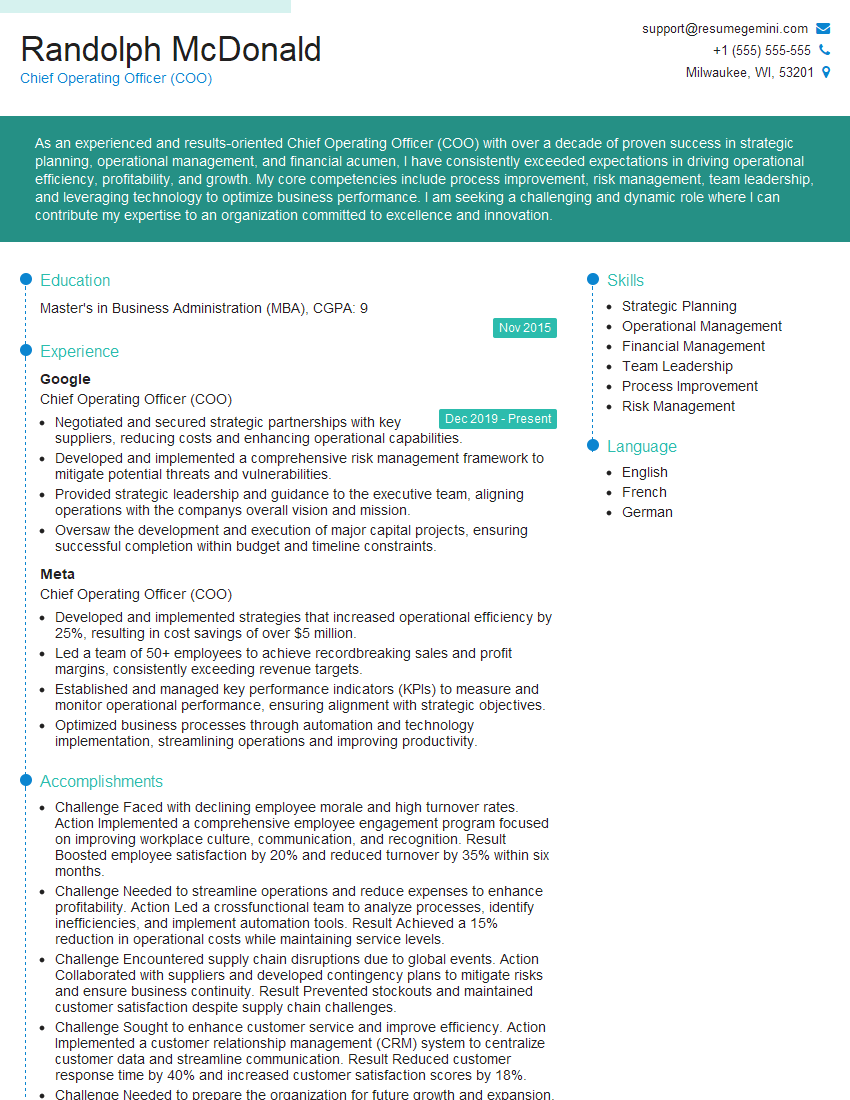
Chief Operating Officer (COO) Resume Sample
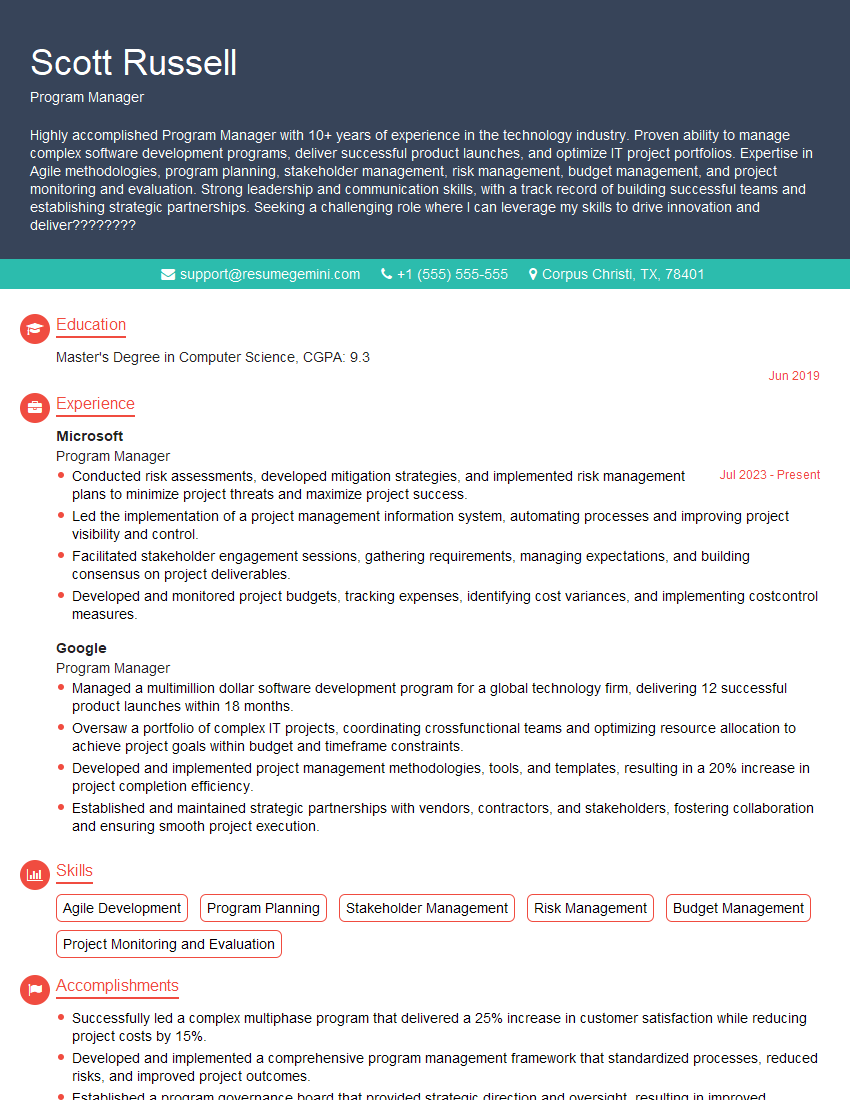
Program Manager Resume Sample
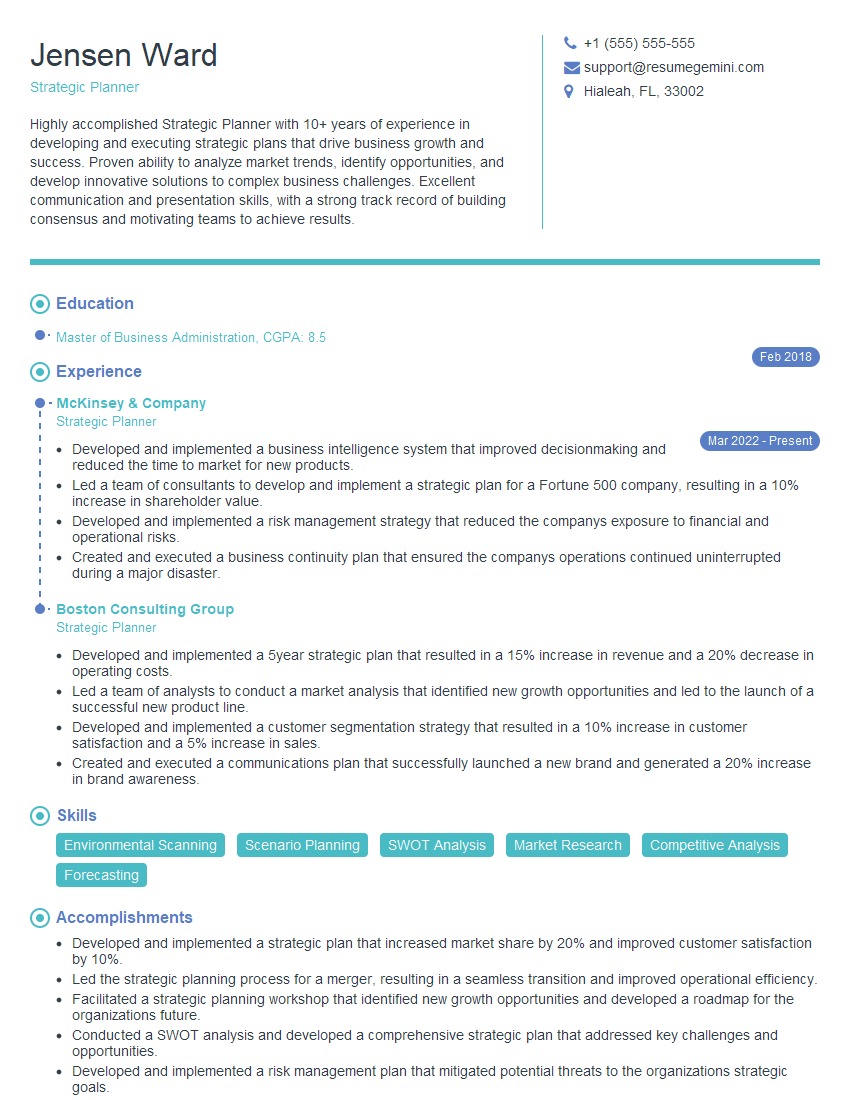
Strategic Planner Resume Sample

Business Manager Resume Sample
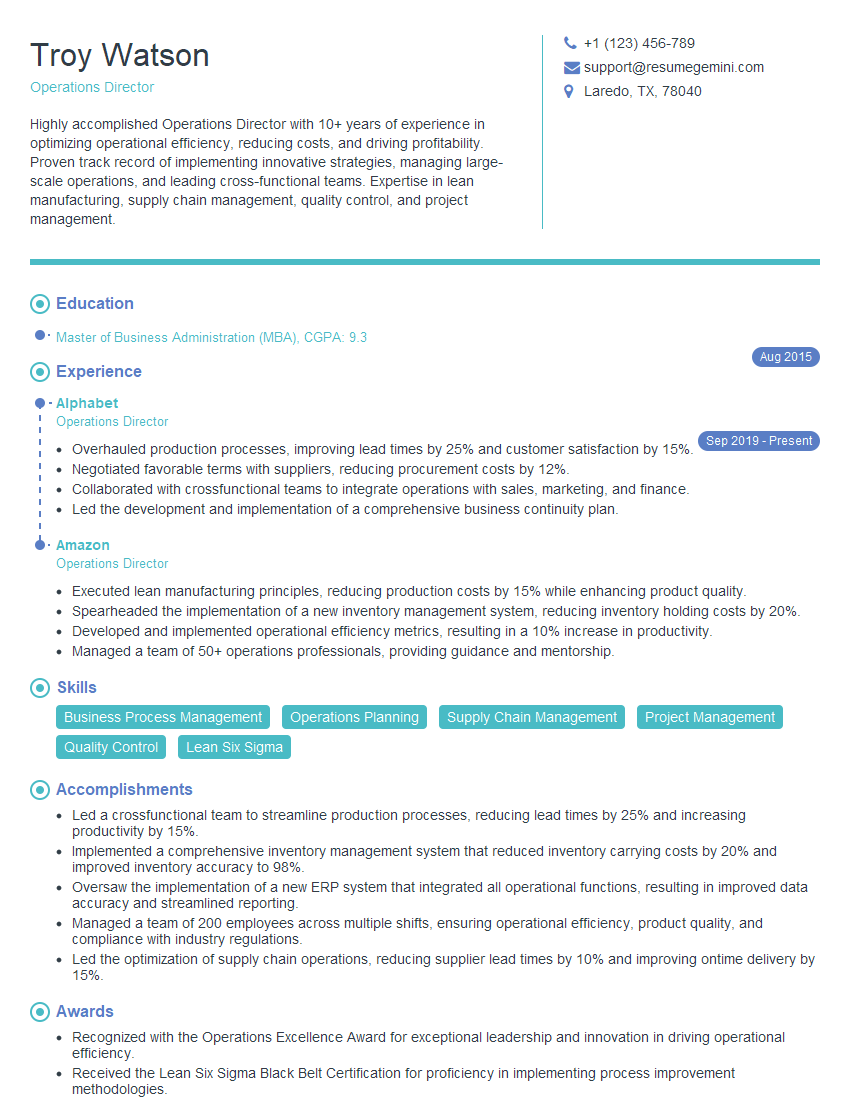
Operations Director Resume Sample

Operations Manager Resume Sample
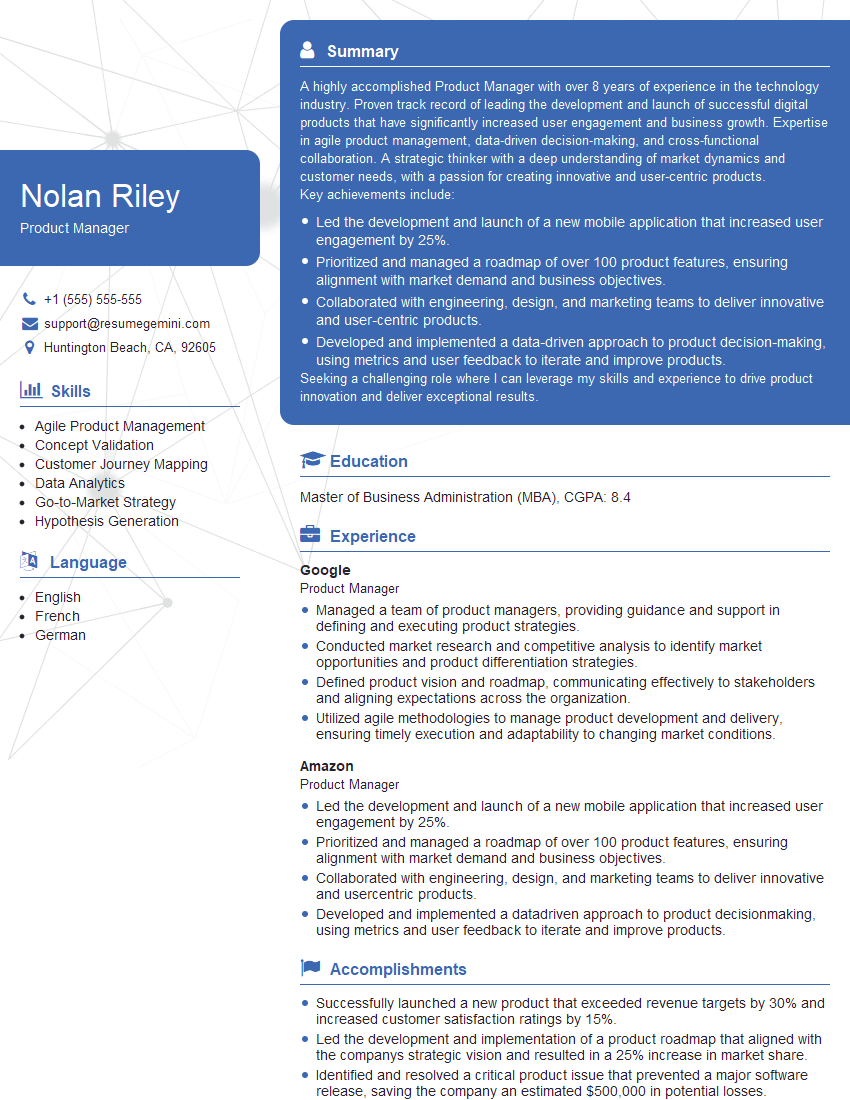
Product Manager Resume Sample
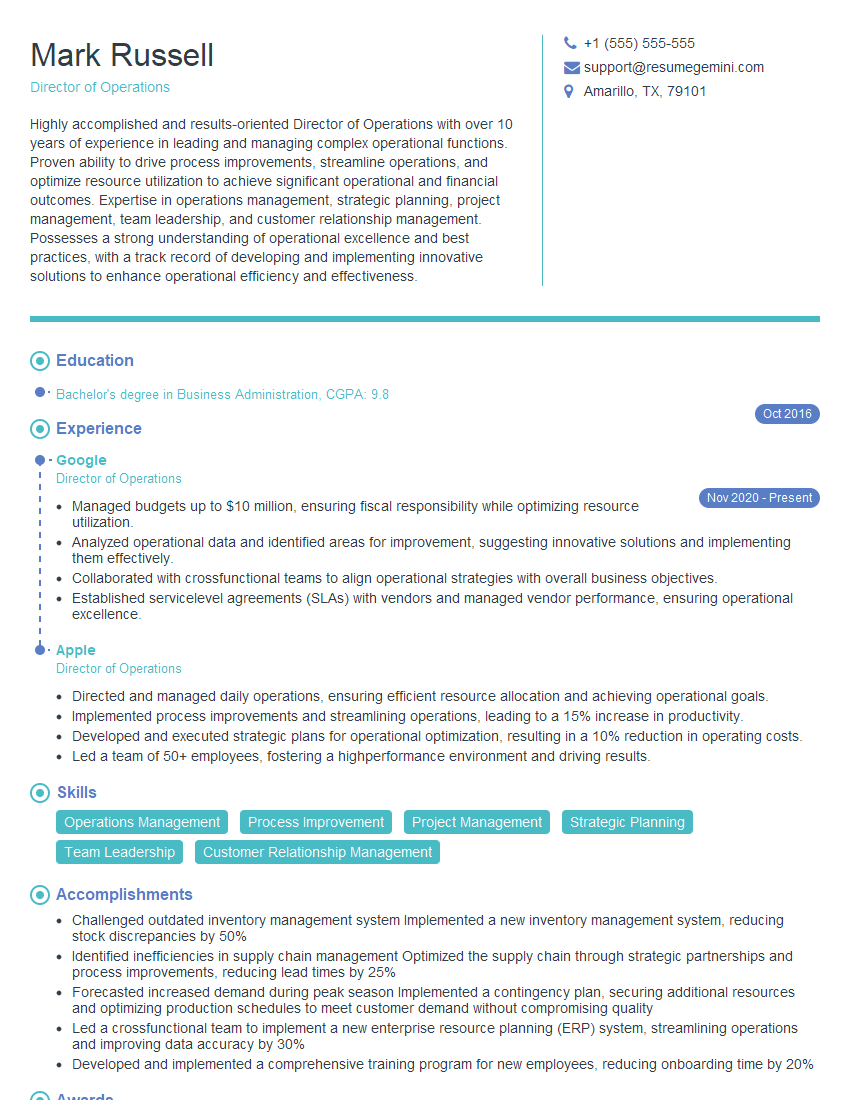
Director of Operations Resume Sample
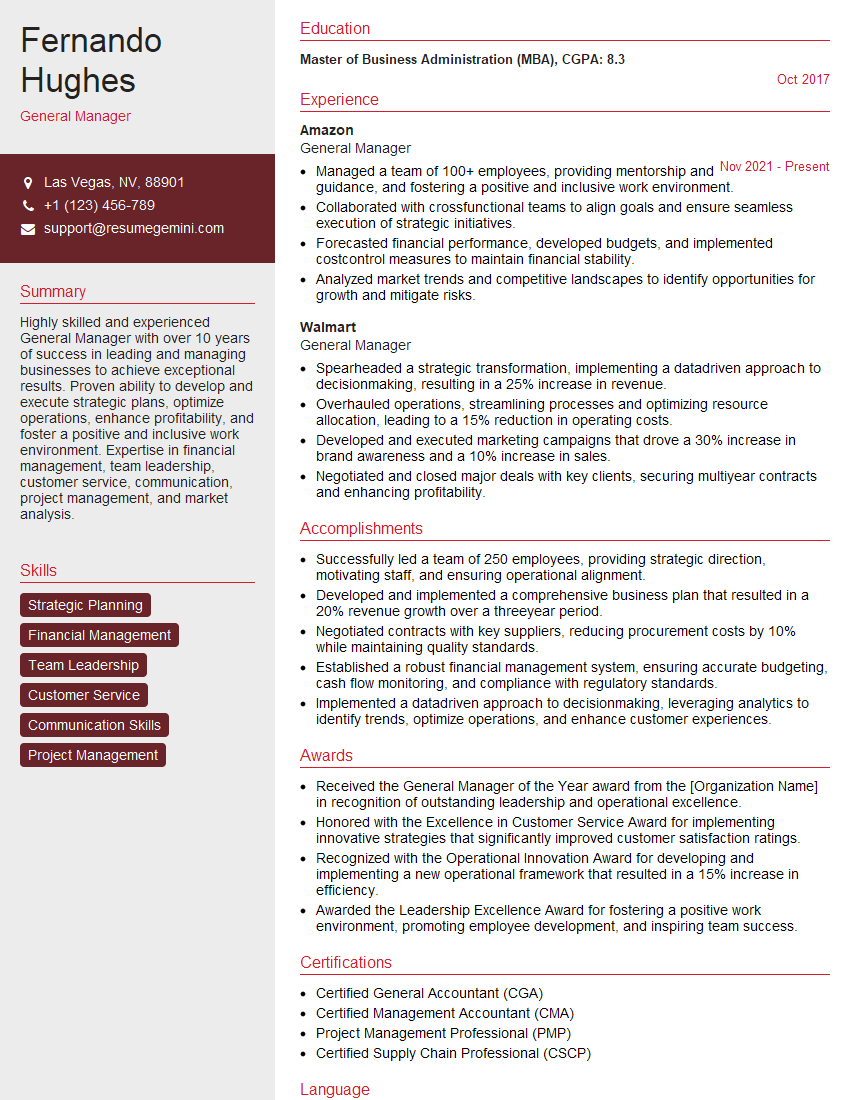
General Manager Resume Sample
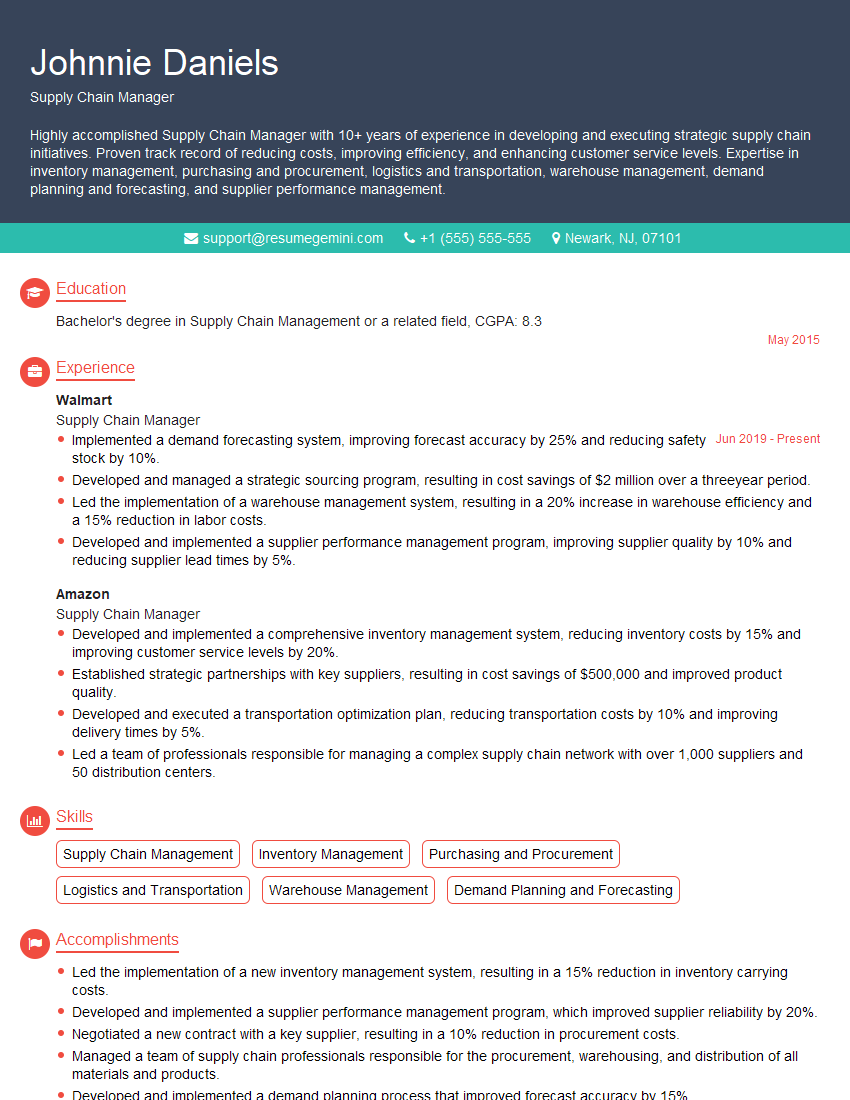
Supply Chain Manager Resume Sample
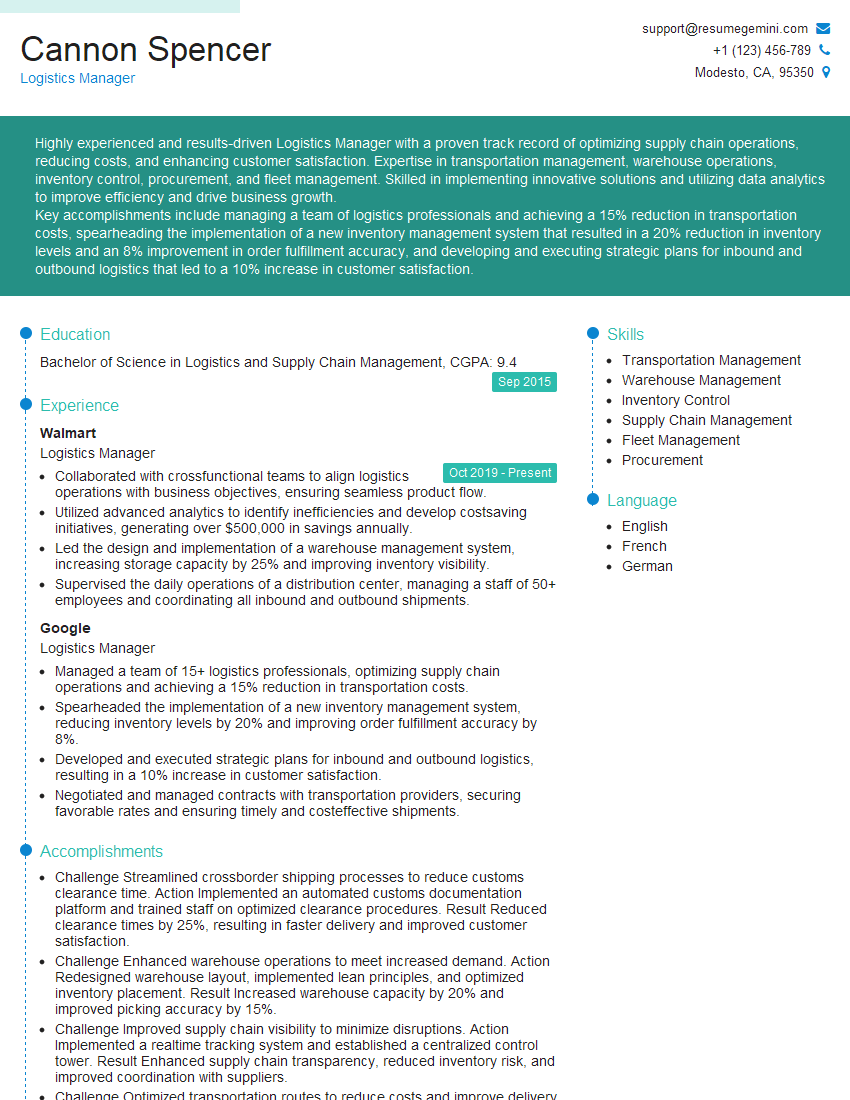
Logistics Manager Resume Sample
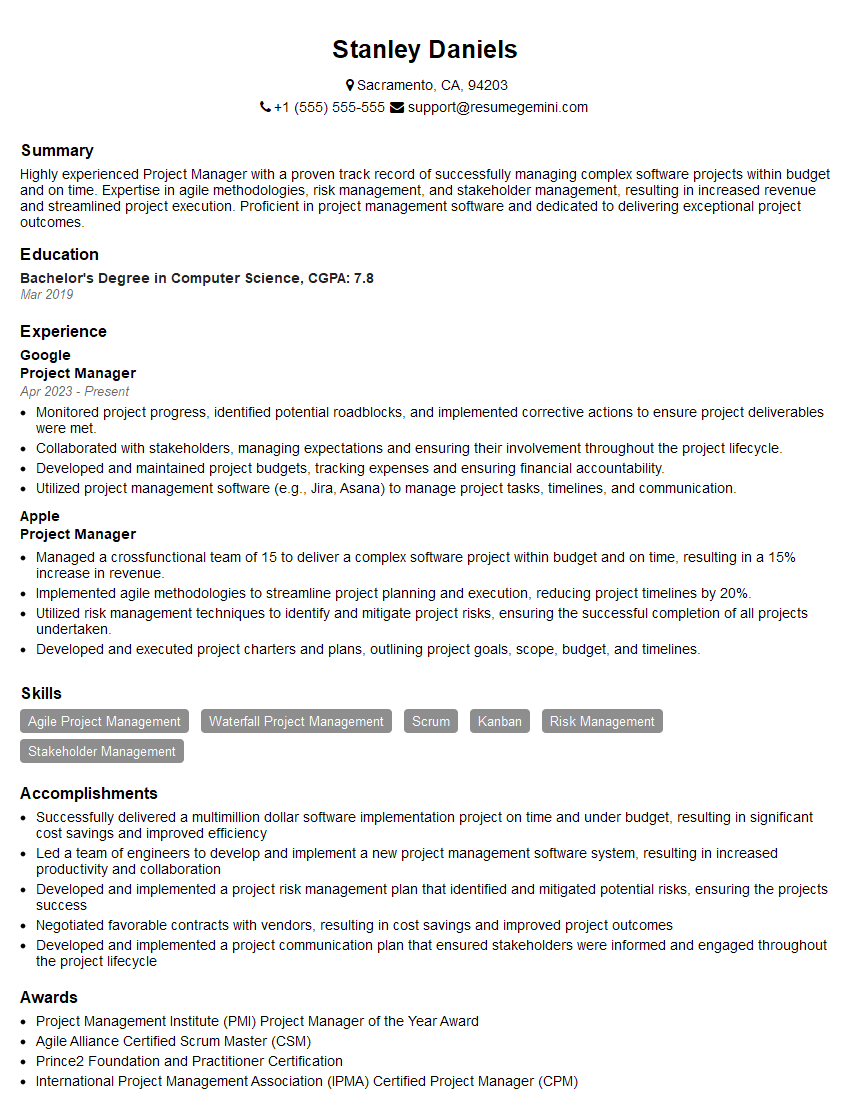
Project Manager Resume Sample
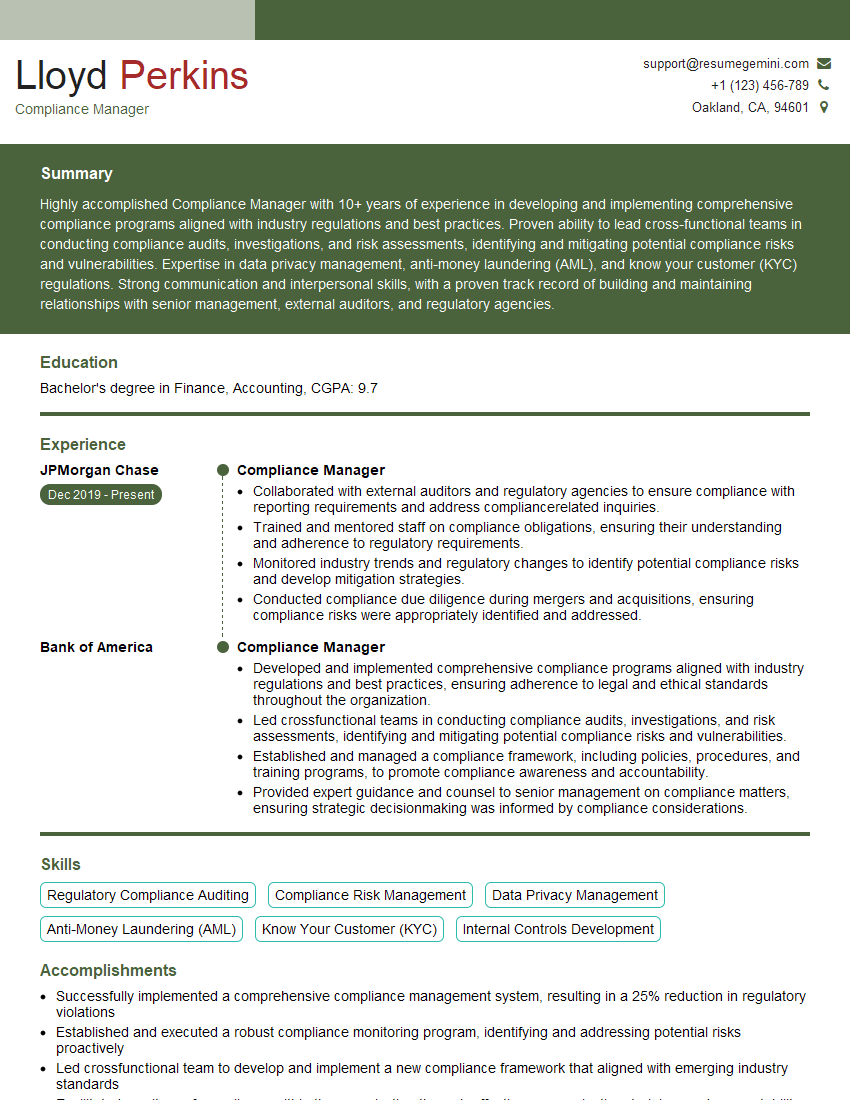
Compliance Manager Resume Sample
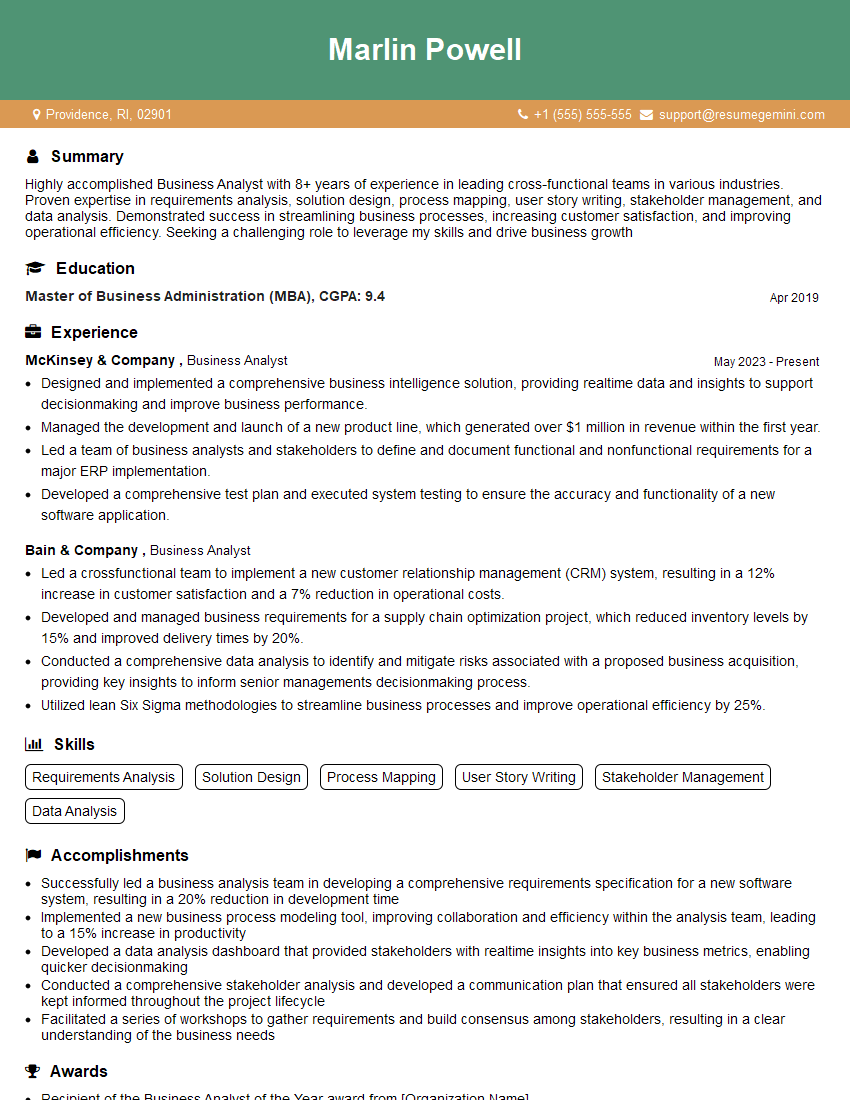
Business Analyst Resume Sample
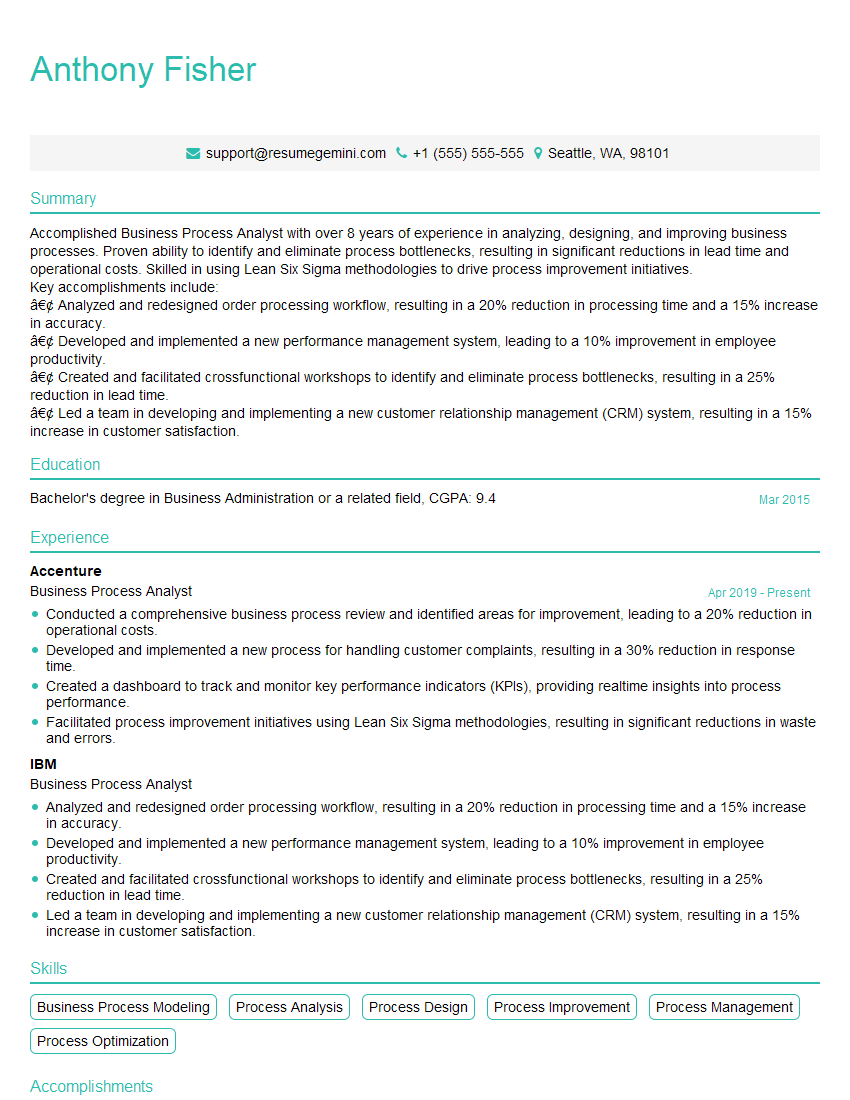
Business Process Analyst Resume Sample
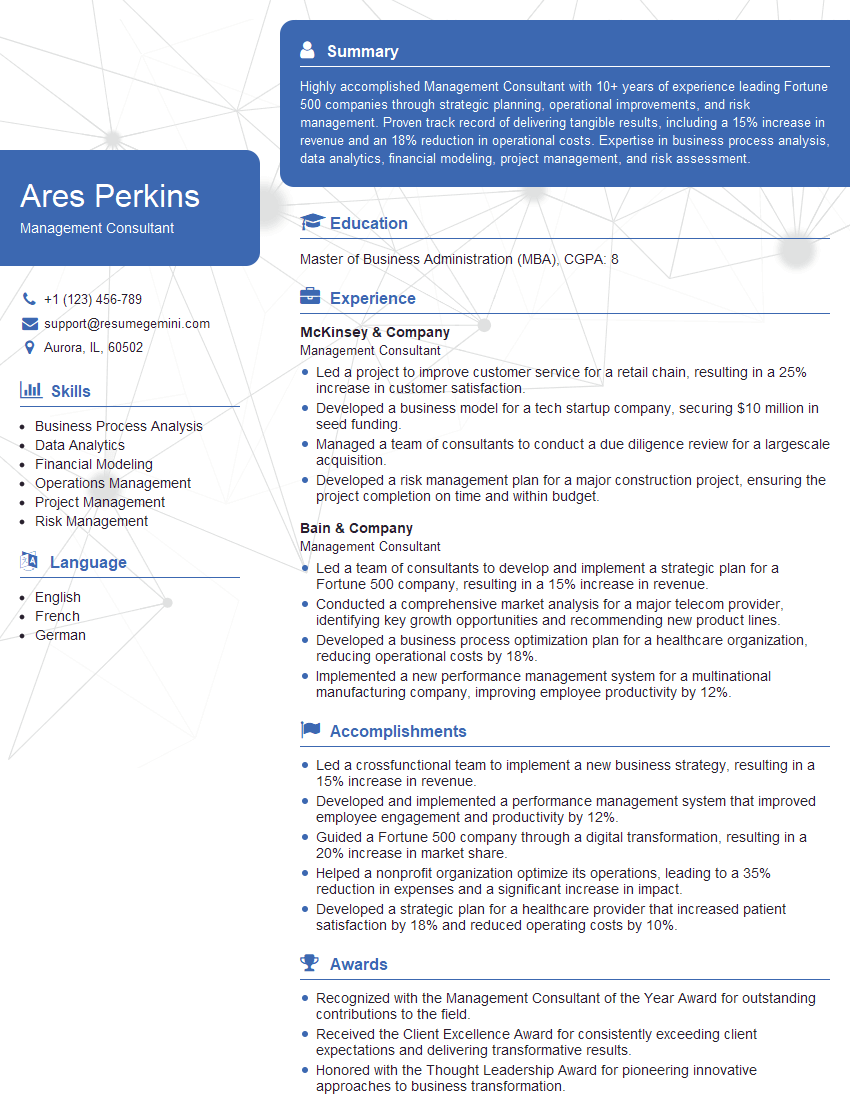
Management Consultant Resume Sample
- Chief Operating Officer (COO)
- Program Manager
- Strategic Planner
- Business Manager
- Operations Director
- Operations Manager
- Product Manager
- Director of Operations
- General Manager
- Supply Chain Manager
- Logistics Manager
- Project Manager
- Compliance Manager
- Business Analyst
- Business Process Analyst
- Management Consultant
Explore more articles
Users Rating of Our Blogs
Share Your Experience
We value your feedback! Please rate our content and share your thoughts (optional).
What Readers Say About Our Blog
Really detailed insights and content, thank you for writing this detailed article.
IT gave me an insight and words to use and be able to think of examples