The thought of an interview can be nerve-wracking, but the right preparation can make all the difference. Explore this comprehensive guide to Business Planning and Management interview questions and gain the confidence you need to showcase your abilities and secure the role.
Questions Asked in Business Planning and Management Interview
Q 1. Describe your experience in developing a comprehensive business plan.
Developing a comprehensive business plan is like creating a detailed roadmap for your company’s journey. It involves a thorough analysis of the market, the competitive landscape, your resources, and your goals. My approach follows a structured framework, typically starting with an executive summary outlining the core business concept and objectives. This is followed by a detailed market analysis, where I delve into target audience identification, market size estimation, and competitor analysis. A crucial section is the company description, which details the legal structure, mission, and vision. Then comes the organization and management section, outlining the team’s expertise and organizational structure. The marketing and sales strategy lays out the plan to reach target customers and generate revenue. The financial projections section is critical, encompassing projected income statements, balance sheets, and cash flow statements. Finally, the appendix holds supporting documents such as market research data or resumes of key personnel. Throughout the process, I ensure all sections are interconnected and reflect a coherent and realistic picture of the business.
For example, in my previous role at Acme Corp, I led the development of a business plan for a new SaaS product. This involved extensive market research to identify the target audience (small-to-medium sized businesses), a competitive analysis of existing players, and detailed financial projections based on different growth scenarios. The plan was instrumental in securing seed funding.
Q 2. How do you prioritize competing business objectives?
Prioritizing competing business objectives requires a strategic approach. I typically use a framework that combines several methods. First, I clearly define all objectives, ensuring they are SMART (Specific, Measurable, Achievable, Relevant, and Time-bound). Then, I use a prioritization matrix, often a weighted scoring system, to evaluate each objective based on its importance and urgency. Factors considered include potential impact on revenue, market share, customer satisfaction, and long-term sustainability. Finally, I leverage a decision-making tool like a decision tree to evaluate potential trade-offs and dependencies between objectives. This structured approach helps avoid paralysis by analysis and ensures resources are allocated effectively.
Imagine a scenario where a company needs to improve customer service, expand its product line, and reduce operational costs simultaneously. Using a prioritization matrix, we might weigh the impact of each on long-term profitability. For example, improving customer service might have a high impact on customer retention and future revenue, thus getting a high score. Reducing costs would be important for sustainability but might have a less immediate impact on revenue. This matrix enables informed decisions and resource allocation to achieve the most critical objectives first.
Q 3. Explain your approach to risk assessment and mitigation in business planning.
Risk assessment and mitigation are integral to robust business planning. My approach involves a systematic process: First, I identify potential risks through brainstorming, SWOT analysis, and reviewing past experiences. These risks can include market changes, competition, financial constraints, technological disruptions, and regulatory changes. Next, I analyze the likelihood and potential impact of each risk. This can be done qualitatively (high, medium, low) or quantitatively (using probabilities and financial modeling). Based on this analysis, I prioritize risks based on their potential impact. Finally, I develop mitigation strategies for each significant risk. These strategies can involve risk avoidance (e.g., not entering a particular market), risk reduction (e.g., implementing quality control measures), risk transfer (e.g., insurance), or risk acceptance (e.g., accepting minor risks with limited impact).
For example, if a new product launch is a key objective and a major risk is potential supply chain disruptions, the mitigation strategy might include sourcing materials from multiple suppliers or building a safety stock. This proactive approach minimizes potential disruptions and helps ensure the success of the launch.
Q 4. What are the key performance indicators (KPIs) you use to measure the success of a business plan?
Key Performance Indicators (KPIs) are crucial for tracking the success of a business plan. The specific KPIs used will depend on the business goals and industry, but some commonly used ones include:
- Financial KPIs: Revenue growth, profit margin, return on investment (ROI), customer acquisition cost (CAC), customer lifetime value (CLTV)
- Marketing KPIs: Website traffic, conversion rates, customer engagement (e.g., social media interactions), brand awareness
- Operational KPIs: Production efficiency, inventory turnover, order fulfillment time, employee productivity
- Customer KPIs: Customer satisfaction (CSAT), Net Promoter Score (NPS), customer churn rate
Regular monitoring of these KPIs allows for timely adjustments to the business plan if needed, ensuring the company stays on track to achieve its objectives. For instance, if the customer churn rate is unexpectedly high, it might signal a need to review the customer service strategy or product quality.
Q 5. How do you utilize market research in your business planning process?
Market research is fundamental to informed business planning. I integrate market research throughout the process, beginning with defining the target market. This involves identifying customer demographics, psychographics, needs, and behaviors. Methods include surveys, focus groups, interviews, and competitive analysis. This initial research helps shape the value proposition and marketing strategy. During the plan development phase, ongoing market research helps refine the product or service, adjust pricing strategies, and understand competitive dynamics. Post-launch, market research aids in monitoring customer feedback, gauging market response, and identifying opportunities for growth or adaptation.
For example, before launching a new food product, we conducted extensive consumer taste tests and surveys to understand preferences and potential market demand. The results directly influenced product formulation, packaging design, and marketing messaging. This proactive approach significantly improved the chances of successful product adoption.
Q 6. Describe a time you had to adapt a business plan due to unforeseen circumstances.
During the launch of a new mobile application, we faced an unexpected surge in demand that overwhelmed our server infrastructure. The initial business plan didn’t account for this rapid growth. We had to quickly adapt by scaling our server capacity and improving our customer support infrastructure. This required reallocating resources, renegotiating contracts with our cloud provider, and investing in additional customer support personnel. We also revised our marketing strategy to manage expectations and prevent further server strain. While initially stressful, this situation demonstrated the importance of flexibility and agile adaptation in business planning. We learned to incorporate contingency plans for unexpected growth and resource allocation adjustments based on real-time data and feedback.
Q 7. Explain your understanding of SWOT analysis and its application in business planning.
SWOT analysis is a crucial framework for strategic planning. It involves identifying a company’s internal Strengths and Weaknesses, and external Opportunities and Threats. Strengths are internal positive attributes (e.g., strong brand reputation, skilled workforce). Weaknesses are internal negative attributes (e.g., lack of resources, outdated technology). Opportunities are external positive factors (e.g., emerging markets, technological advancements). Threats are external negative factors (e.g., intense competition, economic downturn).
By systematically analyzing these four elements, a SWOT analysis provides a comprehensive understanding of the company’s current situation and its potential for future success. This information is then used to develop strategic goals and action plans that leverage strengths, mitigate weaknesses, capitalize on opportunities, and defend against threats. For example, a company with a strong brand reputation (strength) might leverage that to expand into a new market (opportunity).
Q 8. How do you communicate complex business plans to diverse audiences?
Communicating complex business plans effectively requires tailoring the message to the audience’s understanding and needs. I approach this by employing a multi-faceted strategy.
- Identify your audience segments: Executives need high-level summaries and key performance indicators (KPIs), while operational teams require detailed action plans.
- Use clear and concise language: Avoid jargon and technical terms unless the audience is familiar with them. Instead, use analogies and real-world examples to illustrate complex concepts.
- Visual aids are crucial: Charts, graphs, and infographics can simplify complex data and make it easier to grasp. Think of a pie chart illustrating market share or a Gantt chart showcasing project timelines.
- Interactive presentations: Instead of a one-way lecture, consider interactive sessions involving Q&A and group discussions to encourage participation and understanding.
- Prepare multiple versions: Develop concise executive summaries for senior management and more detailed operational plans for teams responsible for implementation.
For example, when presenting a plan to secure a new market, I might use a concise executive summary highlighting potential revenue and market share growth for leadership, and a detailed operational plan with marketing strategies, sales targets and budget allocation for the marketing team.
Q 9. What budgeting and forecasting methods are you familiar with?
I’m proficient in various budgeting and forecasting methods, choosing the most appropriate one based on the business context and data availability. These include:
- Zero-based budgeting: Every budget item is justified from scratch each year, preventing budget creep.
- Incremental budgeting: The previous year’s budget is adjusted for inflation and other anticipated changes.
- Activity-based budgeting: Budgeting is aligned with specific activities and their associated costs.
- Rolling forecasts: Regularly updating forecasts (e.g., monthly or quarterly) to account for changing market conditions.
- Time series analysis: Using historical data to predict future trends, leveraging techniques like moving averages or exponential smoothing.
- Regression analysis: Modeling the relationship between different variables to predict future outcomes, such as revenue based on marketing spend.
For instance, in a startup setting, zero-based budgeting helps ensure efficient allocation of limited resources. In a more established company, incremental budgeting might be suitable for stable business units. For projects with significant uncertainty, a rolling forecast allows for adjustments based on ongoing performance.
Q 10. Explain your approach to resource allocation in a business plan.
My approach to resource allocation is strategic and data-driven. It involves a thorough assessment of:
- Business objectives: Resources are allocated to activities directly supporting the achievement of key strategic goals.
- Resource availability: This includes financial capital, human resources, technology, and time.
- Risk assessment: Potential risks and their impact on resource allocation are considered. Contingency plans might be needed.
- Return on Investment (ROI): Prioritizing projects and initiatives that offer the highest potential ROI.
- Resource constraints: Addressing limitations and optimizing allocation within those constraints.
I often employ tools like weighted scoring models to rank projects based on their alignment with strategic goals, resource requirements and potential ROI. This ensures that the most impactful initiatives receive the necessary resources. For example, if a company’s objective is to expand into a new market, resource allocation will prioritize marketing, sales, and product development for that specific market, even if it means temporarily reducing resources in other areas.
Q 11. How do you ensure the alignment of business plans with overall organizational goals?
Ensuring alignment between business plans and organizational goals requires a top-down and bottom-up approach.
- Start with the overall strategic plan: The business plan must directly support and contribute to the achievement of the company’s overall strategic objectives.
- Cascading goals: Break down organizational goals into smaller, measurable objectives for different departments and teams.
- Regular monitoring and review: Track progress towards goals and make adjustments to the business plan as needed. This could involve regular meetings and progress reports.
- Communication and collaboration: Foster open communication between departments and teams to ensure alignment and understanding. This involves regular communication and feedback loops.
- Key Performance Indicators (KPIs): Define clear KPIs to measure progress against both business plan objectives and overall organizational goals.
For example, if the overarching organizational goal is to increase market share, individual business unit plans would need to include specific strategies and targets for gaining market share within their respective areas. Regular reporting on KPIs such as new customer acquisition and market penetration would be critical to ensure alignment and track progress.
Q 12. Describe your experience with financial modeling and analysis.
I have extensive experience with financial modeling and analysis, utilizing various tools and techniques to support strategic decision-making. My expertise includes:
- Developing financial models: Creating detailed models that project revenue, expenses, and profitability under various scenarios.
- Sensitivity analysis: Assessing the impact of changes in key assumptions on financial performance.
- Scenario planning: Modeling different future scenarios to anticipate potential risks and opportunities.
- DCF analysis: Using discounted cash flow analysis to evaluate the long-term value of investments and projects.
- Ratio analysis: Analyzing key financial ratios to assess the financial health and performance of the business.
For example, I recently built a comprehensive financial model for a client planning to launch a new product line, projecting revenue, costs, and profitability over a five-year period. This involved conducting sensitivity analysis to identify the most critical factors affecting profitability and developing contingency plans to address potential risks, such as supply chain disruptions or slower-than-anticipated market adoption.
Q 13. How do you measure the return on investment (ROI) of a business initiative?
Measuring the ROI of a business initiative requires a clear understanding of both the costs and benefits involved. The formula is simple: ROI = (Net Profit / Cost of Investment) x 100%. However, accurately measuring ROI often requires a more nuanced approach:
- Define quantifiable metrics: Clearly define the specific costs and benefits associated with the initiative. This might involve direct costs (e.g., marketing, development) and indirect costs (e.g., opportunity cost). Benefits might include increased sales, improved efficiency, or cost reduction.
- Track key performance indicators (KPIs): Monitor KPIs that directly reflect the impact of the initiative. These should be linked to the defined benefits.
- Consider time value of money: Use discounted cash flow (DCF) analysis for long-term initiatives to account for the time value of money.
- Account for intangible benefits: While difficult to quantify, intangible benefits (e.g., brand enhancement, improved employee morale) should still be considered qualitatively.
For instance, when evaluating the ROI of a new marketing campaign, I would track metrics such as website traffic, lead generation, conversion rates, and ultimately, increased sales. I would then compare these benefits against the campaign’s costs (advertising, design, personnel) to calculate the overall ROI. The calculation might also take into account the time value of money if the benefits are realized over a longer period.
Q 14. What is your approach to change management within a business planning context?
Change management within a business planning context is crucial for successful implementation. My approach integrates the following elements:
- Communicate the ‘why’: Clearly articulate the reasons for the change and its benefits for employees, the business, and customers. Address concerns and anxieties proactively.
- Involve stakeholders: Engage key stakeholders early in the change process to obtain their input and secure their buy-in.
- Develop a detailed change plan: Outline the specific steps involved in implementing the change, timelines, responsibilities, and resource allocation.
- Provide training and support: Offer adequate training and ongoing support to employees to equip them with the skills and knowledge needed to adapt to the changes.
- Monitor and adapt: Continuously monitor the implementation process, assess its effectiveness, and make necessary adjustments.
- Celebrate successes: Recognize and reward individuals and teams who contribute to the successful implementation of the change.
For example, during a company-wide restructuring, I would start by explaining the strategic reasons for the change, emphasizing the long-term benefits and addressing any potential job security concerns. I would then engage affected teams in the planning process, providing opportunities for input and feedback. Through effective communication and support, I would build confidence and facilitate the transition, thereby minimizing disruption and maximizing the chances of a smooth and successful implementation.
Q 15. How do you identify and leverage opportunities for growth and innovation?
Identifying and leveraging growth and innovation opportunities requires a multifaceted approach. It begins with a deep understanding of your current market position, your strengths and weaknesses, and the emerging trends within your industry. This involves both internal and external analyses.
Internal Analysis: This focuses on evaluating your existing resources, capabilities, and processes. For example, identifying underutilized equipment, specialized skills within your team, or efficient operational procedures can unlock new opportunities. We can use SWOT analysis (Strengths, Weaknesses, Opportunities, Threats) to systematically organize this information.
External Analysis: This involves researching market trends, competitive landscapes, and technological advancements. Tools like PESTLE analysis (Political, Economic, Social, Technological, Legal, Environmental) help identify external factors that could present opportunities or threats. For instance, noticing a growing demand for sustainable products could lead to developing eco-friendly alternatives.
Leveraging Opportunities: Once opportunities are identified, a structured approach is crucial. This includes:
- Prioritization: Not all opportunities are equal. Prioritize based on potential return, alignment with strategic goals, and resource availability.
- Resource Allocation: Allocate appropriate resources (financial, human, technological) to pursue the prioritized opportunities.
- Innovation: Foster a culture of innovation and experimentation. Encourage brainstorming sessions, invest in R&D, and explore partnerships to develop novel solutions.
- Implementation: Develop detailed action plans with clear timelines and responsibilities to effectively execute the chosen opportunities.
Example: In my previous role, we identified an untapped market segment through market research. By reallocating resources and investing in a new product line tailored to this segment, we achieved a 20% increase in revenue within a year.
Career Expert Tips:
- Ace those interviews! Prepare effectively by reviewing the Top 50 Most Common Interview Questions on ResumeGemini.
- Navigate your job search with confidence! Explore a wide range of Career Tips on ResumeGemini. Learn about common challenges and recommendations to overcome them.
- Craft the perfect resume! Master the Art of Resume Writing with ResumeGemini’s guide. Showcase your unique qualifications and achievements effectively.
- Don’t miss out on holiday savings! Build your dream resume with ResumeGemini’s ATS optimized templates.
Q 16. Explain your understanding of competitive analysis and its impact on business strategy.
Competitive analysis is a systematic process of studying your competitors to understand their strengths, weaknesses, strategies, and market positioning. It’s crucial for developing a robust business strategy because it allows you to identify opportunities, mitigate threats, and gain a competitive advantage. A thorough competitive analysis goes beyond just listing competitors; it delves into their business models, pricing strategies, marketing approaches, and customer base.
Impact on Business Strategy: A well-executed competitive analysis directly influences various aspects of your business strategy, including:
- Market Positioning: Understanding your competitors’ positioning helps define your unique value proposition and target audience more effectively.
- Product Development: By analyzing competitors’ offerings, you can identify gaps in the market and develop innovative products or services that meet unmet needs.
- Pricing Strategy: Analyzing competitor pricing can help you determine optimal pricing strategies that are both competitive and profitable.
- Marketing & Sales: You can tailor your marketing messages and sales strategies to resonate with your target audience and differentiate your offerings from the competition.
- Strategic Partnerships: Competitive analysis can help you identify potential partners or collaborators.
Methods for Competitive Analysis: Tools like Porter’s Five Forces and SWOT analysis are valuable in this process. Gathering data through market research, competitor websites, social media, and industry reports is crucial. Direct observation of competitor activities, customer feedback, and analyzing financial statements can also provide valuable insights.
Example: In a previous project, by analyzing a competitor’s marketing campaign, we identified a weakness in their customer service approach. We leveraged this insight to strengthen our own customer service strategy, gaining a significant competitive advantage.
Q 17. How do you track and measure the progress of a business plan?
Tracking and measuring the progress of a business plan is essential for ensuring its success and making necessary adjustments along the way. This involves establishing Key Performance Indicators (KPIs) and regularly monitoring them against predetermined targets.
Key Performance Indicators (KPIs): These are specific, measurable, achievable, relevant, and time-bound (SMART) metrics that reflect the progress towards achieving business goals. Examples include:
- Financial KPIs: Revenue, profit margins, customer acquisition cost, return on investment (ROI)
- Marketing KPIs: Website traffic, social media engagement, conversion rates, brand awareness
- Operational KPIs: Production efficiency, customer satisfaction, employee turnover, defect rates
Monitoring and Measurement: Regularly collect data on these KPIs using various tools and techniques. This might involve using dashboards, spreadsheets, CRM systems, or dedicated business intelligence software. Compare actual results against your projected targets, identifying variances and analyzing their causes.
Reporting and Analysis: Regularly generate reports that summarize the progress against KPIs. Analyze the data to identify trends, successes, and areas needing improvement. This helps inform data-driven decision making, allowing for adjustments to the business plan as needed.
Example: In a previous engagement, we tracked monthly revenue, customer acquisition cost, and customer satisfaction scores. We used these metrics to identify that our marketing campaign wasn’t as effective as anticipated, leading us to revise our strategy and allocate resources more efficiently.
Q 18. Describe your experience with project management methodologies.
I have extensive experience with various project management methodologies, including Agile, Waterfall, and Kanban. My choice of methodology depends heavily on the project’s nature, complexity, and the client’s preferences.
Waterfall: This is a linear, sequential approach, best suited for projects with well-defined requirements and minimal anticipated changes. Each phase (requirements, design, implementation, testing, deployment) must be completed before moving on to the next. It’s excellent for large-scale projects where predictability is paramount.
Agile: This iterative approach emphasizes flexibility and collaboration. It works well for projects with evolving requirements, allowing for adjustments throughout the development process. Scrum is a popular Agile framework that uses short sprints to deliver incremental value.
Kanban: This visual system focuses on workflow management and limiting work in progress. It’s ideal for managing ongoing projects with continuous delivery. It’s particularly effective in scenarios requiring adaptability and quick response to changing priorities.
My Approach: I typically blend methodologies based on the specific project needs. For instance, I might use Agile principles for developing a new product while using Kanban to manage the ongoing operational tasks. My expertise lies in adapting and tailoring methodologies to maximize efficiency and achieve project goals. I leverage project management software like Jira and Asana for task management, collaboration, and progress tracking.
Q 19. How do you handle conflicting priorities in business planning?
Handling conflicting priorities in business planning requires a structured and strategic approach. It’s about making informed decisions based on available resources and aligning actions with overall strategic objectives.
Prioritization Frameworks: Several frameworks can aid in this process:
- Eisenhower Matrix (Urgent/Important): Categorizes tasks based on urgency and importance, helping to prioritize critical tasks over less important ones.
- MoSCoW Method: Classifies requirements as Must have, Should have, Could have, and Won’t have, allowing for strategic prioritization based on value.
- Value vs. Effort Matrix: Plots tasks based on their value and the effort required to complete them, guiding you to focus on high-value, low-effort tasks first.
Steps to Address Conflicting Priorities:
- Clearly Define Goals: Ensure everyone understands the overarching business goals and how individual tasks contribute to them.
- Assess Impact: Evaluate the potential impact of each task on achieving the overall goals.
- Resource Allocation: Consider available resources (time, budget, personnel) when prioritizing tasks.
- Negotiation and Collaboration: Involve stakeholders in the prioritization process to ensure buy-in and manage expectations.
- Trade-offs: Be prepared to make trade-offs. Sometimes, deferring or eliminating less critical tasks is necessary.
- Regular Review: Regularly review priorities as circumstances change and new information becomes available.
Example: In a previous project, we used the MoSCoW method to prioritize features for a new software release, ensuring that essential functionalities were delivered first while deferring less critical ones to future releases.
Q 20. Explain your experience with data analysis and its role in decision-making.
Data analysis plays a vital role in informed decision-making within business planning. It involves collecting, cleaning, analyzing, and interpreting data to gain insights that inform strategic choices. The process starts with identifying the key questions that need answering and then selecting appropriate data sources.
Data Sources: These can range from internal sources like sales data, financial reports, and customer databases to external sources such as market research reports, industry benchmarks, and economic indicators. Tools like SQL, Excel, and specialized data analytics software are utilized for data manipulation and analysis.
Analytical Techniques: Various techniques are employed, depending on the data and the questions being asked. These include descriptive statistics (mean, median, mode), regression analysis (predicting outcomes), time series analysis (identifying trends), and data visualization (creating charts and graphs for clear communication).
Role in Decision-Making: Data analysis provides evidence-based insights that mitigate risks and enhance the probability of successful outcomes. It enables:
- Identifying Trends: Spotting emerging market trends, customer preferences, and operational inefficiencies.
- Predictive Modeling: Forecasting future outcomes, such as sales revenue or customer churn.
- Performance Measurement: Tracking key performance indicators and measuring the effectiveness of initiatives.
- Risk Assessment: Identifying potential risks and developing mitigation strategies.
Example: In a previous role, we used regression analysis to predict future demand for our products, enabling us to optimize inventory management and prevent stockouts.
Q 21. How do you stay updated on industry trends and best practices in business planning?
Staying updated on industry trends and best practices in business planning is crucial for maintaining a competitive edge. My approach involves a combination of strategies:
- Industry Publications and Journals: Regularly reading industry-specific publications and academic journals keeps me informed about the latest research, innovations, and regulatory changes.
- Conferences and Workshops: Attending industry conferences and workshops provides opportunities to learn from experts, network with peers, and discover new trends.
- Online Resources and Webinars: Utilizing online resources, such as industry websites, blogs, and webinars, allows for continuous learning and staying abreast of the latest developments.
- Networking: Building and maintaining a strong professional network provides access to valuable insights and perspectives.
- Professional Development Courses: Participating in professional development courses and certifications helps to maintain and enhance my skills and knowledge.
- Following Key Influencers: Following thought leaders and key influencers in the business planning field on social media and other platforms provides access to timely insights and updates.
Example: Recently, I attended a conference on digital transformation, which significantly enhanced my understanding of how emerging technologies are impacting business strategies. This knowledge has directly informed my recommendations for several recent clients.
Q 22. Describe your approach to creating a compelling vision and strategy.
Creating a compelling vision and strategy is a crucial first step in any successful business endeavor. It’s about painting a picture of the future that inspires and motivates everyone involved. My approach involves a multi-step process:
- Understanding the landscape: This starts with thorough market research, competitive analysis, and an internal assessment of our strengths and weaknesses. I use tools like SWOT analysis (Strengths, Weaknesses, Opportunities, Threats) to gain a holistic view.
- Defining the vision: The vision statement should be concise, aspirational, and clearly articulate the desired future state. It’s not just about what we do, but *why* we do it and the impact we aim to make. For example, instead of ‘We sell software,’ a stronger vision might be ‘We empower businesses to achieve operational excellence through innovative software solutions.’
- Developing the strategy: This involves outlining the specific actions needed to achieve the vision. This includes identifying target markets, defining value propositions, choosing a competitive strategy (cost leadership, differentiation, focus), and outlining key performance indicators (KPIs) to track progress.
- Communication and alignment: The vision and strategy must be effectively communicated to all stakeholders. This often involves workshops, presentations, and ongoing dialogue to ensure everyone understands their role in achieving the overarching goals. A well-defined vision and strategy serve as a roadmap, guiding decision-making and resource allocation.
For instance, in a previous role, we used this process to reposition a struggling company. By focusing on a niche market and developing a unique value proposition, we were able to revitalize the business and achieve significant growth within two years.
Q 23. How do you build consensus and buy-in for a new business initiative?
Building consensus and buy-in requires strong communication, empathy, and a collaborative approach. It’s not about imposing a decision, but rather building a shared understanding and ownership of the initiative.
- Involve stakeholders early: Engage key individuals from different departments and levels early in the process to gather input and address concerns proactively. This participatory approach fosters a sense of ownership.
- Present a compelling case: Clearly articulate the problem, the proposed solution, the potential benefits, and the risks involved. Use data and evidence to support your claims, making the case as objective and transparent as possible.
- Address concerns and objections: Be prepared to answer questions and address concerns openly and honestly. Showing empathy and acknowledging different perspectives builds trust and strengthens the collaborative environment.
- Iterate and refine: The initial plan may need adjustments based on feedback received. Demonstrate flexibility and a willingness to incorporate valuable suggestions.
- Celebrate successes: Acknowledge and celebrate milestones along the way to reinforce the positive momentum and reinforce the value of collaborative efforts.
In a previous project, I facilitated a series of workshops to gain buy-in for a new CRM system. By actively involving users in the selection process and addressing their concerns about usability and training, we achieved a high level of adoption and user satisfaction.
Q 24. What is your experience with performance improvement initiatives?
I have extensive experience leading and participating in performance improvement initiatives, employing both Lean and Six Sigma methodologies. My approach focuses on data-driven analysis, process optimization, and continuous improvement.
- Identify bottlenecks: Using tools like process mapping and value stream mapping, we pinpoint areas where inefficiencies exist. This often involves analyzing data, interviewing stakeholders, and observing processes firsthand.
- Root cause analysis: Once bottlenecks are identified, we delve into the underlying causes using tools such as the 5 Whys or Fishbone diagrams. This ensures that we address the core issues rather than just the symptoms.
- Develop and implement solutions: Based on our findings, we develop and implement solutions designed to eliminate waste, reduce errors, and improve efficiency. This might involve redesigning processes, implementing new technologies, or providing additional training.
- Monitor and measure results: We carefully track key performance indicators (KPIs) to measure the effectiveness of the implemented solutions and make adjustments as needed. This iterative approach ensures continuous improvement.
For example, in a previous engagement, we used Lean principles to streamline a manufacturing process, resulting in a 20% reduction in production time and a 15% increase in output.
Q 25. Explain your understanding of different business models (e.g., B2B, B2C).
Understanding different business models is fundamental to developing a successful business plan. B2B (Business-to-Business) and B2C (Business-to-Consumer) are two common models, each with its own characteristics.
- B2B: In a B2B model, businesses sell products or services to other businesses. This often involves longer sales cycles, more complex negotiations, and a focus on building long-term relationships. Examples include software companies selling enterprise solutions or wholesalers supplying goods to retailers.
- B2C: In a B2C model, businesses sell products or services directly to consumers. This typically involves shorter sales cycles, broader marketing strategies, and a focus on creating a positive customer experience. Examples include e-commerce businesses, retail stores, and restaurants.
Beyond B2B and B2C, other models exist, such as B2G (Business-to-Government), C2C (Consumer-to-Consumer), and various hybrid models. The choice of business model depends on the nature of the product or service, the target market, and the overall business strategy. A thorough understanding of the chosen model is critical for effective planning and execution.
Q 26. How do you ensure the sustainability of a business plan in a dynamic market?
Ensuring the sustainability of a business plan in a dynamic market requires agility, adaptability, and a proactive approach to change management. This involves:
- Scenario planning: Develop multiple scenarios based on different potential market conditions, considering factors such as economic shifts, technological advancements, and changes in consumer behavior. This allows for proactive adaptation.
- Regular monitoring and review: The business plan should not be a static document. Regularly review key assumptions, performance indicators, and market trends to identify potential issues and adjust the strategy as needed.
- Data-driven decision making: Use market research, sales data, and customer feedback to inform decisions. Avoid relying solely on intuition or gut feeling.
- Innovation and diversification: Continuously seek opportunities for innovation and diversification to reduce dependence on any single product, market, or customer. This resilience is crucial for long-term sustainability.
- Building a strong team: A flexible, adaptable team is crucial. Invest in employee training and development to ensure the organization can respond to changing circumstances.
For example, a company facing a disruptive technology might need to pivot its strategy, investing in research and development to incorporate the new technology or find alternative solutions.
Q 27. Describe your experience working with cross-functional teams in a business planning context.
Working with cross-functional teams is essential in business planning. It leverages the diverse expertise and perspectives necessary for creating a holistic and effective plan. My approach emphasizes:
- Clear communication and objectives: Establish clear communication channels and ensure that all team members understand the overall goals and their individual roles. Regular meetings and progress updates are crucial.
- Shared understanding: Facilitate a shared understanding of the business context, market dynamics, and strategic objectives. This avoids misunderstandings and ensures everyone is working towards the same goals.
- Conflict resolution: Address conflicts and disagreements constructively. Encourage open dialogue and find solutions that meet the needs of all stakeholders.
- Collaboration tools: Utilize project management tools and collaborative platforms to track progress, share information, and facilitate efficient communication.
- Recognition and appreciation: Acknowledge the contributions of each team member and celebrate successes. This fosters a positive and collaborative environment.
In a recent project involving the launch of a new product, I led a cross-functional team comprising marketing, sales, product development, and operations. Through collaborative planning and effective communication, we successfully launched the product on time and within budget.
Q 28. Explain your approach to presenting business plans to senior management.
Presenting a business plan to senior management requires a clear, concise, and compelling narrative that demonstrates a thorough understanding of the market, the opportunity, and the proposed strategy. My approach includes:
- Executive summary: Begin with a concise executive summary highlighting the key takeaways of the plan. This provides an overview for busy executives.
- Visual aids: Use charts, graphs, and other visual aids to present data effectively. This makes the information easier to understand and remember.
- Focus on key metrics: Highlight key performance indicators (KPIs) and financial projections to demonstrate the potential return on investment (ROI).
- Risk assessment: Address potential risks and challenges and outline mitigation strategies. This demonstrates foresight and preparedness.
- Call to action: Clearly state the desired outcome and the next steps. This provides a clear path forward.
- Practice and rehearsal: Rehearse the presentation beforehand to ensure a smooth and confident delivery.
I tailor my presentation style to the audience, using language and examples that resonate with senior management. I also welcome questions and engage in open discussions to ensure a clear understanding of the plan and its implications.
Key Topics to Learn for Business Planning and Management Interview
- Strategic Planning: Understanding the process of defining long-term goals, analyzing market trends, and developing strategies to achieve competitive advantage. Practical application: Developing a market entry strategy for a new product.
- Financial Management: Mastering budgeting, forecasting, financial statement analysis, and resource allocation. Practical application: Analyzing a company’s profitability and recommending cost-cutting measures.
- Operations Management: Understanding process optimization, supply chain management, and quality control. Practical application: Improving efficiency in a production process to reduce waste.
- Marketing & Sales Strategies: Developing effective marketing plans, understanding target markets, and managing sales teams. Practical application: Creating a marketing campaign to launch a new service.
- Risk Management & Mitigation: Identifying potential risks, assessing their impact, and developing mitigation strategies. Practical application: Developing a contingency plan for a potential supply chain disruption.
- Project Management: Planning, executing, monitoring, and closing projects efficiently and effectively. Practical application: Managing the launch of a new product within budget and timeline.
- Team Management & Leadership: Motivating and leading teams, fostering collaboration, and resolving conflicts. Practical application: Delegating tasks effectively and providing constructive feedback to team members.
- Data Analysis & Interpretation: Utilizing data to inform decision-making, identify trends, and measure performance. Practical application: Analyzing sales data to identify areas for improvement.
Next Steps
Mastering Business Planning and Management is crucial for career advancement, opening doors to leadership roles and significantly impacting organizational success. To maximize your job prospects, invest in crafting an ATS-friendly resume that highlights your skills and experience effectively. ResumeGemini is a trusted resource to help you build a professional and impactful resume, ensuring your application stands out. Examples of resumes tailored to Business Planning and Management are available to guide you. Take the next step in your career journey – build a winning resume today!
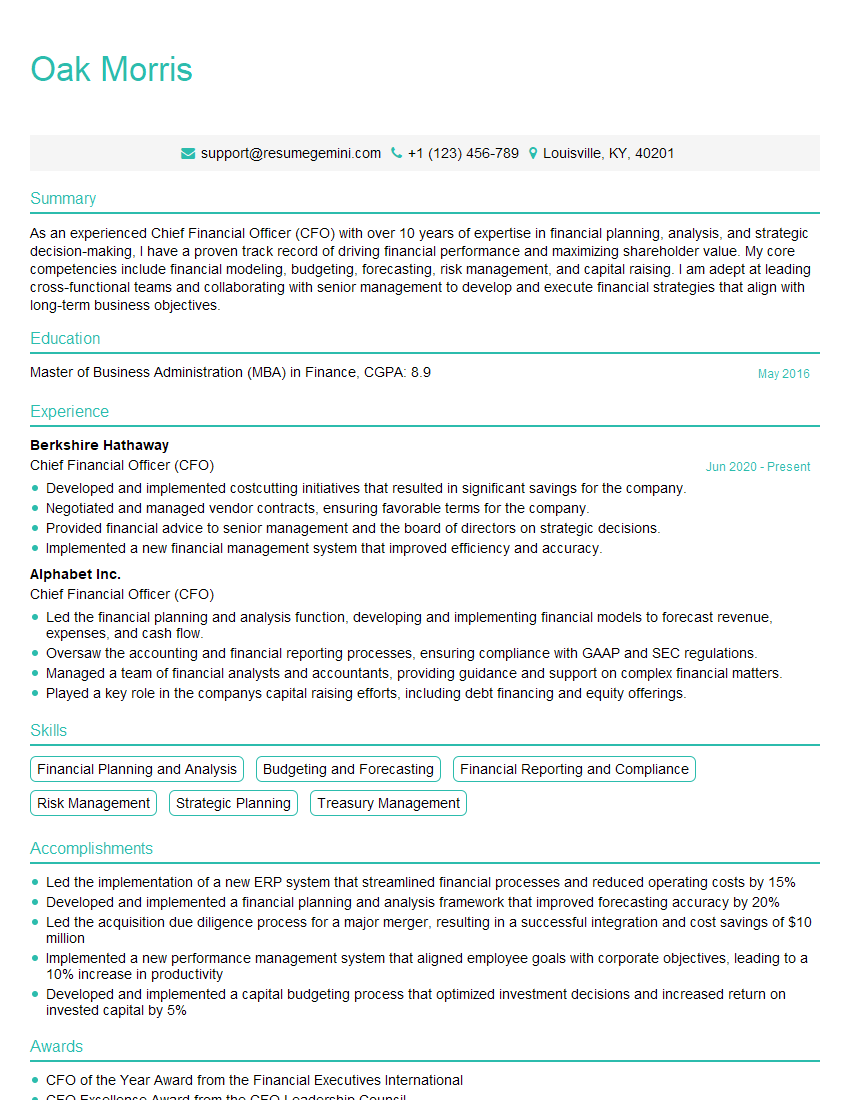
Chief Financial Officer (CFO) Resume Sample
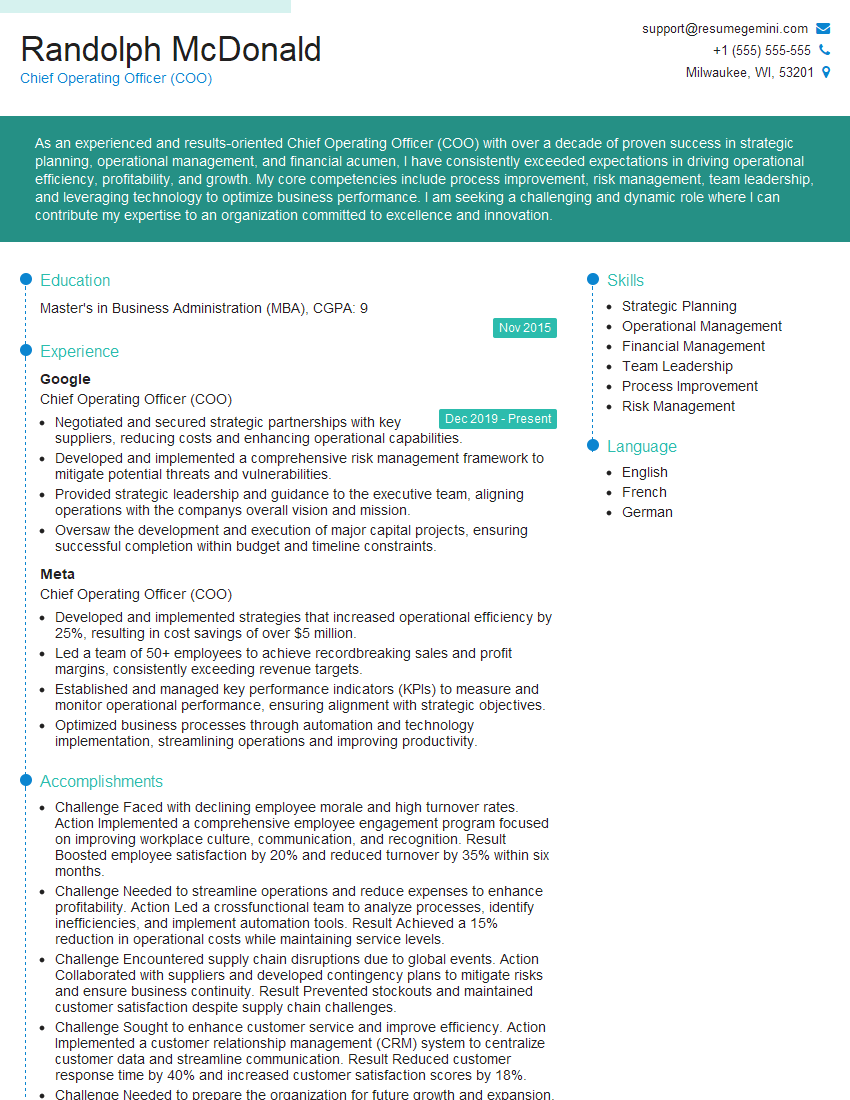
Chief Operating Officer (COO) Resume Sample
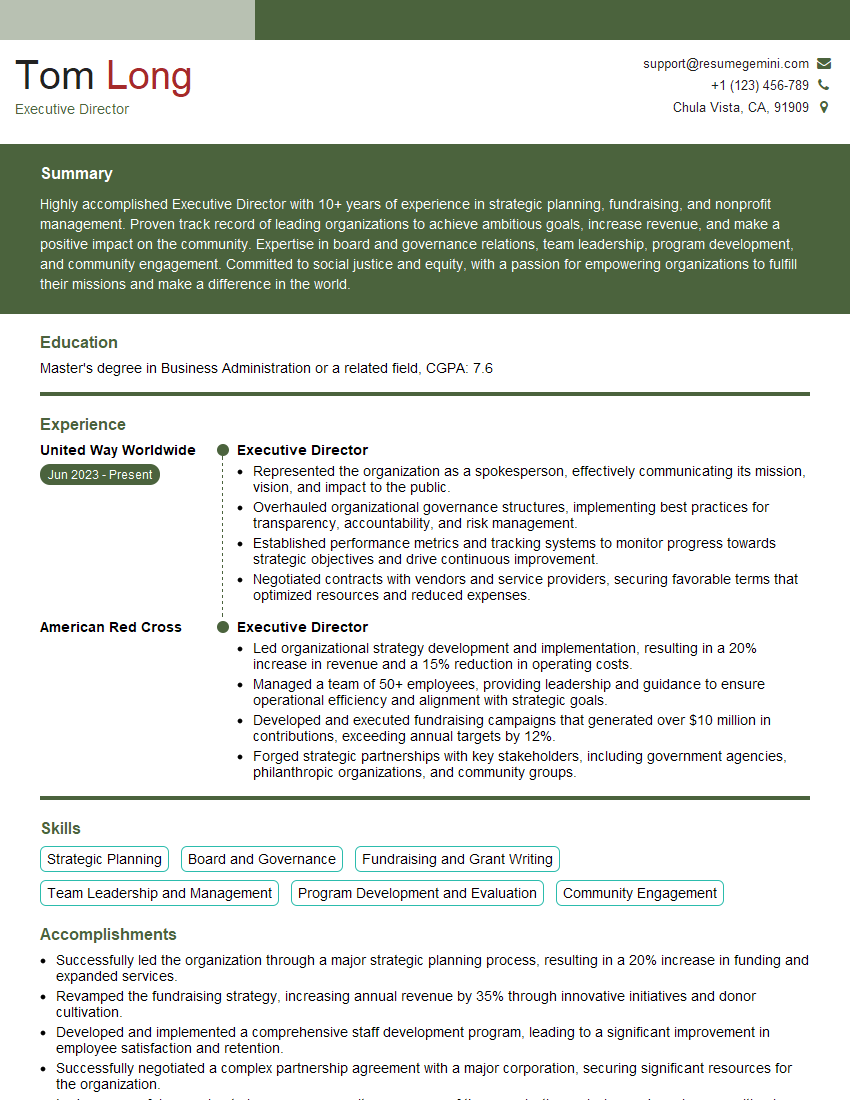
Executive Director Resume Sample
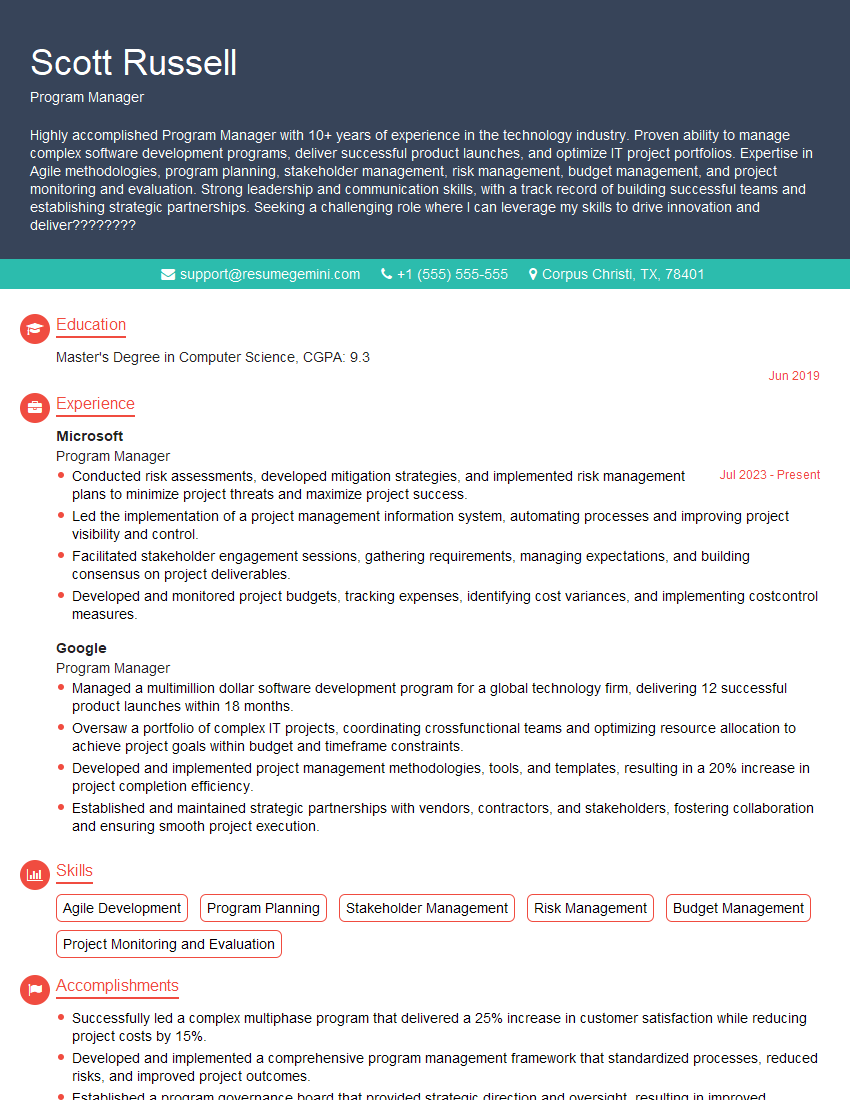
Program Manager Resume Sample
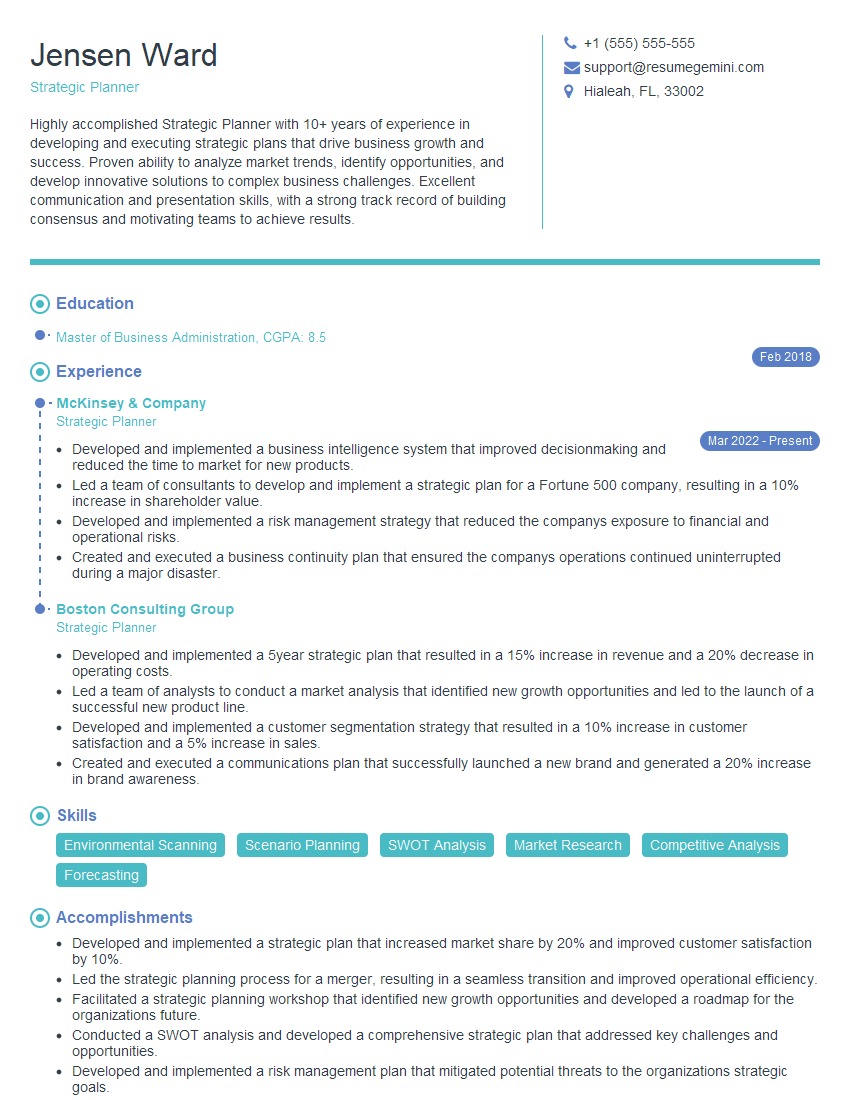
Strategic Planner Resume Sample

Operations Manager Resume Sample
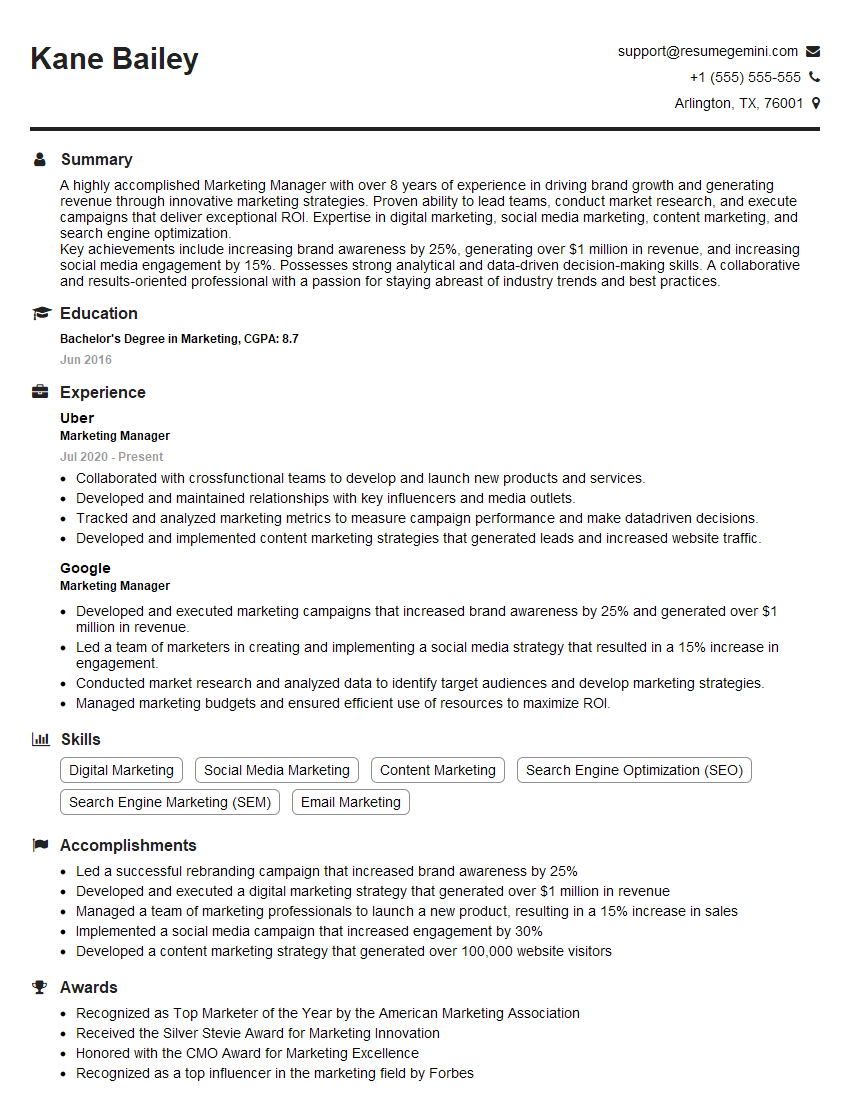
Marketing Manager Resume Sample
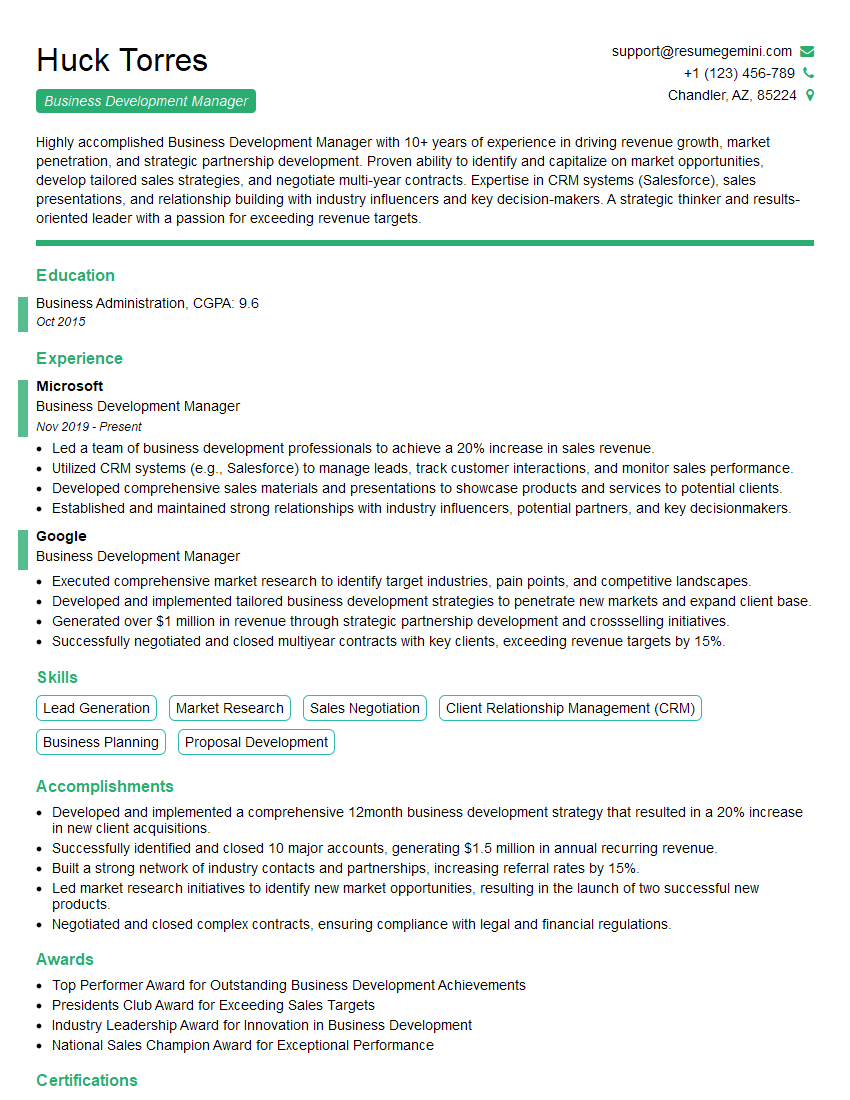
Business Development Manager Resume Sample
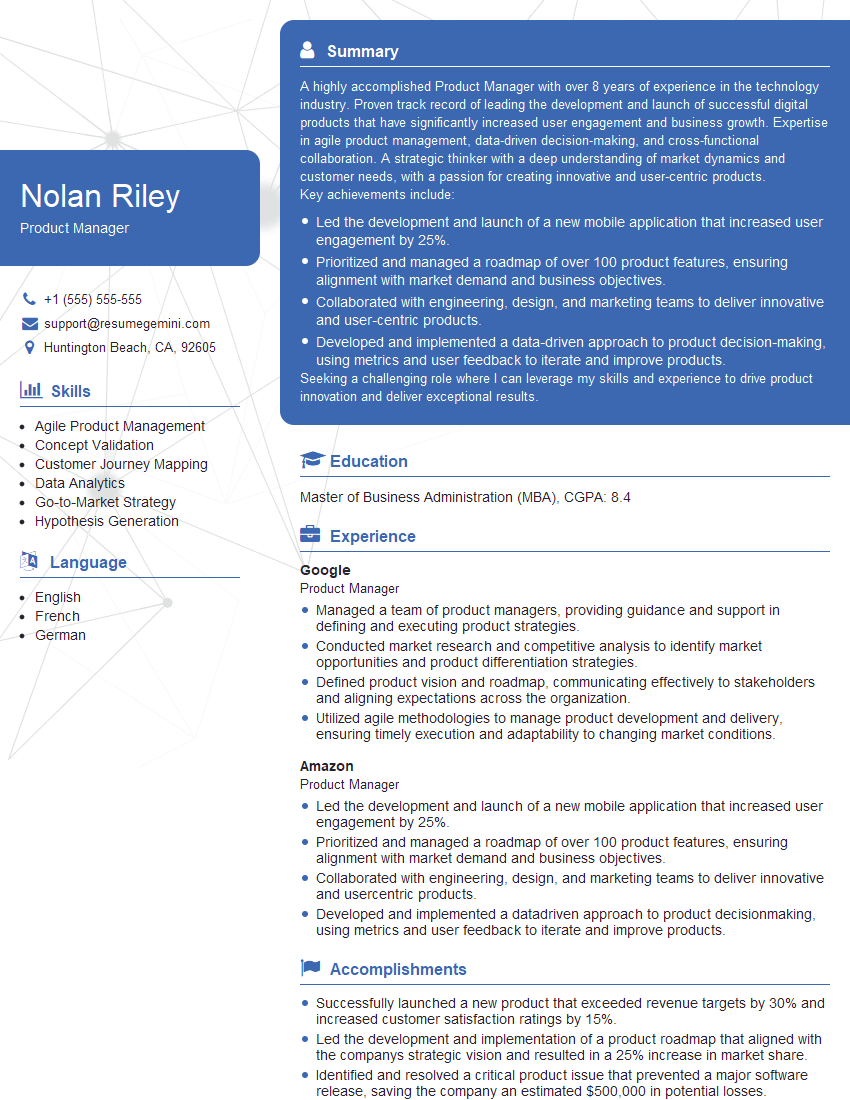
Product Manager Resume Sample
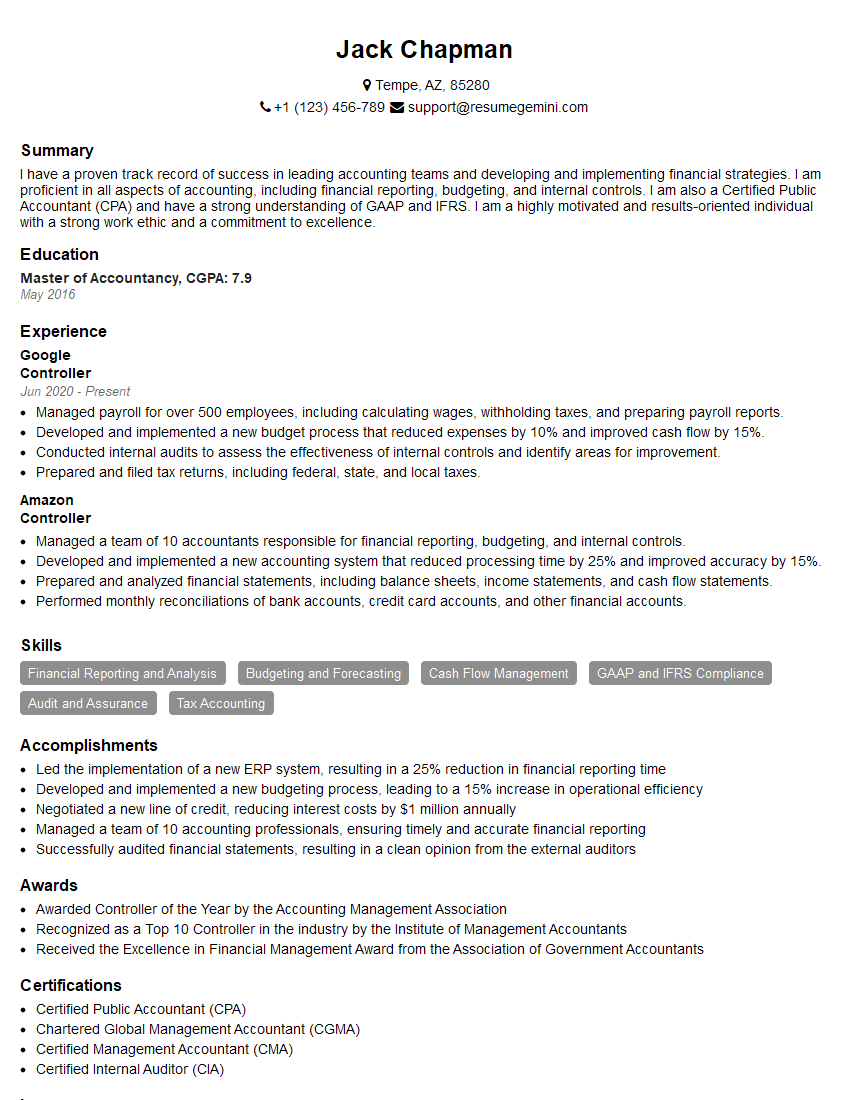
Controller Resume Sample
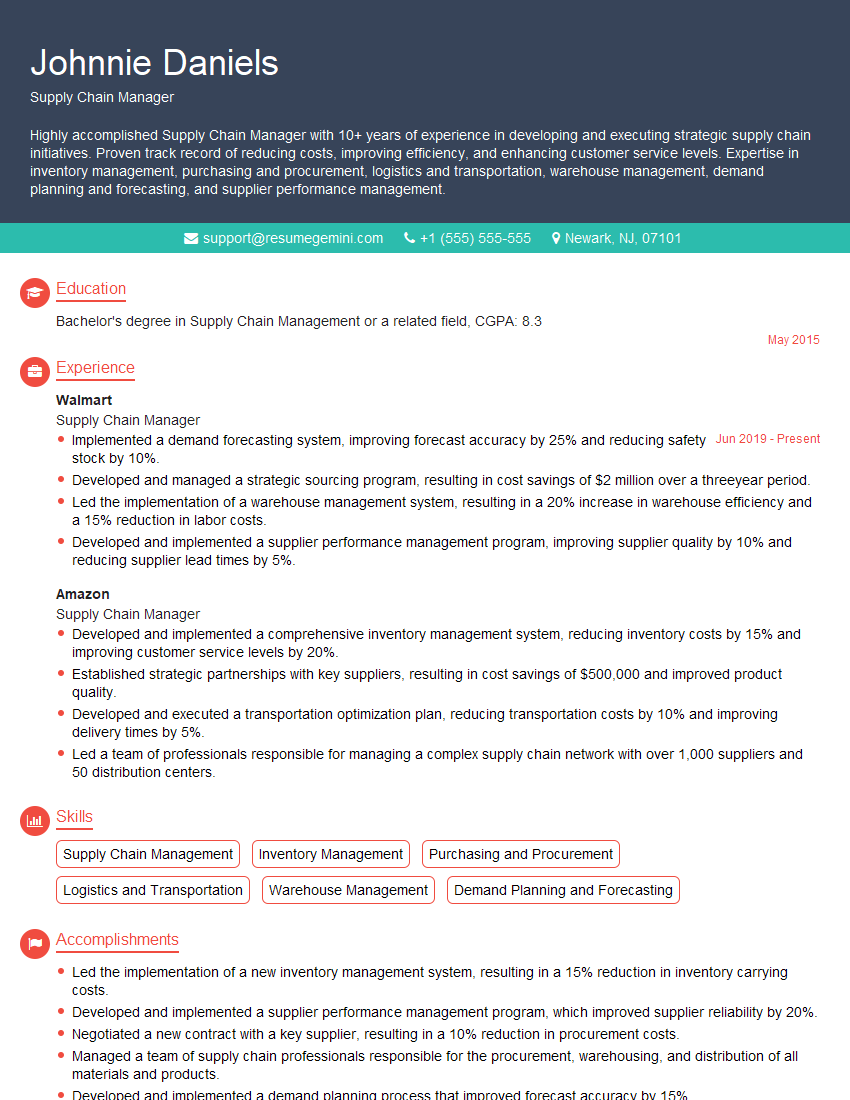
Supply Chain Manager Resume Sample

Project Manager Resume Sample
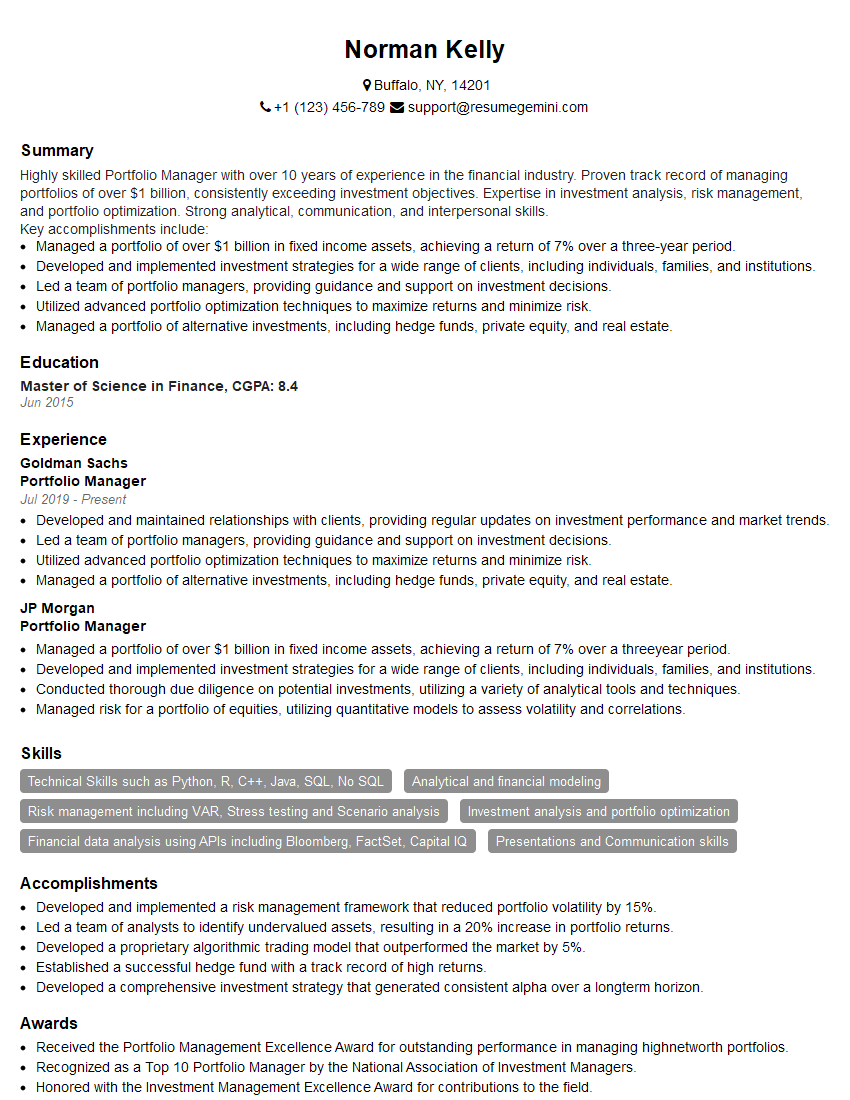
Portfolio Manager Resume Sample
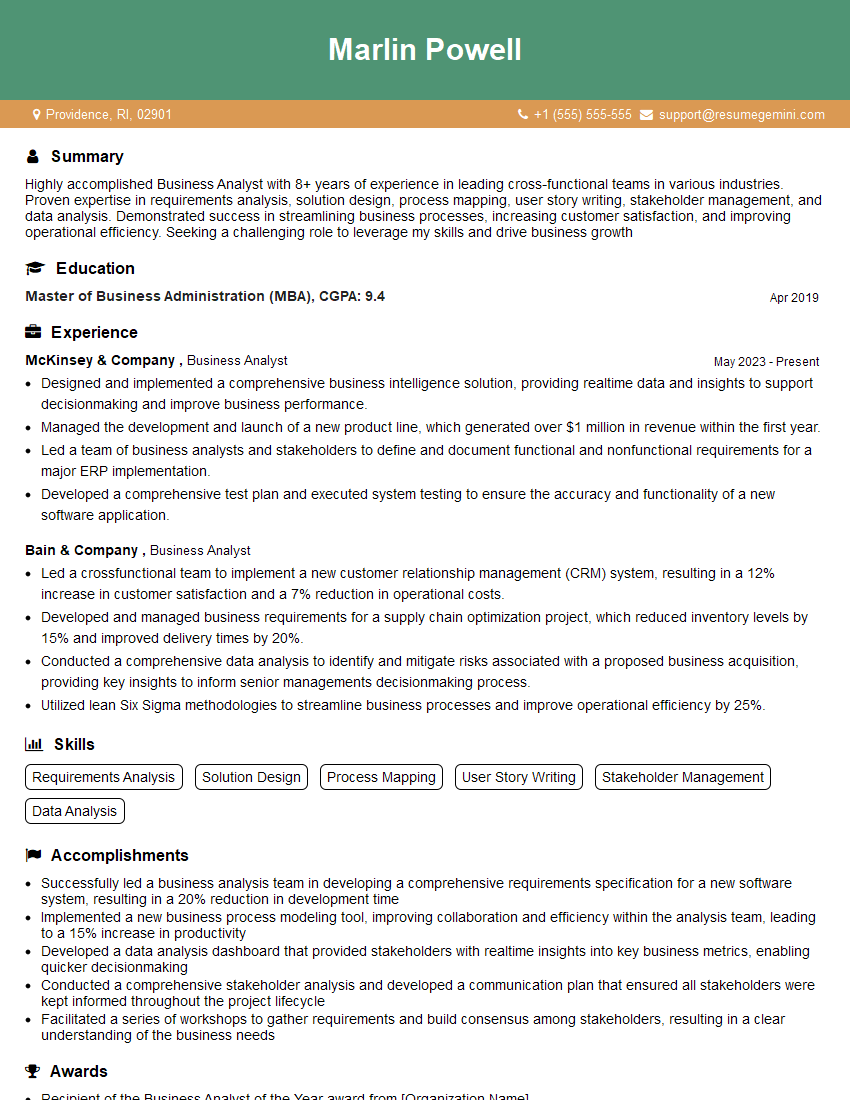
Business Analyst Resume Sample
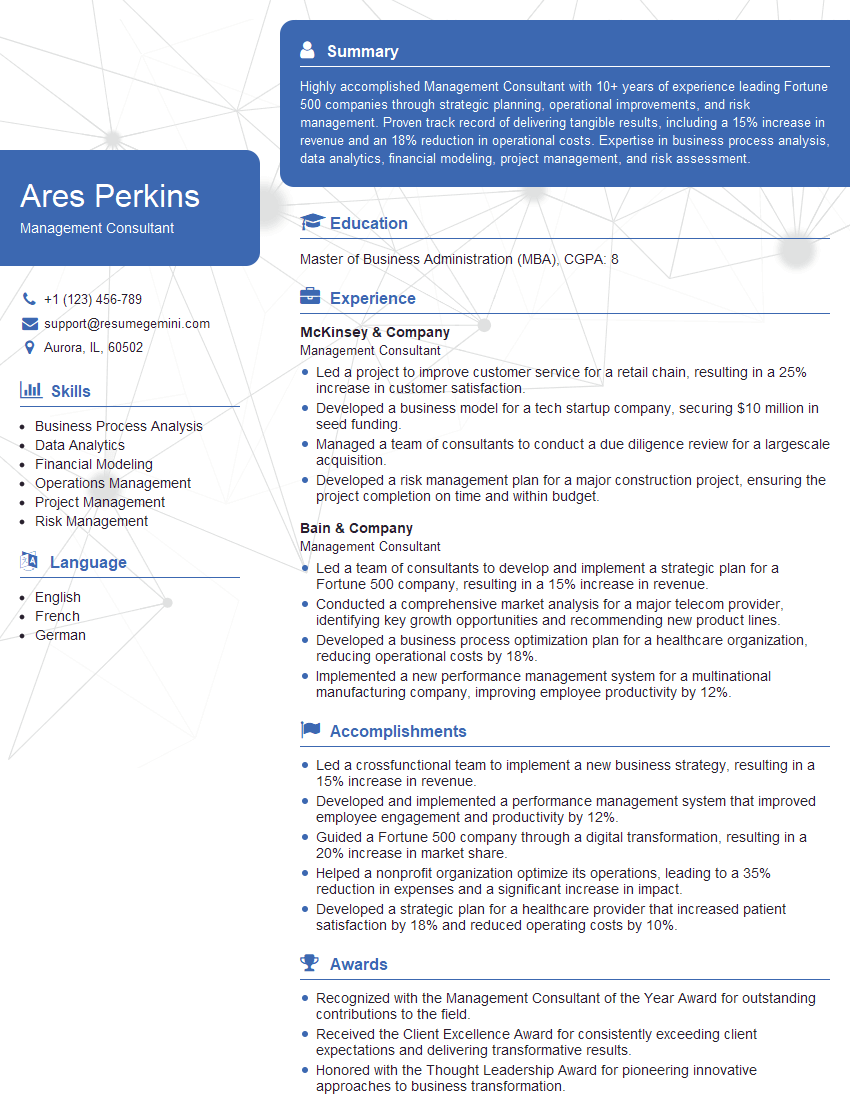
Management Consultant Resume Sample
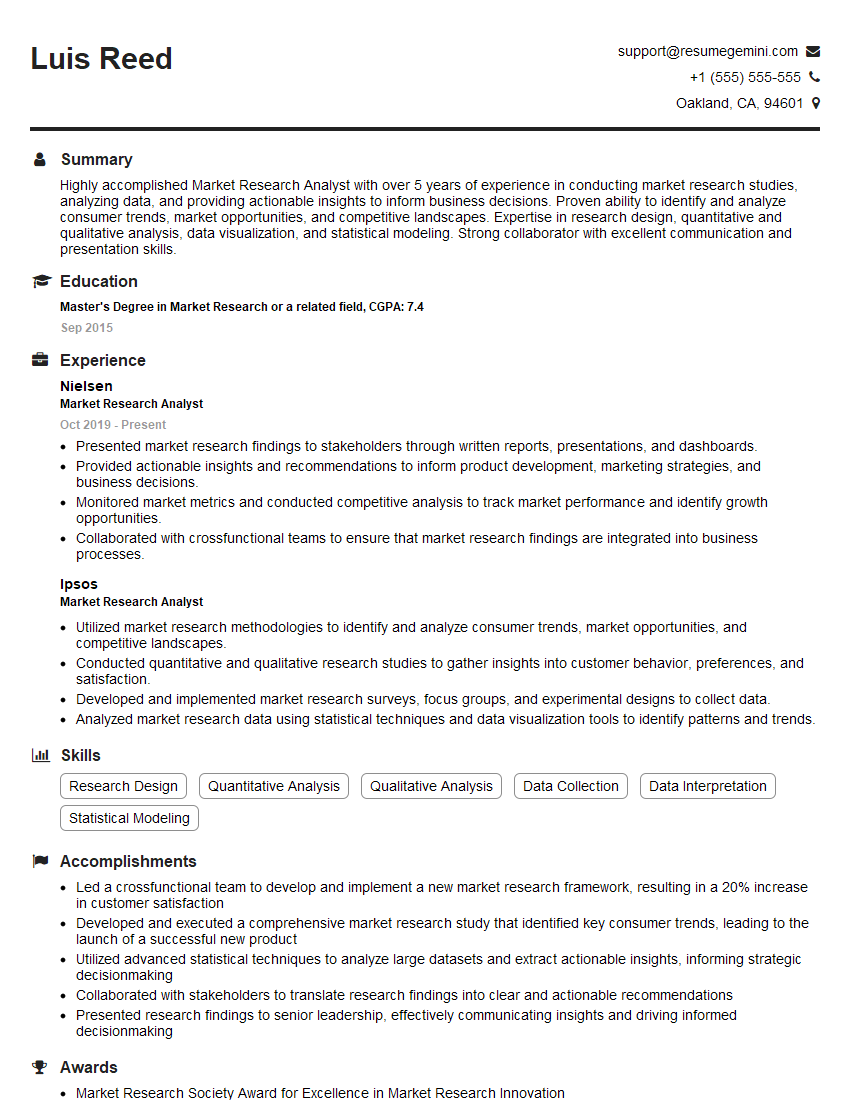
Market Research Analyst Resume Sample
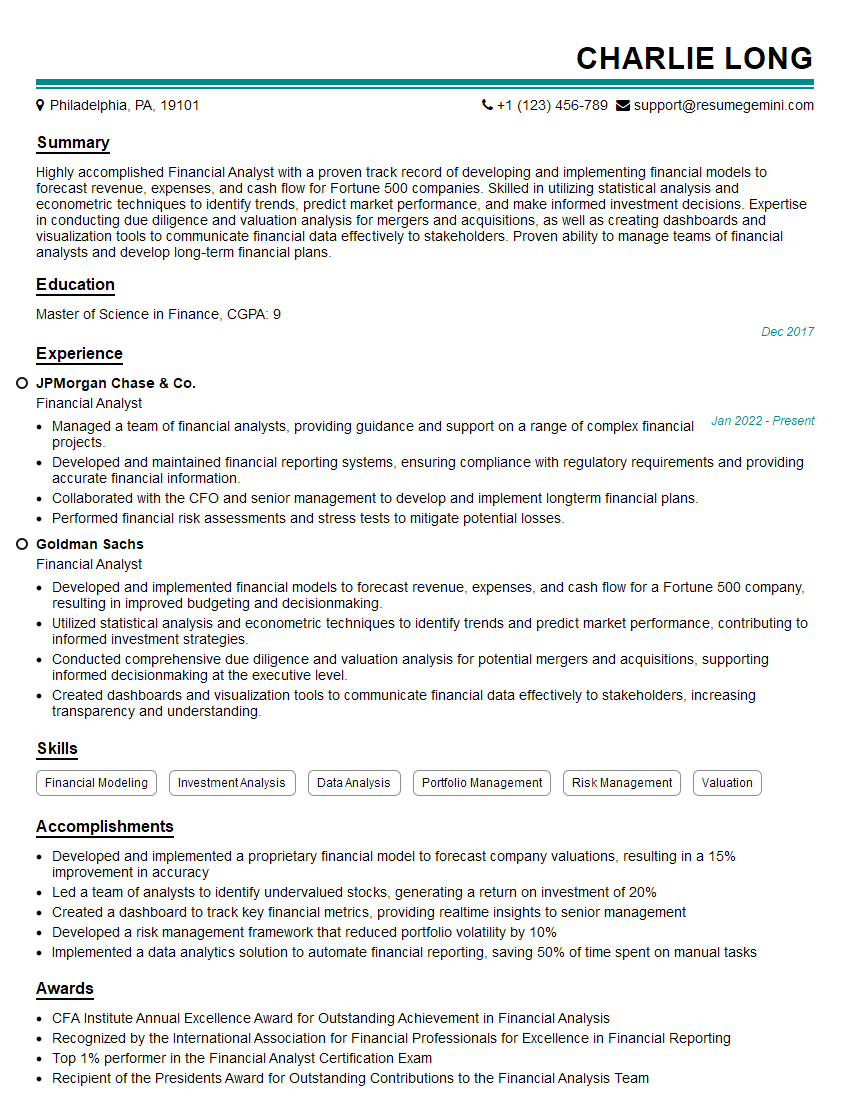
Financial Analyst Resume Sample
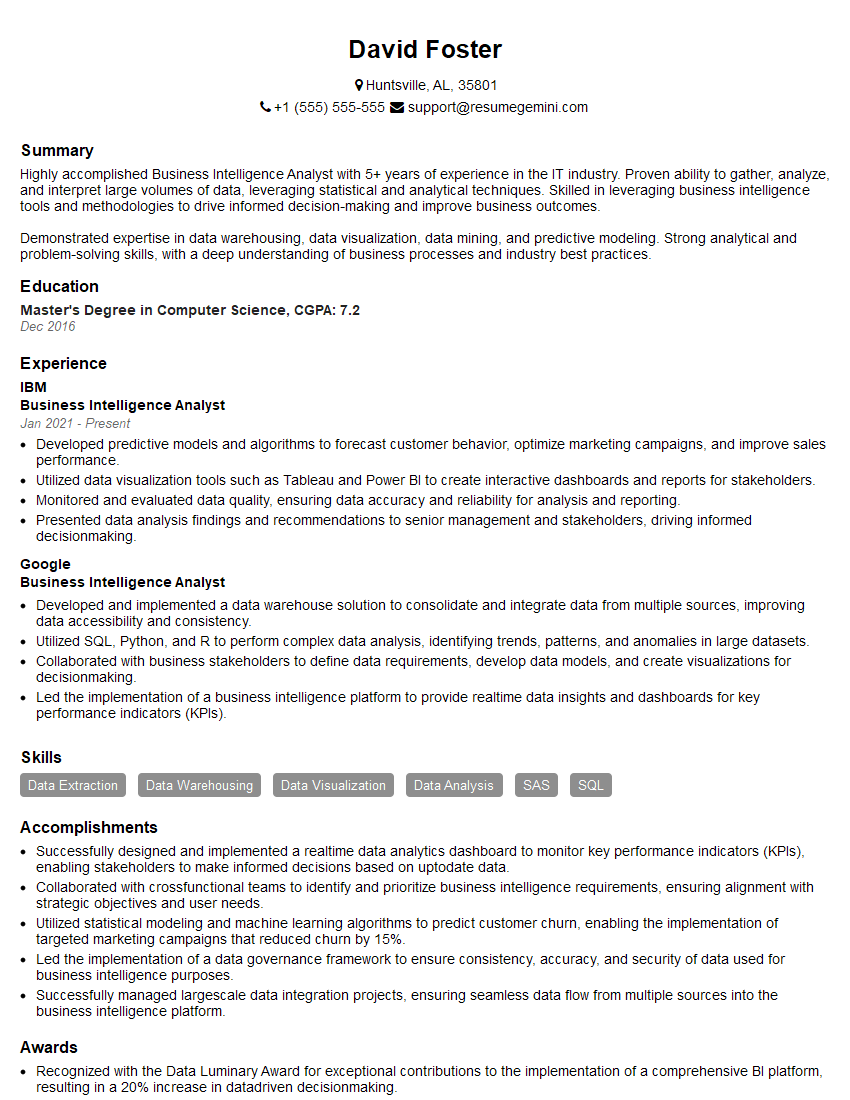
Business Intelligence Analyst Resume Sample
- Chief Financial Officer (CFO)
- Chief Operating Officer (COO)
- Executive Director
- Program Manager
- Strategic Planner
- Operations Manager
- Marketing Manager
- Business Development Manager
- Product Manager
- Controller
- Supply Chain Manager
- Project Manager
- Portfolio Manager
- Business Analyst
- Management Consultant
- Market Research Analyst
- Financial Analyst
- Business Intelligence Analyst
Explore more articles
Users Rating of Our Blogs
Share Your Experience
We value your feedback! Please rate our content and share your thoughts (optional).
What Readers Say About Our Blog
Really detailed insights and content, thank you for writing this detailed article.
IT gave me an insight and words to use and be able to think of examples